
Loading
Setting the table...
Fetching the latest recipes from the archive.
Loading
Fetching the latest recipes from the archive.
Recipe archive
Recipe archive
Search the archive by title, region, ingredient, tag, or era, then sort the table by the view that fits your kitchen.
This archive is growing through recipes, photos, family recipes, and historical context shared by the community.
America's Melting Pot
Chocolate Gravy photo coming soon
Frontier & Expansion
Chocolate Gravy is a condiment with real American table personality: Appalachian/Southern breakfast sauce for biscuits. It brings flavor from Appalachia and Pennsylvania Dutch country to cookouts, counters, lunch plates, potlucks, and weeknight suppers.
America's Melting Pot
Chocolate Peanut Butter Protein Smoothie photo coming soon
1970-1989
Chocolate Peanut Butter Protein Smoothie brings juice-bar color and American smoothie-counter energy to the glass: Gym America.
America's Melting Pot
Chocolate Protein Shake photo coming soon
1970-1989
Chocolate Protein Shake brings juice-bar color and American smoothie-counter energy to the glass: Most common gym shake.
America's Melting Pot
Chocolate Syrup photo coming soon
1900-1929
Chocolate Syrup is a sweet sauce with real American table personality: Ice cream sodas, chocolate milk, diners. It brings flavor from coast-to-coast American tables to cookouts, counters, lunch plates, potlucks, and weeknight suppers.
America's Melting Pot
Chokecherry Jelly photo coming soon
Founding Era
Chokecherry Jelly is a preserve with real American table personality: Plains, Mountain West, and Indigenous/settler preserving tradition. It brings flavor from coast-to-coast American tables to cookouts, counters, lunch plates, potlucks, and weeknight suppers.
America's Melting Pot
Chow-Chow Pepper Relish photo coming soon
Frontier & Expansion
Chow-Chow Pepper Relish is a condiment with real American table personality: Southern/Appalachian preserved garden relish. It brings flavor from Appalachia and Pennsylvania Dutch country to cookouts, counters, lunch plates, potlucks, and weeknight suppers.
America's Melting Pot
Cinnamon Roll Hack photo coming soon
1990-2009
The Cinnamon Roll Hack is a contemporary improvised breakfast featuring store-bought cinnamon rolls enhanced or transformed with simple ingredients and quick cooking techniques, often popularized through social media and food trucks. This approach exemplifies inventive modern American home cooking and viral food trends.
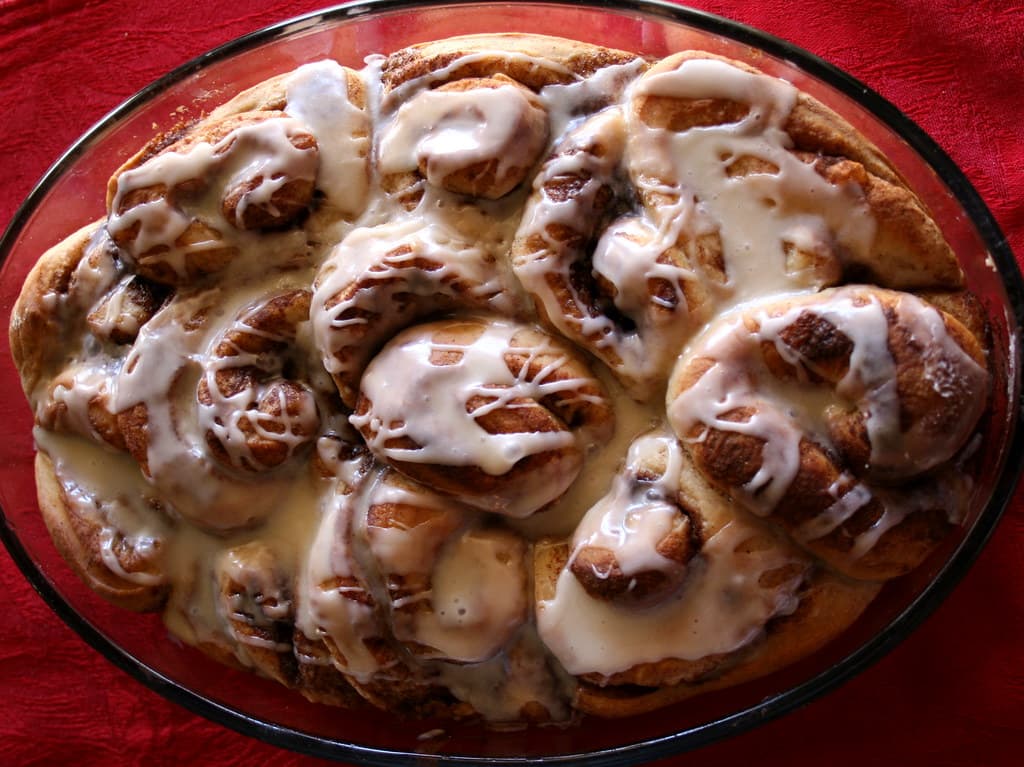
1970-1989
Classic American breakfast sweet rolls featuring a soft, fluffy dough swirled with cinnamon sugar and topped with a sweet glaze. Cinnamon rolls became popular as convenient and comforting treats at tailgate parties, booster clubs, and concession stands in late 20th-century America, especially from the 1970s through the 1980s. Their warm spices and sweetness mark them as a festive favorite around Christmas and other cold-weather celebrations.
America's Melting Pot
Cinnamon Rolls with Chili photo coming soon
1945-2000
A unique breakfast combining the sweet, soft cinnamon roll with a spicy chili twist, reflecting flavor fusions from the Great Plains region influenced by Mexican-American and Southwestern cuisines. This dish pairs the warming spices of cinnamon with hearty chili for a tasty and filling meal that honors regional culinary blending.
America's Melting Pot
Coffee Barbecue Sauce photo coming soon
Cross-era
Coffee Barbecue Sauce is a barbecue sauce with real American table personality: Texas/Southwest-style bitter-sweet beef sauce. It brings flavor from the American South to cookouts, counters, lunch plates, potlucks, and weeknight suppers.
America's Melting Pot
Coffee by the Gallon photo coming soon
1930-1945
Coffee by the gallon was a practical preparation method used in military mess halls during the Great Depression and World War II to provide troops with consistent coffee servings. Brewed strong and in massive batches, this coffee kept soldiers energized and connected through shared routine.
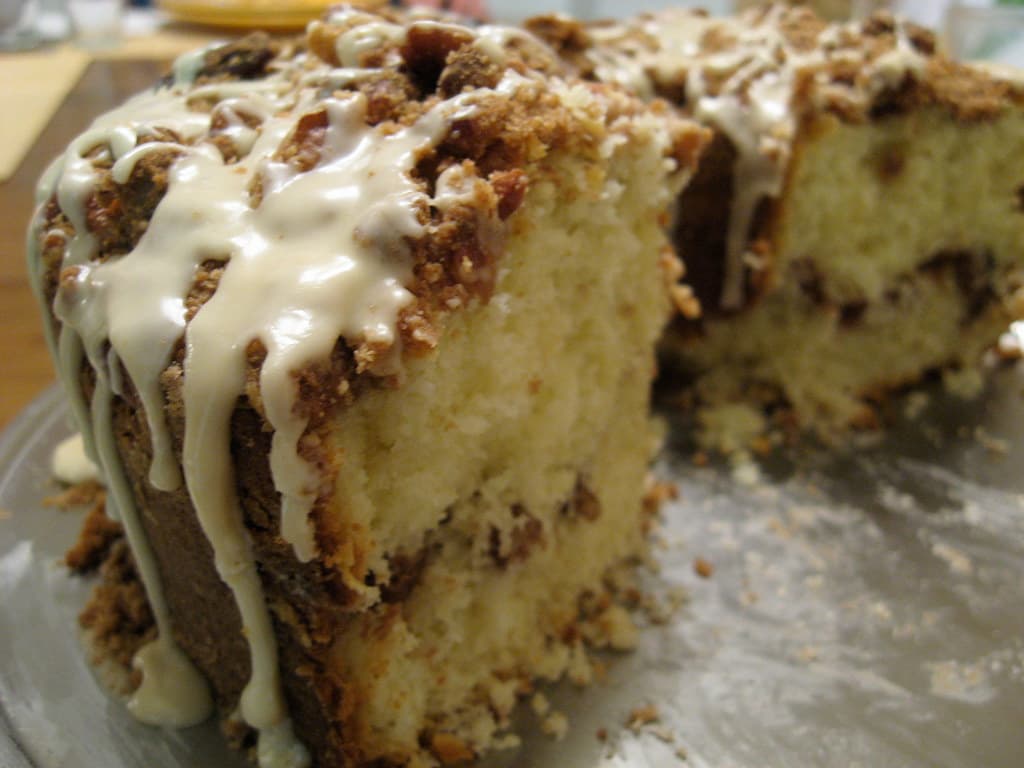
1861-1900
Coffee cake is a moist, sweet cake often topped with cinnamon sugar streusel, enjoyed in schools, churches, and diners during the early 1900s. This American breakfast favorite embodies community gathering traditions and immigrant influences melding into everyday comfort food.
America's Melting Pot
Coffee Frappe photo coming soon
Postwar & Diner Age
Coffee Frappe celebrates New England dairy-bar pride in a cold glass: Coffee syrup or coffee ice cream blended with milk and ice cream.
America's Melting Pot
Coffee Malt photo coming soon
1900-1929
Coffee Malt pours old-school malt-shop cheer into a cold glass: Great old-school soda fountain flavor.
America's Melting Pot
Coffee Milk photo coming soon
Postwar & Diner Age
Coffee Milk celebrates New England dairy-bar pride in a cold glass: Rhode Island state drink; milk mixed with coffee syrup.
America's Melting Pot
Coffee Milk Smoothie photo coming soon
Modern Melting Pot
Coffee Milk Smoothie blends coffeehouse America with milkshake-style fun: Rhode Island coffee syrup meets smoothie bar.
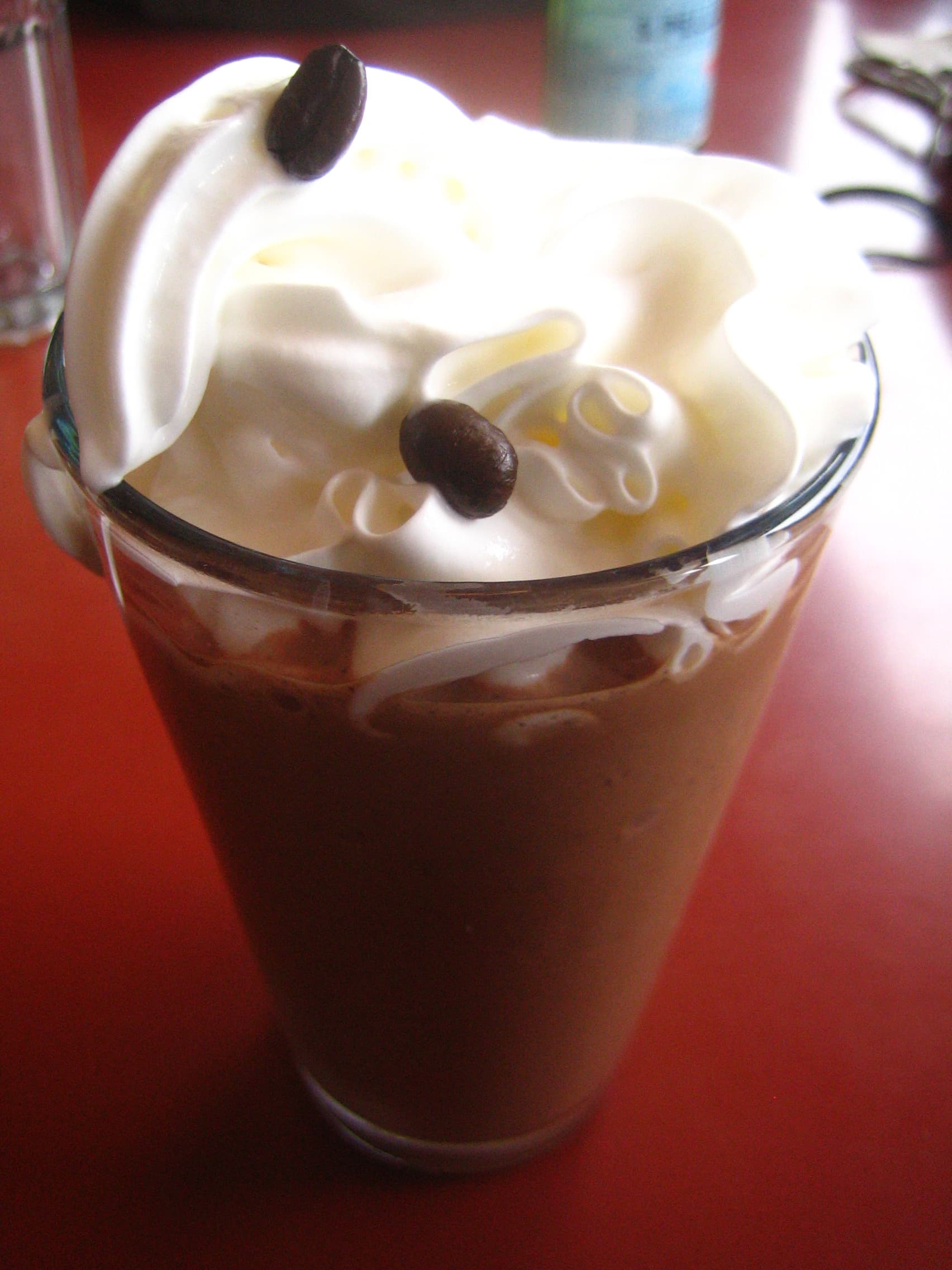
Postwar & Diner Age
Coffee Milkshake pours old-school malt-shop cheer into a cold glass: Diner and New England favorite.
America's Melting Pot
Coffee Oreo Frappe photo coming soon
Postwar & Diner Age
Coffee Oreo Frappe celebrates New England dairy-bar pride in a cold glass: Modern New England dairy-bar flavor.
America's Melting Pot
Coffee Protein Smoothie photo coming soon
1970-1989
Coffee Protein Smoothie brings juice-bar color and American smoothie-counter energy to the glass: Breakfast and gym crossover.
America's Melting Pot
Coffee Shop Scones photo coming soon
1945-2000
Coffee shop scones are tender, buttery pastries with a crisp exterior and soft crumb, popular in Pacific Northwest cafes. Typically served with coffee, these scones reflect regional preferences and European pastry influences adapted to local tastes across eras.
America's Melting Pot
Coffee-Boiled Beef photo coming soon
1861-1900
Coffee-boiled beef is a unique stew-like dish from the Civil War era where beef is simmered slowly with brewed coffee, giving the meat a rich and slightly bitter flavor. This hearty preparation reflects military ingenuity in using available ingredients to tenderize tough cuts of meat.
America's Melting Pot
Compound Steak Butter photo coming soon
Modern Melting Pot
Compound Steak Butter is a spread with real American table personality: American steakhouse finishing sauce. It brings flavor from coast-to-coast American tables to cookouts, counters, lunch plates, potlucks, and weeknight suppers.
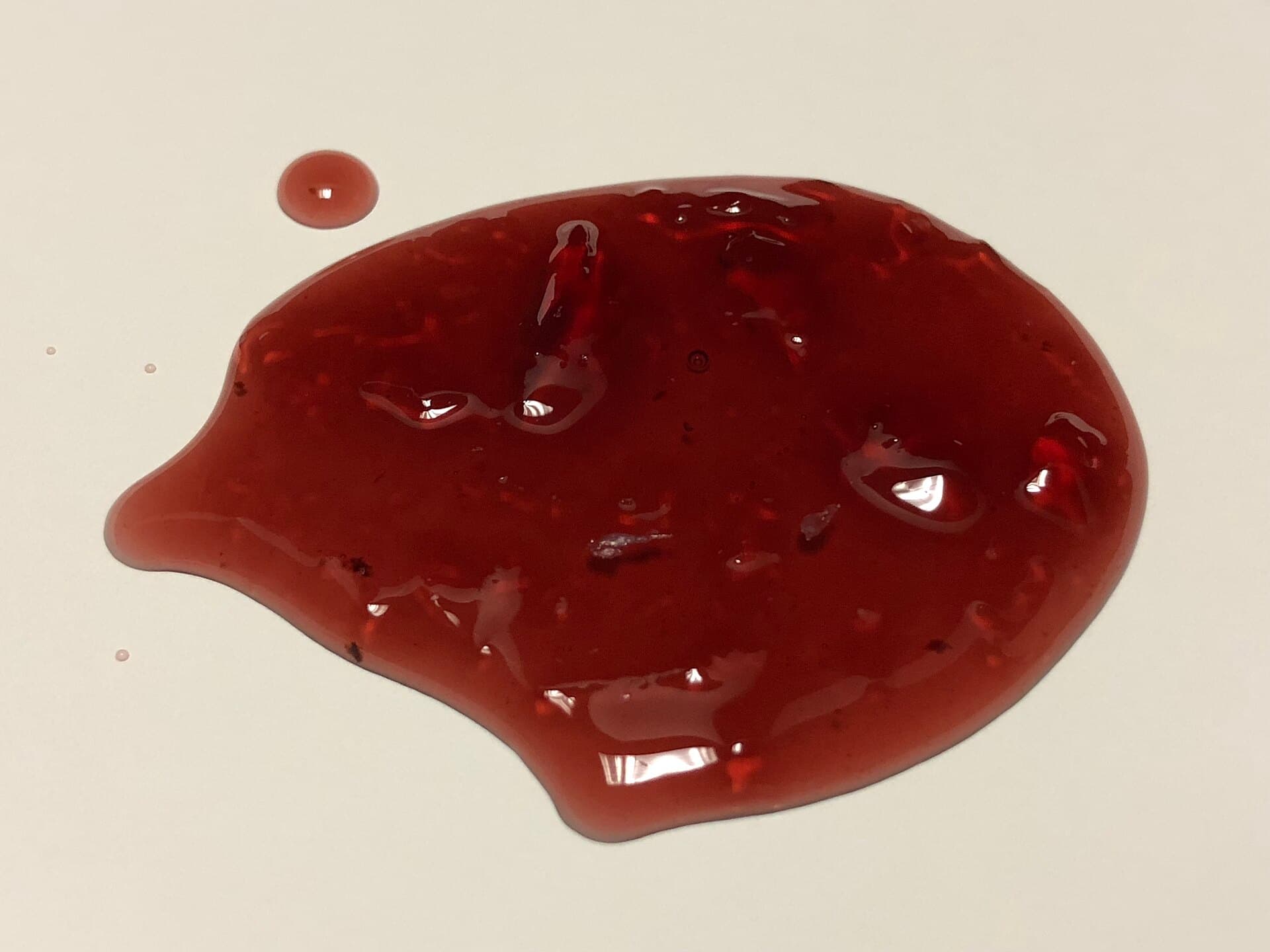
1861-1900
Concord Grape Jelly is a preserve with real American table personality: Northeastern American grape culture. It brings flavor from coast-to-coast American tables to cookouts, counters, lunch plates, potlucks, and weeknight suppers.
America's Melting Pot
Cookies and Cream Blended Coffee photo coming soon
Modern Melting Pot
Cookies and Cream Blended Coffee blends coffeehouse America with milkshake-style fun: Coffee shop/milkshake crossover.
America's Melting Pot
Cookies and Cream Protein Shake photo coming soon
1970-1989
Cookies and Cream Protein Shake brings juice-bar color and American smoothie-counter energy to the glass: Modern supplement flavor.
America's Melting Pot
Corn Pone photo coming soon
1776-1800
Corn pone is a simple, unleavened corn bread originating in early American Southern kitchens. Made with basic ingredients, it was a staple food for families from the Revolutionary period onward, often baked in a skillet or hearth oven.
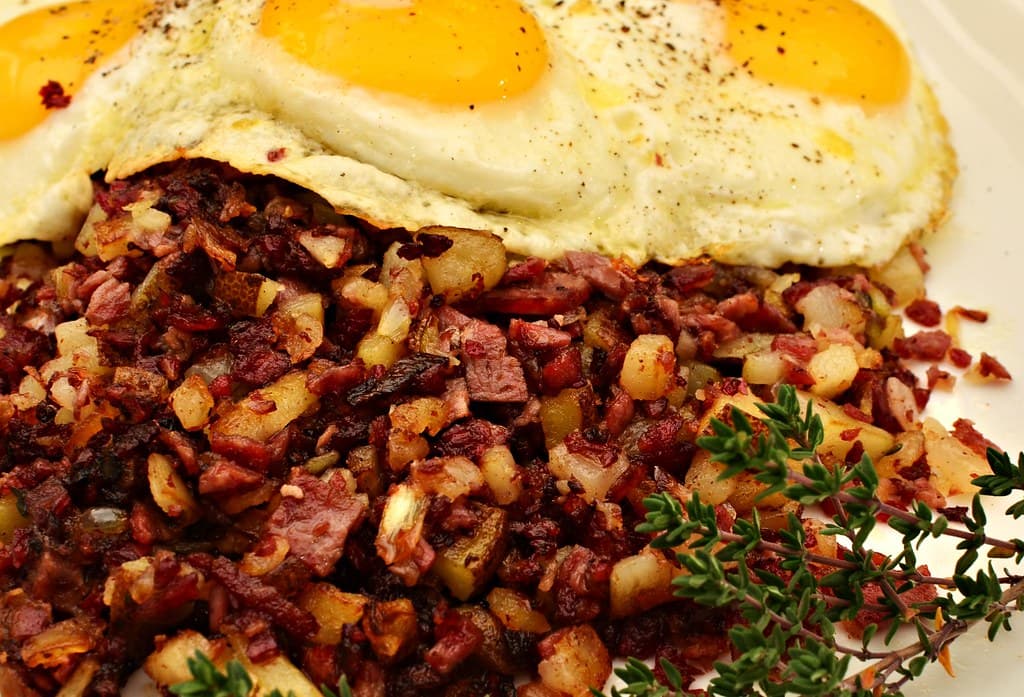
1900-1929
Corned beef hash is a simple blend of chopped corned beef, potatoes, and onions, pan-fried to a crispy breakfast dish popular on the World War II home front.
America's Melting Pot
Cornmeal Mush photo coming soon
1800-1860
Cornmeal mush is a soft, cooked porridge made from cornmeal boiled in water or milk, often served sliced and fried or with syrup, common in Appalachian diets before and through the Civil War.
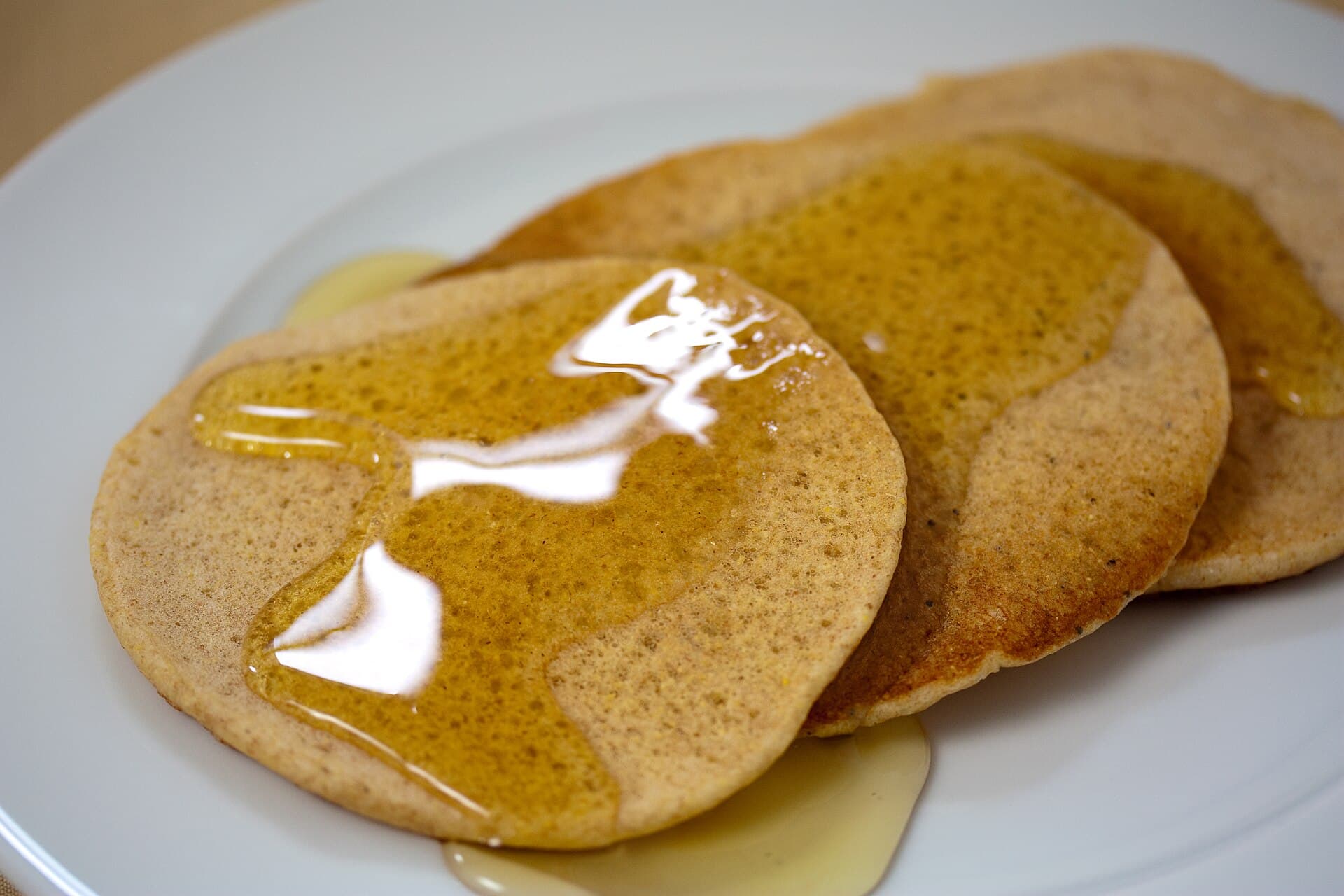
Before 1776
Cornmeal pancakes were a practical and hearty breakfast staple during the Depression and Dust Bowl years, offering an affordable, nourishing start to the day in rural and urban kitchens alike. Using simple pantry staples like cornmeal and flour, these pancakes sustained families through hard economic times and food shortages.
America's Melting Pot
Cottage Cheese Egg White Cups photo coming soon
Modern Melting Pot
Egg whites and cottage cheese bake into light, protein-forward cups for low-carb breakfasts, lunchboxes, and post-workout snacks.
America's Melting Pot
Cottage Cheese Plates photo coming soon
2010-2026
Cottage cheese plates were popularized in the 1990s and 2000s as a health-conscious light meal or snack. Paired with fresh fruits, vegetables, or crackers, they featured in menus of coffee shops and suburban households seeking easy, nutritious options.
America's Melting Pot
Country Gravy / White Gravy photo coming soon
Frontier & Expansion
Country Gravy / White Gravy is a condiment with real American table personality: Chicken-fried steak, mashed potatoes, biscuits. It brings flavor from coast-to-coast American tables to cookouts, counters, lunch plates, potlucks, and weeknight suppers.
America's Melting Pot
Country Ham and Eggs photo coming soon
Before 1776
A traditional Southern breakfast featuring salty country ham paired with perfectly cooked eggs. This dish reflects rural American morning fare, combining hearty protein with simple preparation for an energizing start to the day.
America's Melting Pot
Country Sausage photo coming soon
1800-1860
A simple, flavorful country-style pork sausage widely made in Appalachian and frontier communities during the early 19th century. This sausage uses traditional seasoning and curing techniques for a hearty, rustic sausage link.
America's Melting Pot
Cowboy Candy Syrup photo coming soon
Cross-era
Cowboy Candy Syrup is a condiment with real American table personality: Sweet pickled jalapeno syrup used on cream cheese, burgers, and barbecue. It brings flavor from Texas and the Southwest to cookouts, counters, lunch plates, potlucks, and weeknight suppers.
America's Melting Pot
Cowboy Coffee photo coming soon
1861-1900
Robust coffee brewed strong and black as often made by cowboys and trail cooks during cattle drives in the late 19th century. Simple and direct, this preparation uses coarse grounds boiled directly in water for a strikingly bold flavor.
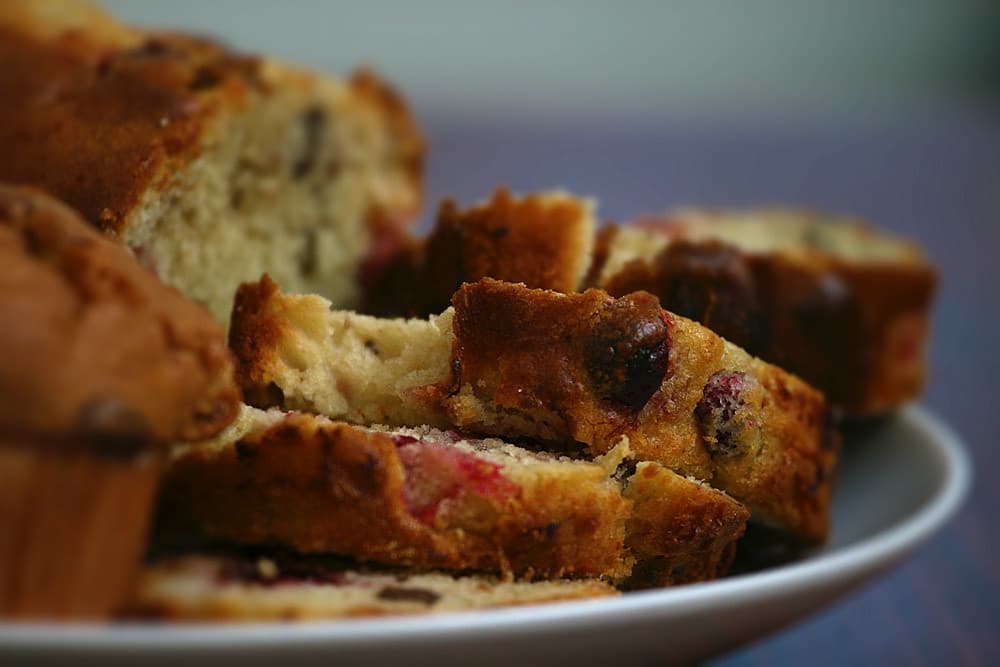
1800-1860
Moist quick bread studded with fresh cranberries, offering a balance of tart and sweet flavors. A traditional New England baked good enjoyed during the fall and winter months.
America's Melting Pot
Cranberry Juice Cocktail photo coming soon
1930-1945
Cranberry Juice Cocktail brings juice-bar color and American smoothie-counter energy to the glass: American cranberry industry drink.
America's Melting Pot
Cranberry Orange Relish photo coming soon
Founding Era
Cranberry Orange Relish is a preserve with real American table personality: Holiday table condiment. It brings flavor from New England to cookouts, counters, lunch plates, potlucks, and weeknight suppers.
America's Melting Pot
Cranberry Slush photo coming soon
1946-1969
Cranberry Slush brings juice-bar color and American smoothie-counter energy to the glass: Holiday punch and party drink.
America's Melting Pot
Cream Cheese and Pepper Jelly photo coming soon
Cross-era
Cream Cheese and Pepper Jelly is a spread with real American table personality: Southern party appetizer. It brings flavor from the American South to cookouts, counters, lunch plates, potlucks, and weeknight suppers.
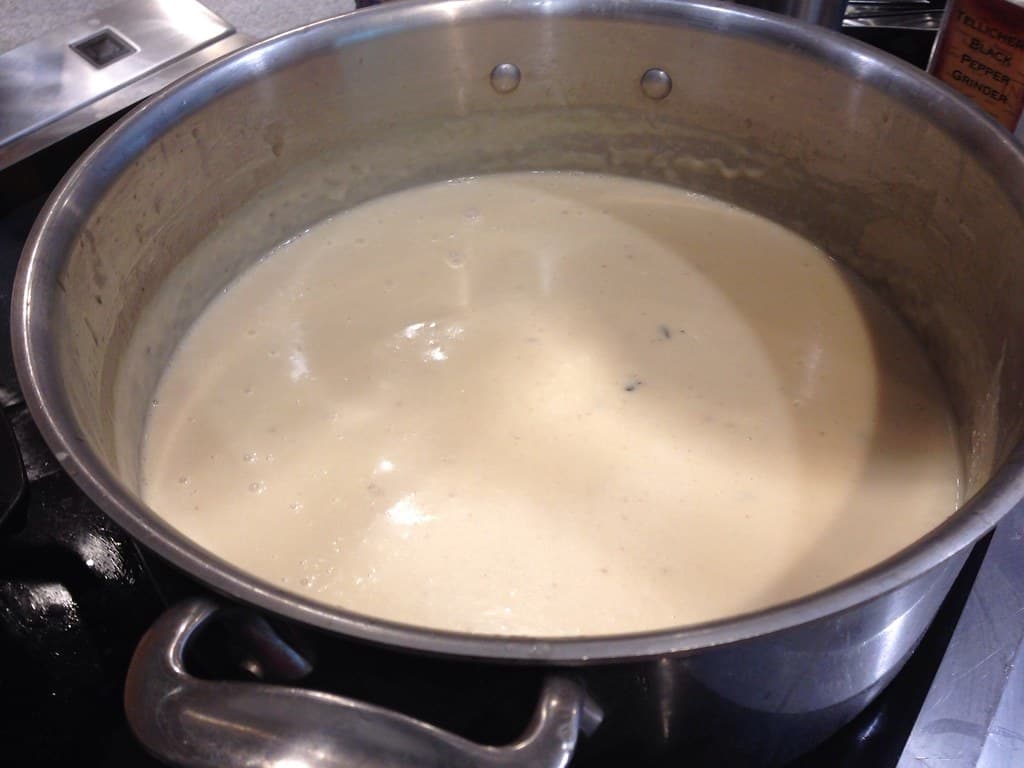
Frontier & Expansion
Cream Gravy is a condiment with real American table personality: Fried chicken and chicken-fried steak. It brings flavor from coast-to-coast American tables to cookouts, counters, lunch plates, potlucks, and weeknight suppers.
America's Melting Pot
Cream of Wheat photo coming soon
1861-1900
Cream of Wheat is a smooth farina hot cereal made from wheat semolina, popular for American breakfasts since the early 20th century. Known for its creamy texture and mild flavor, it can be enriched with milk, butter, sugar, or spices, offering an energizing start to the day.
America's Melting Pot
Creamed Chipped Beef photo coming soon
1861-1900
A savory dish of dried, chopped beef cooked in a creamy white sauce, popular during the late 19th century in railroad, mining, and boardinghouse settings as inexpensive hearty fare.
America's Melting Pot
Creamed Chipped Beef on Toast photo coming soon
1900-1929
A nostalgic American diner breakfast or lunch dish featuring creamed chopped beef served on toasted bread, combining simplicity with savory comfort.
America's Melting Pot
Denver Omelet photo coming soon
1900-1929
The Denver omelet, a diner and lunch counter staple, blends diced ham, green bell peppers, onions, and cheddar cheese folded into eggs. Popularized in early 20th-century American immigrant cities, it remains a hearty breakfast favorite at state fairs and casual diners.
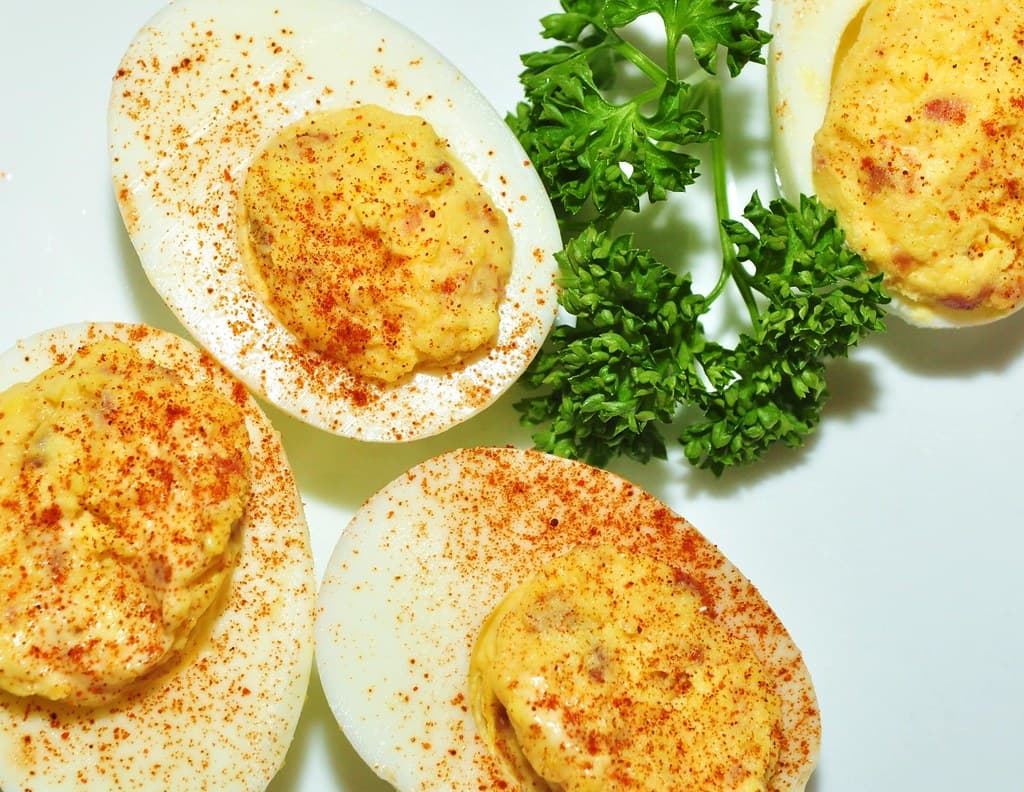
1861-1900
Deviled eggs are hard-boiled eggs halved and filled with a creamy, tangy yolk mixture. Commonly served at schools, churches, and community gatherings since the early 1900s, they are a familiar finger food across state fairs, holiday tables, and diners, especially at Fourth of July and Easter celebrations.
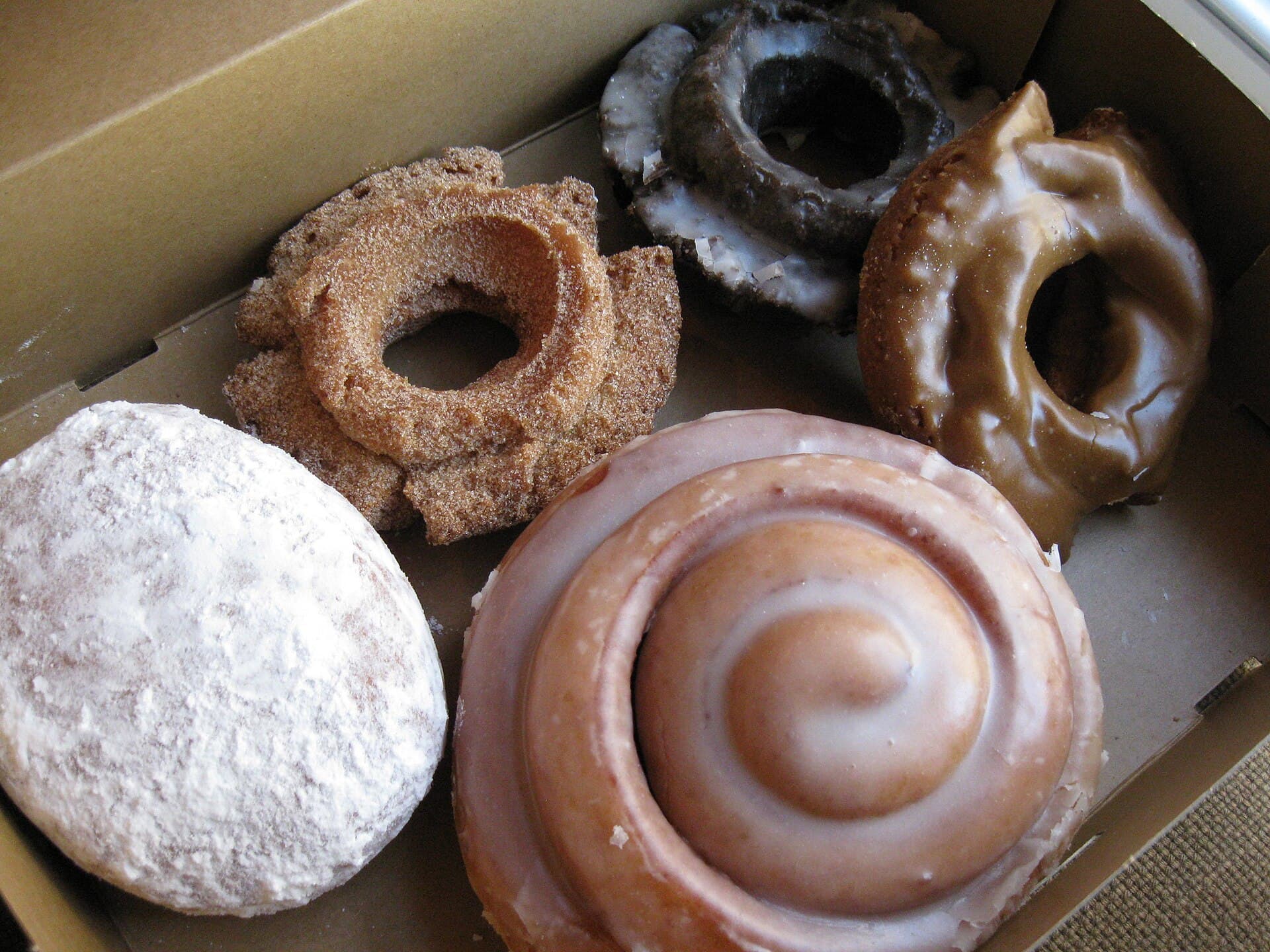
1776-1800
Doughnuts are a beloved American breakfast and snack originating from various immigrant influences, consisting of fried dough rings or balls coated in sugar or glaze. The recipe has evolved over centuries and become a cross-era staple with numerous regional variations.
America's Melting Pot
Drawn Butter photo coming soon
Cross-era
Drawn Butter is a seafood sauce with real American table personality: Lobster, crab, clams, and New England shore dinner tradition. It brings flavor from New England to cookouts, counters, lunch plates, potlucks, and weeknight suppers.
America's Melting Pot
Drawn Butter with Lemon photo coming soon
Cross-era
Drawn Butter with Lemon is a spread with real American table personality: Lobster shack culture. It brings flavor from New England to cookouts, counters, lunch plates, potlucks, and weeknight suppers.
America's Melting Pot
Dumplings photo coming soon
1800-1860
Dumplings are versatile dough balls cooked by steaming or boiling, commonly served with gravies or soups. In late 20th century American suburbs, immigrant and adaptation influences popularized various dumpling recipes at coffee shops and as comfort food during social events.
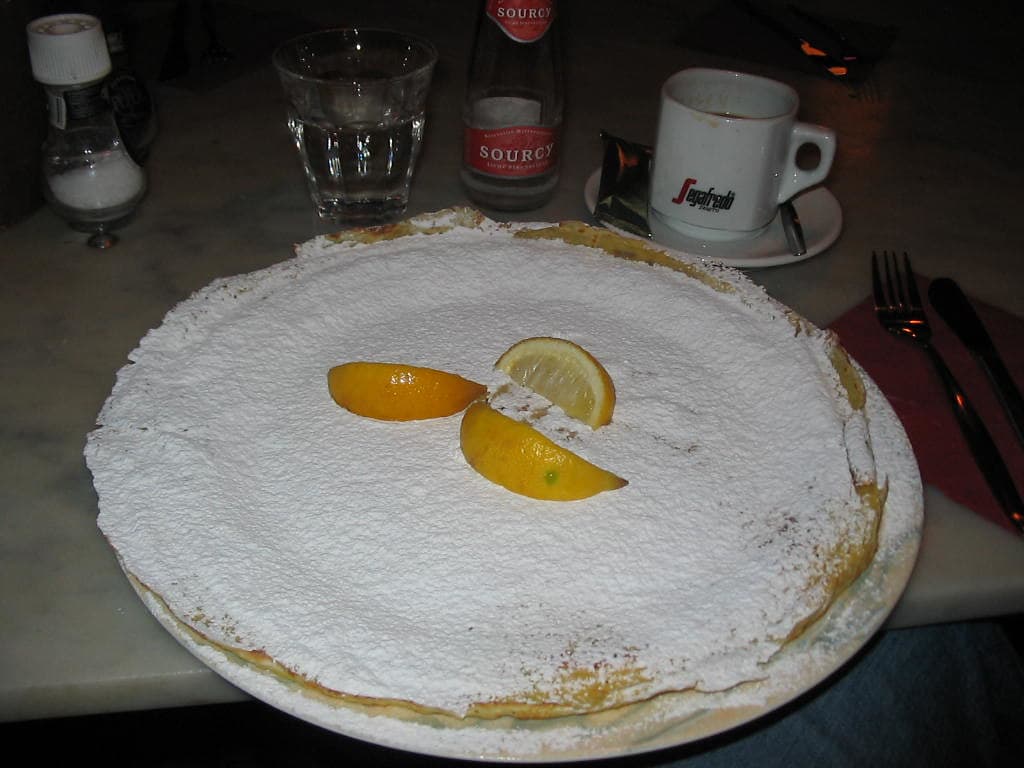
1900-1929
The Dutch Baby is a large, puffy, oven-baked pancake known for its golden, crisp edges and soft, custardy center. It is typically flavored with lemon or powdered sugar and served hot. Thought to have origins tied to German pancakes and popularized in American brunch culture, it offers a simple yet impressive breakfast treat.
America's Melting Pot
Dutch Oven Cobbler photo coming soon
Frontier & Expansion
A classic outdoor dessert, the Dutch Oven Cobbler combines fresh or canned fruit topped with a simple biscuit or cake-like batter, baked in a cast iron Dutch oven over coals or an open fire. A favored treat at camps and cabins, it's valued for ease of preparation and comforting, warm sweetness.
America's Melting Pot
Dutch Oven Peach Cobbler photo coming soon
1861-1900
This classic peach cobbler bakes juicy sweet peaches under a biscuit-like topping inside a cast iron Dutch oven. Originating from cattle camps and chuckwagon cooking on the Great Plains during late 19th century, it is a rustic comfort dessert reflecting resourceful frontier foodways.
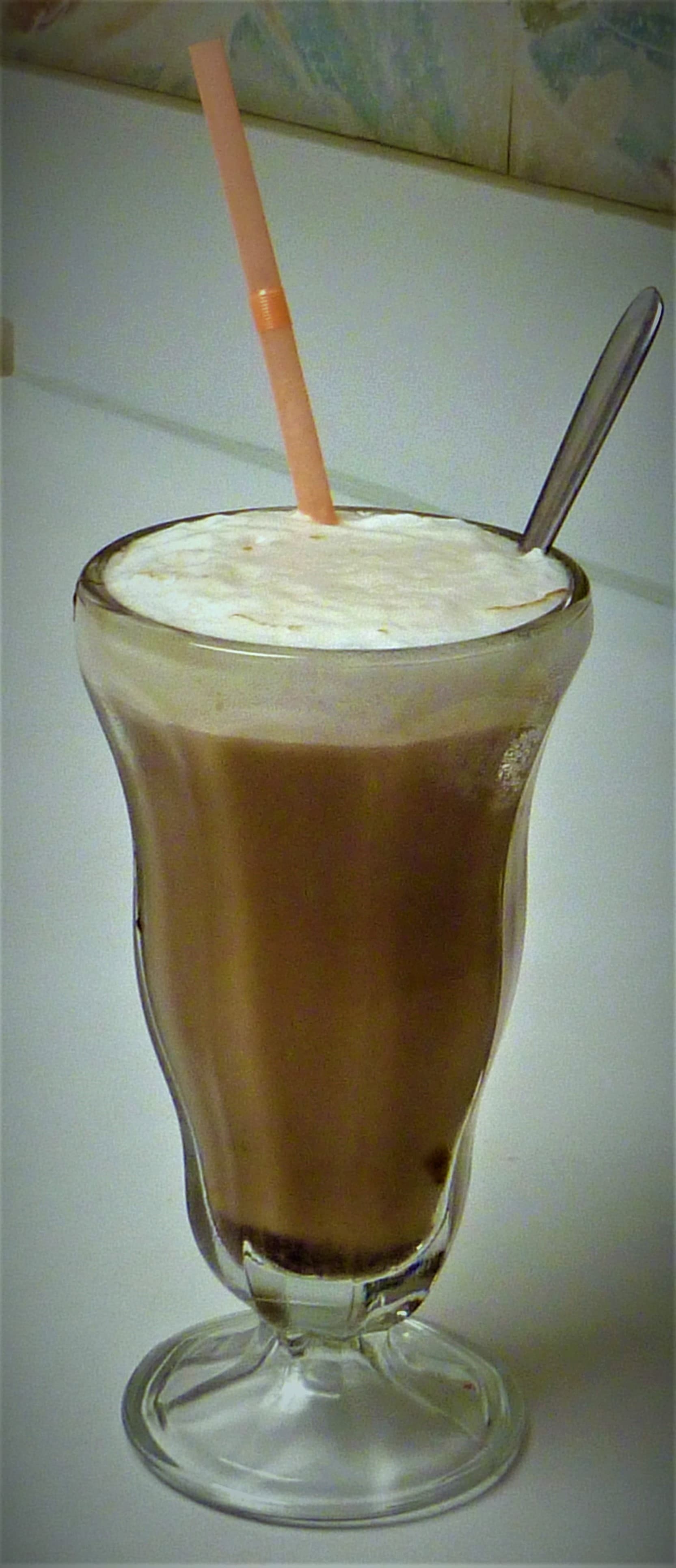
1900-1929
An Egg Cream is a nostalgic New York City fountain drink made from milk, carbonated water, and chocolate syrup. Despite its name, it contains no egg or cream and is served iced in a tall glass, celebrated for its frothy head and sweet, chocolatey flavor.
1861-1900
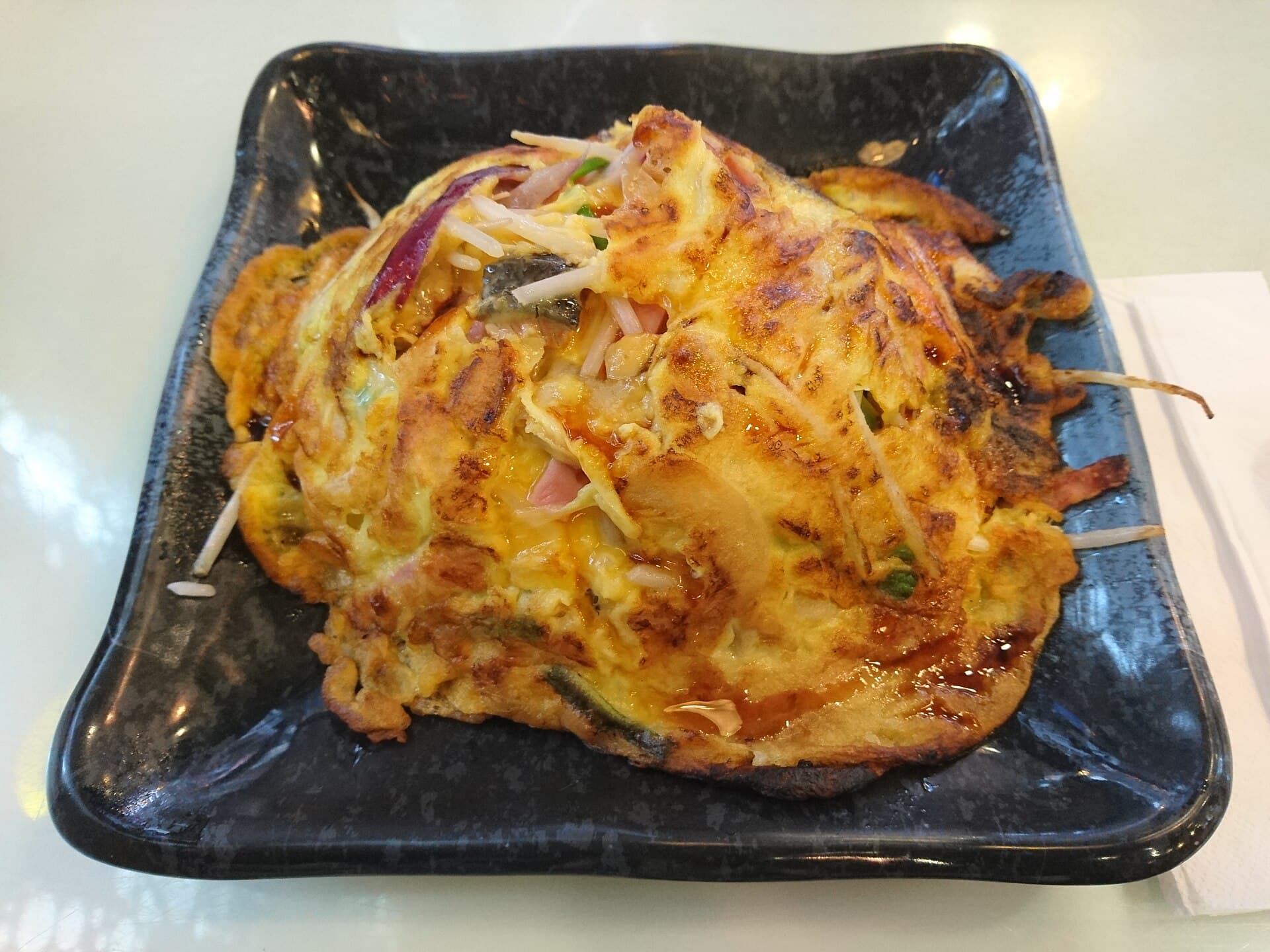
Egg Foo Young is a omelette dish with roots in Chinese-American cuisine, featuring beaten eggs mixed with vegetables, meats, or seafood, then fried and topped with a savory brown gravy. Adapted by Chinese immigrants for American tastes, it has become a diner and lunch counter favorite.
America's Melting Pot
Egg Noodles photo coming soon
1800-1860
Egg noodles are thin, flat pasta made with flour and eggs, common in various American and immigrant cuisines. During the Depression and Dust Bowl, egg noodles were easy to prepare and adaptable to many meals, from soups to casseroles, featuring prominently in farm and wartime kitchens.
America's Melting Pot
Egg Rolls photo coming soon
1930-1945
Egg Rolls are deep-fried rolls filled with a mixture of meats, vegetables, and noodles, popularized in Chinese-American cuisine during the early 20th century. Adapted for American tastes, they are a staple appetizer at diners and takeout venues across the U.S.
1861-1900
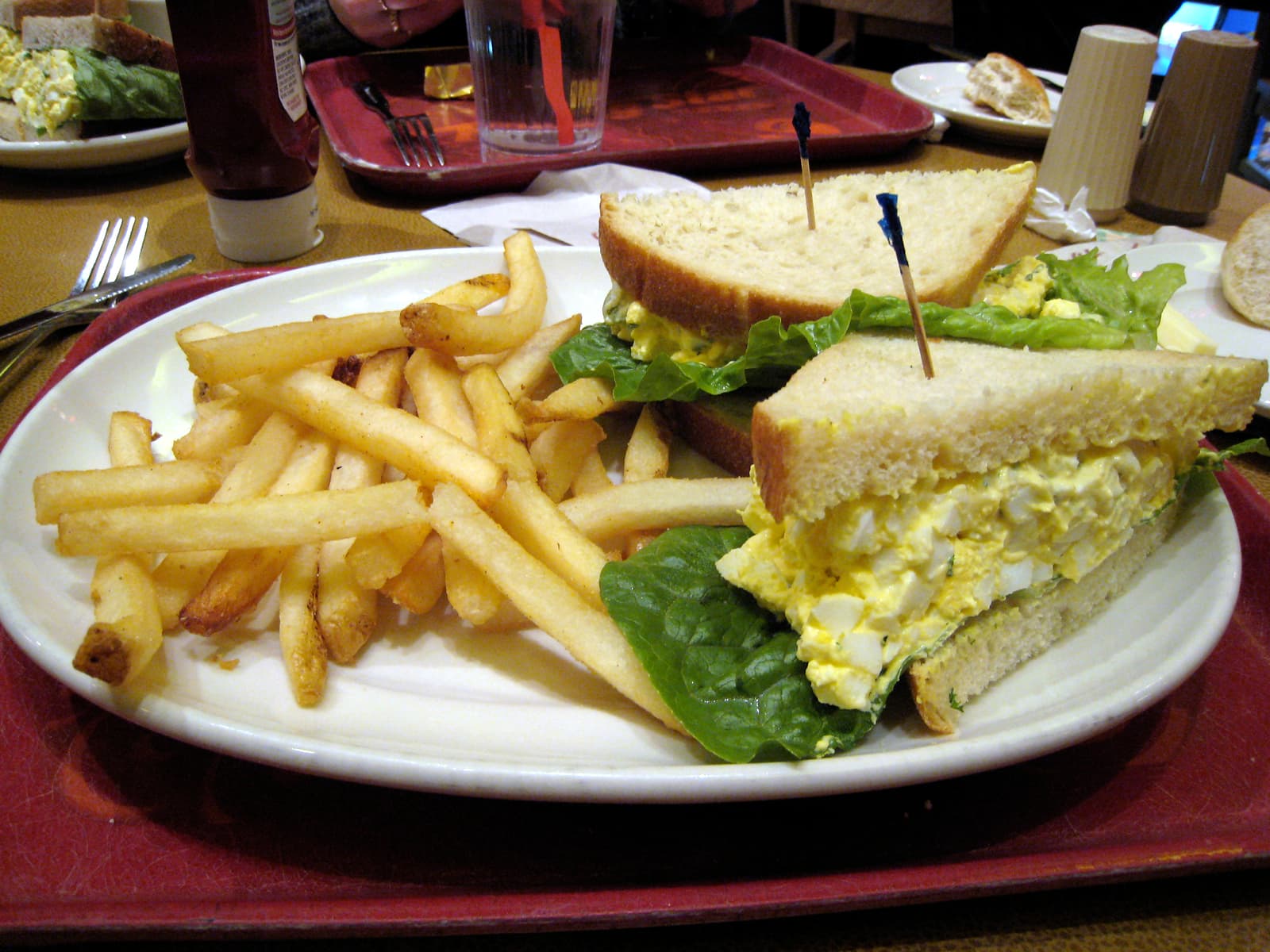
The Egg Salad Sandwich features chopped hard-boiled eggs mixed with mayonnaise and seasonings, served between slices of bread. A staple of American diners and lunch counters since the early 20th century, simple yet satisfying with variations in add-ins and bread choice.
America's Melting Pot
Eggless Cake photo coming soon
1930-1945
Eggless Cake was a popular baking solution on the World War II home front when eggs were in short supply. Using common pantry ingredients, these cakes provided a sweet treat while conserving rationed items. The recipes showcase adaptability and resourcefulness of wartime American cooks.
1776-1800
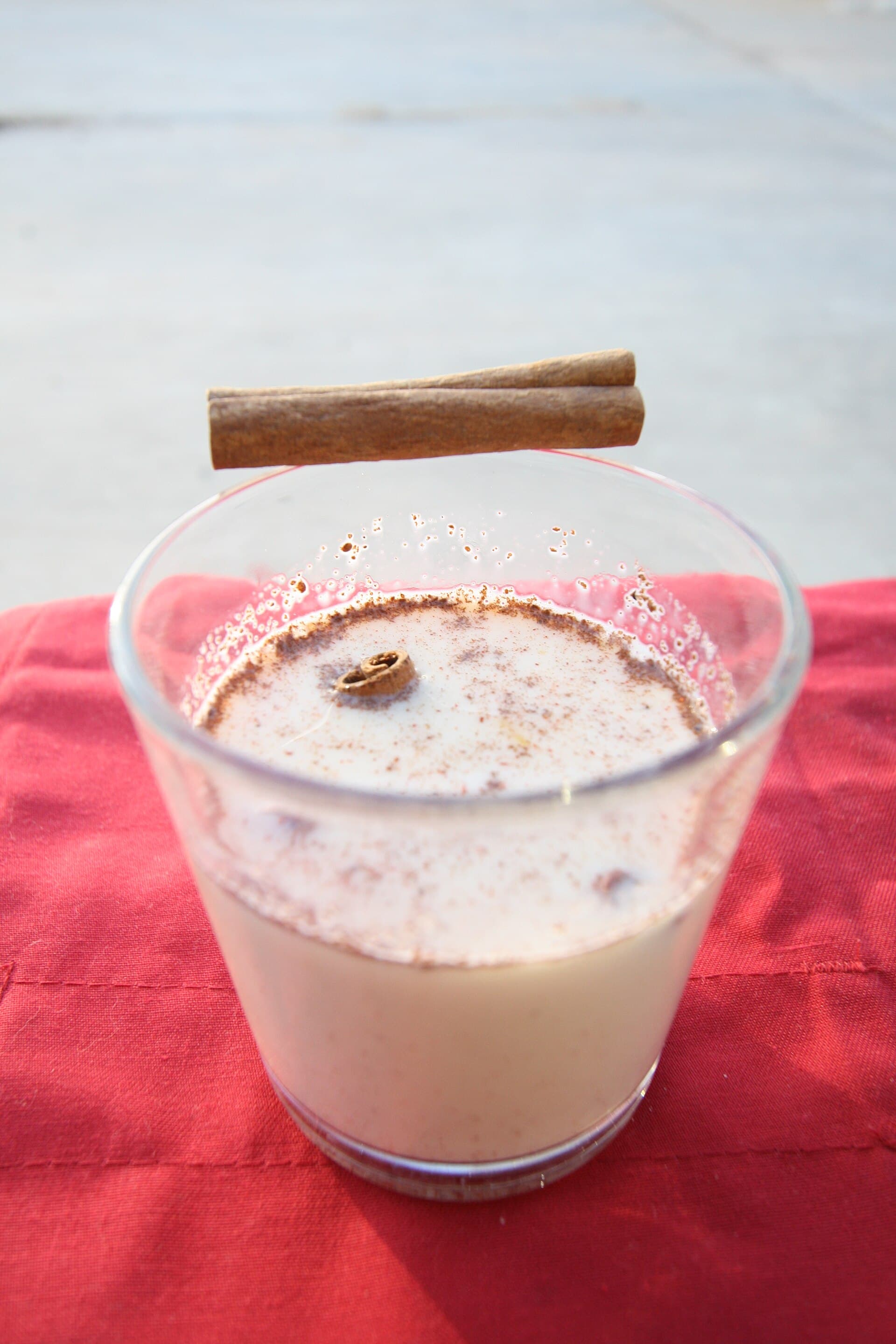
Eggnog is a rich, creamy holiday beverage made from milk or cream, beaten eggs, sugar, and often spiked with spirits such as brandy or rum. Served chilled, it is a festive treat deeply associated with Christmas celebrations across the United States, with colonial roots.
1861-1900
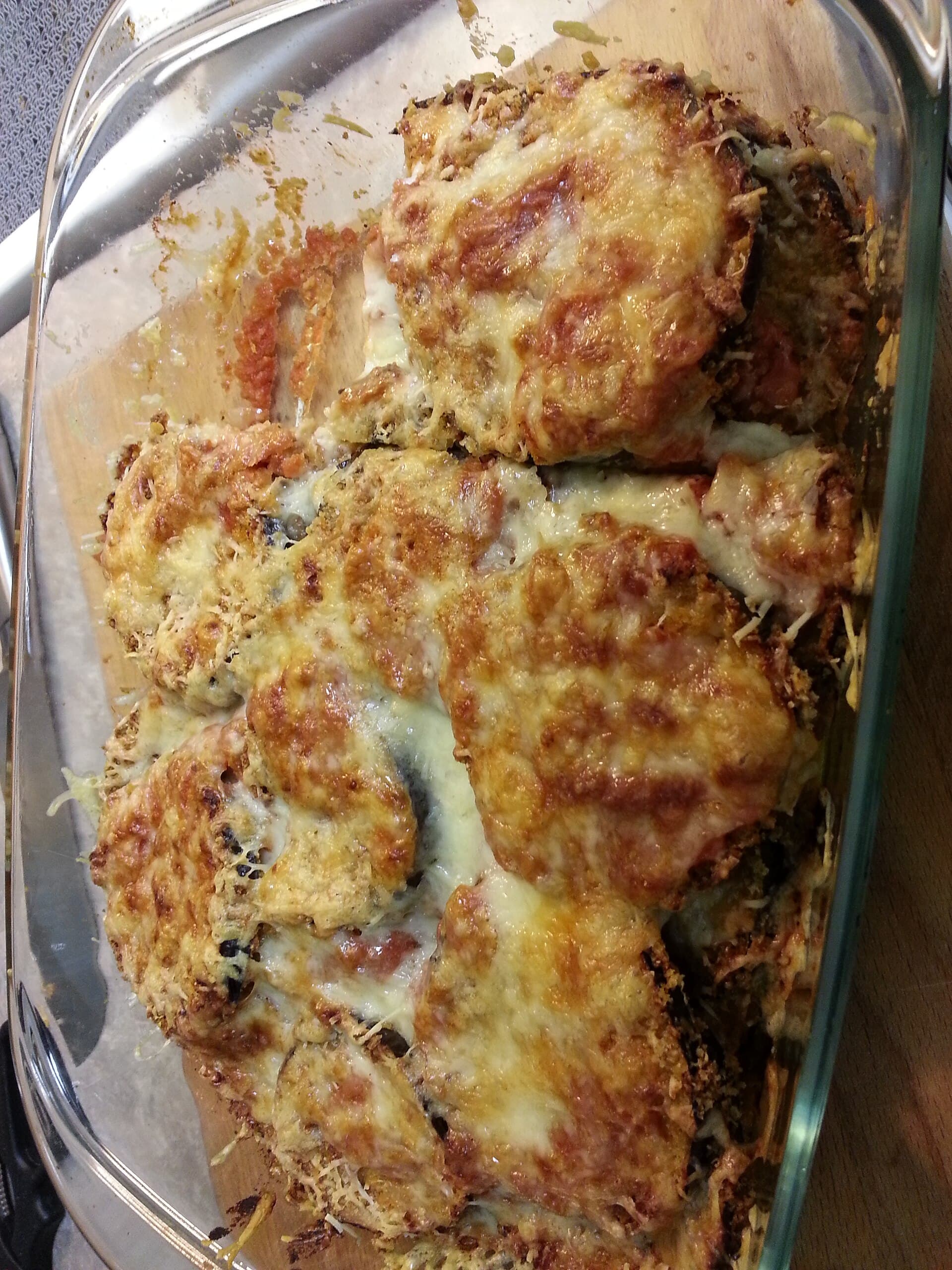
Eggplant Parmesan is an Italian-American casserole featuring breaded, fried eggplant slices layered with tomato sauce, mozzarella, and Parmesan cheese, baked until bubbly and golden. Popularized in Italian-American communities post-Civil War settlement era, it exemplifies adaptation of Italian culinary traditions in America.
America's Melting Pot
Eggs Benedict photo coming soon
1861-1900
Eggs Benedict is a classic American brunch dish featuring English muffins topped with Canadian bacon, poached eggs, and rich hollandaise sauce. Though its origins are debated, it has become an iconic part of the American breakfast table.
America's Melting Pot
Elderberry Jelly photo coming soon
Frontier & Expansion
Elderberry Jelly is a preserve with real American table personality: Rural and Appalachian preserving. It brings flavor from Appalachia and Pennsylvania Dutch country to cookouts, counters, lunch plates, potlucks, and weeknight suppers.
America's Melting Pot
Election Cake photo coming soon
1776-1800
Election Cake is a rich, spiced yeast-leavened cake traditionally baked for political celebrations in colonial and early American history. It combines dried fruits, warm spices, and nuts, symbolizing communal festivity around elections and gatherings.
America's Melting Pot
Electrolyte Smoothie photo coming soon
1970-1989
Electrolyte Smoothie brings juice-bar color and American smoothie-counter energy to the glass: Modern hydration smoothie.
America's Melting Pot
Energy Smoothie photo coming soon
1970-1989
Energy Smoothie brings juice-bar color and American smoothie-counter energy to the glass: Smoothie with caffeine/guarana/tea additives.
1946-1969
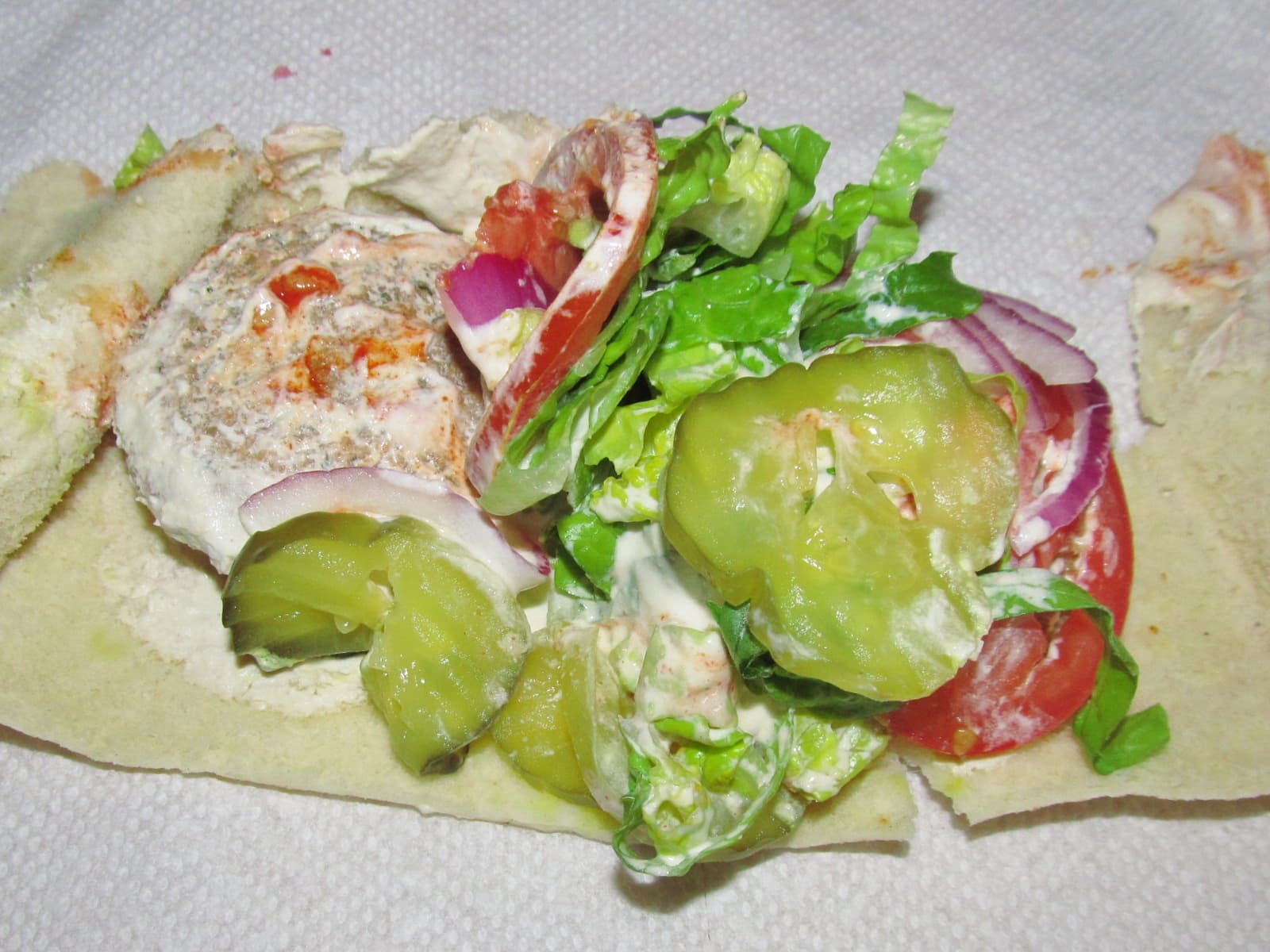
Falafel are deep-fried patties or balls made primarily from chickpeas and herbs, common in Middle Eastern cuisine and widely adopted in the U.S. by immigrant communities. From 1990 to 2009, falafel became a staple of global suburban American diets, featured in food networks and growing coffee shop menus as a popular vegetarian sandwich source.
America's Melting Pot
Farmhouse Hash photo coming soon
1930-1945
Farmhouse Hash is a resourceful, filling dish combining potatoes, root vegetables, and available proteins cooked together, typical of Depression-era and Dust Bowl survival cooking. It reflects home cooks' adaptability during austerity, utilizing garden and pantry staples in one-pan meals.
America's Melting Pot
Fastnachts photo coming soon
1800-1860
Fastnachts are dense, fried doughnuts traditionally prepared by German-American communities in the U.S. during the 19th century, especially for Shrove Tuesday. These simple pastries reflect German immigrant influence on American regional baking traditions during early expansion and immigration periods.
America's Melting Pot
Feta Omelet photo coming soon
1900-1929
Feta Omelet is a savory breakfast or brunch dish featuring eggs cooked with salty feta cheese and often fresh herbs. Rooted in Greek-American culinary influence, it was popular in American diners, lunch counters, and state fairs in the early 20th century.
America's Melting Pot
Field Biscuits photo coming soon
1930-1945
Field Biscuits are basic, hearty biscuits commonly prepared for military meals and mess halls during the Great Depression and World War II. They exemplify economical baking with minimal ingredients designed for mass production and nourishment.
America's Melting Pot
Fig Preserves photo coming soon
Cross-era
Fig Preserves is a preserve with real American table personality: Southern and Gulf Coast tradition. It brings flavor from the American South to cookouts, counters, lunch plates, potlucks, and weeknight suppers.
America's Melting Pot
Frappe-Style Blended Coffee photo coming soon
1990-2009
Frappe-style blended coffee is a cold coffee beverage made by blending brewed coffee or espresso with ice, milk, and flavorings into a creamy, refreshing drink. Popular in U.S. coffee shops in the 1990s-2000s, it reflects global suburban coffee culture influences.
America's Melting Pot
Fresh Orange Juice Stand Drink photo coming soon
Modern Melting Pot
Fresh Orange Juice Stand Drink brings juice-bar color and American smoothie-counter energy to the glass: California citrus culture; Orange Julius started from this world.
America's Melting Pot
Fried Apples photo coming soon
1776-1800
Fried apples are sliced apples cooked in butter with sugar and warm spices until soft and caramelized. A traditional American side dish since the late 18th century, they pair well with breakfast dishes and pork and reflect colonial and revolutionary era cooking.
America's Melting Pot
Fried Mush photo coming soon
1930-1945
Fried mush is a simple comfort food made from cooled cornmeal mush sliced and fried until crisp. Popular in Depression-era America, it reflects economical and filling farm and rural cooking traditions.
America's Melting Pot
Frozen Chai photo coming soon
Modern Melting Pot
Frozen Chai blends coffeehouse America with milkshake-style fun: 1990s-2000s cafe drink.
America's Melting Pot
Frozen Coffee Cabinet photo coming soon
Postwar & Diner Age
Frozen Coffee Cabinet celebrates New England dairy-bar pride in a cold glass: Coffee milk culture meets modern blended coffee.
America's Melting Pot
Frozen Coke photo coming soon
Gilded Age & Progressive Era
Frozen Coke brings juice-bar color and American smoothie-counter energy to the glass: Convenience store and theater drink.
America's Melting Pot
Frozen Hot Chocolate photo coming soon
Modern Melting Pot
Frozen Hot Chocolate brings juice-bar color and American smoothie-counter energy to the glass: New York dessert-drink icon.
America's Melting Pot
Frozen Latte photo coming soon
Modern Melting Pot
Frozen Latte blends coffeehouse America with milkshake-style fun: Coffeehouse blended drink.
America's Melting Pot
Frozen Lemonade photo coming soon
1946-1969
Frozen Lemonade brings juice-bar color and American smoothie-counter energy to the glass: Fair, ballpark, and amusement park drink.
America's Melting Pot
Frozen Matcha Latte photo coming soon
Modern Melting Pot
Frozen Matcha Latte blends coffeehouse America with milkshake-style fun: Modern American cafe drink.
America's Melting Pot
Frozen Mocha photo coming soon
Modern Melting Pot
Frozen Mocha blends coffeehouse America with milkshake-style fun: Diner and coffeehouse overlap.
America's Melting Pot
Frozen Root Beer photo coming soon
1900-1929
Frozen Root Beer brings juice-bar color and American smoothie-counter energy to the glass: Drive-in variation.
America's Melting Pot
Garlic Butter Seafood Boil Sauce photo coming soon
Modern Melting Pot
Garlic Butter Seafood Boil Sauce is a seafood sauce with real American table personality: Modern Cajun/Asian-American seafood boil restaurants. It brings flavor from the American South to cookouts, counters, lunch plates, potlucks, and weeknight suppers.
America's Melting Pot
Giant Cookies photo coming soon
1990-2009
Giant cookies are oversized versions of classic cookies, popularized in American coffee shops during the 1990s and early 2000s. Featuring a variety of flavors from chocolate chip to oatmeal raisin, these cookies offer a shareable dessert experience characterized by a soft, chewy texture and crisp edges.
America's Melting Pot
Giblet Gravy photo coming soon
1776-1800
Giblet Gravy is a condiment with real American table personality: Thanksgiving turkey gravy with giblets. It brings flavor from coast-to-coast American tables to cookouts, counters, lunch plates, potlucks, and weeknight suppers.
1861-1900
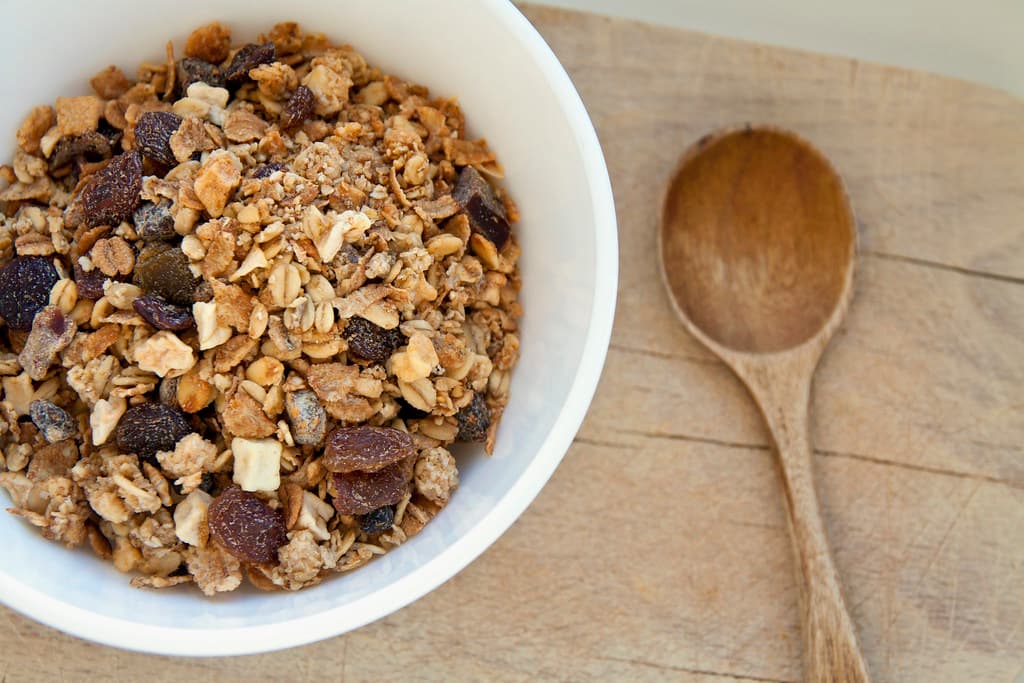
Granola is a baked cereal consisting of rolled oats, nuts, sweeteners, and sometimes dried fruit, widely popular as a health food snack or breakfast item. Modern granola recipes developed in late 20th-century America, growing from health food movements blending traditional concepts with new ingredient combinations.
1861-1900
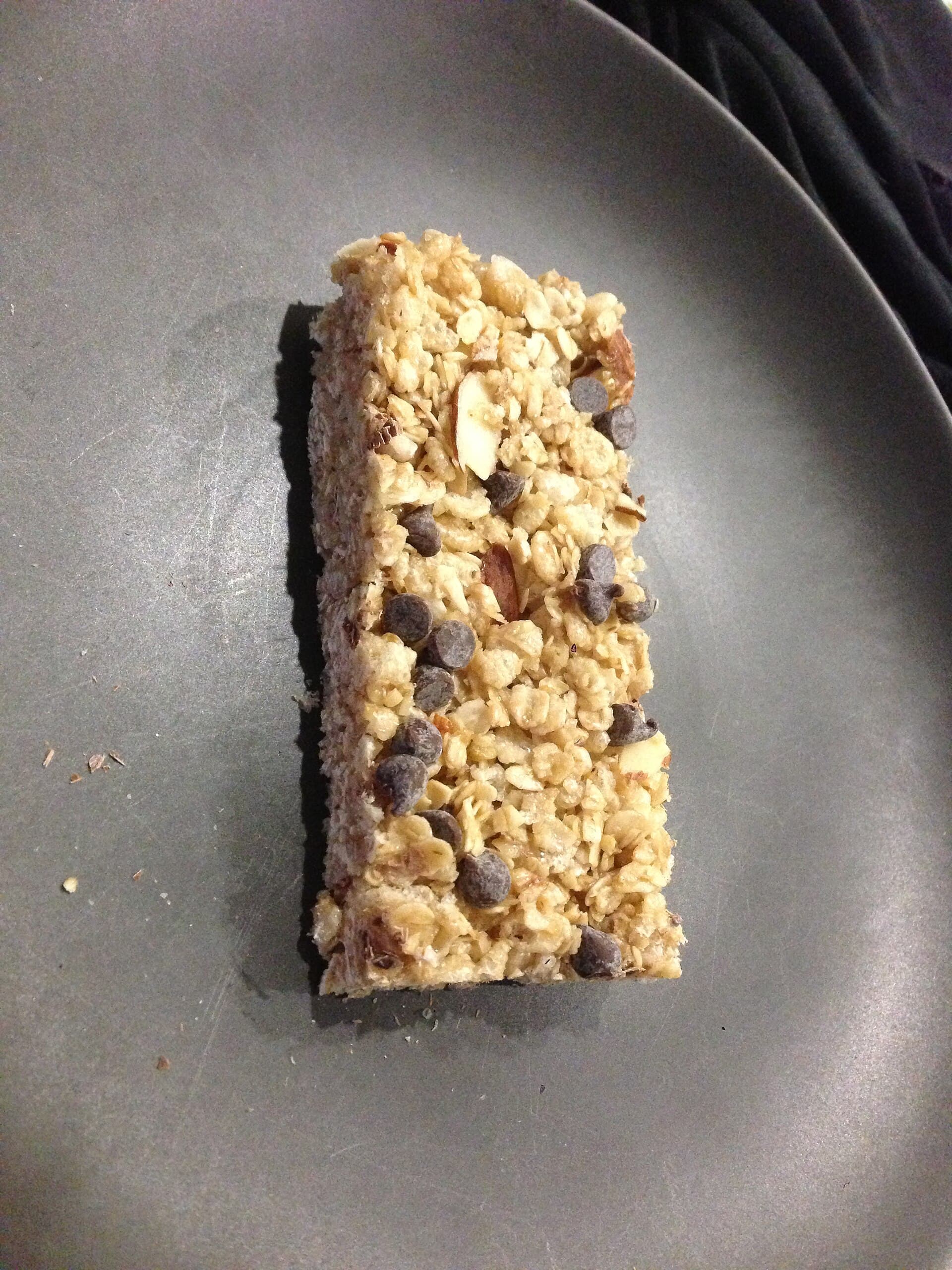
Granola bars are compact, baked or no-bake snack bars made of oats, nuts, dried fruit, and sweeteners. Popularized in late 20th-century American coffee shops and convenience foods, granola bars offer a convenient energy source fitting modern on-the-go lifestyles and sporty snack needs.
America's Melting Pot
Grape Jelly photo coming soon
1861-1900
Grape Jelly is a preserve with real American table personality: Peanut butter and jelly's necessary partner. It brings flavor from coast-to-coast American tables to cookouts, counters, lunch plates, potlucks, and weeknight suppers.
America's Melting Pot
Grape Jelly + Peanut Butter photo coming soon
1900-1929
Grape Jelly + Peanut Butter is a spread with real American table personality: The PB&J combination itself deserves a recipe/sidebar. It brings flavor from coast-to-coast American tables to cookouts, counters, lunch plates, potlucks, and weeknight suppers.
1861-1900
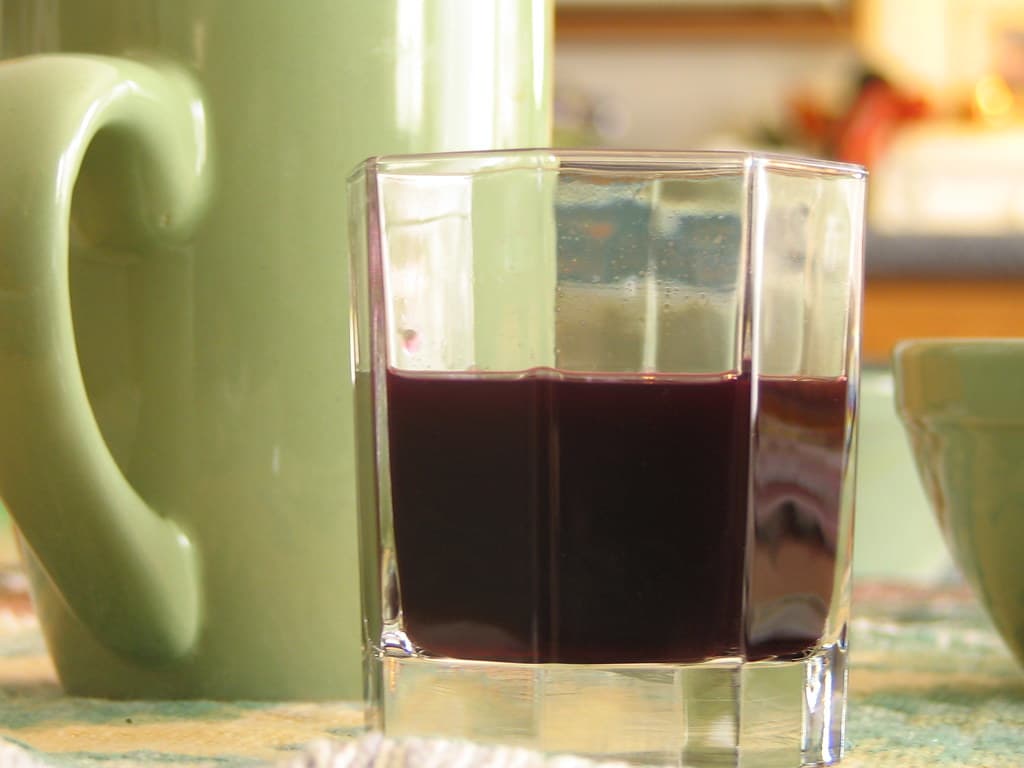
Grape Juice brings juice-bar color and American smoothie-counter energy to the glass: Welch's, church communion, lunchbox, and breakfast table.
America's Melting Pot
Grape Slush photo coming soon
1946-1969
Grape Slush brings juice-bar color and American smoothie-counter energy to the glass: Kid concession classic.
America's Melting Pot
Green Juice photo coming soon
1970-1989
Green Juice brings juice-bar color and American smoothie-counter energy to the glass: Kale/celery/apple/cucumber wellness culture.
Community recipe submission
Log in to submit a recipe, format it with the cooking companion, and send it for review.
Log in to Submit