
Loading
Setting the table...
Fetching the latest recipes from the archive.
Loading
Fetching the latest recipes from the archive.
Recipe archive
Recipe archive
Search the archive by title, region, ingredient, tag, or era, then sort the table by the view that fits your kitchen.
This archive is growing through recipes, photos, family recipes, and historical context shared by the community.
America's Melting Pot
ABC Juice photo coming soon
1970-1989
ABC Juice brings juice-bar color and American smoothie-counter energy to the glass: Apple, beet, carrot.
America's Melting Pot
Acai Bowl Smoothie Base photo coming soon
Modern Melting Pot
Acai Bowl Smoothie Base brings juice-bar color and American smoothie-counter energy to the glass: California/Hawaii/fitness culture.
America's Melting Pot
Acai Smoothie photo coming soon
1990-2009
Acai Smoothie brings juice-bar color and American smoothie-counter energy to the glass: Brazilian-rooted ingredient adapted by U.S. smoothie bars.
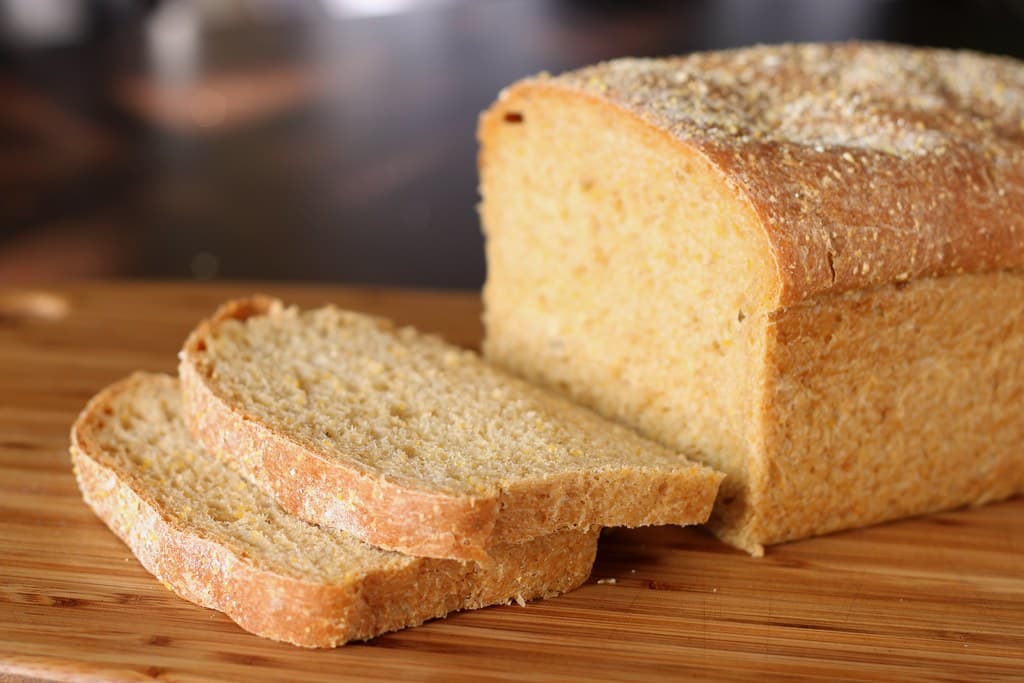
1800s-present
A lightly sweet New England loaf made with cornmeal, molasses, wheat flour, and yeast.
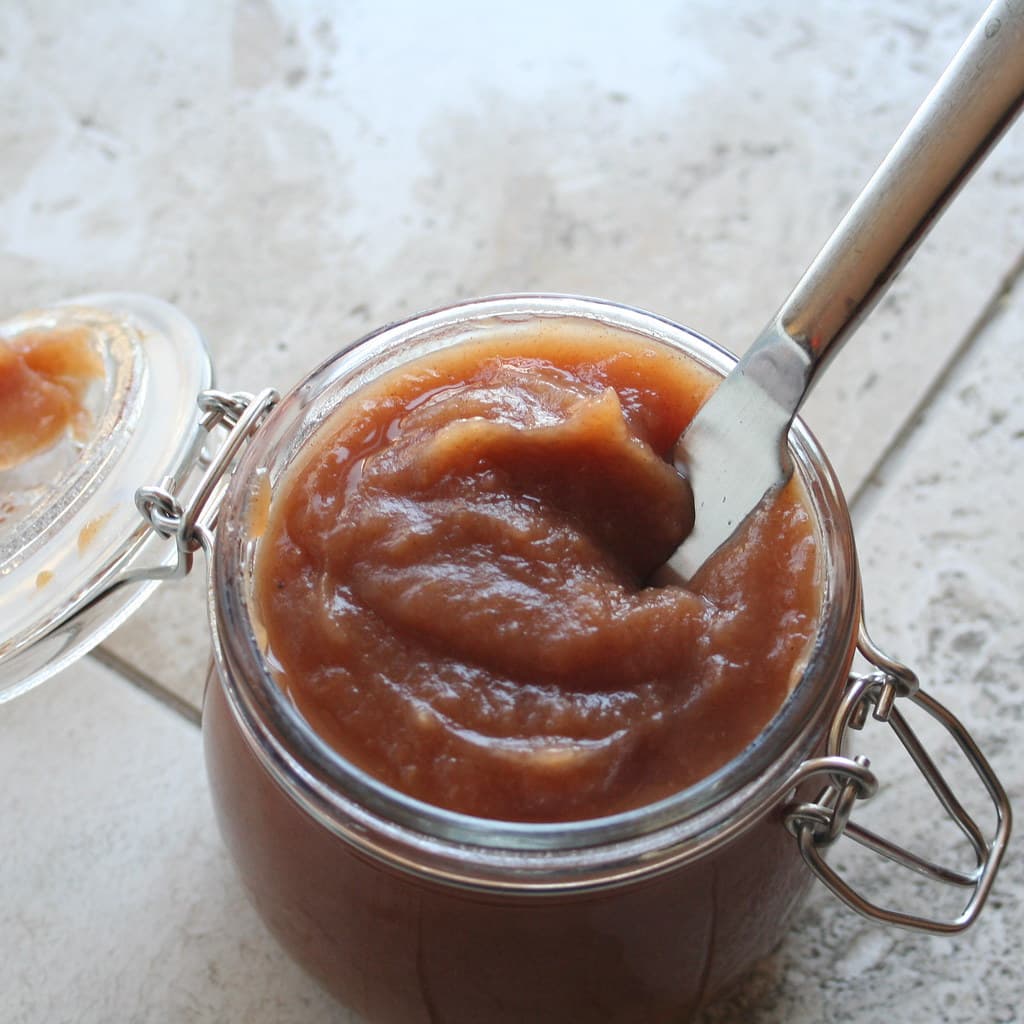
1700s-present
Apples cooked down with cider, sugar, and warm spices into a dark, spreadable fruit butter.
America's Melting Pot
Apple Butter on Biscuits photo coming soon
1700s-present
Warm buttermilk biscuits split and served with butter and spiced apple butter.
America's Melting Pot
Apple Cake photo coming soon
1800s-present
A tender apple-studded cake with cinnamon, butter, and a simple crumb topping.
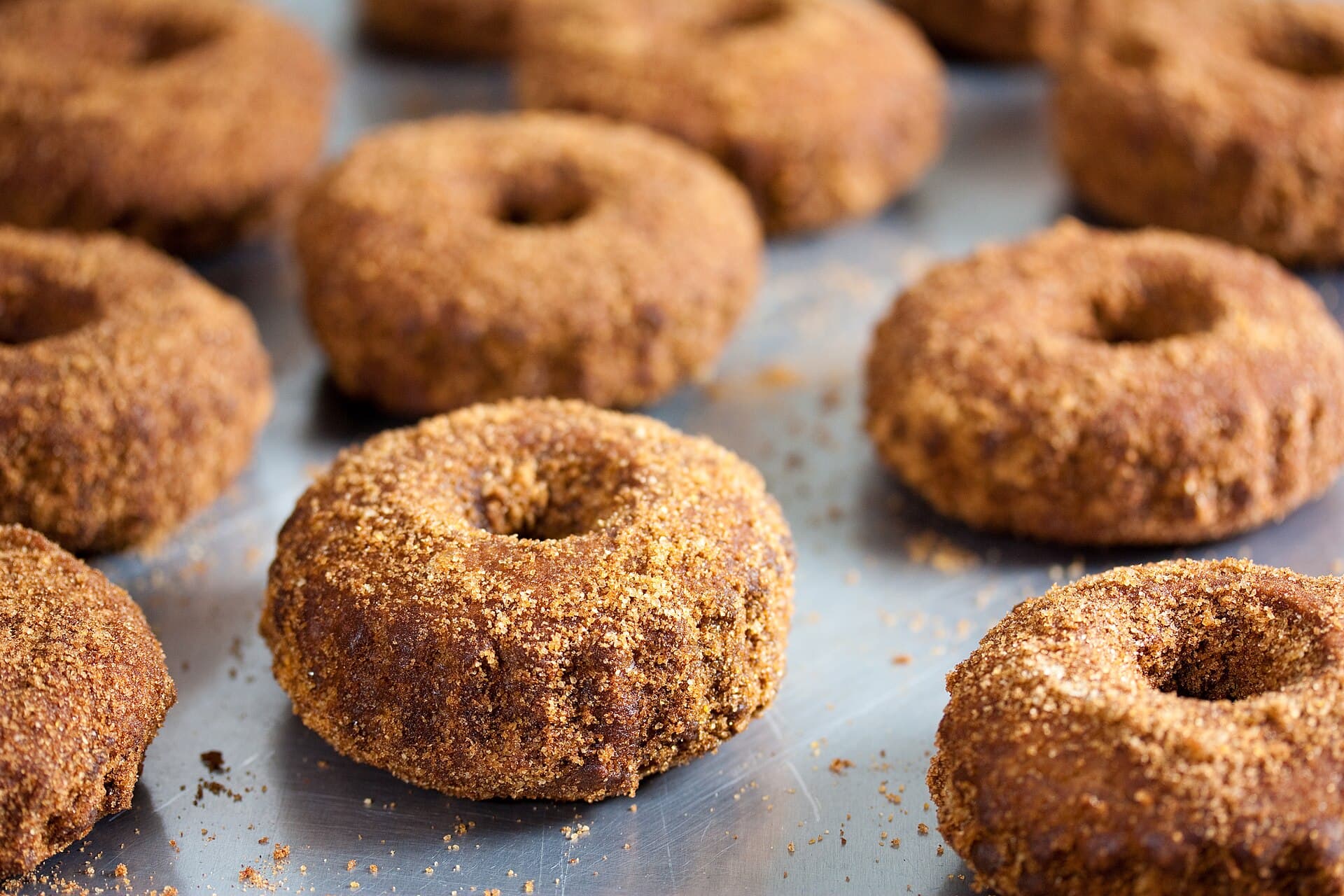
1900s-present
Cake doughnuts flavored with reduced apple cider and rolled in cinnamon sugar.
America's Melting Pot
Apple Cider Slush photo coming soon
Modern Melting Pot
Apple Cider Slush brings juice-bar color and American smoothie-counter energy to the glass: Orchard/farmstand drink.
America's Melting Pot
Apple Cider Syrup photo coming soon
Cross-era
Apple Cider Syrup is a sweet sauce with real American table personality: Orchard-country reduction sauce. It brings flavor from coast-to-coast American tables to cookouts, counters, lunch plates, potlucks, and weeknight suppers.
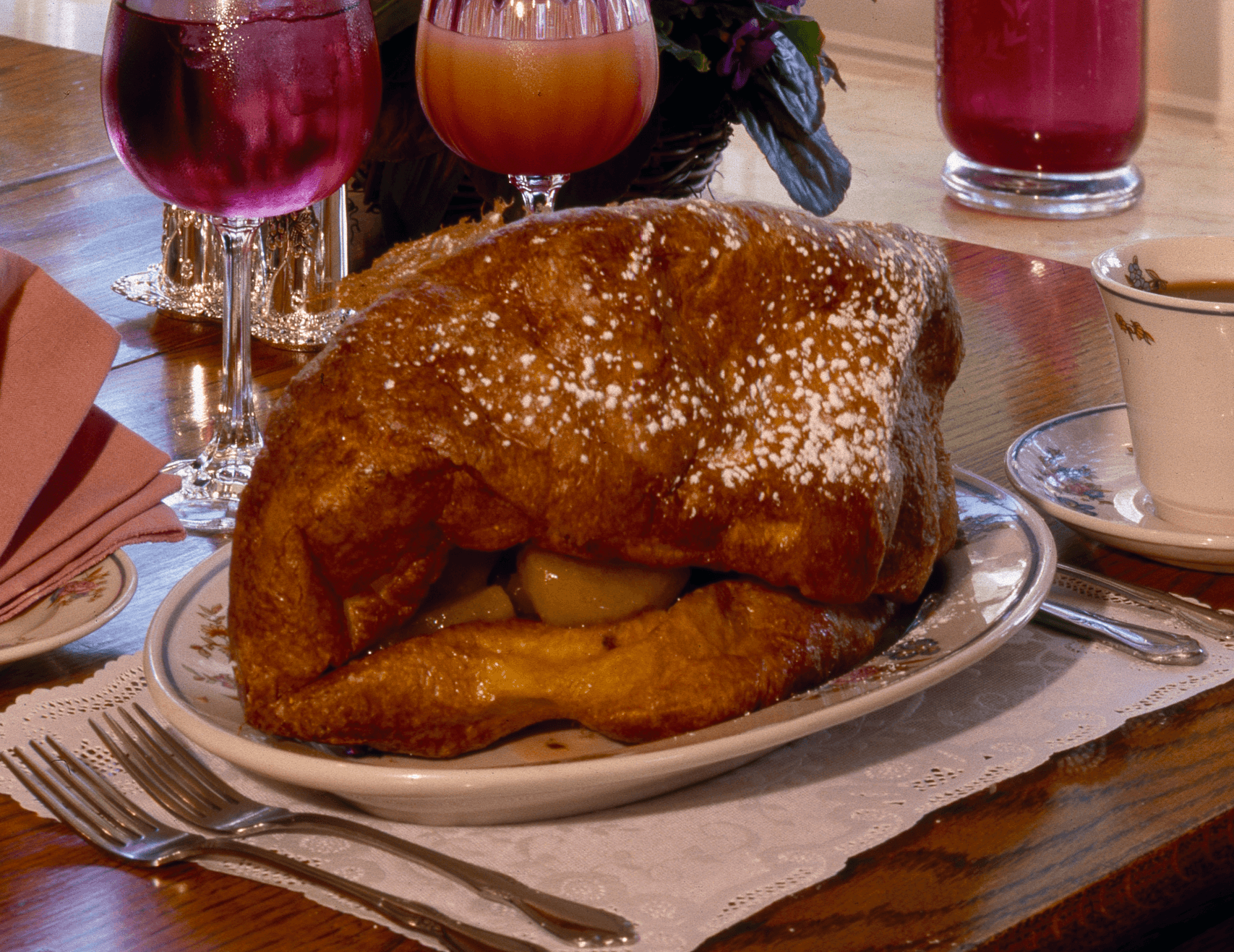
1900s-present
A German-American Dutch baby-style pancake baked over cinnamon apples in a hot skillet.
Founding Era
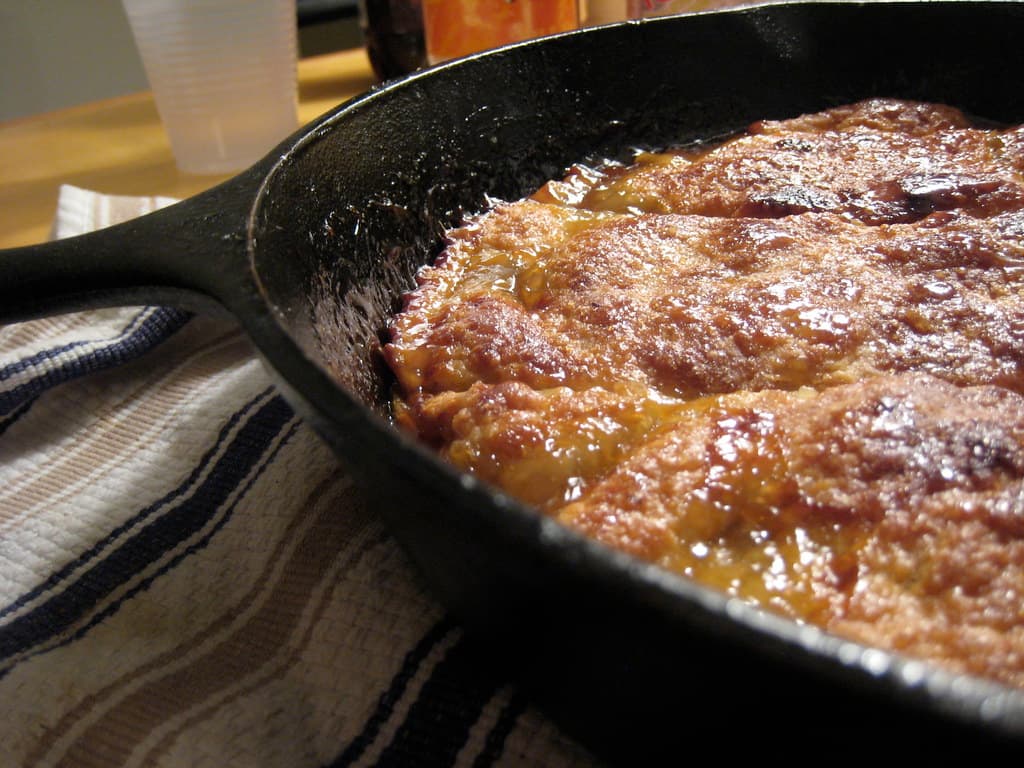
Sliced apples baked under a pastry or biscuit crust that is broken into the juices as it bakes.
America's Melting Pot
Apple Spinach Smoothie photo coming soon
1990-2009
Apple Spinach Smoothie brings juice-bar color and American smoothie-counter energy to the glass: Green juice/smoothie crossover.
1800-1860
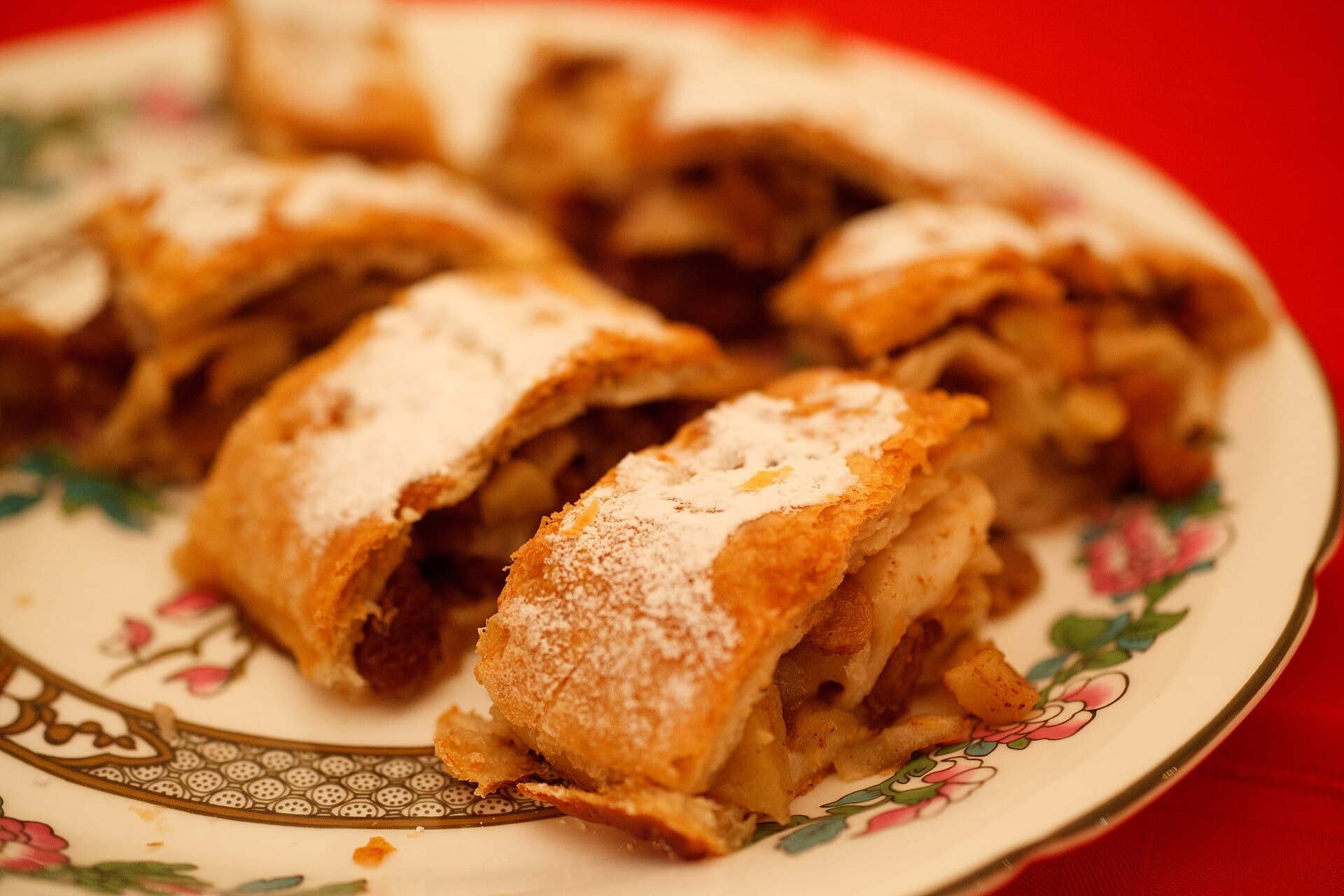
A German-American apple strudel made with crisp apples, raisins, cinnamon, buttered crumbs, and flaky phyllo for a practical home version of a Central European pastry.
1990-2009
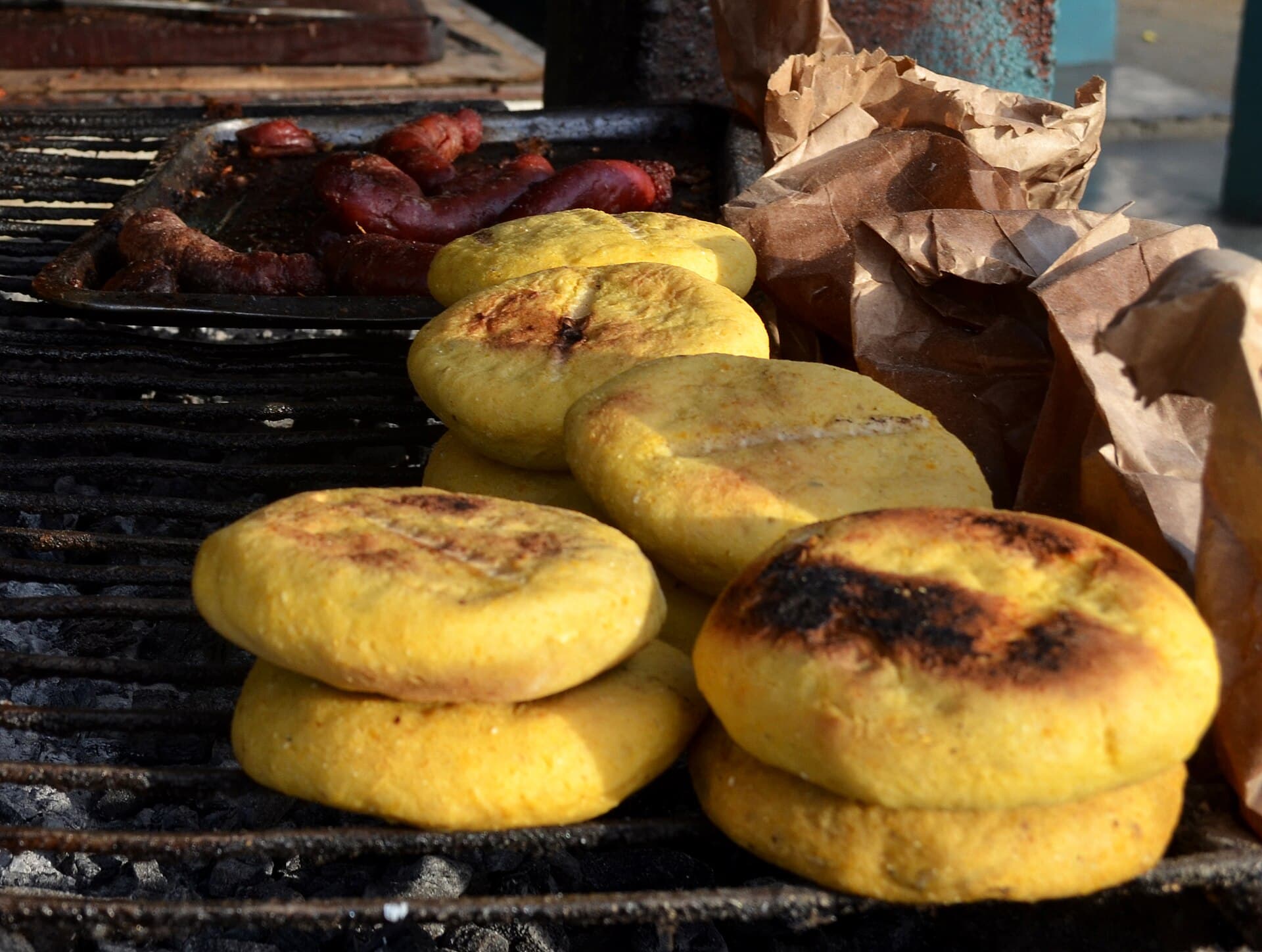
A basic arepa recipe made with masarepa, water, salt, and a hot skillet, ready to eat plain, buttered, cheesed, or split for fillings.
America's Melting Pot
Ash Cakes photo coming soon
1776-1800
A plain cornmeal-and-water ash cake inspired by Revolutionary-era field cooking, adapted for a skillet or campfire with salt and a little fat for modern eatability.
1990-2009
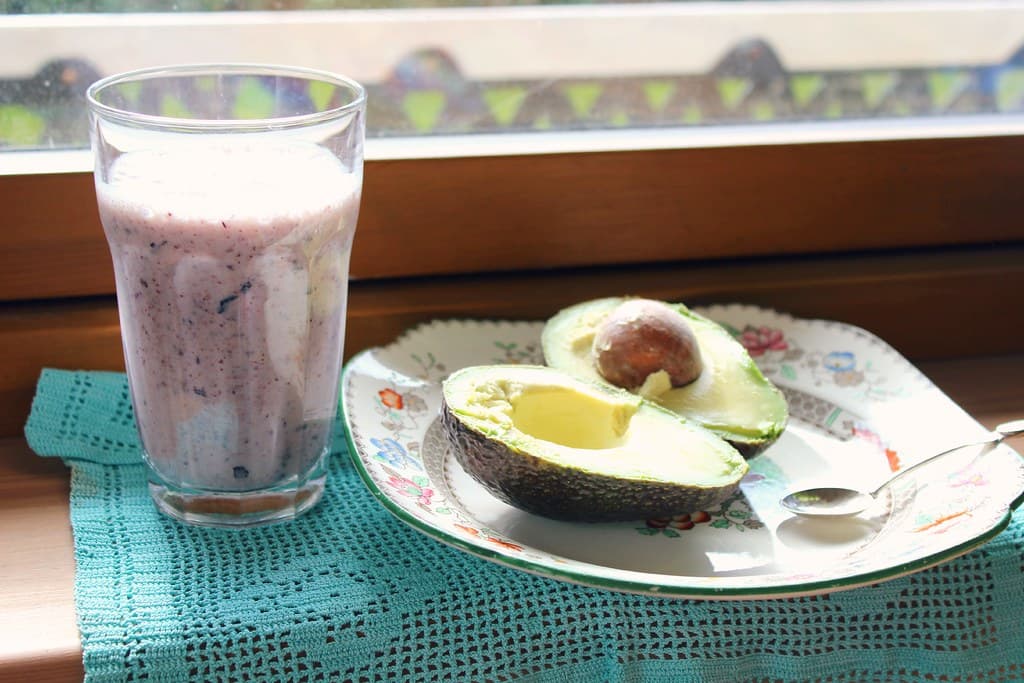
Avocado Smoothie brings juice-bar color and American smoothie-counter energy to the glass: American health-food version, with global roots.
2010-2026
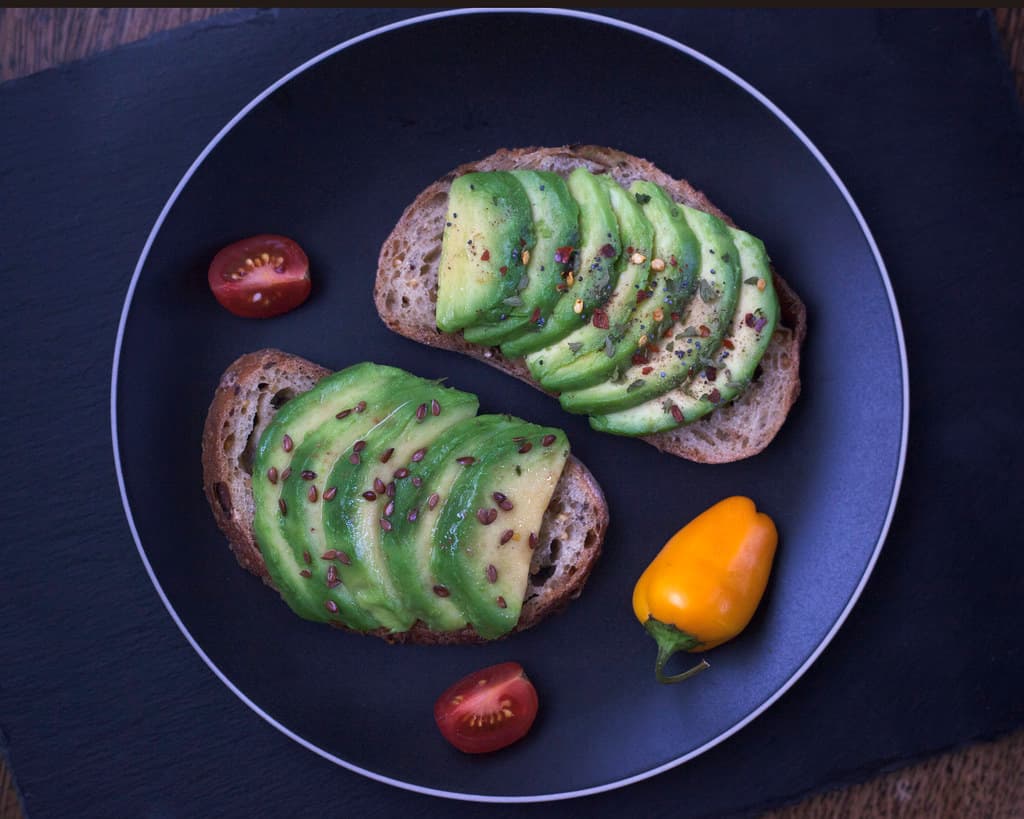
A simple avocado toast with lemon, olive oil, chile flakes, and flaky salt, framed as a California and internet-era food with much older roots.
America's Melting Pot
Awful Awful photo coming soon
Postwar & Diner Age
Awful Awful celebrates New England dairy-bar pride in a cold glass: Rhode Island/New England ice milk shake tradition.
America's Melting Pot
Bacon Jam photo coming soon
Modern Melting Pot
Bacon Jam is a preserve with real American table personality: Modern American burger/brunch condiment. It brings flavor from coast-to-coast American tables to cookouts, counters, lunch plates, potlucks, and weeknight suppers.
America's Melting Pot
Bagel and Lox photo coming soon
1900-1929
A toasted bagel layered with cream cheese, lox, red onion, capers, tomato, and dill in the New York appetizing-shop tradition.
1861-1900
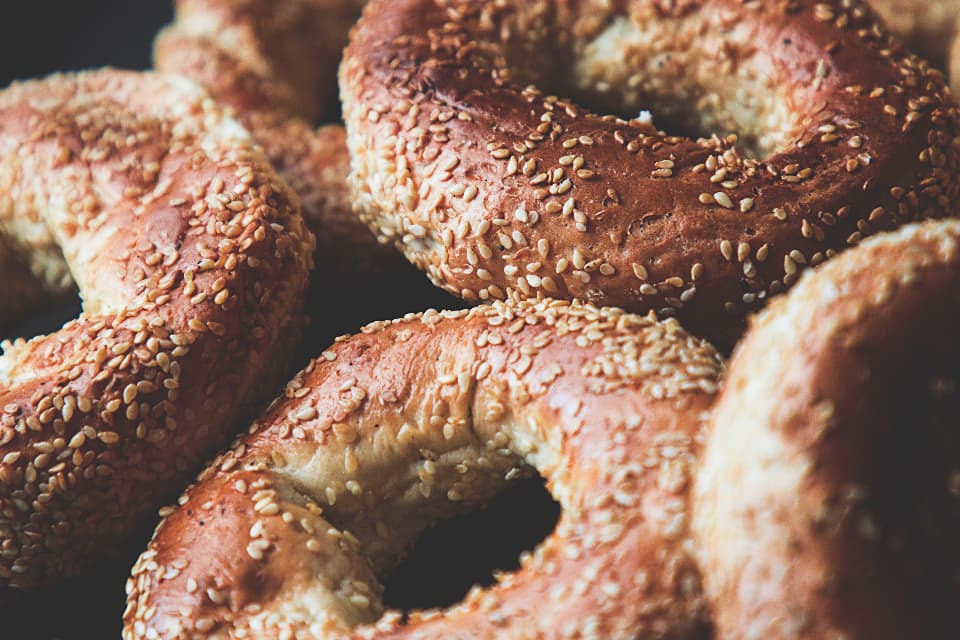
A basic homemade bagel recipe using high-protein flour, malt or brown sugar, a short boil, and a hot bake for chewy New York-style results.
America's Melting Pot
Bagels and Cream Cheese photo coming soon
1990-2009
Toasted bagels spread with plain or scallion cream cheese, built as a simple breakfast with roots in New York bagel shops and American dairy innovation.
America's Melting Pot
Bagels with Schmear photo coming soon
1861-1900
A deli-style bagel with a thick schmear of plain or scallion cream cheese, with optional onion, capers, tomato, and cucumber.
1930s-present
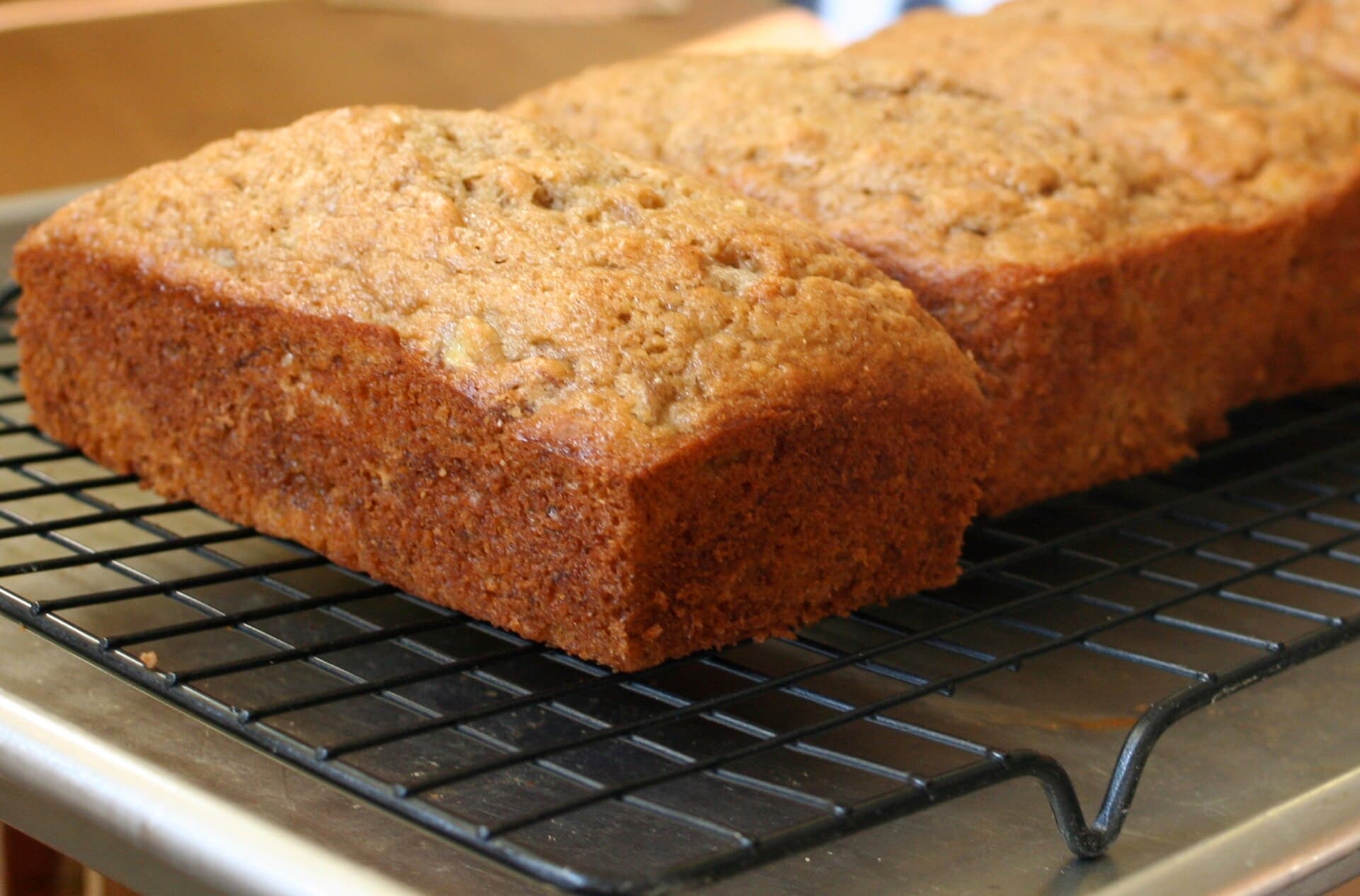
A classic banana bread made with mashed ripe bananas, butter, brown sugar, eggs, flour, baking soda, and optional walnuts.
America's Melting Pot
Banana Licuado photo coming soon
Cross-era
Banana Licuado salutes regional fruit country and the American dairy-stand tradition: Mexican-American breakfast drink.
America's Melting Pot
Banana Peanut Butter Smoothie photo coming soon
1970-1989
Banana Peanut Butter Smoothie brings juice-bar color and American smoothie-counter energy to the glass: Protein smoothie crossover.
America's Melting Pot
Beach Plum Jelly photo coming soon
Cross-era
Beach Plum Jelly is a preserve with real American table personality: Coastal New England and Mid-Atlantic preserve. It brings flavor from New England to cookouts, counters, lunch plates, potlucks, and weeknight suppers.
America's Melting Pot
Beet Berry Smoothie photo coming soon
1970-1989
Beet Berry Smoothie brings juice-bar color and American smoothie-counter energy to the glass: Modern wellness smoothie.
1700s-present
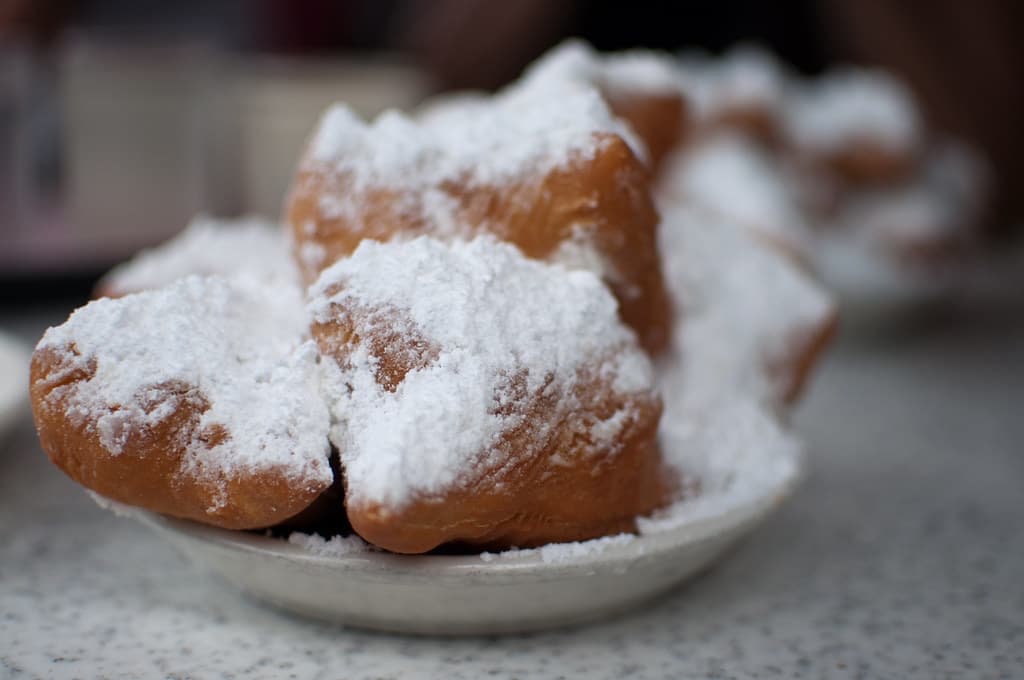
Beignets carry French and Acadian roots into Louisiana, where New Orleans coffee stands made them a breakfast and late-night ritual. The familiar square, sugar-dusted version is now inseparable from cafe au lait and the French Quarter.
America's Melting Pot
Berry Jam photo coming soon
1800-1860
Berry jam is the flavor of American summer preservation: short-season fruit cooked with sugar so it can brighten biscuits, toast, and winter breakfasts. Home canning, commercial pectin, and extension-tested recipes made jam a dependable household project.
America's Melting Pot
Bialys photo coming soon
Late 1800s-present
Bialys are not bagels without holes. They are their own Ashkenazi bread: baked rather than boiled, dimpled in the center, and traditionally filled with onion and sometimes poppy seeds. Polish Jewish immigrants brought them to New York, where bakeries kept the tradition alive.
America's Melting Pot
Biscuits and Gravy photo coming soon
1800s-present
Biscuits and gravy grew from practical working food: cheap flour biscuits, pork drippings, milk, and enough richness to carry a hard morning. Modern sausage gravy is the familiar diner version, but older versions often used salt pork or any available pork fat.
America's Melting Pot
Biscuits with Molasses photo coming soon
1800s-present
Biscuits with molasses are less a formal recipe than a habit of American farm and Southern tables: make simple biscuits, split them hot, and drizzle on a dark sweetener that was cheaper and more available than refined treats.
America's Melting Pot
Biscuits with Salt Pork Gravy photo coming soon
1861-1900
Before sausage gravy became the default, cooks could make a filling breakfast from salt pork, flour, and milk. The method fits chuckwagon, farm, and 19th-century working kitchens where cured pork traveled well and every bit of fat mattered.
America's Melting Pot
Black Raspberry Frappe photo coming soon
Postwar & Diner Age
Black Raspberry Frappe celebrates New England dairy-bar pride in a cold glass: New England ice cream stand flavor.
America's Melting Pot
Black Raspberry Jam photo coming soon
Cross-era
Black Raspberry Jam is a preserve with real American table personality: Midwest, Appalachia, and Pennsylvania tradition. It brings flavor from the Midwest and Great Lakes to cookouts, counters, lunch plates, potlucks, and weeknight suppers.
1800s-present
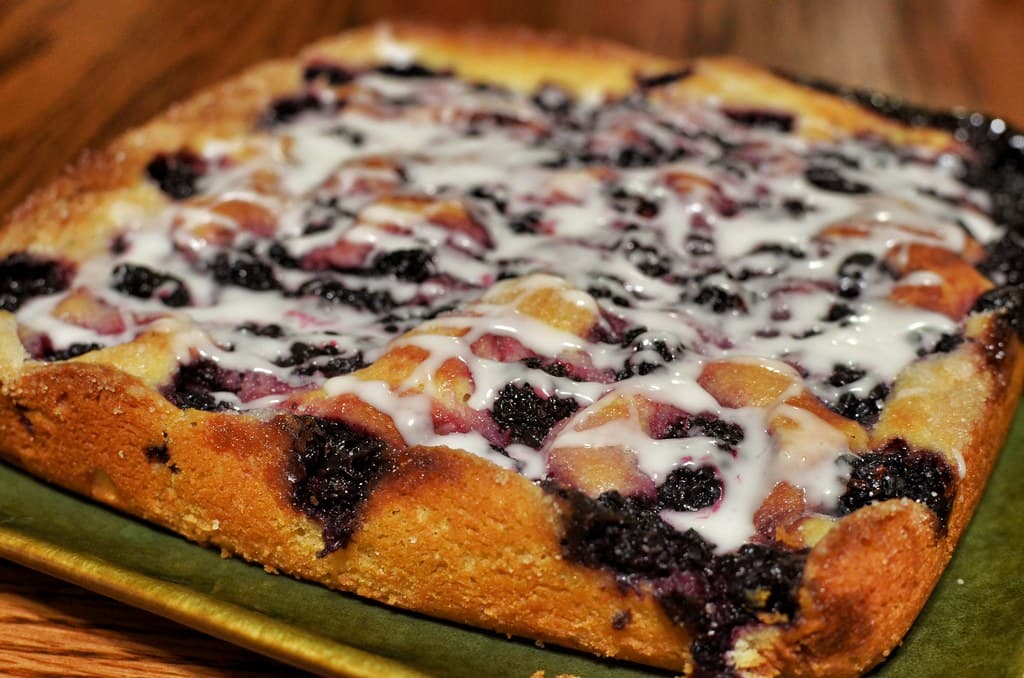
Blackberry cobbler is summer fruit economy: wild or cultivated berries, sugar, butter, flour, and enough heat to turn a picking bucket into dessert. Southern versions range from pour-over batter cobblers to biscuit-topped family recipes.
Frontier & Expansion
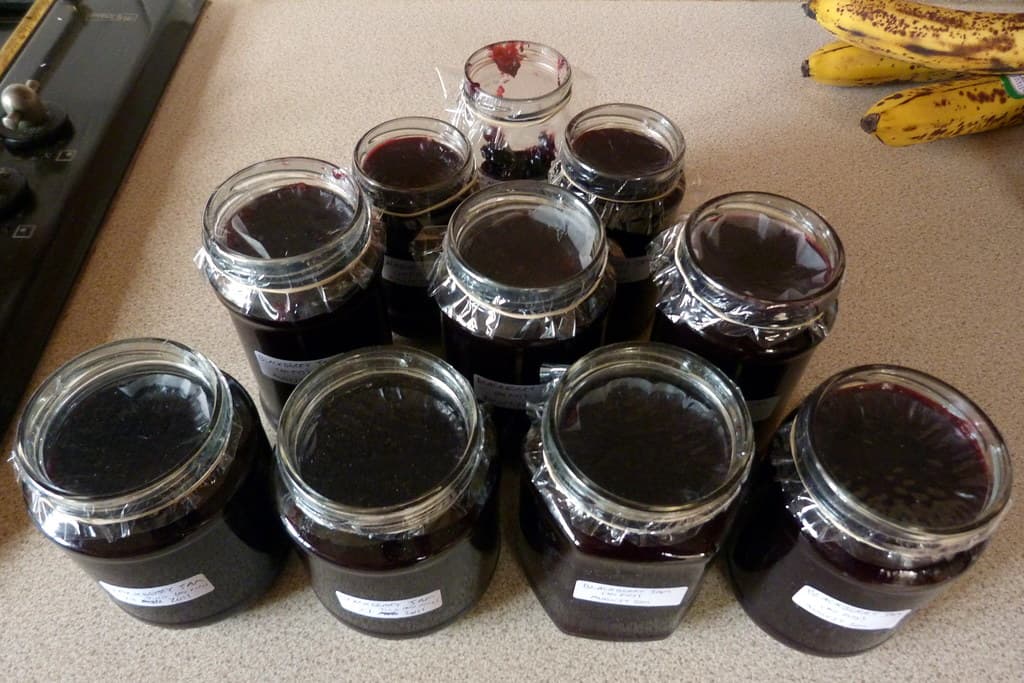
Blackberry Jam is a preserve with real American table personality: Southern, Appalachian, Ozark, and Pacific Northwest tradition. It brings flavor from Appalachia and Pennsylvania Dutch country to cookouts, counters, lunch plates, potlucks, and weeknight suppers.
America's Melting Pot
Blended Mocha photo coming soon
Modern Melting Pot
Blended Mocha blends coffeehouse America with milkshake-style fun: Coffeehouse milkshake cousin.
America's Melting Pot
Blended Vanilla Coffee photo coming soon
Modern Melting Pot
Blended Vanilla Coffee blends coffeehouse America with milkshake-style fun: Mall coffee drink.
America's Melting Pot
Blue Corn Mush photo coming soon
Native Foodways and Continuity
Blue corn mush is a Din? and Southwestern Indigenous staple made from roasted blue cornmeal, water, and juniper ash. The ash is not a gimmick: it contributes minerals and helps unlock nutrients in the corn.
America's Melting Pot
Blue Raspberry Slush photo coming soon
1970-1989
Blue Raspberry Slush brings juice-bar color and American smoothie-counter energy to the glass: Pure American artificial-blue joy.
America's Melting Pot
Blueberry Banana Smoothie photo coming soon
1970-1989
Blueberry Banana Smoothie brings juice-bar color and American smoothie-counter energy to the glass: Breakfast smoothie classic.
1800s-present
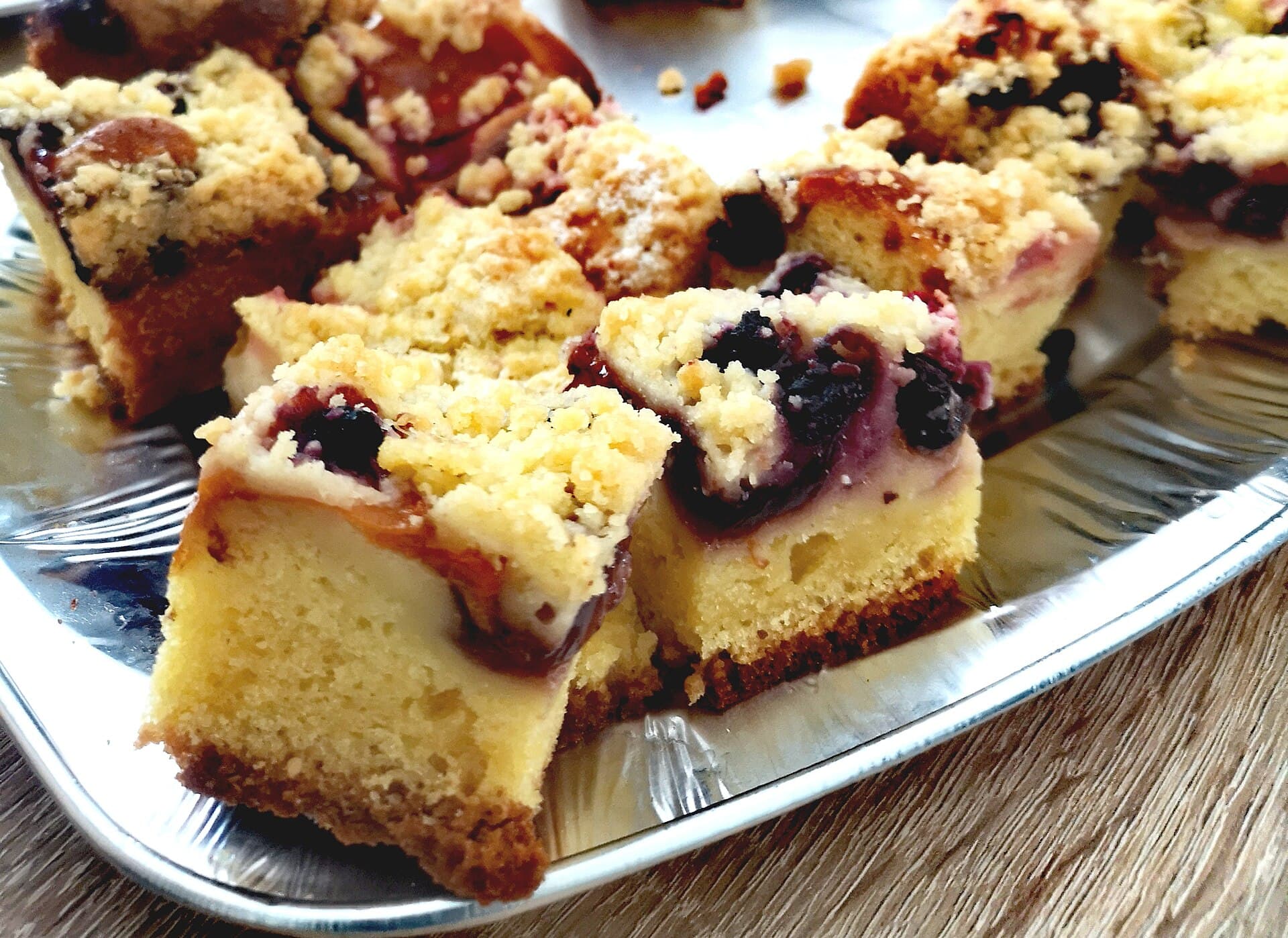
Blueberry buckle is a classic American fruit cake, especially at home in New England where native blueberries are abundant. The streusel topping sinks and cracks into the cake as it bakes, giving the dessert its buckle name.
America's Melting Pot
Blueberry Frappe photo coming soon
Postwar & Diner Age
Blueberry Frappe celebrates New England dairy-bar pride in a cold glass: Maine/New England berry version.
America's Melting Pot
Blueberry Jam photo coming soon
Cross-era
Blueberry Jam is a preserve with real American table personality: Maine, Michigan, New Jersey, and farm country. It brings flavor from New England to cookouts, counters, lunch plates, potlucks, and weeknight suppers.
1900s-present
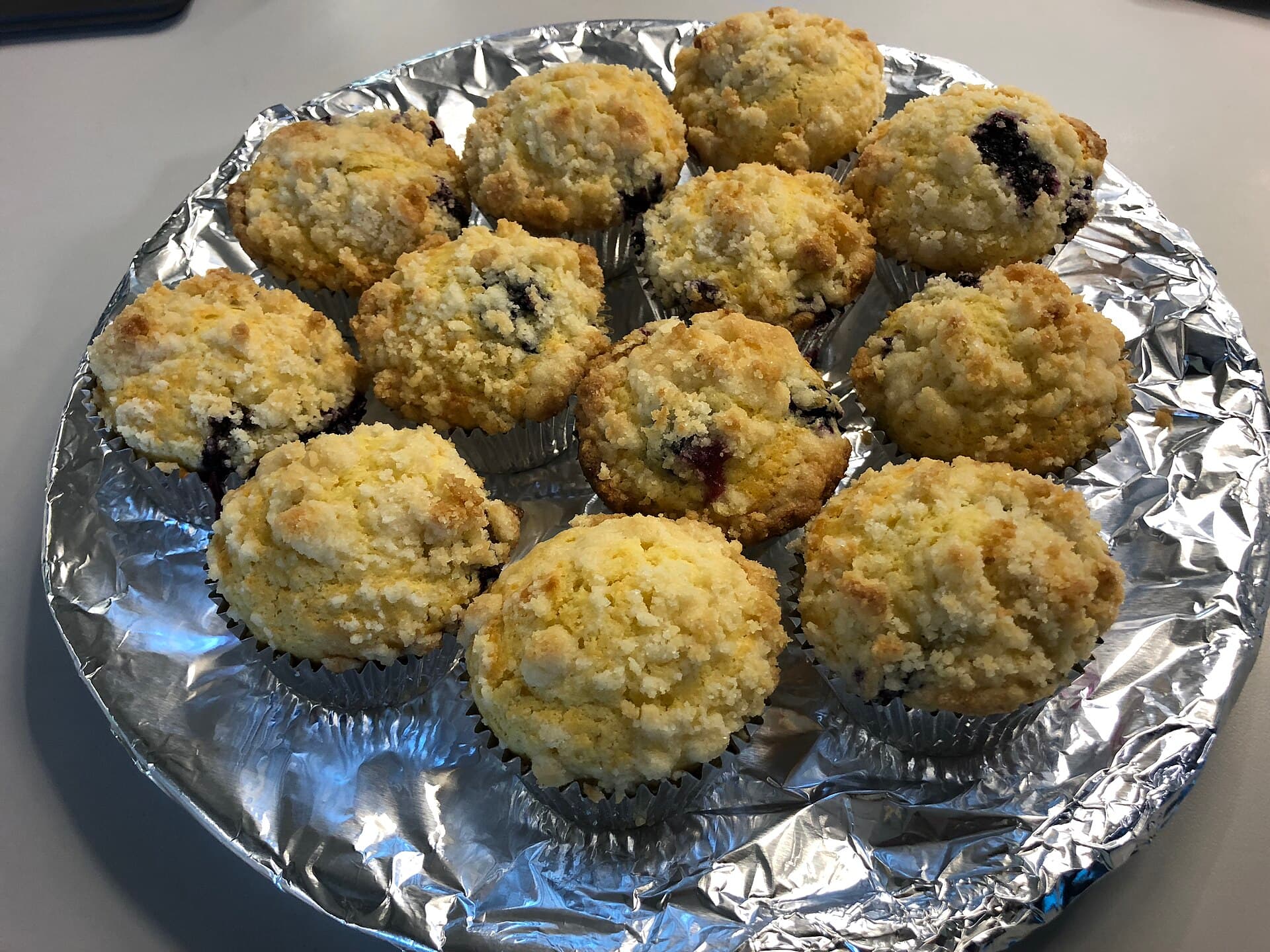
Blueberry muffins are everyday American breakfast baking, but Boston gave them a particular legend through Jordan Marsh department store. The oversized, sugar-topped muffin became a coffee-shop and bakery standard long after the department store disappeared.
America's Melting Pot
Blueberry Syrup photo coming soon
Cross-era
Blueberry Syrup is a sweet sauce with real American table personality: Maine/Michigan breakfast and pancakes. It brings flavor from New England to cookouts, counters, lunch plates, potlucks, and weeknight suppers.
America's Melting Pot
Boiled Coffee Cake photo coming soon
1870s-present
Older American coffee cakes sometimes actually contained coffee. Recipes using cold boiled coffee, molasses, raisins, and spice appeared in late-19th and early-20th-century cookbooks, making a sturdy loaf cake for the coffee table.
America's Melting Pot
Boston Brown Bread photo coming soon
1700s-present
Boston brown bread is the dark, tender partner to baked beans. Colonial New England cooks used mixed grains, cornmeal, and molasses, then steamed the batter because the bread had little gluten and home ovens were not always reliable.
America's Melting Pot
Bourbon Peach Jam photo coming soon
Cross-era
Bourbon Peach Jam is a preserve with real American table personality: Southern/Kentucky-style preserve. It brings flavor from Appalachia and Pennsylvania Dutch country to cookouts, counters, lunch plates, potlucks, and weeknight suppers.
America's Melting Pot
Boxty photo coming soon
1800s-present
Boxty is a traditional Irish potato pancake especially associated with north Connacht, the north Midlands, and Ulster. Irish immigrants brought potato cookery with them to America, where boxty fits naturally beside other Irish American breakfast and supper dishes.
America's Melting Pot
Boysenberry Preserves photo coming soon
Cross-era
Boysenberry Preserves is a preserve with real American table personality: California berry culture; Walter Knott helped commercialize the boysenberry at what became Knott's Berry Farm. It brings flavor from California, Hawaii, and the West Coast to cookouts, counters, lunch plates, potlucks, and weeknight suppers.
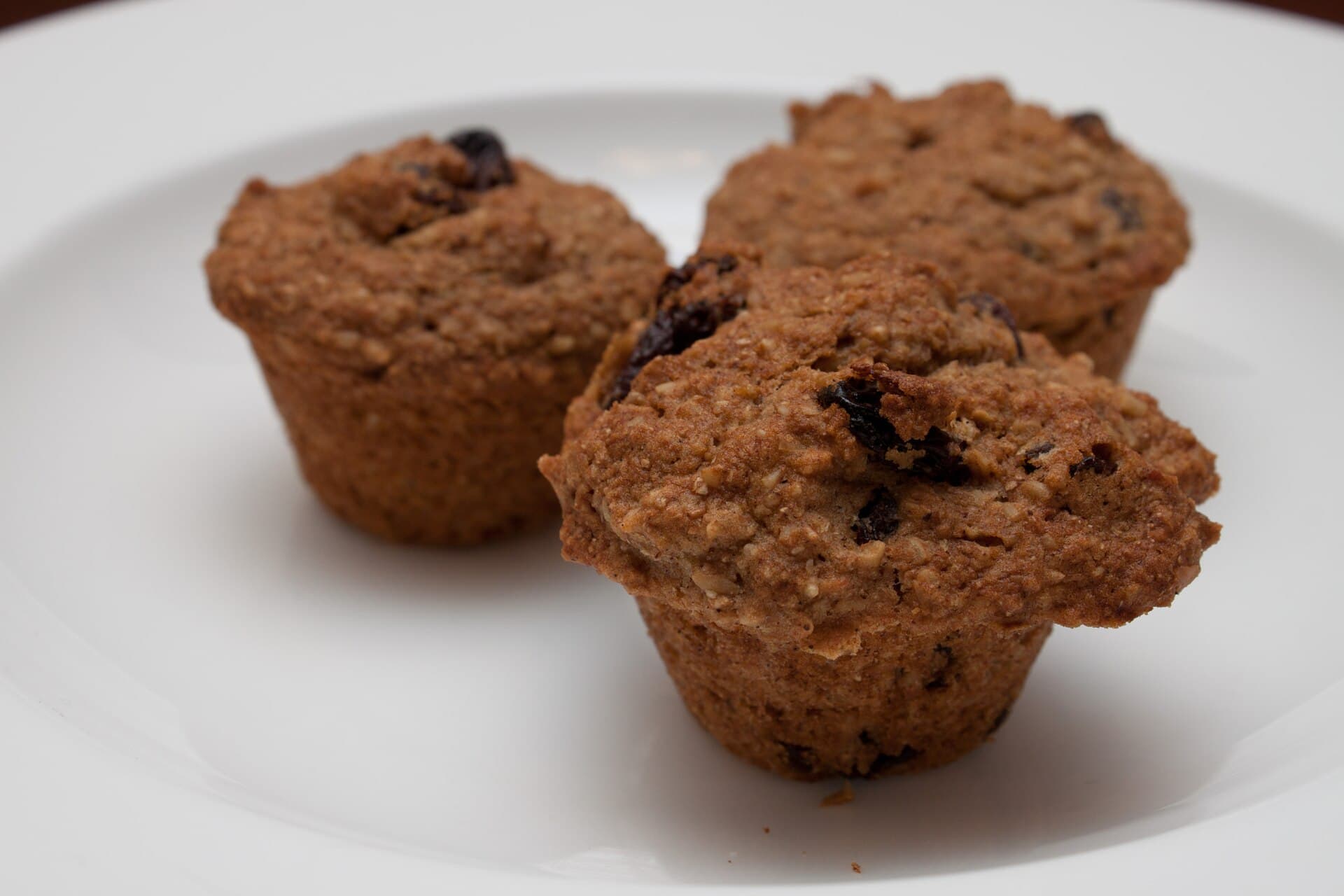
1910s-present
Bran muffins became part of American breakfast culture through cereal marketing, home economics, and recurring waves of interest in fiber and wholesome baking. They can be plain and practical or sweetened with raisins, molasses, honey, or brown sugar.
America's Melting Pot
Bread-and-Butter Jalapenos photo coming soon
Modern Melting Pot
Bread-and-Butter Jalapenos is a relish with real American table personality: Modern Southern/Southwestern preserve. It brings flavor from the American South to cookouts, counters, lunch plates, potlucks, and weeknight suppers.
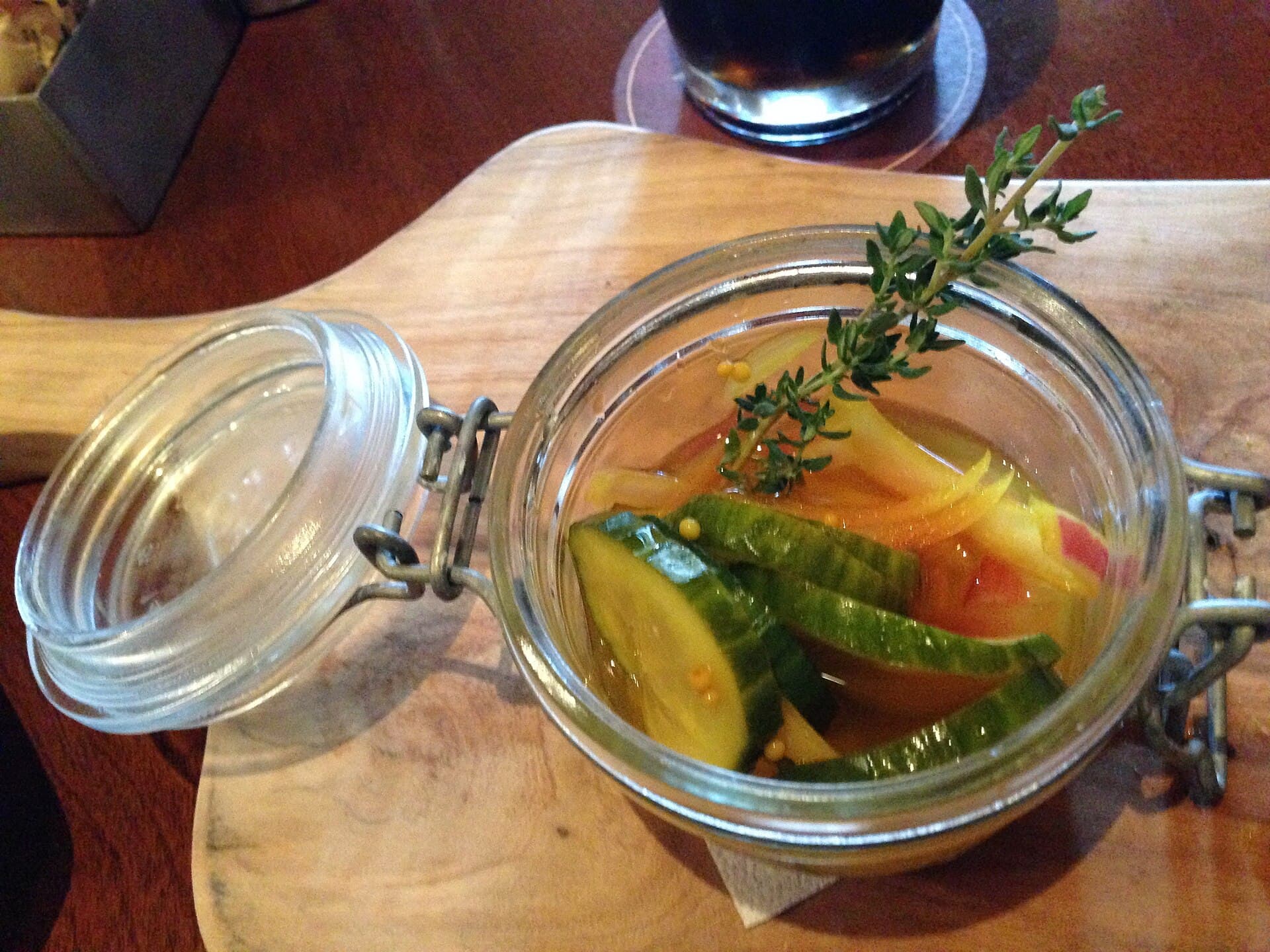
1900-1929
Bread-and-Butter Pickles is a relish with real American table personality: Sweet Depression-era-style pickle tradition. It brings flavor from coast-to-coast American tables to cookouts, counters, lunch plates, potlucks, and weeknight suppers.
America's Melting Pot
Breakfast Burrito photo coming soon
1970s-present
The breakfast burrito belongs to the modern Southwest, with Santa Fe and New Mexican restaurants especially important to the name and style. It can be handheld with chile tucked inside or smothered with red or green chile on the plate.
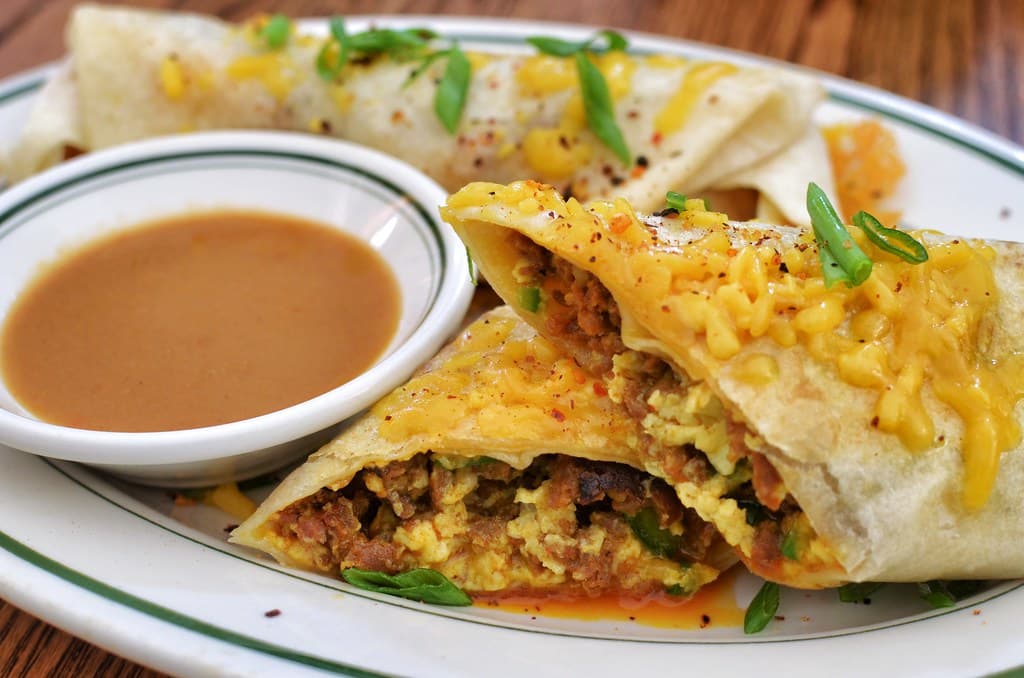
1980s-present
Batch breakfast burritos are the practical cousin of the New Mexican breakfast burrito: portable, freezable, and easy to feed to a group. Tex-Mex cooks, ranch cooks, food trucks, and home meal-preppers all helped make them a modern American breakfast standby.
America's Melting Pot
Breakfast Casserole photo coming soon
1950s-present
Breakfast casserole is built for mornings when the cook wants the work done early. Midcentury casserole culture, church cookbooks, and holiday hosting made the overnight egg, bread, sausage, and cheese bake a reliable American brunch dish.
America's Melting Pot
Breakfast Egg Bites photo coming soon
2017-present
Breakfast egg bites are a modern portable breakfast: high-protein, breadless, and easy to customize. Starbucks helped popularize sous-vide egg bites in 2017, while home cooks adapted the idea to Instant Pots, silicone molds, and meal-prep routines.
America's Melting Pot
Breakfast Pizza photo coming soon
1990s-present
Breakfast pizza turns pizza into a convenience-store and school-morning breakfast. In the Midwest, Casey's helped make the style famous with slices topped with gravy or cheese sauce, eggs, sausage or bacon, and plenty of cheese.
America's Melting Pot
Breakfast Skillet photo coming soon
1970s-present
Breakfast skillets are classic American diner and family-restaurant food: potatoes on the bottom, eggs on top, and enough meat, cheese, and vegetables to make breakfast feel like a full meal. They also translate easily to home cooking because one pan does most of the work.
America's Melting Pot
Breakfast Tacos photo coming soon
1970s-present
Breakfast tacos are a Mexican American and Tejano morning food strongly associated with South Texas, San Antonio, and Austin. They became a food-truck and cafe staple because a warm tortilla makes eggs, potatoes, beans, bacon, and salsa portable without turning them into a burrito.
America's Melting Pot
Brown Bread photo coming soon
1800s-present
Irish brown bread is a daily table bread rather than a sweet holiday loaf. Irish immigrants and Irish American families carried versions of wholemeal soda bread into American kitchens, where buttermilk and baking soda made a quick, sturdy loaf possible without yeast.
America's Melting Pot
Brown Gravy photo coming soon
Cross-era
Brown Gravy is a condiment with real American table personality: Diner meatloaf, hot beef sandwiches, mashed potatoes. It brings flavor from coast-to-coast American tables to cookouts, counters, lunch plates, potlucks, and weeknight suppers.
America's Melting Pot
Buckwheat Cakes photo coming soon
1700s-present
Buckwheat cakes were once a cold-weather American breakfast staple, especially in Pennsylvania, Appalachia, and boardinghouses. Buckwheat grew well in poor soils, and an overnight batter gave the cakes a tangy flavor before modern baking powder pancakes took over.
America's Melting Pot
Buffalo Sauce photo coming soon
Cross-era
Buffalo Sauce is a condiment with real American table personality: Butter and hot sauce, tied to Buffalo wings at the Anchor Bar in Buffalo, New York, in 1964. It brings flavor from coast-to-coast American tables to cookouts, counters, lunch plates, potlucks, and weeknight suppers.
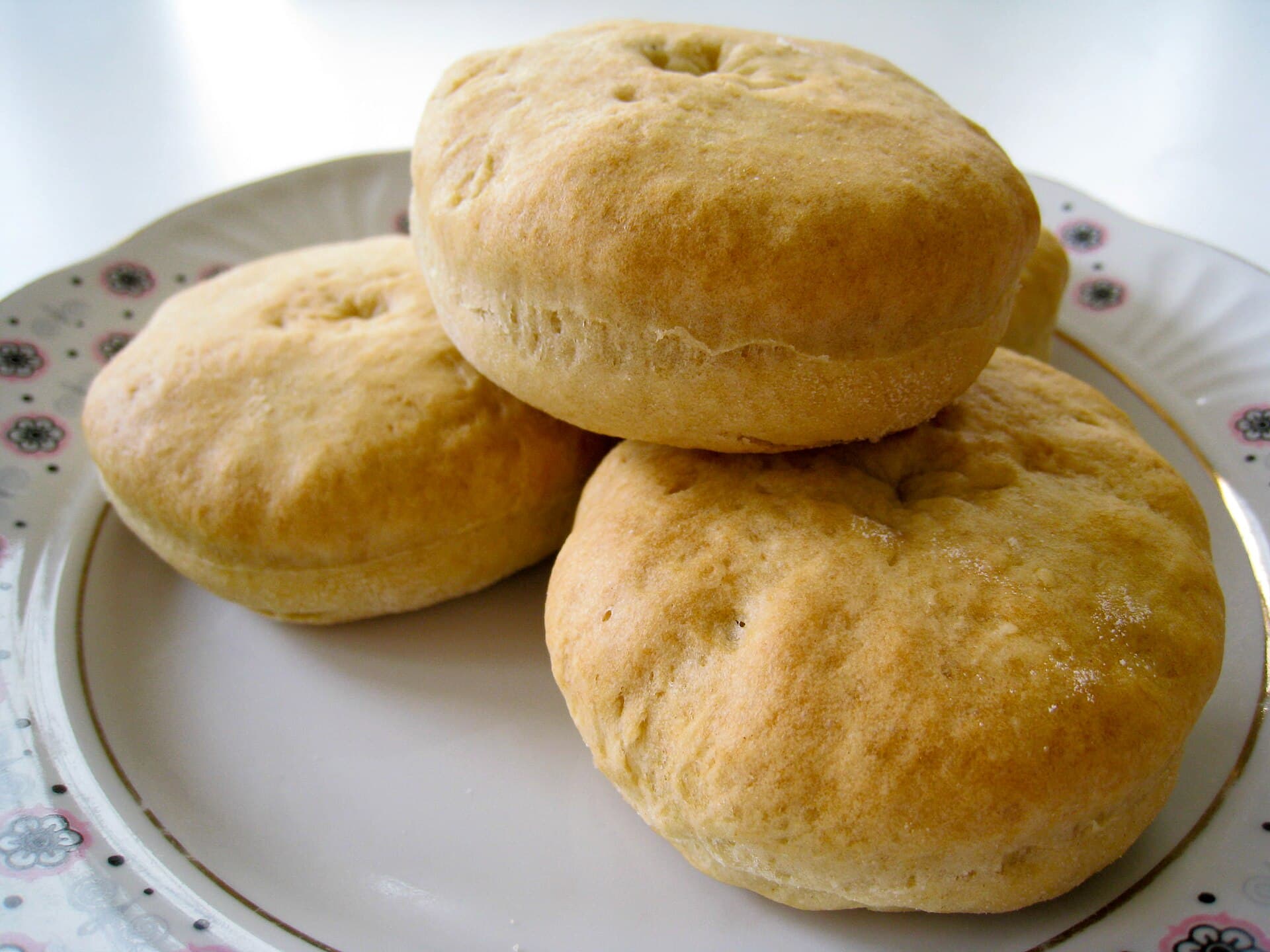
1800s-present
Buttermilk biscuits are a cornerstone of Southern breakfast and supper tables. Their tenderness depends on soft wheat flour, cold butter or shortening, and a light hand, and they became especially identified with Southern brands such as White Lily.
America's Melting Pot
Buttermilk Cheese photo coming soon
American Dairy Age
Buttermilk Cheese is a fresh acid-set American home cheese made with pasteurized dairy, direct heating, measured acid, draining, salting, and refrigeration.
America's Melting Pot
Buttermilk Dressing photo coming soon
Frontier & Expansion
Buttermilk Dressing is a dressing with real American table personality: Southern and farmhouse cousin of ranch. It brings flavor from the American South to cookouts, counters, lunch plates, potlucks, and weeknight suppers.
America's Melting Pot
Butterscotch Sauce photo coming soon
Gilded Age & Progressive Era
Butterscotch Sauce is a sweet sauce with real American table personality: Ice cream parlor classic. It brings flavor from coast-to-coast American tables to cookouts, counters, lunch plates, potlucks, and weeknight suppers.
America's Melting Pot
Cajun Boil Butter photo coming soon
Cross-era
Cajun Boil Butter is a spread with real American table personality: Gulf Coast seafood boil table sauce. It brings flavor from the American South to cookouts, counters, lunch plates, potlucks, and weeknight suppers.
America's Melting Pot
Cajun Butter Sauce photo coming soon
Cross-era
Cajun Butter Sauce is a seafood sauce with real American table personality: Seafood boil bag culture. It brings flavor from the American South to cookouts, counters, lunch plates, potlucks, and weeknight suppers.
America's Melting Pot
Cane Syrup photo coming soon
Cross-era
Cane Syrup is a sweet sauce with real American table personality: Gulf South and Southern breakfast table. It brings flavor from the American South to cookouts, counters, lunch plates, potlucks, and weeknight suppers.
America's Melting Pot
Canned Corned Beef Hash photo coming soon
1910s-present
Canned corned beef hash moved through military rations, Depression-era thrift, and diner breakfasts because it was shelf-stable, filling, and quick. The key home technique is simple: spread it in a hot skillet and let it brown before turning.
America's Melting Pot
Caramel Blended Coffee photo coming soon
Modern Melting Pot
Caramel Blended Coffee blends coffeehouse America with milkshake-style fun: 1990s-2000s coffee-chain staple.
America's Melting Pot
Caramel Rolls photo coming soon
1920s-present
Caramel rolls are a beloved North Dakota and Upper Midwest bakery, church, and cafe treat. They resemble cinnamon rolls or sticky buns, but the defining feature is a generous caramel sauce that bakes under the rolls and becomes the top after turning out.
America's Melting Pot
Caramel Sauce photo coming soon
Gilded Age & Progressive Era
Caramel Sauce is a sweet sauce with real American table personality: Sundaes, apple dipping, coffee drinks. It brings flavor from coast-to-coast American tables to cookouts, counters, lunch plates, potlucks, and weeknight suppers.
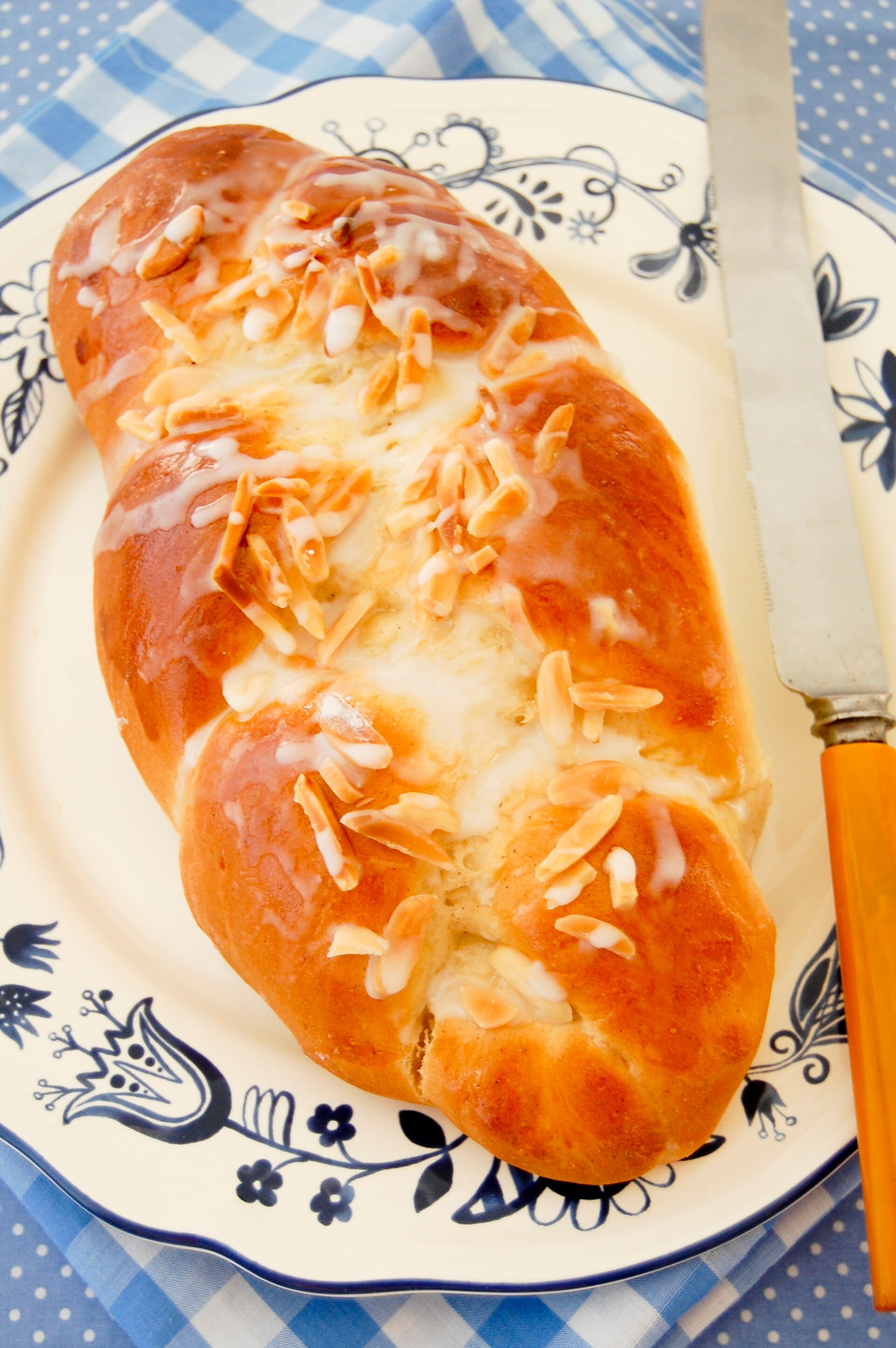
1800s-present
Cardamom bread came into Upper Midwest kitchens with Finnish, Swedish, Norwegian, and other Scandinavian immigrants. Finnish pulla and Swedish cardamom breads became coffee-table, holiday, and family celebration loaves in Scandinavian American communities.
America's Melting Pot
Carrot Juice photo coming soon
1970-1989
Carrot Juice brings juice-bar color and American smoothie-counter energy to the glass: Health-food store classic.
America's Melting Pot
Carrot Marmalade photo coming soon
1910s-1940s
Carrot marmalade became useful in wartime kitchens because carrots were available, productive in victory gardens, and naturally sweet. Recipes appeared during World War I and returned during World War II as cooks stretched scarce citrus and sugar.
America's Melting Pot
Carrot Orange Smoothie photo coming soon
1970-1989
Carrot Orange Smoothie brings juice-bar color and American smoothie-counter energy to the glass: Juice-bar health drink.
America's Melting Pot
Celery Juice photo coming soon
1970-1989
Celery Juice brings juice-bar color and American smoothie-counter energy to the glass: Modern wellness trend.
America's Melting Pot
Chaffle photo coming soon
2010s-present
The chaffle became a keto and low-carb internet staple in the late 2010s because it promised bread-like structure from two common ingredients: cheese and egg. Mini waffle makers, Facebook groups, blogs, and TikTok-style sharing helped it spread fast.
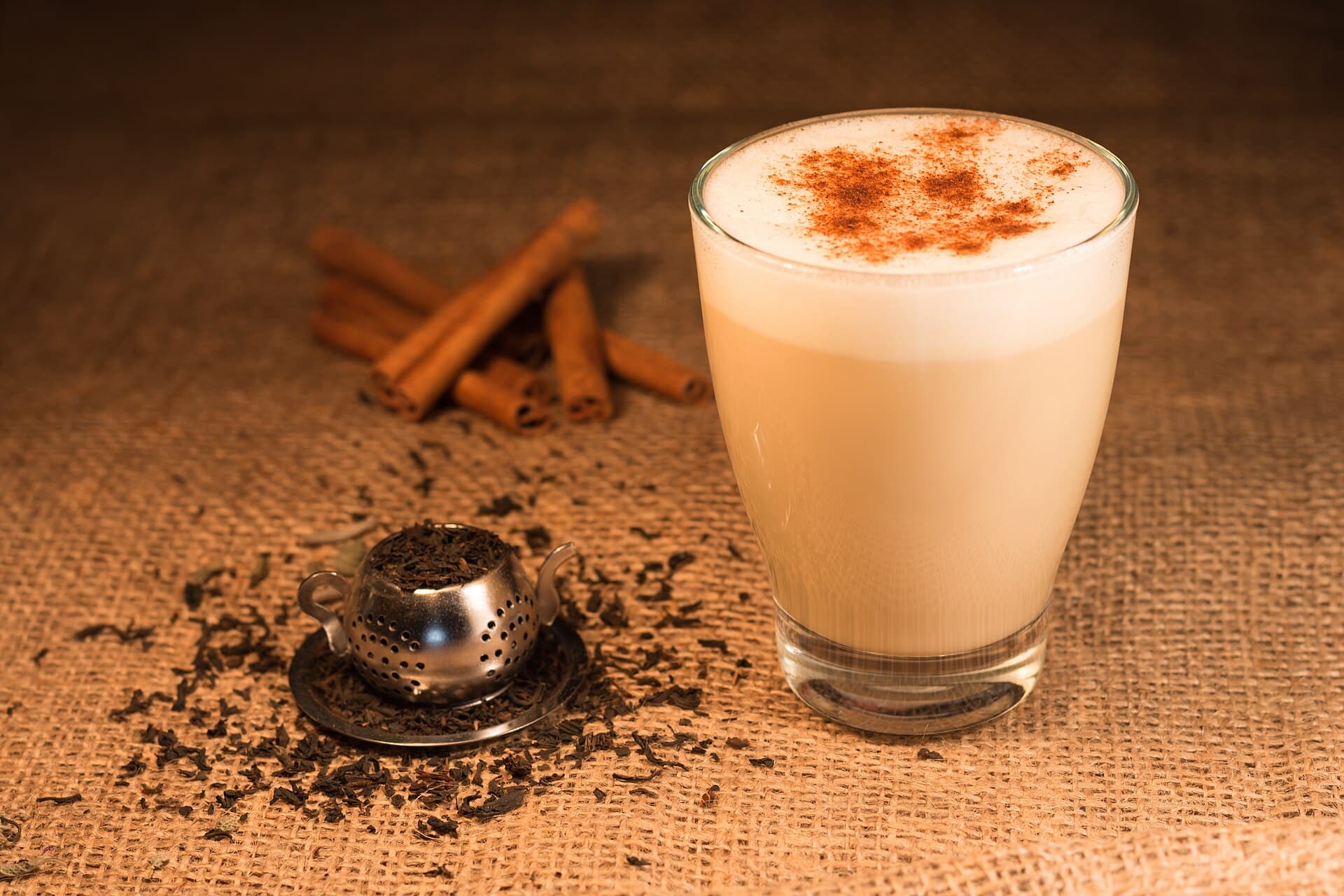
1990s-present
Chai latte is an American coffee-shop adaptation of South Asian masala chai. Starbucks introduced a chai tea latte in 1999, and the sweet, milky, cinnamon-cardamom drink became a standard cafe order even as it differed from everyday chai made in South Asian homes and stalls.
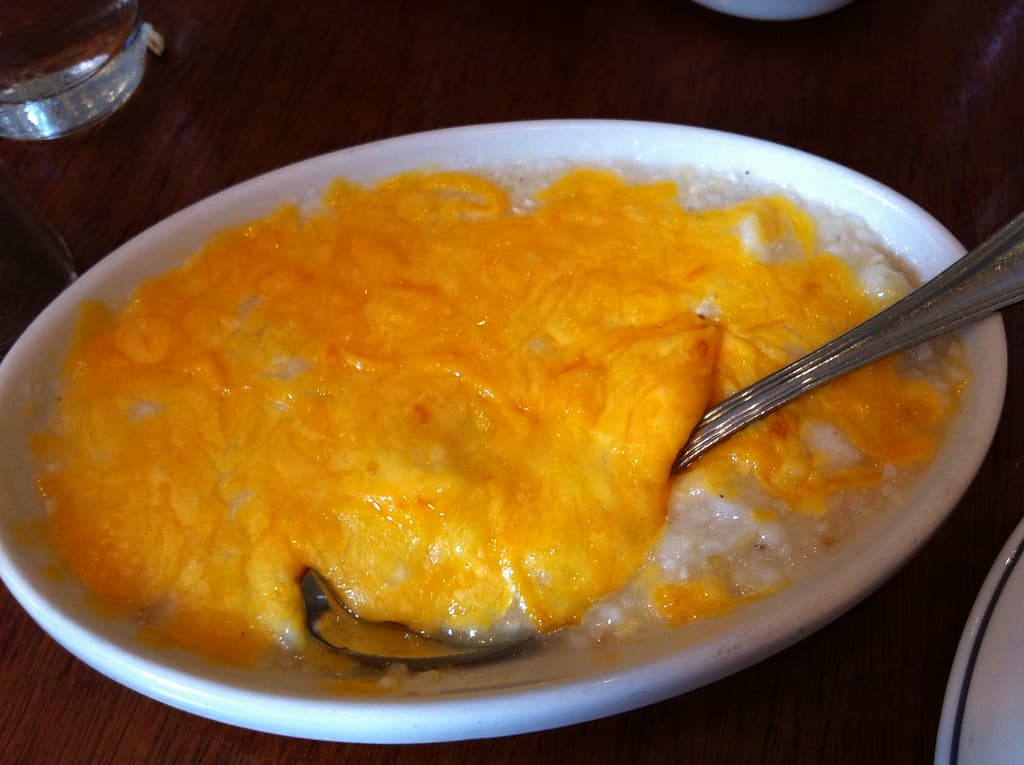
1800s-present
Creamy Southern grits cooked with milk or water, finished with butter, sharp cheddar, and black pepper.
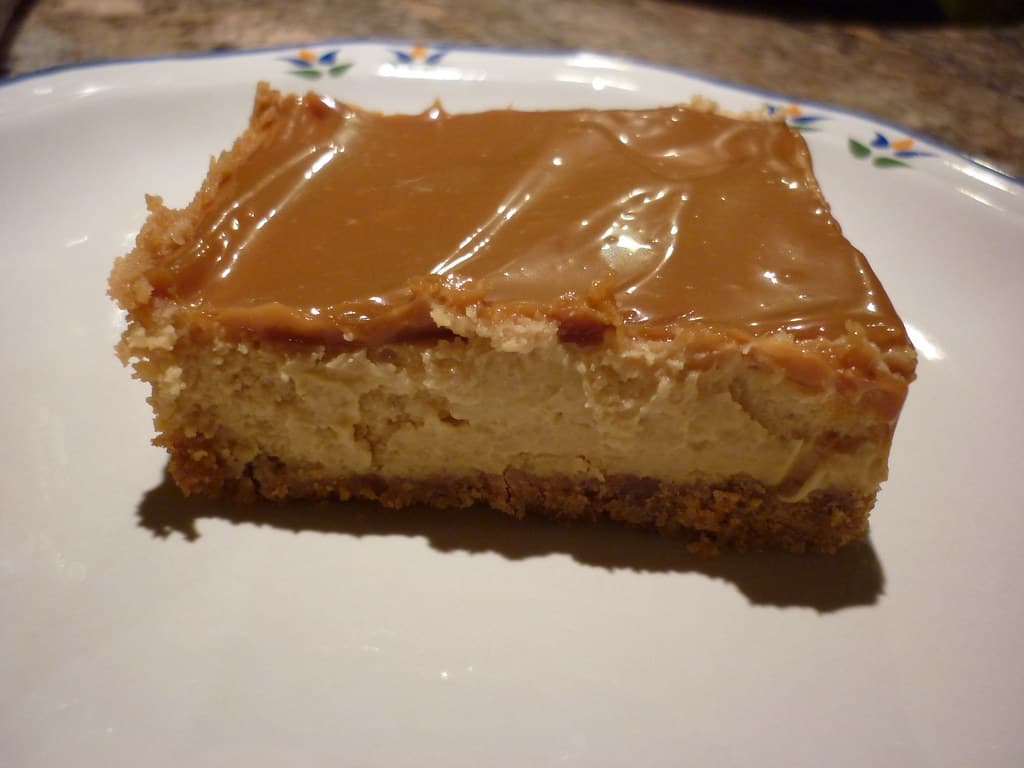
1990s-present
Creamy cheesecake baked over a graham cracker crust, chilled, and cut into tidy bars for easy serving.
America's Melting Pot
Cherry Limeade photo coming soon
Modern Melting Pot
Cherry Limeade brings juice-bar color and American smoothie-counter energy to the glass: Drive-in drink, especially Sonic-style culture.
America's Melting Pot
Chicken a la King photo coming soon
1890s-present
Tender chicken and mushrooms in a rich cream sauce with pimentos and sherry, served over toast, pastry shells, rice, or biscuits.
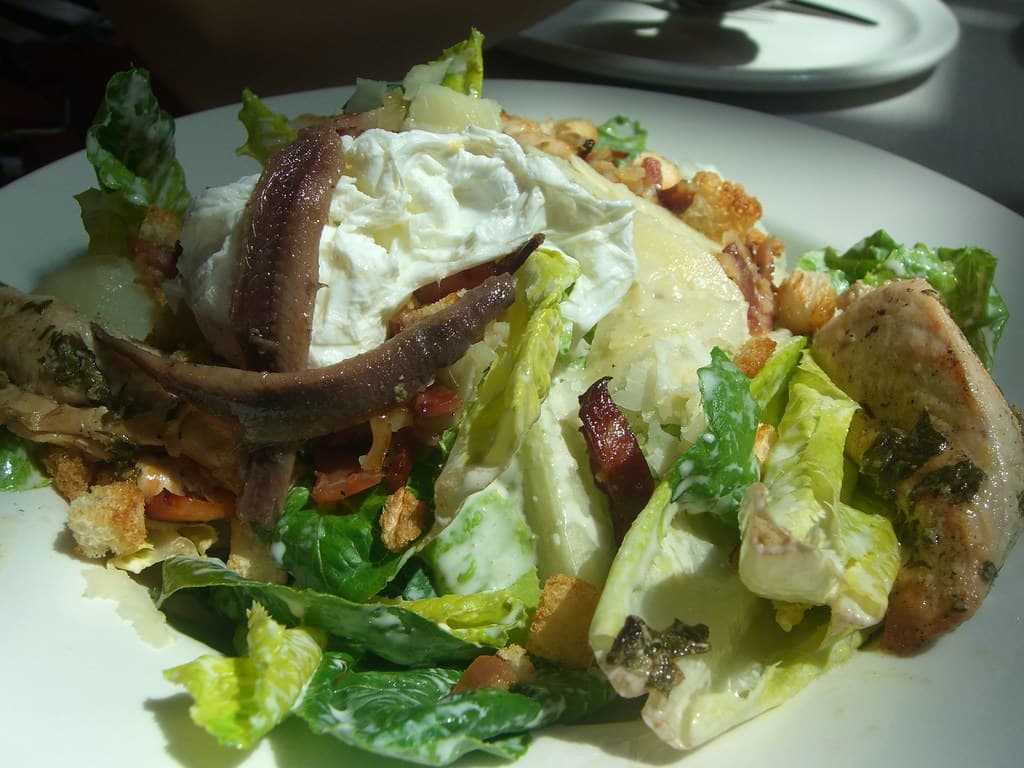
1990-2009
A well-known salad featuring grilled chicken atop crisp romaine, tossed with creamy Caesar dressing, crunchy croutons, and Parmesan cheese. Popularized in family restaurants and coffee shops during the 1990s and 2000s, it became a staple side and light entree, especially for Super Bowl gatherings, blending Italian-American flavors with accessible American dining.
America's Melting Pot
Chicken Gravy photo coming soon
Cross-era
Chicken Gravy is a condiment with real American table personality: Cafeteria, Sunday supper, chicken and biscuits. It brings flavor from coast-to-coast American tables to cookouts, counters, lunch plates, potlucks, and weeknight suppers.
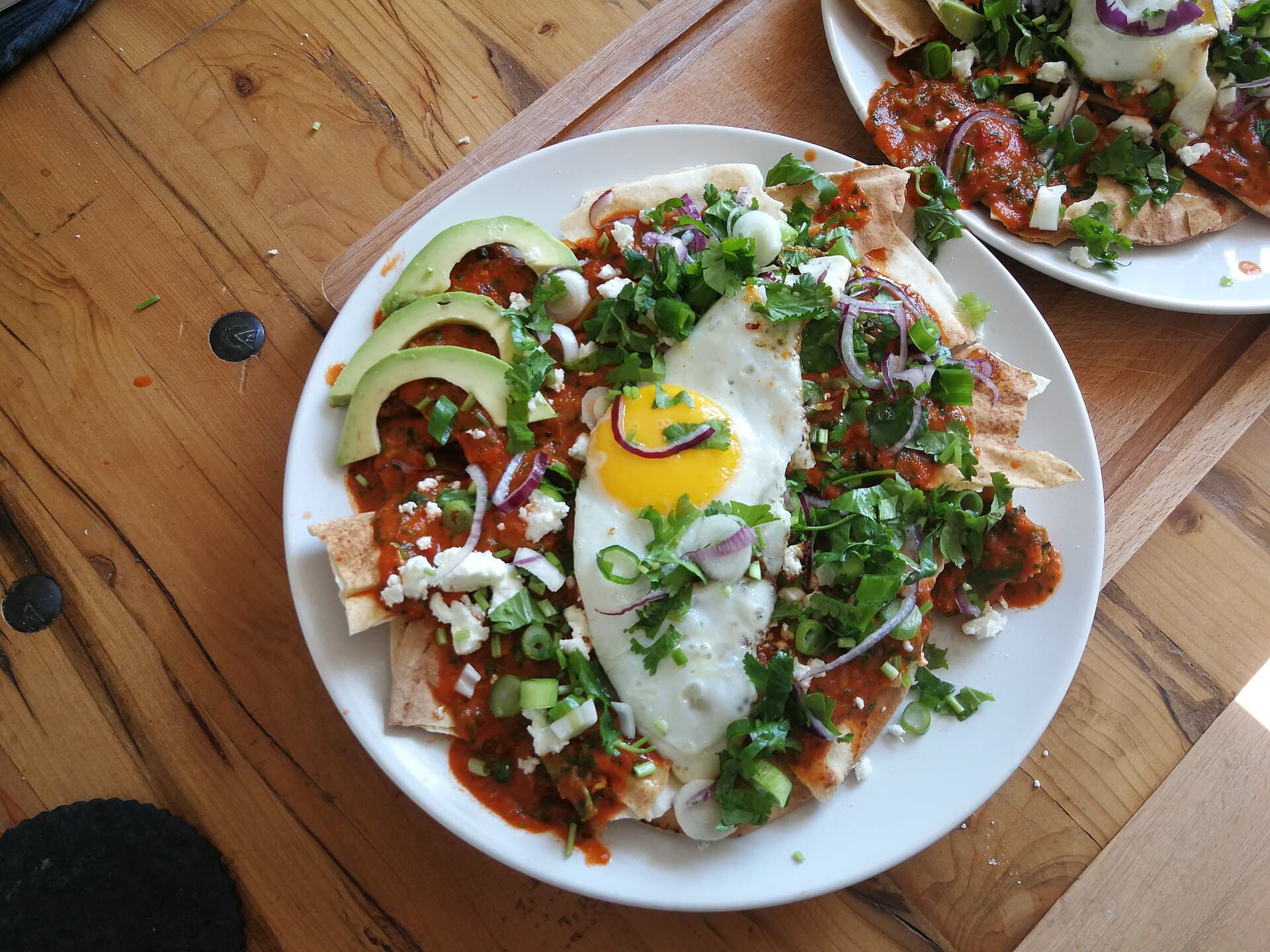
1800-1860
Chilaquiles is a traditional Mexican breakfast dish featuring fried tortilla chips simmered in green or red salsa and topped with cheese, crema, onions, and eggs. Rooted in Mexican-American and Spanish borderlands cooking, it was common in the Southwestern United States during the early 19th century. This dish exemplifies resourceful use of tortillas and reflects deep cultural ties between Spanish, Mexican, and early American frontier cuisines.
America's Melting Pot
Chili and Cinnamon Rolls photo coming soon
1945-2000
Chili and Cinnamon Rolls is a unique Midwestern comfort food pairing commonly found in school cafeterias and concession stands. Combining a warm bowl of chili with sweet, soft cinnamon rolls offers a blend of savory and sweet flavors reflecting regional preferences in informal or institutional American dining. This meal represents practical, hearty food designed for broad appeal and sustenance in communal eating contexts.
America's Melting Pot
Chocolate Banana Smoothie photo coming soon
1970-1989
Chocolate Banana Smoothie brings juice-bar color and American smoothie-counter energy to the glass: Dessert/fitness hybrid.
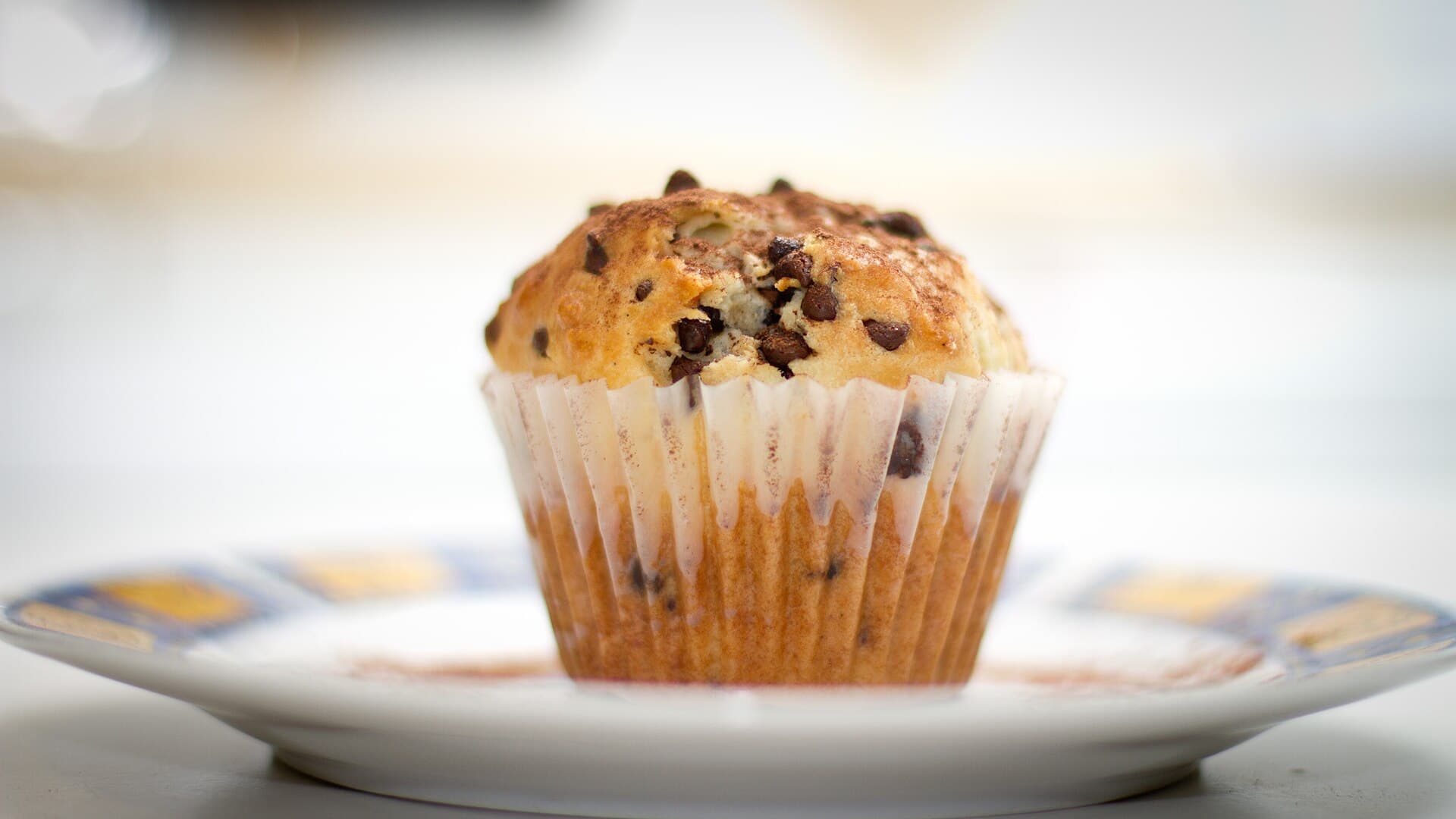
1970-1989
Chocolate Chip Muffins emerged as a popular breakfast and snack item in United States coffee shops and bakeries during the 1990s to 2000s. Favored for convenience and sweet comfort, these muffins combine rich chocolate chips with a tender, moist crumb, reflecting nationwide cafe culture trends and a growing market for portable morning treats including Super Bowl and casual party fare.
Community recipe submission
Log in to submit a recipe, format it with the cooking companion, and send it for review.
Log in to Submit