Loading
Setting the table...
Fetching the latest recipes from the archive.
Loading
Fetching the latest recipes from the archive.
Recipe archive
Recipe archive
Search the archive by title, region, ingredient, tag, or era, then sort the table by the view that fits your kitchen.
This archive is growing through recipes, photos, family recipes, and historical context shared by the community.
America's Melting Pot
Caramel Rolls photo coming soon
1920s-present
Caramel rolls are a beloved North Dakota and Upper Midwest bakery, church, and cafe treat. They resemble cinnamon rolls or sticky buns, but the defining feature is a generous caramel sauce that bakes under the rolls and becomes the top after turning out.
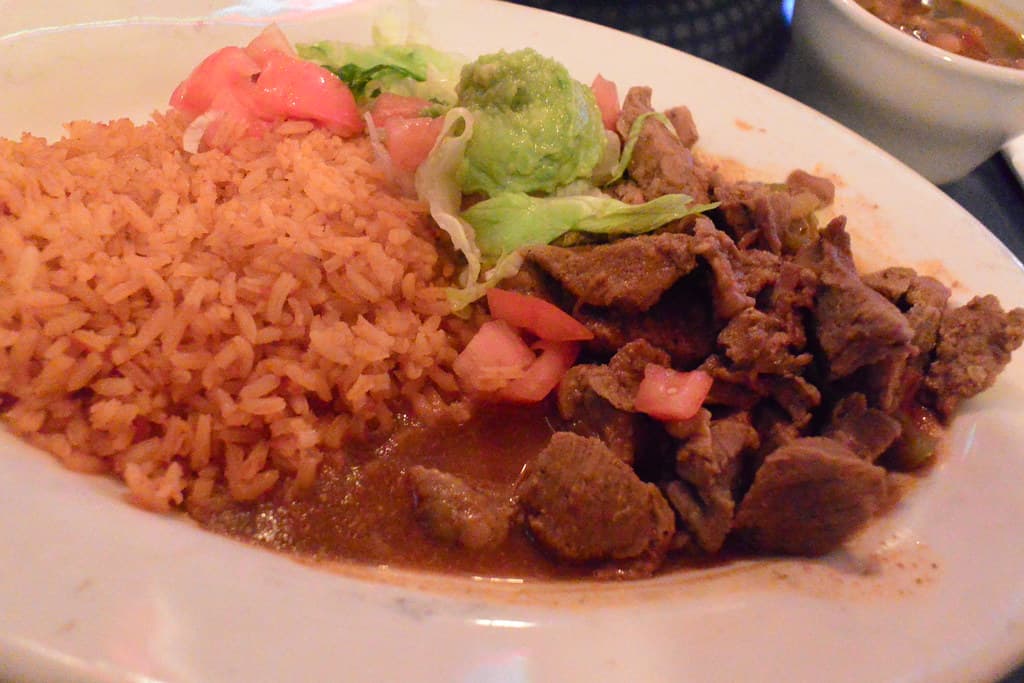
1800s-present
Carne guisada means stewed meat, and in Texas it is a beloved Mexican American home-cooking and Tex-Mex restaurant dish. Cubed beef cooks slowly with chiles, tomatoes, aromatics, and gravy until it can be spooned into tortillas or served as a plate lunch.
America's Melting Pot
Cheeseburger photo coming soon
1920s-present
A classic griddled cheeseburger with American cheese, pickles, onion, ketchup, mustard, and a toasted bun.
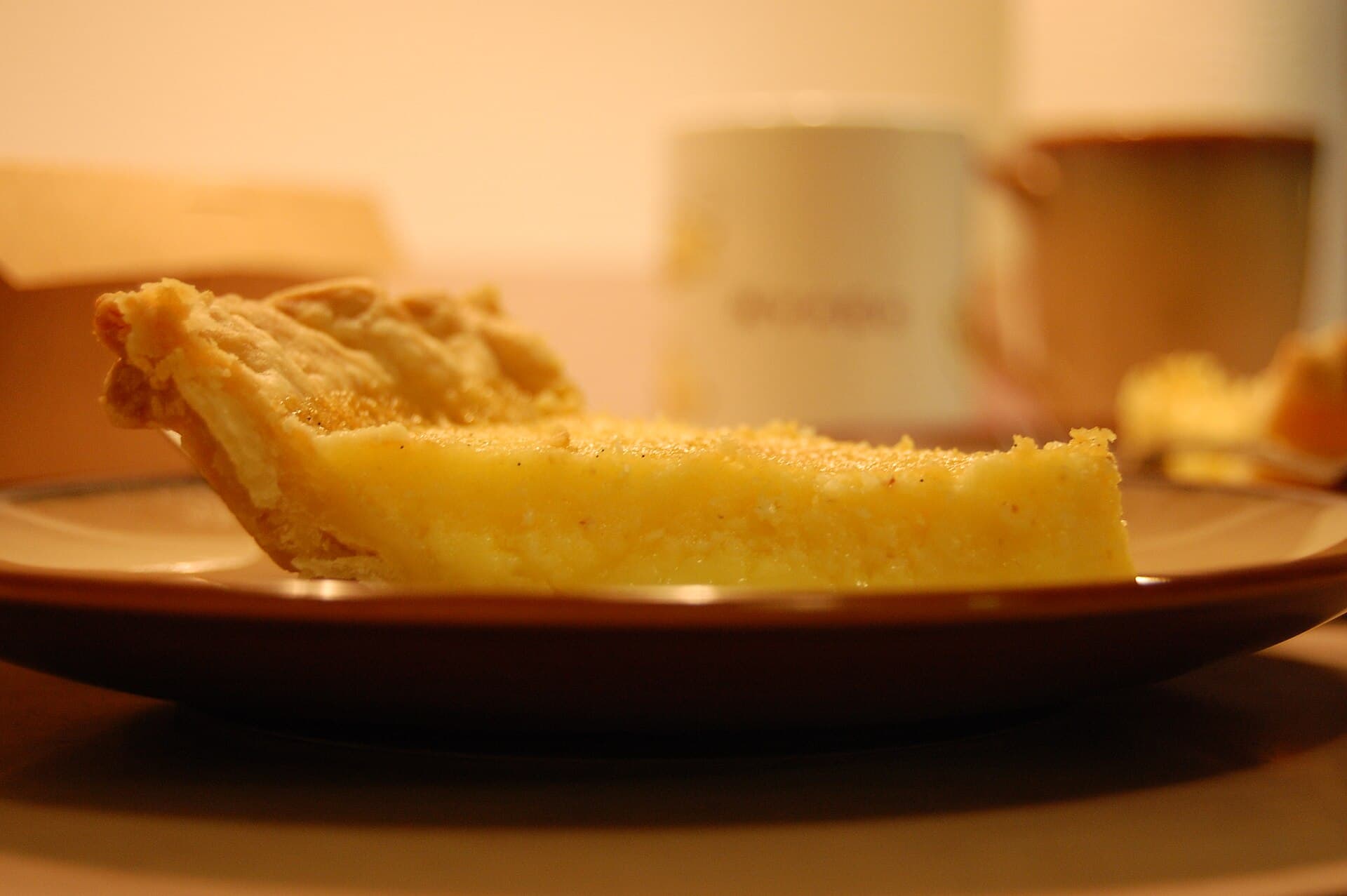
1800s-present
A classic Southern pantry pie with a buttery sugar filling, cornmeal texture, and a bright touch of vinegar or lemon.

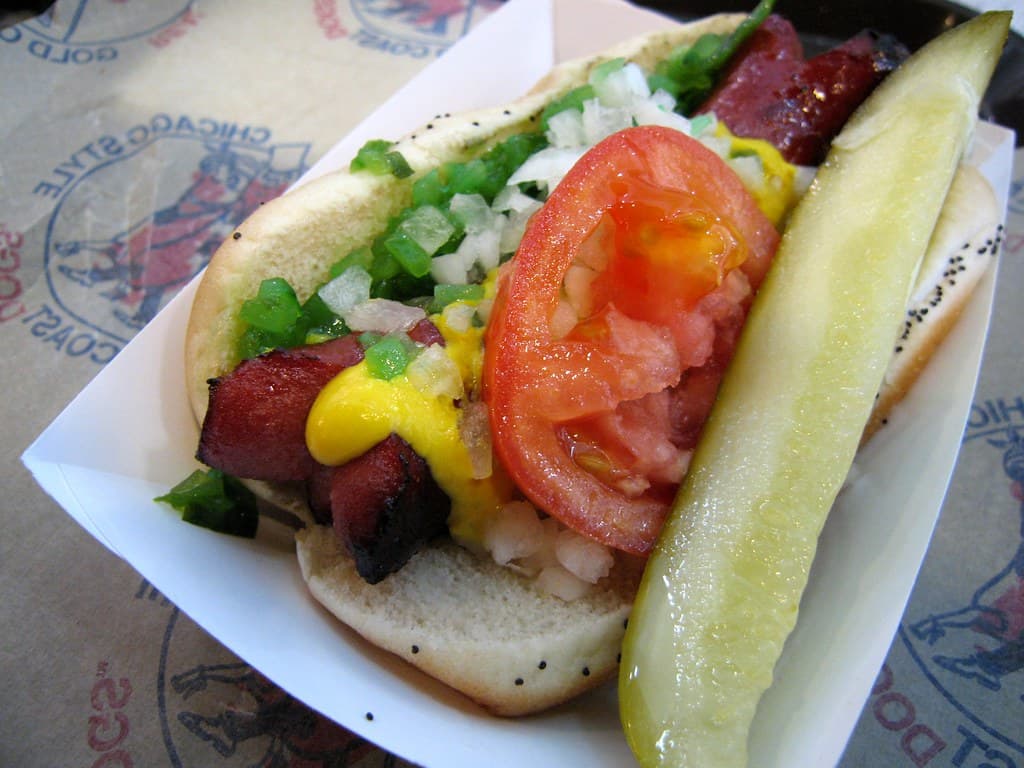
1930s-present
A classic Chicago-style hot dog on a poppy seed bun with yellow mustard, neon relish, onion, tomato, pickle spear, sport peppers, and celery salt.
America's Melting Pot
Chicago Neon Green Relish photo coming soon
Cross-era
Chicago Neon Green Relish is a relish with real American table personality: Essential part of the Chicago-style hot dog. It brings flavor from Chicago and the Upper Midwest to cookouts, counters, lunch plates, potlucks, and weeknight suppers.
America's Melting Pot
Chicago-Style Neon Relish photo coming soon
Cross-era
Chicago-Style Neon Relish is a sandwich sauce with real American table personality: Bright green relish essential to Chicago hot dogs. It brings flavor from Chicago and the Upper Midwest to cookouts, counters, lunch plates, potlucks, and weeknight suppers.
America's Melting Pot
Chicken a la King photo coming soon
1890s-present
Tender chicken and mushrooms in a rich cream sauce with pimentos and sherry, served over toast, pastry shells, rice, or biscuits.

1900s-present
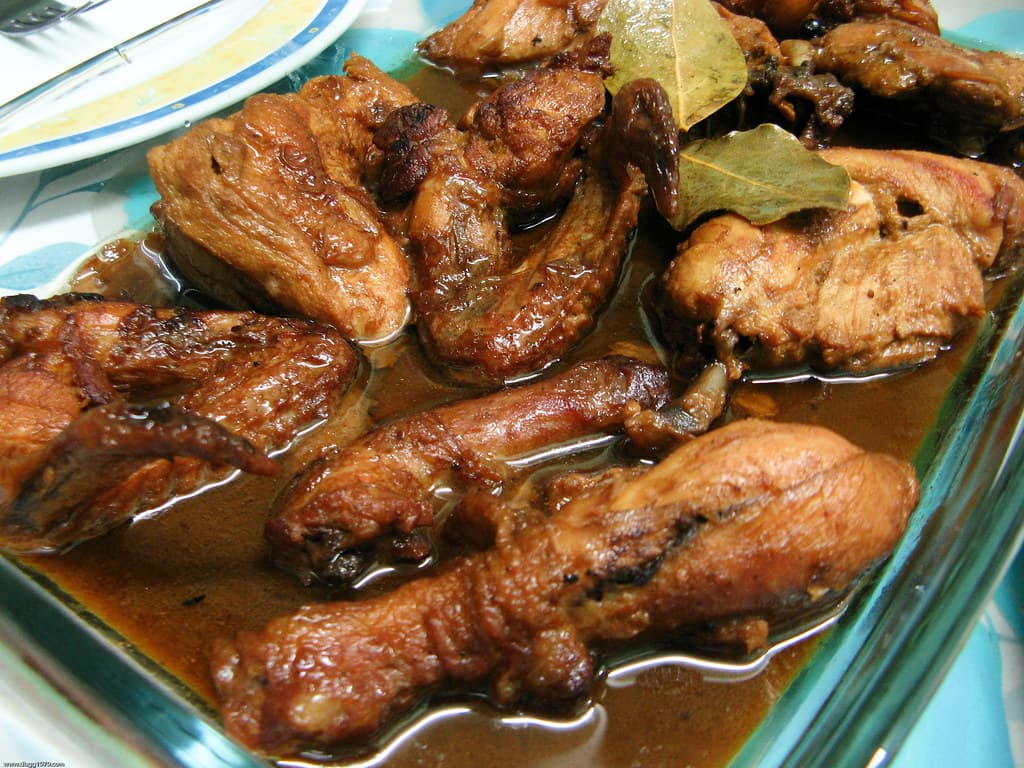
A Filipino and Filipino American staple of chicken simmered until tender in vinegar, soy sauce, garlic, bay leaves, and black pepper.

1980s-present
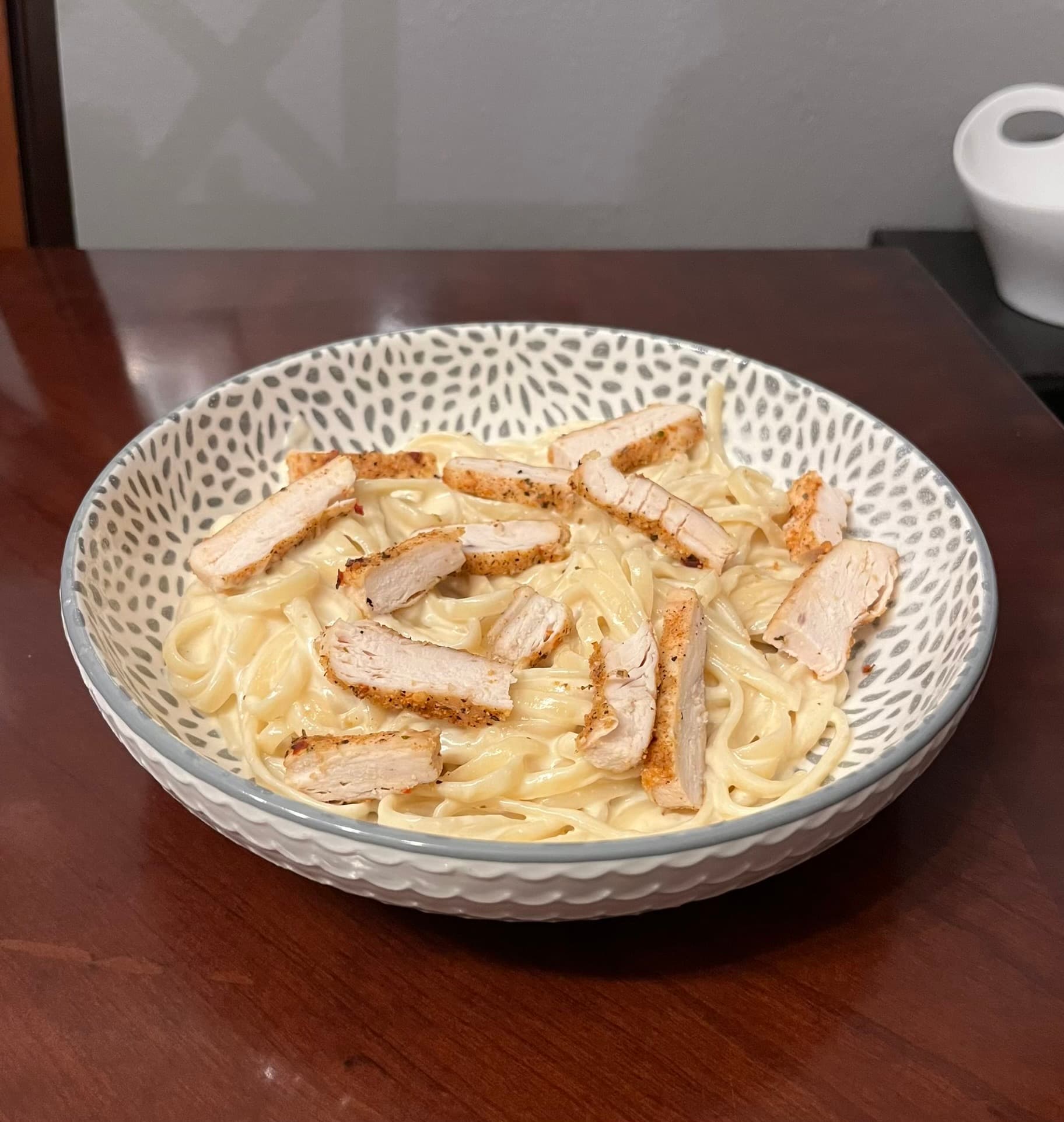
Fettuccine tossed in a rich American Alfredo sauce of cream, butter, garlic, and Parmesan, topped with sliced chicken.

1800s-present
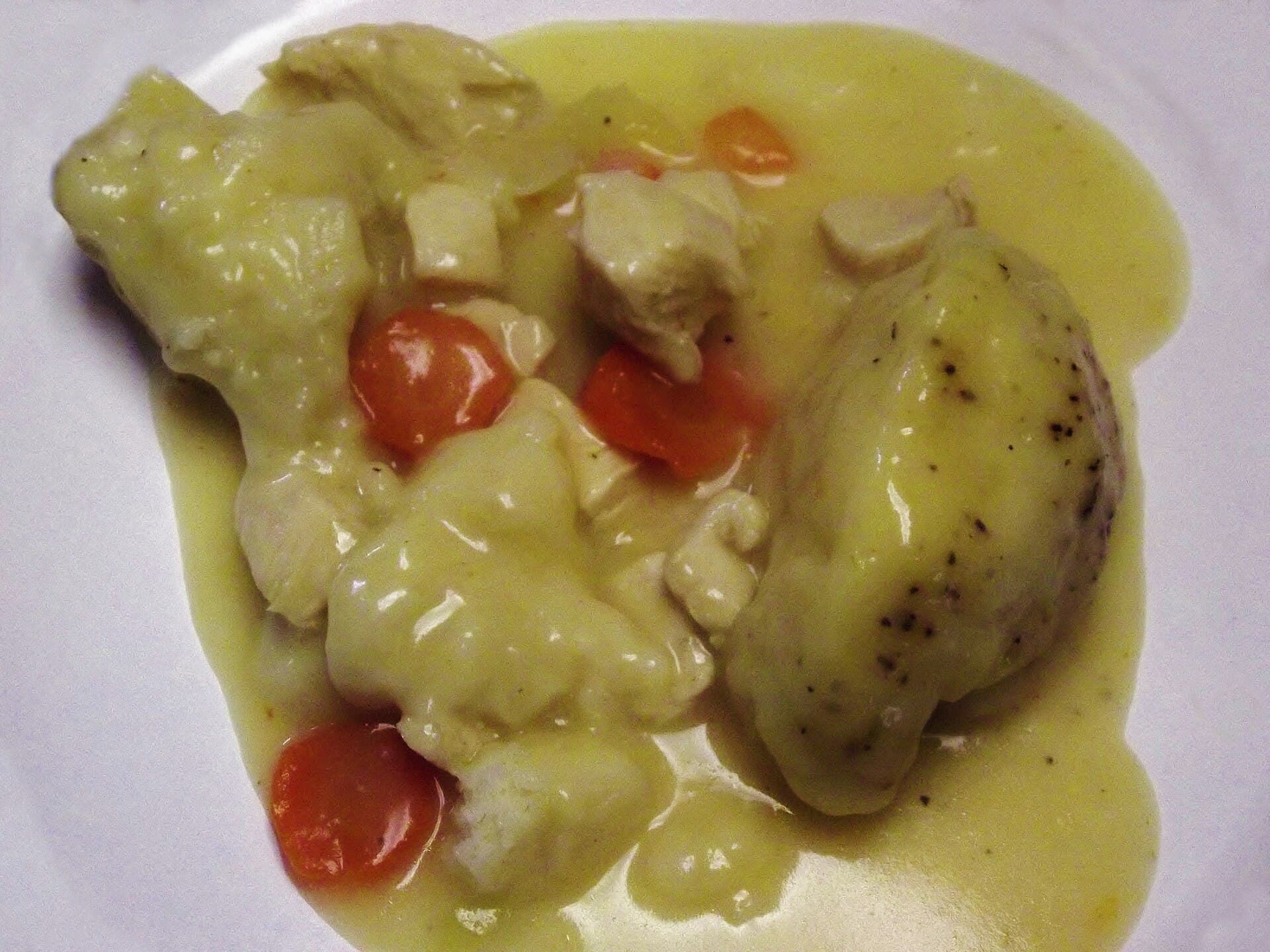
Tender chicken in rich broth with soft dumplings, finished as a thick, comforting Southern and Appalachian main dish.
America's Melting Pot
Chicken and Dumplings, Early Style photo coming soon
1770s-1800s
A historic-style chicken broth with simple flour dumplings, inspired by early American meat-dumpling and pottage traditions.
America's Melting Pot
Chicken and Noodles photo coming soon
1900s-present
Tender chicken and egg noodles simmered in rich broth until thick, hearty, and ready for a Midwestern supper.
America's Melting Pot
Chicken and Rice Casserole photo coming soon
1940s-present
A comforting chicken and rice casserole made with uncooked rice, chicken pieces, condensed cream soup, broth, and a simple baked finish.
America's Melting Pot
Chicken and Slicks photo coming soon
1800s-present
Chicken simmered in broth with thin rolled dumpling strips, also called slicks, sliders, or chicken pastry in parts of the South.

1900s-present
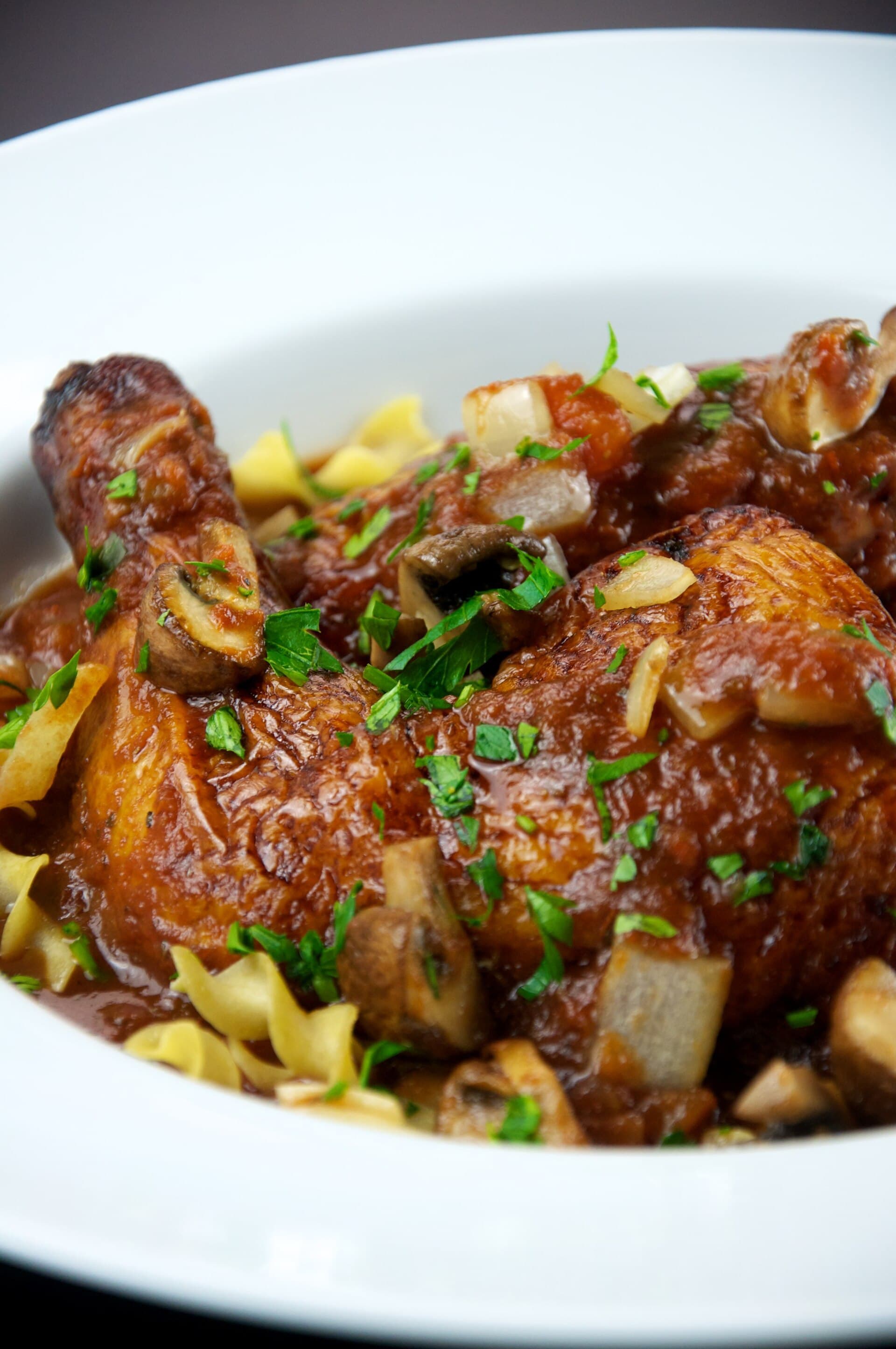
Bone-in chicken browned and simmered with tomatoes, wine, peppers, mushrooms, onions, garlic, and herbs in the Italian American style.
America's Melting Pot
Chicken Crust Pizza photo coming soon
Modern Melting Pot
Ground chicken, egg, Parmesan, and seasonings bake into a sliceable pizza base for a low-carb, protein-forward pizza night.
America's Melting Pot
Chicken Gravy photo coming soon
Cross-era
Chicken Gravy is a condiment with real American table personality: Cafeteria, Sunday supper, chicken and biscuits. It brings flavor from coast-to-coast American tables to cookouts, counters, lunch plates, potlucks, and weeknight suppers.
America's Melting Pot
Chicken Liver Spread photo coming soon
1861-1900
Chicken Liver Spread is a smooth pate made from sauteed chicken livers, onions, and seasonings, often served as a hearty appetizer or sandwich topping within Jewish-American communities. Rooted in mid-19th century culinary traditions during and after the Civil War, this dish reflects immigrant adaptation and resourcefulness.
America's Melting Pot
Chicken Noodle Soup photo coming soon
1930-1945
Chicken Noodle Soup is a comforting one-pot dish made by simmering chicken, vegetables, broth, and egg noodles into a nourishing soup. A staple across American kitchens for generations, it highlights simplicity, warmth, and adaptability in soups and stews throughout the country's culinary evolution.

1800-1860
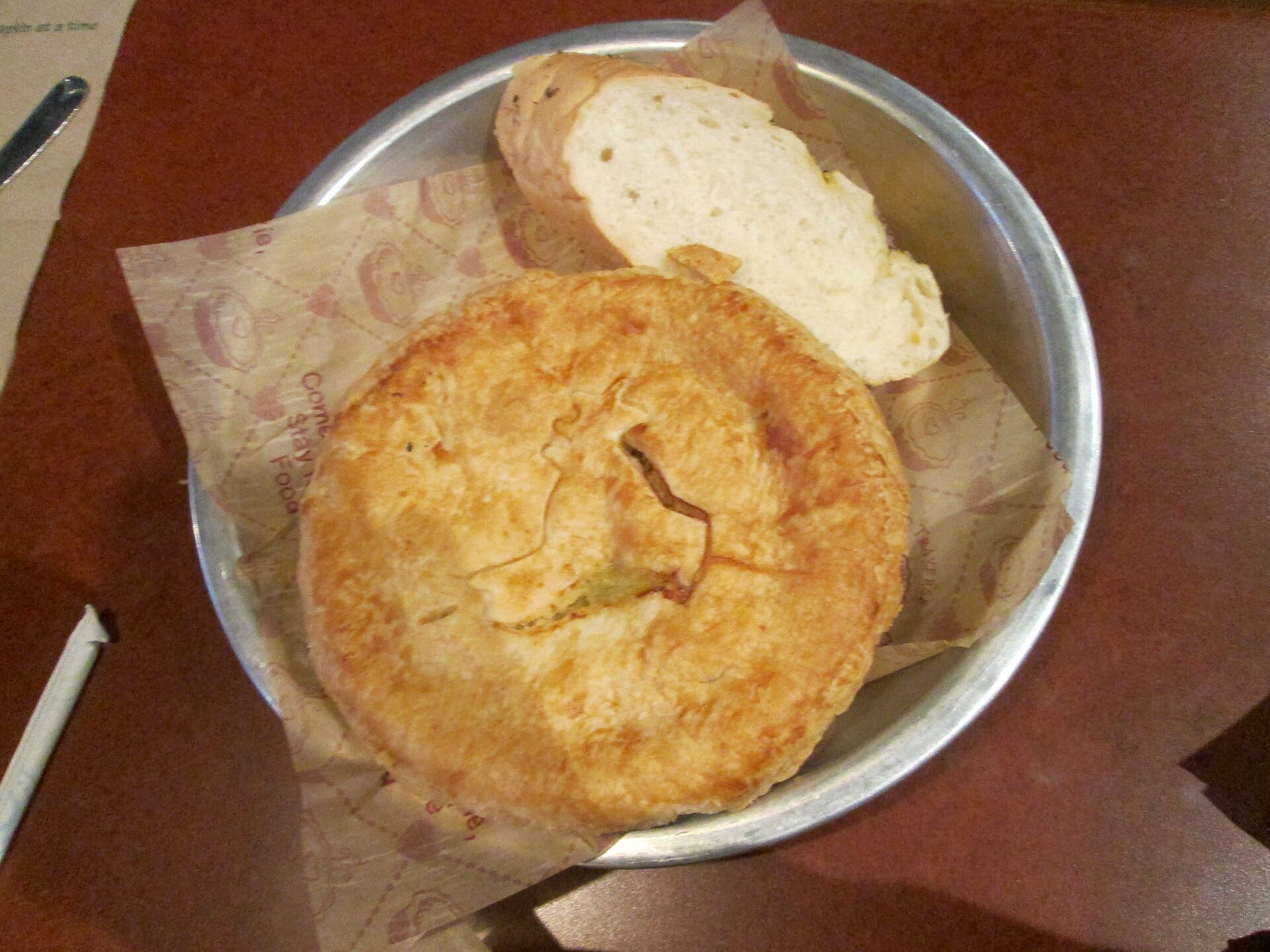
Chicken Pot Pie is a savory dish of chicken and vegetables enveloped in a flaky pastry crust. Emerging in New England and the Mid-Atlantic between 1800 and 1860, it provided a filling meal emphasizing local ingredients and baking traditions, symbolizing comfort food during early American settlement and immigration periods.

1861-1900
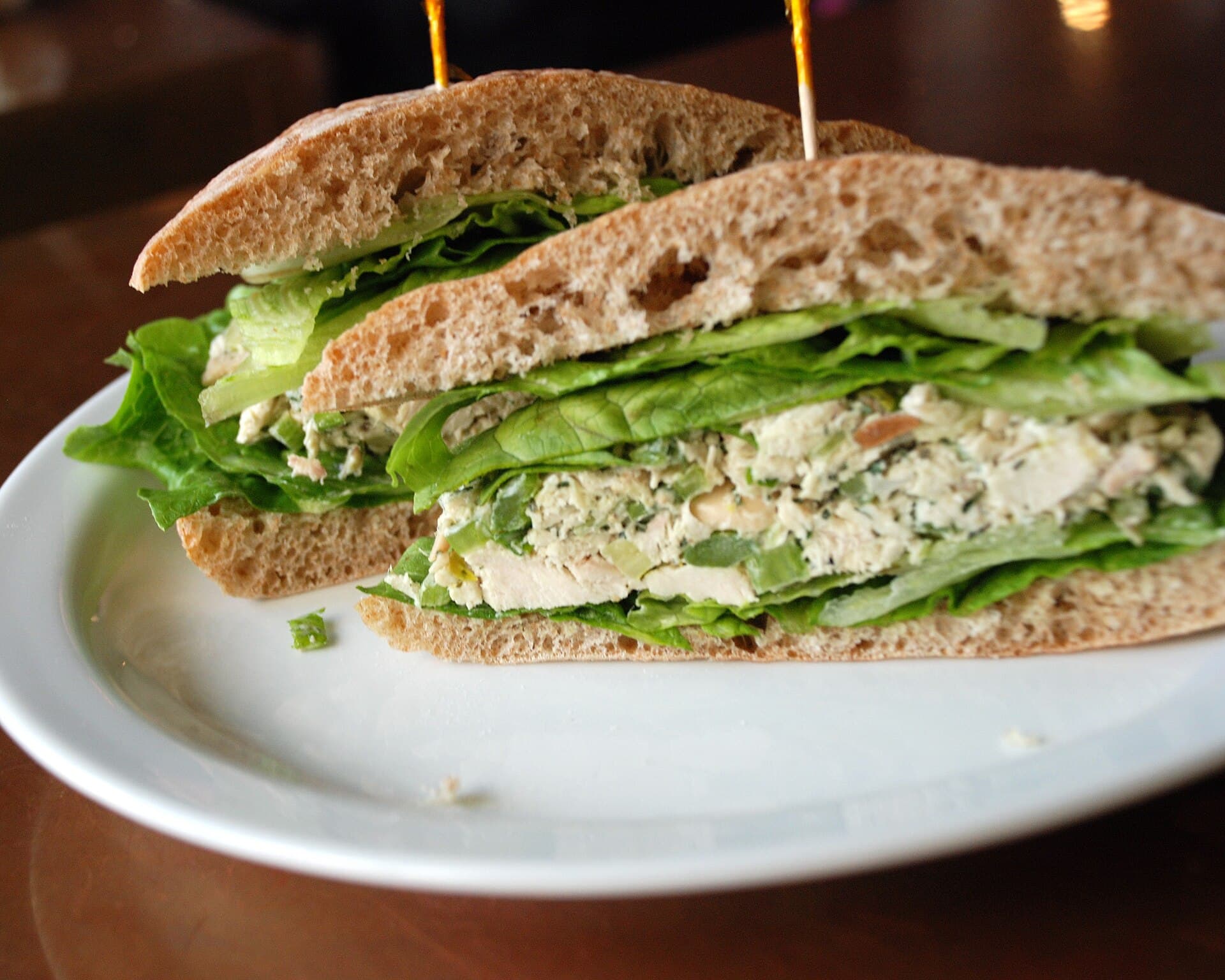
Chicken Salad Sandwich features poached chicken combined with mayonnaise and seasonings, served between slices of bread. A staple in diners and lunch counters from 1900 to 1929, it exemplified quick, hearty meals for working-class Americans in immigrant-rich urban centers and became a common offering at state fairs and casual eateries.
America's Melting Pot
Chicken Spaghetti photo coming soon
1946-1969
Chicken Spaghetti is a creamy, comforting casserole that became popular in the Midwest during America's postwar prosperity era. Combining cooked chicken, spaghetti noodles, a cheesy sauce, and often vegetables like bell peppers or mushrooms, this dish embodies the freezer-ready casseroles prized in suburban households. With its melding of convenience and homestyle flavor, it reflects the era's suburban family cooking trends.

1970-1989
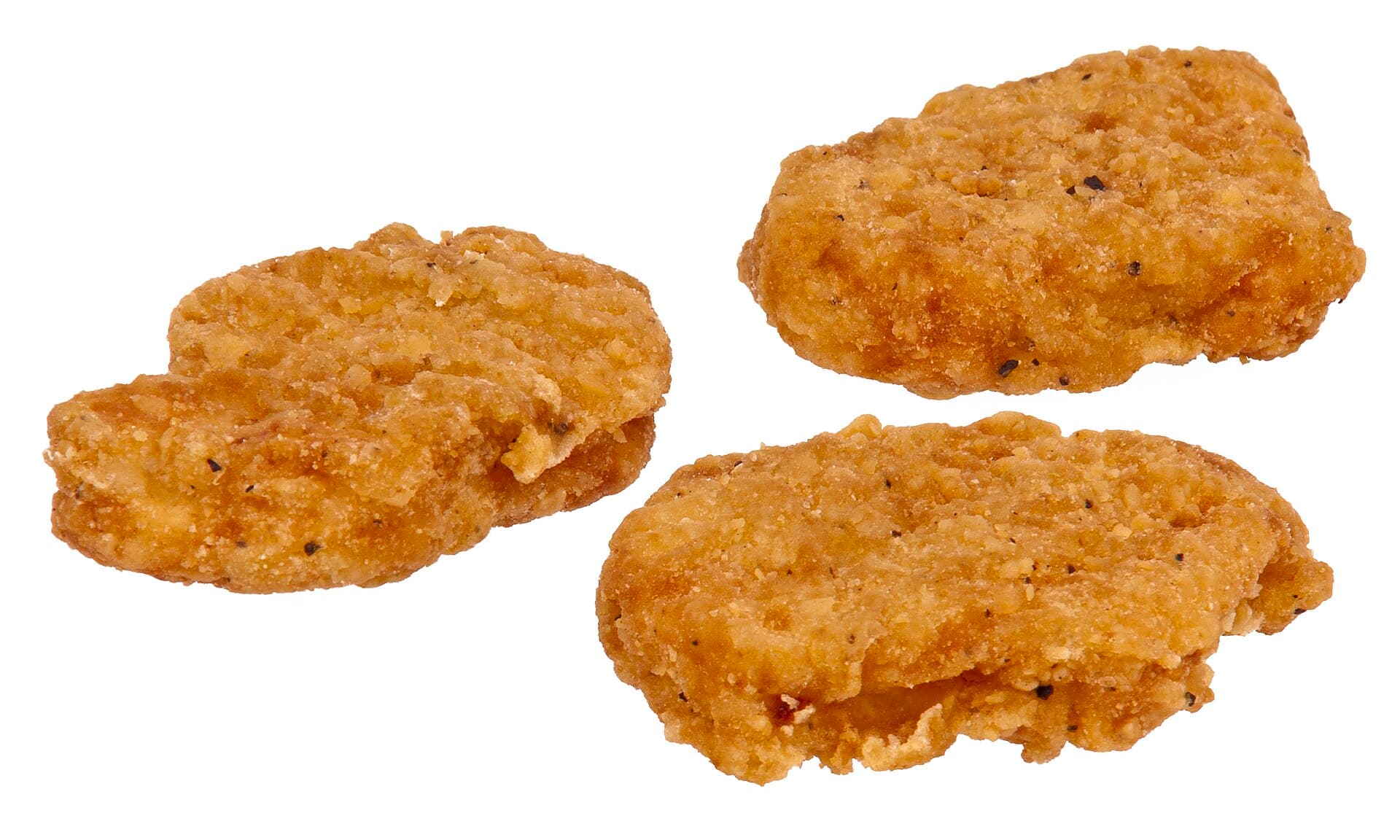
Chicken Tenders are breaded strips of chicken breast meat, fried until golden and crispy, that became staple party and game day food across American households during the 1990s and 2000s. Their easy preparation, finger-food appeal, and compatibility with dipping sauces made them widespread in casual dining, cafes, and sports events, reflecting changing trends in American appetites and convenience foods.

1980-1989
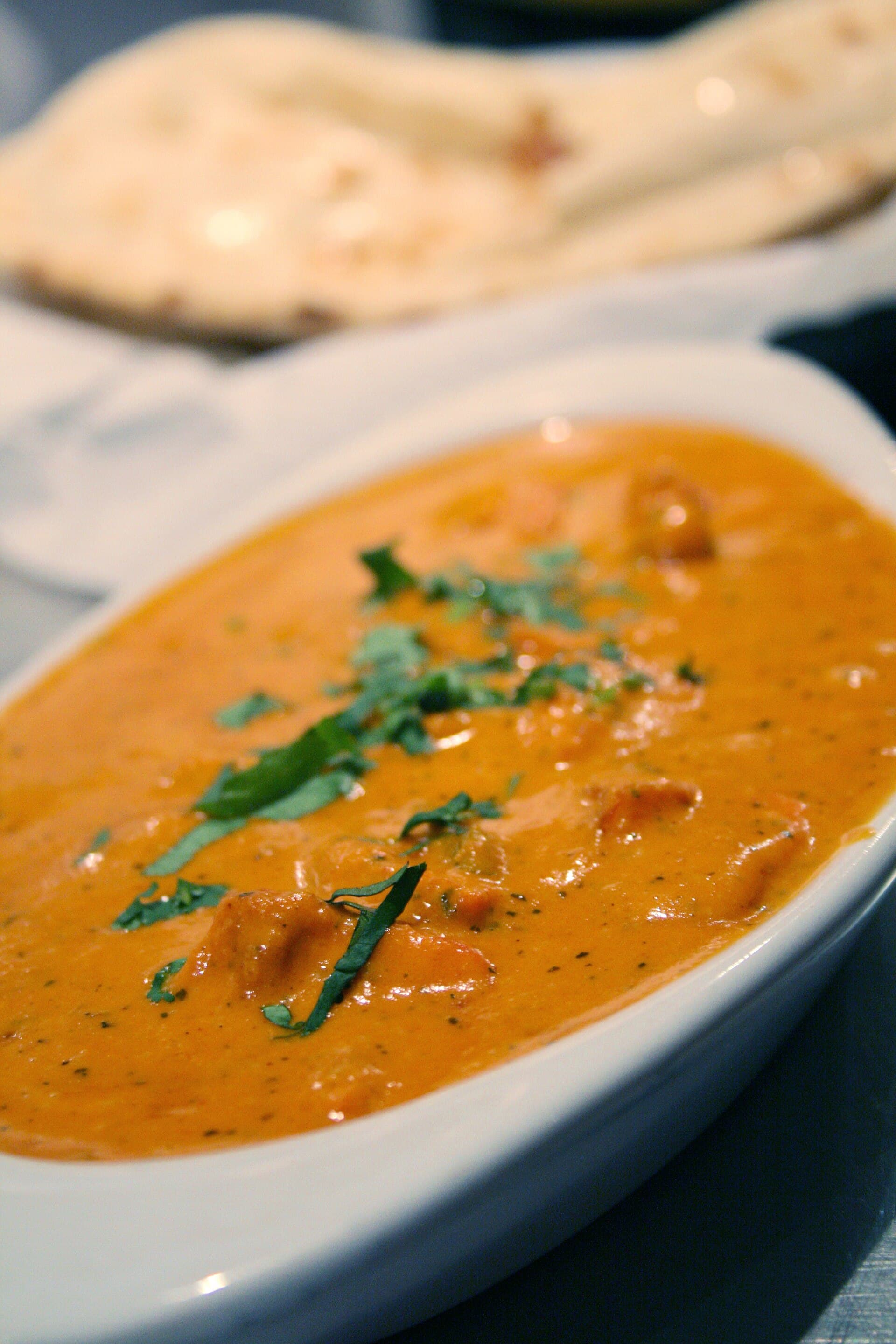
Chicken Tikka Masala is a creamy tomato-based curry with marinated, grilled chicken pieces, dining into American culinary landscapes in the late 20th century through immigrant and suburban adaptations. The dish blends South Asian flavors with local ingredient availability, symbolizing the globalizing food culture in suburban America and becoming a beloved main course in many households across the United States.

1861-1900
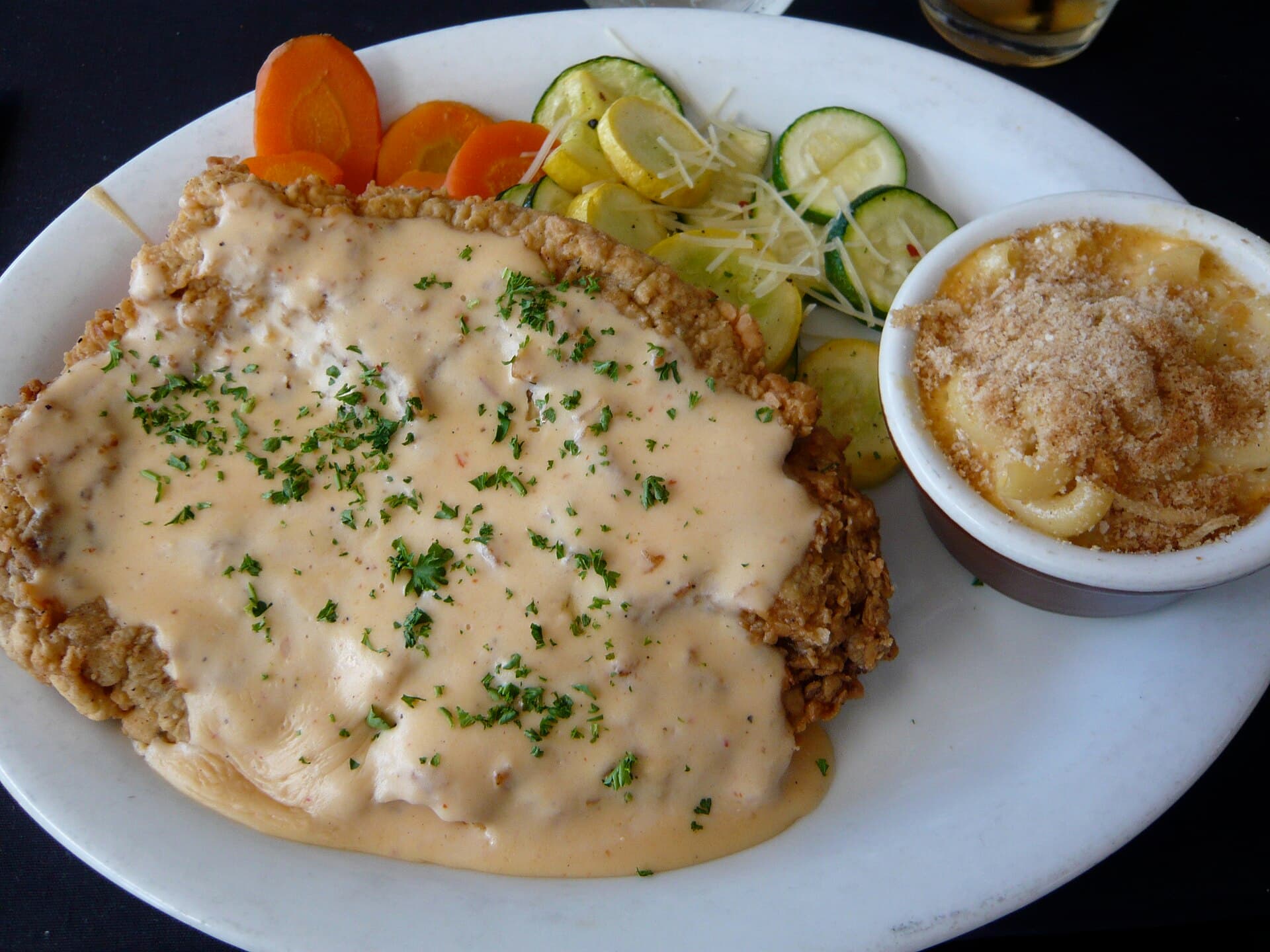
Chicken-Fried Steak is a tenderized beefsteak, breaded and fried similarly to fried chicken, served with creamy country gravy. Rooted in 19th-century cattle trail and chuckwagon cooking, this hearty dish became a Great Plains staple during the Civil War and westward expansion, embodying resourceful American frontier cooking.
America's Melting Pot
Chile con Carne photo coming soon
1800-1860
Chile con Carne is a robust stew combining beef, chili peppers, tomatoes, and spices that became emblematic of Southwestern and Texas cooking in the 19th century. Its roots trace to Mexican-American and Spanish borderlands culinary traditions, adapted by settlers, cowboys, and ranchers. A filling, one-pot meal suited to frontier life, it holds a lasting place in regional American cuisine as a symbol of rustic, spicy comfort food.
America's Melting Pot
Chile con Queso photo coming soon
1970-1989
Chile con Queso is a popular creamy, melted cheese dip blended with chili peppers and seasonings, associated with Tex-Mex cuisine and American tailgate culture from the 1970s and 1980s. Typically served warm with tortilla chips, it became a fast-food, convenience, and party staple reflecting fusion trends and regional pride in American Mexican and Texan foodways.
America's Melting Pot
Chili photo coming soon
1861-1900
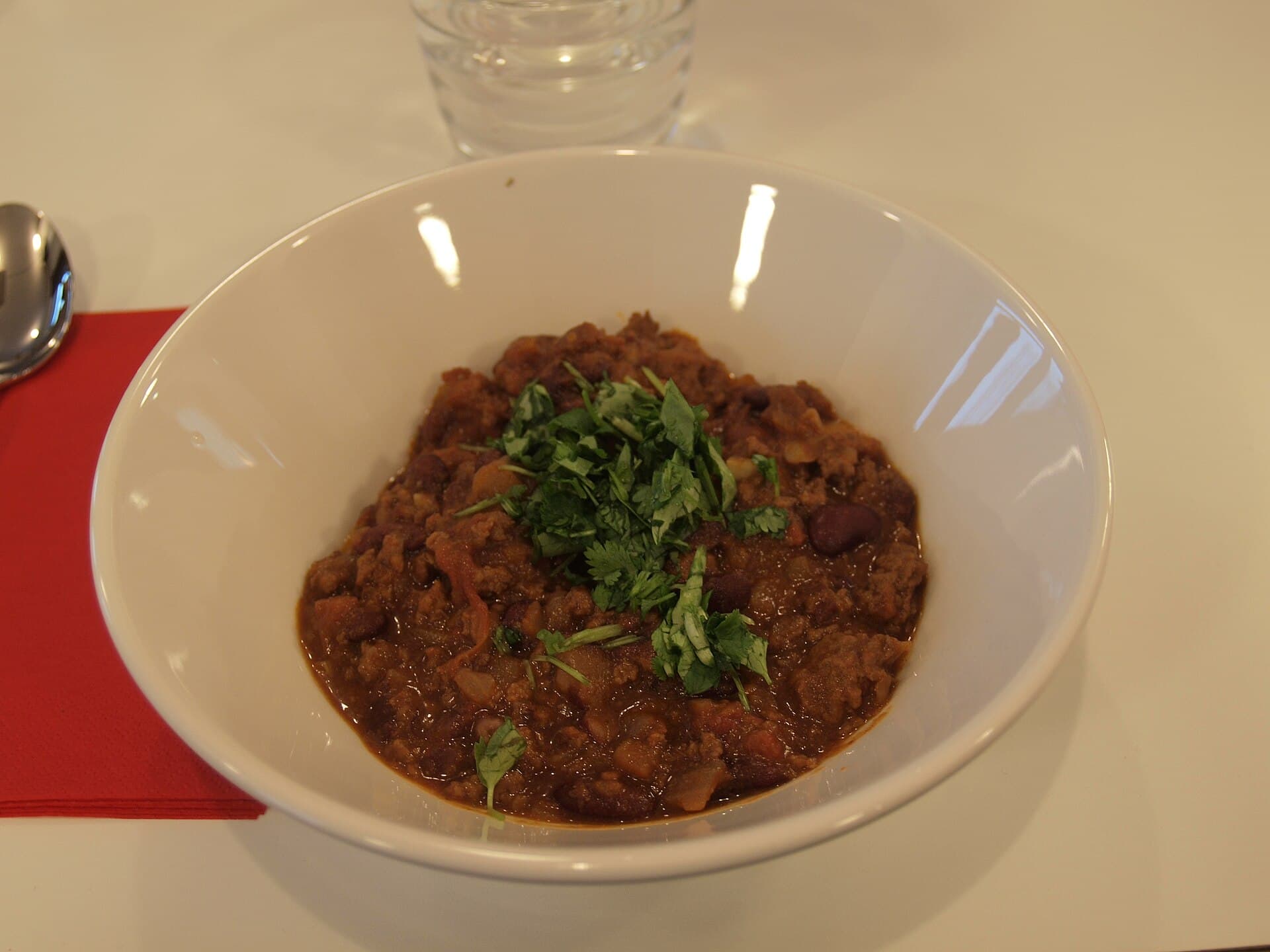
Chili is a spicy stew typically featuring meat, beans, chili peppers, and aromatic spices, standing as a quintessential American comfort food with roots in Mexican-American and Southwestern traditions. Its adaptability and richness have made it a popular one-pot meal enjoyed across the United States throughout multiple eras. Chili showcases the blending of frontier and immigrant culinary influences into a hearty, communal dish.
America's Melting Pot
Chili and Cinnamon Rolls photo coming soon
1945-2000
Chili and Cinnamon Rolls is a unique Midwestern comfort food pairing commonly found in school cafeterias and concession stands. Combining a warm bowl of chili with sweet, soft cinnamon rolls offers a blend of savory and sweet flavors reflecting regional preferences in informal or institutional American dining. This meal represents practical, hearty food designed for broad appeal and sustenance in communal eating contexts.

1861-1900
Chili con Carne is a spicy stew of beef, chili peppers, and seasonings integral to Great Plains cuisine post-Civil War. Popular among cattle drivers, settlers, and ranch communities during the late 19th century, this dish represents frontier culinary innovation blending Mexican-American and Southwestern flavors adapted to the rugged Great Plains environment. It remains a symbol of regional food heritage reflecting the era's settlement and cattle trail culture.

1900-1929
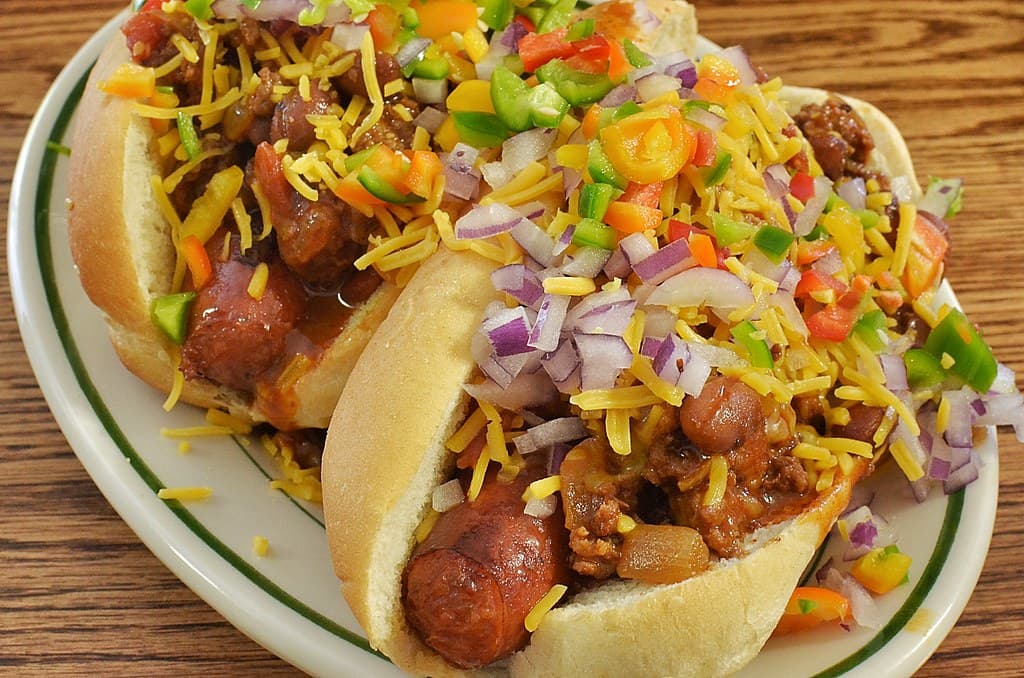
The Chili Dog is a popular American sandwich featuring a hot dog topped with chili, cheese, onions, and mustard. Merging the convenience of the classic hot dog with the bold flavors of chili con carne, this dish reflects American innovation in casual dining and fast food culture. Its origins are broad but rooted in Southwestern and Texan culinary traditions combined with urban sandwich trends, making it a ubiquitous comfort food nationwide.
America's Melting Pot
Chili Dog Sauce photo coming soon
Cross-era
Chili Dog Sauce is a sandwich sauce with real American table personality: Regional hot dog sauce from diners, drive-ins, and ballparks. It brings flavor from Texas and the Southwest to cookouts, counters, lunch plates, potlucks, and weeknight suppers.

1970-1989
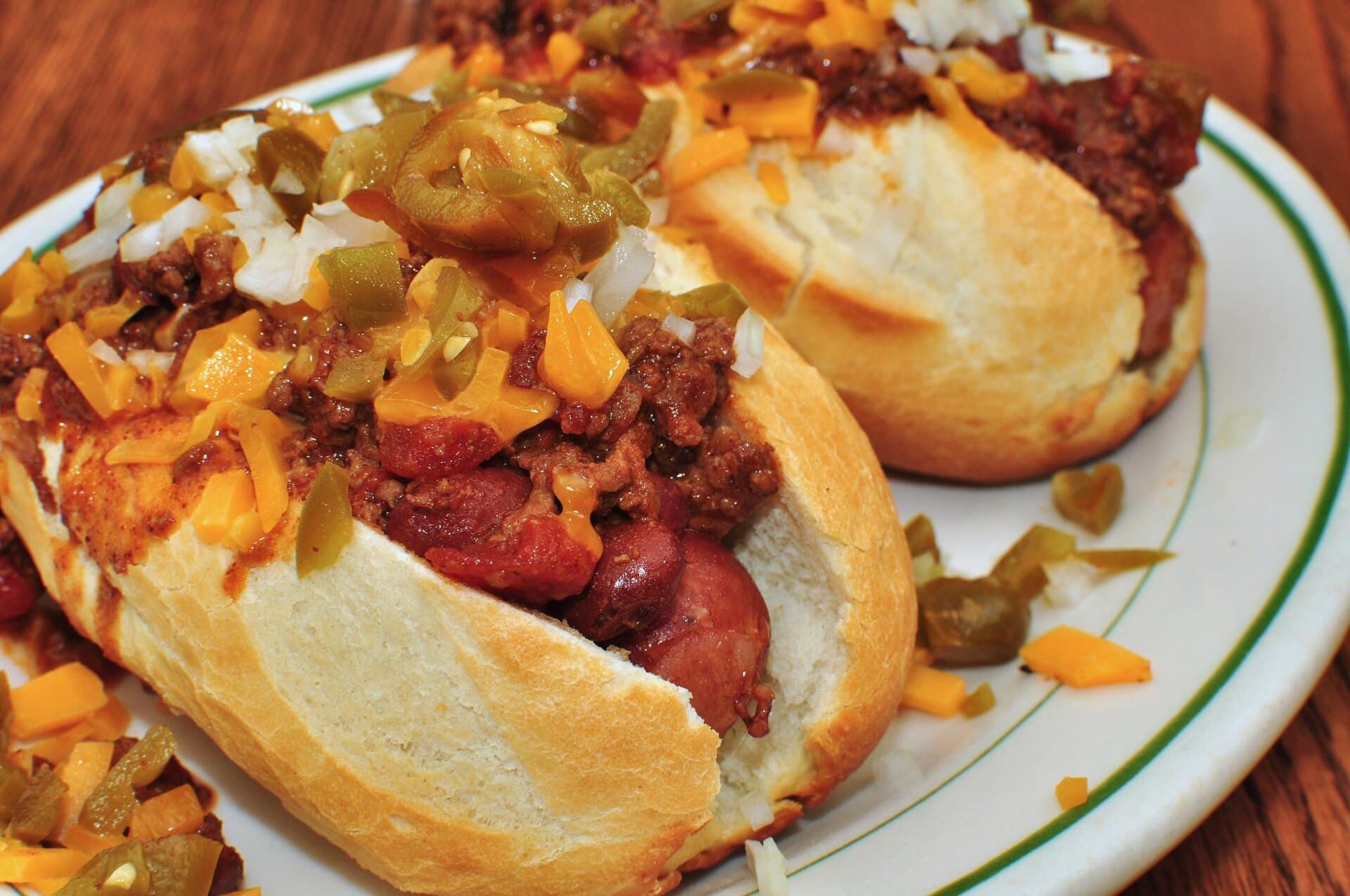
Chili dogs are an American fast-food favorite that combines the simplicity of a hot dog with the rich, spicy flavors of chili. Popular at concession stands, tailgates, and booster clubs from the 1970s through the 1980s, chili dogs reflect the fusion of American convenience food with the influence of Mexican-American and Southwestern cuisines, especially from Texas. This recipe offers a home-cooked version of a nostalgic and casual meal.
America's Melting Pot
Chili Mac photo coming soon
1946-1969
Chili Mac is a classic American casserole melding macaroni pasta with a rich chili sauce, originating from Midwestern comfort food traditions between 1946 and 1969. This dish reflects postwar suburban tastes for easy, freezer-friendly meals that combine convenience with bold, hearty flavor, especially influenced by Tex-Mex ingredients from Southwestern and Mexican-American roots.
America's Melting Pot
Chocolate Gravy photo coming soon
Frontier & Expansion
Chocolate Gravy is a condiment with real American table personality: Appalachian/Southern breakfast sauce for biscuits. It brings flavor from Appalachia and Pennsylvania Dutch country to cookouts, counters, lunch plates, potlucks, and weeknight suppers.
America's Melting Pot
Chocolate Syrup photo coming soon
1900-1929
Chocolate Syrup is a sweet sauce with real American table personality: Ice cream sodas, chocolate milk, diners. It brings flavor from coast-to-coast American tables to cookouts, counters, lunch plates, potlucks, and weeknight suppers.

2000-beyond
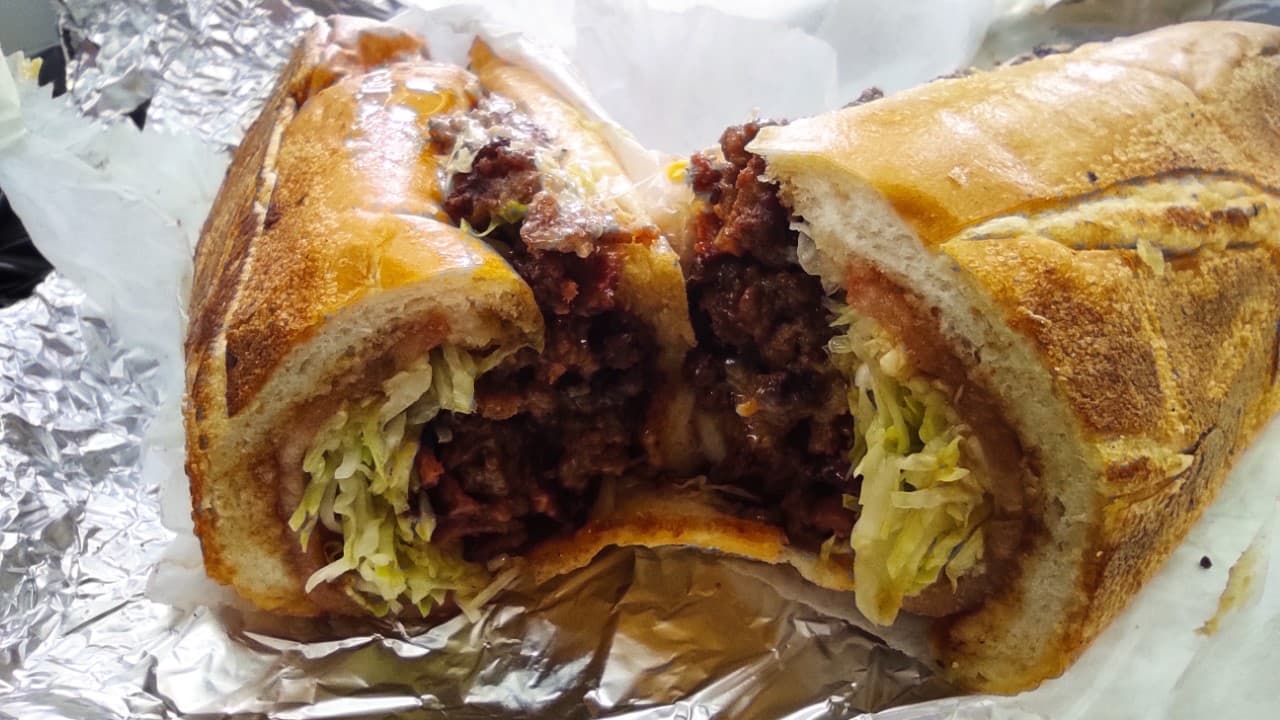
Chopped Cheese is a popular sandwich that originated in New York City bodegas. It features ground beef, onions, peppers, and melted cheese chopped together on a grill and served on a hero roll with usual sandwich fixings. This hearty sandwich reflects the vibrant street food culture and the influence of diverse immigrant communities in urban America.
America's Melting Pot
Chow-Chow photo coming soon
Frontier & Expansion
Chow-Chow is a relish with real American table personality: Southern/Appalachian chopped vegetable relish. It brings flavor from Appalachia and Pennsylvania Dutch country to cookouts, counters, lunch plates, potlucks, and weeknight suppers.
America's Melting Pot
Chow-Chow Pepper Relish photo coming soon
Frontier & Expansion
Chow-Chow Pepper Relish is a condiment with real American table personality: Southern/Appalachian preserved garden relish. It brings flavor from Appalachia and Pennsylvania Dutch country to cookouts, counters, lunch plates, potlucks, and weeknight suppers.
America's Melting Pot
Church Basement Ham Buns photo coming soon
1900-1929
Church Basement Ham Buns are a classic main dish served at church socials, school events, and community potlucks in early 20th-century America. These soft buns filled with ham and a creamy cheese sauce reflect the communal spirit and practicality of home cooks providing affordable, large-batch foods for gatherings, drawing on regional comfort food traditions.
America's Melting Pot
Church Basement Ham Sandwiches photo coming soon
1900-1929
Church Basement Ham Sandwiches are straightforward yet beloved sandwiches served at church gatherings, funerals, and potlucks, often featuring sliced ham on bread with mustard or mayonnaise. These sandwiches represent practical, no-fuss fare designed to feed large groups affordably, emblematic of communal meal-sharing in American social traditions.
America's Melting Pot
Cincinnati Chili photo coming soon
1946-1969
Cincinnati Chili is a unique meat sauce featuring warm spices like cinnamon and cloves, served over spaghetti or hot dogs. Originating in the Midwestern United States during the mid-20th century, it reflects Mediterranean immigrant influences adapted to local tastes and ingredients, creating a distinctive regional comfort food.
America's Melting Pot
Cinnamon Rolls with Chili photo coming soon
1945-2000
A unique breakfast combining the sweet, soft cinnamon roll with a spicy chili twist, reflecting flavor fusions from the Great Plains region influenced by Mexican-American and Southwestern cuisines. This dish pairs the warming spices of cinnamon with hearty chili for a tasty and filling meal that honors regional culinary blending.

1861-1900
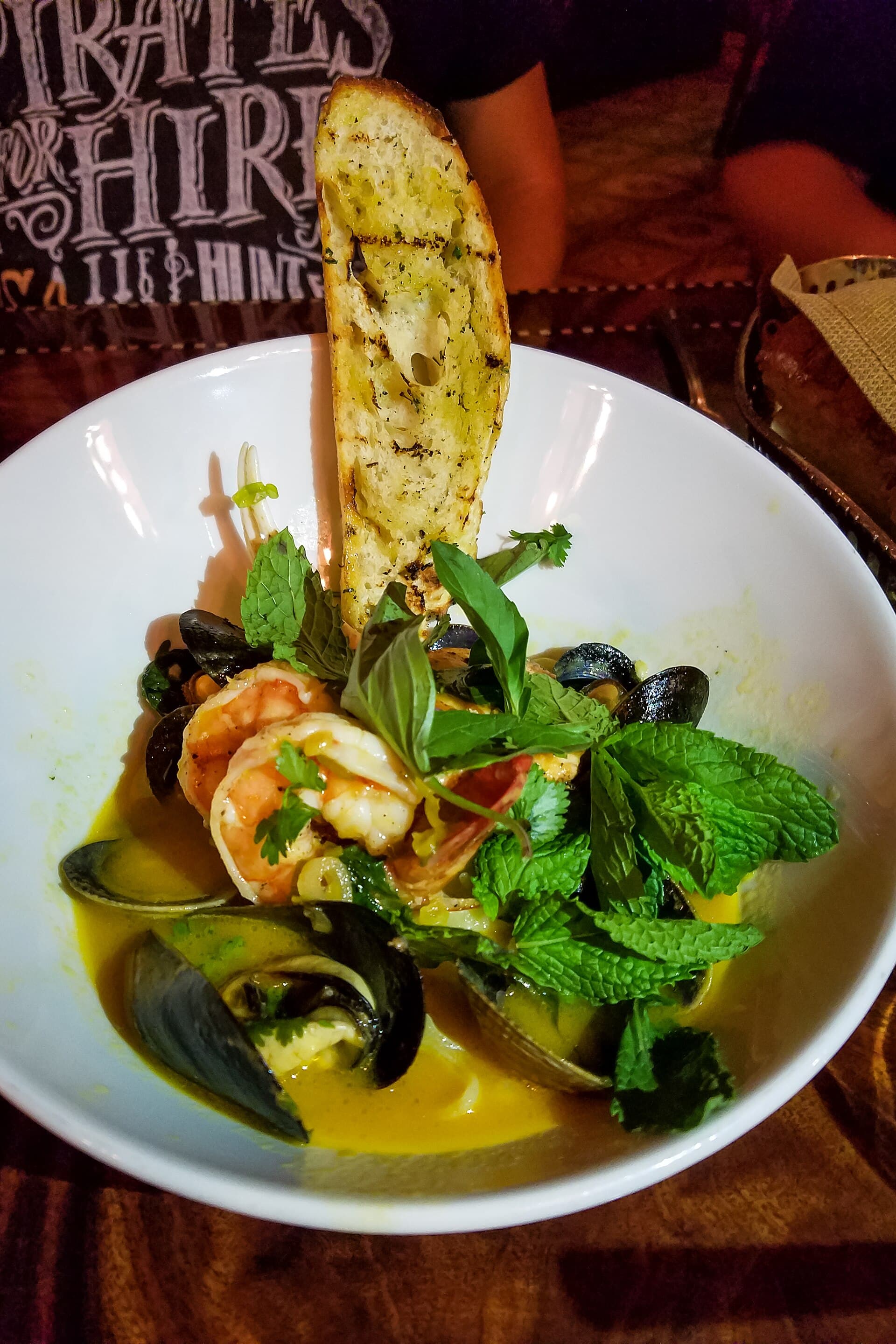
Cioppino is a hearty seafood stew originating from Italian immigrant fishermen on the West Coast, combining various shellfish and fish simmered in a tomato and wine-based broth. Known for its communal, one-pot cooking style, it reflects the fusion of Italian culinary heritage with the maritime bounty of California. Cioppino became especially popular in San Francisco's Italian-American communities, symbolizing immigrant adaptation and local ingredient use.

1861-1900
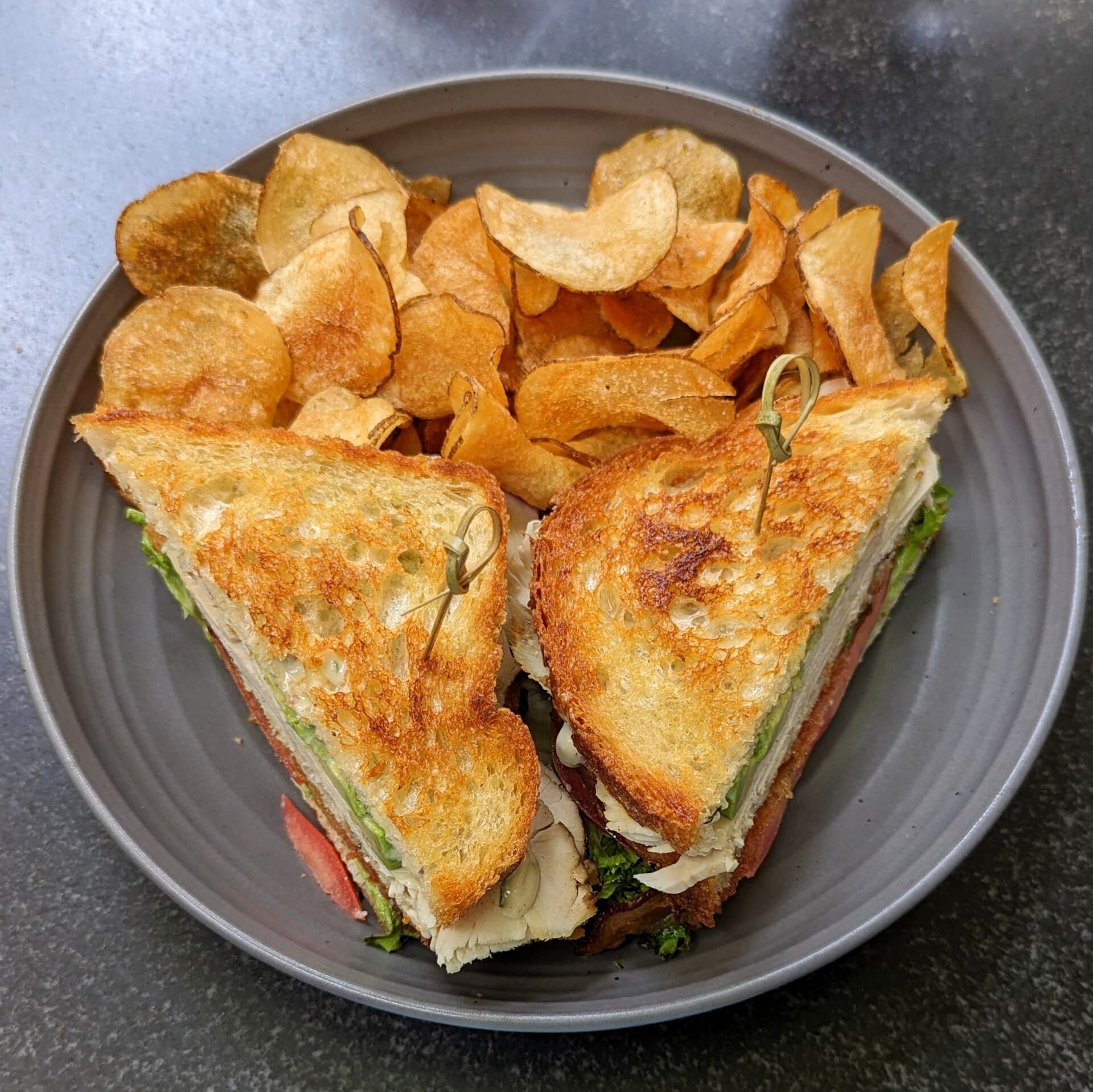
The Club Sandwich is a layered triple-decker sandwich featuring sliced turkey or chicken, crispy bacon, lettuce, tomato, and mayonnaise on toasted bread. It first appeared in American diners and lunch counters during the early 20th century and quickly became popular as a convenient, filling meal. The Club reflects immigrant dining hall influences and the rise of urban lunch culture, notably served at state fairs and public eateries.

1900-1929
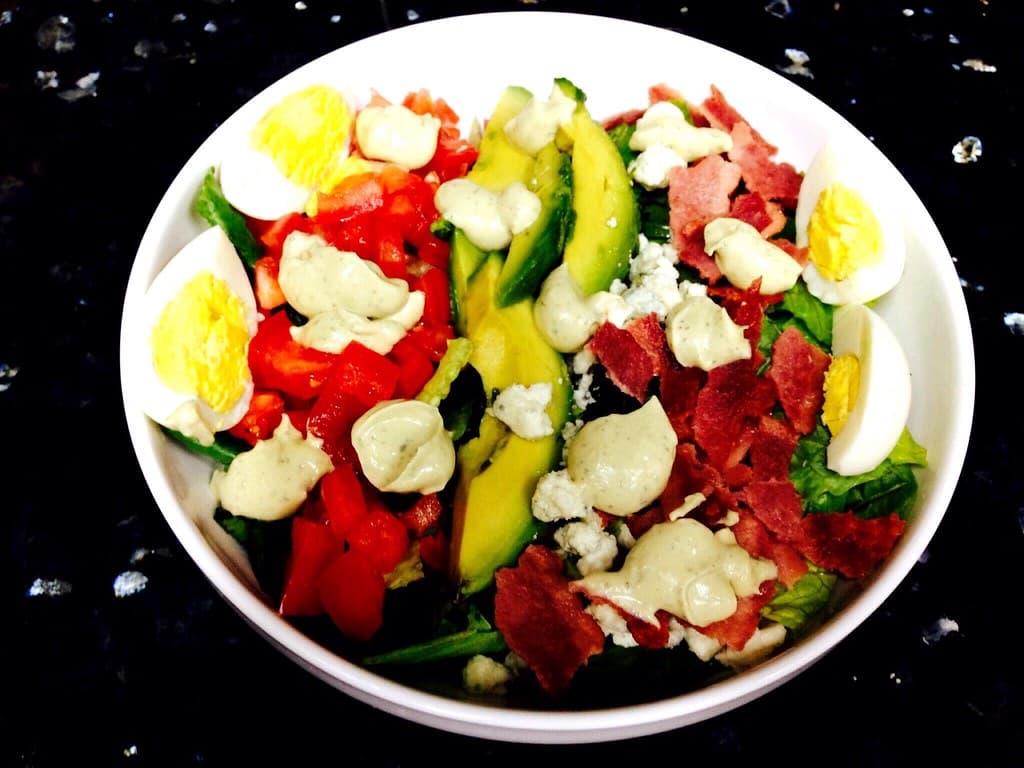
Cobb Salad consists of chopped greens, tomatoes, bacon, chicken, hard-boiled eggs, avocado, chives, and blue cheese, often served with red wine vinaigrette. It originated on the West Coast as a restaurant dish and became an iconic American salad celebrated for its variety and nutritional balance. The Cobb exemplifies regional California fresh produce combined with classic American diner influences, beloved for lunch and light dinners.

1861-1900
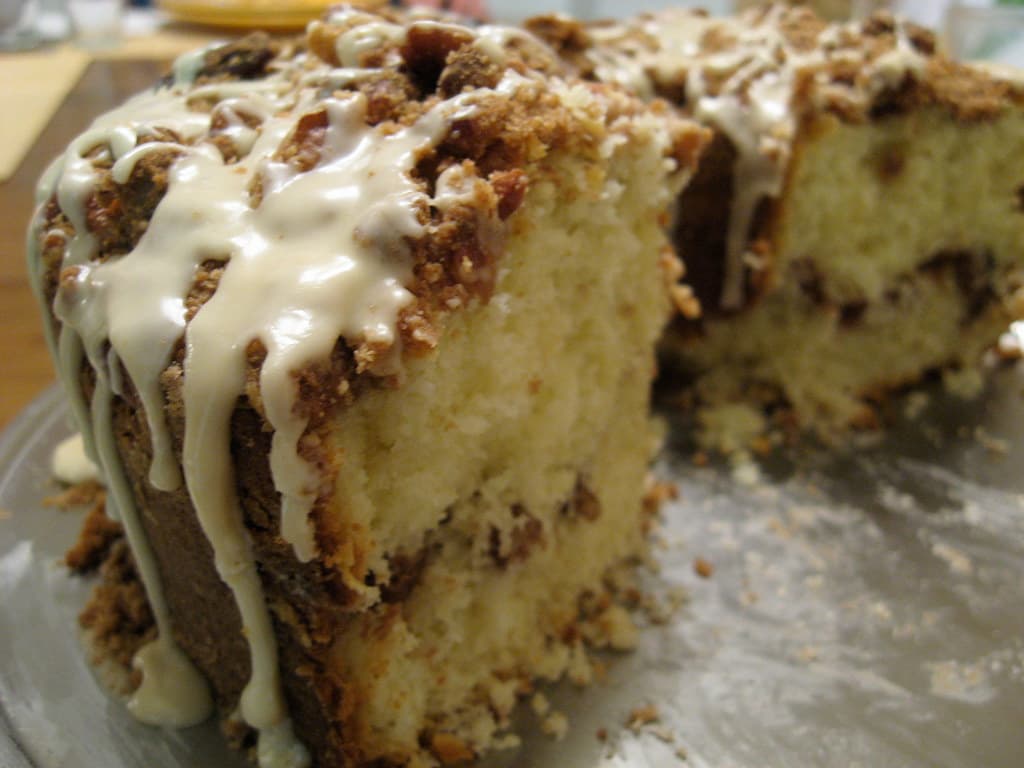
Coffee cake is a moist, sweet cake often topped with cinnamon sugar streusel, enjoyed in schools, churches, and diners during the early 1900s. This American breakfast favorite embodies community gathering traditions and immigrant influences melding into everyday comfort food.
America's Melting Pot
Coffee-Boiled Beef photo coming soon
1861-1900
Coffee-boiled beef is a unique stew-like dish from the Civil War era where beef is simmered slowly with brewed coffee, giving the meat a rich and slightly bitter flavor. This hearty preparation reflects military ingenuity in using available ingredients to tenderize tough cuts of meat.
America's Melting Pot
Colby-Jack Cheese photo coming soon
American Dairy Age
Colby-Jack Cheese is a washed-curd American cheese with gentle cooking, curd washing, salting, pressing, and a short controlled aging period.
America's Melting Pot
Cold-Pack Cheddar Spread photo coming soon
American Dairy Age
Cold-Pack Cheddar Spread is a finished American cheese spread for crackers, sandwiches, and snack boards, with clear mixing, chilling, and storage guidance.
America's Melting Pot
Coleslaw photo coming soon
Before 1776
Coleslaw is a popular American salad made from shredded cabbage and carrots tossed in a creamy mayonnaise-based dressing. It became widespread in the postwar period as a favorite side for barbecues, picnics, and holidays such as the Fourth of July. Refreshing and versatile, coleslaw complements grilled meats and sandwiches in American backyard dining traditions.
America's Melting Pot
Comeback Sauce photo coming soon
Cross-era
Comeback Sauce is a sandwich sauce with real American table personality: Mississippi sauce from Jackson restaurant culture; mayo, ketchup/chili sauce, Worcestershire, garlic, and spice. It brings flavor from the American South to cookouts, counters, lunch plates, potlucks, and weeknight suppers.
America's Melting Pot
Concession Stand Hot Dogs photo coming soon
1861-1900
Concession stand hot dogs are simple, affordable sandwiches featuring cooked frankfurter sausages in a soft bun, often topped with mustard, ketchup, onions, or relish. They have been a ubiquitous American food at schools, sports events, and fairs across multiple eras. These hot dogs reflect practical street and event food culture, offering quick nourishment and familiar flavors to all ages.
America's Melting Pot
Coney Dogs photo coming soon
1900-1929
The Coney dog is a hot dog topped with a savory meat chili sauce, mustard, and onions, originating from Greek immigrant communities in Midwestern U.S. cities during the early 20th century. It became popular at diners, lunch counters, and state fairs as an affordable, flavorful meal. The dish blends immigrant culinary traditions with American fast food culture, reflecting urban foodways and ethnic entrepreneurship.
America's Melting Pot
Coney Sauce photo coming soon
Cross-era
Coney Sauce is a sandwich sauce with real American table personality: Spiced meat sauce for hot dogs, especially Detroit, Flint, Jackson, Cincinnati, and Greek-American diner traditions. It brings flavor from coast-to-coast American tables to cookouts, counters, lunch plates, potlucks, and weeknight suppers.

1946-1969
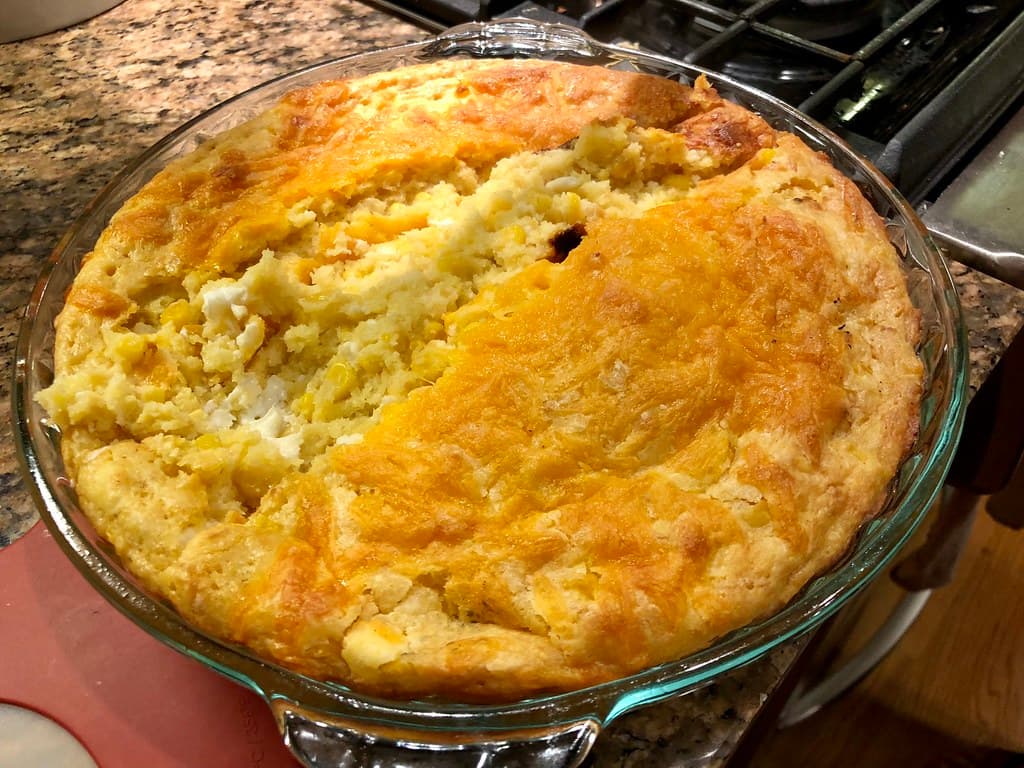
Corn casserole is a comforting baked dish combining whole kernel and creamed corn with a custard base, popular in the Midwest and Great Plains from the postwar era through the 1960s.

1776-1800
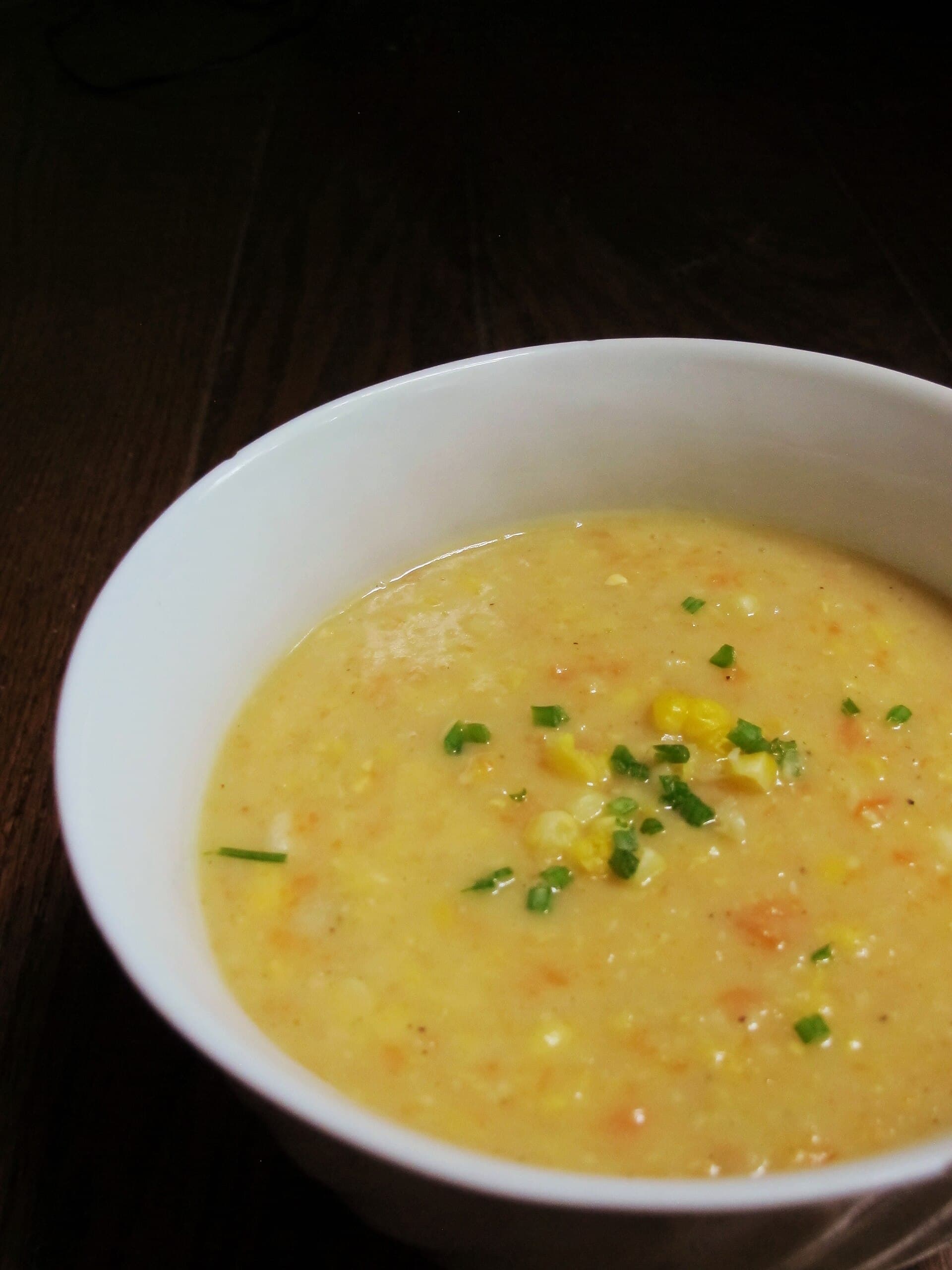
Corn chowder is a creamy and filling soup showcasing fresh or canned corn with potatoes, onions, and occasionally bacon or salt pork, enjoyed across the United States over multiple eras.

1930-1945
Corn dogs are hot dogs coated in a thick cornmeal batter and fried until golden, a popular carnival and state fair food emerging in early 20th-century America.

1861-1900
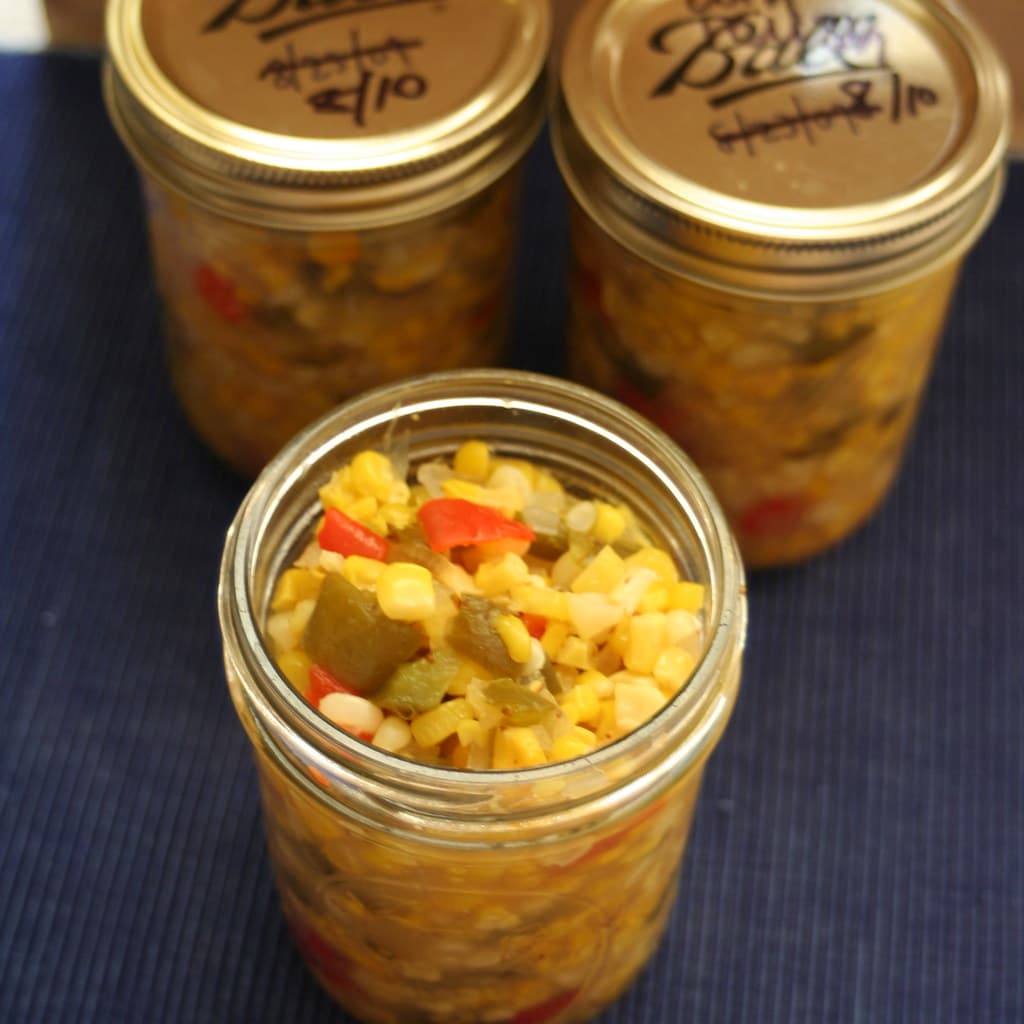
Corn Relish is a relish with real American table personality: Farm garden preserving and picnic-table condiment. It brings flavor from coast-to-coast American tables to cookouts, counters, lunch plates, potlucks, and weeknight suppers.
America's Melting Pot
Corn Soup photo coming soon
Before 1776
Corn soup is a nourishing dish rooted in Indigenous American foodways, made with fresh or dried corn and vegetables. It was a common staple during the early 19th century, reflecting traditional methods of using native crops for sustenance.

1861-1900
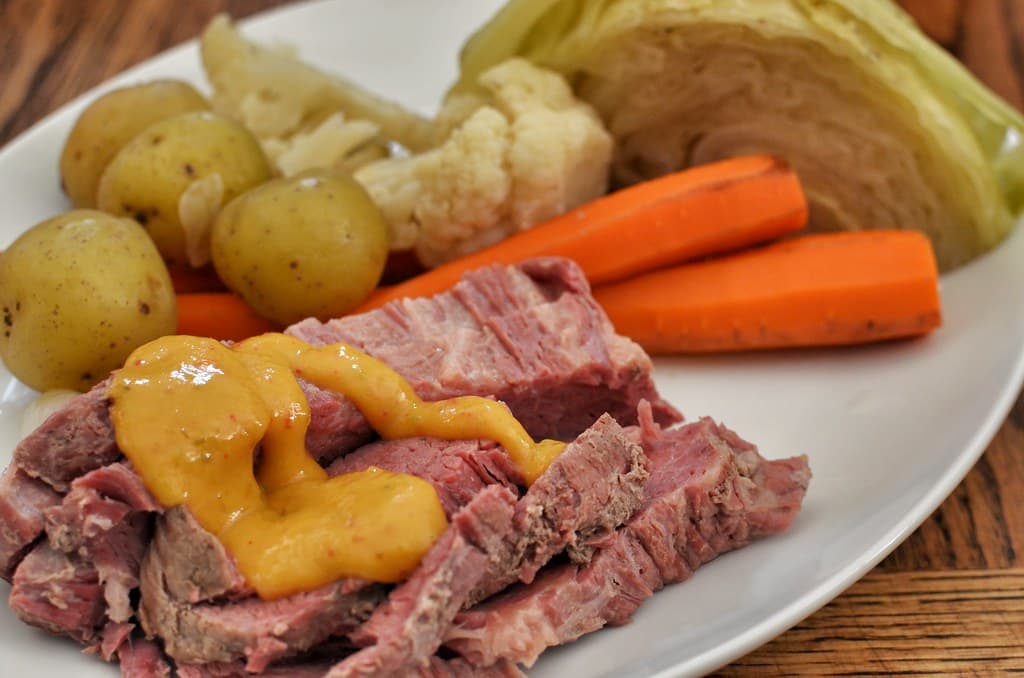
Corned beef and cabbage is a staple Irish-American dish popularized in the United States during the early 19th century, especially among immigrant communities.
America's Melting Pot
Country Gravy / White Gravy photo coming soon
Frontier & Expansion
Country Gravy / White Gravy is a condiment with real American table personality: Chicken-fried steak, mashed potatoes, biscuits. It brings flavor from coast-to-coast American tables to cookouts, counters, lunch plates, potlucks, and weeknight suppers.

1861-1900
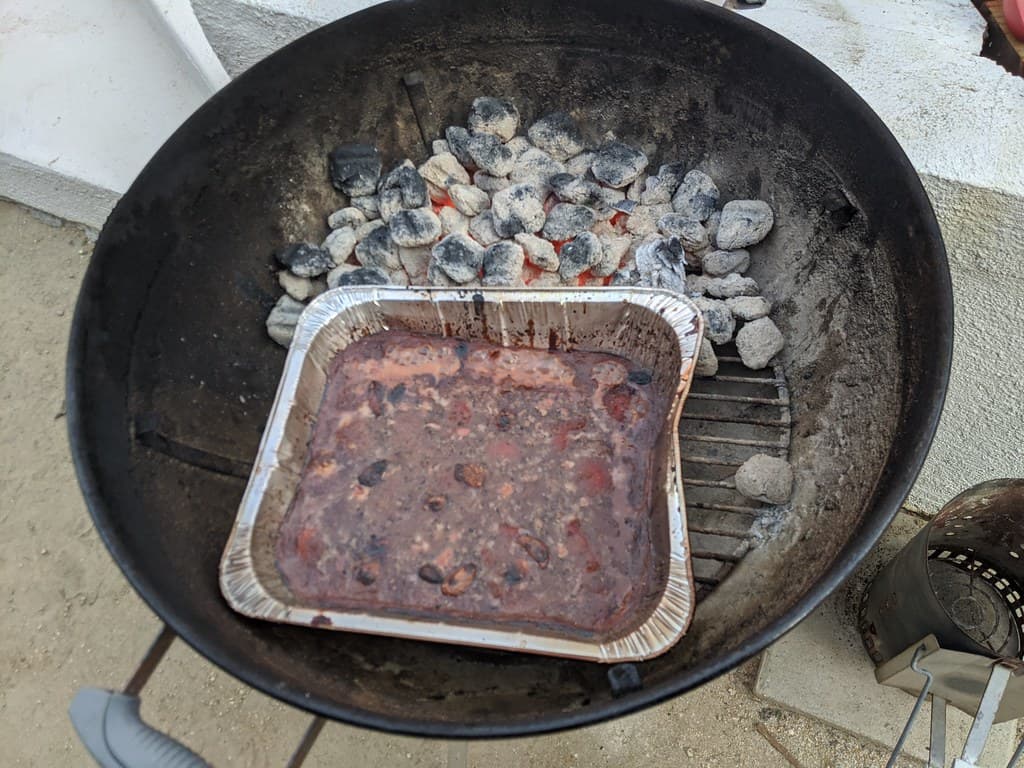
A hearty side of slow-cooked beans flavored with smoky bacon, onion, and a touch of sweetness. Cowboy beans reflect the practical meals of cattlemen and frontier cooks who needed filling, flavorful food that could be made over an open fire or stove.
America's Melting Pot
Cowboy Candy photo coming soon
Cross-era
Cowboy Candy is a relish with real American table personality: Sweet pickled jalapenos. It brings flavor from Texas and the Southwest to cookouts, counters, lunch plates, potlucks, and weeknight suppers.
America's Melting Pot
Cowboy Candy Syrup photo coming soon
Cross-era
Cowboy Candy Syrup is a condiment with real American table personality: Sweet pickled jalapeno syrup used on cream cheese, burgers, and barbecue. It brings flavor from Texas and the Southwest to cookouts, counters, lunch plates, potlucks, and weeknight suppers.
America's Melting Pot
Crab Cake Sandwich photo coming soon
1900-1929
A hand-held sandwich featuring a crispy crab cake nestled in a soft bun with fresh lettuce and tangy sauces. This Mid-Atlantic sandwich variation showcases regional crab cake traditions in sandwich form for casual meals.

1861-1900
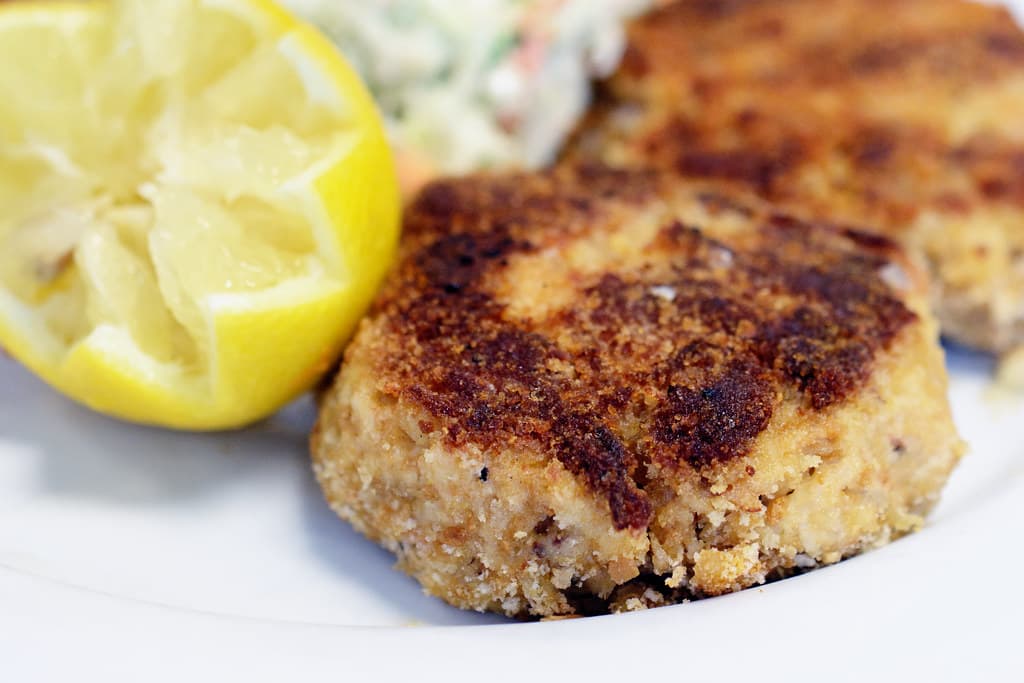
Delicate cakes made of lump crab meat lightly bound with breadcrumbs and seasonings, pan-fried to golden perfection. Crab cakes are a beloved Mid-Atlantic specialty highlighting local seafood in a simple, elegant presentation.
America's Melting Pot
Cranberry Bean Stew photo coming soon
1800-1860
A robust stew featuring cranberry beans slow-cooked with vegetables and herbs, inspired by Indigenous American foodways of New England and early colonial adaptations.
America's Melting Pot
Cranberry Orange Relish photo coming soon
Founding Era
Cranberry Orange Relish is a preserve with real American table personality: Holiday table condiment. It brings flavor from New England to cookouts, counters, lunch plates, potlucks, and weeknight suppers.

1970-1989
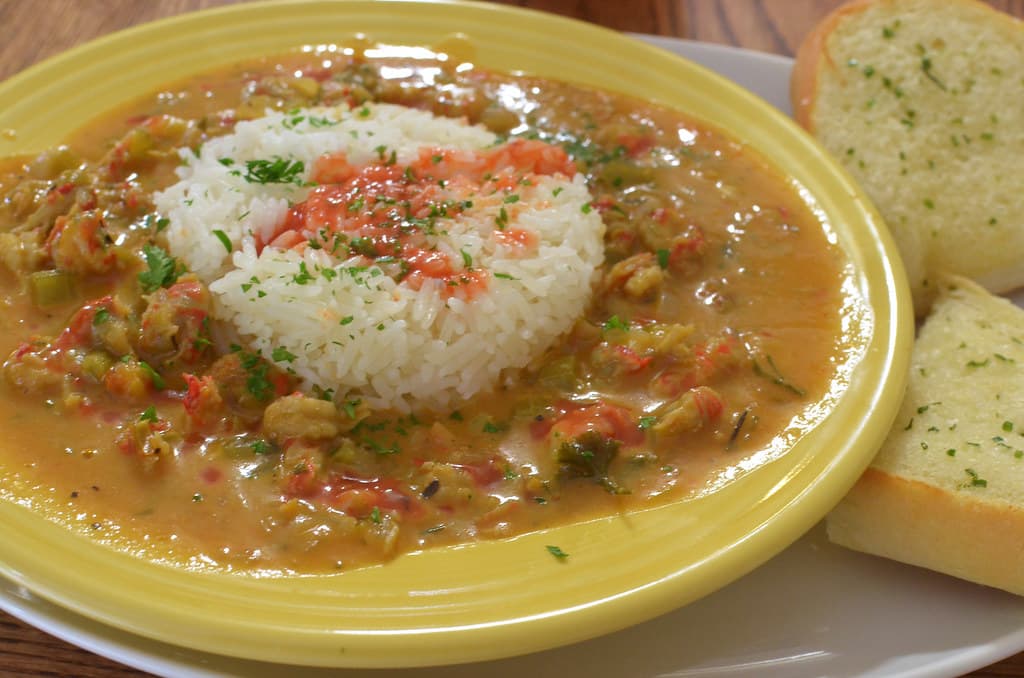
A richly seasoned Louisiana stew featuring crawfish smothered in a flavorful roux and vegetable sauce served over rice. A signature dish of Cajun and Creole cuisine with strong regional pride and festive appeal.

Frontier & Expansion
Cream Gravy is a condiment with real American table personality: Fried chicken and chicken-fried steak. It brings flavor from coast-to-coast American tables to cookouts, counters, lunch plates, potlucks, and weeknight suppers.
America's Melting Pot
Creamed Chipped Beef photo coming soon
1861-1900
A savory dish of dried, chopped beef cooked in a creamy white sauce, popular during the late 19th century in railroad, mining, and boardinghouse settings as inexpensive hearty fare.
America's Melting Pot
Creamed Cod on Toast photo coming soon
1800-1860
A traditional New England dish of tender cod in a creamy white sauce served over toasted bread, exemplifying regional seafood and dairy combinations from the 19th century.
America's Melting Pot
Creamed Corn photo coming soon
1776-1800
A comforting side of corn kernels cooked gently in cream or milk, often with butter and mild seasonings. Popular during the Depression and Dust Bowl era as an economical vegetable dish.
America's Melting Pot
Creamed Peas on Toast photo coming soon
1930-1945
Creamed Peas on Toast was a frugal, filling dish common during the Great Depression era, making use of canned or fresh peas in a creamy sauce served over toasted bread. It provided an economical, nourishing meal when resources were scarce, and remains a nostalgic example of Depression-era cooking.
America's Melting Pot
Crockpot Beef Stroganoff photo coming soon
1970-1989
Crockpot Beef Stroganoff adapts the classic Russian-inspired sauteed beef and mushroom dish to slow cooker convenience, delivering tender beef in a creamy sauce typically served over noodles. This Americanized version suits weeknight cooking and reflects 1970s-80s home cooking trends embracing convenience appliances.
America's Melting Pot
Crockpot Chicken and Dumplings photo coming soon
1970-1989
Crockpot Chicken and Dumplings combines tender, slow-cooked chicken in a savory broth with soft dumplings cooked atop or within the crockpot. This adapts traditional Southern comfort food to a hands-off cooking method, popular in home kitchens from the 1970s onward.

1970-1989
Crockpot Chili is a classic American slow-cooked stew combining ground meat, beans, chili peppers, and spices simmered for hours into a rich, hearty dish. With roots in Texas and Southwestern U.S. cuisine, this version embraces the ease of the crockpot, making chili a popular meal for gatherings and tailgates.

1776-1800
Crockpot Corn Chowder is a comforting soup blending sweet corn, potatoes, cream, and aromatics slowly cooked to meld flavors. This dish demonstrates American home cooks' use of the crockpot for hearty, vegetable-rich soups, popular in the late 20th century in diverse regional settings.
America's Melting Pot
Crockpot Grape Jelly Meatballs photo coming soon
1970-1989
Crockpot Grape Jelly Meatballs marry tender meatballs with a tangy-sweet sauce made from grape jelly and chili sauce. This quick and popular crockpot appetizer or main dish gained traction in American home cooking and potlucks during the late 20th century.
America's Melting Pot
Crockpot Ham and Beans photo coming soon
1970-1989
Crockpot Ham and Beans is a classic American side or main dish featuring dried beans slow-cooked with ham or ham hock to develop rich, smoky, and hearty flavors. This adaptation incorporates crockpot ease into a traditional old-fashioned recipe popular in Southern and Midwestern cooking.

1970-1989
Crockpot Lasagna adapts the traditional Italian-American layered pasta dish into an easy, slow-cooked version. It layers noodles, ricotta cheese, meat sauce, and cheese in a crockpot for a hands-off approach that maintains the rich flavors and textures familiar to American households.

1970-1989
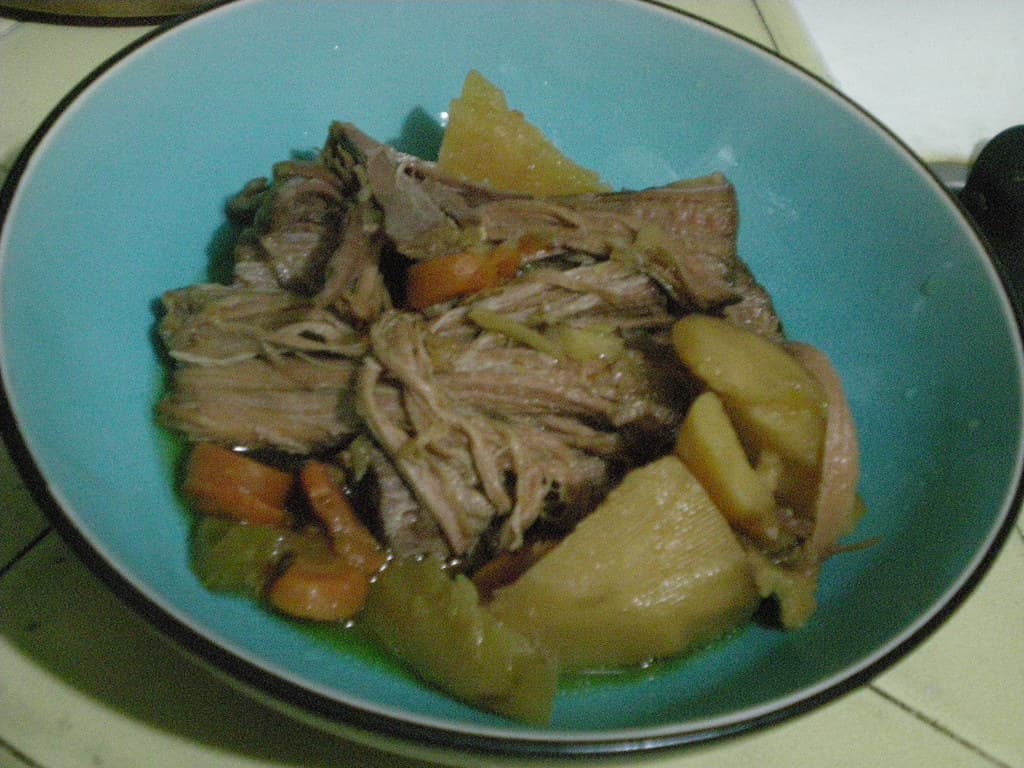
Crockpot Pot Roast offers a classic American comfort food prepared by slow cooking a beef roast with vegetables and seasonings until fork-tender. This technique, widely adopted in American homes from the 1970s onward, provides a hearty main dish with minimal active cooking.
America's Melting Pot
Crockpot Stuffed Peppers photo coming soon
1970-1989
Crockpot Stuffed Peppers are bell peppers filled with a savory mixture of meats, rice, and seasonings slowly cooked until tender. This variation simplifies traditional oven preparation, allowing integration of flavors and convenient hands-off cooking favored in American kitchens since the late 20th century.
America's Melting Pot
Crockpot Swedish Meatballs photo coming soon
1970-1989
Crockpot Swedish Meatballs feature tender meatballs slowly cooked in a rich, creamy sauce with Nordic roots adapted to American slow cooker convenience. This comfort dish became favored in American homes for its ease and familiar flavors during the late 20th century.

1990-2009
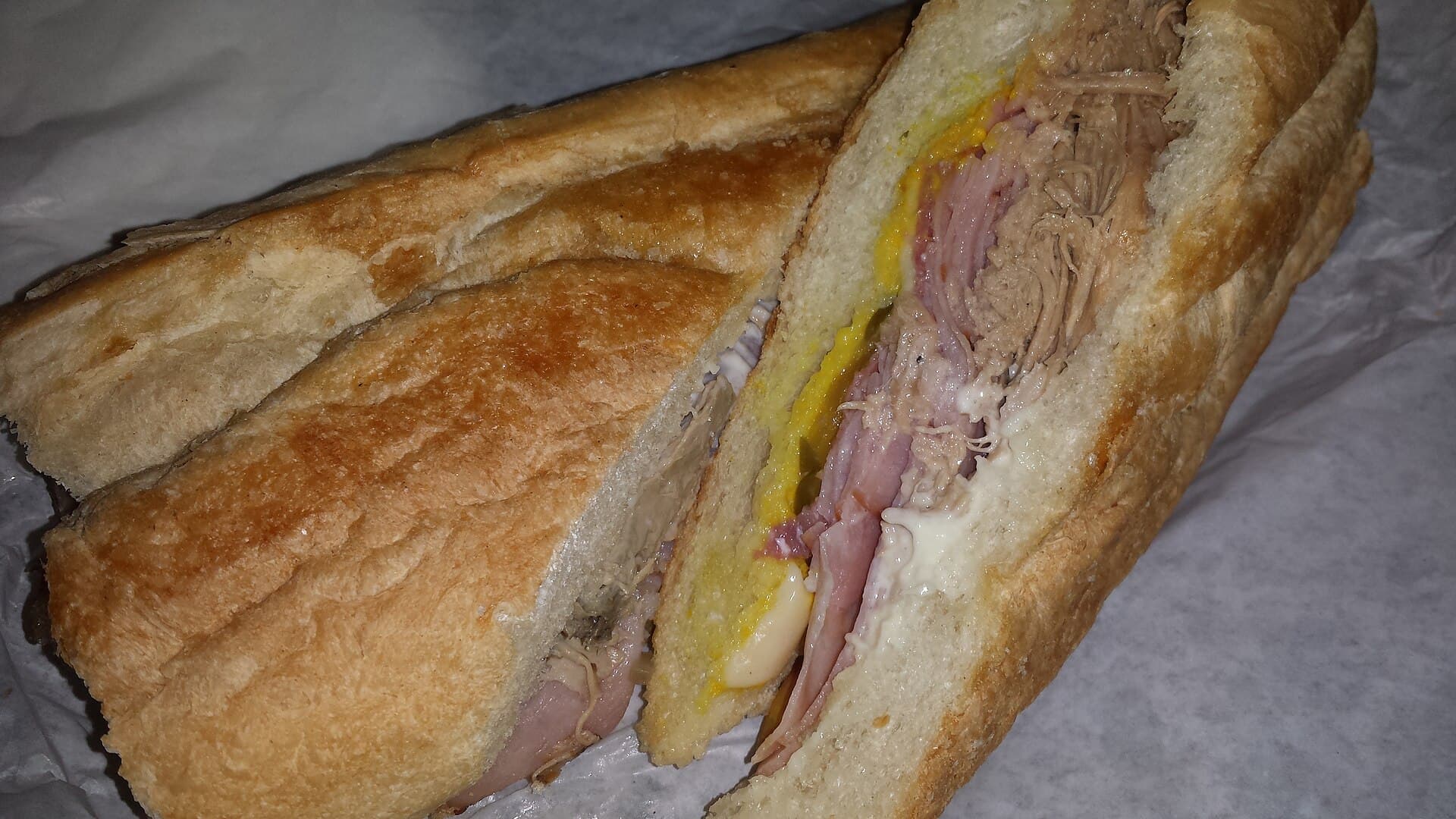
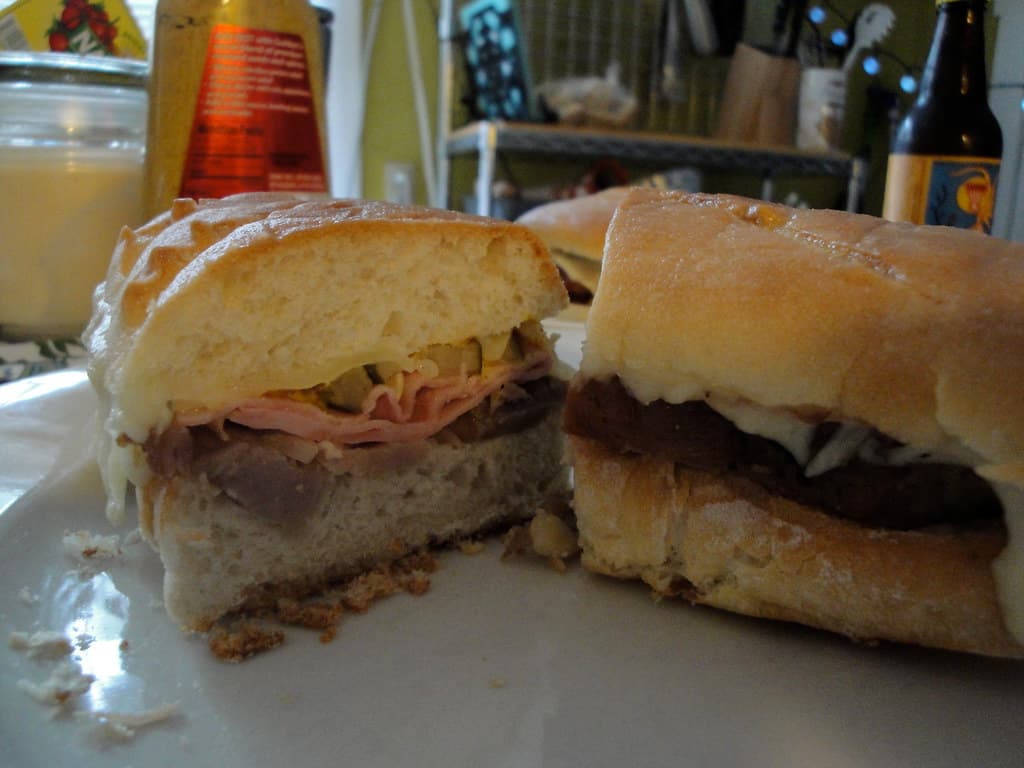
The Cuban Sandwich combines roast pork, ham, Swiss cheese, pickles, and mustard on Cuban bread, pressed to produce a warm, crispy sandwich iconic in Cuban-American communities and broader American suburban food culture.

1900-1929
The Cuban sandwich, popularized in American food trucks and street foods, blends Cuban and American flavors into a pressed sandwich of roast pork, ham, Swiss cheese, pickles, and mustard on Cuban bread. Its appeal spans from food markets to air fryer adaptations, gaining viral popularity in recent years.
America's Melting Pot
Depression Soup photo coming soon
1930-1945
Depression soup is a simple, hearty soup made from inexpensive vegetables, beans, and pantry staples to stretch limited resources. Rooted in 1930s and 1940s home cooking, it embodies the resourcefulness of families coping with economic hardship.
America's Melting Pot
Deviled Ham Sandwiches photo coming soon
1861-1900
Deviled ham sandwiches emerged during the World War II home front era as an economical and flavorful way to stretch limited meat supplies. Ground cured ham mixed with spices created a spread ideal for sandwiches in Depression and wartime kitchens.
America's Melting Pot
Dill Pickle Relish photo coming soon
Cross-era
Dill Pickle Relish is a relish with real American table personality: Burgers, Chicago dogs, and fish sauces. It brings flavor from Chicago and the Upper Midwest to cookouts, counters, lunch plates, potlucks, and weeknight suppers.
America's Melting Pot
Drawn Butter photo coming soon
Cross-era
Drawn Butter is a seafood sauce with real American table personality: Lobster, crab, clams, and New England shore dinner tradition. It brings flavor from New England to cookouts, counters, lunch plates, potlucks, and weeknight suppers.
America's Melting Pot
Duck Gumbo photo coming soon
1800-1860
Duck gumbo is a hearty Louisiana Creole soup-stew blending wild duck, smoked sausage, okra, and a dark roux base. Rooted in West African and French Creole culinary traditions, it has been a beloved comfort food across southern hunting and fishing camps and cabins for generations.
America's Melting Pot
Dumplings photo coming soon
1800-1860
Dumplings are versatile dough balls cooked by steaming or boiling, commonly served with gravies or soups. In late 20th century American suburbs, immigrant and adaptation influences popularized various dumpling recipes at coffee shops and as comfort food during social events.

1900-1929
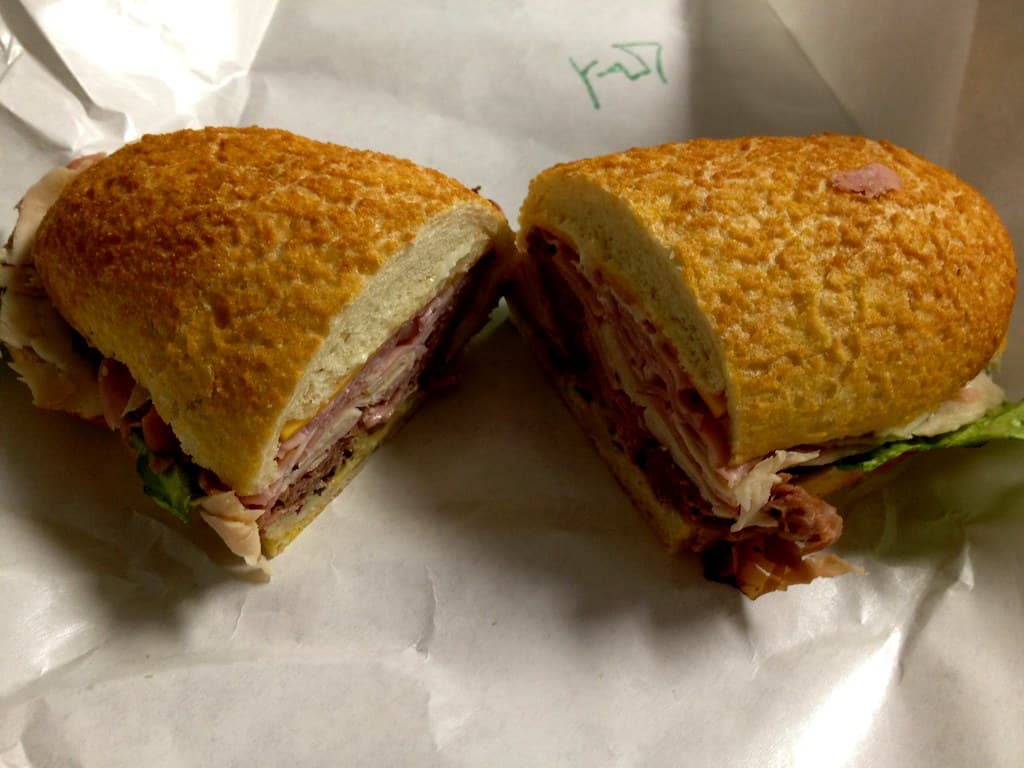
A sandwich made with Dutch Crunch bread, characterized by its crackly, mottled crust. Filled typically with deli meats, cheese, and vegetables, this sandwich is a West Coast regional favorite named for its distinctive bread texture rather than any Dutch origin.
America's Melting Pot
East Texas Chopped Beef photo coming soon
1900-1929
East Texas Chopped Beef is a barbecue style where beef brisket or chuck is smoked low and slow, then chopped and mixed with a tangy tomato-based sauce. The chopped meat is typically served on sandwich buns with pickles and onions, embodying East Texas barbecue traditions.
Community recipe submission
Log in to submit a recipe, format it with the cooking companion, and send it for review.
Log in to Submit