
Loading
Setting the table...
Fetching the latest recipes from the archive.
Loading
Fetching the latest recipes from the archive.
Recipe archive
Recipe archive
Search the archive by title, region, ingredient, tag, or era, then sort the table by the view that fits your kitchen.
This archive is growing through recipes, photos, family recipes, and historical context shared by the community.
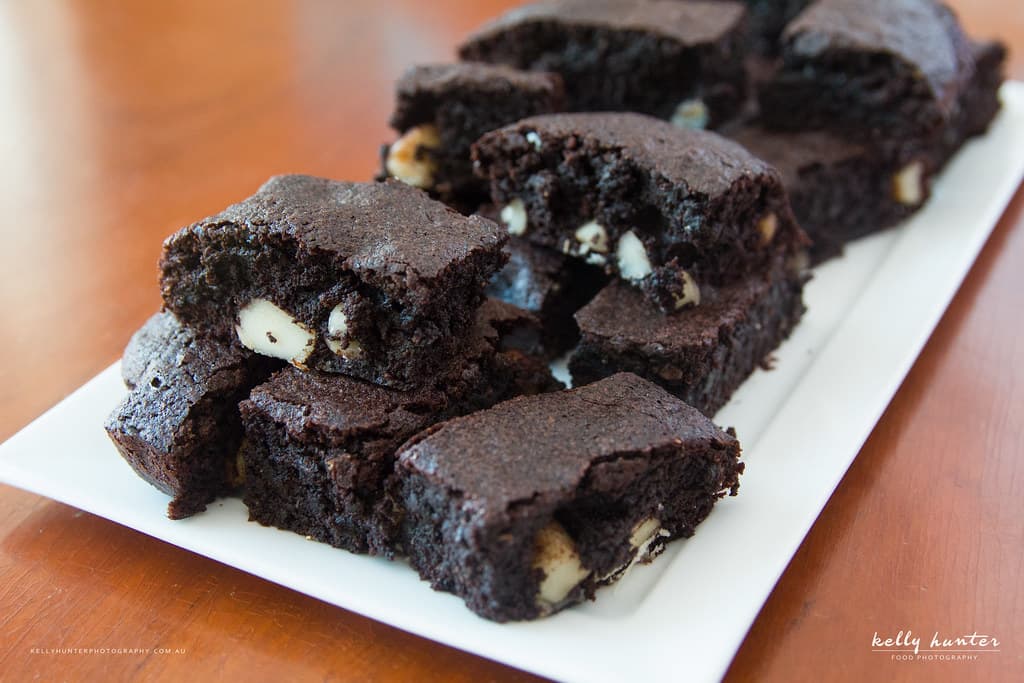
1890s-present
Brownies became an American classic at the meeting point of hotel pastry, home economics, and community baking. Chicago's Palmer House is tied to an early chocolate brownie in 1893, and Fannie Farmer helped standardize brownie recipes for home cooks soon after.
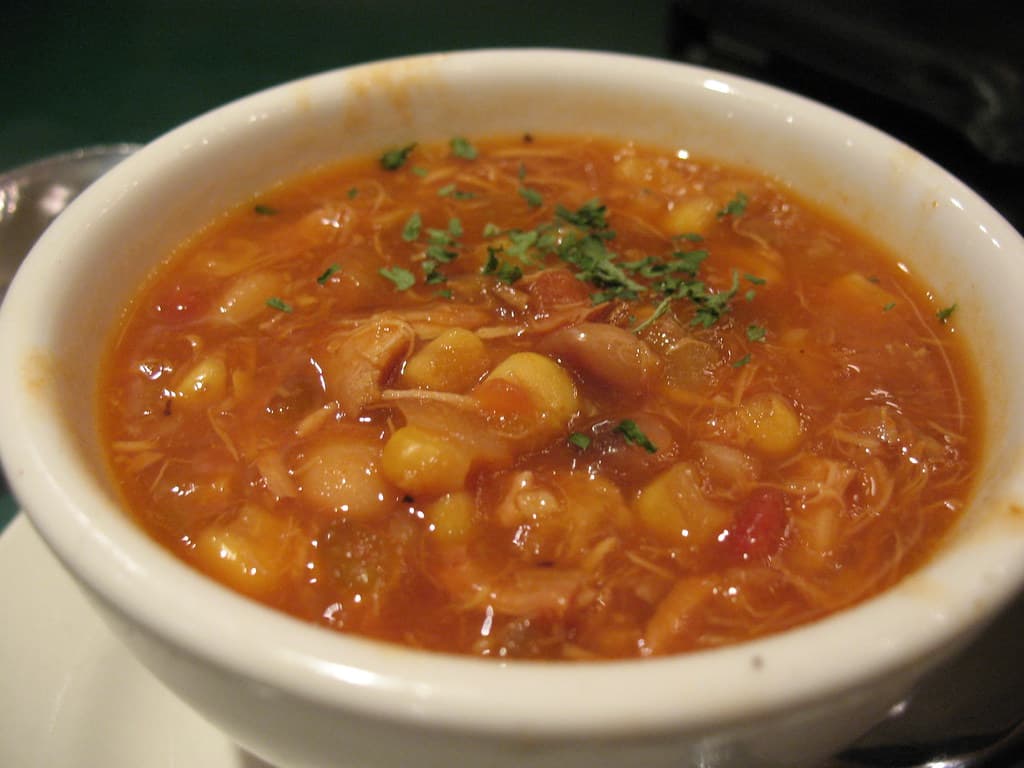
1800s-present
Brunswick stew has competing origin claims in Virginia and Georgia, and older roots in Southeastern stews that combined meat and corn. Modern versions are often linked to barbecue restaurants, church fundraisers, hunting camps, and community kettles.
America's Melting Pot
Buffalo Sauce photo coming soon
Cross-era
Buffalo Sauce is a condiment with real American table personality: Butter and hot sauce, tied to Buffalo wings at the Anchor Bar in Buffalo, New York, in 1964. It brings flavor from coast-to-coast American tables to cookouts, counters, lunch plates, potlucks, and weeknight suppers.
America's Melting Pot
Burger Sauce photo coming soon
1946-1969
Burger Sauce is a sandwich sauce with real American table personality: Generic American mayo-ketchup-pickle-mustard sauce. It brings flavor from coast-to-coast American tables to cookouts, counters, lunch plates, potlucks, and weeknight suppers.
America's Melting Pot
Burgoo photo coming soon
1800s-present
Burgoo is Kentucky gathering food, cooked in big kettles for barbecues, political events, church fundraisers, Derby parties, and camps. Its origins are murky, with links to frontier stews, ragout, and communal cooking, but its identity is unmistakably Kentucky.
America's Melting Pot
Butter Chicken photo coming soon
1970s-present
Butter chicken, or murgh makhani, is associated with Moti Mahal and Punjabi cooks who turned tandoori chicken into a rich tomato-butter gravy. In the United States, Indian restaurants, immigrant cooks, supermarket sauces, and suburban takeout made it one of the best-known Indian dishes for American diners.
America's Melting Pot
Buttermilk Dressing photo coming soon
Frontier & Expansion
Buttermilk Dressing is a dressing with real American table personality: Southern and farmhouse cousin of ranch. It brings flavor from the American South to cookouts, counters, lunch plates, potlucks, and weeknight suppers.
America's Melting Pot
Butterscotch Sauce photo coming soon
Gilded Age & Progressive Era
Butterscotch Sauce is a sweet sauce with real American table personality: Ice cream parlor classic. It brings flavor from coast-to-coast American tables to cookouts, counters, lunch plates, potlucks, and weeknight suppers.
America's Melting Pot
Cabbage and Bacon photo coming soon
1800s-present
Cabbage and bacon points back to Irish bacon-and-cabbage traditions more directly than corned beef and cabbage does. Irish American cooks adapted the pairing with the bacon available in American markets, turning it into a quick skillet or boiled side.
America's Melting Pot
Cabbage and Noodles photo coming soon
1900s-present
Cabbage and noodles is Depression-friendly comfort food with Central and Eastern European roots. In American Polish, Slovak, Czech, Hungarian, and Appalachian communities, buttered cabbage and noodles became a cheap dish that could feed many people.
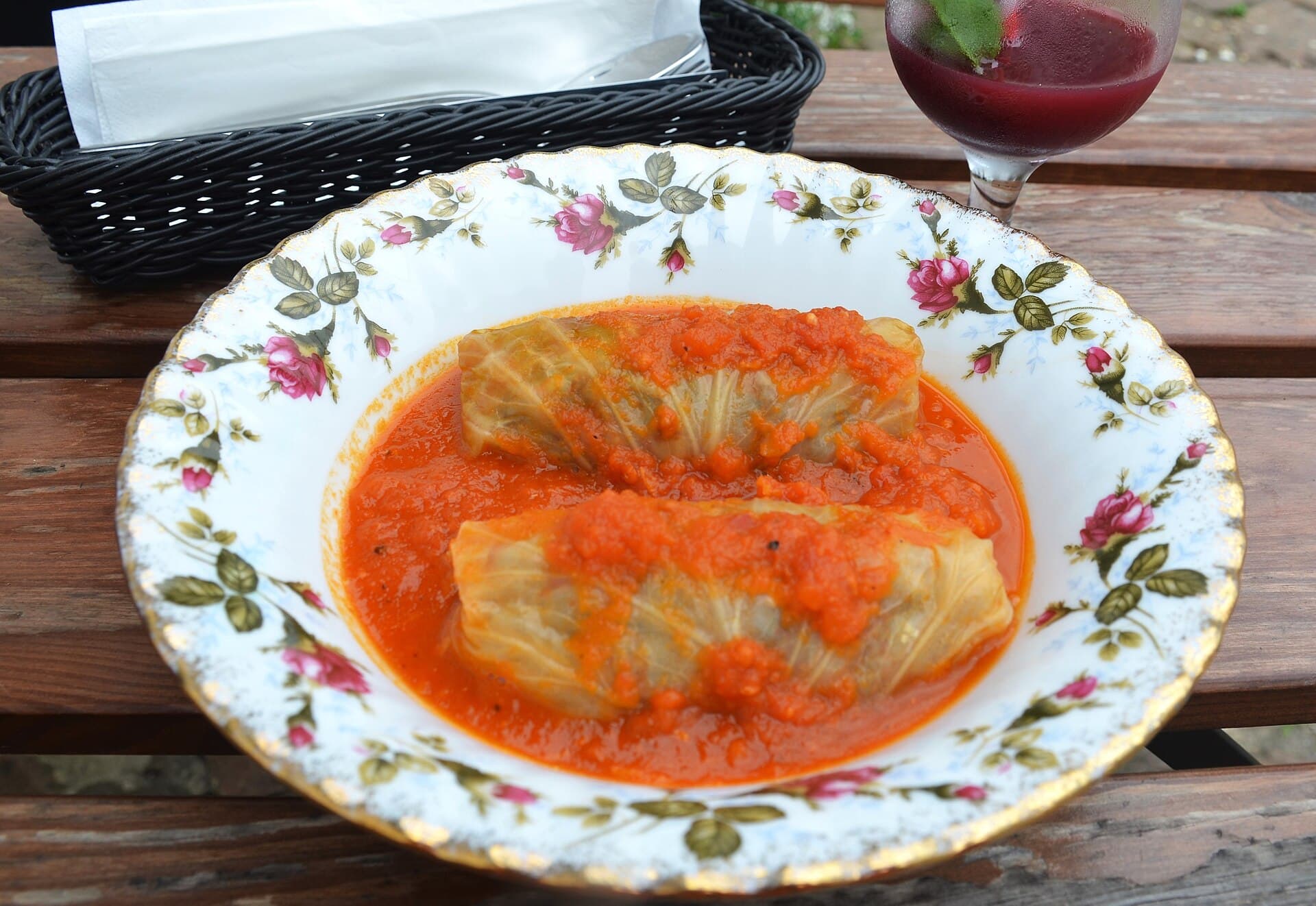
1900s-present
Cabbage rolls came to American tables through many Eastern European and Jewish immigrant communities. Polish golabki, Ukrainian holubtsi, Slovak holubky, Jewish holishkes, and related dishes all wrap humble cabbage around a filling that stretches meat with rice or grain.
America's Melting Pot
Cabbage Soup photo coming soon
1800s-present
Cabbage soup is old-world thrift cooking that fit American boardinghouses, mining camps, immigrant kitchens, and wartime tables. Cabbage stored well, stretched broth, and could become a light vegetable soup or a heartier meal with potatoes, beans, or meat.
America's Melting Pot
Cajun Blackened Fish photo coming soon
1980s-present
Blackened fish became a national sensation through New Orleans chef Paul Prudhomme, whose blackened redfish helped bring Cajun cooking to American restaurant culture in the 1980s. The method is intense: butter, spices, high heat, and a smoky cast-iron crust.
America's Melting Pot
Cajun Boil Butter photo coming soon
Cross-era
Cajun Boil Butter is a spread with real American table personality: Gulf Coast seafood boil table sauce. It brings flavor from the American South to cookouts, counters, lunch plates, potlucks, and weeknight suppers.
America's Melting Pot
Cajun Butter Sauce photo coming soon
Cross-era
Cajun Butter Sauce is a seafood sauce with real American table personality: Seafood boil bag culture. It brings flavor from the American South to cookouts, counters, lunch plates, potlucks, and weeknight suppers.
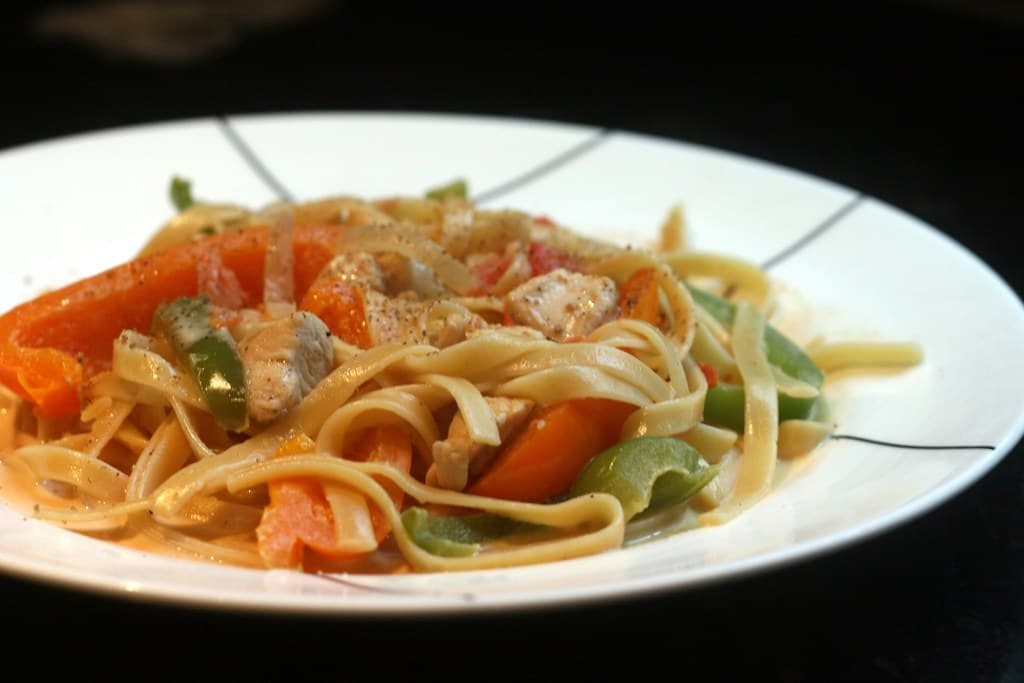
1990s-present
Cajun chicken pasta is American fusion in family-restaurant form. It borrows the spice profile and blackening language popularized by Cajun restaurant cooking, then folds it into creamy pasta for a 1990s-style chain and mall-restaurant favorite.
America's Melting Pot
Cajun Garlic Hot Sauce photo coming soon
Cross-era
Cajun Garlic Hot Sauce is a condiment with real American table personality: Louisiana seafood boil, po' boy, and gumbo table condiment. It brings flavor from the American South to cookouts, counters, lunch plates, potlucks, and weeknight suppers.
America's Melting Pot
Cajun Ranch photo coming soon
Modern Melting Pot
Cajun Ranch is a dressing with real American table personality: Sports bar and fried-food dipping sauce. It brings flavor from the American South to cookouts, counters, lunch plates, potlucks, and weeknight suppers.
America's Melting Pot
Cajun Remoulade photo coming soon
Cross-era
Cajun Remoulade is a condiment with real American table personality: Louisiana version of French remoulade, often spicier and redder. It brings flavor from the American South to cookouts, counters, lunch plates, potlucks, and weeknight suppers.
America's Melting Pot
Cajun Seafood Boil Bags photo coming soon
2000s-present
Cajun seafood boil bags grew from Gulf Coast seafood boils and the Viet-Cajun restaurant boom in Louisiana, Texas, and Houston. The modern bag format lets diners shake boiled seafood with a rich garlic-butter sauce and spice level chosen at the table.
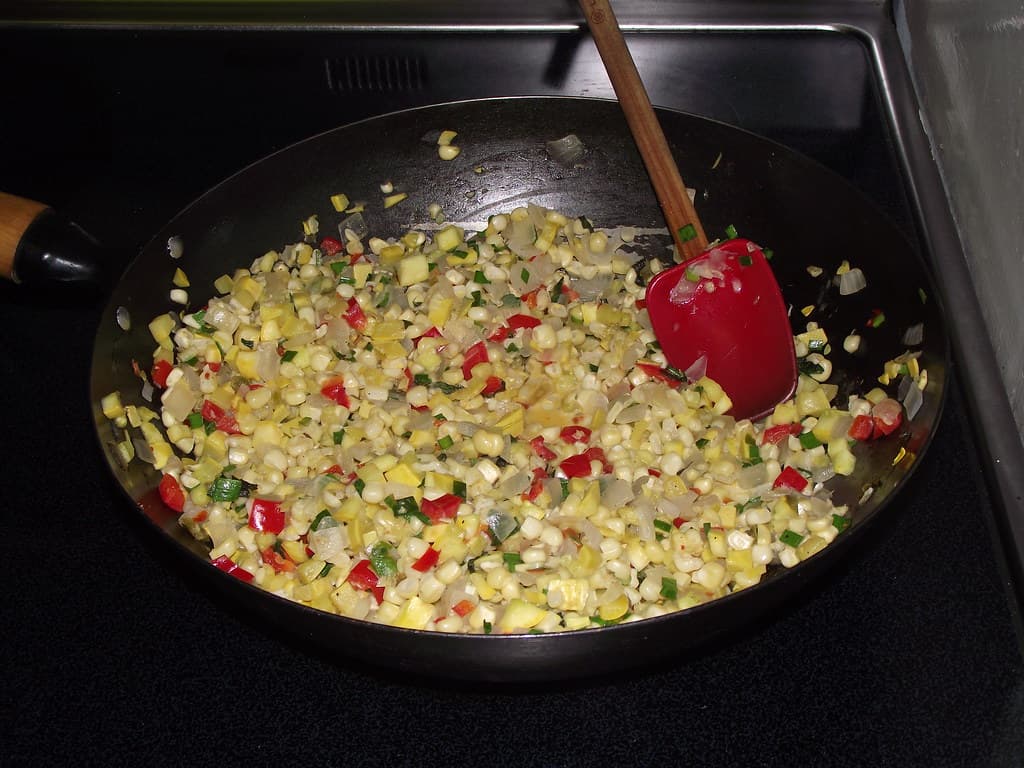
1800s-present
Calabacitas means little squash, and in New Mexico it names a fast summer vegetable dish of squash, corn, and green chile. It reflects Indigenous, Spanish borderlands, Mexican, and Mexican American foodways across the Southwest.
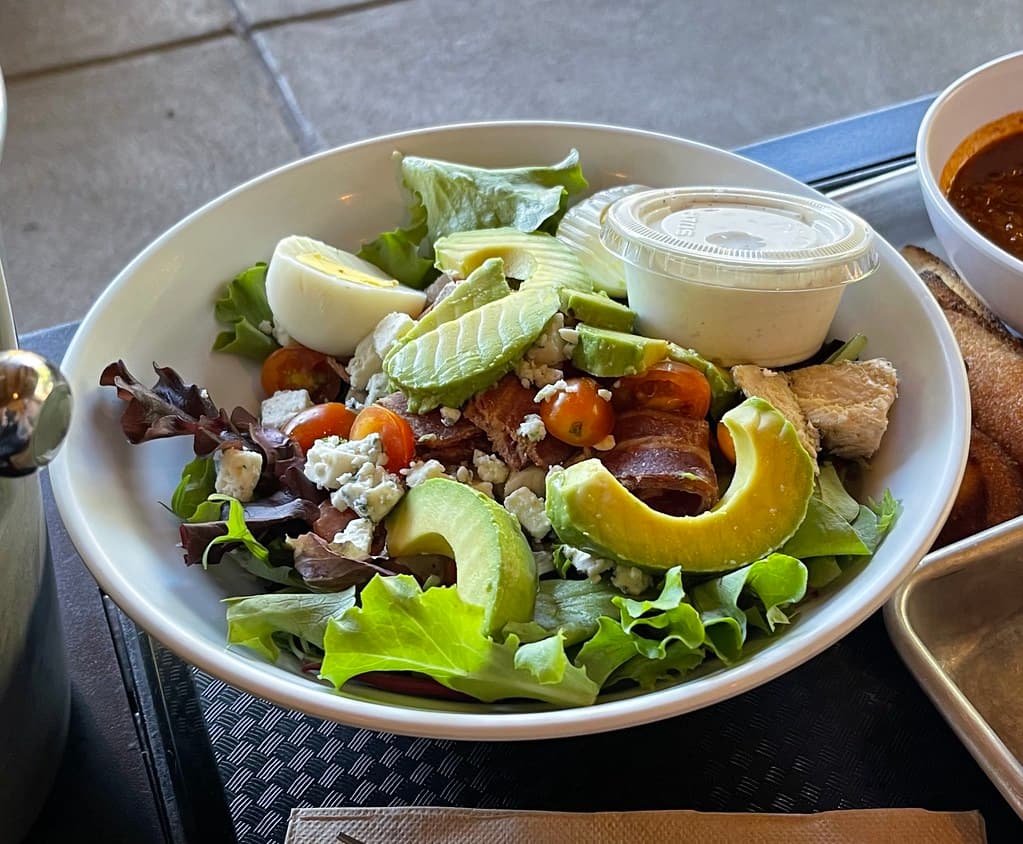
1930s-present
The Cobb salad is closely tied to the Brown Derby restaurant in Hollywood and Bob Cobb in the 1930s. Its rows of chopped ingredients made it a California restaurant icon: hearty enough for a meal, bright with avocado and tomato, and theatrical enough for Hollywood.
America's Melting Pot
California Pizza photo coming soon
1980s-present
California pizza emerged around 1980 as chefs in Berkeley, San Francisco, and Los Angeles put California cuisine toppings onto thin-crust pizza. Alice Waters at Chez Panisse, Ed LaDou, Wolfgang Puck at Spago, and later California Pizza Kitchen helped spread the style.
America's Melting Pot
Cane Syrup photo coming soon
Cross-era
Cane Syrup is a sweet sauce with real American table personality: Gulf South and Southern breakfast table. It brings flavor from the American South to cookouts, counters, lunch plates, potlucks, and weeknight suppers.
America's Melting Pot
Canned Corned Beef Hash photo coming soon
1910s-present
Canned corned beef hash moved through military rations, Depression-era thrift, and diner breakfasts because it was shelf-stable, filling, and quick. The key home technique is simple: spread it in a hot skillet and let it brown before turning.
America's Melting Pot
Canned Oyster Stew photo coming soon
1800s-present
Oyster stew has long been part of American coastal, holiday, and Lenten cooking. Canned oysters made the dish possible far from oyster beds and useful for military, railroad, boardinghouse, and pantry meals.
America's Melting Pot
Caramel Sauce photo coming soon
Gilded Age & Progressive Era
Caramel Sauce is a sweet sauce with real American table personality: Sundaes, apple dipping, coffee drinks. It brings flavor from coast-to-coast American tables to cookouts, counters, lunch plates, potlucks, and weeknight suppers.
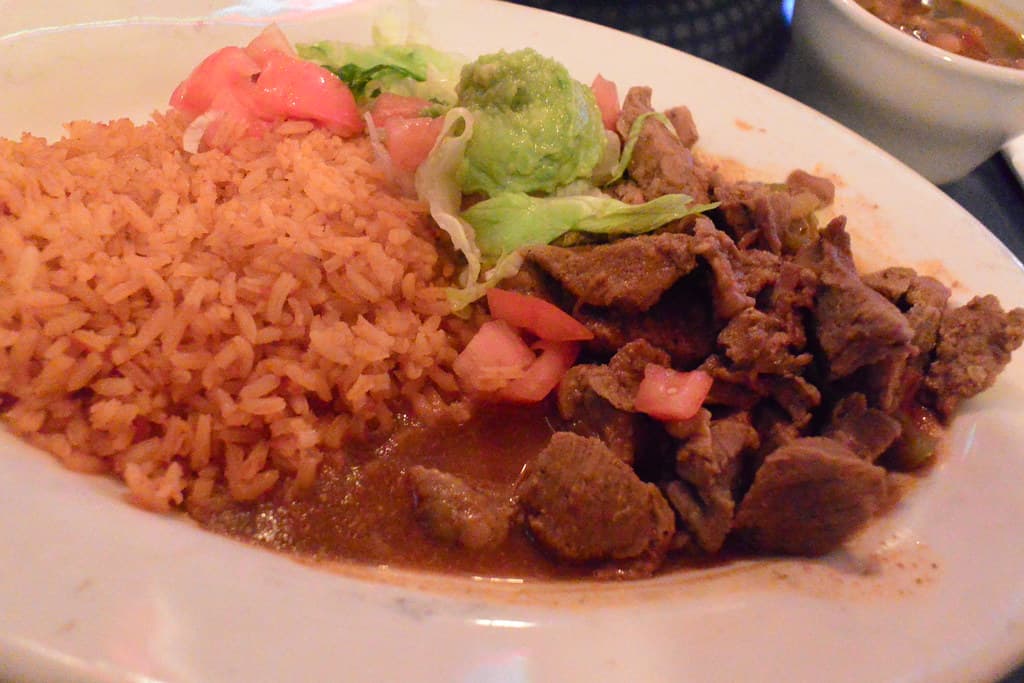
1800s-present
Carne guisada means stewed meat, and in Texas it is a beloved Mexican American home-cooking and Tex-Mex restaurant dish. Cubed beef cooks slowly with chiles, tomatoes, aromatics, and gravy until it can be spooned into tortillas or served as a plate lunch.
America's Melting Pot
Carrot Raisin Salad photo coming soon
1940s-present
Carrot raisin salad belongs to the American category of sweet mayonnaise salads that showed up in cafeterias, potlucks, and chain-restaurant side dishes. Chick-fil-A made one especially familiar before retiring it, and the recipe still circulates as a nostalgic copycat.
America's Melting Pot
Catalina Dressing photo coming soon
Postwar & Diner Age
Catalina Dressing is a dressing with real American table personality: Sweet red dressing, especially tied to midcentury salads and taco salads. It brings flavor from coast-to-coast American tables to cookouts, counters, lunch plates, potlucks, and weeknight suppers.
America's Melting Pot
Celery Seed Slaw Dressing photo coming soon
Cross-era
Celery Seed Slaw Dressing is a dressing with real American table personality: Sweet-sour dressing for coleslaw, especially Midwest and Southern picnic tables. It brings flavor from the American South to cookouts, counters, lunch plates, potlucks, and weeknight suppers.
America's Melting Pot
Central Texas Sauce photo coming soon
Cross-era
Central Texas Sauce is a barbecue sauce with real American table personality: Often minimal or optional; meat-first barbecue culture. It brings flavor from Texas and the Southwest to cookouts, counters, lunch plates, potlucks, and weeknight suppers.
America's Melting Pot
Cheeseburger photo coming soon
1920s-present
A classic griddled cheeseburger with American cheese, pickles, onion, ketchup, mustard, and a toasted bun.
America's Melting Pot
Cherry Barbecue Sauce photo coming soon
Modern Melting Pot
Cherry Barbecue Sauce is a barbecue sauce with real American table personality: Michigan, Pacific Northwest, and modern smoked-meat applications. It brings flavor from the Midwest and Great Lakes to cookouts, counters, lunch plates, potlucks, and weeknight suppers.
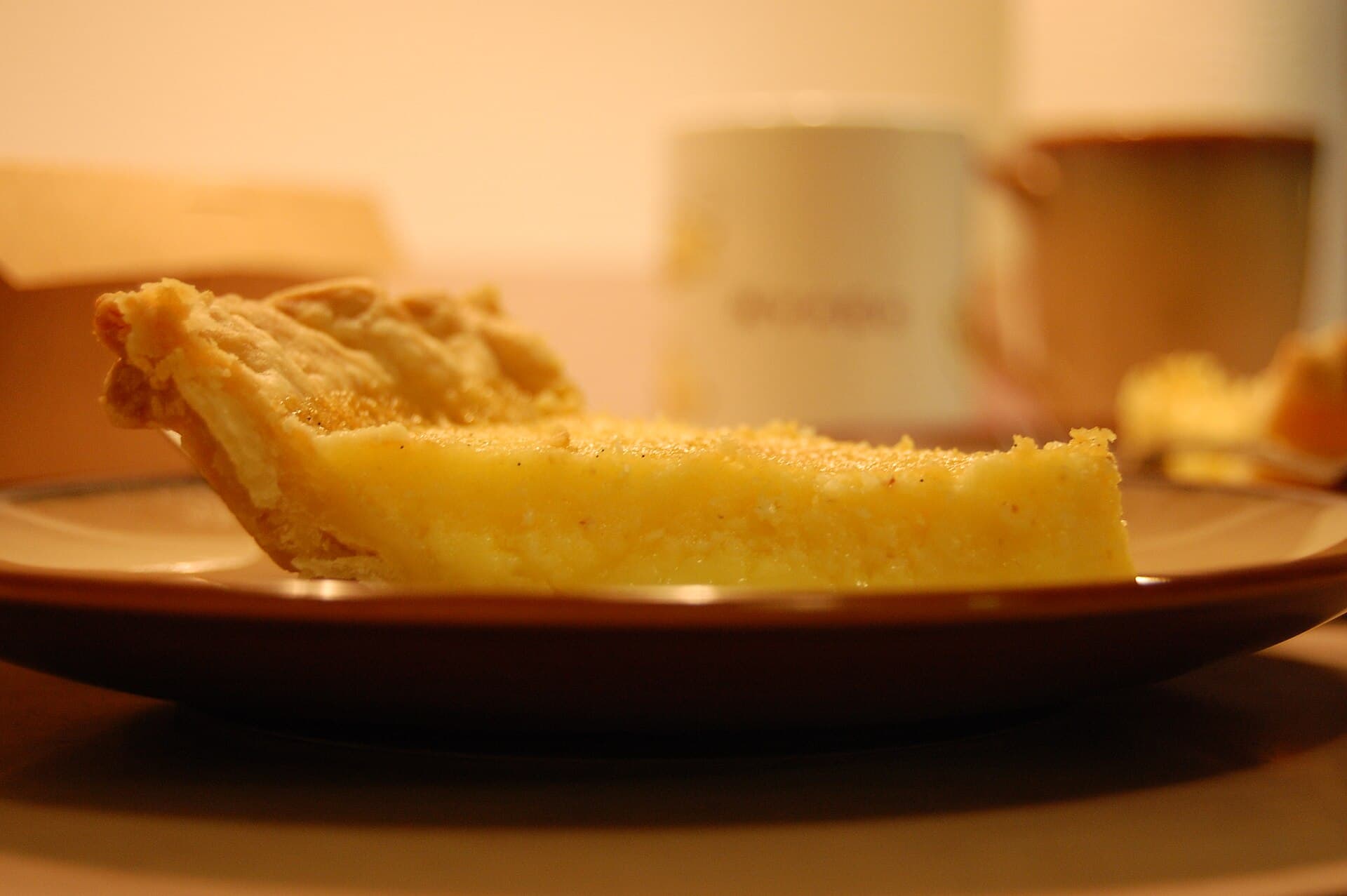
1800s-present
A classic Southern pantry pie with a buttery sugar filling, cornmeal texture, and a bright touch of vinegar or lemon.
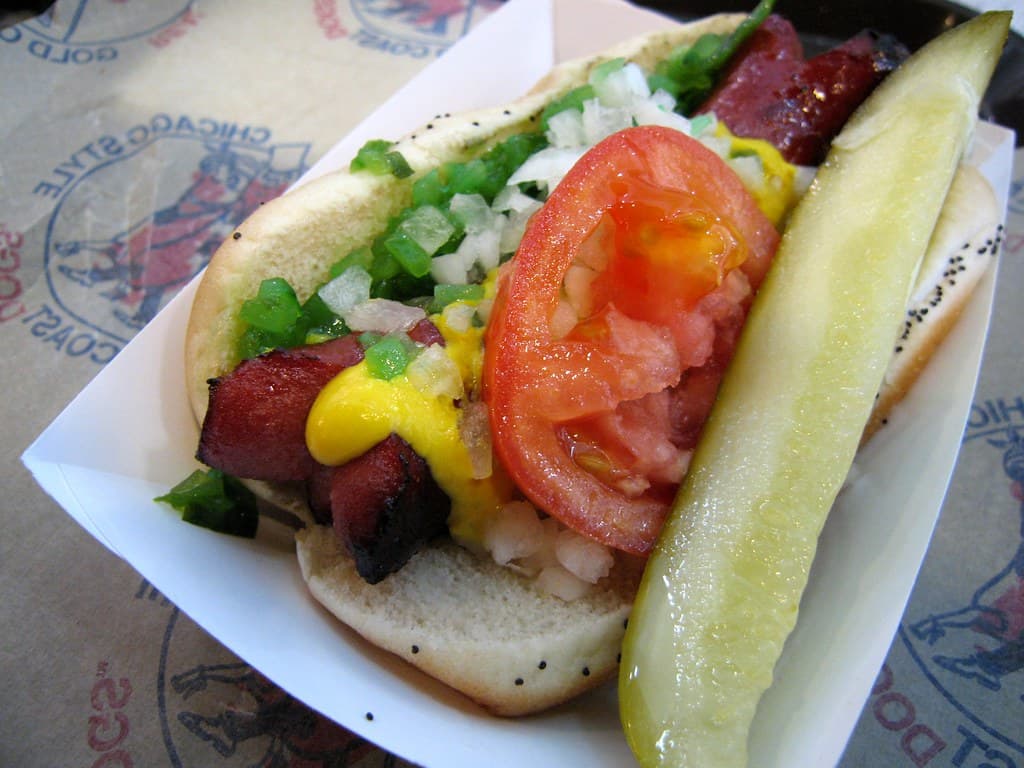
1930s-present
A classic Chicago-style hot dog on a poppy seed bun with yellow mustard, neon relish, onion, tomato, pickle spear, sport peppers, and celery salt.
America's Melting Pot
Chicago Neon Green Relish photo coming soon
Cross-era
Chicago Neon Green Relish is a relish with real American table personality: Essential part of the Chicago-style hot dog. It brings flavor from Chicago and the Upper Midwest to cookouts, counters, lunch plates, potlucks, and weeknight suppers.
America's Melting Pot
Chicago-Style Neon Relish photo coming soon
Cross-era
Chicago-Style Neon Relish is a sandwich sauce with real American table personality: Bright green relish essential to Chicago hot dogs. It brings flavor from Chicago and the Upper Midwest to cookouts, counters, lunch plates, potlucks, and weeknight suppers.
America's Melting Pot
Chicken a la King photo coming soon
1890s-present
Tender chicken and mushrooms in a rich cream sauce with pimentos and sherry, served over toast, pastry shells, rice, or biscuits.
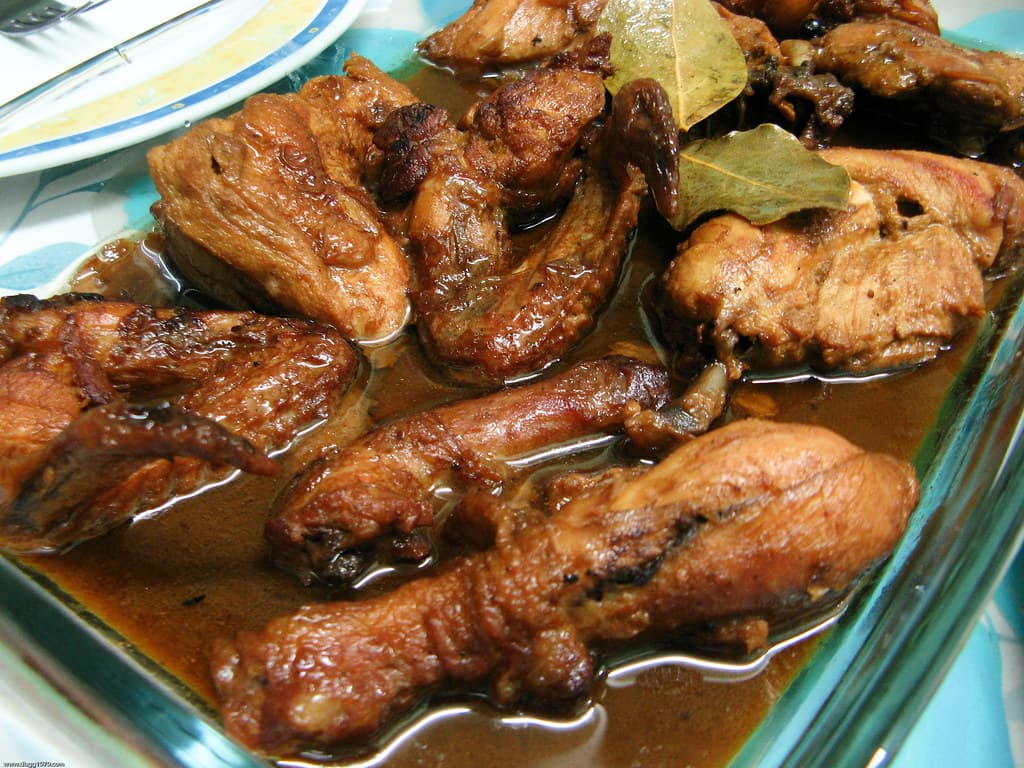
1900s-present
A Filipino and Filipino American staple of chicken simmered until tender in vinegar, soy sauce, garlic, bay leaves, and black pepper.
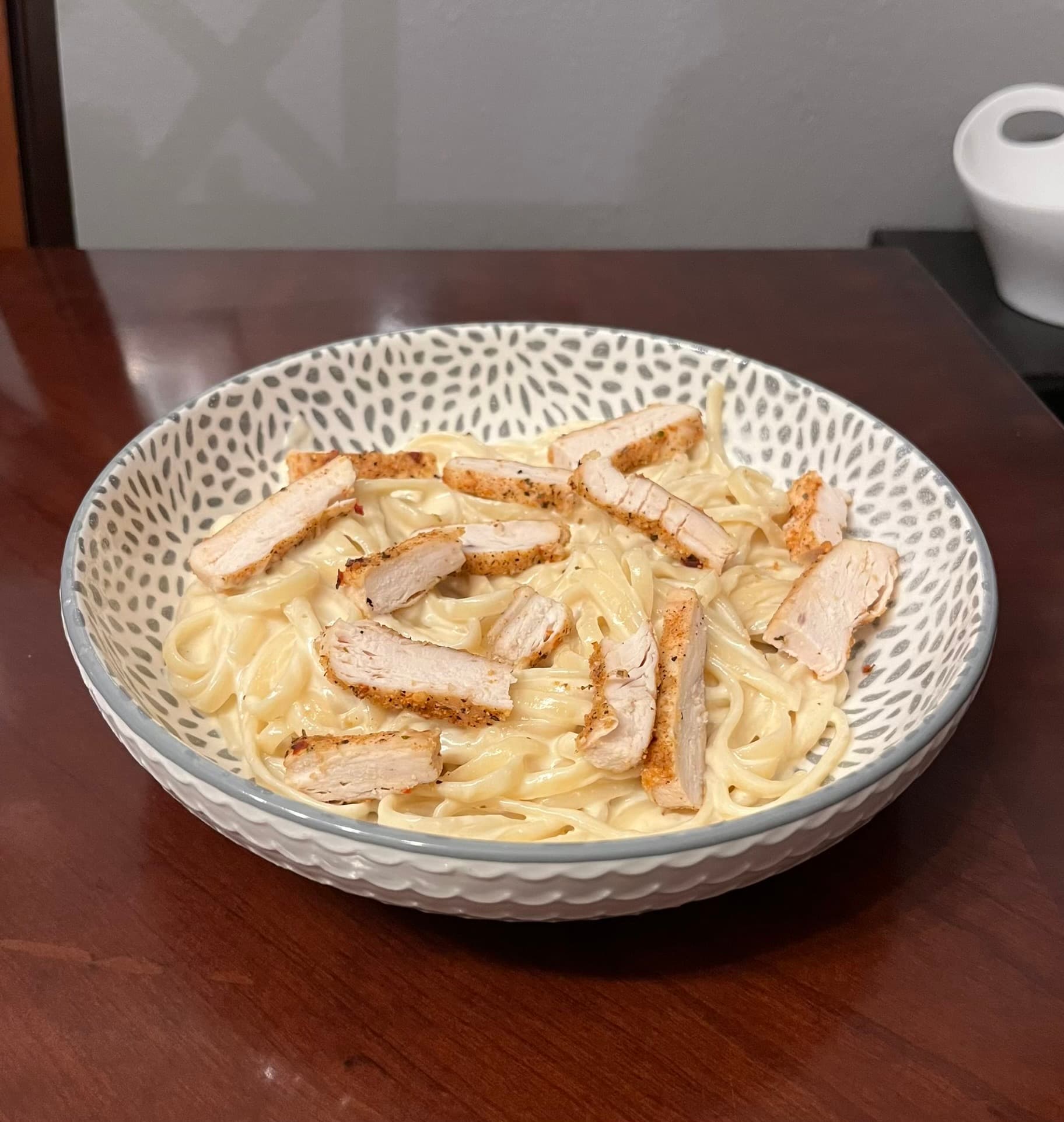
1980s-present
Fettuccine tossed in a rich American Alfredo sauce of cream, butter, garlic, and Parmesan, topped with sliced chicken.
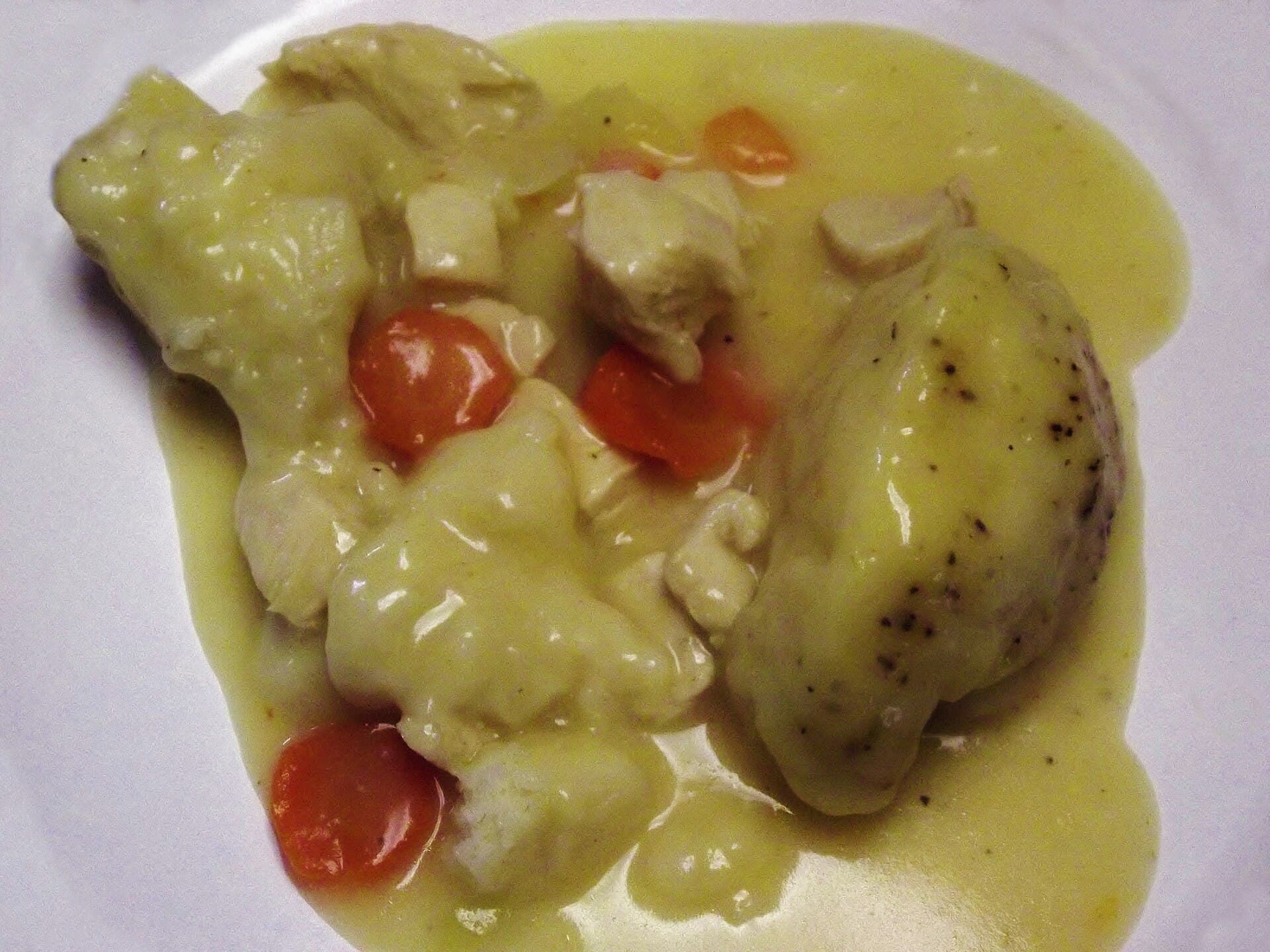
1800s-present
Tender chicken in rich broth with soft dumplings, finished as a thick, comforting Southern and Appalachian main dish.
America's Melting Pot
Chicken and Dumplings, Early Style photo coming soon
1770s-1800s
A historic-style chicken broth with simple flour dumplings, inspired by early American meat-dumpling and pottage traditions.
America's Melting Pot
Chicken and Noodles photo coming soon
1900s-present
Tender chicken and egg noodles simmered in rich broth until thick, hearty, and ready for a Midwestern supper.
America's Melting Pot
Chicken and Rice Casserole photo coming soon
1940s-present
A comforting chicken and rice casserole made with uncooked rice, chicken pieces, condensed cream soup, broth, and a simple baked finish.
America's Melting Pot
Chicken and Slicks photo coming soon
1800s-present
Chicken simmered in broth with thin rolled dumpling strips, also called slicks, sliders, or chicken pastry in parts of the South.
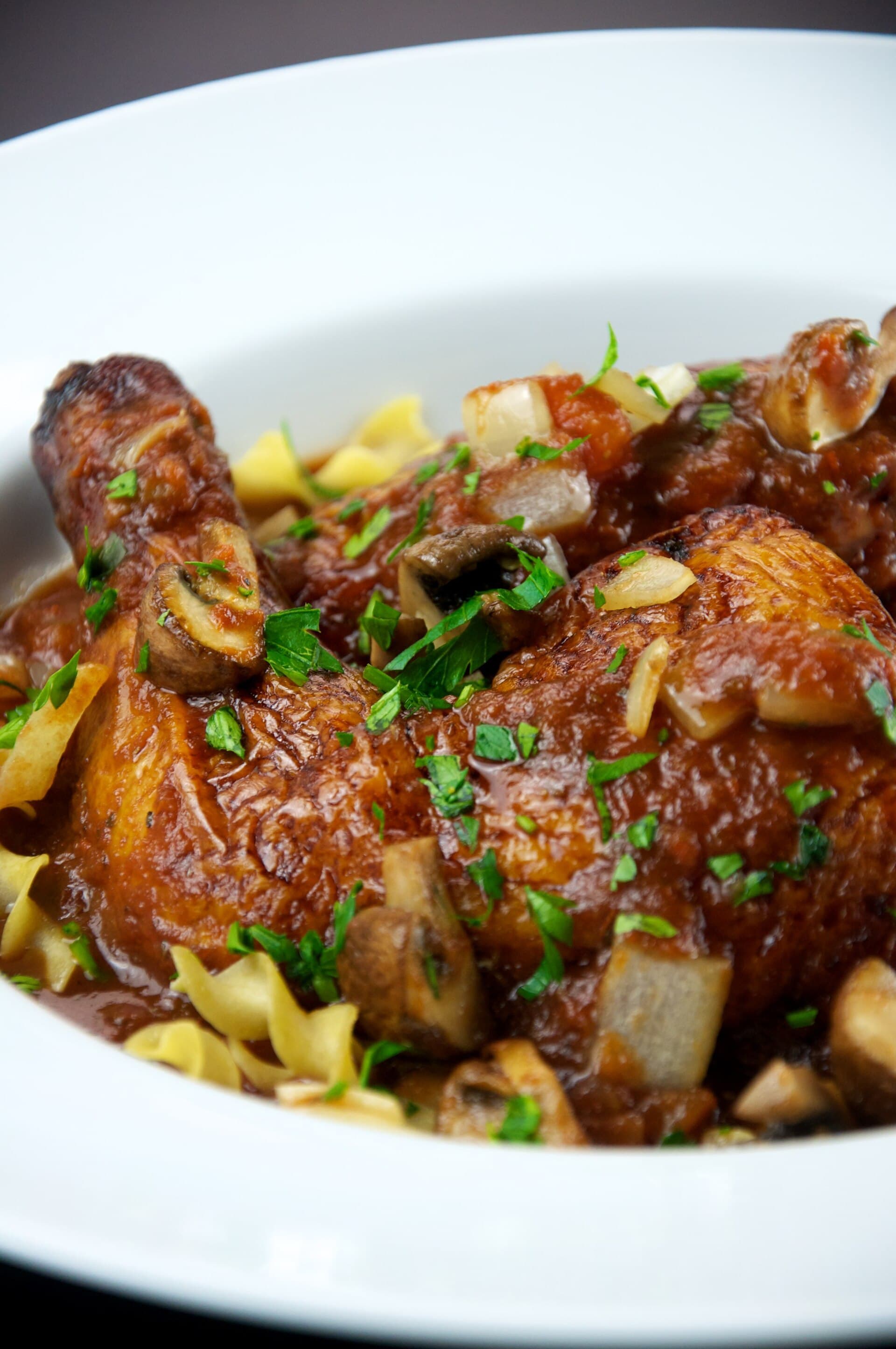
1900s-present
Bone-in chicken browned and simmered with tomatoes, wine, peppers, mushrooms, onions, garlic, and herbs in the Italian American style.
America's Melting Pot
Chicken Crust Pizza photo coming soon
Modern Melting Pot
Ground chicken, egg, Parmesan, and seasonings bake into a sliceable pizza base for a low-carb, protein-forward pizza night.
America's Melting Pot
Chicken Gravy photo coming soon
Cross-era
Chicken Gravy is a condiment with real American table personality: Cafeteria, Sunday supper, chicken and biscuits. It brings flavor from coast-to-coast American tables to cookouts, counters, lunch plates, potlucks, and weeknight suppers.
America's Melting Pot
Chicken Noodle Soup photo coming soon
1930-1945
Chicken Noodle Soup is a comforting one-pot dish made by simmering chicken, vegetables, broth, and egg noodles into a nourishing soup. A staple across American kitchens for generations, it highlights simplicity, warmth, and adaptability in soups and stews throughout the country's culinary evolution.
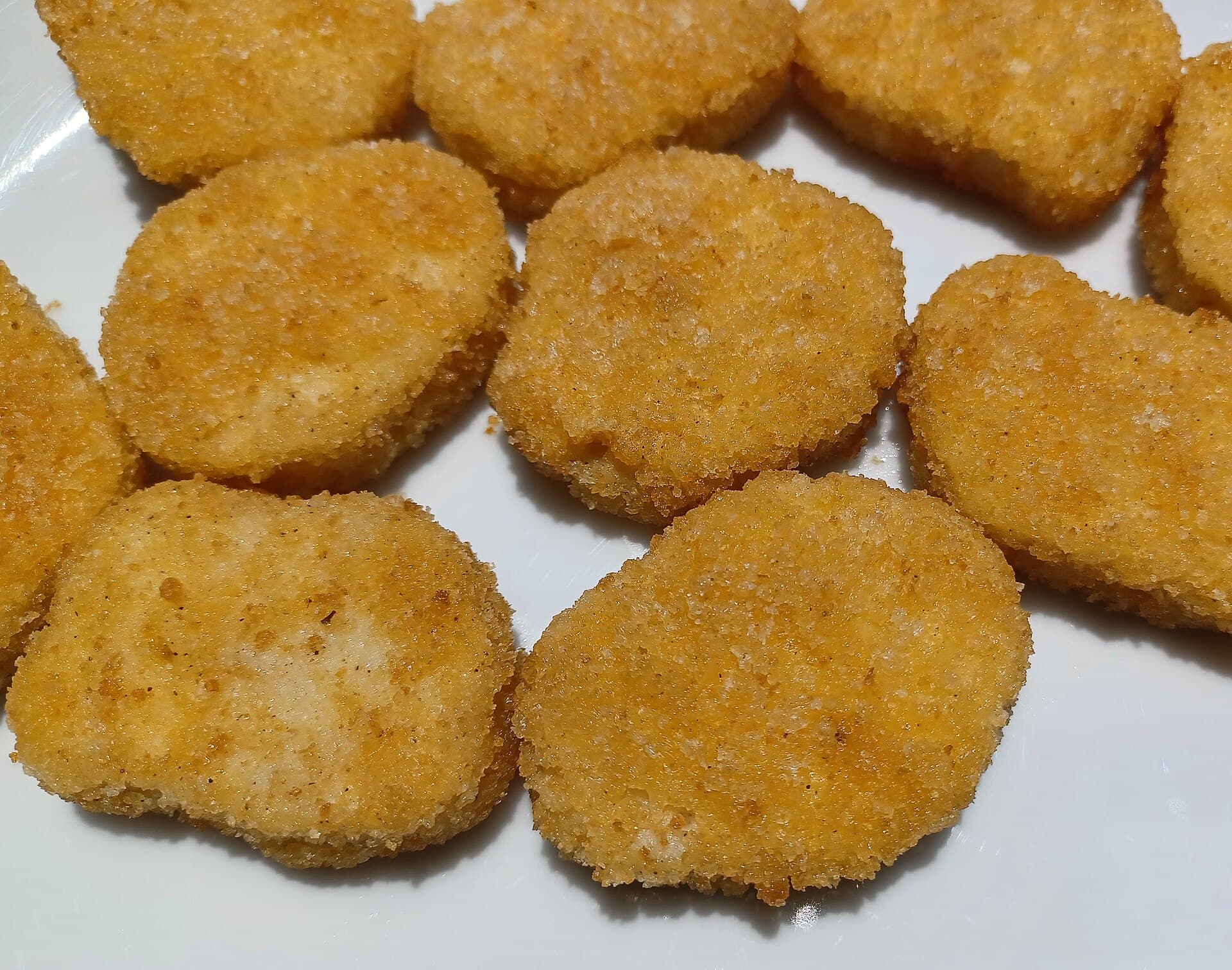
1946-1969
Chicken Nuggets are bite-sized pieces of breaded and fried chicken, widely served in school cafeterias and concessions throughout America. Known for their kid-friendly appeal and convenience, they have become a quintessential fast food and school meal option, evolving into various formulations over time to suit mass production and taste preferences.
1776-1800
Chicken Pie is a hearty savory pie made with cooked chicken, vegetables, and a flaky pastry crust. Rooted in mid to late 19th-century railroad and boardinghouse cooking, it offered a portable, filling meal for workers and travelers during the Civil War and Reconstruction period, blending practicality with comforting flavors.
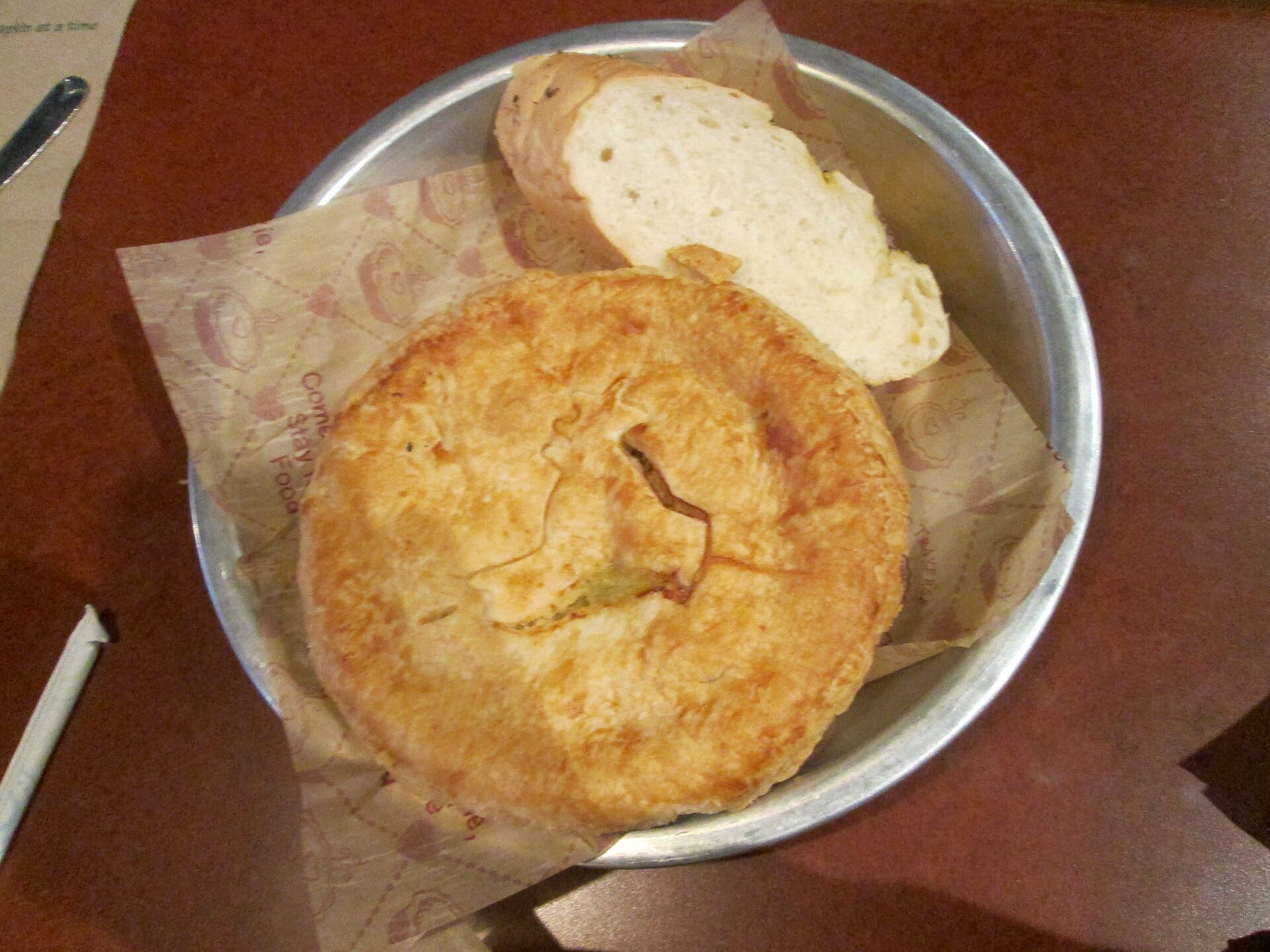
1800-1860
Chicken Pot Pie is a savory dish of chicken and vegetables enveloped in a flaky pastry crust. Emerging in New England and the Mid-Atlantic between 1800 and 1860, it provided a filling meal emphasizing local ingredients and baking traditions, symbolizing comfort food during early American settlement and immigration periods.
America's Melting Pot
Chicken Salad Dressing photo coming soon
1861-1900
Chicken Salad Dressing is a spread with real American table personality: Mayo-based deli and lunch counter culture. It brings flavor from coast-to-coast American tables to cookouts, counters, lunch plates, potlucks, and weeknight suppers.
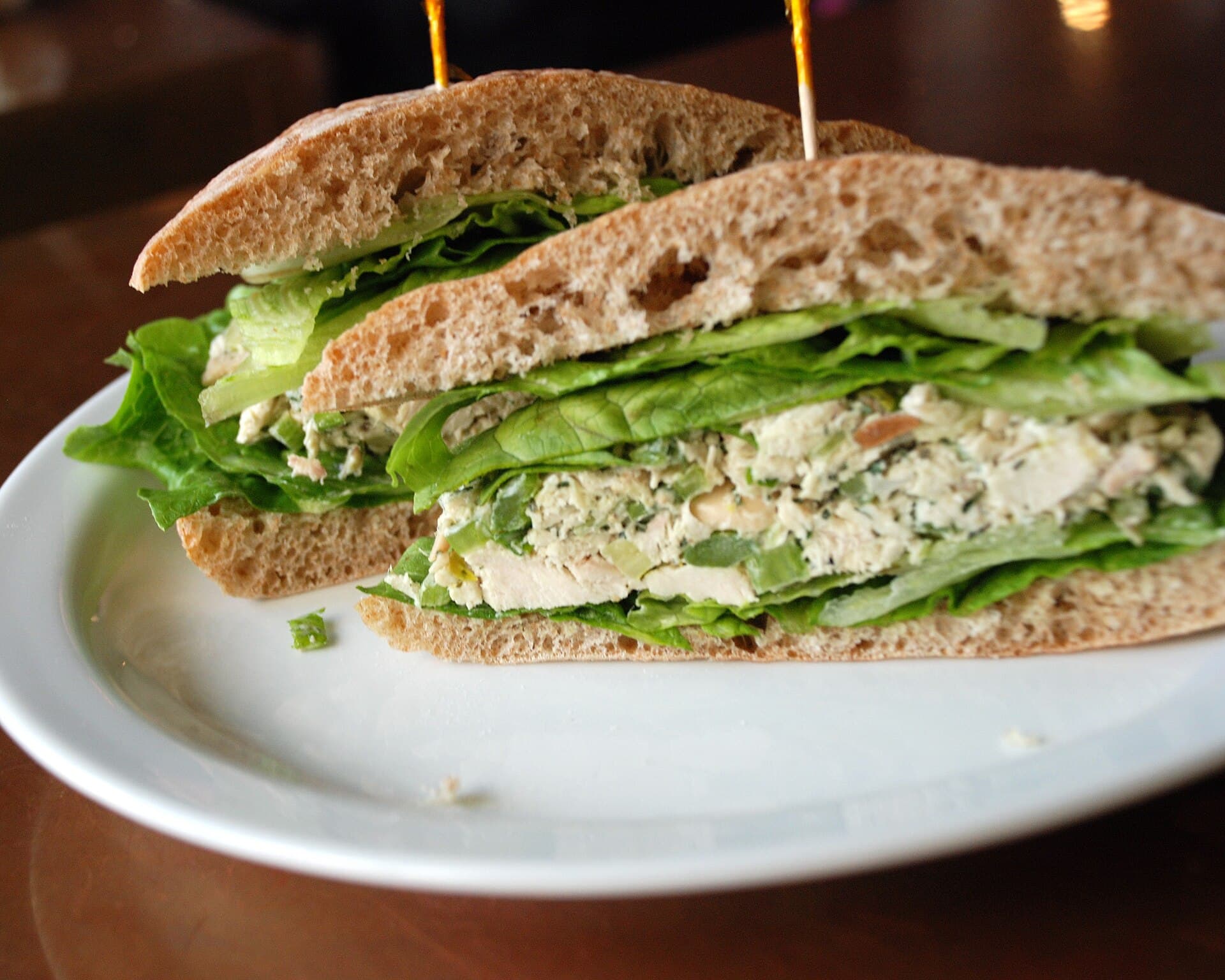
1861-1900
Chicken Salad Sandwich features poached chicken combined with mayonnaise and seasonings, served between slices of bread. A staple in diners and lunch counters from 1900 to 1929, it exemplified quick, hearty meals for working-class Americans in immigrant-rich urban centers and became a common offering at state fairs and casual eateries.
America's Melting Pot
Chicken Spaghetti photo coming soon
1946-1969
Chicken Spaghetti is a creamy, comforting casserole that became popular in the Midwest during America's postwar prosperity era. Combining cooked chicken, spaghetti noodles, a cheesy sauce, and often vegetables like bell peppers or mushrooms, this dish embodies the freezer-ready casseroles prized in suburban households. With its melding of convenience and homestyle flavor, it reflects the era's suburban family cooking trends.
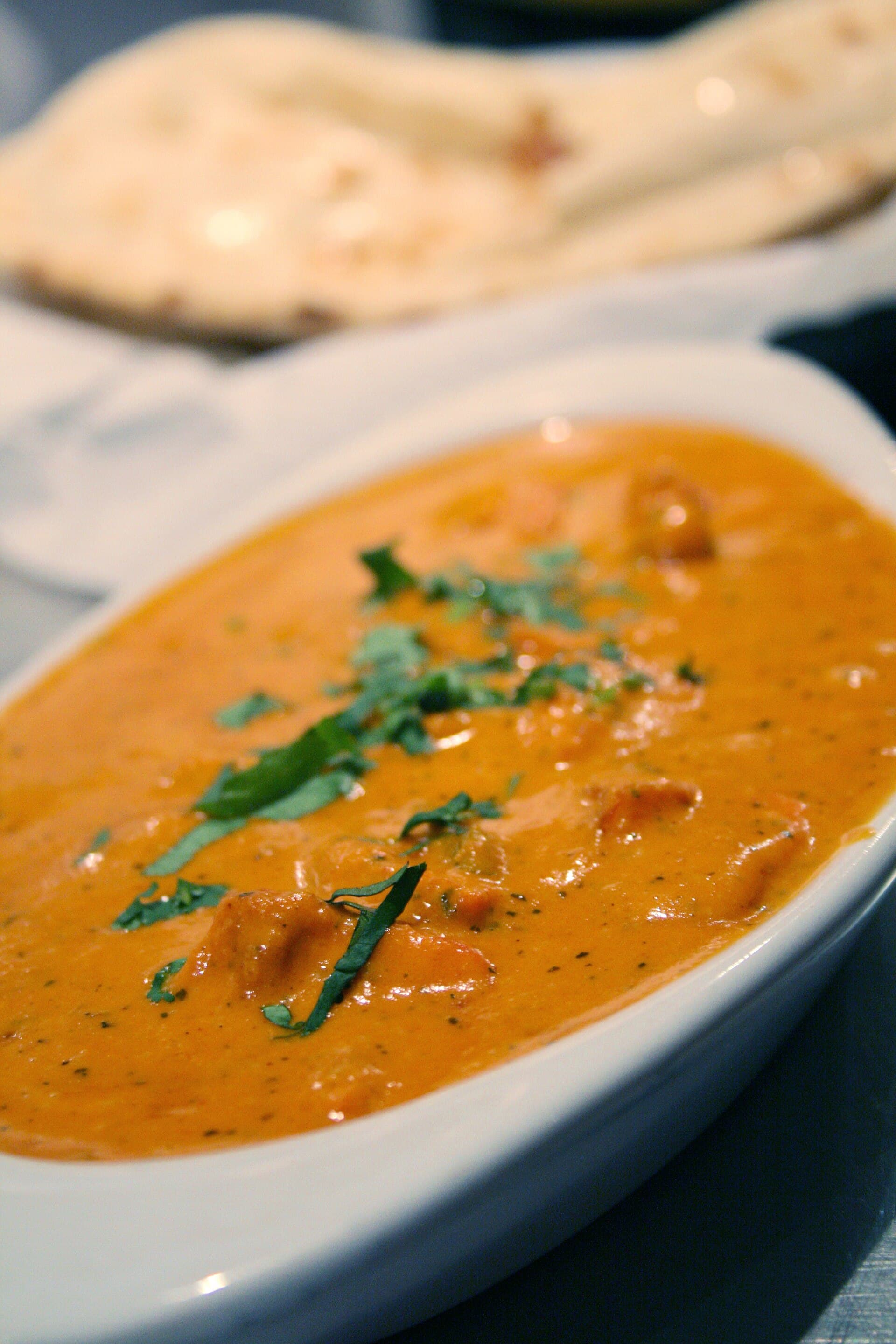
1980-1989
Chicken Tikka Masala is a creamy tomato-based curry with marinated, grilled chicken pieces, dining into American culinary landscapes in the late 20th century through immigrant and suburban adaptations. The dish blends South Asian flavors with local ingredient availability, symbolizing the globalizing food culture in suburban America and becoming a beloved main course in many households across the United States.
America's Melting Pot
Chile con Carne photo coming soon
1800-1860
Chile con Carne is a robust stew combining beef, chili peppers, tomatoes, and spices that became emblematic of Southwestern and Texas cooking in the 19th century. Its roots trace to Mexican-American and Spanish borderlands culinary traditions, adapted by settlers, cowboys, and ranchers. A filling, one-pot meal suited to frontier life, it holds a lasting place in regional American cuisine as a symbol of rustic, spicy comfort food.
America's Melting Pot
Chili photo coming soon
1861-1900
Chili is a spicy stew typically featuring meat, beans, chili peppers, and aromatic spices, standing as a quintessential American comfort food with roots in Mexican-American and Southwestern traditions. Its adaptability and richness have made it a popular one-pot meal enjoyed across the United States throughout multiple eras. Chili showcases the blending of frontier and immigrant culinary influences into a hearty, communal dish.
America's Melting Pot
Chili and Cinnamon Rolls photo coming soon
1945-2000
Chili and Cinnamon Rolls is a unique Midwestern comfort food pairing commonly found in school cafeterias and concession stands. Combining a warm bowl of chili with sweet, soft cinnamon rolls offers a blend of savory and sweet flavors reflecting regional preferences in informal or institutional American dining. This meal represents practical, hearty food designed for broad appeal and sustenance in communal eating contexts.
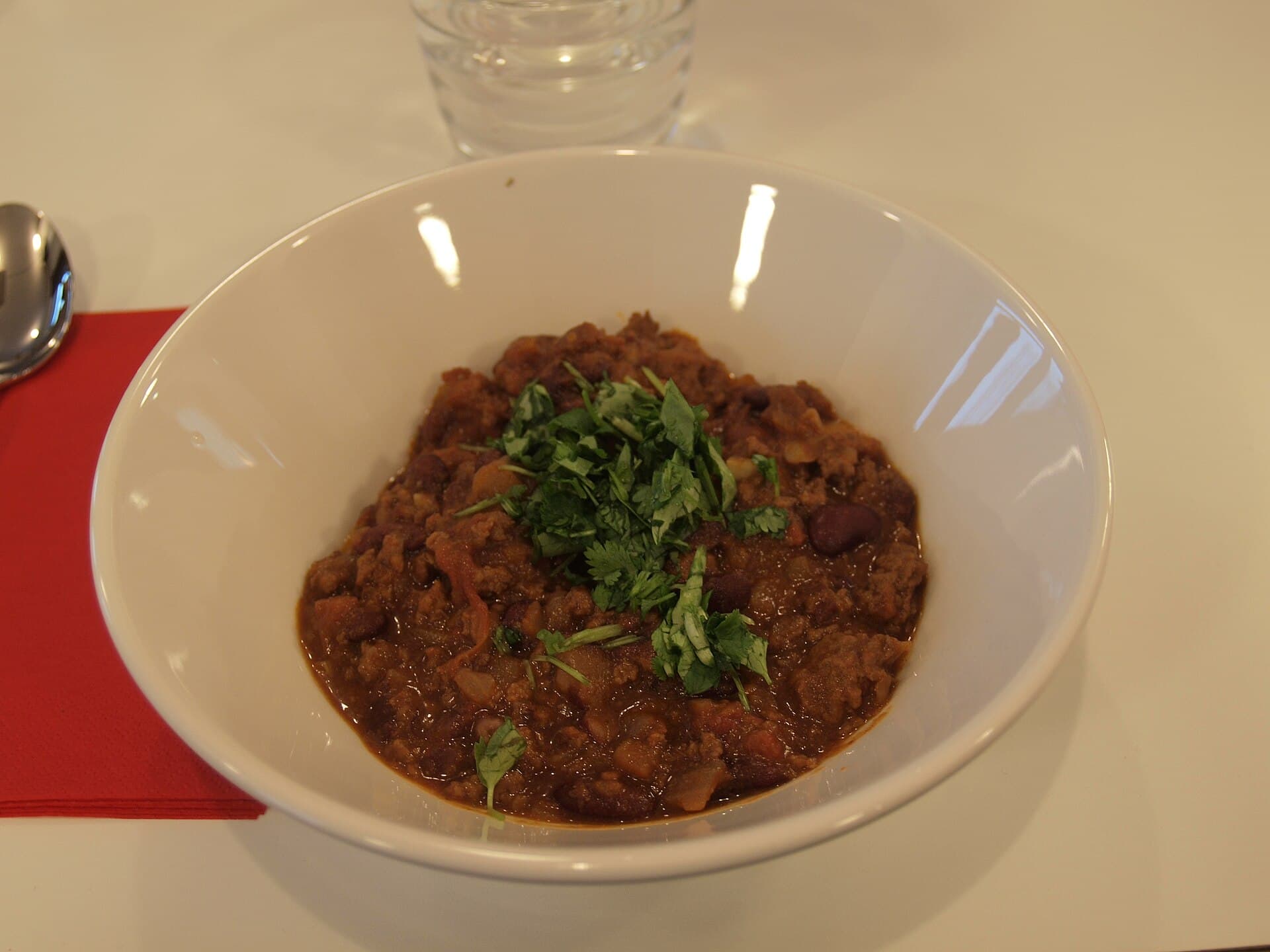
1861-1900
Chili con Carne is a spicy stew of beef, chili peppers, and seasonings integral to Great Plains cuisine post-Civil War. Popular among cattle drivers, settlers, and ranch communities during the late 19th century, this dish represents frontier culinary innovation blending Mexican-American and Southwestern flavors adapted to the rugged Great Plains environment. It remains a symbol of regional food heritage reflecting the era's settlement and cattle trail culture.
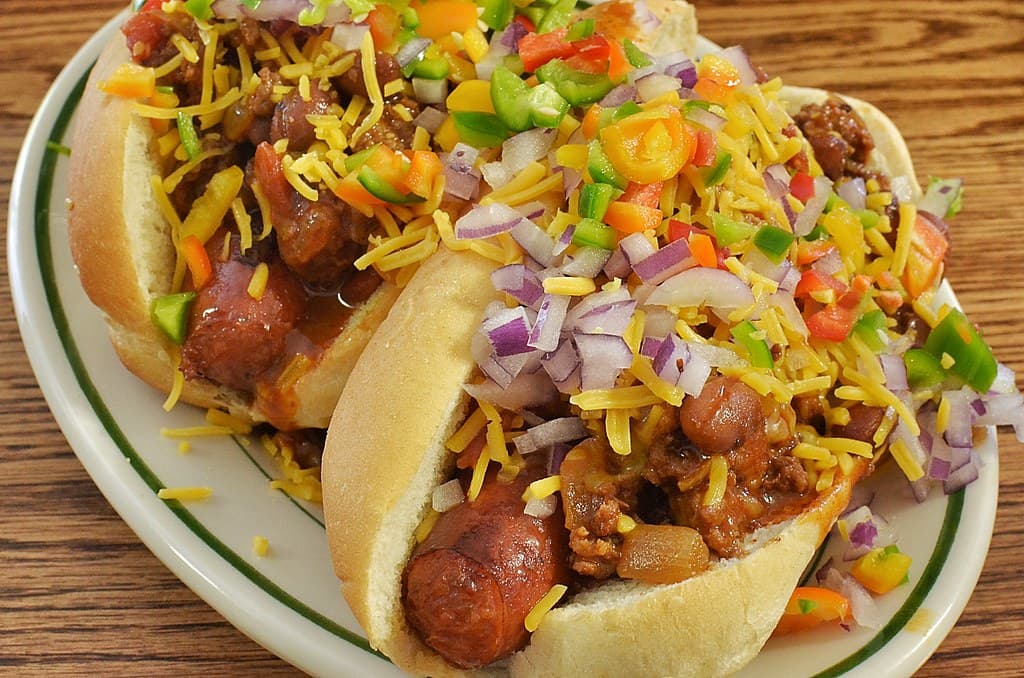
1900-1929
The Chili Dog is a popular American sandwich featuring a hot dog topped with chili, cheese, onions, and mustard. Merging the convenience of the classic hot dog with the bold flavors of chili con carne, this dish reflects American innovation in casual dining and fast food culture. Its origins are broad but rooted in Southwestern and Texan culinary traditions combined with urban sandwich trends, making it a ubiquitous comfort food nationwide.
America's Melting Pot
Chili Dog Sauce photo coming soon
Cross-era
Chili Dog Sauce is a sandwich sauce with real American table personality: Regional hot dog sauce from diners, drive-ins, and ballparks. It brings flavor from Texas and the Southwest to cookouts, counters, lunch plates, potlucks, and weeknight suppers.
America's Melting Pot
Chili Mac photo coming soon
1946-1969
Chili Mac is a classic American casserole melding macaroni pasta with a rich chili sauce, originating from Midwestern comfort food traditions between 1946 and 1969. This dish reflects postwar suburban tastes for easy, freezer-friendly meals that combine convenience with bold, hearty flavor, especially influenced by Tex-Mex ingredients from Southwestern and Mexican-American roots.
America's Melting Pot
Chinese Chicken Salad photo coming soon
1946-1969
Chinese Chicken Salad is an early Chinese-American creation blending crisp greens, shredded chicken, and crunchy elements with a tangy dressing influenced by Asian flavors. Gaining popularity in immigrant-rich urban diners and lunch counters during the early 20th century, particularly from 1900 to 1929, this salad represents the adaptation of Chinese ingredients to American salad formats, often served at city diners and state fairs as a fresh, portable dish.
1970-1989
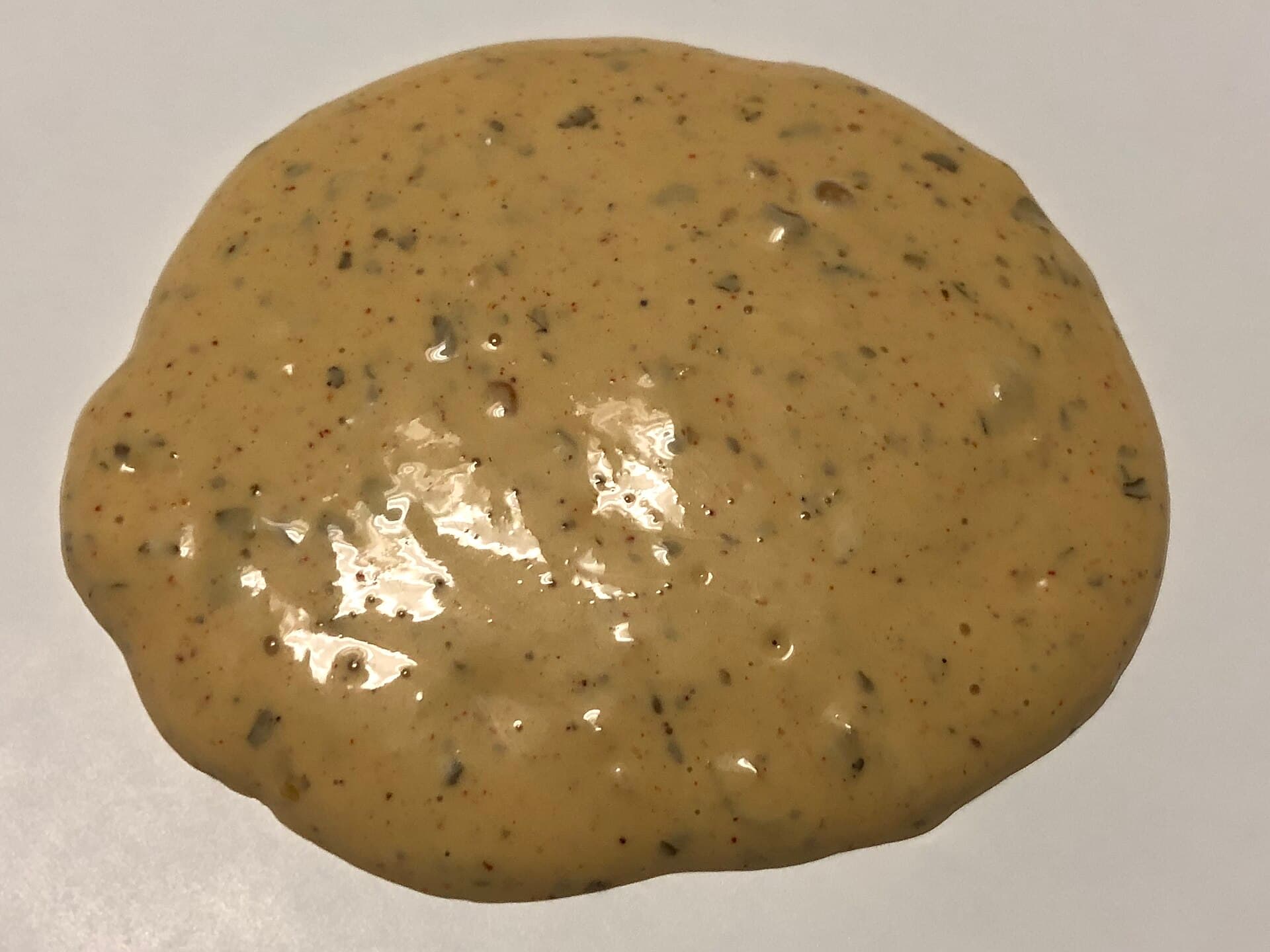
Chipotle Ranch is a dressing with real American table personality: Modern fast-casual American dressing. It brings flavor from coast-to-coast American tables to cookouts, counters, lunch plates, potlucks, and weeknight suppers.
America's Melting Pot
Chipped Beef Dip photo coming soon
1946-1969
Chipped Beef Dip is a party dip with real American table personality: Midcentury and church-cookbook favorite. It brings flavor from coast-to-coast American tables to cookouts, counters, lunch plates, potlucks, and weeknight suppers.
1930-1945
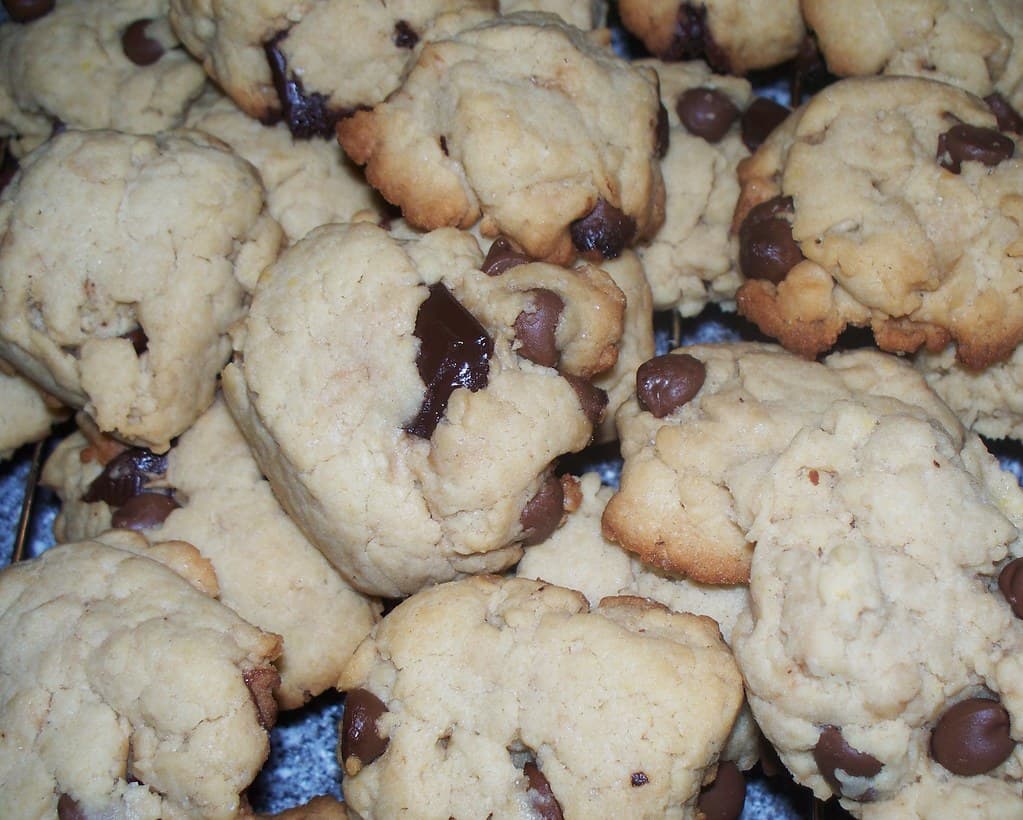
Chocolate Chip Cookies became a quintessential American dessert in the postwar period (1946-1969), favored by families and children alike for lunchboxes and snacks. This recipe features a soft yet chewy texture with generous chocolate chips, embodying suburban baking traditions and the rise of accessible mass-produced chocolate chips. These cookies remain a nostalgic and beloved treat across the country.
America's Melting Pot
Chocolate Gravy photo coming soon
Frontier & Expansion
Chocolate Gravy is a condiment with real American table personality: Appalachian/Southern breakfast sauce for biscuits. It brings flavor from Appalachia and Pennsylvania Dutch country to cookouts, counters, lunch plates, potlucks, and weeknight suppers.
America's Melting Pot
Chocolate Milk photo coming soon
1900-1929
Chocolate Milk is a sweetened chocolate-flavored dairy drink widely served in American school lunch programs, cafeterias, and concession stands throughout many eras. Valued for its nutritional content and appealing taste among children, chocolate milk remains a ubiquitous beverage offering, often produced commercially for easy distribution and convenience.
America's Melting Pot
Chocolate Syrup photo coming soon
1900-1929
Chocolate Syrup is a sweet sauce with real American table personality: Ice cream sodas, chocolate milk, diners. It brings flavor from coast-to-coast American tables to cookouts, counters, lunch plates, potlucks, and weeknight suppers.
America's Melting Pot
Chokecherry Jelly photo coming soon
Founding Era
Chokecherry Jelly is a preserve with real American table personality: Plains, Mountain West, and Indigenous/settler preserving tradition. It brings flavor from coast-to-coast American tables to cookouts, counters, lunch plates, potlucks, and weeknight suppers.
2000-beyond
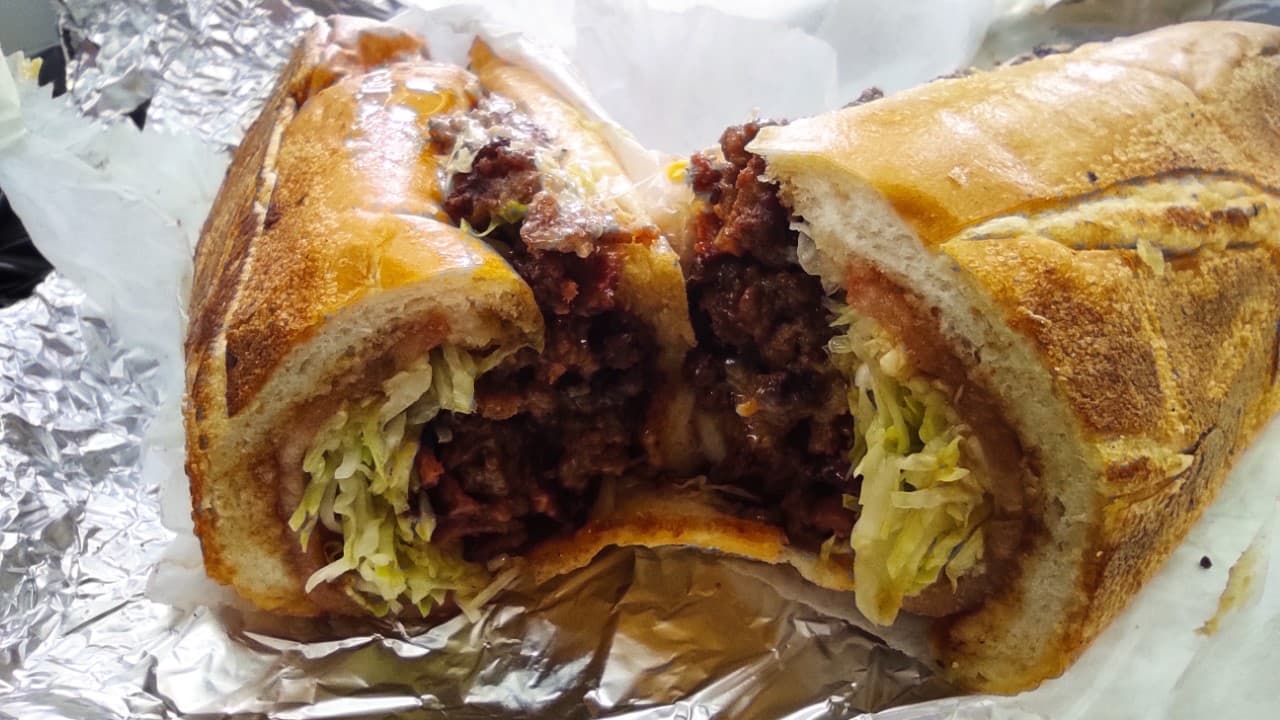
Chopped Cheese is a popular sandwich that originated in New York City bodegas. It features ground beef, onions, peppers, and melted cheese chopped together on a grill and served on a hero roll with usual sandwich fixings. This hearty sandwich reflects the vibrant street food culture and the influence of diverse immigrant communities in urban America.
America's Melting Pot
Chow-Chow photo coming soon
Frontier & Expansion
Chow-Chow is a relish with real American table personality: Southern/Appalachian chopped vegetable relish. It brings flavor from Appalachia and Pennsylvania Dutch country to cookouts, counters, lunch plates, potlucks, and weeknight suppers.
America's Melting Pot
Chow-Chow Pepper Relish photo coming soon
Frontier & Expansion
Chow-Chow Pepper Relish is a condiment with real American table personality: Southern/Appalachian preserved garden relish. It brings flavor from Appalachia and Pennsylvania Dutch country to cookouts, counters, lunch plates, potlucks, and weeknight suppers.
America's Melting Pot
Cincinnati Chili photo coming soon
1946-1969
Cincinnati Chili is a unique meat sauce featuring warm spices like cinnamon and cloves, served over spaghetti or hot dogs. Originating in the Midwestern United States during the mid-20th century, it reflects Mediterranean immigrant influences adapted to local tastes and ingredients, creating a distinctive regional comfort food.
America's Melting Pot
Cinnamon Rolls with Chili photo coming soon
1945-2000
A unique breakfast combining the sweet, soft cinnamon roll with a spicy chili twist, reflecting flavor fusions from the Great Plains region influenced by Mexican-American and Southwestern cuisines. This dish pairs the warming spices of cinnamon with hearty chili for a tasty and filling meal that honors regional culinary blending.
1861-1900
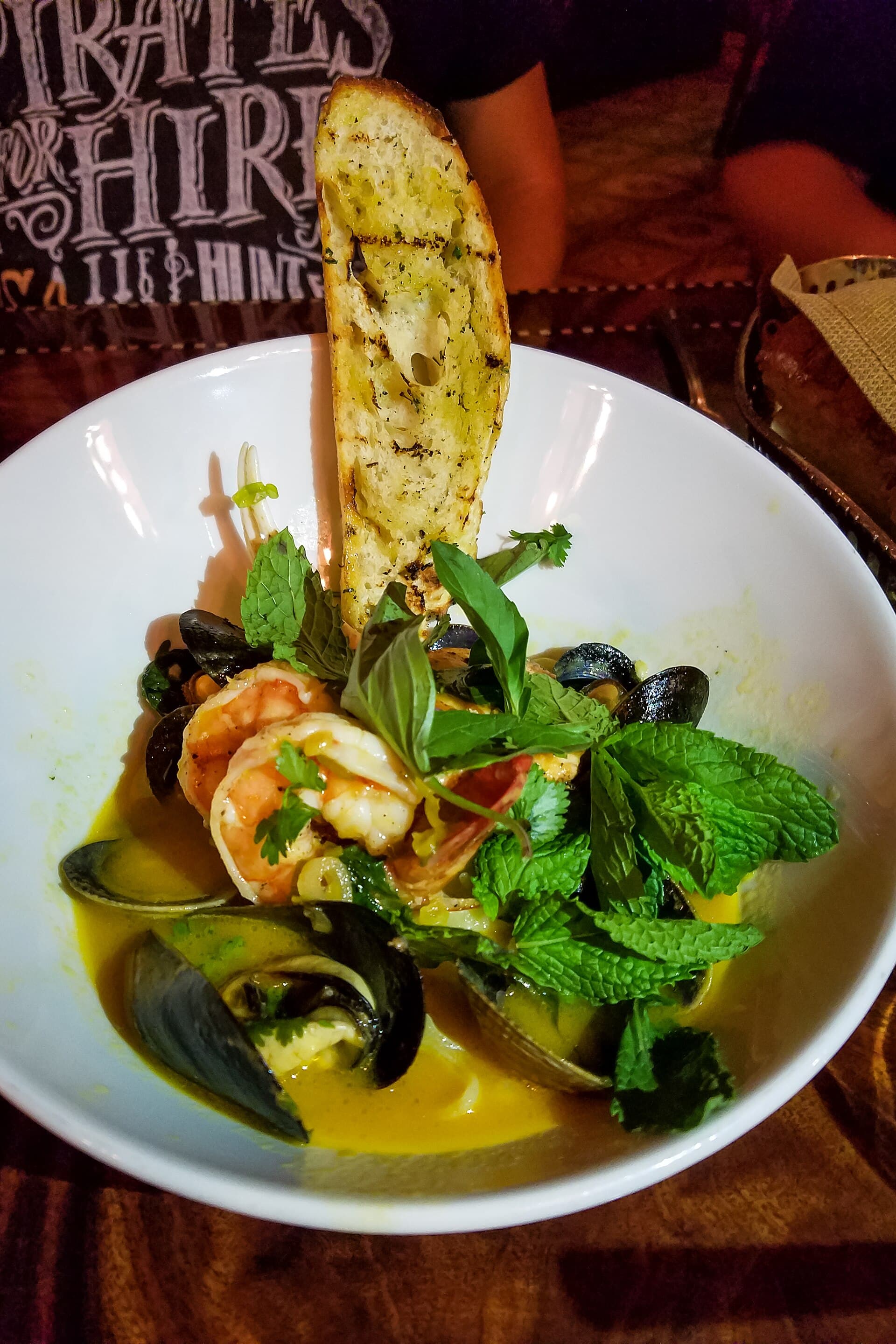
Cioppino is a hearty seafood stew originating from Italian immigrant fishermen on the West Coast, combining various shellfish and fish simmered in a tomato and wine-based broth. Known for its communal, one-pot cooking style, it reflects the fusion of Italian culinary heritage with the maritime bounty of California. Cioppino became especially popular in San Francisco's Italian-American communities, symbolizing immigrant adaptation and local ingredient use.
America's Melting Pot
City Chicken photo coming soon
1930-1945
City Chicken consists of cubes of pork or veal (sometimes a mix), skewered on sticks, breaded, and fried or baked to simulate roasted chicken. It became popular in American industrial cities with large Polish, Czech, Slovak, and other Eastern European immigrant populations in the early 20th century, especially where chicken was expensive or scarce. Served often at diners, lunch counters, and state fairs, it represents resourceful ethnic adaptation and immigrant influence on urban American foodways.
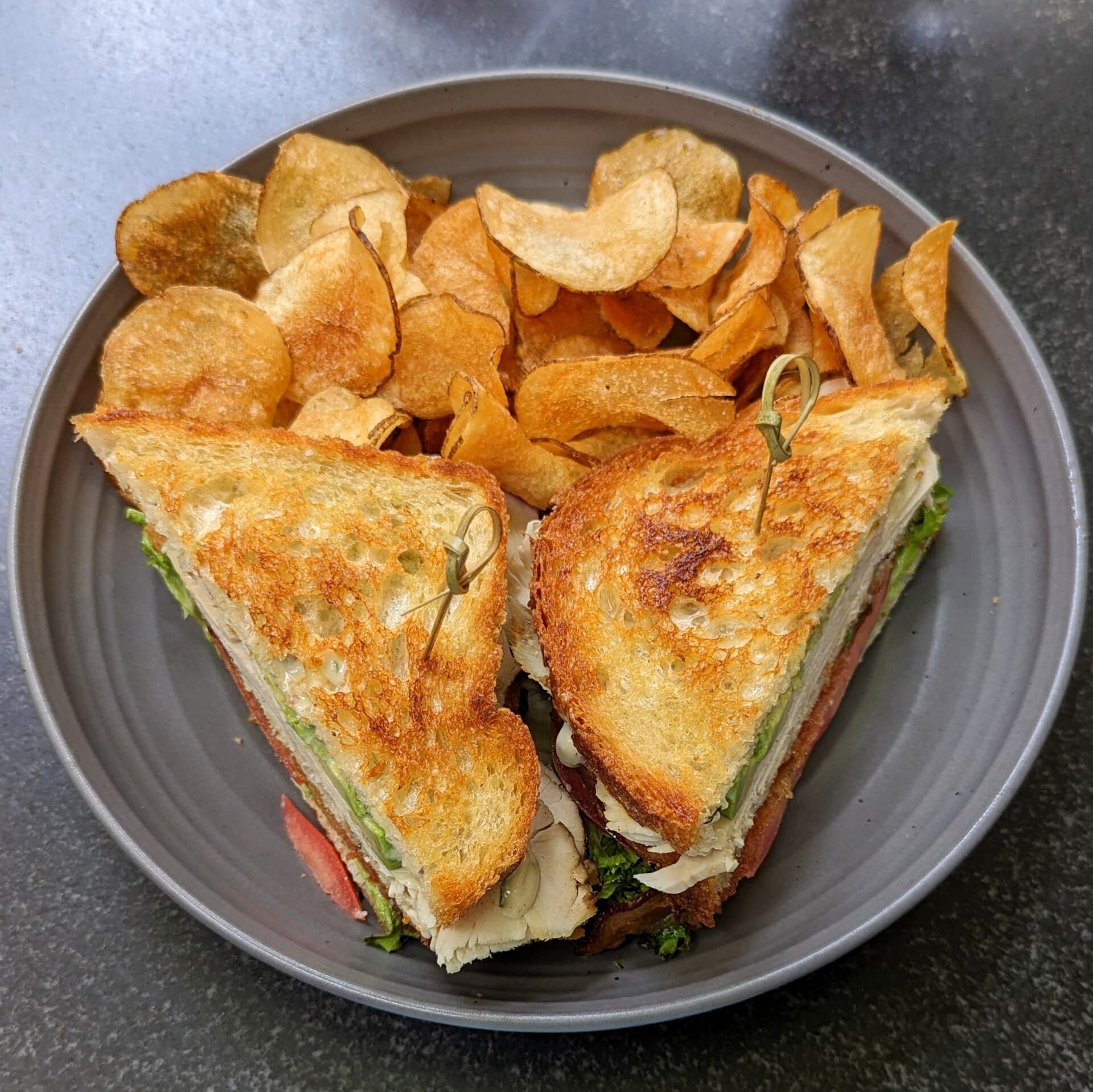
1861-1900
The Club Sandwich is a layered triple-decker sandwich featuring sliced turkey or chicken, crispy bacon, lettuce, tomato, and mayonnaise on toasted bread. It first appeared in American diners and lunch counters during the early 20th century and quickly became popular as a convenient, filling meal. The Club reflects immigrant dining hall influences and the rise of urban lunch culture, notably served at state fairs and public eateries.
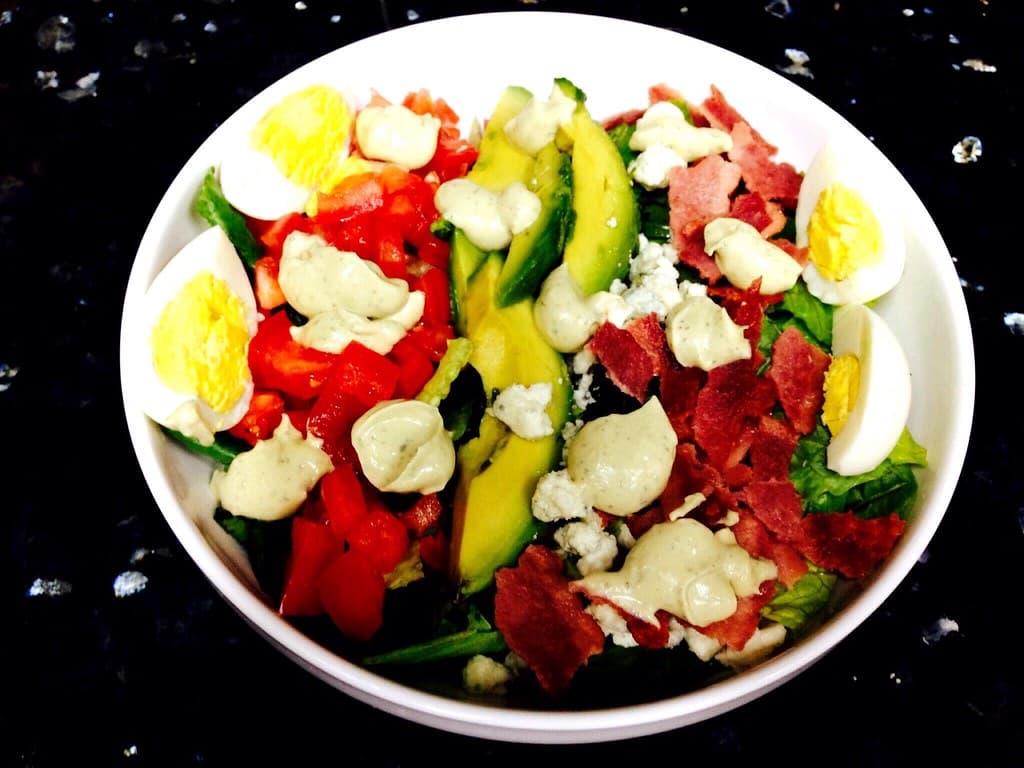
1900-1929
Cobb Salad consists of chopped greens, tomatoes, bacon, chicken, hard-boiled eggs, avocado, chives, and blue cheese, often served with red wine vinaigrette. It originated on the West Coast as a restaurant dish and became an iconic American salad celebrated for its variety and nutritional balance. The Cobb exemplifies regional California fresh produce combined with classic American diner influences, beloved for lunch and light dinners.
America's Melting Pot
Coffee Barbecue Sauce photo coming soon
Cross-era
Coffee Barbecue Sauce is a barbecue sauce with real American table personality: Texas/Southwest-style bitter-sweet beef sauce. It brings flavor from the American South to cookouts, counters, lunch plates, potlucks, and weeknight suppers.
America's Melting Pot
Comeback Sauce photo coming soon
Cross-era
Comeback Sauce is a sandwich sauce with real American table personality: Mississippi sauce from Jackson restaurant culture; mayo, ketchup/chili sauce, Worcestershire, garlic, and spice. It brings flavor from the American South to cookouts, counters, lunch plates, potlucks, and weeknight suppers.
America's Melting Pot
Comeback Sauce for Fried Seafood photo coming soon
Cross-era
Comeback Sauce for Fried Seafood is a seafood sauce with real American table personality: Mississippi and Gulf Coast fried shrimp/oyster sauce. It brings flavor from the American South to cookouts, counters, lunch plates, potlucks, and weeknight suppers.
America's Melting Pot
Compound Steak Butter photo coming soon
Modern Melting Pot
Compound Steak Butter is a spread with real American table personality: American steakhouse finishing sauce. It brings flavor from coast-to-coast American tables to cookouts, counters, lunch plates, potlucks, and weeknight suppers.
America's Melting Pot
Concession Stand Hot Dogs photo coming soon
1861-1900
Concession stand hot dogs are simple, affordable sandwiches featuring cooked frankfurter sausages in a soft bun, often topped with mustard, ketchup, onions, or relish. They have been a ubiquitous American food at schools, sports events, and fairs across multiple eras. These hot dogs reflect practical street and event food culture, offering quick nourishment and familiar flavors to all ages.

1861-1900
Concord Grape Jelly is a preserve with real American table personality: Northeastern American grape culture. It brings flavor from coast-to-coast American tables to cookouts, counters, lunch plates, potlucks, and weeknight suppers.
America's Melting Pot
Coney Dogs photo coming soon
1900-1929
The Coney dog is a hot dog topped with a savory meat chili sauce, mustard, and onions, originating from Greek immigrant communities in Midwestern U.S. cities during the early 20th century. It became popular at diners, lunch counters, and state fairs as an affordable, flavorful meal. The dish blends immigrant culinary traditions with American fast food culture, reflecting urban foodways and ethnic entrepreneurship.
America's Melting Pot
Coney Sauce photo coming soon
Cross-era
Coney Sauce is a sandwich sauce with real American table personality: Spiced meat sauce for hot dogs, especially Detroit, Flint, Jackson, Cincinnati, and Greek-American diner traditions. It brings flavor from coast-to-coast American tables to cookouts, counters, lunch plates, potlucks, and weeknight suppers.
America's Melting Pot
Confederate Cornbread photo coming soon
1861-1900
Confederate cornbread is a straightforward Southern cornmeal bread commonly prepared during the Civil War period, using simple pantry ingredients and often cooked in a cast-iron skillet over open flames. This cornbread reflects the resourcefulness and culinary adaptation of Southern households during wartime, forming an iconic accompaniment to meals in 19th-century America.
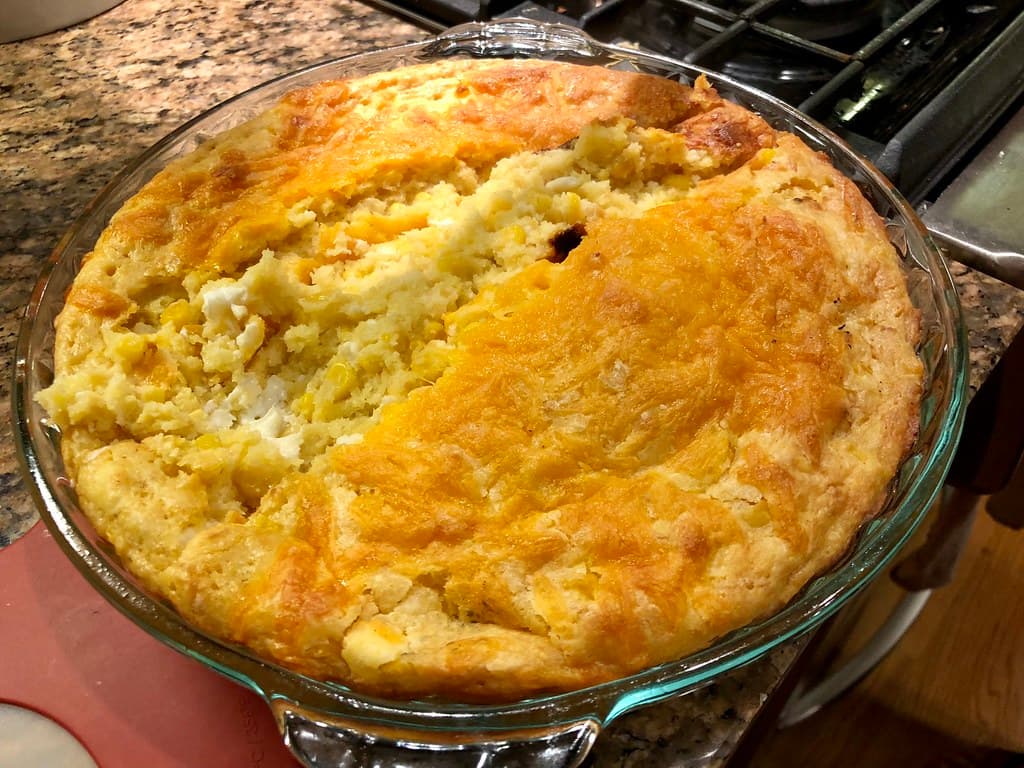
1946-1969
Corn casserole is a comforting baked dish combining whole kernel and creamed corn with a custard base, popular in the Midwest and Great Plains from the postwar era through the 1960s.
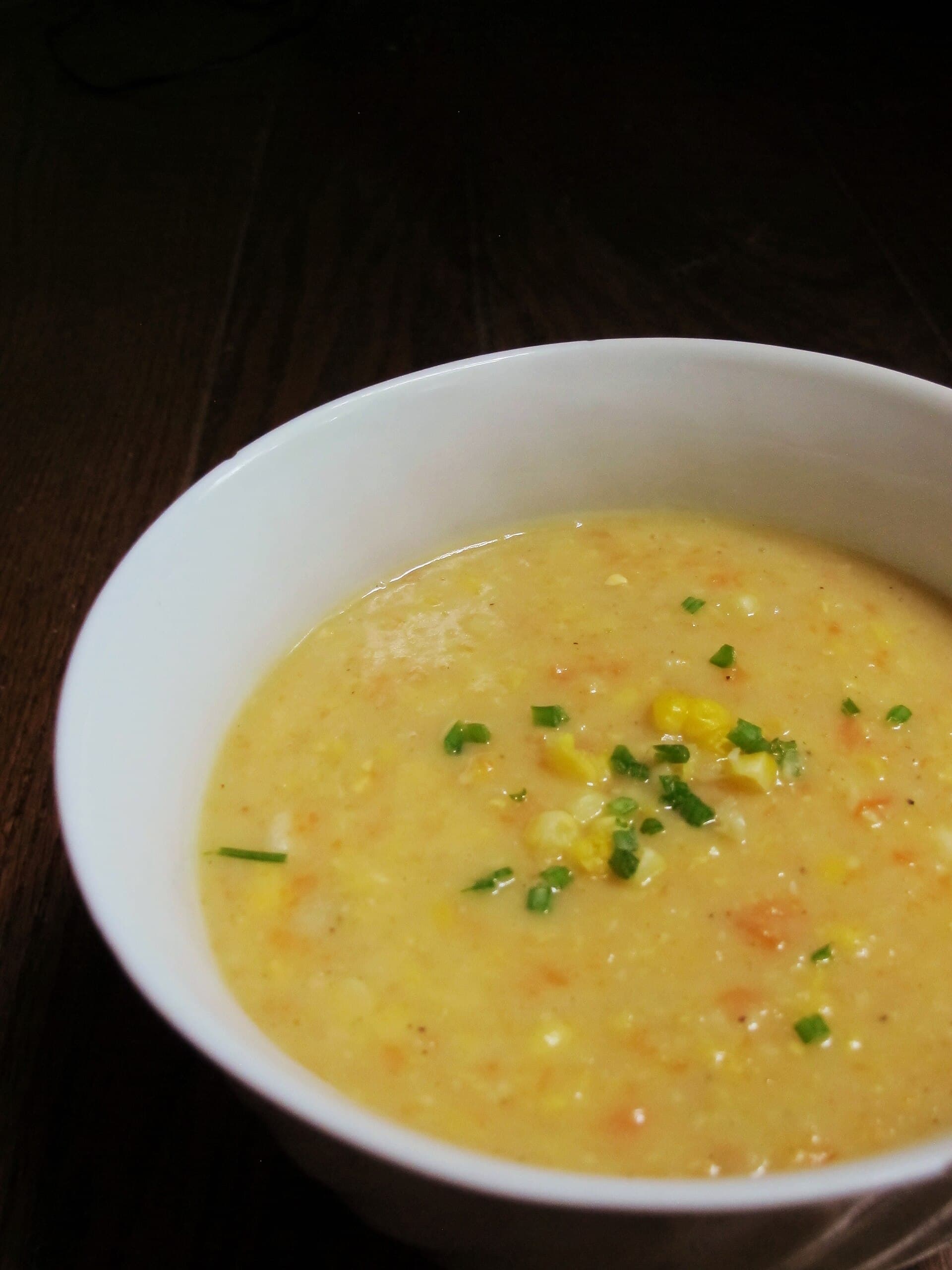
1776-1800
Corn chowder is a creamy and filling soup showcasing fresh or canned corn with potatoes, onions, and occasionally bacon or salt pork, enjoyed across the United States over multiple eras.
America's Melting Pot
Corn Dip photo coming soon
Cross-era
Corn Dip is a party dip with real American table personality: Southwestern/Midwestern potluck food. It brings flavor from the American South to cookouts, counters, lunch plates, potlucks, and weeknight suppers.
America's Melting Pot
Corn Pone photo coming soon
1776-1800
Corn pone is a simple, unleavened corn bread originating in early American Southern kitchens. Made with basic ingredients, it was a staple food for families from the Revolutionary period onward, often baked in a skillet or hearth oven.
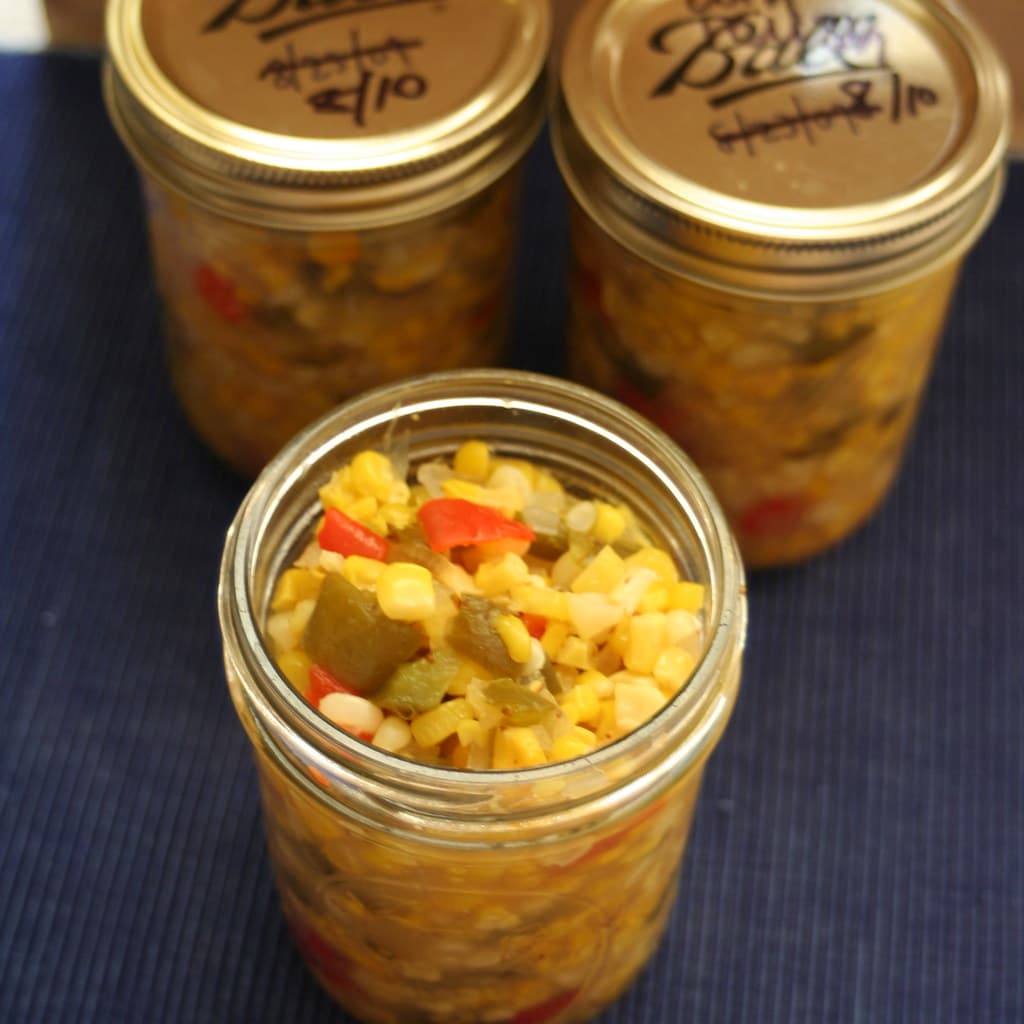
1861-1900
Corn Relish is a relish with real American table personality: Farm garden preserving and picnic-table condiment. It brings flavor from coast-to-coast American tables to cookouts, counters, lunch plates, potlucks, and weeknight suppers.
America's Melting Pot
Corn Soup photo coming soon
Before 1776
Corn soup is a nourishing dish rooted in Indigenous American foodways, made with fresh or dried corn and vegetables. It was a common staple during the early 19th century, reflecting traditional methods of using native crops for sustenance.
Community recipe submission
Log in to submit a recipe, format it with the cooking companion, and send it for review.
Log in to Submit