
Loading
Setting the table...
Fetching the latest recipes from the archive.
Loading
Fetching the latest recipes from the archive.
Recipe archive
Recipe archive
Search the archive by title, region, ingredient, tag, or era, then sort the table by the view that fits your kitchen.
This archive is growing through recipes, photos, family recipes, and historical context shared by the community.
1776-1800
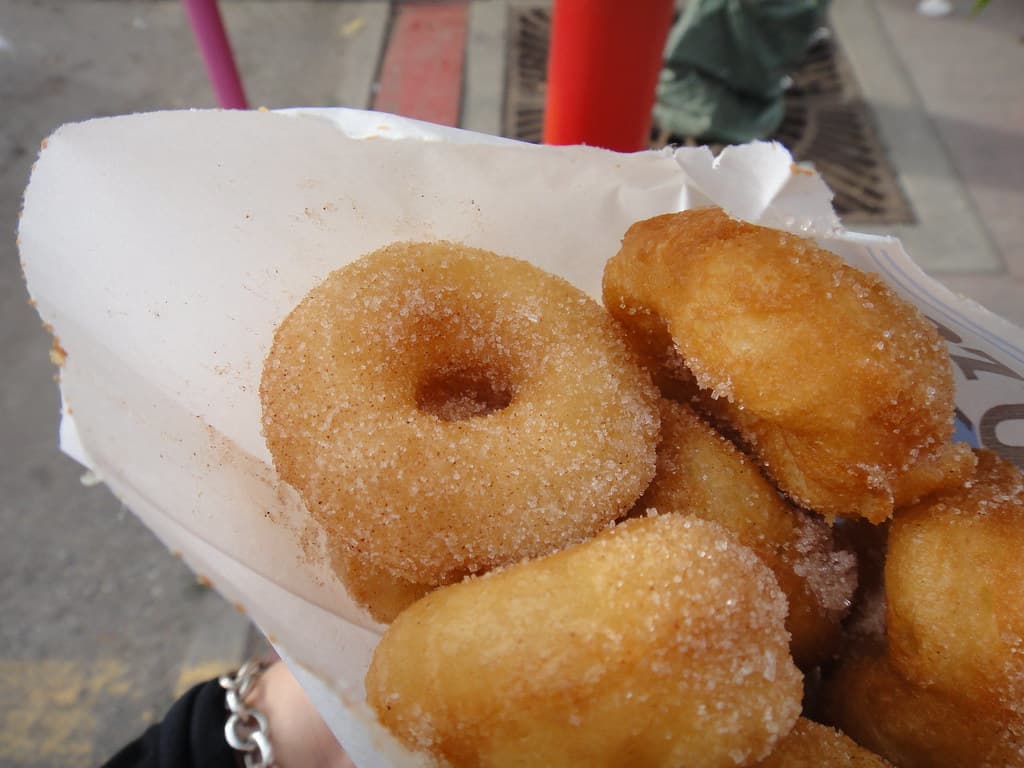
Mini donuts are tiny, fried doughnuts commonly enjoyed at American state fairs, carnivals, and diners during the early 20th century. Their small size made them a convenient treat for fairgoers and lunch counter patrons. This recipe captures the simplicity and nostalgic appeal of these sweet bites, featuring a light dough fried to golden perfection and lightly dusted with cinnamon sugar.
America's Melting Pot
Minnesota Wild Rice Soup photo coming soon
2010-2026
Minnesota Wild Rice Soup is a comforting, creamy soup showcasing native wild rice combined with mushrooms, vegetables, and savory broth. Popularized in the modern era through food trucks and farmers markets, this regional specialty integrates indigenous ingredients with contemporary cooking techniques, reflecting Minnesota's culinary heritage and evolving food culture.
America's Melting Pot
Miracle Whip-Style Dressing photo coming soon
1930-1945
Miracle Whip-Style Dressing is a dressing with real American table personality: Tangy-sweet American sandwich and salad spread culture. It brings flavor from coast-to-coast American tables to cookouts, counters, lunch plates, potlucks, and weeknight suppers.
America's Melting Pot
Mission Burrito photo coming soon
1946-1969
The Mission Burrito is a large, wrapped burrito style that emerged in San Francisco's Mission District during the postwar era. Known for its generous fillings of rice, beans, meats, and fresh toppings, it became a defining element of West Coast Mexican-American cuisine, reflecting the cultural exchange and suburban dining trends of the mid-20th century.
America's Melting Pot
Molasses photo coming soon
Founding Era
Molasses is a sweet sauce with real American table personality: Colonial, Southern, Caribbean trade, and early American baking. It brings flavor from the American South to cookouts, counters, lunch plates, potlucks, and weeknight suppers.
America's Melting Pot
Monte Cristo photo coming soon
1946-1969
Monte Cristo is a fried ham and cheese sandwich dipped in egg batter and often served with fruit jam or powdered sugar. Originating in the post-World War II era, it became a diner and family restaurant staple across the United States, blending French croque-monsieur influences with American tastes for indulgent sandwiches and carnival-style foods.
America's Melting Pot
Monterey Chicken photo coming soon
1990-2009
Monterey Chicken is a grilled or broiled American main dish featuring chicken breasts topped with cheddar cheese, bacon bits, and salsa. Popularized in chain and family restaurants during the 1990s and 2000s, this recipe exemplifies fusion of Tex-Mex flavors with mainstream American casual dining, suited for suburban and Super Bowl gatherings.
America's Melting Pot
Moo Goo Gai Pan photo coming soon
1900-1929
Moo Goo Gai Pan is a staple Chinese-American dish featuring sliced chicken, mushrooms, and vegetables quickly cooked in a mild, savory sauce. It became established in American immigrant cities and diners from the early 20th century, catering to changing local tastes while retaining familiar Cantonese influences. The dish exemplifies the immigrant city culinary adaptations to American palates during early 1900s.
Native Foodways and Continuity
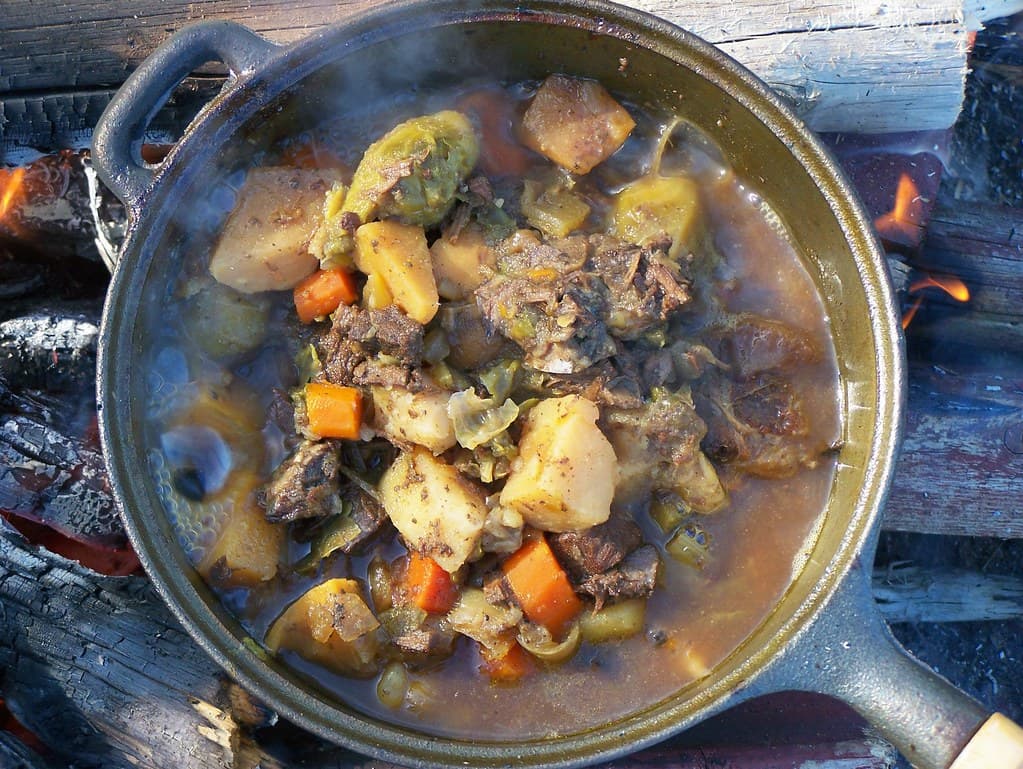
Moose Stew is a nourishing, slow-cooked stew featuring moose meat and root vegetables, traditional in Alaska's hunting and subsistence cultures. Its preparation embraces rustic methods suited to remote environments, offering warmth and sustenance year-round. This dish represents Alaska's regional food heritage and resourceful use of local wildlife across eras.
1900-1929
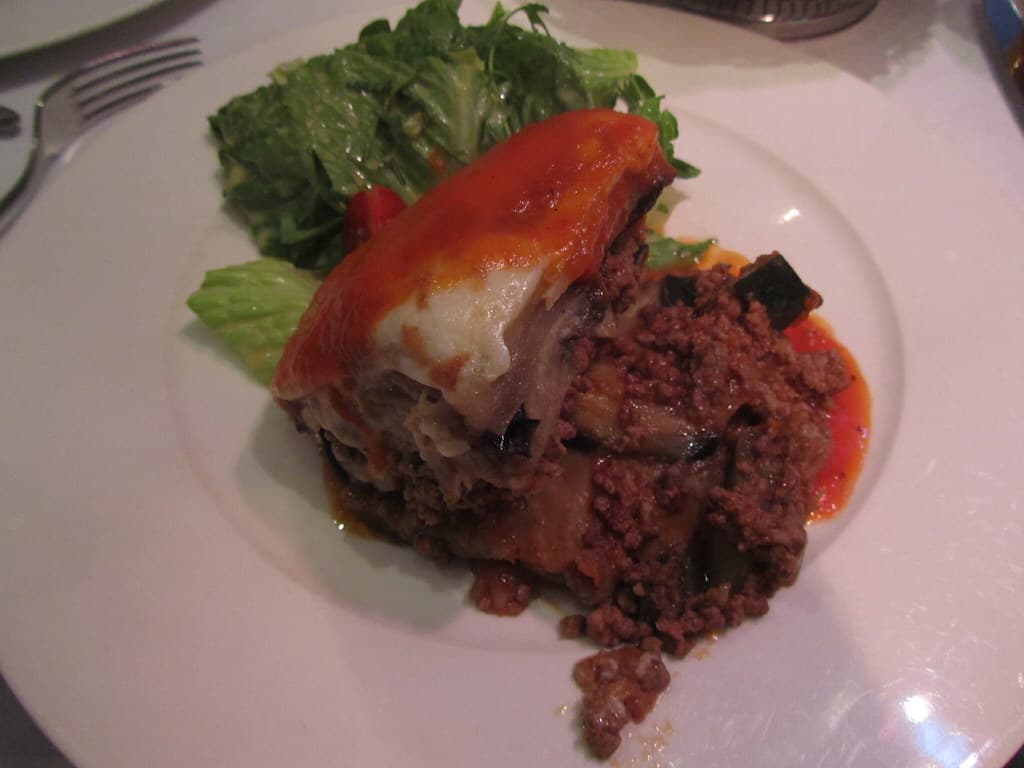
Moussaka is a layered casserole combining eggplant, ground meat, tomato sauce, and creamy bechamel, introduced to American diners by Greek immigrants in the early 20th century. It became popular in immigrant cities and lunch counters, blending Mediterranean traditions with American comfort food culture. This hearty dish is a hallmark of Greek-American cuisine and diner fare.
America's Melting Pot
Mulligan Stew photo coming soon
1930-1945
Mulligan Stew is a traditional American soup-stew known for its flexible, resourceful use of available ingredients, emerging prominently during the Great Depression and wartime rationing. This dish reflects a practical approach to feeding many with limited resources, often combining leftover meats, vegetables, and whatever was on hand in a one-pot meal.
America's Melting Pot
Muscadine Jelly photo coming soon
Cross-era
Muscadine Jelly is a preserve with real American table personality: Southern native grape preserve. It brings flavor from the American South to cookouts, counters, lunch plates, potlucks, and weeknight suppers.
America's Melting Pot
Mushroom Gravy photo coming soon
Cross-era
Mushroom Gravy is a condiment with real American table personality: Salisbury steak and casserole America. It brings flavor from coast-to-coast American tables to cookouts, counters, lunch plates, potlucks, and weeknight suppers.
1900-1929
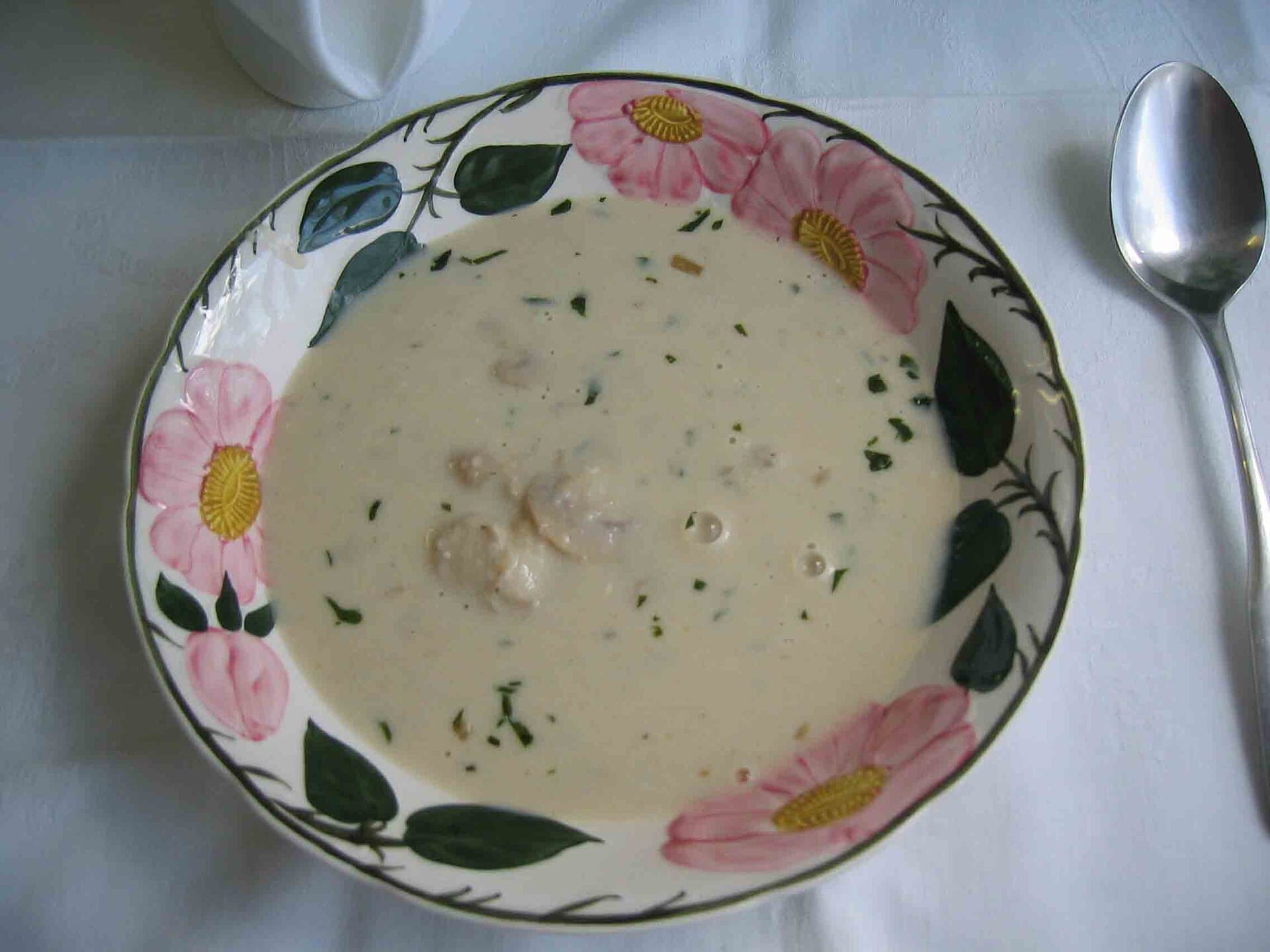
Mushroom Soup is a comforting dish featuring the diverse wild and cultivated mushrooms found in the Pacific Northwest, combined with broth and cream for a rich flavor. It celebrates the region's natural bounty and forest-to-table traditions.
America's Melting Pot
Nachos with Cheese Sauce photo coming soon
1930-1945
Nachos with Cheese Sauce features crispy tortilla chips topped with a creamy melted cheese sauce, commonly served in school cafeterias and concession stands across the U.S. The simplicity and appeal of this snack have made it a beloved comfort food for children and adults alike.
America's Melting Pot
Nashville Hot Chicken Paste/Oil photo coming soon
Cross-era
Nashville Hot Chicken Paste/Oil is a condiment with real American table personality: Fiery cayenne-lard/oil seasoning tied to Prince's Hot Chicken in Nashville. It brings flavor from the American South to cookouts, counters, lunch plates, potlucks, and weeknight suppers.
America's Melting Pot
Nashville Hot Chicken Sandwich photo coming soon
2010-2026
The Nashville Hot Chicken Sandwich is a street food variant that sandwiches the spicy fried chicken between bread with pickles and condiments. Emerging in the 2010s alongside food truck culture, it combines classic Southern heat with handheld convenience.
America's Melting Pot
Navy Bean Soup photo coming soon
1900-1929
Navy Bean Soup is a simple, hearty soup featuring white navy beans simmered with vegetables and ham or pork, widely consumed during the Great Depression and wartime for its affordability and sustenance. The soup became a staple in military and civilian kitchens alike.
America's Melting Pot
New England Boiled Dinner photo coming soon
1800-1860
New England Boiled Dinner is a classic dish of salted meat boiled with cabbage, potatoes, carrots, and other root vegetables. Popular during the early 19th century, it reflects Irish and New England working-class food traditions merging colonial and immigrant influences.
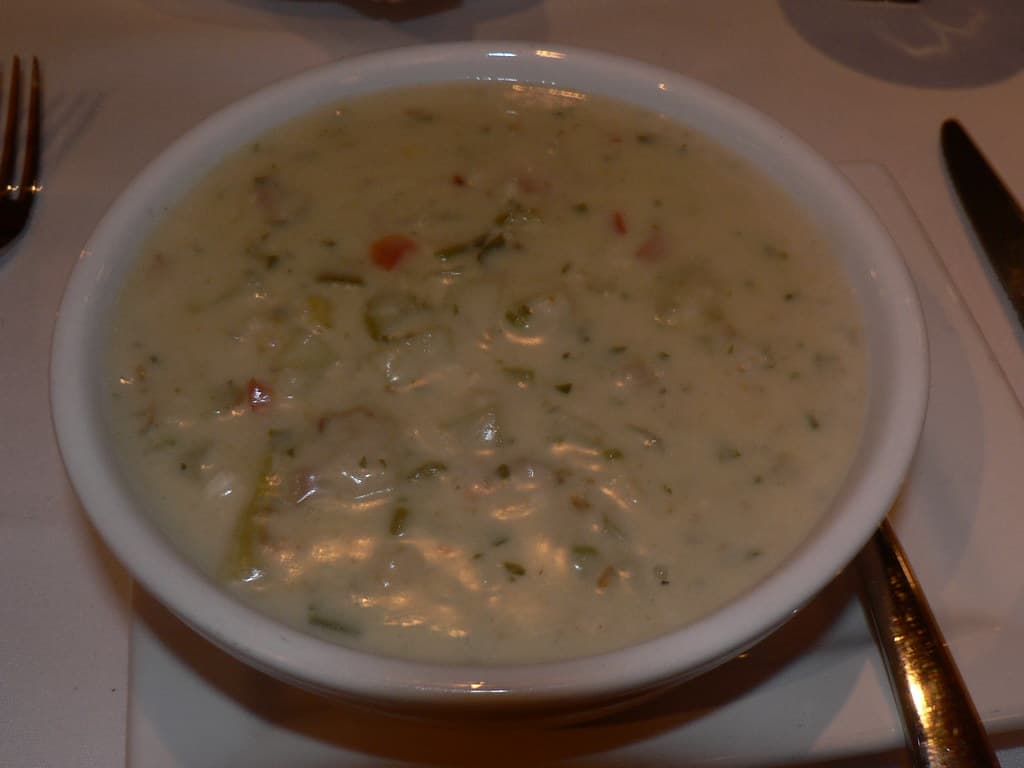
1776-1800
New England Clam Chowder is a thick, creamy soup made with clams, potatoes, onions, and often salt pork, reflecting colonial and maritime culinary traditions dating to the late 18th century. It is a signature dish of New England and has spread to other coastal regions including the Pacific Northwest.
America's Melting Pot
New Mexico Green Chile Stew photo coming soon
1800-1860
New Mexico Green Chile Stew is a traditional hearty stew made with pork, green chiles, potatoes, and spices, reflecting the culinary influences of Mexican-American and Southwestern cultures in the 19th century. It remains a popular regional comfort food known for its distinctive heat and flavor.
America's Melting Pot
New York Chopped Cheese photo coming soon
2010-2026
New York Chopped Cheese is a deli sandwich with chopped spiced ground beef cooked with onions, topped with melted American cheese, lettuce, tomato, and condiments on a hero roll. It originated in Harlem and Bronx bodegas and became a viral street food icon in the 2010s and beyond.
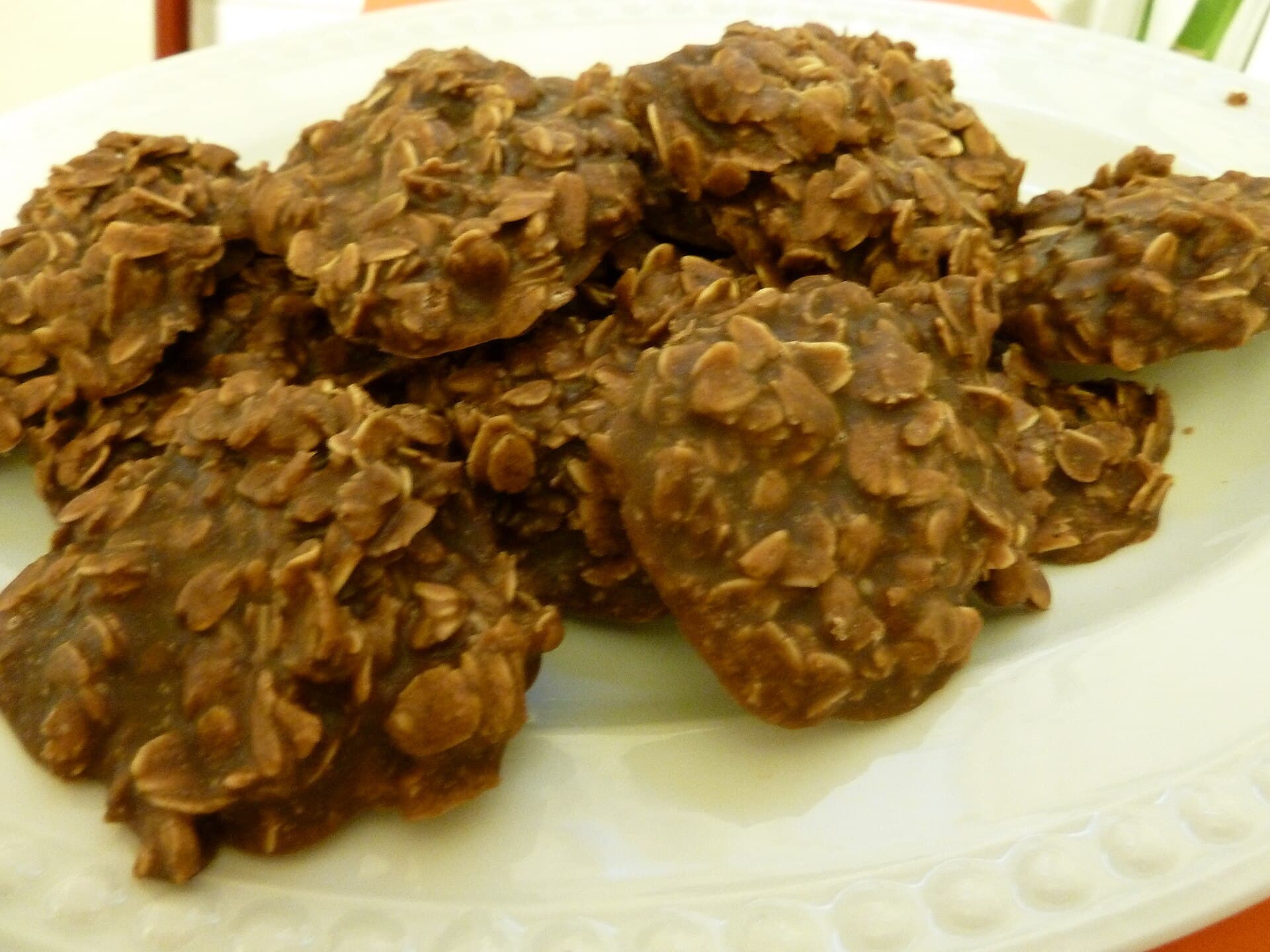
1946-1969
No-Bake Cookies are a quick, easy treat popular in American school cafeterias and concession stands. This dessert requires no oven baking and combines simple pantry staples into a chewy chocolate and oatmeal cookie form. A nostalgic and economical sweet snack loved across generations.
America's Melting Pot
North Dakota Knoephla Soup photo coming soon
2010-2026
Knoephla Soup is a comforting creamy dumpling soup tied to German-Russian immigrant heritage in North Dakota and the Upper Midwest. Featuring small dough dumplings simmered in a savory broth with potatoes and often chicken, this regional icon offers rich fusion flavors representative of immigrant adaptation and local ingredients.
America's Melting Pot
Oatmeal Cream Pies photo coming soon
1930-1945
Oatmeal Cream Pies are soft, sandwich-style cookies filled with creamy vanilla filling. Popularized in mid-20th century America, especially postwar suburbs, these treats combined convenience with nostalgic comfort, becoming a lunchbox and snack staple representative of American childhood.
America's Melting Pot
Okra Stew photo coming soon
1800-1860
Okra Stew is a hearty Southern dish featuring tender okra simmered with tomatoes and spices to create a flavorful soup or stew. Reflecting culinary influences within the South, it is rooted in African American and Southern cooking traditions dating back to the 19th century, showcasing local produce and simple ingredients.
America's Melting Pot
Olallieberry Jam photo coming soon
Cross-era
Olallieberry Jam is a preserve with real American table personality: California coastal berry preserve. It brings flavor from California, Hawaii, and the West Coast to cookouts, counters, lunch plates, potlucks, and weeknight suppers.
America's Melting Pot
Old Bay Butter photo coming soon
Cross-era
Old Bay Butter is a spread with real American table personality: Chesapeake seafood condiment. It brings flavor from Chesapeake and Mid-Atlantic to cookouts, counters, lunch plates, potlucks, and weeknight suppers.
America's Melting Pot
Old Bay Mayo photo coming soon
Cross-era
Old Bay Mayo is a seafood sauce with real American table personality: Chesapeake seafood seasoning meets mayo. It brings flavor from Chesapeake and Mid-Atlantic to cookouts, counters, lunch plates, potlucks, and weeknight suppers.
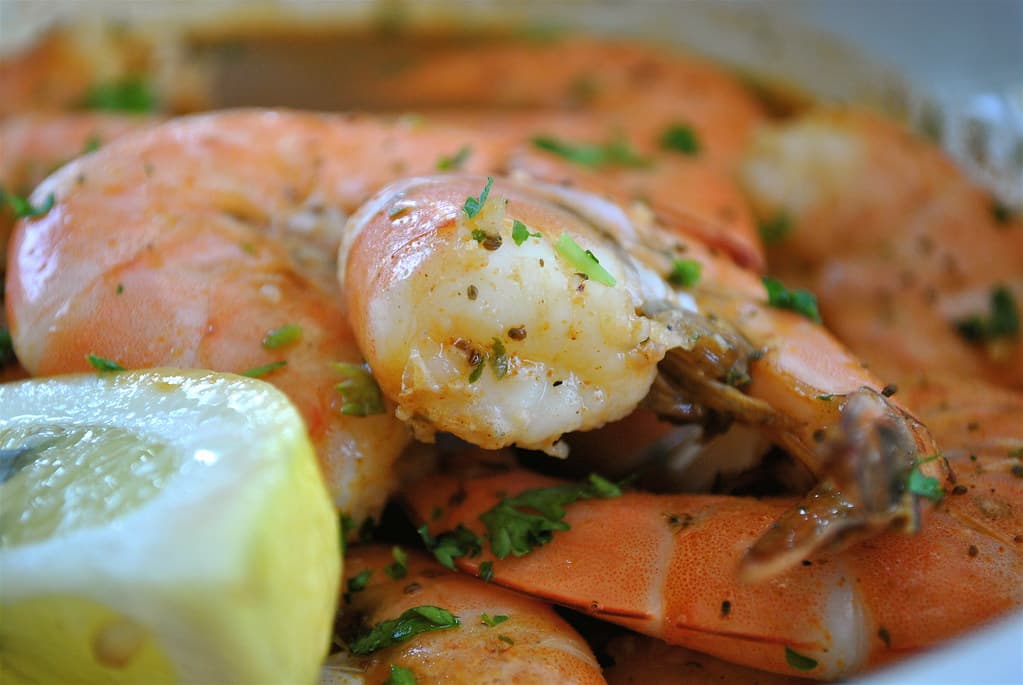
1900-1929
Old Bay Shrimp is a simple, flavorful seafood dish featuring shrimp seasoned with Old Bay, a proprietary blend of herbs and spices iconic to the Mid-Atlantic region. Served hot or chilled, this recipe reflects the region's affinity for spice blends and seafood traditions.
America's Melting Pot
Olive Salad photo coming soon
Cross-era
Olive Salad is a relish with real American table personality: New Orleans muffuletta essential. It brings flavor from the American South to cookouts, counters, lunch plates, potlucks, and weeknight suppers.
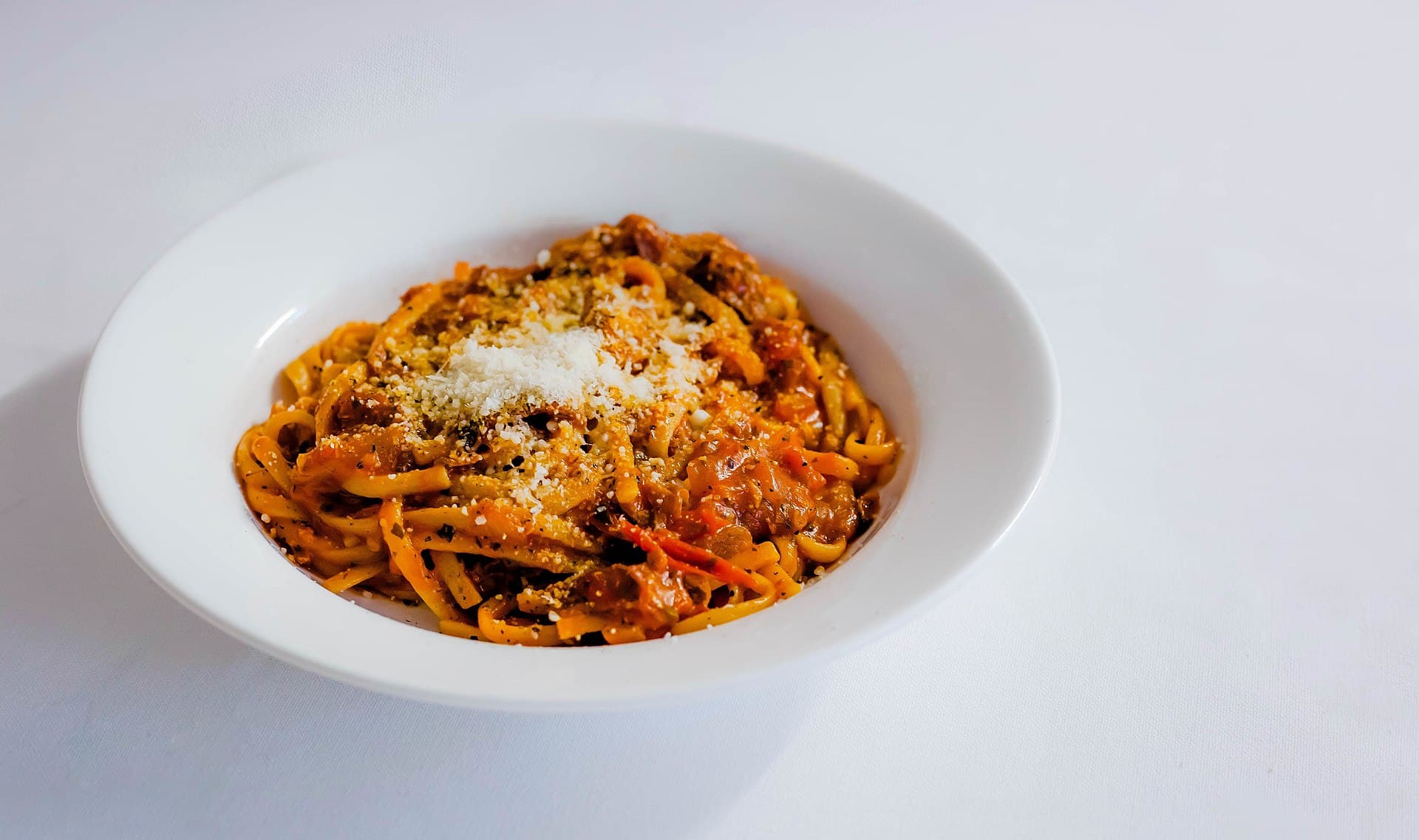
2010-2026
One-Pot Pasta is a convenient, popular recipe where pasta cooks simultaneously with sauce ingredients in one pot, minimizing cleanup. Gaining viral popularity in the 2010s, it reflects modern American cooking preferences for fast, flavorful meals with minimal effort, suited to kitchen gadgets and contemporary life.
America's Melting Pot
Onion Dip photo coming soon
1946-1969
Onion Dip is a creamy, savory dip made by combining sour cream and onion flavors, commonly served with chips at social gatherings. Widely popular in post-World War II America, this dip reflects mid-century culinary trends emphasizing convenience foods and easy entertaining.
America's Melting Pot
Onion Gravy photo coming soon
Cross-era
Onion Gravy is a condiment with real American table personality: Meatloaf, hamburger steak, pot roast. It brings flavor from coast-to-coast American tables to cookouts, counters, lunch plates, potlucks, and weeknight suppers.
America's Melting Pot
Onion Jam photo coming soon
Modern Melting Pot
Onion Jam is a preserve with real American table personality: Modern steakhouse and burger condiment. It brings flavor from coast-to-coast American tables to cookouts, counters, lunch plates, potlucks, and weeknight suppers.
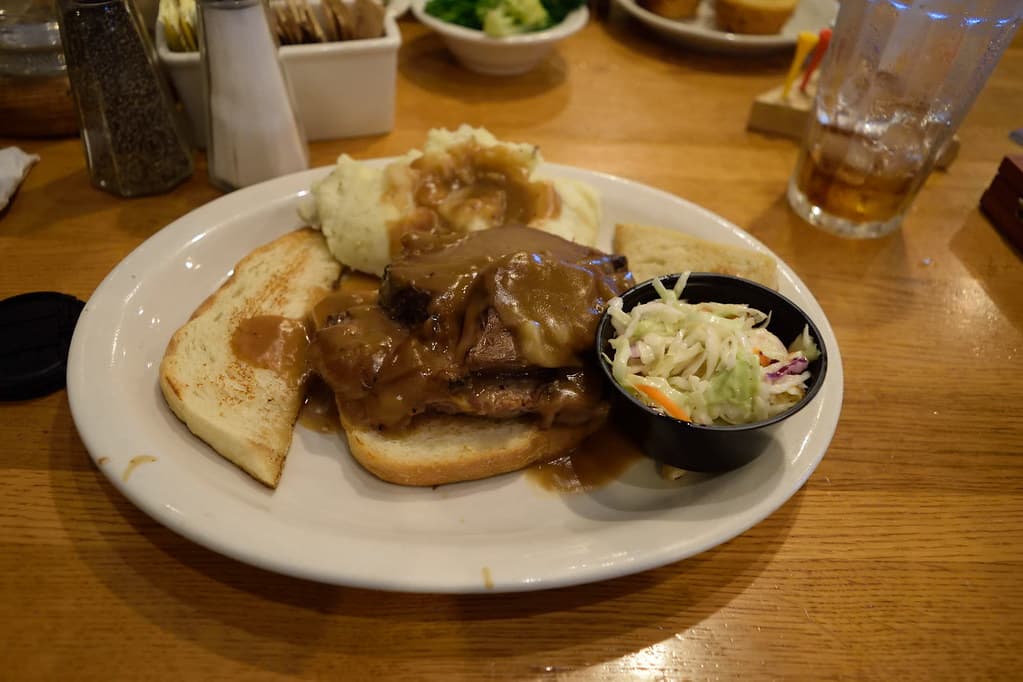
1900-1929
The Open-Faced Roast Beef Sandwich features thinly sliced roast beef served over toasted bread slices, covered with gravy, often accompanied by mashed potatoes. Popularized in American diners and lunch counters, this hearty sandwich is a staple of comfort food and practical meals.
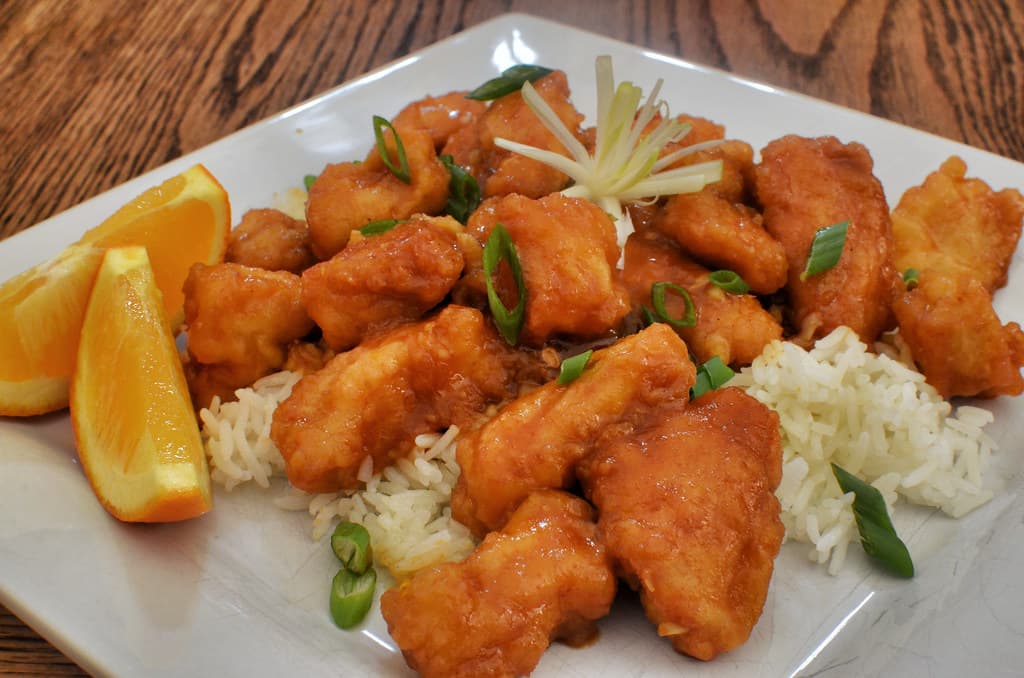
1970-1989
Orange Chicken is a popular Chinese-American fried chicken dish coated in a sweet, tangy orange-flavored sauce. Emerging from Chinese immigrant restaurant cuisines in early 20th century America, it has become a ubiquitous menu item blending American tastes with Chinese culinary techniques.
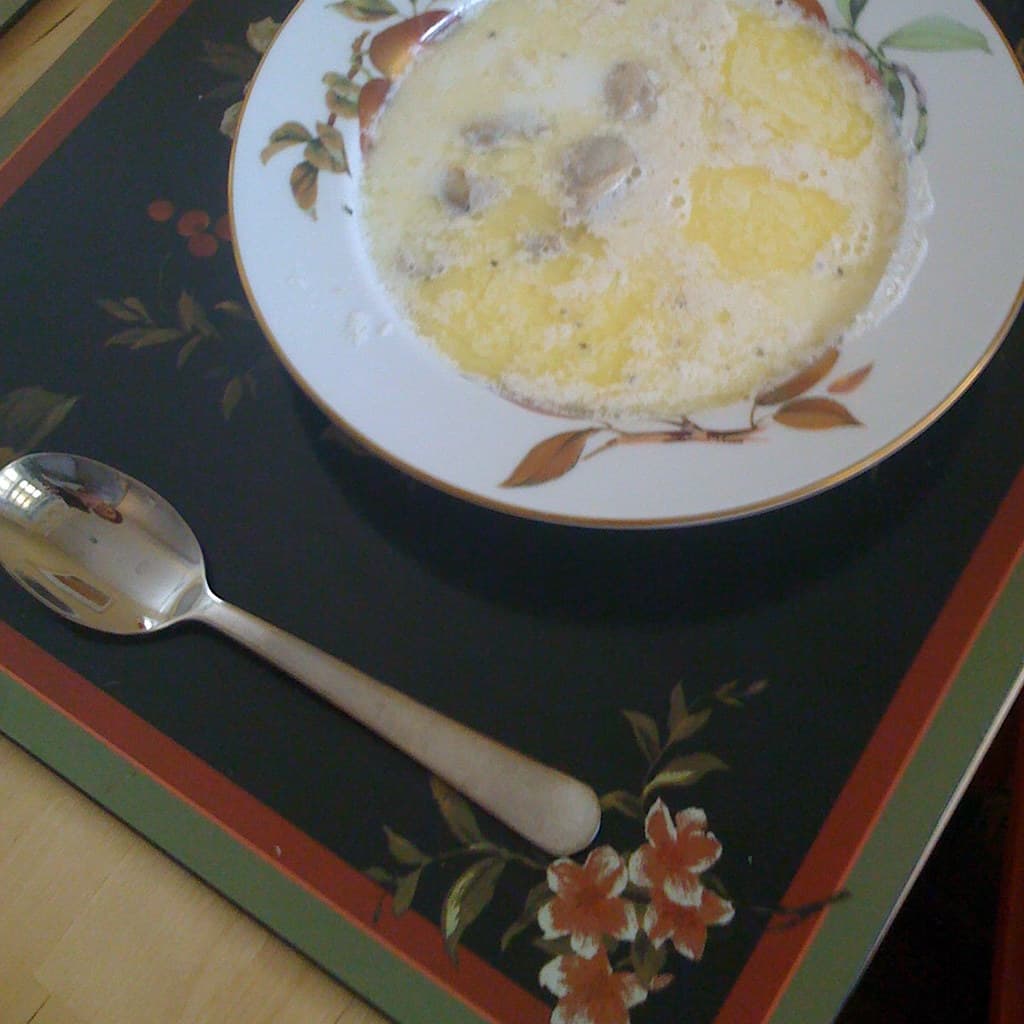
1776-1800
Oyster stew is a traditional American soup popular during the late 18th century, especially in coastal regions. This creamy stew features fresh oysters simmered in milk or cream with subtle seasonings, reflecting colonial America's use of locally sourced seafood.
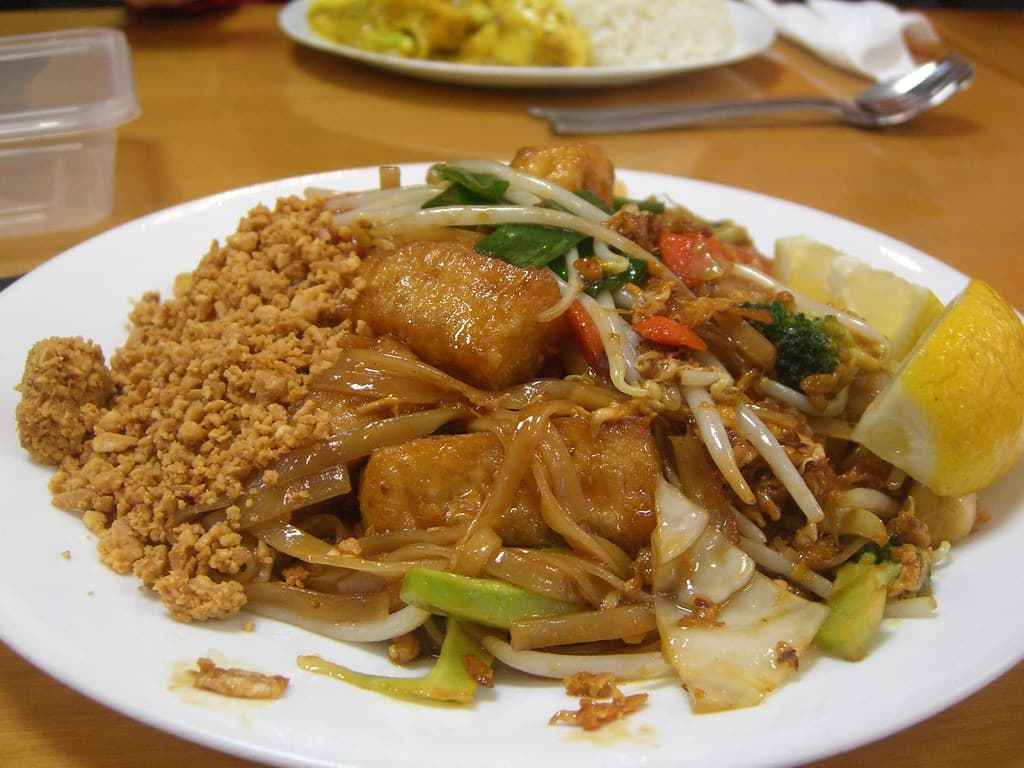
1970-1989
Pad Thai is a stir-fried rice noodle dish combining tangy, sweet, and savory flavors, adapted by immigrant and suburban American cooks. It incorporates rice noodles, peanuts, eggs, bean sprouts, and a special sauce, reflecting a fusion of Thai origins and American tastes.
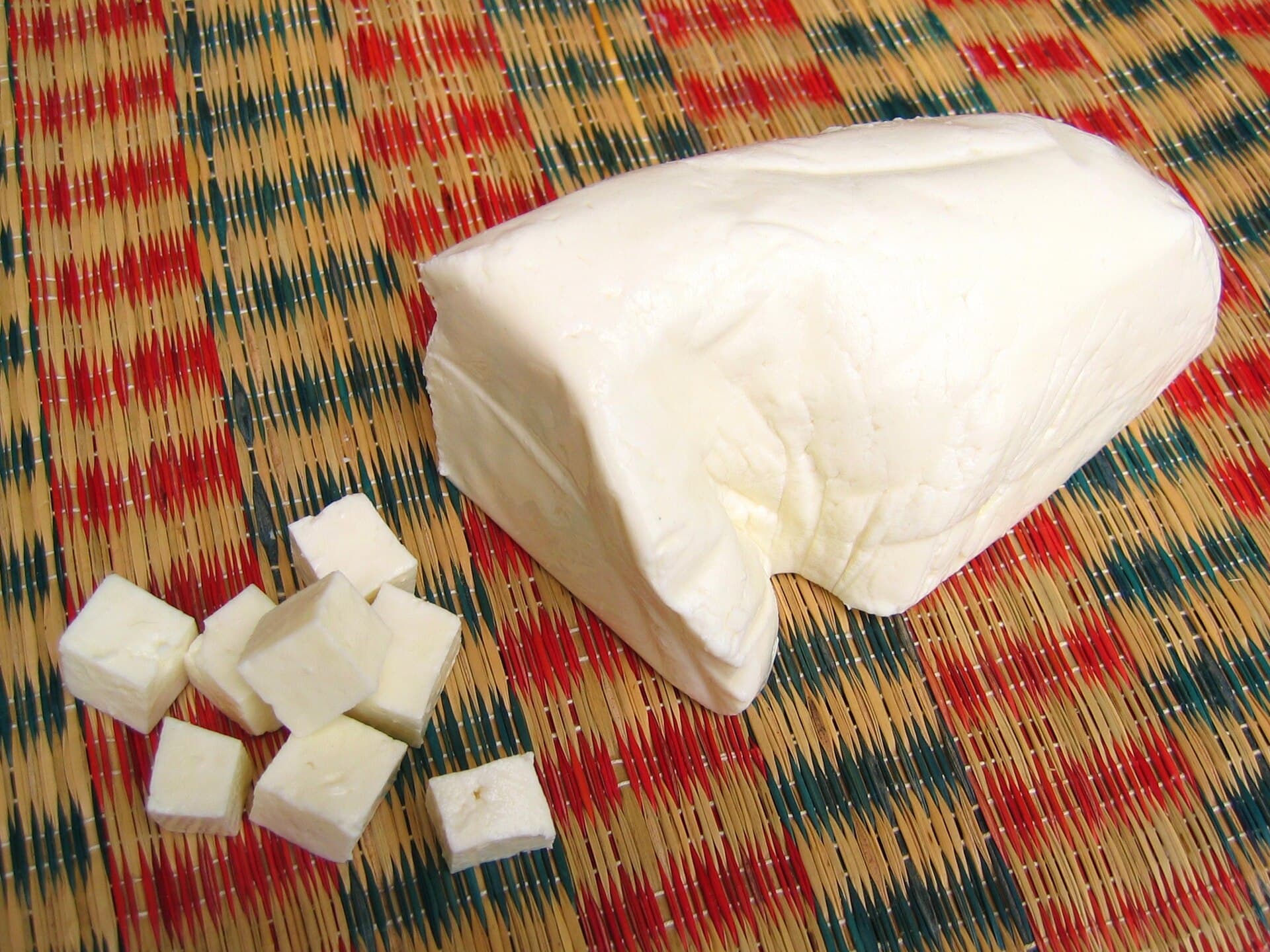
American Dairy Age
Paneer, Indian-American Home Cheese is a fresh Indian-American home cheese made by acid-setting pasteurized milk, draining, pressing, chilling, and cooking within a few days.
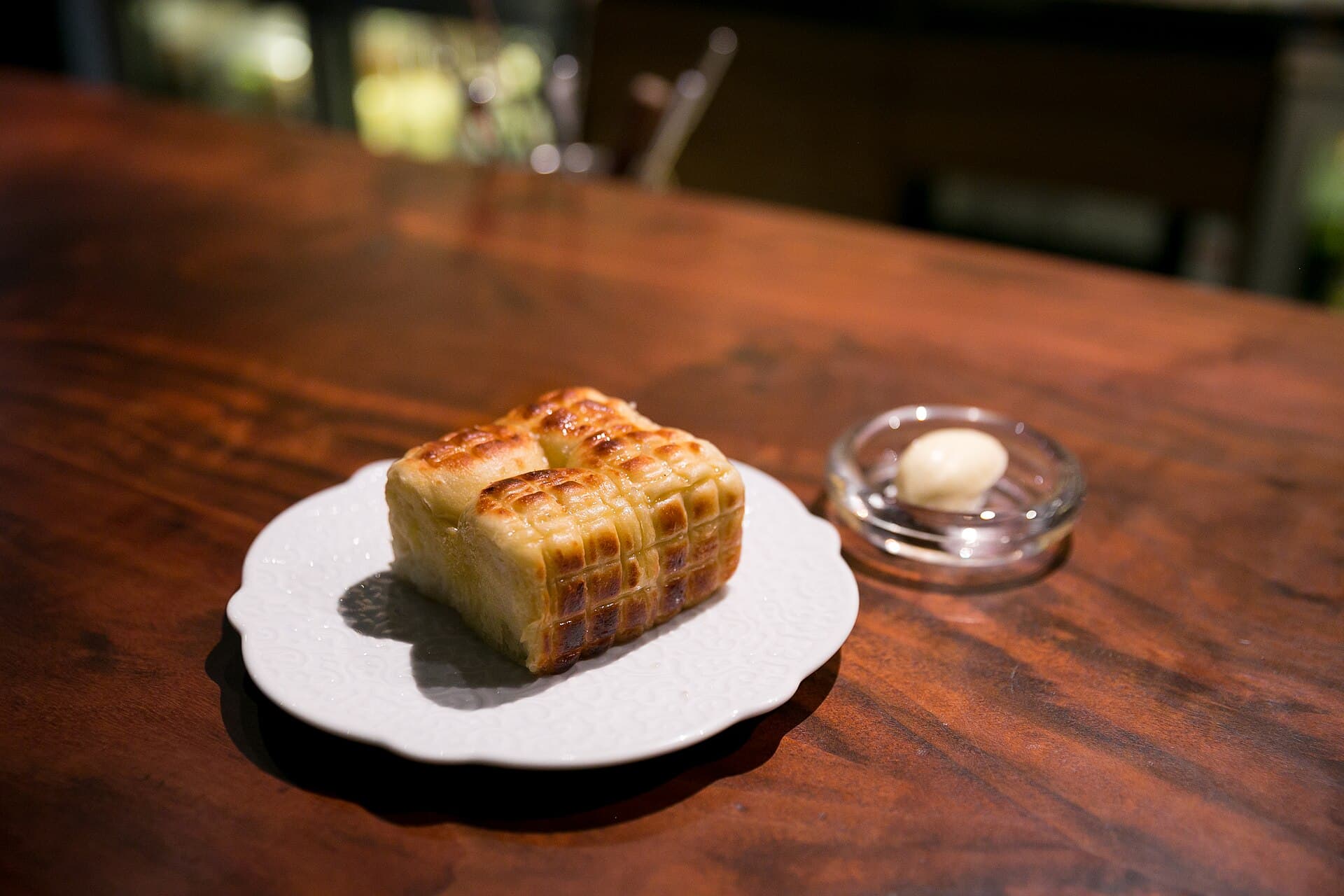
1861-1900
Parker House rolls are iconic American dinner rolls known for their soft interior and slightly crisp, buttery crust. They are often served during holiday dinners such as Thanksgiving and Easter, prized for their rich flavor and tender texture.
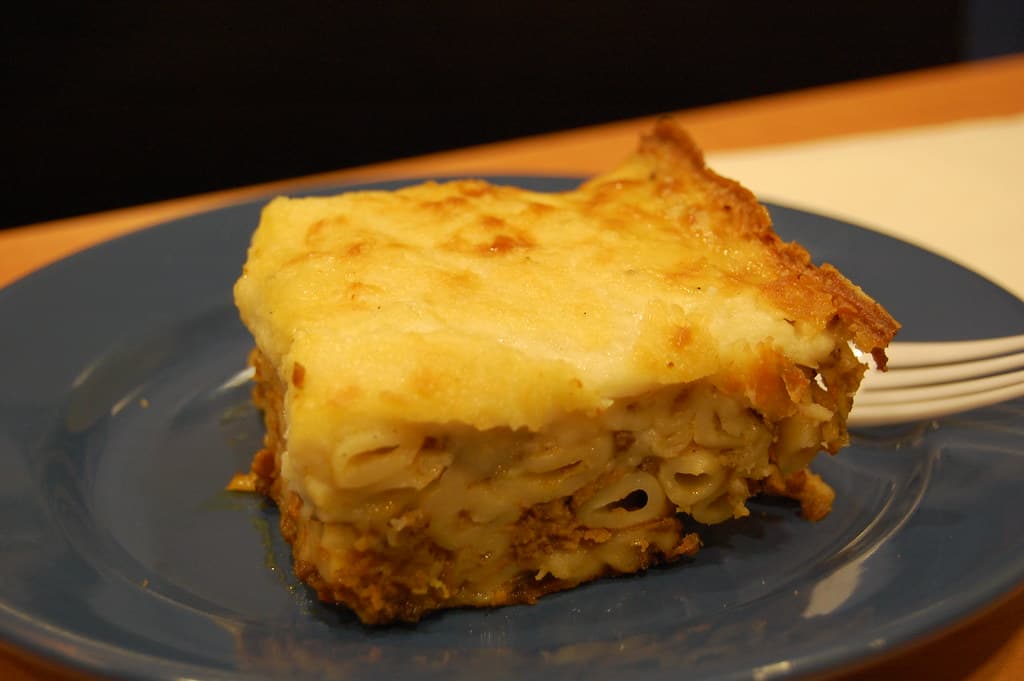
1900-1929
Pastitsio is a Greek-American comfort casserole featuring layers of pasta, seasoned ground meat, and bechamel sauce baked until golden. Popular in Greek immigrant communities, it reflects traditional Greek cuisine adapted in American diners and lunch counters.
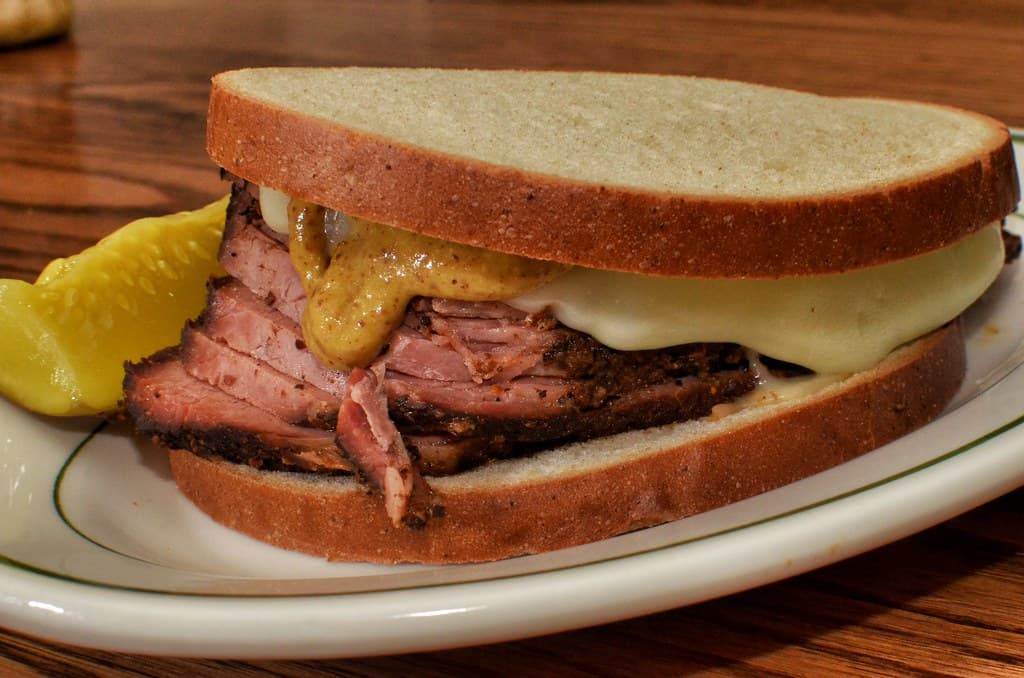
1861-1900
Pastrami on rye is a signature Jewish-American deli sandwich featuring spiced cured pastrami piled on rye bread, often served with mustard. It became emblematic of New York's Mid-Atlantic deli culture during the late 19th century.
1946-1969
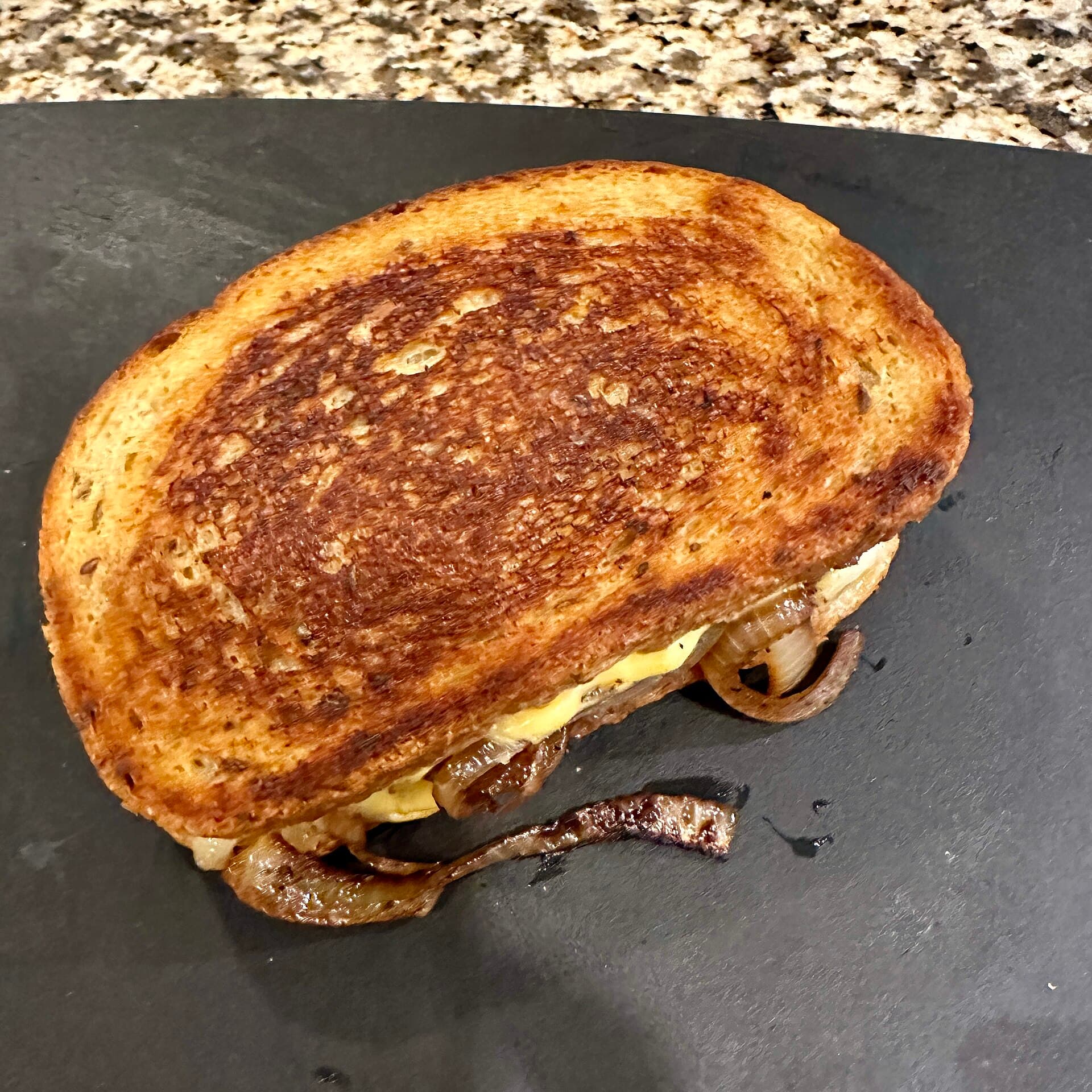
The patty melt is a classic American diner sandwich consisting of a seasoned ground beef patty grilled between slices of rye bread with melted cheese and sauteed onions, often served with pickles or fries.
America's Melting Pot
Pawpaw Butter photo coming soon
Frontier & Expansion
Pawpaw Butter is a preserve with real American table personality: Appalachian/Midwestern native fruit spread. It brings flavor from Appalachia and Pennsylvania Dutch country to cookouts, counters, lunch plates, potlucks, and weeknight suppers.
America's Melting Pot
Peach Barbecue Sauce photo coming soon
Cross-era
Peach Barbecue Sauce is a barbecue sauce with real American table personality: Southern fruit-meets-smoke sauce. It brings flavor from the American South to cookouts, counters, lunch plates, potlucks, and weeknight suppers.
America's Melting Pot
Peach Preserves photo coming soon
Cross-era
Peach Preserves is a preserve with real American table personality: Southern and orchard-country classic. It brings flavor from the American South to cookouts, counters, lunch plates, potlucks, and weeknight suppers.
America's Melting Pot
Peanut Butter photo coming soon
1861-1900
Peanut Butter is a spread with real American table personality: Not exclusively American in concept, but deeply American in culture: PB&J, lunchboxes, cookies, pie. It brings flavor from coast-to-coast American tables to cookouts, counters, lunch plates, potlucks, and weeknight suppers.
1900-1929
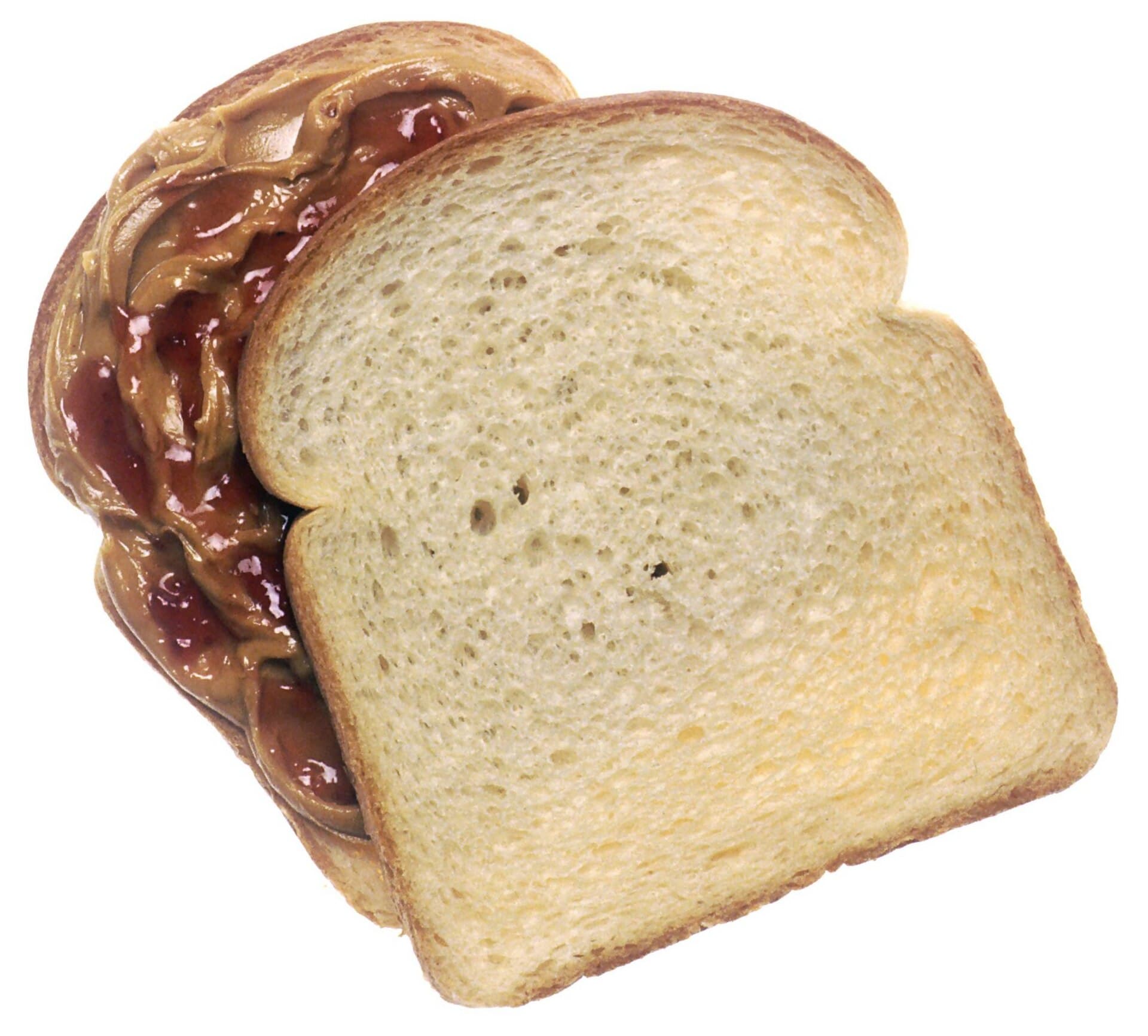
Peanut butter and jelly sandwich is a simple, iconic American lunch made by spreading peanut butter and fruit jelly between slices of bread. Popularized in the mid-20th century, it remains a staple in school lunches and casual meals.
America's Melting Pot
Peanut Butter Sauce photo coming soon
Postwar & Diner Age
Peanut Butter Sauce is a sweet sauce with real American table personality: Ice cream parlor and Midwest dessert bars. It brings flavor from the Midwest and Great Lakes to cookouts, counters, lunch plates, potlucks, and weeknight suppers.
Cross-era
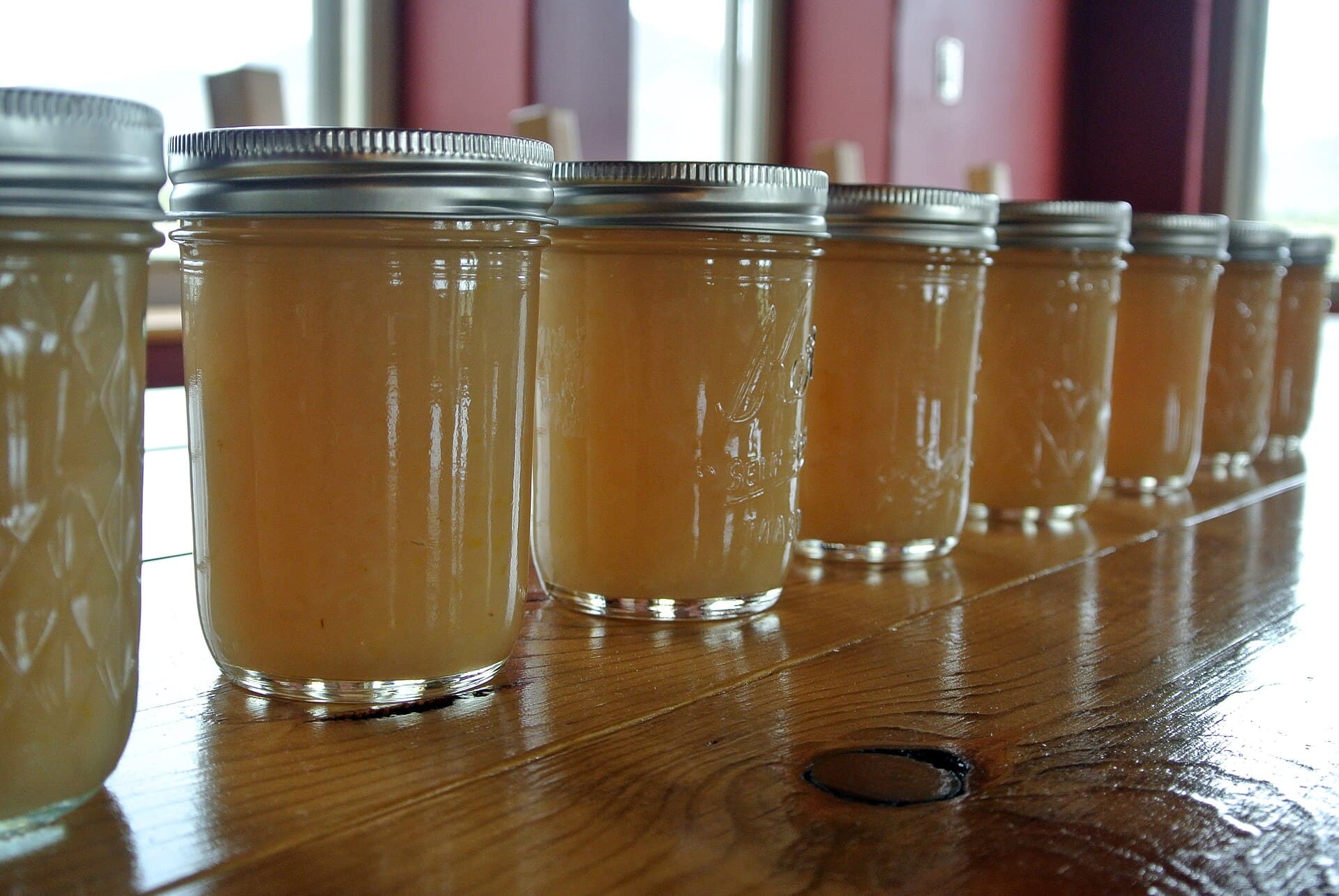
Pear Preserves is a preserve with real American table personality: Southern farm kitchens. It brings flavor from the American South to cookouts, counters, lunch plates, potlucks, and weeknight suppers.
America's Melting Pot
Pease Porridge photo coming soon
1776-1800
Pease porridge is a thick, savory dish made from dried peas, commonly eaten in late 18th-century America. It was a nourishing, economical staple during the Revolutionary period, reflecting colonial cooking traditions and available ingredients.
America's Melting Pot
Pecan Praline Sauce photo coming soon
Cross-era
Pecan Praline Sauce is a sweet sauce with real American table personality: New Orleans/Southern dessert topping. It brings flavor from the American South to cookouts, counters, lunch plates, potlucks, and weeknight suppers.
America's Melting Pot
Pepper Gravy photo coming soon
Frontier & Expansion
Pepper Gravy is a condiment with real American table personality: Steakhouse and diner gravy. It brings flavor from coast-to-coast American tables to cookouts, counters, lunch plates, potlucks, and weeknight suppers.
Cross-era
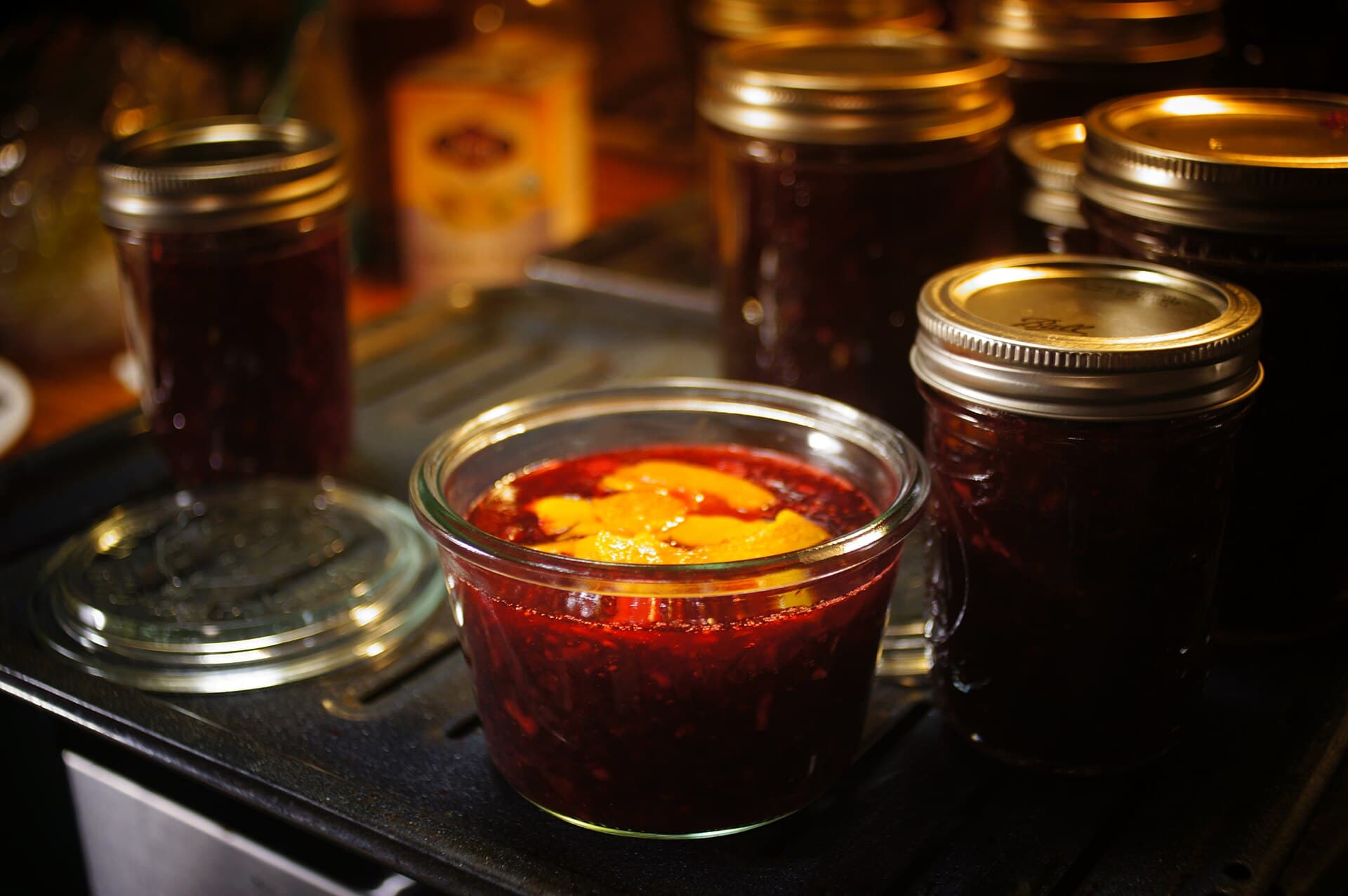
Pepper Jelly is a preserve with real American table personality: Southern party and cream-cheese-board staple. It brings flavor from the American South to cookouts, counters, lunch plates, potlucks, and weeknight suppers.
America's Melting Pot
Pepper Pot Soup photo coming soon
1800-1860
Pepper Pot Soup is a thick, flavorful stew with a peppery kick, traditionally made with beef tripe or other meats, vegetables, and spices. Popular in New England and the Mid-Atlantic during the early 19th century, it reflects immigrant and regional culinary influences.
America's Melting Pot
Pepper Relish photo coming soon
Frontier & Expansion
Pepper Relish is a relish with real American table personality: Hot dog, sausage, and sandwich condiment. It brings flavor from coast-to-coast American tables to cookouts, counters, lunch plates, potlucks, and weeknight suppers.
America's Melting Pot
Pepper Vinegar photo coming soon
Cross-era
Pepper Vinegar is a condiment with real American table personality: Southern greens condiment, often whole peppers steeped in vinegar. It brings flavor from the American South to cookouts, counters, lunch plates, potlucks, and weeknight suppers.
America's Melting Pot
Peppercorn Ranch photo coming soon
1946-1969
Peppercorn Ranch is a dressing with real American table personality: Steakhouse/ranch hybrid. It brings flavor from coast-to-coast American tables to cookouts, counters, lunch plates, potlucks, and weeknight suppers.
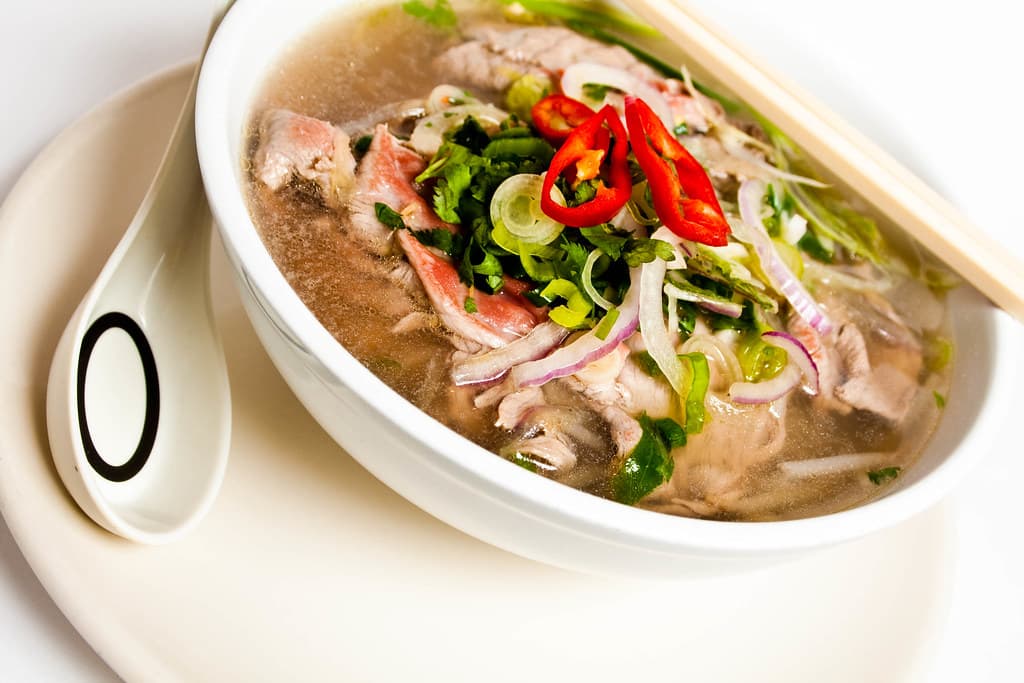
1970-1989
Pho is a fragrant Vietnamese soup consisting of clear beef broth, rice noodles, herbs, and thinly sliced meat. Popularized in the United States especially in the 1990s and 2000s suburbs, it represents immigrant culinary influence blended into American food culture.

Frontier & Expansion
Piccalilli is a relish with real American table personality: Old Anglo-American relish tradition. It brings flavor from coast-to-coast American tables to cookouts, counters, lunch plates, potlucks, and weeknight suppers.
America's Melting Pot
Pickle on a Stick photo coming soon
1946-1969
Pickle on a Stick is a nostalgic American school lunch and concession stand snack featuring a dill pickle spear served on a wooden stick for easy handling. Its simplicity and bright pickle flavor make it a classic treat for kids and adults at schools, fairs, and ballgames.
America's Melting Pot
Pickle Roll-Up Spread photo coming soon
Cross-era
Pickle Roll-Up Spread is a relish with real American table personality: Upper Midwest ham-pickle-cream cheese culture. It brings flavor from the Midwest and Great Lakes to cookouts, counters, lunch plates, potlucks, and weeknight suppers.
America's Melting Pot
Pickled Green Beans / Dilly Beans photo coming soon
1900-1929
Pickled Green Beans / Dilly Beans is a relish with real American table personality: Garden preserving and Bloody Mary garnish. It brings flavor from coast-to-coast American tables to cookouts, counters, lunch plates, potlucks, and weeknight suppers.
America's Melting Pot
Pickled Jalapeno Brine Sauce photo coming soon
Cross-era
Pickled Jalapeno Brine Sauce is a condiment with real American table personality: Tex-Mex and ballpark nacho culture. It brings flavor from Texas and the Southwest to cookouts, counters, lunch plates, potlucks, and weeknight suppers.
America's Melting Pot
Pickled Okra photo coming soon
Cross-era
Pickled Okra is a relish with real American table personality: Southern relish tray classic. It brings flavor from the American South to cookouts, counters, lunch plates, potlucks, and weeknight suppers.
America's Melting Pot
Pickled Ramps photo coming soon
Frontier & Expansion
Pickled Ramps is a relish with real American table personality: Appalachian spring preserve. It brings flavor from Appalachia and Pennsylvania Dutch country to cookouts, counters, lunch plates, potlucks, and weeknight suppers.
America's Melting Pot
Pie by the Slice photo coming soon
1900-1929
Pie by the Slice refers to the tradition of serving a single slice of pie as a dessert or snack in American diners, lunch counters, and state fairs. Popular from the early 20th century onward, this practice highlights the accessibility and communal spirit of pie as an all-American favorite, offering a variety of fruit, cream, or custard pies available by the slice for quick enjoyment.
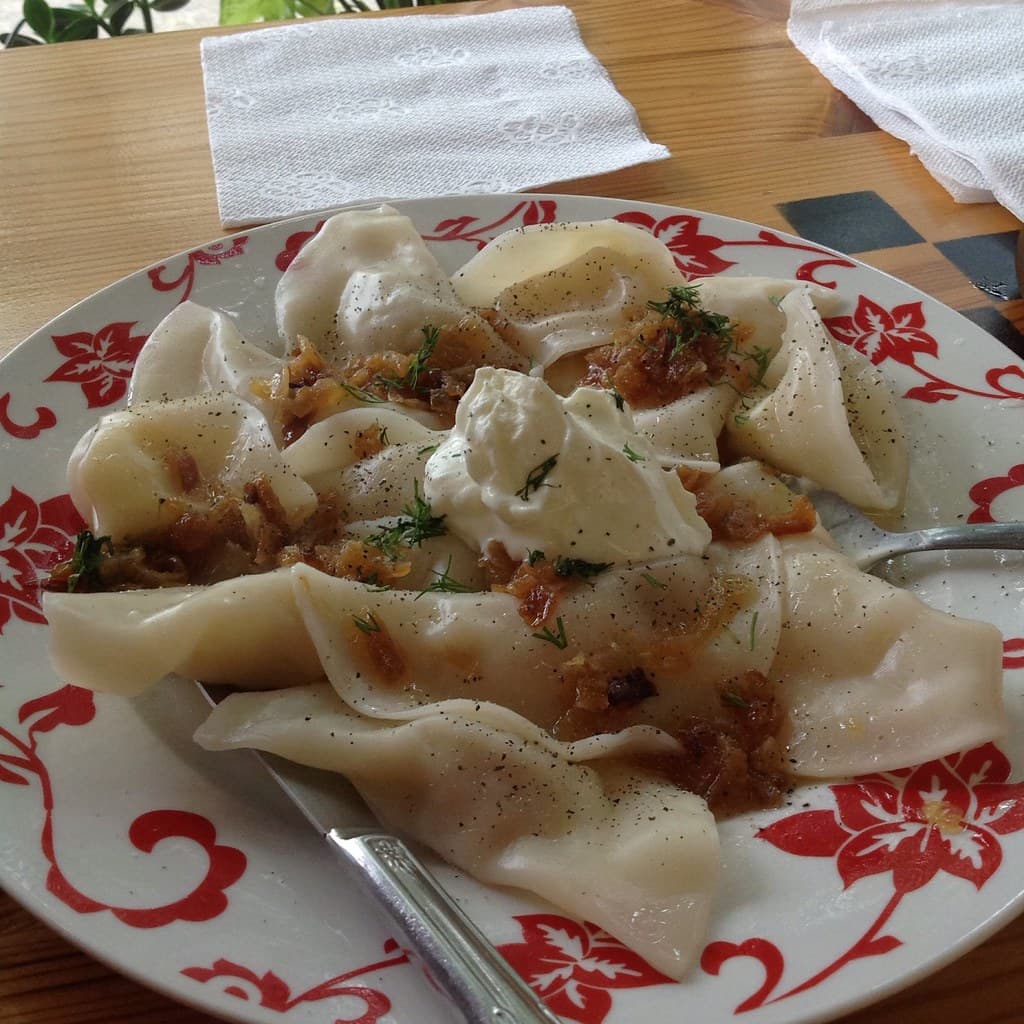
1900-1929
Pierogi are dumplings of Polish, Czech, Slovak, and other Eastern European origin widely embraced by immigrant communities in American cities during the early 20th century. Filled with sweet or savory ingredients, they became a comfort food at diners, lunch counters, and celebrations like Easter, helping preserve cultural traditions while integrating into American cuisine.

American Dairy Age
Pimento Cheese is a finished American cheese spread for crackers, sandwiches, and snack boards, with clear mixing, chilling, and storage guidance.
America's Melting Pot
Pimento Cheese Sandwich photo coming soon
1900-1929
The Pimento Cheese Sandwich is a simple, beloved American sandwich featuring creamy pimento cheese spread served between slices of white or toast bread. It exemplifies Southern casual dining and snack culture across generations, offering a quick and tasty meal or snack.
America's Melting Pot
Pineapple Sundae Topping photo coming soon
Gilded Age & Progressive Era
Pineapple Sundae Topping is a sweet sauce with real American table personality: Banana split essential. It brings flavor from coast-to-coast American tables to cookouts, counters, lunch plates, potlucks, and weeknight suppers.
America's Melting Pot
Pistachio Salad photo coming soon
1970-1989
Pistachio Salad is a mid-20th-century American salad made with pistachio-flavored gelatin, whipped topping, crushed pineapple, and marshmallows. Popular in suburban dinner parties and potlucks from the 1940s to 1960s, it exemplifies the era's fascination with Jell-O salads combining sweet, creamy, and fruity textures.
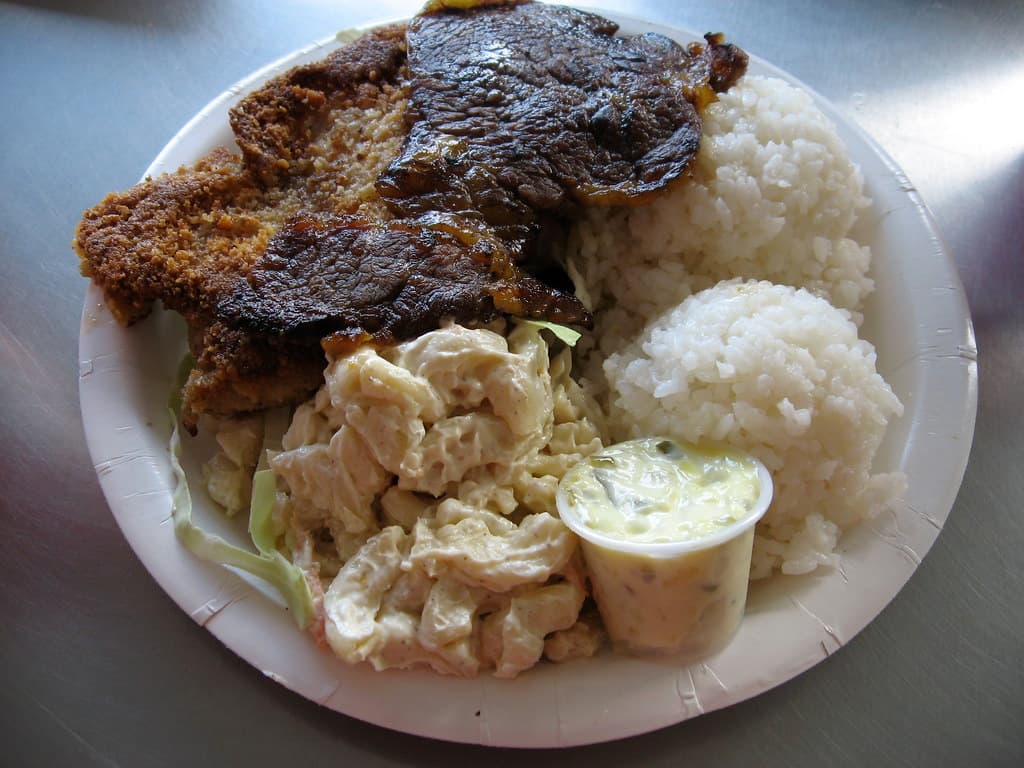
1861-1900
Plate Lunch is a Hawaiian staple featuring a protein portion served with rice and macaroni salad, showcasing Asian-Pacific, Hawaiian, and Portuguese influences. It embodies Hawaii's multicultural heritage by combining native and immigrant culinary traditions accessible throughout the islands.
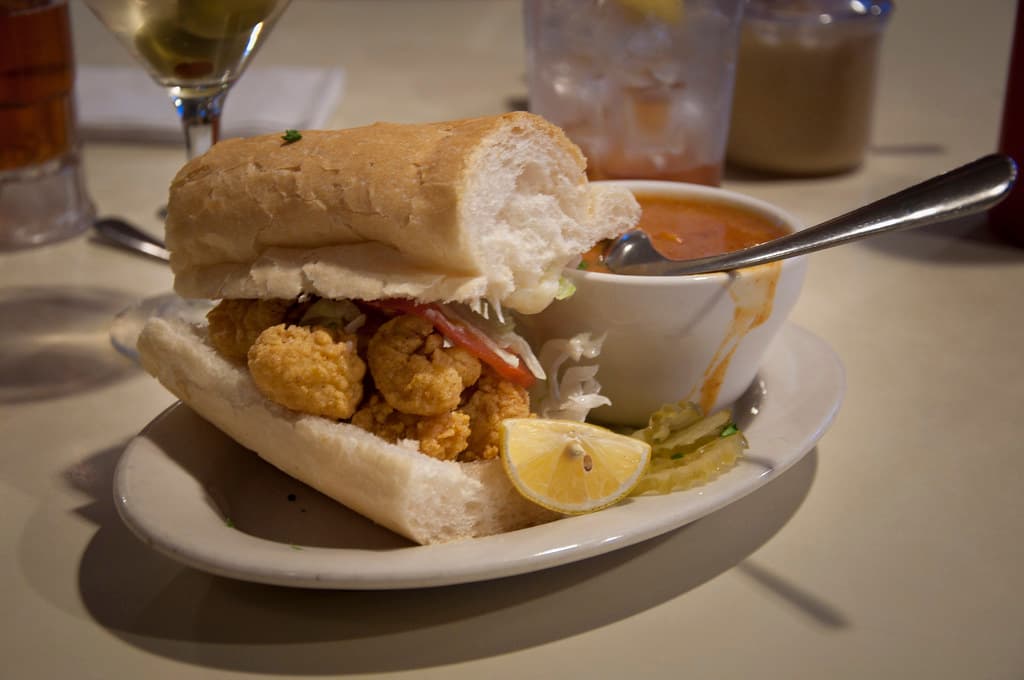
1946-1969
The Po' Boy is a traditional Louisiana sandwich featuring fried seafood or roast beef stuffed within a French bread loaf. Popularized mid-20th century in New Orleans, it is a signature Southern American comfort food blending French and Creole influences, often accompanied by lettuce, tomato, and tangy sauces.
America's Melting Pot
Poke Bowls photo coming soon
2010-2026
Poke bowls build upon traditional Hawaiian poke by serving raw marinated fish atop rice and a variety of fresh toppings, reflecting recent food truck and fusion trends blending Hawaiian and mainland American tastes.
America's Melting Pot
Poppy Seed Dressing photo coming soon
1946-1969
Poppy Seed Dressing is a dressing with real American table personality: Sweet dressing common with fruit salads, spinach salads, and church cookbooks. It brings flavor from coast-to-coast American tables to cookouts, counters, lunch plates, potlucks, and weeknight suppers.
America's Melting Pot
Porcupine Meatballs photo coming soon
1946-1969
Porcupine Meatballs are a Midwestern casserole dish featuring ground beef meatballs studded with uncooked rice, simmered in a tangy tomato sauce. Popular in America's postwar suburbs from 1946 to 1969, they embody practical comfort food of the era.
America's Melting Pot
Portland Food Cart Bowls photo coming soon
2010-2026
Portland Food Cart Bowls are modern fast-casual meals combining diverse cuisines in bowl form, popular in Portland's vibrant food truck and farmers market scenes from 2010 onward. They reflect new American fusion and street food trends.
1800-1860
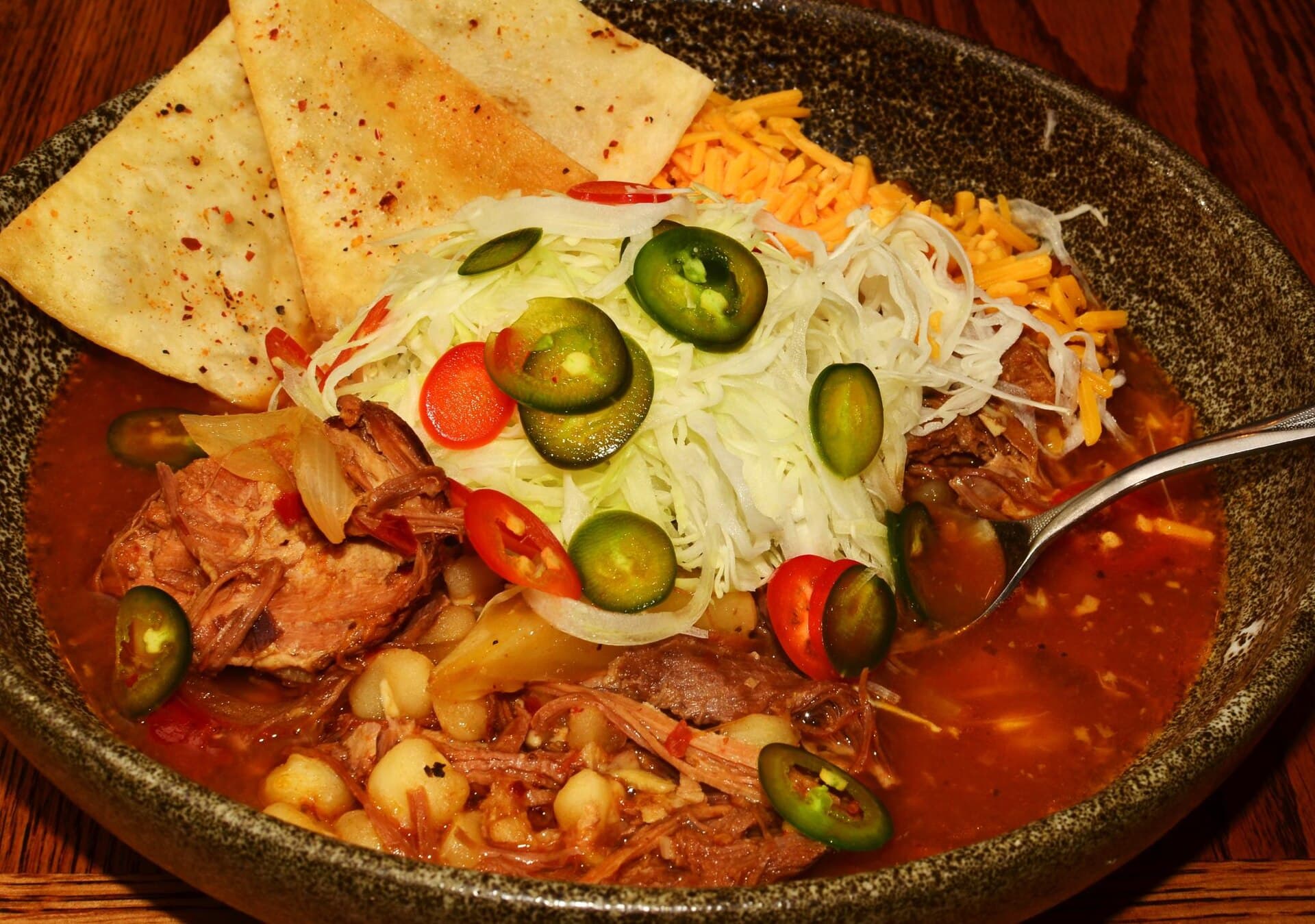
Posole is a hearty and spicy Mexican and Southwestern stew featuring hominy corn, pork, and chili peppers. It derives from pre-Columbian indigenous cuisine and became widely adopted in the U.S. Southwest and Southern regions, reflecting Mexican and Spanish borderlands culinary heritage.
1861-1900
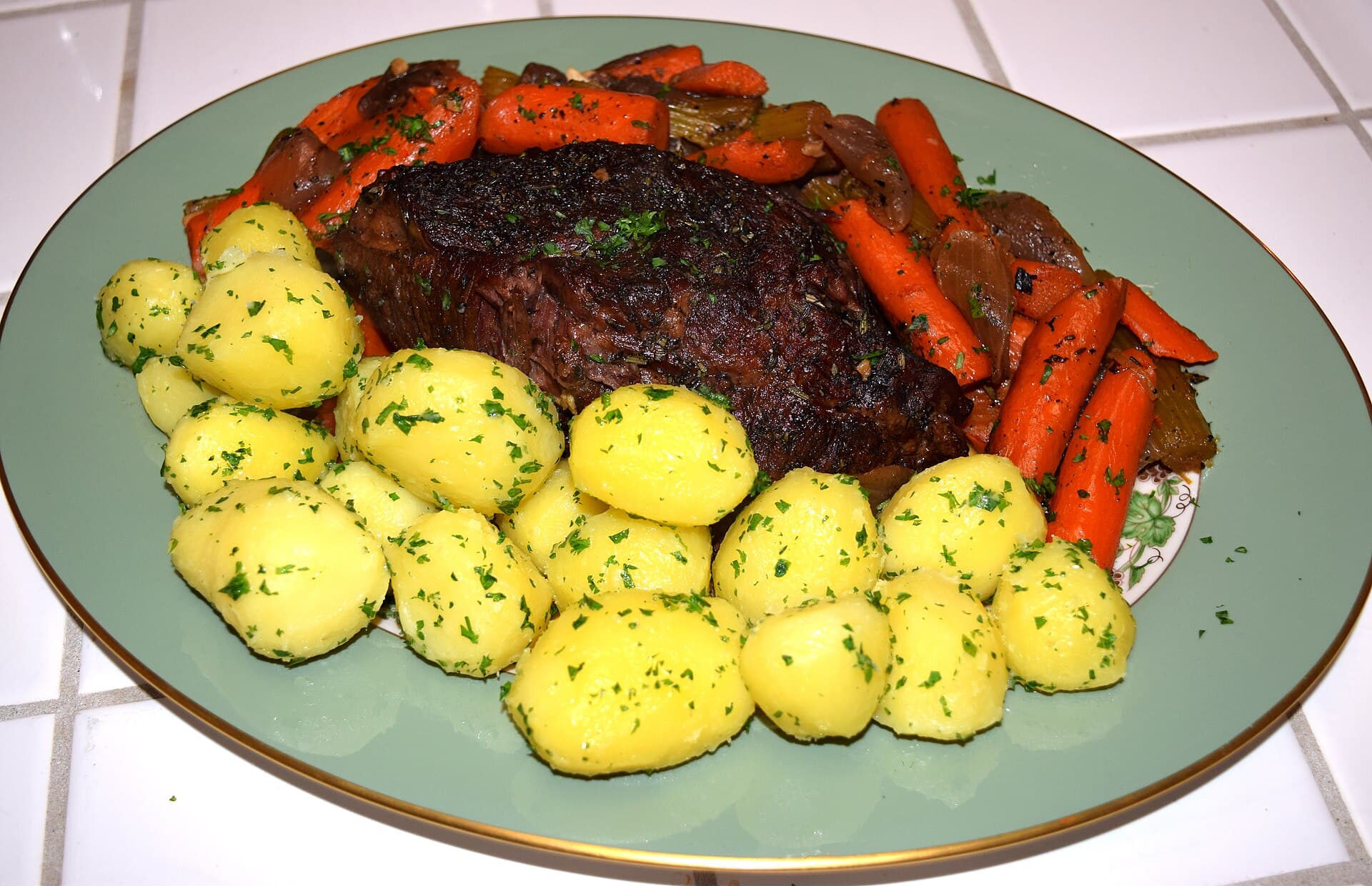
Pot Roast is a traditional slow-cooked beef dish that became a staple in railroad camps, mining boardinghouses, and rural settlements following the Civil War. Its simplicity and ability to tenderize tougher cuts made it valuable for feeding workers and families.
America's Melting Pot
Pot Roast Gravy photo coming soon
Gilded Age & Progressive Era
Pot Roast Gravy is a condiment with real American table personality: Sunday dinner sauce. It brings flavor from coast-to-coast American tables to cookouts, counters, lunch plates, potlucks, and weeknight suppers.
1900-1929
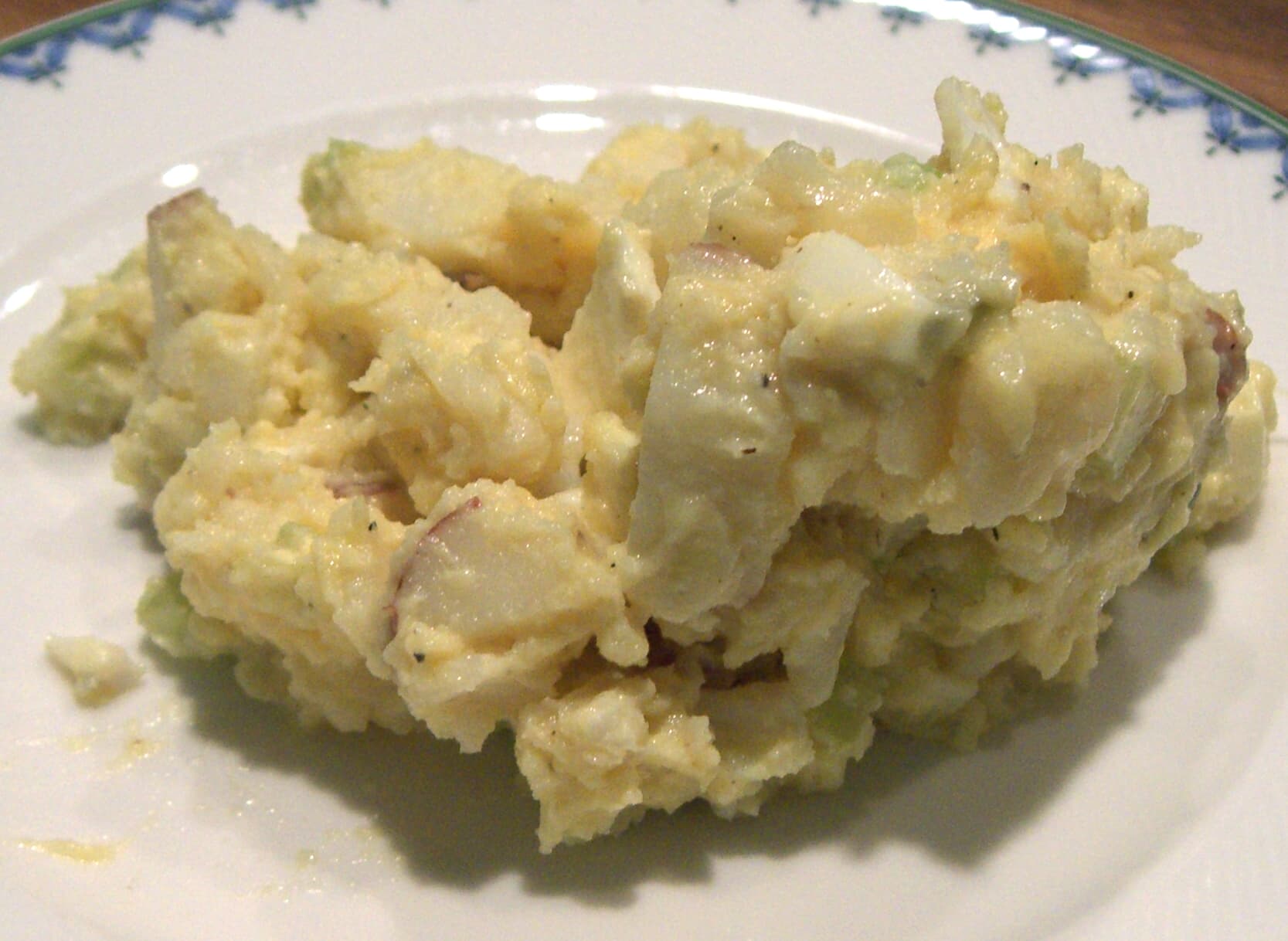
Potato Salad is a widely embraced side dish featuring boiled potatoes dressed in a tangy mayonnaise-based sauce, often including eggs and celery. It is a staple at American social gatherings including picnics, holidays, and community events.
America's Melting Pot
Potato Sausage photo coming soon
1861-1900
Potato Sausage is a traditional Midwest dish combining pork sausage with potatoes, reflecting Scandinavian immigrant culinary influence during the post-Civil War period.
1800-1860
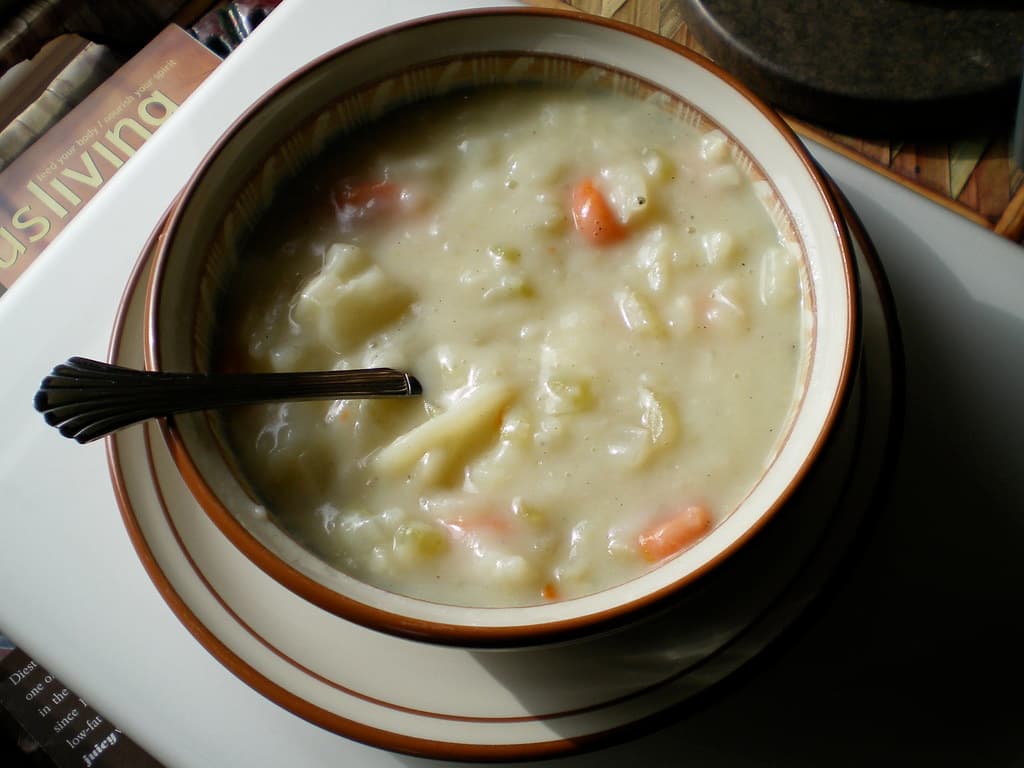
Potato Soup is a simple, hearty soup likely popular among Irish-American families, combining potatoes, onions, and cream or milk to create a warming dish during the expansion and immigration period.
America's Melting Pot
Potlikker Soup photo coming soon
1861-1900
Potlikker Soup is a traditional Southern U.S. dish made from the nutrient-rich broth left after cooking collard or other greens. Popular during Reconstruction and beyond, it emphasizes resourcefulness and Southern culinary traditions.
Cross-era
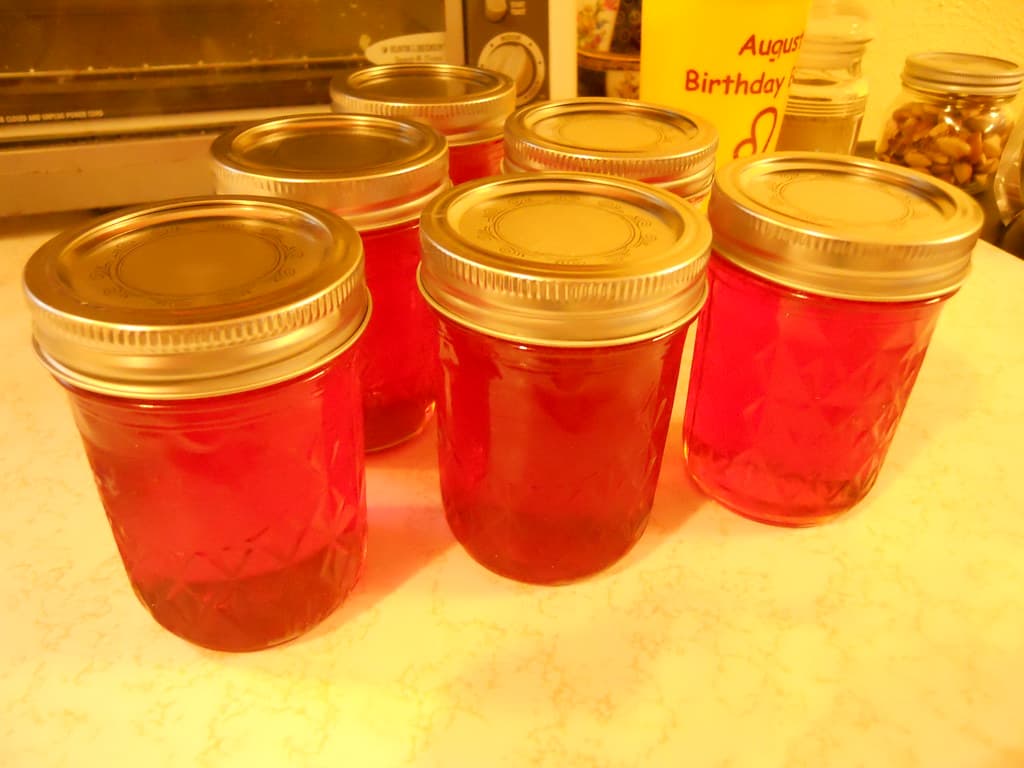
Prickly Pear Jelly is a preserve with real American table personality: Southwest desert fruit preserve. It brings flavor from the American South to cookouts, counters, lunch plates, potlucks, and weeknight suppers.
America's Melting Pot
Prickly Pear Syrup photo coming soon
Cross-era
Prickly Pear Syrup is a sweet sauce with real American table personality: Southwest drinks and desserts. It brings flavor from the American South to cookouts, counters, lunch plates, potlucks, and weeknight suppers.
Gilded Age & Progressive Era
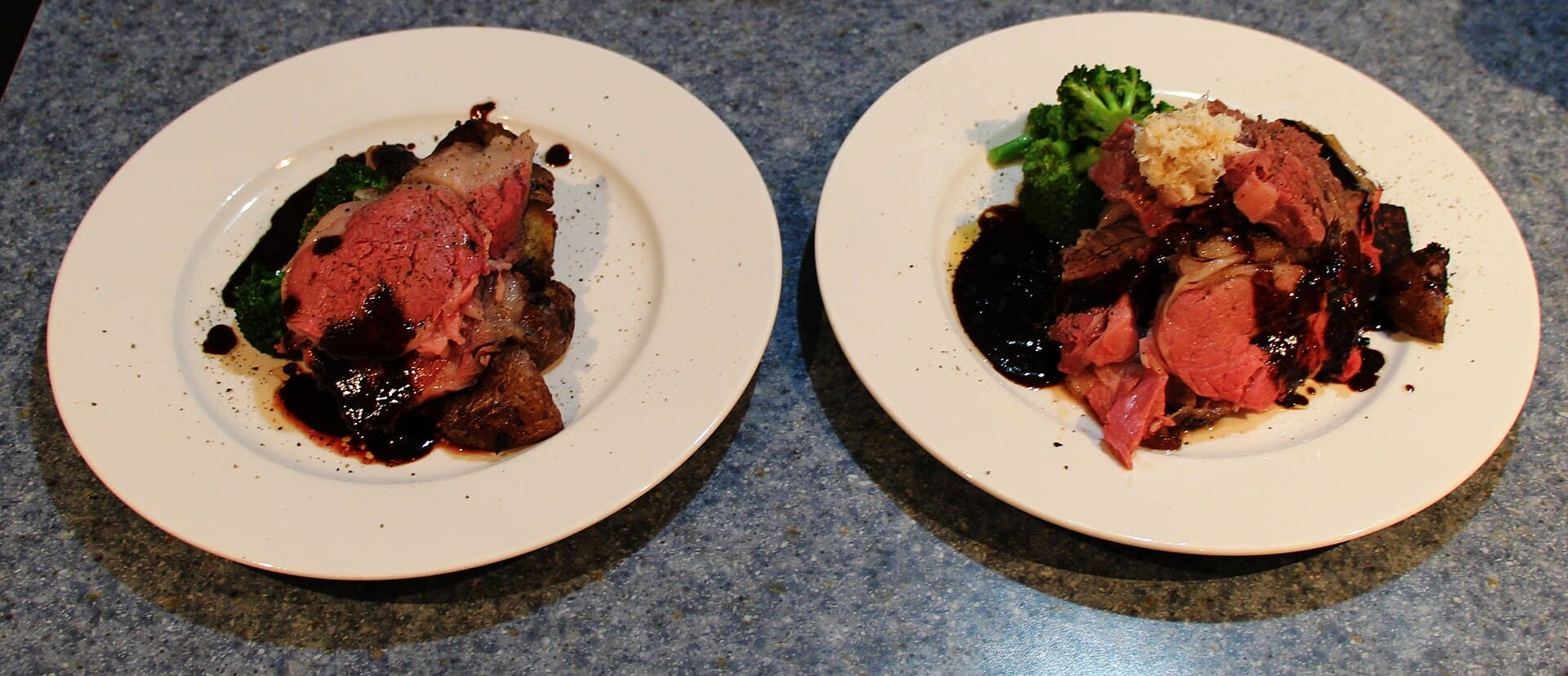
Prime Rib is a festive, slow-roasted beef cut traditionally featured at Christmas dinners and holiday celebrations across the United States. Its rich flavor and tender texture make it a centerpiece for special occasions.
America's Melting Pot
Pudding Cups photo coming soon
1946-1969
Pudding Cups are simple, individually served creamy desserts popular in American lunchboxes and casual dining from the post-war era, embodying convenience and childhood nostalgia.
1776-1800
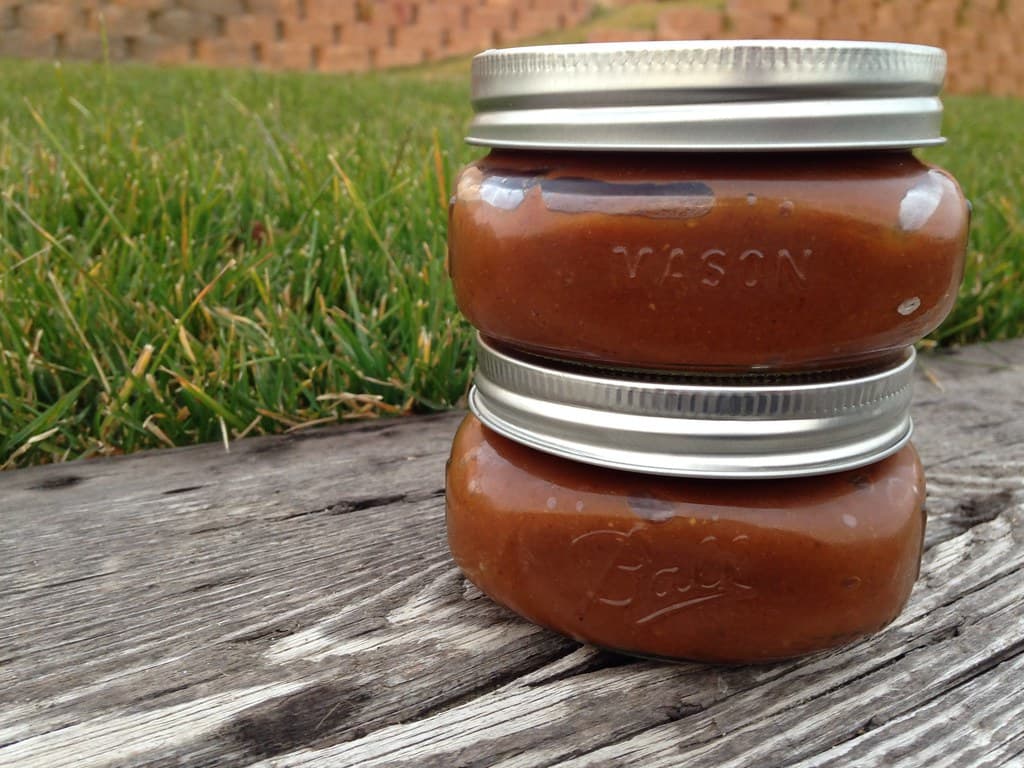
Pumpkin Butter is a preserve with real American table personality: Fall farmstand spread. It brings flavor from coast-to-coast American tables to cookouts, counters, lunch plates, potlucks, and weeknight suppers.
America's Melting Pot
Quinoa Salad photo coming soon
Modern Melting Pot
Quinoa Salad is a nutritious side dish combining cooked quinoa with fresh vegetables, herbs, and a light vinaigrette. Popularized in American health food circles during the 1990s and 2000s, this salad reflects growing interest in gluten-free whole grains and global-inspired flavors in suburban food culture.
America's Melting Pot
Rabbit Pie photo coming soon
1776-1800
Rabbit Pie is a hearty savory pie featuring tender rabbit meat, vegetables, and herbs baked into a rich, flaky crust. Popular in early American cuisine, especially in the late 18th century, it was a practical way to use lean game meats in home kitchens.
America's Melting Pot
Rabbit Stew photo coming soon
1776-1800
Rabbit Stew is a slow-cooked, savory dish combining rabbit meat with root vegetables and herbs in a flavorful broth. A rural favorite in early America, it provided nutrient-rich, warming food using wild or farmed rabbits during the late 18th century.
America's Melting Pot
Rabbit with Dumplings photo coming soon
1800-1860
Rabbit with Dumplings is a traditional Appalachian dish pairing tender rabbit stew with hand-rolled dough dumplings. Popular in rural homes during early 19th-century expansion and frontier life, this hearty meal provides comfort and sustenance using available game and pantry staples.
America's Melting Pot
Rachel photo coming soon
1900-1929
The Rachel sandwich is a variation of the Reuben, swapping corned beef for turkey and often coleslaw for sauerkraut, layered with Swiss cheese and Russian or Thousand Island dressing on rye bread. This popular American sandwich offers a lighter yet flavorful alternative, becoming common in delis and diners nationwide.
Community recipe submission
Log in to submit a recipe, format it with the cooking companion, and send it for review.
Log in to Submit