
Loading
Setting the table...
Fetching the latest recipes from the archive.
Loading
Fetching the latest recipes from the archive.
Recipe archive
Recipe archive
Search the archive by title, region, ingredient, tag, or era, then sort the table by the view that fits your kitchen.
This archive is growing through recipes, photos, family recipes, and historical context shared by the community.
America's Melting Pot
Bourbon Barbecue Sauce photo coming soon
Modern Melting Pot
Bourbon Barbecue Sauce is a barbecue sauce with real American table personality: Kentucky/Southern modern BBQ sauce. It brings flavor from Appalachia and Pennsylvania Dutch country to cookouts, counters, lunch plates, potlucks, and weeknight suppers.
America's Melting Pot
Bourbon Caramel Sauce photo coming soon
Modern Melting Pot
Bourbon Caramel Sauce is a sweet sauce with real American table personality: Kentucky/Southern modern dessert sauce. It brings flavor from Appalachia and Pennsylvania Dutch country to cookouts, counters, lunch plates, potlucks, and weeknight suppers.
America's Melting Pot
Bourbon Peach Jam photo coming soon
Cross-era
Bourbon Peach Jam is a preserve with real American table personality: Southern/Kentucky-style preserve. It brings flavor from Appalachia and Pennsylvania Dutch country to cookouts, counters, lunch plates, potlucks, and weeknight suppers.
America's Melting Pot
Boysenberry Preserves photo coming soon
Cross-era
Boysenberry Preserves is a preserve with real American table personality: California berry culture; Walter Knott helped commercialize the boysenberry at what became Knott's Berry Farm. It brings flavor from California, Hawaii, and the West Coast to cookouts, counters, lunch plates, potlucks, and weeknight suppers.
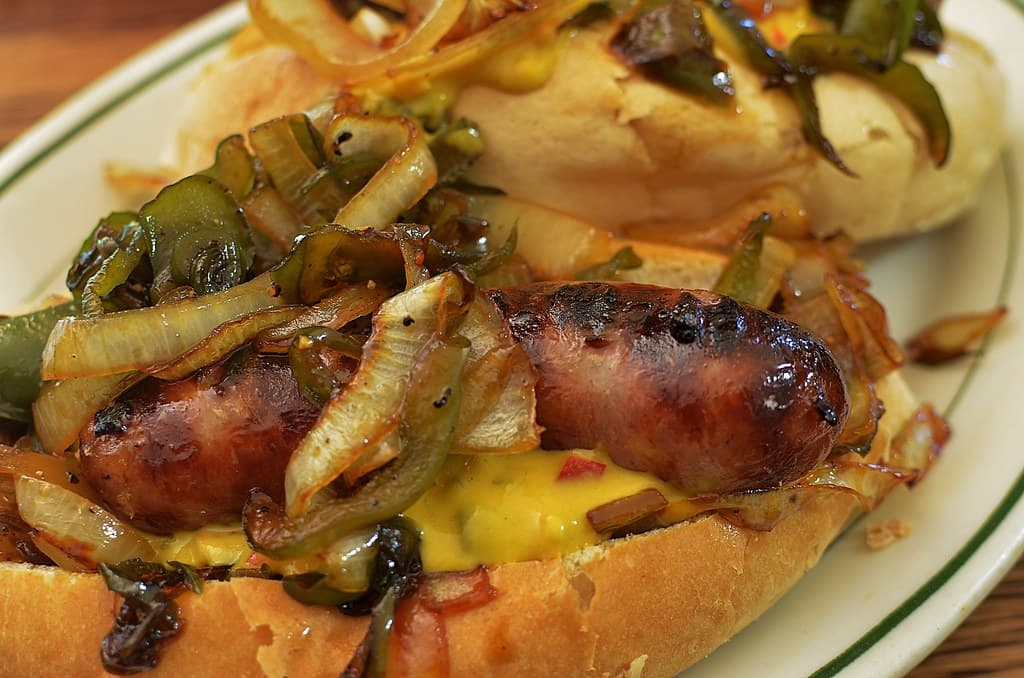
1800s-present
Brats are bratwurst in their American backyard form: pork sausages grilled or beer-simmered, tucked into buns, and served at picnics, tailgates, baseball games, and summer cookouts. Wisconsin made the brat especially visible through German American sausage culture and stadium food.
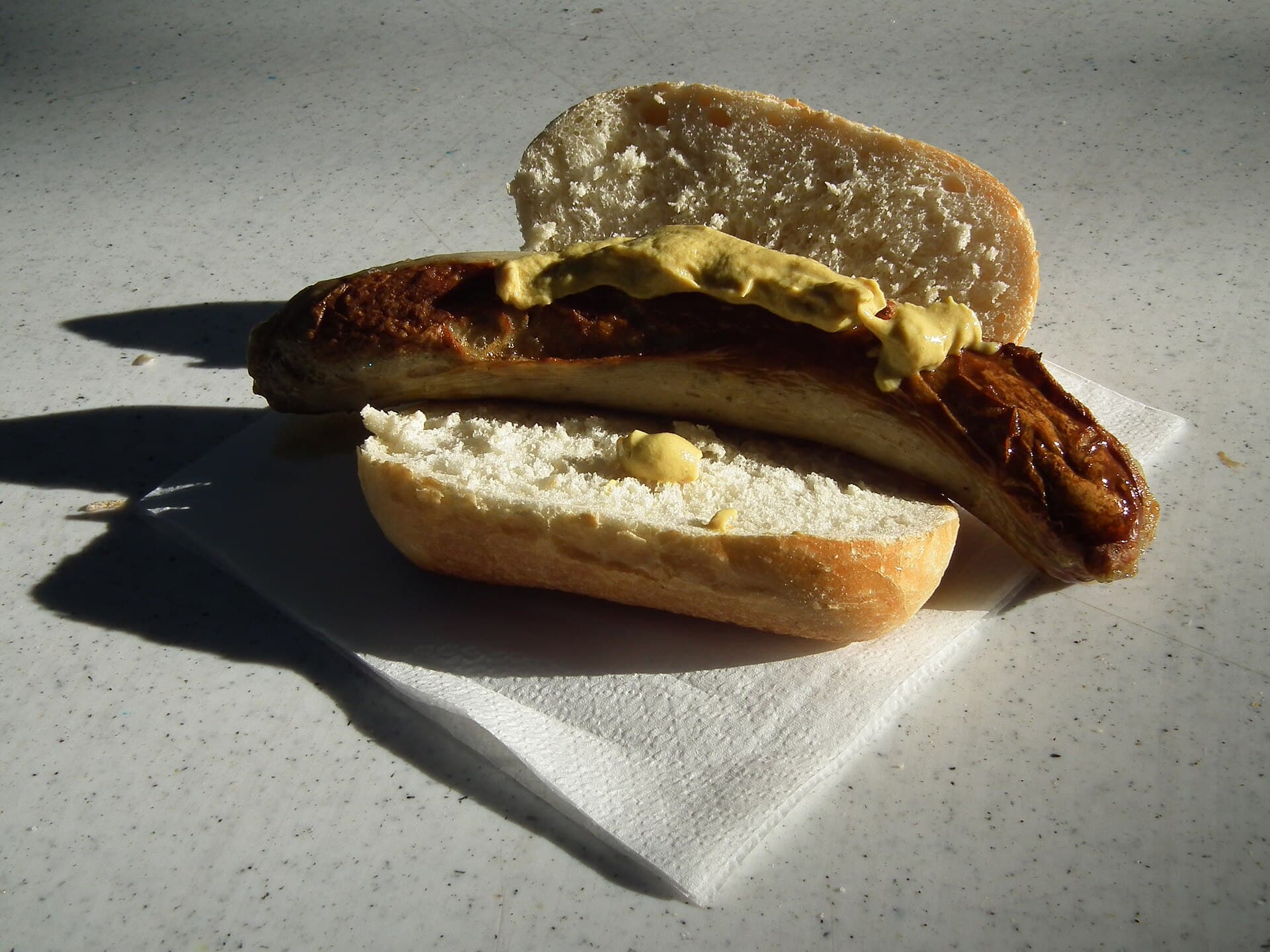
1800s-present
Bratwurst is older than the American brat on a bun. German immigrants carried regional sausage-making traditions to the United States, where Midwestern butcher shops, especially in Wisconsin, made fresh bratwurst part of everyday cooking and community events.
America's Melting Pot
Braunschweiger Sandwich photo coming soon
1800s-present
American braunschweiger is a smoked liver sausage closely associated with German-style deli and butcher traditions. In the Midwest and other German American communities, it became a quick sandwich filling with rye bread, mustard, onion, and pickles.
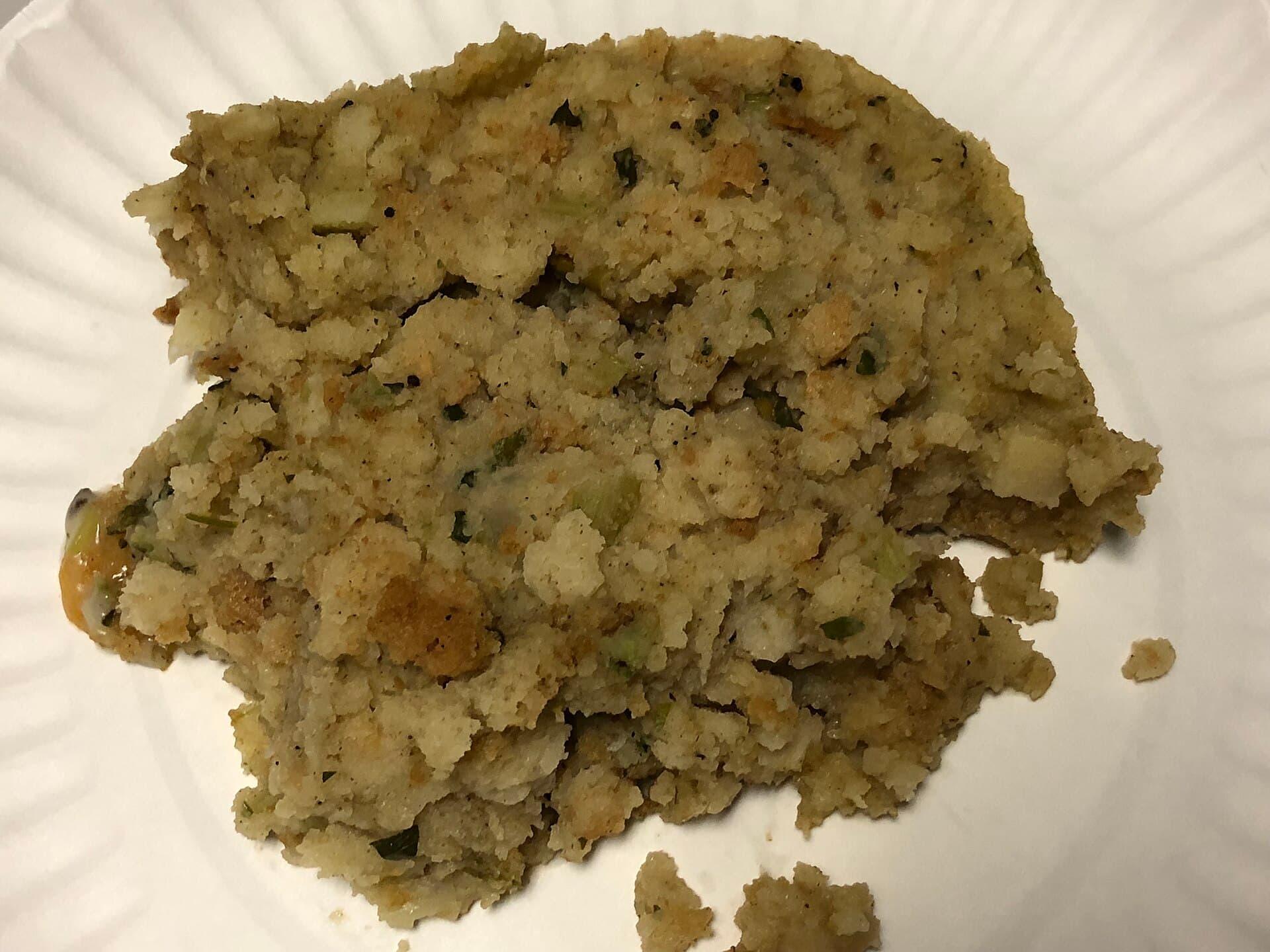
1700s-present
Bread stuffing is the Thanksgiving workhorse that turns stale bread into the part of the plate many people reach for first. Whether cooked inside the bird or baked separately as dressing, the core American formula is bread, aromatics, poultry herbs, and rich stock.
America's Melting Pot
Bread-and-Butter Jalapenos photo coming soon
Modern Melting Pot
Bread-and-Butter Jalapenos is a relish with real American table personality: Modern Southern/Southwestern preserve. It brings flavor from the American South to cookouts, counters, lunch plates, potlucks, and weeknight suppers.
America's Melting Pot
Breakfast Burrito photo coming soon
1970s-present
The breakfast burrito belongs to the modern Southwest, with Santa Fe and New Mexican restaurants especially important to the name and style. It can be handheld with chile tucked inside or smothered with red or green chile on the plate.
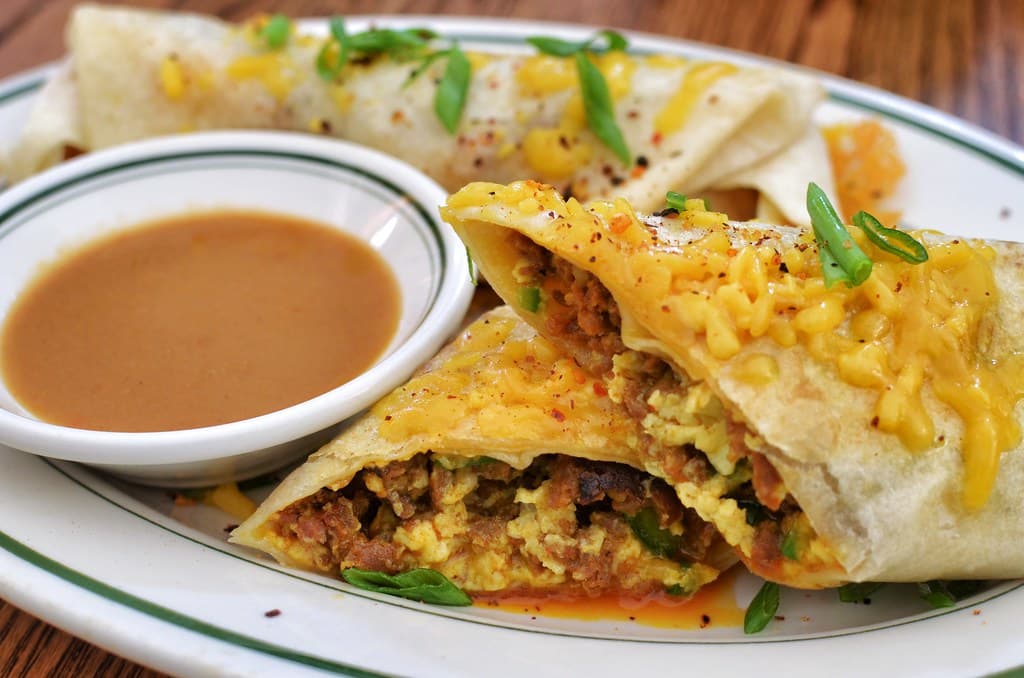
1980s-present
Batch breakfast burritos are the practical cousin of the New Mexican breakfast burrito: portable, freezable, and easy to feed to a group. Tex-Mex cooks, ranch cooks, food trucks, and home meal-preppers all helped make them a modern American breakfast standby.
America's Melting Pot
Breakfast Pizza photo coming soon
1990s-present
Breakfast pizza turns pizza into a convenience-store and school-morning breakfast. In the Midwest, Casey's helped make the style famous with slices topped with gravy or cheese sauce, eggs, sausage or bacon, and plenty of cheese.
America's Melting Pot
Breakfast Tacos photo coming soon
1970s-present
Breakfast tacos are a Mexican American and Tejano morning food strongly associated with South Texas, San Antonio, and Austin. They became a food-truck and cafe staple because a warm tortilla makes eggs, potatoes, beans, bacon, and salsa portable without turning them into a burrito.
America's Melting Pot
Broccoli Rice Casserole photo coming soon
1950s-present
Broccoli rice casserole is a classic convenience-era side dish. Frozen broccoli, quick rice, condensed soup, and processed cheese made it easy for home cooks to put a green vegetable, starch, and creamy sauce into one holiday or potluck pan.
America's Melting Pot
Brown Bread photo coming soon
1800s-present
Irish brown bread is a daily table bread rather than a sweet holiday loaf. Irish immigrants and Irish American families carried versions of wholemeal soda bread into American kitchens, where buttermilk and baking soda made a quick, sturdy loaf possible without yeast.
America's Melting Pot
Brown Cow photo coming soon
Gilded Age & Progressive Era
Brown Cow is fizzy Americana from the soda-fountain counter: Chocolate/root beer float variation in some regions.
America's Melting Pot
Brownie Batter Shake photo coming soon
1900-1929
Brownie Batter Shake pours old-school malt-shop cheer into a cold glass: Modern dessert shake.
America's Melting Pot
Brownie Concrete photo coming soon
Postwar & Diner Age
Brownie Concrete is thick, spoonable frozen-custard stand fun: Custard shop favorite.
America's Melting Pot
Brownie Malt photo coming soon
1900-1929
Brownie Malt pours old-school malt-shop cheer into a cold glass: Modern dessert malt.
America's Melting Pot
Bubblegum Shake photo coming soon
1900-1929
Bubblegum Shake brings drive-in, carhop, and fast-food dessert-counter energy to the table: Ice cream stand kid classic.
America's Melting Pot
Buckwheat Cakes photo coming soon
1700s-present
Buckwheat cakes were once a cold-weather American breakfast staple, especially in Pennsylvania, Appalachia, and boardinghouses. Buckwheat grew well in poor soils, and an overnight batter gave the cakes a tangy flavor before modern baking powder pancakes took over.
America's Melting Pot
Buffalo Sauce photo coming soon
Cross-era
Buffalo Sauce is a condiment with real American table personality: Butter and hot sauce, tied to Buffalo wings at the Anchor Bar in Buffalo, New York, in 1964. It brings flavor from coast-to-coast American tables to cookouts, counters, lunch plates, potlucks, and weeknight suppers.
1930s-present
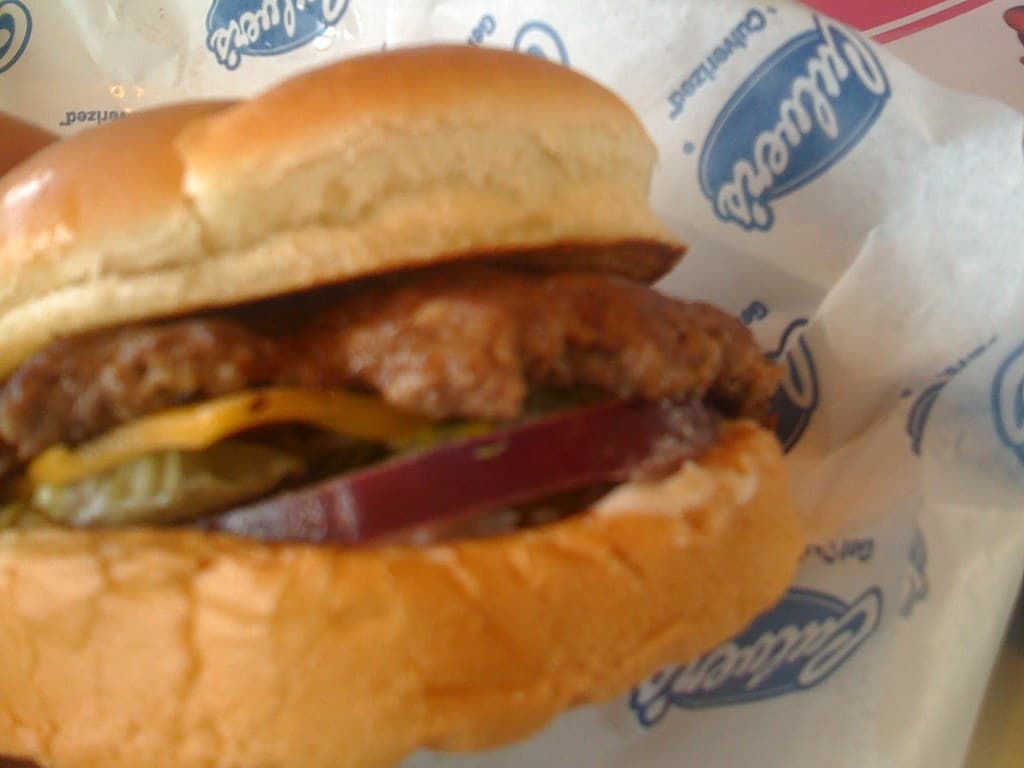
Butter burgers are Wisconsin dairy pride in sandwich form. Local restaurants such as Solly's and Kroll's helped popularize butter-topped burgers in the 1930s, while Culver's later carried a buttered-bun version far beyond Wisconsin.
1900s-present
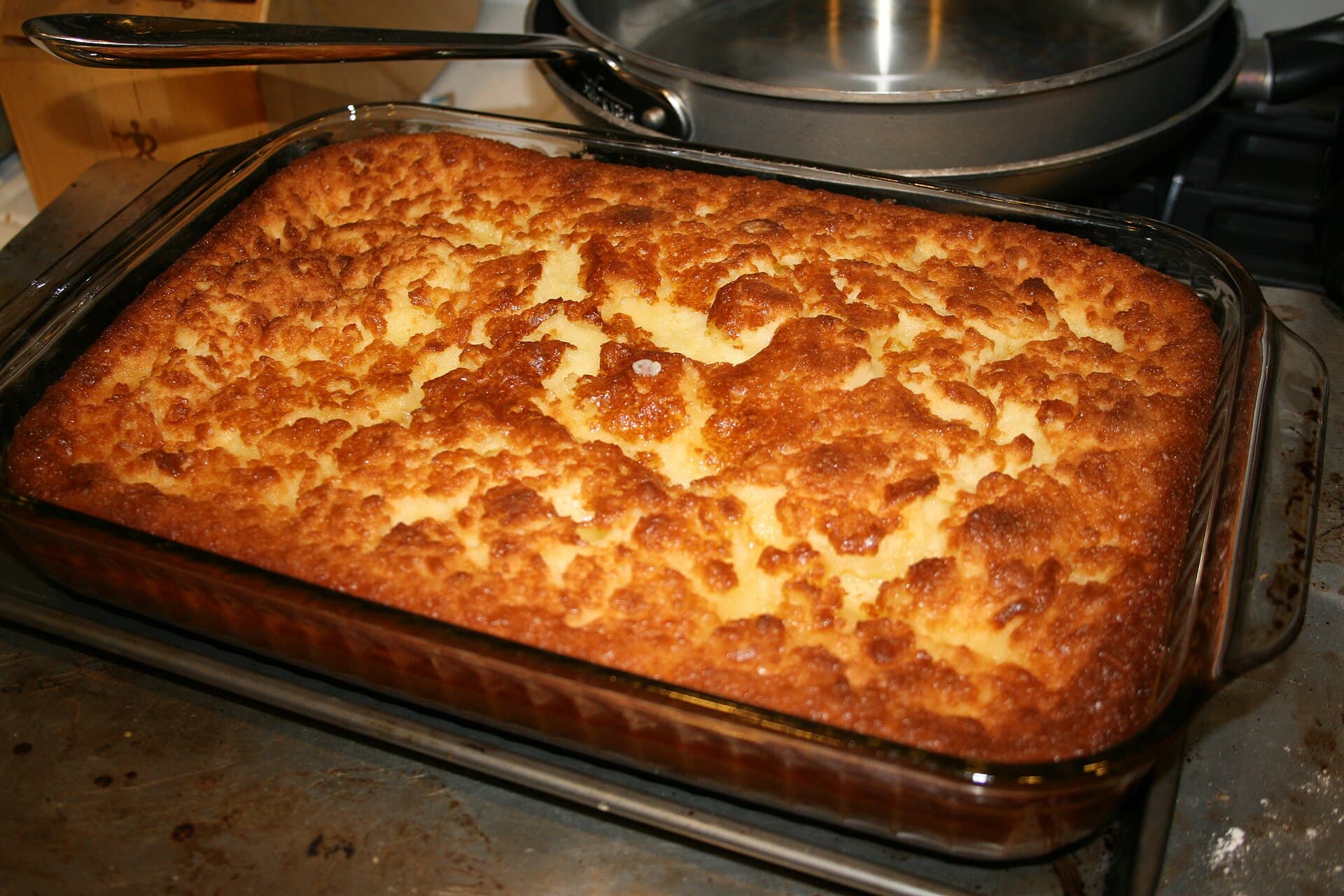
Butter mochi is beloved local Hawaii potluck food, with a chewy custard texture that reflects the islands' layered Japanese, Filipino, Portuguese, and local baking influences. It is easy to mix, travels well, and cuts into snackable squares.
America's Melting Pot
Butter Pecan Shake photo coming soon
Postwar & Diner Age
Butter Pecan Shake pours old-school malt-shop cheer into a cold glass: Southern and ice cream parlor flavor.
America's Melting Pot
Butterfinger Blizzard-Style Treat photo coming soon
Postwar & Diner Age
Butterfinger Blizzard-Style Treat is thick, spoonable frozen-custard stand fun: 1980s/1990s fast-food dessert energy.
America's Melting Pot
Butterfinger Concrete photo coming soon
Postwar & Diner Age
Butterfinger Concrete is thick, spoonable frozen-custard stand fun: Candy mix-in classic.
America's Melting Pot
Butterscotch Malt photo coming soon
1900-1929
Butterscotch Malt pours old-school malt-shop cheer into a cold glass: Old-fashioned soda fountain flavor.
America's Melting Pot
Butterscotch Sauce photo coming soon
Gilded Age & Progressive Era
Butterscotch Sauce is a sweet sauce with real American table personality: Ice cream parlor classic. It brings flavor from coast-to-coast American tables to cookouts, counters, lunch plates, potlucks, and weeknight suppers.
America's Melting Pot
Cabbage and Noodles photo coming soon
1900s-present
Cabbage and noodles is Depression-friendly comfort food with Central and Eastern European roots. In American Polish, Slovak, Czech, Hungarian, and Appalachian communities, buttered cabbage and noodles became a cheap dish that could feed many people.
America's Melting Pot
Cajun Blackened Fish photo coming soon
1980s-present
Blackened fish became a national sensation through New Orleans chef Paul Prudhomme, whose blackened redfish helped bring Cajun cooking to American restaurant culture in the 1980s. The method is intense: butter, spices, high heat, and a smoky cast-iron crust.
America's Melting Pot
Cajun Boil Butter photo coming soon
Cross-era
Cajun Boil Butter is a spread with real American table personality: Gulf Coast seafood boil table sauce. It brings flavor from the American South to cookouts, counters, lunch plates, potlucks, and weeknight suppers.
America's Melting Pot
Cajun Butter Sauce photo coming soon
Cross-era
Cajun Butter Sauce is a seafood sauce with real American table personality: Seafood boil bag culture. It brings flavor from the American South to cookouts, counters, lunch plates, potlucks, and weeknight suppers.
1990s-present
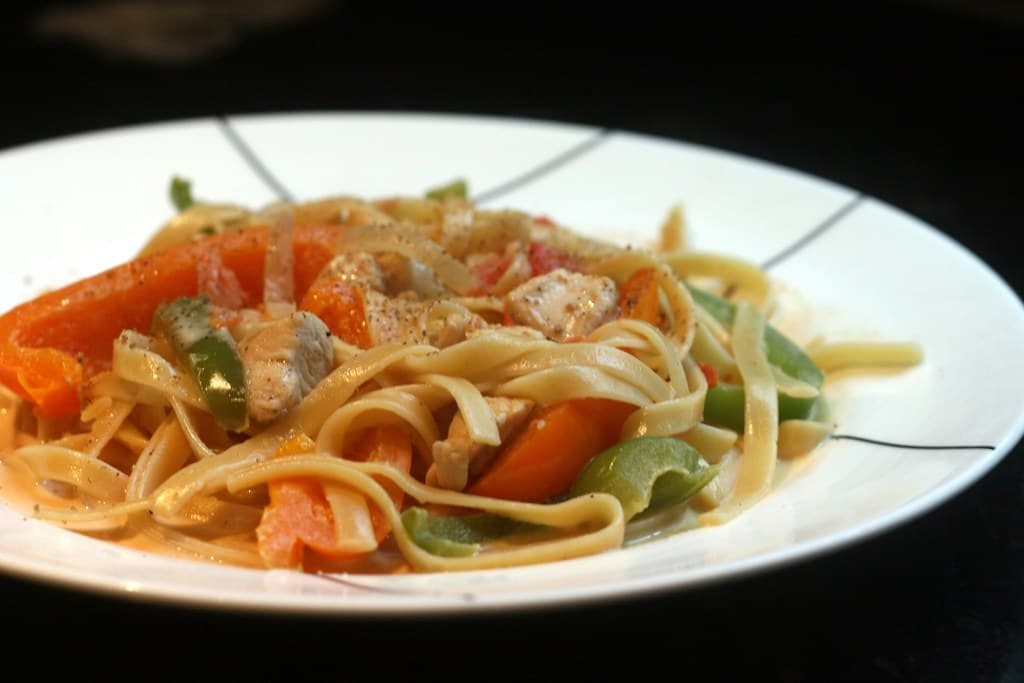
Cajun chicken pasta is American fusion in family-restaurant form. It borrows the spice profile and blackening language popularized by Cajun restaurant cooking, then folds it into creamy pasta for a 1990s-style chain and mall-restaurant favorite.
America's Melting Pot
Cajun Garlic Hot Sauce photo coming soon
Cross-era
Cajun Garlic Hot Sauce is a condiment with real American table personality: Louisiana seafood boil, po' boy, and gumbo table condiment. It brings flavor from the American South to cookouts, counters, lunch plates, potlucks, and weeknight suppers.
America's Melting Pot
Cajun Ranch photo coming soon
Modern Melting Pot
Cajun Ranch is a dressing with real American table personality: Sports bar and fried-food dipping sauce. It brings flavor from the American South to cookouts, counters, lunch plates, potlucks, and weeknight suppers.
America's Melting Pot
Cajun Remoulade photo coming soon
Cross-era
Cajun Remoulade is a condiment with real American table personality: Louisiana version of French remoulade, often spicier and redder. It brings flavor from the American South to cookouts, counters, lunch plates, potlucks, and weeknight suppers.
America's Melting Pot
Cajun Seafood Boil Bags photo coming soon
2000s-present
Cajun seafood boil bags grew from Gulf Coast seafood boils and the Viet-Cajun restaurant boom in Louisiana, Texas, and Houston. The modern bag format lets diners shake boiled seafood with a rich garlic-butter sauce and spice level chosen at the table.
America's Melting Pot
Cake Batter Shake photo coming soon
1900-1929
Cake Batter Shake pours old-school malt-shop cheer into a cold glass: Birthday-party Americana in a cup.
1800s-present
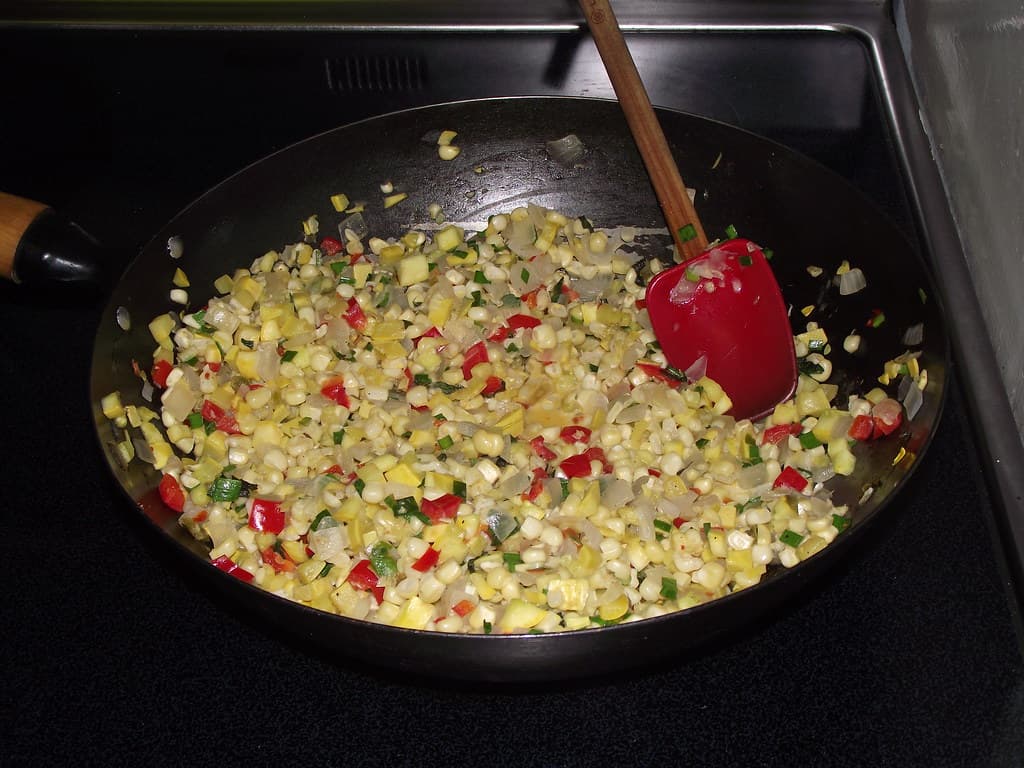
Calabacitas means little squash, and in New Mexico it names a fast summer vegetable dish of squash, corn, and green chile. It reflects Indigenous, Spanish borderlands, Mexican, and Mexican American foodways across the Southwest.
America's Melting Pot
California Date Shake photo coming soon
Cross-era
California Date Shake salutes regional fruit country and the American dairy-stand tradition: Coachella Valley/Palm Springs.
America's Melting Pot
Candy Cane Shake photo coming soon
1900-1929
Candy Cane Shake brings drive-in, carhop, and fast-food dessert-counter energy to the table: Christmas seasonal shake.
1900s-present
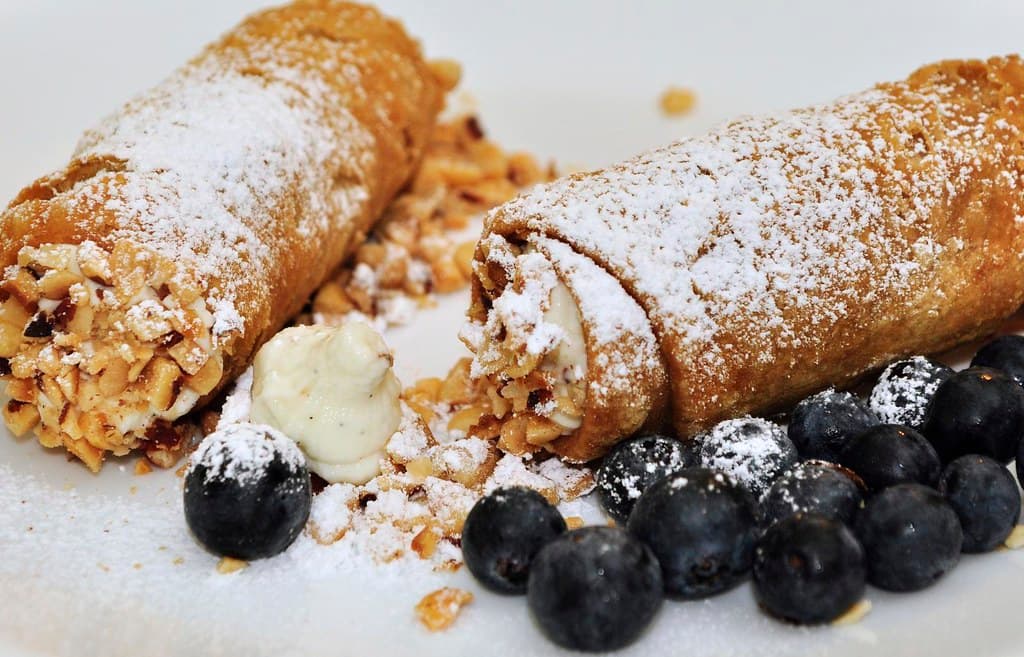
Cannoli came to Italian American bakeries from Sicily, where fried pastry shells and ricotta filling have deep carnival and regional roots. In the United States, Little Italy bakeries made cannoli a signature Italian American dessert, often sweeter and larger than Sicilian versions.
America's Melting Pot
Caramel Apple Shake photo coming soon
Postwar & Diner Age
Caramel Apple Shake pours old-school malt-shop cheer into a cold glass: Fall fair and orchard flavor.
America's Melting Pot
Caramel Blended Coffee photo coming soon
Modern Melting Pot
Caramel Blended Coffee blends coffeehouse America with milkshake-style fun: 1990s-2000s coffee-chain staple.
America's Melting Pot
Caramel Malt photo coming soon
1900-1929
Caramel Malt pours old-school malt-shop cheer into a cold glass: Butterscotch/caramel malt-shop flavor.
America's Melting Pot
Caramel Rolls photo coming soon
1920s-present
Caramel rolls are a beloved North Dakota and Upper Midwest bakery, church, and cafe treat. They resemble cinnamon rolls or sticky buns, but the defining feature is a generous caramel sauce that bakes under the rolls and becomes the top after turning out.
America's Melting Pot
Caramel Sauce photo coming soon
Gilded Age & Progressive Era
Caramel Sauce is a sweet sauce with real American table personality: Sundaes, apple dipping, coffee drinks. It brings flavor from coast-to-coast American tables to cookouts, counters, lunch plates, potlucks, and weeknight suppers.
1800s-present
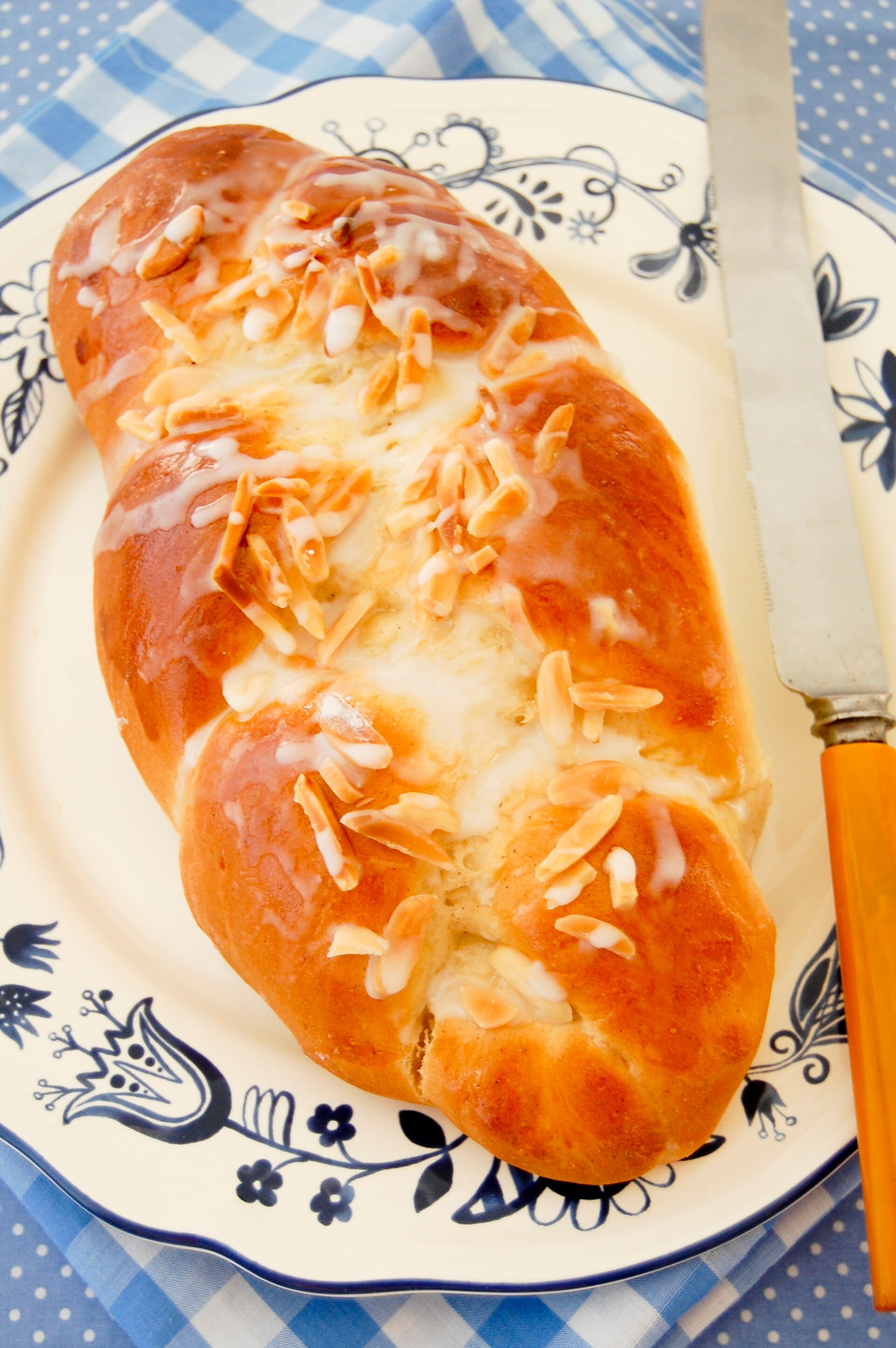
Cardamom bread came into Upper Midwest kitchens with Finnish, Swedish, Norwegian, and other Scandinavian immigrants. Finnish pulla and Swedish cardamom breads became coffee-table, holiday, and family celebration loaves in Scandinavian American communities.
America's Melting Pot
Carne Asada photo coming soon
1800s-present
Carne asada means grilled meat, and in northern Mexico and the American Southwest it is both a recipe and a gathering. Mexican American families, taquerias, and backyard cooks made thin grilled steak a staple for tacos, burritos, plates, and weekend cookouts.
1800s-present
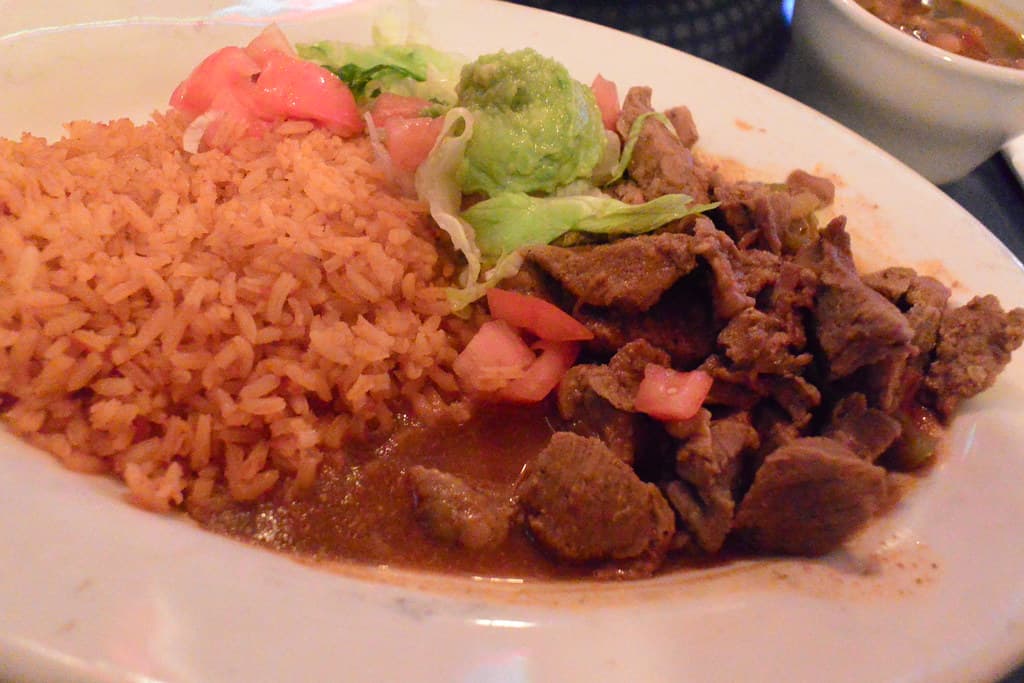
Carne guisada means stewed meat, and in Texas it is a beloved Mexican American home-cooking and Tex-Mex restaurant dish. Cubed beef cooks slowly with chiles, tomatoes, aromatics, and gravy until it can be spooned into tortillas or served as a plate lunch.
America's Melting Pot
Carrot Juice photo coming soon
1970-1989
Carrot Juice brings juice-bar color and American smoothie-counter energy to the glass: Health-food store classic.
America's Melting Pot
Carrot Orange Smoothie photo coming soon
1970-1989
Carrot Orange Smoothie brings juice-bar color and American smoothie-counter energy to the glass: Juice-bar health drink.
America's Melting Pot
Catalina Dressing photo coming soon
Postwar & Diner Age
Catalina Dressing is a dressing with real American table personality: Sweet red dressing, especially tied to midcentury salads and taco salads. It brings flavor from coast-to-coast American tables to cookouts, counters, lunch plates, potlucks, and weeknight suppers.
America's Melting Pot
Celery Juice photo coming soon
1970-1989
Celery Juice brings juice-bar color and American smoothie-counter energy to the glass: Modern wellness trend.
America's Melting Pot
Celery Seed Slaw Dressing photo coming soon
Cross-era
Celery Seed Slaw Dressing is a dressing with real American table personality: Sweet-sour dressing for coleslaw, especially Midwest and Southern picnic tables. It brings flavor from the American South to cookouts, counters, lunch plates, potlucks, and weeknight suppers.
America's Melting Pot
Central Texas Sauce photo coming soon
Cross-era
Central Texas Sauce is a barbecue sauce with real American table personality: Often minimal or optional; meat-first barbecue culture. It brings flavor from Texas and the Southwest to cookouts, counters, lunch plates, potlucks, and weeknight suppers.
America's Melting Pot
Cereal Milk Shake photo coming soon
1900-1929
Cereal Milk Shake brings drive-in, carhop, and fast-food dessert-counter energy to the table: Modern dessert-shop flavor.
America's Melting Pot
Chamorro Barbecue photo coming soon
1900s-present
A Guam fiesta-table barbecue of chicken, ribs, or beef marinated in a tangy soy-vinegar mixture and grilled over hot coals.
America's Melting Pot
Cheese Curds photo coming soon
1900s-present
A Wisconsin dairy-country snack of fresh cheddar curds, either eaten squeaky and fresh or battered and fried until crisp outside and molten inside.
America's Melting Pot
Cherry Barbecue Sauce photo coming soon
Modern Melting Pot
Cherry Barbecue Sauce is a barbecue sauce with real American table personality: Michigan, Pacific Northwest, and modern smoked-meat applications. It brings flavor from the Midwest and Great Lakes to cookouts, counters, lunch plates, potlucks, and weeknight suppers.
America's Melting Pot
Cherry Coke photo coming soon
Gilded Age & Progressive Era
Cherry Coke is fizzy Americana from the soda-fountain counter: Soda fountain syrup tradition.
America's Melting Pot
Cherry Lime Rickey photo coming soon
Gilded Age & Progressive Era
Cherry Lime Rickey is fizzy Americana from the soda-fountain counter: Drive-in and soda fountain favorite.
America's Melting Pot
Cherry Limeade photo coming soon
Modern Melting Pot
Cherry Limeade brings juice-bar color and American smoothie-counter energy to the glass: Drive-in drink, especially Sonic-style culture.
America's Melting Pot
Cherry Limeade Shake photo coming soon
1900-1929
Cherry Limeade Shake brings drive-in, carhop, and fast-food dessert-counter energy to the table: Drive-in soda flavor turned shake.
America's Melting Pot
Cherry Malt photo coming soon
1900-1929
Cherry Malt pours old-school malt-shop cheer into a cold glass: Drive-in flavor.
America's Melting Pot
Cherry Phosphate photo coming soon
Gilded Age & Progressive Era
Cherry Phosphate is fizzy Americana from the soda-fountain counter: Old soda fountain tart cherry drink.
1700s-present
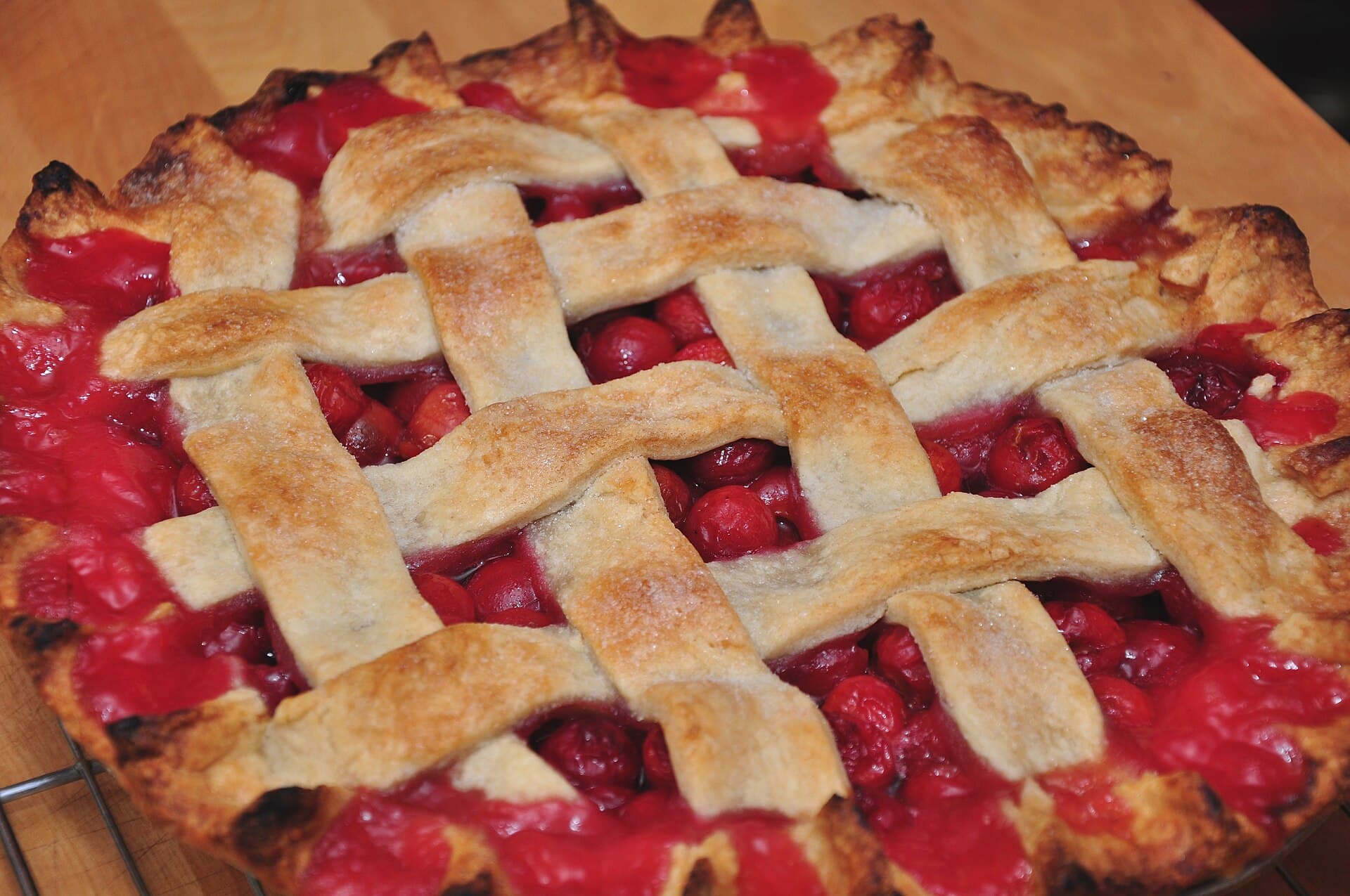
A double-crust sour cherry pie with a bright tart-sweet filling thickened just enough to slice cleanly.
America's Melting Pot
Cherry Shake photo coming soon
1900-1929
Cherry Shake pours old-school malt-shop cheer into a cold glass: Diner and burger stand flavor.
America's Melting Pot
Cherry Soda Float photo coming soon
1861-1900
Cherry Soda Float is fizzy Americana from the soda-fountain counter: Soda fountain classic.
America's Melting Pot
Cherry Vanilla Shake photo coming soon
1900-1929
Cherry Vanilla Shake pours old-school malt-shop cheer into a cold glass: Common at drive-ins and ice cream counters.
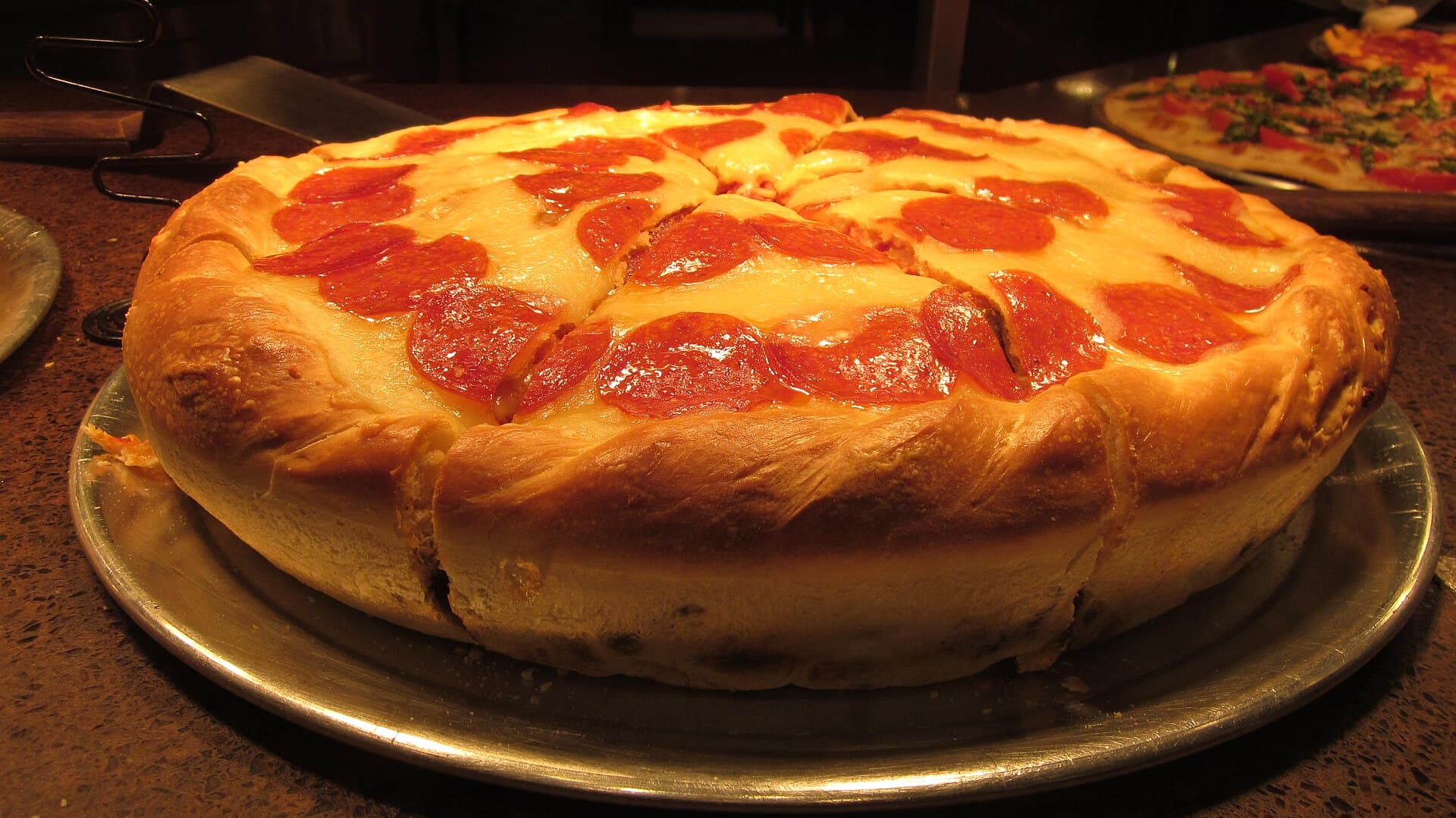
1940s-present
A broad Chicago deep-dish recipe with a sturdy pan crust, mozzarella, sausage or vegetables, and chunky tomato sauce baked in a deep pan.
America's Melting Pot
Chicago Neon Green Relish photo coming soon
Cross-era
Chicago Neon Green Relish is a relish with real American table personality: Essential part of the Chicago-style hot dog. It brings flavor from Chicago and the Upper Midwest to cookouts, counters, lunch plates, potlucks, and weeknight suppers.
America's Melting Pot
Chicago-Style Neon Relish photo coming soon
Cross-era
Chicago-Style Neon Relish is a sandwich sauce with real American table personality: Bright green relish essential to Chicago hot dogs. It brings flavor from Chicago and the Upper Midwest to cookouts, counters, lunch plates, potlucks, and weeknight suppers.
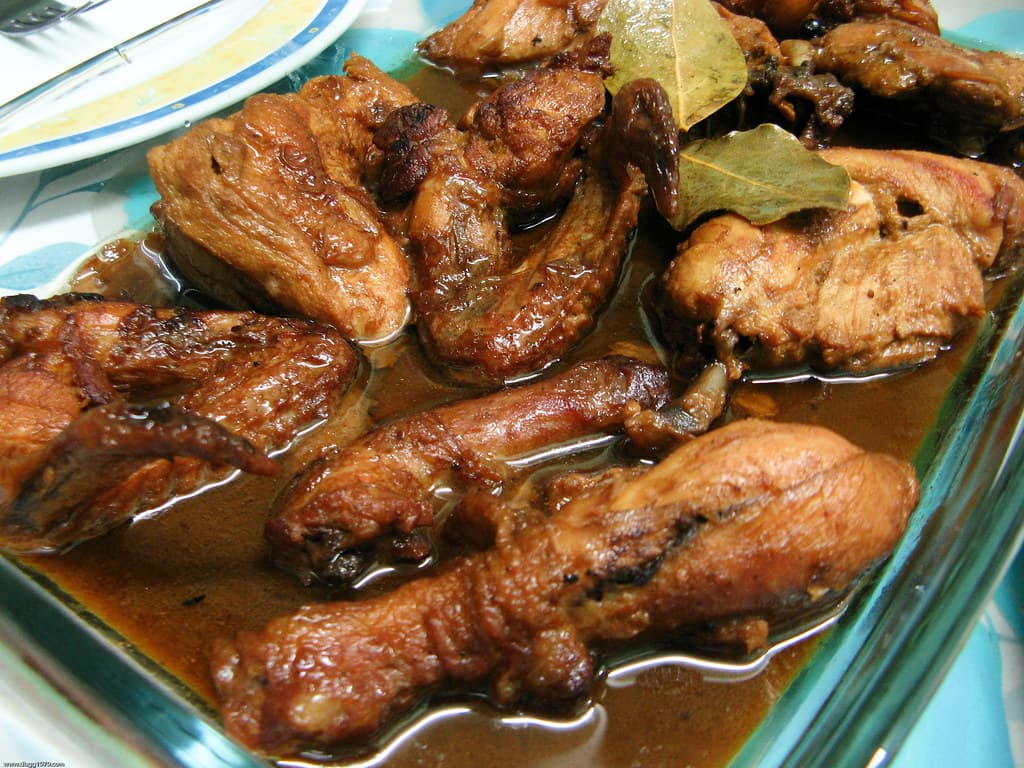
1900s-present
A Filipino and Filipino American staple of chicken simmered until tender in vinegar, soy sauce, garlic, bay leaves, and black pepper.
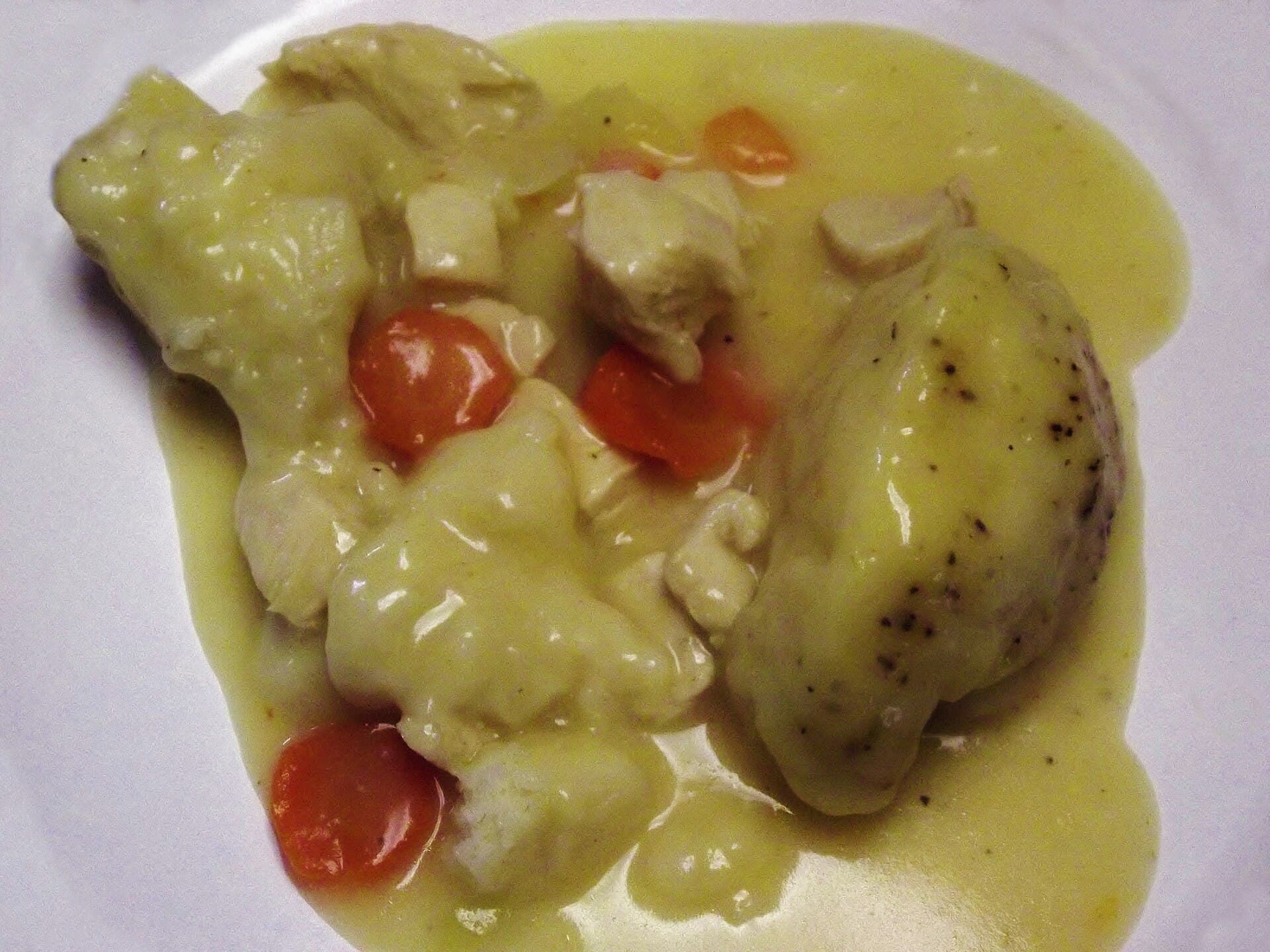
1800s-present
Tender chicken in rich broth with soft dumplings, finished as a thick, comforting Southern and Appalachian main dish.
America's Melting Pot
Chicken and Noodles photo coming soon
1900s-present
Tender chicken and egg noodles simmered in rich broth until thick, hearty, and ready for a Midwestern supper.
America's Melting Pot
Chicken and Slicks photo coming soon
1800s-present
Chicken simmered in broth with thin rolled dumpling strips, also called slicks, sliders, or chicken pastry in parts of the South.
America's Melting Pot
Chicken Caesar Wraps photo coming soon
1990-2009
Chicken Caesar Wraps combine grilled chicken, crisp romaine, Caesar dressing, and Parmesan cheese wrapped in a soft flour tortilla. Emerging during the 1970s and 1980s in mall food courts and fast-food outlets, these wraps offered a portable, fusion-style meal favored at tailgates and casual events, blending convenience with classic American-Italian flavors.
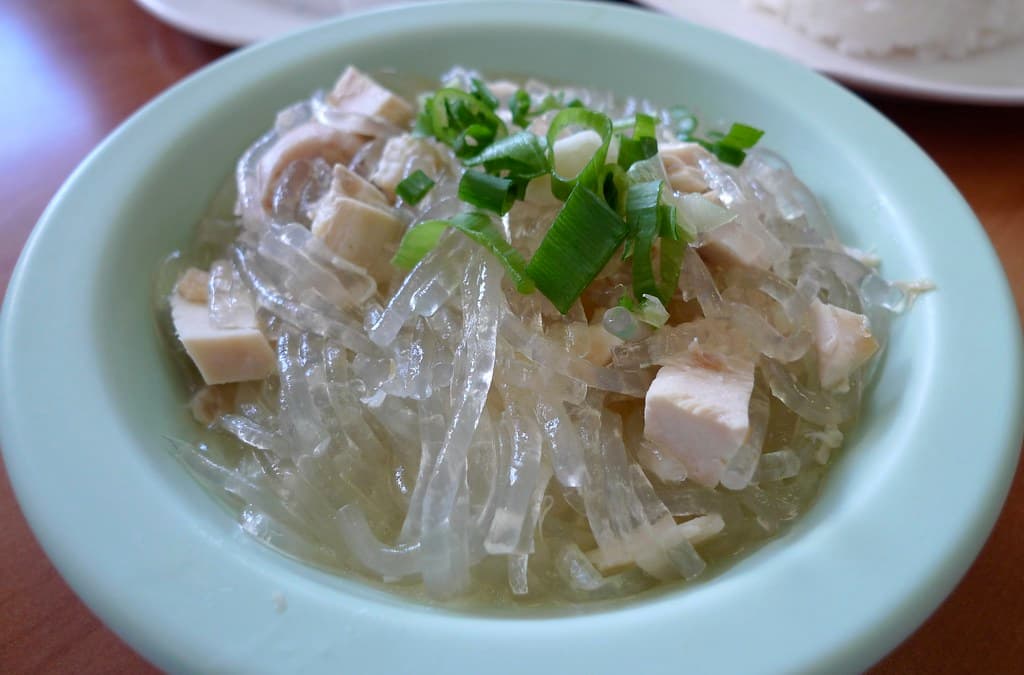
1861-1900
Chicken Long Rice is a comforting Hawaiian side featuring clear mung bean noodles simmered in chicken broth with shredded chicken, garlic, and ginger. This dish evolved through Hawaiian local and immigrant communities, reflecting influences from Asian and Portuguese-American cuisines and becoming a staple at family gatherings.
1776-1800
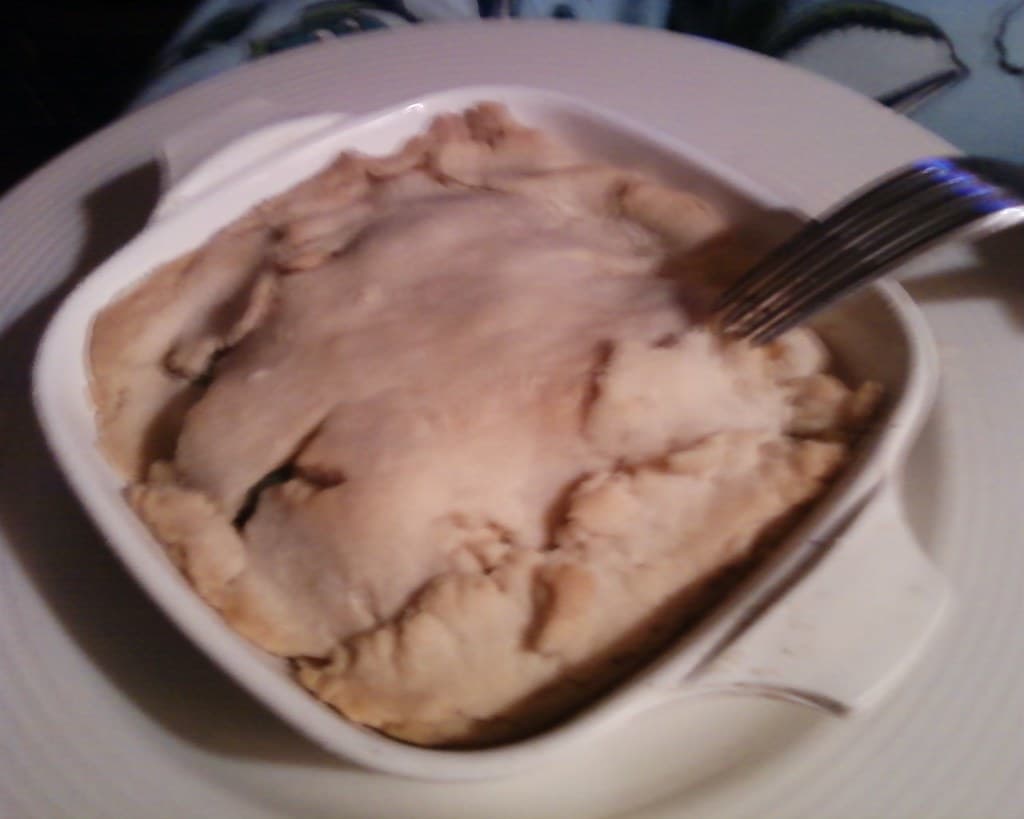
Chicken Pie is a hearty savory pie made with cooked chicken, vegetables, and a flaky pastry crust. Rooted in mid to late 19th-century railroad and boardinghouse cooking, it offered a portable, filling meal for workers and travelers during the Civil War and Reconstruction period, blending practicality with comforting flavors.
1800-1860
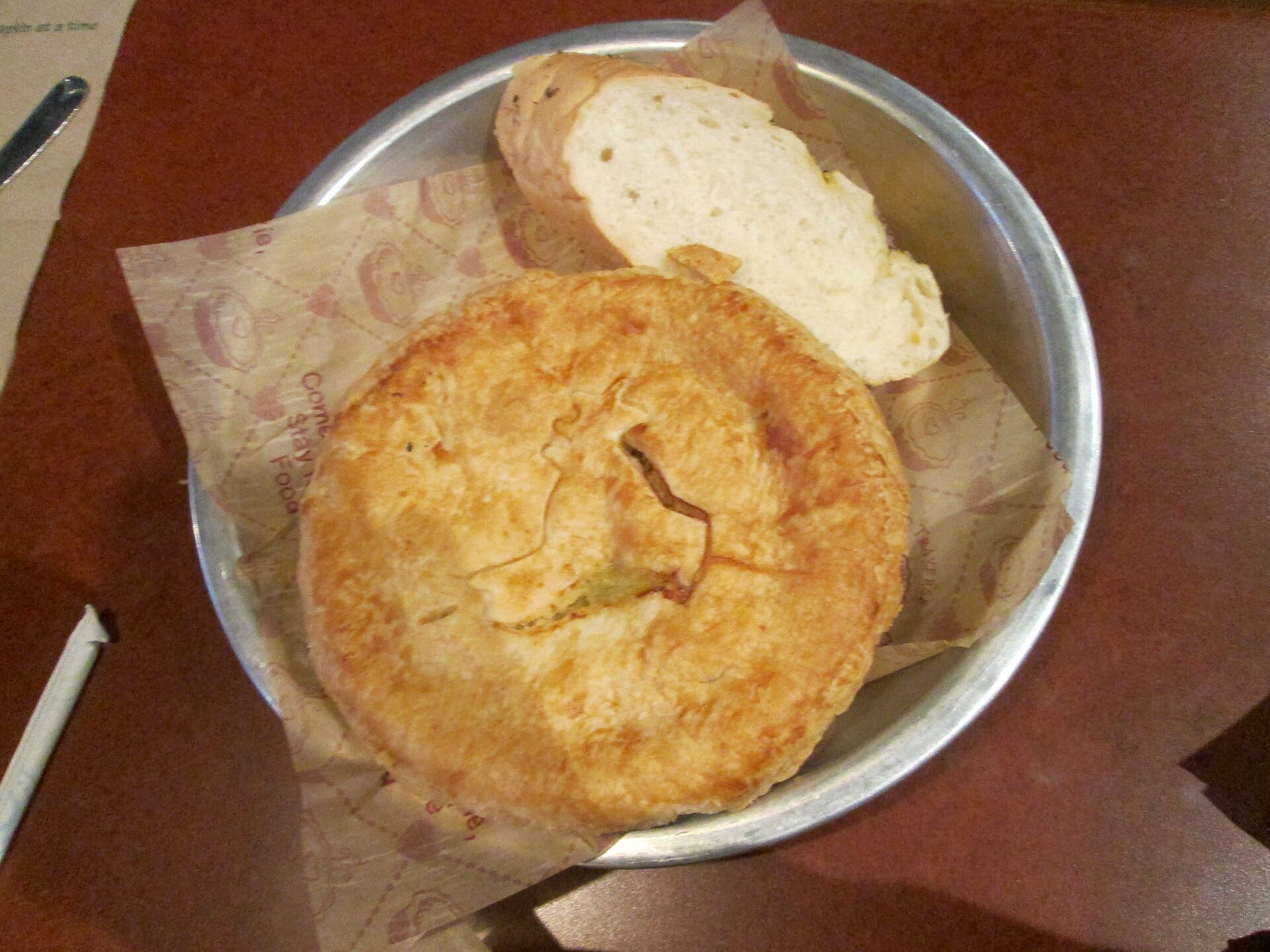
Chicken Pot Pie is a savory dish of chicken and vegetables enveloped in a flaky pastry crust. Emerging in New England and the Mid-Atlantic between 1800 and 1860, it provided a filling meal emphasizing local ingredients and baking traditions, symbolizing comfort food during early American settlement and immigration periods.
America's Melting Pot
Chicken Salad Dressing photo coming soon
1861-1900
Chicken Salad Dressing is a spread with real American table personality: Mayo-based deli and lunch counter culture. It brings flavor from coast-to-coast American tables to cookouts, counters, lunch plates, potlucks, and weeknight suppers.
America's Melting Pot
Chicken Spaghetti photo coming soon
1946-1969
Chicken Spaghetti is a creamy, comforting casserole that became popular in the Midwest during America's postwar prosperity era. Combining cooked chicken, spaghetti noodles, a cheesy sauce, and often vegetables like bell peppers or mushrooms, this dish embodies the freezer-ready casseroles prized in suburban households. With its melding of convenience and homestyle flavor, it reflects the era's suburban family cooking trends.
1800-1860
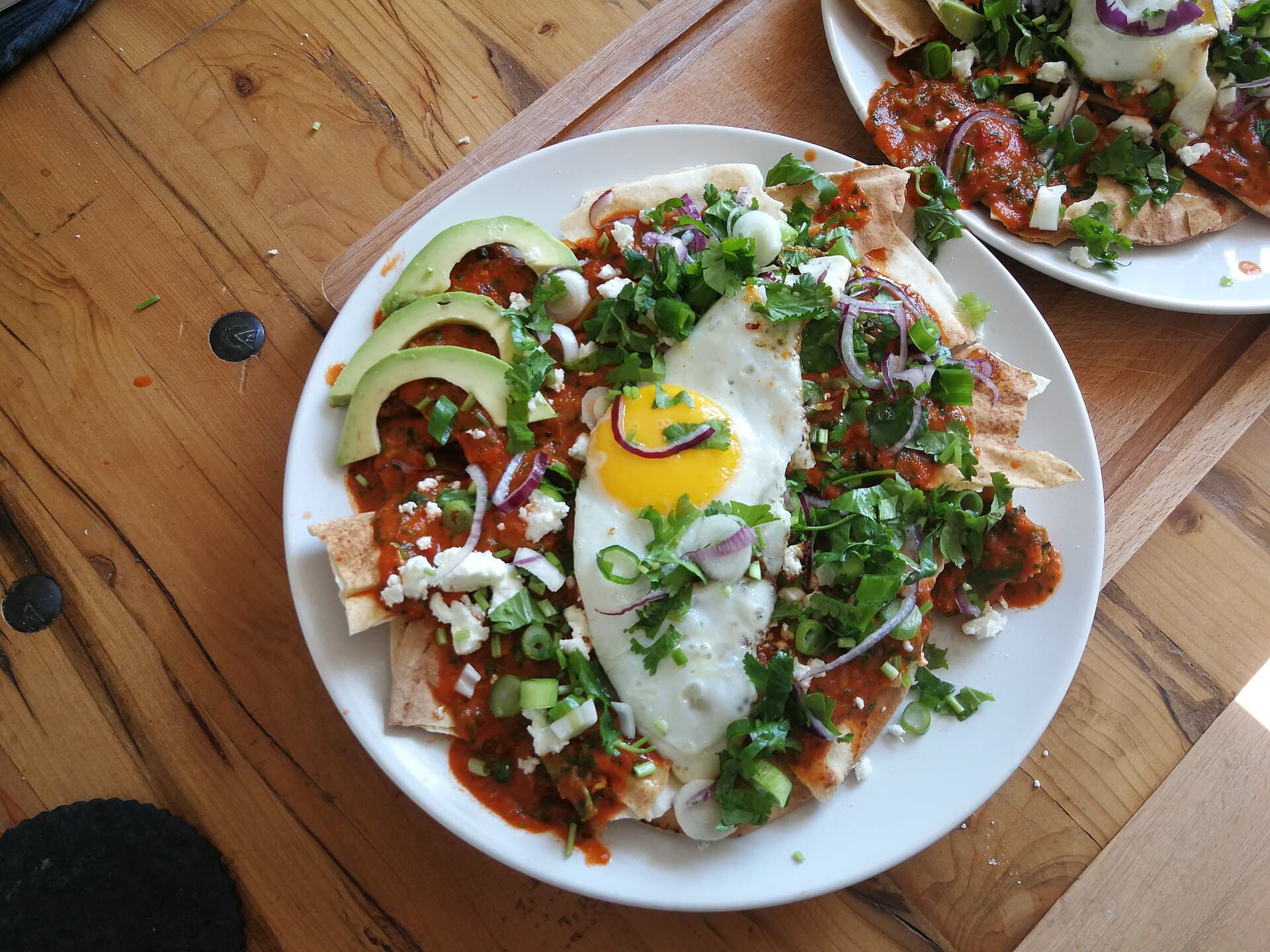
Chilaquiles is a traditional Mexican breakfast dish featuring fried tortilla chips simmered in green or red salsa and topped with cheese, crema, onions, and eggs. Rooted in Mexican-American and Spanish borderlands cooking, it was common in the Southwestern United States during the early 19th century. This dish exemplifies resourceful use of tortillas and reflects deep cultural ties between Spanish, Mexican, and early American frontier cuisines.
America's Melting Pot
Chile con Carne photo coming soon
1800-1860
Chile con Carne is a robust stew combining beef, chili peppers, tomatoes, and spices that became emblematic of Southwestern and Texas cooking in the 19th century. Its roots trace to Mexican-American and Spanish borderlands culinary traditions, adapted by settlers, cowboys, and ranchers. A filling, one-pot meal suited to frontier life, it holds a lasting place in regional American cuisine as a symbol of rustic, spicy comfort food.
America's Melting Pot
Chile con Queso photo coming soon
1970-1989
Chile con Queso is a popular creamy, melted cheese dip blended with chili peppers and seasonings, associated with Tex-Mex cuisine and American tailgate culture from the 1970s and 1980s. Typically served warm with tortilla chips, it became a fast-food, convenience, and party staple reflecting fusion trends and regional pride in American Mexican and Texan foodways.
America's Melting Pot
Chili photo coming soon
1861-1900
Chili is a spicy stew typically featuring meat, beans, chili peppers, and aromatic spices, standing as a quintessential American comfort food with roots in Mexican-American and Southwestern traditions. Its adaptability and richness have made it a popular one-pot meal enjoyed across the United States throughout multiple eras. Chili showcases the blending of frontier and immigrant culinary influences into a hearty, communal dish.
America's Melting Pot
Chili and Cinnamon Rolls photo coming soon
1945-2000
Chili and Cinnamon Rolls is a unique Midwestern comfort food pairing commonly found in school cafeterias and concession stands. Combining a warm bowl of chili with sweet, soft cinnamon rolls offers a blend of savory and sweet flavors reflecting regional preferences in informal or institutional American dining. This meal represents practical, hearty food designed for broad appeal and sustenance in communal eating contexts.
1861-1900
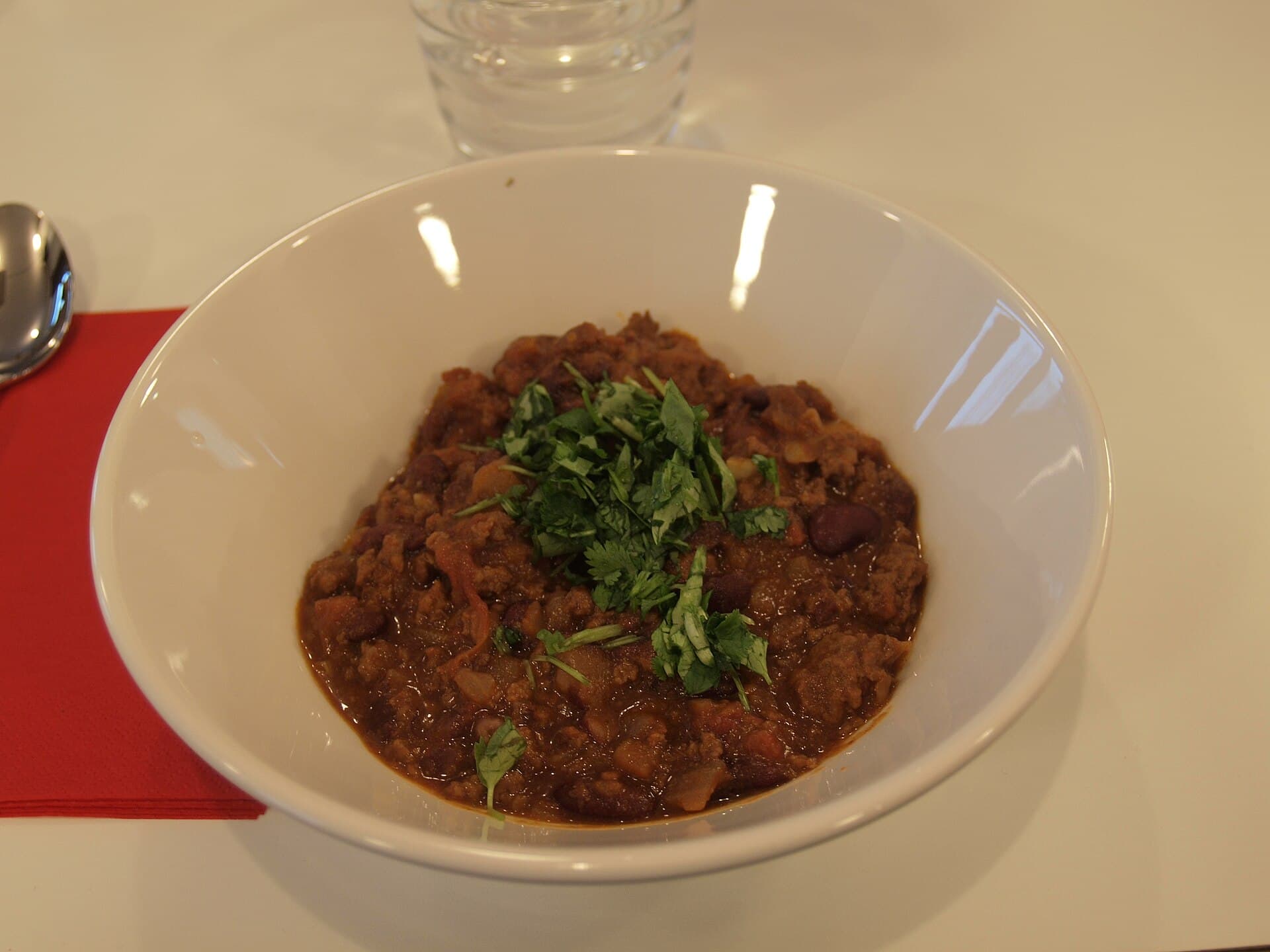
Chili con Carne is a spicy stew of beef, chili peppers, and seasonings integral to Great Plains cuisine post-Civil War. Popular among cattle drivers, settlers, and ranch communities during the late 19th century, this dish represents frontier culinary innovation blending Mexican-American and Southwestern flavors adapted to the rugged Great Plains environment. It remains a symbol of regional food heritage reflecting the era's settlement and cattle trail culture.
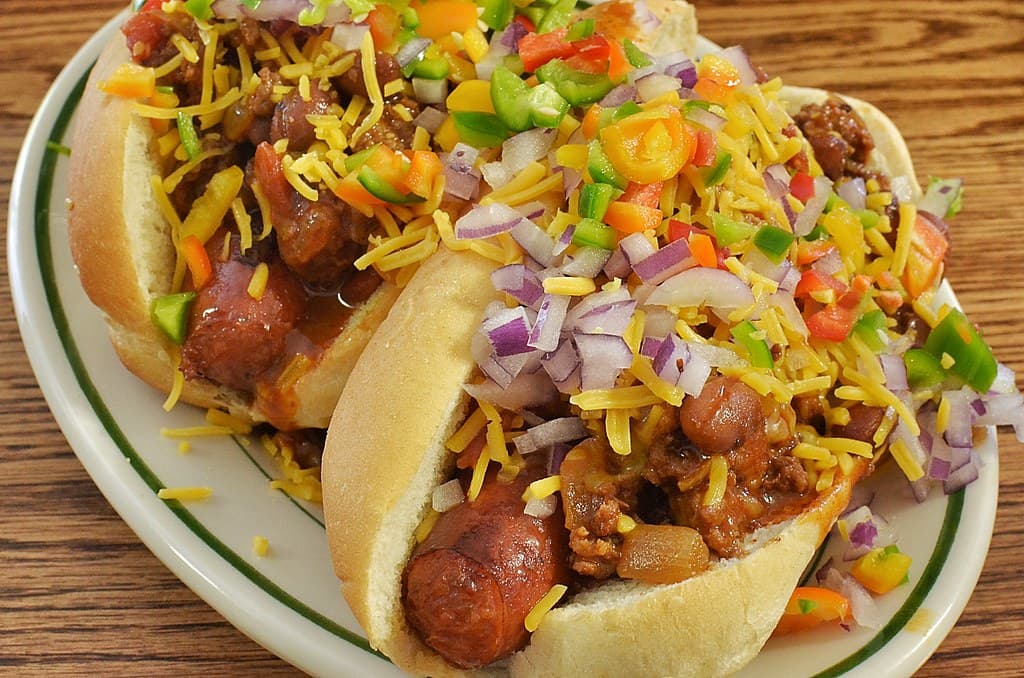
1900-1929
The Chili Dog is a popular American sandwich featuring a hot dog topped with chili, cheese, onions, and mustard. Merging the convenience of the classic hot dog with the bold flavors of chili con carne, this dish reflects American innovation in casual dining and fast food culture. Its origins are broad but rooted in Southwestern and Texan culinary traditions combined with urban sandwich trends, making it a ubiquitous comfort food nationwide.
America's Melting Pot
Chili Dog Sauce photo coming soon
Cross-era
Chili Dog Sauce is a sandwich sauce with real American table personality: Regional hot dog sauce from diners, drive-ins, and ballparks. It brings flavor from Texas and the Southwest to cookouts, counters, lunch plates, potlucks, and weeknight suppers.
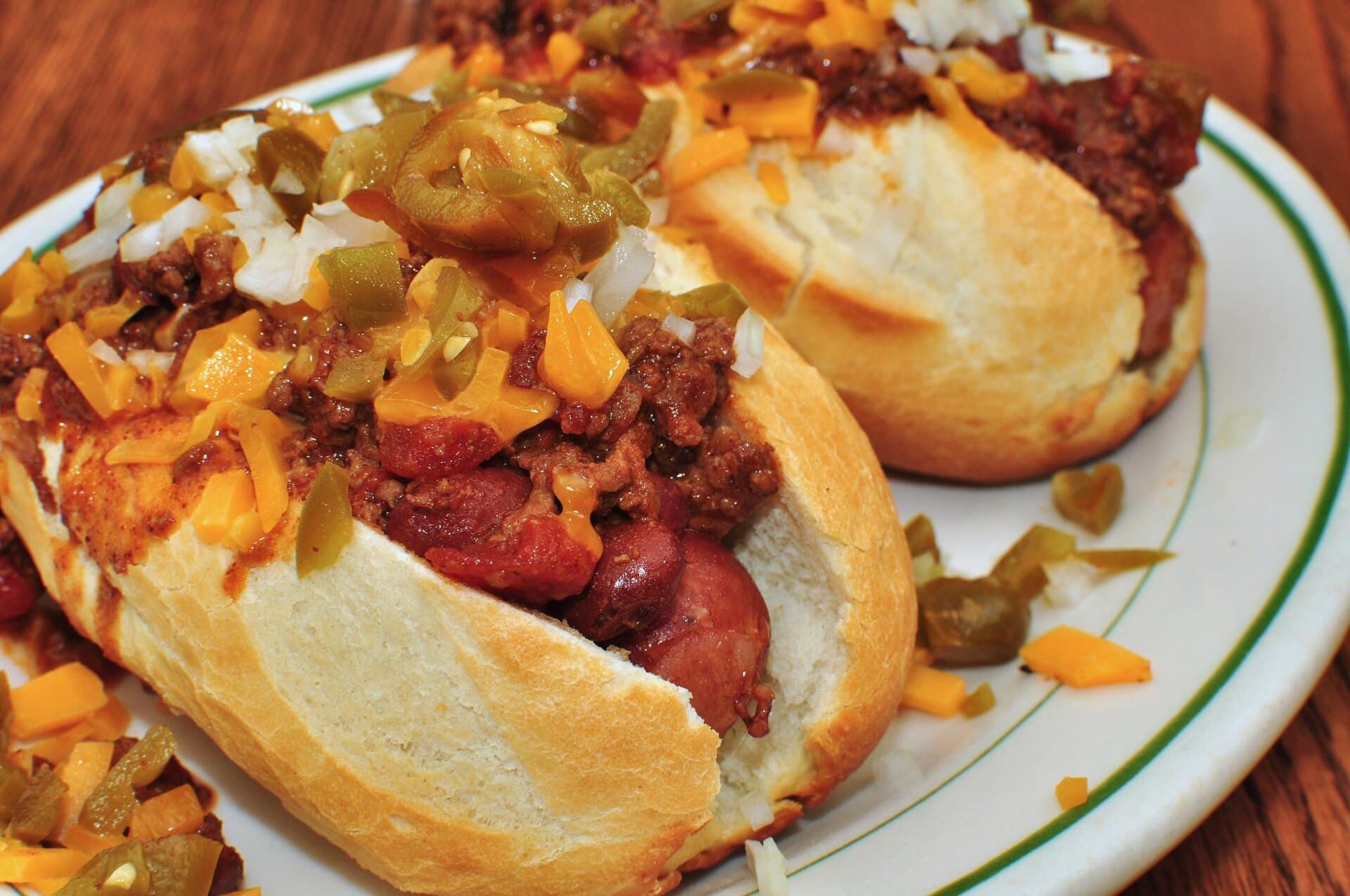
1970-1989
Chili dogs are an American fast-food favorite that combines the simplicity of a hot dog with the rich, spicy flavors of chili. Popular at concession stands, tailgates, and booster clubs from the 1970s through the 1980s, chili dogs reflect the fusion of American convenience food with the influence of Mexican-American and Southwestern cuisines, especially from Texas. This recipe offers a home-cooked version of a nostalgic and casual meal.
America's Melting Pot
Chili Mac photo coming soon
1946-1969
Chili Mac is a classic American casserole melding macaroni pasta with a rich chili sauce, originating from Midwestern comfort food traditions between 1946 and 1969. This dish reflects postwar suburban tastes for easy, freezer-friendly meals that combine convenience with bold, hearty flavor, especially influenced by Tex-Mex ingredients from Southwestern and Mexican-American roots.
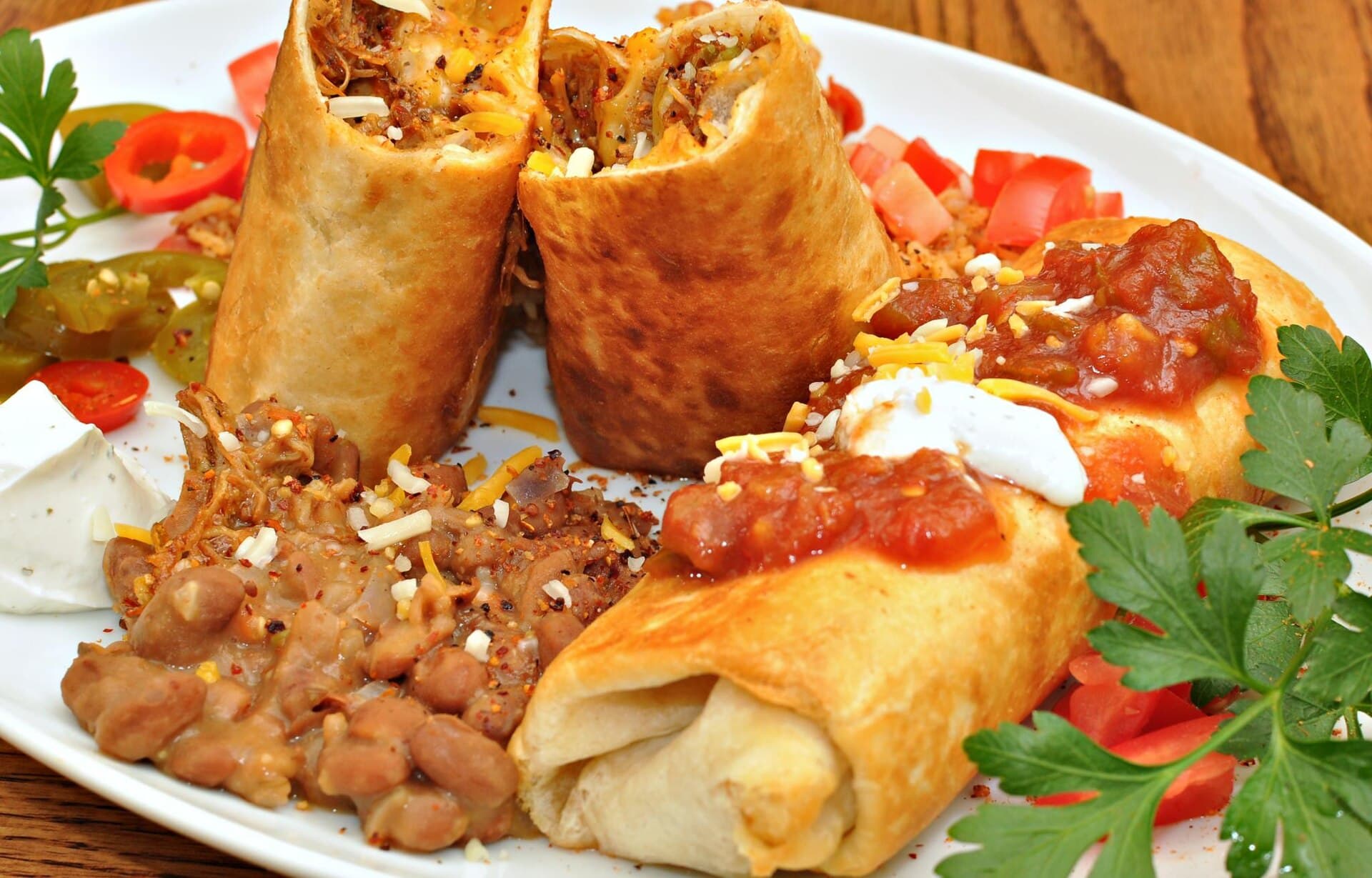
1970-1989
Chimichangas are an iconic Tex-Mex dish featuring deep-fried burritos filled with savory ingredients like meat, cheese, and beans. Emerging in the United States between the 1970s and 1980s, they combine traditional Mexican elements with the American preference for fried foods and convenience. Often enjoyed at tailgates and casual gatherings, chimichangas showcase fusion cuisine blending Mexican-American culinary traditions with fast food culture.
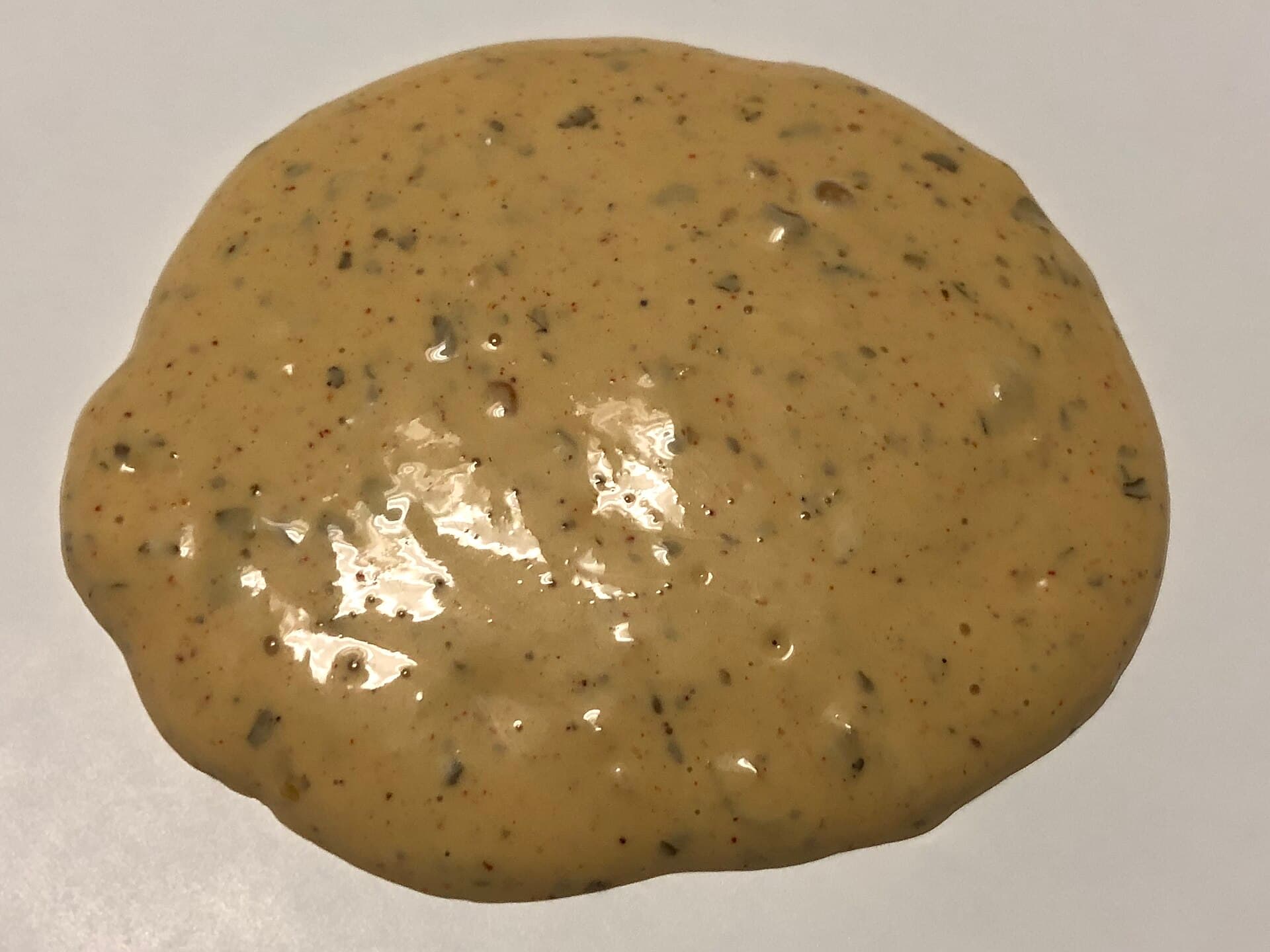
1970-1989
Chipotle Ranch is a dressing with real American table personality: Modern fast-casual American dressing. It brings flavor from coast-to-coast American tables to cookouts, counters, lunch plates, potlucks, and weeknight suppers.
Community recipe submission
Log in to submit a recipe, format it with the cooking companion, and send it for review.
Log in to Submit