
Loading
Setting the table...
Fetching the latest recipes from the archive.
Loading
Fetching the latest recipes from the archive.
Recipe archive
Recipe archive
Search the archive by title, region, ingredient, tag, or era, then sort the table by the view that fits your kitchen.
This archive is growing through recipes, photos, family recipes, and historical context shared by the community.
America's Melting Pot
Cranberry Juice Cocktail photo coming soon
1930-1945
Cranberry Juice Cocktail brings juice-bar color and American smoothie-counter energy to the glass: American cranberry industry drink.
America's Melting Pot
Cranberry Orange Smoothie photo coming soon
Cross-era
Cranberry Orange Smoothie salutes regional fruit country and the American dairy-stand tradition: New England.
1900-1929
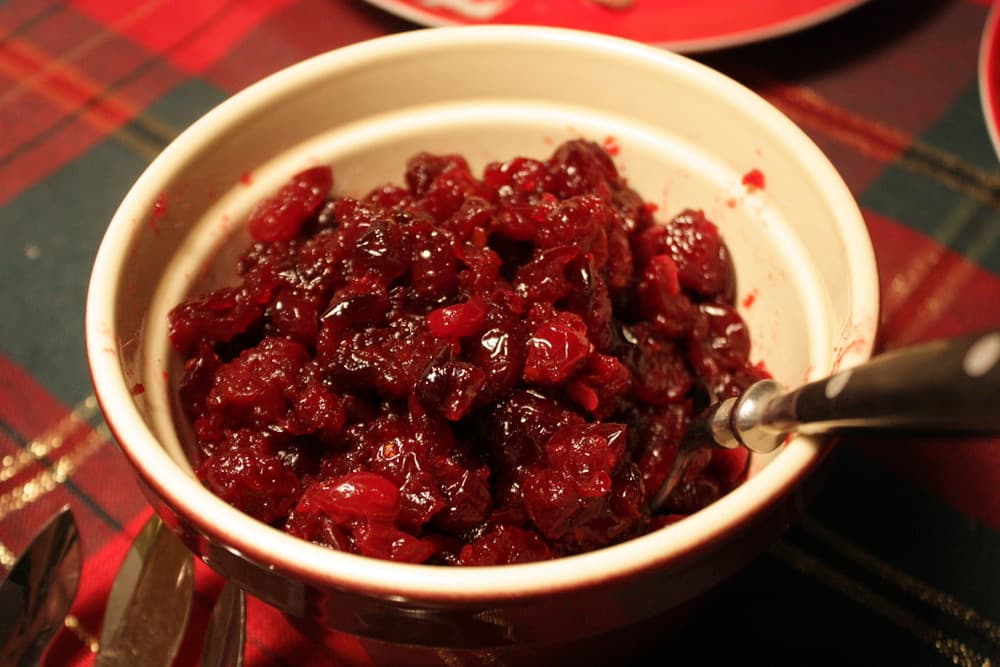
A bright and tangy relish made from freshly chopped cranberries, orange peel, and sugar. A traditional New England side dish commonly served at Thanksgiving and holiday meals.
America's Melting Pot
Cream Cheese and Jezebel Sauce photo coming soon
Cross-era
Cream Cheese and Jezebel Sauce is a spread with real American table personality: Southern holiday tray. It brings flavor from the American South to cookouts, counters, lunch plates, potlucks, and weeknight suppers.
America's Melting Pot
Cream Cheese and Pepper Jelly photo coming soon
Cross-era
Cream Cheese and Pepper Jelly is a spread with real American table personality: Southern party appetizer. It brings flavor from the American South to cookouts, counters, lunch plates, potlucks, and weeknight suppers.
America's Melting Pot
Cream of Wheat photo coming soon
1861-1900
Cream of Wheat is a smooth farina hot cereal made from wheat semolina, popular for American breakfasts since the early 20th century. Known for its creamy texture and mild flavor, it can be enriched with milk, butter, sugar, or spices, offering an energizing start to the day.
America's Melting Pot
Cream Soda Float photo coming soon
1861-1900
Cream Soda Float is fizzy Americana from the soda-fountain counter: Very old-fashioned flavor.
America's Melting Pot
Creamed Chipped Beef on Toast photo coming soon
1900-1929
A nostalgic American diner breakfast or lunch dish featuring creamed chopped beef served on toasted bread, combining simplicity with savory comfort.
America's Melting Pot
Creamed Peas on Toast photo coming soon
1930-1945
Creamed Peas on Toast was a frugal, filling dish common during the Great Depression era, making use of canned or fresh peas in a creamy sauce served over toasted bread. It provided an economical, nourishing meal when resources were scarce, and remains a nostalgic example of Depression-era cooking.
1900-1929
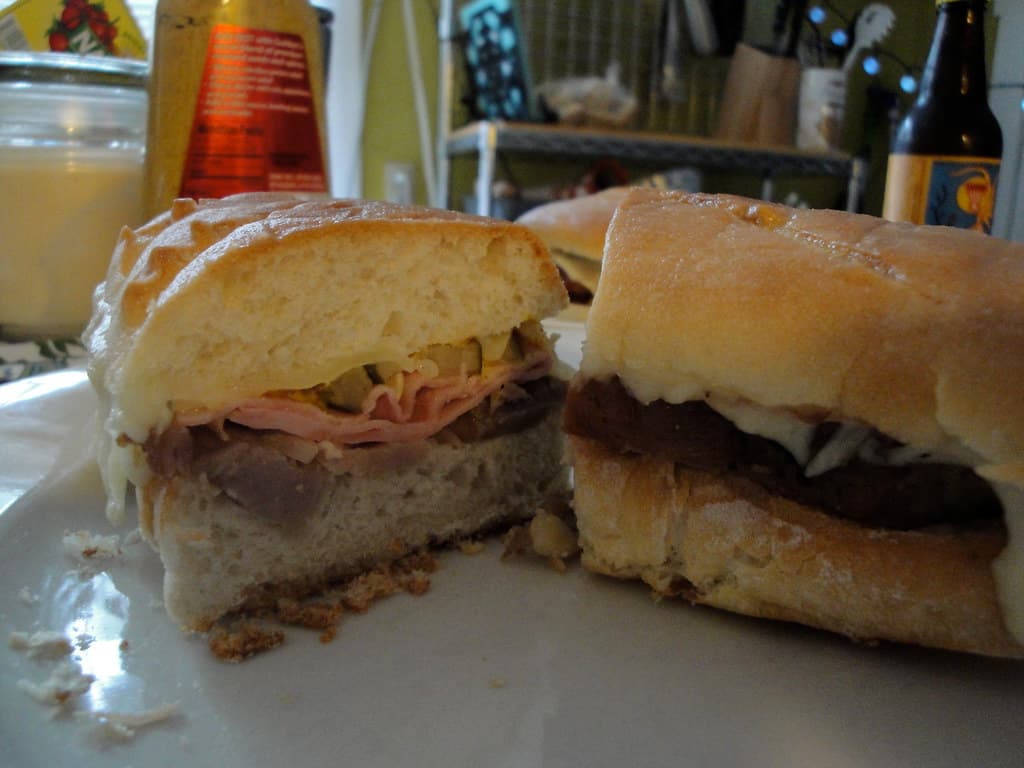
The Cuban sandwich, popularized in American food trucks and street foods, blends Cuban and American flavors into a pressed sandwich of roast pork, ham, Swiss cheese, pickles, and mustard on Cuban bread. Its appeal spans from food markets to air fryer adaptations, gaining viral popularity in recent years.
America's Melting Pot
Cucumber Salad photo coming soon
1900-1929
This cool cucumber salad is a staple among Polish, Czech, Slovak, and other Eastern European-American communities in early 20th-century immigrant cities. Served often in diners and at state fairs, it features thinly sliced cucumbers dressed with sour cream, fresh dill, onions, and vinegar for a tangy, refreshing side.
America's Melting Pot
Dandelion Salad photo coming soon
1930-1945
During the Great Depression era, home cooks turned to foraging and victory gardens for nutritious ingredients. The dandelion salad utilizes wild dandelion greens, dressed simply to provide a fresh, slightly bitter salad reflecting the resourcefulness of 1930s and 1940s American kitchens.
America's Melting Pot
Date Shake photo coming soon
1900-1929
The date shake is a popular drink from California's West Coast, especially the Coachella Valley, blending fresh dates with milk and ice cream to create a rich, naturally sweet milkshake. Its popularity spans decades and is a regional favorite for refreshing treats.
America's Melting Pot
Denver Omelet photo coming soon
1900-1929
The Denver omelet, a diner and lunch counter staple, blends diced ham, green bell peppers, onions, and cheddar cheese folded into eggs. Popularized in early 20th-century American immigrant cities, it remains a hearty breakfast favorite at state fairs and casual diners.
America's Melting Pot
Depression Soup photo coming soon
1930-1945
Depression soup is a simple, hearty soup made from inexpensive vegetables, beans, and pantry staples to stretch limited resources. Rooted in 1930s and 1940s home cooking, it embodies the resourcefulness of families coping with economic hardship.
1861-1900
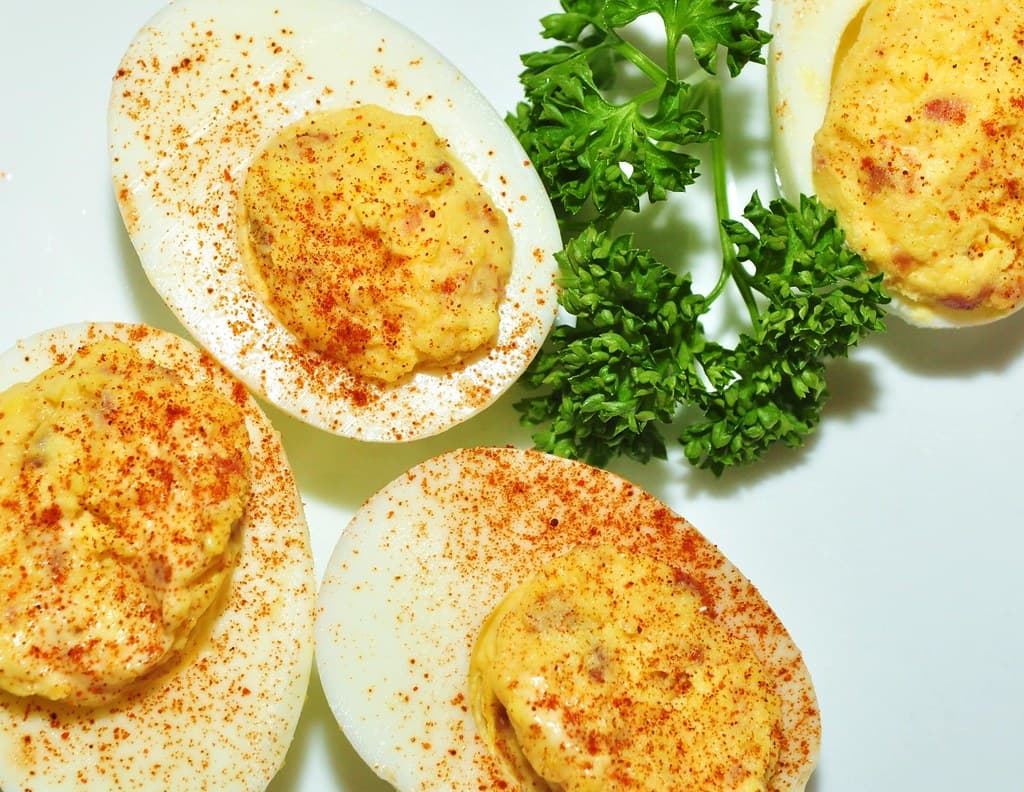
Deviled eggs are hard-boiled eggs halved and filled with a creamy, tangy yolk mixture. Commonly served at schools, churches, and community gatherings since the early 1900s, they are a familiar finger food across state fairs, holiday tables, and diners, especially at Fourth of July and Easter celebrations.
America's Melting Pot
Deviled Ham Sandwiches photo coming soon
1861-1900
Deviled ham sandwiches emerged during the World War II home front era as an economical and flavorful way to stretch limited meat supplies. Ground cured ham mixed with spices created a spread ideal for sandwiches in Depression and wartime kitchens.
America's Melting Pot
Deviled Ham Spread photo coming soon
1861-1900
Deviled ham spread became a popular party and tailgate food during the 1970s, combining canned deviled ham with tangy mayonnaise, spices, and sometimes cream cheese. Served with crackers or bread, it was a convenience food favorite at family gatherings and casual celebrations.
America's Melting Pot
Double Chocolate Malt photo coming soon
1900-1929
Double Chocolate Malt pours old-school malt-shop cheer into a cold glass: Chocolate ice cream plus chocolate syrup.
America's Melting Pot
Dr Pepper Float photo coming soon
Gilded Age & Progressive Era
Dr Pepper Float is fizzy Americana from the soda-fountain counter: Texas/Southern soda fountain favorite.
America's Melting Pot
Drawn Butter photo coming soon
Cross-era
Drawn Butter is a seafood sauce with real American table personality: Lobster, crab, clams, and New England shore dinner tradition. It brings flavor from New England to cookouts, counters, lunch plates, potlucks, and weeknight suppers.
America's Melting Pot
Drawn Butter with Lemon photo coming soon
Cross-era
Drawn Butter with Lemon is a spread with real American table personality: Lobster shack culture. It brings flavor from New England to cookouts, counters, lunch plates, potlucks, and weeknight suppers.
America's Melting Pot
Dreamsicle Shake photo coming soon
Postwar & Diner Age
Dreamsicle Shake carries the bright, frothy spirit of American mall counters: Orange and vanilla shake.
1930-1945
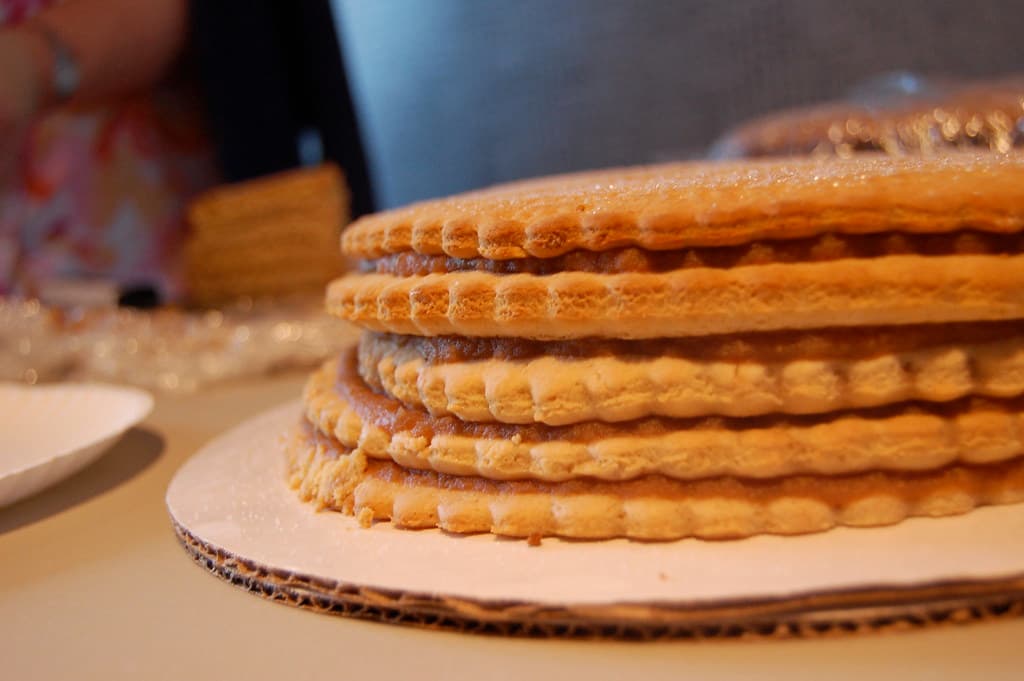
The dried apple stack cake is a layered cake made with dried apple filling between thin cakes, originating in Appalachia during the Dust Bowl and Depression era. It was a practical dessert using dried fruit, emblematic of resourceful farm survival cooking.
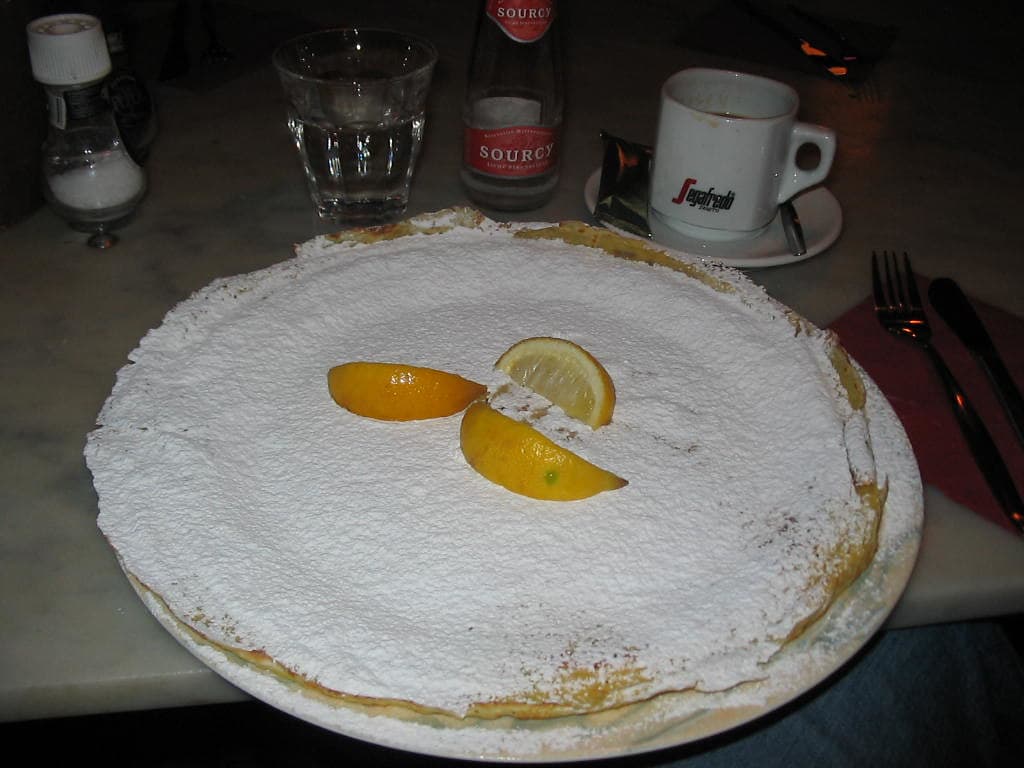
1900-1929
The Dutch Baby is a large, puffy, oven-baked pancake known for its golden, crisp edges and soft, custardy center. It is typically flavored with lemon or powdered sugar and served hot. Thought to have origins tied to German pancakes and popularized in American brunch culture, it offers a simple yet impressive breakfast treat.
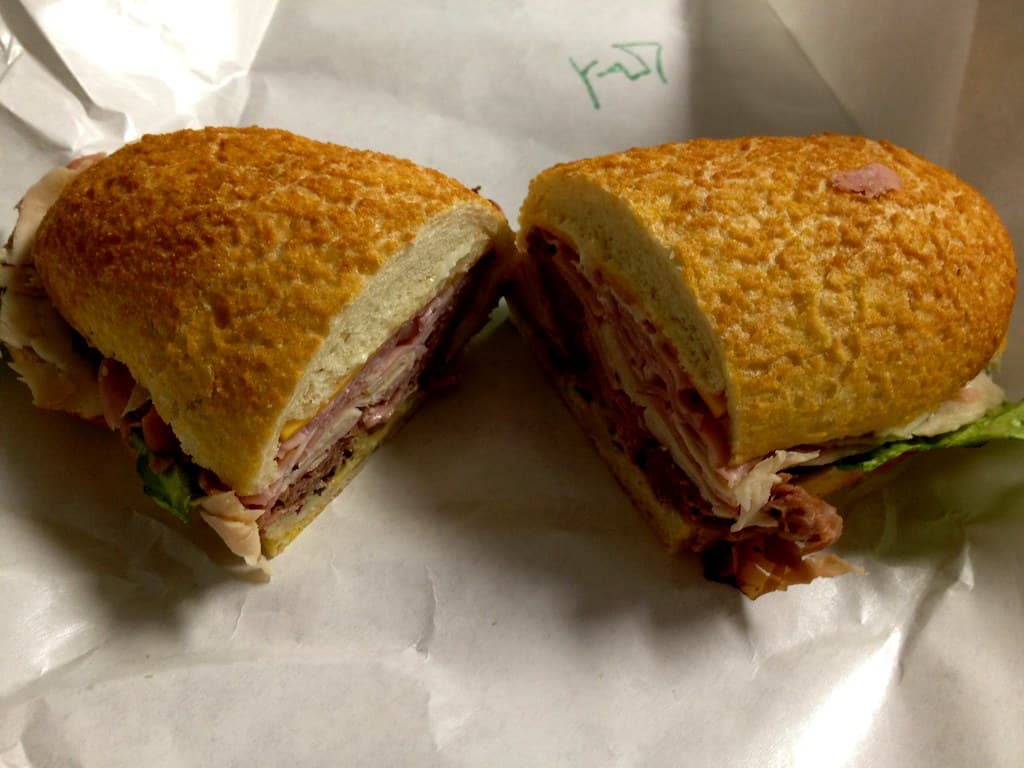
1900-1929
A sandwich made with Dutch Crunch bread, characterized by its crackly, mottled crust. Filled typically with deli meats, cheese, and vegetables, this sandwich is a West Coast regional favorite named for its distinctive bread texture rather than any Dutch origin.
America's Melting Pot
East Texas Chopped Beef photo coming soon
1900-1929
East Texas Chopped Beef is a barbecue style where beef brisket or chuck is smoked low and slow, then chopped and mixed with a tangy tomato-based sauce. The chopped meat is typically served on sandwich buns with pickles and onions, embodying East Texas barbecue traditions.
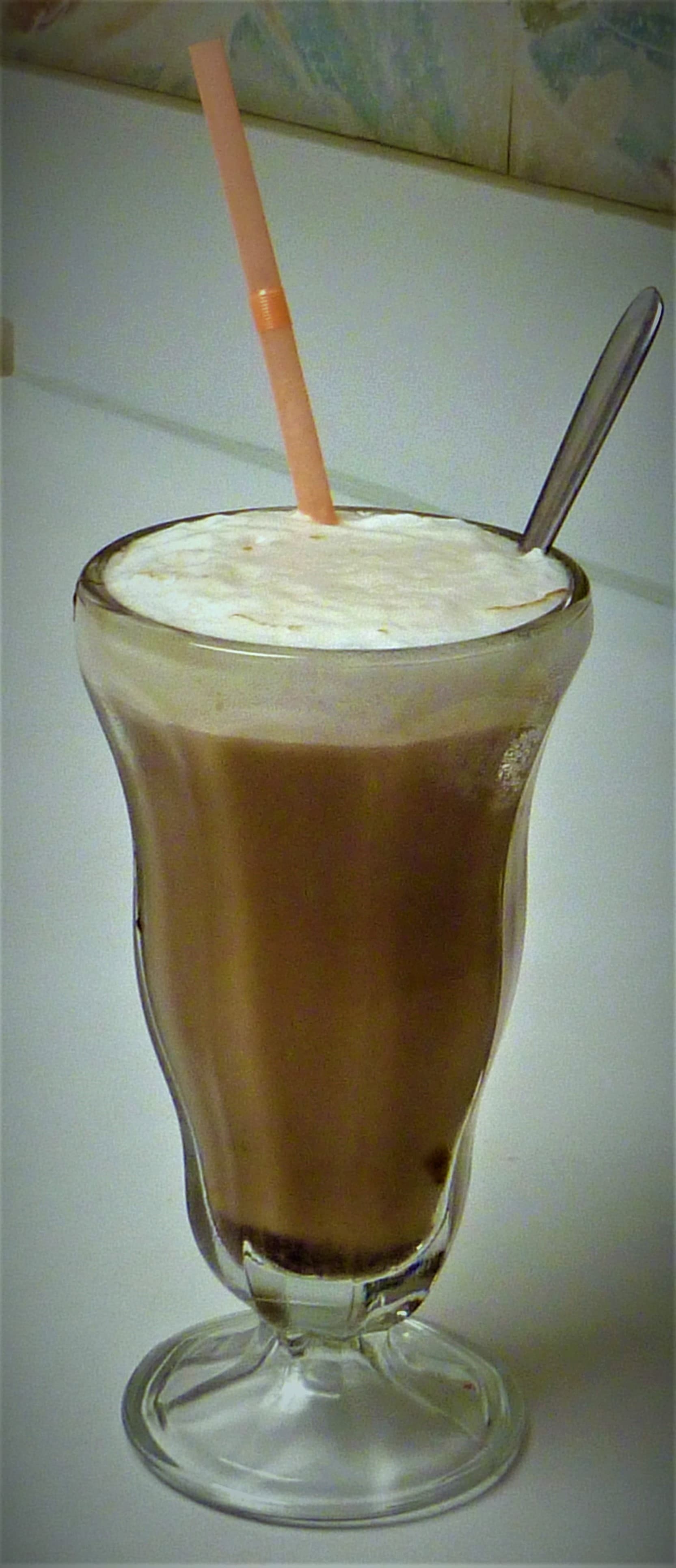
1900-1929
An Egg Cream is a nostalgic New York City fountain drink made from milk, carbonated water, and chocolate syrup. Despite its name, it contains no egg or cream and is served iced in a tall glass, celebrated for its frothy head and sweet, chocolatey flavor.
America's Melting Pot
Egg Rolls photo coming soon
1930-1945
Egg Rolls are deep-fried rolls filled with a mixture of meats, vegetables, and noodles, popularized in Chinese-American cuisine during the early 20th century. Adapted for American tastes, they are a staple appetizer at diners and takeout venues across the U.S.
America's Melting Pot
Egg Salad Dressing photo coming soon
1861-1900
Egg Salad Dressing is a spread with real American table personality: Diner, deli, picnic, and funeral lunch food. It brings flavor from coast-to-coast American tables to cookouts, counters, lunch plates, potlucks, and weeknight suppers.
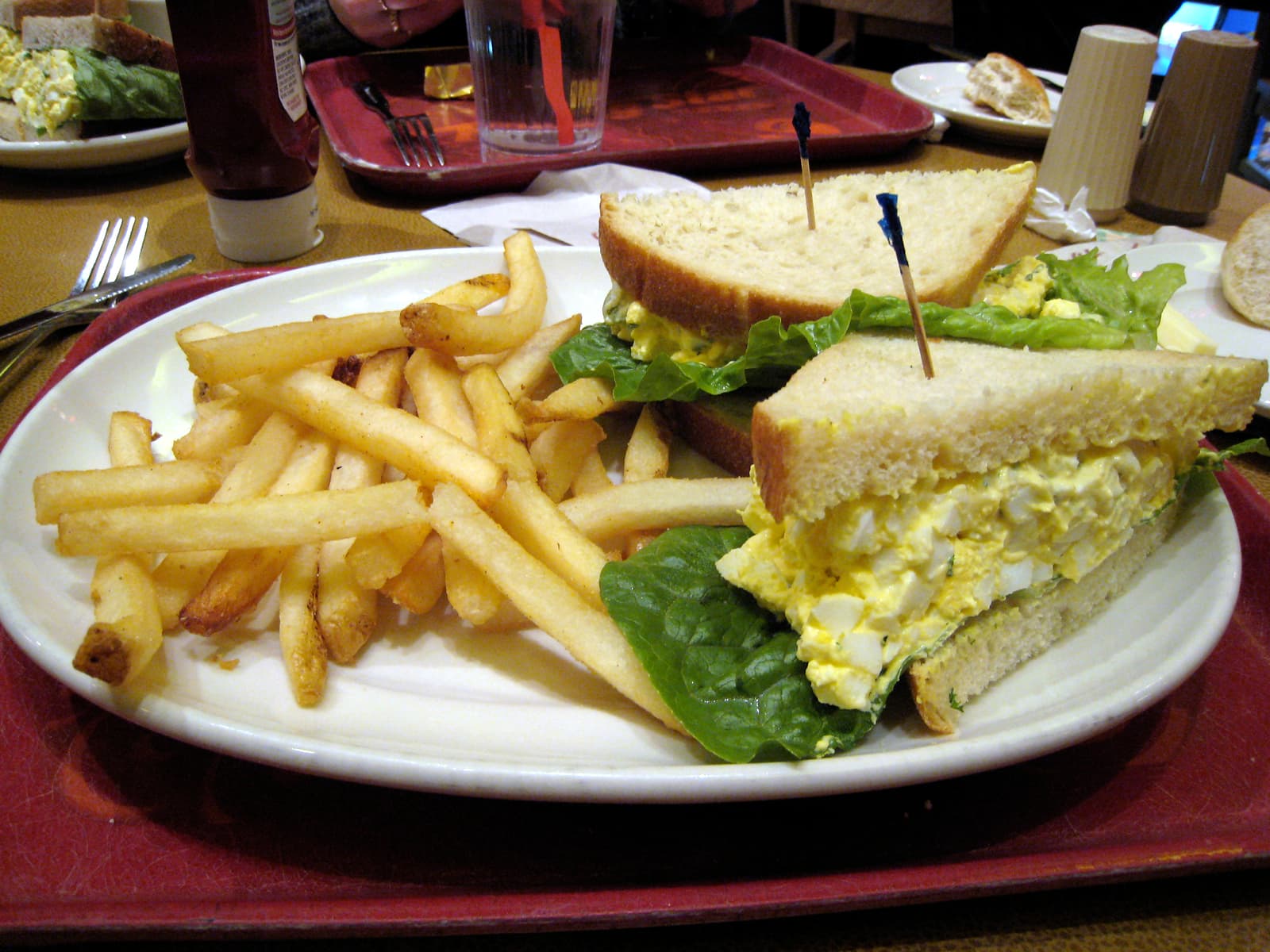
1861-1900
The Egg Salad Sandwich features chopped hard-boiled eggs mixed with mayonnaise and seasonings, served between slices of bread. A staple of American diners and lunch counters since the early 20th century, simple yet satisfying with variations in add-ins and bread choice.
America's Melting Pot
Eggless Cake photo coming soon
1930-1945
Eggless Cake was a popular baking solution on the World War II home front when eggs were in short supply. Using common pantry ingredients, these cakes provided a sweet treat while conserving rationed items. The recipes showcase adaptability and resourcefulness of wartime American cooks.
America's Melting Pot
Eggnog Shake photo coming soon
1900-1929
Eggnog Shake pours old-school malt-shop cheer into a cold glass: Christmas fast-food and diner seasonal drink.
America's Melting Pot
Eggs Benedict photo coming soon
1861-1900
Eggs Benedict is a classic American brunch dish featuring English muffins topped with Canadian bacon, poached eggs, and rich hollandaise sauce. Though its origins are debated, it has become an iconic part of the American breakfast table.
America's Melting Pot
Elephant Ears photo coming soon
1900-1929
Elephant Ears are large, thin, fried dough pastries typically coated with cinnamon sugar or other sweet toppings. A favorite at state fairs and carnivals, they offer a crispy, warm, and indulgent treat enjoyed by American families since the early 20th century.
America's Melting Pot
Elk Burgers photo coming soon
1900s-present
Elk Burgers offer a lean and flavorful alternative to traditional beef, made popular in hunting and cabin contexts. The ground elk meat is seasoned and grilled or pan-fried, served in sandwich form, representing a connection to American hunting and outdoor culinary traditions.

1900-1929
Etouffee is a classic Cajun stew made by smothering shellfish in a rich, flavorful roux-based sauce with vegetables and spices. This versatile one-pot dish has deep roots in Louisiana's culinary traditions and is a staple in Southern U.S. cuisine, enjoyed across eras.
America's Melting Pot
Extra-Thick Shake photo coming soon
Postwar & Diner Age
Extra-Thick Shake is thick, spoonable frozen-custard stand fun: Drive-in and burger chain version.
1946-1969
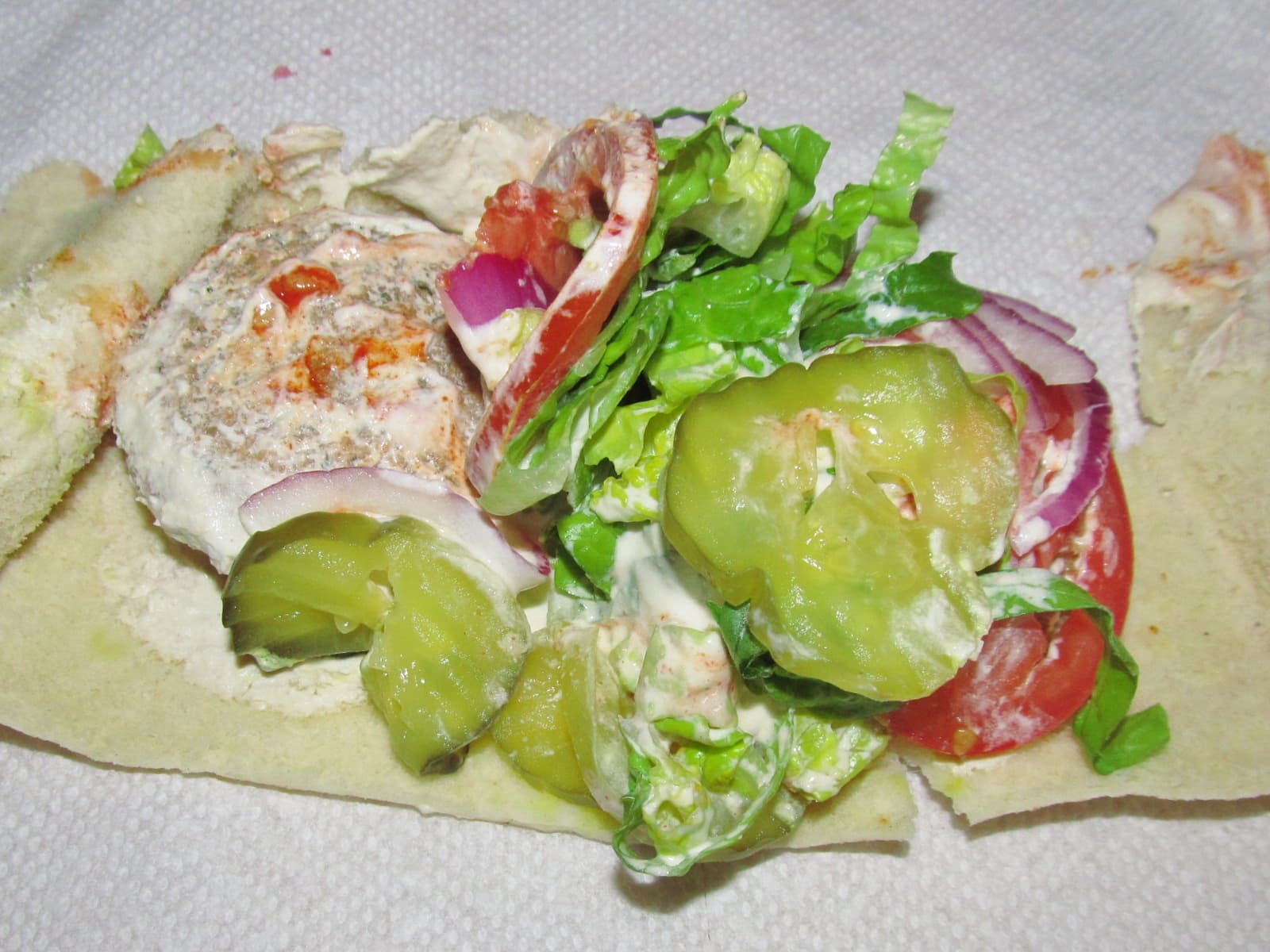
Falafel are deep-fried patties or balls made primarily from chickpeas and herbs, common in Middle Eastern cuisine and widely adopted in the U.S. by immigrant communities. From 1990 to 2009, falafel became a staple of global suburban American diets, featured in food networks and growing coffee shop menus as a popular vegetarian sandwich source.
America's Melting Pot
Falafel Wraps photo coming soon
1946-1969
Falafel wraps are falafel patties served inside flatbreads or pita pockets with fresh vegetables and sauces, a popular street food and food truck item since 2010. This handheld meal blends traditional Middle Eastern flavors with American street food culture and new fusion trends.
America's Melting Pot
Farmhouse Hash photo coming soon
1930-1945
Farmhouse Hash is a resourceful, filling dish combining potatoes, root vegetables, and available proteins cooked together, typical of Depression-era and Dust Bowl survival cooking. It reflects home cooks' adaptability during austerity, utilizing garden and pantry staples in one-pan meals.
1900-1929
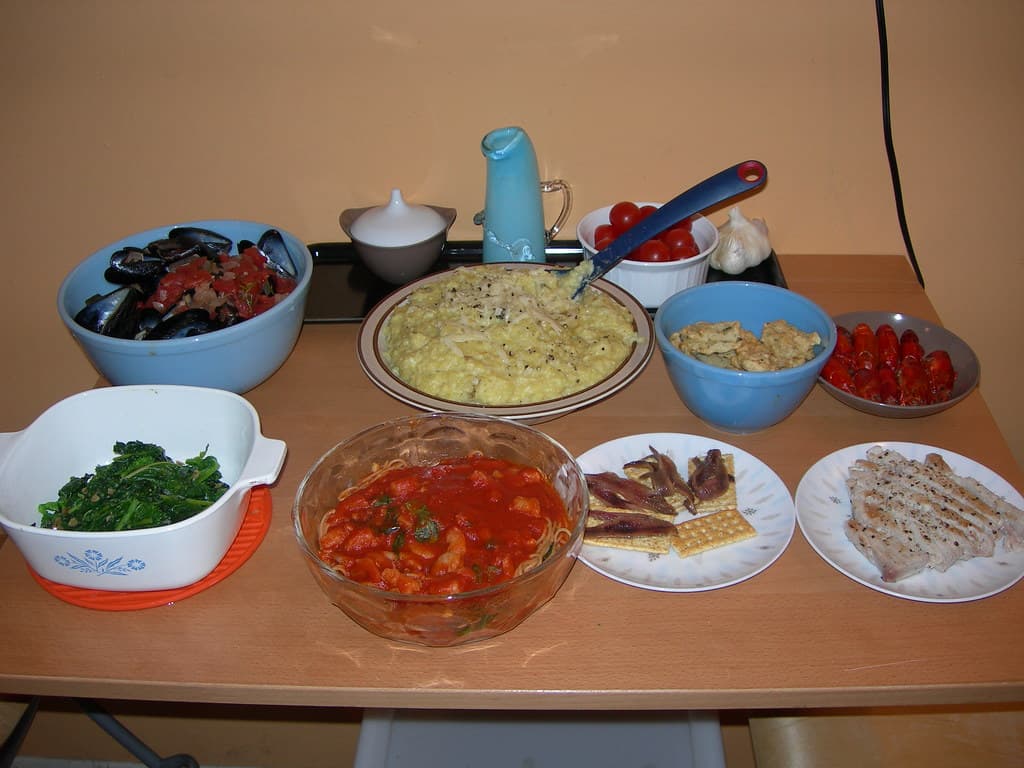
The Feast of the Seven Fishes is a traditional Italian-American Christmas Eve celebration featuring seven different seafood dishes. Rooted in Italian Catholic fasting customs, it has evolved into a special communal meal enjoyed throughout the United States across eras as part of holiday traditions.
America's Melting Pot
Feta Omelet photo coming soon
1900-1929
Feta Omelet is a savory breakfast or brunch dish featuring eggs cooked with salty feta cheese and often fresh herbs. Rooted in Greek-American culinary influence, it was popular in American diners, lunch counters, and state fairs in the early 20th century.
1900-1929
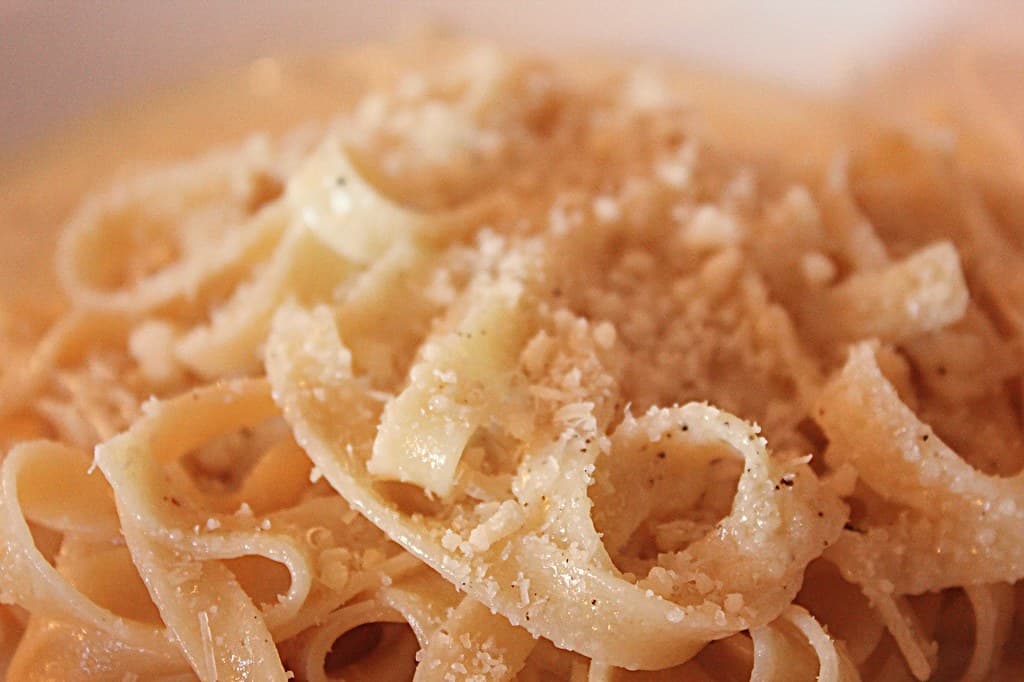
Fettuccine Alfredo is a rich pasta dish made with fettuccine noodles tossed in a creamy sauce of butter and Parmesan cheese. Though originating in Italy, it became widely popularized and adapted in American family restaurants and chain eateries during the late 20th and early 21st centuries.
America's Melting Pot
Field Biscuits photo coming soon
1930-1945
Field Biscuits are basic, hearty biscuits commonly prepared for military meals and mess halls during the Great Depression and World War II. They exemplify economical baking with minimal ingredients designed for mass production and nourishment.
America's Melting Pot
Florida Key Lime Shake photo coming soon
Cross-era
Florida Key Lime Shake salutes regional fruit country and the American dairy-stand tradition: Florida.
1900-1929
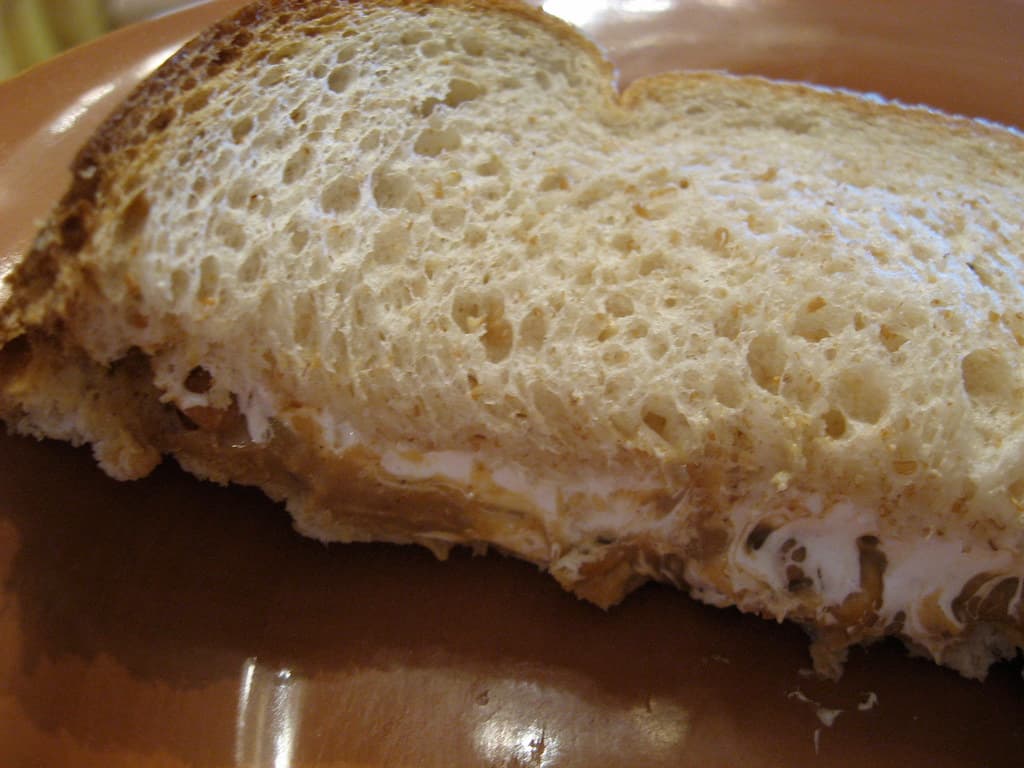
Fluffernutter sandwiches combine creamy peanut butter with sweet marshmallow fluff spread between slices of white bread. Originating in the Northeastern United States, this simple sandwich became a beloved comfort food symbolizing childhood nostalgia.
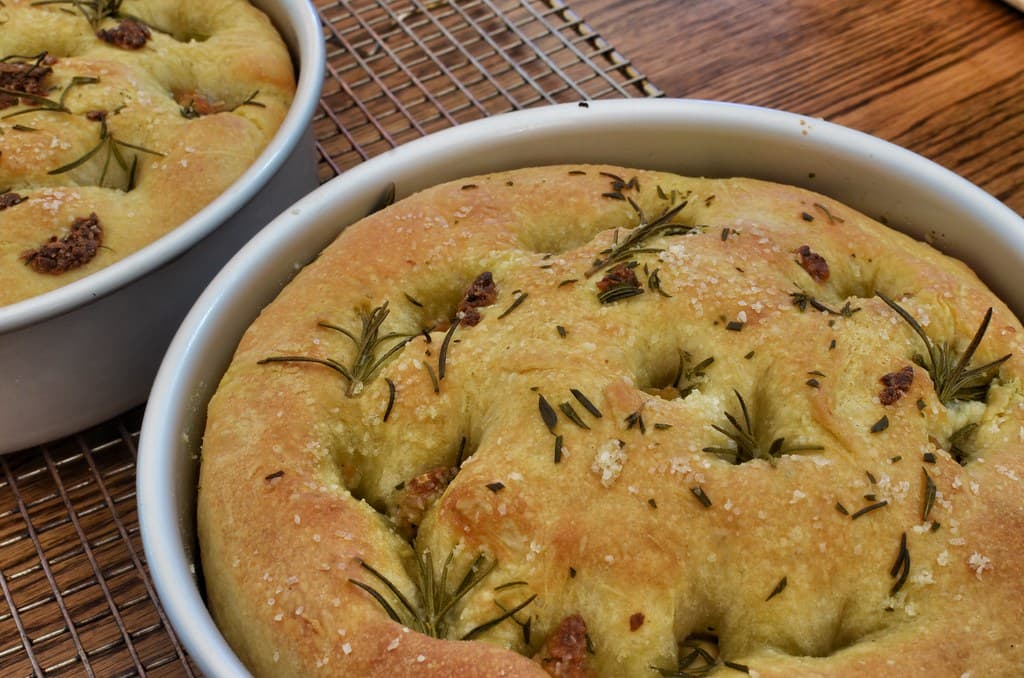
1900-1929
Focaccia is a flat Italian-style bread seasoned with olive oil, herbs, and often sea salt. Italian immigrants introduced focaccia to the United States during the late 19th century, adapting Old World baking techniques to American ingredients, thus becoming a beloved Italian-American staple bread.
America's Melting Pot
Foil Packet Dinners photo coming soon
1946-1969
Foil packet dinners are meals assembled and sealed in aluminum foil for cooking on grills, ovens, or campfires. Popularized during postwar suburban growth, these flexible recipes emphasize ease, portability, and minimal cleanup for casual family meals and outdoor gatherings.
America's Melting Pot
Foraged Greens photo coming soon
1930-1945
Foraged greens include a variety of wild edible plants collected from fields and forests, used as food during the Civil War due to scarcity and nutritional need. These hardy greens were often boiled or fried to supplement diets in difficult times.
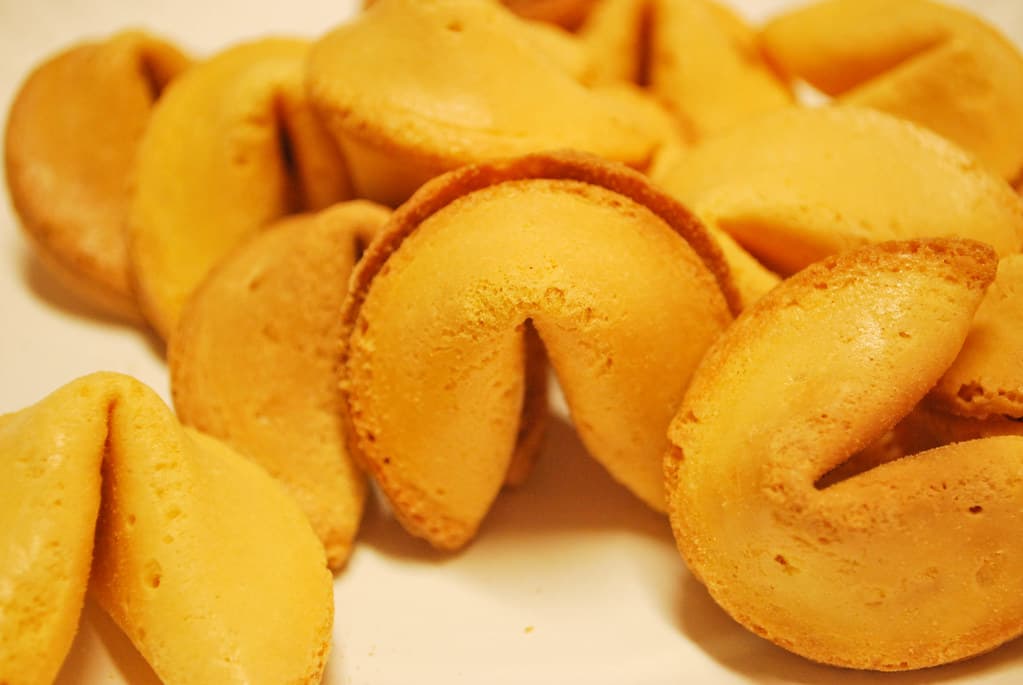
1900-1929
Fortune cookies are thin, crisp cookies folded to hold a paper slip with a message or fortune inside. Although commonly associated with Chinese-American restaurants, their origins trace back to early 20th-century immigrant communities, blending Asian and American culinary influences.
America's Melting Pot
French Dip photo coming soon
1900-1929
The French dip sandwich features thin roasted beef piled in a crusty roll and served with a side of hot beef broth (au jus) for dipping. Originating in mid-20th-century America, it became a restaurant staple embodying casual dining appreciation for French-style meats and sauces.
America's Melting Pot
Fribble-Style Shake photo coming soon
Postwar & Diner Age
Fribble-Style Shake is thick, spoonable frozen-custard stand fun: Friendly's-style thick milkshake.
America's Melting Pot
Fried Bologna Sandwich photo coming soon
1930-1945
The fried bologna sandwich consists of slices of bologna pan-fried until browned, served on white bread with condiments. A simple, nostalgic sandwich commonly found in American delis and home kitchens throughout the 20th century.
America's Melting Pot
Fried Cabbage photo coming soon
1930-1945
Fried cabbage is thinly sliced cabbage sauteed with onions and seasonings until tender and slightly caramelized. It became a popular economical side dish during the Great Depression, reflecting resourcefulness and simplicity in American kitchens.
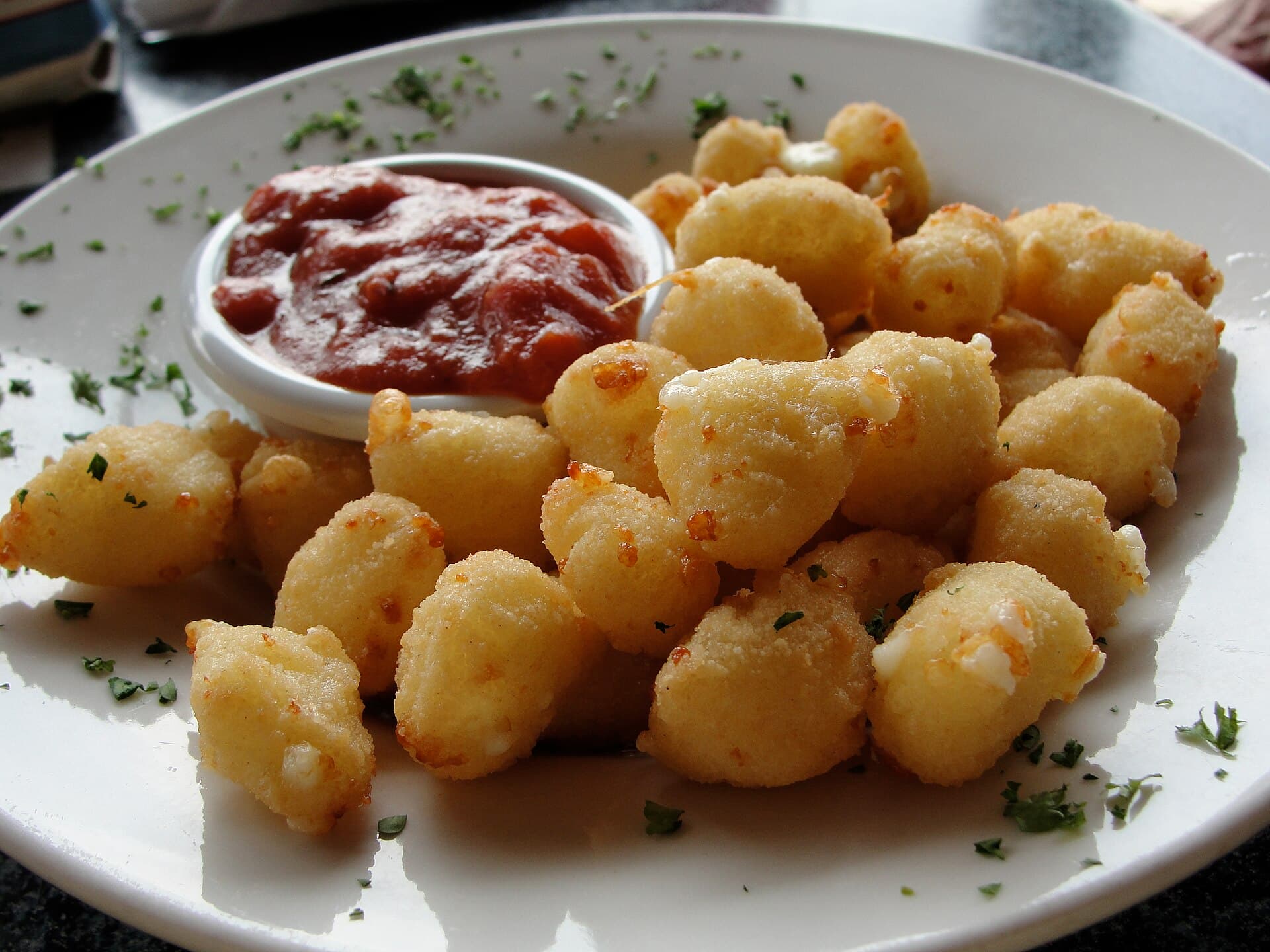
1900-1929
Fried cheese curds are a popular snack in the Midwest featuring bite-sized fresh cheese curds, breaded and deep fried until golden and melty. Often found at state fairs and diners, this dish showcases immigrant-influenced comfort food from early 20th century America.
America's Melting Pot
Fried Clam Sauce photo coming soon
Cross-era
Fried Clam Sauce is a seafood sauce with real American table personality: New England tartar/lemon seafood shack tradition. It brings flavor from New England to cookouts, counters, lunch plates, potlucks, and weeknight suppers.
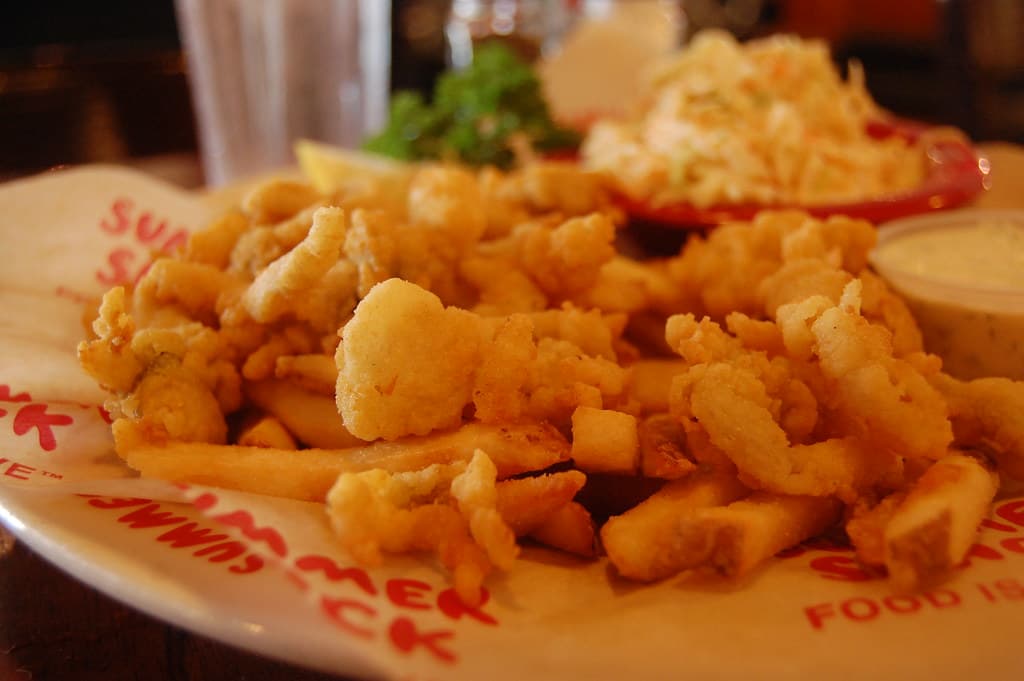
1900-1929
Fried clams are coated fresh clams, breaded and deep fried into a crunchy, flavorful seafood snack or main. A New England classic often served with tartar sauce, this dish has roots in coastal seafood traditions.
America's Melting Pot
Fried Dough photo coming soon
1900-1929
Fried dough is a crispy, golden fried bread dough treat commonly sold at fairs, carnivals, and carnivals across the United States. Topped with powdered sugar or cinnamon sugar, it represents immigrant-influenced American carnival cuisine of the early 20th century.
America's Melting Pot
Fried Mush photo coming soon
1930-1945
Fried mush is a simple comfort food made from cooled cornmeal mush sliced and fried until crisp. Popular in Depression-era America, it reflects economical and filling farm and rural cooking traditions.
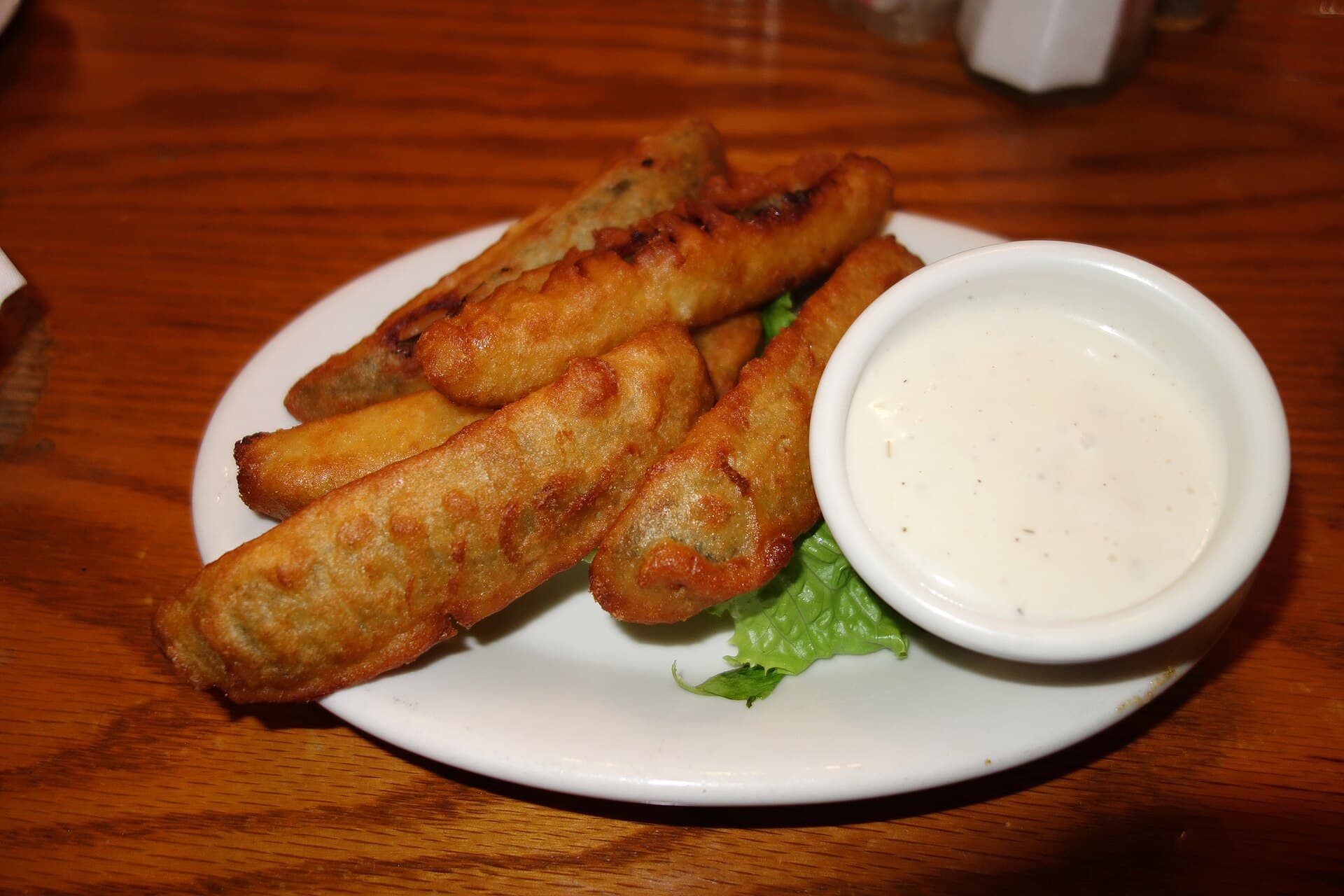
1900-1929
Fried pickles are sliced dill pickles coated in seasoned batter or cornmeal and fried until crispy. This snack food became popular at fairs and diners in the early 20th century and remains a Southern delicacy today.
America's Melting Pot
Frog Eye Salad Dressing photo coming soon
Cross-era
Frog Eye Salad Dressing is a spread with real American table personality: Utah/Intermountain potluck dessert salad. It brings flavor from Intermountain West to cookouts, counters, lunch plates, potlucks, and weeknight suppers.
America's Melting Pot
Frosted Lemonade photo coming soon
Postwar & Diner Age
Frosted Lemonade carries the bright, frothy spirit of American mall counters: Lemonade blended with vanilla soft serve.
America's Melting Pot
Frosted Orange Drink photo coming soon
Postwar & Diner Age
Frosted Orange Drink carries the bright, frothy spirit of American mall counters: Fast-food style orange milkshake/smoothie hybrid.
America's Melting Pot
Frosty-Style Dairy Dessert photo coming soon
Postwar & Diner Age
Frosty-Style Dairy Dessert is thick, spoonable frozen-custard stand fun: Wendy's-style thick chocolate shake/frozen dessert.
America's Melting Pot
Frozen Coffee Cabinet photo coming soon
Postwar & Diner Age
Frozen Coffee Cabinet celebrates New England dairy-bar pride in a cold glass: Coffee milk culture meets modern blended coffee.
America's Melting Pot
Frozen Coke photo coming soon
Gilded Age & Progressive Era
Frozen Coke brings juice-bar color and American smoothie-counter energy to the glass: Convenience store and theater drink.
America's Melting Pot
Frozen Custard Shake photo coming soon
Postwar & Diner Age
Frozen Custard Shake is thick, spoonable frozen-custard stand fun: Midwest custard stand drink.
America's Melting Pot
Frozen Root Beer photo coming soon
1900-1929
Frozen Root Beer brings juice-bar color and American smoothie-counter energy to the glass: Drive-in variation.
America's Melting Pot
Fruity Cereal Shake photo coming soon
1900-1929
Fruity Cereal Shake brings drive-in, carhop, and fast-food dessert-counter energy to the table: Instagram-era shake shop flavor.
America's Melting Pot
Fry Sauce photo coming soon
Postwar & Diner Age
Fry Sauce is a sandwich sauce with real American table personality: Utah/Intermountain West condiment, usually ketchup and mayonnaise; often linked to Arctic Circle and Don Carlos Edwards in the 1950s. It brings flavor from Intermountain West to cookouts, counters, lunch plates, potlucks, and weeknight suppers.
America's Melting Pot
Funeral Potatoes photo coming soon
1900-1929
Funeral potatoes are a creamy, cheesy potato casserole commonly served at Midwestern community events such as church functions and family gatherings. Featuring hash browns, sour cream, cheese, and crunchy topping, this comforting dish is beloved as a staple side, especially in funerals and potlucks dating back to the early 20th century.
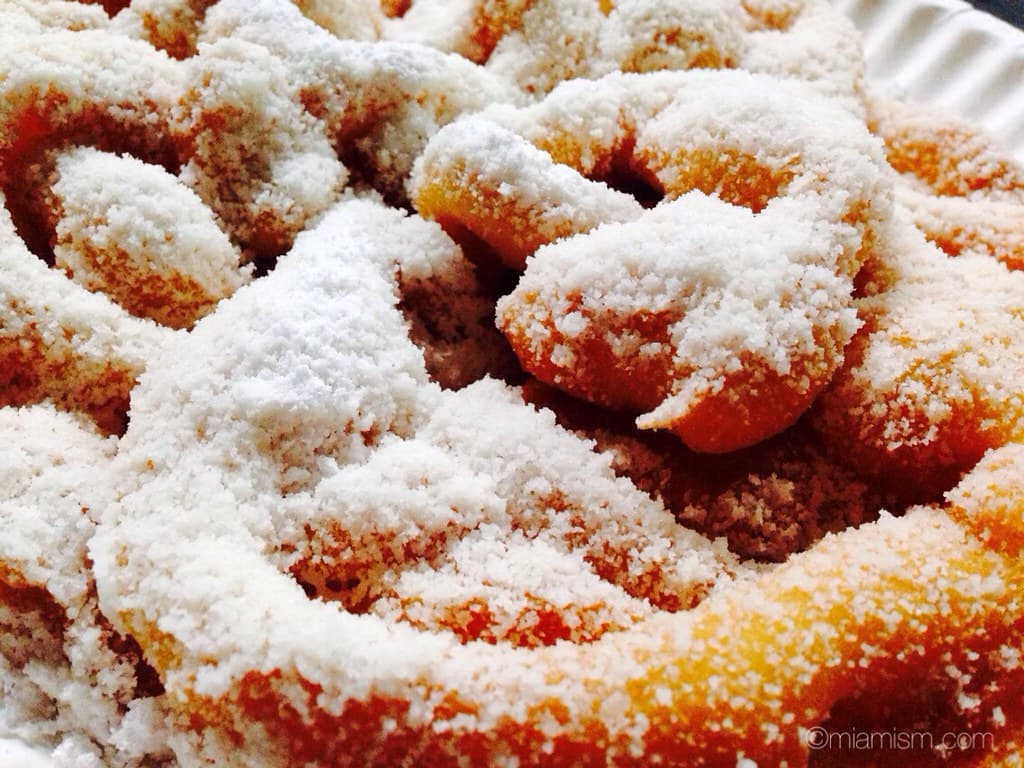
1900-1929
Funnel cake is a popular festival and carnival dessert consisting of a lacy, deep-fried batter drizzled in a circular pattern and dusted with powdered sugar. Introduced by European immigrants and popularized in American state fairs and carnivals in the early 20th century, it remains a nostalgic treat associated with outdoor celebrations.
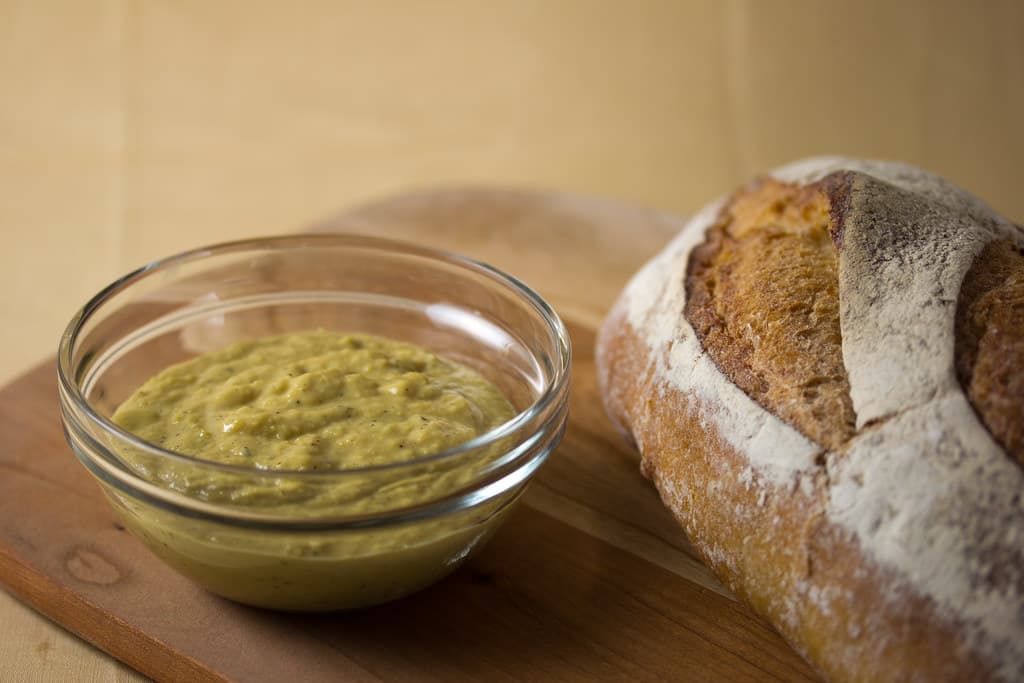
1900-1929
Garlic Bread Spread is a spread with real American table personality: Italian-American red-sauce restaurant staple. It brings flavor from coast-to-coast American tables to cookouts, counters, lunch plates, potlucks, and weeknight suppers.
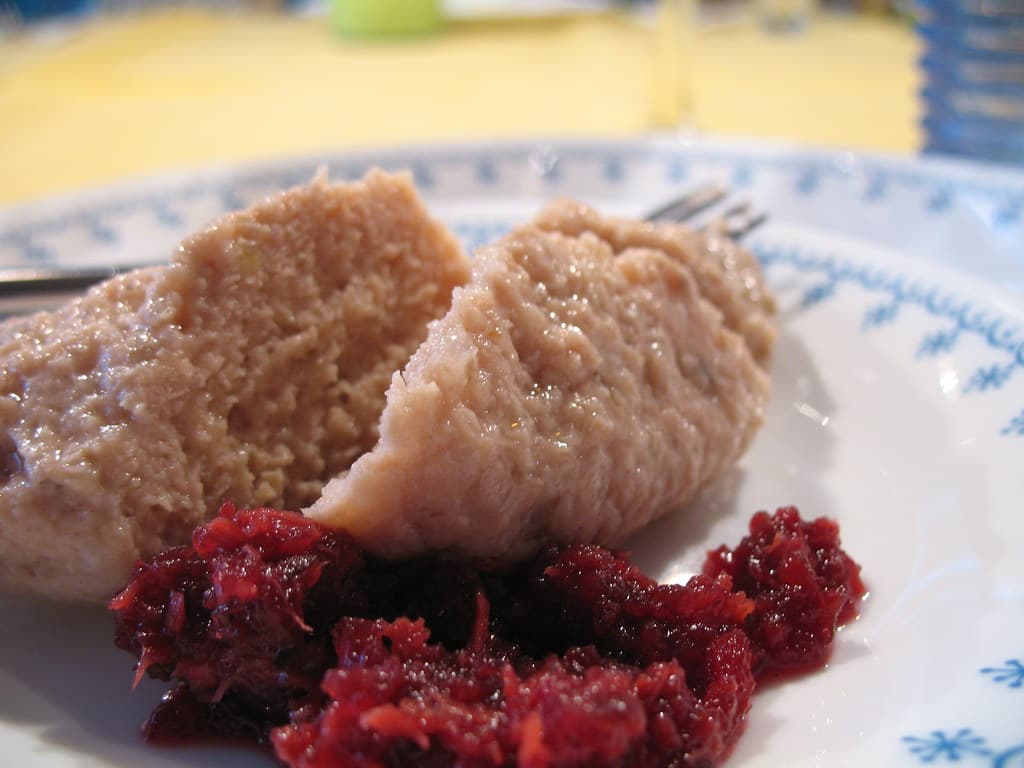
1861-1900
Gefilte fish is a traditional Jewish dish consisting of poached fish patties or balls made primarily from white fish, often served chilled with horseradish. Immigrant Jewish communities brought this economical yet elegant recipe to America during the late 19th century, where it remains a hallmark of Jewish-American cuisine, especially for holidays.
America's Melting Pot
Georgia Peach Shake photo coming soon
Cross-era
Georgia Peach Shake salutes regional fruit country and the American dairy-stand tradition: Georgia/South.
America's Melting Pot
Ginger Ale Float photo coming soon
1861-1900
Ginger Ale Float is fizzy Americana from the soda-fountain counter: Light, old-fashioned soda fountain drink.
America's Melting Pot
Grape Jelly photo coming soon
1861-1900
Grape Jelly is a preserve with real American table personality: Peanut butter and jelly's necessary partner. It brings flavor from coast-to-coast American tables to cookouts, counters, lunch plates, potlucks, and weeknight suppers.
America's Melting Pot
Grape Jelly + Peanut Butter photo coming soon
1900-1929
Grape Jelly + Peanut Butter is a spread with real American table personality: The PB&J combination itself deserves a recipe/sidebar. It brings flavor from coast-to-coast American tables to cookouts, counters, lunch plates, potlucks, and weeknight suppers.
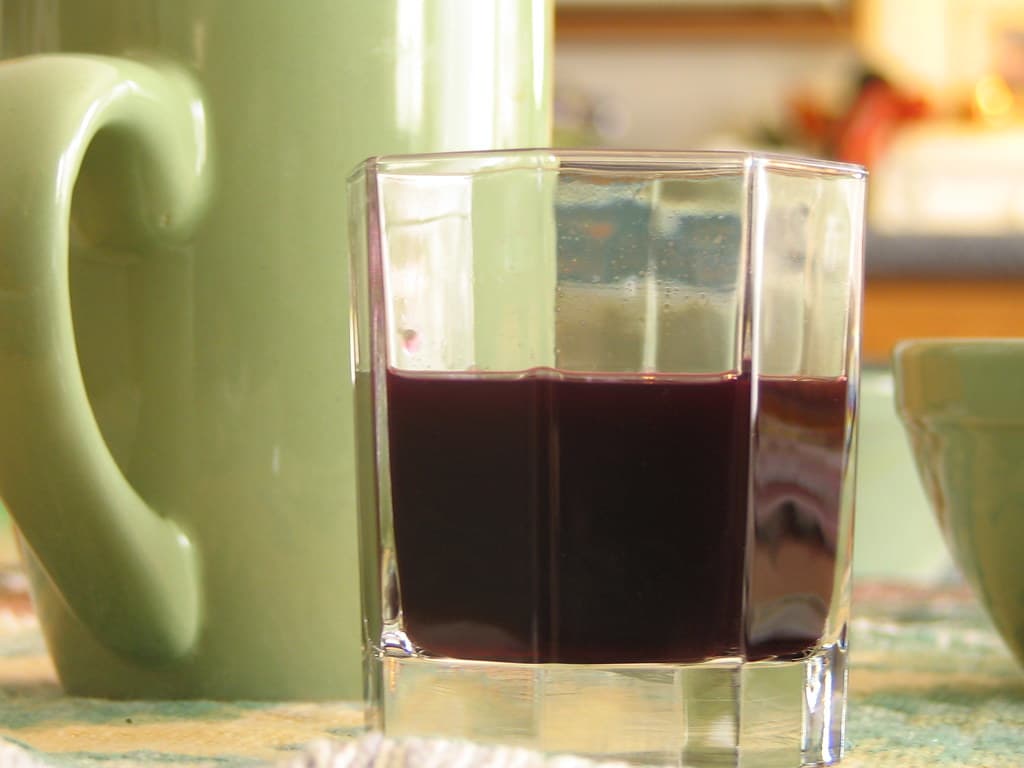
1861-1900
Grape Juice brings juice-bar color and American smoothie-counter energy to the glass: Welch's, church communion, lunchbox, and breakfast table.
America's Melting Pot
Grape Soda Float photo coming soon
1861-1900
Grape Soda Float is fizzy Americana from the soda-fountain counter: Ice cream stand/kid favorite.
America's Melting Pot
Greek Diner Rice Pudding photo coming soon
1900-1929
Greek diner rice pudding is a creamy dessert made from rice cooked with milk, sugar, and often flavored with cinnamon or lemon. Introduced by Greek immigrant communities in the early 20th century, this pudding became a classic offering in diners across the United States, prized for its comforting texture and simple ingredients.
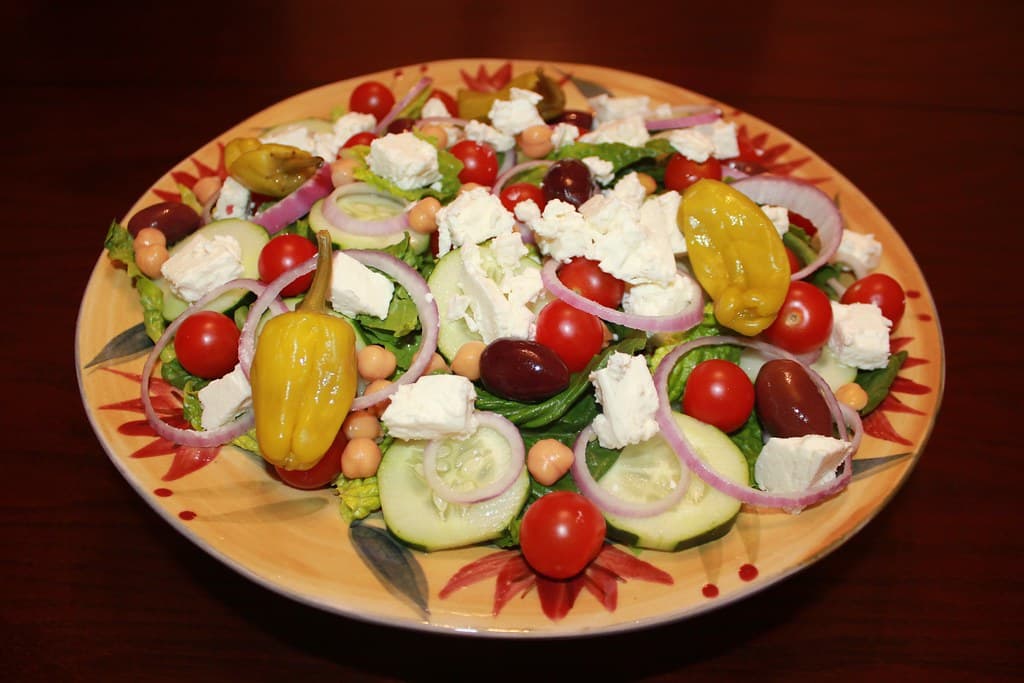
1900-1929
Greek Salad became a popular side dish in American diners and lunch counters during the early 20th century. Reflecting Greek immigrant influence, it features fresh vegetables and traditional ingredients adapted for American tastes. Often served chilled, it is customary in Greek-American communities and state fairs.
America's Melting Pot
Greek-Style Burgers photo coming soon
1900-1929
Greek-Style Burgers are an adaptation of the American hamburger with flavors inspired by Greek cuisine, featuring herbs, spices, and toppings like feta or tzatziki sauce. Emerging in immigrant cities during the early 20th century, this sandwich represents cultural fusion at diners and lunch counters.
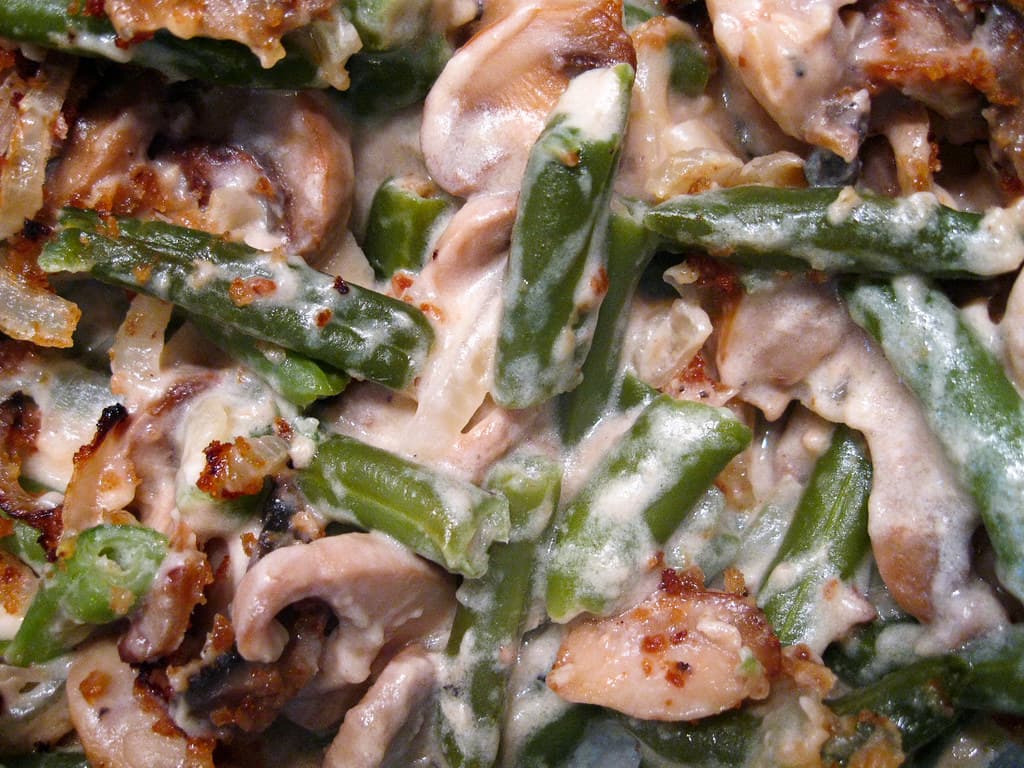
1900-1929
Green Bean Casserole is a staple side dish in Midwestern American holiday tables, church suppers, and school gatherings. Combining green beans, cream of mushroom soup, and crispy fried onions, it became widely popular in the early 20th century and remains a comforting, familiar casserole.
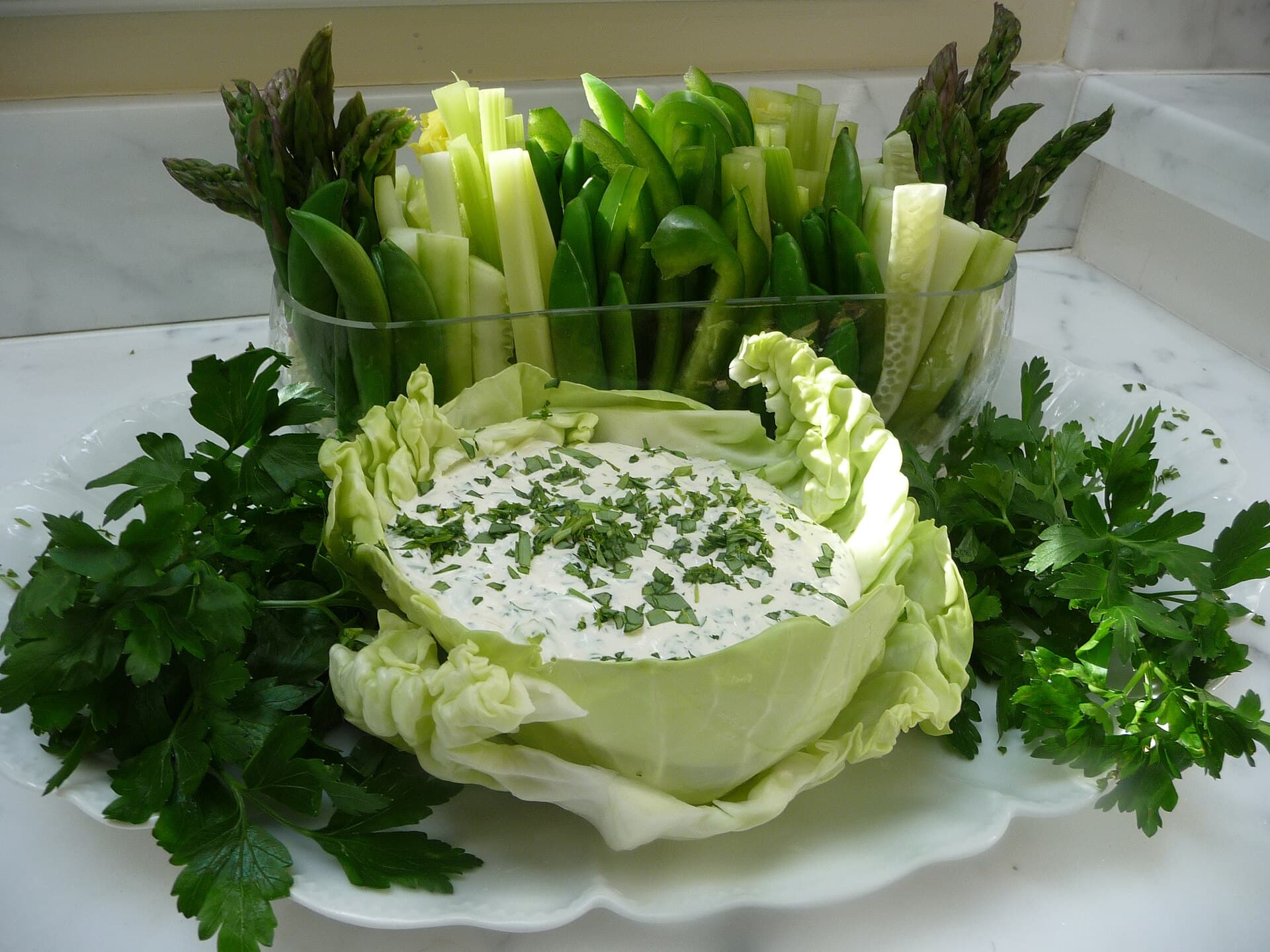
Industrial America
Green Goddess Dressing is a dressing with real American table personality: Created in 1920s San Francisco at the Palace Hotel; creamy, herb-heavy, often with anchovy and tarragon. It brings flavor from California, Hawaii, and the West Coast to cookouts, counters, lunch plates, potlucks, and weeknight suppers.
1930-1945
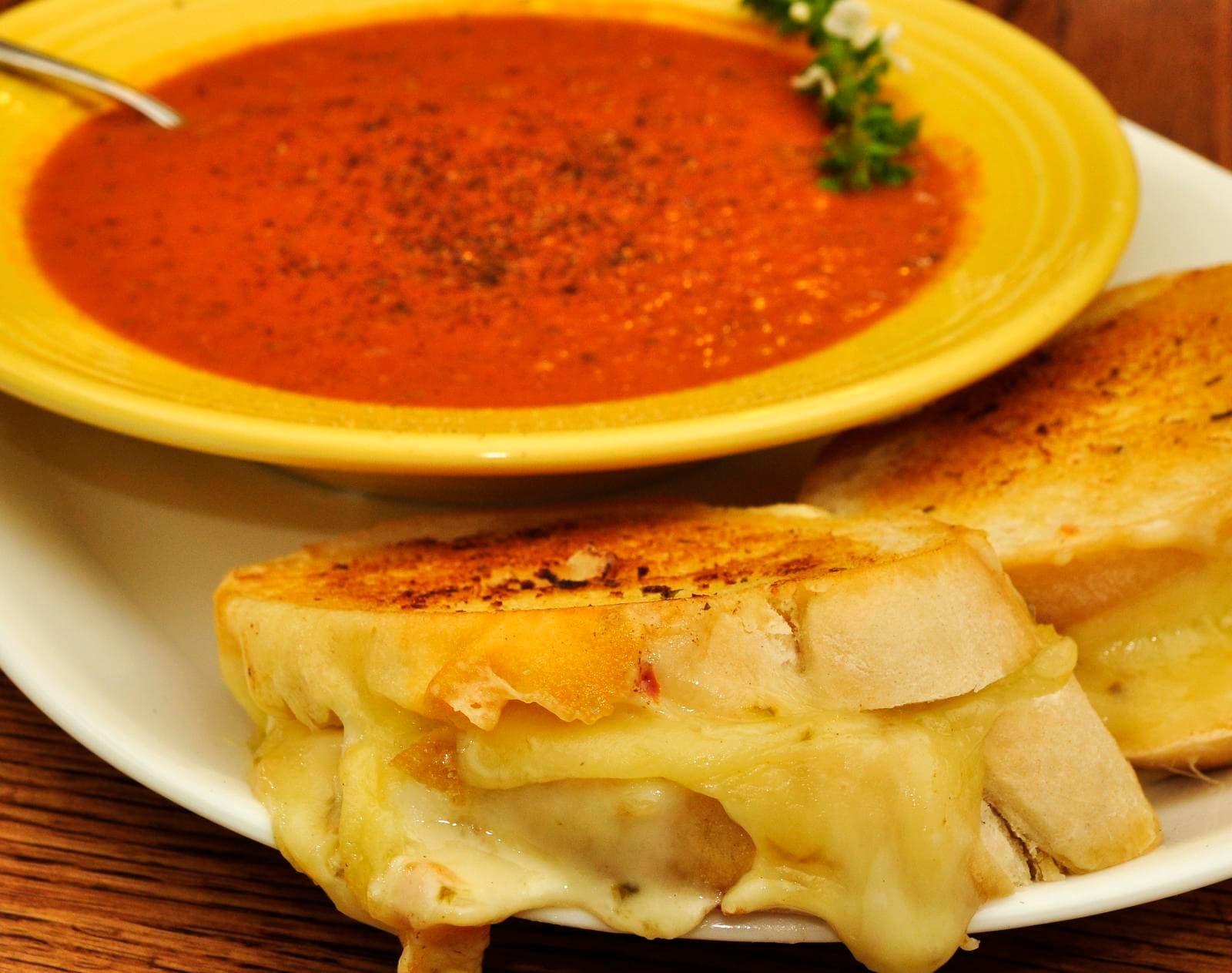
Grilled Cheese sandwich rose to prominence after World War II, embodying convenience and childhood comfort food in American households. Featuring melted cheese between buttered toasted bread, it became emblematic of suburban life, lunchboxes, and quick dinners across the United States.
1946-1969
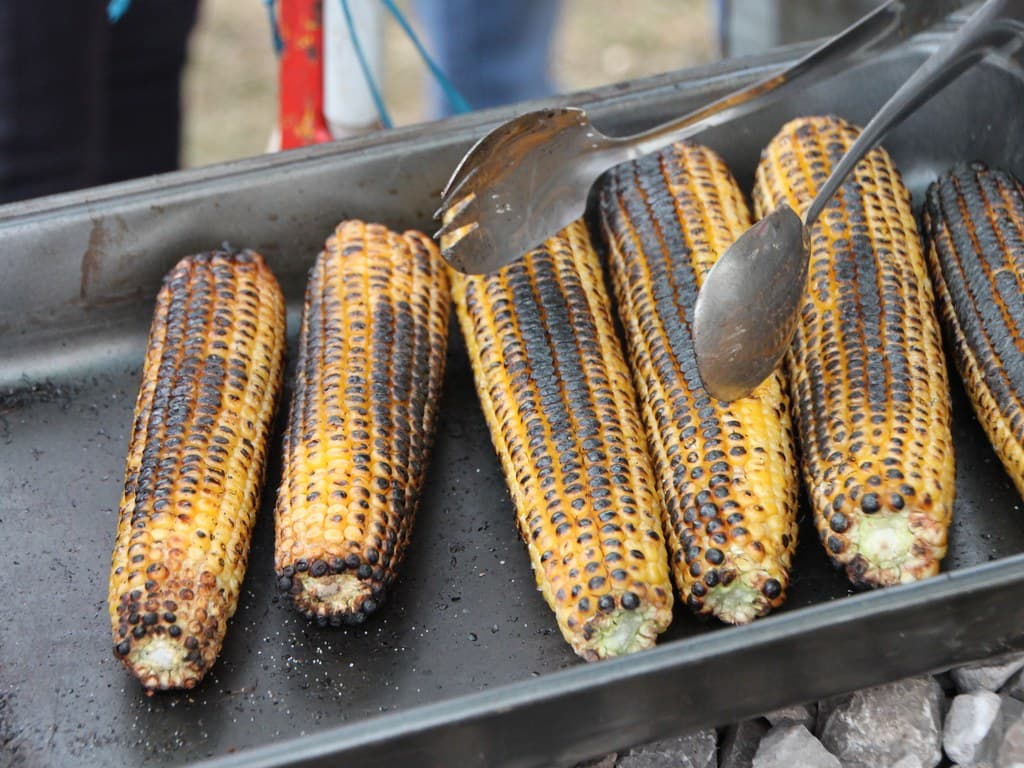
Grilled Corn gained popularity in American suburbs and backyards during the postwar period, representing easy and affordable patio food. Often served as a summer barbecue staple, corn is grilled in the husk or directly on the grill for smoky flavor and tender texture.
1946-1969
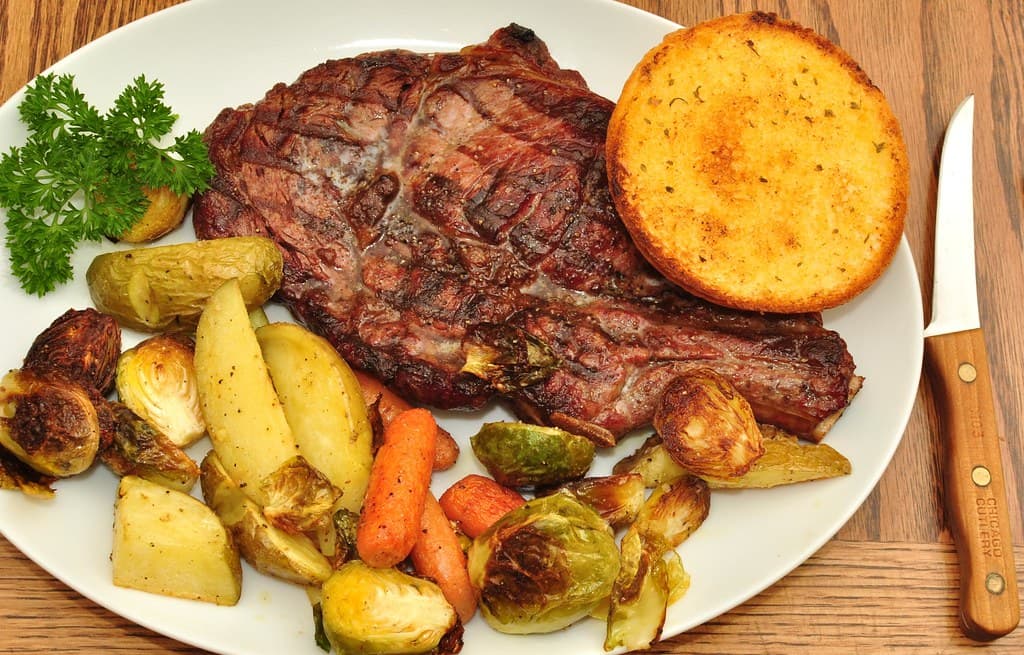
Grilled steak has been a centerpiece of American backyard barbecues since the postwar suburban boom. Typically prepared with simple seasoning and cooked over charcoal or gas grills, it represents a traditional approach to meat preparation for outdoor hospitality and family gatherings.
1900-1929
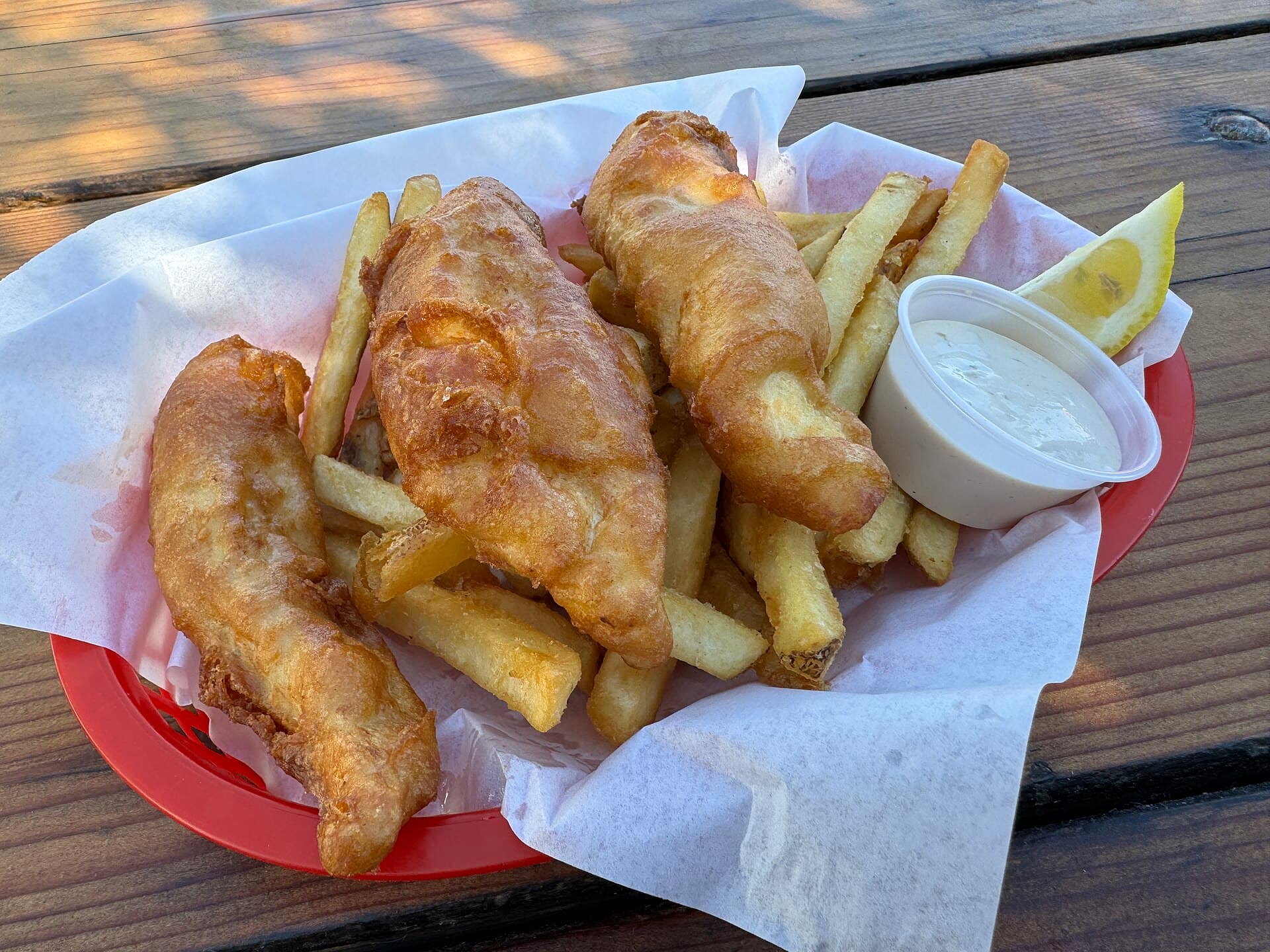
Halibut Fish and Chips is a regional Alaskan adaptation of the classic British-origin fish and chips, substituting cod with locally abundant halibut. This dish reflects Alaska's fishing economy and the integration of local seafood into familiar American and British dining formats.
America's Melting Pot
Haluski photo coming soon
1900-1929
Haluski is a traditional dish of Polish, Czech, Slovak, and Eastern European origins consisting of noodles, fried cabbage, and onions. Brought to the United States by immigrants in the early 20th century, it became comfort food commonly served at diners and state fairs, especially around Easter.
America's Melting Pot
Ham Balls photo coming soon
1900-1929
Ham balls are savory meatballs made from ground ham mixed with breadcrumbs or crackers, often glazed and baked. Common in American school cafeterias, church suppers, and community events during the early 20th century, they showcase economical and crowd-pleasing cooking.
America's Melting Pot
Ham Salad Spread photo coming soon
1900-1929
Ham Salad Spread is a spread with real American table personality: Church supper and sandwich spread. It brings flavor from coast-to-coast American tables to cookouts, counters, lunch plates, potlucks, and weeknight suppers.
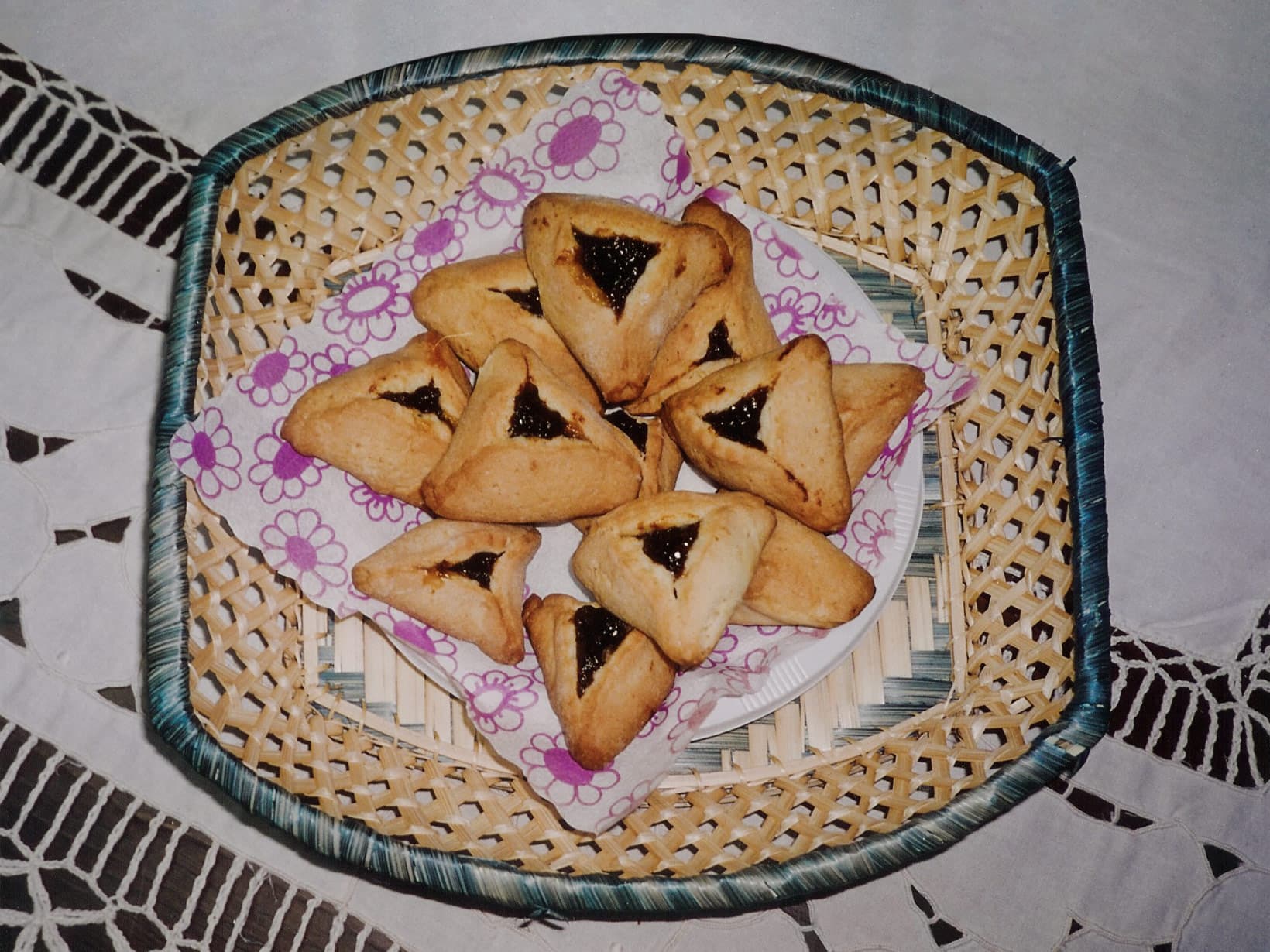
1861-1900
Hamantaschen are triangular filled pastries traditionally made for the Jewish holiday of Purim. Brought by Jewish-American communities in the 19th century, these pastries feature a variety of fillings and shapes symbolizing folklore tied to the festival.
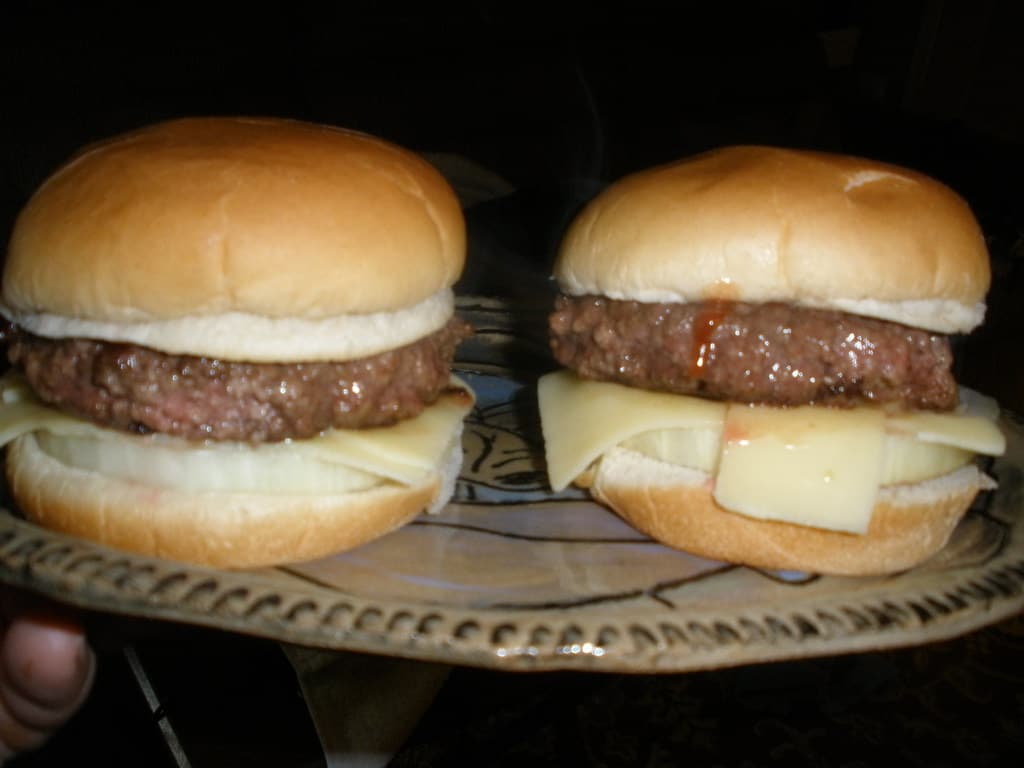
1900-1929
The hamburger is a ground beef patty cooked and served inside a split bun or roll, often garnished with condiments and vegetables. Emerging in early 20th-century America, hamburgers became an iconic and enduring symbol of American fast and casual dining.
America's Melting Pot
Hand-Spun Shake photo coming soon
Postwar & Diner Age
Hand-Spun Shake is thick, spoonable frozen-custard stand fun: Diner/drive-in phrase for a real ice cream shake.
Community recipe submission
Log in to submit a recipe, format it with the cooking companion, and send it for review.
Log in to Submit