
Loading
Setting the table...
Fetching the latest recipes from the archive.
Loading
Fetching the latest recipes from the archive.
Recipe archive
Recipe archive
Search the archive by title, region, ingredient, tag, or era, then sort the table by the view that fits your kitchen.
This archive is growing through recipes, photos, family recipes, and historical context shared by the community.
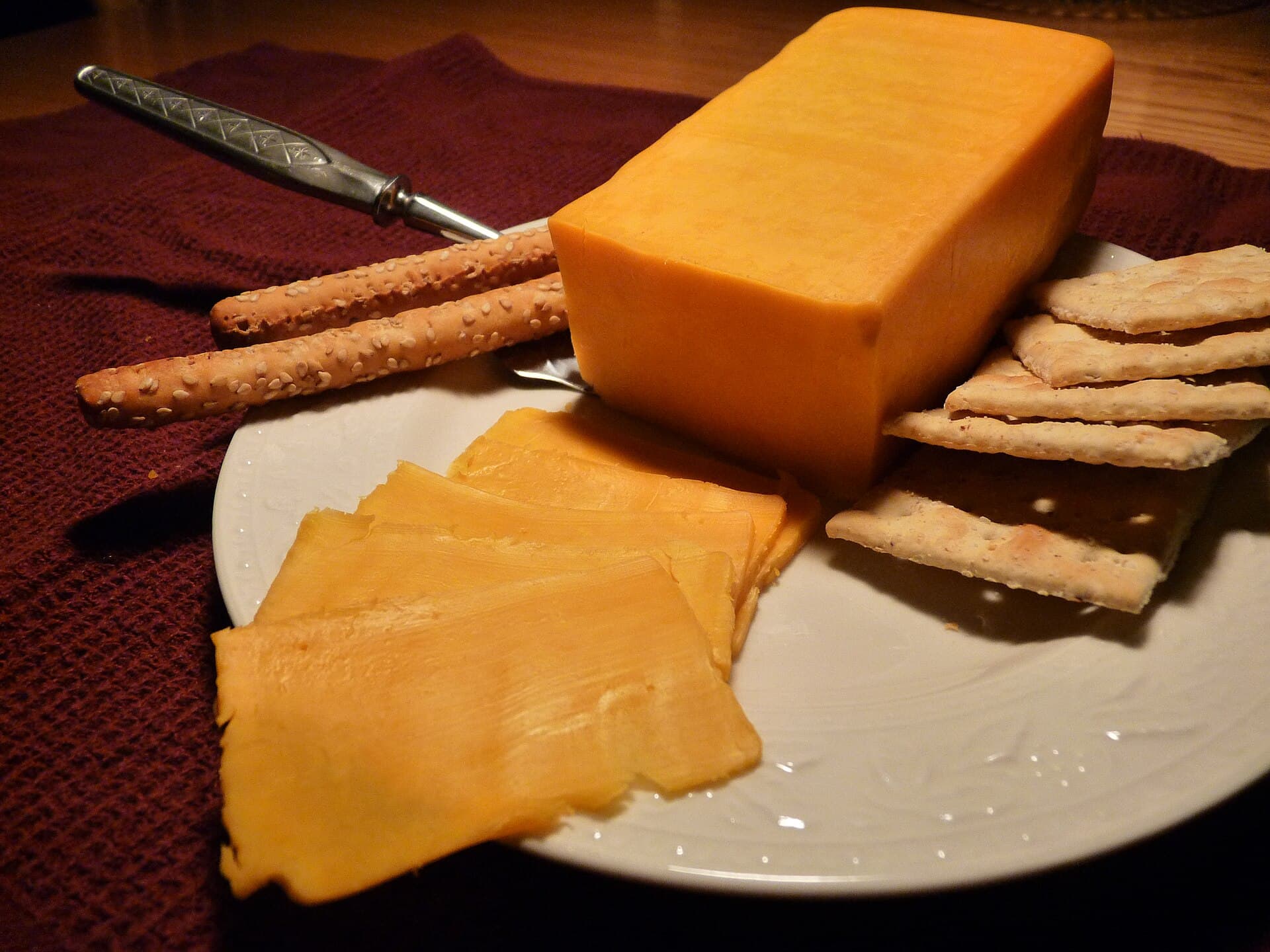
American Dairy Age
Colby Cheese is a washed-curd American cheese with gentle cooking, curd washing, salting, pressing, and a short controlled aging period.
America's Melting Pot
Colby-Jack Cheese photo coming soon
American Dairy Age
Colby-Jack Cheese is a washed-curd American cheese with gentle cooking, curd washing, salting, pressing, and a short controlled aging period.
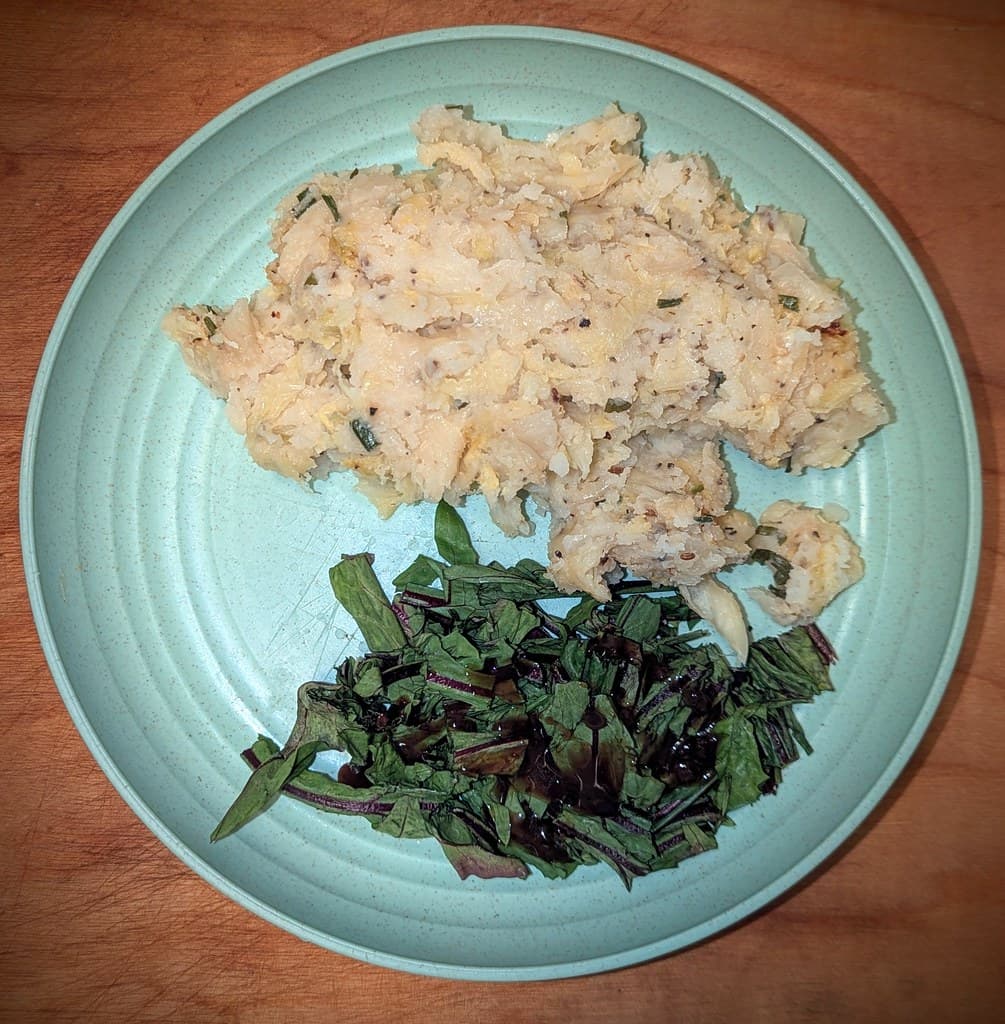
1800-1860
Colcannon is a hearty Irish-American side dish blending mashed potatoes with cabbage or kale, butter, and scallions. Popular among Irish immigrants in the United States during the 19th century, it reflects adaptations of traditional Irish cooking to available American ingredients. This rustic dish remains a comforting staple in Irish-American households and celebrations.
America's Melting Pot
Cold-Pack Cheddar Spread photo coming soon
American Dairy Age
Cold-Pack Cheddar Spread is a finished American cheese spread for crackers, sandwiches, and snack boards, with clear mixing, chilling, and storage guidance.
America's Melting Pot
Collard Greens with Potlikker photo coming soon
1800-1860
Collard greens cooked slowly with smoked meat produce a flavorful broth called potlikker, traditionally served alongside or poured over cornbread. This dish exemplifies Southern homestyle cooking from the early 19th century, highlighting resourcefulness in using all parts of the cooked greens and broth. It remains a soulful and satisfying side or accompaniment to main courses.
America's Melting Pot
Confederate Cornbread photo coming soon
1861-1900
Confederate cornbread is a straightforward Southern cornmeal bread commonly prepared during the Civil War period, using simple pantry ingredients and often cooked in a cast-iron skillet over open flames. This cornbread reflects the resourcefulness and culinary adaptation of Southern households during wartime, forming an iconic accompaniment to meals in 19th-century America.
America's Melting Pot
Corn Dodgers photo coming soon
1861-1900
Corn dodgers are small, dense cakes made from cornmeal, historically used as portable food by cattle drivers and settlers in the Great Plains from 1861 to 1900.
America's Melting Pot
Corn Pone photo coming soon
1776-1800
Corn pone is a simple, unleavened corn bread originating in early American Southern kitchens. Made with basic ingredients, it was a staple food for families from the Revolutionary period onward, often baked in a skillet or hearth oven.
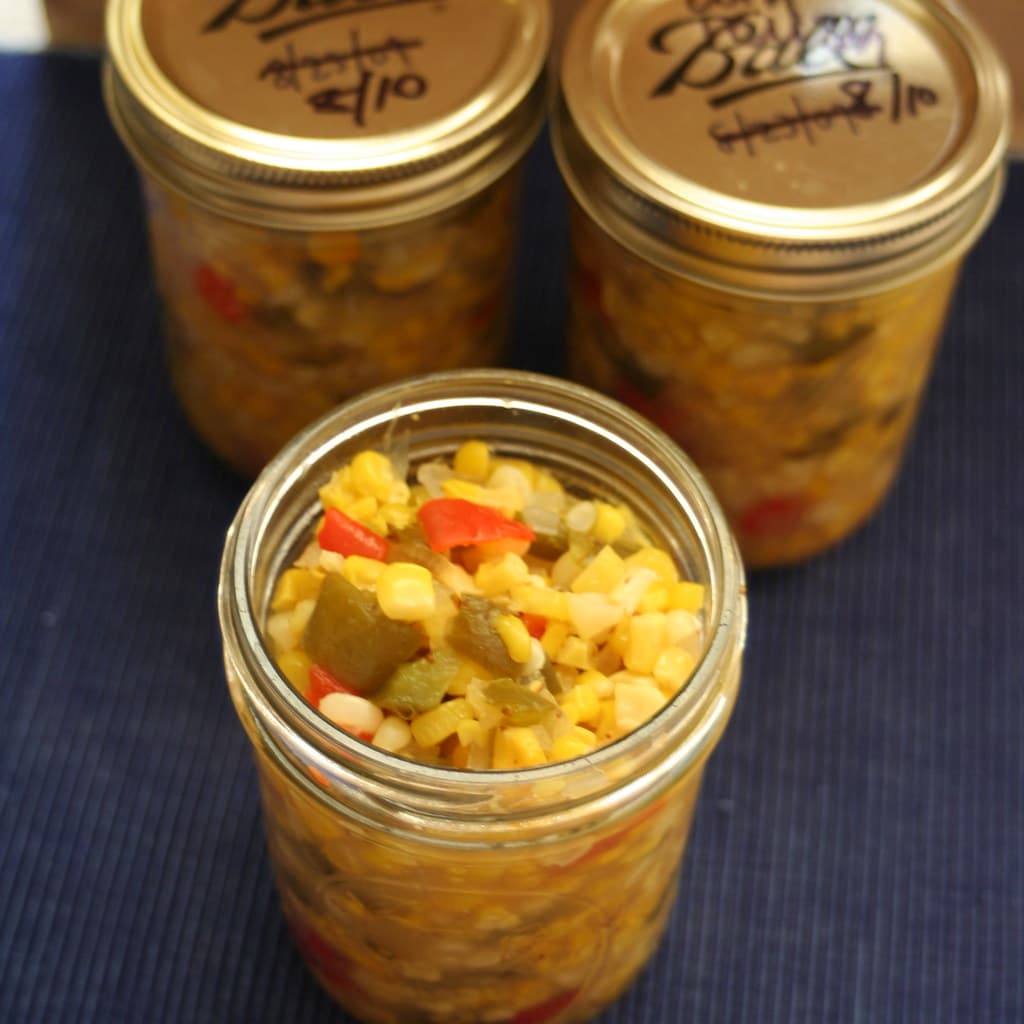
1861-1900
Corn Relish is a relish with real American table personality: Farm garden preserving and picnic-table condiment. It brings flavor from coast-to-coast American tables to cookouts, counters, lunch plates, potlucks, and weeknight suppers.
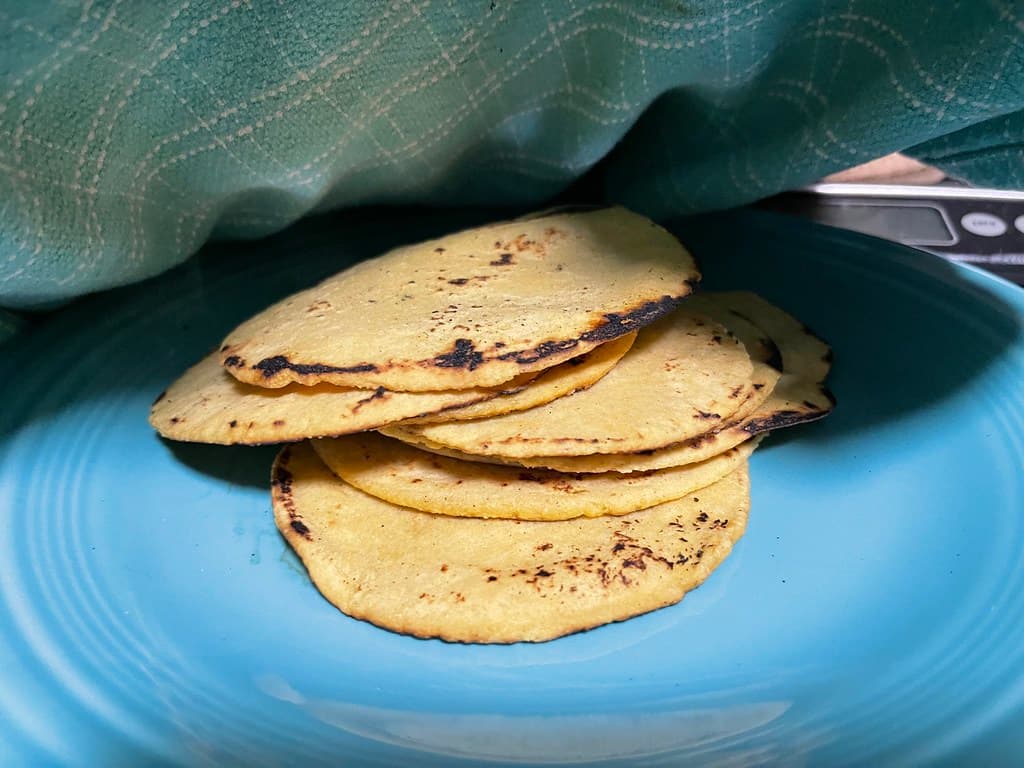
1800-1860
Corn tortillas are a fundamental staple of Mexican and Southwestern cuisine, made from nixtamalized corn masa. In the early 19th century, these tortillas were widely consumed in Spanish borderlands and Mexican-American communities, providing a versatile bread substitute.
America's Melting Pot
Cornbread and Milk photo coming soon
1800-1860
Cornbread and milk represent a modest, nourishing staple from Appalachian frontier kitchens between 1800 and 1860. This pairing reflects the daily diets of settlers who relied on readily available cornmeal and dairy.
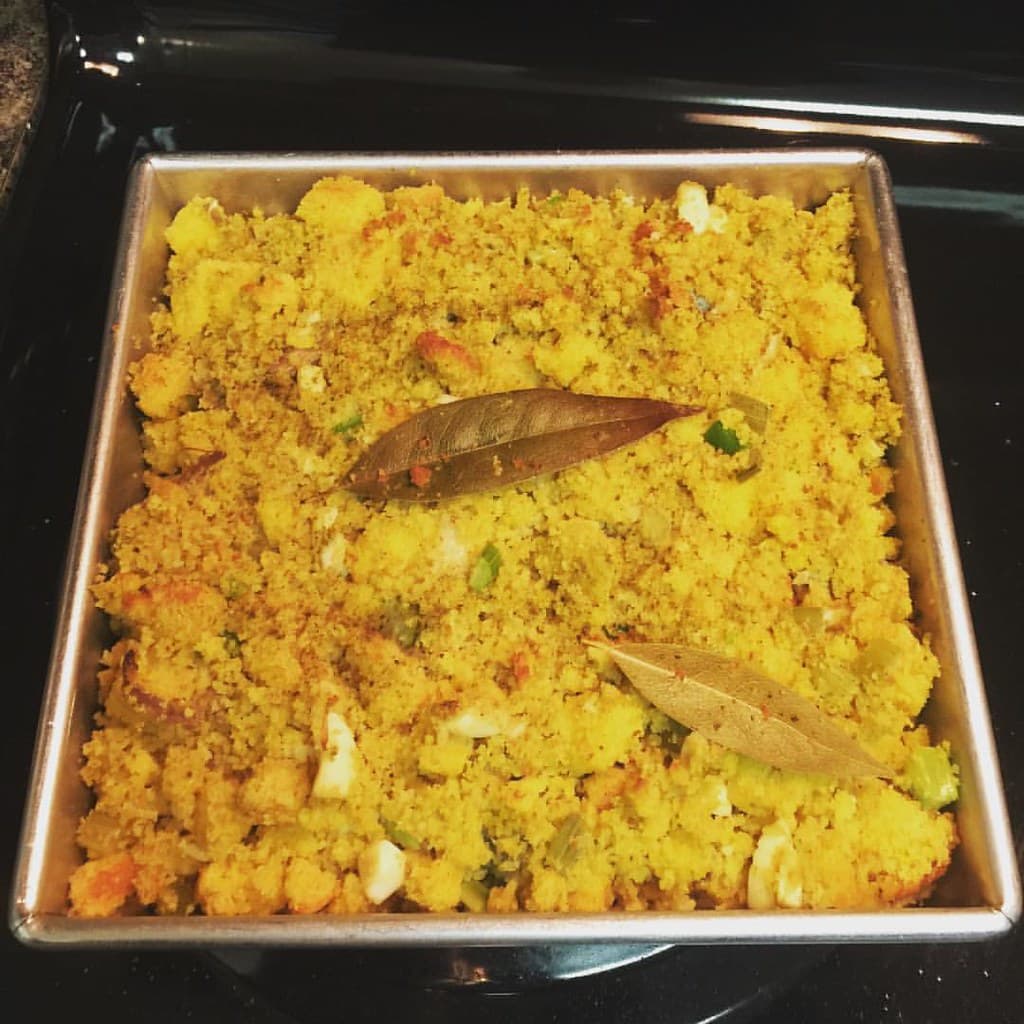
1800-1860
Cornbread dressing is a savory Southern side enjoyed especially during Thanksgiving, combining crumbled cornbread with herbs and often broth for moist stuffing.
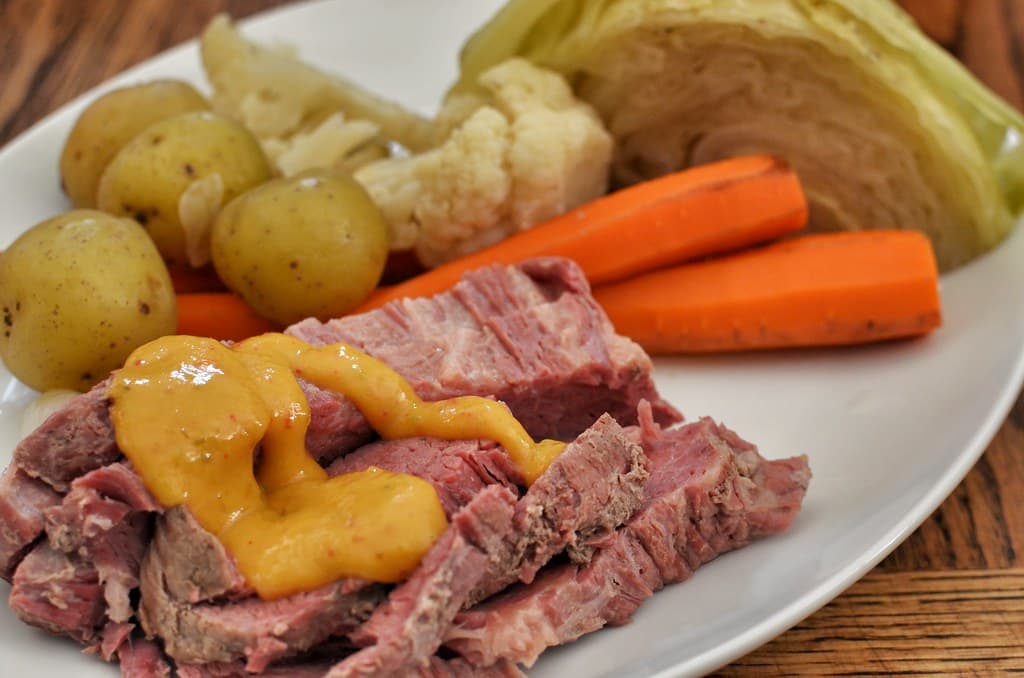
1861-1900
Corned beef and cabbage is a staple Irish-American dish popularized in the United States during the early 19th century, especially among immigrant communities.
America's Melting Pot
Cornmeal Mush photo coming soon
1800-1860
Cornmeal mush is a soft, cooked porridge made from cornmeal boiled in water or milk, often served sliced and fried or with syrup, common in Appalachian diets before and through the Civil War.
America's Melting Pot
Cornmeal-Crusted Trout photo coming soon
1800-1860
Cornmeal-crusted trout is a simple early American dish where fresh trout fillets are coated in seasoned cornmeal and pan-fried, common during the Revolutionary period.
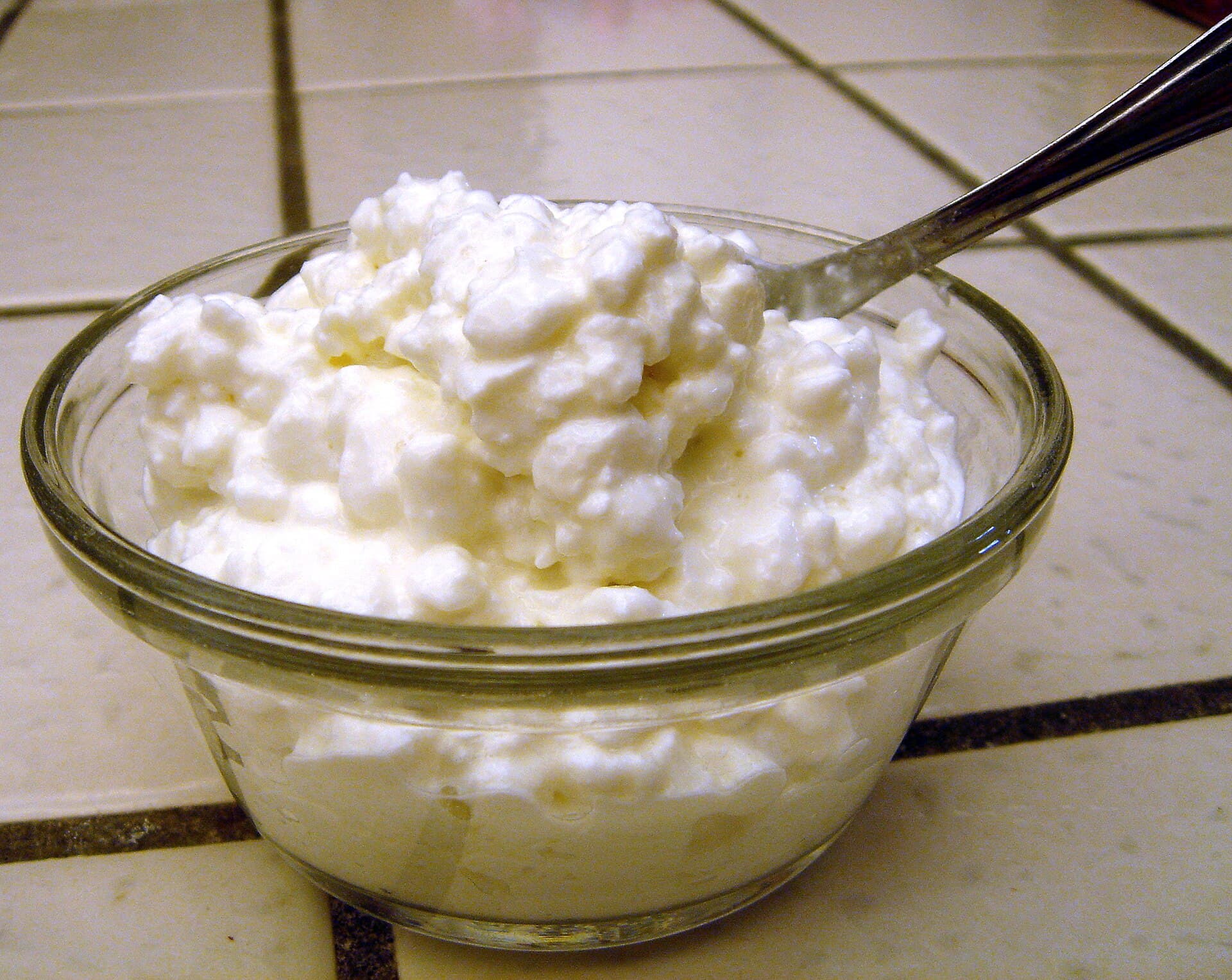
American Dairy Age
Cottage Cheese is a fresh cultured American home cheese made with pasteurized dairy, clean handling, slow culturing, draining, salting, and refrigeration.
America's Melting Pot
Country Gravy / White Gravy photo coming soon
Frontier & Expansion
Country Gravy / White Gravy is a condiment with real American table personality: Chicken-fried steak, mashed potatoes, biscuits. It brings flavor from coast-to-coast American tables to cookouts, counters, lunch plates, potlucks, and weeknight suppers.
America's Melting Pot
Country Ham photo coming soon
1800-1860
Country ham is a dry-cured, aged ham typical of Southern United States foodways dating back to the early 19th century. It is preserved with salt and aging, resulting in a salty, flavorful meat served in traditional Southern meals.
America's Melting Pot
Country Sausage photo coming soon
1800-1860
A simple, flavorful country-style pork sausage widely made in Appalachian and frontier communities during the early 19th century. This sausage uses traditional seasoning and curing techniques for a hearty, rustic sausage link.
America's Melting Pot
Cowboy Coffee photo coming soon
1861-1900
Robust coffee brewed strong and black as often made by cowboys and trail cooks during cattle drives in the late 19th century. Simple and direct, this preparation uses coarse grounds boiled directly in water for a strikingly bold flavor.
America's Melting Pot
Cranberry Bean Stew photo coming soon
1800-1860
A robust stew featuring cranberry beans slow-cooked with vegetables and herbs, inspired by Indigenous American foodways of New England and early colonial adaptations.
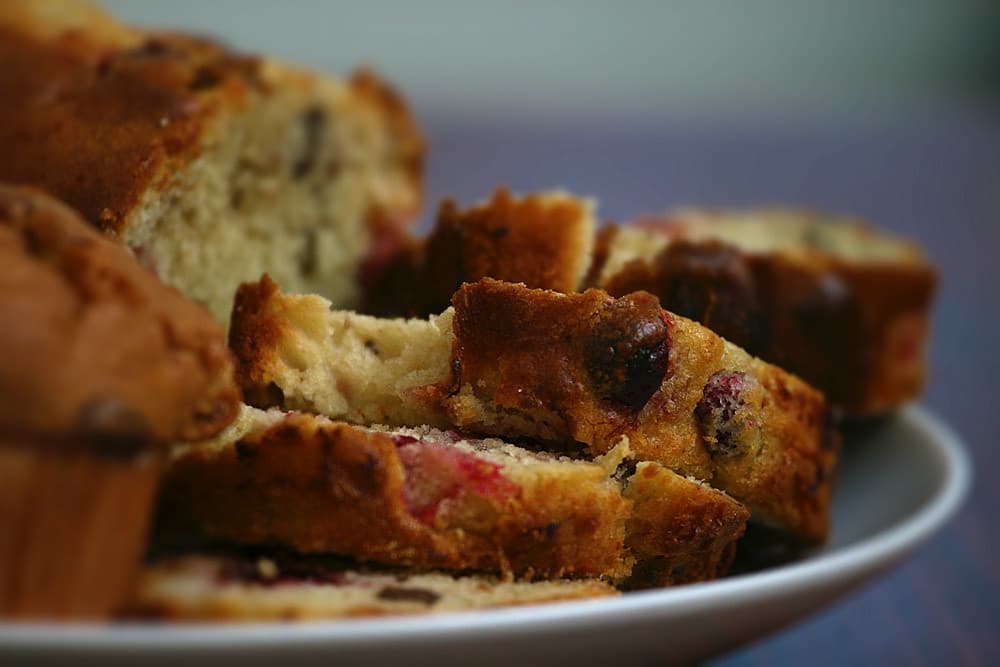
1800-1860
Moist quick bread studded with fresh cranberries, offering a balance of tart and sweet flavors. A traditional New England baked good enjoyed during the fall and winter months.
1776-1800
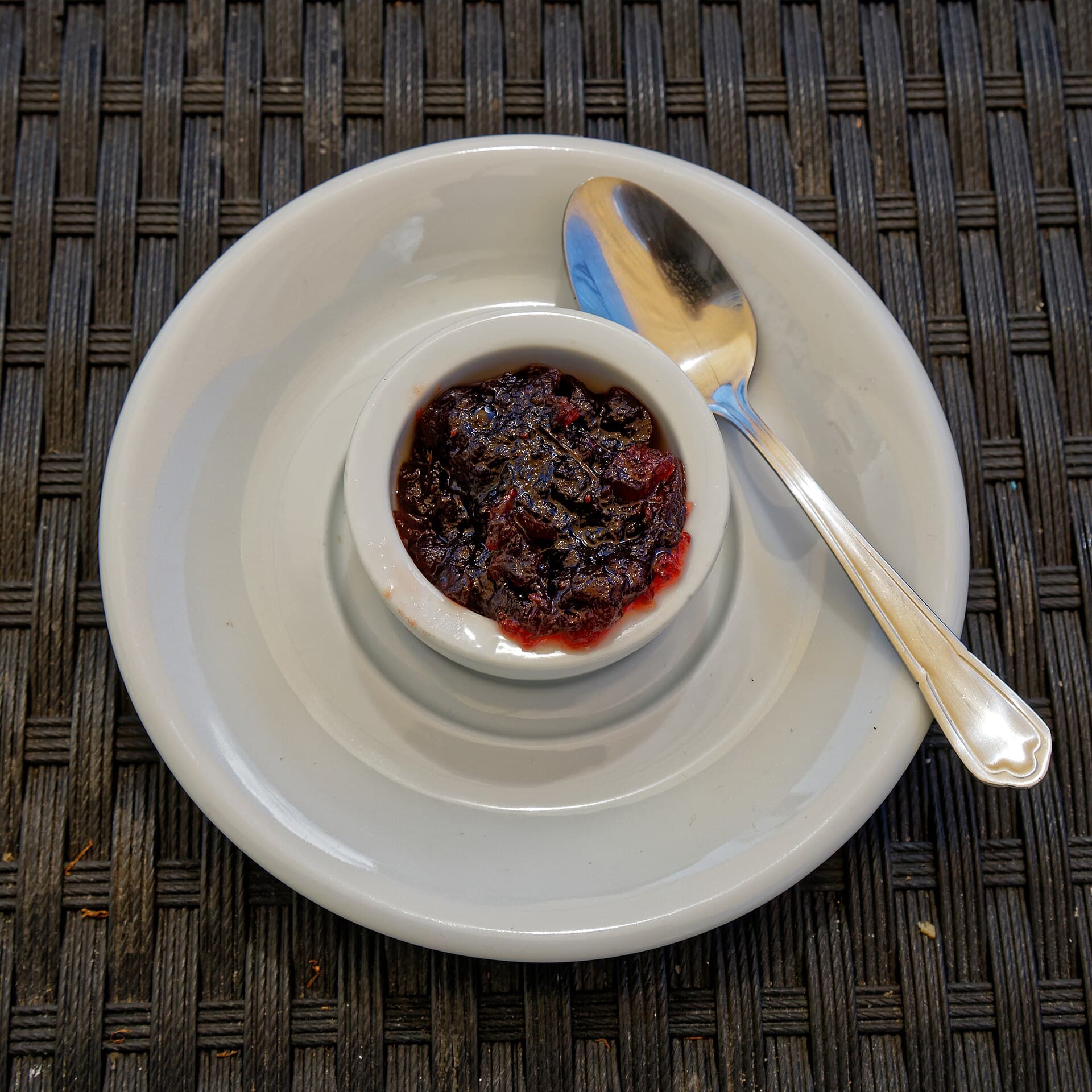
A traditional cooked cranberry sauce simmered with sugar and citrus, served as a tart condiment during Thanksgiving feasts in New England since the late 18th century.
America's Melting Pot
Cranberry Tart photo coming soon
1776-1800
A baked pastry tart filled with a sweetened cranberry custard or jelly filling. This dessert emphasizes New England's historic use of local cranberries in festive baked goods.
American Dairy Age
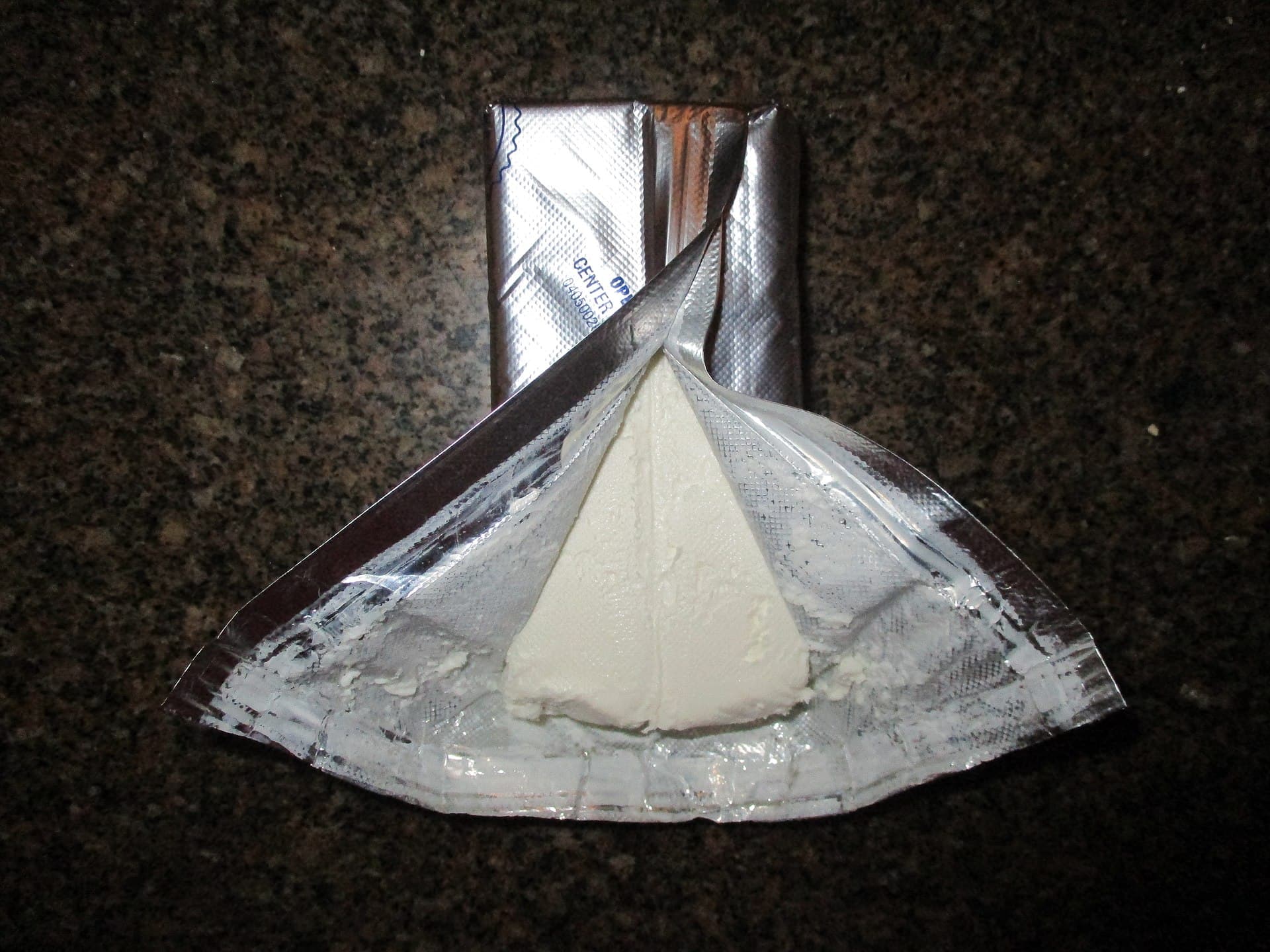
Cream Cheese is a fresh cultured American home cheese made with pasteurized dairy, clean handling, slow culturing, draining, salting, and refrigeration.
Frontier & Expansion
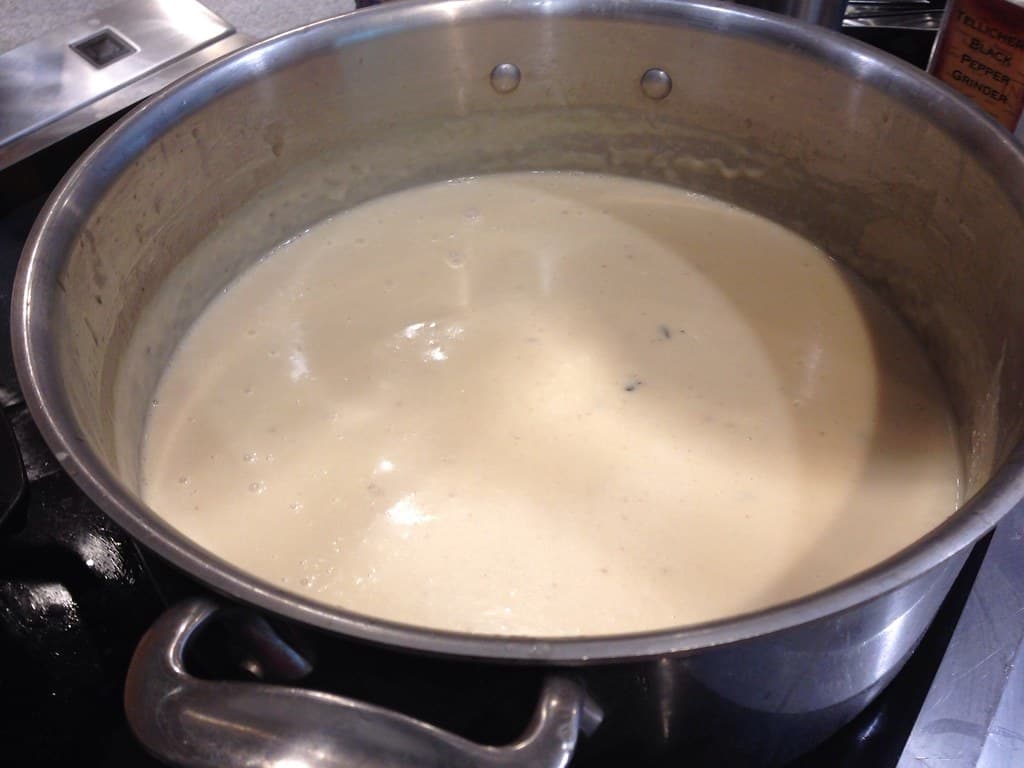
Cream Gravy is a condiment with real American table personality: Fried chicken and chicken-fried steak. It brings flavor from coast-to-coast American tables to cookouts, counters, lunch plates, potlucks, and weeknight suppers.
America's Melting Pot
Cream Soda photo coming soon
1800-1860
Cream Soda is fizzy Americana from the soda-fountain counter: Old American soda flavor.
America's Melting Pot
Creamed Chipped Beef photo coming soon
1861-1900
A savory dish of dried, chopped beef cooked in a creamy white sauce, popular during the late 19th century in railroad, mining, and boardinghouse settings as inexpensive hearty fare.
America's Melting Pot
Creamed Cod on Toast photo coming soon
1800-1860
A traditional New England dish of tender cod in a creamy white sauce served over toasted bread, exemplifying regional seafood and dairy combinations from the 19th century.
America's Melting Pot
Creamed Corn photo coming soon
1776-1800
A comforting side of corn kernels cooked gently in cream or milk, often with butter and mild seasonings. Popular during the Depression and Dust Bowl era as an economical vegetable dish.
America's Melting Pot
Creamed Onions photo coming soon
1776-1800
Creamed Onions are a traditional side dish popular in late 18th-century America, featuring pearl onions simmered in a creamy, buttery sauce. Common at holiday tables, especially Thanksgiving, this dish reflects early American adaptations of European cooking techniques using accessible vegetables and dairy.
1861-1900
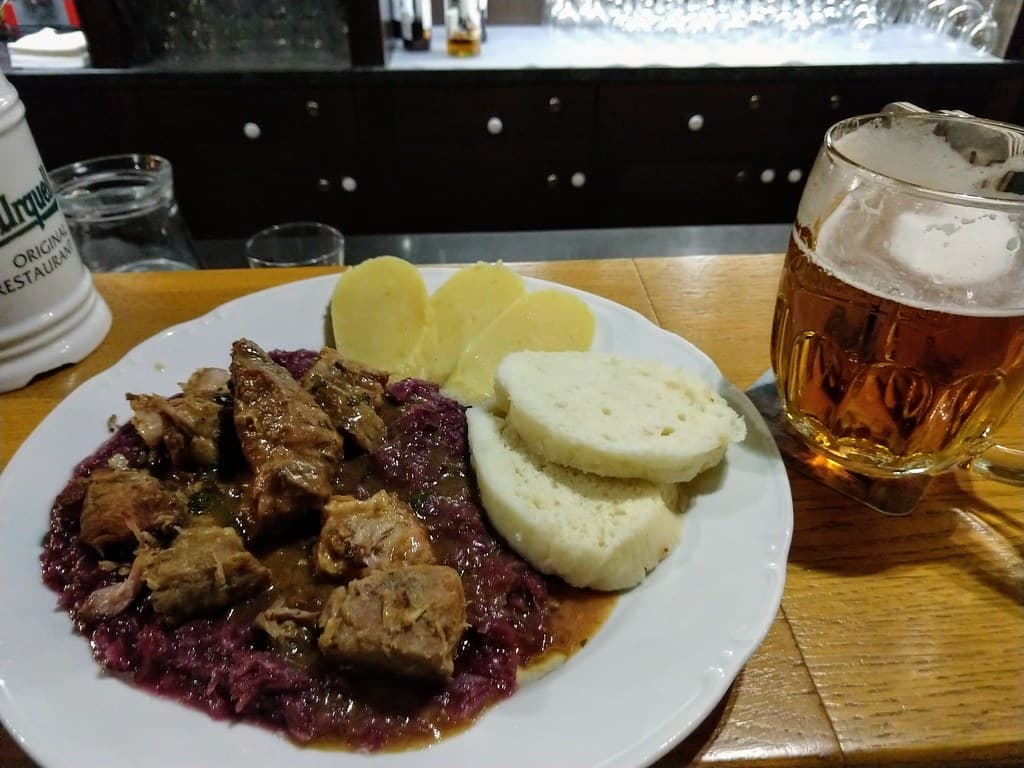
This hearty dish combines slow-roasted pork, delicate bread dumplings, and tangy sauerkraut, reflecting the culinary traditions of Czech and Slovak immigrants in early 20th-century America. It remains a beloved entree at diners and state fairs during festive occasions like Easter.
America's Melting Pot
Dirty Rice photo coming soon
1800-1860
Dirty rice is a traditional Louisiana Creole and Cajun dish combining white rice with ground meat, spices, and vegetables, creating a 'dirty' appearance. Its origins trace to 19th century Southern United States, reflecting French, African, and Native American influences in Southern cooking.
America's Melting Pot
Dried Apple Pie photo coming soon
1800-1860
Dried apple pie became common during the Civil War and Reconstruction periods when fresh fruit was scarce, utilizing dried apples to preserve seasonal flavor in a sweet, spiced pie. It exemplifies military and pioneer adaptations in American desserts.
American Dairy Age
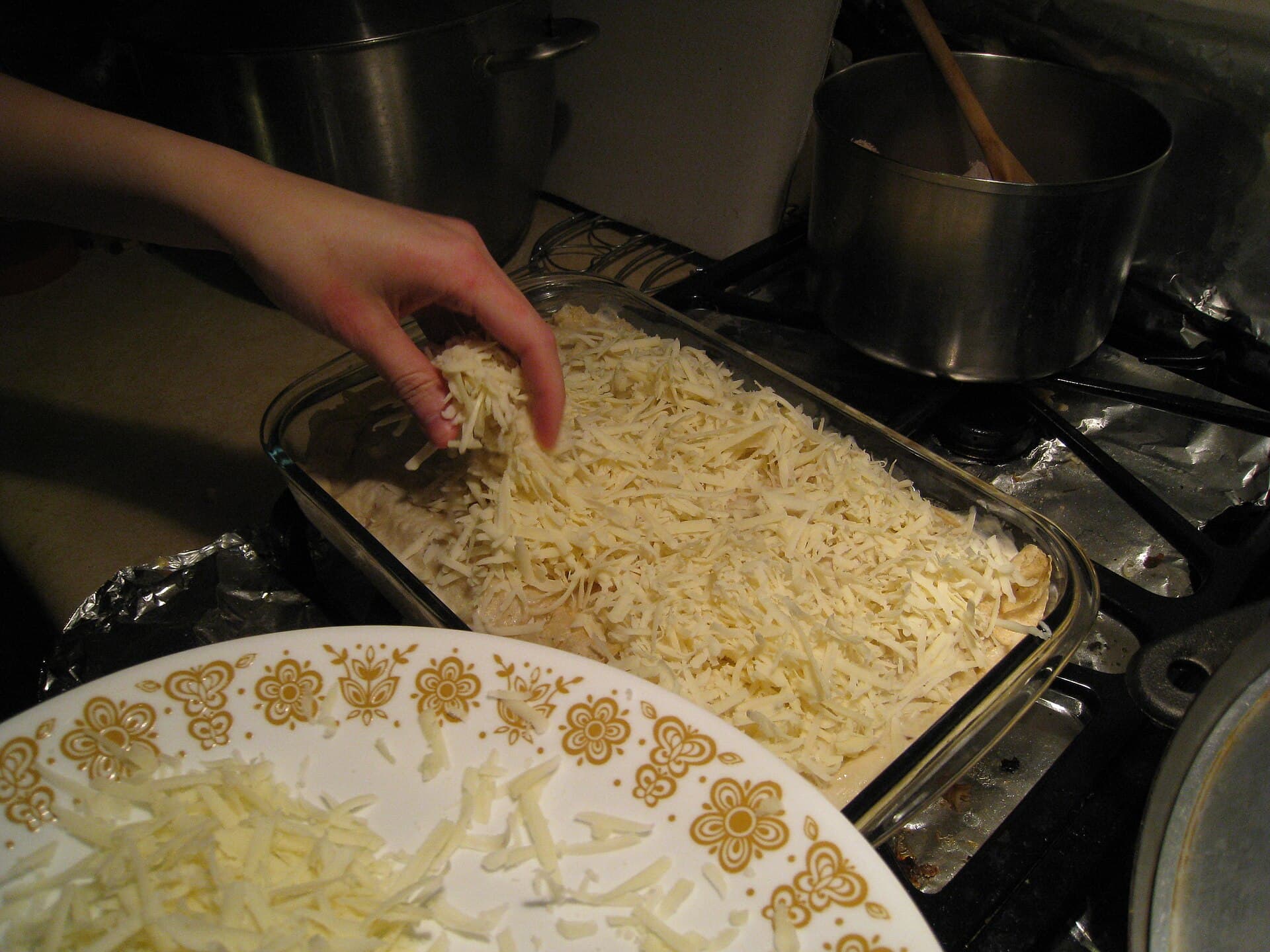
Dry Jack Cheese is a mild American Jack-family cheese with clean milk handling, careful curd cooking, optional flavoring, pressing, and controlled aging.
America's Melting Pot
Duck Gumbo photo coming soon
1800-1860
Duck gumbo is a hearty Louisiana Creole soup-stew blending wild duck, smoked sausage, okra, and a dark roux base. Rooted in West African and French Creole culinary traditions, it has been a beloved comfort food across southern hunting and fishing camps and cabins for generations.
America's Melting Pot
Dumplings photo coming soon
1800-1860
Dumplings are versatile dough balls cooked by steaming or boiling, commonly served with gravies or soups. In late 20th century American suburbs, immigrant and adaptation influences popularized various dumpling recipes at coffee shops and as comfort food during social events.
1861-1900
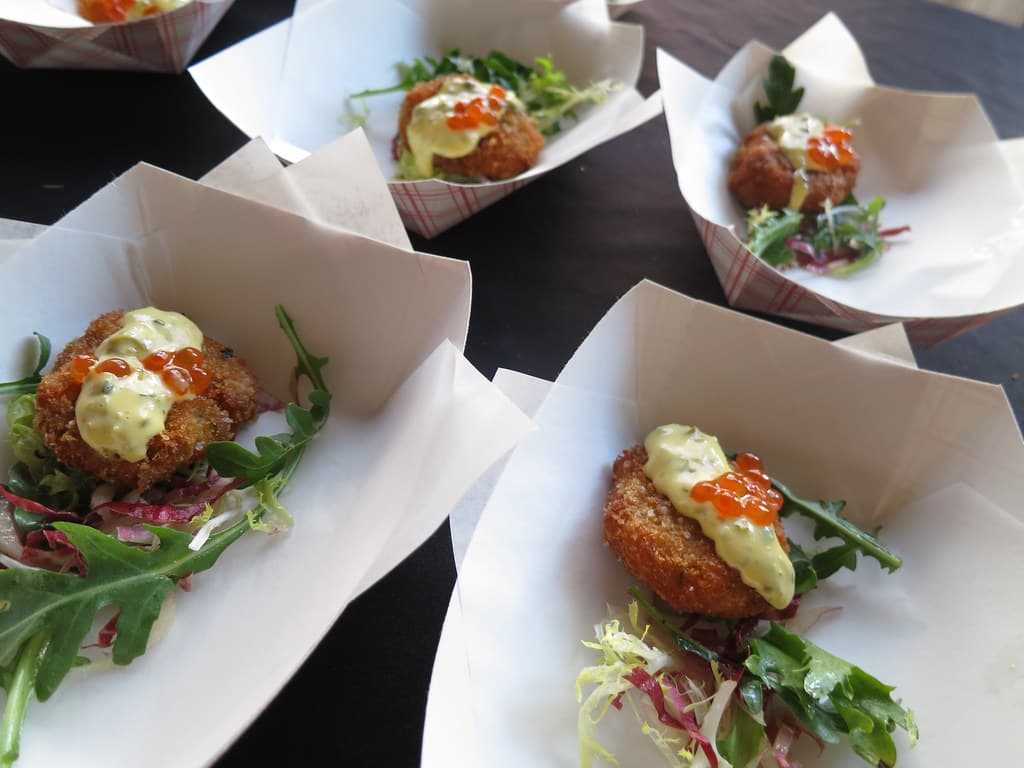
Dungeness crab cakes are a regional specialty drawing on the abundant seafood of the Pacific Northwest and Mid-Atlantic coasts. These crab cakes combine fresh Dungeness crab meat with breadcrumbs and seasonings, lightly pan-fried to showcase local marine bounty in approachable American appetizers.
America's Melting Pot
Dutch Oven Cobbler photo coming soon
Frontier & Expansion
A classic outdoor dessert, the Dutch Oven Cobbler combines fresh or canned fruit topped with a simple biscuit or cake-like batter, baked in a cast iron Dutch oven over coals or an open fire. A favored treat at camps and cabins, it's valued for ease of preparation and comforting, warm sweetness.
America's Melting Pot
Dutch Oven Peach Cobbler photo coming soon
1861-1900
This classic peach cobbler bakes juicy sweet peaches under a biscuit-like topping inside a cast iron Dutch oven. Originating from cattle camps and chuckwagon cooking on the Great Plains during late 19th century, it is a rustic comfort dessert reflecting resourceful frontier foodways.
1861-1900
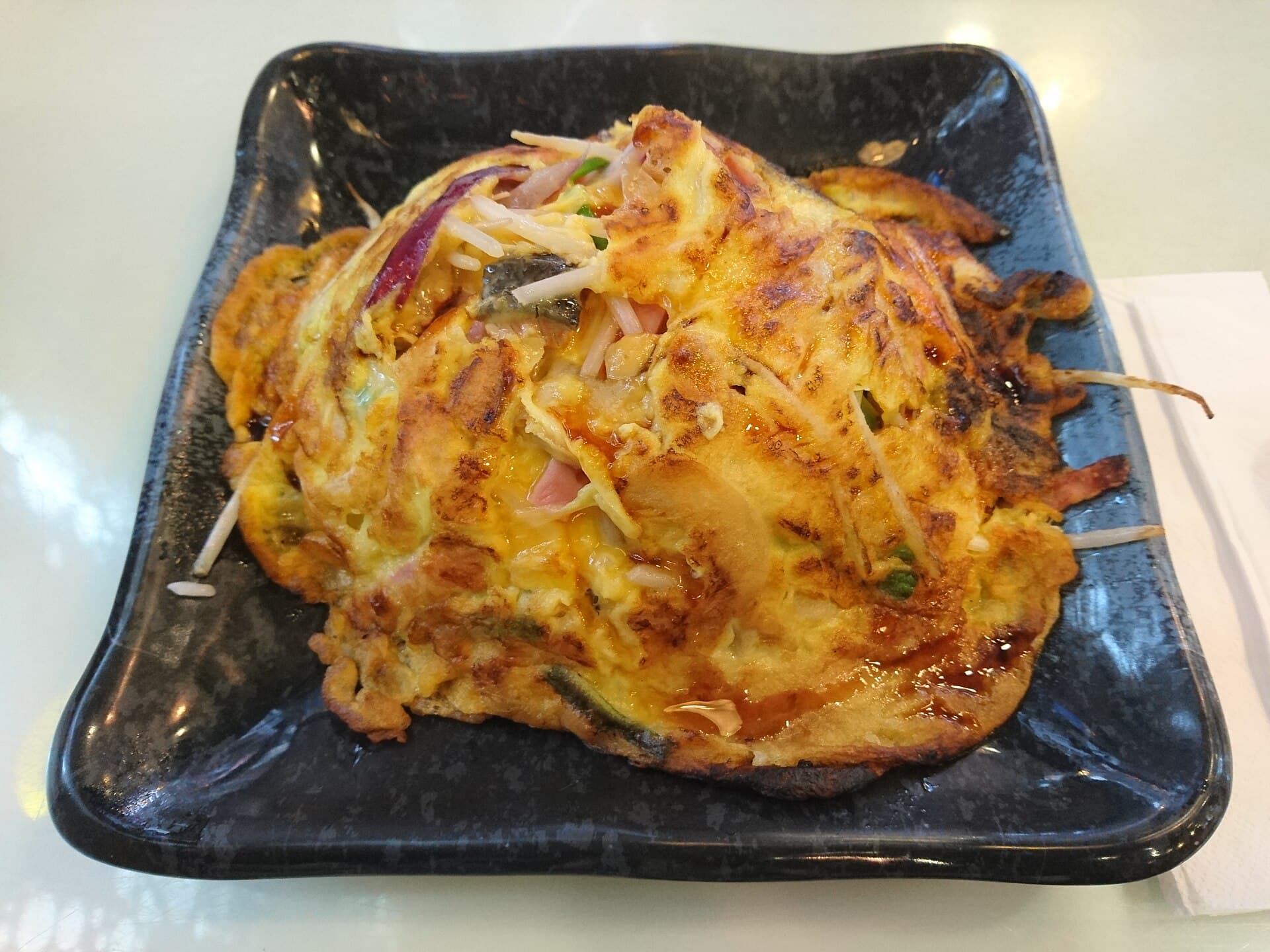
Egg Foo Young is a omelette dish with roots in Chinese-American cuisine, featuring beaten eggs mixed with vegetables, meats, or seafood, then fried and topped with a savory brown gravy. Adapted by Chinese immigrants for American tastes, it has become a diner and lunch counter favorite.
America's Melting Pot
Egg Noodles photo coming soon
1800-1860
Egg noodles are thin, flat pasta made with flour and eggs, common in various American and immigrant cuisines. During the Depression and Dust Bowl, egg noodles were easy to prepare and adaptable to many meals, from soups to casseroles, featuring prominently in farm and wartime kitchens.
1861-1900
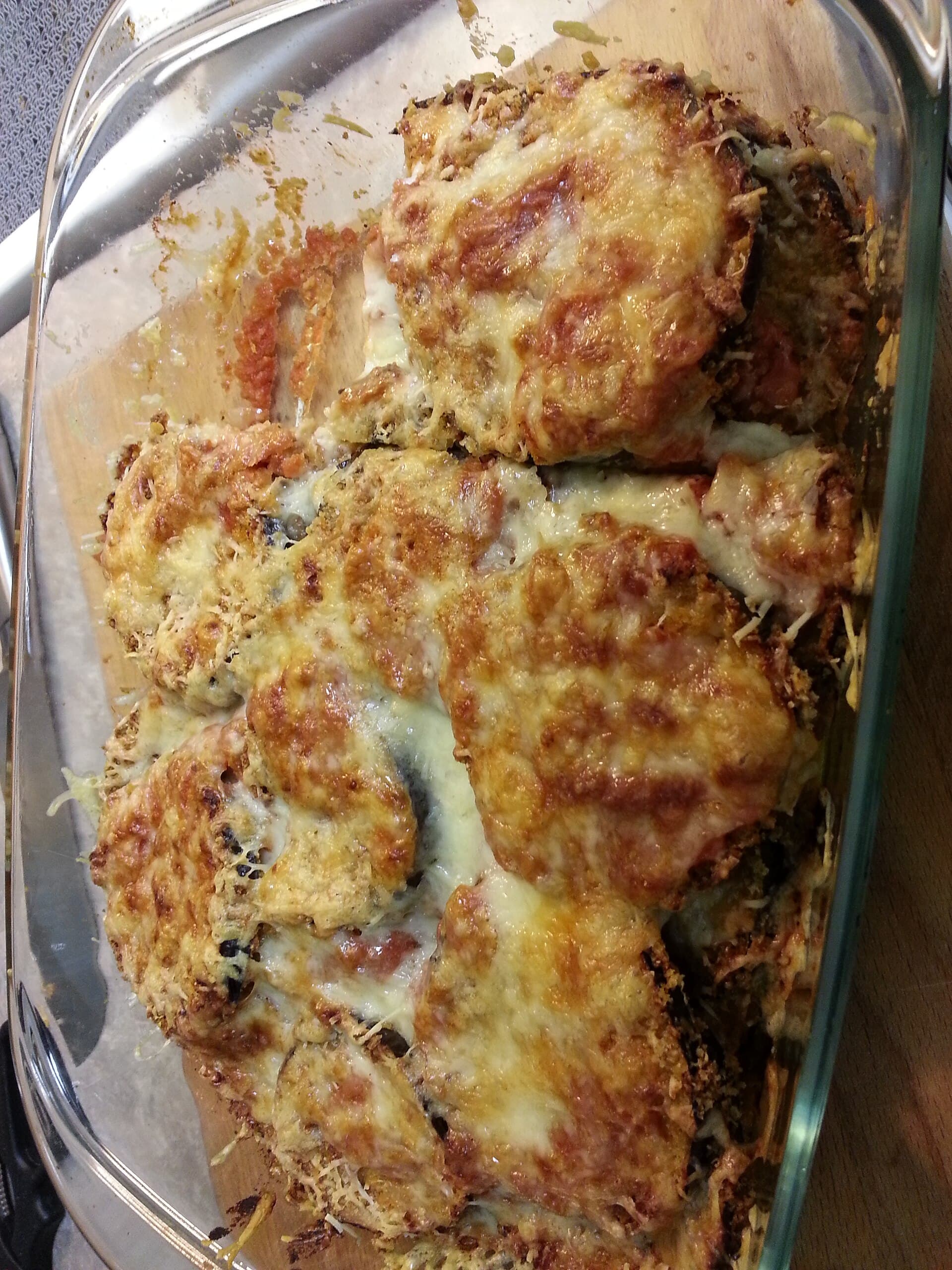
Eggplant Parmesan is an Italian-American casserole featuring breaded, fried eggplant slices layered with tomato sauce, mozzarella, and Parmesan cheese, baked until bubbly and golden. Popularized in Italian-American communities post-Civil War settlement era, it exemplifies adaptation of Italian culinary traditions in America.
America's Melting Pot
Elderberry Jelly photo coming soon
Frontier & Expansion
Elderberry Jelly is a preserve with real American table personality: Rural and Appalachian preserving. It brings flavor from Appalachia and Pennsylvania Dutch country to cookouts, counters, lunch plates, potlucks, and weeknight suppers.
America's Melting Pot
Election Cake photo coming soon
1776-1800
Election Cake is a rich, spiced yeast-leavened cake traditionally baked for political celebrations in colonial and early American history. It combines dried fruits, warm spices, and nuts, symbolizing communal festivity around elections and gatherings.
America's Melting Pot
Enchiladas photo coming soon
1800-1860
Classic enchiladas consist of rolled corn tortillas filled with seasoned fillings and covered in chili sauce and cheese. Rooted in Mexican and Spanish borderlands cuisine, enchiladas evolved in the American Southwest during the 19th century blending indigenous and European influences into a favorite regional dish.
American Dairy Age
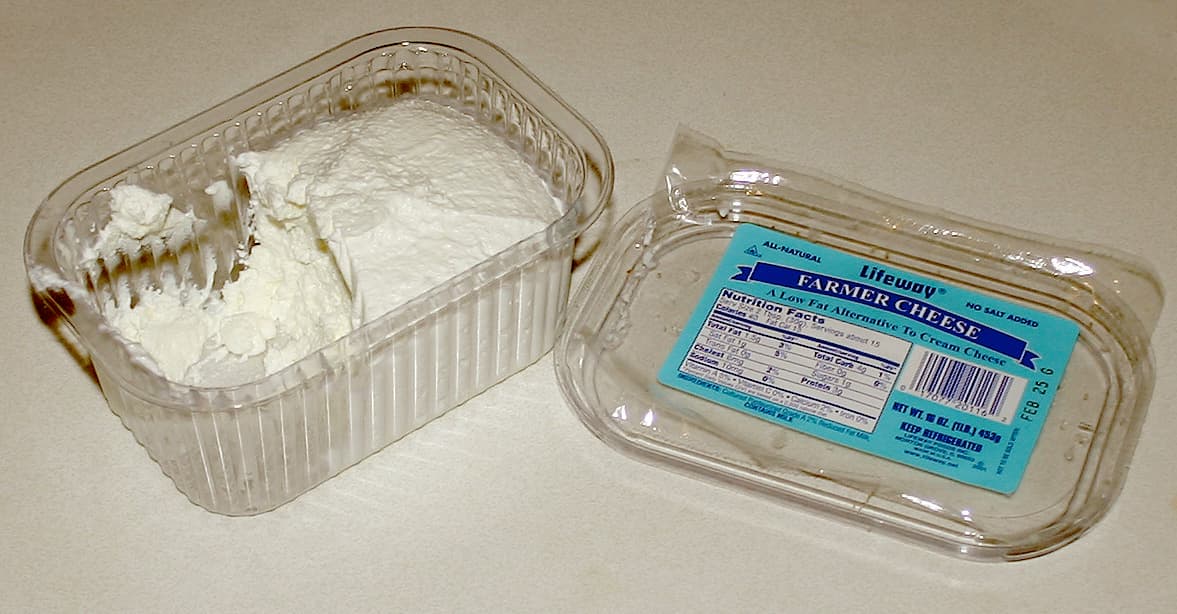
Farmer Cheese is a fresh cultured American home cheese made with pasteurized dairy, clean handling, slow culturing, draining, salting, and refrigeration.
America's Melting Pot
Fastnachts photo coming soon
1800-1860
Fastnachts are dense, fried doughnuts traditionally prepared by German-American communities in the U.S. during the 19th century, especially for Shrove Tuesday. These simple pastries reflect German immigrant influence on American regional baking traditions during early expansion and immigration periods.
American Dairy Age
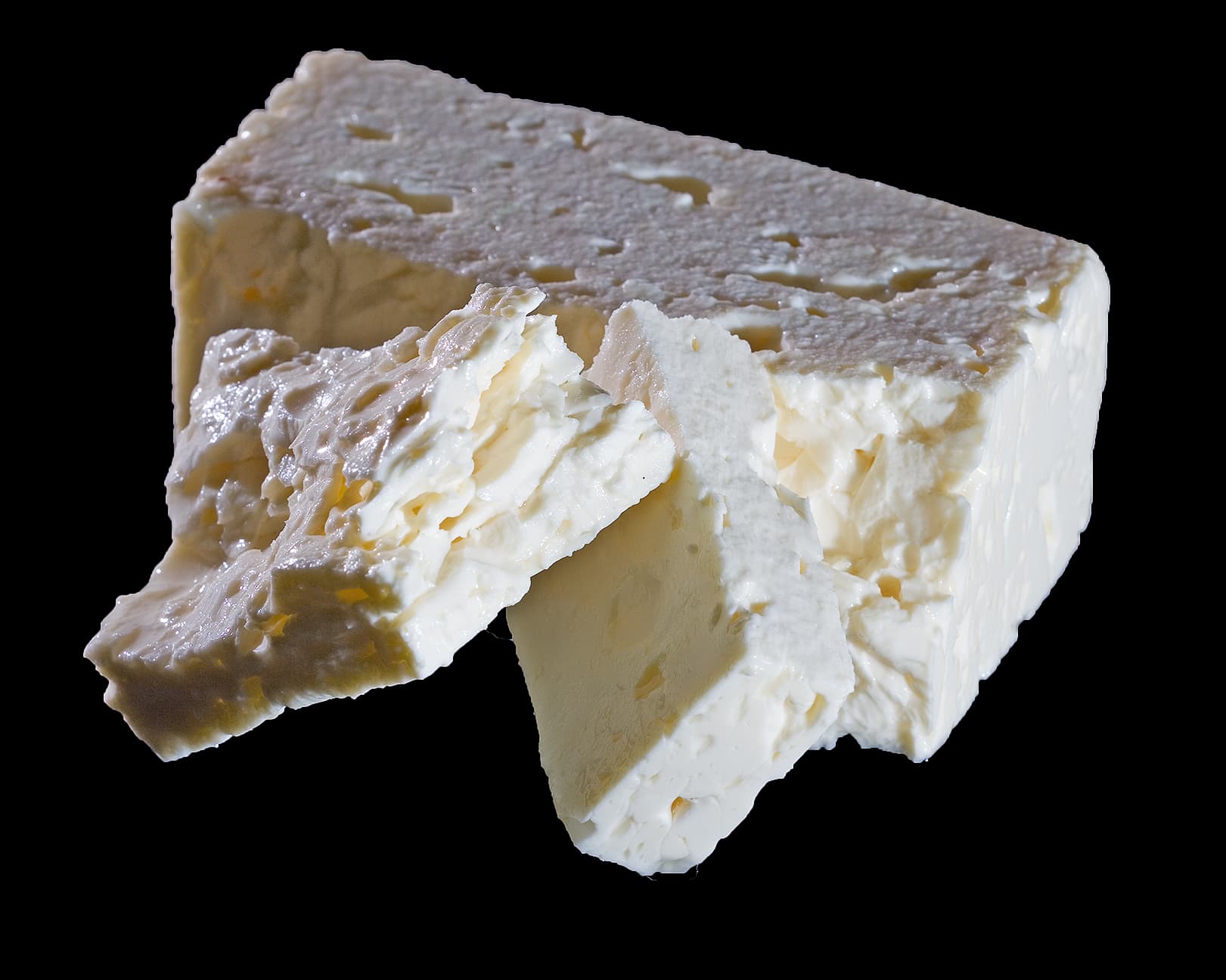
Feta, Greek-American Style is a brined American farmstead-style cheese with clean milk handling, measured culture, rennet setting, draining, salting, and brine aging.
America's Melting Pot
Field Peas with Ham Hock photo coming soon
1861-1900
Field Peas with Ham Hock is a traditional Southern dish combining slow-cooked field peas and savory ham hock for a flavorful, hearty side or main. This dish dates back to post-Civil War Reconstruction era Southern resilience and resourcefulness in cooking.
1800-1860
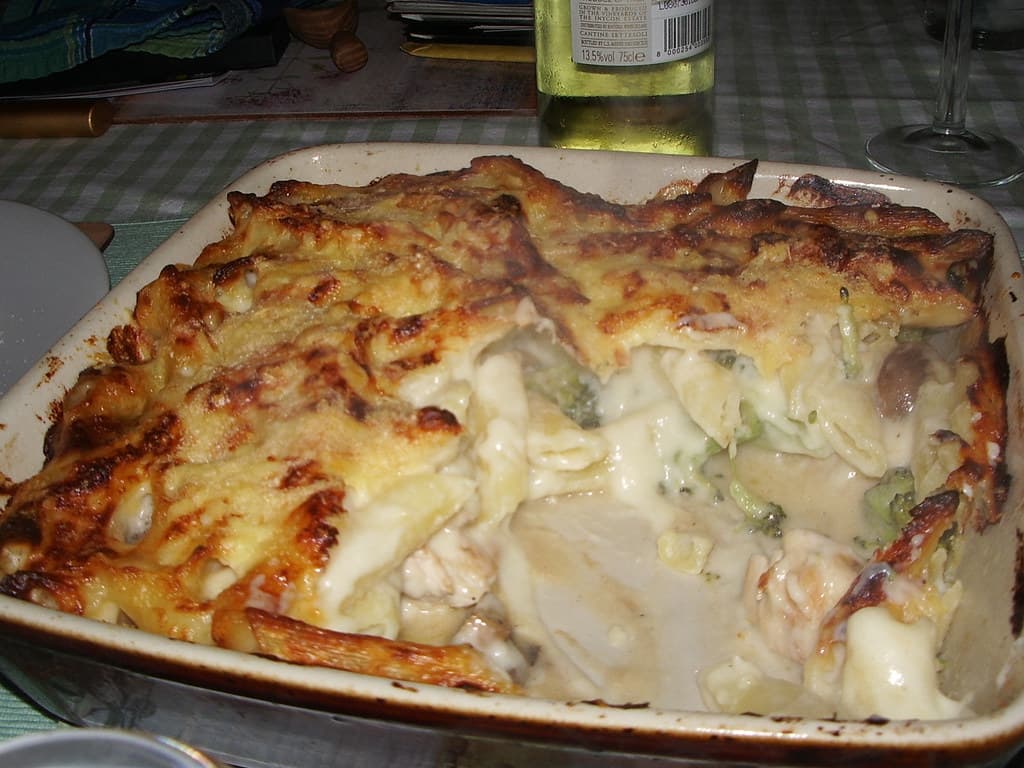
Fish Pie combines cooked fish and creamy sauce topped with mashed potatoes, baked into a savory pie. Brought by Irish immigrants to America during the 19th century, it represents adaptation of traditional Irish comfort foods using available seafood and pantry staples.
1800-1860
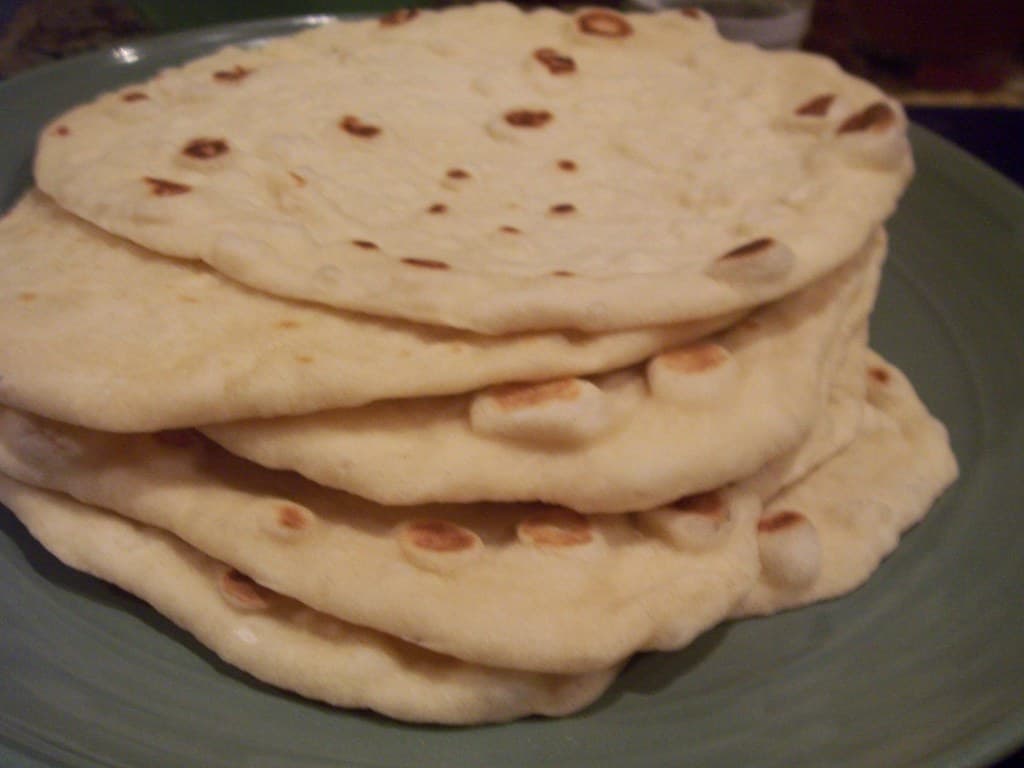
Flour tortillas are a staple soft flatbread made from wheat flour, water, fat, and salt. Originating in the Spanish borderlands and Mexican-American traditions, they became widespread in the U.S. Southwest by the mid-19th century, essential for wraps, tacos, and sandwiches.
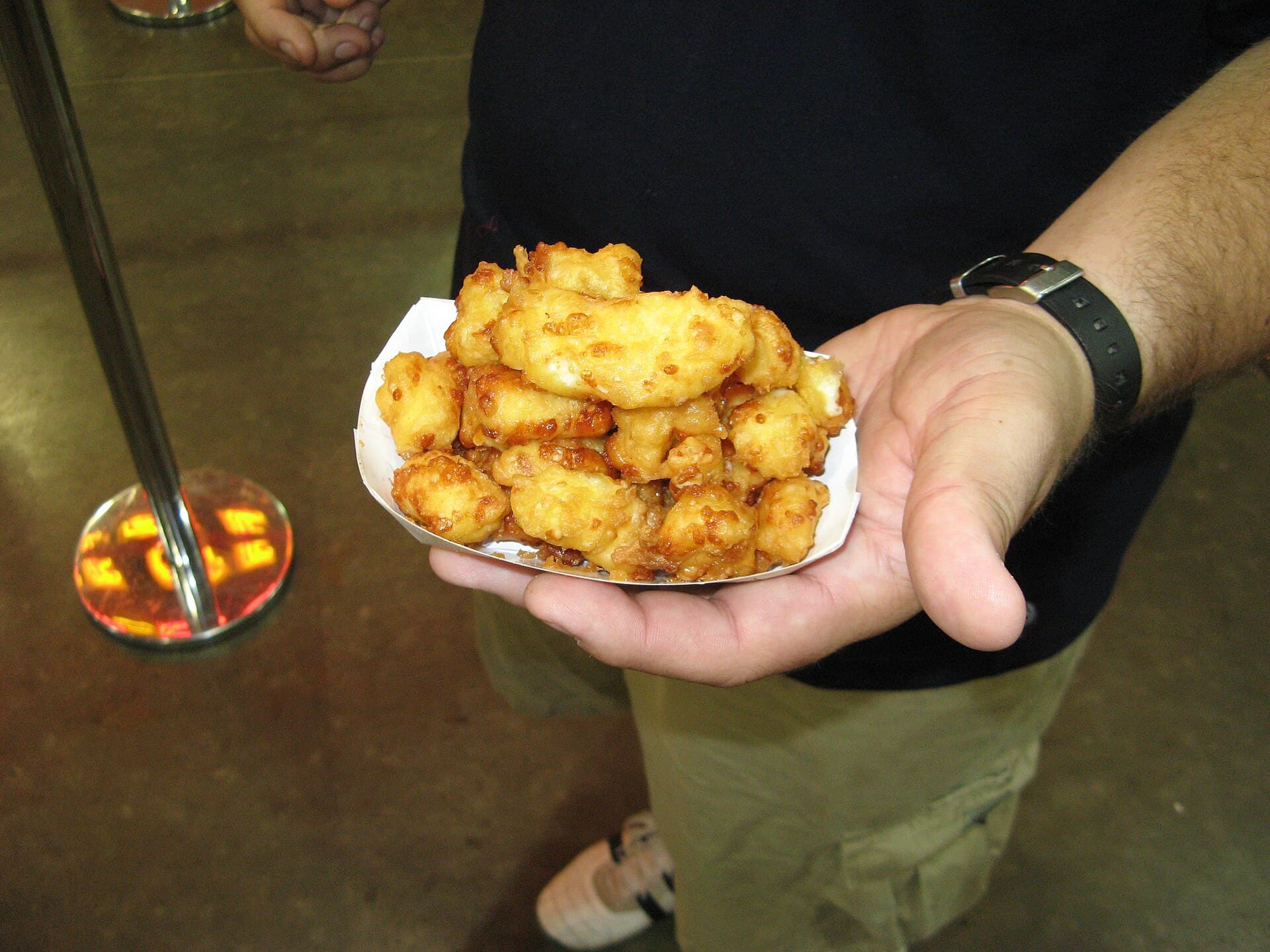
American Dairy Age
Fresh Cheese Curds is a washed-curd American cheese with gentle cooking, curd washing, salting, pressing, and a short controlled aging period.
America's Melting Pot
Fried Apples photo coming soon
1776-1800
Fried apples are sliced apples cooked in butter with sugar and warm spices until soft and caramelized. A traditional American side dish since the late 18th century, they pair well with breakfast dishes and pork and reflect colonial and revolutionary era cooking.
America's Melting Pot
Fried Catfish photo coming soon
1800-1860
Fried catfish is a beloved Southern staple featuring fresh catfish fillets coated in seasoned cornmeal and fried to a golden crisp. This dish reflects the region's rich freshwater fishing traditions and simple, hearty cooking methods popular during America's Expansion and early 19th century.
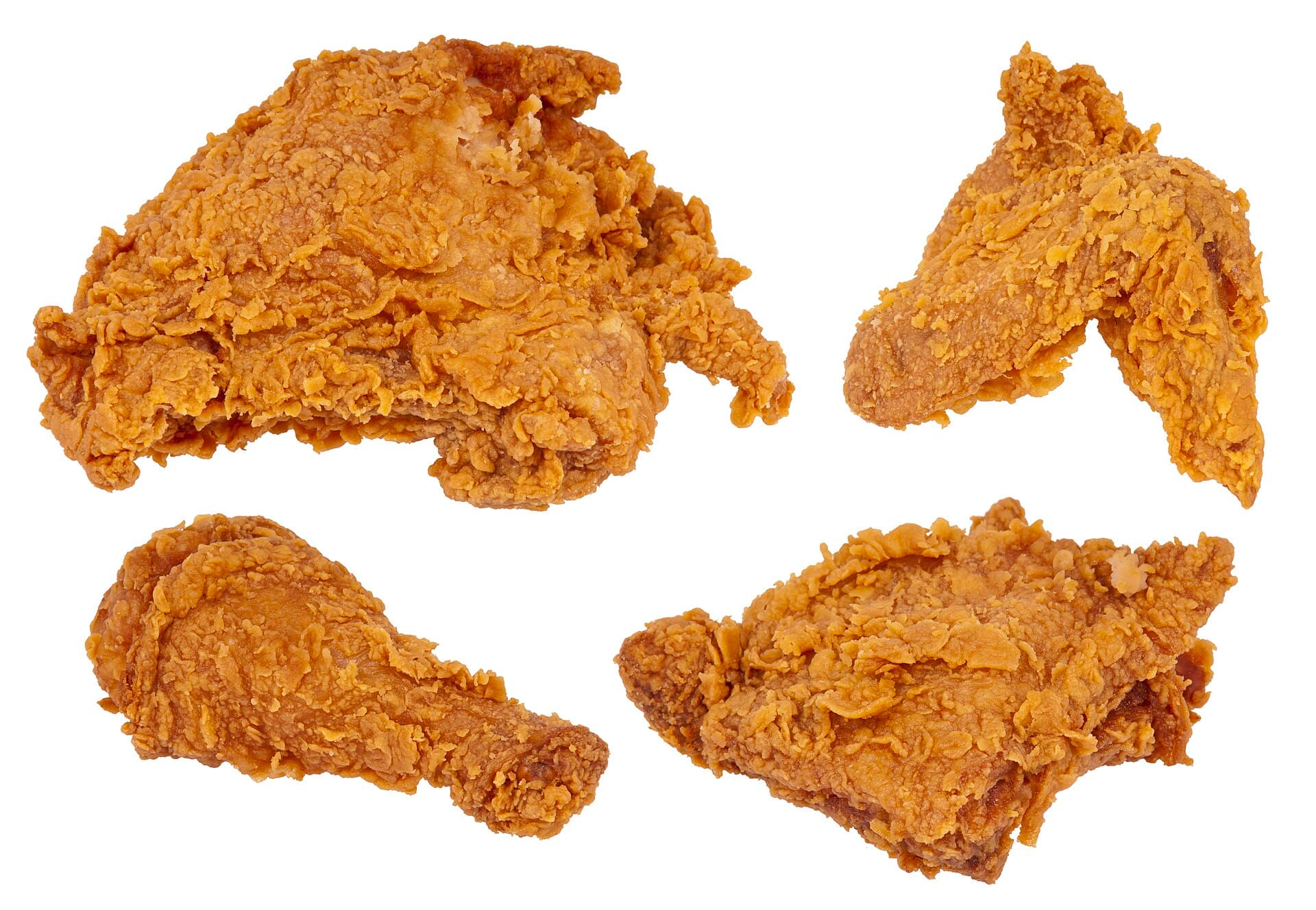
1800-1860
Fried chicken is a Southern classic featuring chicken pieces seasoned, battered, and deep fried to a crispy golden crust. This dish has been beloved across the South since the early 19th century and remains a cornerstone of American comfort food.
America's Melting Pot
Fried Green Tomatoes photo coming soon
1861-1900
Fried green tomatoes feature firm, unripe tomatoes sliced, coated in cornmeal, and fried to a crisp golden finish. This Southern favorite emerged post-Civil War and remains a symbol of Southern resilience and resourcefulness.
America's Melting Pot
Fried Potatoes photo coming soon
1800-1860
Fried potatoes are simple slices or cubes of potatoes pan-fried until golden and crisp. This hearty side dish is a staple of Appalachian kitchens and reflects longstanding American frontier food customs.
America's Melting Pot
Fried Potatoes and Onions photo coming soon
1800-1860
Fried potatoes and onions combine sliced potatoes and onions fried together until caramelized and crispy. A common Appalachian side dish reflecting early 19th century southern frontiersman cooking traditions.
America's Melting Pot
Fried Salt Pork photo coming soon
1861-1900
Fried salt pork is slices of salted pork belly or shoulder fried until crispy and browned. A fuel-rich staple on 19th-century cattle trails and frontier kitchens, it was prized for preserving and flavoring.
America's Melting Pot
Frijoles de Olla photo coming soon
1800-1860
Frijoles de olla are a simple, slow-cooked pinto bean stew flavored with garlic, onion, and sometimes herbs. A staple in Southwestern and Mexican American kitchens reflecting Spanish and indigenous influences from the early 19th century onward.
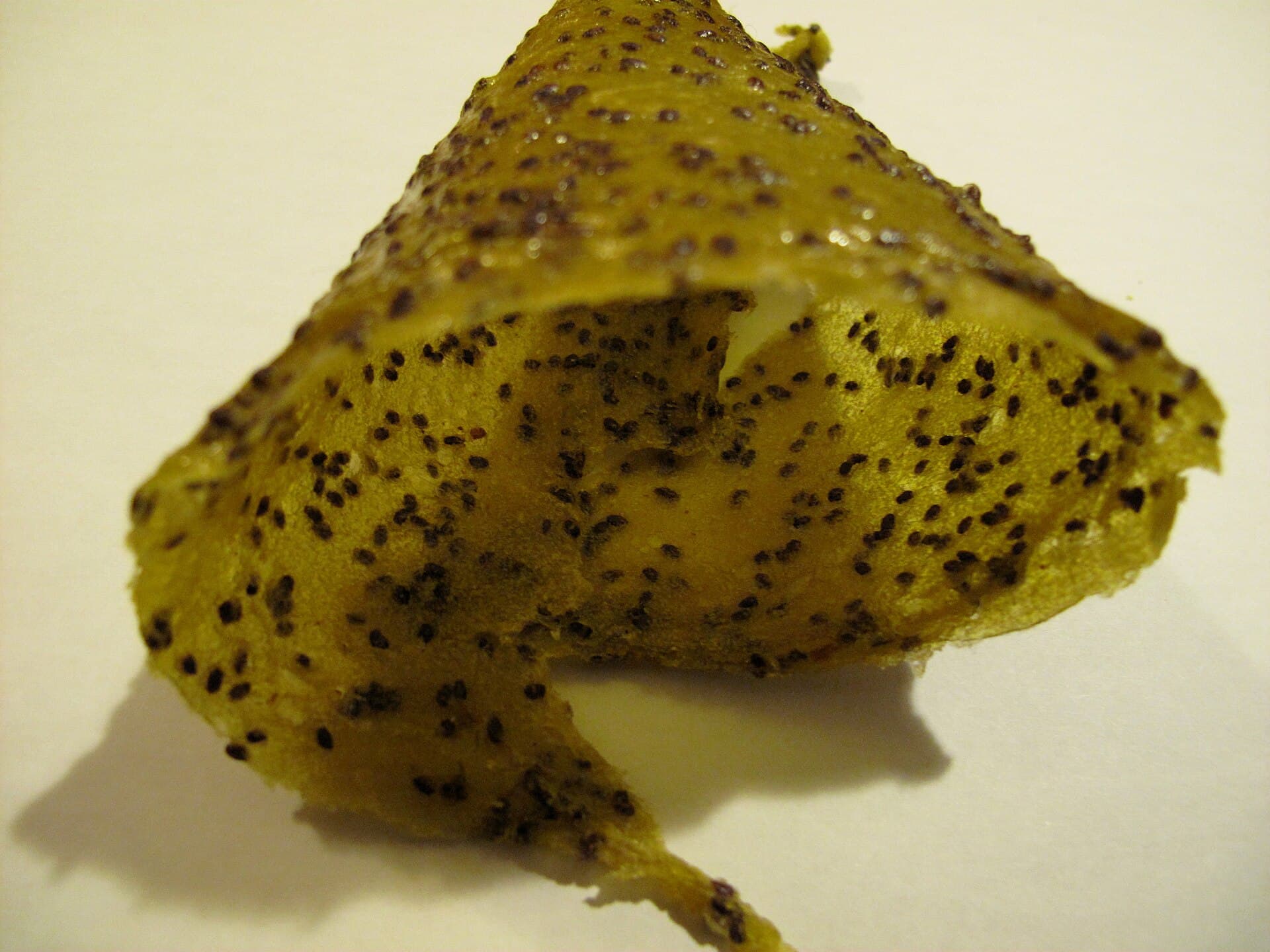
1800-1860
Fruit leather is a traditional preserved fruit snack made by drying pureed fruit into a thin, flexible sheet. Common in early America, it offered a way to enjoy fruit flavors year-round. This homemade fruit leather recipe captures the simple, wholesome practice of preserving seasonal fruit using natural drying methods.
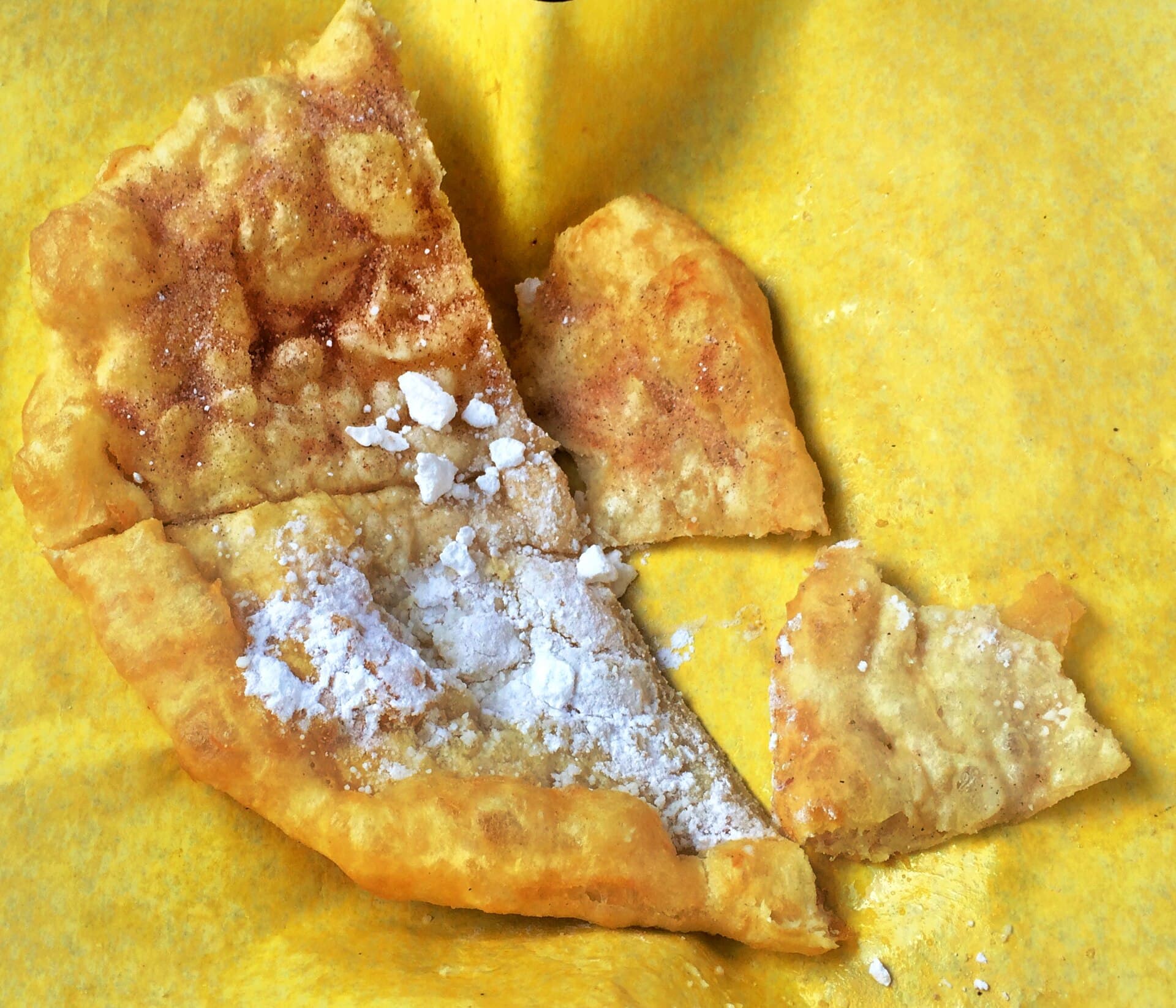
1800-1860
Fry bread is a soft, puffy fried bread with crispy edges, an iconic food in many Indigenous communities across the Great Plains and Alaska. Originating as a resourceful response to government-provided rations during the 19th century, fry bread today serves as both a staple and comfort food, featuring as a base for various toppings or eaten plain.
American Dairy Age
Garlic Jack is a mild American Jack-family cheese with clean milk handling, careful curd cooking, optional flavoring, pressing, and controlled aging.
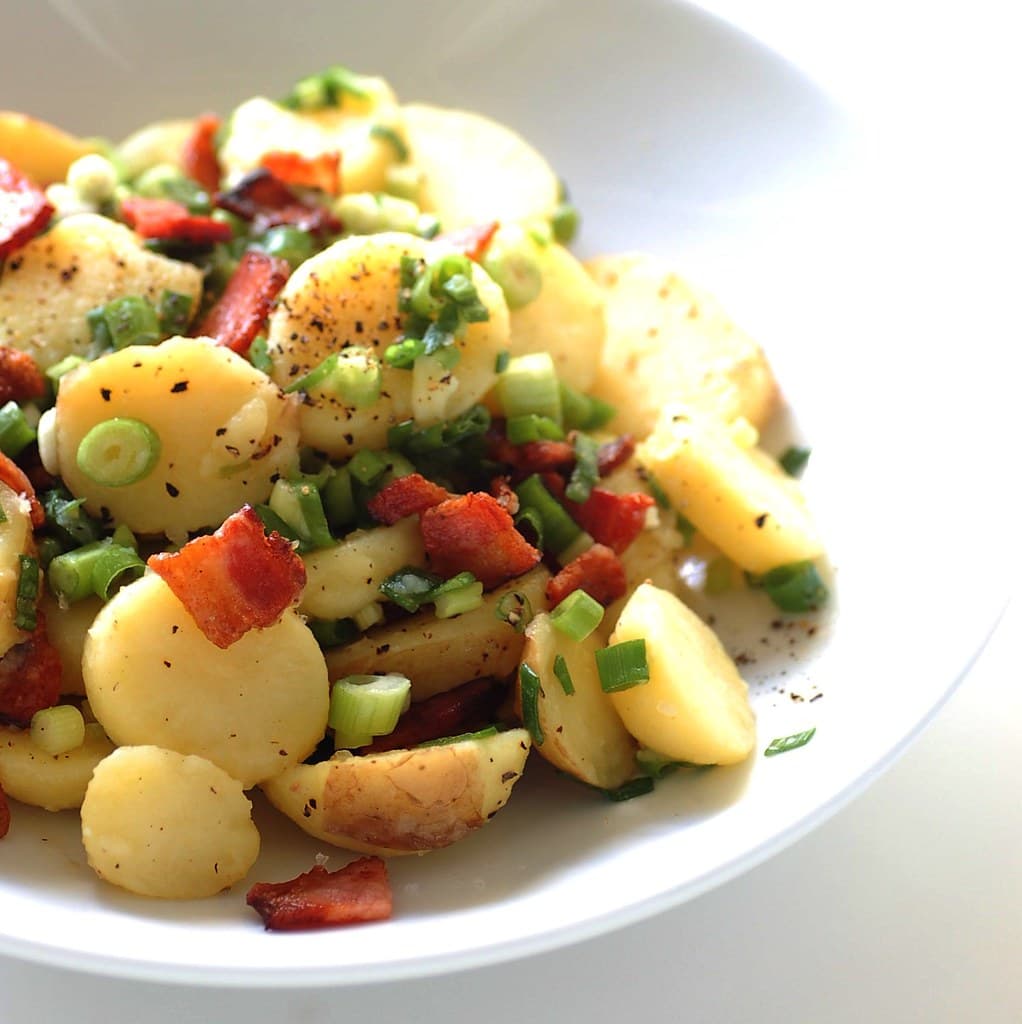
1800-1860
German potato salad is a tangy and warm side dish featuring sliced potatoes dressed with vinegar, bacon, onions, and herbs. Introduced by German-American immigrants during the 19th century, this salad contrasts with creamy mayonnaise versions and remains a staple in traditional American gatherings and barbecues.
America's Melting Pot
Gingerbread for Soldiers photo coming soon
1861-1900
Gingerbread for soldiers was a dense, spiced quick bread distributed to Union soldiers during the Civil War to provide a portable, energy-rich food. Made with molasses and warming spices, it offered familiar flavors and durable storage, often baked in loaf pans or as small cakes for rations on the move.
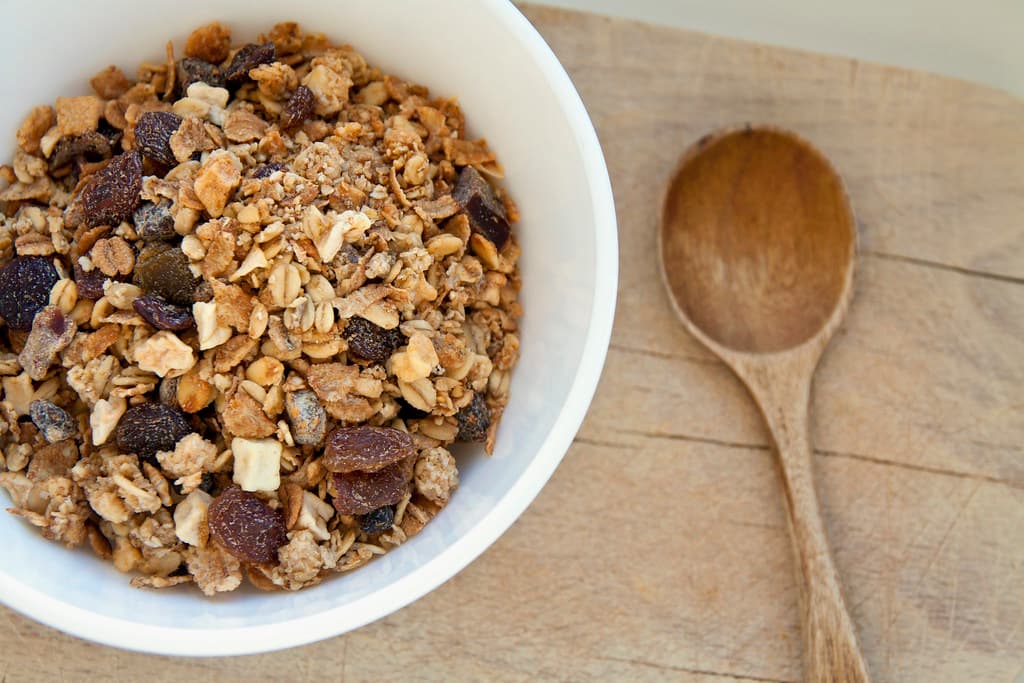
1861-1900
Granola is a baked cereal consisting of rolled oats, nuts, sweeteners, and sometimes dried fruit, widely popular as a health food snack or breakfast item. Modern granola recipes developed in late 20th-century America, growing from health food movements blending traditional concepts with new ingredient combinations.
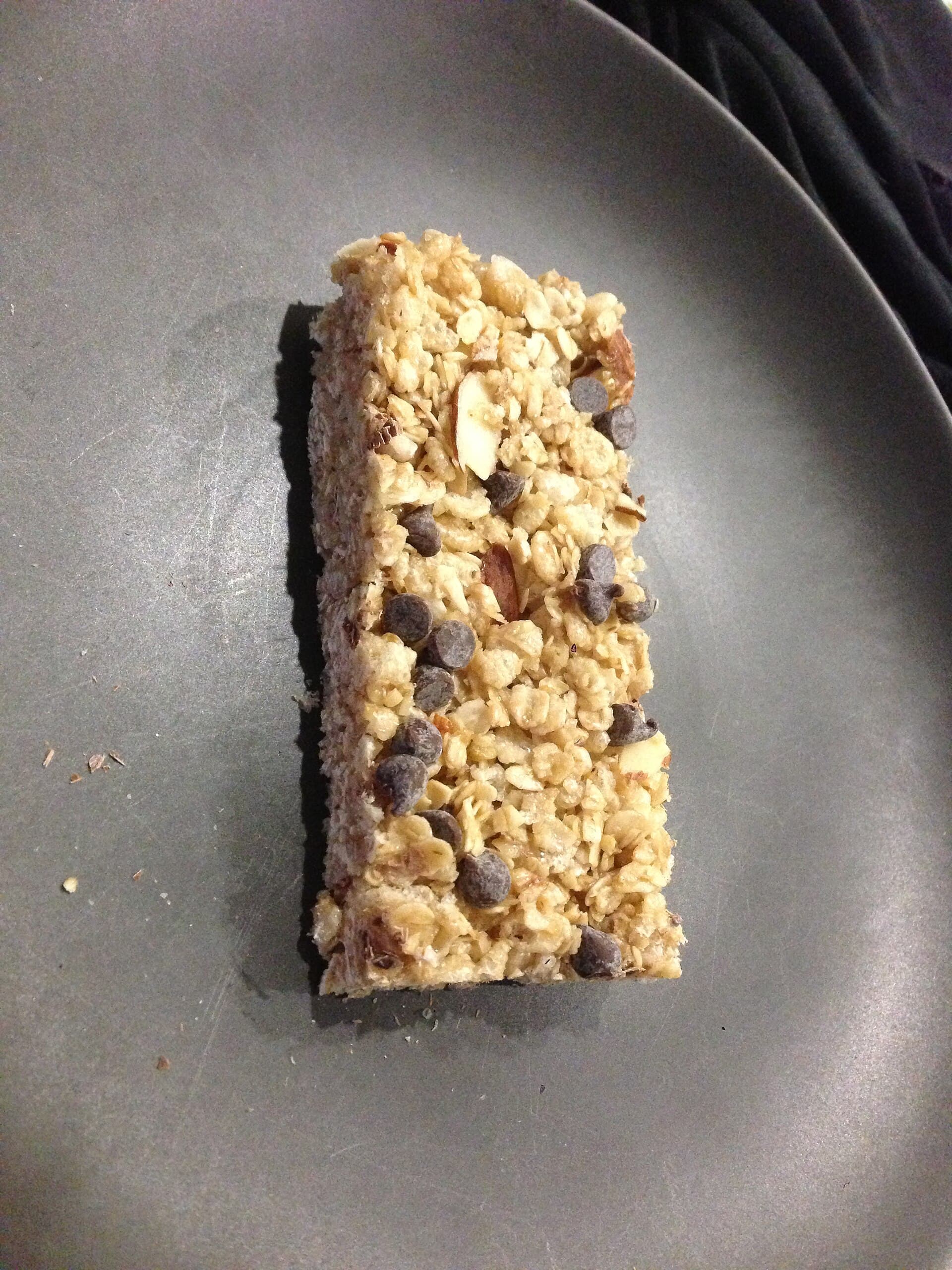
1861-1900
Granola bars are compact, baked or no-bake snack bars made of oats, nuts, dried fruit, and sweeteners. Popularized in late 20th-century American coffee shops and convenience foods, granola bars offer a convenient energy source fitting modern on-the-go lifestyles and sporty snack needs.
America's Melting Pot
Green Tomato Preserves photo coming soon
Frontier & Expansion
Green Tomato Preserves is a preserve with real American table personality: Farm garden economy. It brings flavor from coast-to-coast American tables to cookouts, counters, lunch plates, potlucks, and weeknight suppers.
America's Melting Pot
Green Tomato Relish photo coming soon
Frontier & Expansion
Green Tomato Relish is a relish with real American table personality: End-of-season garden preservation. It brings flavor from coast-to-coast American tables to cookouts, counters, lunch plates, potlucks, and weeknight suppers.
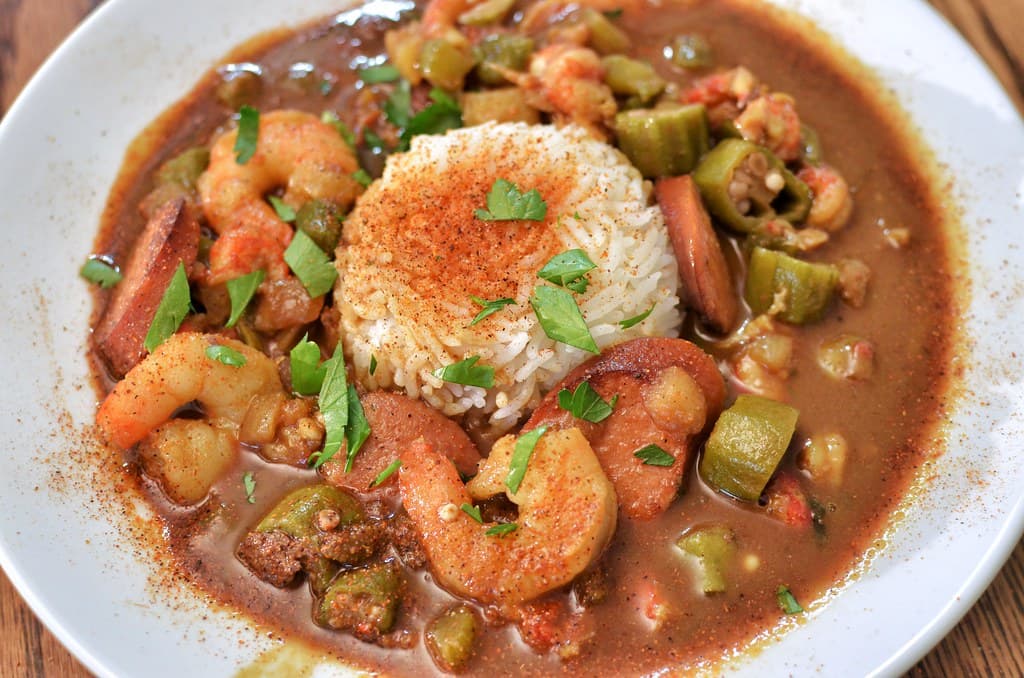
1800-1860
Gumbo is a renowned stew from Louisiana, combining West African, French Creole, and Native American culinary traditions. Dating between 1800 and 1860, gumbo integrates local seafood, sausage, and the 'holy trinity' of vegetables into a thickened, flavorful stew emblematic of Southern and Creole identity.
1800-1860
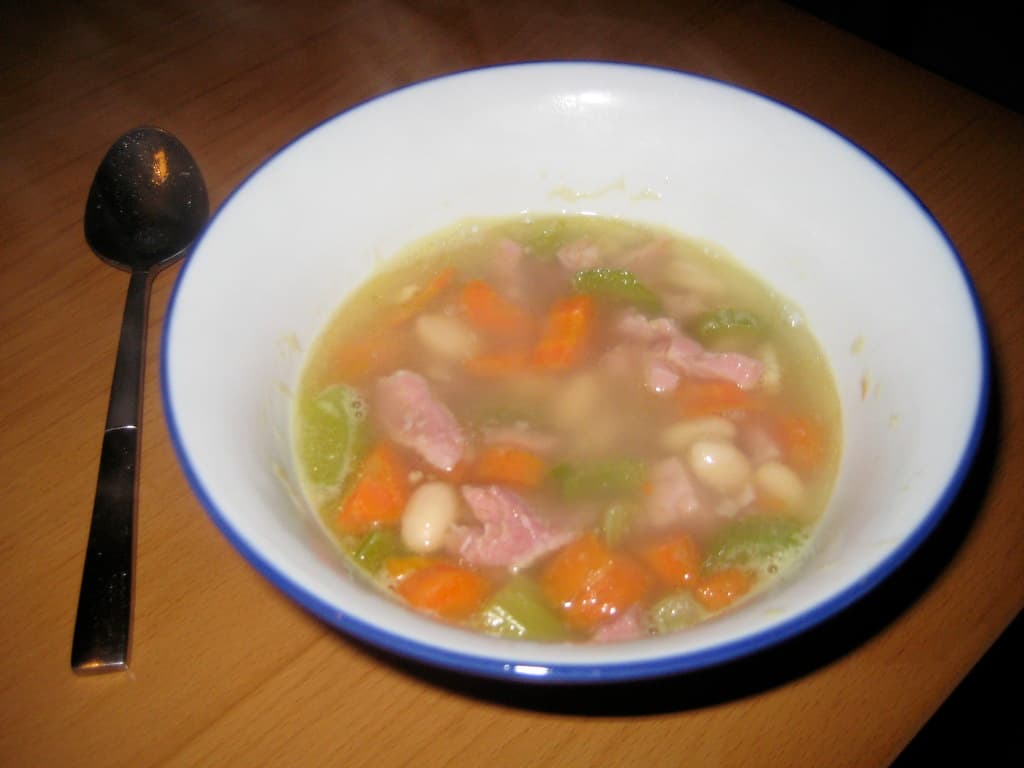
Ham and bean soup is a hearty, economical stew that sustained workers in American railroads, mining camps, and boardinghouses during the late 19th century. Utilizing leftover ham and dried beans, it embodies practical, resourceful cooking of the Reconstruction and settlement era.
1861-1900
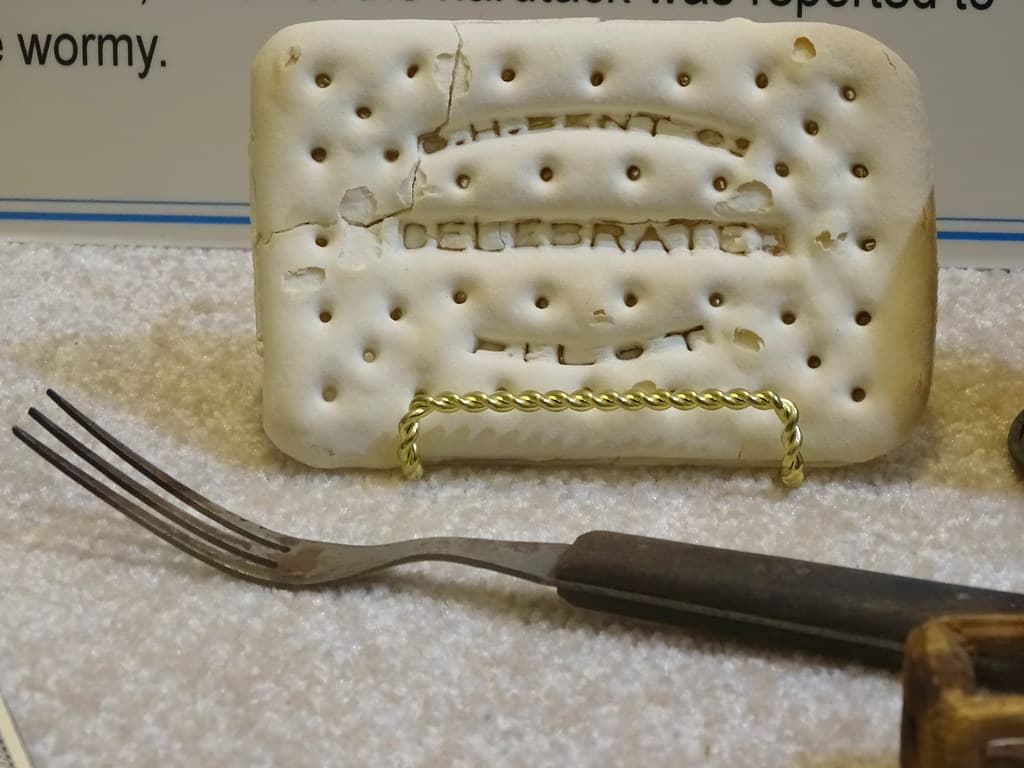
Hardtack is a simple, dense biscuit made from flour, water, and sometimes salt, designed as long-lasting hard bread for soldiers and sailors. It was a fundamental ration during the American Civil War and frontier settlement, valued for shelf stability despite its hardness.
America's Melting Pot
Hash photo coming soon
1861-1900
Hash is a savory dish combining chopped cooked meat, potatoes, onions, and seasoning, originally made to use leftovers efficiently. It was a practical meal served in American railroad camps, mining towns, and boardinghouses during the late 19th century.
American Dairy Age
Herb Jack is a mild American Jack-family cheese with clean milk handling, careful curd cooking, optional flavoring, pressing, and controlled aging.
American Dairy Age
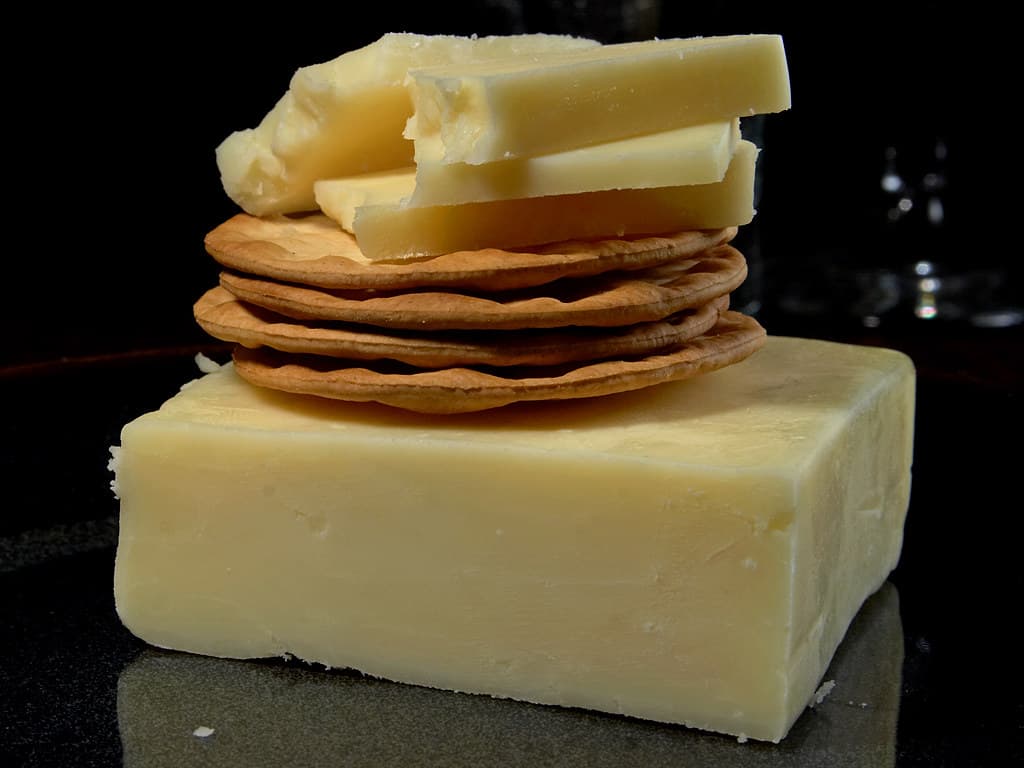
Homemade Cheddar Cheese is a home-scale American cheddar with measured culture, rennet setting, cheddaring, pressing, salting, and controlled aging.
1861-1900
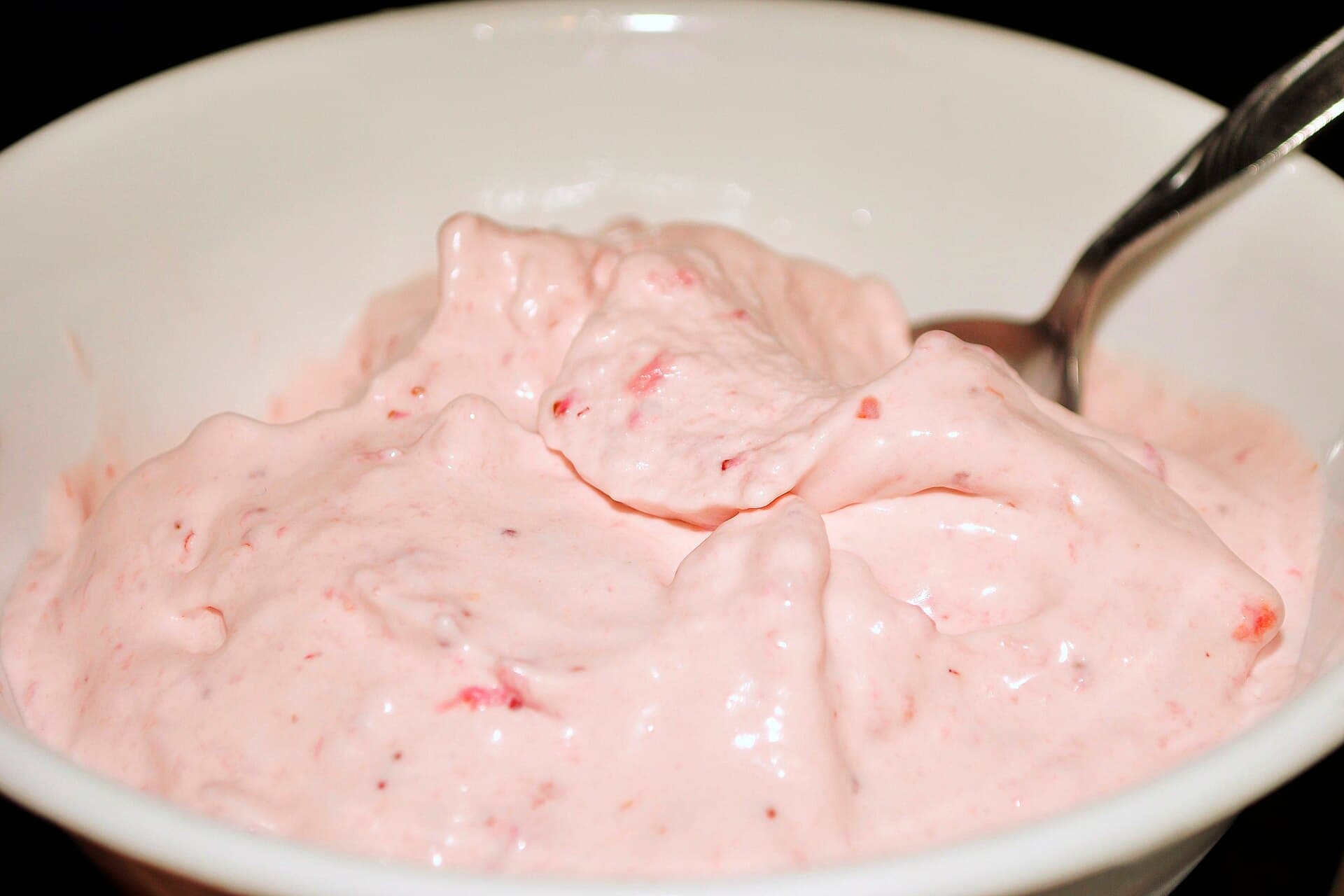
Homemade ice cream is a beloved treat enjoyed across the United States, especially during warm weather and holidays like the Fourth of July. This recipe captures the timeless tradition of making rich, creamy ice cream at home using simple ingredients. While commercial ice cream became widely available in the 20th century, homemade versions date back to earlier periods and remain a festive family activity.
America's Melting Pot
Hominy photo coming soon
1776-1800
Hominy is dried maize kernels treated with an alkali to remove the hull and germ, a process known as nixtamalization. It has been a staple food for Indigenous peoples in North America and later incorporated widely into American cooking. This versatile ingredient appears in many traditional dishes across different regions, valued for its unique texture and nutritional content.
America's Melting Pot
Hoop Cheese photo coming soon
American Dairy Age
Hoop Cheese is a fresh acid-set American home cheese made with pasteurized dairy, direct heating, measured acid, draining, salting, and refrigeration.
America's Melting Pot
Horseradish Cheddar Spread photo coming soon
American Dairy Age
Horseradish Cheddar Spread is a finished American cheese spread for crackers, sandwiches, and snack boards, with clear mixing, chilling, and storage guidance.
America's Melting Pot
Hospital Chicken Broth photo coming soon
1861-1900
Hospital chicken broth is a clear, lightly seasoned broth historically served to patients during the Civil War era as a restorative and easily digestible food. Using basic chicken parts and minimal seasoning, it exemplifies early American military and hospital cooking aimed at nourishing illness recovery with limited resources.
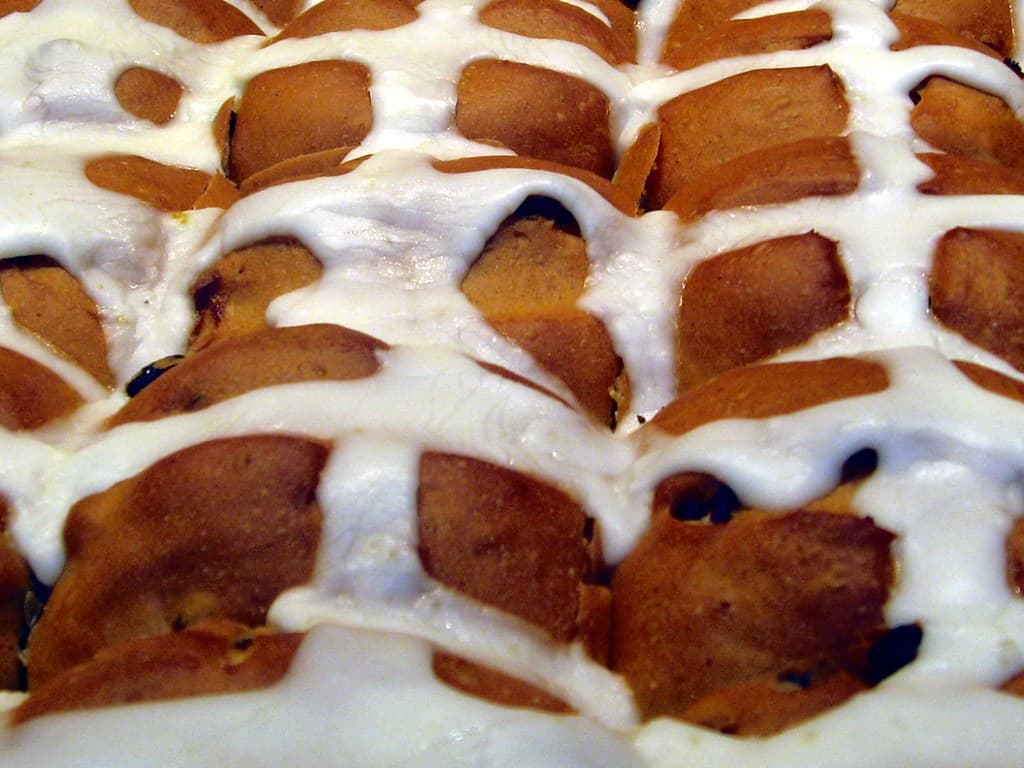
1800-1860
Hot cross buns are spiced sweet buns traditionally eaten during Easter in the United States and many other countries. The buns include dried fruit and are marked with a cross on top, symbolizing the holiday's Christian significance. This recipe reflects longstanding transatlantic baking traditions incorporated into American holiday cuisine.
America's Melting Pot
Hot Water Cornbread photo coming soon
1861-1900
Hot water cornbread is a traditional Southern side dish characterized by a quick batter mixed with hot water and fried until golden and crisp. Popular during the Civil War and Reconstruction era, it exemplifies economical cooking using cornmeal and limited ingredients, reflecting Southern resilience through hardship.
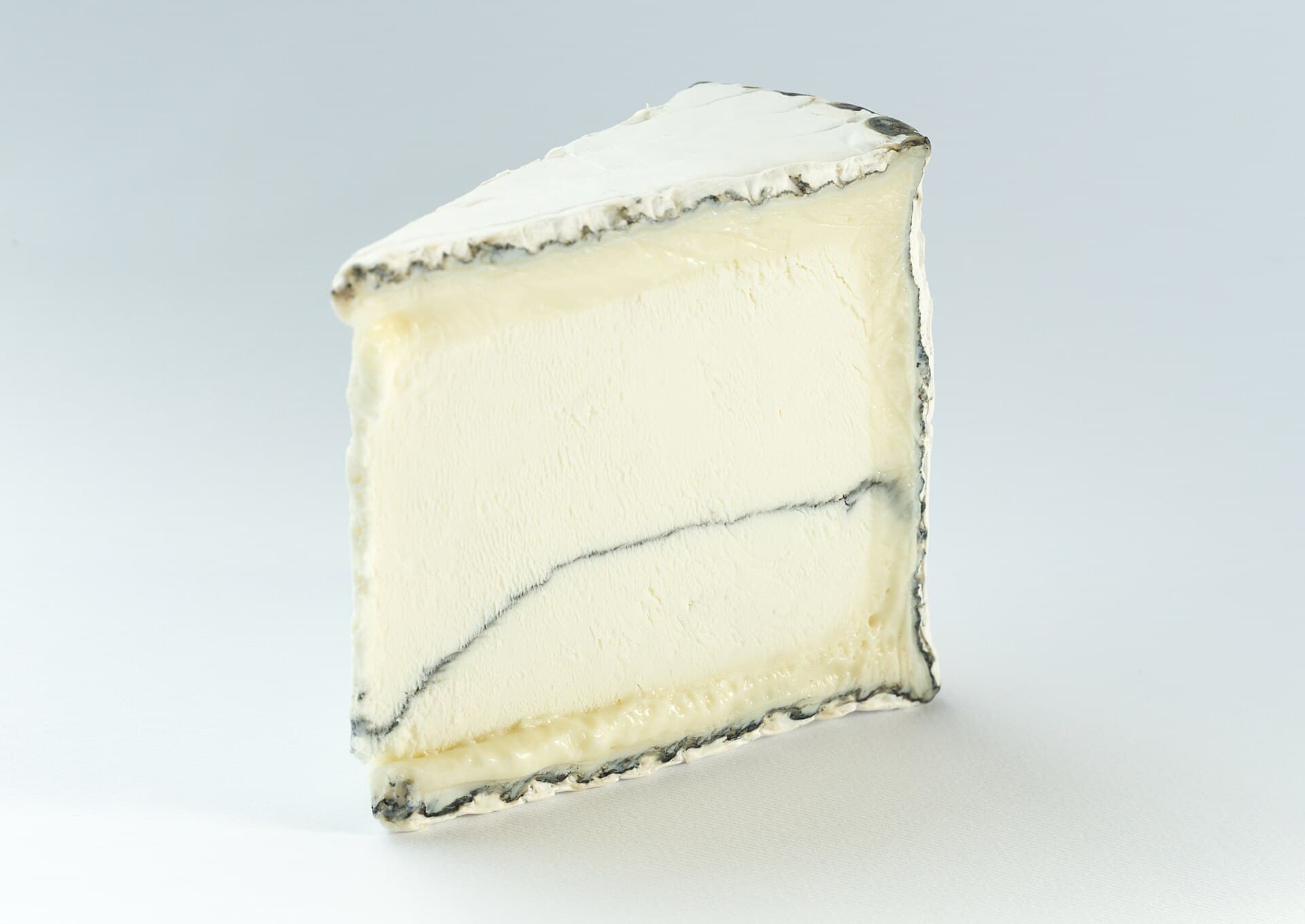
American Dairy Age
Humboldt Fog-style Goat Cheese is a home-scale goat cheese inspired by American bloomy-rind farmstead cheese, with clean handling, ash, mold ripening, and controlled aging.
America's Melting Pot
Indian Pudding photo coming soon
1776-1800
Indian pudding is a New England colonial-era dessert dating back to the late 18th century (1776-1800). Made with cornmeal, molasses, and dairy, it reflects early American adaptations of Native American and English influences, a testament to regional colonial foodways.
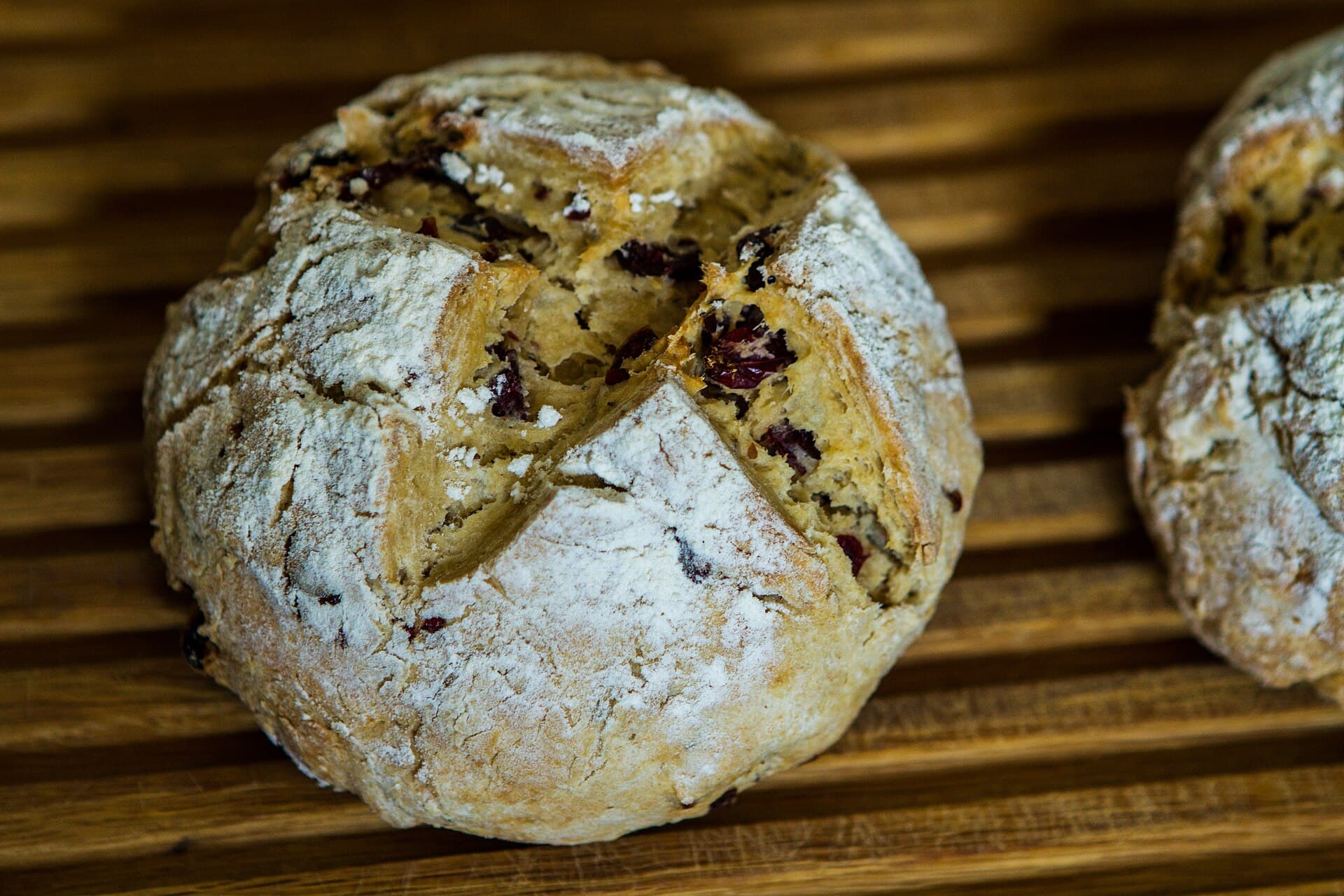
1800-1860
This Irish soda bread recipe uses baking soda as a leavening agent, reflecting a practical bread-making tradition brought by Irish immigrants to America in the 19th century, adapted for home kitchens today.
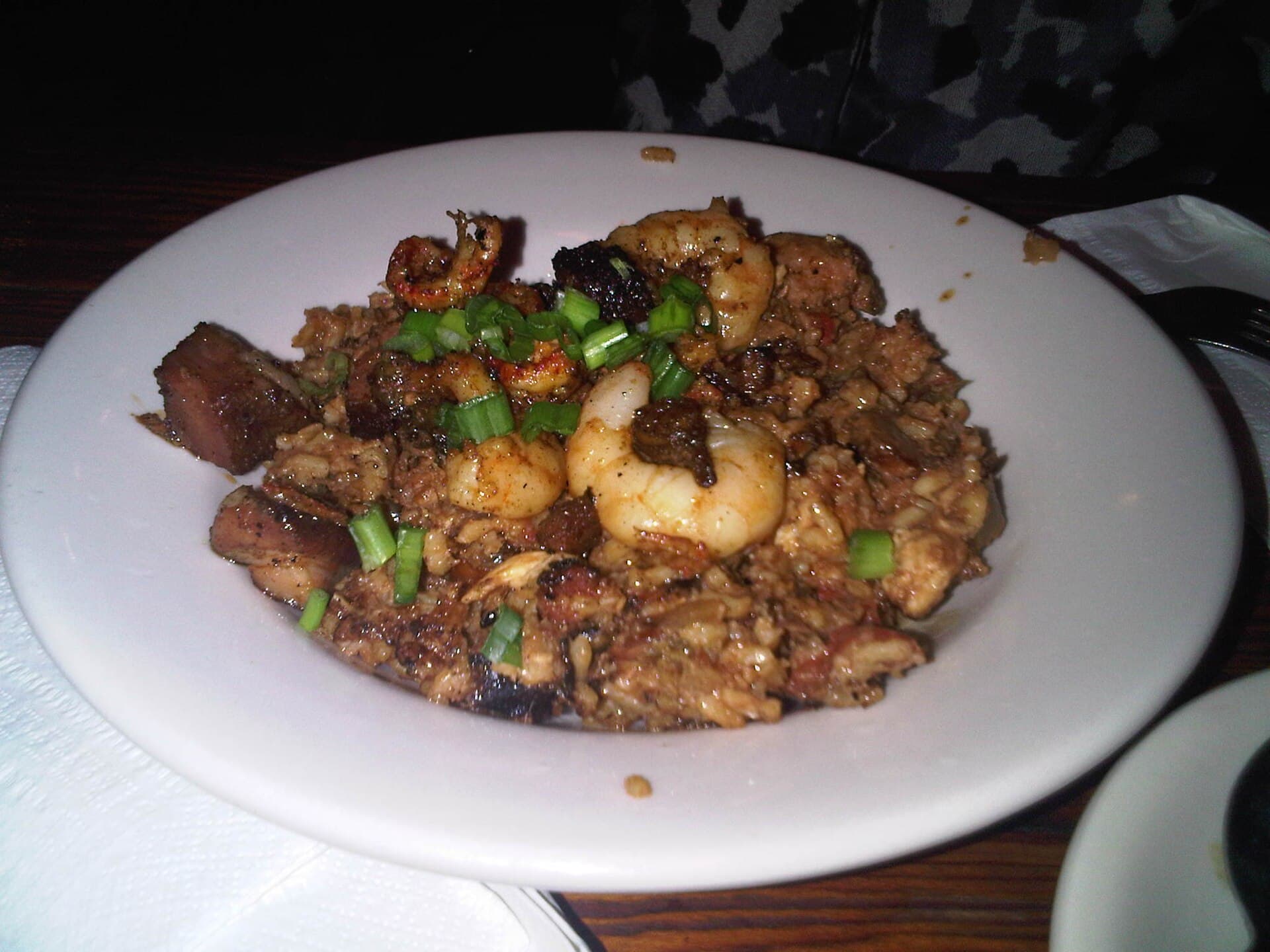
1800-1860
Jambalaya is a flavorful, hearty rice dish originating in Louisiana, blending Spanish, French, and Creole culinary influences. Traditionally made with meats such as sausage, chicken, and seafood, along with the "holy trinity" of Creole vegetables-onions, celery, and bell pepper-this dish reflects the cultural melting pot of the American South during the early 19th century.
America's Melting Pot
Johnnycakes photo coming soon
1776-1800
Johnnycakes are simple, pan-fried cornmeal flatbreads traditionally eaten for breakfast in New England during the late 18th century. Made primarily from cornmeal, water, and salt, they reflect Native American influences combined with colonial foodways, serving as an economical and filling meal for settlers and indigenous peoples alike.
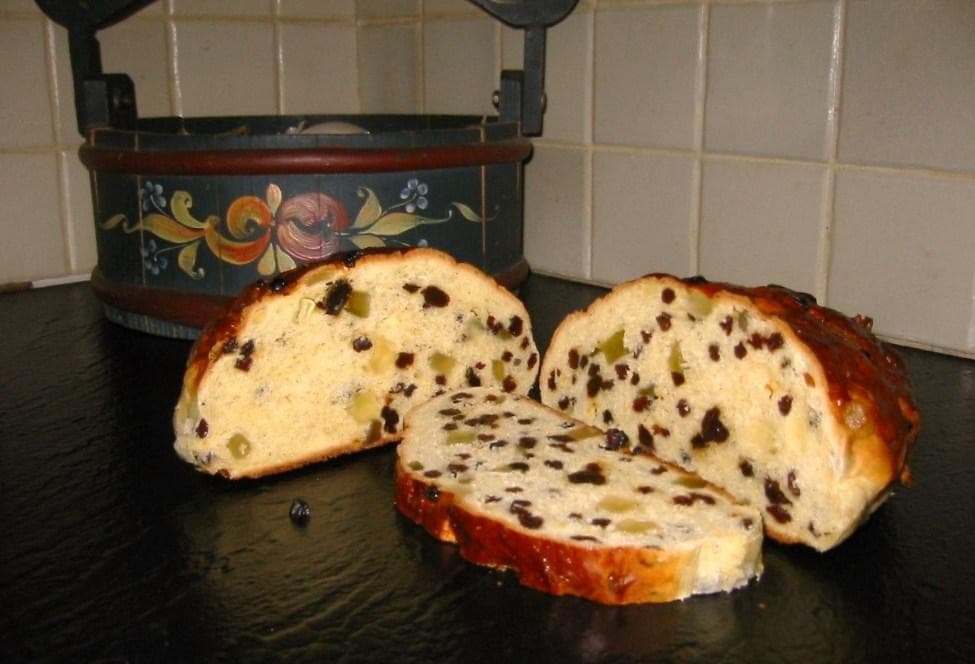
1861-1900
Julekake is a traditional Norwegian Christmas bread flavored with cardamom, studded with raisins, candied citrus peel, and sometimes almonds. Brought to the American Midwest by Scandinavian immigrants between 1861 and 1900, it remains a festive bread symbolizing heritage and holiday celebration.
America's Melting Pot
Kentucky Mutton photo coming soon
1800-1860
Kentucky mutton barbecue involves slow-smoked mutton or sheep meat, often served with vinegar-based sauces. This tradition, maintained across generations, highlights regional barbecue practices distinct from more common pork or beef varieties and reflects Kentucky's unique culinary heritage.

1776-1800
Kettle corn is a lightly sweetened, salted popcorn snack traditionally prepared by cooking popcorn with sugar and salt in a large kettle. Popular at early 20th-century state fairs and carnivals, kettle corn represents an entertaining snack reflecting immigrant adaptations and commercial fair foods in the United States.
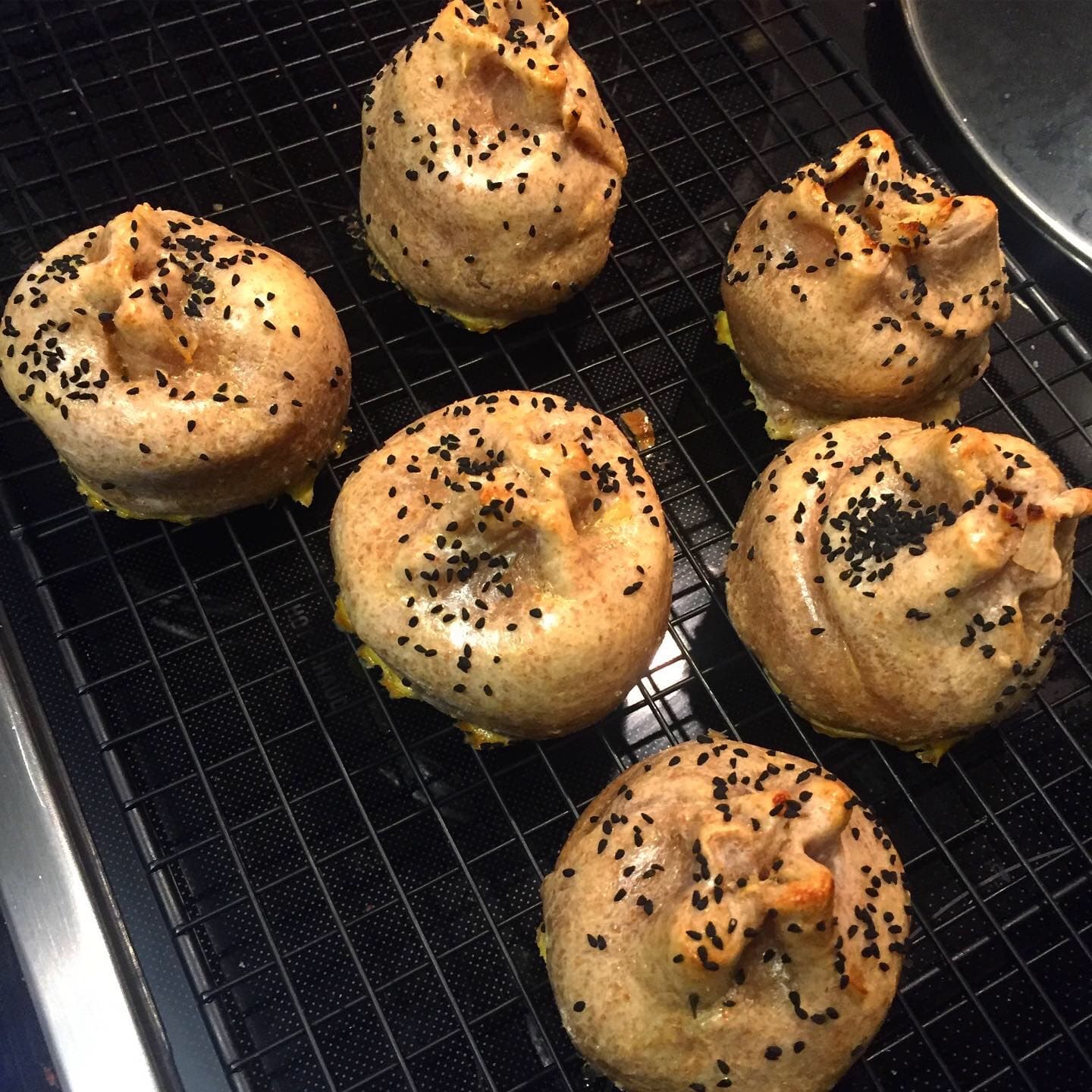
1861-1900
Knishes are baked or fried dough pockets traditionally filled with mashed potatoes, meat, or kasha, brought to America by Eastern European Jewish immigrants during the late 19th century. These portable snacks became popular in urban centers, symbolizing cultural heritage and adaptation in new environments.
America's Melting Pot
Kringla photo coming soon
1861-1900
Kringla is a lightly sweet, buttery Scandinavian cookie shaped like a pretzel, traditionally associated with church and holiday celebrations in the Midwest. Norwegian immigrants brought this recipe during the 19th century, where it became part of Christmas and Easter gatherings, symbolizing cultural continuity in immigrant farming communities.
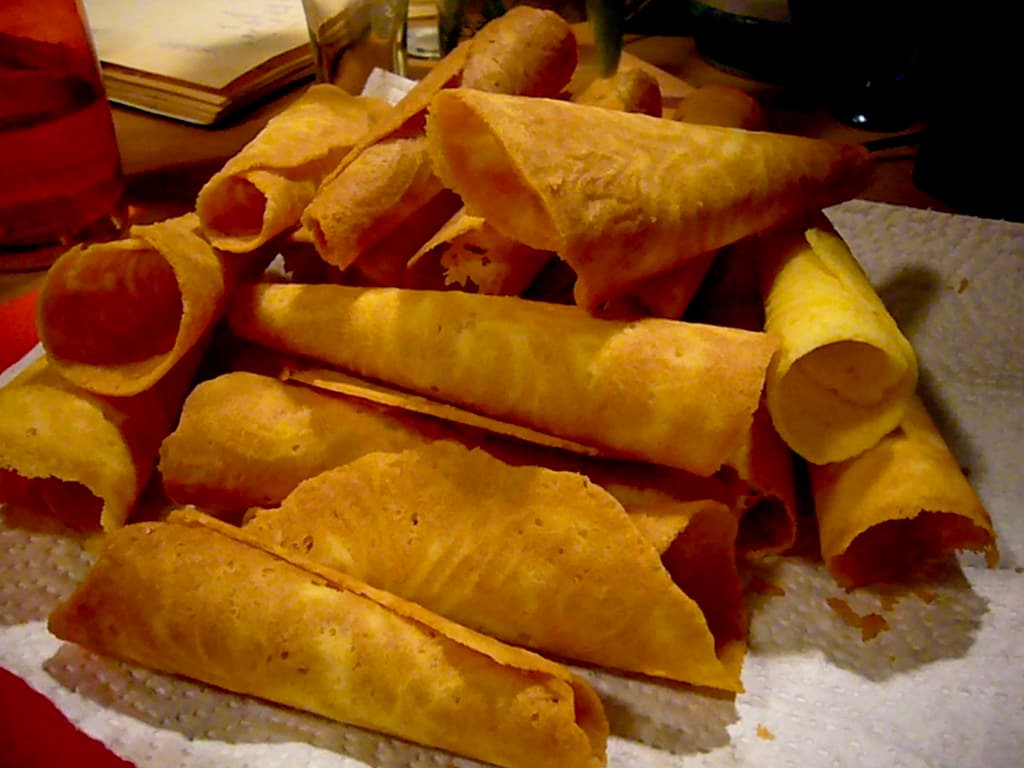
1861-1900
Krumkake are thin, crisp Norwegian waffle cookies rolled into cones, often filled with whipped cream or preserved fruit. Introduced by Scandinavian settlers to the Midwest in the late 19th century, krumkake became holiday staples for Christmas and family celebrations, highlighting continuity of heritage and festive customs.
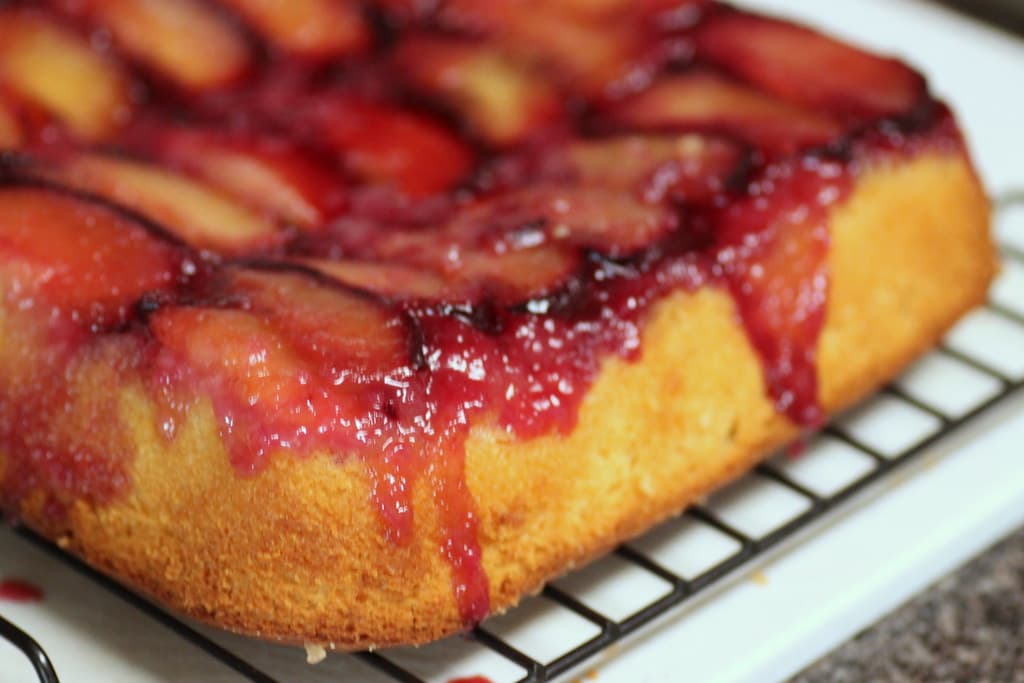
1800-1860
Kuchen, German for cake, refers to a variety of fruit or custard-topped cakes introduced to American Great Plains by German immigrants in the 19th century. These cakes were often baked for social and family occasions, reflecting adaptation of old-world recipes to local fruits and dairy, making them a staple in immigrant households.
American Dairy Age
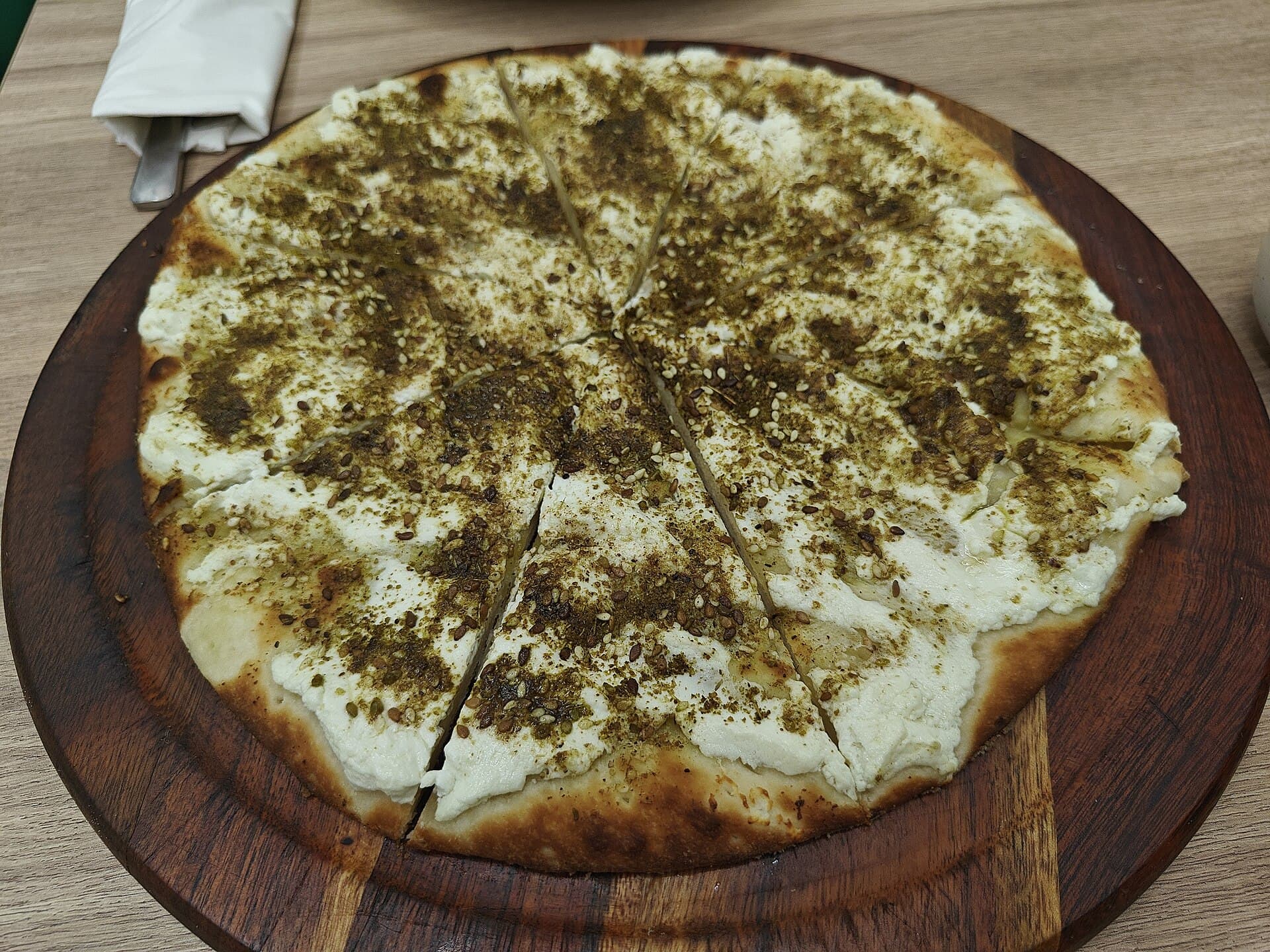
Labneh / Yogurt Cheese, Middle Eastern-American Home Style is a Middle Eastern-American yogurt cheese made by salting cultured yogurt, draining it cold, and serving it fresh.
Community recipe submission
Log in to submit a recipe, format it with the cooking companion, and send it for review.
Log in to Submit