
Loading
Setting the table...
Fetching the latest recipes from the archive.
Loading
Fetching the latest recipes from the archive.
Recipe archive
Recipe archive
Search the archive by title, region, ingredient, tag, or era, then sort the table by the view that fits your kitchen.
This archive is growing through recipes, photos, family recipes, and historical context shared by the community.
America's Melting Pot
Air Fryer Brussels Sprouts photo coming soon
2010-2026
Trimmed Brussels sprouts air-fried with a little oil until crisp at the edges and tender in the center.
America's Melting Pot
Air Fryer Chicken Tenders photo coming soon
2010-2026
Chicken tenderloins coated in seasoned crumbs and air-fried until crisp, juicy, and safely cooked to 165 degrees F.
America's Melting Pot
Air Fryer Wings photo coming soon
2010-2026
Chicken wings air-fried until crisp, then tossed with buttered hot sauce and served with celery and blue cheese or ranch.
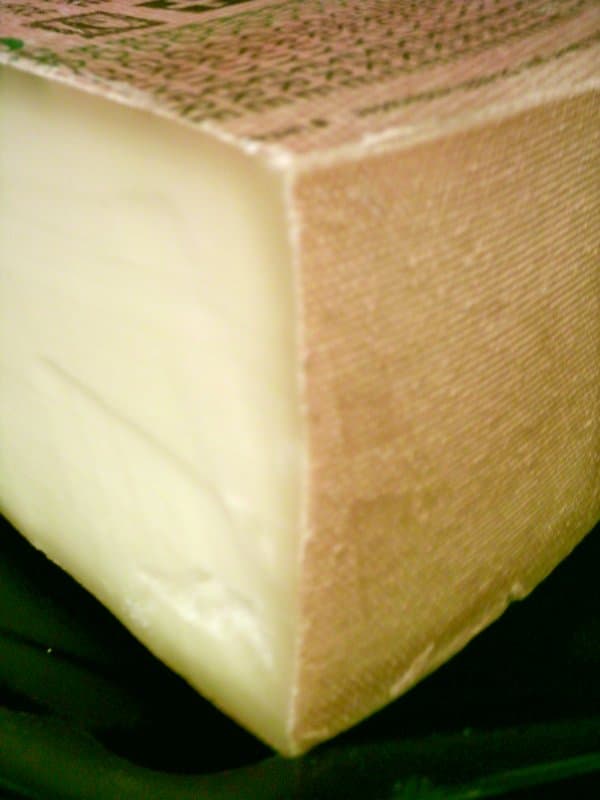
American Dairy Age
American Alpine-style Farmstead Cheese is a cooked-curd American Alpine or grating-style cheese with thermophilic culture, firm pressing, brining, and controlled aging.
America's Melting Pot
American French Dressing photo coming soon
1900-1929
American French Dressing is a dressing with real American table personality: The bright orange-red, sweet, tomatoey bottled dressing Americans call "French." Not very French, very American. It brings flavor from coast-to-coast American tables to cookouts, counters, lunch plates, potlucks, and weeknight suppers.
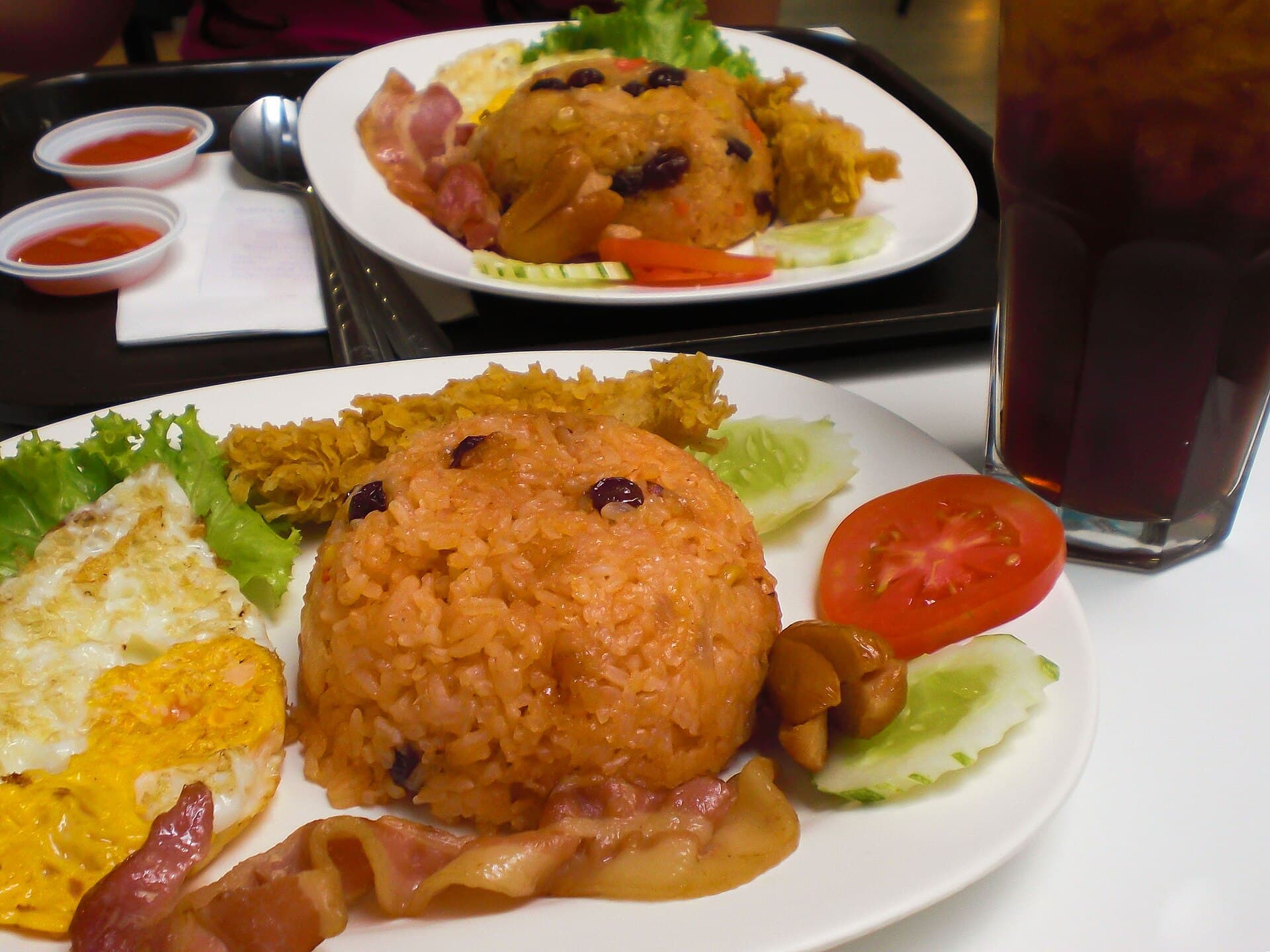
Cold War-present
Thai-style ketchup fried rice served with American-coded sides such as egg, sausage, ham, raisins, and fried chicken.
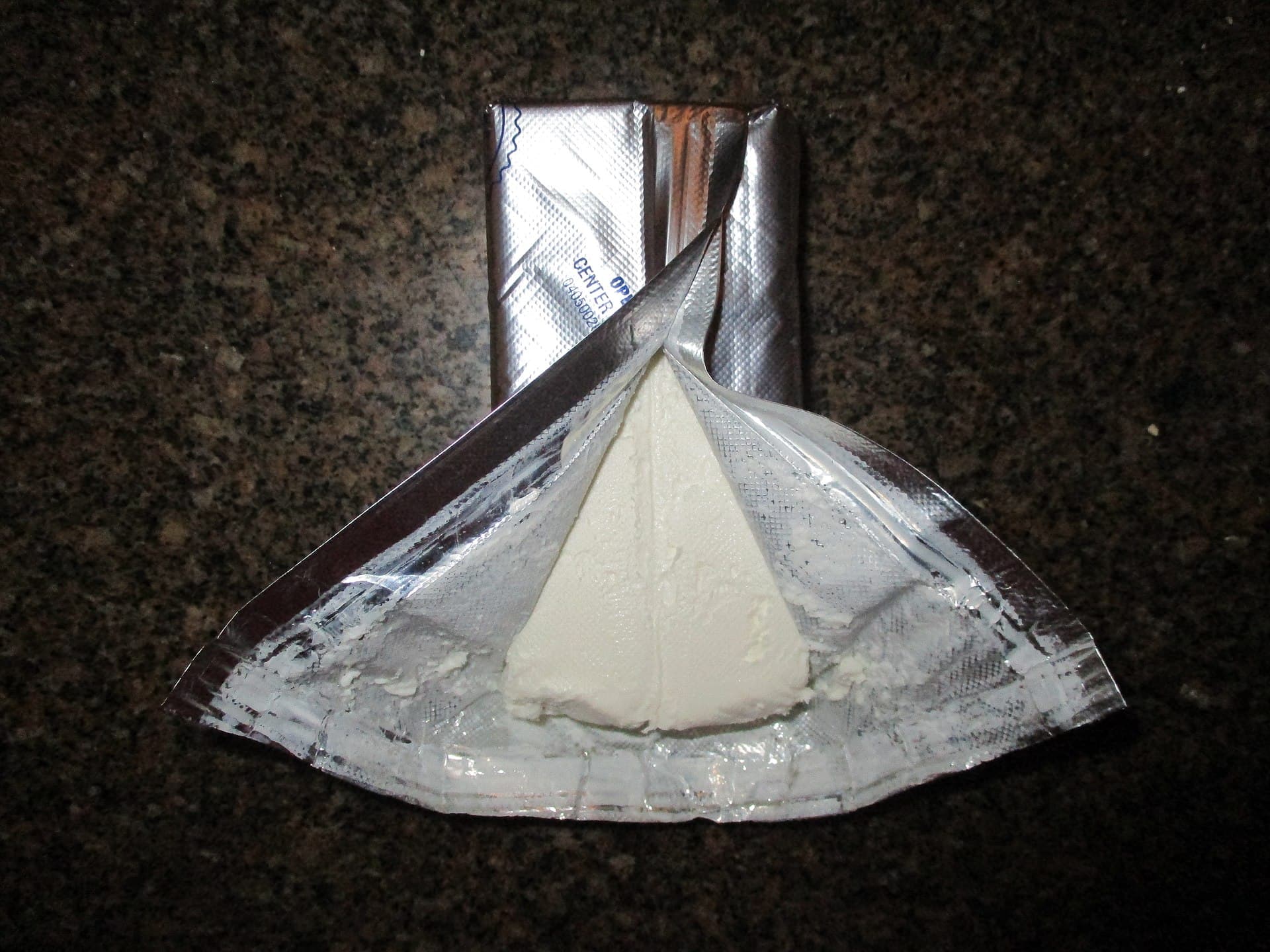
American Dairy Age
American Neufchatel-style Cream Cheese is a fresh cultured American home cheese made with pasteurized dairy, clean handling, slow culturing, draining, salting, and refrigeration.
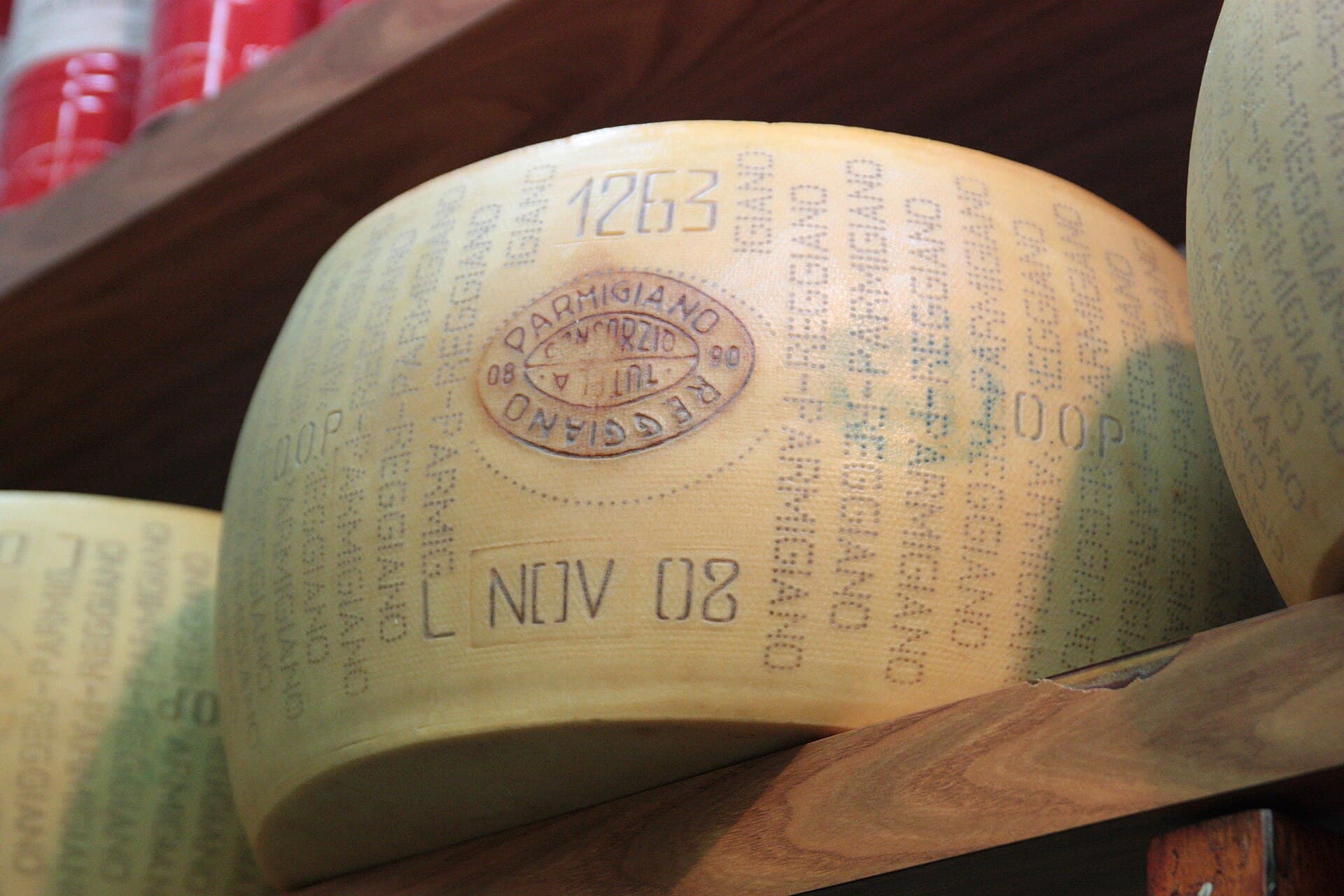
American Dairy Age
American Parmesan-style Grating Cheese is a cooked-curd American Alpine or grating-style cheese with thermophilic culture, firm pressing, brining, and controlled aging.
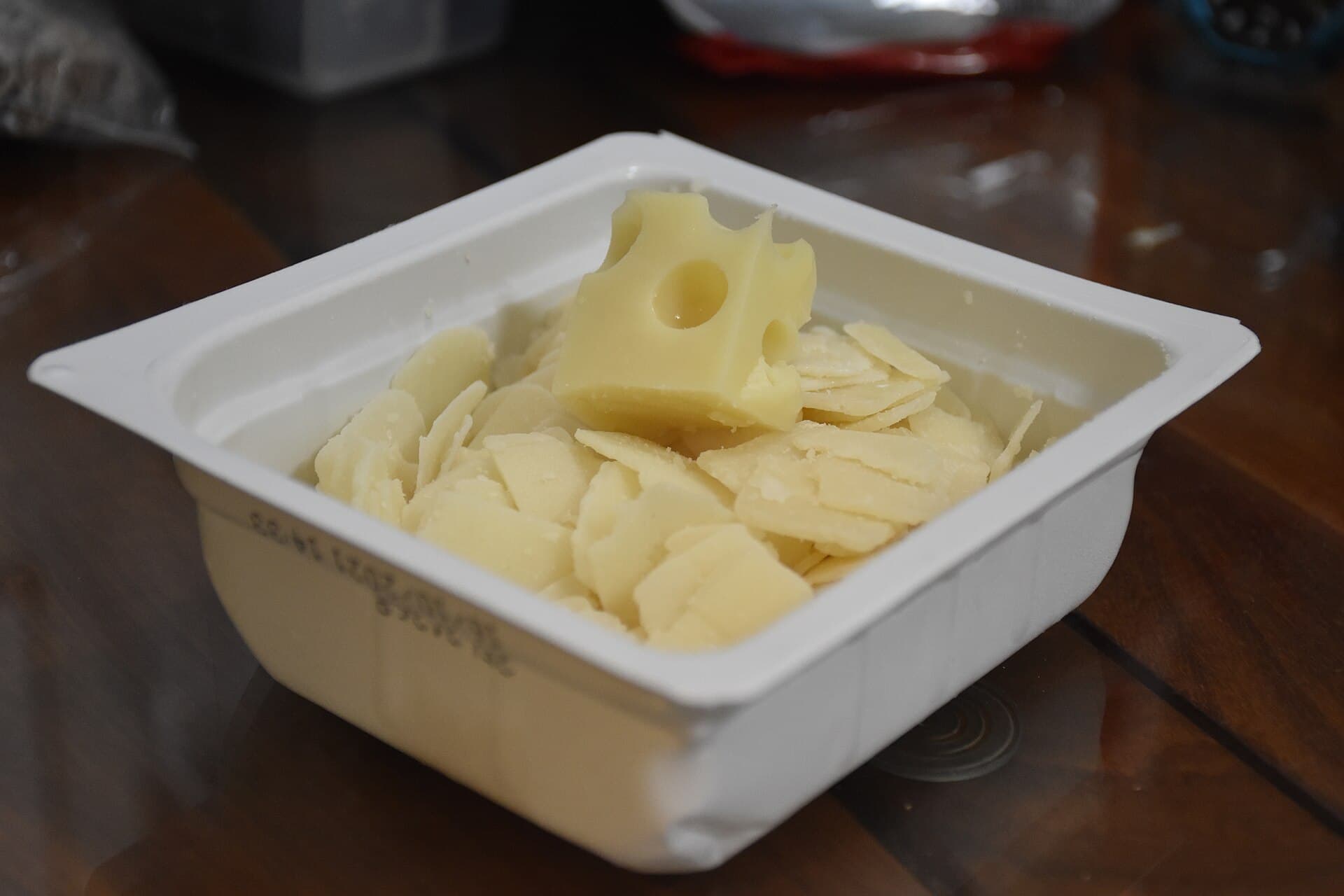
American Dairy Age
American Swiss / Deli Swiss is a home-scale Swiss-style American cheese with thermophilic culture, propionic culture, pressing, brining, and controlled warm-room eye development.
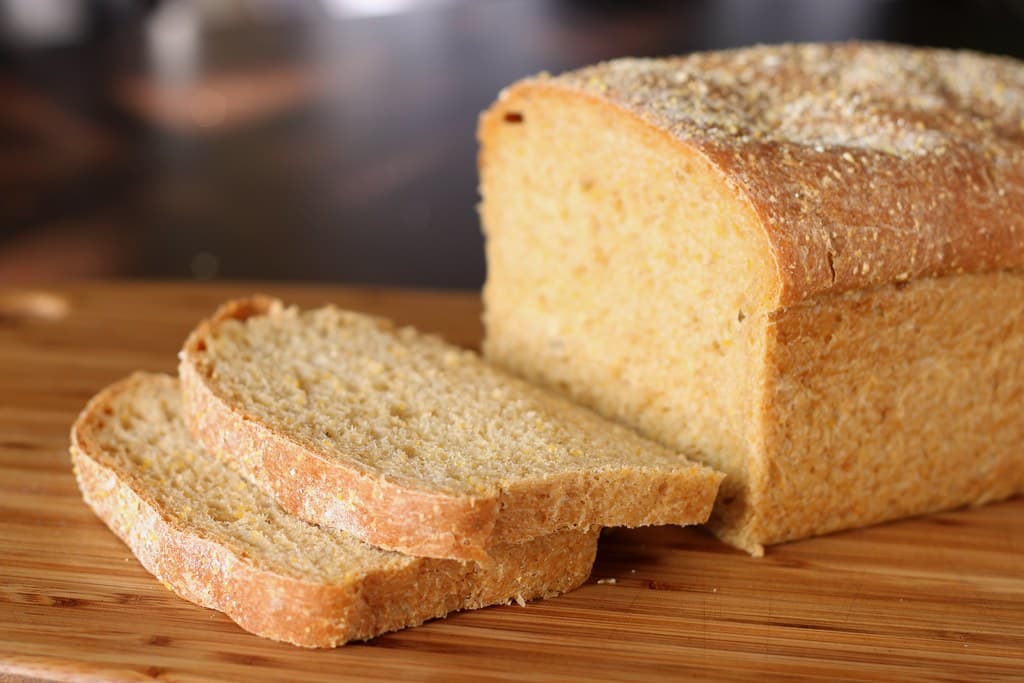
1800s-present
A lightly sweet New England loaf made with cornmeal, molasses, wheat flour, and yeast.
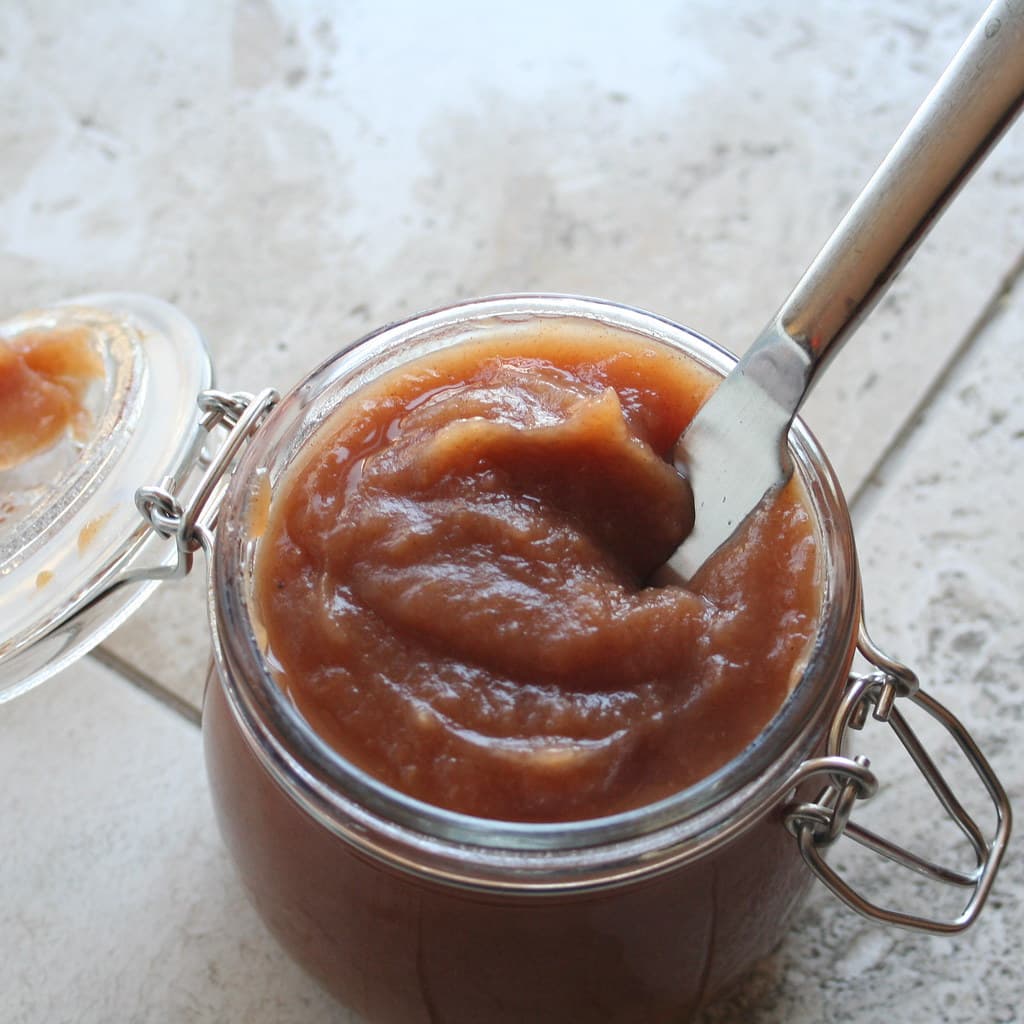
1700s-present
Apples cooked down with cider, sugar, and warm spices into a dark, spreadable fruit butter.
America's Melting Pot
Apple Butter on Biscuits photo coming soon
1700s-present
Warm buttermilk biscuits split and served with butter and spiced apple butter.
America's Melting Pot
Apple Cake photo coming soon
1800s-present
A tender apple-studded cake with cinnamon, butter, and a simple crumb topping.
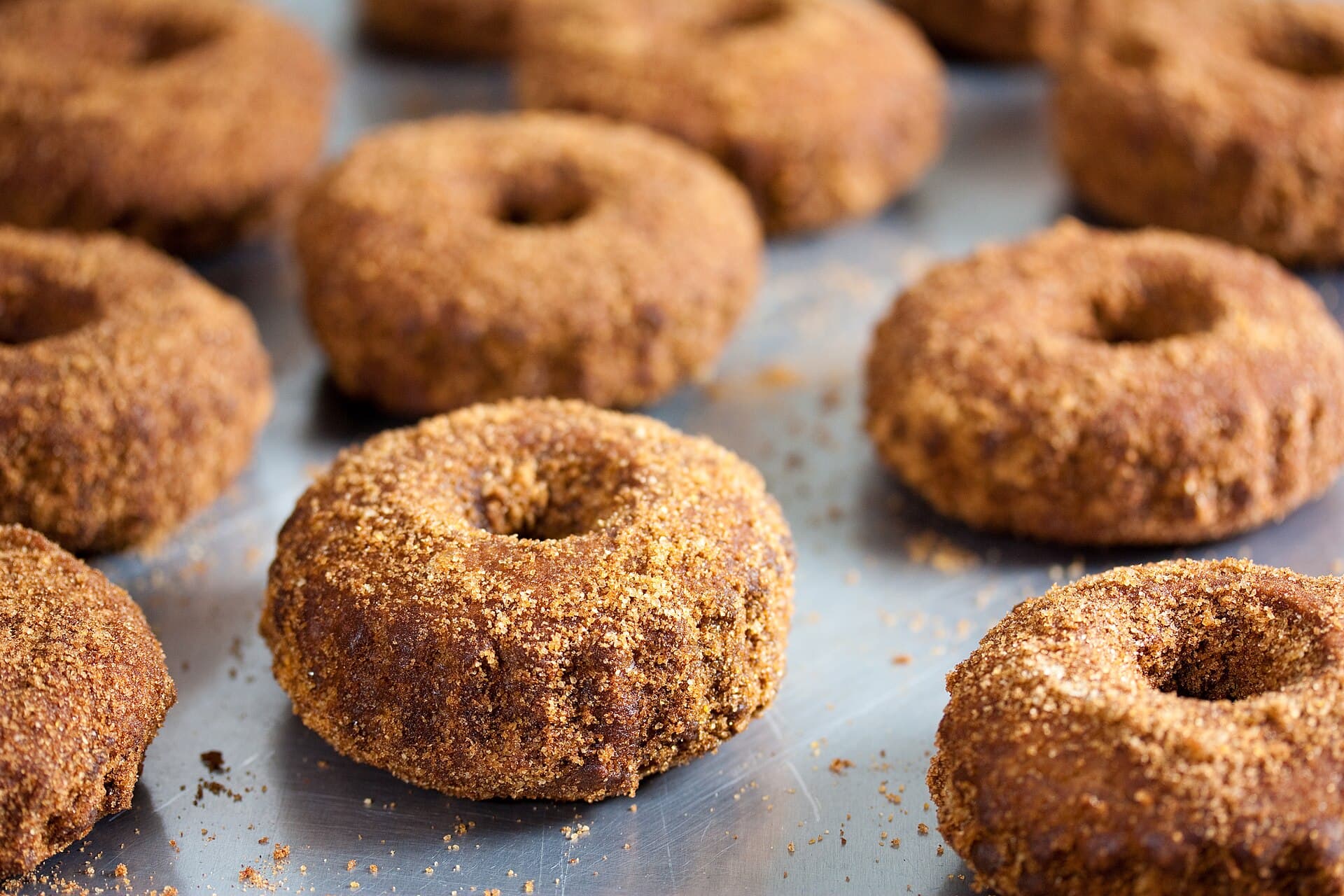
1900s-present
Cake doughnuts flavored with reduced apple cider and rolled in cinnamon sugar.
America's Melting Pot
Apple Cider Milkshake photo coming soon
Cross-era
Apple Cider Milkshake salutes regional fruit country and the American dairy-stand tradition: Orchard country.
America's Melting Pot
Apple Cider Slush photo coming soon
Modern Melting Pot
Apple Cider Slush brings juice-bar color and American smoothie-counter energy to the glass: Orchard/farmstand drink.
America's Melting Pot
Apple Cider Syrup photo coming soon
Cross-era
Apple Cider Syrup is a sweet sauce with real American table personality: Orchard-country reduction sauce. It brings flavor from coast-to-coast American tables to cookouts, counters, lunch plates, potlucks, and weeknight suppers.
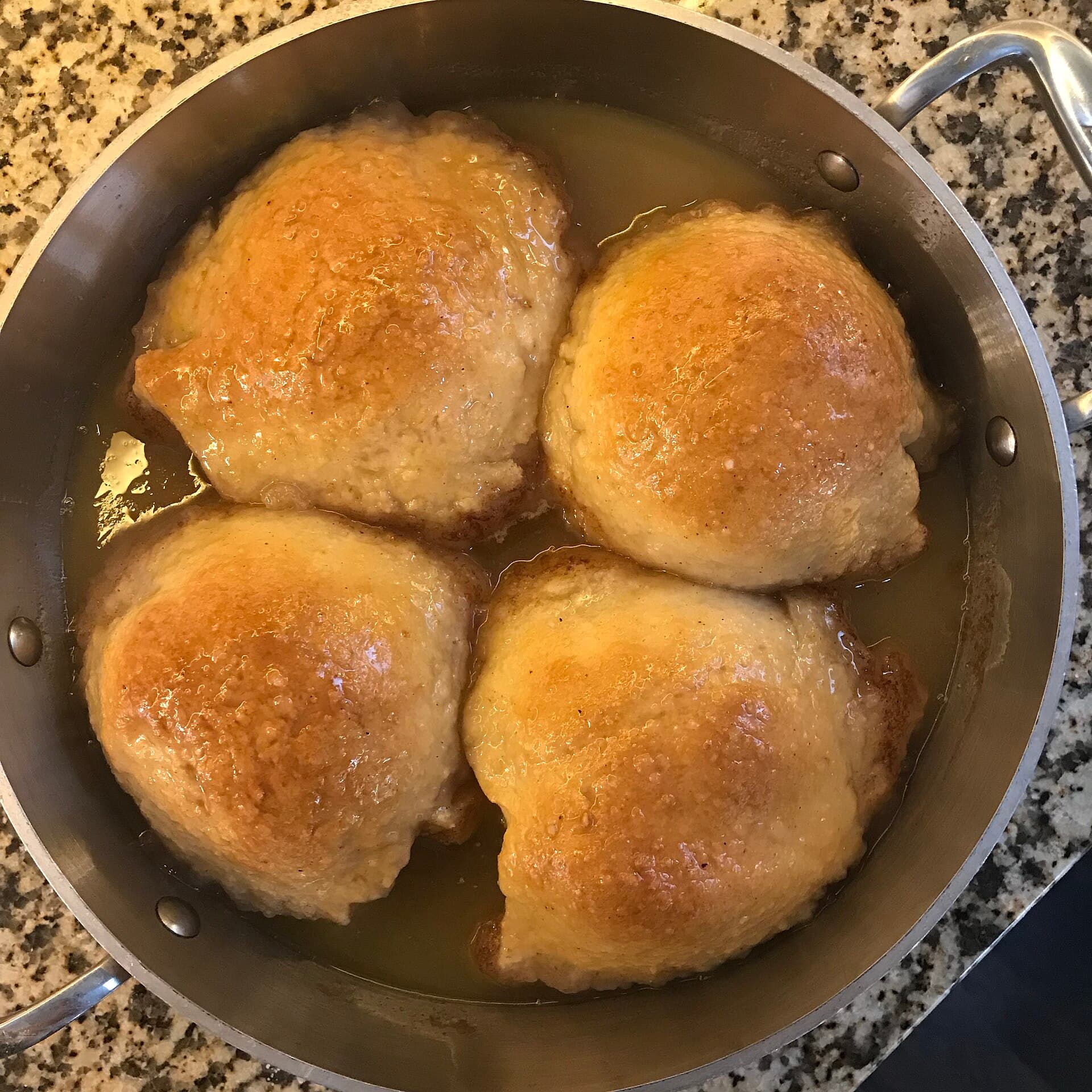
1800s-present
A Pennsylvania Dutch-style dessert of cored apples wrapped in dough and baked with brown sugar syrup.
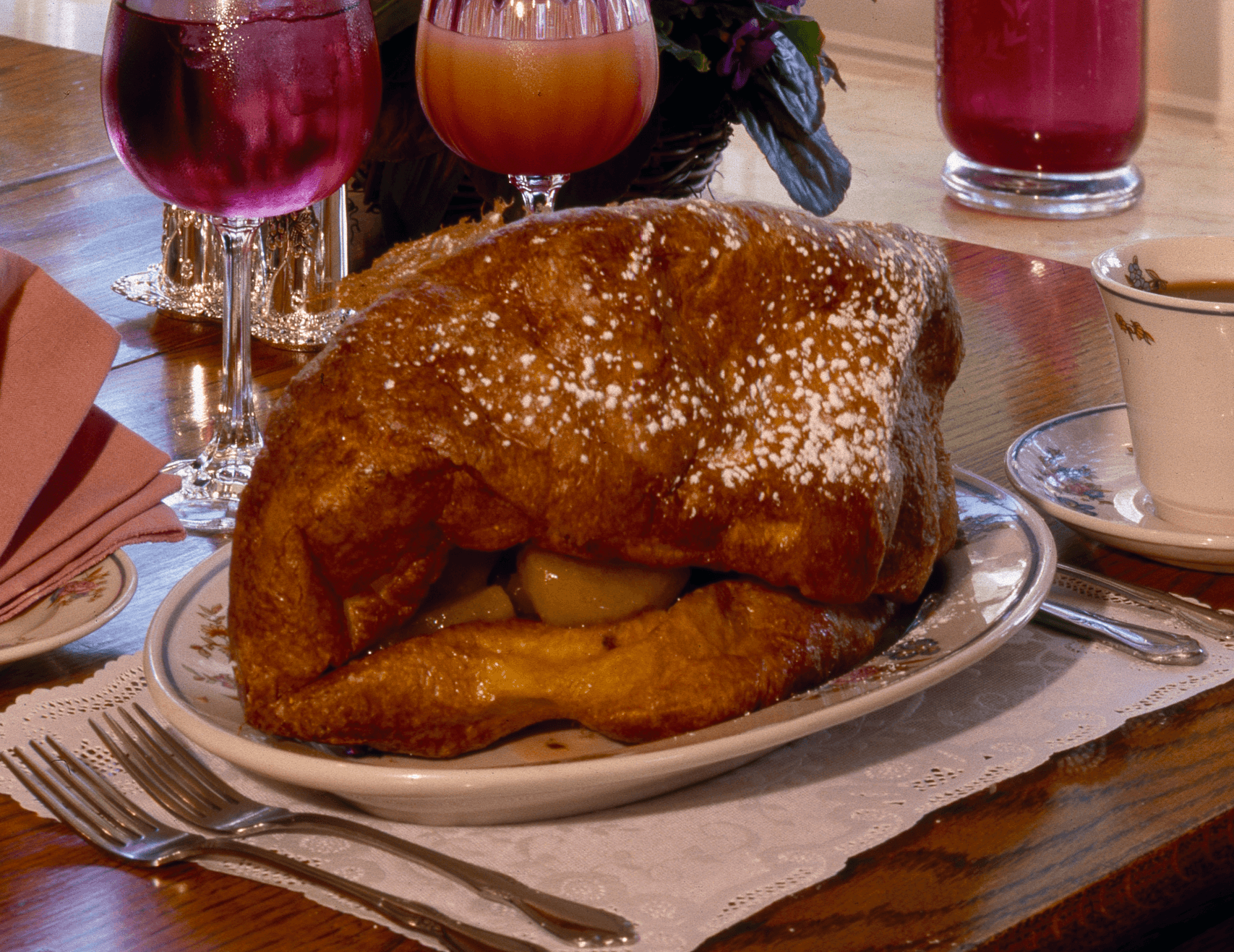
1900s-present
A German-American Dutch baby-style pancake baked over cinnamon apples in a hot skillet.
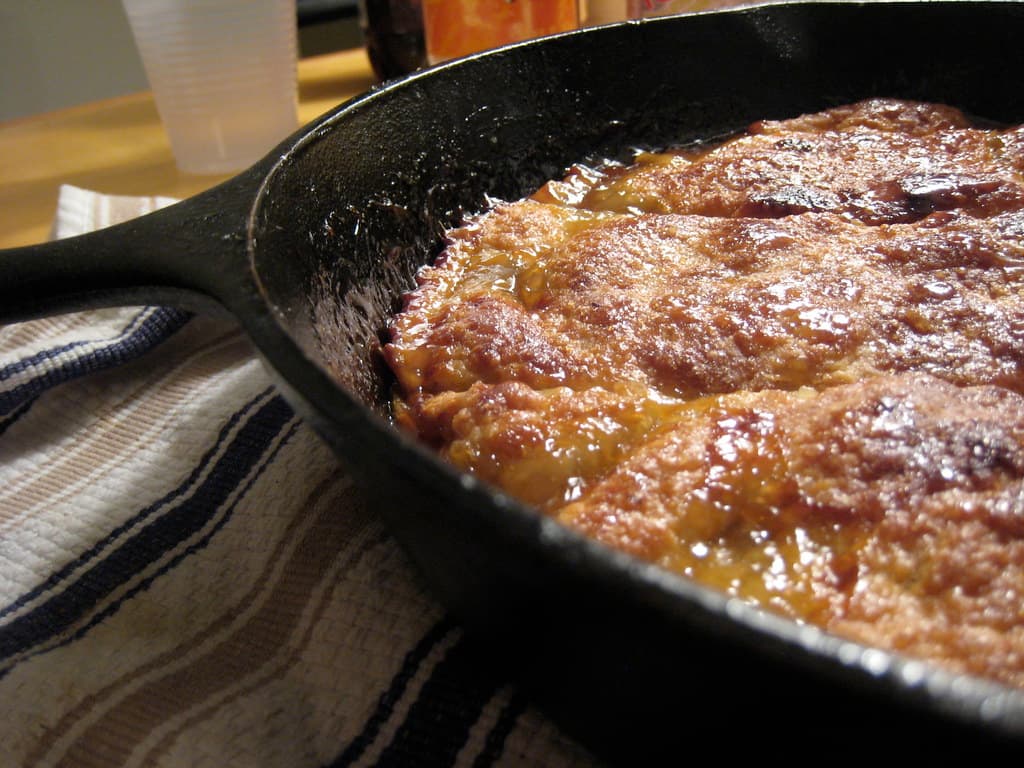
Founding Era
Sliced apples baked under a pastry or biscuit crust that is broken into the juices as it bakes.
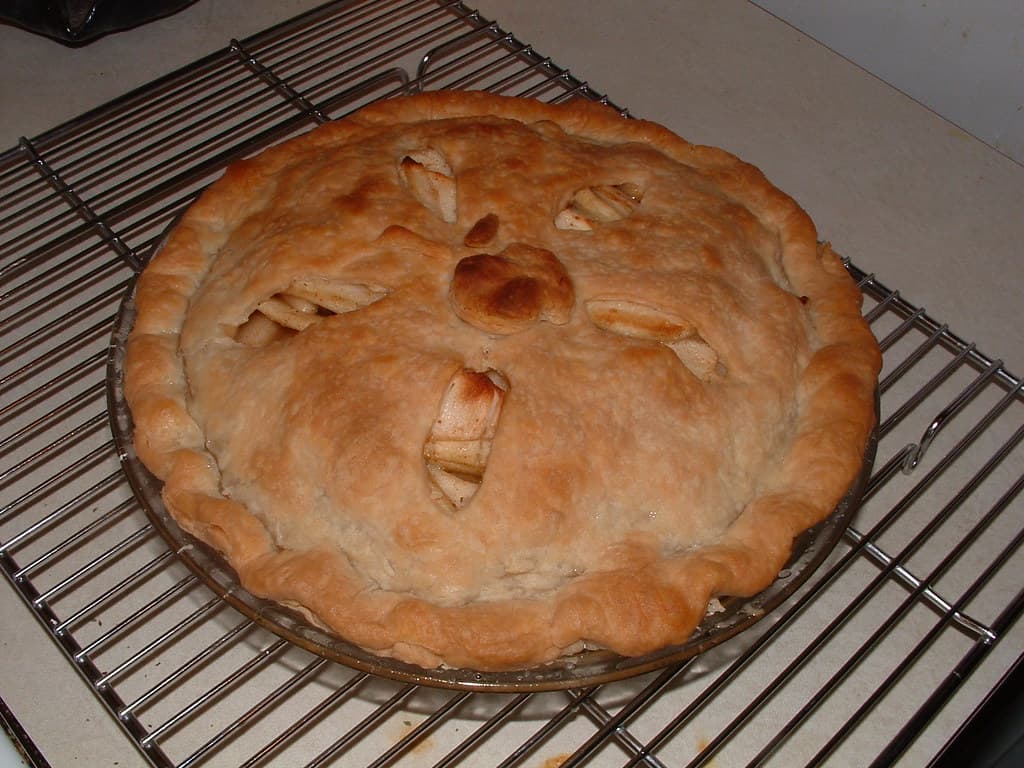
1700s-present
A double-crust apple pie with cinnamon-spiced apples and a flaky butter crust.
America's Melting Pot
Arepa Sandwiches photo coming soon
2010-2026
A street-food arepa sandwich filled with avocado chicken salad, black beans, cheese, and bright lime, built for the American food-truck table while respecting its Venezuelan and Colombian roots.
America's Melting Pot
Asparagus photo coming soon
1800-1860
A bright American Easter asparagus side, quickly cooked and dressed with lemon butter, herbs, and hard-cooked egg in the spirit of old spring-table recipes.
America's Melting Pot
Au Jus photo coming soon
Gilded Age & Progressive Era
Au Jus is a sandwich sauce with real American table personality: French name, but American diner/roadhouse French dip culture. It brings flavor from coast-to-coast American tables to cookouts, counters, lunch plates, potlucks, and weeknight suppers.
America's Melting Pot
Awful Awful photo coming soon
Postwar & Diner Age
Awful Awful celebrates New England dairy-bar pride in a cold glass: Rhode Island/New England ice milk shake tradition.
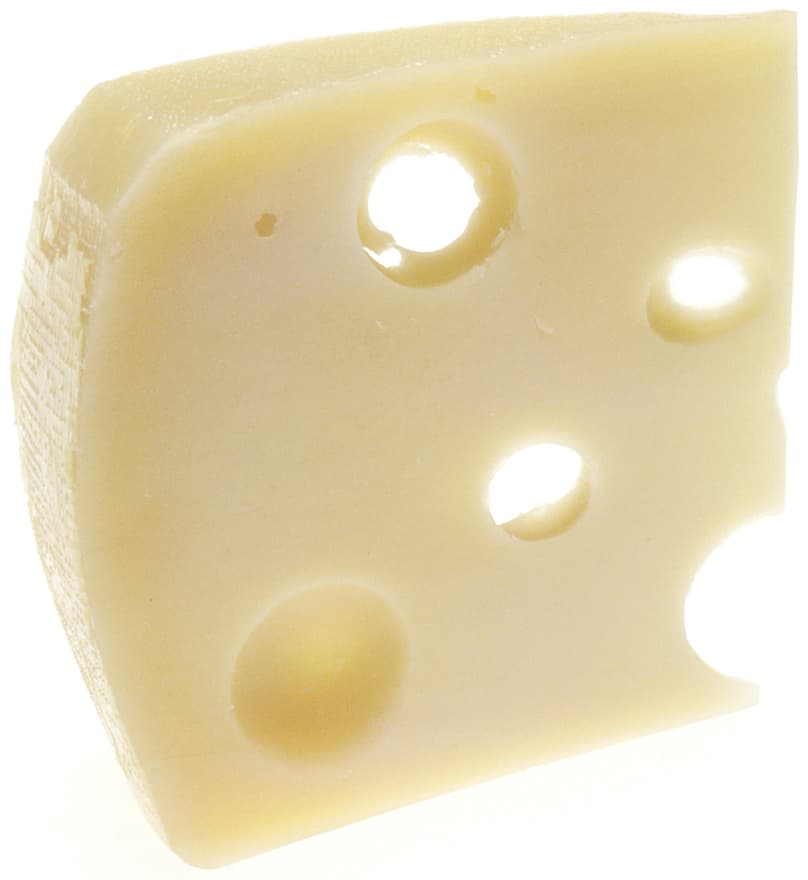
American Dairy Age
Baby Swiss is a home-scale Swiss-style American cheese with thermophilic culture, propionic culture, pressing, brining, and controlled warm-room eye development.
America's Melting Pot
Bacon Dressing / Hot Bacon Dressing photo coming soon
Frontier & Expansion
Bacon Dressing / Hot Bacon Dressing is a dressing with real American table personality: Pennsylvania Dutch and Midwestern spinach salad dressing. It brings flavor from Appalachia and Pennsylvania Dutch country to cookouts, counters, lunch plates, potlucks, and weeknight suppers.
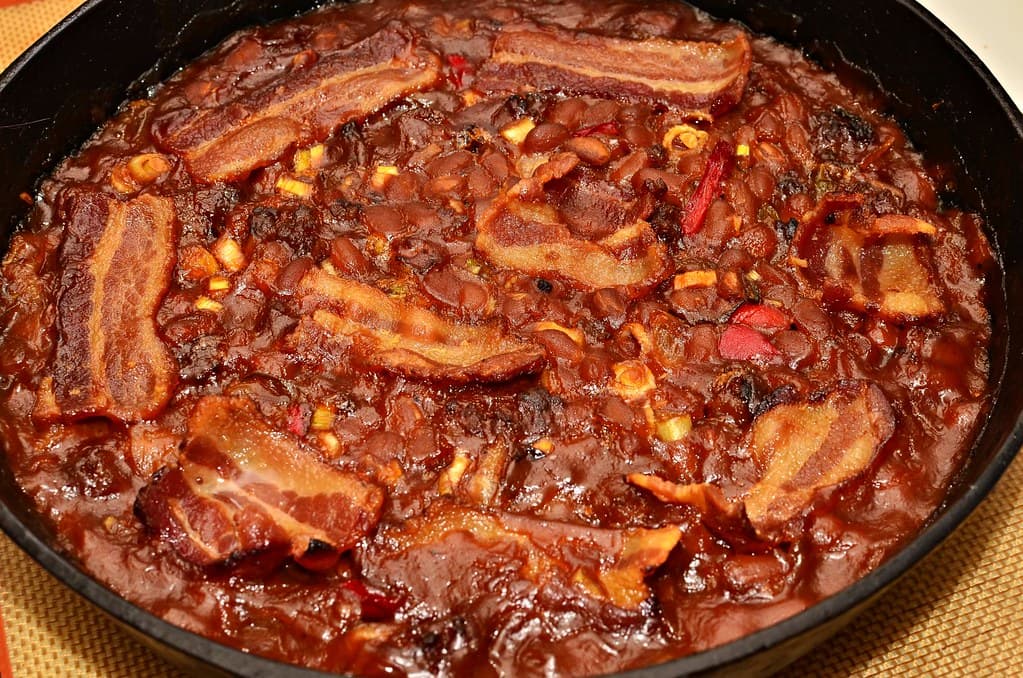
1600s-present
A New England-style baked bean pot made with navy beans, molasses, brown sugar, mustard, onion, and salt pork or bacon.
America's Melting Pot
Baked Feta Pasta photo coming soon
2019-present
A viral baked pasta with a block of feta, cherry tomatoes, olive oil, garlic, basil, and short pasta tossed into a creamy tomato-feta sauce.
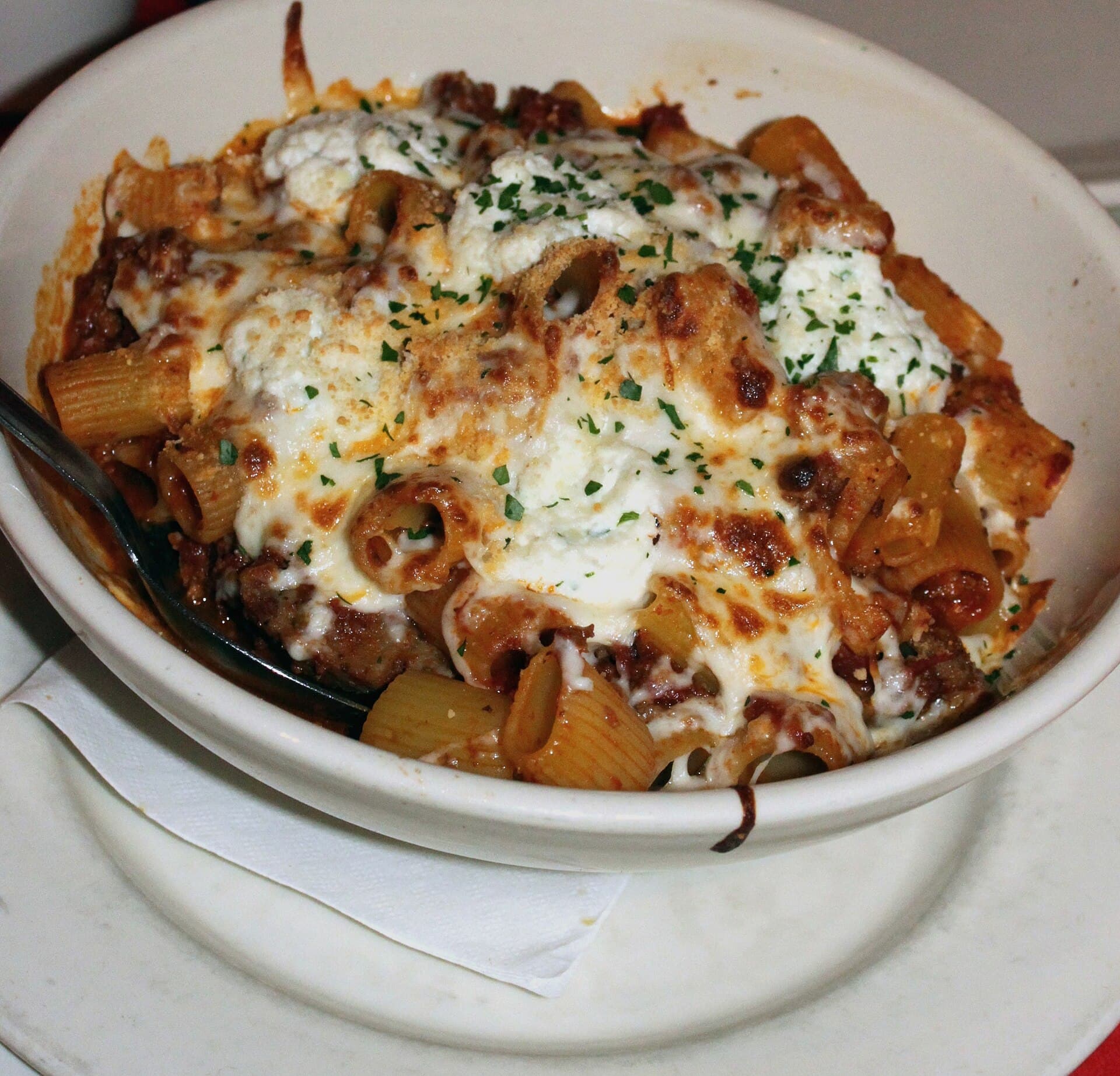
1900s-present
A crowd-friendly baked ziti casserole layered with marinara, ricotta, mozzarella, Parmesan, and optional Italian sausage.
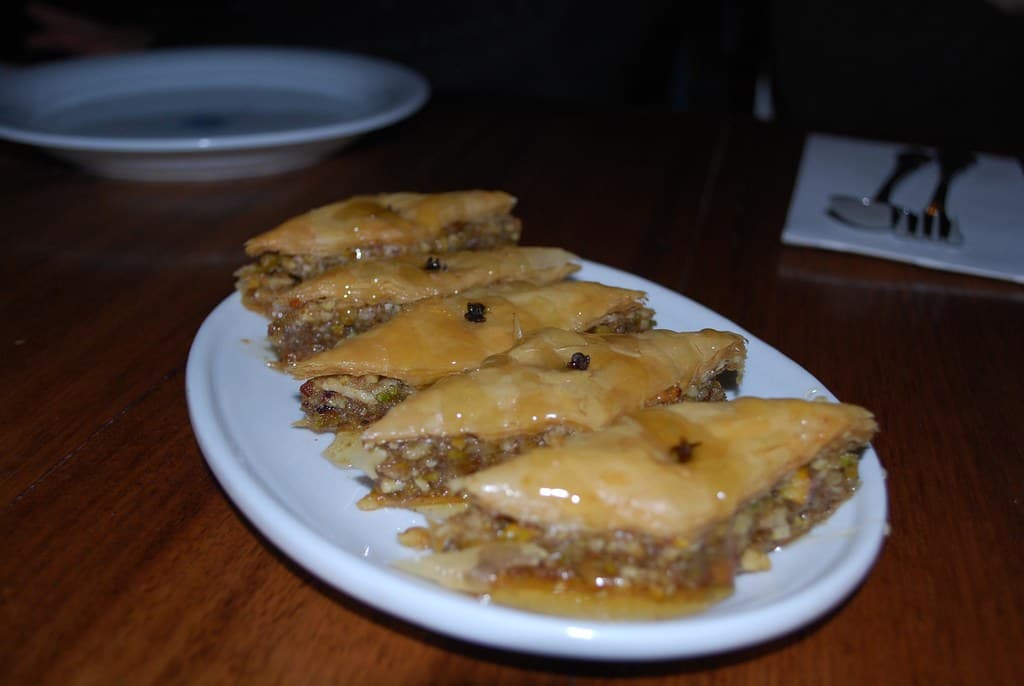
1900s-present
A Greek American-style baklava made with buttered phyllo, walnuts and pistachios, cinnamon, honey syrup, and lemon.
America's Melting Pot
Banana Split photo coming soon
1900s-present
A classic American banana split made with vanilla, chocolate, and strawberry ice cream, three sauces, whipped cream, nuts, and cherries.
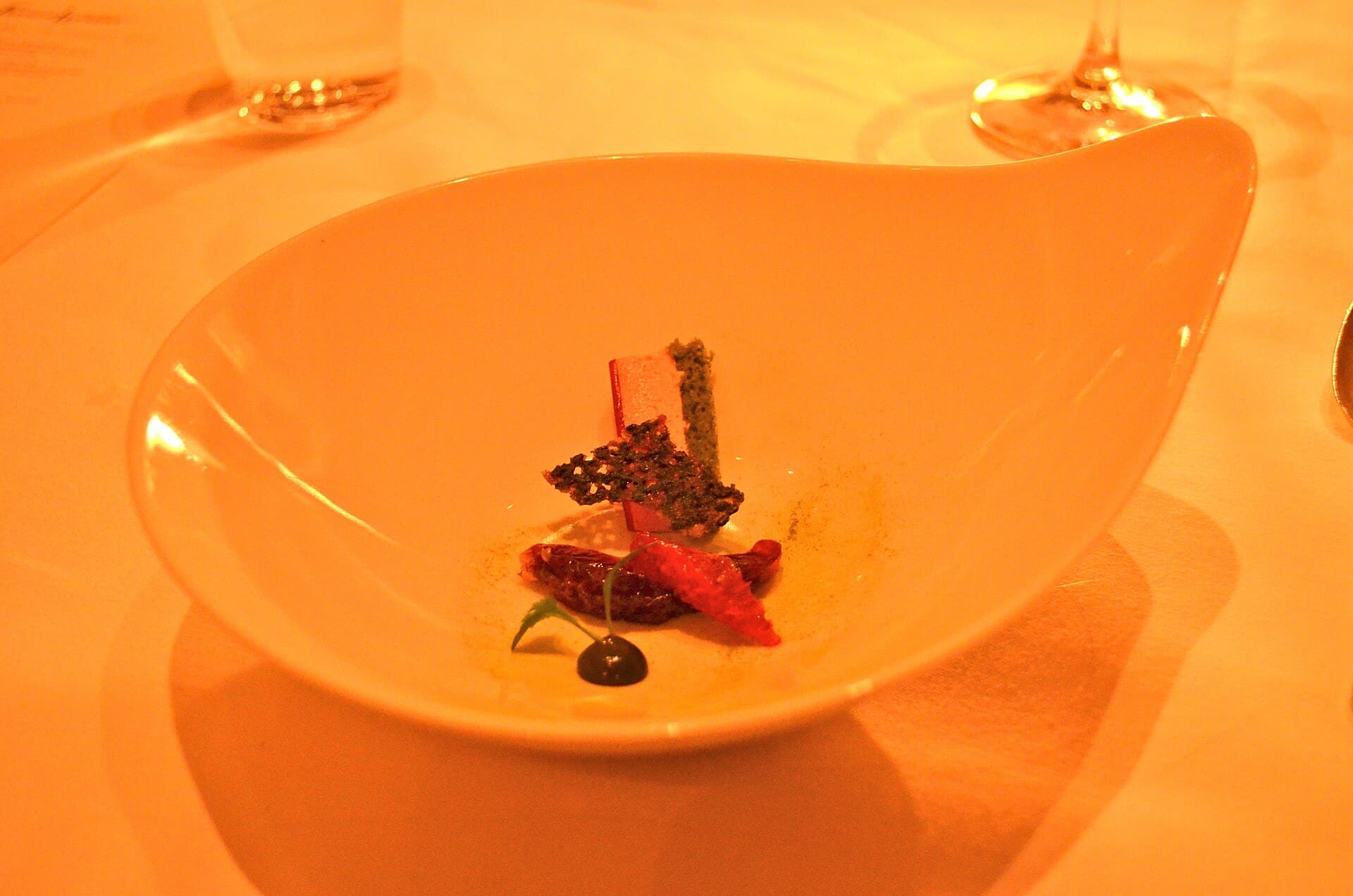
American Dairy Age
Bandaged American Cheddar is a home-scale American cheddar with measured culture, rennet setting, cheddaring, pressing, salting, and controlled aging.
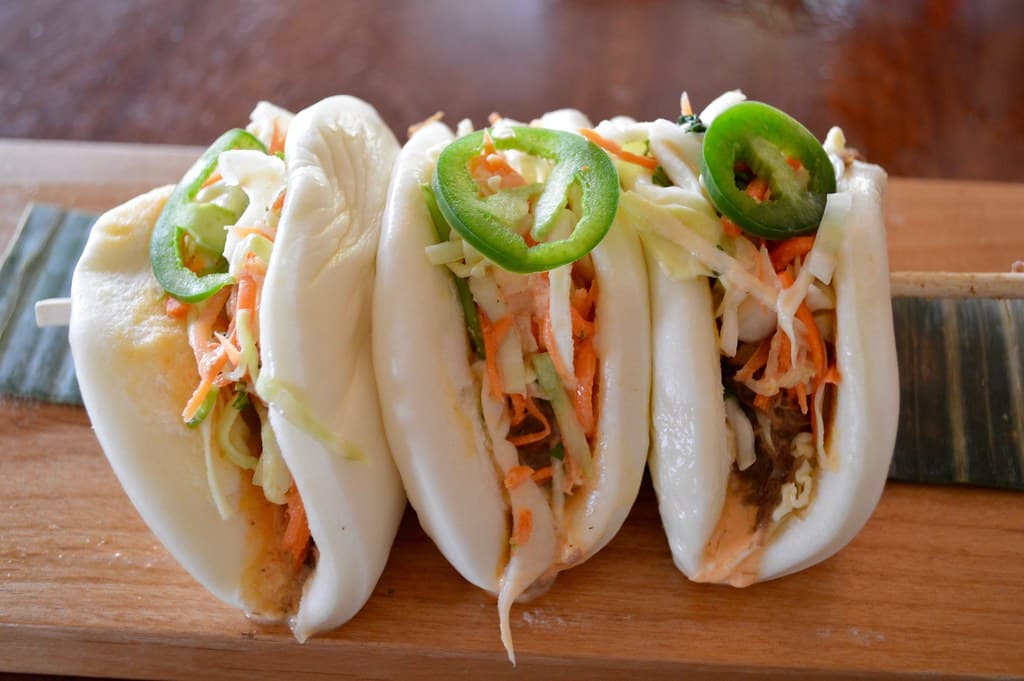
2000s-present
Soft steamed buns filled with pork belly or tofu, hoisin, cucumber, scallions, pickles, and peanuts, framed as a Taiwanese gua bao-inspired American restaurant favorite.
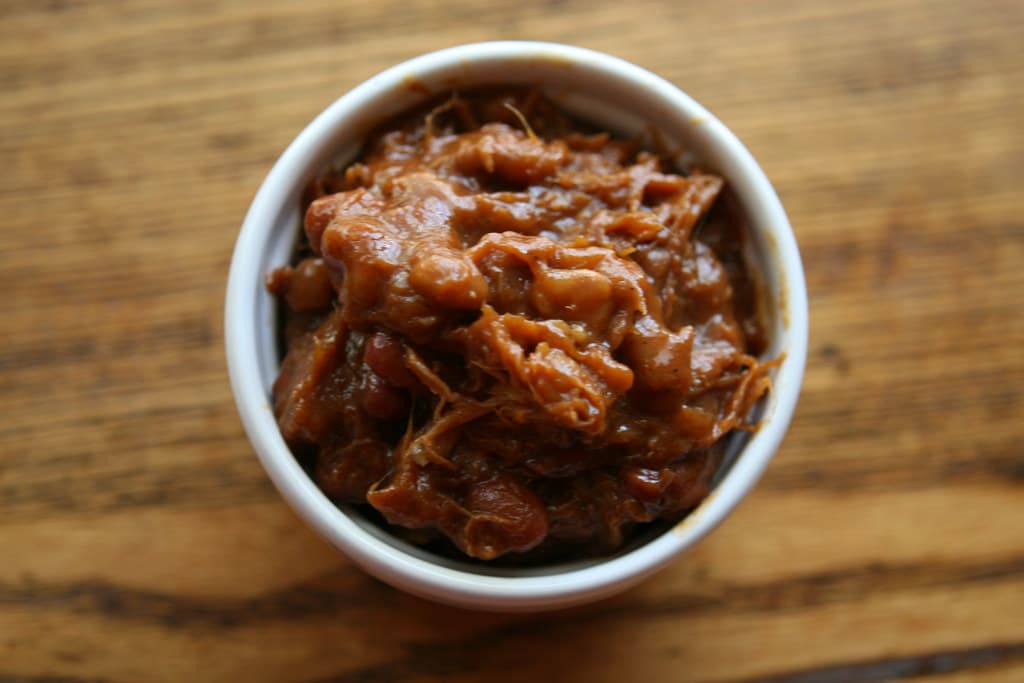
1900s-present
A barbecue side dish of beans baked with bacon, onion, molasses, tomato, brown sugar, mustard, and barbecue sauce until thick and smoky.
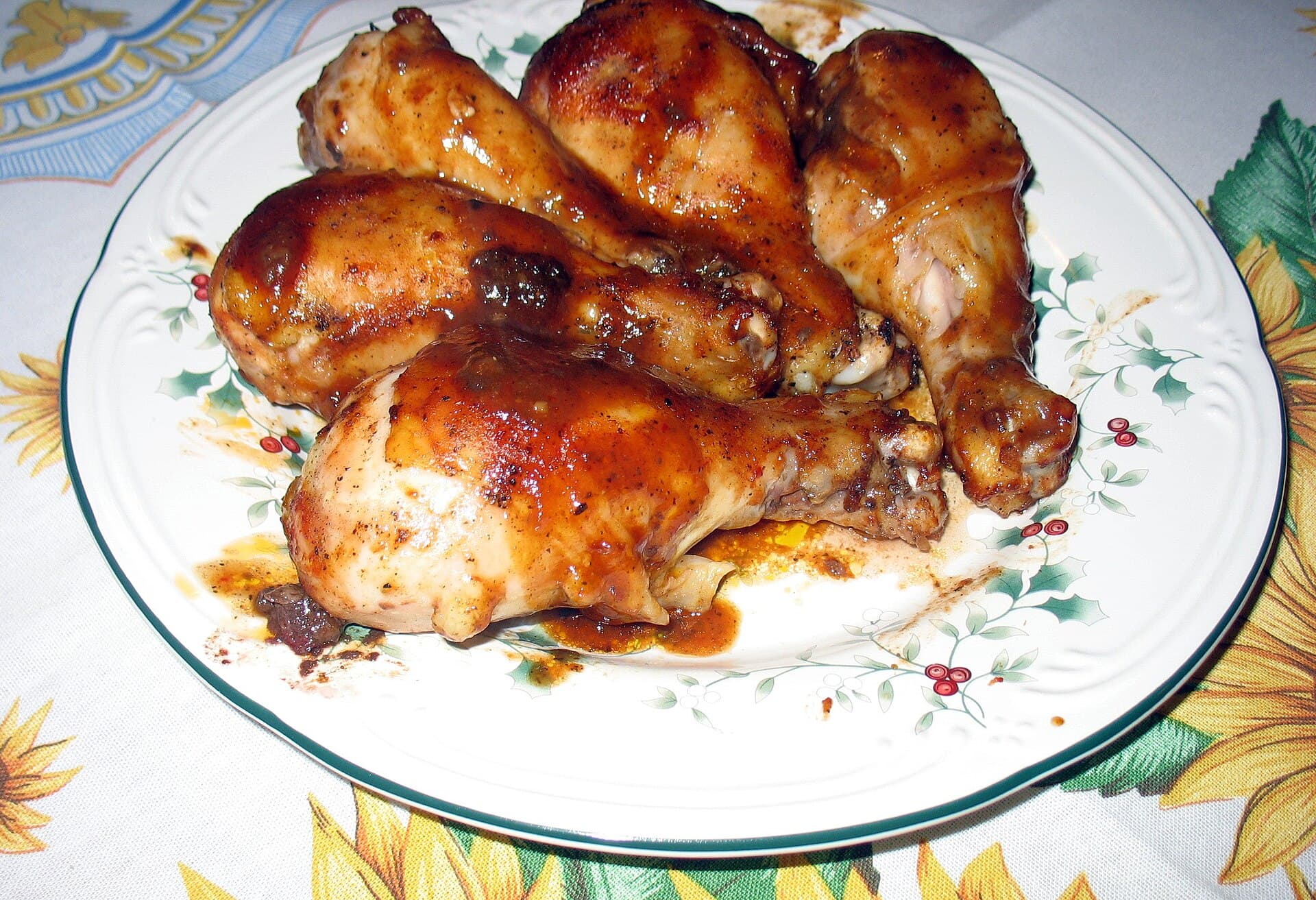
1946-present
A backyard barbecued chicken recipe with bone-in chicken pieces cooked over indirect heat and brushed with vinegar-tomato barbecue sauce.
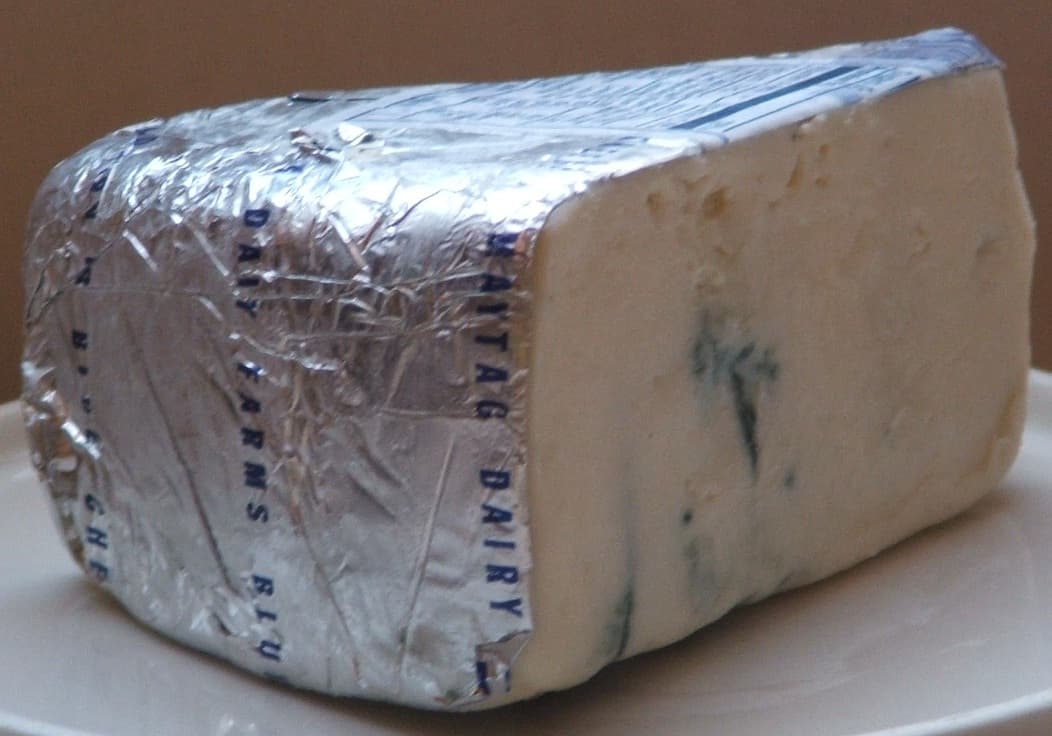
American Dairy Age
Bayley Hazen Blue-style Cheese is a blue-veined American cheese with measured mold culture, loose curd handling, piercing, humid aging, and careful moisture control.
America's Melting Pot
Beach Plum Jelly photo coming soon
Cross-era
Beach Plum Jelly is a preserve with real American table personality: Coastal New England and Mid-Atlantic preserve. It brings flavor from New England to cookouts, counters, lunch plates, potlucks, and weeknight suppers.
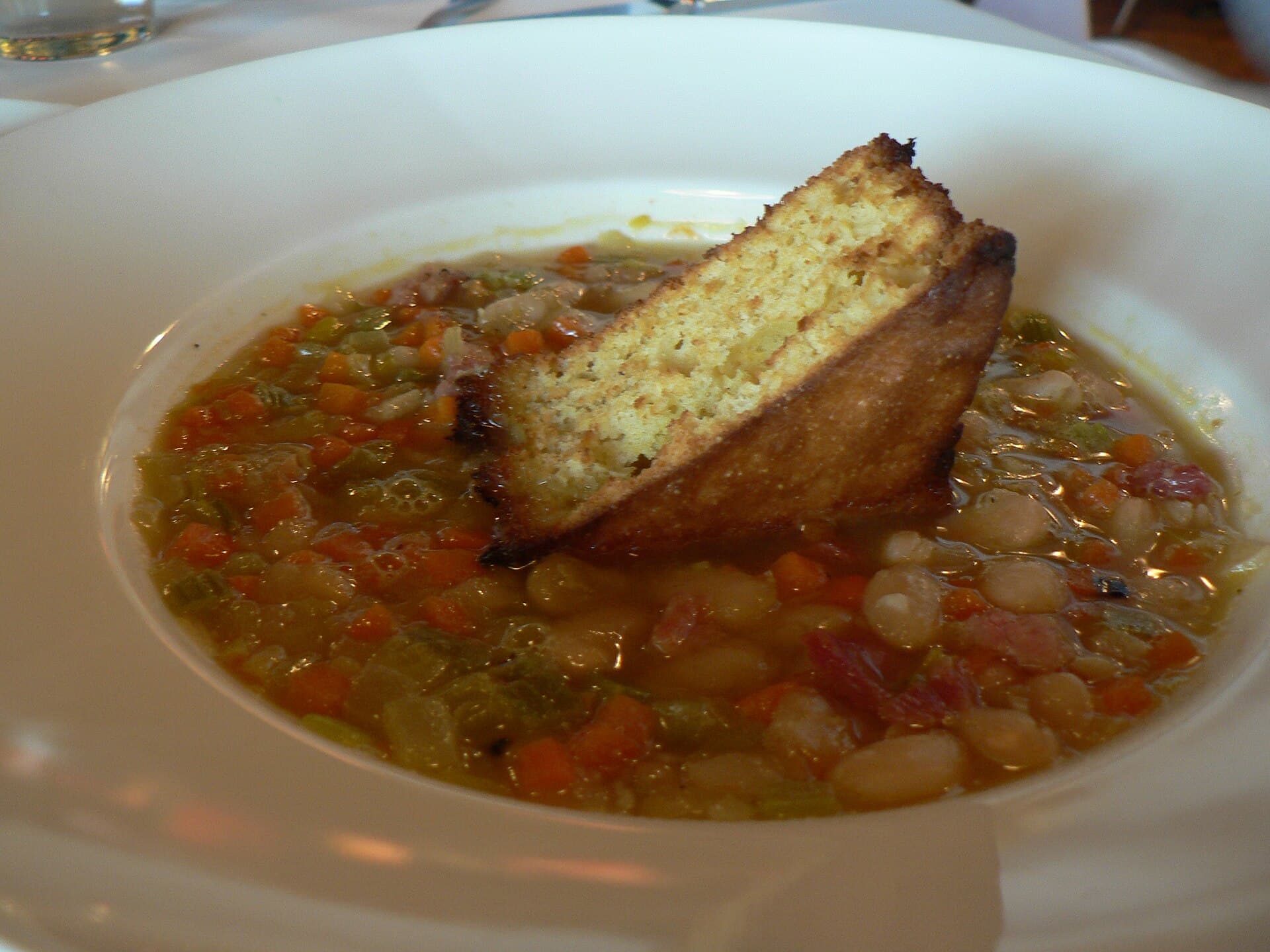
1800-1860
Bean soup is a humble American constant: inexpensive dried beans, water or stock, onion, and a ham bone when one was available. During hard times, that kind of pot could stretch flavor and protein across several meals. The U.S. Senate version made navy bean soup famous, but home kitchens kept it practical.
America's Melting Pot
Beer Cheese Dip photo coming soon
1930s-present
Kentucky beer cheese is a Central Kentucky bar snack with a loyal regional following. The usual story traces it to chef Joe Allman in the 1930s, where salty, spicy cheese spread helped sell another round of beer.
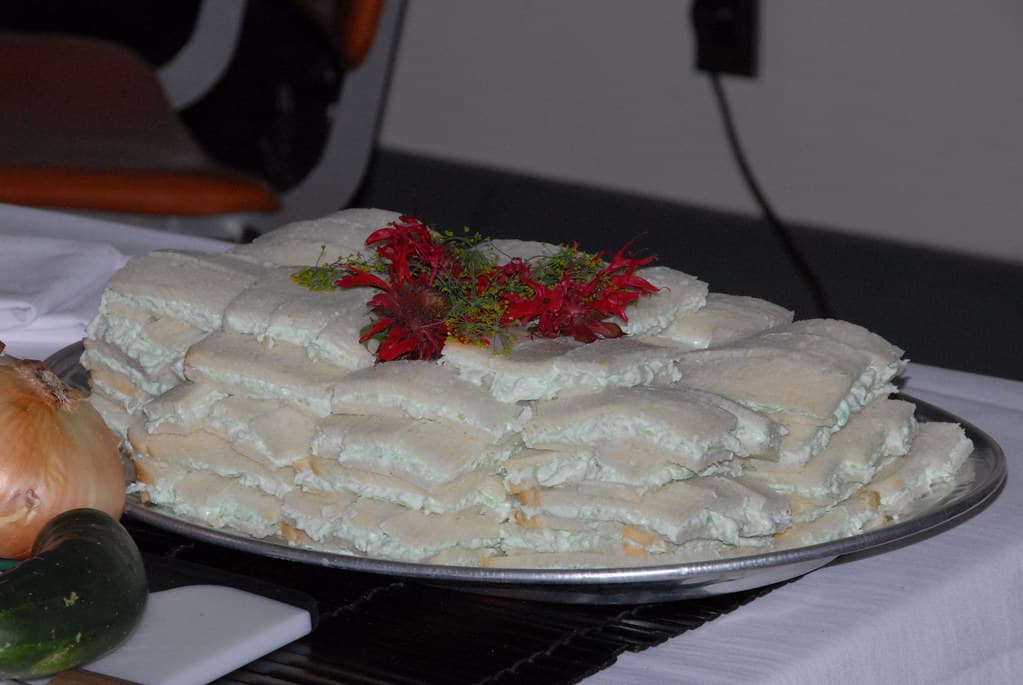
Cross-era
Benedictine is a spread with real American table personality: Louisville cucumber spread. It brings flavor from Appalachia and Pennsylvania Dutch country to cookouts, counters, lunch plates, potlucks, and weeknight suppers.
America's Melting Pot
Benedictine Spread photo coming soon
Cross-era
Benedictine Spread is a party dip with real American table personality: Kentucky cucumber-cream cheese spread, especially associated with Louisville. It brings flavor from Appalachia and Pennsylvania Dutch country to cookouts, counters, lunch plates, potlucks, and weeknight suppers.
America's Melting Pot
Berry Jam photo coming soon
1800-1860
Berry jam is the flavor of American summer preservation: short-season fruit cooked with sugar so it can brighten biscuits, toast, and winter breakfasts. Home canning, commercial pectin, and extension-tested recipes made jam a dependable household project.
America's Melting Pot
Berry Julius photo coming soon
Postwar & Diner Age
Berry Julius carries the bright, frothy spirit of American mall counters: Shopping mall smoothie crossover.
America's Melting Pot
Bialys photo coming soon
Late 1800s-present
Bialys are not bagels without holes. They are their own Ashkenazi bread: baked rather than boiled, dimpled in the center, and traditionally filled with onion and sometimes poppy seeds. Polish Jewish immigrants brought them to New York, where bakeries kept the tradition alive.
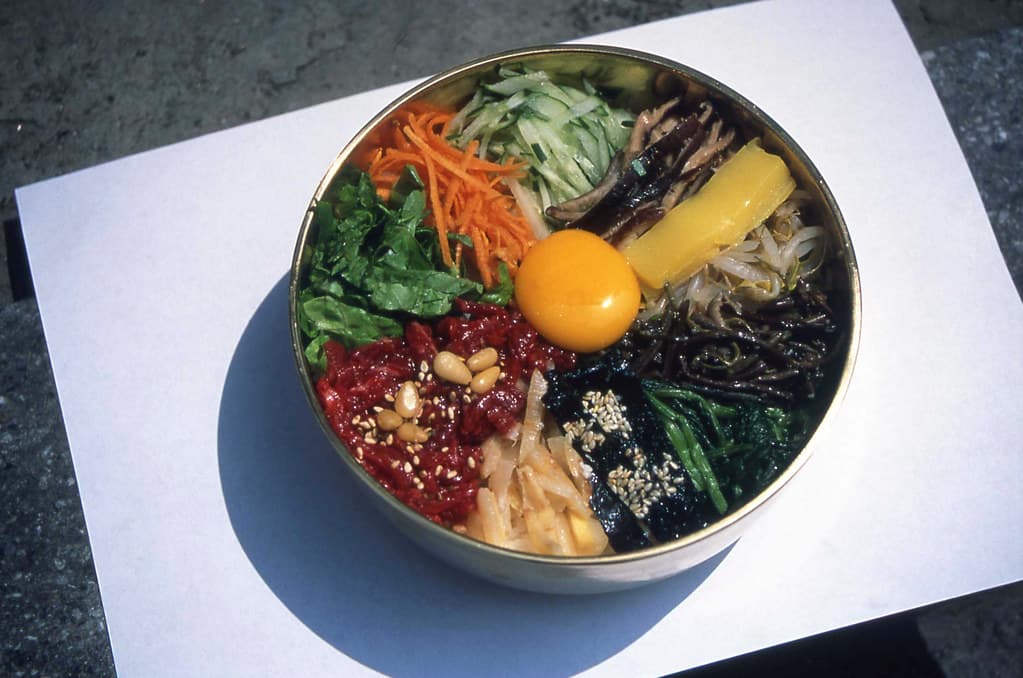
1960s-present
Bibimbap is a Korean classic with several origin stories, from palace meals to farmers mixing available vegetables. In the United States it became a Korean American restaurant and home-cooking staple because the format is flexible, colorful, and practical.
America's Melting Pot
Birch Beer Float photo coming soon
Gilded Age & Progressive Era
Birch Beer Float is fizzy Americana from the soda-fountain counter: Pennsylvania/Mid-Atlantic regional variation.
America's Melting Pot
Biscuits and Gravy photo coming soon
1800s-present
Biscuits and gravy grew from practical working food: cheap flour biscuits, pork drippings, milk, and enough richness to carry a hard morning. Modern sausage gravy is the familiar diner version, but older versions often used salt pork or any available pork fat.
America's Melting Pot
Biscuits with Molasses photo coming soon
1800s-present
Biscuits with molasses are less a formal recipe than a habit of American farm and Southern tables: make simple biscuits, split them hot, and drizzle on a dark sweetener that was cheaper and more available than refined treats.
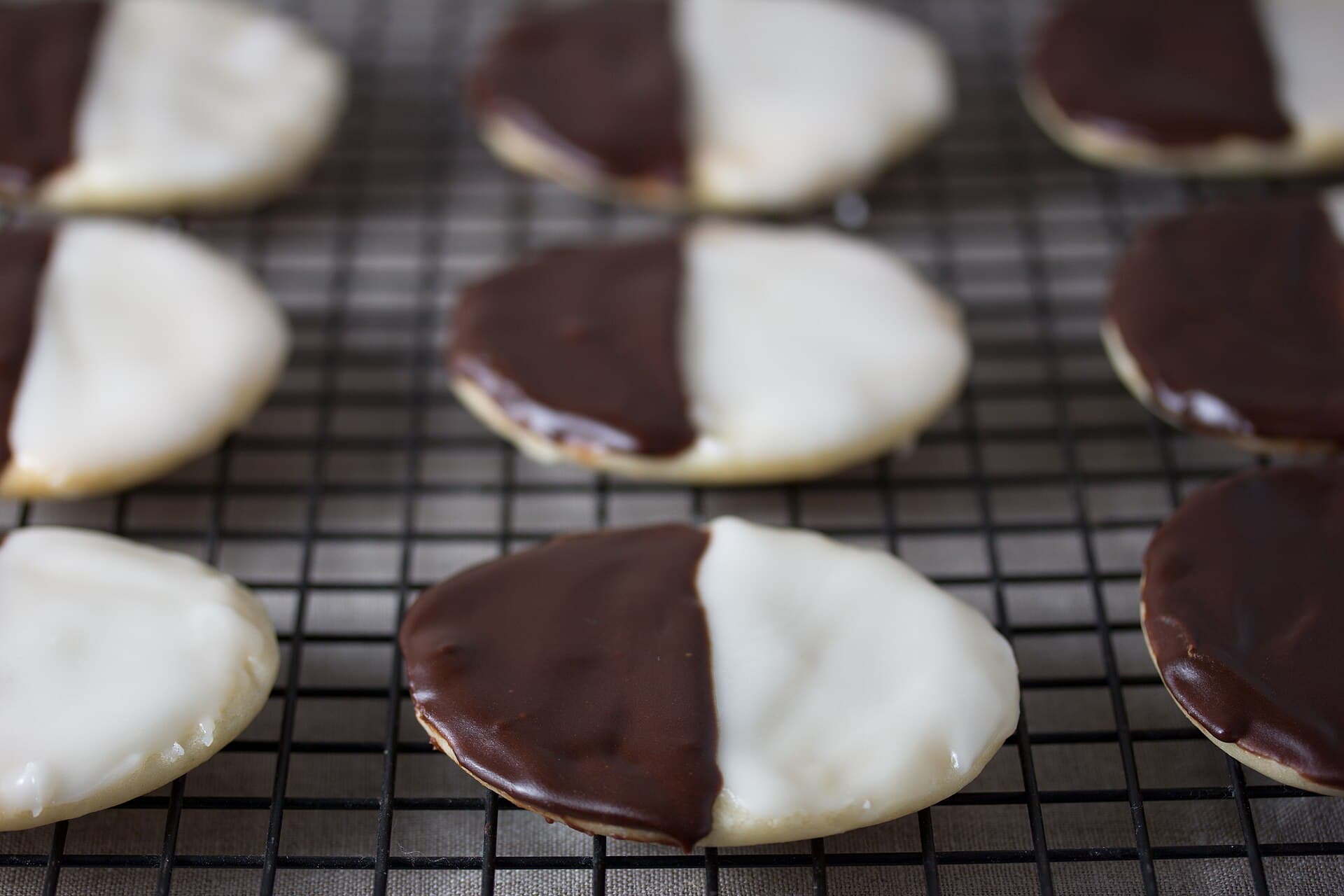
1900s-present
Black and white cookies are New York bakery icons, commonly linked to Glaser Bake Shop in Yorkville and to German Jewish bakery traditions. Their half-vanilla, half-chocolate tops made them instantly recognizable on deli and bakery counters.
America's Melting Pot
Black and White Shake photo coming soon
Postwar & Diner Age
Black and White Shake pours old-school malt-shop cheer into a cold glass: Vanilla ice cream with chocolate syrup, especially New York diner style.
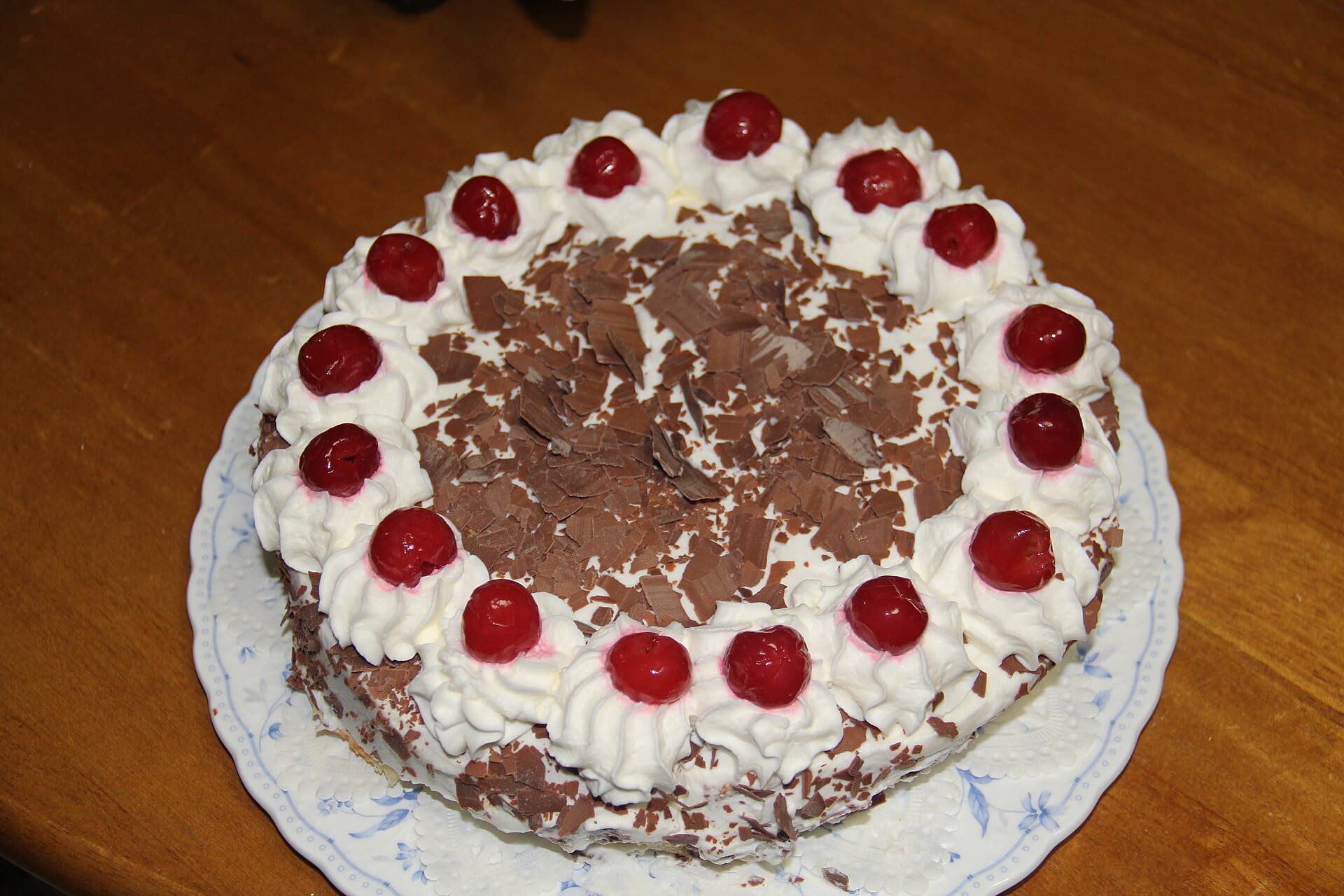
1960s-present
Black Forest cake, or Schwarzwalder Kirschtorte, came from German pastry traditions and became popular in the United States in the mid-20th century. American versions often soften the kirsch element but keep chocolate, cherries, and whipped cream.
America's Melting Pot
Black Raspberry Frappe photo coming soon
Postwar & Diner Age
Black Raspberry Frappe celebrates New England dairy-bar pride in a cold glass: New England ice cream stand flavor.
America's Melting Pot
Black Raspberry Jam photo coming soon
Cross-era
Black Raspberry Jam is a preserve with real American table personality: Midwest, Appalachia, and Pennsylvania tradition. It brings flavor from the Midwest and Great Lakes to cookouts, counters, lunch plates, potlucks, and weeknight suppers.
America's Melting Pot
Black Raspberry Shake photo coming soon
Postwar & Diner Age
Black Raspberry Shake pours old-school malt-shop cheer into a cold glass: Midwest, Pennsylvania, and ice cream stand flavor.
America's Melting Pot
Black Walnut Shake photo coming soon
Cross-era
Black Walnut Shake salutes regional fruit country and the American dairy-stand tradition: Midwest/Appalachia.
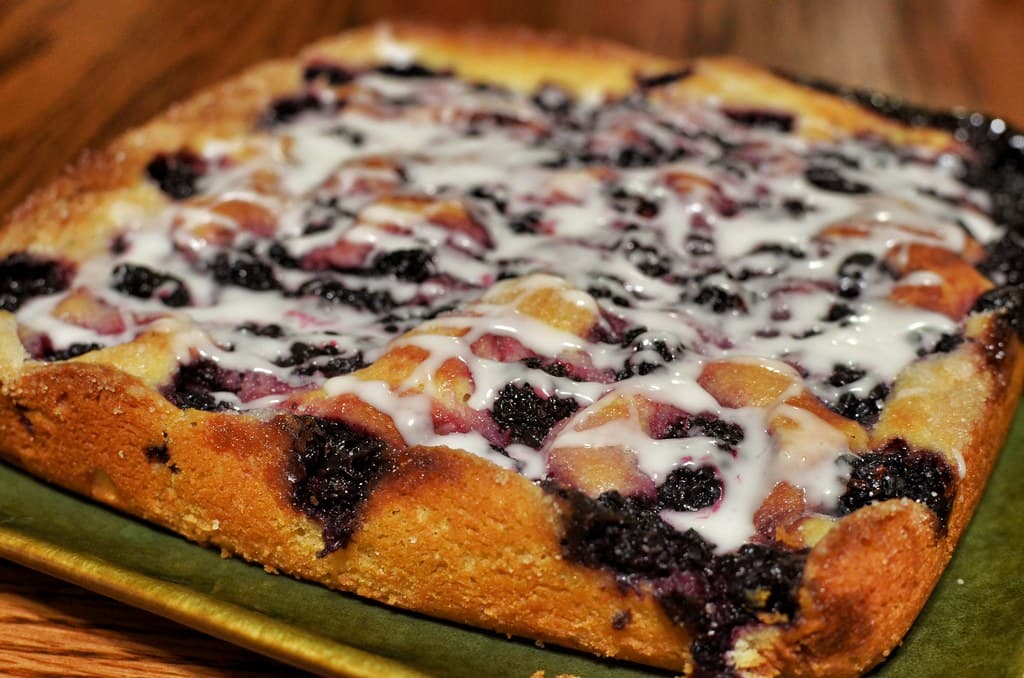
1800s-present
Blackberry cobbler is summer fruit economy: wild or cultivated berries, sugar, butter, flour, and enough heat to turn a picking bucket into dessert. Southern versions range from pour-over batter cobblers to biscuit-topped family recipes.
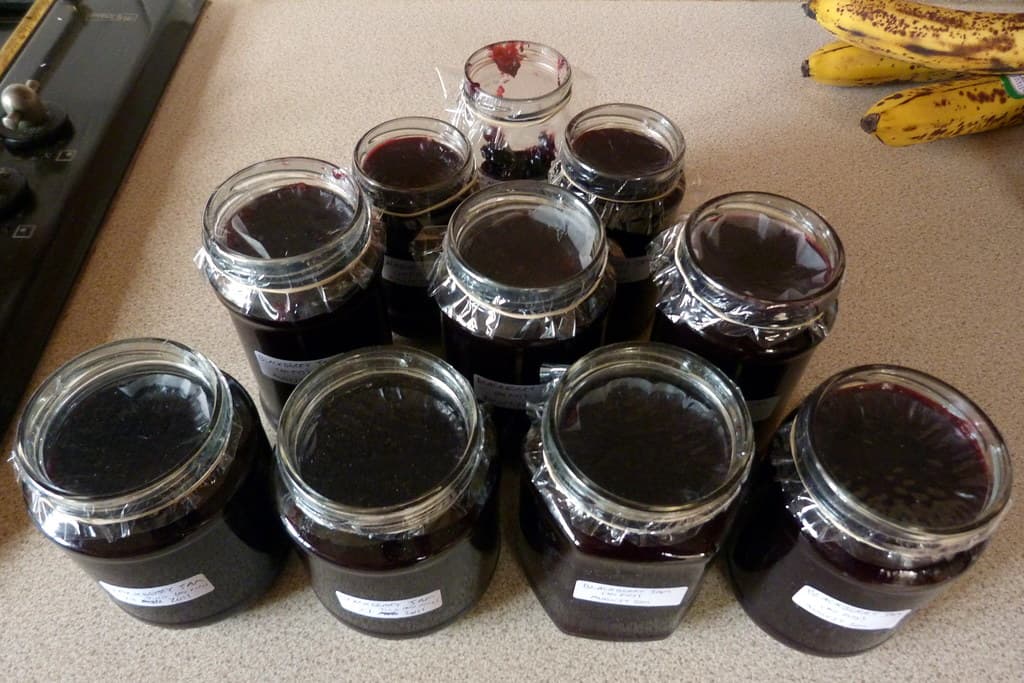
Frontier & Expansion
Blackberry Jam is a preserve with real American table personality: Southern, Appalachian, Ozark, and Pacific Northwest tradition. It brings flavor from Appalachia and Pennsylvania Dutch country to cookouts, counters, lunch plates, potlucks, and weeknight suppers.
America's Melting Pot
Blackstrap Molasses photo coming soon
Before 1776
Blackstrap Molasses is a sweet sauce with real American table personality: Baking, beans, gingerbread, wartime thrift. It brings flavor from coast-to-coast American tables to cookouts, counters, lunch plates, potlucks, and weeknight suppers.
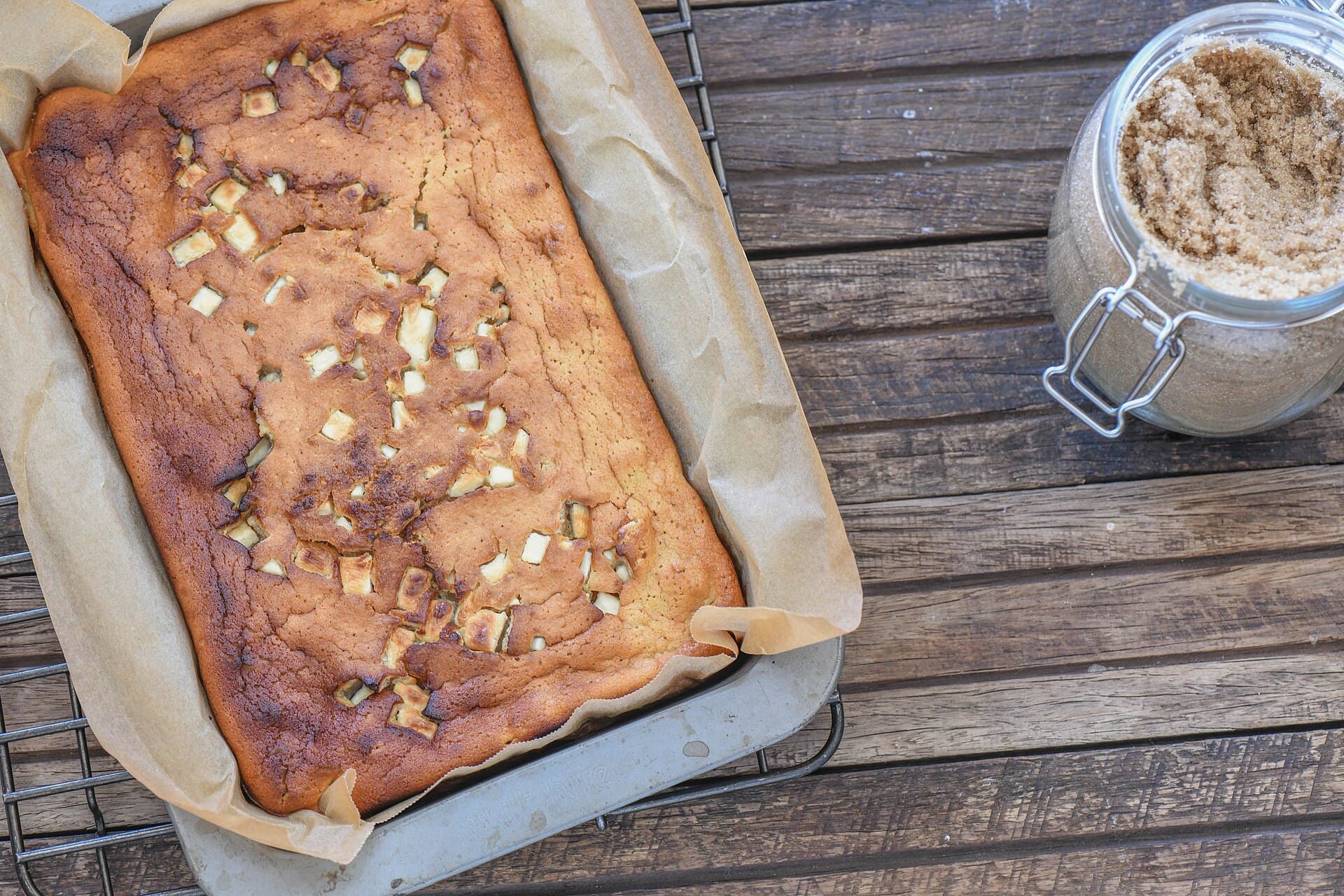
1900-1929
Blondies are American bar cookies built on brown sugar, butter, eggs, and flour. They preserve an older non-chocolate brownie lineage while becoming a lunchbox, bake-sale, and weeknight dessert standard.
America's Melting Pot
Bloomin? Onion-Style Onion Blossom photo coming soon
1980s-present
The onion blossom is a late-20th-century chain-restaurant spectacle: part onion ring, part table centerpiece. Outback Steakhouse popularized the Bloomin Onion nationally after opening in 1988, though similar blooming onion ideas circulated before it.
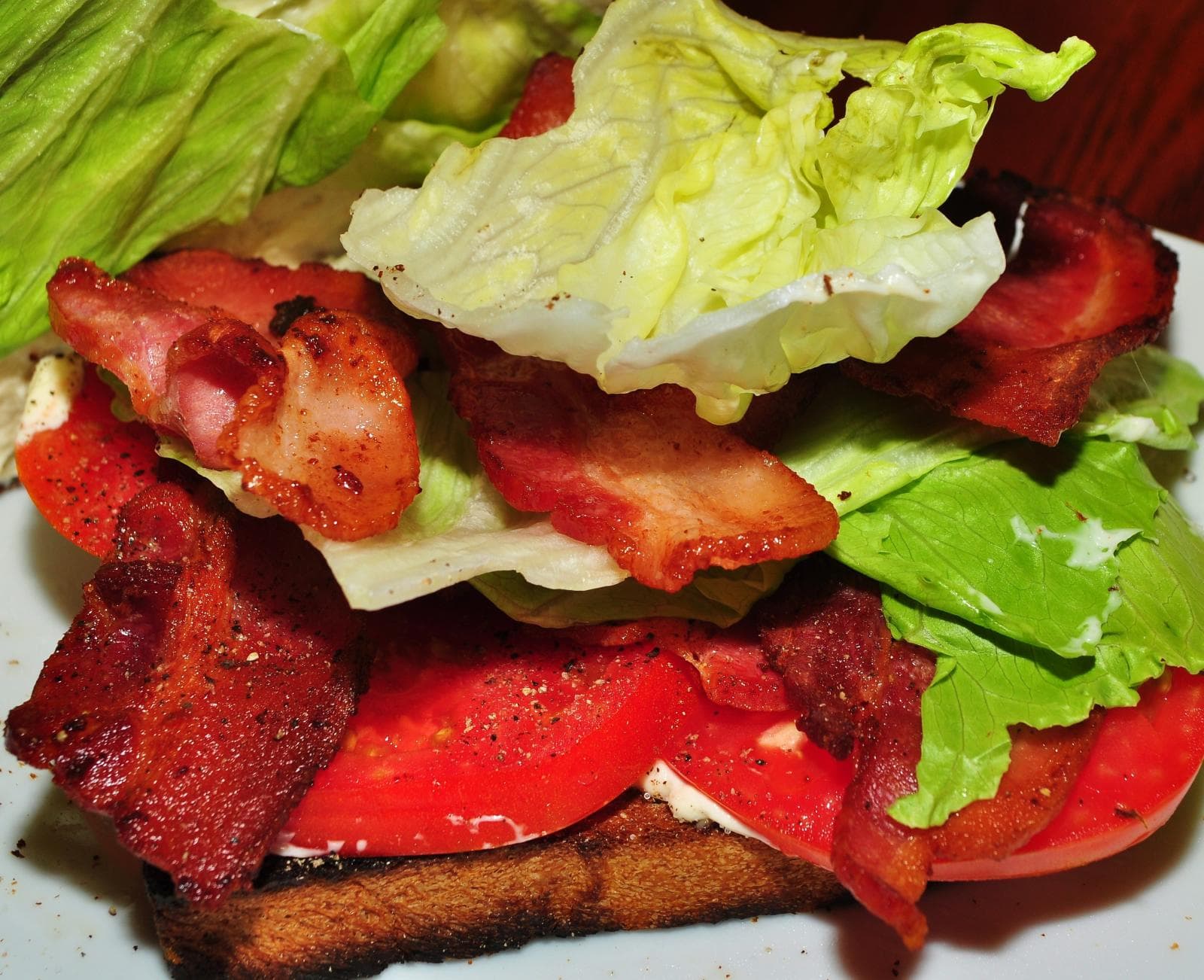
1900s-present
The BLT became a lunch-counter and diner standard in the early 20th century as sliced bread, commercial mayonnaise, bacon, lettuce, and ripe tomatoes converged in American kitchens. Its simplicity is the point: crisp bacon, juicy tomato, cool lettuce, toast, and enough mayonnaise to bind the sandwich.
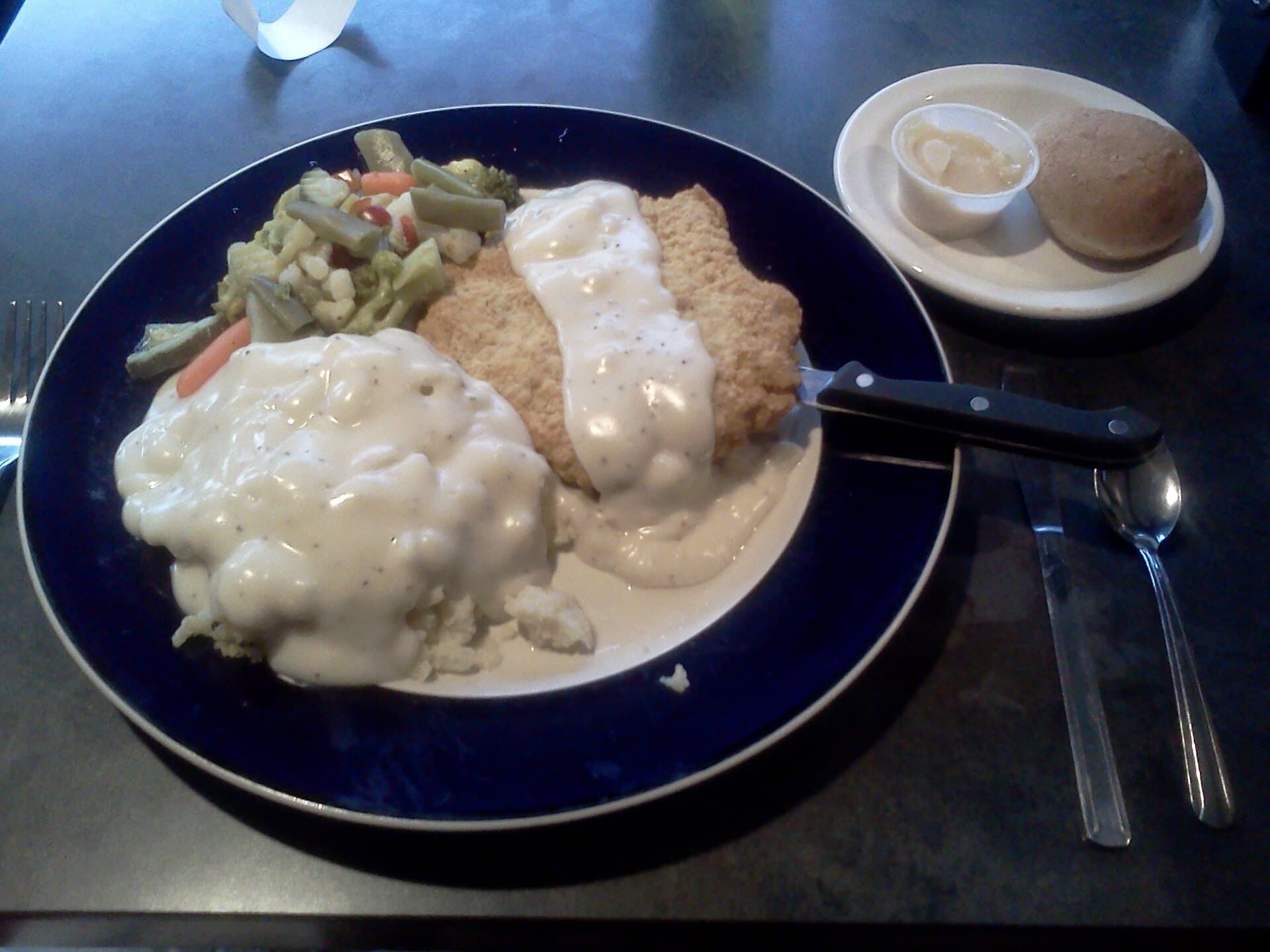
1910s-present
The blue plate special became shorthand for the everyday American diner meal: filling, inexpensive, and quick to order. The phrase was common by the 1920s and 1930s, tied to lunch counters, railroad restaurants, and diners serving one daily set plate.
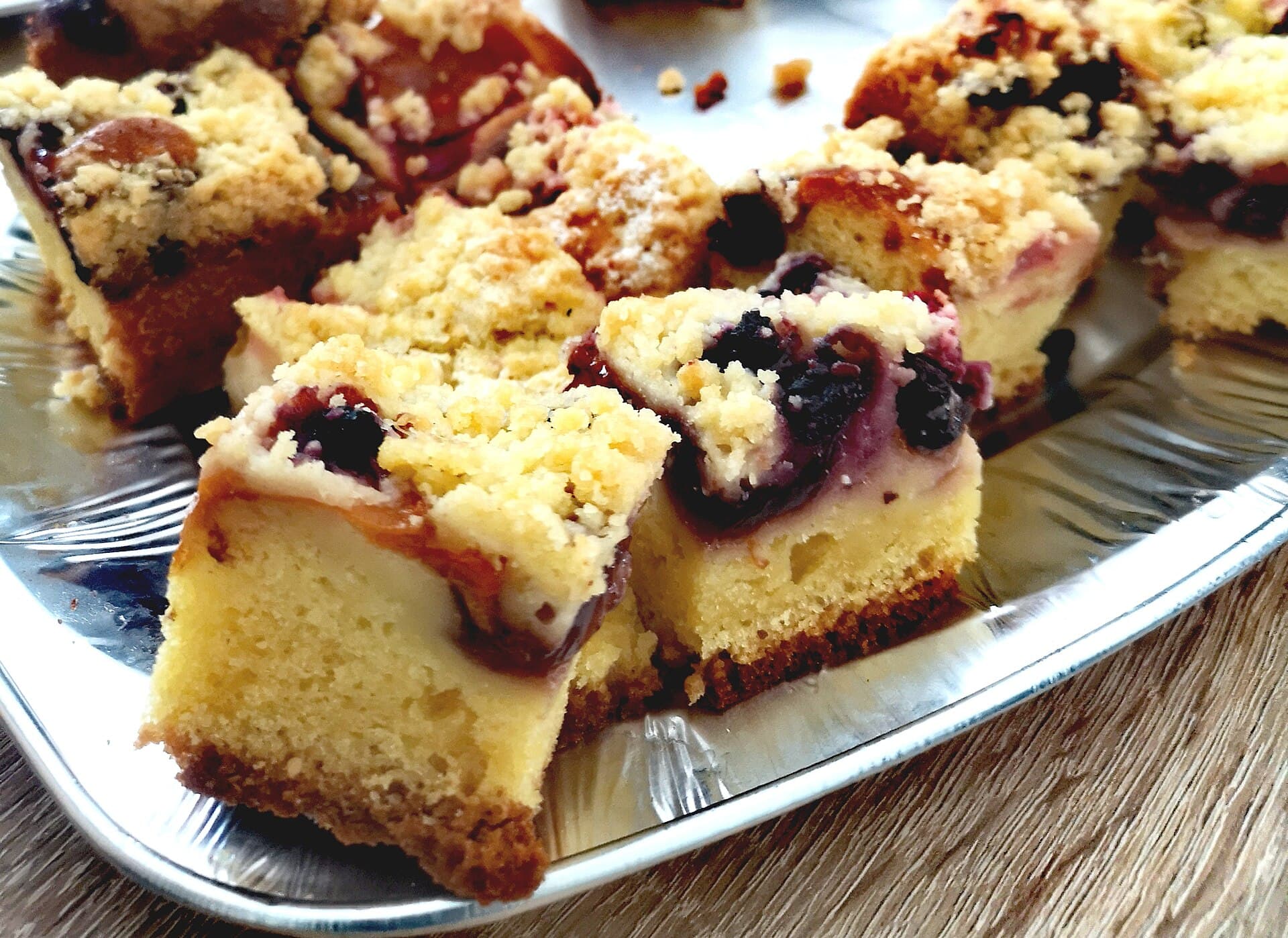
1800s-present
Blueberry buckle is a classic American fruit cake, especially at home in New England where native blueberries are abundant. The streusel topping sinks and cracks into the cake as it bakes, giving the dessert its buckle name.
America's Melting Pot
Blueberry Frappe photo coming soon
Postwar & Diner Age
Blueberry Frappe celebrates New England dairy-bar pride in a cold glass: Maine/New England berry version.
America's Melting Pot
Blueberry Jam photo coming soon
Cross-era
Blueberry Jam is a preserve with real American table personality: Maine, Michigan, New Jersey, and farm country. It brings flavor from New England to cookouts, counters, lunch plates, potlucks, and weeknight suppers.
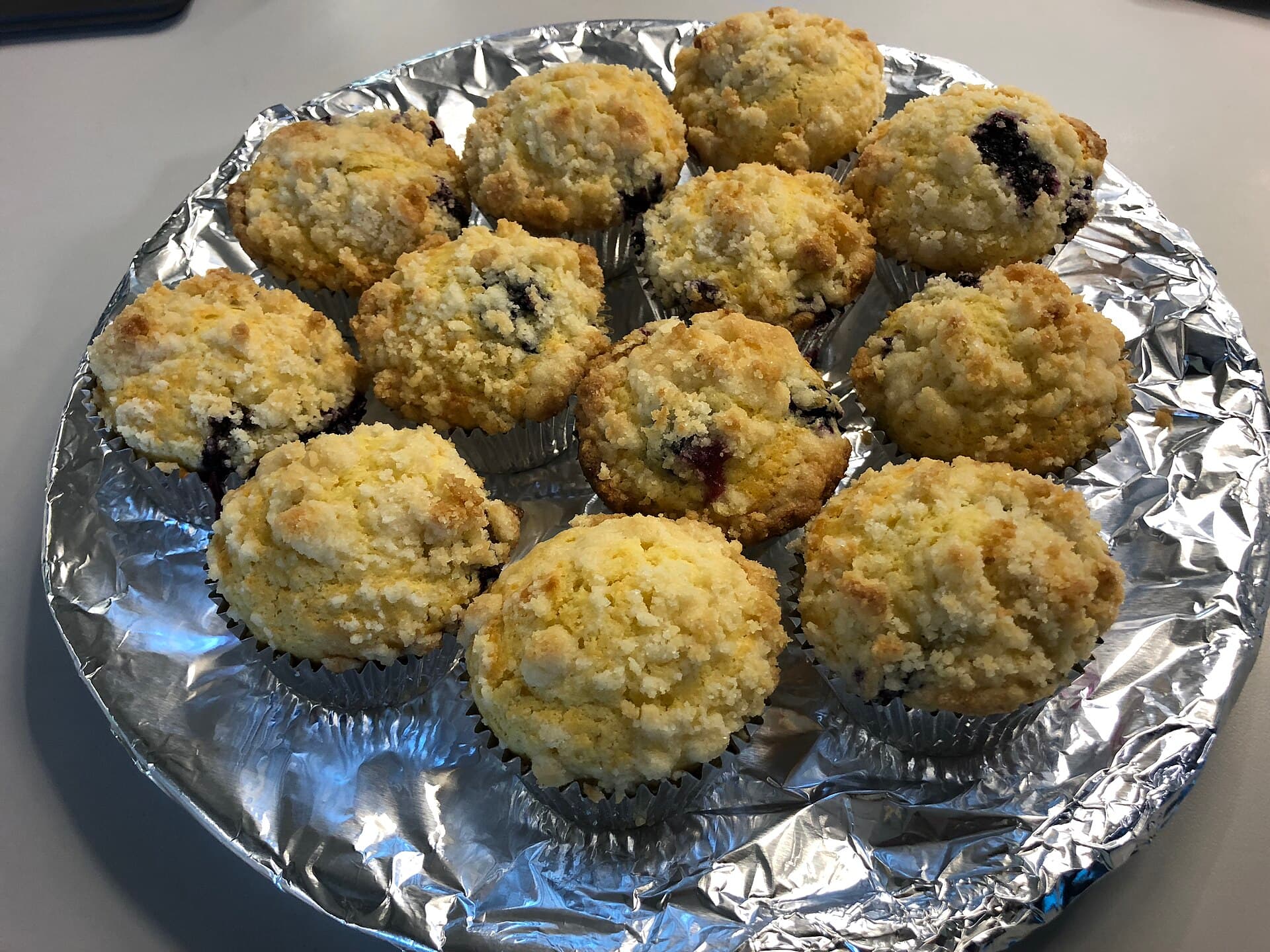
1900s-present
Blueberry muffins are everyday American breakfast baking, but Boston gave them a particular legend through Jordan Marsh department store. The oversized, sugar-topped muffin became a coffee-shop and bakery standard long after the department store disappeared.
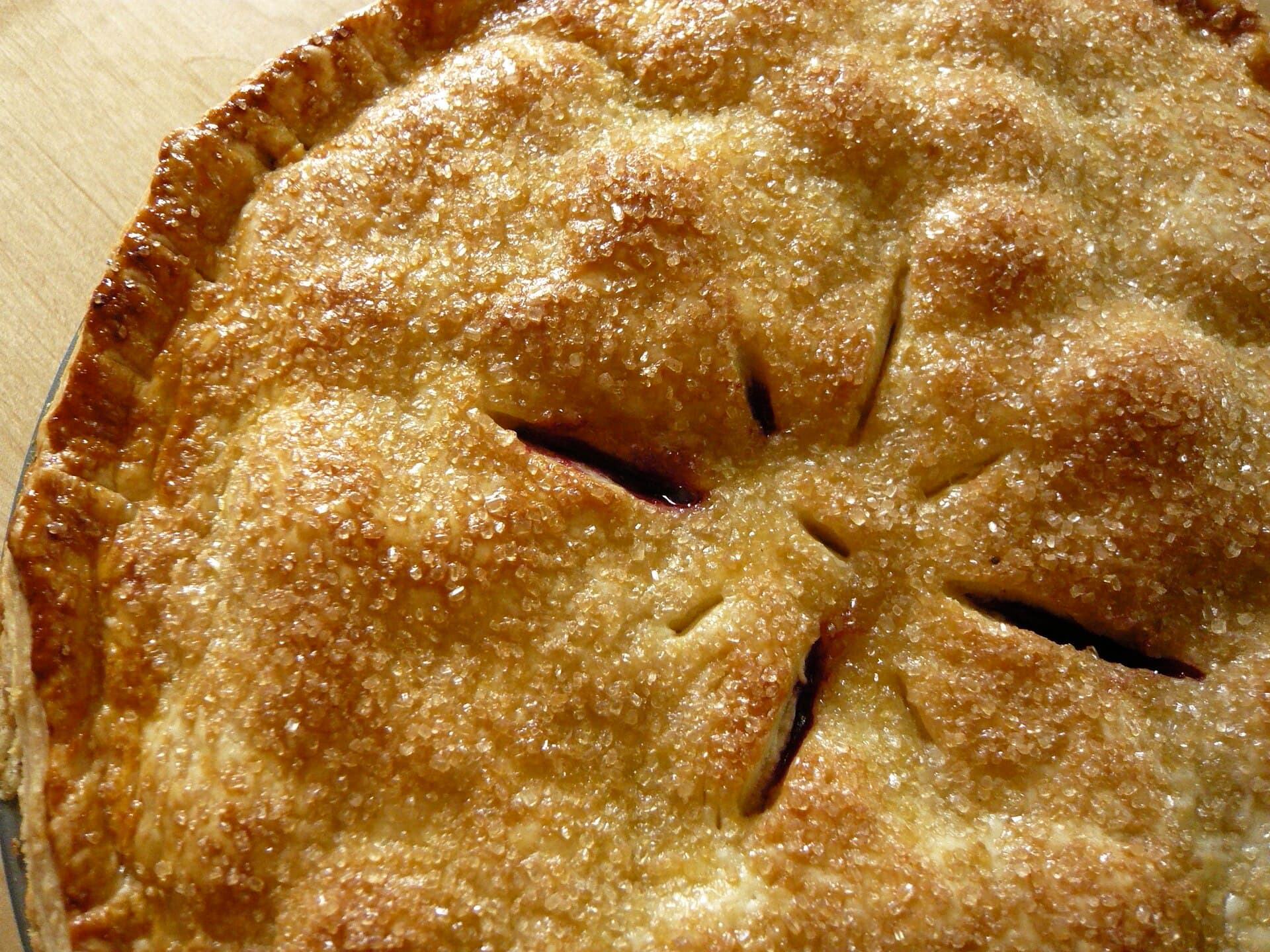
1800s-present
Blueberry pie is a New England and summer-holiday classic built from a native North American fruit and European pie technique. Maine made wild blueberry pie its official state dessert in 2011, but the pie belongs broadly to American summer tables.
America's Melting Pot
Blueberry Pie Shake photo coming soon
Postwar & Diner Age
Blueberry Pie Shake brings drive-in, carhop, and fast-food dessert-counter energy to the table: Great Lakes/New England version.
America's Melting Pot
Blueberry Shake photo coming soon
Postwar & Diner Age
Blueberry Shake pours old-school malt-shop cheer into a cold glass: Maine/Michigan berry-country shake.
America's Melting Pot
Blueberry Syrup photo coming soon
Cross-era
Blueberry Syrup is a sweet sauce with real American table personality: Maine/Michigan breakfast and pancakes. It brings flavor from New England to cookouts, counters, lunch plates, potlucks, and weeknight suppers.
America's Melting Pot
Boardwalk Fries photo coming soon
1920s-present
Boardwalk fries are beach food stripped to essentials: fresh-cut potatoes, hot oil, salt, and vinegar. Ocean City made the style famous through Thrasher fries, opened in 1929, where ketchup is famously beside the point.
America's Melting Pot
Boiled Coffee Cake photo coming soon
1870s-present
Older American coffee cakes sometimes actually contained coffee. Recipes using cold boiled coffee, molasses, raisins, and spice appeared in late-19th and early-20th-century cookbooks, making a sturdy loaf cake for the coffee table.
America's Melting Pot
Boiled Dinner photo coming soon
1800s-present
New England boiled dinner is practical one-pot cooking shaped by salt meat, root cellars, cabbage, and later Irish American corned beef traditions. It remains strongly tied to St. Patrick Day in the United States but is older and broader than the holiday plate.
America's Melting Pot
Boiled Dressing photo coming soon
1861-1900
Boiled Dressing is a dressing with real American table personality: Old-fashioned American dressing made with eggs, vinegar, sugar, and mustard before bottled mayo took over. It brings flavor from coast-to-coast American tables to cookouts, counters, lunch plates, potlucks, and weeknight suppers.
America's Melting Pot
Boiled Potatoes photo coming soon
1800-1860
Boiled potatoes are a building-block recipe rather than a showpiece. They belong to everyday American tables because potatoes were affordable, filling, easy to store, and ready to serve plain or dress with butter, gravy, herbs, or pan drippings.
America's Melting Pot
Boiled Potatoes with Butter photo coming soon
1800s-present
Buttered boiled potatoes turn the plain potato pot into a finished side dish. The method is common across European and American tables: boil small potatoes until tender, drain well, and coat them with butter and herbs while they are still steaming.
America's Melting Pot
Booyah photo coming soon
1850s-present
Booyah is more than soup in Green Bay and northeast Wisconsin. It is a community event food tied to Belgian American settlements, church picnics, fundraisers, and enormous kettles stirred for hours.
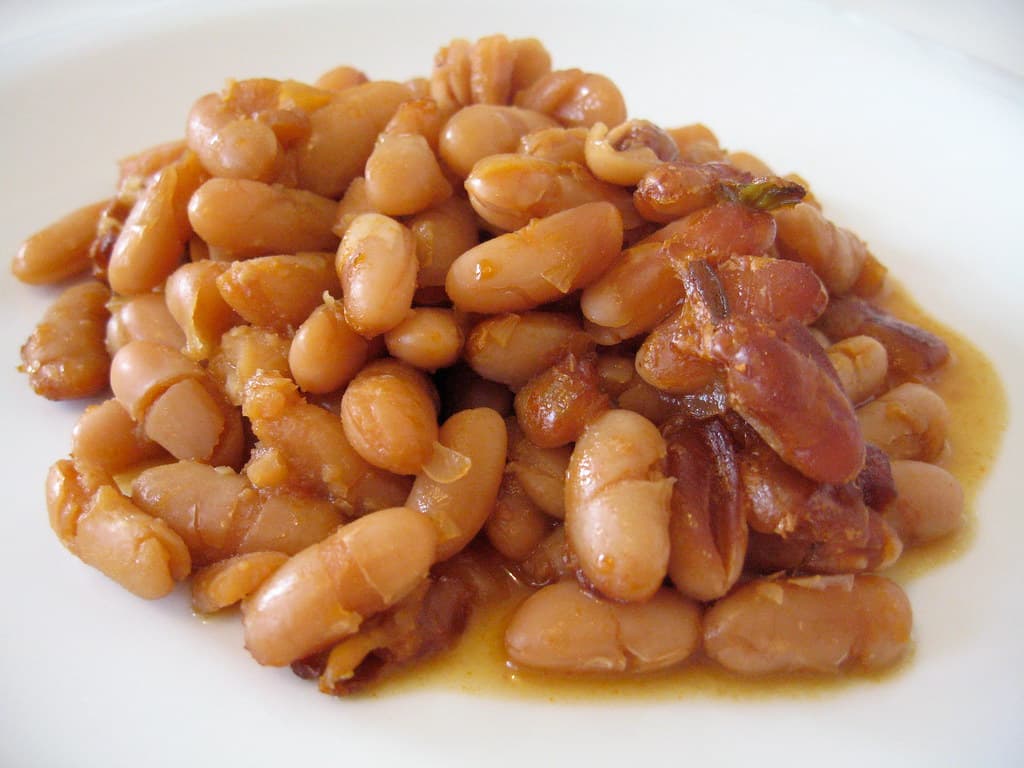
1600s-present
Boston baked beans grew from New England bean cookery, English pork-and-bean traditions, and the colonial availability of molasses through Atlantic trade. The long bake made practical sense for Sabbath observance and cold-weather kitchens, and the dish became one of Boston's defining foods.
America's Melting Pot
Boston Brown Bread photo coming soon
1700s-present
Boston brown bread is the dark, tender partner to baked beans. Colonial New England cooks used mixed grains, cornmeal, and molasses, then steamed the batter because the bread had little gluten and home ovens were not always reliable.
America's Melting Pot
Boston Cooler photo coming soon
Gilded Age & Progressive Era
Boston Cooler is fizzy Americana from the soda-fountain counter: Ginger ale, often Vernors, blended with vanilla ice cream; strongly associated with Detroit/Michigan.
America's Melting Pot
Bourbon Barbecue Sauce photo coming soon
Modern Melting Pot
Bourbon Barbecue Sauce is a barbecue sauce with real American table personality: Kentucky/Southern modern BBQ sauce. It brings flavor from Appalachia and Pennsylvania Dutch country to cookouts, counters, lunch plates, potlucks, and weeknight suppers.
America's Melting Pot
Bourbon Caramel Sauce photo coming soon
Modern Melting Pot
Bourbon Caramel Sauce is a sweet sauce with real American table personality: Kentucky/Southern modern dessert sauce. It brings flavor from Appalachia and Pennsylvania Dutch country to cookouts, counters, lunch plates, potlucks, and weeknight suppers.
America's Melting Pot
Bourbon Peach Jam photo coming soon
Cross-era
Bourbon Peach Jam is a preserve with real American table personality: Southern/Kentucky-style preserve. It brings flavor from Appalachia and Pennsylvania Dutch country to cookouts, counters, lunch plates, potlucks, and weeknight suppers.
America's Melting Pot
Boxty photo coming soon
1800s-present
Boxty is a traditional Irish potato pancake especially associated with north Connacht, the north Midlands, and Ulster. Irish immigrants brought potato cookery with them to America, where boxty fits naturally beside other Irish American breakfast and supper dishes.
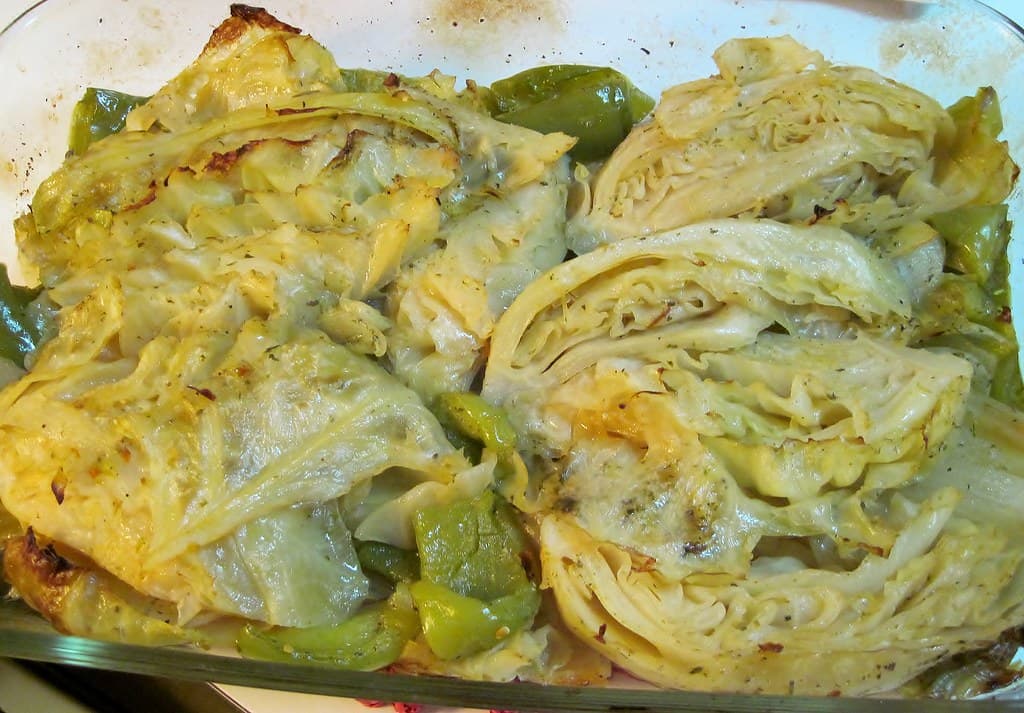
1700s-present
Braised cabbage is an old, practical side dish because cabbage stores well, feeds many, and softens beautifully with slow moist heat. American versions draw from British, German, Irish, and Eastern European cabbage cookery as well as plain farm-table thrift.
America's Melting Pot
Braunschweiger Sandwich photo coming soon
1800s-present
American braunschweiger is a smoked liver sausage closely associated with German-style deli and butcher traditions. In the Midwest and other German American communities, it became a quick sandwich filling with rye bread, mustard, onion, and pickles.
1700s-present
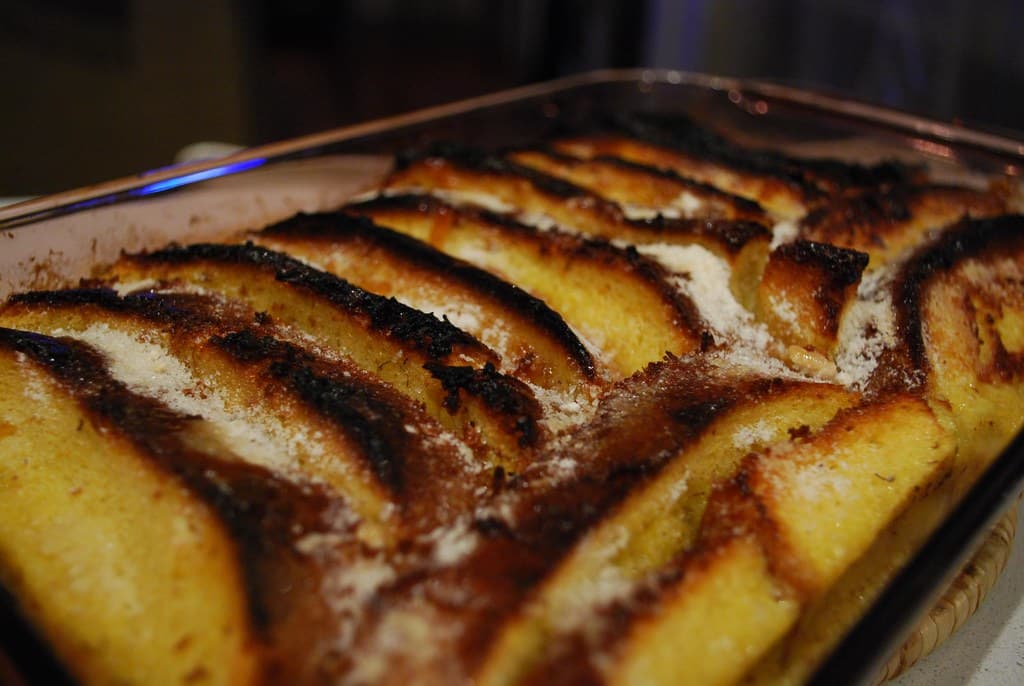
Bread pudding is one of the clearest examples of kitchen thrift becoming comfort food. English colonists brought bread-and-custard pudding habits to America, where cooks used stale bread, milk, eggs, sugar, and spices to make a dessert from leftovers.
1700s-present
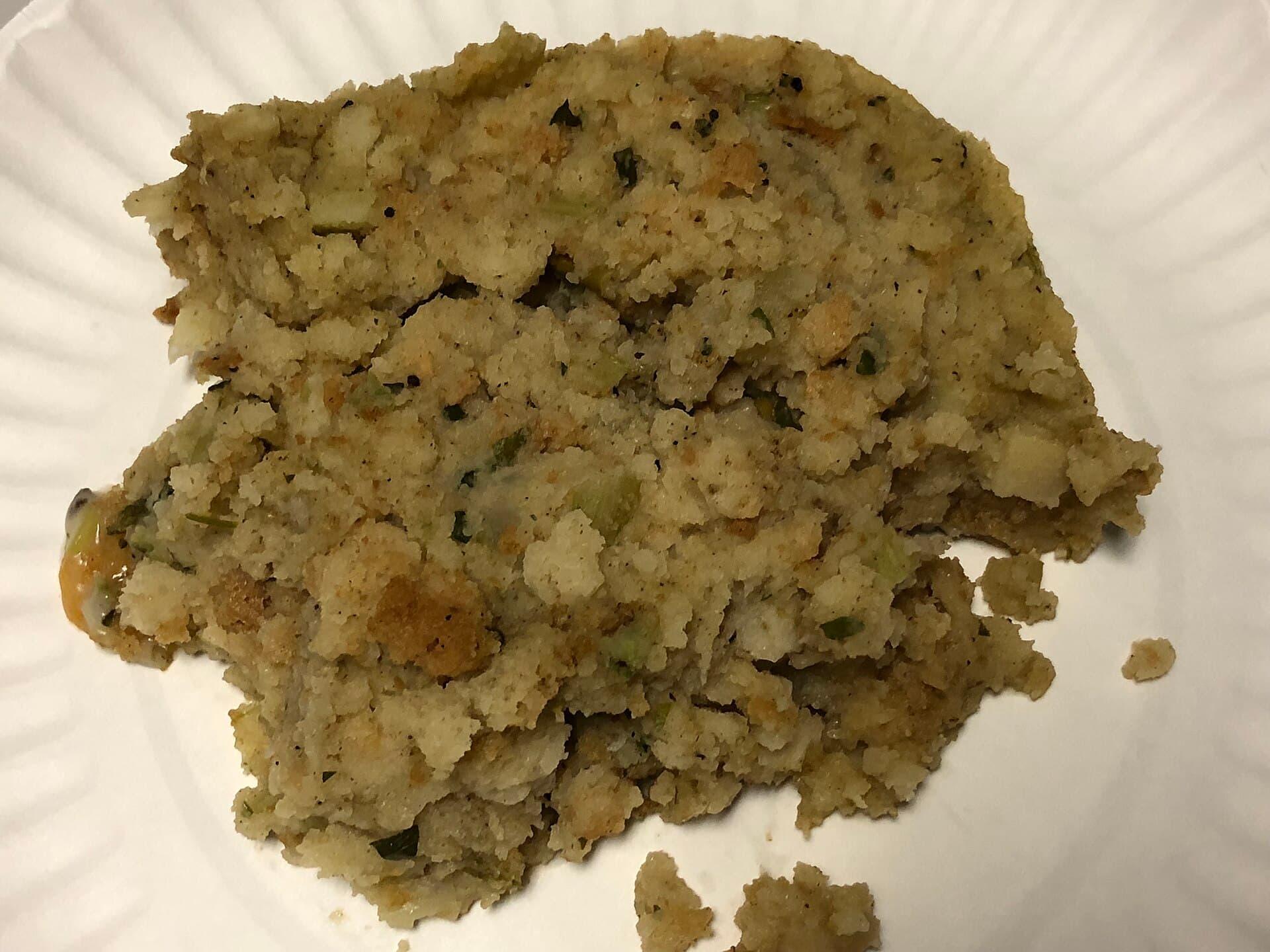
Bread stuffing is the Thanksgiving workhorse that turns stale bread into the part of the plate many people reach for first. Whether cooked inside the bird or baked separately as dressing, the core American formula is bread, aromatics, poultry herbs, and rich stock.
America's Melting Pot
Brisket photo coming soon
1800s-present
Before brisket became a barbecue shorthand, it was a holiday braise in many Jewish American homes. The tough cut becomes tender with long moist cooking, making it practical for Rosh Hashanah, Passover, Hanukkah, Shabbat, and make-ahead family meals.
1900s-present
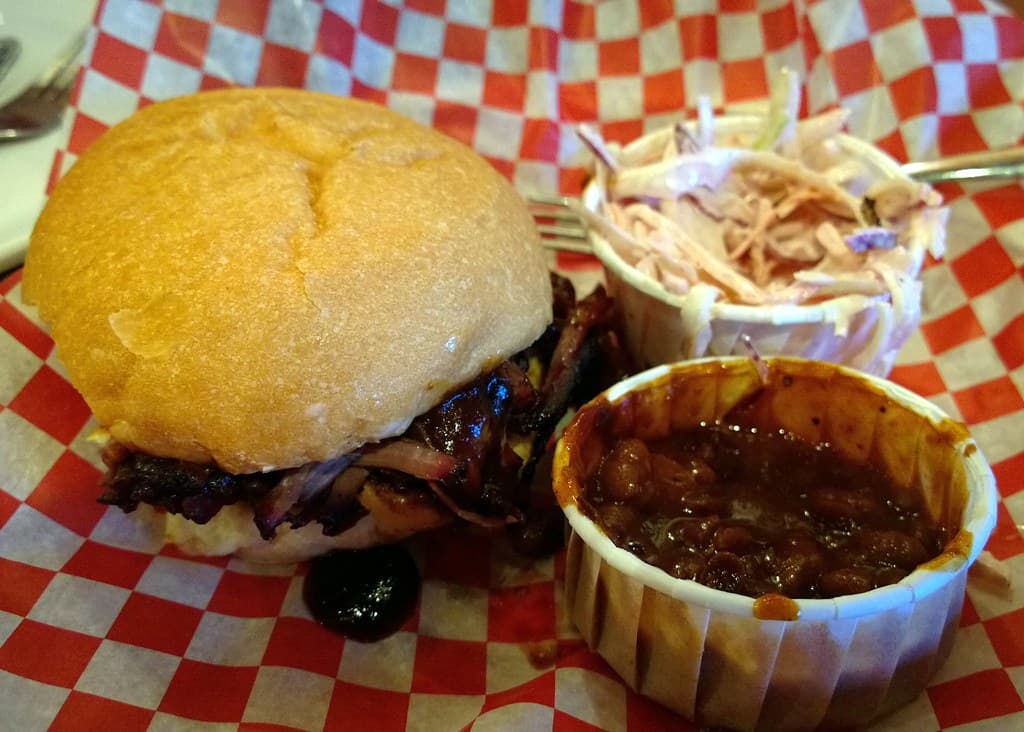
The brisket sandwich can come from two American lines: smoked barbecue brisket on a soft bun, or Jewish deli-style brisket on rye. Both turn slow-cooked beef into a handheld meal, with sharp pickles, mustard, slaw, or sauce balancing the richness.
America's Melting Pot
Brown Bread photo coming soon
1800s-present
Irish brown bread is a daily table bread rather than a sweet holiday loaf. Irish immigrants and Irish American families carried versions of wholemeal soda bread into American kitchens, where buttermilk and baking soda made a quick, sturdy loaf possible without yeast.
America's Melting Pot
Brown Gravy photo coming soon
Cross-era
Brown Gravy is a condiment with real American table personality: Diner meatloaf, hot beef sandwiches, mashed potatoes. It brings flavor from coast-to-coast American tables to cookouts, counters, lunch plates, potlucks, and weeknight suppers.
1890s-present
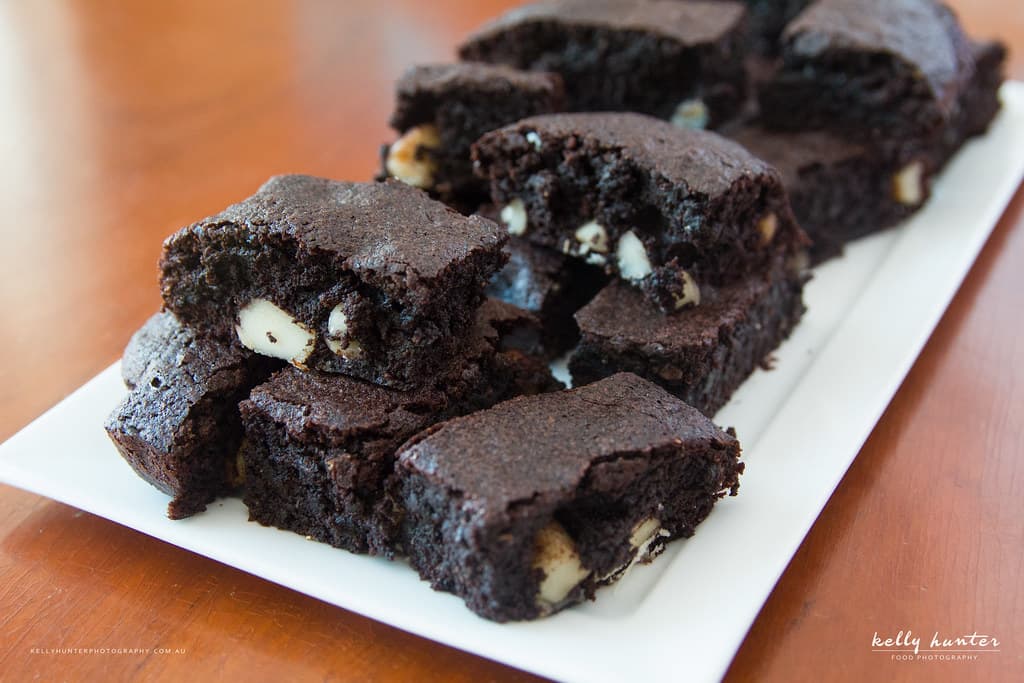
Brownies became an American classic at the meeting point of hotel pastry, home economics, and community baking. Chicago's Palmer House is tied to an early chocolate brownie in 1893, and Fannie Farmer helped standardize brownie recipes for home cooks soon after.
America's Melting Pot
Buckwheat Cakes photo coming soon
1700s-present
Buckwheat cakes were once a cold-weather American breakfast staple, especially in Pennsylvania, Appalachia, and boardinghouses. Buckwheat grew well in poor soils, and an overnight batter gave the cakes a tangy flavor before modern baking powder pancakes took over.
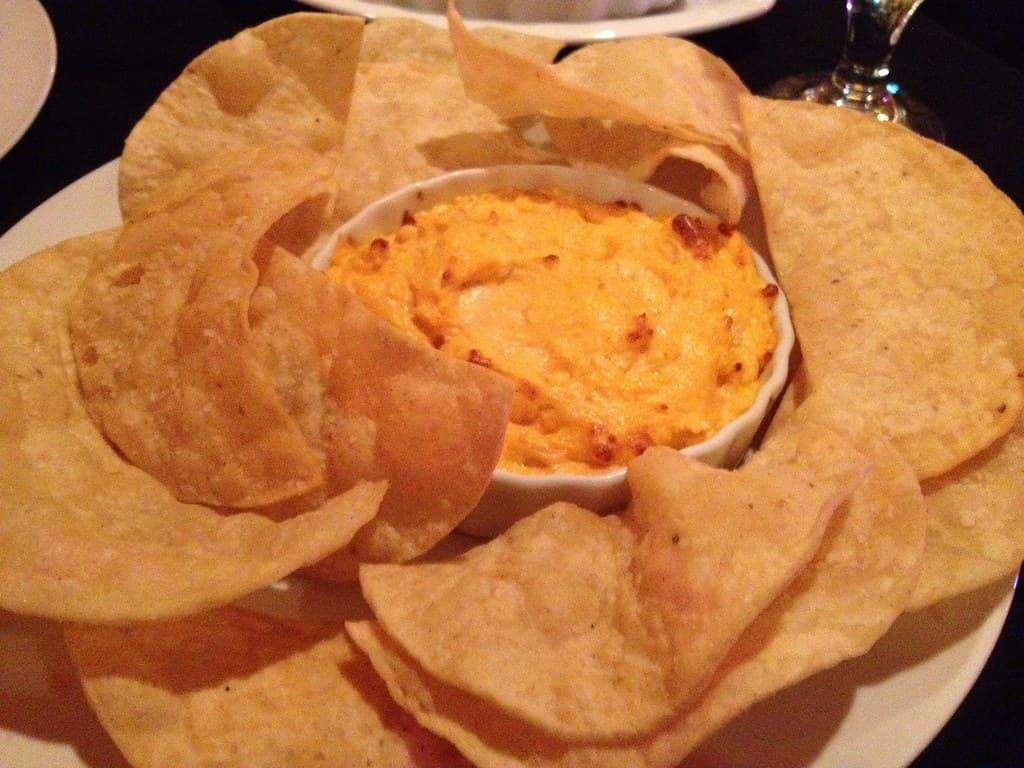
1990s-present
Buffalo chicken dip turns Buffalo wing flavors into a scoopable party dish. It belongs to the Super Bowl and tailgate era of American entertaining, with Frank's RedHot, cream cheese, shredded chicken, and ranch or blue cheese becoming the familiar formula.
Community recipe submission
Log in to submit a recipe, format it with the cooking companion, and send it for review.
Log in to Submit