
Loading
Setting the table...
Fetching the latest recipes from the archive.
Loading
Fetching the latest recipes from the archive.
Recipe archive
Recipe archive
Search the archive by title, region, ingredient, tag, or era, then sort the table by the view that fits your kitchen.
This archive is growing through recipes, photos, family recipes, and historical context shared by the community.
America's Melting Pot
Pimento Cheese Sandwich photo coming soon
1900-1929
The Pimento Cheese Sandwich is a simple, beloved American sandwich featuring creamy pimento cheese spread served between slices of white or toast bread. It exemplifies Southern casual dining and snack culture across generations, offering a quick and tasty meal or snack.
America's Melting Pot
Pinto Beans and Cornbread photo coming soon
1930-1945
Pinto Beans and Cornbread is a classic side dish originating during the Dust Bowl and Great Depression as an affordable, nutritious meal. Pinto beans are slow-cooked and served alongside moist cornbread, reflecting resourcefulness and Southern traditions of the 1930s and 1940s urban and rural kitchens.
America's Melting Pot
Pistachio Salad photo coming soon
1970-1989
Pistachio Salad is a mid-20th-century American salad made with pistachio-flavored gelatin, whipped topping, crushed pineapple, and marshmallows. Popular in suburban dinner parties and potlucks from the 1940s to 1960s, it exemplifies the era's fascination with Jell-O salads combining sweet, creamy, and fruity textures.
America's Melting Pot
Pizza Burgers photo coming soon
1946-1969
Pizza Burgers are American sandwiches combining grilled beef patties topped with tomato sauce and melted cheese in a hamburger bun. Popular in the 1970s and 1980s tailgate and school cafeteria scene, these sandwiches reflect Italian-American influences blended with classic American fast food.
America's Melting Pot
Pizza Rolls photo coming soon
1946-1969
Pizza Rolls are small folded dough pockets filled with classic pizza fillings like cheese, tomato sauce, and pepperoni. Emerging in the 1990s and 2000s, these portable snacks are popular at game day parties and casual gatherings, combining pizza flavors in finger food form.
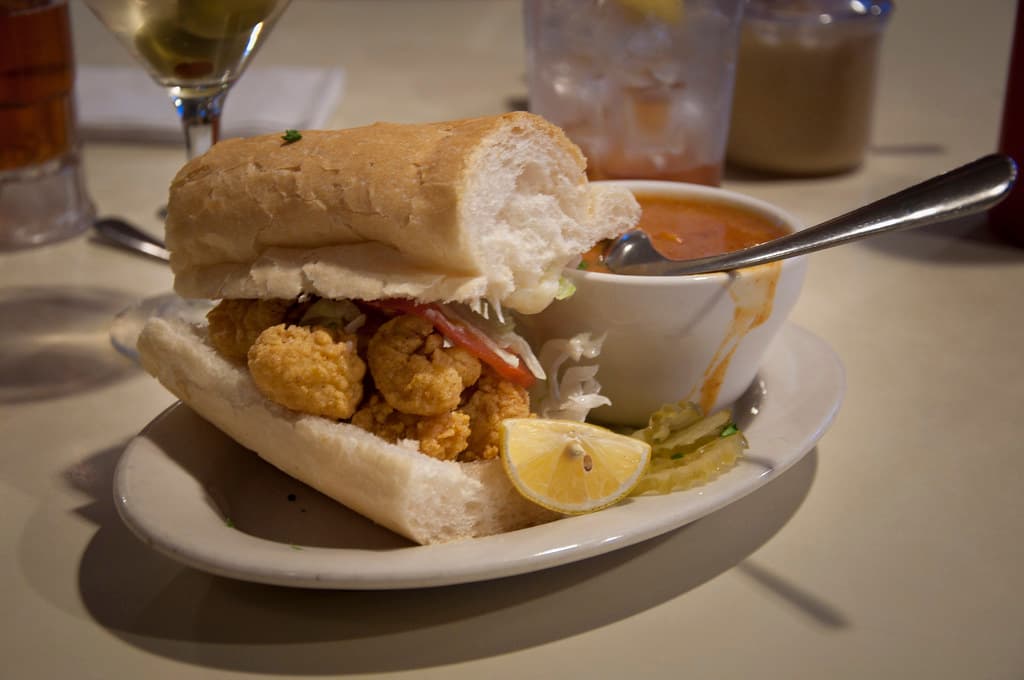
1946-1969
The Po' Boy is a traditional Louisiana sandwich featuring fried seafood or roast beef stuffed within a French bread loaf. Popularized mid-20th century in New Orleans, it is a signature Southern American comfort food blending French and Creole influences, often accompanied by lettuce, tomato, and tangy sauces.
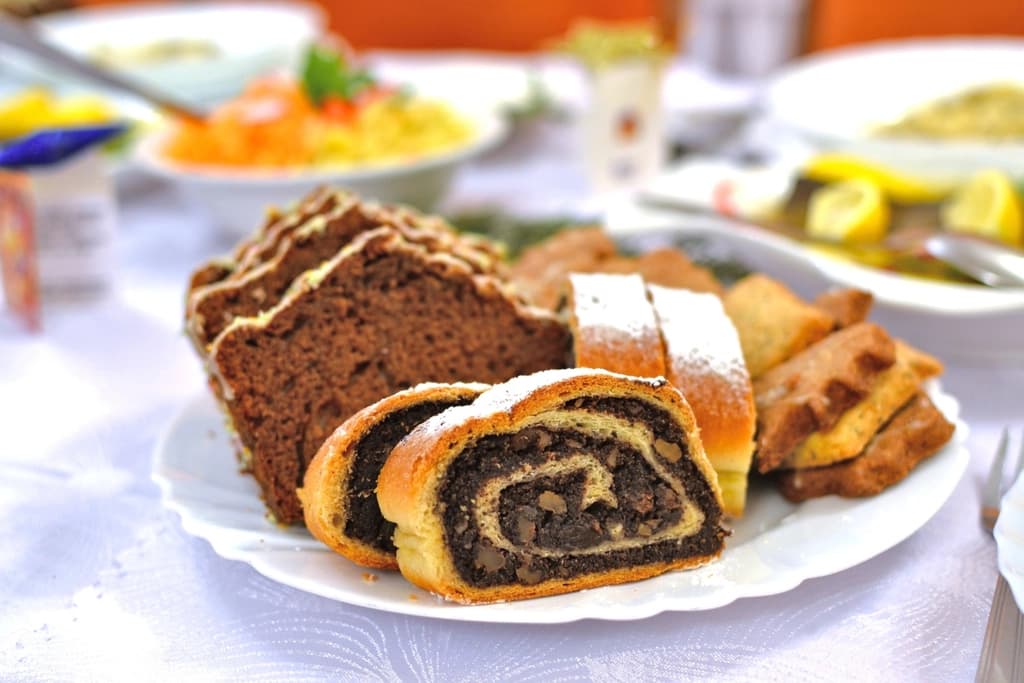
1900-1929
Poppy Seed Roll is a traditional Eastern European sweet yeast bread rolled around a dense poppy seed filling. This dessert became popular among Polish, Czech, and Slovak immigrant communities in American cities during the early 20th century.
America's Melting Pot
Porcupine Meatballs photo coming soon
1946-1969
Porcupine Meatballs are a Midwestern casserole dish featuring ground beef meatballs studded with uncooked rice, simmered in a tangy tomato sauce. Popular in America's postwar suburbs from 1946 to 1969, they embody practical comfort food of the era.
America's Melting Pot
Pork Roll/Taylor Ham Sandwich photo coming soon
1800-1860
The Pork Roll/Taylor Ham Sandwich is a distinctive breakfast sandwich from the Mid-Atlantic, featuring fried slices of pork roll encased in a soft roll, often complemented with egg and cheese. It showcases regional taste and identity.
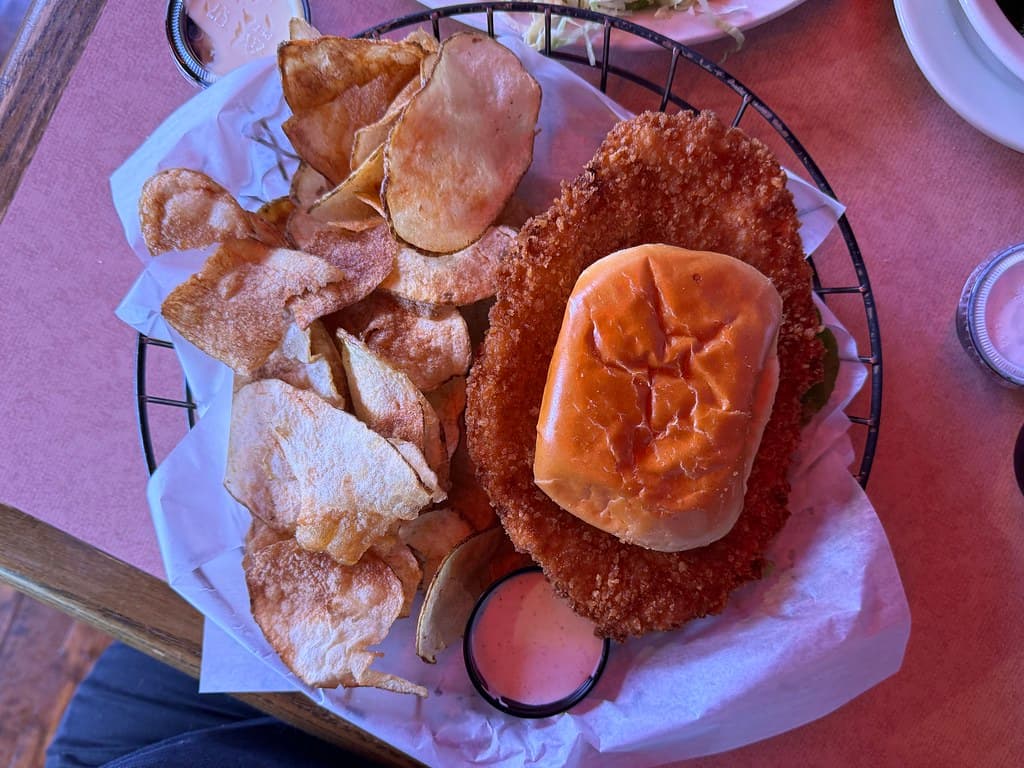
1970-1989
The Pork Tenderloin Sandwich is a Midwestern regional favorite featuring a breaded, fried pork tenderloin cutlet served on a bun with classic sandwich toppings. It rose in popularity during the 1970s and 1980s as convenient fast food and tailgate fare.
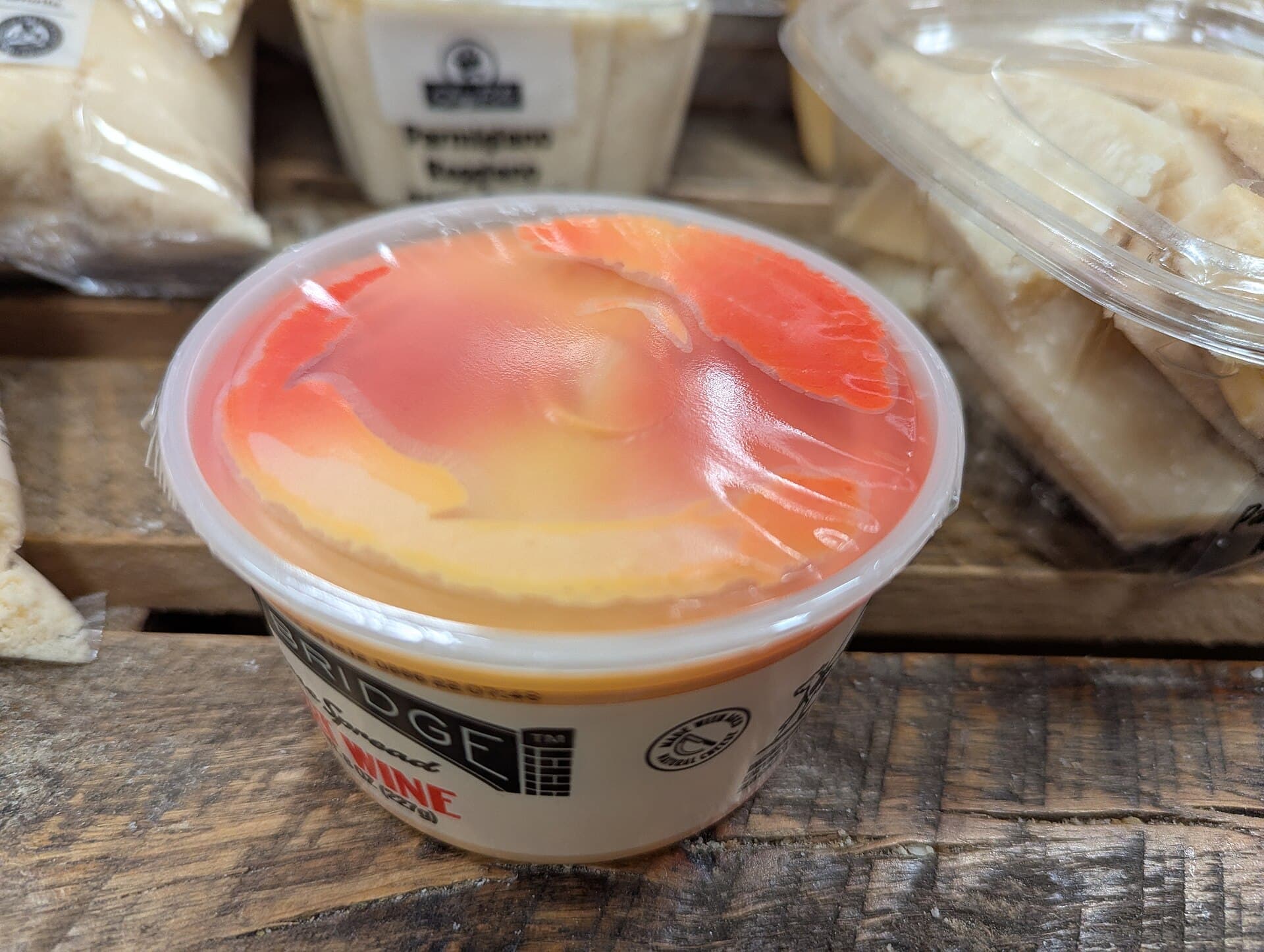
American Dairy Age
Port Wine Cheese Spread is a finished American cheese spread for crackers, sandwiches, and snack boards, with clear mixing, chilling, and storage guidance.
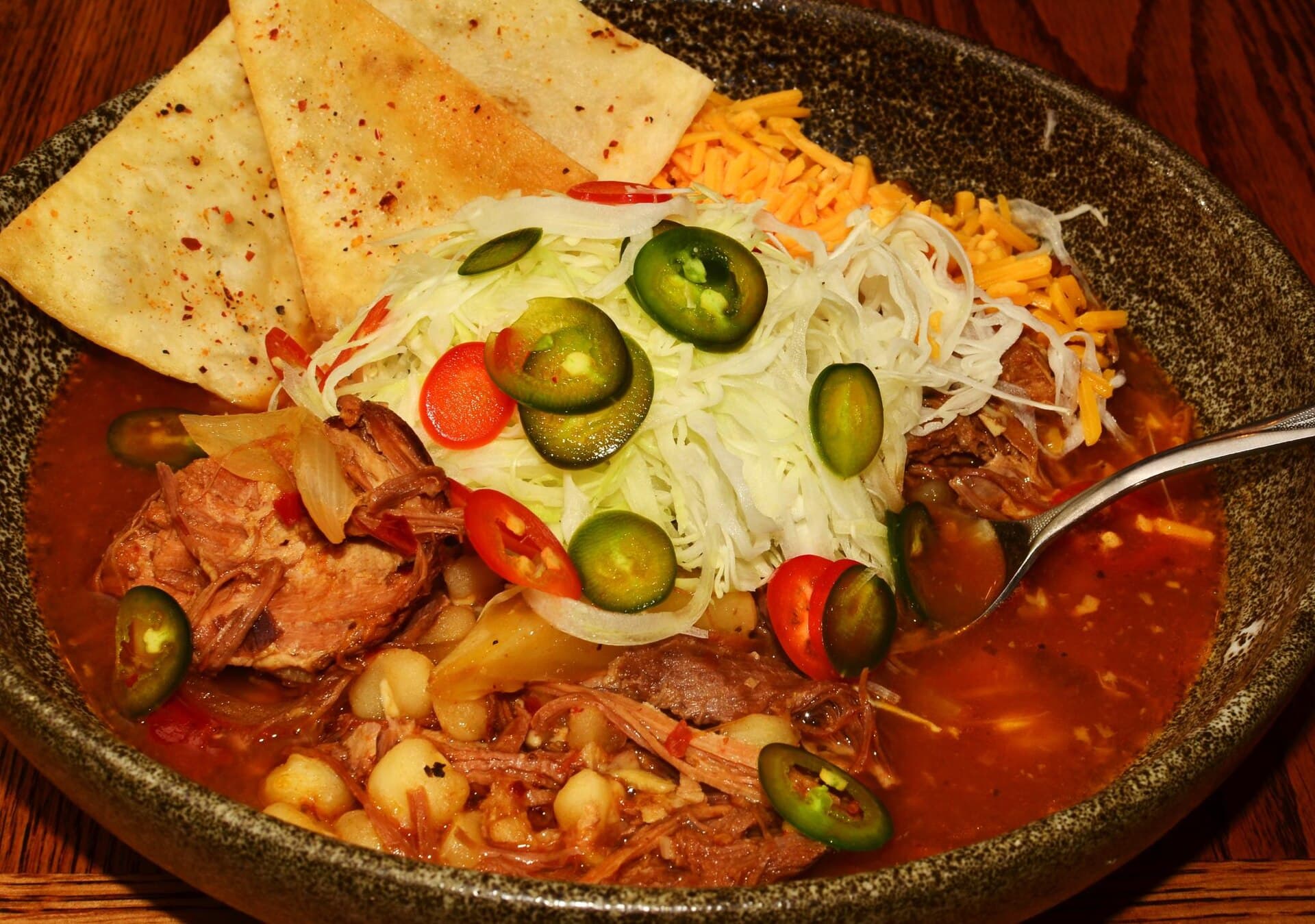
1800-1860
Posole is a hearty and spicy Mexican and Southwestern stew featuring hominy corn, pork, and chili peppers. It derives from pre-Columbian indigenous cuisine and became widely adopted in the U.S. Southwest and Southern regions, reflecting Mexican and Spanish borderlands culinary heritage.
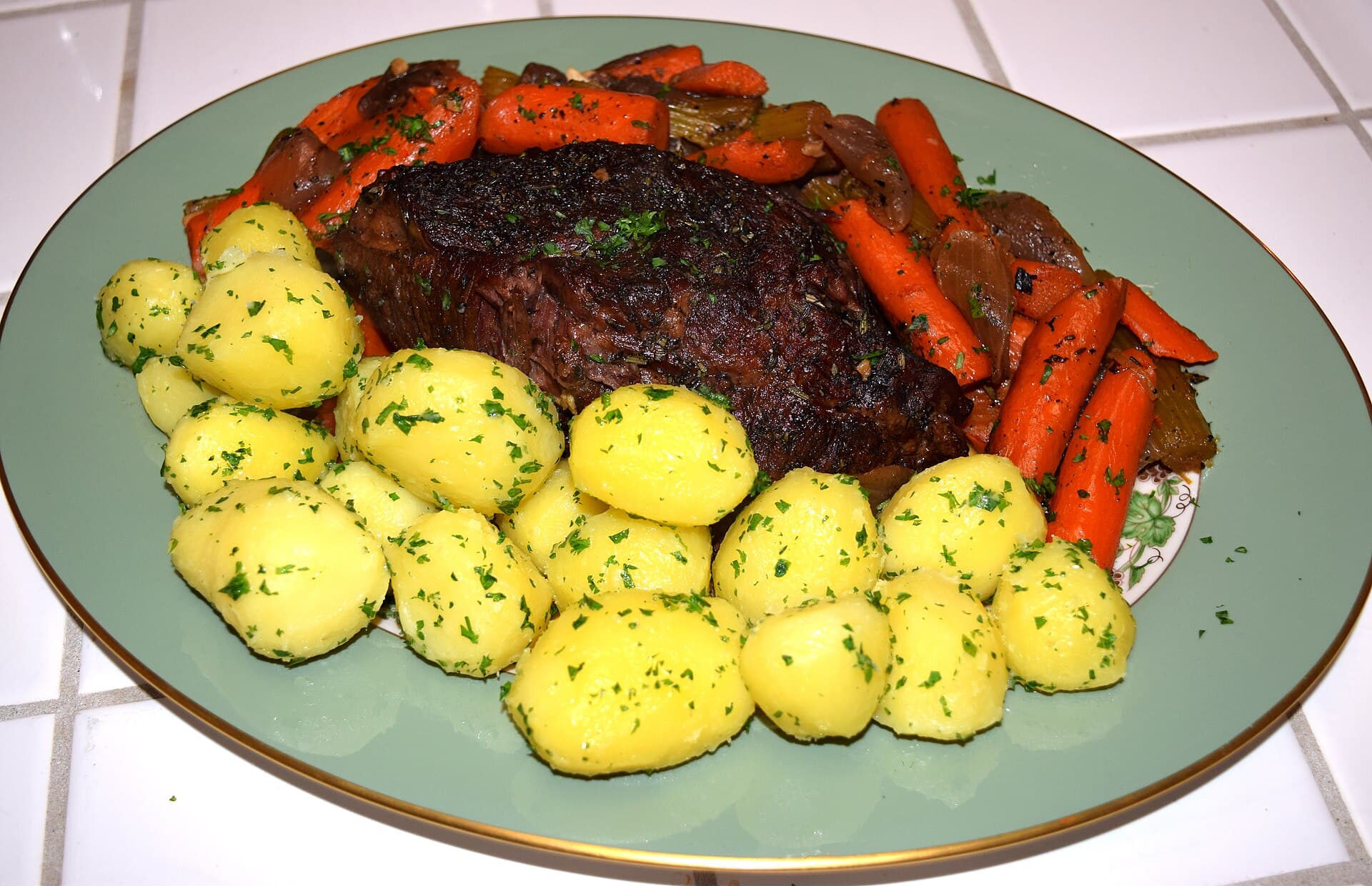
1861-1900
Pot Roast is a traditional slow-cooked beef dish that became a staple in railroad camps, mining boardinghouses, and rural settlements following the Civil War. Its simplicity and ability to tenderize tougher cuts made it valuable for feeding workers and families.
America's Melting Pot
Pot Roast Gravy photo coming soon
Gilded Age & Progressive Era
Pot Roast Gravy is a condiment with real American table personality: Sunday dinner sauce. It brings flavor from coast-to-coast American tables to cookouts, counters, lunch plates, potlucks, and weeknight suppers.
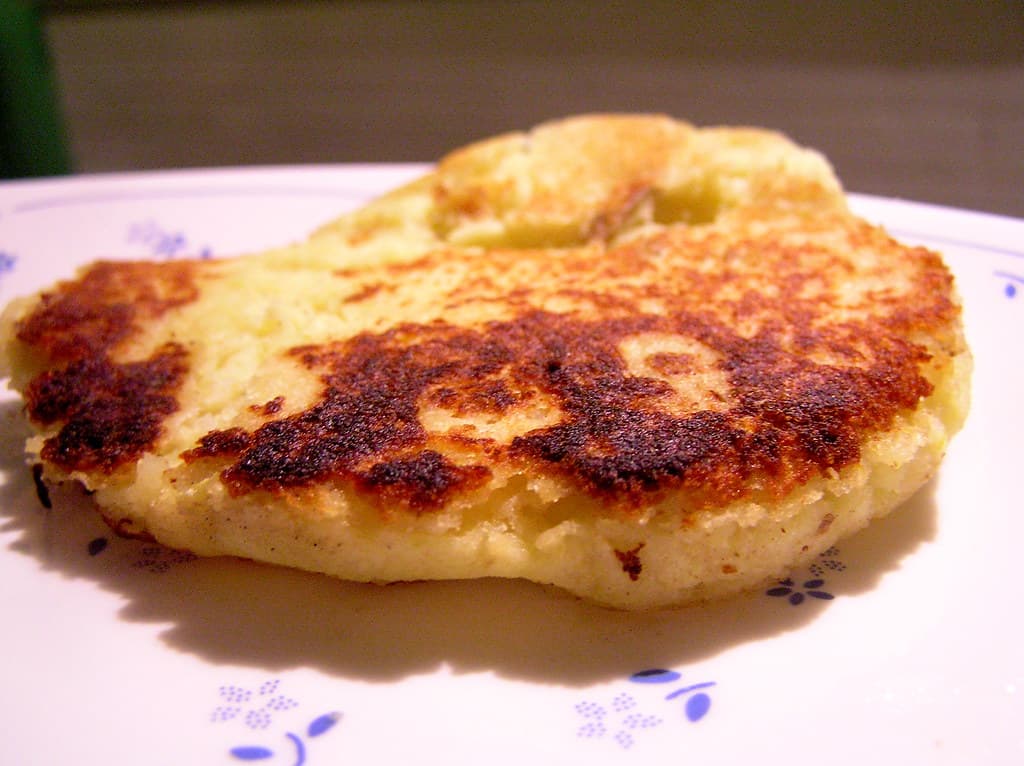
1800-1860
Potato Cakes are a practical, comforting dish made by frying mashed potato patties. Popular during the Depression and Dust Bowl decades, they exemplify resourceful cooking with staple ingredients under economic hardship.
America's Melting Pot
Potato Dumplings photo coming soon
1900-1929
Potato Dumplings are traditional dumplings from Polish, Czech, Slovak, and other Eastern European cuisines, often served boiled and accompanied by savory or sweet sauces. Immigrant communities carried this beloved comfort food into the American culinary landscape.
America's Melting Pot
Potato Sausage photo coming soon
1861-1900
Potato Sausage is a traditional Midwest dish combining pork sausage with potatoes, reflecting Scandinavian immigrant culinary influence during the post-Civil War period.
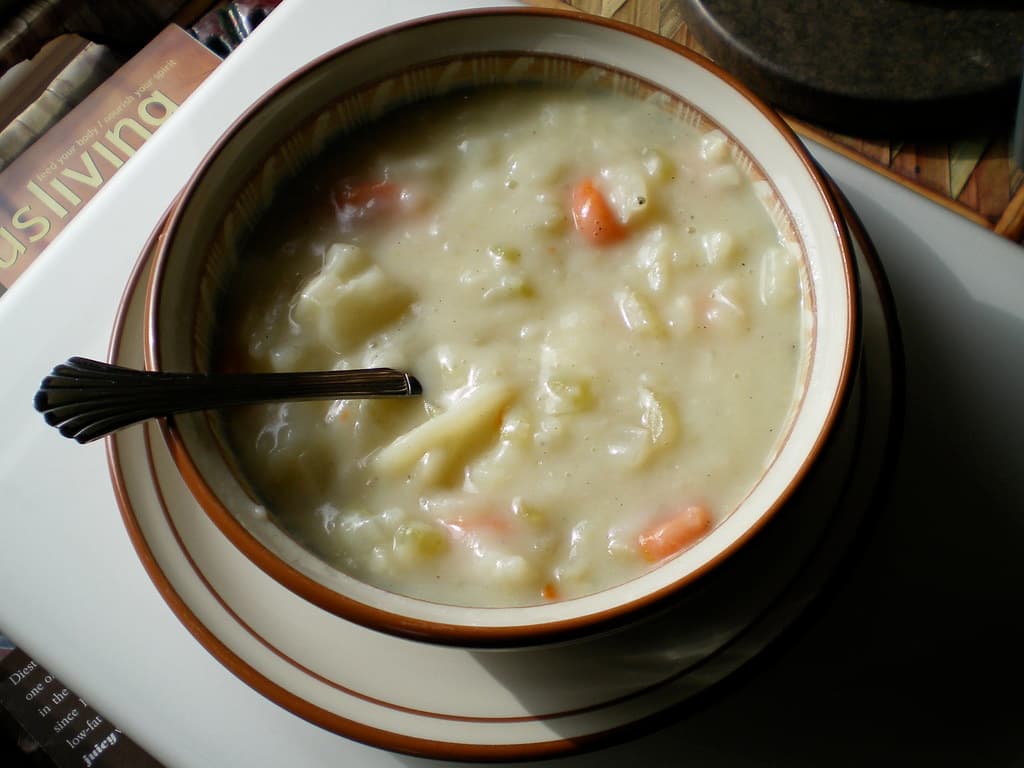
1800-1860
Potato Soup is a simple, hearty soup likely popular among Irish-American families, combining potatoes, onions, and cream or milk to create a warming dish during the expansion and immigration period.
America's Melting Pot
Potlikker Soup photo coming soon
1861-1900
Potlikker Soup is a traditional Southern U.S. dish made from the nutrient-rich broth left after cooking collard or other greens. Popular during Reconstruction and beyond, it emphasizes resourcefulness and Southern culinary traditions.
America's Melting Pot
Prickly Pear Syrup photo coming soon
Cross-era
Prickly Pear Syrup is a sweet sauce with real American table personality: Southwest drinks and desserts. It brings flavor from the American South to cookouts, counters, lunch plates, potlucks, and weeknight suppers.
America's Melting Pot
Primanti Bros.-Style Sandwich photo coming soon
1930-1945
The Primanti Bros.-Style Sandwich originated in Pittsburgh in the 1970s and 1980s as a hearty, convenient meal combining grilled meat, coleslaw, tomatoes, and french fries stacked inside Italian bread. It reflects regional pride and fast food fusion in post-industrial American cities.
Gilded Age & Progressive Era
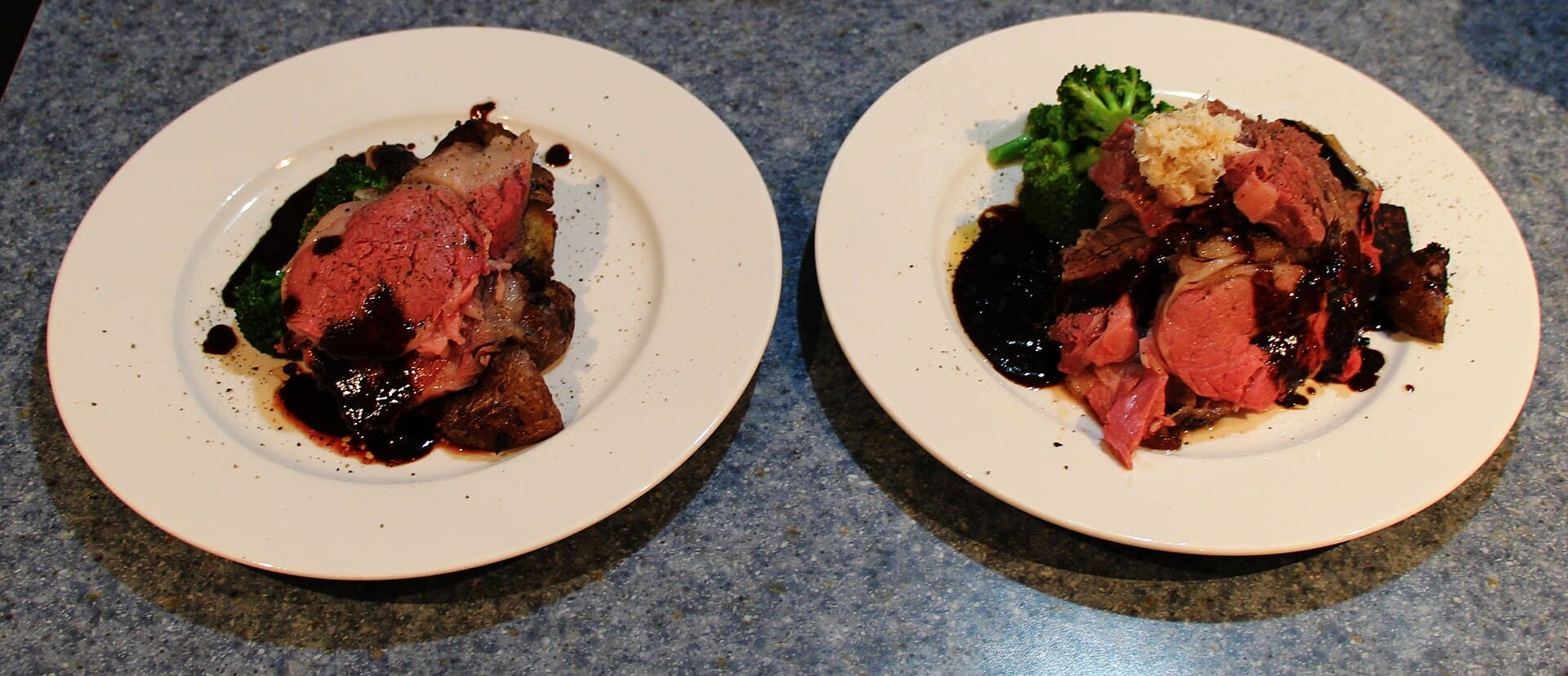
Prime Rib is a festive, slow-roasted beef cut traditionally featured at Christmas dinners and holiday celebrations across the United States. Its rich flavor and tender texture make it a centerpiece for special occasions.
America's Melting Pot
Provolone, Italian-American Deli Style photo coming soon
American Dairy Age
Provolone, Italian-American Deli Style is an Italian-American deli-style stretched-curd cheese with controlled acid development, hot stretching, brining, and short aging.
American Dairy Age
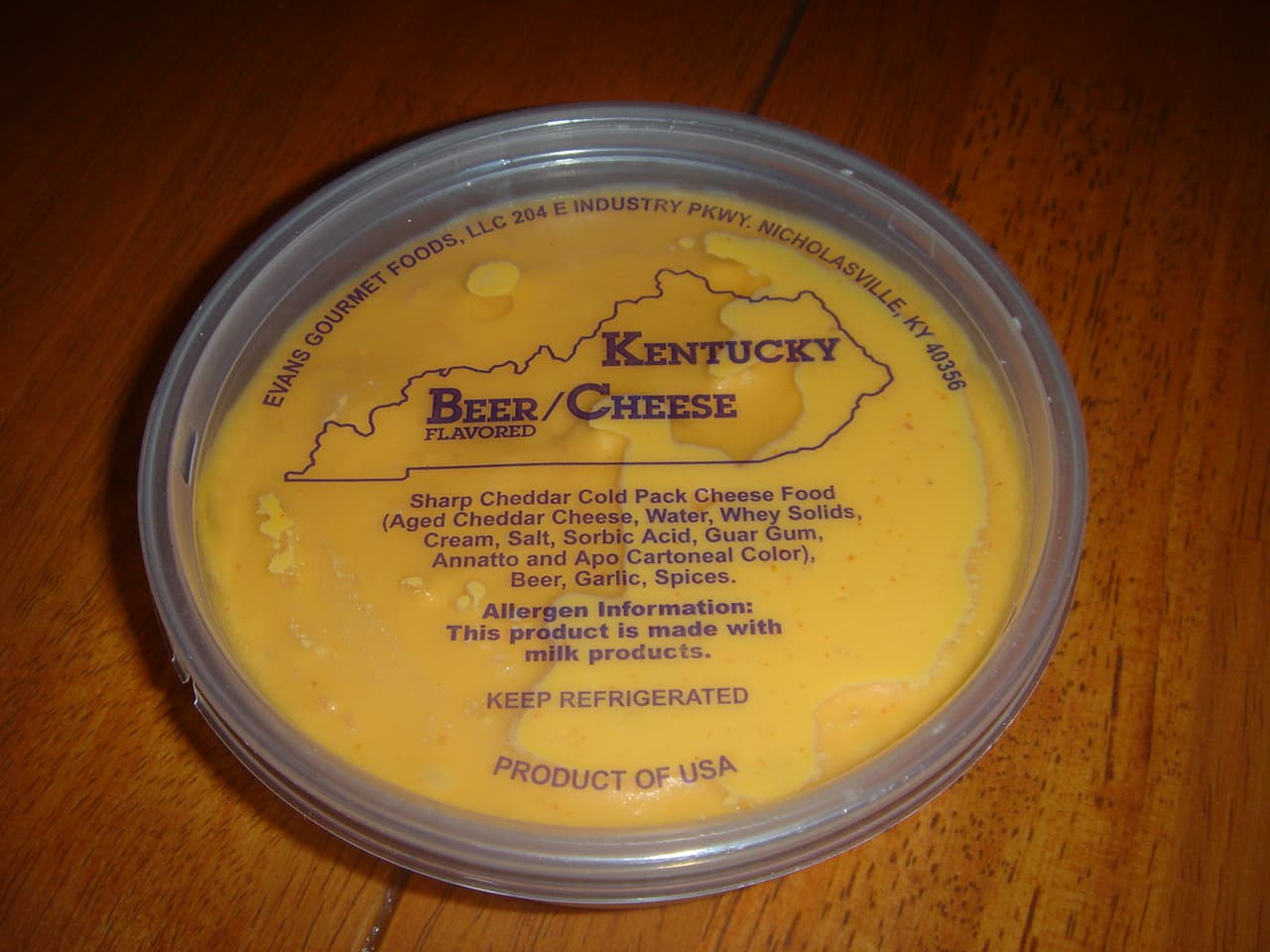
Pub Cheese is a finished American cheese spread for crackers, sandwiches, and snack boards, with clear mixing, chilling, and storage guidance.
1900-1929
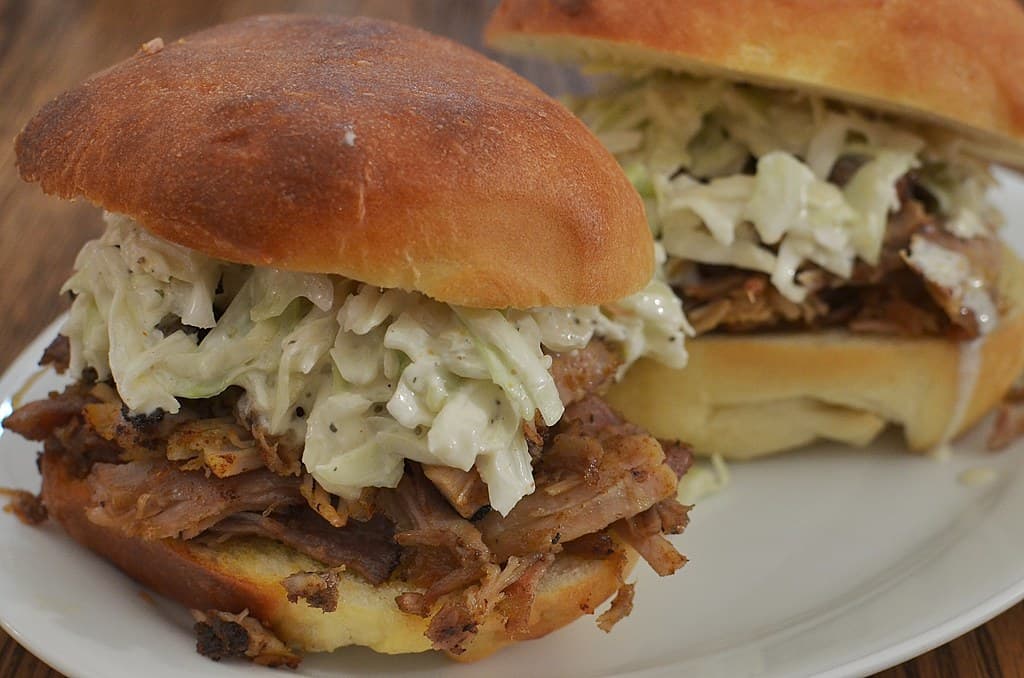
Pulled Pork Buns offer a convenient, shareable way to enjoy barbecue pork at church basements, funeral receptions, and potluck meals. They reflect communal food traditions in American social gatherings.
1970-1989
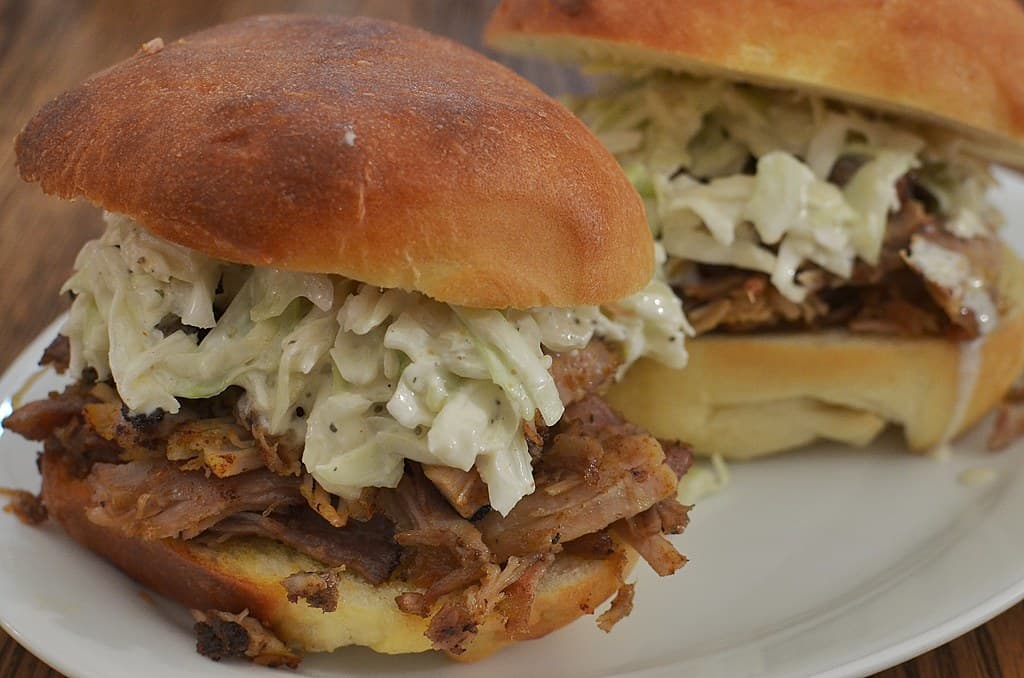
Pulled Pork Sandwiches, featuring tender barbecue shredded pork served on buns, became tailgate and booster club favorites during 1970s-1980s American regional food expansion.
America's Melting Pot
Pupusas photo coming soon
1980-1989
Pupusas are thick Salvadoran corn masa tortillas filled with cheese, beans, or meat, then pan-fried until golden and served with curtido and salsa. This dish gained suburban American popularity in the 1990s as immigrant communities enhanced local food culture, becoming a beloved on-the-go comfort food.
1990-2009
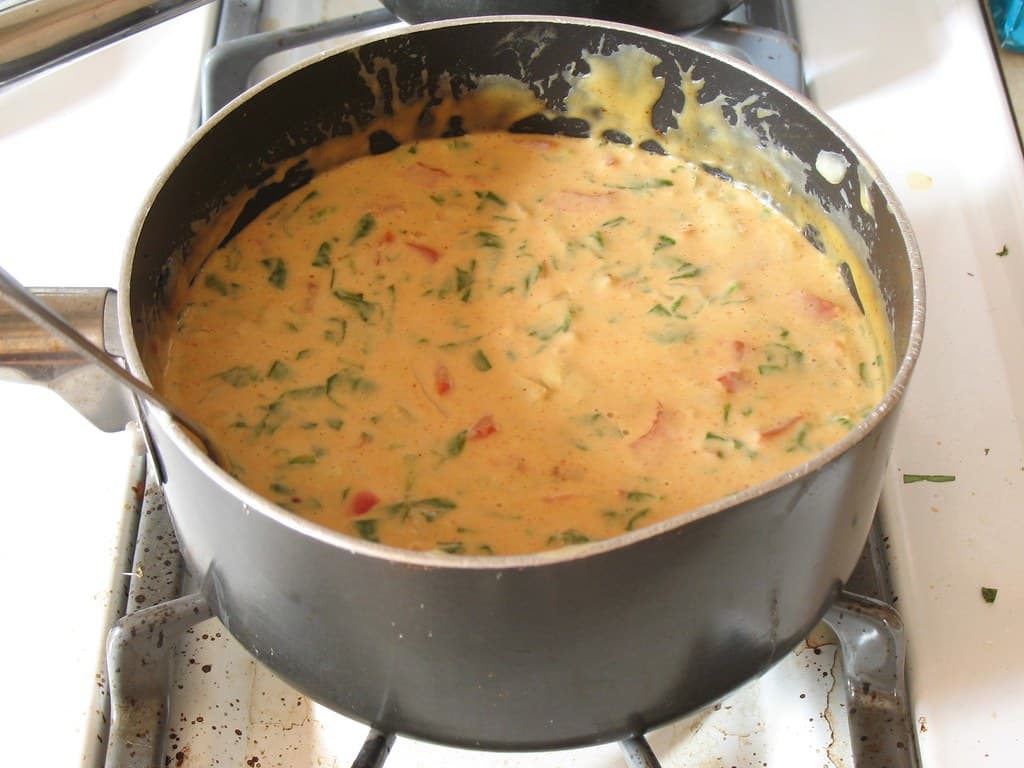
Queso is a warm melted cheese dip often enhanced with chili peppers, tomatoes, and spices, traditionally served alongside tortilla chips at games and parties. Rising in American popularity during the 1990s, it exemplifies comfort food blending Tex-Mex flavors suited for sharing during casual gatherings.
1970-1989
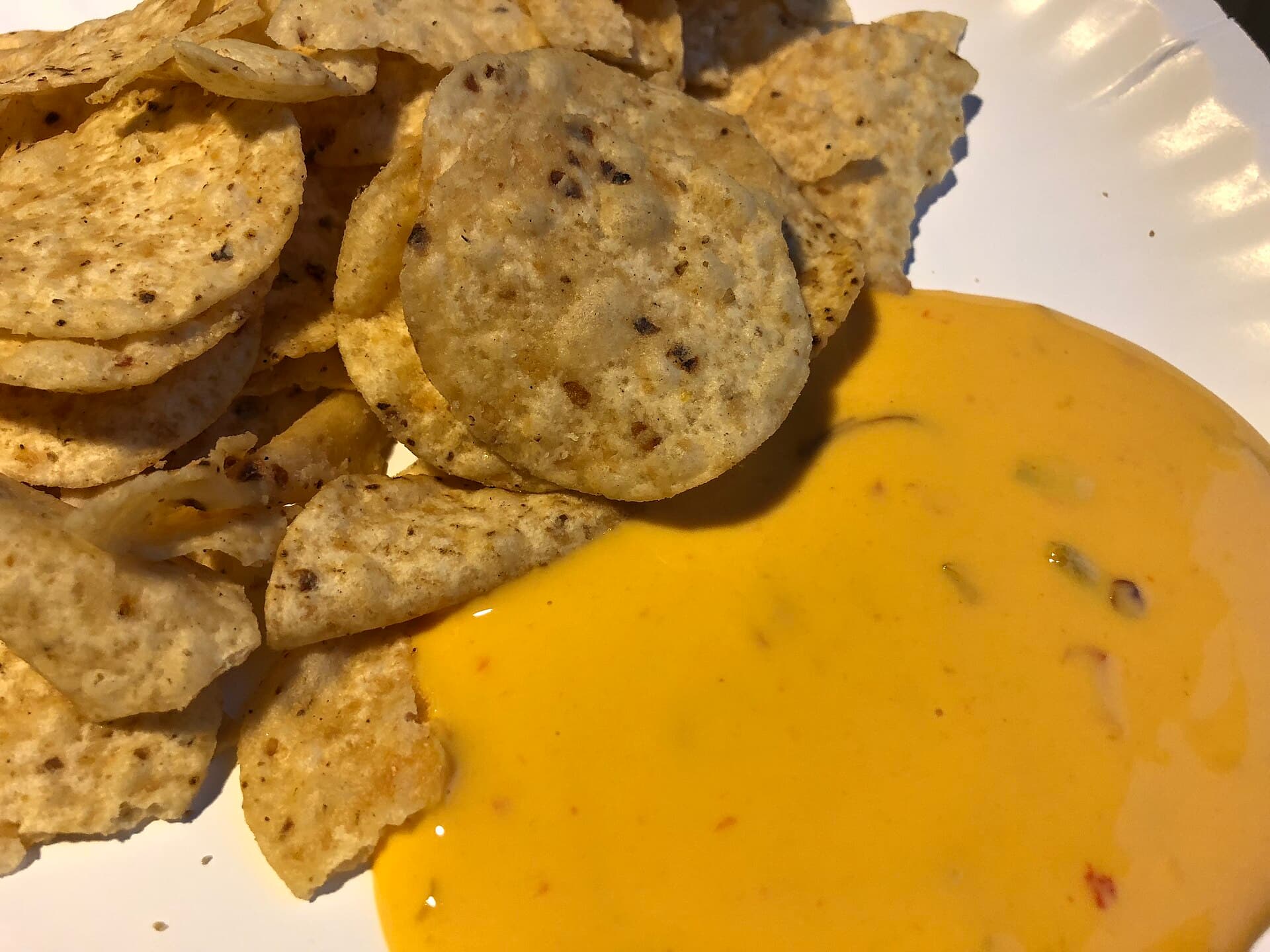
Queso Dip is a warm, cheesy sauce blending melted processed cheese with green chilies and seasonings, ideal for dipping tortilla chips. Emerging in American Tex-Mex kitchens in the 1970s and 1980s, this easy dip gained traction at tailgates and parties as a family- and crowd-friendly favorite.
America's Melting Pot
Rabbit Pie photo coming soon
1776-1800
Rabbit Pie is a hearty savory pie featuring tender rabbit meat, vegetables, and herbs baked into a rich, flaky crust. Popular in early American cuisine, especially in the late 18th century, it was a practical way to use lean game meats in home kitchens.
America's Melting Pot
Rabbit Stew photo coming soon
1776-1800
Rabbit Stew is a slow-cooked, savory dish combining rabbit meat with root vegetables and herbs in a flavorful broth. A rural favorite in early America, it provided nutrient-rich, warming food using wild or farmed rabbits during the late 18th century.
America's Melting Pot
Rabbit with Dumplings photo coming soon
1800-1860
Rabbit with Dumplings is a traditional Appalachian dish pairing tender rabbit stew with hand-rolled dough dumplings. Popular in rural homes during early 19th-century expansion and frontier life, this hearty meal provides comfort and sustenance using available game and pantry staples.
America's Melting Pot
Rachel photo coming soon
1900-1929
The Rachel sandwich is a variation of the Reuben, swapping corned beef for turkey and often coleslaw for sauerkraut, layered with Swiss cheese and Russian or Thousand Island dressing on rye bread. This popular American sandwich offers a lighter yet flavorful alternative, becoming common in delis and diners nationwide.
1970-1989
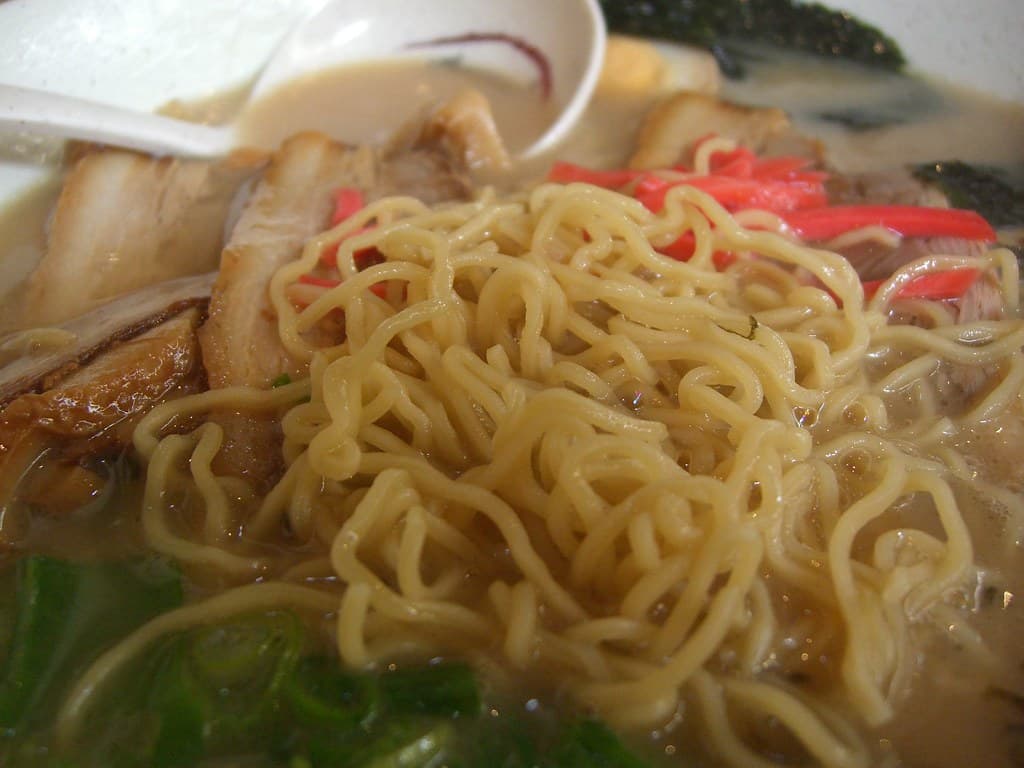
Ramen is a popular Japanese noodle soup that found a strong foothold in American suburban and urban dining scenes during the 1990s and 2000s. This dish often features a rich broth, noodles, and assorted toppings combining ethnic authenticity and local adaptations for broader appeal.
America's Melting Pot
Range Stew photo coming soon
1861-1900
Range Stew is a robust meat and vegetable stew historically cooked by cattle trail and chuckwagon cooks in the Great Plains during the late 19th century. This dish reflects frontier life and the demands of feeding cowboys crossing long ranges with accessible ingredients simmered into a thick, hearty stew.
America's Melting Pot
Rectangle Pizza photo coming soon
1970-1989
Rectangle Pizza is a practical and nostalgic style of pizza commonly served in American school cafeterias and concession stands. It's often baked in large sheet pans, cut into rectangular slices, and topped with simple tomato sauce and cheese, reflecting a widely enjoyed comfort food in institutional settings.
America's Melting Pot
Red Chile Sauce photo coming soon
1800-1860
Red Chile Sauce is a vibrant, spicy sauce made from dried red chiles and seasonings, traditionally used in Mexican, Spanish, and Southwestern U.S. cuisines. This sauce embodies centuries-old culinary practices brought by Spanish settlers and Mexican heritage in the borderlands during the early 19th century, adding distinctive heat and flavor to many dishes.
1900-1929
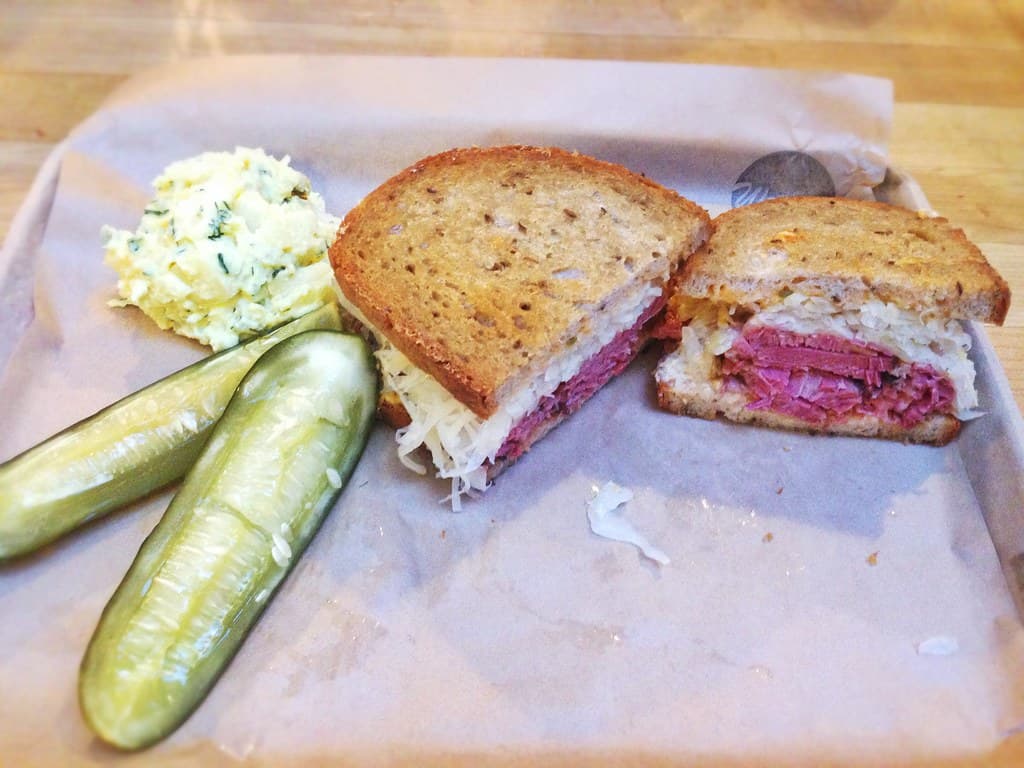
The Reuben sandwich is a hearty deli sandwich made with corned beef, sauerkraut, Swiss cheese, and Russian or Thousand Island dressing on rye bread, grilled to perfection. Emerging in American diners and lunch counters between 1900 and 1929, it combines immigrant flavors into an iconic comfort food.
America's Melting Pot
Rice and Gravy photo coming soon
1861-1900
Rice and Gravy is a straightforward side dish popularized in military mess halls and home kitchens during the Depression and World War II. It pairs simple cooked rice with a brown gravy made from meat drippings or broth, providing a filling and economical accompaniment rich in flavor.
America's Melting Pot
Rice Bowls photo coming soon
2010-2026
Rice Bowls are customizable, portable meals featuring cooked rice topped with proteins, vegetables, and sauces. Popularized in the 2010s onward by food trucks and street vendors, they reflect American fusion food trends blending diverse cuisines for fast casual dining.
America's Melting Pot
Rice Pudding photo coming soon
1861-1900
Rice Pudding is a creamy, gently spiced baked or stovetop dessert featuring rice, milk, sugar, and often eggs or cream. Common among Scandinavian-American communities and other settlers from 1861 to 1900, this dish combined affordable ingredients into a satisfying sweet course.
American Dairy Age
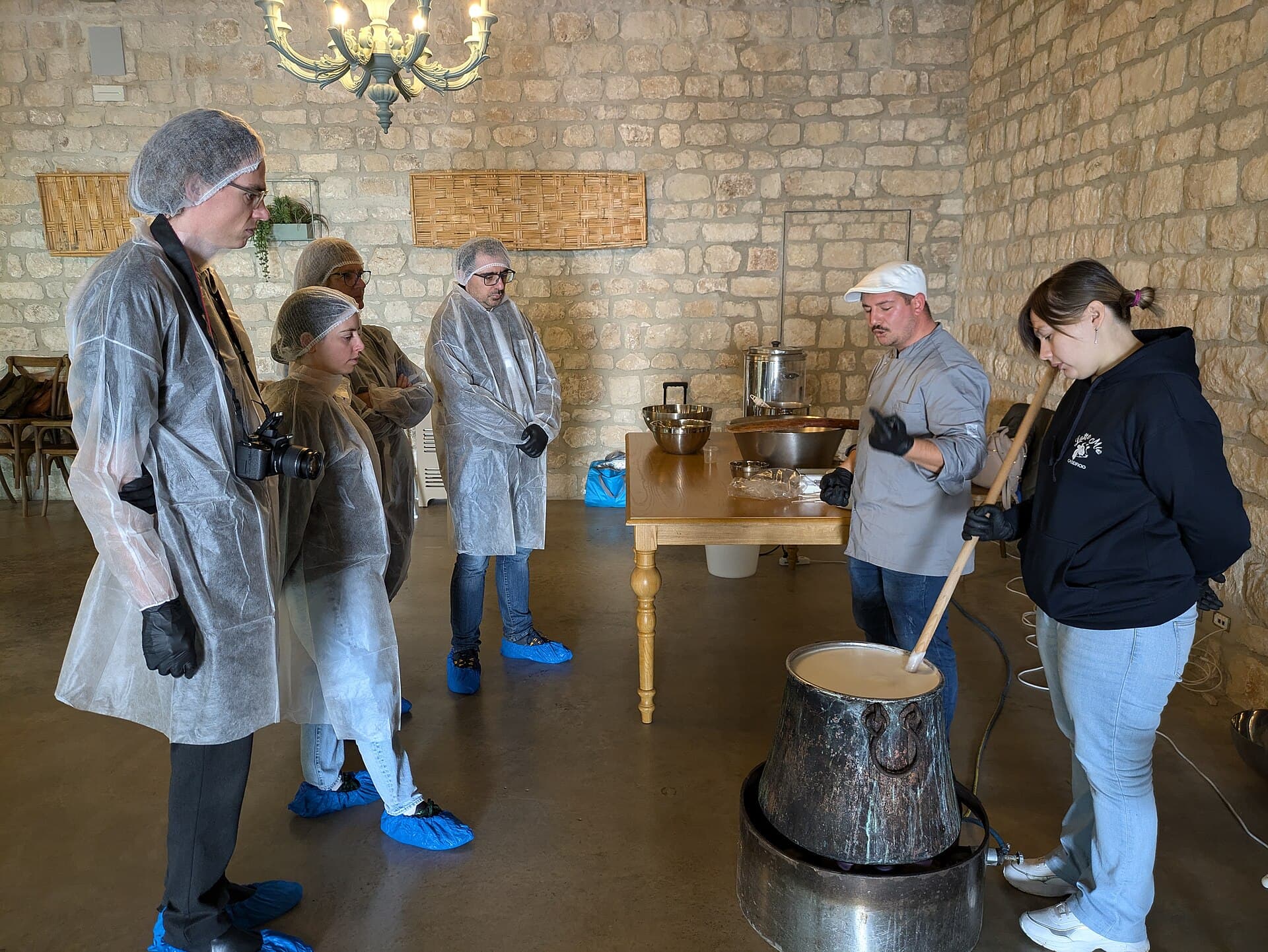
Ricotta, Italian-American Home Style is a fresh Italian-American home cheese made by heating pasteurized dairy, adding acid, draining the curds, and refrigerating promptly.
America's Melting Pot
Rmmegrt photo coming soon
1861-1900
Rmmegrt is a creamy porridge made from sour cream, whole milk, flour, butter, and salt. It originates from Norwegian immigrants in the American Midwest during the late 19th century, serving as a hearty comfort food especially during colder months. The dish exemplifies Scandinavian-American influence on regional cooking traditions.
America's Melting Pot
Rotisserie Chicken Enchiladas photo coming soon
2010-2026
Rotisserie chicken enchiladas combine pre-cooked chicken with tortillas and a flavorful sauce, ideal for weeknight meals. This dish reflects modern Southwestern American home cooking and food truck adaptations focusing on convenience without sacrificing flavor.
America's Melting Pot
Rotisserie Chicken Noodle Soup photo coming soon
1990-2009
This rotisserie chicken noodle soup combines store-bought roasted chicken with vegetables and egg noodles to create a hearty, comforting dish. It reflects modern American weeknight comfort food influenced by convenience cooking and food truck menus.
America's Melting Pot
Russian Dressing photo coming soon
Cross-era
Russian Dressing is a dressing with real American table personality: American-born despite the name; usually mayo, chili sauce/ketchup, horseradish, and spices. It brings flavor from Texas and the Southwest to cookouts, counters, lunch plates, potlucks, and weeknight suppers.
1900-1929
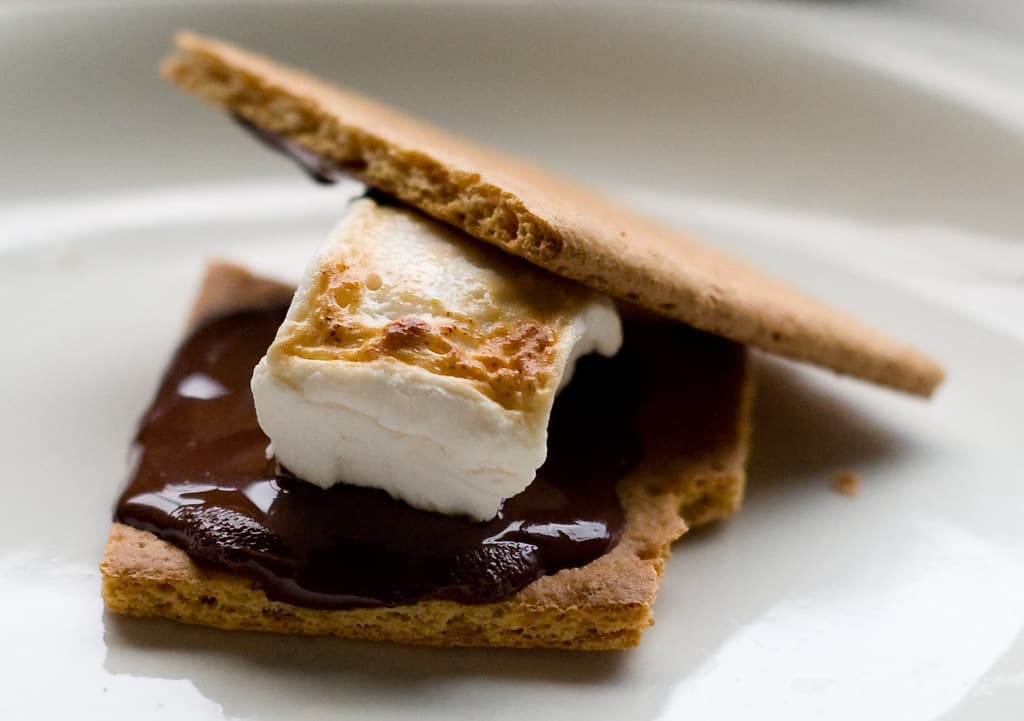
S'mores are a nostalgic treat involving marshmallows toasted over an open flame and sandwiched between graham crackers and chocolate. Popularized during the postwar boom in backyard grilling and camping culture, this recipe captures a simple, family-friendly indulgence that reflects American suburban leisure and outdoor tradition.
1900-1929
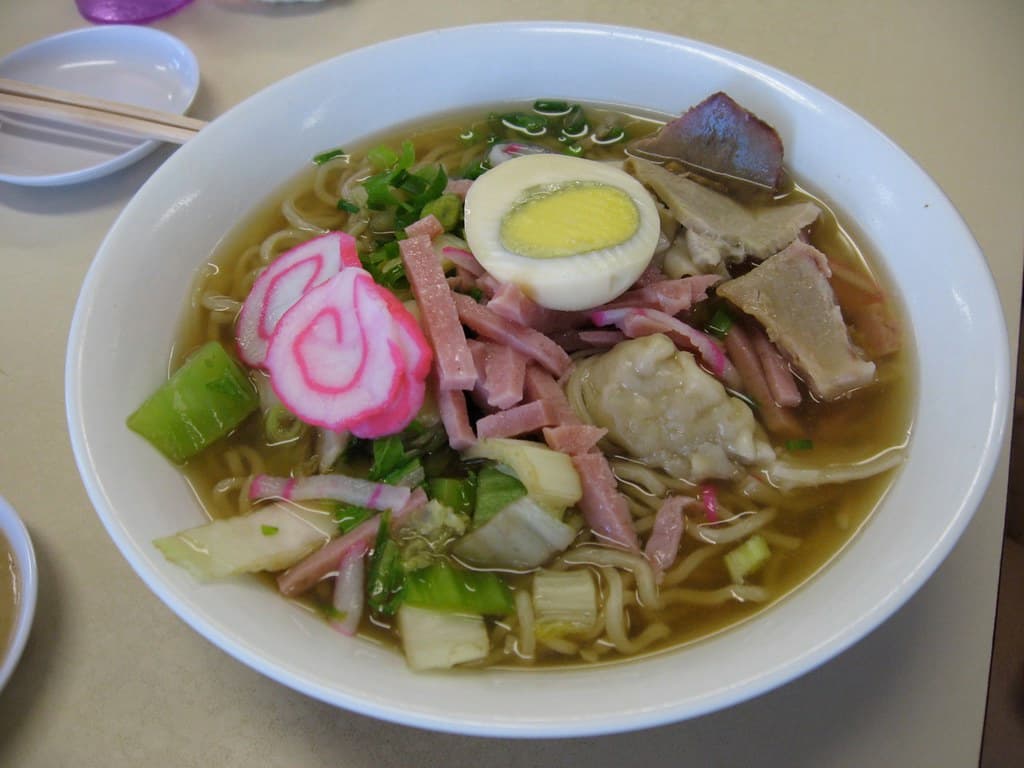
Saimin is a noodle soup combining wheat noodles in a light broth with garnishes such as green onions, char siu pork, and seaweed. It emerged in Hawaii through fusion of Hawaiian, Asian-Pacific American, and Portuguese-American culinary traditions reflecting diverse immigration patterns.
America's Melting Pot
Salmon Burger Dill Sauce photo coming soon
Cross-era
Salmon Burger Dill Sauce is a seafood sauce with real American table personality: Pacific Northwest and Alaska-style seafood condiment. It brings flavor from the Pacific Northwest and Mountain West to cookouts, counters, lunch plates, potlucks, and weeknight suppers.
1900-1929
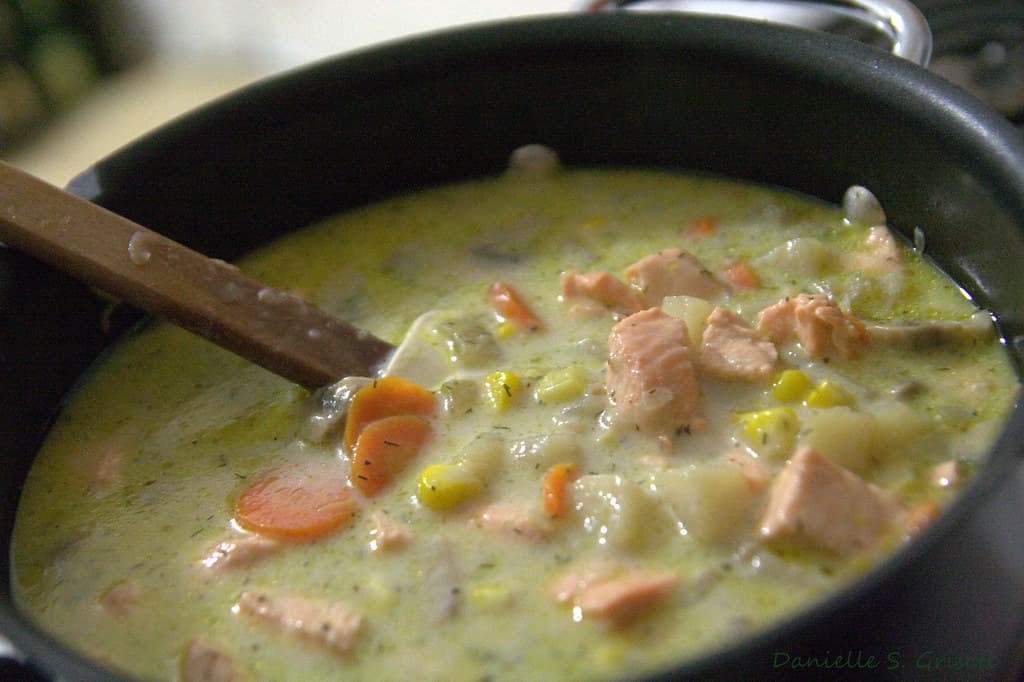
Salmon chowder is a creamy, satisfying soup made with fresh or canned salmon, potatoes, onions, and cream. Popular in Alaska and coastal regions, this chowder reflects resourceful cooking with local seafood in rustic camp and cabin settings.
America's Melting Pot
Sauerkraut Soup photo coming soon
1900-1929
Sauerkraut Soup is a traditional hearty soup popular among Polish, Czech, Slovak, and other Eastern European immigrants in early 20th century America. Made with sauerkraut, potatoes, sausage, and root vegetables, it was a common comforting dish at diners, lunch counters, and state fairs reflecting immigrant food heritage.
America's Melting Pot
Sawmill Gravy photo coming soon
1800-1860
Sawmill Gravy is a condiment with real American table personality: Poor-man's flour-and-fat gravy, often with sausage or pork drippings. It brings flavor from coast-to-coast American tables to cookouts, counters, lunch plates, potlucks, and weeknight suppers.
America's Melting Pot
Sbarro-Style Baked Ziti photo coming soon
1946-1969
Sbarro-Style Baked Ziti is a generous, cheesy pasta casserole popularized by mall food courts and chain restaurants in the 1970s and 1980s. Featuring baked ziti pasta with tomato sauce, ricotta, mozzarella, and parmesan, it represents convenient, crowd-pleasing Italian-American fusion fare for casual gatherings and tailgates.

1800-1860
Scalloped Potatoes are thinly sliced potatoes baked in a creamy sauce, often with cheese or onions, making a popular side dish at schools, churches, and state fairs in early 20th century America. Its simple ingredients and hearty texture suited well to communal meals and holiday dinners.
America's Melting Pot
Scalloped Potatoes and Ham photo coming soon
1946-1969
A postwar Midwestern casserole combining sliced potatoes in a creamy sauce with diced ham, baked until bubbly and golden. Popular from 1946 to 1969, this dish features in church suppers and family meals, embodying casserole and hotdish traditions suited for freezer storage and suburban backyards.
1800-1860
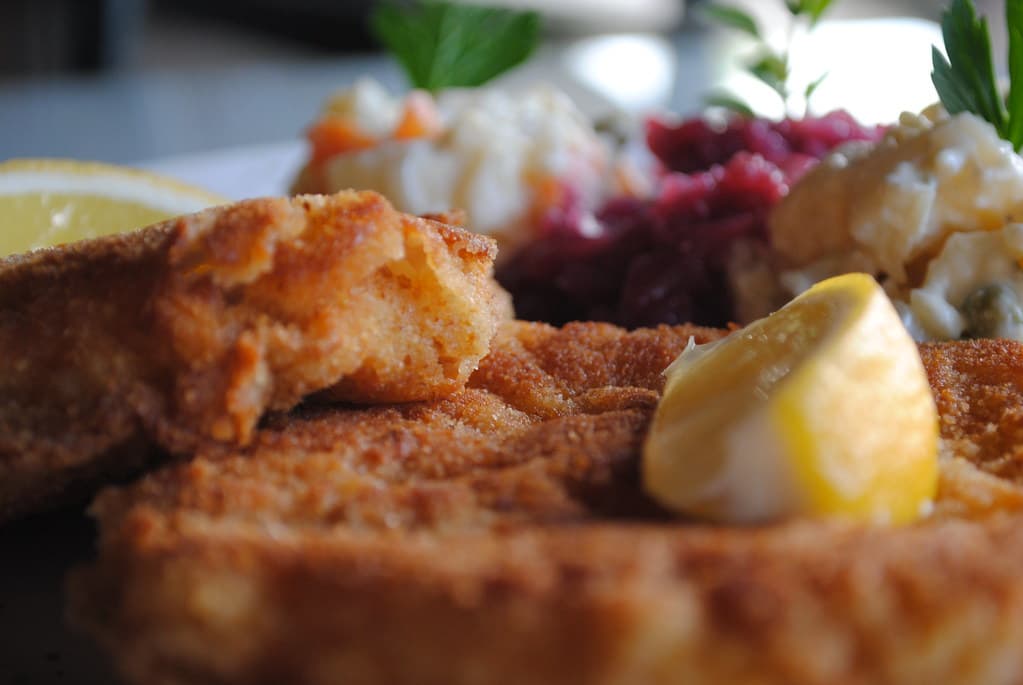
Schnitzel is a breaded, fried meat cutlet recognized as a German-American classic brought by immigrants in the early 19th century. Typically made with veal or pork, it was adapted in American kitchens to accessible meats and pan-frying methods, preserving a European culinary identity in the United States.
America's Melting Pot
School Pizza photo coming soon
1970-1989
School Pizza is a straightforward pizza recipe with a soft crust, mild tomato sauce, and standard toppings suitable for children. Rooted in Italian-American cuisine but adapted for school lunch menus, it is a nostalgic comfort food enjoyed nationwide.
America's Melting Pot
Seafoam Salad photo coming soon
1900-1929
Seafoam Salad is a light, frothy gelatin salad featuring lime Jell-O, crushed pineapple, marshmallows, and cottage cheese or whipped topping. Popular in mid-20th century American suburbs, especially during 1946-1969, it was a fixture of potlucks and holiday dinners symbolizing postwar convenience foods adapted into celebratory menus.
America's Melting Pot
Seattle Teriyaki Sauce photo coming soon
Modern Melting Pot
Seattle Teriyaki Sauce is a sandwich sauce with real American table personality: Japanese-American fast-casual sauce culture in the Pacific Northwest. It brings flavor from the Pacific Northwest and Mountain West to cookouts, counters, lunch plates, potlucks, and weeknight suppers.
America's Melting Pot
Senate Bean Soup photo coming soon
1900-1929
Senate Bean Soup is a simple, hearty soup featuring navy beans, ham hock, onions, and herbs. Known as a longstanding menu item in the U.S. Senate dining room, it represents traditional American soup and stew culture emphasizing slow cooking and humble ingredients.
1800-1860
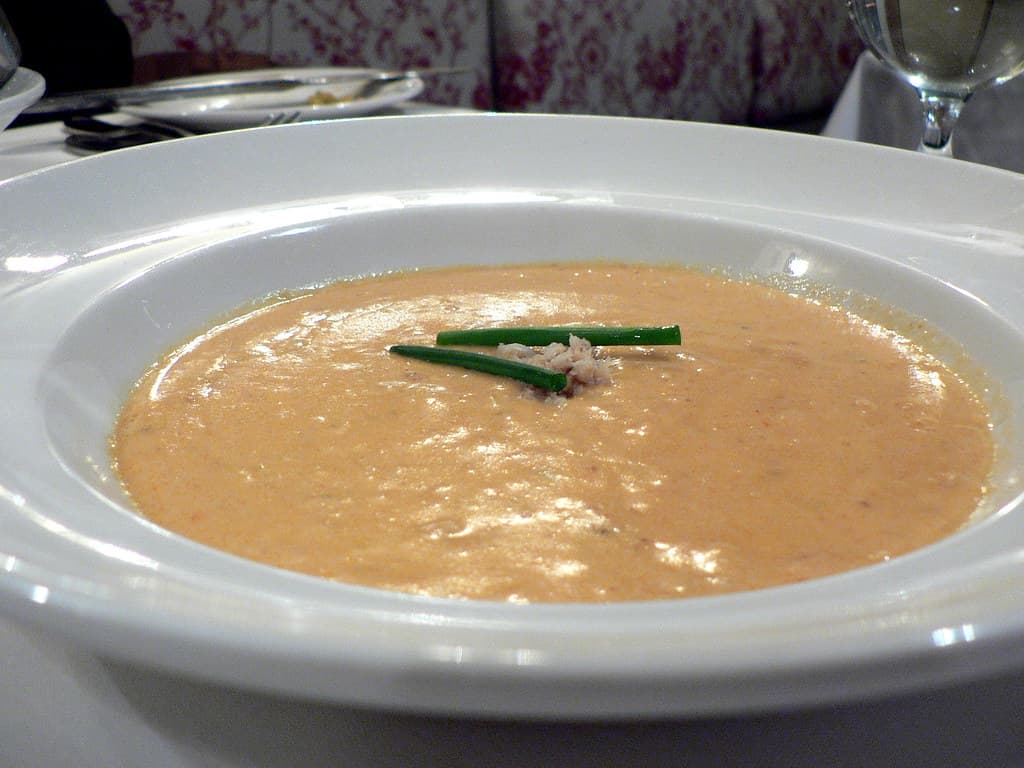
She-Crab Soup is a creamy seafood soup originating in the American South, made with blue crab meat and crab roe, embodying the flavors of coastal Southern cuisine before the Civil War. It became a staple of Southern tables and fine dining.
America's Melting Pot
Sheet Pan Fajitas photo coming soon
2010-2026
Sheet Pan Fajitas assemble seasoned meat and vegetables spread on a single sheet pan and roasted together for a fast, flavorful meal. They reflect contemporary American fusion cuisines and the popularity of convenient weeknight cooking solutions.
America's Melting Pot
Sheet Pan Salmon photo coming soon
2010-2026
Sheet Pan Salmon involves roasting salmon fillets alongside vegetables on a single pan for a nutritious and effortless dinner. Reflecting current American health and convenience food trends, this method emphasizes clean flavors and minimal cleanup.
1800-1860
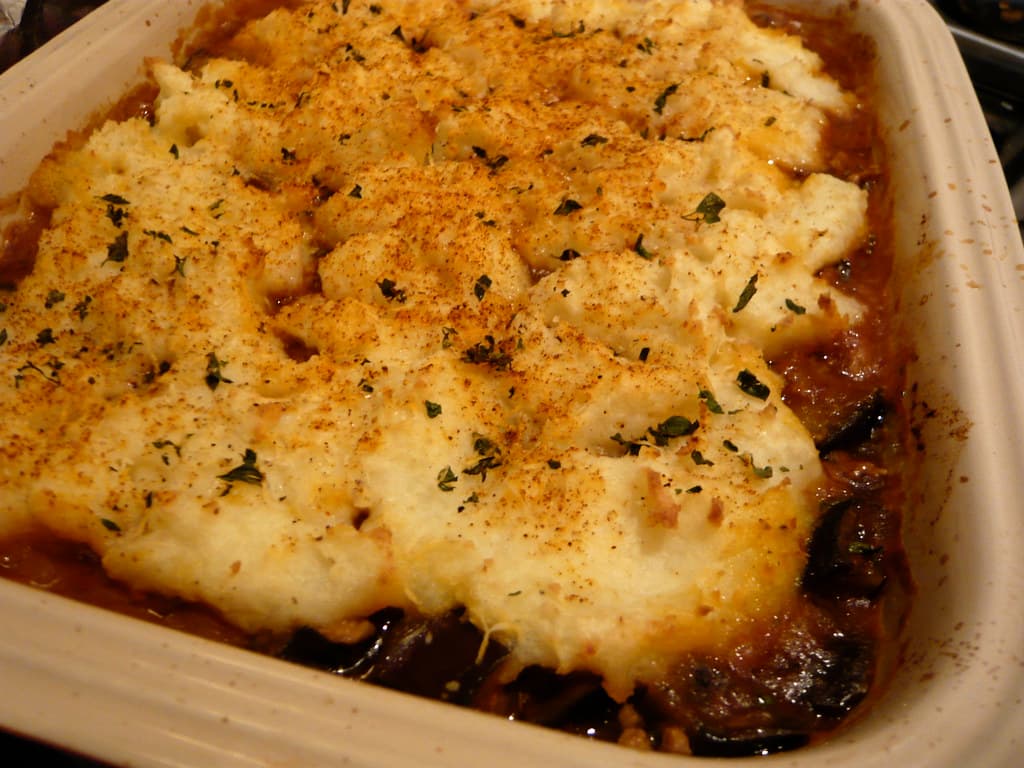
Shepherd's Pie is a savory casserole of seasoned ground meat topped with mashed potatoes, baked to golden perfection. Brought to the U.S. by Irish immigrants, it became a family favorite in many American households during the 19th century.
1800-1860
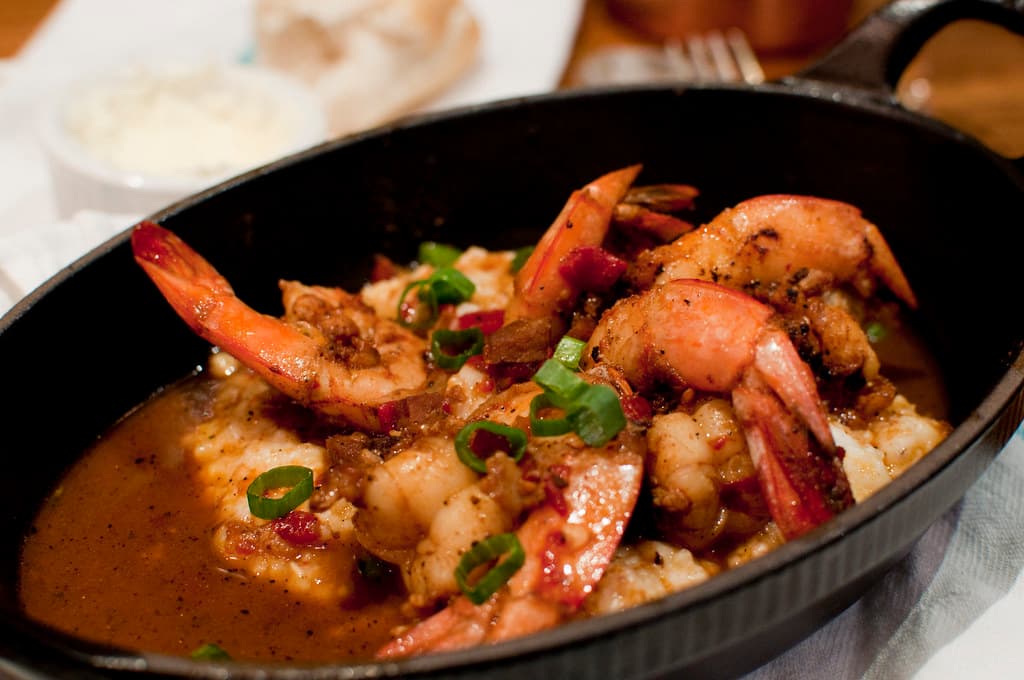
Shrimp and Grits is a Southern United States dish combining seasoned sauteed shrimp served over creamy cornmeal grits. It originated as a modest coastal breakfast and evolved into a beloved regional staple across meals.
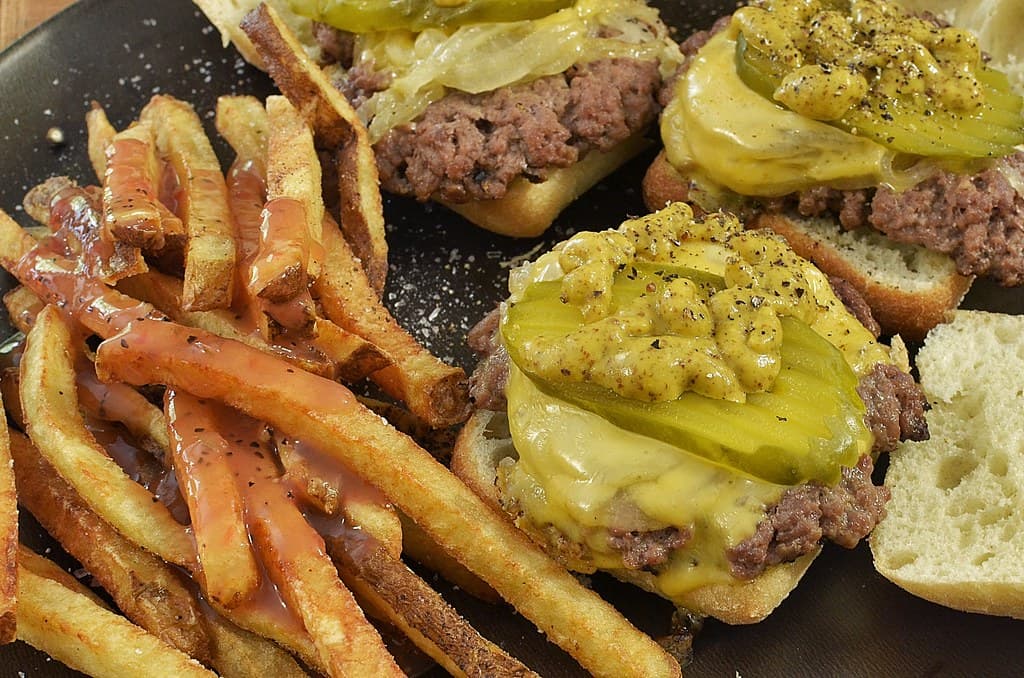
1900-1929
Sliders are small hamburgers or sandwiches traditionally served as party food or game day snacks across American households. Popularized during the late 20th century, they offer a bite-sized, flavorful option perfect for sharing at casual gatherings.
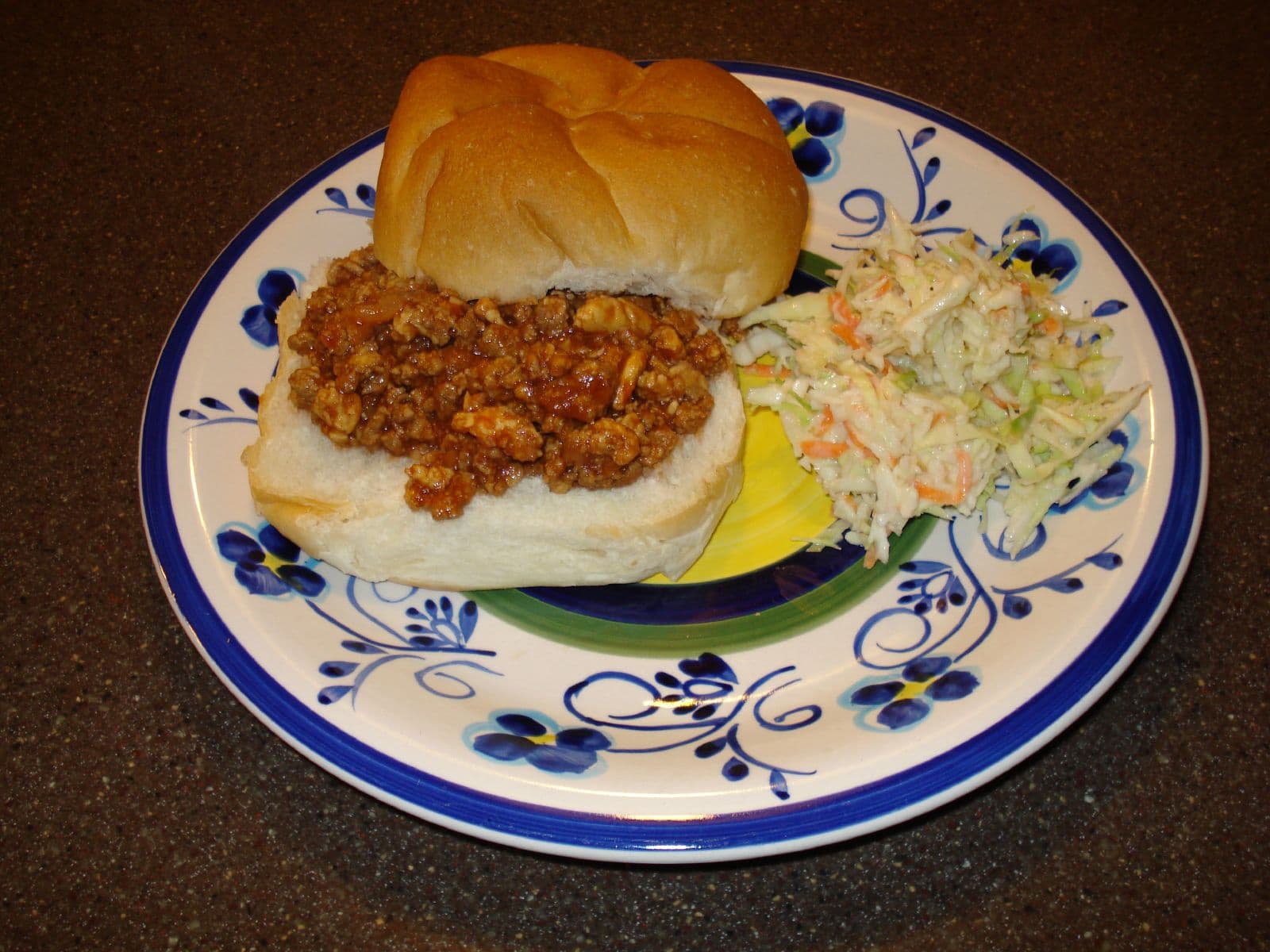
1900-1929
The Sloppy Joe is a casual American sandwich combining seasoned ground beef in a tangy tomato-based sauce served on a sandwich bun. Beloved for its indulgent flavor and ease of preparation, it became popular mid-20th century as an affordable family meal and lunch counter staple.
America's Melting Pot
Sloppy Joe Sauce photo coming soon
1930-1945
Sloppy Joe Sauce is a sandwich sauce with real American table personality: Sweet tomato-meat sandwich sauce. It brings flavor from coast-to-coast American tables to cookouts, counters, lunch plates, potlucks, and weeknight suppers.
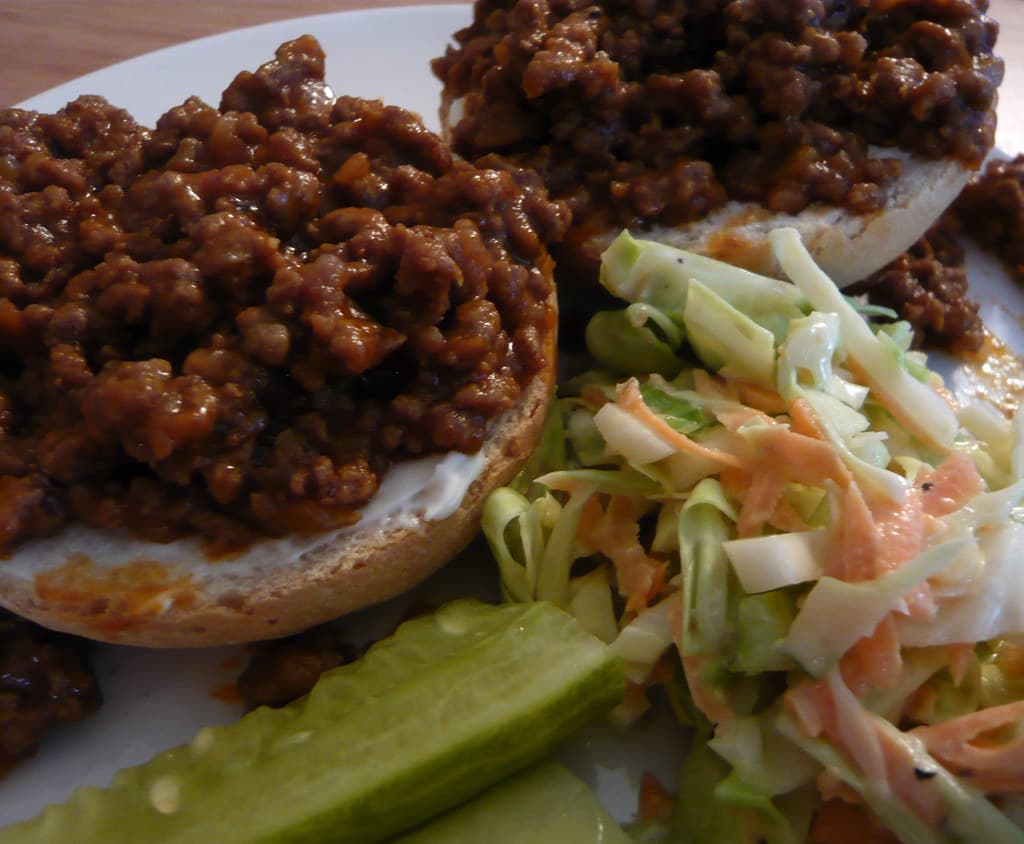
1900-1929
Sloppy Joes are ground beef sandwiches served in a savory tomato sauce on hamburger buns. Popular from the early 20th century in diners, schools, and community gatherings, they became a staple of affordable American social dining, especially at state fairs and church suppers.
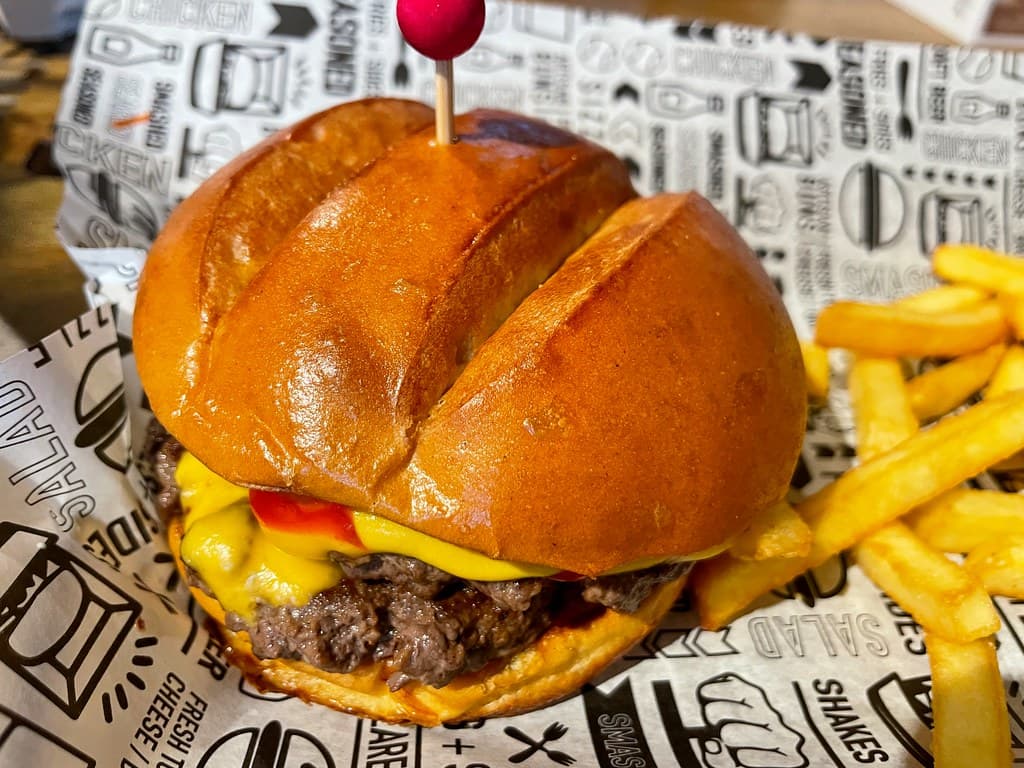
1946-1969
The Smash Burger is a style of hamburger created by pressing a ball of fresh ground beef onto a hot griddle, searing a flavorful crust. Known for its crispy edges and juicy interior, it is a modern American twist on the classic burger.
America's Melting Pot
Smash Burger Tacos photo coming soon
2010-2026
Smash Burger Tacos combine the crispy seared beef patties with Mexican-style tortillas and toppings, reflecting an American-Mexican fusion popularized by food trucks and viral food culture since 2010.
America's Melting Pot
Smash Burgers photo coming soon
1946-1969
Smash Burgers are an evolution of the traditional hamburger featuring thin, pressed patties seared to crispy perfection. Popularized by food trucks and urban food movements since 2010, they often incorporate fusion toppings and cooking techniques utilizing air fryers and apps.
America's Melting Pot
Smoked Mac and Cheese photo coming soon
1990-2009
Smoked mac and cheese represents a contemporary take on a beloved American comfort food, incorporating smoky flavors popularized by barbecue culture and food trucks post-2010. This dish blends creamy cheese sauce with smoked elements to create a rich, deeply flavored casserole ideal for casual celebrations and outdoor grilling.
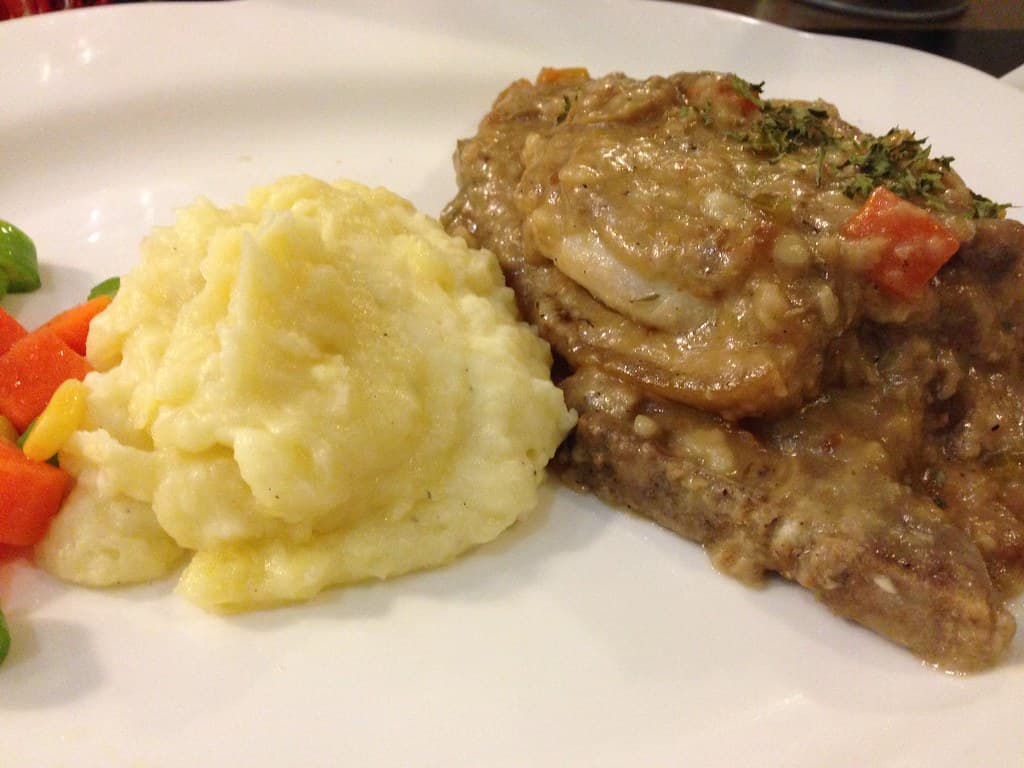
1861-1900
Smothered pork chops are a classic Southern dish featuring pork chops cooked slowly in a rich onion gravy. This comforting recipe reflects Southern resilience and resourcefulness during and after the Civil War, when affordable cuts and flavorful preparation were essential.
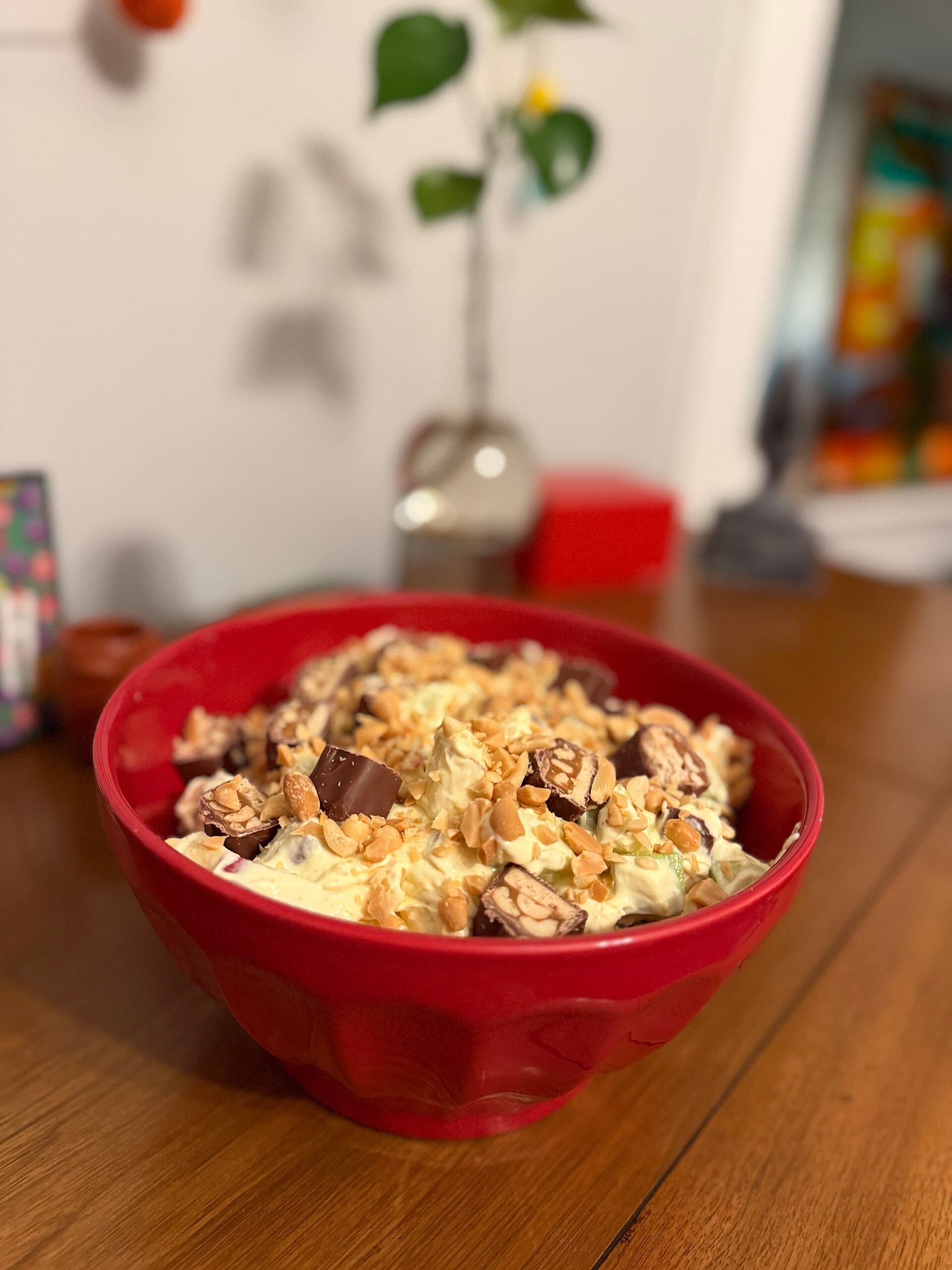
1946-1969
Snickers Salad combines chopped Snickers bars, apples, whipped topping, and sometimes pudding mix into a creamy fruit salad. Popular in mid-20th century American suburbs, it illustrates the era's fascination with sweet, easy-to-assemble salads served at potlucks and family dinners.
America's Melting Pot
Son-of-a-Gun Stew photo coming soon
1861-1900
Son-of-a-Gun Stew is a hearty stew associated with cattle drivers and chuckwagon cooks of the Great Plains during westward expansion and post-Civil War settlement. Made with various meats, vegetables, and basic seasonings, this stew reflects resourcefulness and sustenance on the trail.
America's Melting Pot
Sonoran Cheese Crisp photo coming soon
1800-1860
Sonoran Cheese Crisp consists of a crispy fried or baked tortilla topped with melted cheese and optional toppings. Originating in the Mexican-American and Spanish borderlands of the Southwest, it highlights the fusion of cultures and local flavors in this region.
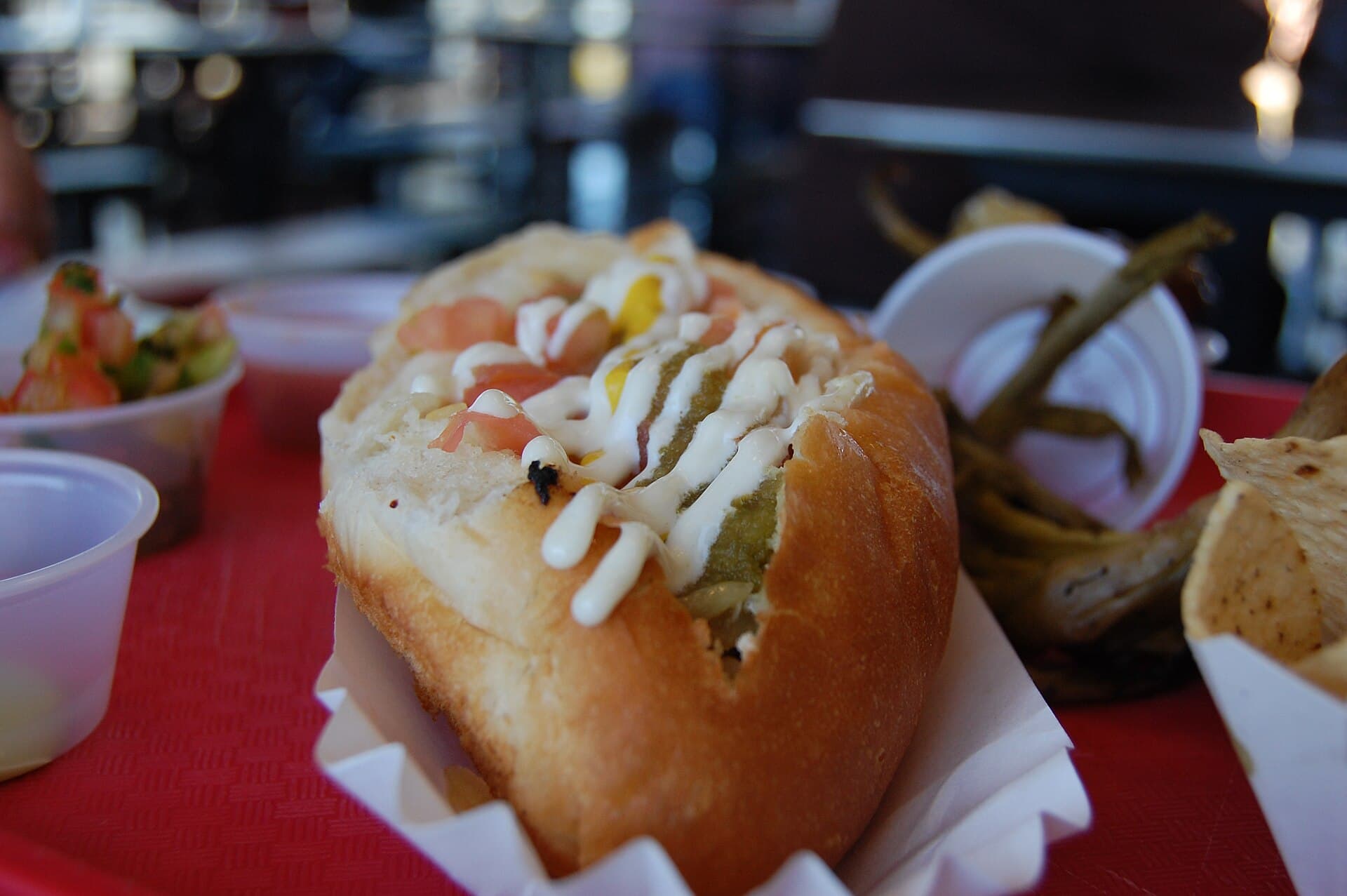
1945-2000
The Sonoran Hot Dog is a regional specialty from the Southwest featuring a hot dog wrapped in bacon and topped with ingredients like tomatoes, onions, jalapenos, and beans, usually served on a bolillo-style bun. It reflects the blending of Mexican and American culinary influences in this border area.
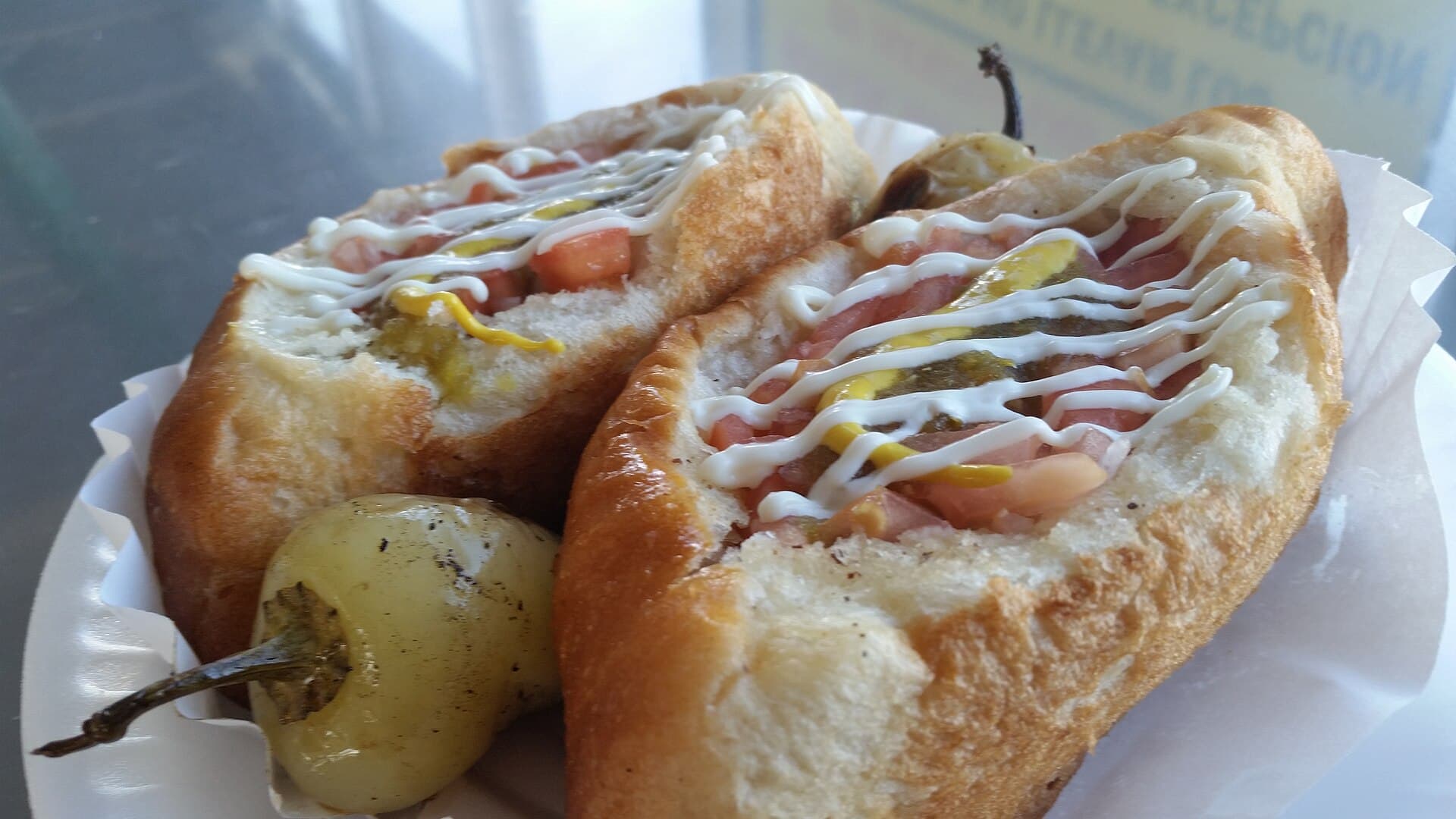
2010-2026
Sonoran Hot Dogs as a modern food truck and fusion dish highlight the popularity of Southwestern flavors combined with Southern elements. These hot dogs expand the traditional recipe with regional adaptations, appealing to contemporary palates and viral food culture.
America's Melting Pot
Sopa de Fideo photo coming soon
1800-1860
Sopa de Fideo is a light tomato-based soup featuring thin noodles, typical of Mexican and Southwestern home cooking. Its simple ingredients and preparation made it a staple in borderlands kitchens from the 19th century, providing a comforting, nourishing meal.
America's Melting Pot
Sorghum Syrup photo coming soon
Frontier & Expansion
Sorghum Syrup is a sweet sauce with real American table personality: Southern/Appalachian sweetener from sorghum cane. It brings flavor from Appalachia and Pennsylvania Dutch country to cookouts, counters, lunch plates, potlucks, and weeknight suppers.
America's Melting Pot
SOS photo coming soon
1900-1929
This main dish version of SOS consists of creamed dried chipped beef served over toast, a staple during the Great Depression. The recipe embodies economical cooking by stretching preserved ingredients into a filling comfort meal.
America's Melting Pot
SOS photo coming soon
1930-1945
SOS is a staple dish consisting of creamed chipped dried beef served over toasted bread, common in military and working-class kitchens during the Great Depression and World War II. Known for its economical use of preserved ingredients, it's a quick, savory comfort food.
America's Melting Pot
SOS Creamed Beef Sauce photo coming soon
1900-1929
SOS Creamed Beef Sauce is a condiment with real American table personality: Military and diner "cream chipped beef on toast.". It brings flavor from coast-to-coast American tables to cookouts, counters, lunch plates, potlucks, and weeknight suppers.
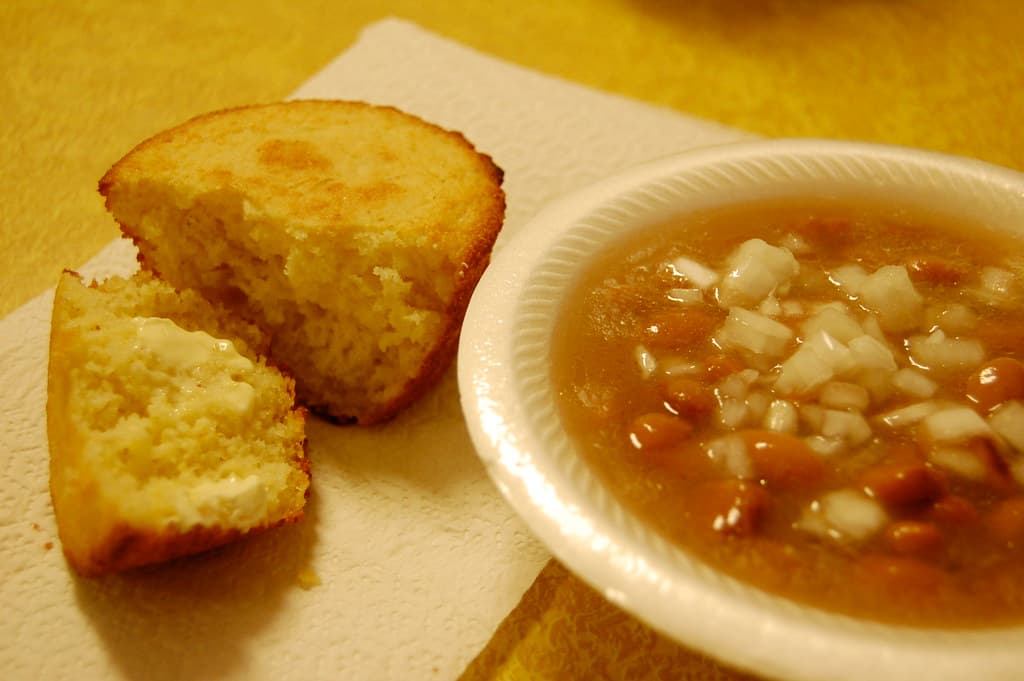
1800-1860
Soup Beans are a traditional slow-cooked bean stew popular in Appalachia and frontier regions during early American settlement. This dish is a humble, nourishing staple made with dried beans and minimal seasoning, reflecting the resourceful cooking of early settlers.
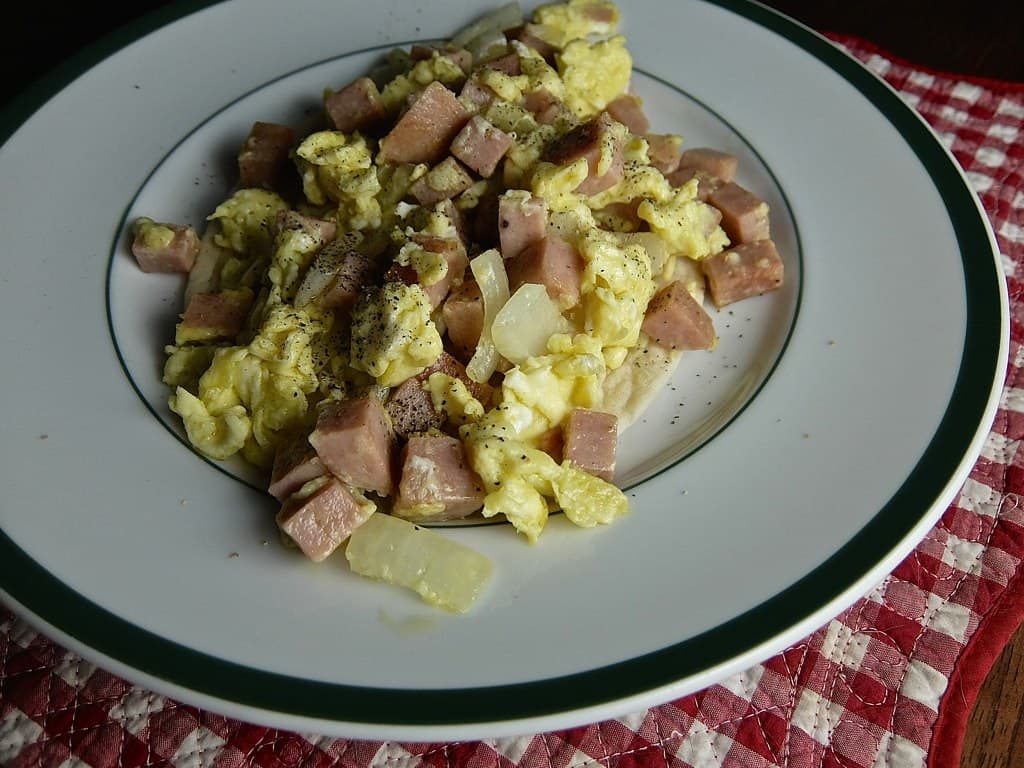
1930-1945
Spam and eggs became a practical breakfast during the 1930s-40s, when wartime rationing and economic hardship made canned meat a convenient protein source. It reflects American home front adaptations to food scarcity combined with comfort food ideas.
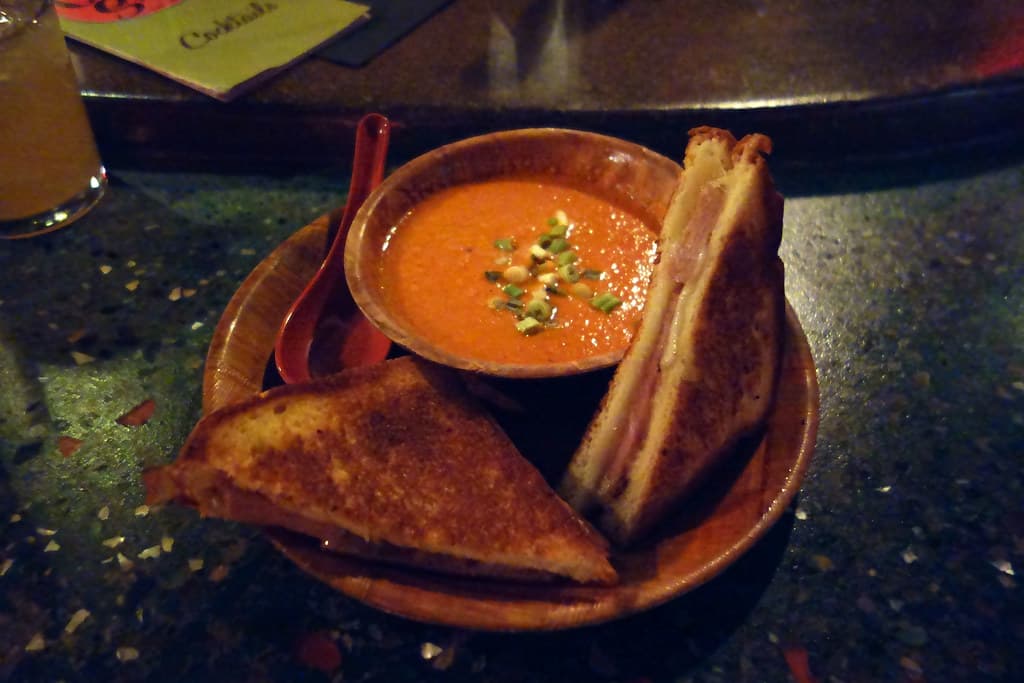
1930-1945
Spam sandwiches were common in military mess halls and American homes during the 1930s-40s, reflecting economical use of canned meat in meals. They illustrate practical culinary approaches in wartime America.
America's Melting Pot
Special Sauce photo coming soon
1946-1969
Special Sauce is a sandwich sauce with real American table personality: Thousand-Island-like burger sauce, fast food, diners, and backyard burgers. It brings flavor from coast-to-coast American tables to cookouts, counters, lunch plates, potlucks, and weeknight suppers.
America's Melting Pot
Spicy Tuna Roll photo coming soon
1980-1989
The spicy tuna roll is a sushi roll popularized in American suburbs and restaurants during the 1990s and 2000s. Combining raw tuna with spicy mayonnaise and rice wrapped in seaweed, it reflects globalization and immigrant food fusions in convenience dining.
America's Melting Pot
Spinach Dip in a Bread Bowl photo coming soon
1970-1989
Spinach Dip in a Bread Bowl is a party dip with real American table personality: 1980s-1990s party table icon. It brings flavor from coast-to-coast American tables to cookouts, counters, lunch plates, potlucks, and weeknight suppers.
America's Melting Pot
Spinach Dip in Bread Bowl photo coming soon
1970-1989
Spinach dip in a bread bowl became a festive party centerpiece in the 1970s and 1980s, combining convenience foods with eye-catching presentation. It consists of creamy spinach dip served inside a hollowed round loaf, making it both edible and functional.
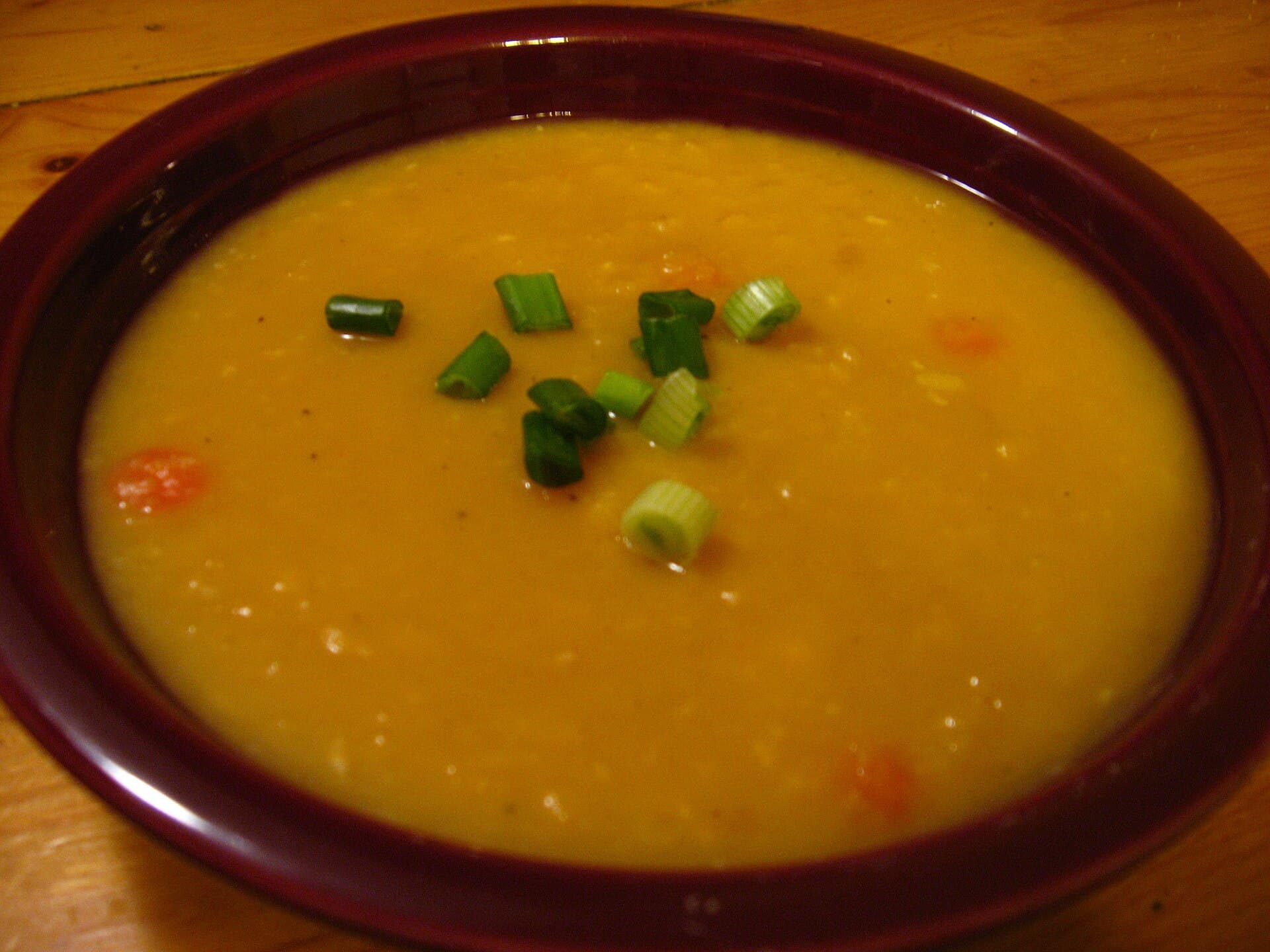
1800-1860
Split pea soup is a hearty, thick soup often made with dried peas, ham, vegetables, and seasonings, a staple of American one-pot cooking across many eras, prized for economy and nutrition.
America's Melting Pot
Sport Pepper Brine photo coming soon
Cross-era
Sport Pepper Brine is a sandwich sauce with real American table personality: Chicago hot dog culture. It brings flavor from Chicago and the Upper Midwest to cookouts, counters, lunch plates, potlucks, and weeknight suppers.
America's Melting Pot
Squirrel Gravy photo coming soon
1800-1860
Squirrel gravy is a traditional Appalachian dish using local squirrel meat slow-cooked to create a rich gravy often served with biscuits or cornbread. It illustrates subsistence cooking and resource use on the American frontier.
America's Melting Pot
Squirrel Stew photo coming soon
1776-1800
Squirrel stew is a rustic one-pot dish combining wild squirrel meat with vegetables and broth, common in late 18th century American cooking. It exemplifies use of game in colonial and revolutionary-era diets.
America's Melting Pot
Stewed Prunes photo coming soon
1861-1900
Stewed prunes were a simple, resourceful dish common in American railroad camps, mining towns, and boardinghouses during the Civil War and Reconstruction era. This dish showcases dried prunes stewed to tender softness, often sweetened slightly, providing a nutritious and affordable dessert or side.
Community recipe submission
Log in to submit a recipe, format it with the cooking companion, and send it for review.
Log in to Submit