
Loading
Setting the table...
Fetching the latest recipes from the archive.
Loading
Fetching the latest recipes from the archive.
Recipe archive
Recipe archive
Search the archive by title, region, ingredient, tag, or era, then sort the table by the view that fits your kitchen.
This archive is growing through recipes, photos, family recipes, and historical context shared by the community.
America's Melting Pot
Garlic Butter Seafood Boil Sauce photo coming soon
Modern Melting Pot
Garlic Butter Seafood Boil Sauce is a seafood sauce with real American table personality: Modern Cajun/Asian-American seafood boil restaurants. It brings flavor from the American South to cookouts, counters, lunch plates, potlucks, and weeknight suppers.
America's Melting Pot
Georgia Peach Shake photo coming soon
Cross-era
Georgia Peach Shake salutes regional fruit country and the American dairy-stand tradition: Georgia/South.
1800-1860
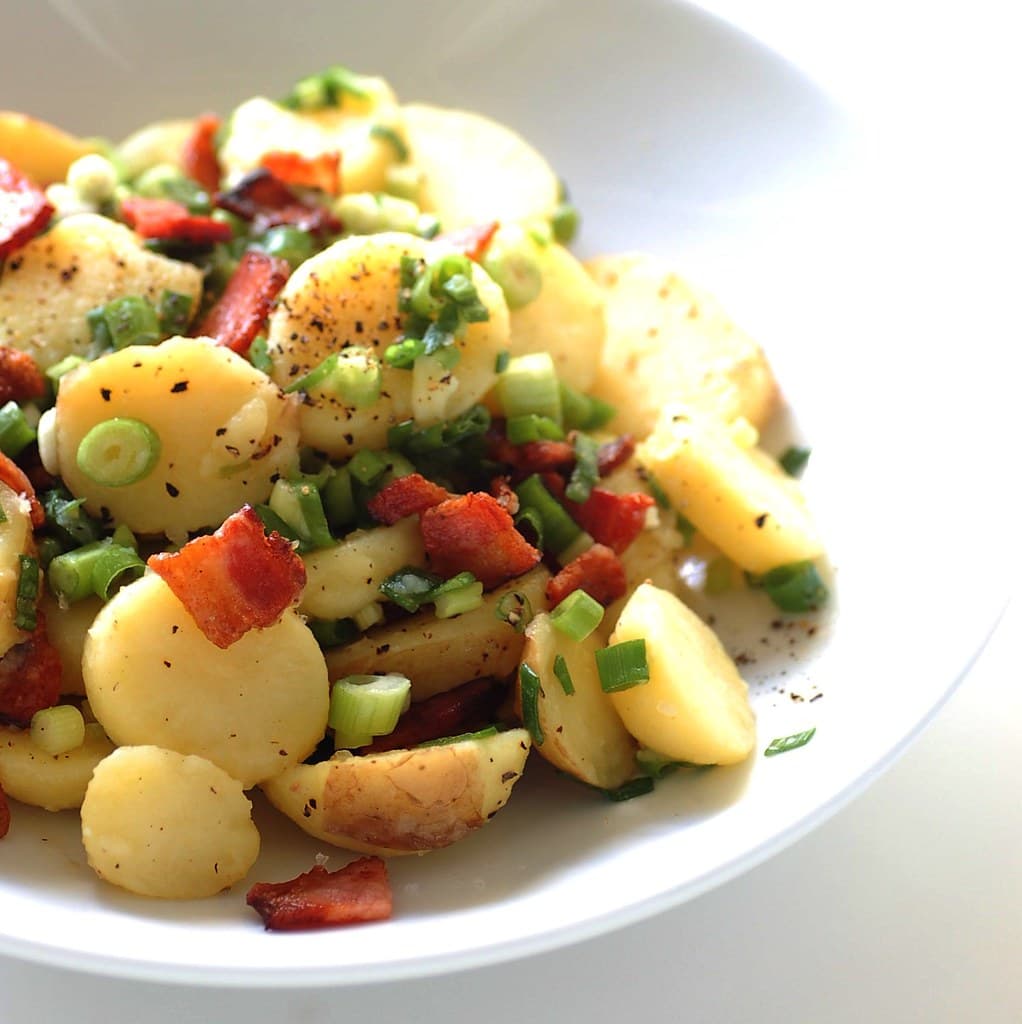
German potato salad is a tangy and warm side dish featuring sliced potatoes dressed with vinegar, bacon, onions, and herbs. Introduced by German-American immigrants during the 19th century, this salad contrasts with creamy mayonnaise versions and remains a staple in traditional American gatherings and barbecues.
America's Melting Pot
Giardiniera, Chicago Style photo coming soon
Cross-era
Giardiniera, Chicago Style is a relish with real American table personality: Italian-American Chicago sandwich condiment, especially Italian beef. It brings flavor from Chicago and the Upper Midwest to cookouts, counters, lunch plates, potlucks, and weeknight suppers.
America's Melting Pot
Ginger Ale Float photo coming soon
1861-1900
Ginger Ale Float is fizzy Americana from the soda-fountain counter: Light, old-fashioned soda fountain drink.
America's Melting Pot
Goulash, American Style photo coming soon
1946-1969
American-style goulash is a one-dish casserole combining ground beef, elbow macaroni, tomatoes, and cheese, popular in Midwestern households post-World War II. This comfort food version differs from traditional Hungarian goulash, emphasizing simplicity and affordability in home cooking during the mid-20th century.
America's Melting Pot
Grape Jelly + Peanut Butter photo coming soon
1900-1929
Grape Jelly + Peanut Butter is a spread with real American table personality: The PB&J combination itself deserves a recipe/sidebar. It brings flavor from coast-to-coast American tables to cookouts, counters, lunch plates, potlucks, and weeknight suppers.
1861-1900
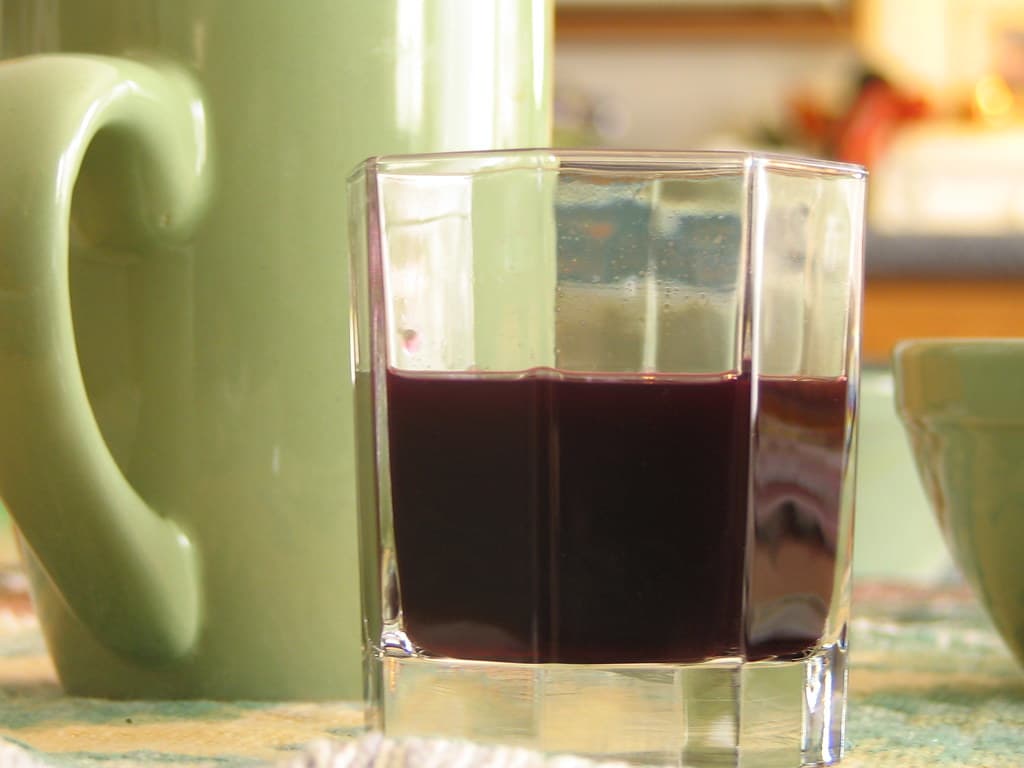
Grape Juice brings juice-bar color and American smoothie-counter energy to the glass: Welch's, church communion, lunchbox, and breakfast table.
America's Melting Pot
Grape Slush photo coming soon
1946-1969
Grape Slush brings juice-bar color and American smoothie-counter energy to the glass: Kid concession classic.
America's Melting Pot
Grape Soda Float photo coming soon
1861-1900
Grape Soda Float is fizzy Americana from the soda-fountain counter: Ice cream stand/kid favorite.
1900-1929
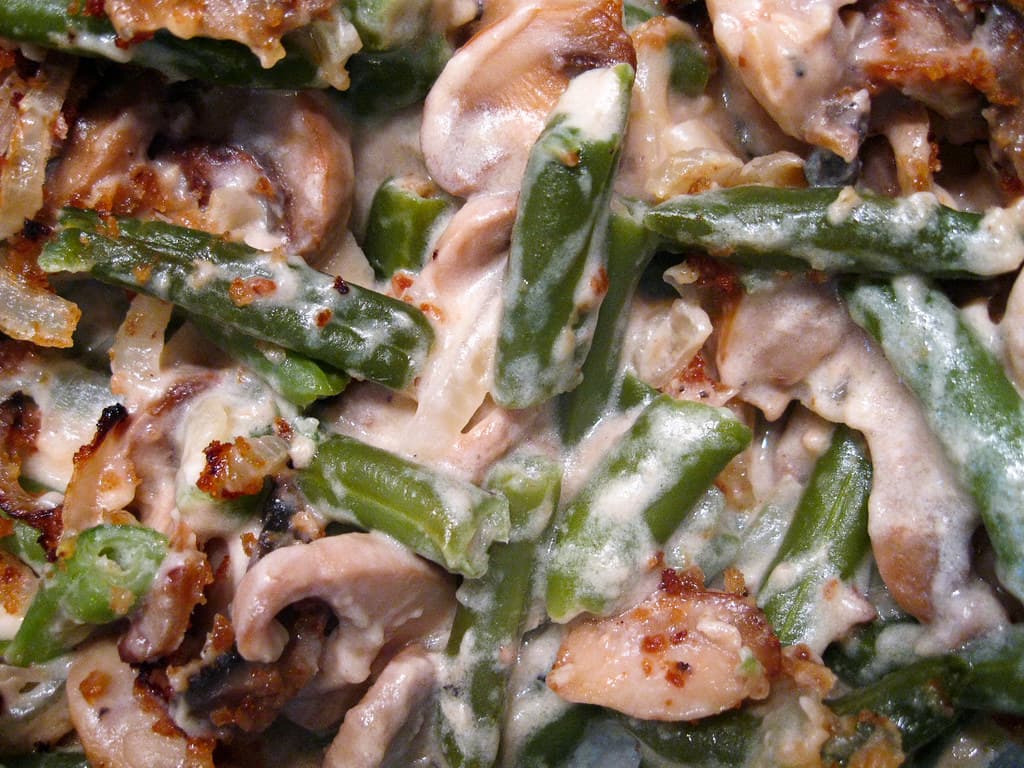
Green Bean Casserole is a staple side dish in Midwestern American holiday tables, church suppers, and school gatherings. Combining green beans, cream of mushroom soup, and crispy fried onions, it became widely popular in the early 20th century and remains a comforting, familiar casserole.
1970-1989
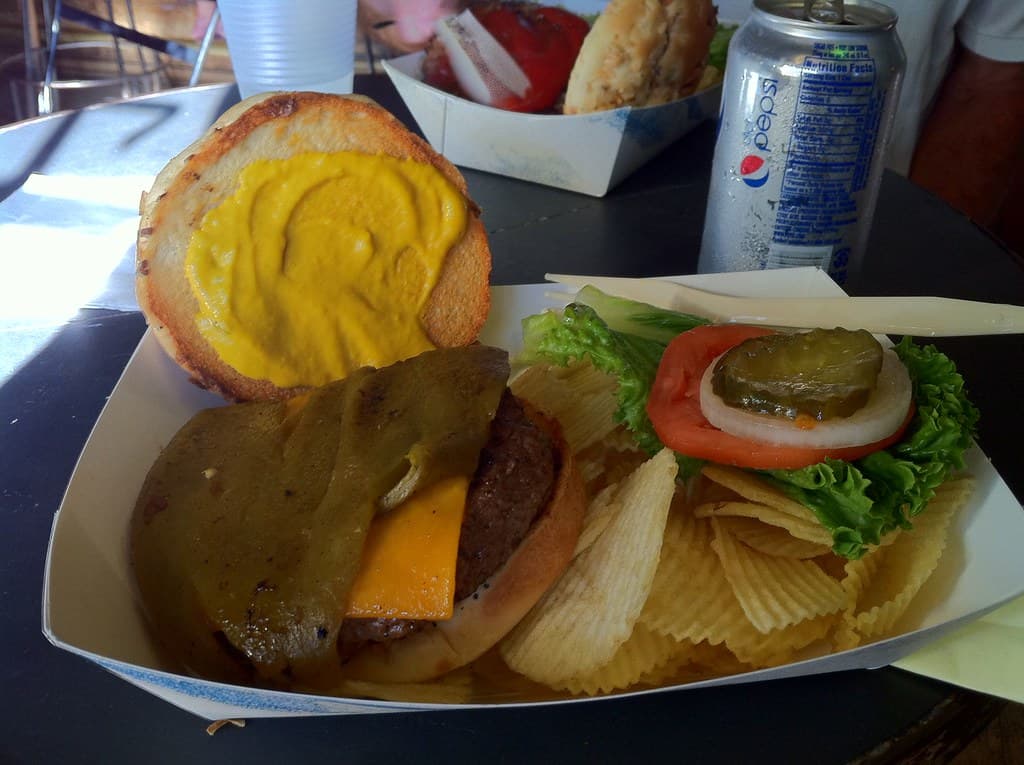
The Green Chile Cheeseburger came to prominence in the Southwest and Southern United States during the 1970s and 1980s, combining classic American cheeseburgers with roasted green chiles to add distinctive regional heat and flavor. It is popular at tailgates and regional eateries.
America's Melting Pot
Green Chile Cheeseburgers photo coming soon
2010-2026
Green Chile Cheeseburgers gained renewed popularity from 2010 onward, especially via food trucks, farmers markets, and viral food culture. They showcase modern New American fusion trends, combining tradition with innovative preparations such as air frying and creative toppings reflecting Southwest culinary identity.
America's Melting Pot
Green Chile Sauce photo coming soon
Cross-era
Green Chile Sauce is a condiment with real American table personality: New Mexico and Southwestern staple. It brings flavor from the American South to cookouts, counters, lunch plates, potlucks, and weeknight suppers.
America's Melting Pot
Green Chile Stew photo coming soon
Before 1776
Green Chile Stew is a traditional one-pot dish from the Southwest and South, combining local green chiles with meats and vegetables. Its history spans multiple eras and reflects a melding of Native American, Mexican, and Anglo culinary influences, helping define regional stew traditions.
Industrial America
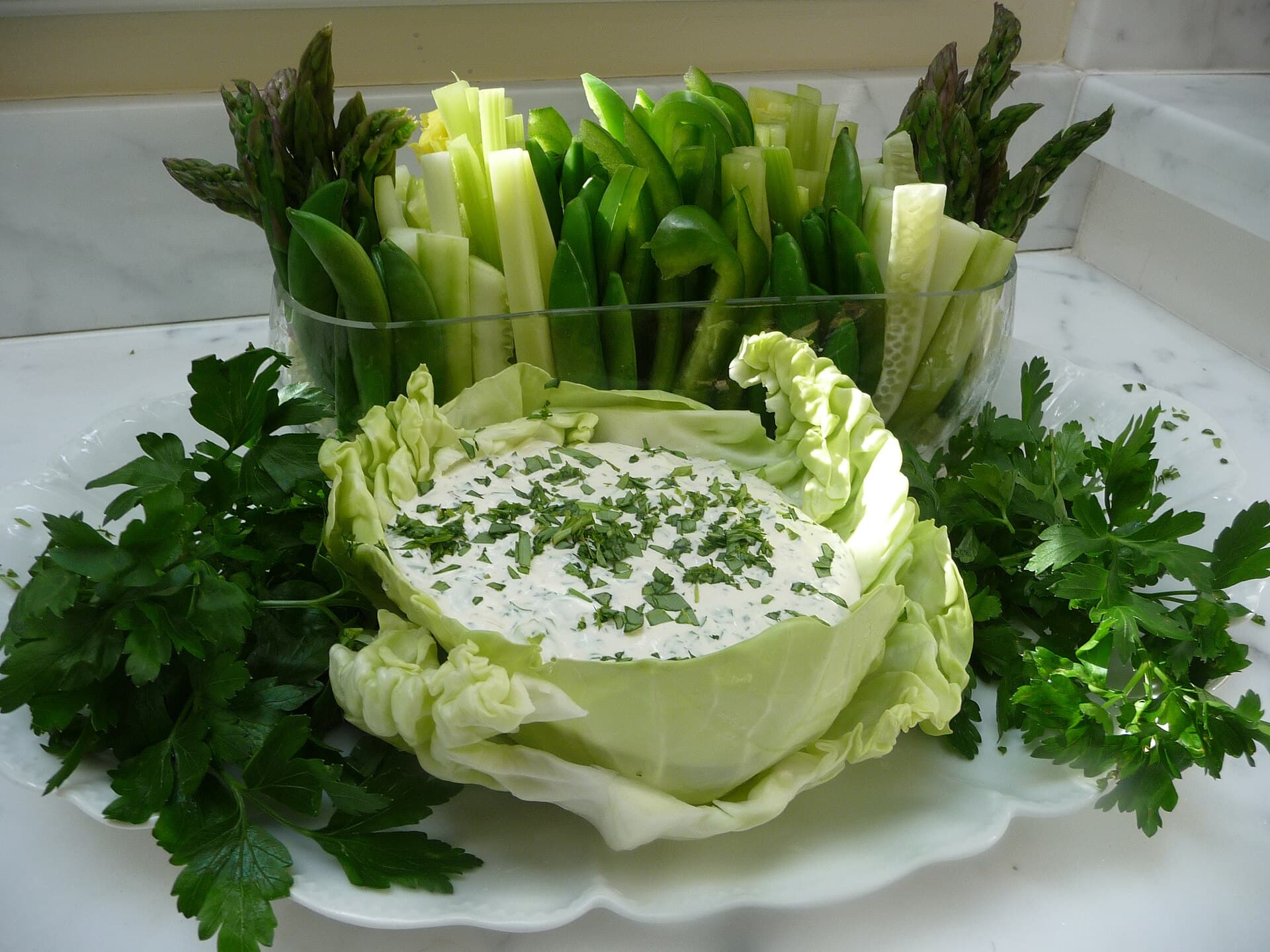
Green Goddess Dressing is a dressing with real American table personality: Created in 1920s San Francisco at the Palace Hotel; creamy, herb-heavy, often with anchovy and tarragon. It brings flavor from California, Hawaii, and the West Coast to cookouts, counters, lunch plates, potlucks, and weeknight suppers.
America's Melting Pot
Green Juice photo coming soon
1970-1989
Green Juice brings juice-bar color and American smoothie-counter energy to the glass: Kale/celery/apple/cucumber wellness culture.
America's Melting Pot
Green Smoothie photo coming soon
1970-1989
Green Smoothie brings juice-bar color and American smoothie-counter energy to the glass: Spinach/kale, fruit, juice, yogurt.
1930-1945
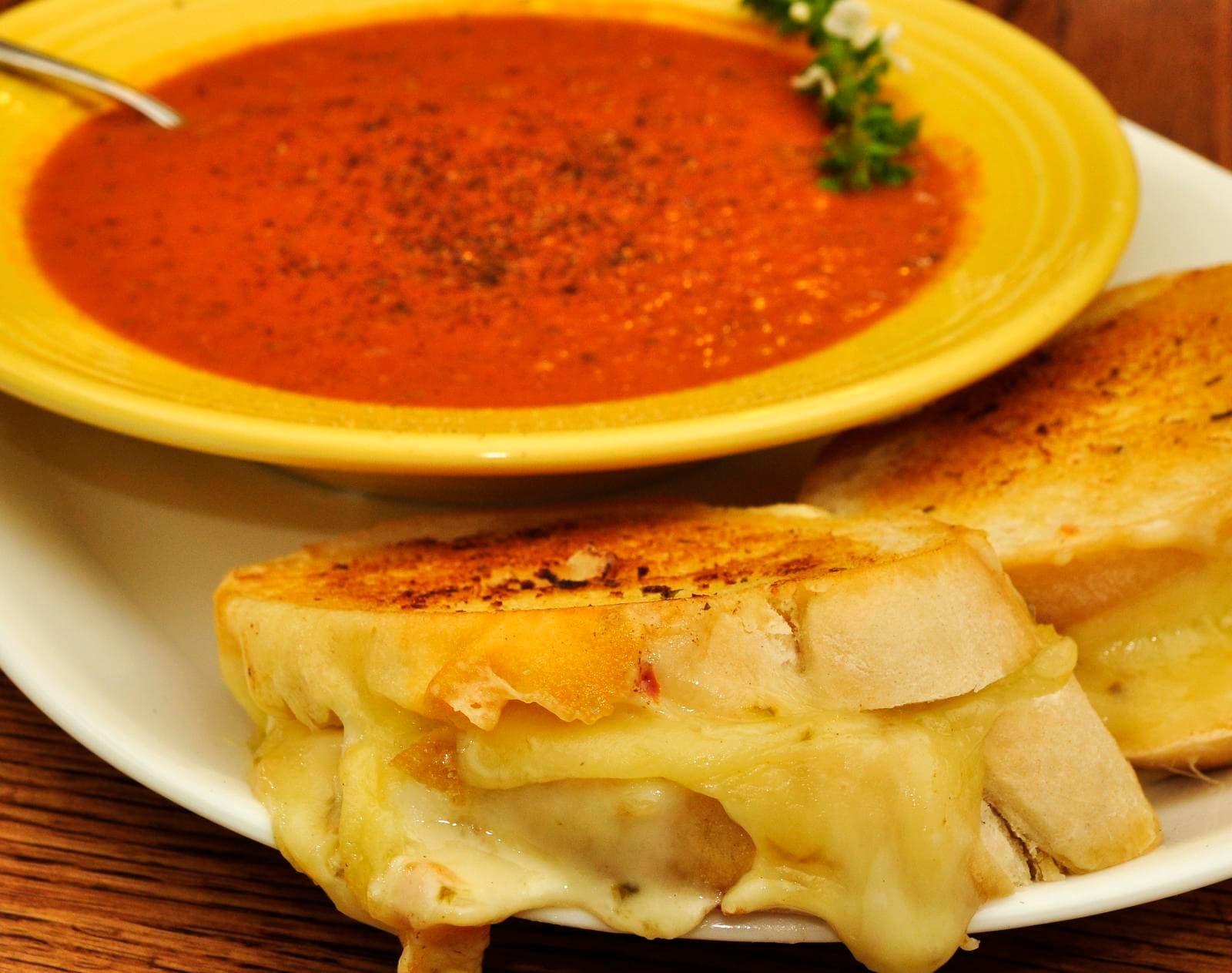
Grilled Cheese sandwich rose to prominence after World War II, embodying convenience and childhood comfort food in American households. Featuring melted cheese between buttered toasted bread, it became emblematic of suburban life, lunchboxes, and quick dinners across the United States.
America's Melting Pot
Grilled Corn with Chili Lime Butter photo coming soon
2010-2026
This modern celebration dish showcases grilled corn enhanced with chili lime butter, blending Mexican-American influences with new American food trends. Popular since 2010 at food trucks and farmers markets, it offers vibrant flavors and viral appeal.
America's Melting Pot
Grits photo coming soon
Before 1776
Grits, made from ground corn, are a Southern breakfast cornerstone in American cuisine across many eras. Simple and adaptable, grits are often served creamy with butter, cheese, or savory toppings, symbolizing Southern hospitality and regional identity.
1990-2009
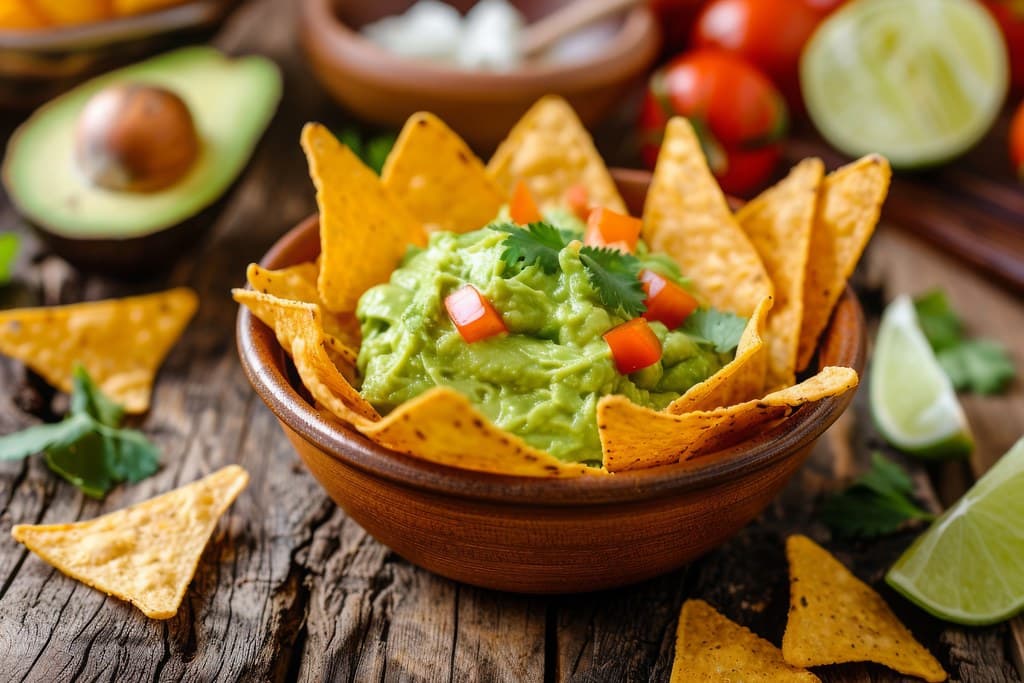
Guacamole, a mashed avocado-based dip, became widespread in American party and game day cuisine during the 1990s-2000s. Its creamy texture combined with fresh lime, onion, and cilantro made it a staple for gatherings, reflecting both Mexican and American tastes.
1800-1860
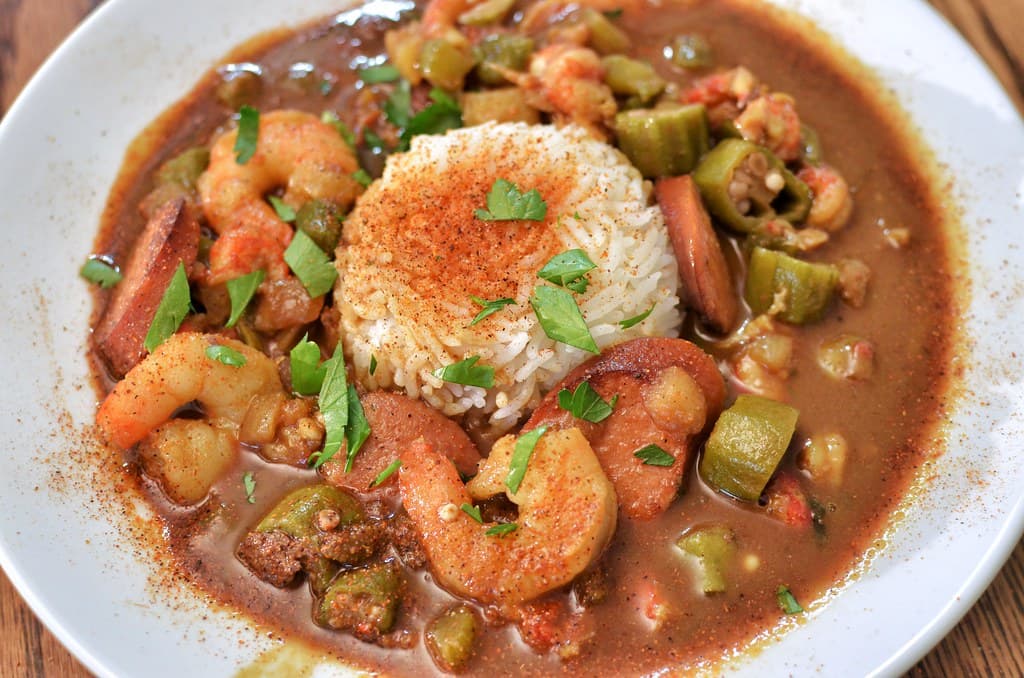
Gumbo is a renowned stew from Louisiana, combining West African, French Creole, and Native American culinary traditions. Dating between 1800 and 1860, gumbo integrates local seafood, sausage, and the 'holy trinity' of vegetables into a thickened, flavorful stew emblematic of Southern and Creole identity.
America's Melting Pot
Gumbo Z'Herbes photo coming soon
1970-1989
Gumbo Z'Herbes is a green vegetable variation of traditional gumbo favored in Louisiana, especially during the 1970s-1980s. It is a hearty stew of assorted greens and herbs, often served during festive events and tailgate gatherings reflecting regional pride and culinary diversity.
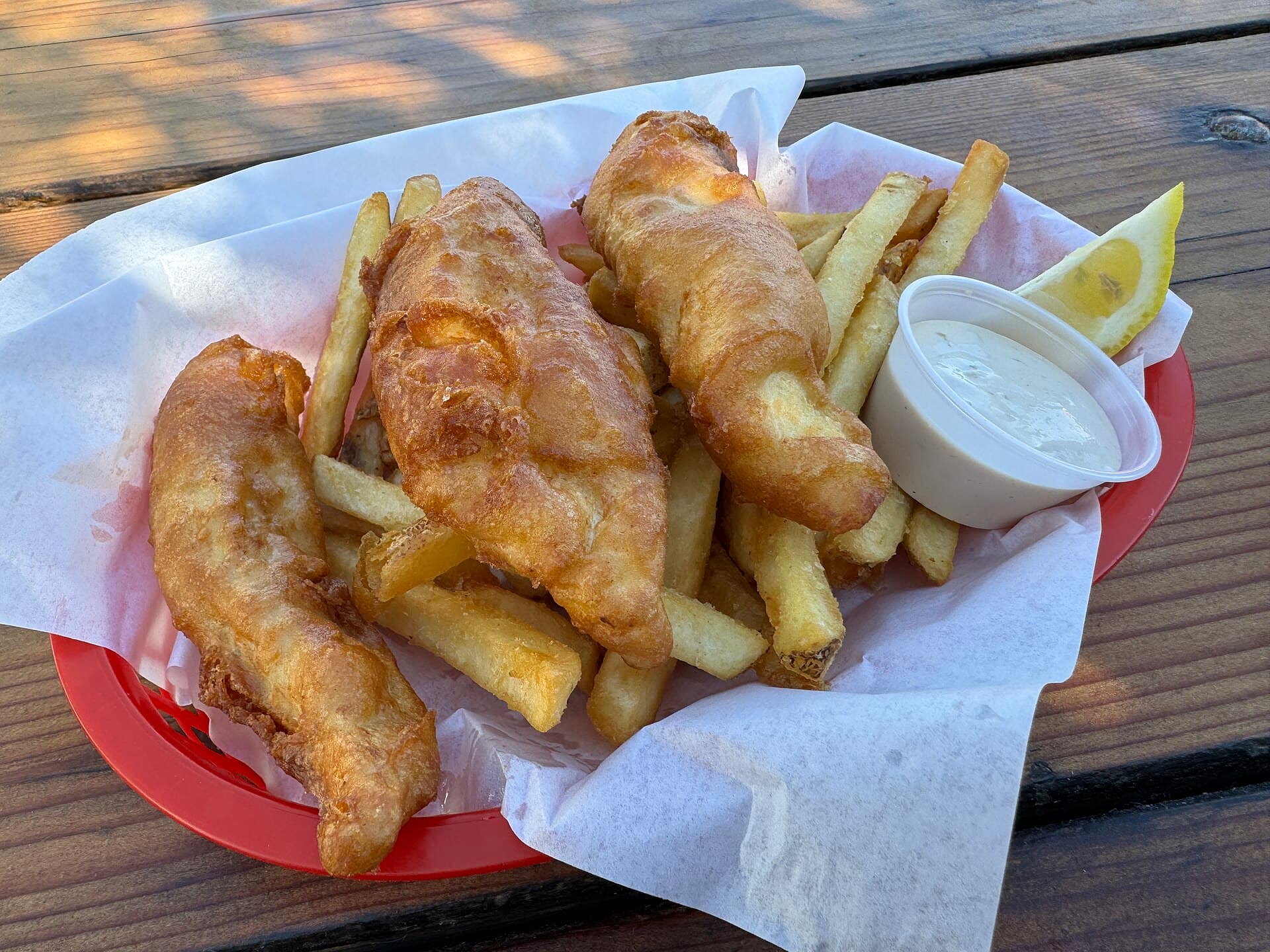
1900-1929
Halibut Fish and Chips is a regional Alaskan adaptation of the classic British-origin fish and chips, substituting cod with locally abundant halibut. This dish reflects Alaska's fishing economy and the integration of local seafood into familiar American and British dining formats.
America's Melting Pot
Ham photo coming soon
1776-1800
Ham is a traditional centerpiece in American holiday meals, especially during New Year's celebrations where it symbolizes good fortune and prosperity. Its preservation and curing methods vary regionally, reflecting diverse cultural influences across the United States. This recipe explores practical home preparation of ham suitable for festive occasions.
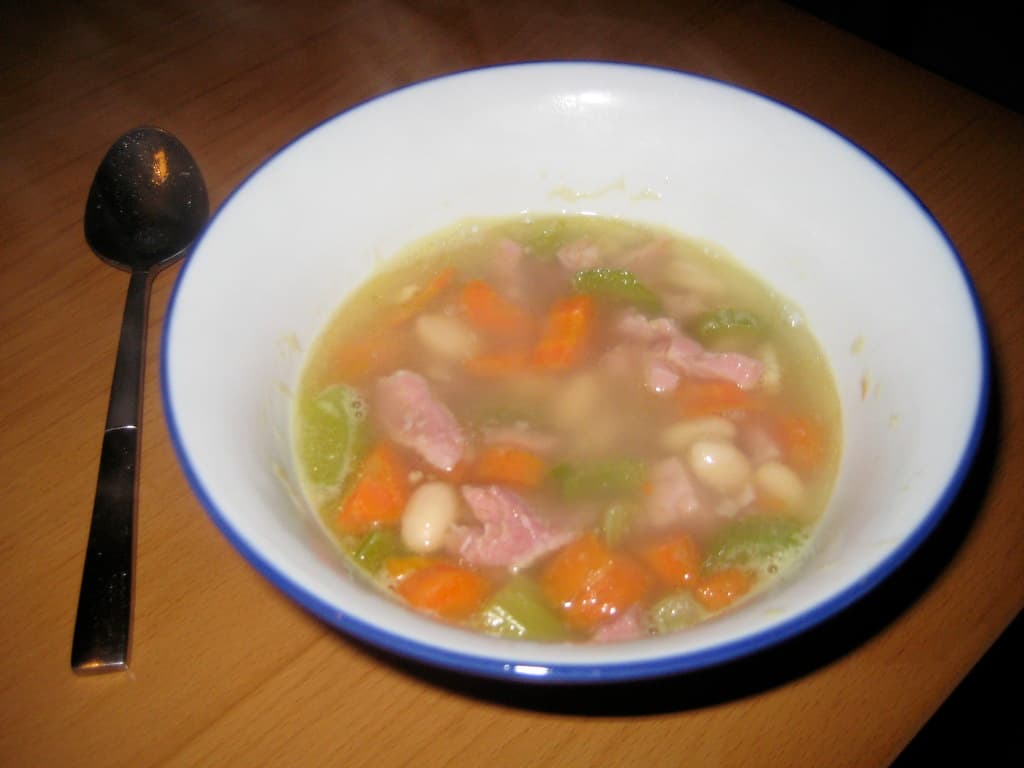
1800-1860
Ham and bean soup is a hearty, economical stew that sustained workers in American railroads, mining camps, and boardinghouses during the late 19th century. Utilizing leftover ham and dried beans, it embodies practical, resourceful cooking of the Reconstruction and settlement era.
America's Melting Pot
Ham and Pickle Roll-Ups photo coming soon
1946-1969
Ham and pickle roll-ups are a quick, savory finger food popularized during the 1970s as party appetizers and tailgate snacks. Combining sliced ham and crunchy pickles into simple roll-ups reflects the era's emphasis on convenience and fun casual entertaining.
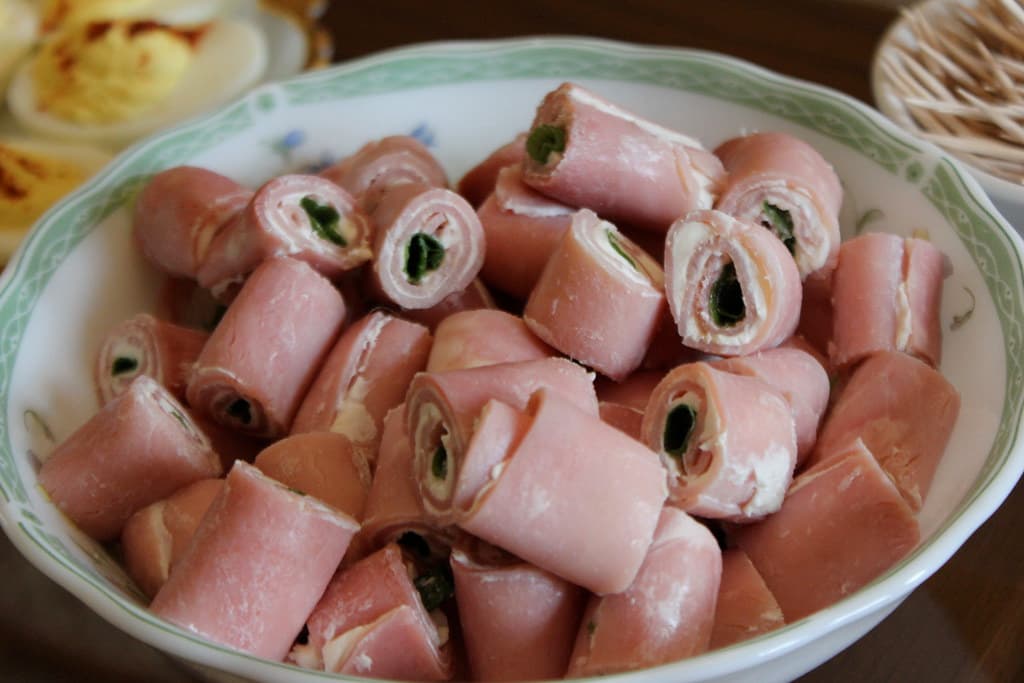
1946-1969
Ham roll-ups are bite-sized appetizers made by rolling sliced ham with cheese, spreads, or pickles. Popular in suburban American cocktail parties from the 1940s through the 1960s, they exemplify easy-to-prepare, crowd-pleasing hors d'oeuvres.
America's Melting Pot
Ham Salad Spread photo coming soon
1900-1929
Ham Salad Spread is a spread with real American table personality: Church supper and sandwich spread. It brings flavor from coast-to-coast American tables to cookouts, counters, lunch plates, potlucks, and weeknight suppers.
America's Melting Pot
Hamburger Hotdish photo coming soon
1946-1969
Hamburger hotdish is a layered casserole popular in the Midwest, combining ground beef, noodles or potatoes, and a creamy sauce baked until bubbly. Developing during the postwar suburban era, this casserole highlights convenience and freezer-friendly family meals.
America's Melting Pot
Hand-Spun Shake photo coming soon
Postwar & Diner Age
Hand-Spun Shake is thick, spoonable frozen-custard stand fun: Diner/drive-in phrase for a real ice cream shake.
America's Melting Pot
Hard-Shell Tacos photo coming soon
1970-1989
Hard-shell tacos feature crispy fried corn tortillas filled with seasoned ground beef, lettuce, cheese, and salsa. This Americanized version grew popular in the 1970s as convenience food and tailgate fare, blending Mexican culinary origins with fast food culture.
America's Melting Pot
Hash photo coming soon
1861-1900
Hash is a savory dish combining chopped cooked meat, potatoes, onions, and seasoning, originally made to use leftovers efficiently. It was a practical meal served in American railroad camps, mining towns, and boardinghouses during the late 19th century.
America's Melting Pot
Hasty Pudding photo coming soon
Before 1776
Hasty pudding is a simple cornmeal porridge traditionally eaten for breakfast, traced to colonial America and The Revolutionary Table era. It historically used accessible grains and minimal ingredients to provide warm sustenance.
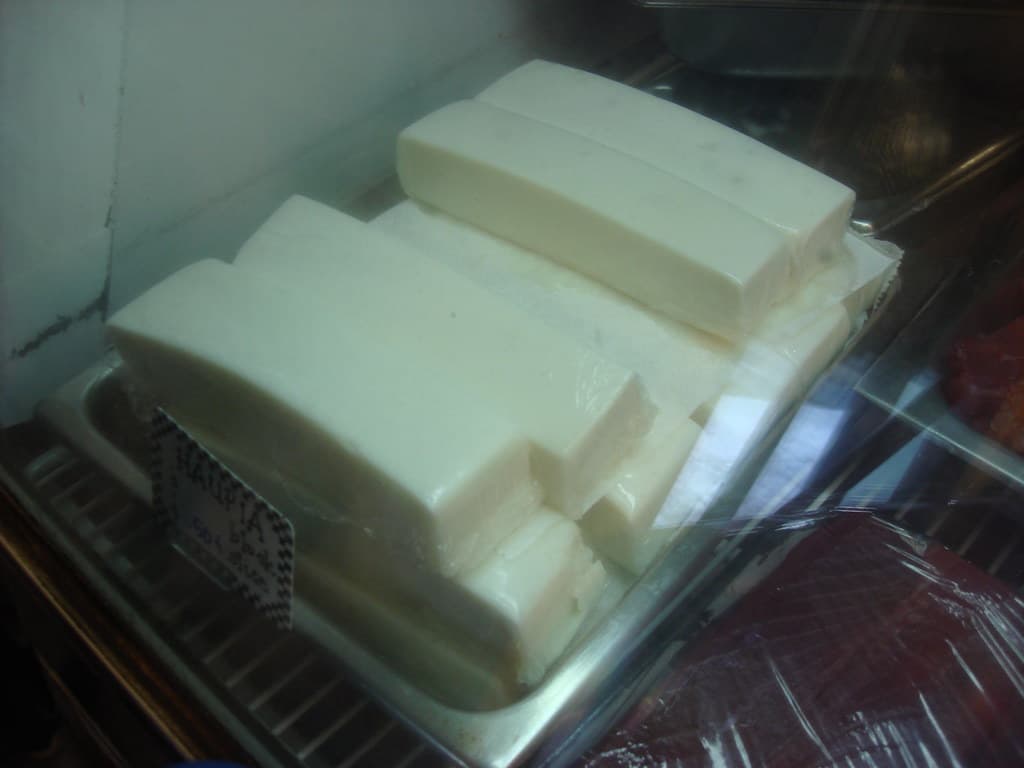
Native Foodways and Continuity
Haupia is a coconut milk-based pudding native to Hawaii often used in traditional and modern desserts. This dairy-free, gelatinous treat reflects Hawaiian cuisine's use of local ingredients and cultural fusion including Asian and Portuguese influences.
America's Melting Pot
Hawaii Haupia Shake photo coming soon
Cross-era
Hawaii Haupia Shake salutes regional fruit country and the American dairy-stand tradition: Hawaii coconut dessert influence.
America's Melting Pot
Hawaii Pineapple Shake photo coming soon
Cross-era
Hawaii Pineapple Shake salutes regional fruit country and the American dairy-stand tradition: Hawaii.
America's Melting Pot
Hawaiian Huli Huli Chicken photo coming soon
1945-2000
Huli Huli chicken is a Hawaiian grilled chicken marinated in a sweet-savory teriyaki-style sauce, cooked on a spit or grill. It captures Hawaii's barbecue culture blending native and immigrant flavors and is a festive dish for outdoor gatherings.
America's Melting Pot
Hawaiian Huli Huli Sauce photo coming soon
Cross-era
Hawaiian Huli Huli Sauce is a barbecue sauce with real American table personality: Soy, sugar, ginger, garlic, pineapple/tropical sweetness; Hawaiian barbecue culture. It brings flavor from California, Hawaii, and the West Coast to cookouts, counters, lunch plates, potlucks, and weeknight suppers.
America's Melting Pot
Hawaiian Plate Lunch photo coming soon
2010-2026
The Hawaiian plate lunch is a popular meal combining rice, macaroni salad, and a main protein such as teriyaki chicken or kalua pork. It embodies Hawaii's multicultural culinary influences and is a favored casual dining staple in contemporary Hawaiian food culture.
America's Melting Pot
Hazelnut Cake photo coming soon
1900-1929
Hazelnut cake showcases toasted Northwest hazelnuts incorporated into a moist cake, often layered and frosted. This dessert highlights the Pacific Northwest's rich nut harvests and fusion of American baking traditions.
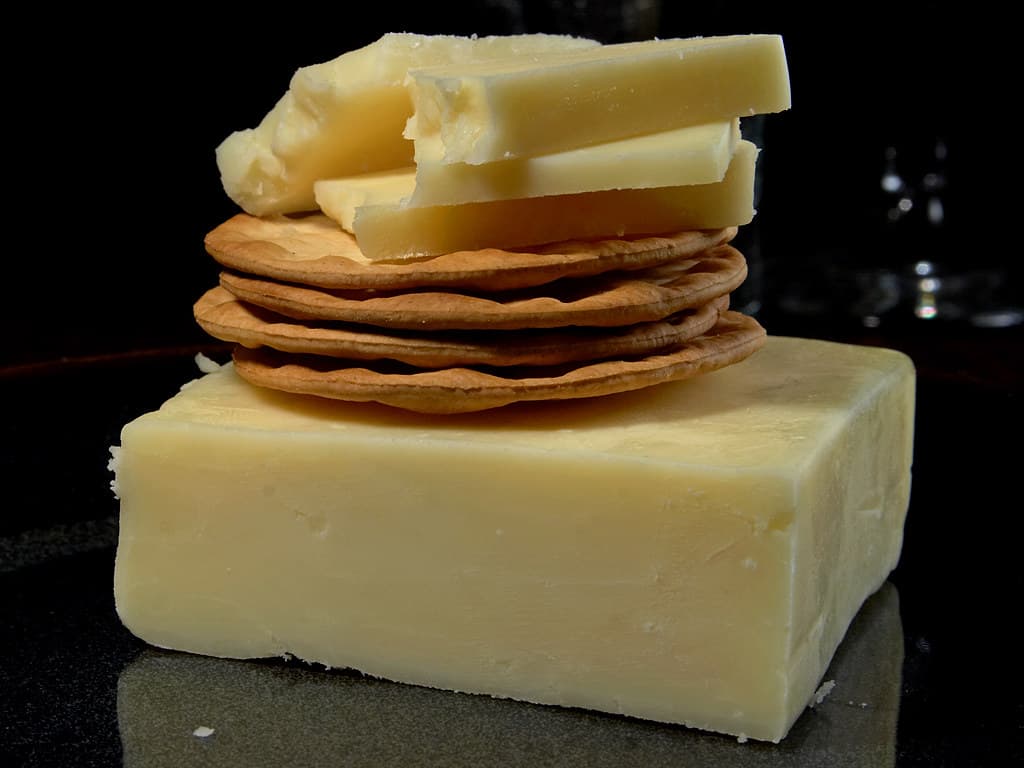
American Dairy Age
Homemade Cheddar Cheese is a home-scale American cheddar with measured culture, rennet setting, cheddaring, pressing, salting, and controlled aging.
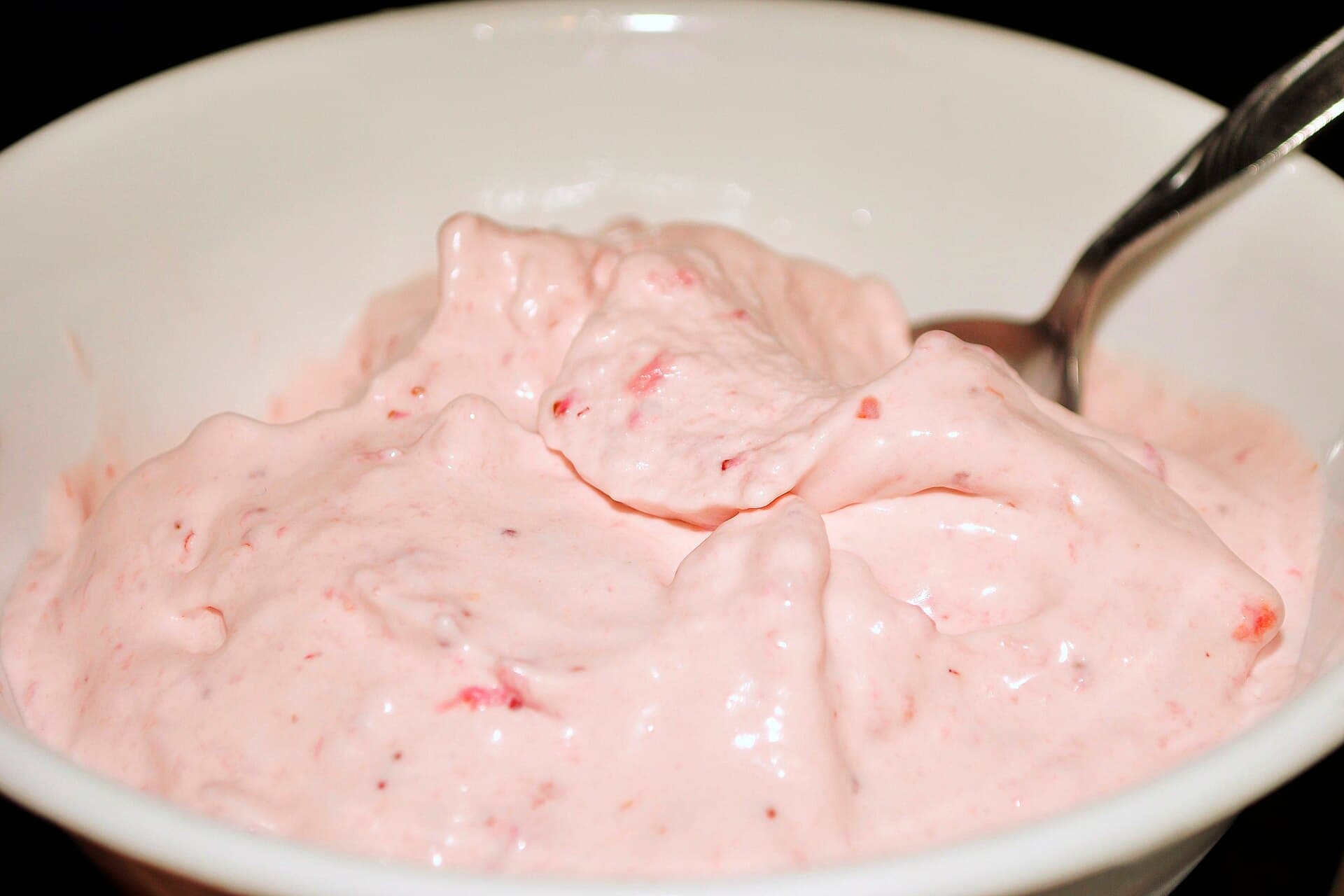
1861-1900
Homemade ice cream is a beloved treat enjoyed across the United States, especially during warm weather and holidays like the Fourth of July. This recipe captures the timeless tradition of making rich, creamy ice cream at home using simple ingredients. While commercial ice cream became widely available in the 20th century, homemade versions date back to earlier periods and remain a festive family activity.
America's Melting Pot
Hominy photo coming soon
1776-1800
Hominy is dried maize kernels treated with an alkali to remove the hull and germ, a process known as nixtamalization. It has been a staple food for Indigenous peoples in North America and later incorporated widely into American cooking. This versatile ingredient appears in many traditional dishes across different regions, valued for its unique texture and nutritional content.
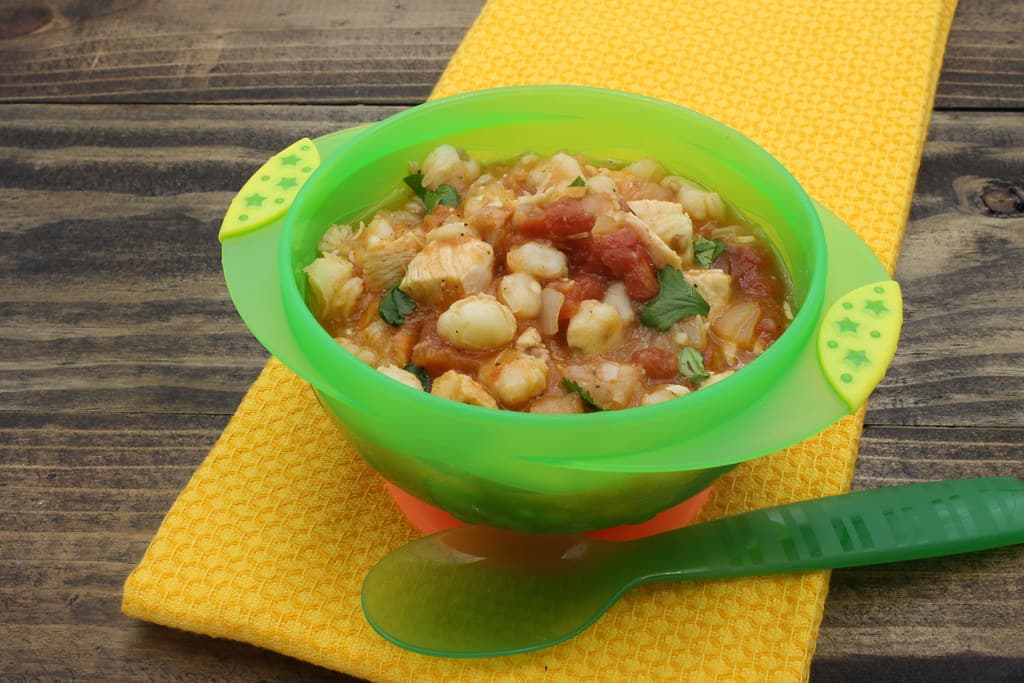
Before 1776
Hominy stew is a traditional Indigenous American dish combining hominy with meat and vegetables to create a hearty, nourishing meal. This recipe reflects how Indigenous foodways influenced American cooking during the 1800-1860 period, using local ingredients and slow cooking methods.
America's Melting Pot
Honey Mustard Chicken photo coming soon
1946-1969
Honey mustard chicken gained popularity in American family restaurants and chain eateries during the 1990s and 2000s. This dish features tender chicken coated or glazed with a blend of honey and mustard, balancing sweet and tangy flavors. It is easy to prepare at home and reflects the approachable fusion presentations that emerged with Food Network and suburban dining trends.
America's Melting Pot
Honey Mustard Dressing photo coming soon
1946-1969
Honey Mustard Dressing is a dressing with real American table personality: American restaurant salad and chicken tender sauce staple. It brings flavor from coast-to-coast American tables to cookouts, counters, lunch plates, potlucks, and weeknight suppers.
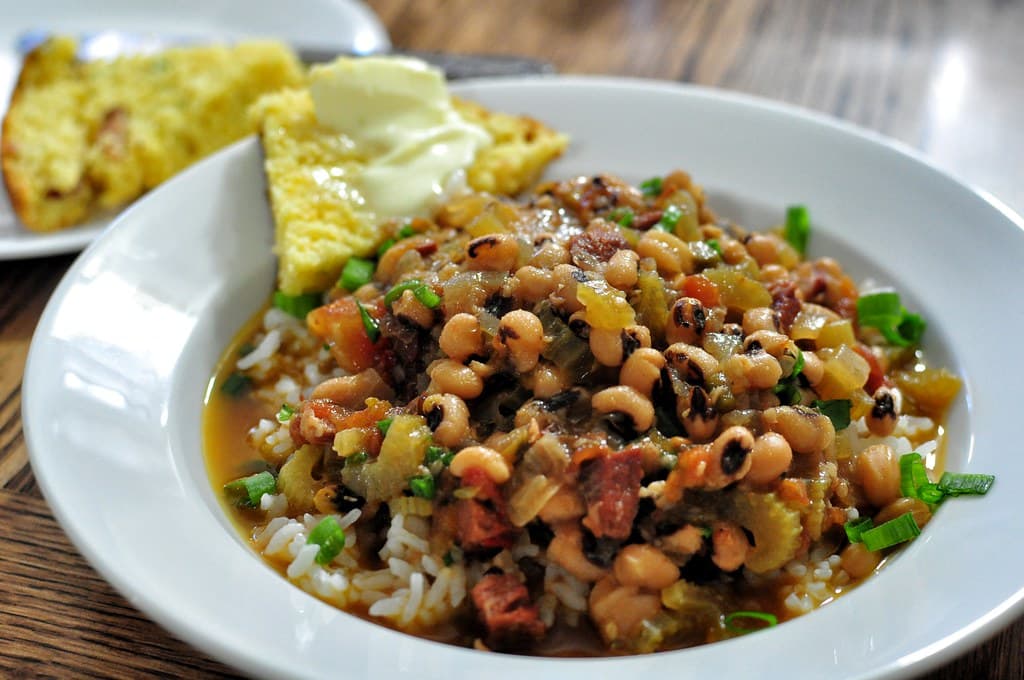
Founding Era
A Lowcountry rice and black-eyed pea dish tied to Southern New Year tables, pork seasoning, and African-influenced foodways.
America's Melting Pot
Horseradish Cream Sauce photo coming soon
Gilded Age & Progressive Era
Horseradish Cream Sauce is a sandwich sauce with real American table personality: Prime rib, pit beef, roast beef sandwiches. It brings flavor from coast-to-coast American tables to cookouts, counters, lunch plates, potlucks, and weeknight suppers.
America's Melting Pot
Horseshoe Sandwich photo coming soon
1946-1969
The Horseshoe Sandwich is a Midwestern American comfort food featuring thick-sliced bread topped with meat, French fries, and rich cheese sauce. Originating in Illinois during the postwar era, it became a regional favorite combining diner food, casseroles, and backyard cooking influences. This substantial dish serves as a casual meal synonymous with tailgates and family gatherings.
1946-1969
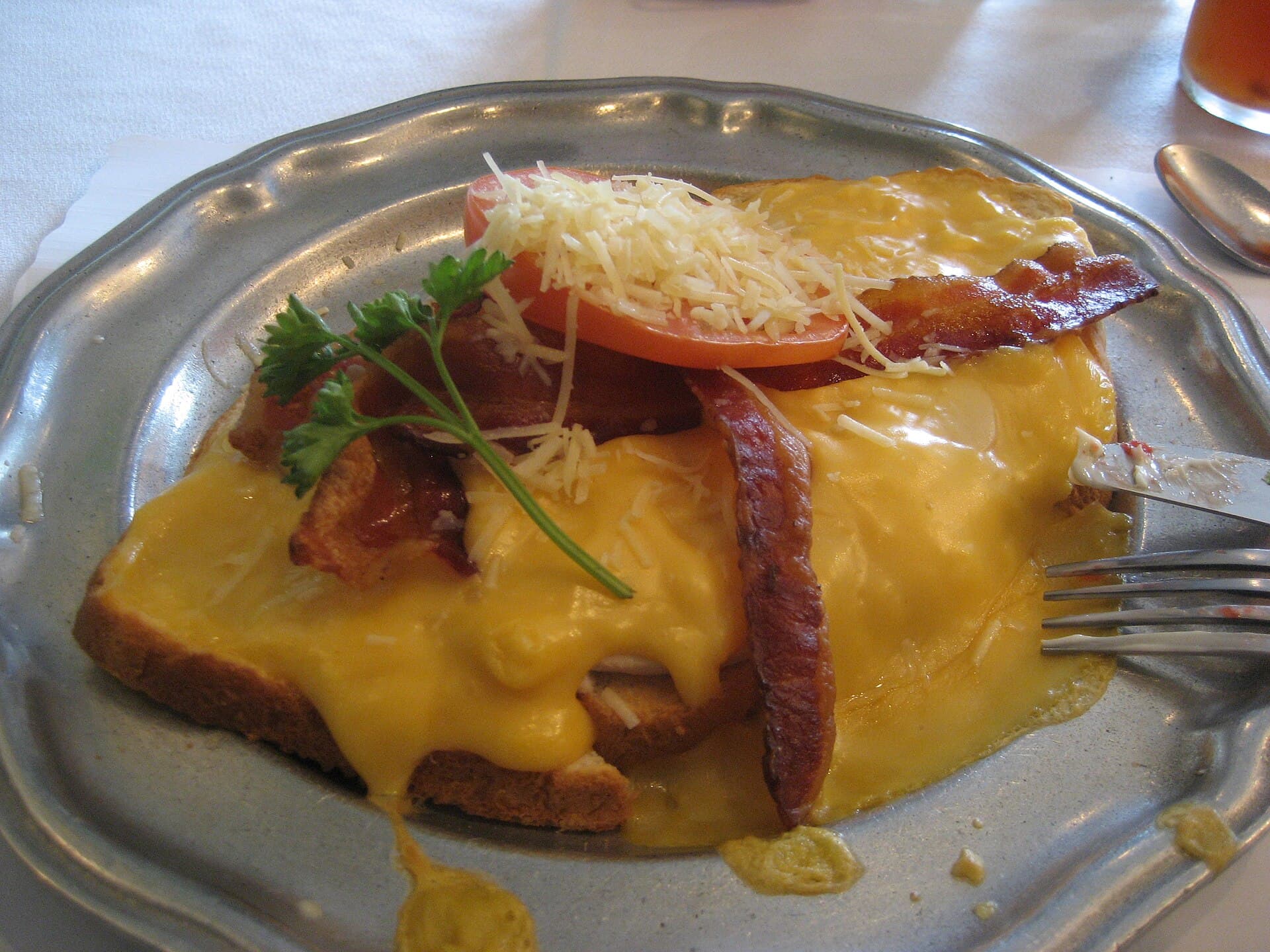
The Hot Brown is an open-faced sandwich developed in Louisville, Kentucky during the mid-20th century. Featuring turkey or chicken, bacon, tomato, and covered in Mornay (cheese) sauce, it became a regional icon in Southern postwar dining. This dish reflects the influences of European sauces blended with American diner-style comfort food between 1946 and 1969.
1946-1969
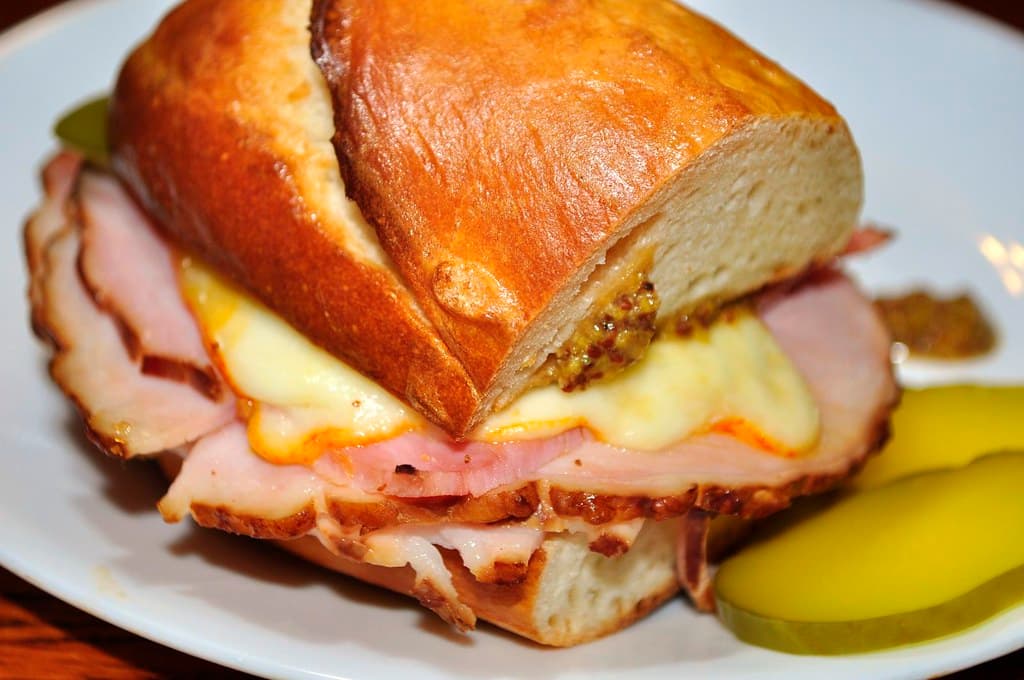
The hot ham and cheese sandwich is a comforting and convenient American cafeteria and lunchbox staple served hot. Featuring sliced ham and melted cheese on bread, it is popular in school lunches and concession stands, easy to prepare and widely loved across generations. Its timeless appeal lies in simple ingredients and satisfying warmth.
America's Melting Pot
Hot Honey photo coming soon
2010-2026
Hot Honey is a condiment with real American table personality: Modern American pizza, fried chicken, and biscuit condiment. It brings flavor from coast-to-coast American tables to cookouts, counters, lunch plates, potlucks, and weeknight suppers.
America's Melting Pot
Hot Pepper Jelly photo coming soon
Cross-era
Hot Pepper Jelly is a condiment with real American table personality: Southern party staple, often served over cream cheese. It brings flavor from the American South to cookouts, counters, lunch plates, potlucks, and weeknight suppers.
America's Melting Pot
Hotdish photo coming soon
1900-1929
Hotdish is a type of casserole popular in the American Midwest, especially associated with community gatherings, church suppers, and state fairs during the early 20th century. Combining a starch, protein (often ground meat or tuna), canned soup, and vegetables, it exemplifies economical, filling cuisine typical of immigrant and rural communities from 1900 to 1929.
1861-1900
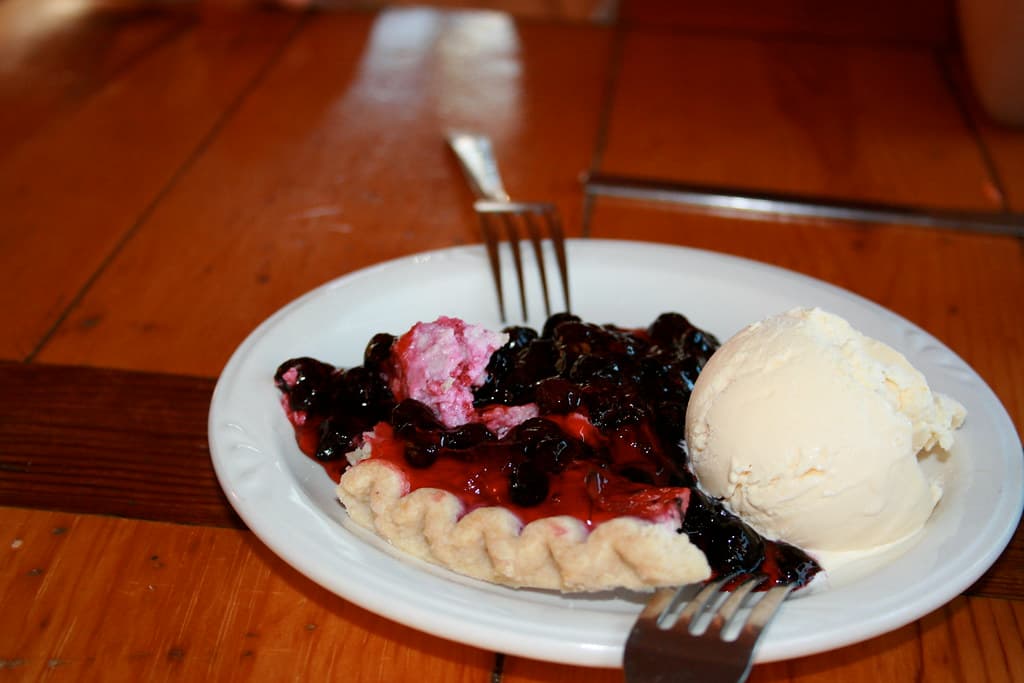
Huckleberry pie is a traditional dessert from the Pacific Northwest, featuring native huckleberries baked in a flaky crust. Known for their distinct tart and sweet flavor, huckleberries have been foraged and used by Indigenous peoples and settlers alike. The pie showcases regional culinary heritage and celebration of local wild ingredients.
America's Melting Pot
Huckleberry Shake photo coming soon
Postwar & Diner Age
Huckleberry Shake pours old-school malt-shop cheer into a cold glass: Montana, Idaho, and mountain West favorite.
1946-1969
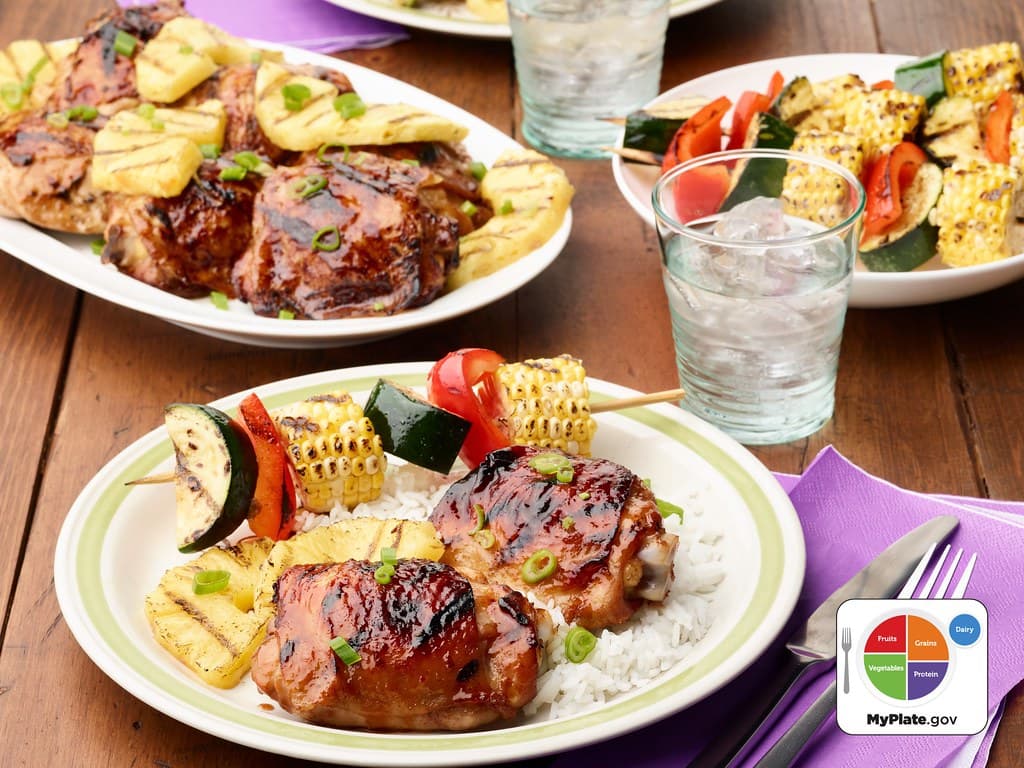
Huli Huli Chicken is a celebrated Hawaiian barbecue dish developed in the mid-20th century combining sweet, savory, and smoky flavors. It features grilled chicken basted with a sauce of pineapple juice, soy sauce, and brown sugar, reflecting Hawaiian, Asian-Pacific, and Portuguese-American culinary influences prevalent after World War II.
America's Melting Pot
Ice Cream Soda photo coming soon
1861-1900
Ice Cream Soda is fizzy Americana from the soda-fountain counter: Soda water, syrup, and ice cream.
America's Melting Pot
Idaho Huckleberry Shake photo coming soon
Cross-era
Idaho Huckleberry Shake salutes regional fruit country and the American dairy-stand tradition: Idaho.
America's Melting Pot
Impossible Pie photo coming soon
1970-1989
Impossible pie is a Southern American dessert recognized for its seemingly impossible transformation of simple pantry ingredients into a rich custard pie. Popular in tailgate parties and family gatherings of the 1970s and 1980s, it exemplifies home-cooked convenience and regional pride.
America's Melting Pot
Indian Pudding photo coming soon
1776-1800
Indian pudding is a New England colonial-era dessert dating back to the late 18th century (1776-1800). Made with cornmeal, molasses, and dairy, it reflects early American adaptations of Native American and English influences, a testament to regional colonial foodways.
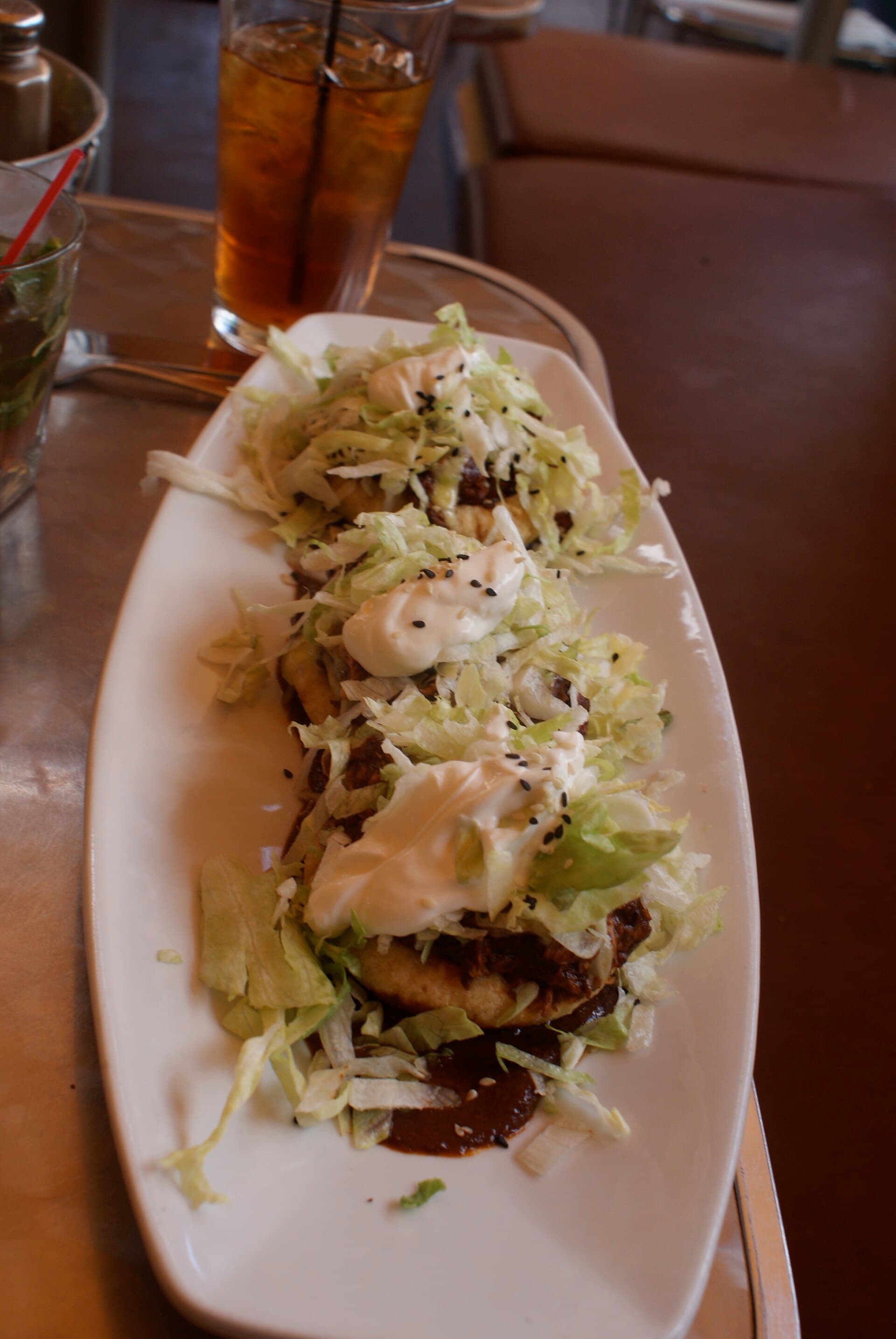
1945-2000
Indian tacos combine Native American frybread with taco toppings, reflecting a fusion of Mexican-American culinary influence and Indigenous food traditions in the Great Plains. This dish has evolved cross-era, maintaining cultural significance and popularity across generations.
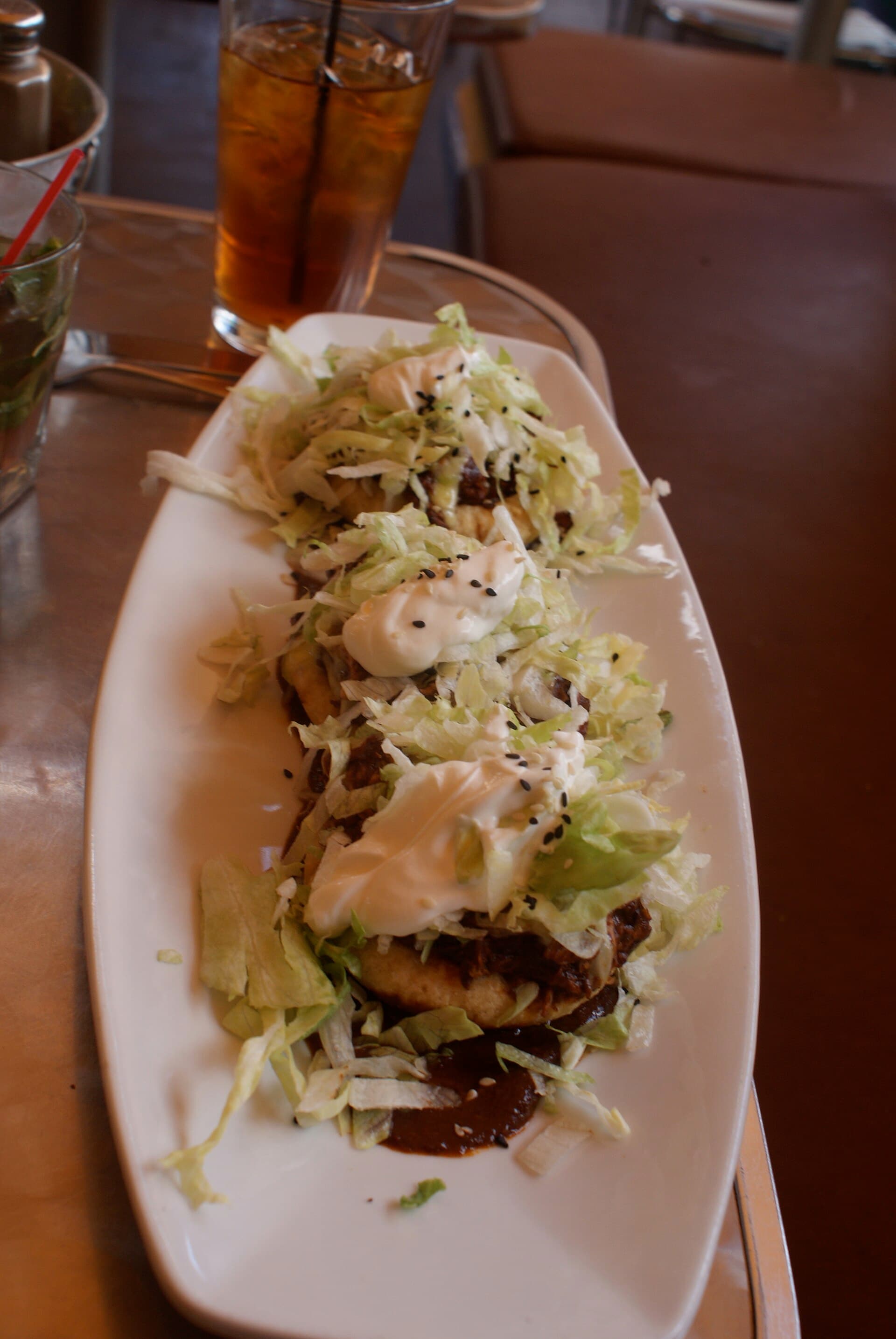
1900-1929
Indian Tacos, served on frybread, gained popularity in early 20th century American state fairs and diners from 1900 to 1929. This dish represents a culinary adaptation blending Mexican-American taco ingredients with Indigenous frybread, making it a beloved carnival and diner food item.
America's Melting Pot
Instant Pot Carnitas photo coming soon
2010-2026
This recipe shows how to make traditional carnitas using an Instant Pot for a faster, easier preparation with tender, flavorful pork that shreds beautifully. Perfect for tacos, burritos, or bowls.
America's Melting Pot
Instant Pot Chili photo coming soon
2010-2026
A robust chili recipe combining beef, beans, and spices made efficiently in the Instant Pot, inspired by Texas and Southwestern influences. Perfect for weeknight meals or casual gatherings.
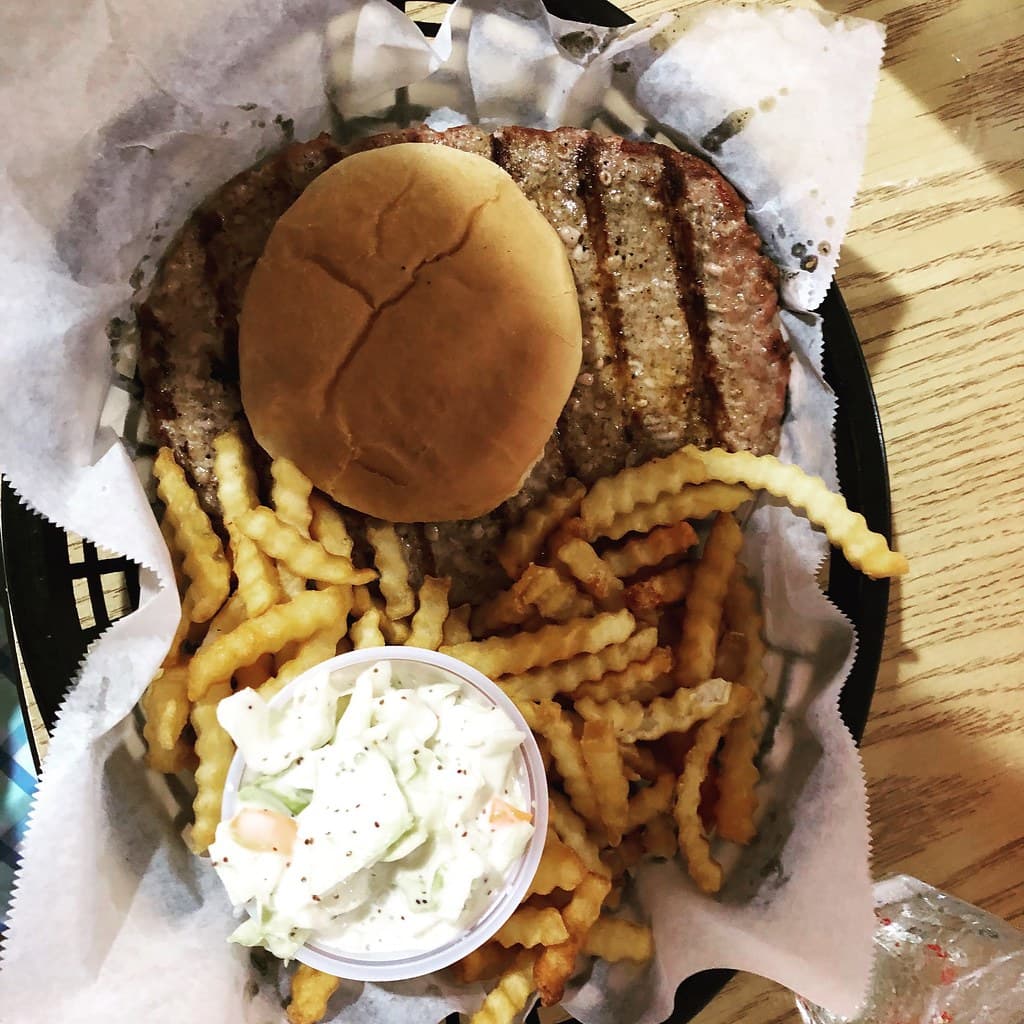
2010-2026
This recipe features the iconic Iowa pork tenderloin sandwich, showcasing a breaded and fried pork cutlet served on a bun with classic condiments, a beloved Midwestern comfort food.
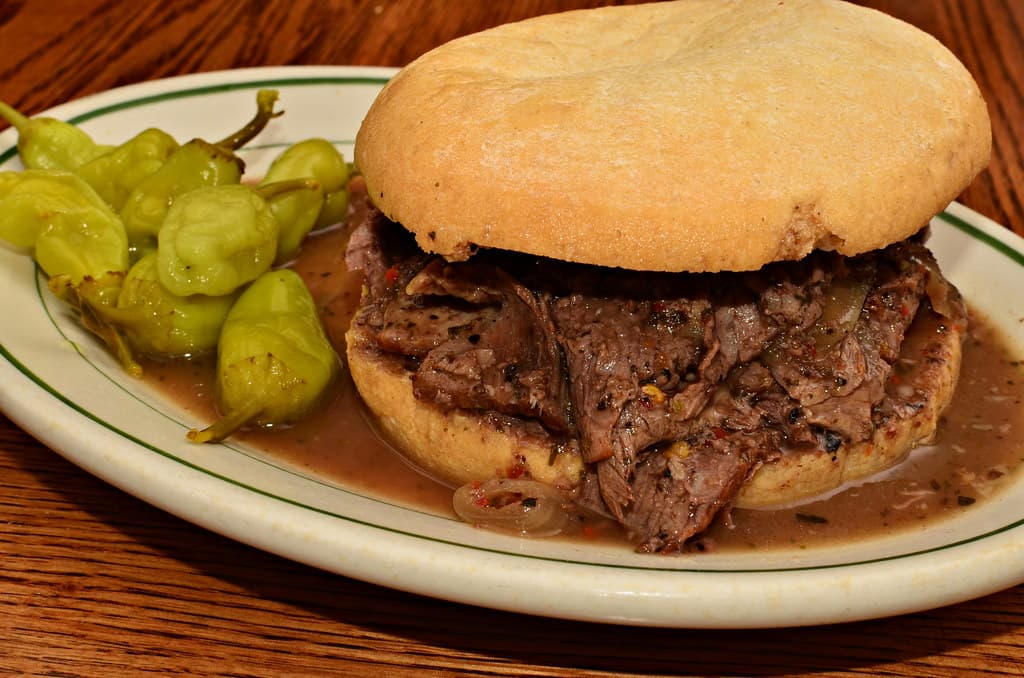
1946-1969
A staple of Chicago cuisine, this Italian beef sandwich features thinly sliced seasoned roast beef dipped in its own jus, served on a roll with optional giardiniera or sweet peppers.
America's Melting Pot
Italian Beef Giardiniera Oil photo coming soon
Cross-era
Italian Beef Giardiniera Oil is a sandwich sauce with real American table personality: Chicago sandwich condiment. It brings flavor from Chicago and the Upper Midwest to cookouts, counters, lunch plates, potlucks, and weeknight suppers.
America's Melting Pot
Italian Soda, American Coffeehouse Style photo coming soon
1900-1929
Italian Soda, American Coffeehouse Style is fizzy Americana from the soda-fountain counter: Syrup, soda, and cream, popularized in American cafes.
America's Melting Pot
Jalapeno Jelly photo coming soon
Cross-era
Jalapeno Jelly is a preserve with real American table personality: Texas/Southwest/Southern sweet-hot jelly. It brings flavor from the American South to cookouts, counters, lunch plates, potlucks, and weeknight suppers.
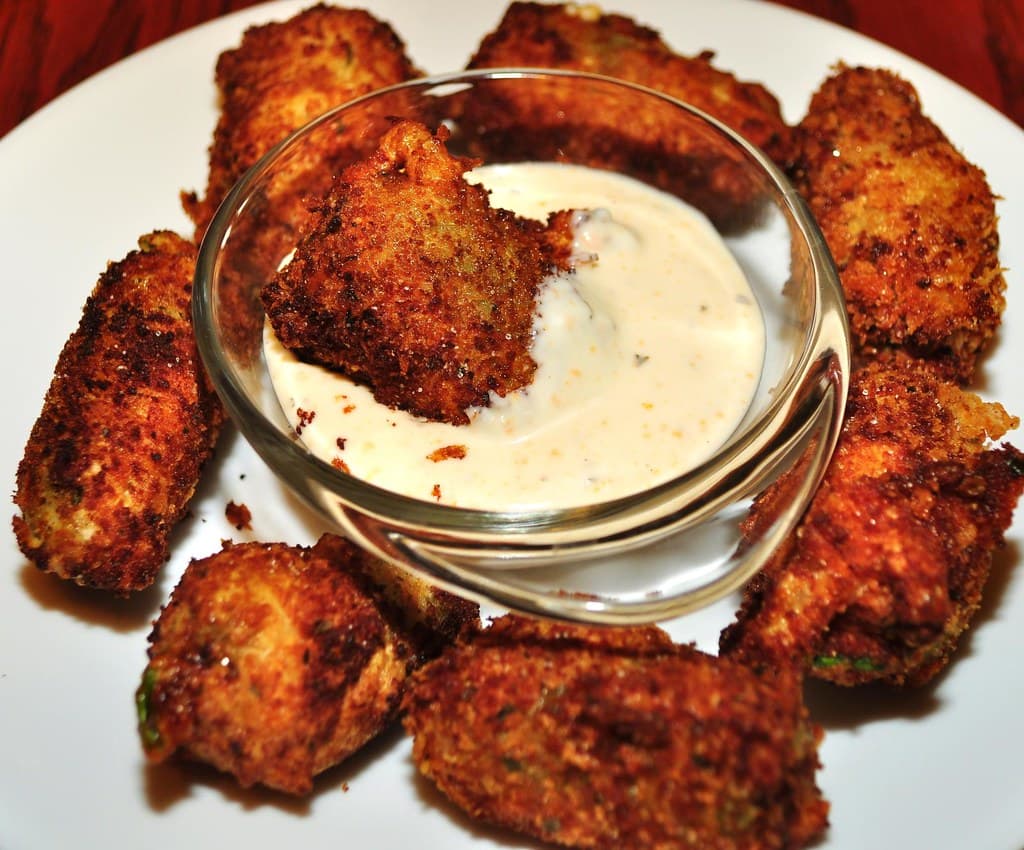
1990-2009
Jalapeno poppers are finger foods consisting of jalapeno peppers filled with creamy cheese, breaded, and fried. Popularized in American casual dining and party food culture during the 1990s and 2000s, they are a classic game-day appetizer.
America's Melting Pot
Jalapeno Ranch photo coming soon
Modern Melting Pot
Jalapeno Ranch is a dressing with real American table personality: Tex-Mex, food truck, and chain-restaurant favorite. It brings flavor from Texas and the Southwest to cookouts, counters, lunch plates, potlucks, and weeknight suppers.
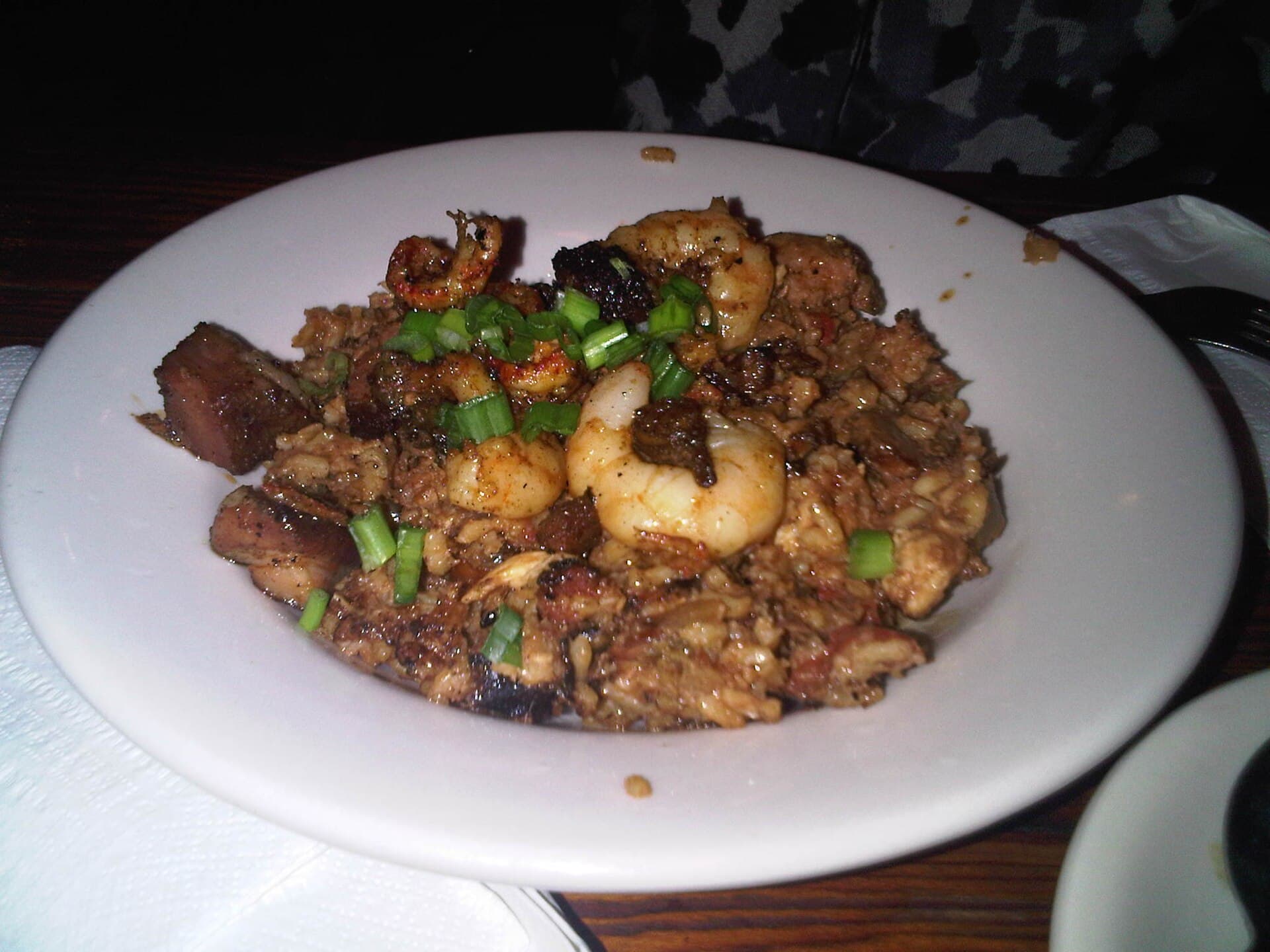
1800-1860
Jambalaya is a flavorful, hearty rice dish originating in Louisiana, blending Spanish, French, and Creole culinary influences. Traditionally made with meats such as sausage, chicken, and seafood, along with the "holy trinity" of Creole vegetables-onions, celery, and bell pepper-this dish reflects the cultural melting pot of the American South during the early 19th century.
America's Melting Pot
Java Chip Blended Coffee photo coming soon
Modern Melting Pot
Java Chip Blended Coffee blends coffeehouse America with milkshake-style fun: Dessert coffee drink.
America's Melting Pot
Jellied Cranberry Sauce photo coming soon
Founding Era
Jellied Cranberry Sauce is a preserve with real American table personality: Thanksgiving can-shaped icon. It brings flavor from New England to cookouts, counters, lunch plates, potlucks, and weeknight suppers.
America's Melting Pot
Jezebel Sauce photo coming soon
Cross-era
Jezebel Sauce is a condiment with real American table personality: Southern sweet-hot sauce, usually pineapple preserves, apple jelly, horseradish, mustard, and pepper. It brings flavor from the American South to cookouts, counters, lunch plates, potlucks, and weeknight suppers.
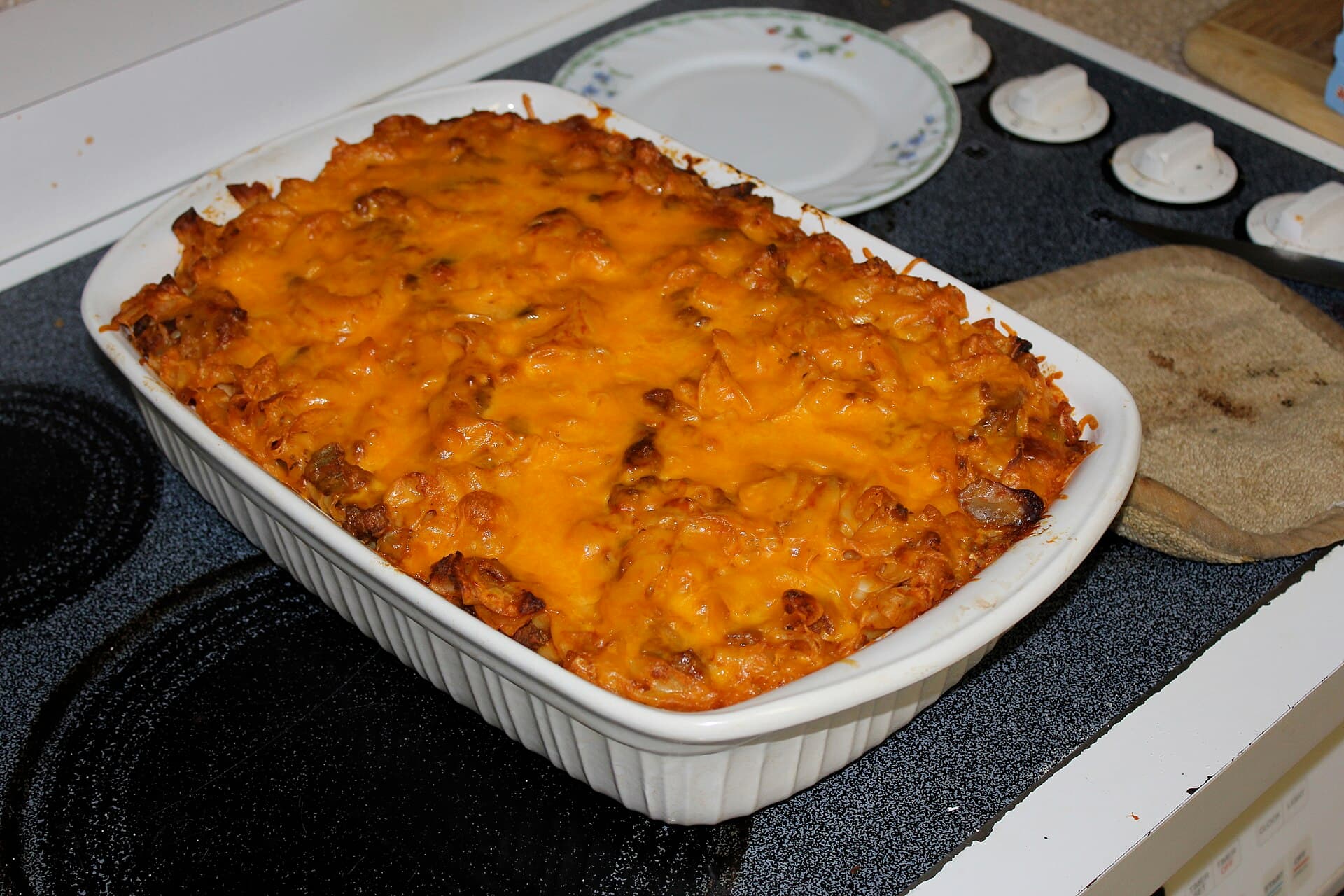
1946-1969
Johnny Marzetti is a comforting casserole originating in the Midwestern United States during the postwar era, combining pasta, ground beef, tomato sauce, and cheese. Popular in the decades following World War II, it reflects suburban family cooking focused on easy, satisfying one-dish meals that could feed a crowd.
America's Melting Pot
Johnnycakes photo coming soon
1776-1800
Johnnycakes are simple, pan-fried cornmeal flatbreads traditionally eaten for breakfast in New England during the late 18th century. Made primarily from cornmeal, water, and salt, they reflect Native American influences combined with colonial foodways, serving as an economical and filling meal for settlers and indigenous peoples alike.
America's Melting Pot
Juicy Lucy photo coming soon
1970-1989
The Juicy Lucy is a popular Midwestern variation on the hamburger, featuring cheese stuffed inside the beef patty to create a molten center. Emerging between 1970 and 1989, this indulgent fast food and tailgate favorite reflects the regional pride and innovation in American sandwich making.
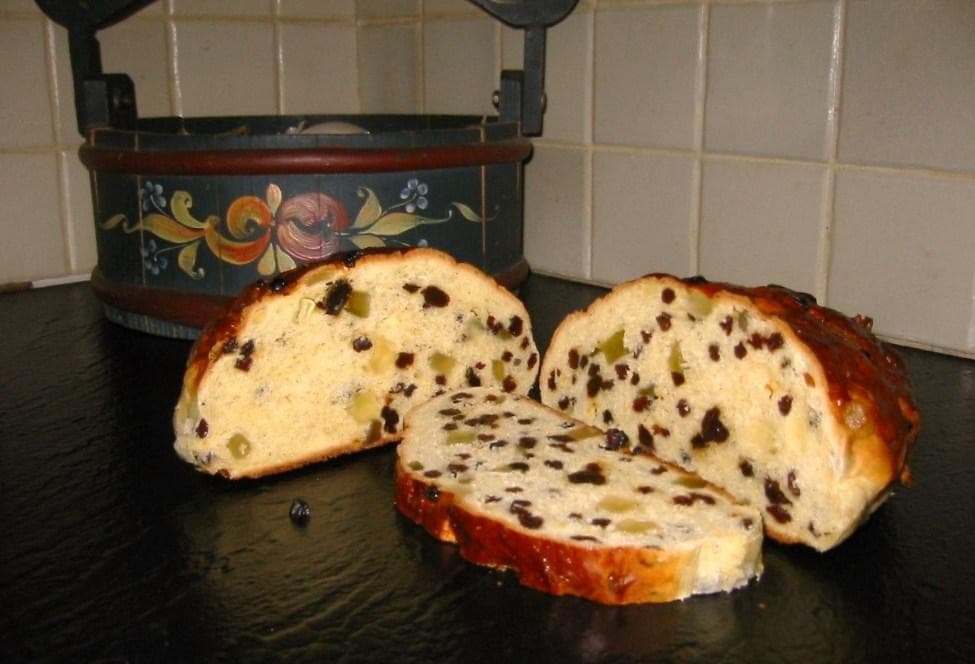
1861-1900
Julekake is a traditional Norwegian Christmas bread flavored with cardamom, studded with raisins, candied citrus peel, and sometimes almonds. Brought to the American Midwest by Scandinavian immigrants between 1861 and 1900, it remains a festive bread symbolizing heritage and holiday celebration.
America's Melting Pot
Kale Pineapple Smoothie photo coming soon
Modern Melting Pot
Kale Pineapple Smoothie brings juice-bar color and American smoothie-counter energy to the glass: 2010s health-food flavor.
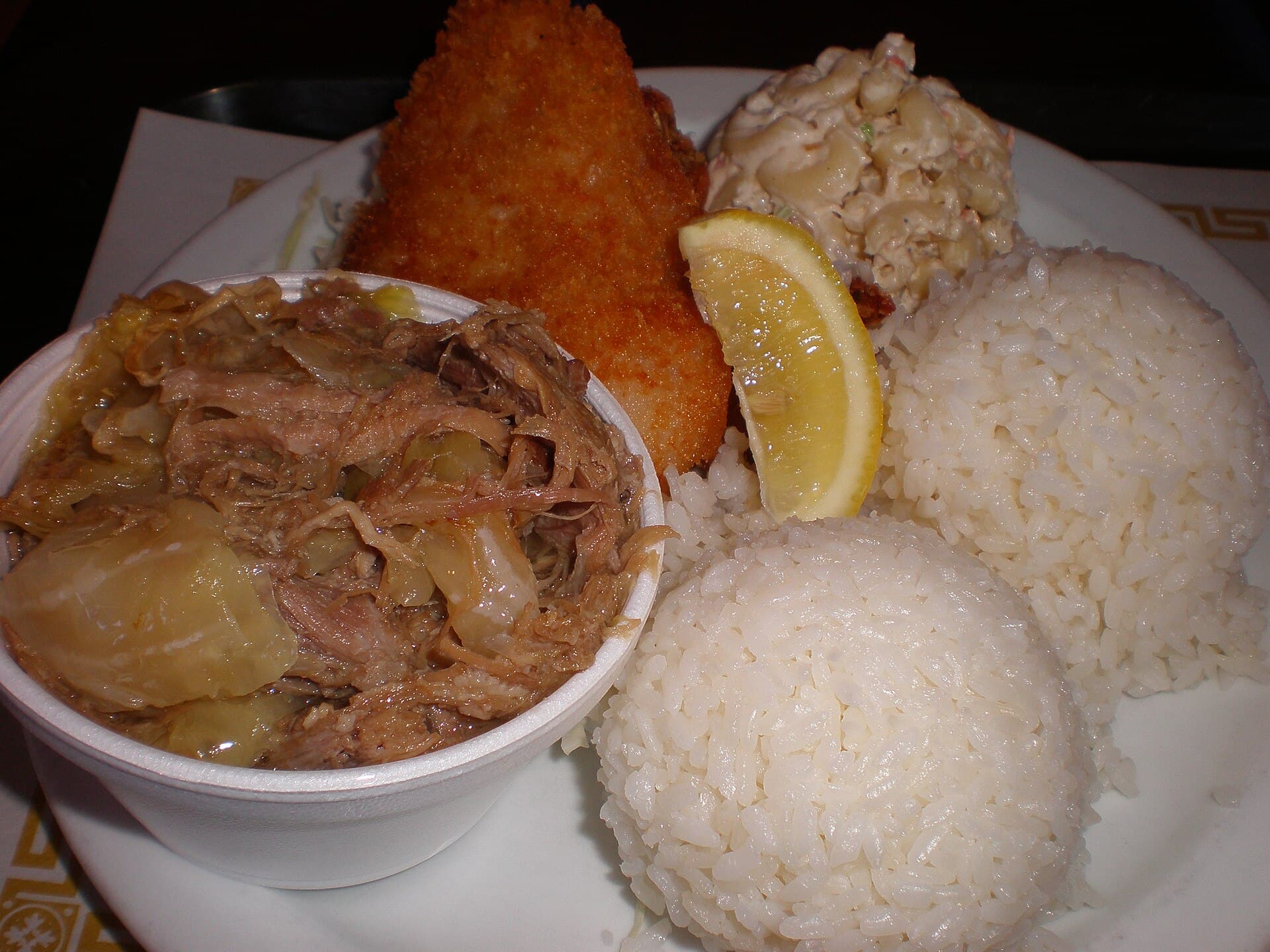
Native Foodways and Continuity
Kalua pork is a Hawaiian dish featuring whole pork shoulder or butt slow-cooked with liquid smoke or in an imu (underground oven) until tender and smoky. It blends indigenous Hawaiian cooking methods with influences from Asian and Portuguese immigrants, becoming a centerpiece of Hawaiian luaus and celebrations.
America's Melting Pot
Kansas City Burnt Ends photo coming soon
1900-1929
Kansas City burnt ends are specially cooked, caramelized, and smoky cubes of beef brisket point, a barbecue delicacy known for its flavorful crust and tender interior. This barbecue tradition, spanning multiple eras, showcases the regional mastery of smoking meats and represents Kansas City's identity in American barbecue.
America's Melting Pot
Kansas City Ribs photo coming soon
1900-1929
Kansas City ribs are pork ribs slow-smoked and coated with a sweet, tangy dry rub and barbecue sauce, epitomizing the regional barbecue style. These ribs, cherished across many decades, highlight the balance of smoky flavor and sugary glaze characteristic of Kansas City barbecue traditions.
America's Melting Pot
Kentucky Black Barbecue Sauce photo coming soon
Cross-era
Kentucky Black Barbecue Sauce is a barbecue sauce with real American table personality: Worcestershire-heavy sauce for mutton, especially Owensboro-style barbecue. It brings flavor from Appalachia and Pennsylvania Dutch country to cookouts, counters, lunch plates, potlucks, and weeknight suppers.
America's Melting Pot
Kentucky Mutton photo coming soon
1800-1860
Kentucky mutton barbecue involves slow-smoked mutton or sheep meat, often served with vinegar-based sauces. This tradition, maintained across generations, highlights regional barbecue practices distinct from more common pork or beef varieties and reflects Kentucky's unique culinary heritage.
America's Melting Pot
Key Lime Pie Shake photo coming soon
Postwar & Diner Age
Key Lime Pie Shake brings drive-in, carhop, and fast-food dessert-counter energy to the table: Florida dessert influence.
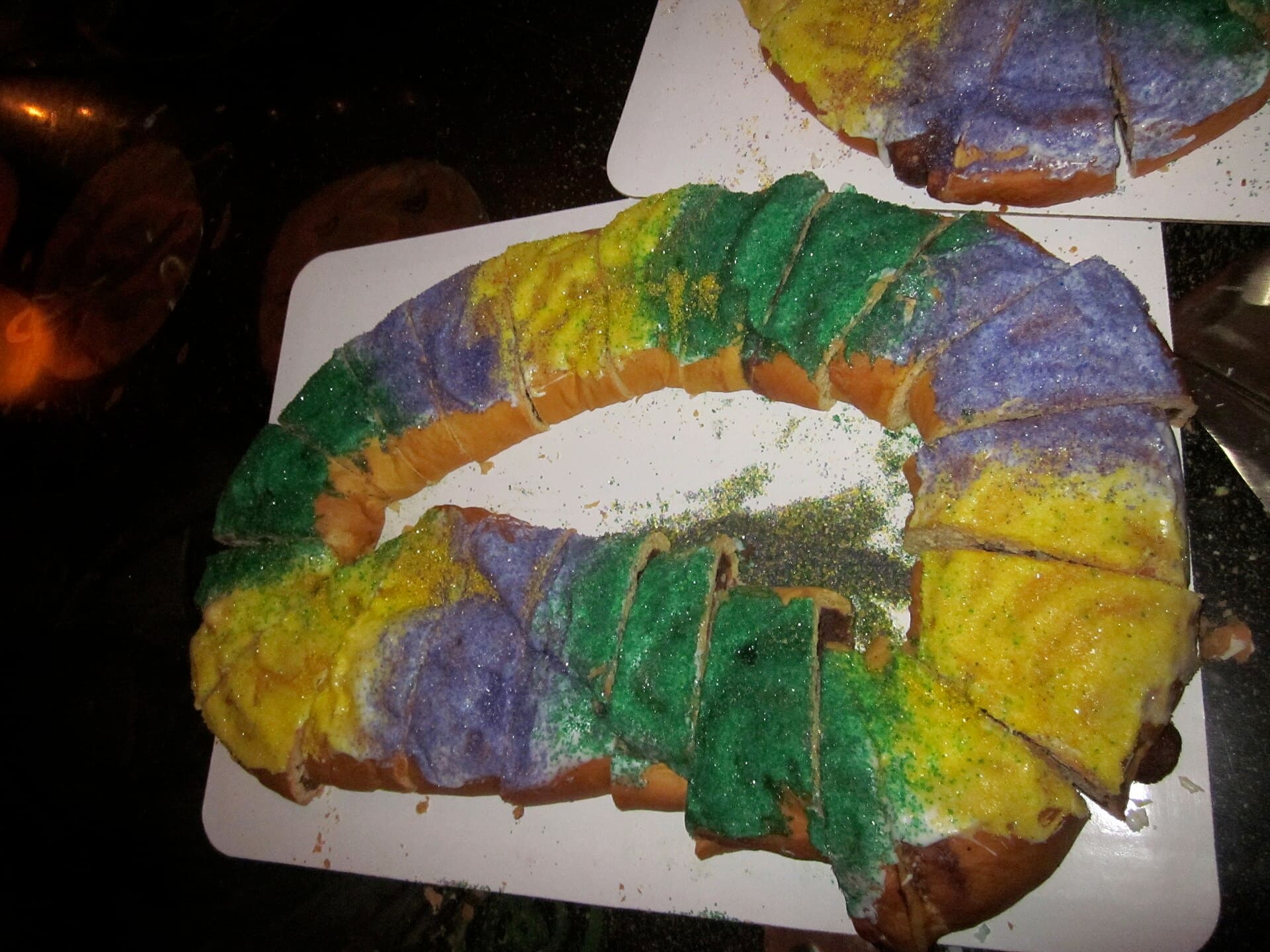
1861-1900
King cake is a sweet, ring-shaped cake traditionally decorated in purple, green, and gold sugars, associated with Mardi Gras and New Year's celebrations. Originating from European Epiphany customs, the king cake became an emblem of holiday festivity in the southern United States, especially New Orleans, blending cultural symbolism with regional baking.
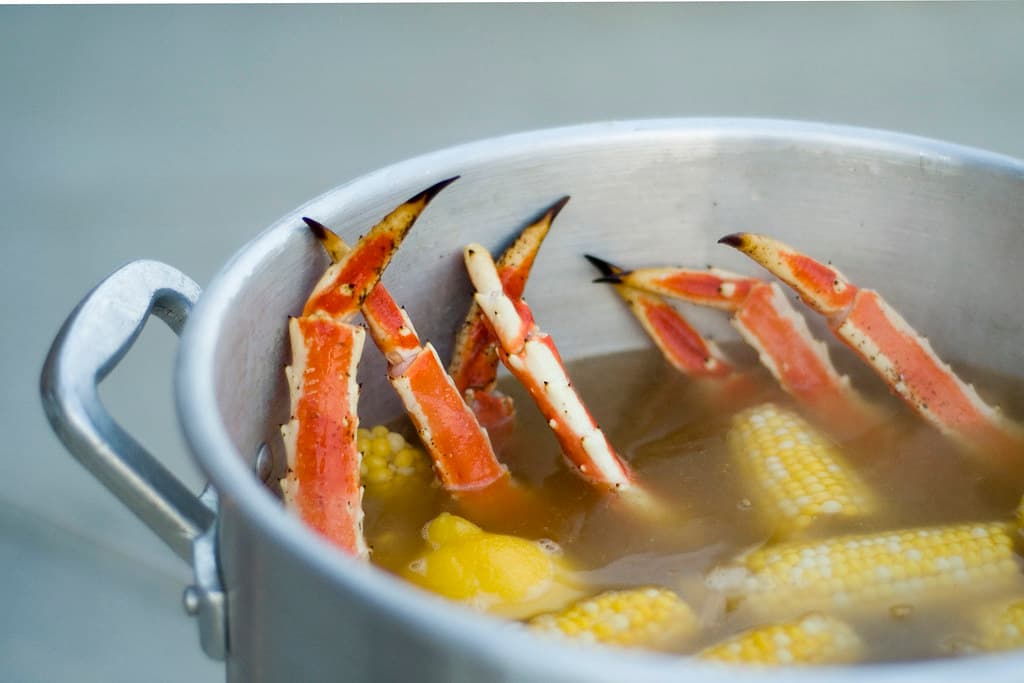
1945-2000
King crab boil is a communal seafood feast popular in Alaska, featuring Alaskan king crab legs cooked in seasoned boiling water with spices, potatoes, corn, and other accompaniments. This method emphasizes the freshness of regional shellfish and is integral to Alaskan coastal celebrations.
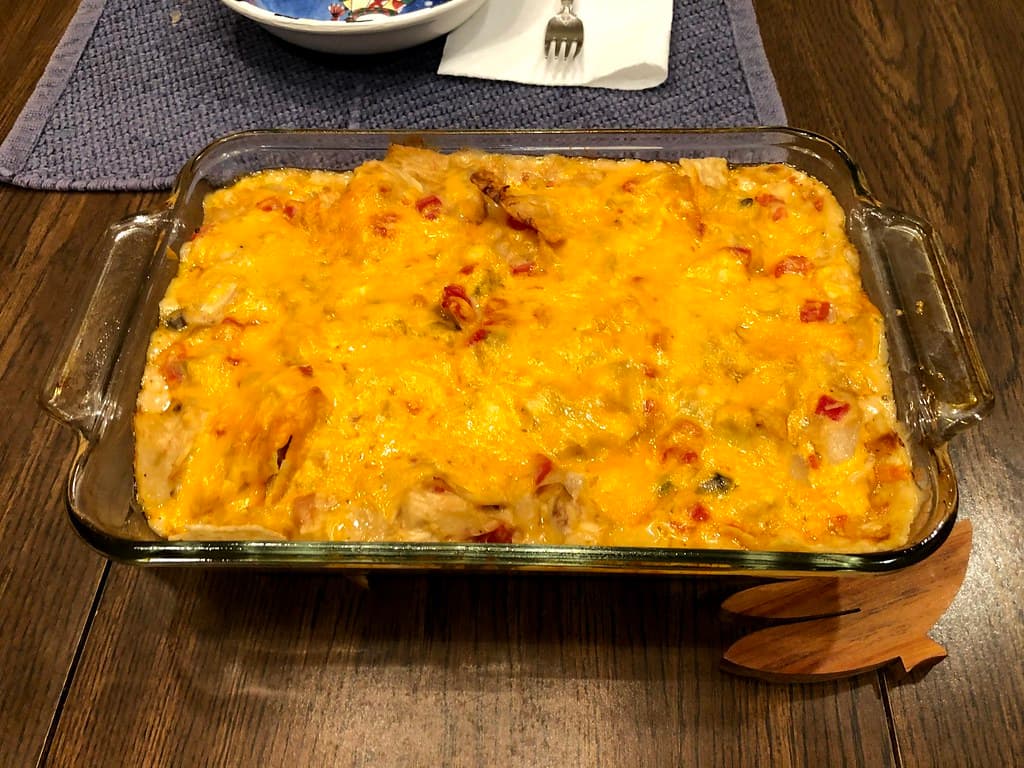
1946-1969
King Ranch chicken is a layered casserole from the American Southwest combining cooked chicken, tortillas, cheese, and a creamy tomato-chile sauce. This dish gained popularity during the postwar suburban era, symbolizing convenient comfort food blending Mexican and Anglo-American culinary influences.
America's Melting Pot
Knoephla Soup photo coming soon
1970-1989
Knoephla soup is a hearty, creamy potato and dumpling soup originating with German-Russian immigrants in the Upper Midwest and Great Plains during the late 20th century. This comforting stew features small flour-based dumplings simmered with potatoes and chicken in a creamy broth, celebrated as a regional favorite at family tables and tailgate gatherings.
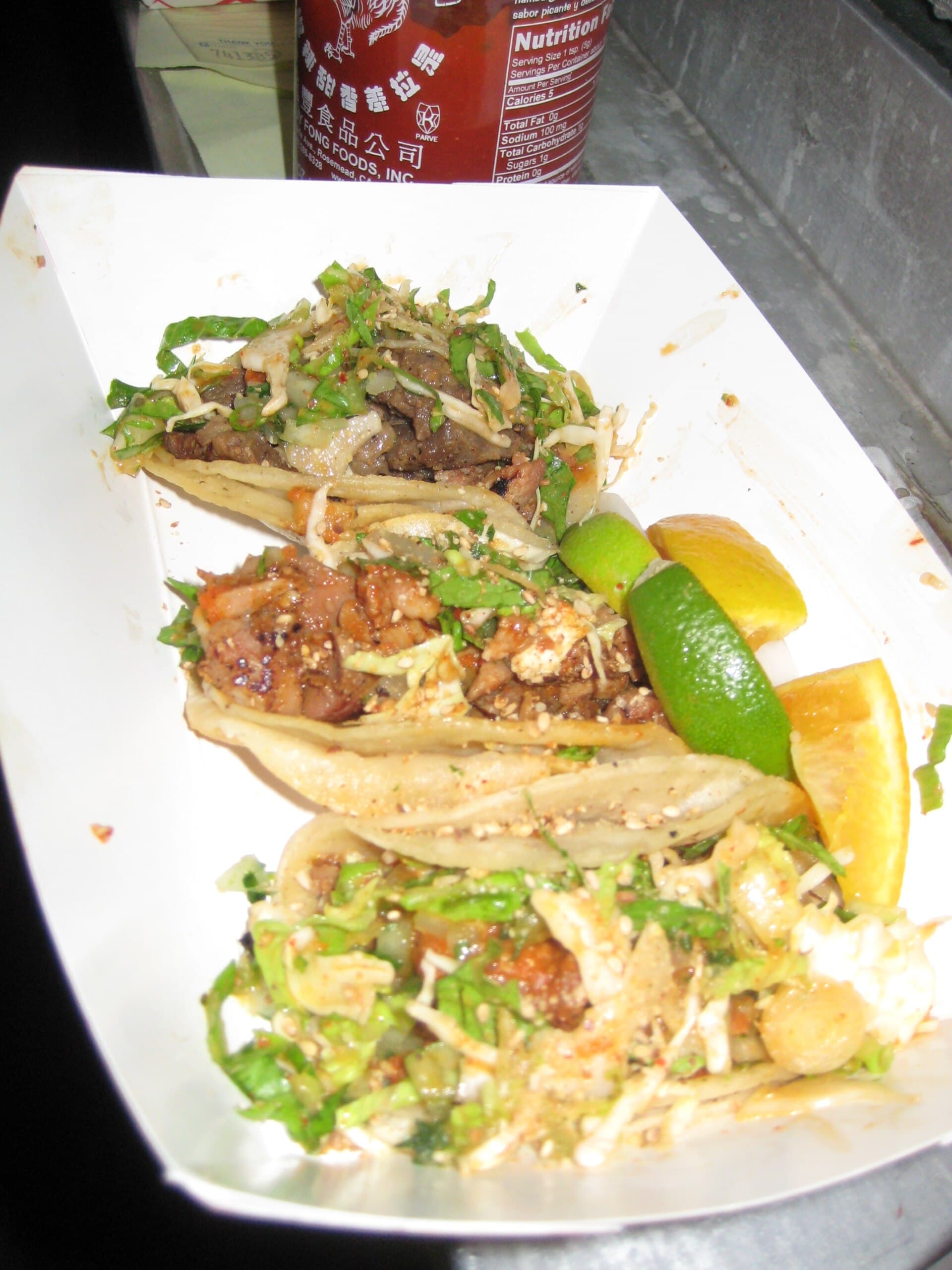
2010-2026
Korean BBQ tacos originated as a culinary fusion in the 2010s blending Korean marinated meats with traditional Mexican taco elements. Popularized in food trucks and markets, these tacos feature grilled Korean-style beef or pork topped with fresh slaw, kimchi, and spicy sauces, reflecting dynamic cultural intersections in American street food.
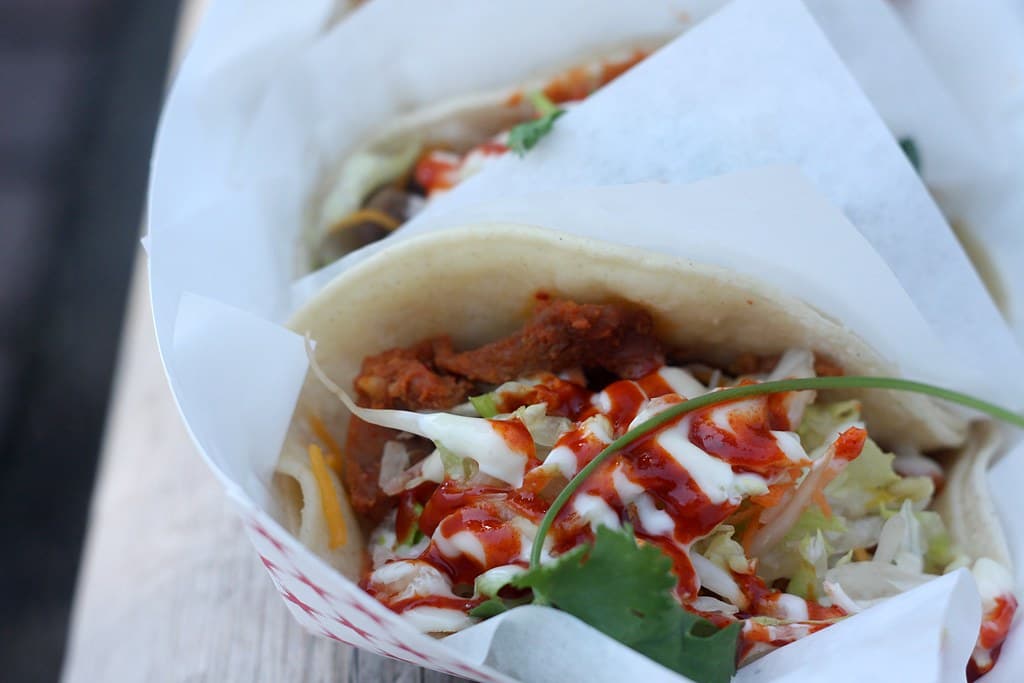
2000-beyond
Korean tacos blend traditional Mexican taco basics with Korean flavors and ingredients, reflecting fusion trends on the U.S. West Coast. Using marinated meats, pickled vegetables, and spicy sauces, this dish showcases regional adaptation and cultural exchange in American food history.
America's Melting Pot
Kringla photo coming soon
1861-1900
Kringla is a lightly sweet, buttery Scandinavian cookie shaped like a pretzel, traditionally associated with church and holiday celebrations in the Midwest. Norwegian immigrants brought this recipe during the 19th century, where it became part of Christmas and Easter gatherings, symbolizing cultural continuity in immigrant farming communities.
Community recipe submission
Log in to submit a recipe, format it with the cooking companion, and send it for review.
Log in to Submit