
Loading
Setting the table...
Fetching the latest recipes from the archive.
Loading
Fetching the latest recipes from the archive.
Recipe archive
Recipe archive
Search the archive by title, region, ingredient, tag, or era, then sort the table by the view that fits your kitchen.
This archive is growing through recipes, photos, family recipes, and historical context shared by the community.
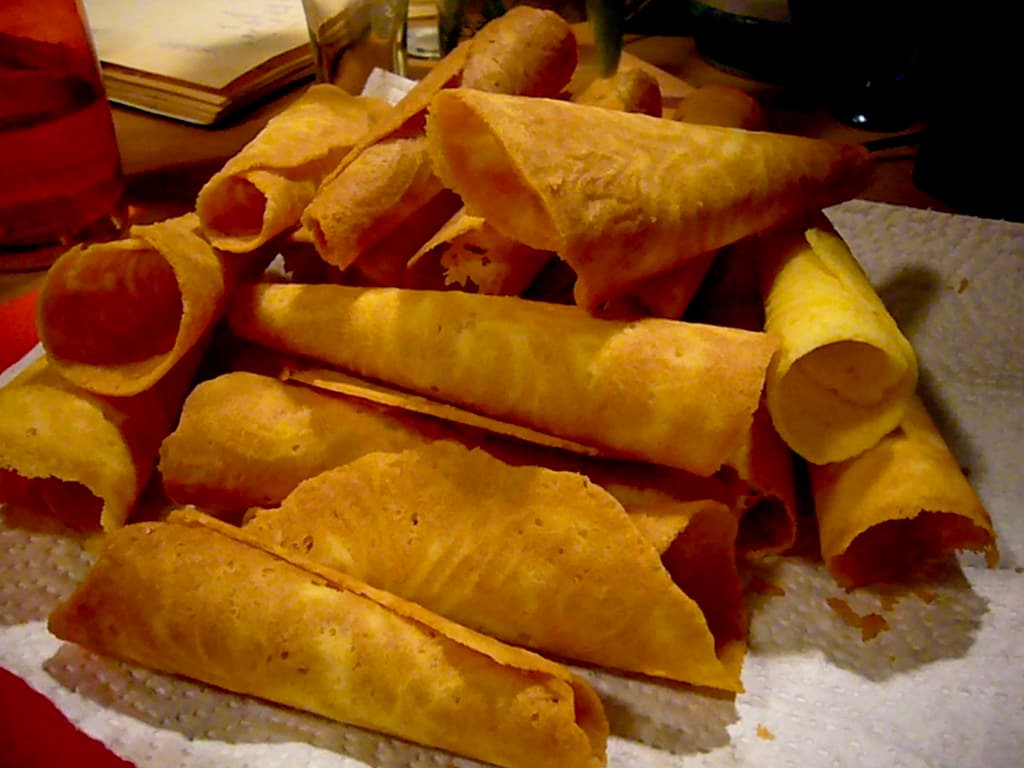
1861-1900
Krumkake are thin, crisp Norwegian waffle cookies rolled into cones, often filled with whipped cream or preserved fruit. Introduced by Scandinavian settlers to the Midwest in the late 19th century, krumkake became holiday staples for Christmas and family celebrations, highlighting continuity of heritage and festive customs.
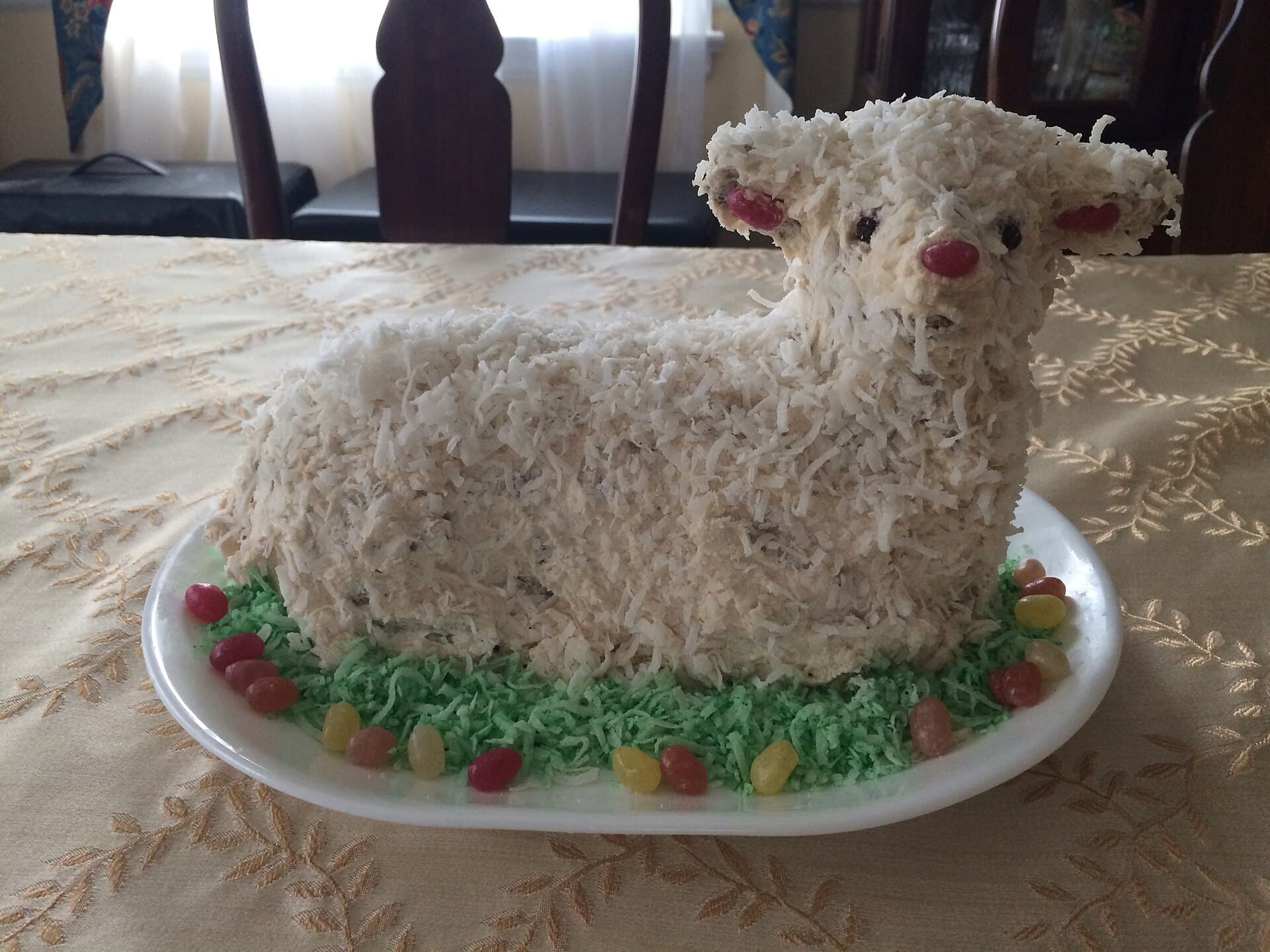
1900-1929
Lamb cake is a dessert shaped into a lamb, traditionally served at Easter celebrations in various American communities. The cake symbolizes purity and resurrection, often made using a molded pan and decorated with frosting to resemble wool. Its cross-era presence illustrates the blending of European Easter customs with American holiday traditions.
America's Melting Pot
Leather Britches Beans photo coming soon
1800-1860
Leather Britches Beans are dried beans soaked and slow-cooked until tender, a staple in Appalachian and frontier American diets. Dating from the early 19th century, this simple yet hearty side dish reflects the resourcefulness of settlers and mountain communities using preserved legumes and basic seasonings.
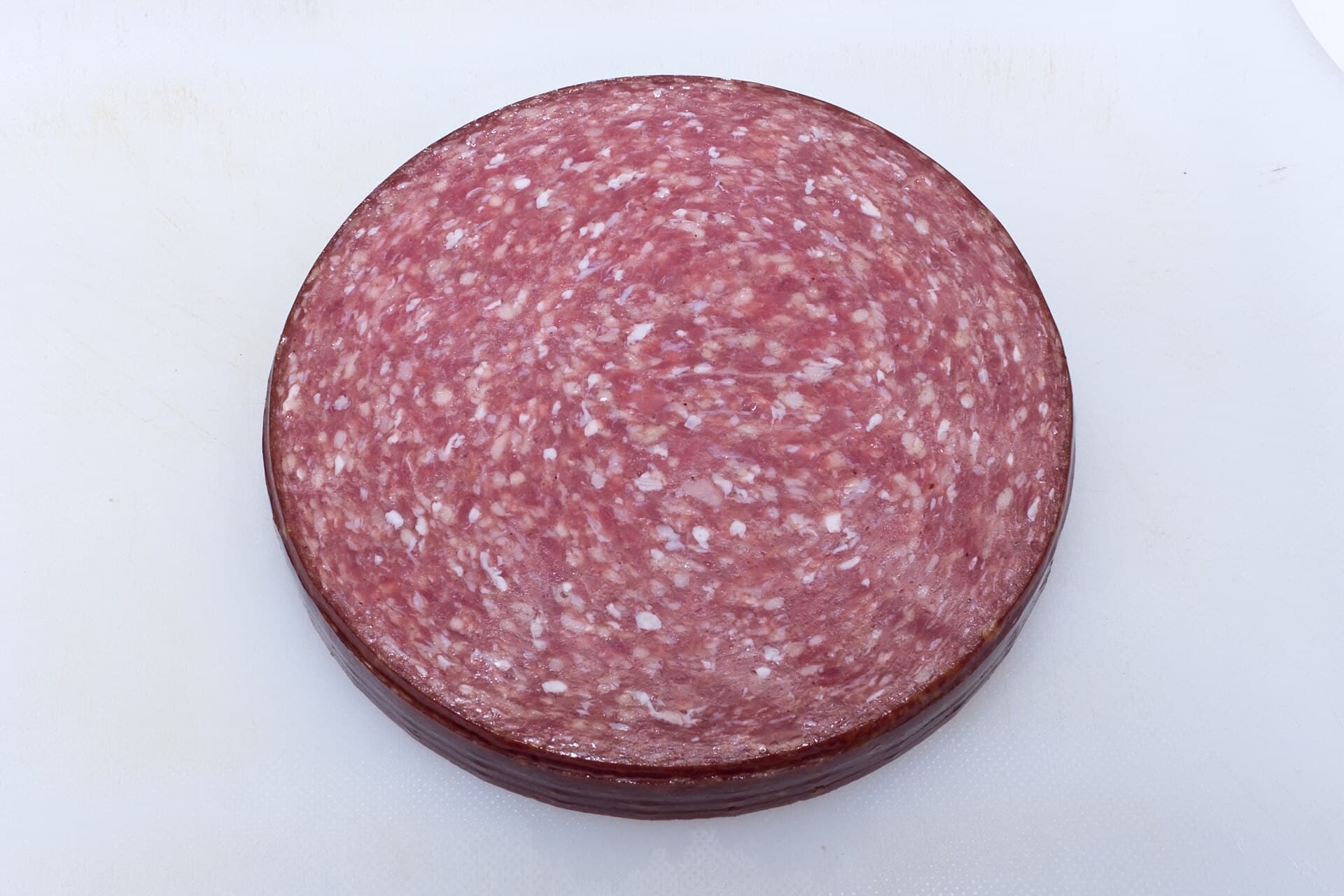
1800-1860
Lebanon Bologna is a smoked, cured sausage traditionally produced by German-American communities, particularly in Pennsylvania, since the 19th century. Known for its spiced flavor and fine texture, it is typically sliced and served cold or fried, representing German sausage-making techniques adapted in America.
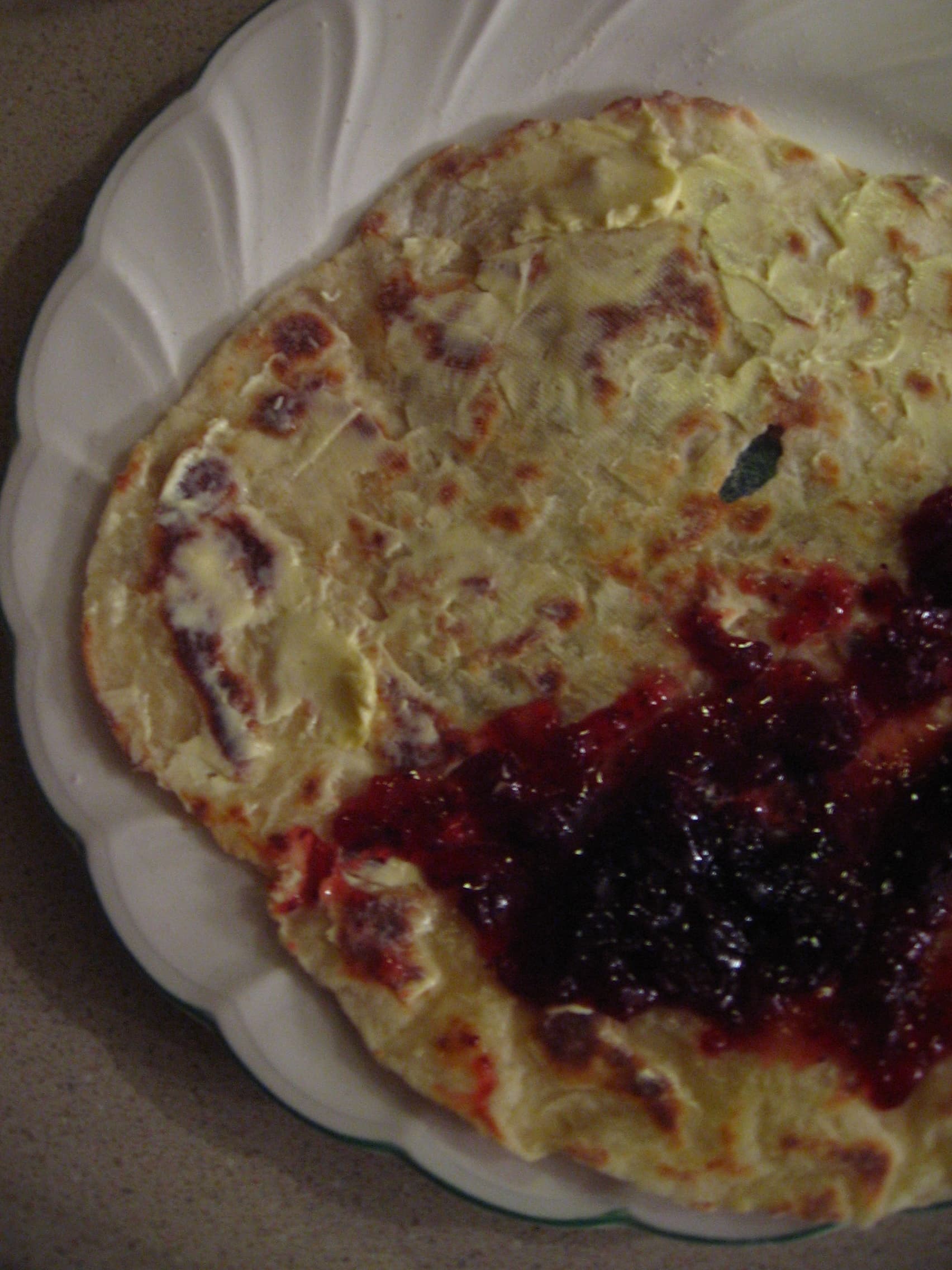
1861-1900
Lefse is a soft, thin flatbread made from potatoes, flour, and cream, traditionally cooked on a griddle. Norwegian immigrants brought lefse to the American Midwest in the late 19th century, where it became a festive and everyday staple enjoyed with butter, sugar, or savory fillings during holiday and church celebrations.
America's Melting Pot
Lefse with Butter and Sugar photo coming soon
1970-1989
Lefse with butter and sugar is a simple preparation of traditional Norwegian flatbread spread with butter and sprinkled with sugar, rolled and sliced. Popular in Midwestern tailgate and fast food culture from the 1970s-1980s, it offers a quick, sweet snack reflecting immigrant roots adapted to convenience foods and regional pride.
America's Melting Pot
Lemon Coke photo coming soon
Gilded Age & Progressive Era
Lemon Coke is fizzy Americana from the soda-fountain counter: Diner counter variation.
America's Melting Pot
Lemon Freeze photo coming soon
Postwar & Diner Age
Lemon Freeze carries the bright, frothy spirit of American mall counters: Frozen lemonade plus ice cream/sherbet.
America's Melting Pot
Lemon Phosphate photo coming soon
Gilded Age & Progressive Era
Lemon Phosphate is fizzy Americana from the soda-fountain counter: Soda fountain refresher.
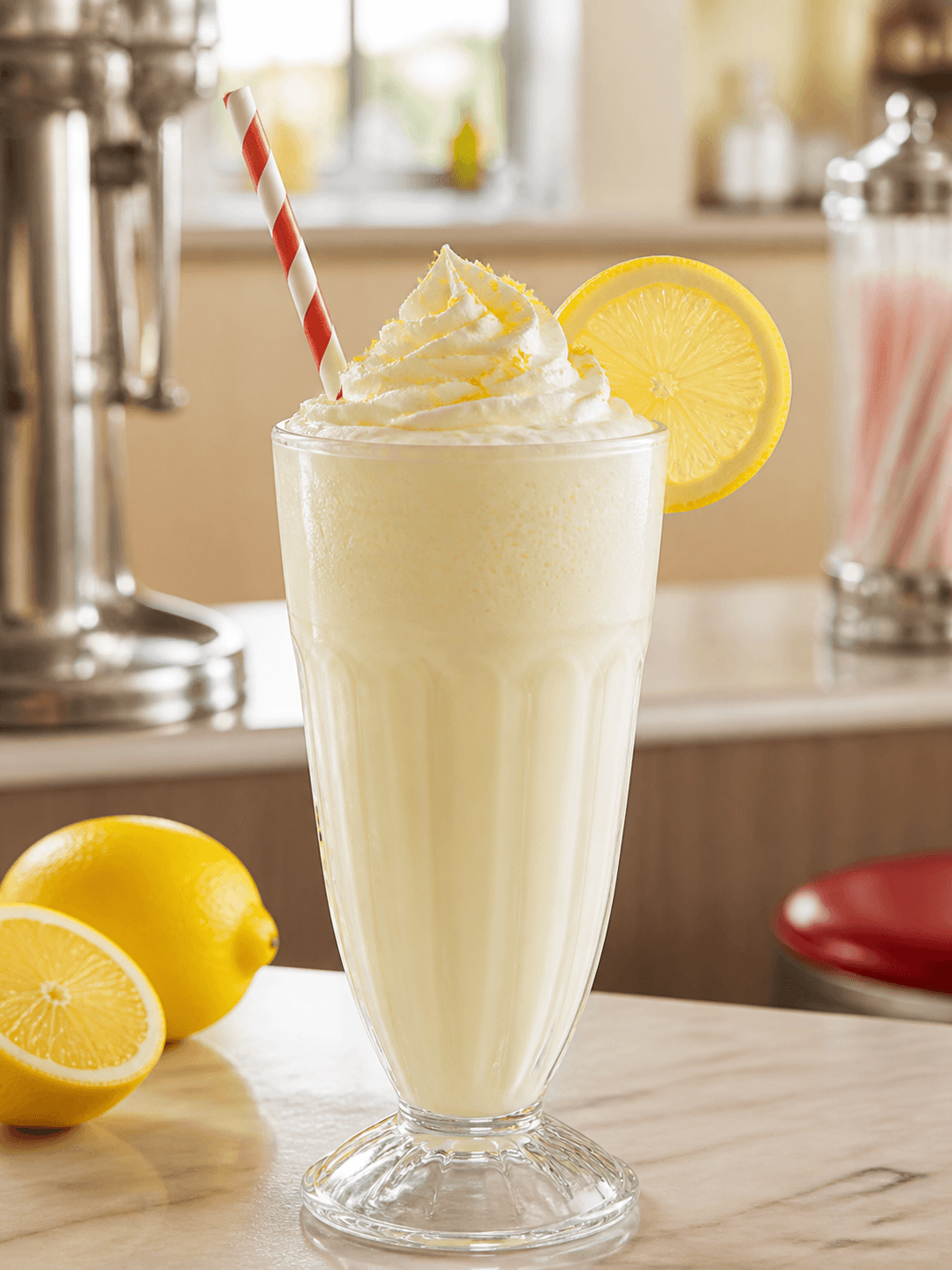
1900-1929
Lemon Shake pours old-school malt-shop cheer into a cold glass: Tart summer ice cream stand drink.
America's Melting Pot
Lemon Shake-Up photo coming soon
1900-1929
Lemon Shake-Up brings juice-bar color and American smoothie-counter energy to the glass: State fair and county fair staple.
America's Melting Pot
Lemon Shake-Ups photo coming soon
1900-1929
Lemon Shake-Ups are a refreshing, roadside fair drink made by shaking fresh lemon slices, sugar, and ice together to create an icy, tart beverage popular at early 20th century American state fairs and carnivals.
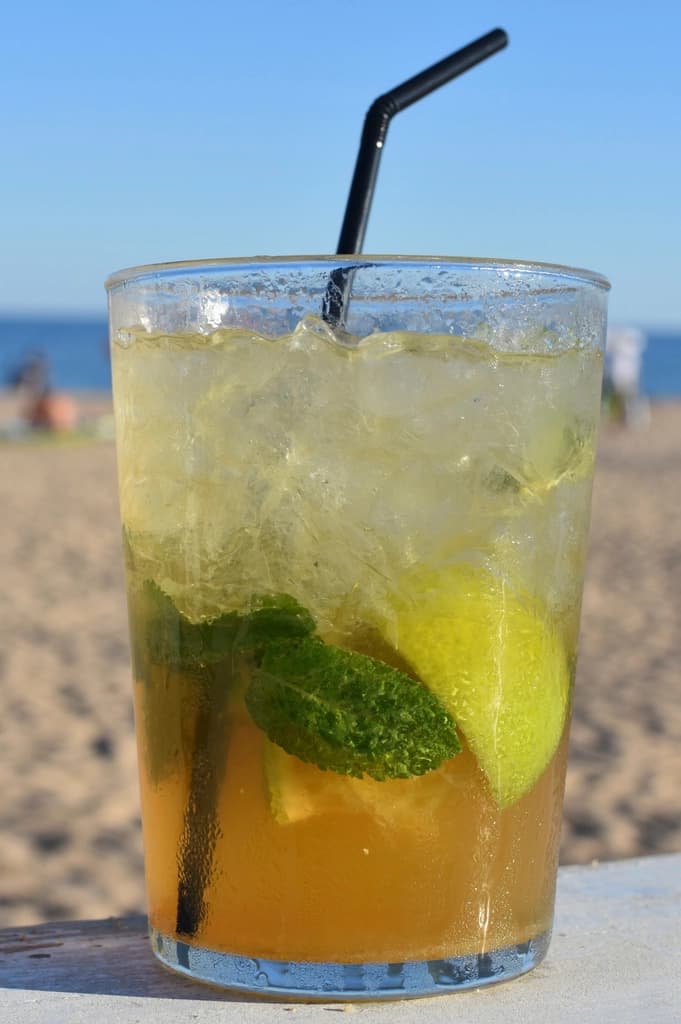
1776-1800
Lemonade is a simple, refreshing drink made from lemon juice, water, and sugar, popularized in American suburbs during the postwar boom. Served at backyard barbecues and holiday gatherings, especially on the Fourth of July, it embodies summer refreshment and casual entertaining.
America's Melting Pot
Lexington-Style Pork Shoulder photo coming soon
1900-1929
Lexington-Style Pork Shoulder is a North Carolina barbecue dish featuring slow-cooked pork shoulder served with a tangy vinegar and tomato-based sauce. This distinct style is a regional barbecue tradition, emphasizing sharp, bright, and spicy flavors.
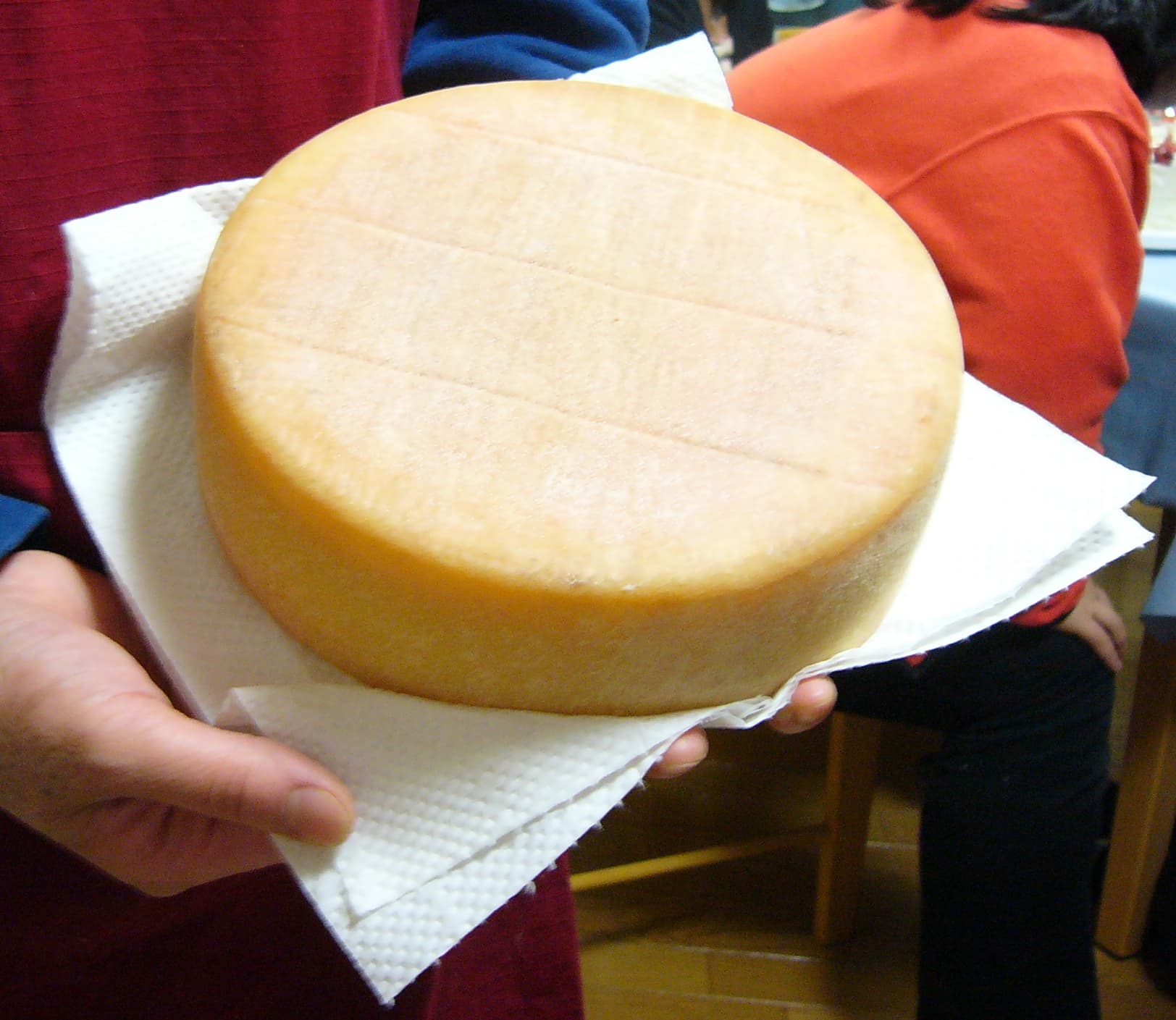
American Dairy Age
Liederkranz-style American Washed-Rind Cheese is a washed-rind American cheese with measured starter, careful draining, brining, regular rind washing, and controlled humid aging.
America's Melting Pot
Lime Coke photo coming soon
Gilded Age & Progressive Era
Lime Coke is fizzy Americana from the soda-fountain counter: Drive-in variation.
America's Melting Pot
Lime Freeze photo coming soon
Postwar & Diner Age
Lime Freeze carries the bright, frothy spirit of American mall counters: Lime sherbet/ice cream soda fountain drink.
America's Melting Pot
Lime Rickey photo coming soon
Gilded Age & Progressive Era
Lime Rickey is fizzy Americana from the soda-fountain counter: Lime, soda water, and syrup; nonalcoholic soda fountain version.
America's Melting Pot
Lime Shake photo coming soon
1900-1929
Lime Shake pours old-school malt-shop cheer into a cold glass: Often tied to old soda fountain lime flavors.
America's Melting Pot
Limeade Slush photo coming soon
Modern Melting Pot
Limeade Slush brings juice-bar color and American smoothie-counter energy to the glass: Drive-in and fair drink.
1861-1900
Lingonberry sauce is a bright, slightly tart condiment made from lingonberries, sugar, and water. It is a staple in Scandinavian-American cuisine and gained popularity in the American Midwest during the late 19th century, often served with meats and holiday dinners.
America's Melting Pot
Loaded Freakshake photo coming soon
2010-2026
Loaded Freakshake brings drive-in, carhop, and fast-food dessert-counter energy to the table: Over-the-top shake with whipped cream, cake, candy, cookies, syrup.
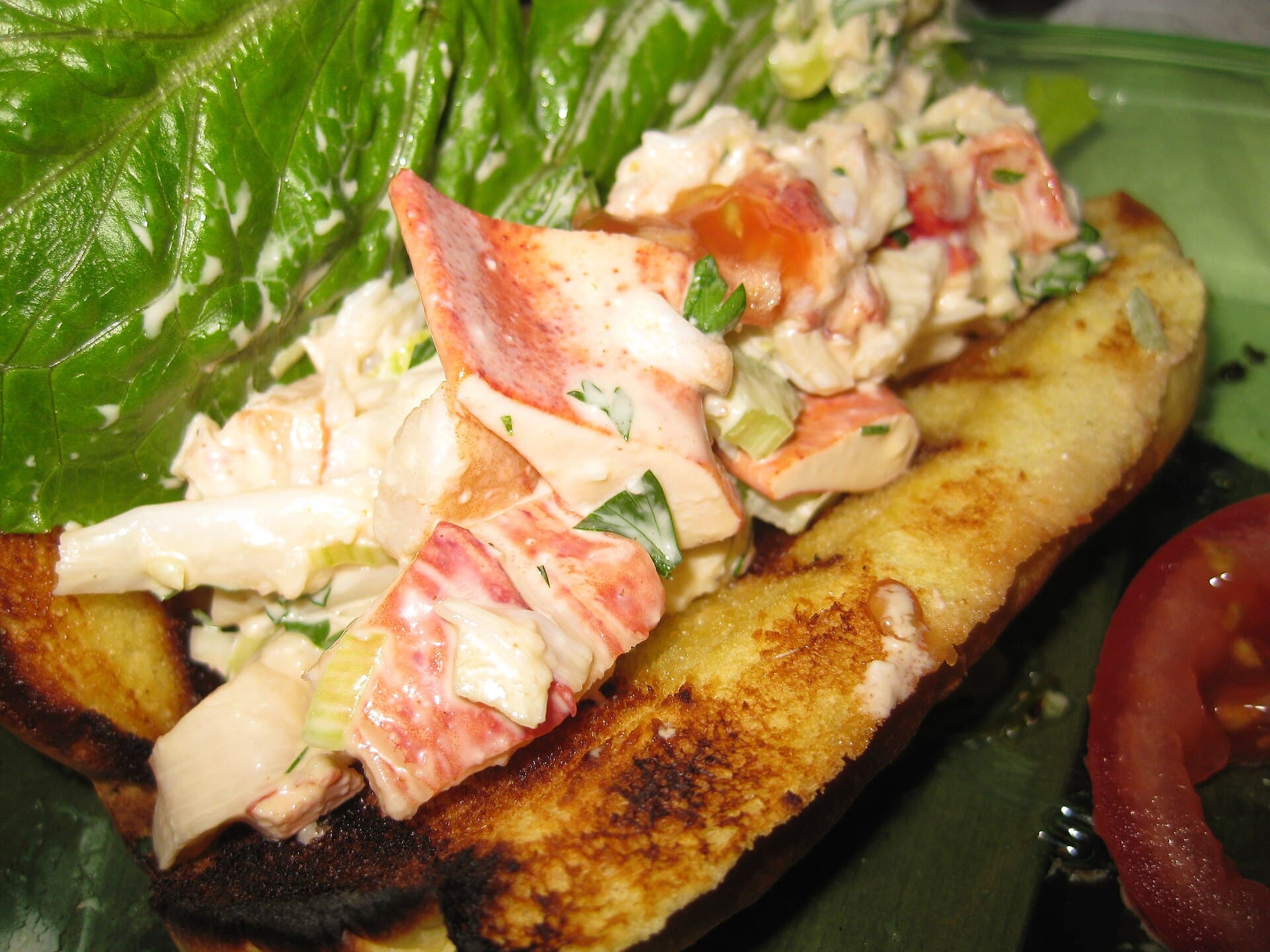
2010-2026
The lobster roll is a sandwich featuring tender lobster meat tossed in mayonnaise or drawn butter and served in a toasted bun. It is a hallmark of New England seafood cuisine and has gained visibility through food trucks and farmers markets in recent decades.
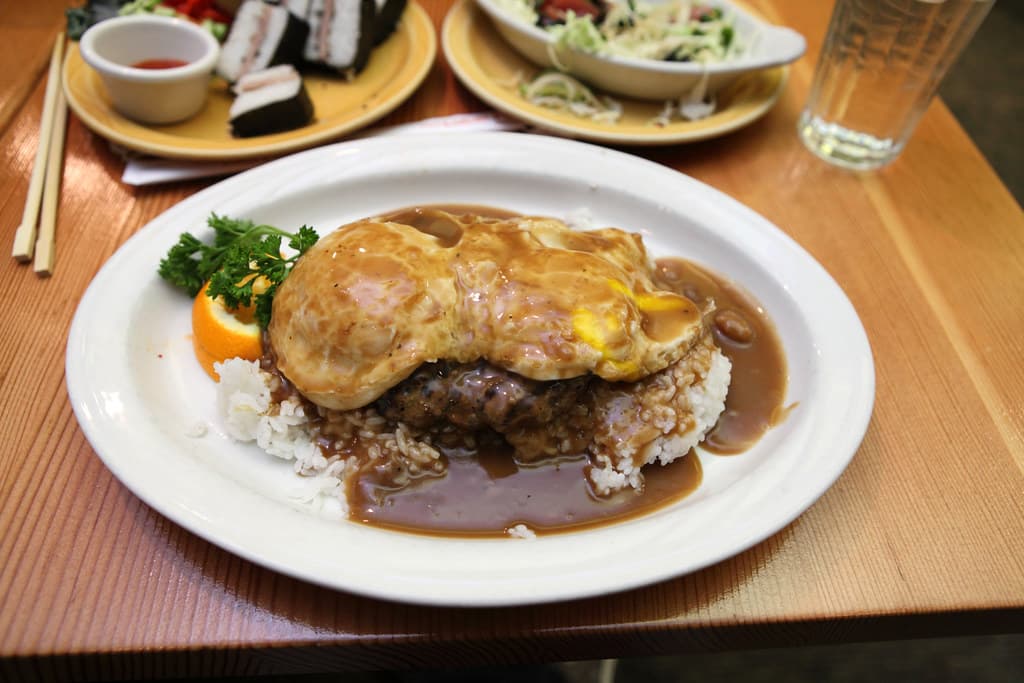
1946-1969
Loco Moco is a Hawaiian dish consisting of white rice topped with a hamburger patty, fried egg, and brown gravy. It reflects a fusion of Hawaiian, Asian-Pacific American, and Portuguese-American culinary influences and became popular in Hawaii post World War II.
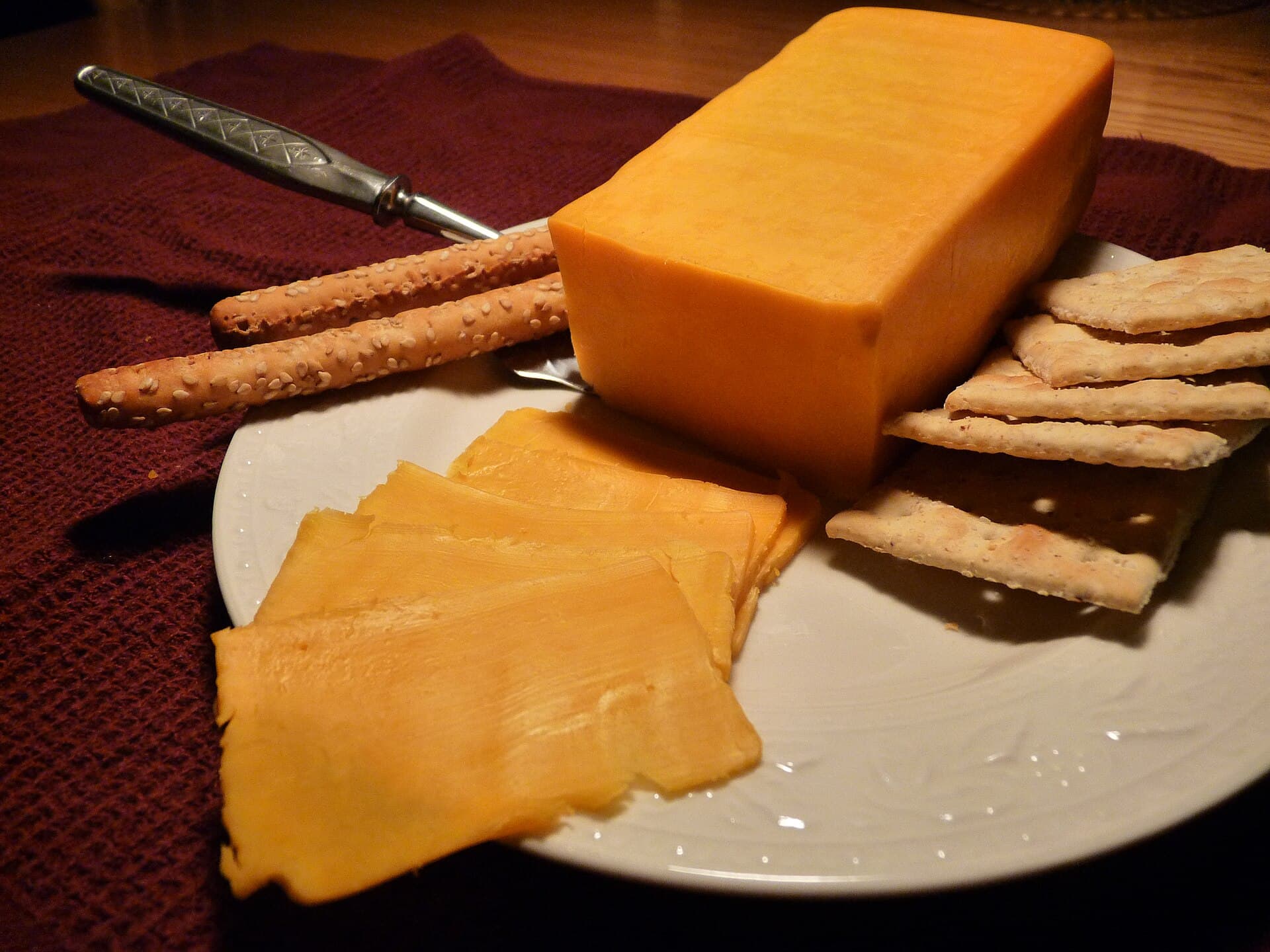
American Dairy Age
Longhorn Colby is a washed-curd American cheese with gentle cooking, curd washing, salting, pressing, and a short controlled aging period.
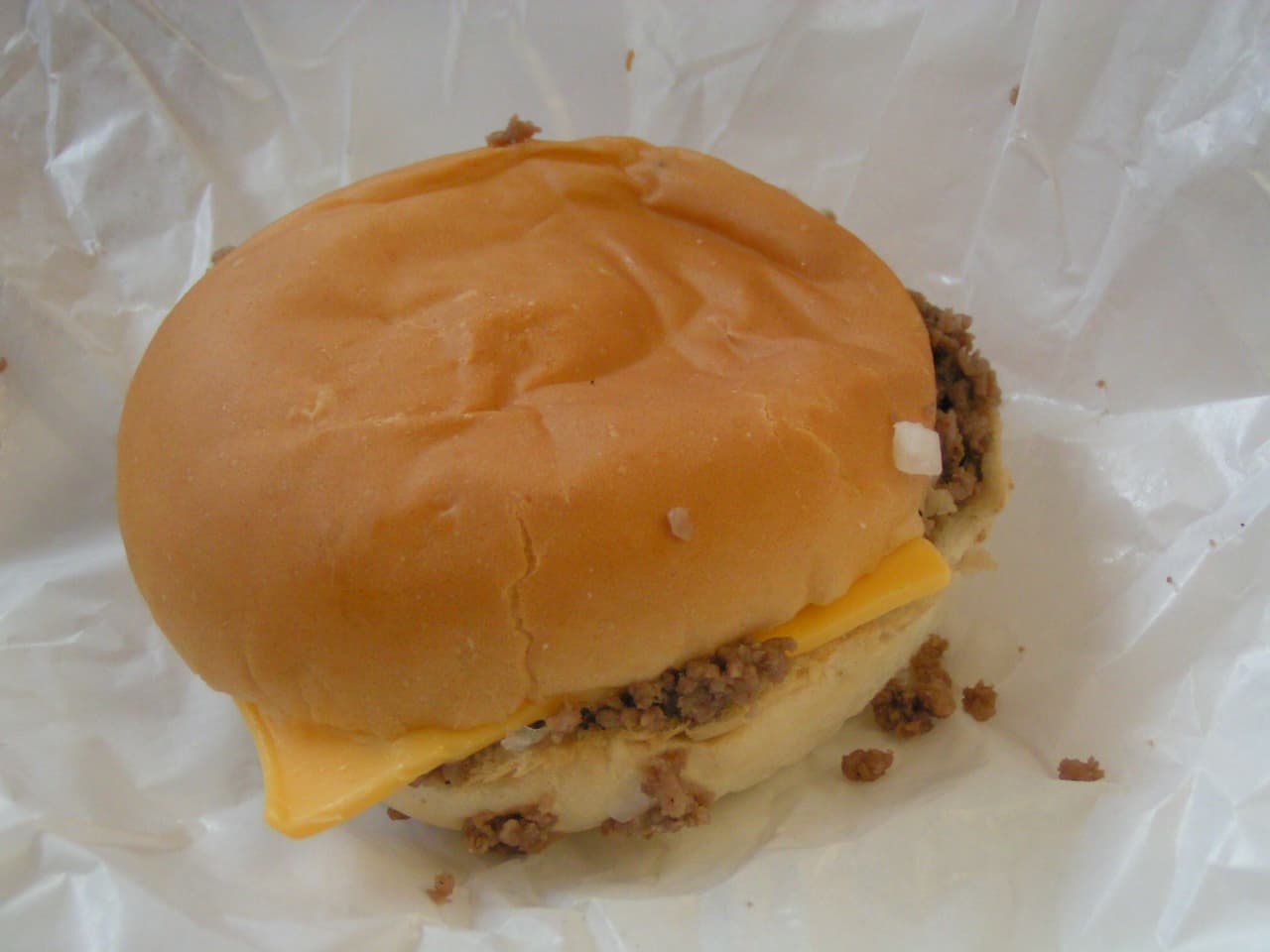
1900-1929
The loose meat sandwich features ground beef cooked with onions and seasonings served loose on a sandwich bun without forming a patty. Originating in the American Midwest, it is a precursor to the sloppy joe and enjoys popularity as a casual sandwich.
America's Melting Pot
Loose Meat Sandwich Seasoning/Sauce photo coming soon
Cross-era
Loose Meat Sandwich Seasoning/Sauce is a sandwich sauce with real American table personality: Iowa and Midwest diner tradition. It brings flavor from the Midwest and Great Lakes to cookouts, counters, lunch plates, potlucks, and weeknight suppers.
America's Melting Pot
Louisiana-Style Hot Sauce photo coming soon
Cross-era
Louisiana-Style Hot Sauce is a condiment with real American table personality: Vinegar-aged cayenne hot sauce culture: Tabasco, Crystal, Louisiana Hot Sauce, and many more. It brings flavor from the American South to cookouts, counters, lunch plates, potlucks, and weeknight suppers.
1970-1989
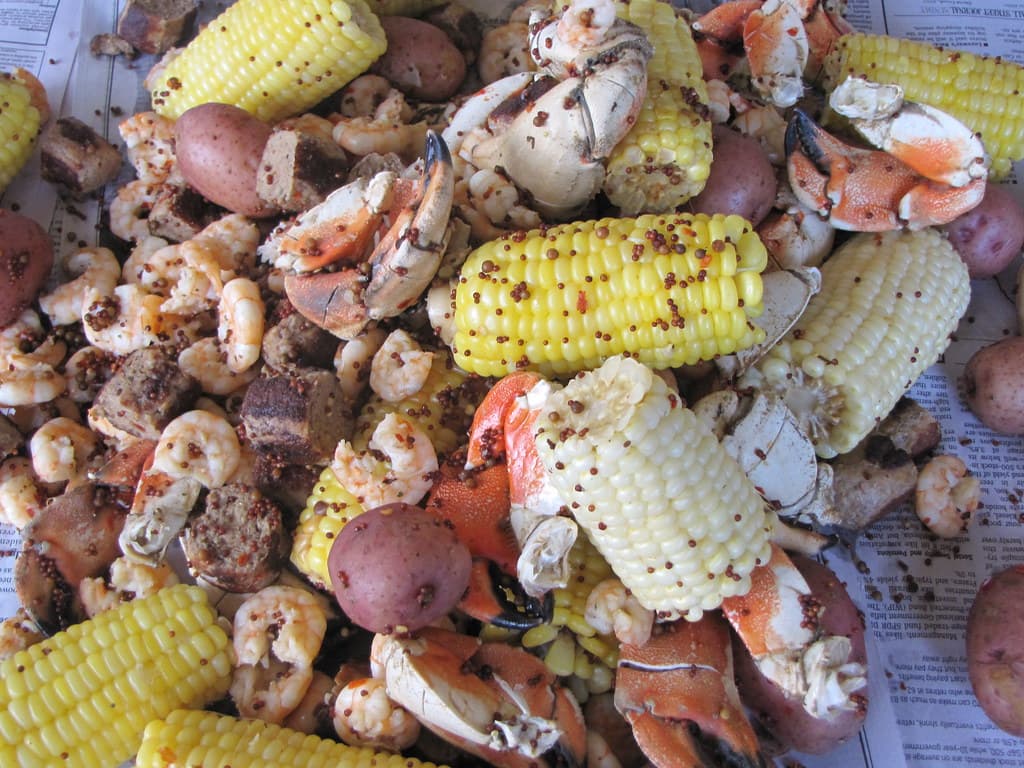
Lowcountry boil is a South Carolina coastal communal seafood dish featuring boiled shrimp, smoked sausage, corn on the cob, and red potatoes. Typically prepared outdoors in large pots, it became a popular regional and tailgate favorite in the 1970s and 1980s.
America's Melting Pot
Lutefisk photo coming soon
1861-1900
Lutefisk is a preserved whitefish dish made by soaking dried cod or whitefish in lye and water, then rinsing and cooking it before serving. Brought by Scandinavian immigrants settling the Midwest during the late 19th century, lutefisk remains a holiday tradition, especially at Christmas, reflecting the cultural preservation of heritage foods amid American immigrant history.
1946-1969
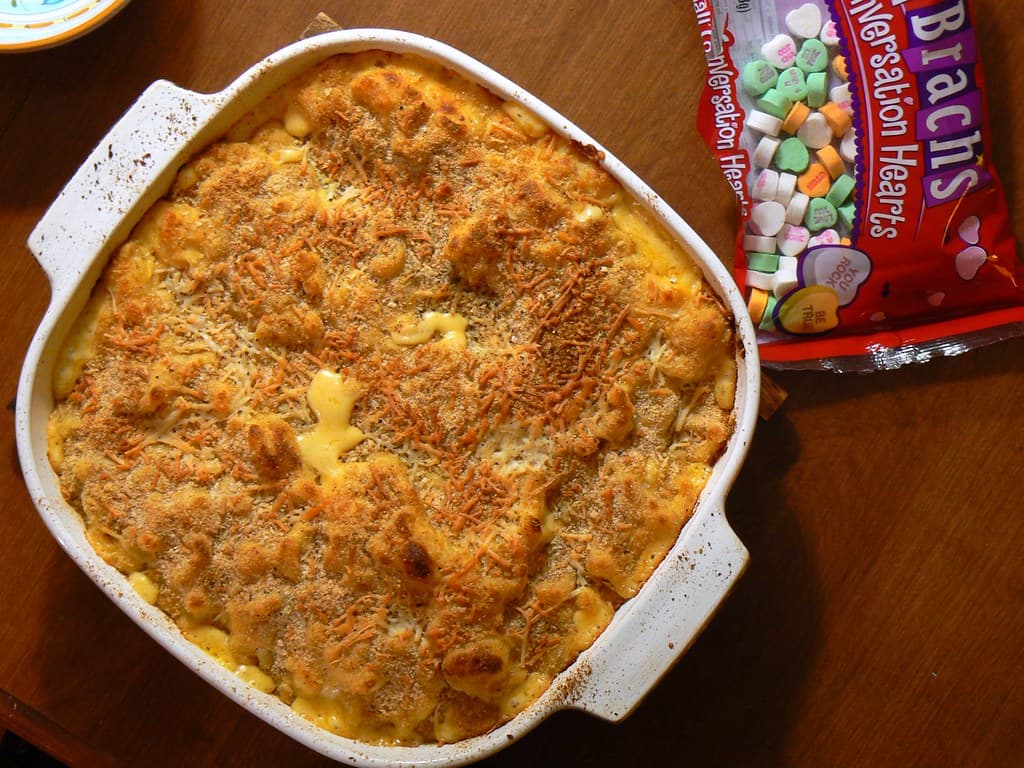
The macaroni and cheese casserole, popular in the Midwest during the prosperous postwar period, exemplifies the hotdish tradition - a baked, filling meal designed for family comfort and efficient reheating. It often includes creamy cheese sauce, pasta, and sometimes additional ingredients, baked until bubbly and golden.
1900-1929
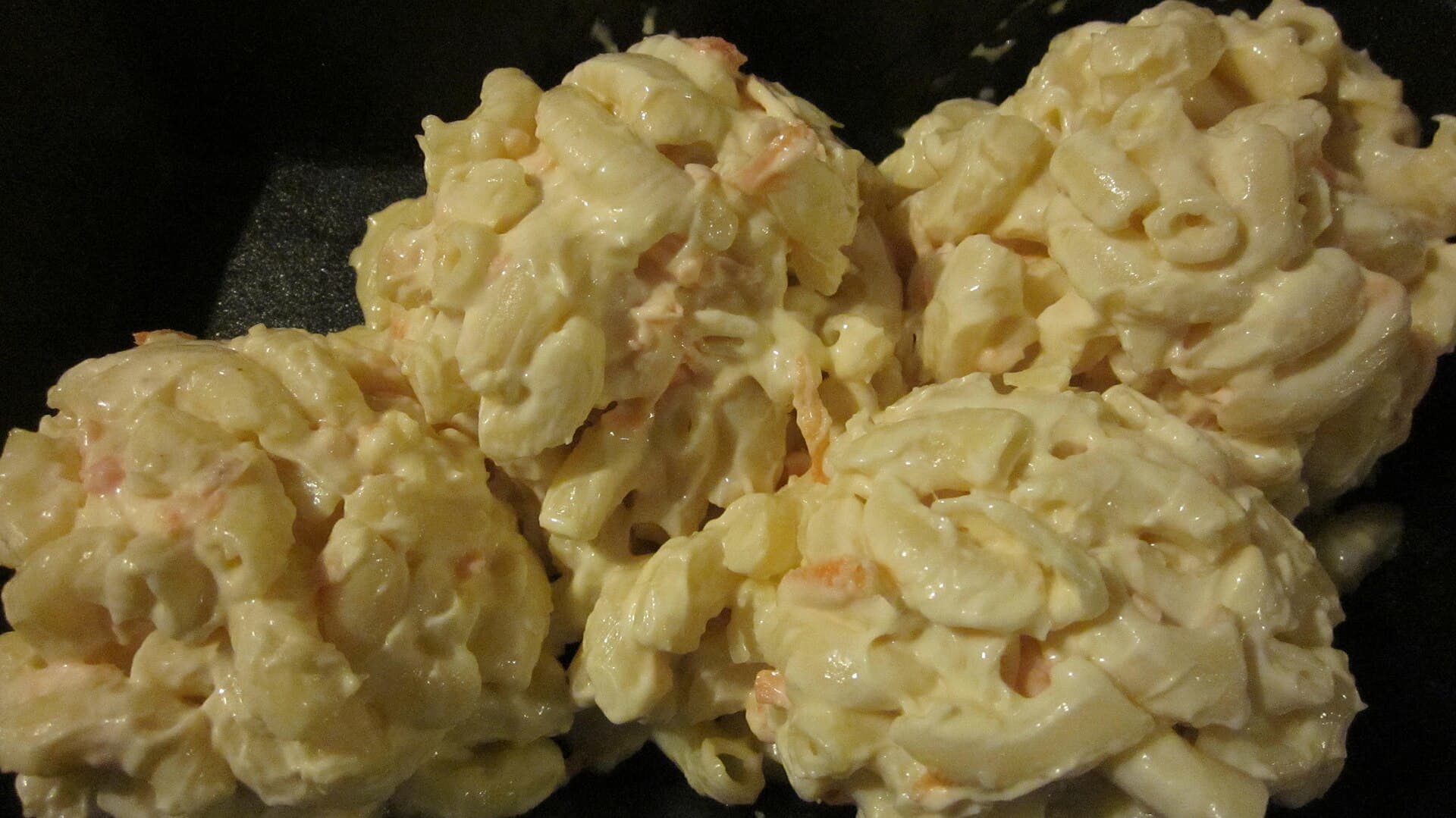
Macaroni salad is an essential side dish in Hawaii's multicultural cuisine, blending Asian-Pacific, Hawaiian, and Portuguese influences. Served at school functions, churches, and state fairs, it features tender macaroni with creamy mayonnaise dressing and subtle seasonings, making it a refreshing accompaniment for various Hawaiian meals and celebrations.
America's Melting Pot
Machaca photo coming soon
1800-1860
Machaca is a traditional dried and shredded beef dish originating from the Mexican borderlands and adapted by Southwestern US communities. Often rehydrated then cooked with eggs, peppers, or served in tortillas, machaca represents resourceful preservation of meat in frontier economies, combining Spanish and Indigenous culinary techniques prevalent prior to and during early American expansion.
America's Melting Pot
Maid-Rite photo coming soon
1900-1929
The Maid-Rite sandwich is a loose ground beef sandwich typically served on a bun without traditional burger toppings. Originating in the Midwest, it offered a quick, affordable alternative to hamburgers and became a steady favorite in casual dining, reflecting American innovation in sandwich culture with a focus on simple, savory meat served hot.
America's Melting Pot
Maid-Rite Loose Meat Sandwich photo coming soon
1946-1969
The Maid-Rite loose meat sandwich, popularized in the postwar period, features seasoned ground beef cooked loose rather than formed into patties. Eaten on bun, often with mustard and pickles, this sandwich highlights simple, hearty Midwestern flavors in casual dining. Its legacy endures in regional restaurants and reflects developments in fast, affordable American sandwich variants after WWII.
2010-2026
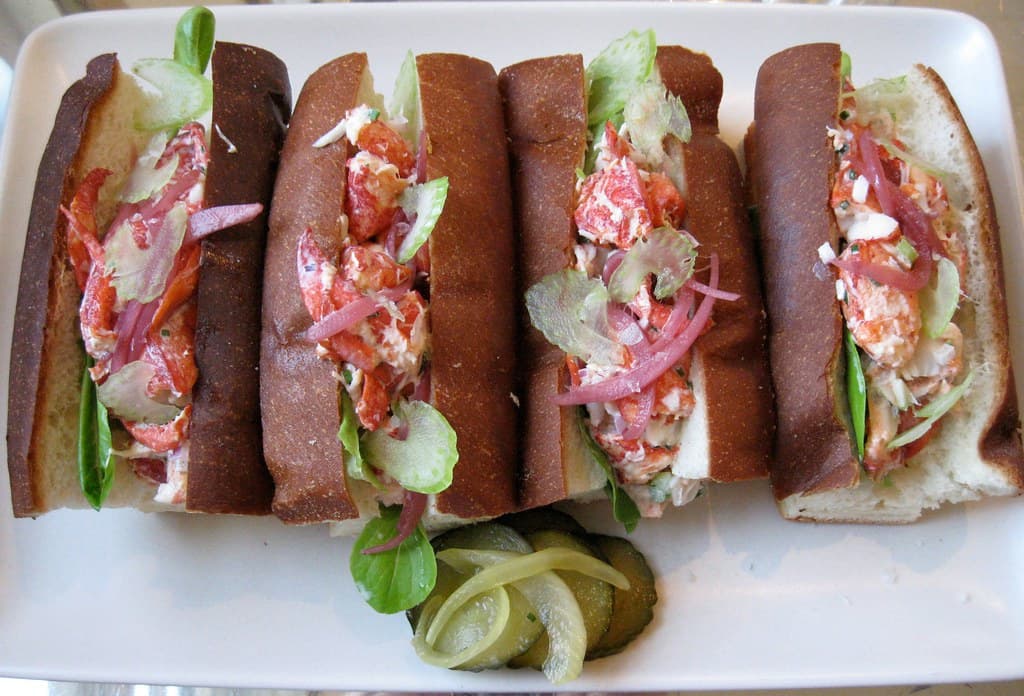
Maine lobster rolls are an iconic New England sandwich featuring tender lobster meat served chilled or warm in a buttered, toasted split-top bun. Since the early 20th century, this sandwich has been a regional favorite at seafood shacks, fairs, and food trucks, embodying the maritime heritage and casual dining culture of the Northeastern United States.
America's Melting Pot
Maine Wild Blueberry Shake photo coming soon
Cross-era
Maine Wild Blueberry Shake salutes regional fruit country and the American dairy-stand tradition: Maine.
1861-1900
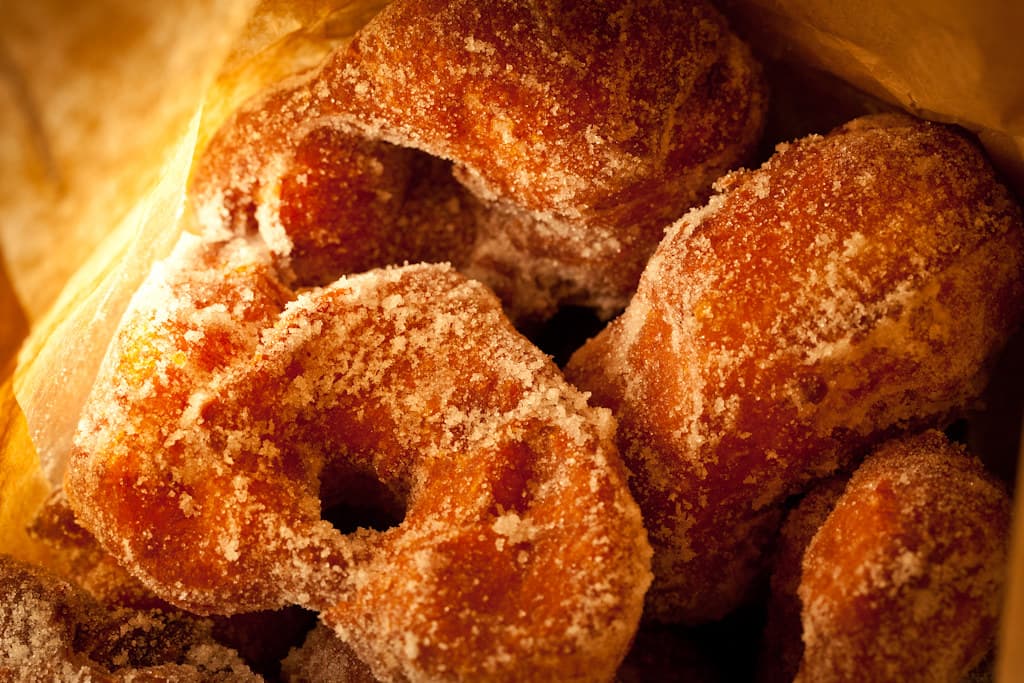
Malasadas are Portuguese-style fried doughnuts, soft and fluffy, rolled in sugar, introduced to Hawaii by Portuguese immigrant workers. Adopted widely in Hawaiian breakfasts and celebrations, malasadas exemplify the blending of immigrant traditions with local food culture, enjoyed across generations and served in bakeries and breakfast tables across the islands.
America's Melting Pot
Malted Milk Ball Shake photo coming soon
1900-1929
Malted Milk Ball Shake pours old-school malt-shop cheer into a cold glass: Whoppers-style modern malt.
America's Melting Pot
Malted Milk, Unfrozen photo coming soon
1900-1929
Malted Milk, Unfrozen is fizzy Americana from the soda-fountain counter: Pre-shake health drink/soda fountain drink.
America's Melting Pot
Mambo/Mumbo Sauce photo coming soon
Cross-era
Mambo/Mumbo Sauce is a condiment with real American table personality: D.C. It brings flavor from Chesapeake and Mid-Atlantic to cookouts, counters, lunch plates, potlucks, and weeknight suppers.
America's Melting Pot
Mango Julius photo coming soon
Postwar & Diner Age
Mango Julius carries the bright, frothy spirit of American mall counters: Modern fruit-bar version.
America's Melting Pot
Mango Lassi Smoothie, American Cafe Version photo coming soon
Cross-era
Mango Lassi Smoothie, American Cafe Version salutes regional fruit country and the American dairy-stand tradition: Indian-American adaptation.
America's Melting Pot
Mango Pineapple Smoothie photo coming soon
Modern Melting Pot
Mango Pineapple Smoothie brings juice-bar color and American smoothie-counter energy to the glass: Mall and airport smoothie bar flavor.

1990-2009
Mango Smoothie brings juice-bar color and American smoothie-counter energy to the glass: Tropical smoothie-shop favorite.
America's Melting Pot
Manhattan Clam Chowder photo coming soon
1861-1900
Manhattan clam chowder is a distinctively red, tomato-based clam soup containing clams, vegetables like tomatoes, celery, and carrots, and often potatoes. Originating as a regional alternative to creamy New England clam chowder, it reflects diverse American coastal cooking traditions and Italian immigrant influence in the Northeast.
America's Melting Pot
Maple Apple Butter photo coming soon
Frontier & Expansion
Maple Apple Butter is a preserve with real American table personality: New England/Appalachian mashup. It brings flavor from New England to cookouts, counters, lunch plates, potlucks, and weeknight suppers.
America's Melting Pot
Maple Creemee Shake photo coming soon
Cross-era
Maple Creemee Shake salutes regional fruit country and the American dairy-stand tradition: Vermont/New England.
America's Melting Pot
Maple Frappe photo coming soon
Postwar & Diner Age
Maple Frappe celebrates New England dairy-bar pride in a cold glass: New England maple variation.
America's Melting Pot
Maple Malt photo coming soon
Postwar & Diner Age
Maple Malt pours old-school malt-shop cheer into a cold glass: New England/Upper Midwest candidate.
1800-1860
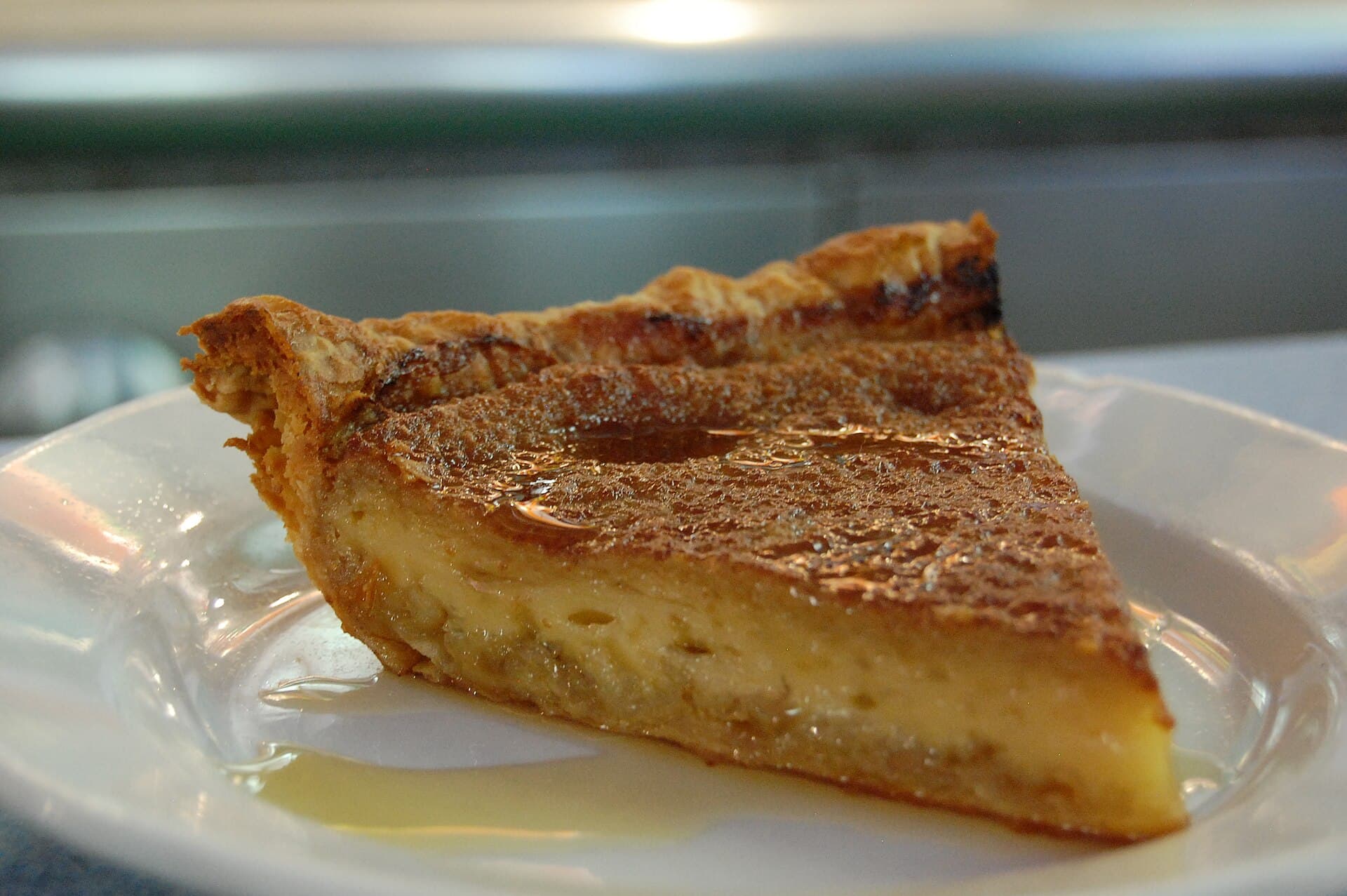
Maple pie is a classic New England dessert featuring rich filling made from pure maple syrup layered in a flaky pie crust. Celebrated for its deep caramelized sweetness and regional ingredient heritage, maple pie symbolizes the importance of maple syrup production and festive baking customs in Northeastern American households.
America's Melting Pot
Maple Shake photo coming soon
Postwar & Diner Age
Maple Shake pours old-school malt-shop cheer into a cold glass: New England and Upper Midwest potential.
Before 1776
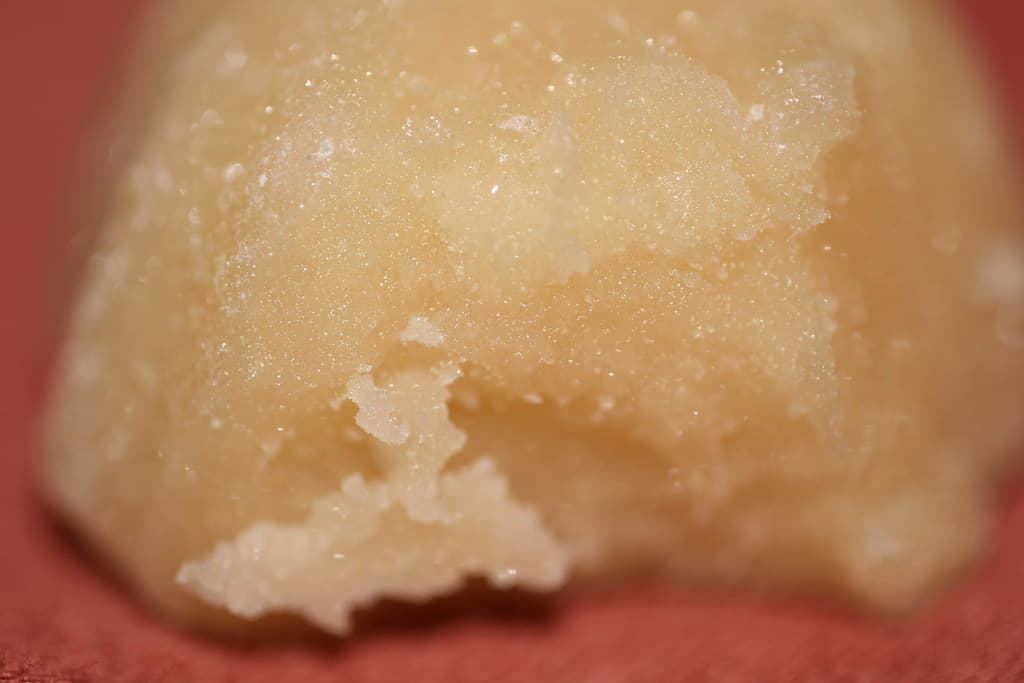
Maple sugar candy is a traditional treat made by concentrating and cooling pure maple syrup until crystallized into small, rich candies. Popular in colonial and early American celebrations, this confection celebrates the maple harvest and resourcefulness in using local maple products for sweets.

Founding Era
Maple Syrup is a sweet sauce with real American table personality: Indigenous North American foodway adopted and commercialized across New England and the Upper Midwest. It brings flavor from New England to cookouts, counters, lunch plates, potlucks, and weeknight suppers.
America's Melting Pot
Maple-Roasted Squash photo coming soon
1800-1860
Maple-roasted squash is a straightforward side dish combining seasonal winter squash roasted with butter and maple syrup glaze. It reflects Indigenous American foodways and early American frontier cooking that utilized native crops and natural sweeteners, emphasizing simplicity and seasonal ingredients.
1945-2000
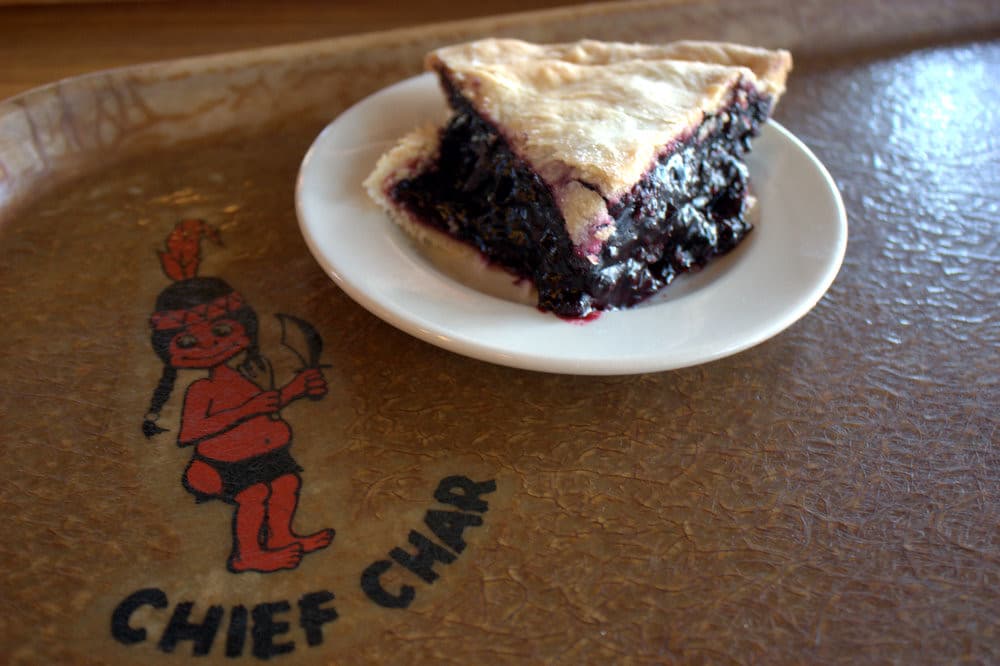
Marionberry pie showcases the marionberry, a blackberry variety developed in Oregon, baked into a sweet-tart pie that highlights Pacific Northwest fruit agriculture. The pie has become a regional dessert favorite, representing local farming innovation and the Pacific Northwest's berry-rich culinary tradition.
America's Melting Pot
Marionberry Shake photo coming soon
Postwar & Diner Age
Marionberry Shake pours old-school malt-shop cheer into a cold glass: Oregon berry-country flavor.
America's Melting Pot
Marshmallow Creme / Fluff photo coming soon
Cross-era
Marshmallow Creme / Fluff is a sweet sauce with real American table personality: New England fluffernutter and dessert culture. It brings flavor from New England to cookouts, counters, lunch plates, potlucks, and weeknight suppers.
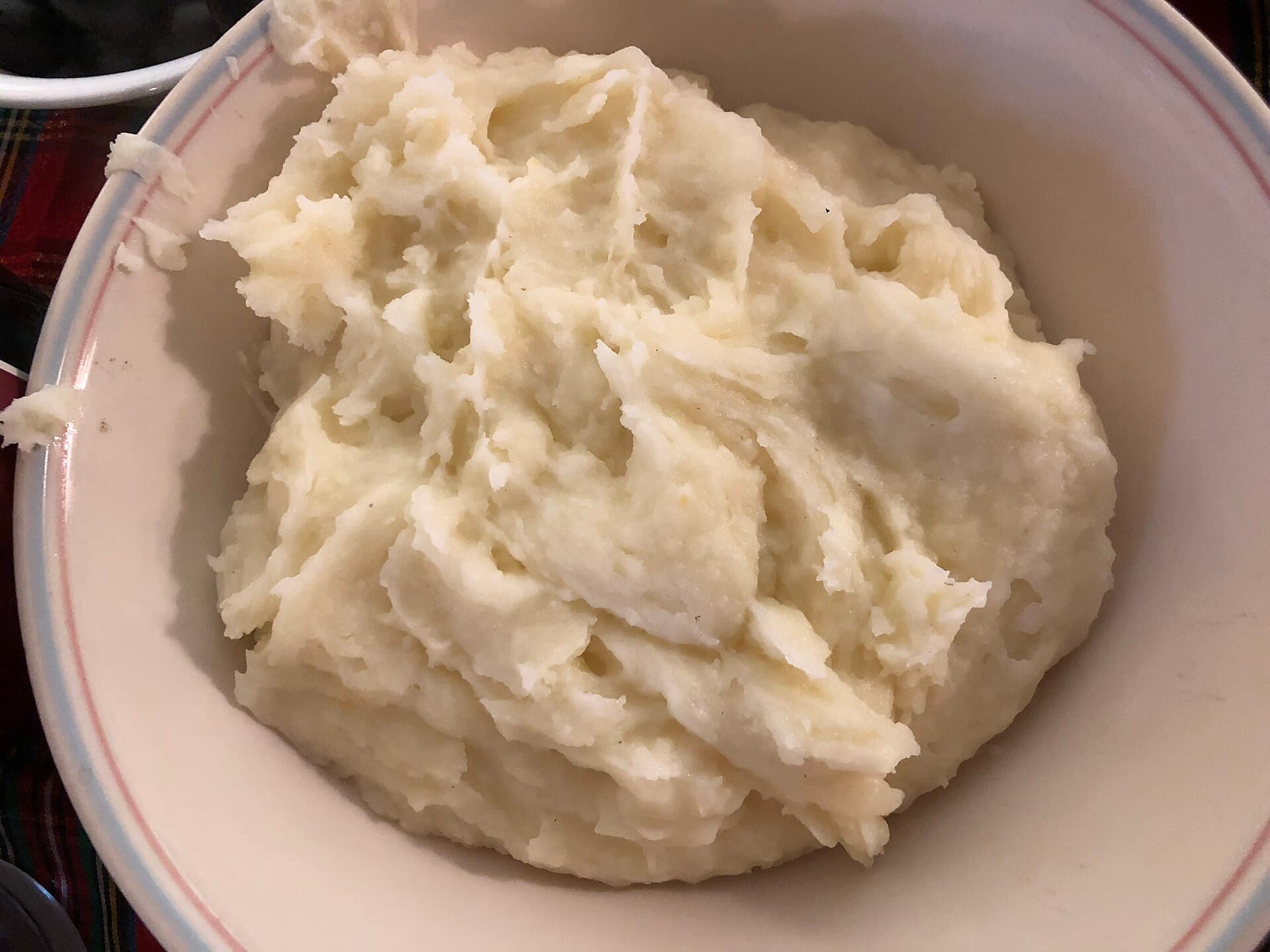
1800-1860
A creamy and comforting side dish popular across the United States, especially during Thanksgiving and other holiday meals. Mashed potatoes blend simple ingredients to create a satisfying accompaniment to main courses.
America's Melting Pot
Mashed Turnips photo coming soon
1776-1800
A simple mashed turnip recipe reflecting 18th-century American vegetable preparations. This dish offers a starchy alternative to potatoes and was commonly eaten during the Revolutionary War era.
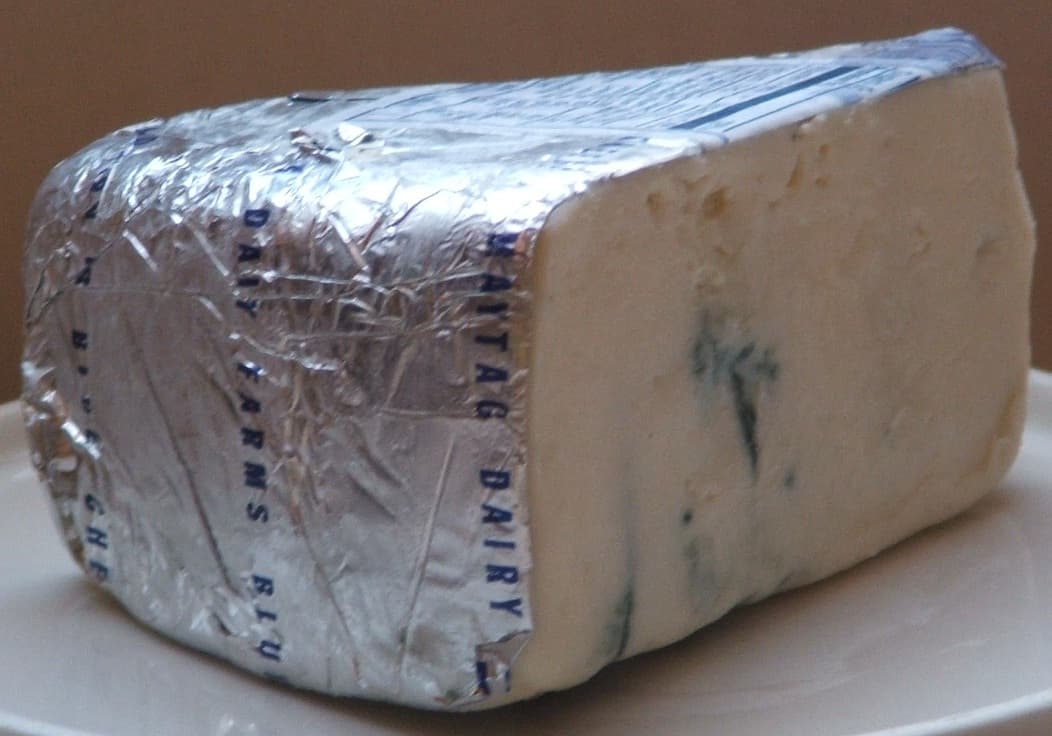
American Dairy Age
Maytag Blue-style American Blue Cheese is a blue-veined American cheese with measured mold culture, loose curd handling, piercing, humid aging, and careful moisture control.
America's Melting Pot
Meal Replacement Smoothie photo coming soon
1970-1989
Meal Replacement Smoothie brings juice-bar color and American smoothie-counter energy to the glass: 1990s-2000s diet culture.
America's Melting Pot
Meat-Stretching Meatloaf photo coming soon
1930-1945
A meatloaf recipe designed to extend limited ground meat with fillers like vegetables and grains. Commonly created during the Great Depression to conserve scarce and expensive ingredients while maintaining flavor and nutrition.
America's Melting Pot
Meatless Loaf photo coming soon
1930-1945
A savory meatless loaf made using vegetables, cereals, and binders to substitute for meat during wartime rationing. Reflects home front innovation during World War II to stretch limited protein resources.
America's Melting Pot
Menudo photo coming soon
1800-1860
Menudo is a traditional Mexican soup featuring beef tripe slow-cooked in a rich, flavorful red chili broth, often served with hominy and garnished with lime and onions. It holds special cultural significance in Southwestern Mexican-American communities and is commonly enjoyed during celebrations or as a restorative meal.
America's Melting Pot
Mesquite Jelly/Syrup photo coming soon
Cross-era
Mesquite Jelly/Syrup is a preserve with real American table personality: Southwestern desert pantry. It brings flavor from the American South to cookouts, counters, lunch plates, potlucks, and weeknight suppers.
America's Melting Pot
Mexican-American Strawberry Licuado photo coming soon
Cross-era
Mexican-American Strawberry Licuado salutes regional fruit country and the American dairy-stand tradition: Borderlands/Latino-American drink.
America's Melting Pot
Michigan Blueberry Shake photo coming soon
Cross-era
Michigan Blueberry Shake salutes regional fruit country and the American dairy-stand tradition: Michigan.
America's Melting Pot
Michigan Pasties photo coming soon
2010-2026
Michigan pasties are portable meat pies filled with seasoned ground beef, potatoes, and vegetables, originally brought to the Upper Peninsula by Cornish miners. This recipe celebrates the enduring legacy of immigrant miners' hearty meals adapted for cold climates and hard labor.
America's Melting Pot
Milk Gravy photo coming soon
Frontier & Expansion
Milk Gravy is a condiment with real American table personality: Farmhouse pan gravy. It brings flavor from coast-to-coast American tables to cookouts, counters, lunch plates, potlucks, and weeknight suppers.
America's Melting Pot
Milk Toast photo coming soon
1930-1945
Milk Toast is a comforting dish that emerged during the Great Depression, combining plain toasted bread soaked in warm milk. This modest recipe reflects the era's frugality and need for simple, easy-to-digest nourishment during challenging economic times.
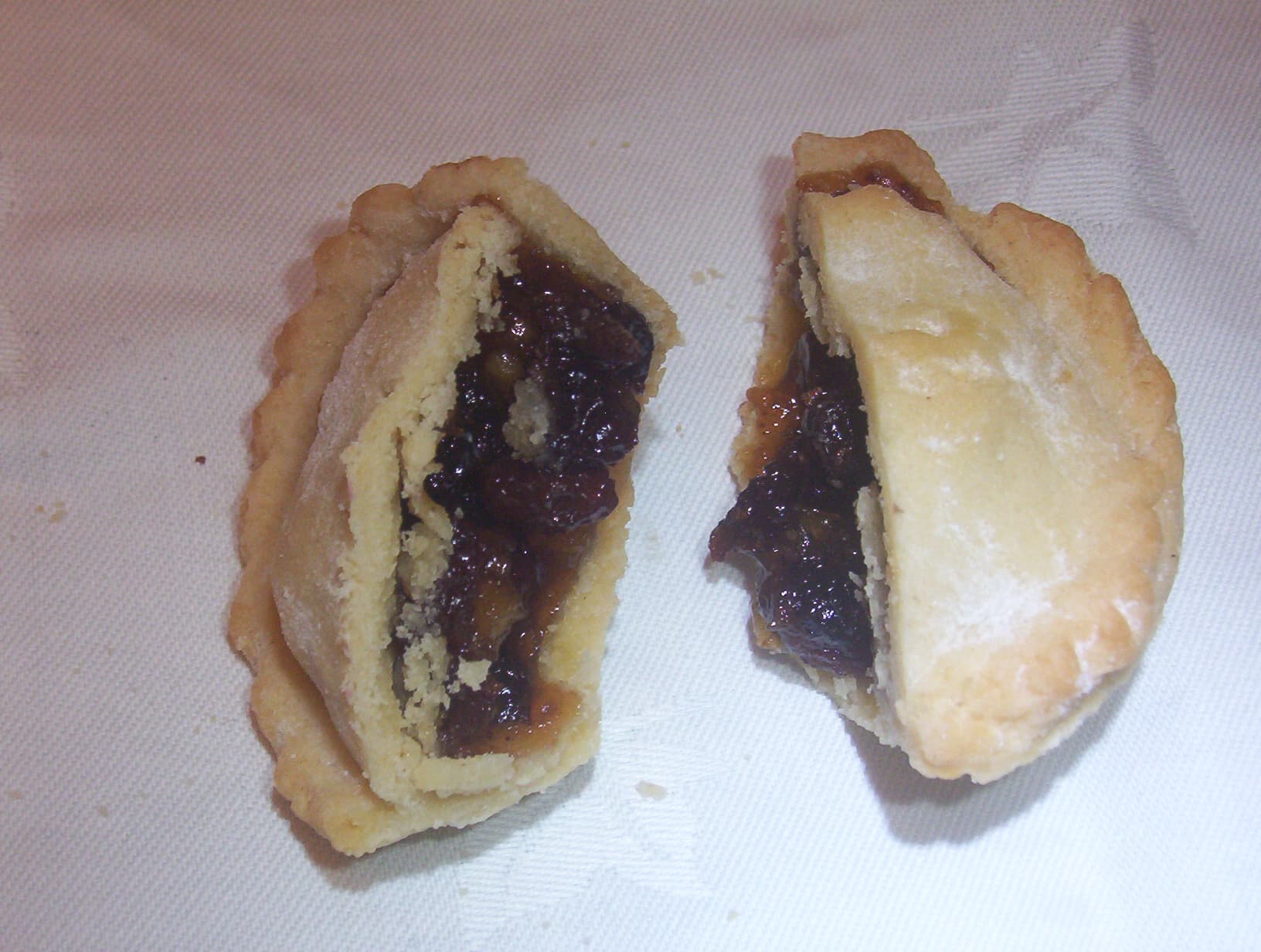
1776-1800
Mince pie is a small, rich pastry filled with spiced dried fruits, suet, and sometimes minced meat, traditionally served during the late 18th century in America. The recipe captures colonial American tastes influenced by English baking customs during the Revolutionary era.
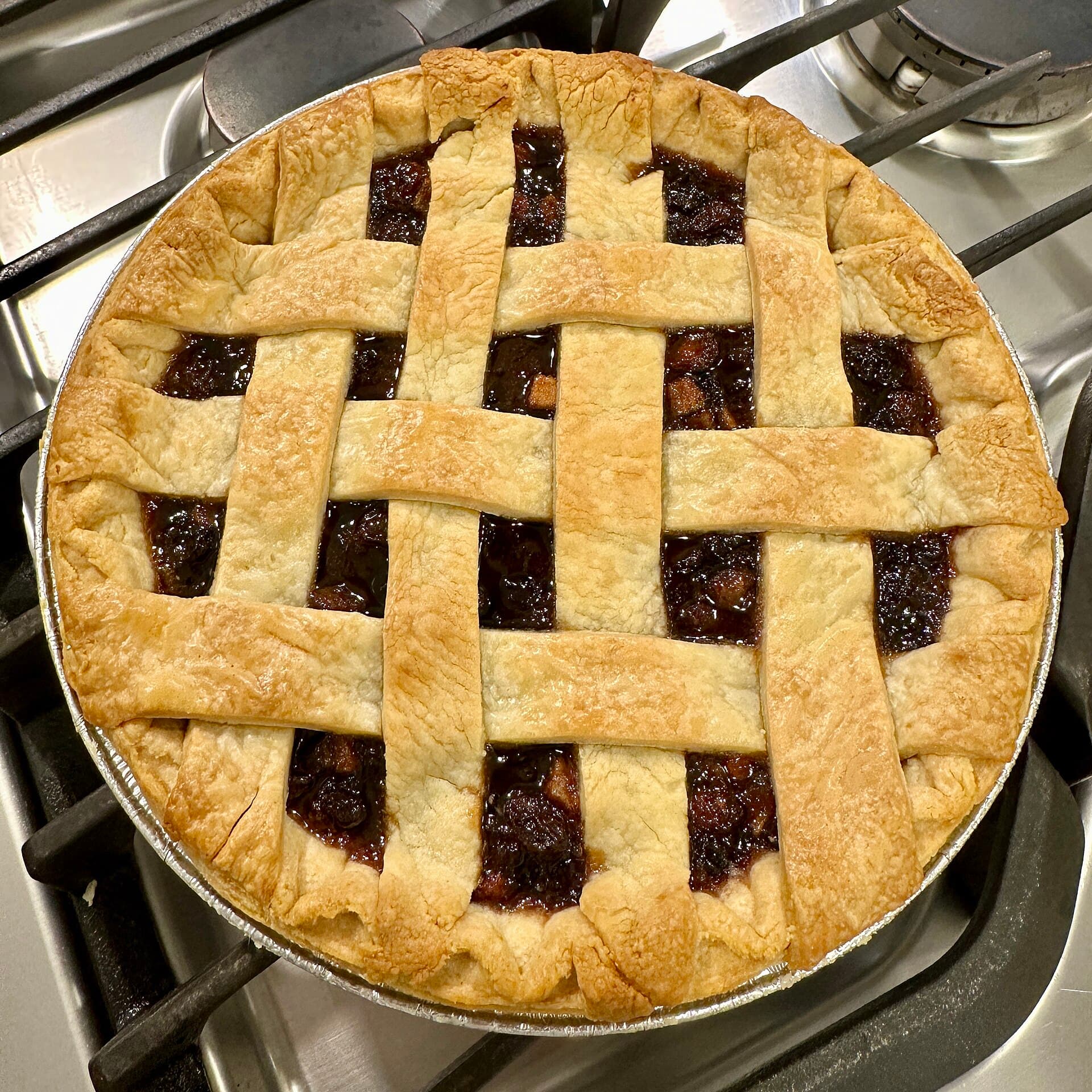
1776-1800
Mincemeat pie is a classic American dessert featuring a spiced filling of chopped dried fruits, suet or beef fat, and sometimes minced meat, enclosed in a flaky pastry crust. Historically enjoyed during Thanksgiving and holiday seasons, it blends English colonial heritage with American ingredients.

1861-1900
Minestrone is a thick Italian-style soup combining vegetables, beans, and pasta or rice in a savory broth. In the United States post-Civil War period, it became emblematic of Italian-American immigrant food, adapted with regional ingredients to nourish families in new communities.
America's Melting Pot
Minnesota Wild Rice Soup photo coming soon
2010-2026
Minnesota Wild Rice Soup is a comforting, creamy soup showcasing native wild rice combined with mushrooms, vegetables, and savory broth. Popularized in the modern era through food trucks and farmers markets, this regional specialty integrates indigenous ingredients with contemporary cooking techniques, reflecting Minnesota's culinary heritage and evolving food culture.
America's Melting Pot
Mint Chocolate Chip Shake photo coming soon
1900-1929
Mint Chocolate Chip Shake pours old-school malt-shop cheer into a cold glass: Ice cream parlor standard.
America's Melting Pot
Mixed Berry Smoothie photo coming soon
1970-1989
Mixed Berry Smoothie brings juice-bar color and American smoothie-counter energy to the glass: Smoothie shop staple.
America's Melting Pot
Mocha Cabinet photo coming soon
Postwar & Diner Age
Mocha Cabinet celebrates New England dairy-bar pride in a cold glass: Coffee cabinet with chocolate.
America's Melting Pot
Mocha Malt photo coming soon
1900-1929
Mocha Malt pours old-school malt-shop cheer into a cold glass: Coffee and chocolate.
America's Melting Pot
Mock Whipped Cream photo coming soon
1930-1945
Mock Whipped Cream is an inventive, non-dairy topping created during the Great Depression and World War II era when cream was scarce or rationed. This economical recipe uses gelatin, milk, and sugar to simulate whipped cream's light texture and sweetness. It illustrates American homefront adaptations to food shortages, fitting within the context of victory gardens, rationing, and wartime ingenuity in domestic cooking.
1776-1800
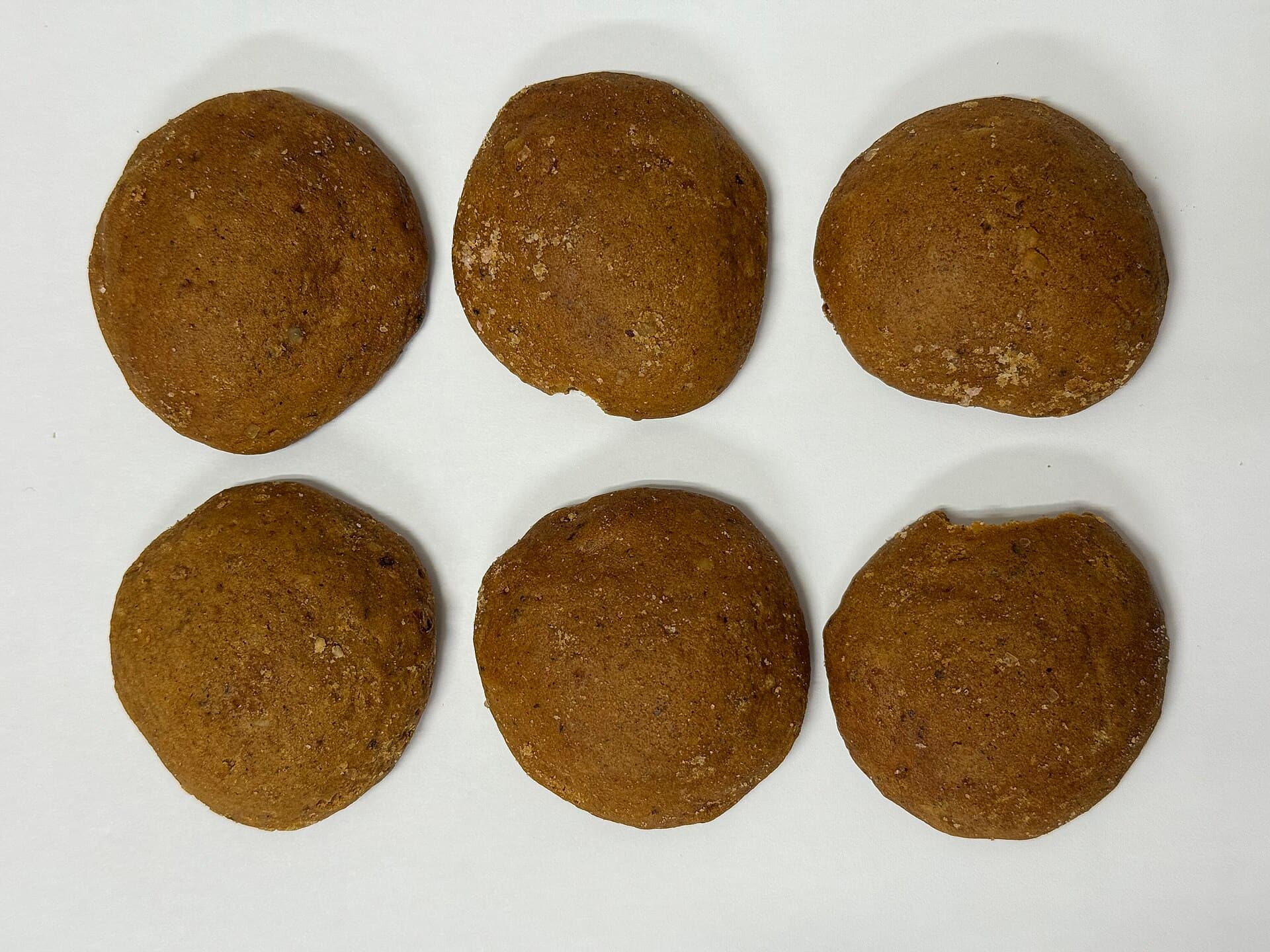
Molasses Cookies are chewy, spiced gingerbread-style cookies sweetened with rich molasses, reflecting early Appalachian and Revolutionary-era American baking traditions. These cookies were popular among settlers who used molasses as an affordable sweetener and incorporated warming spices for flavor. They became a staple of military rations and domestic kitchens during the Civil War era, offering comfort and energy.
America's Melting Pot
Molasses Cornbread photo coming soon
1776-1800
Molasses Cornbread is a slightly sweet cornmeal bread flavored with molasses, common in early American households during the Revolutionary era. Combining locally grown cornmeal with molasses provided a hearty and economical bread that complemented savory dishes and breakfast tables alike. Its enduring popularity reflects early American adaptation of indigenous and imported ingredients.
1970-1989
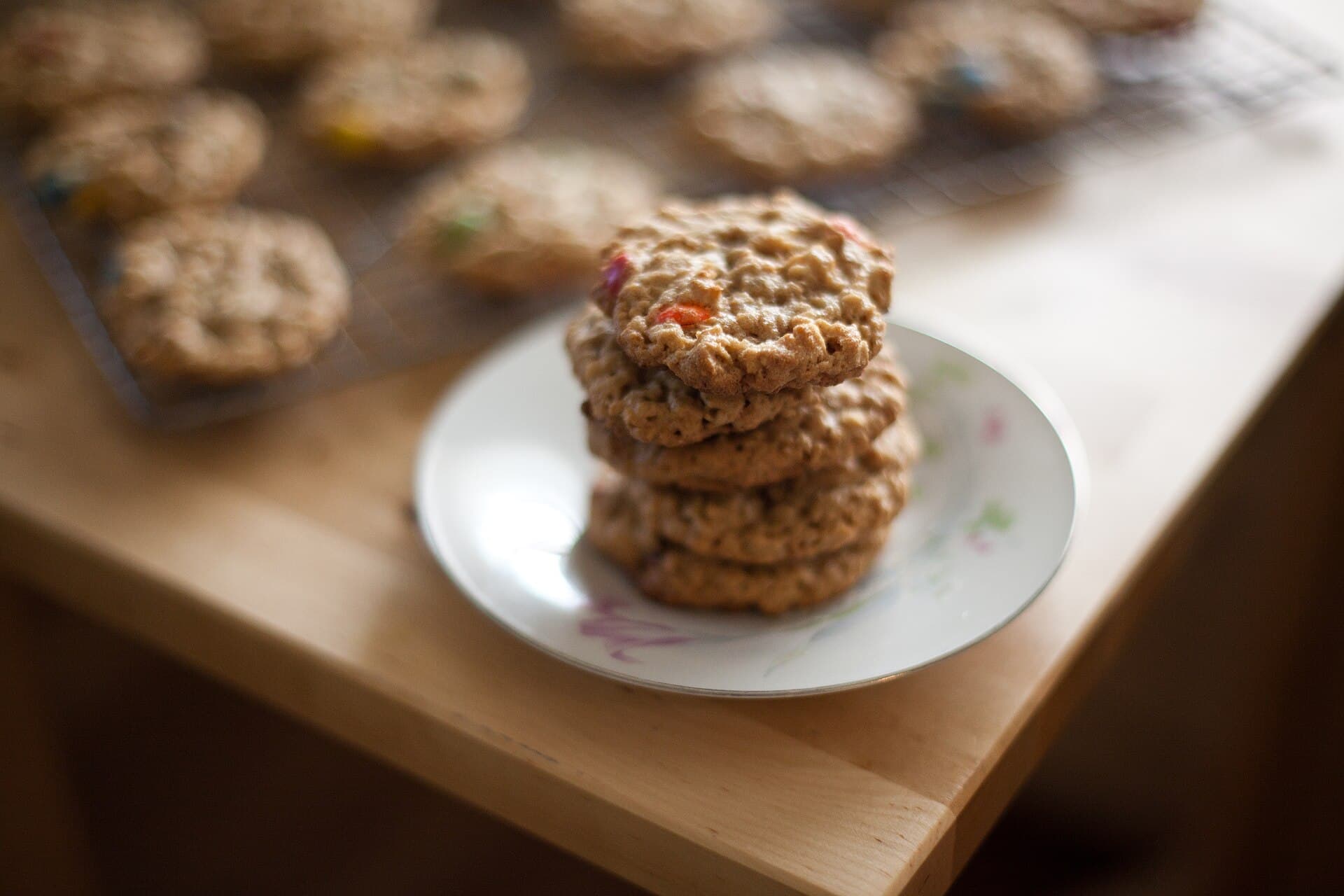
Monster Cookies are generously sized cookies featuring rolled oats, peanut butter, chocolate chips, and often M&Ms, favored at tailgate parties and church events since the 1970s and 1980s. These cookies embody post-industrial American preferences for convenience, fusion of flavors, and regional pride, becoming a staple of fast food snacking and bake sale culture.
America's Melting Pot
Montana Huckleberry Shake photo coming soon
Cross-era
Montana Huckleberry Shake salutes regional fruit country and the American dairy-stand tradition: Montana.
America's Melting Pot
Monterey Chicken photo coming soon
1990-2009
Monterey Chicken is a grilled or broiled American main dish featuring chicken breasts topped with cheddar cheese, bacon bits, and salsa. Popularized in chain and family restaurants during the 1990s and 2000s, this recipe exemplifies fusion of Tex-Mex flavors with mainstream American casual dining, suited for suburban and Super Bowl gatherings.
Native Foodways and Continuity
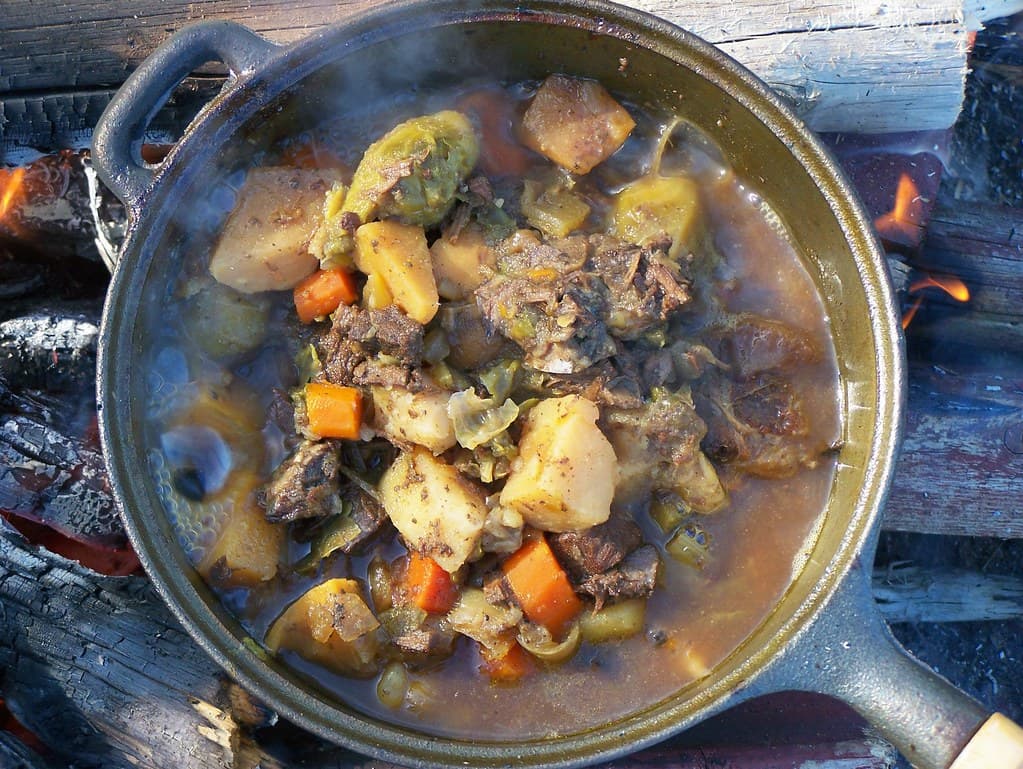
Moose Stew is a nourishing, slow-cooked stew featuring moose meat and root vegetables, traditional in Alaska's hunting and subsistence cultures. Its preparation embraces rustic methods suited to remote environments, offering warmth and sustenance year-round. This dish represents Alaska's regional food heritage and resourceful use of local wildlife across eras.
American Dairy Age
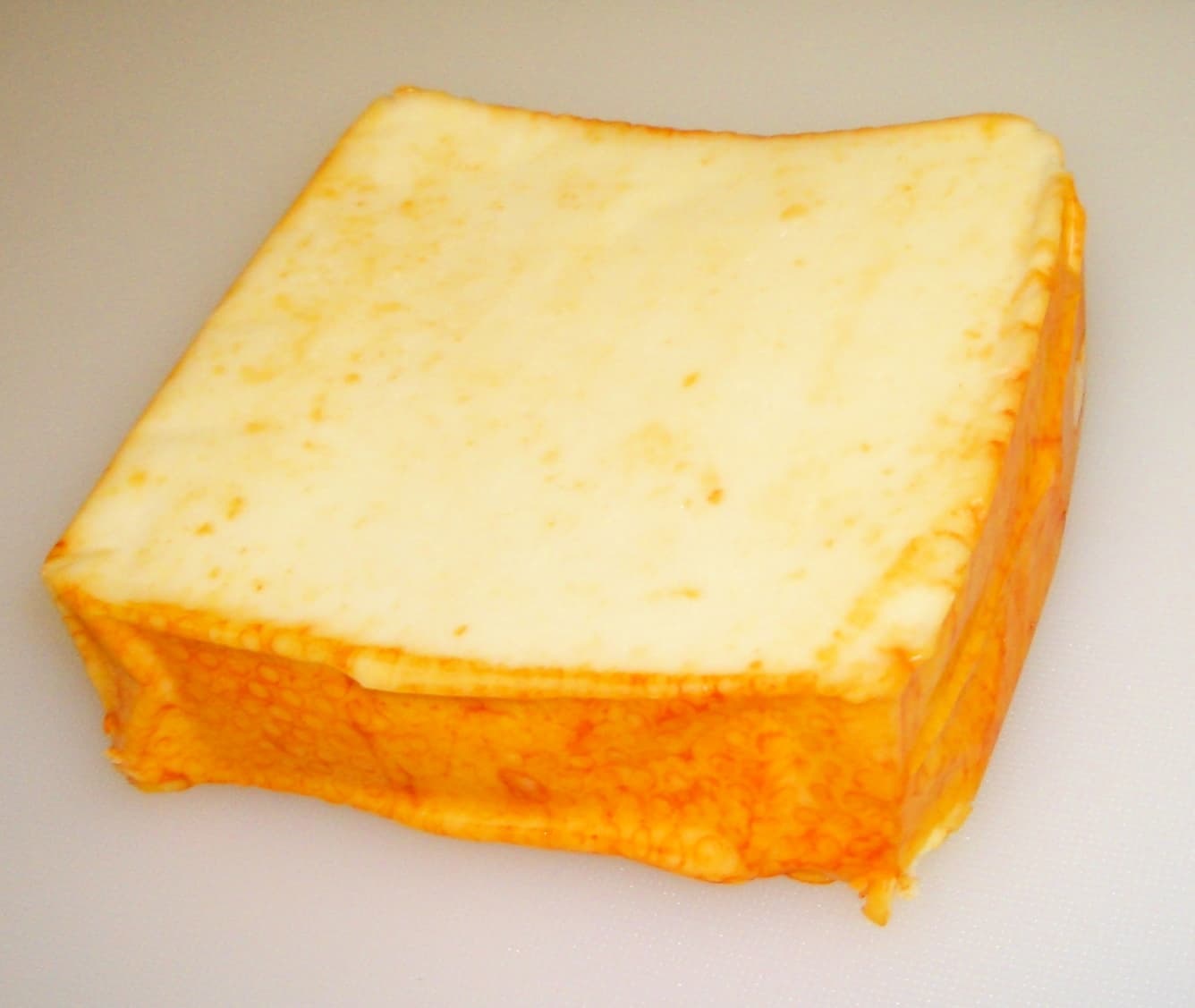
Muenster, American-style is a washed-rind American cheese with measured starter, careful draining, brining, regular rind washing, and controlled humid aging.
1946-1969
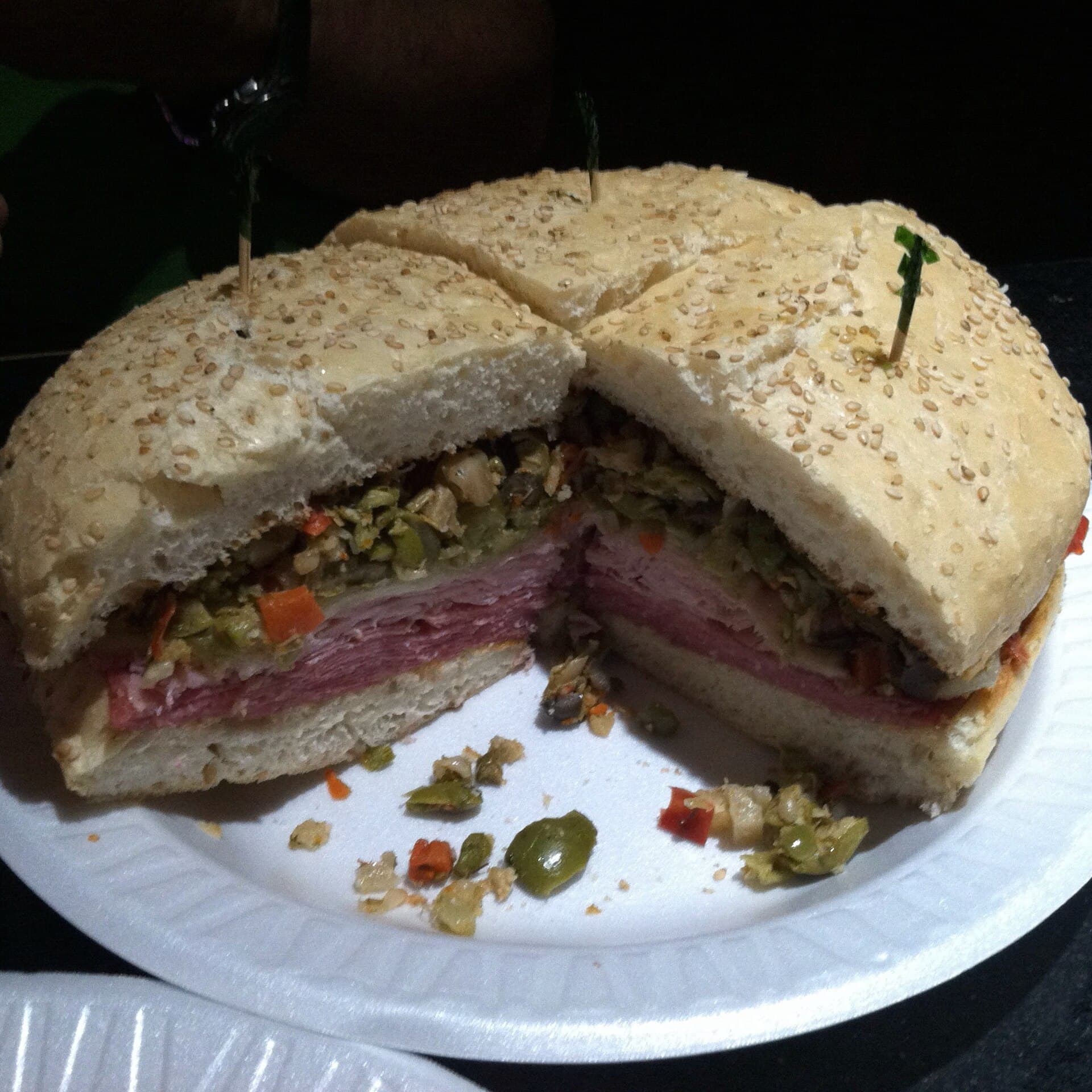
Muffuletta is a large, round sandwich originating in New Orleans, featuring layers of cold cuts, cheese, and a distinctive olive salad on a sturdy sesame loaf. Popularized after World War II, it became a beloved postwar regional icon blending Italian-American deli traditions with Southern food culture, often enjoyed at picnics and gatherings.
America's Melting Pot
Mush and Milk photo coming soon
1776-1800
Mush and Milk is a traditional breakfast dish from late 18th-century America, consisting of cornmeal cooked into a soft porridge (mush) and served simply with milk. It was a staple among frontier and rural households due to its inexpensive ingredients and easy preparation.
1970-1989
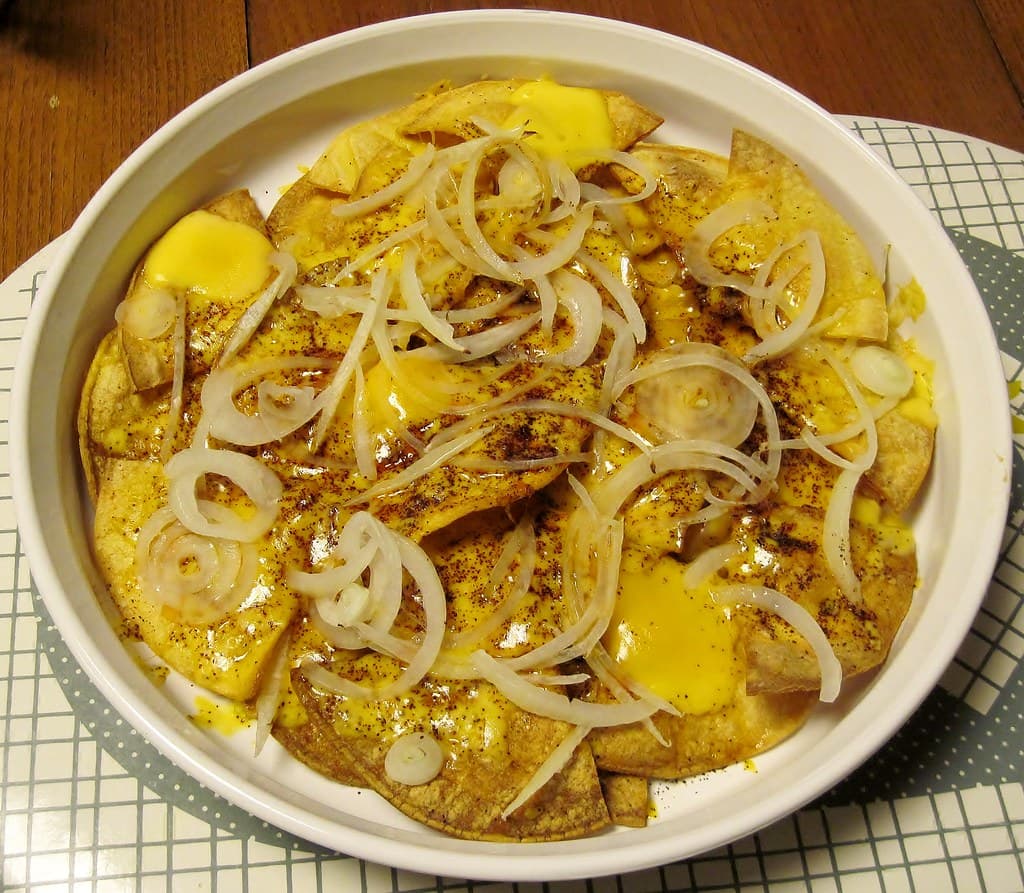
Nacho Cheese and Chips is a simple, popular snack originating from American convenience and concession food culture. Warm melted cheese sauce is served over crispy tortilla chips, perfect for tailgate parties, booster club events, and casual gatherings.
1970-1989
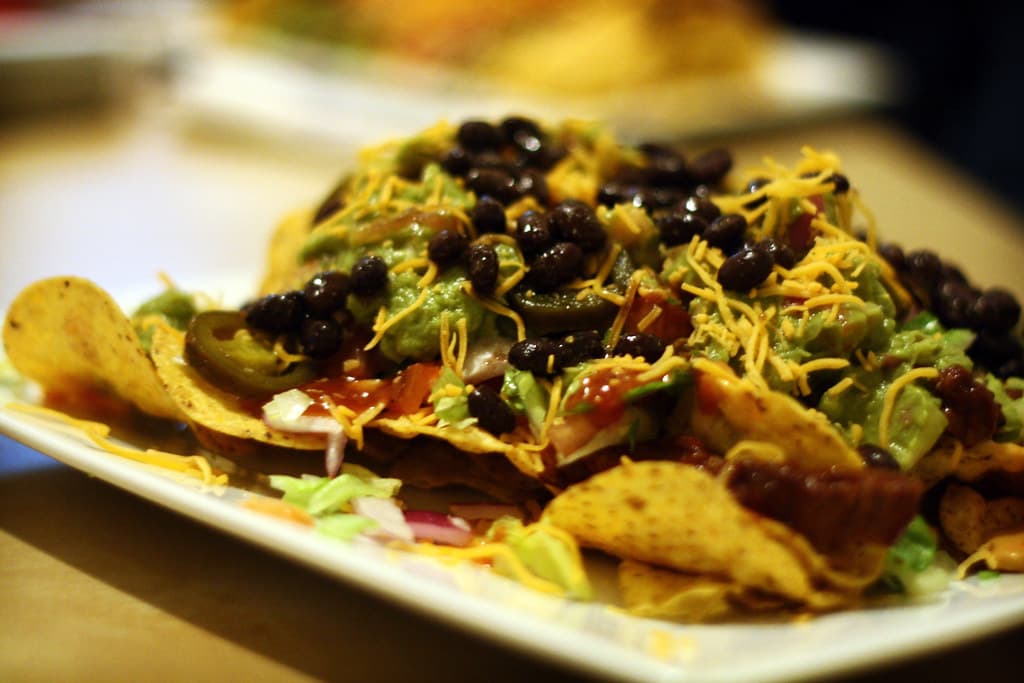
Nachos are a popular Tex-Mex inspired snack involving tortilla chips covered with melted cheese and optional toppings like jalapenos, beans, and salsa. Originating in the 1970s, this dish spread widely in the United States as an easy sharable comfort food.
America's Melting Pot
Nachos Supreme photo coming soon
1990-2009
Nachos Supreme is a fuller, meal-sized version of classic nachos, including seasoned ground beef or chicken, cheese, beans, lettuce, tomatoes, sour cream, and guacamole. Popularized from the 1990s onward, it serves as a favored game day and party food.
America's Melting Pot
Nashville Hot Chicken Paste/Oil photo coming soon
Cross-era
Nashville Hot Chicken Paste/Oil is a condiment with real American table personality: Fiery cayenne-lard/oil seasoning tied to Prince's Hot Chicken in Nashville. It brings flavor from the American South to cookouts, counters, lunch plates, potlucks, and weeknight suppers.
1861-1900
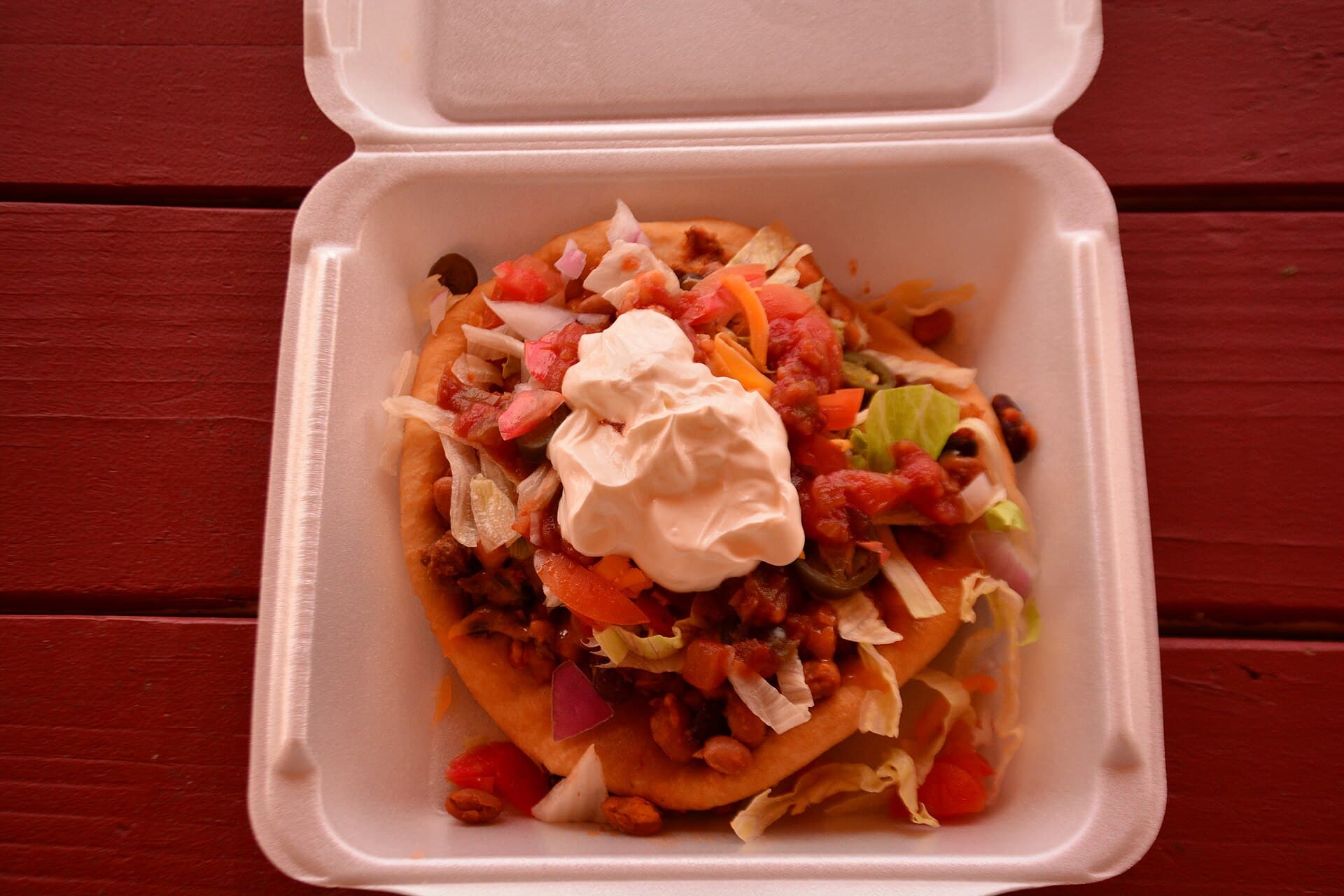
Navajo Tacos consist of a base of traditional fry bread topped with seasoned ground beef or beans, lettuce, tomatoes, cheese, and salsa. This dish embodies the fusion of Indigenous bread-making with Mexican and American taco ingredients, enjoyed widely in Southwestern and Southern U.S. regions.
America's Melting Pot
Navajo/Indigenous Fry Bread photo coming soon
1800-1860
Navajo Fry Bread is a deep-fried flatbread traditionally prepared by Indigenous communities, especially the Navajo Nation. Dating back to the 19th century, the bread represents survival and adaptation during difficult historical periods and continues as a staple in Southwestern cooking.
America's Melting Pot
Neapolitan Shake photo coming soon
1900-1929
Neapolitan Shake pours old-school malt-shop cheer into a cold glass: Chocolate, vanilla, and strawberry together.
Community recipe submission
Log in to submit a recipe, format it with the cooking companion, and send it for review.
Log in to Submit