
Loading
Setting the table...
Fetching the latest recipes from the archive.
Loading
Fetching the latest recipes from the archive.
Recipe archive
Recipe archive
Search the archive by title, region, ingredient, tag, or era, then sort the table by the view that fits your kitchen.
This archive is growing through recipes, photos, family recipes, and historical context shared by the community.
America's Melting Pot
Scalloped Potatoes and Ham photo coming soon
1946-1969
A postwar Midwestern casserole combining sliced potatoes in a creamy sauce with diced ham, baked until bubbly and golden. Popular from 1946 to 1969, this dish features in church suppers and family meals, embodying casserole and hotdish traditions suited for freezer storage and suburban backyards.
America's Melting Pot
Scandinavian Coffee Cake photo coming soon
1861-1900
A tender, lightly sweetened coffee cake with a crunchy streusel topping, reflecting Scandinavian-American baking traditions established by Northern European immigrants in the Midwest during the late 19th century, often enjoyed at breakfast or coffee breaks.
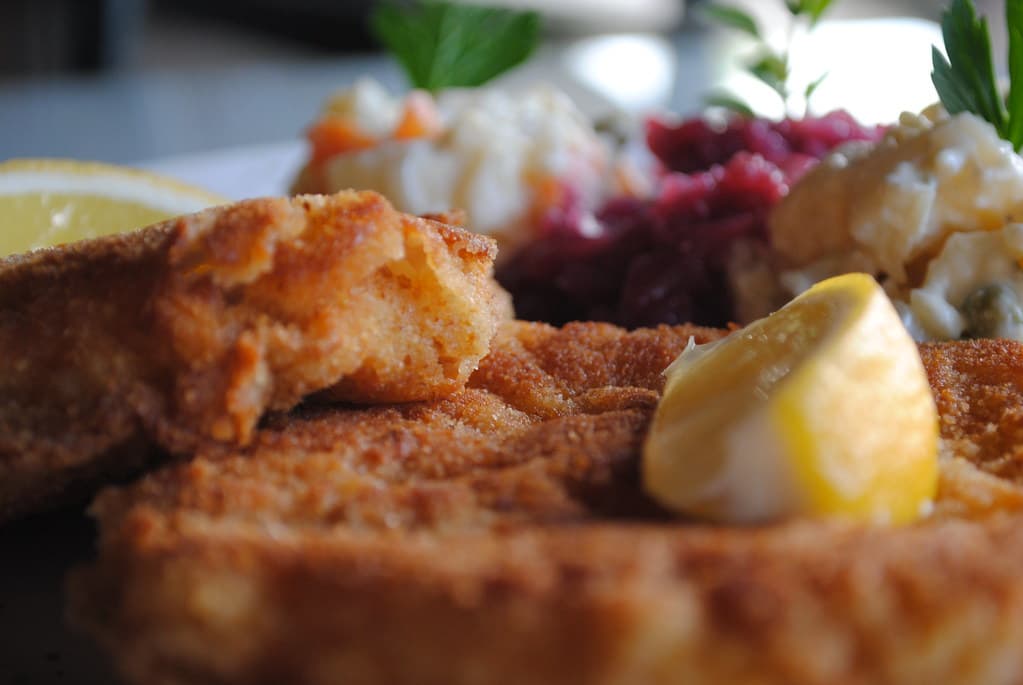
1800-1860
Schnitzel is a breaded, fried meat cutlet recognized as a German-American classic brought by immigrants in the early 19th century. Typically made with veal or pork, it was adapted in American kitchens to accessible meats and pan-frying methods, preserving a European culinary identity in the United States.
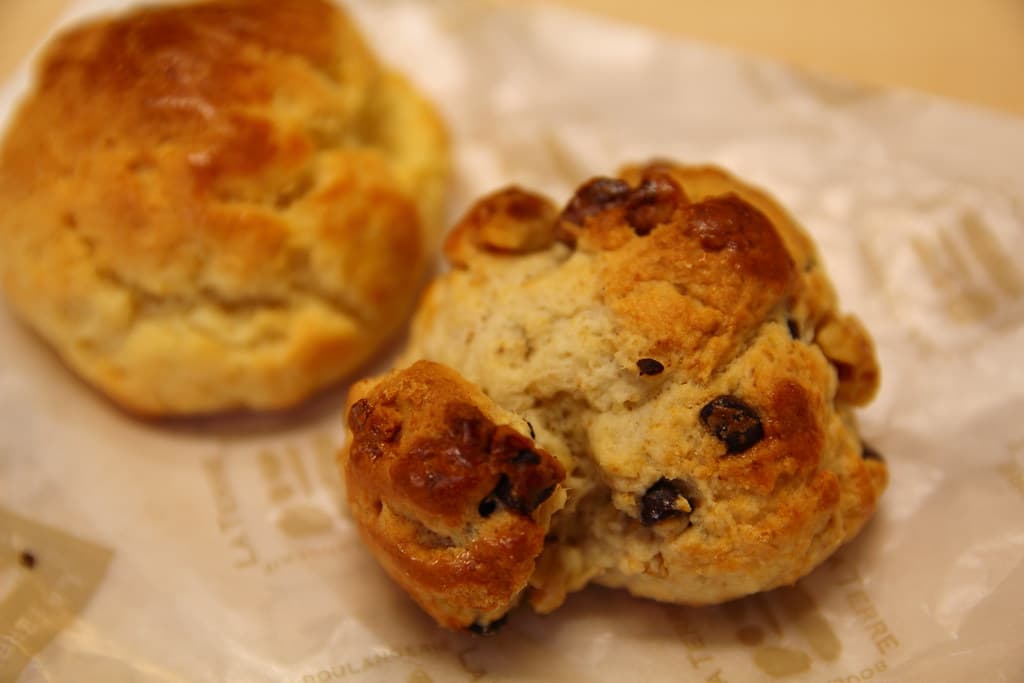
1990-2009
American scones are soft, lightly sweetened quick breads often served at coffee shops and bakeries. Adapted from British origins, the 1990s saw a surge in popularity in suburban and cafe culture across the U.S., becoming a favored breakfast or snack item.

1945-2000
Scotcheroos are sweet bars made with peanut butter, butterscotch chips, chocolate chips, and rice cereal. Popular across Midwestern potlucks and church basements, they are a nostalgic no-bake treat cherished for their simplicity and rich flavor.
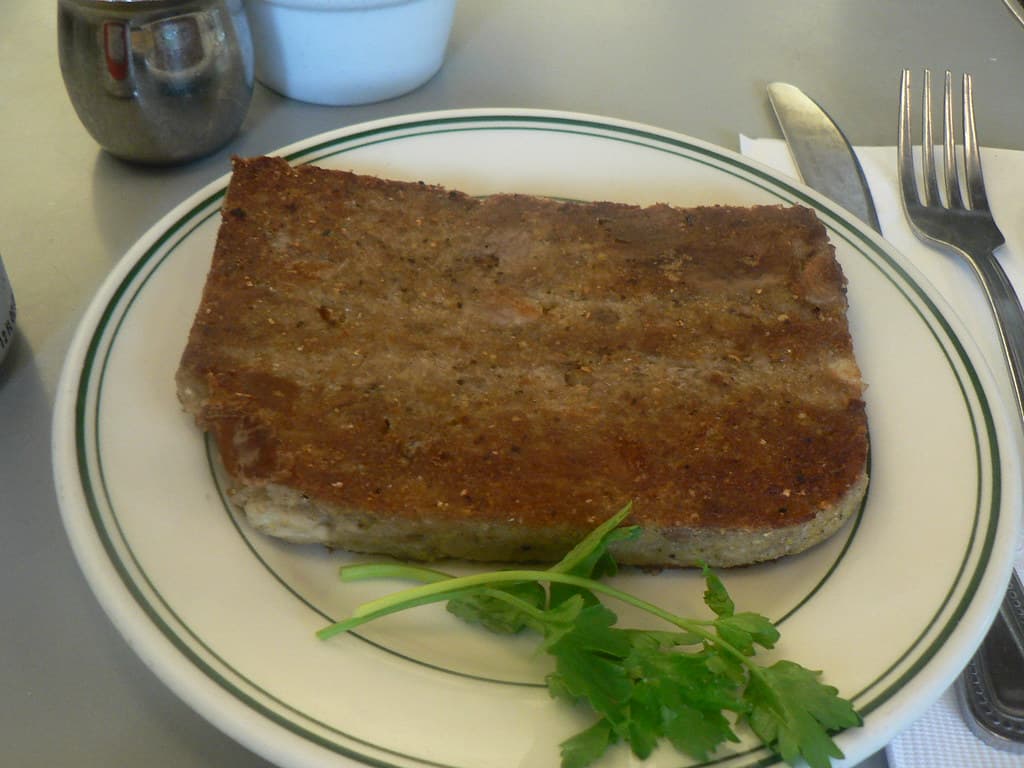
1800-1860
Scrapple is a pork-based mush combined with cornmeal and spices, formed into a loaf, cooled, sliced, and fried. Introduced in America during the early 19th century, it became a breakfast staple mainly in Pennsylvania, Delaware, Maryland, and parts of New England, rooted in resourceful colonial cuisine.
America's Melting Pot
Seattle Teriyaki photo coming soon
2010-2026
Seattle Teriyaki features grilled meats marinated in a sweet, soy-based teriyaki sauce, reflecting Pacific Northwest adaptation of Asian flavors. Since the 2010s, it has grown as a popular viral and street food, widely available from food trucks and casual eateries, showcasing regional fusion cuisine.
America's Melting Pot
Seven-Layer Dip photo coming soon
1970-1989
Seven-Layer Dip is a layered appetizer that combines beans, seasoned ground beef, guacamole, sour cream, cheese, tomatoes, and olives. Popularized in the American Southwest and Tex-Mex cuisine scenes in the late 20th century, it is a staple at casual gatherings and tailgate parties.
America's Melting Pot
Seven-Layer Salad photo coming soon
1946-1969
Seven-Layer Salad is a layered dish featuring vegetables, bacon, cheese, and mayonnaise-based dressing, popular at diners, state fairs, schools, and church events since the early 1900s in America. Its visual appeal and convenient serving style made it a community favorite.
America's Melting Pot
Shamrock-Style Mint Shake photo coming soon
1900-1929
Shamrock-Style Mint Shake brings drive-in, carhop, and fast-food dessert-counter energy to the table: St. Patrick's Day fast-food tradition.
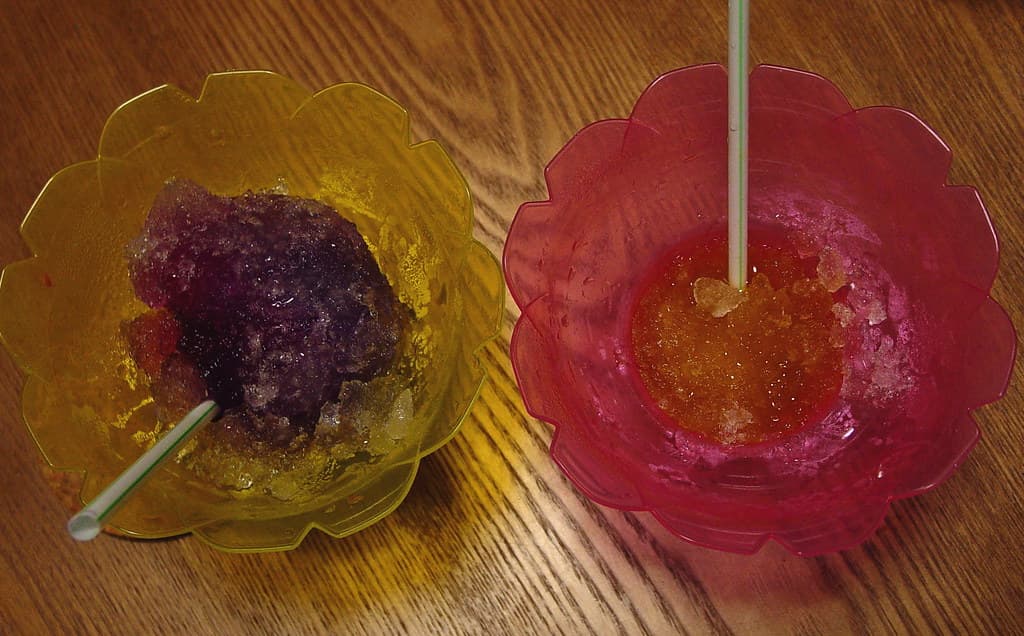
1900-1929
Shave Ice is a finely shaved ice dessert popular in Hawaii featuring colorful flavored syrups and often toppings such as sweetened beans or mochi. It reflects the blending of native Hawaiian, Asian-Pacific, and Portuguese-American influences and remains a beloved tropical refreshment.
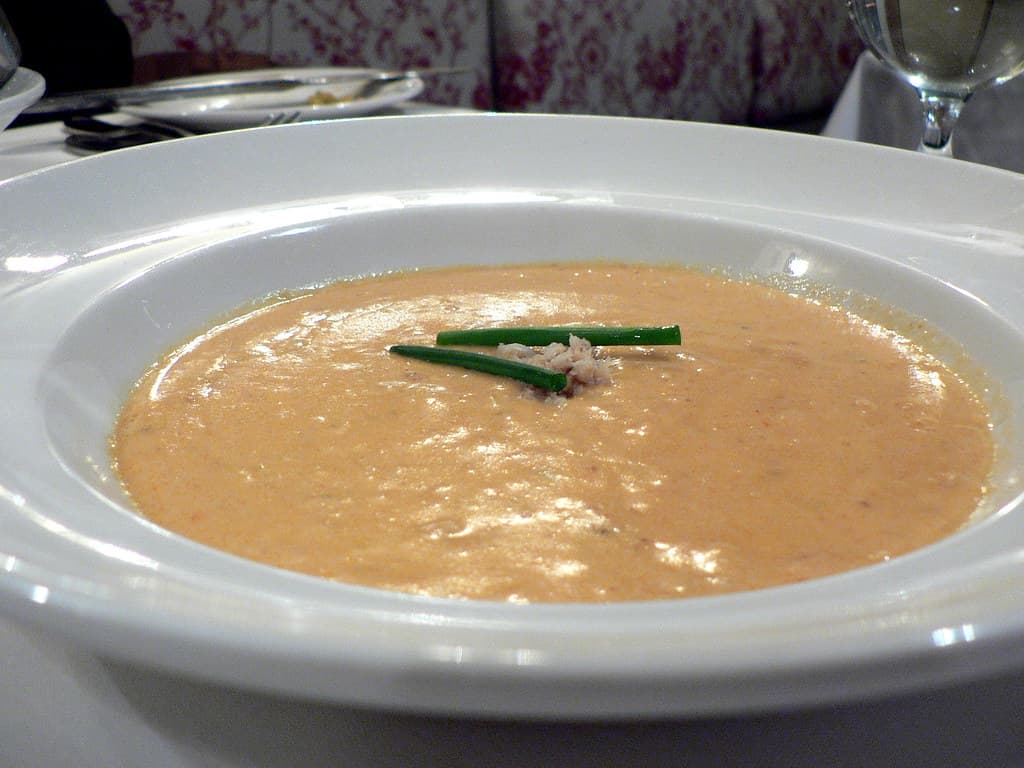
1800-1860
She-Crab Soup is a creamy seafood soup originating in the American South, made with blue crab meat and crab roe, embodying the flavors of coastal Southern cuisine before the Civil War. It became a staple of Southern tables and fine dining.
America's Melting Pot
Sheet Pan Fajitas photo coming soon
2010-2026
Sheet Pan Fajitas assemble seasoned meat and vegetables spread on a single sheet pan and roasted together for a fast, flavorful meal. They reflect contemporary American fusion cuisines and the popularity of convenient weeknight cooking solutions.
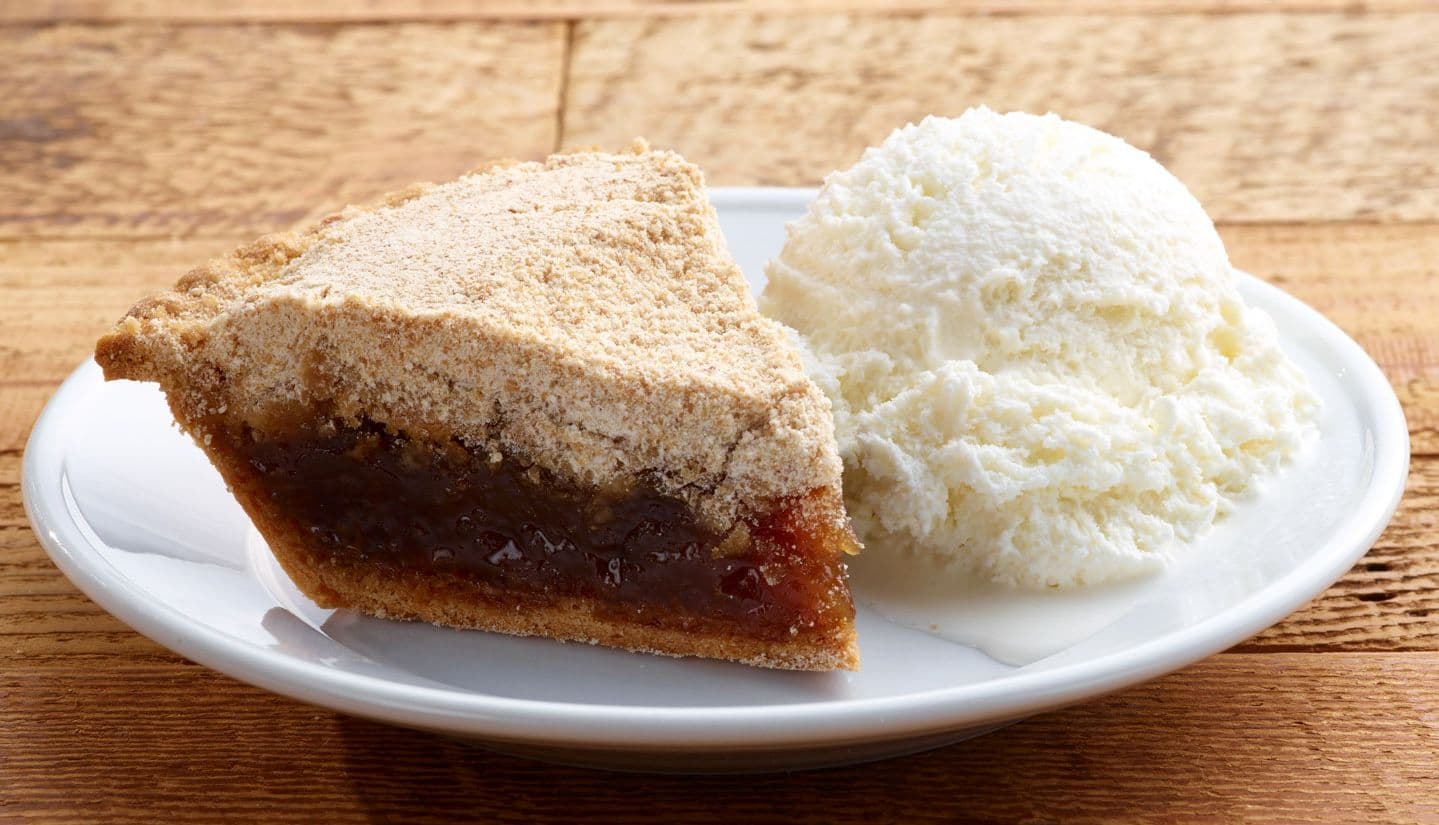
1800-1860
Shoofly Pie is a molasses-sweetened pie with a crumb topping, historically popular in Pennsylvania Dutch and Mid-Atlantic communities. Its rich, sticky filling reflects early American sweetening traditions and regional preferences.
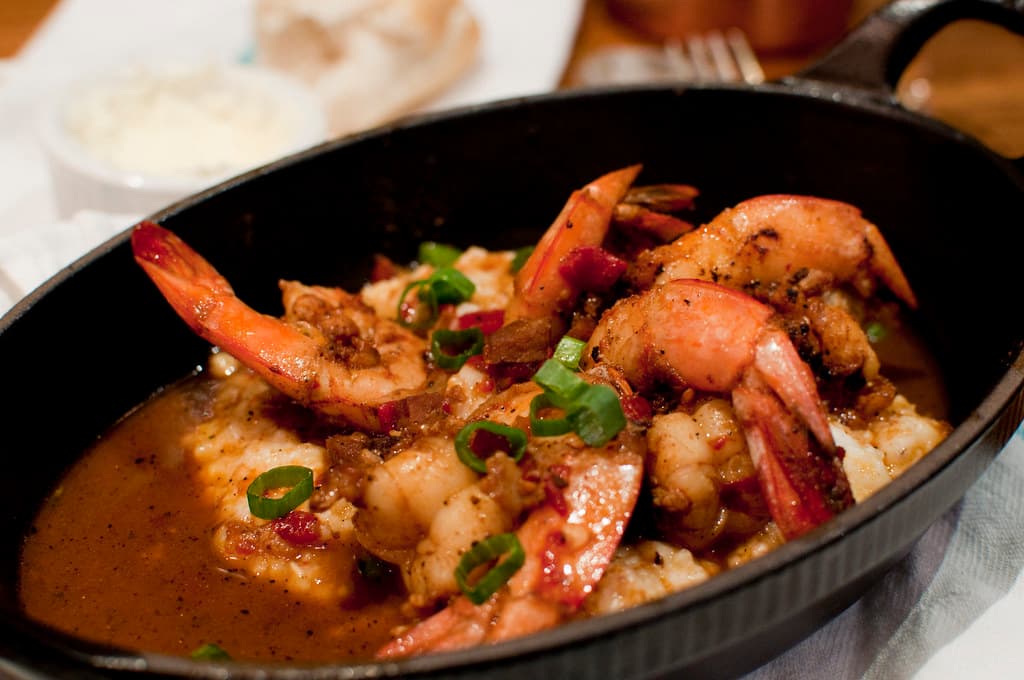
1800-1860
Shrimp and Grits is a Southern United States dish combining seasoned sauteed shrimp served over creamy cornmeal grits. It originated as a modest coastal breakfast and evolved into a beloved regional staple across meals.
America's Melting Pot
Shrub photo coming soon
1776-1800
Shrub is a vinegar-based syrup mixed with fruit juice or water to create a refreshing beverage. It was popular in Revolutionary-era America as a preserved fruit drink and early cocktail mixer.
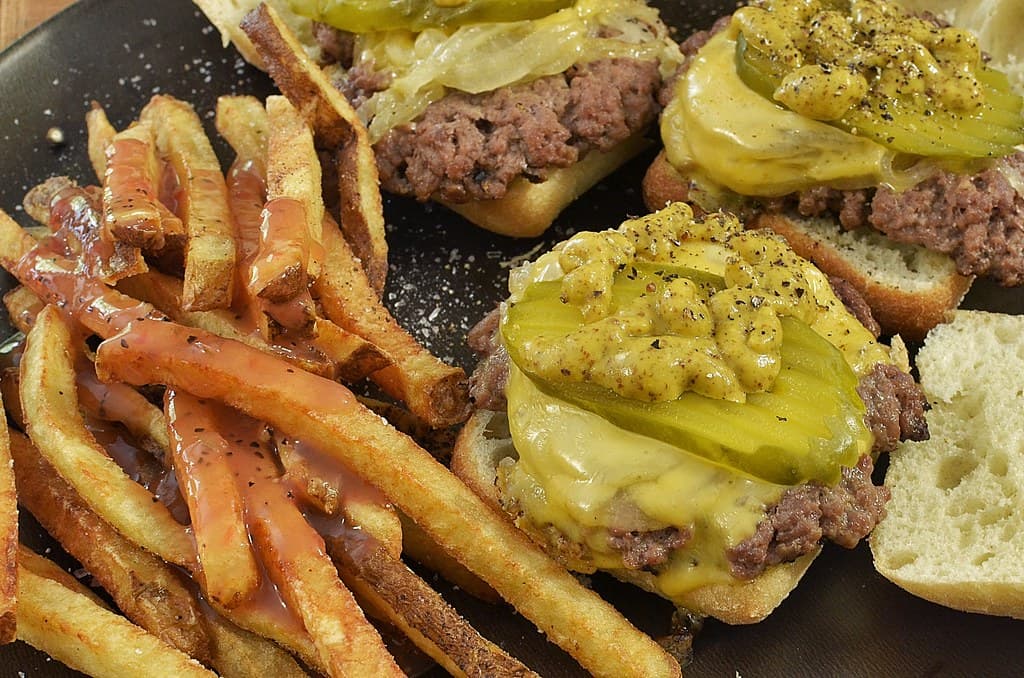
1900-1929
Sliders are small hamburgers or sandwiches traditionally served as party food or game day snacks across American households. Popularized during the late 20th century, they offer a bite-sized, flavorful option perfect for sharing at casual gatherings.
America's Melting Pot
Slim/Fitness Smoothie photo coming soon
1970-1989
Slim/Fitness Smoothie brings juice-bar color and American smoothie-counter energy to the glass: Chain smoothie category.
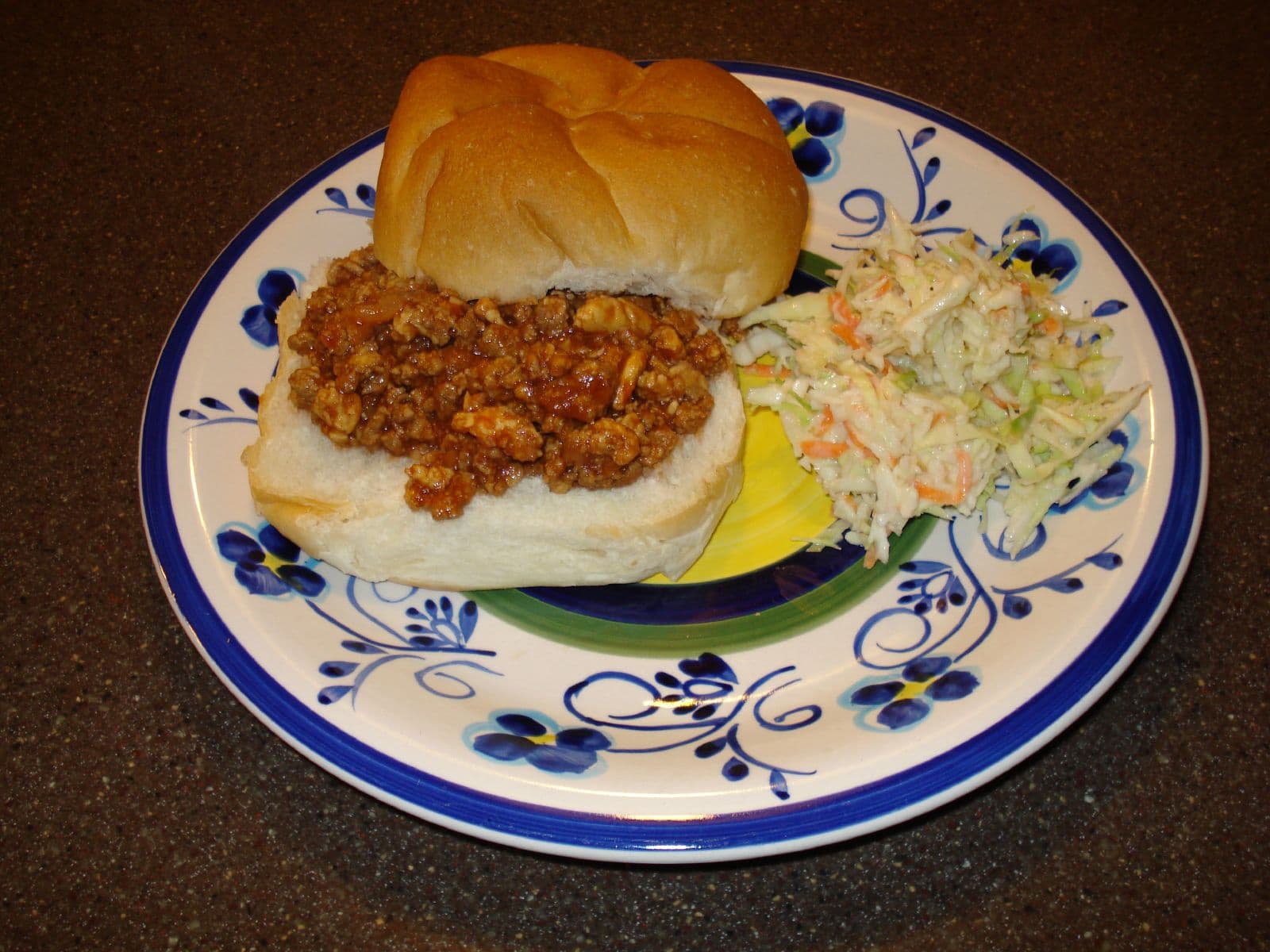
1900-1929
The Sloppy Joe is a casual American sandwich combining seasoned ground beef in a tangy tomato-based sauce served on a sandwich bun. Beloved for its indulgent flavor and ease of preparation, it became popular mid-20th century as an affordable family meal and lunch counter staple.
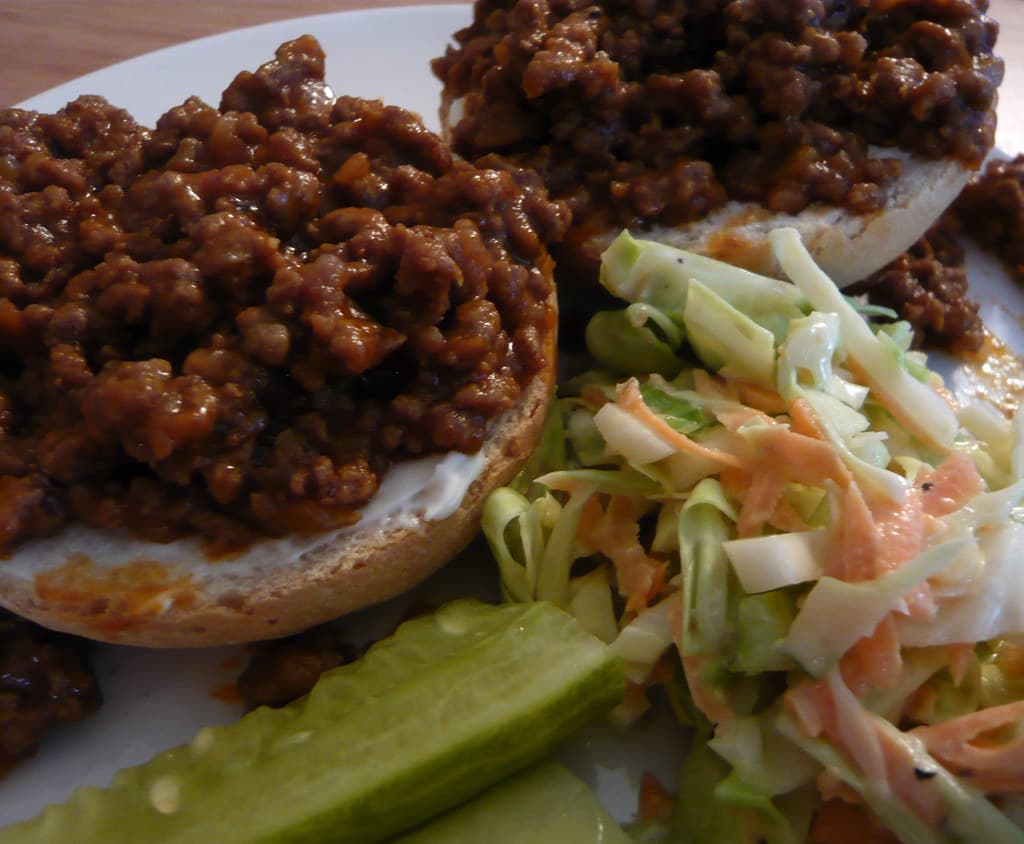
1900-1929
Sloppy Joes are ground beef sandwiches served in a savory tomato sauce on hamburger buns. Popular from the early 20th century in diners, schools, and community gatherings, they became a staple of affordable American social dining, especially at state fairs and church suppers.
America's Melting Pot
Smash Burger Tacos photo coming soon
2010-2026
Smash Burger Tacos combine the crispy seared beef patties with Mexican-style tortillas and toppings, reflecting an American-Mexican fusion popularized by food trucks and viral food culture since 2010.
America's Melting Pot
Smoked Bologna photo coming soon
1945-2000
Smoked Bologna is a beloved barbecue staple in Southern and Midwestern United States barbecue traditions. Thick slices of bologna sausage are smoked or grilled until flavorful charred edges develop, often served simply with bread or barbecue sides.
America's Melting Pot
Smoked Queso photo coming soon
2010-2026
Smoked queso is a popular dip combining melted cheese with subtle smoke flavor, trending with food trucks and farmers markets since 2010. This recipe incorporates slow-smoking techniques to transform traditional queso into a smoky, creamy appetizer favored at barbecue gatherings and casual events.
America's Melting Pot
Smoked Salmon photo coming soon
Native Foodways and Continuity
Smoked salmon is a time-honored food of Alaska, where indigenous and local peoples have long used smoking as a preservation method. This recipe showcases classic methods combining curing with cold and hot smoking techniques that impart rich flavor and increased shelf life, integral to Alaskan regional identity.
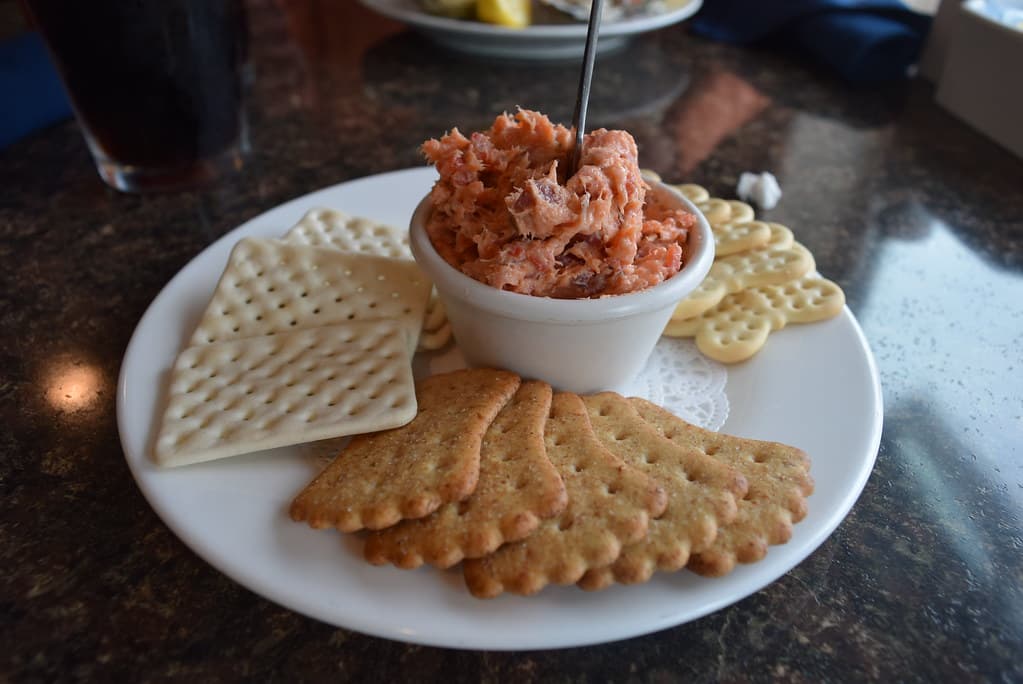
1945-2000
Smoked salmon dip is a popular appetizer in the Pacific Northwest reflecting the abundance of local smoked salmon. This dip combines smoky fish with creamy bases and complementary herbs, offering a versatile dish common at gatherings and celebrations in the region.
America's Melting Pot
Smoked Salmon Spread photo coming soon
Cross-era
Smoked Salmon Spread is a seafood sauce with real American table personality: Alaska, Pacific Northwest, Great Lakes. It brings flavor from the Midwest and Great Lakes to cookouts, counters, lunch plates, potlucks, and weeknight suppers.

1970-1989
Smoothies became a widespread American beverage from the 1970s through the 1980s, associated with mall food courts, health food movements, and regional popularity. These fruit-based blended drinks combine fresh ingredients with dairy or alternatives, serving as convenient refreshments for tailgates, fast food, and casual occasions.
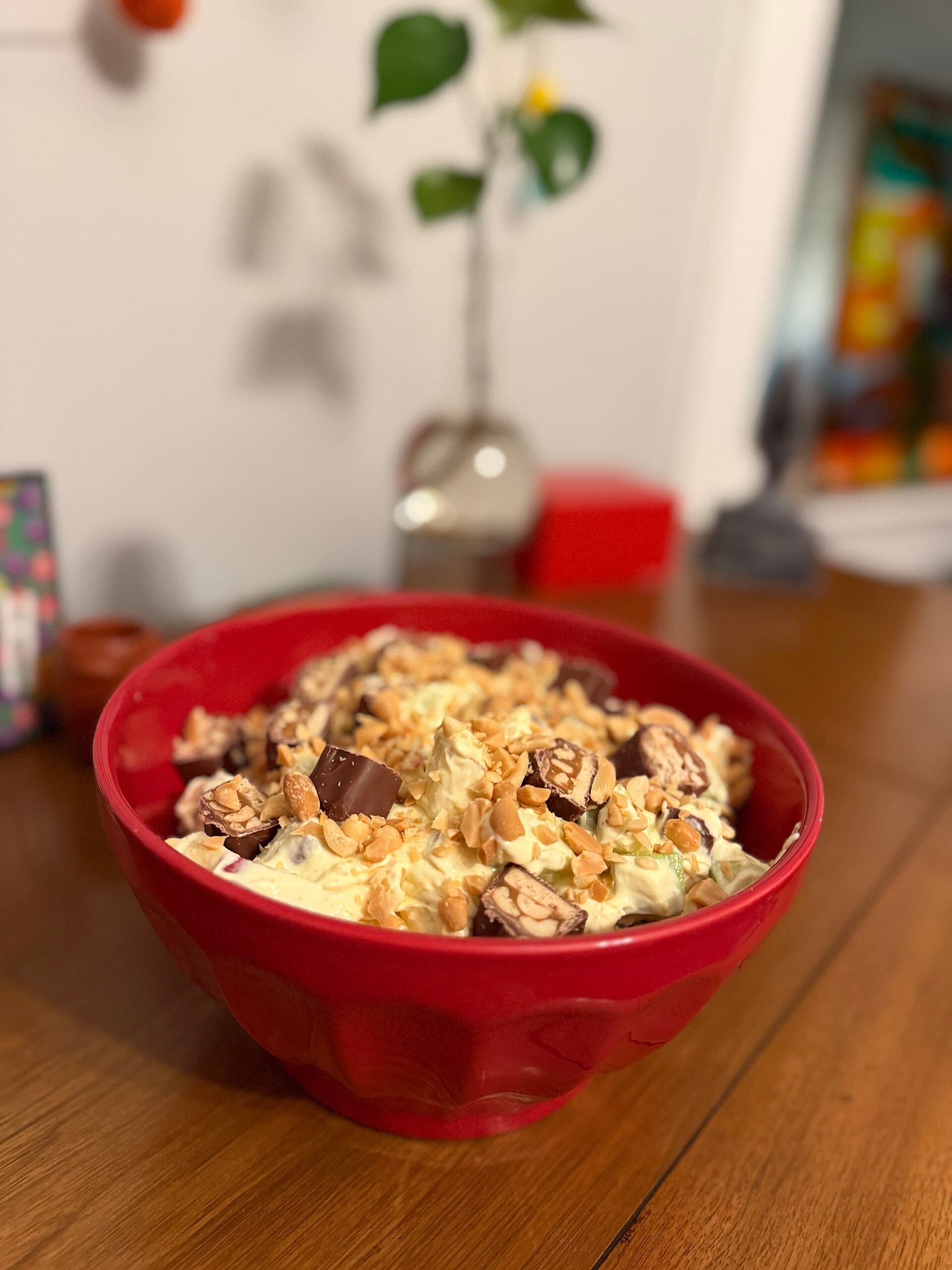
1946-1969
Snickers Salad combines chopped Snickers bars, apples, whipped topping, and sometimes pudding mix into a creamy fruit salad. Popular in mid-20th century American suburbs, it illustrates the era's fascination with sweet, easy-to-assemble salads served at potlucks and family dinners.
America's Melting Pot
Snickers Salad Dressing photo coming soon
Cross-era
Snickers Salad Dressing is a spread with real American table personality: Upper Midwest "salad" that is absolutely dessert. It brings flavor from the Midwest and Great Lakes to cookouts, counters, lunch plates, potlucks, and weeknight suppers.
America's Melting Pot
Sonoran Cheese Crisp photo coming soon
1800-1860
Sonoran Cheese Crisp consists of a crispy fried or baked tortilla topped with melted cheese and optional toppings. Originating in the Mexican-American and Spanish borderlands of the Southwest, it highlights the fusion of cultures and local flavors in this region.
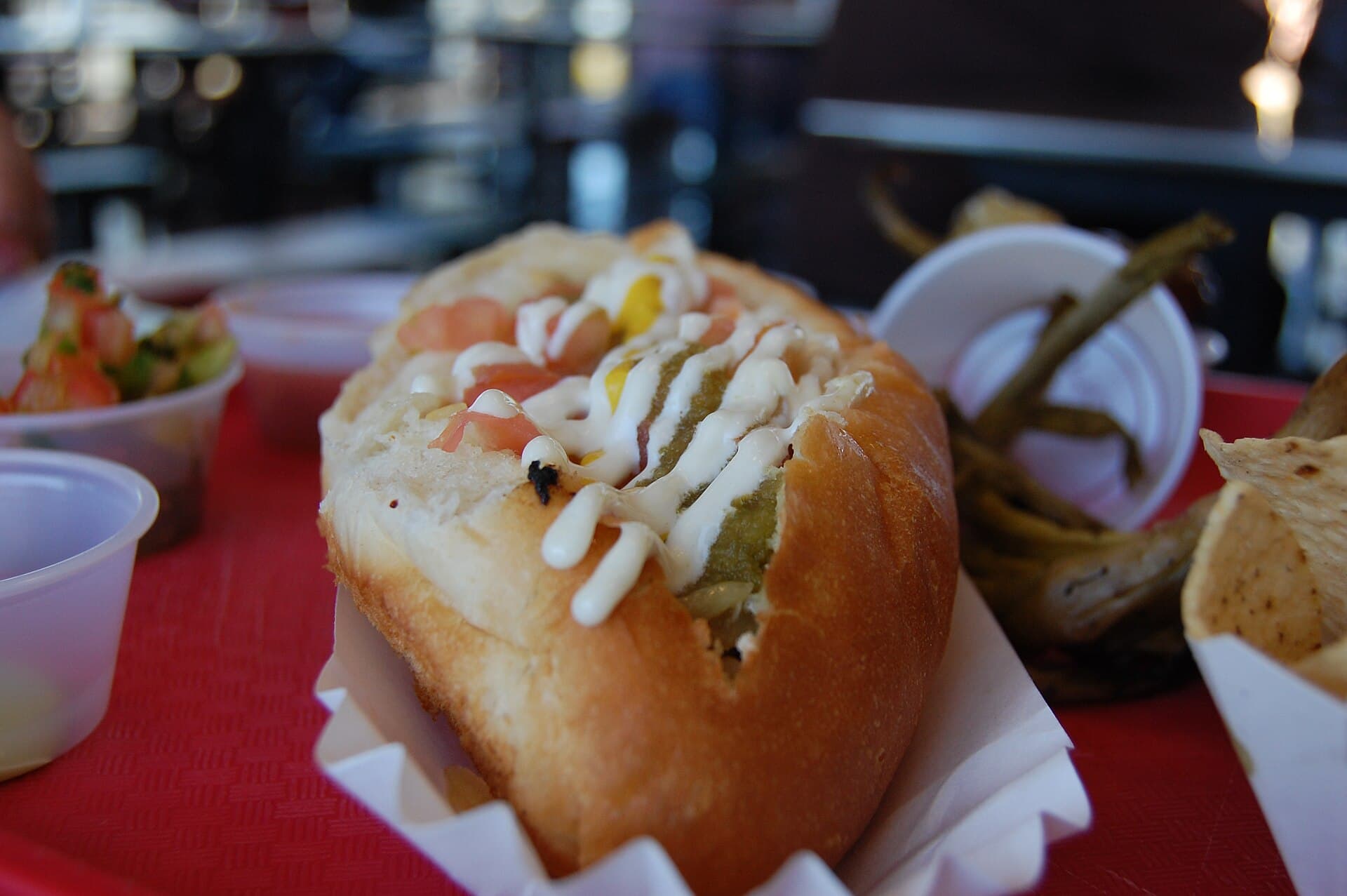
1945-2000
The Sonoran Hot Dog is a regional specialty from the Southwest featuring a hot dog wrapped in bacon and topped with ingredients like tomatoes, onions, jalapenos, and beans, usually served on a bolillo-style bun. It reflects the blending of Mexican and American culinary influences in this border area.
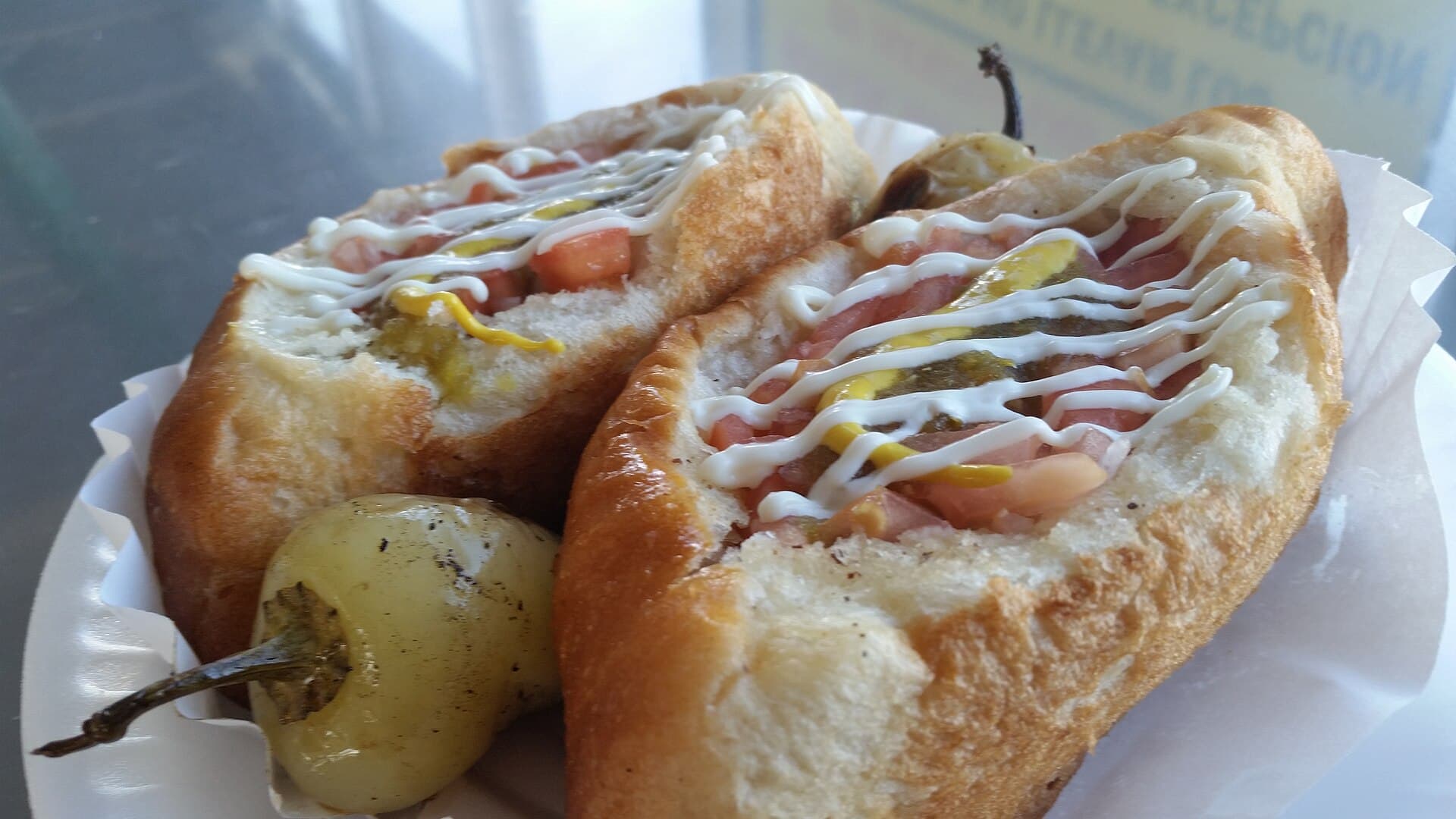
2010-2026
Sonoran Hot Dogs as a modern food truck and fusion dish highlight the popularity of Southwestern flavors combined with Southern elements. These hot dogs expand the traditional recipe with regional adaptations, appealing to contemporary palates and viral food culture.
America's Melting Pot
Sopa de Fideo photo coming soon
1800-1860
Sopa de Fideo is a light tomato-based soup featuring thin noodles, typical of Mexican and Southwestern home cooking. Its simple ingredients and preparation made it a staple in borderlands kitchens from the 19th century, providing a comforting, nourishing meal.
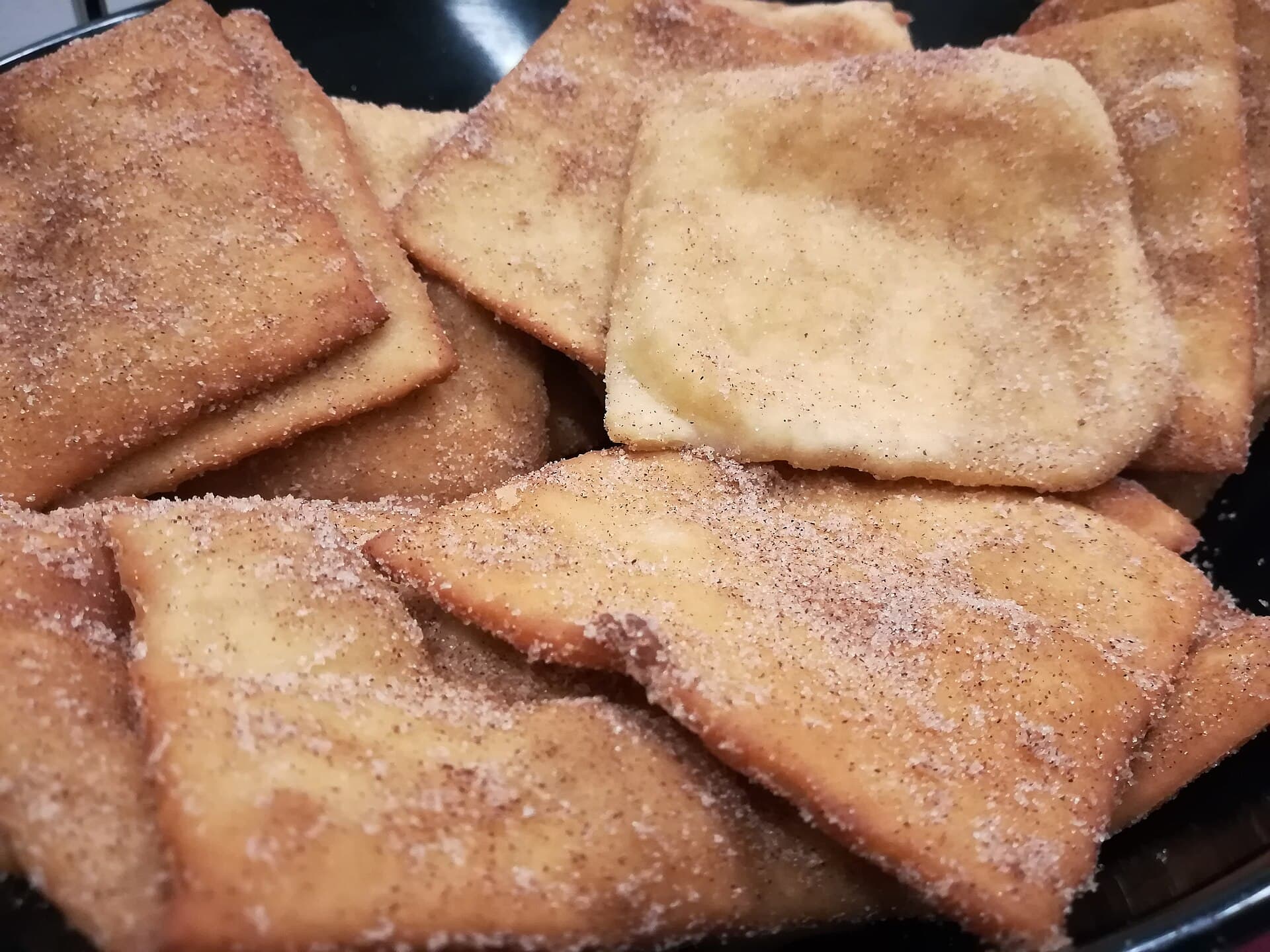
1800-1860
Sopapillas are puffy, fried dough pastries that puff up when cooked, creating a hollow interior perfect for stuffing or drizzling with honey. Enjoyed in Southwestern and Southern cuisines, they are versatile for savory or sweet preparations, reflecting cultural exchanges in these regions.
America's Melting Pot
Sorghum Cookies photo coming soon
1930-1945
Sorghum Cookies use sorghum molasses to create rich, sweet cookies that provided affordable treats during the 1930s Dust Bowl and Depression. This recipe exemplifies home baking focused on maximizing pantry staples to nourish families economically.
America's Melting Pot
Sorghum Molasses Bread photo coming soon
1930-1945
Sorghum Molasses Bread is a hearty bread sweetened by sorghum molasses, popular during and after the Civil War as a sustaining food. Its simple ingredients and dense texture made it suitable for military and frontier kitchens, reflecting practical baking in austere conditions.
America's Melting Pot
Sorghum Syrup photo coming soon
Frontier & Expansion
Sorghum Syrup is a sweet sauce with real American table personality: Southern/Appalachian sweetener from sorghum cane. It brings flavor from Appalachia and Pennsylvania Dutch country to cookouts, counters, lunch plates, potlucks, and weeknight suppers.
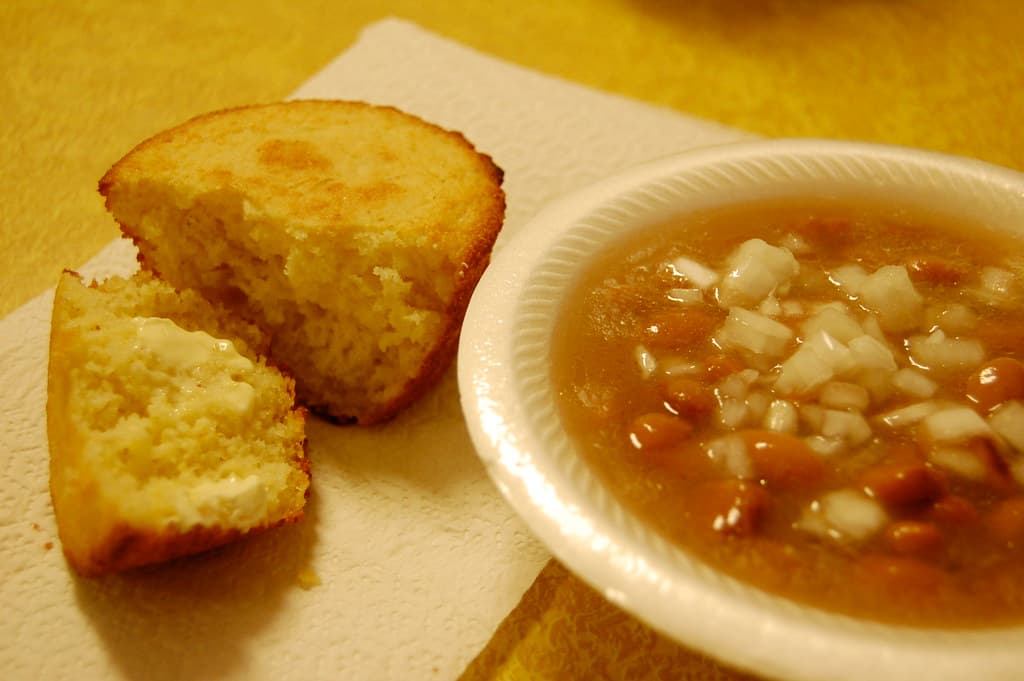
1800-1860
Soup Beans are a traditional slow-cooked bean stew popular in Appalachia and frontier regions during early American settlement. This dish is a humble, nourishing staple made with dried beans and minimal seasoning, reflecting the resourceful cooking of early settlers.
America's Melting Pot
South Carolina Mustard Barbecue photo coming soon
Before 1776
South Carolina Mustard Barbecue features a unique tangy yellow mustard-based sauce often paired with slow-cooked pork. This style reflects regional preferences distinct to South Carolina, blending sharpness and sweetness in barbecue traditions.
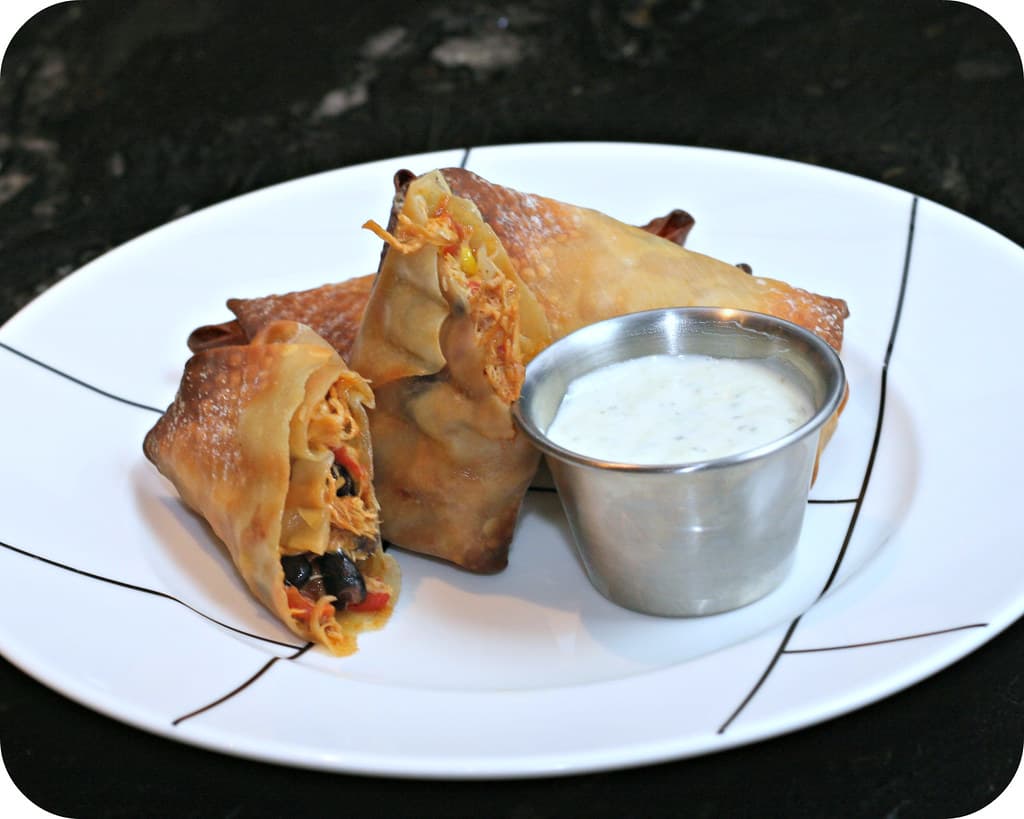
1990-2009
Southwest Egg Rolls blend traditional egg roll wrappers with fillings inspired by Southwestern cuisine, such as black beans, corn, peppers, and cheese. Popularized in family restaurants and chain eateries in the 1990s and 2000s, they offer a fusion appetizer with bold flavors.
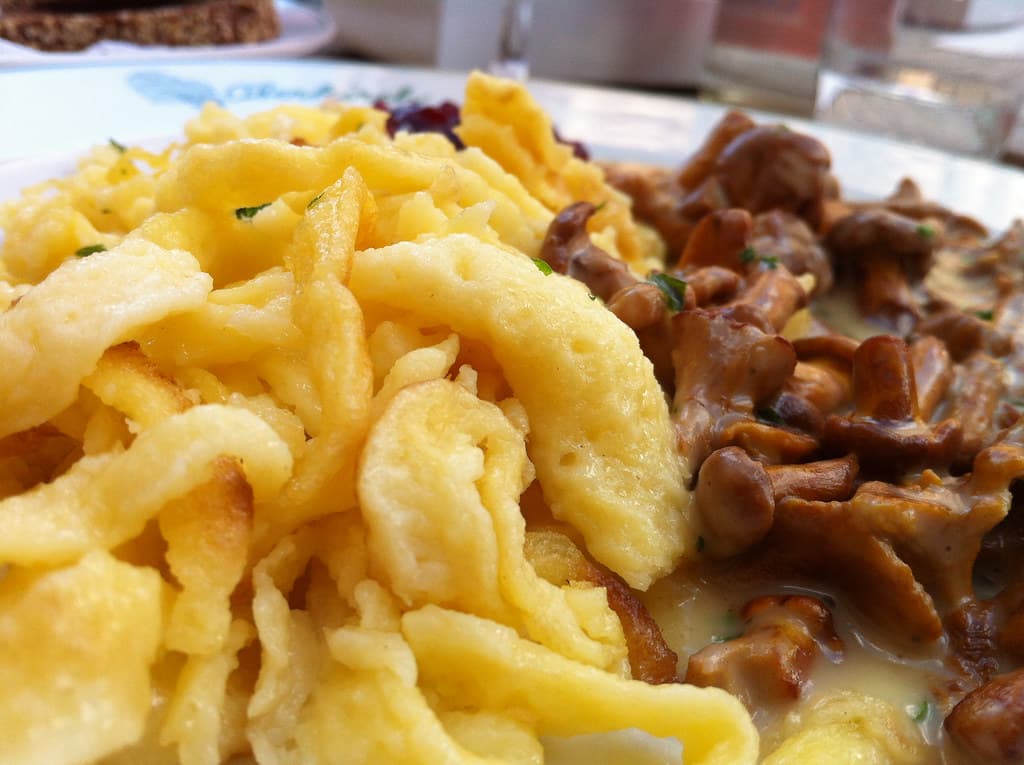
1800-1860
Spaetzle are soft egg noodles brought to America by German immigrants in the 1800s. Often served as a side to meat dishes, they reflect culinary traditions of German-speaking settlers adapting to new ingredients and kitchens in expanding American communities.
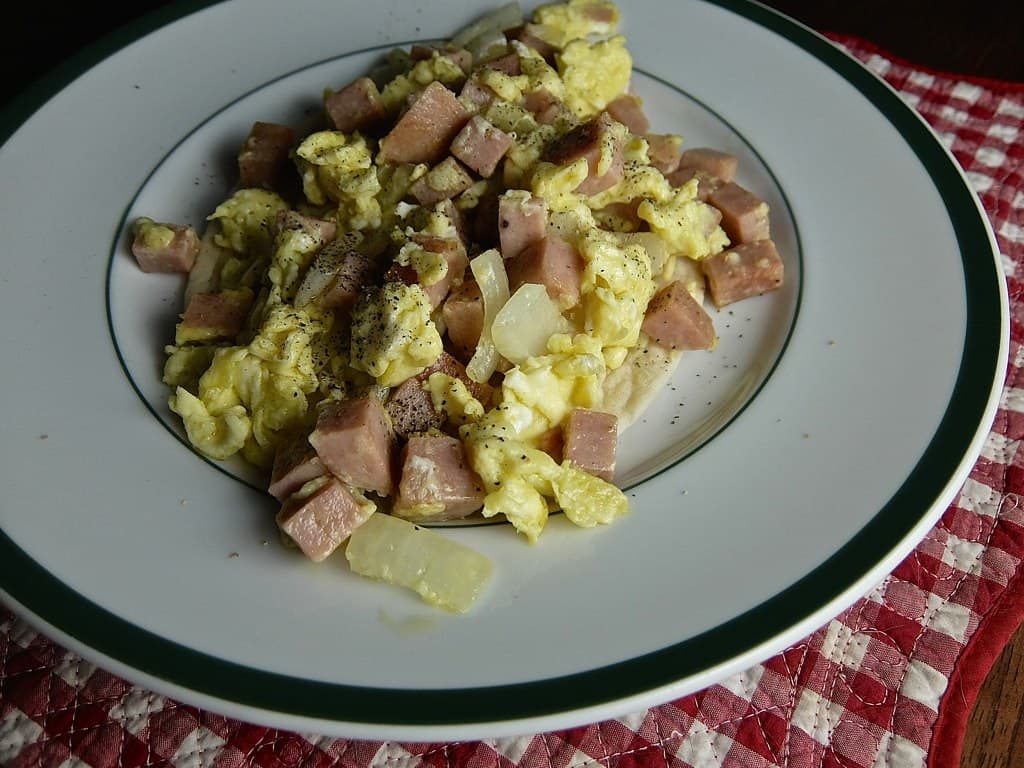
1930-1945
Spam and eggs became a practical breakfast during the 1930s-40s, when wartime rationing and economic hardship made canned meat a convenient protein source. It reflects American home front adaptations to food scarcity combined with comfort food ideas.
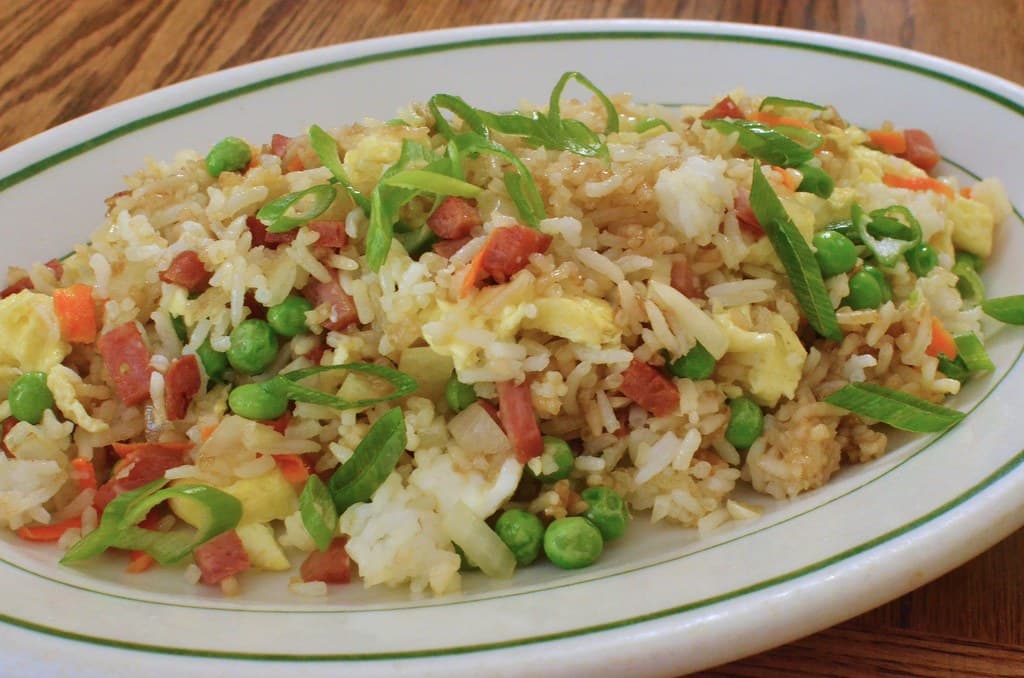
1930-1945
Spam fried rice arose during World War II when ingredients like fresh meat were scarce, especially in Pacific and Asian-American communities. The dish combines fried rice with Spam, reflecting resourcefulness and fusion during wartime kitchens.
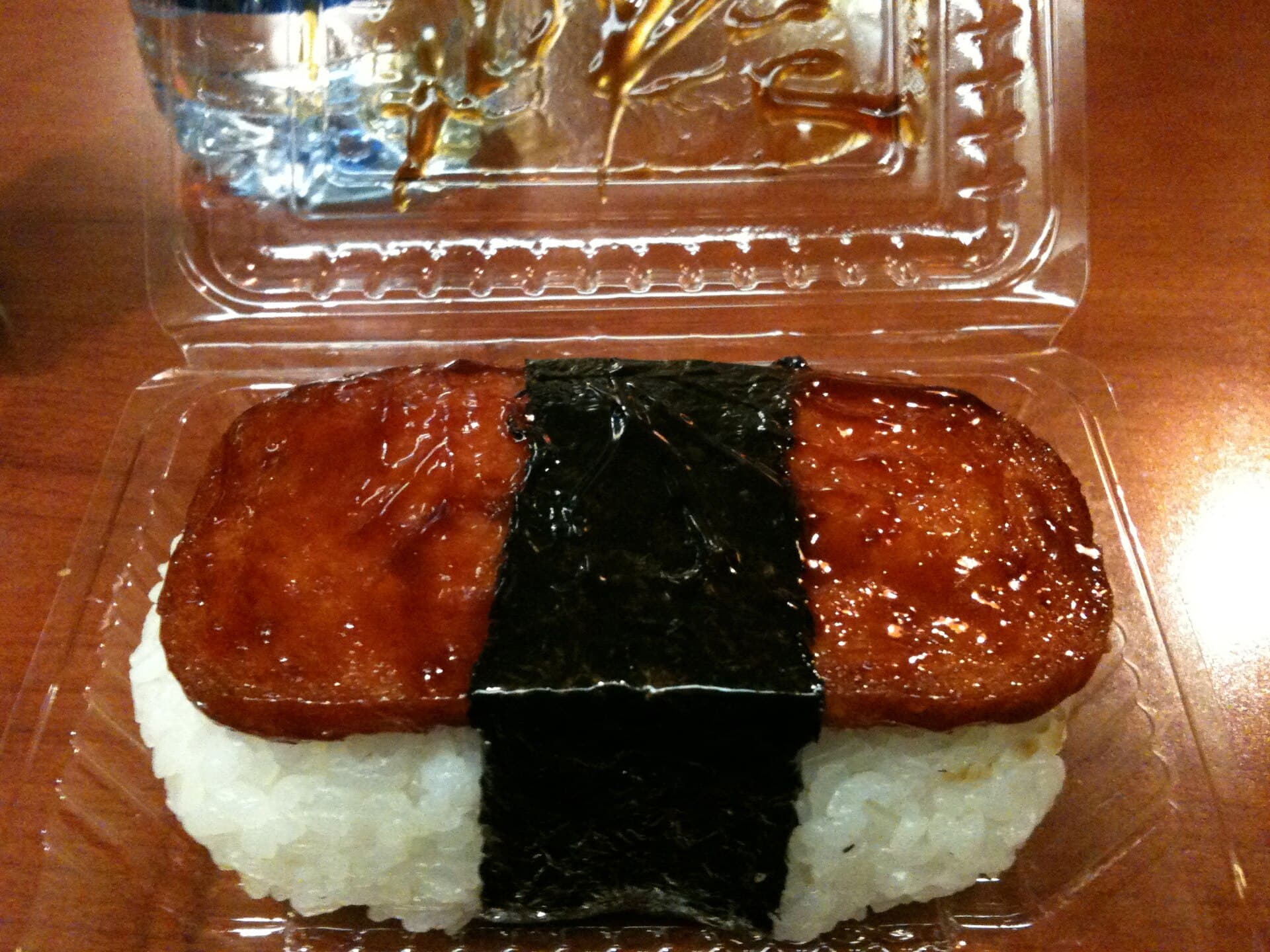
1930-1945
Spam musubi is a beloved Hawaiian snack that blends Japanese onigiri traditions with American canned meat from World War II. It symbolizes Hawaii's multicultural food culture and postwar adaptations.
America's Melting Pot
Special K Bars photo coming soon
1945-2000
Special K Bars are a no-bake dessert featuring Special K cereal, nuts, and sweet binding agents popular in Midwestern community potlucks and church gatherings. They exemplify simple, accessible treats favored in collective kitchens.
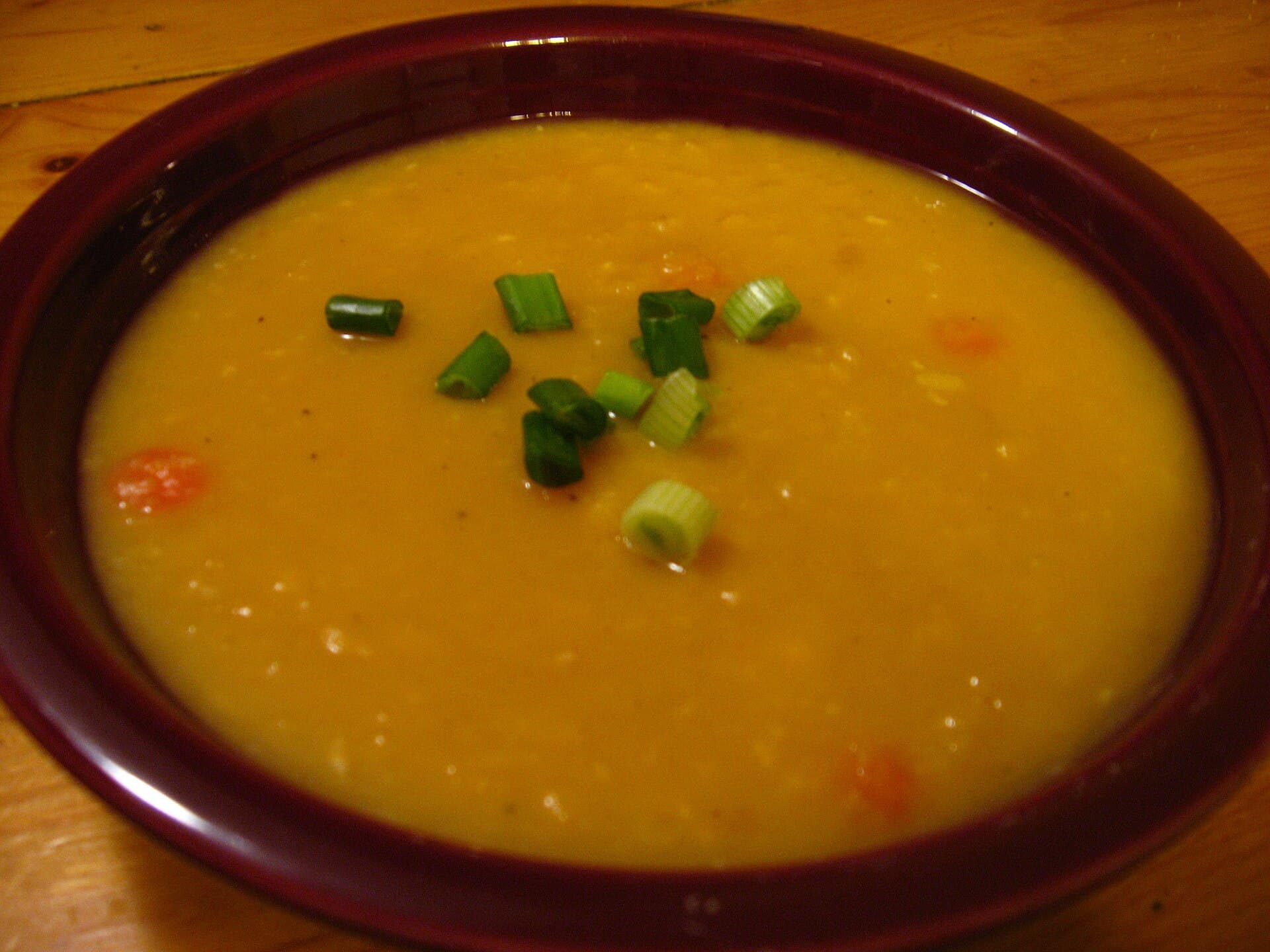
1800-1860
Split pea soup is a hearty, thick soup often made with dried peas, ham, vegetables, and seasonings, a staple of American one-pot cooking across many eras, prized for economy and nutrition.
America's Melting Pot
Spoon Shake photo coming soon
Postwar & Diner Age
Spoon Shake is thick, spoonable frozen-custard stand fun: Shake so thick it needs a spoon.
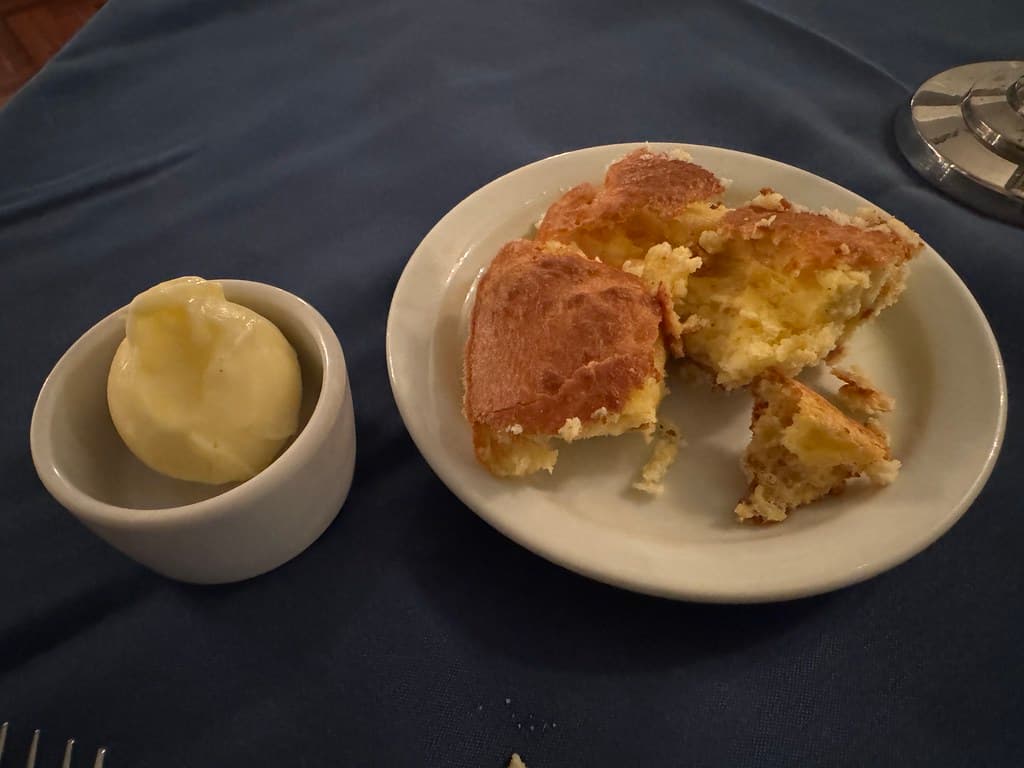
1776-1800
Spoonbread is a moist, custard-like cornmeal dish eaten with a spoon, popular in American homes since the Revolutionary era. It exemplifies colonial and early American adaptations of cornmeal into breakfast and side dishes.
America's Melting Pot
Sport Pepper Brine photo coming soon
Cross-era
Sport Pepper Brine is a sandwich sauce with real American table personality: Chicago hot dog culture. It brings flavor from Chicago and the Upper Midwest to cookouts, counters, lunch plates, potlucks, and weeknight suppers.
America's Melting Pot
Squirrel Gravy photo coming soon
1800-1860
Squirrel gravy is a traditional Appalachian dish using local squirrel meat slow-cooked to create a rich gravy often served with biscuits or cornbread. It illustrates subsistence cooking and resource use on the American frontier.
America's Melting Pot
Squirrel Stew photo coming soon
1776-1800
Squirrel stew is a rustic one-pot dish combining wild squirrel meat with vegetables and broth, common in late 18th century American cooking. It exemplifies use of game in colonial and revolutionary-era diets.
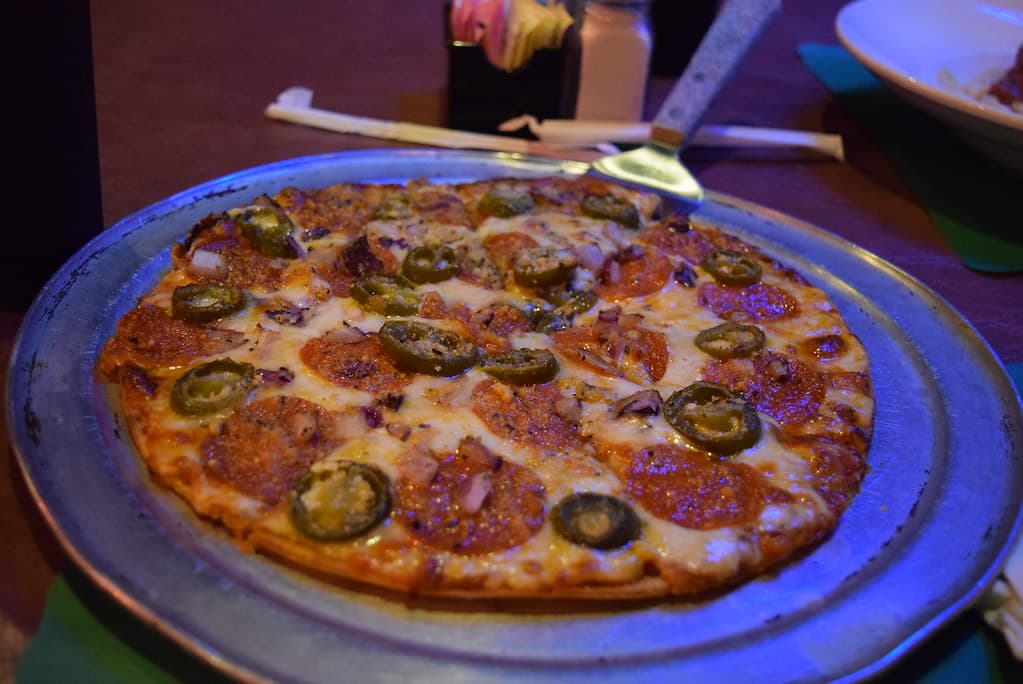
1945-2000
St. Louis Pizza is distinct for its ultra-thin, cracker-like crust, Provel cheese topping, and square slices. This regional specialty blends Italian-American pizza traditions with local innovations, emerging in mid-20th-century St. Louis area pizzerias and home kitchens.
America's Melting Pot
St. Louis Ribs photo coming soon
1900-1929
St. Louis ribs are a regional barbecue staple, characterized by trimmed spareribs cooked slowly and finished with a sweet, tangy tomato-based sauce. This style emphasizes tenderness, smoky flavor, and a balanced sauce, popularized in local barbecue traditions across Missouri and beyond.
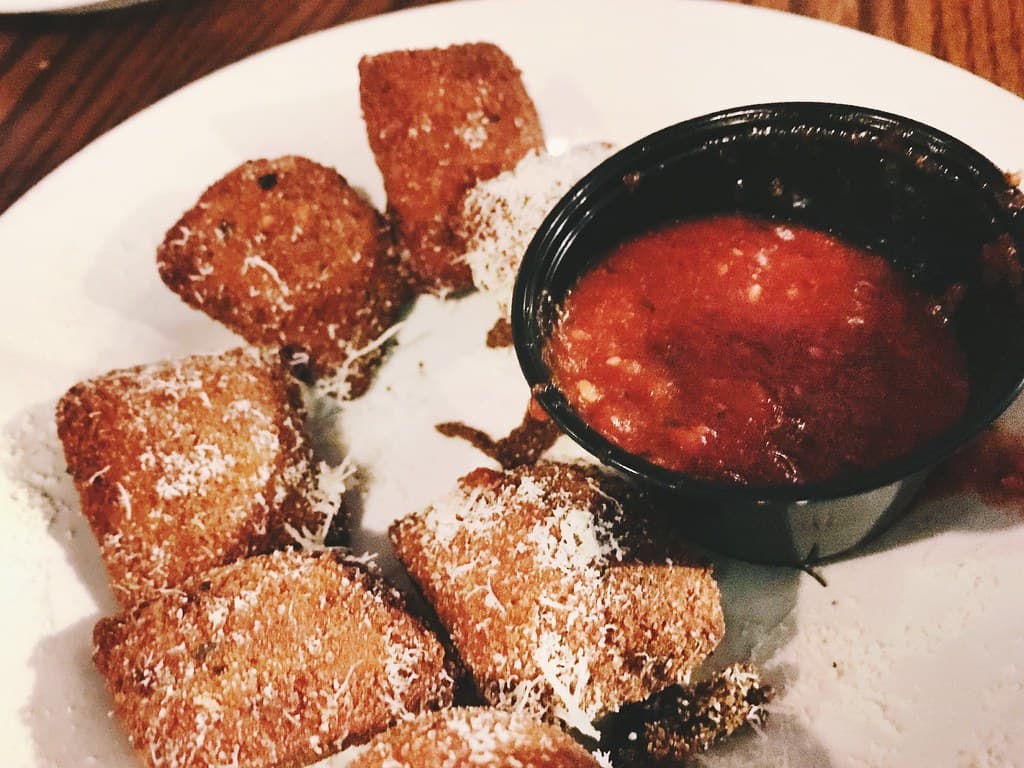
1946-1969
Toasted ravioli is a St. Louis original featuring breaded ravioli fried to a crisp golden brown, served as an appetizer with marinara sauce. This playful reinterpretation of traditional ravioli emerged post-World War II, becoming a beloved regional bar and family favorite.
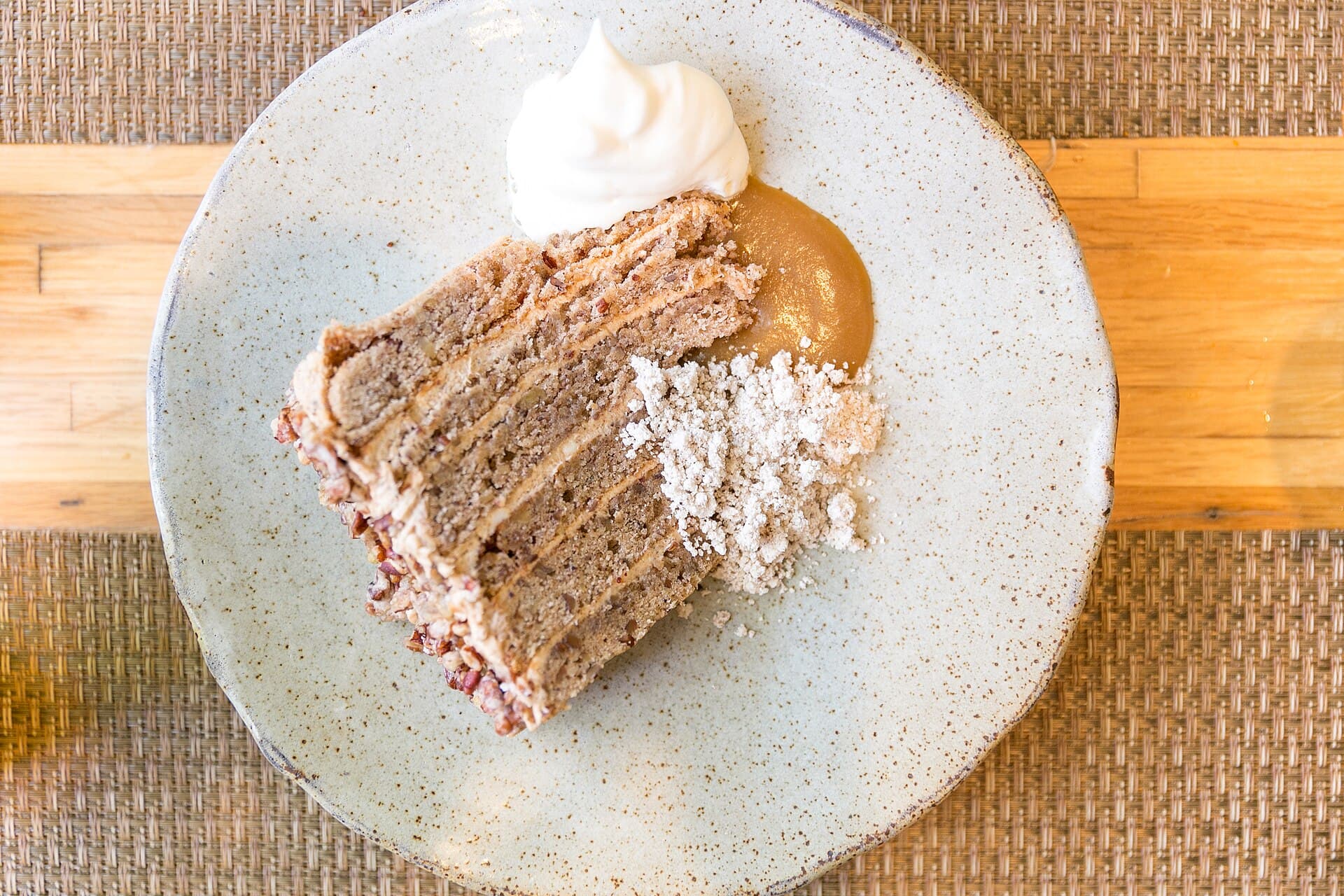
1800-1860
Stack cake is a layered cake sweetened with honey or molasses, often assembled with fruit preserves, traditional in Appalachian communities. It served as a celebratory dessert during the 1800-1860 period, reflecting local ingredients and social customs.
America's Melting Pot
Stewed Pumpkin photo coming soon
1776-1800
Stewed pumpkin was a common vegetable preparation in late 18th-century America, used as a side or base for other dishes. This recipe highlights the simple stewing of fresh or dried pumpkin to tender, flavorful softness, often lightly sweetened or spiced.
America's Melting Pot
Strawberry Banana Smoothie photo coming soon
1970-1989
Strawberry Banana Smoothie brings juice-bar color and American smoothie-counter energy to the glass: The default American smoothie.
America's Melting Pot
Strawberry Custard Shake photo coming soon
Postwar & Diner Age
Strawberry Custard Shake is thick, spoonable frozen-custard stand fun: Custard-stand staple.
America's Melting Pot
Strawberry Ice Cream Soda photo coming soon
1861-1900
Strawberry Ice Cream Soda is fizzy Americana from the soda-fountain counter: Strawberry syrup, soda, ice cream.
America's Melting Pot
Strawberry Jam photo coming soon
1800-1860
Strawberry Jam is a preserve with real American table personality: Farmhouse, state fair, and breakfast table staple. It brings flavor from coast-to-coast American tables to cookouts, counters, lunch plates, potlucks, and weeknight suppers.
America's Melting Pot
Strawberry Julius photo coming soon
Postwar & Diner Age
Strawberry Julius carries the bright, frothy spirit of American mall counters: Fruit mall-drink variation.
America's Melting Pot
Strawberry Malt photo coming soon
1900-1929
Strawberry Malt pours old-school malt-shop cheer into a cold glass: Classic diner/malt shop order.

1900-1929
Strawberry Milkshake pours old-school malt-shop cheer into a cold glass: Ice cream parlor classic.
America's Melting Pot
Strawberry Pretzel Salad photo coming soon
1946-1969
Strawberry Pretzel Salad combines a salty pretzel crust, a creamy sweetened cream cheese layer, and a tangy strawberry gelatin topping. Emerging in postwar America, this recipe became a staple at holiday and Easter tables, marrying convenience with contrasting flavors and textures.
America's Melting Pot
Strawberry Protein Smoothie photo coming soon
1970-1989
Strawberry Protein Smoothie brings juice-bar color and American smoothie-counter energy to the glass: Fitness-chain favorite.
America's Melting Pot
Strawberry-Banana Julius photo coming soon
Postwar & Diner Age
Strawberry-Banana Julius carries the bright, frothy spirit of American mall counters: Smoothie-bar bridge drink.
America's Melting Pot
Strawberry-Rhubarb Jam photo coming soon
Cross-era
Strawberry-Rhubarb Jam is a preserve with real American table personality: Midwest and northern garden classic. It brings flavor from the Midwest and Great Lakes to cookouts, counters, lunch plates, potlucks, and weeknight suppers.
America's Melting Pot
Stuffed Pepper Casserole photo coming soon
1946-1969
Stuffed Pepper Casserole reimagines classic stuffed peppers as a layered hotdish favored in Midwestern American households during the postwar era. Combining bell peppers, ground meat, rice, cheese, and tomato sauce baked together, this comforting casserole reflects regional casserole traditions.
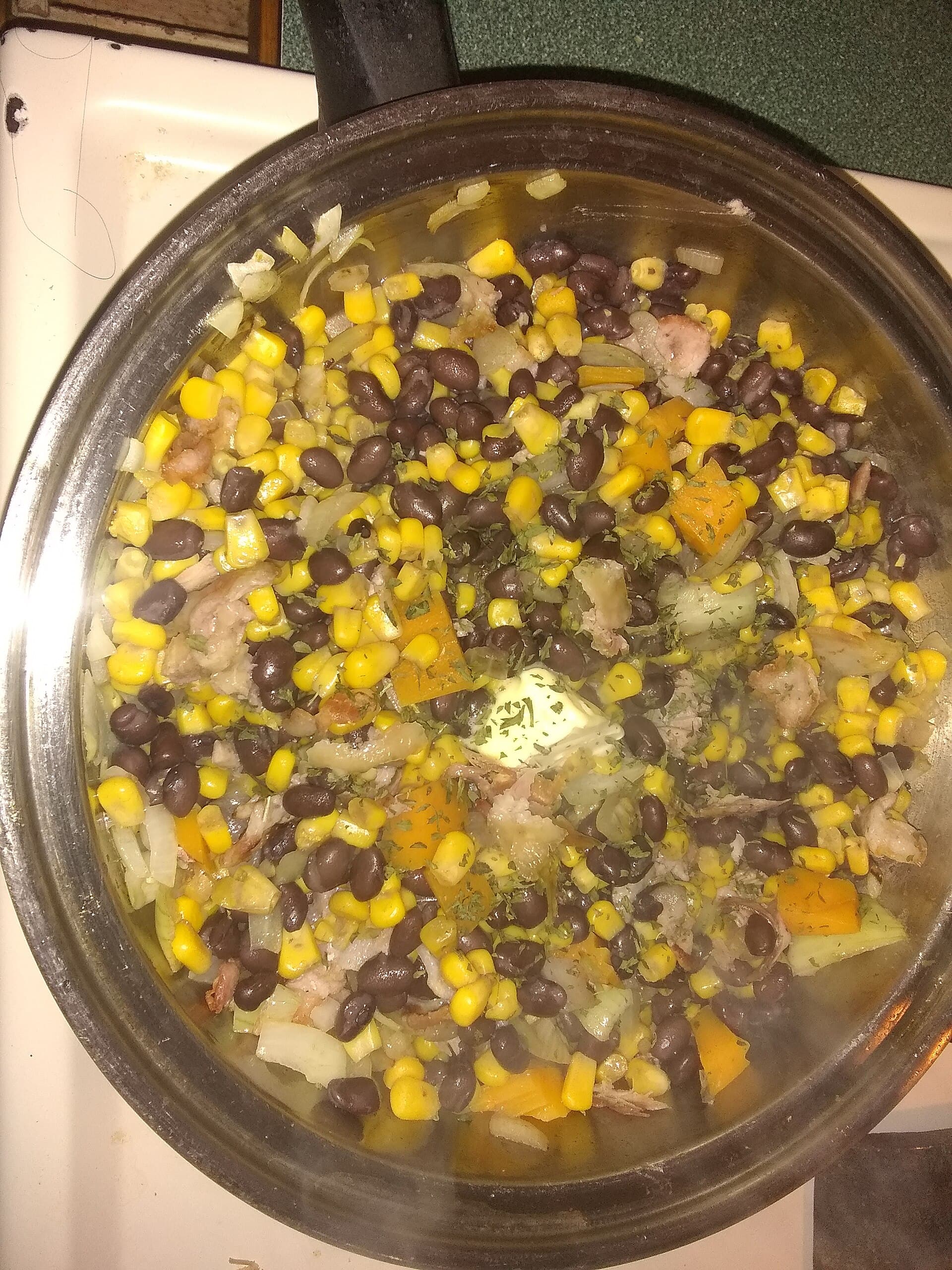
Before 1776
Succotash is a hearty vegetable stew of corn and lima beans, with variations including tomatoes, peppers, or other vegetables. Rooted in early American and Native food traditions, it was commonly served throughout the Revolutionary era as a simple, nutrient-rich side or main dish.

1776-1800
Sugar cookies are a timeless American holiday treat known for their crisp edges and tender interiors. Often decorated with colored sugar or icing, they hold a special place in Christmas celebrations and beyond, evolving over centuries to suit home bakers and commercial baking alike.
America's Melting Pot
Swedish Meatballs photo coming soon
1861-1900
A hearty meatball dish brought by Scandinavian immigrants to the American Midwest during the late 19th century. Popularized in homes, churches, schools, and state fairs as a comfort food, especially during Christmas holidays.
America's Melting Pot
Sweet Potato Pie Shake photo coming soon
Postwar & Diner Age
Sweet Potato Pie Shake brings drive-in, carhop, and fast-food dessert-counter energy to the table: Southern dessert shake.

2010-2026
Sweet tea is a signature Southern iced tea sweetened generously with sugar, widely consumed at family gatherings, food trucks, and celebrations such as the Fourth of July. It embodies hospitality and regional identity in modern American culture.
America's Melting Pot
Swiss Steak Casserole photo coming soon
1946-1969
Swiss steak casserole is a comforting American casserole popular in the Midwest during postwar suburban expansion. Featuring tenderized beef cooked in tomatoes and baked with toppings, it became common in home kitchens, reflecting convenience and frugality of the era.
America's Melting Pot
Switchel photo coming soon
1776-1800
Switchel, also known as haymaker's punch, is a traditional American fermented drink of water, vinegar, ginger, and sweeteners dating to the Revolutionary period. It was commonly consumed for refreshment and hydration during hard labor and social occasions.
America's Melting Pot
Tabasco Sauce photo coming soon
Cross-era
Tabasco Sauce is a condiment with real American table personality: Avery Island, Louisiana; one of America's great food exports. It brings flavor from the American South to cookouts, counters, lunch plates, potlucks, and weeknight suppers.
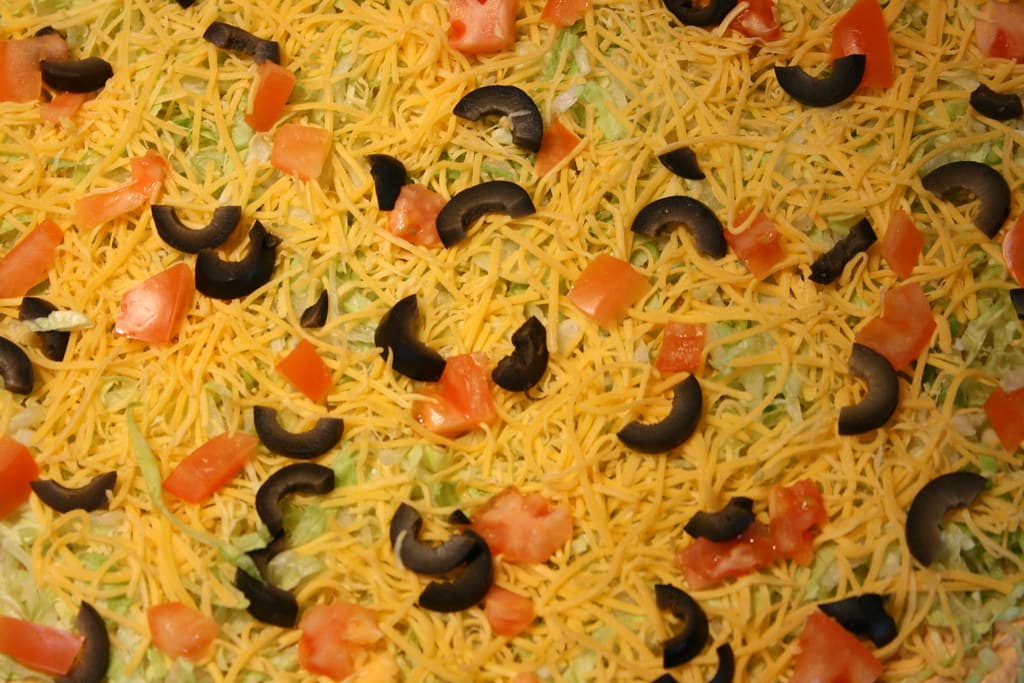
1970-1989
Taco dip emerged in the 1970s as an easy, crowd-pleasing party food combining flavors inspired by Mexican cuisine and American convenience foods. Popular at family gatherings and tailgate parties, it showcases the fusion and fast food trends of the era.
America's Melting Pot
Taco Hotdish photo coming soon
1970-1989
Taco hotdish originated in the Midwest during the 1970s as a convenient casserole blending American and Mexican flavors. It combined ground beef, taco seasoning, and various toppings baked into a one-dish meal favored for tailgates and family dinners.
America's Melting Pot
Taco in a Bag photo coming soon
Modern Melting Pot
A portable concession-stand meal of chips, taco meat, cheese, lettuce, salsa, and toppings served right in the bag.
America's Melting Pot
Taco Pizza photo coming soon
1970-1989
Taco pizza is an American fusion dish that appeared in the 1970s, combining pizza crust with Mexican-inspired taco toppings. Popular at tailgate parties and casual gatherings, it reflects the blending of Tex-Mex and Italian-American food traditions.
America's Melting Pot
Taco Salad photo coming soon
1970-1989
Taco salad became a popular side dish and light meal during the 1970s, blending ground beef, fresh vegetables, cheese, and tortilla chips in a bowl. This dish reflects the fusion of Mexican flavors with American convenience and health trends of the period.
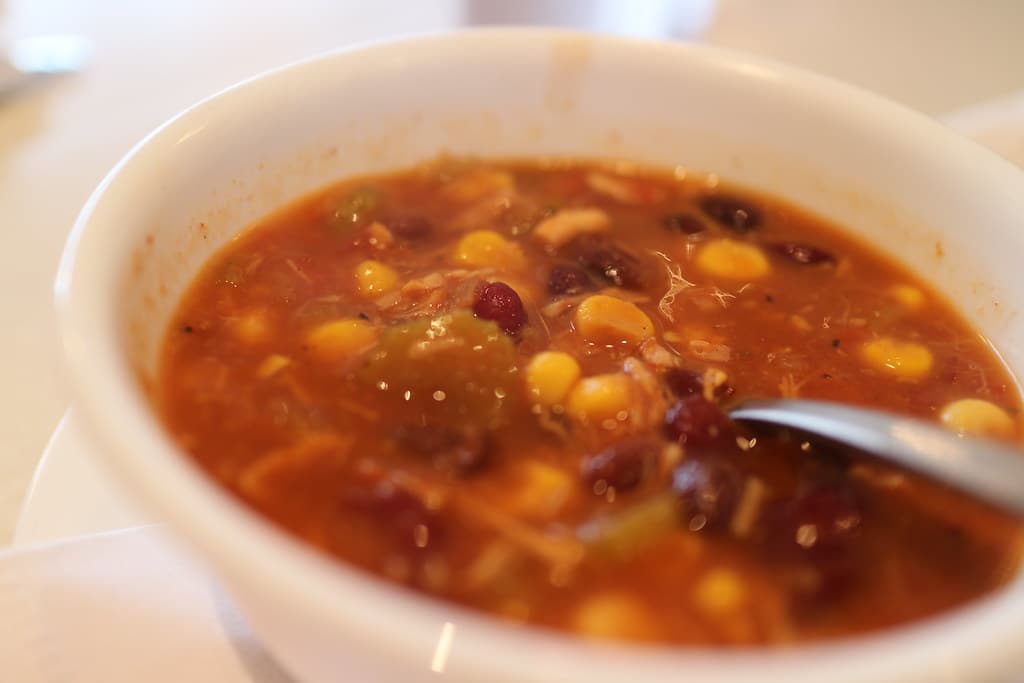
1970-1989
Taco soup gained popularity in the 1970s and 1980s as a hearty, easy-to-make soup incorporating ground beef, beans, tomatoes, and taco spices. It became a favored tailgate and family meal, representing Mexican-American food adaptation to American home cooking.
America's Melting Pot
Tacos in a Bag photo coming soon
1970-1989
Tacos in a bag originated in the Midwest during the 1970s and 1980s as a convenient, shareable snack combining tortilla chips with ground beef, cheese, and taco flavors directly in a bag. It became popular at schools, tailgates, and food trucks, reflecting regional adaptation and street food culture.
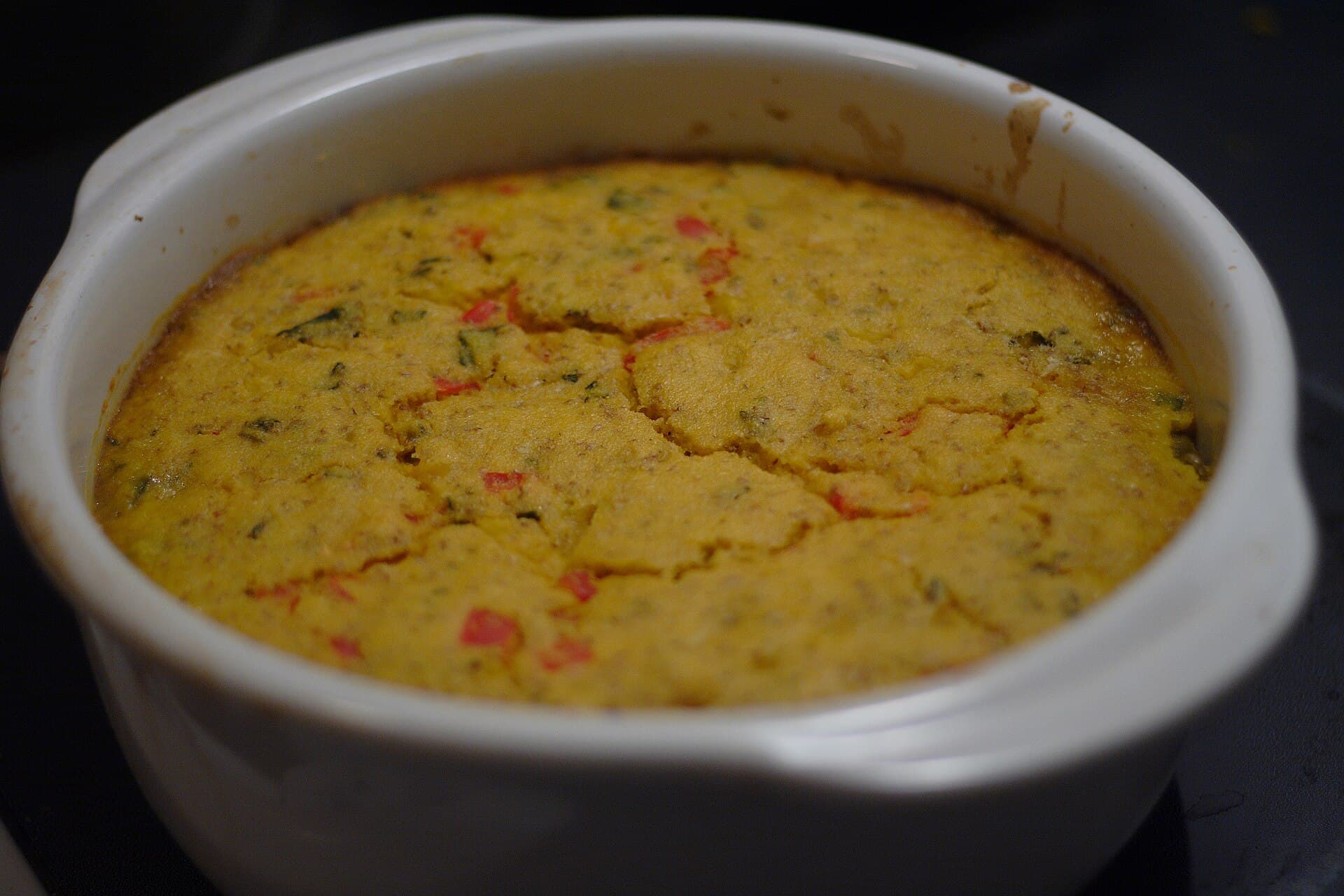
1946-1969
Tamale pie became a popular casserole in the Midwest and Southwest during the postwar decades, combining seasoned ground meat with a cornmeal crust reminiscent of traditional tamales. It served as a convenient comfort food blending Mexican and American culinary elements.
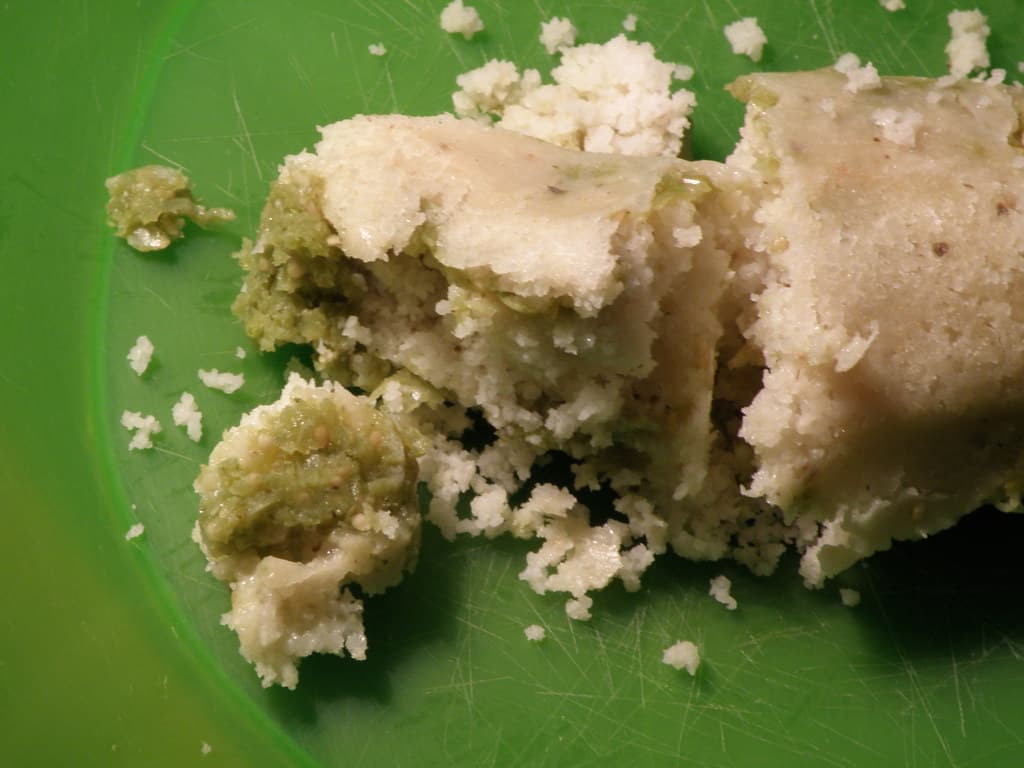
1800-1860
Tamales are traditional Mesoamerican foods made of masa dough filled with meat or vegetables, wrapped in corn husks, and steamed. They have deep roots in Mexican, Spanish borderlands, and Indigenous cultures and were adapted by Mexican-American communities in the 19th century, becoming central to holiday celebrations.
America's Melting Pot
Tartar Sauce photo coming soon
1900-1929
Tartar Sauce is a seafood sauce with real American table personality: American fish fry, fried clam, and fast-food fish sandwich staple. It brings flavor from coast-to-coast American tables to cookouts, counters, lunch plates, potlucks, and weeknight suppers.
America's Melting Pot
Tater Tot Hotdish photo coming soon
Postwar & Diner Age
A practical Upper Midwest casserole layered with seasoned beef, vegetables, creamy sauce, cheese, and crisp tater tots.
America's Melting Pot
Tater Tots photo coming soon
1946-1969
Tater tots, small cylinders of grated potato, were developed in the 1950s and became a popular oven- or fryer-prepared side dish in Midwestern American school cafeterias and family meals. They epitomize postwar convenience and the rise of processed foods in American diets.
America's Melting Pot
Taverns photo coming soon
1900-1929
Taverns, also known as loose meat sandwiches, originated in early 20th century American diners and lunch counters, especially in immigrant and industrial cities. The sandwich features seasoned ground beef served on a bun without forming a patty, popular at schools, churches, and state fairs.
America's Melting Pot
Teriyaki Burger Sauce photo coming soon
Cross-era
Teriyaki Burger Sauce is a sandwich sauce with real American table personality: Hawaiian/West Coast/Japanese-American fusion. It brings flavor from California, Hawaii, and the West Coast to cookouts, counters, lunch plates, potlucks, and weeknight suppers.
America's Melting Pot
Teriyaki Chicken Bowls photo coming soon
1970-1989
Teriyaki Chicken Bowls, combining marinated grilled chicken, rice, and vegetables, became popular in malls and fast food venues on the West Coast during the 1970s and 80s. This dish reflects convenience, fusion flavors, and regional pride, favored for tailgate events and casual gatherings.
America's Melting Pot
Tex-Mex Chopped Salad photo coming soon
Postwar & Diner Age
Tex-Mex Chopped Salad turns the taco-salad idea into a bright, fork-friendly supper: crisp lettuce, warm seasoned beef or beans, sweet corn, black beans, tomatoes, avocado, cheese, tortilla crunch, and a tangy lime-ranch dressing.
America's Melting Pot
Texas Brisket photo coming soon
1800-1860
Texas Brisket is a slow-smoked beef brisket seasoned with a spice rub and cooked low and slow over wood smoke, a centerpiece of Texas barbecue culture. Its smoky flavor, tender texture, and bark crust showcase the deeply regional American barbecue tradition highly celebrated across the United States today.
America's Melting Pot
Texas Mop Sauce photo coming soon
Cross-era
Texas Mop Sauce is a barbecue sauce with real American table personality: Thin sauce for basting beef, often with vinegar, spices, drippings, chile, or stock. It brings flavor from Texas and the Southwest to cookouts, counters, lunch plates, potlucks, and weeknight suppers.
America's Melting Pot
Texas Sheet Cake photo coming soon
1945-2000
Texas Sheet Cake is a rich, moist chocolate cake baked in a large rectangular pan and topped with a fudgy chocolate icing. Popular at church basements, funerals, and potlucks across the United States, this cake reveals the communal sharing of regional desserts blending simplicity with indulgence and ease of serving large groups.
America's Melting Pot
Three Sisters Stew photo coming soon
Before 1776
Three Sisters Stew features the traditional Indigenous American agricultural trio of corn, beans, and squash simmered into a hearty, nourishing stew. Reflecting centuries-old Native foodways, this dish celebrates indigenous crops and culinary traditions from Expansion through early 19th century America, underscoring sustainable agriculture and seasonal cooking.
Community recipe submission
Log in to submit a recipe, format it with the cooking companion, and send it for review.
Log in to Submit