
Loading
Setting the table...
Fetching the latest recipes from the archive.
Loading
Fetching the latest recipes from the archive.
Recipe archive
Recipe archive
Search the archive by title, region, ingredient, tag, or era, then sort the table by the view that fits your kitchen.
This archive is growing through recipes, photos, family recipes, and historical context shared by the community.
America's Melting Pot
Mock Whipped Cream photo coming soon
1930-1945
Mock Whipped Cream is an inventive, non-dairy topping created during the Great Depression and World War II era when cream was scarce or rationed. This economical recipe uses gelatin, milk, and sugar to simulate whipped cream's light texture and sweetness. It illustrates American homefront adaptations to food shortages, fitting within the context of victory gardens, rationing, and wartime ingenuity in domestic cooking.
1776-1800
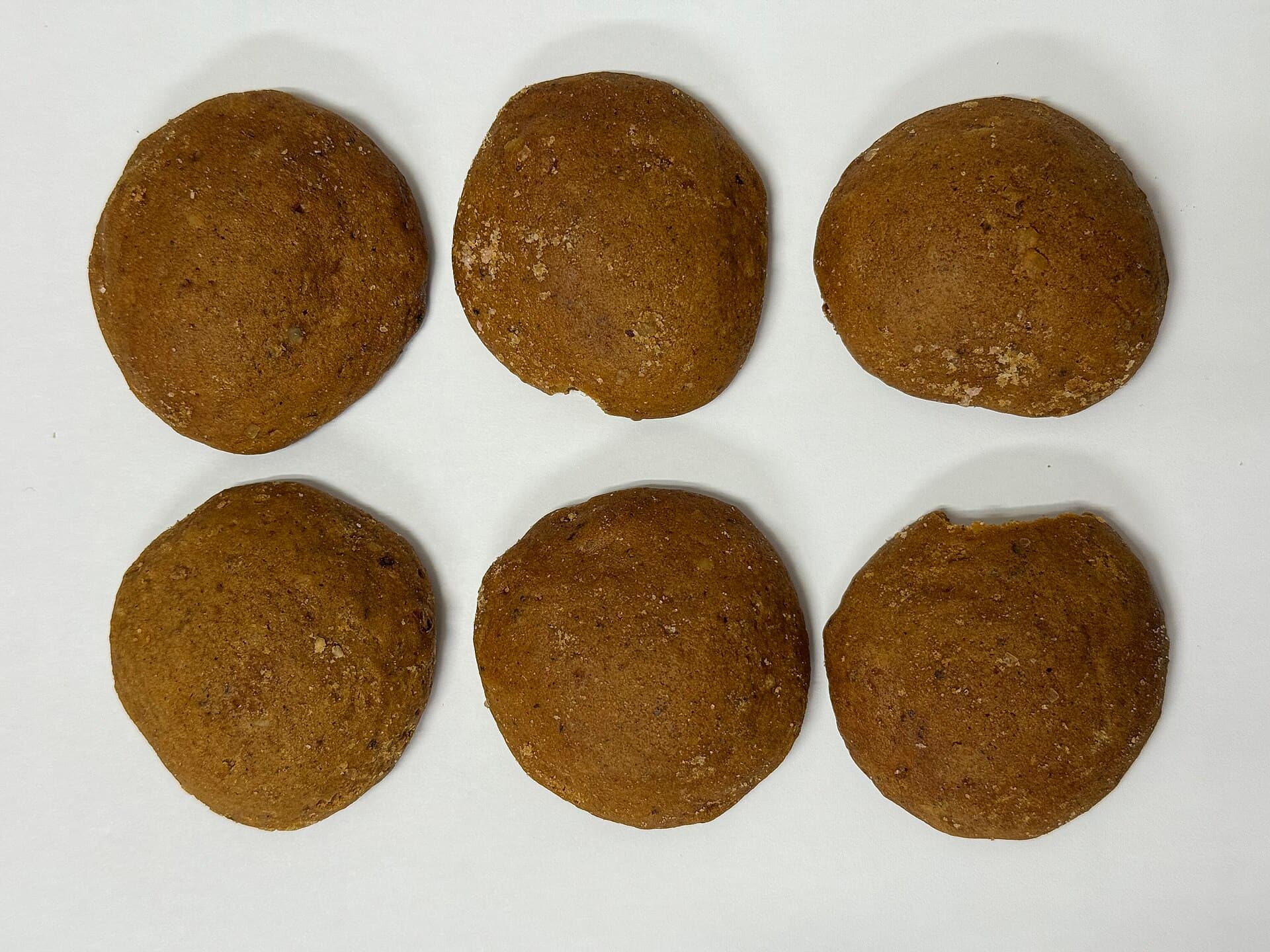
Molasses Cookies are chewy, spiced gingerbread-style cookies sweetened with rich molasses, reflecting early Appalachian and Revolutionary-era American baking traditions. These cookies were popular among settlers who used molasses as an affordable sweetener and incorporated warming spices for flavor. They became a staple of military rations and domestic kitchens during the Civil War era, offering comfort and energy.
America's Melting Pot
Molasses Pound Cake photo coming soon
1861-1900
Molasses Pound Cake is a rich, moist cake sweetened with molasses, characteristic of Southern American desserts during the Reconstruction era. The cake features traditional pound cake proportions with the addition of molasses and warm spices, reflecting the culinary adaptation to available and affordable sweeteners post-Civil War. It embodies Southern resilience and culinary identity in comfort baking.
1946-1969
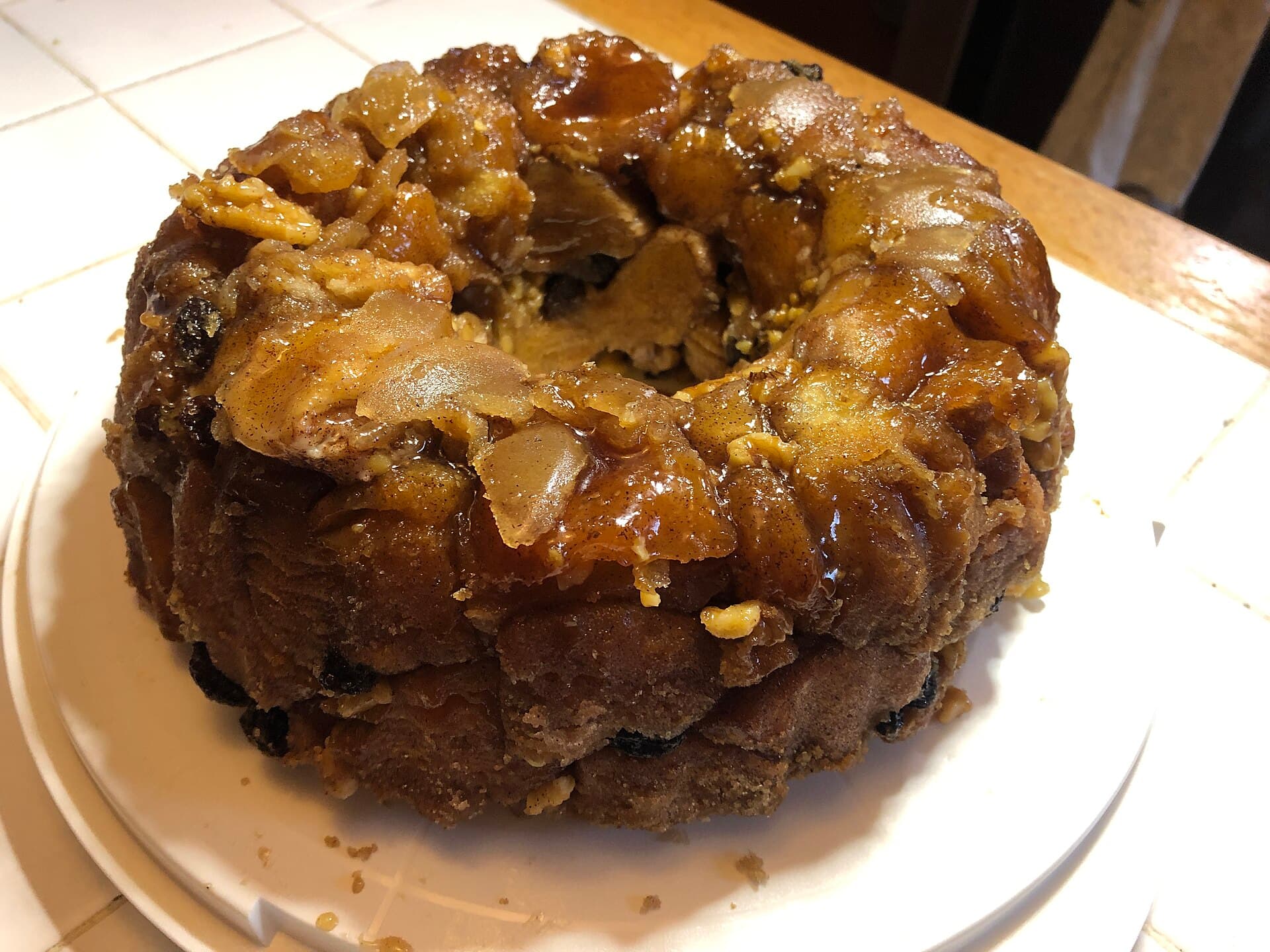
Monkey Bread is a sweet, sticky pull-apart bread made from individual dough pieces coated in cinnamon sugar and baked together. Though its precise origins are unclear, Monkey Bread became popular as a Christmas treat across the United States, embodying festive conviviality. Its interactive eating style and sweet, rich flavor capture the spirit of American holiday baking traditions.
America's Melting Pot
Mushroom Gravy photo coming soon
Cross-era
Mushroom Gravy is a condiment with real American table personality: Salisbury steak and casserole America. It brings flavor from coast-to-coast American tables to cookouts, counters, lunch plates, potlucks, and weeknight suppers.
1900-1929
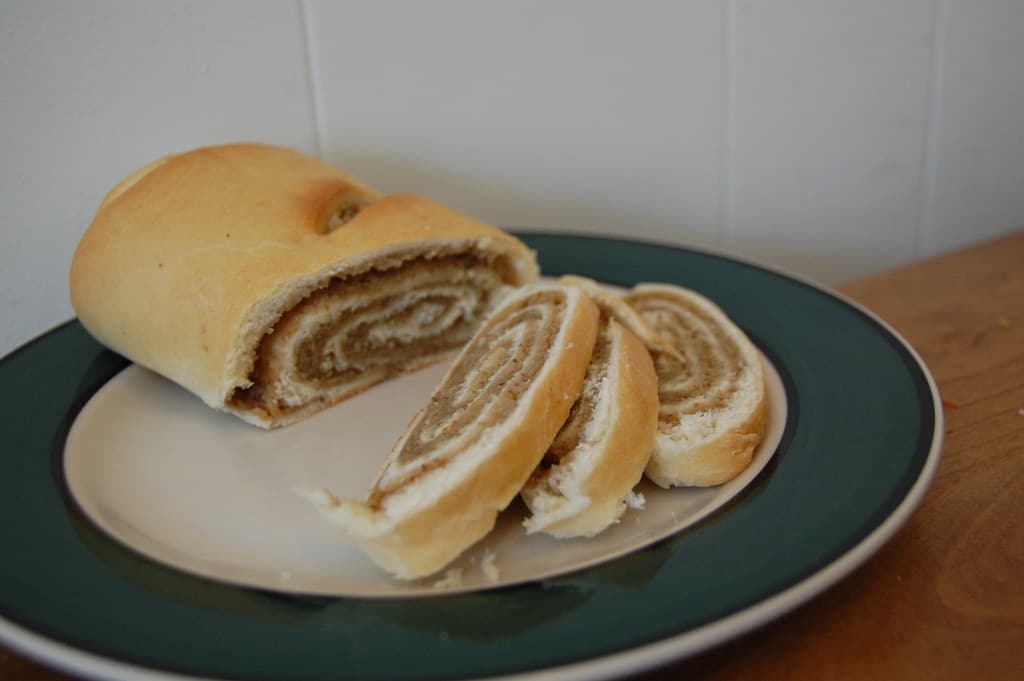
Nut Roll is a rich yeast dough rolled with a sweet, spiced nut and sugar filling, popular among Polish, Czech, Slovak, and other Eastern European immigrant communities. This sweet bread often appears at Easter and fairs, symbolizing cultural continuity amidst new American settings.
America's Melting Pot
Onion Gravy photo coming soon
Cross-era
Onion Gravy is a condiment with real American table personality: Meatloaf, hamburger steak, pot roast. It brings flavor from coast-to-coast American tables to cookouts, counters, lunch plates, potlucks, and weeknight suppers.
1900-1929
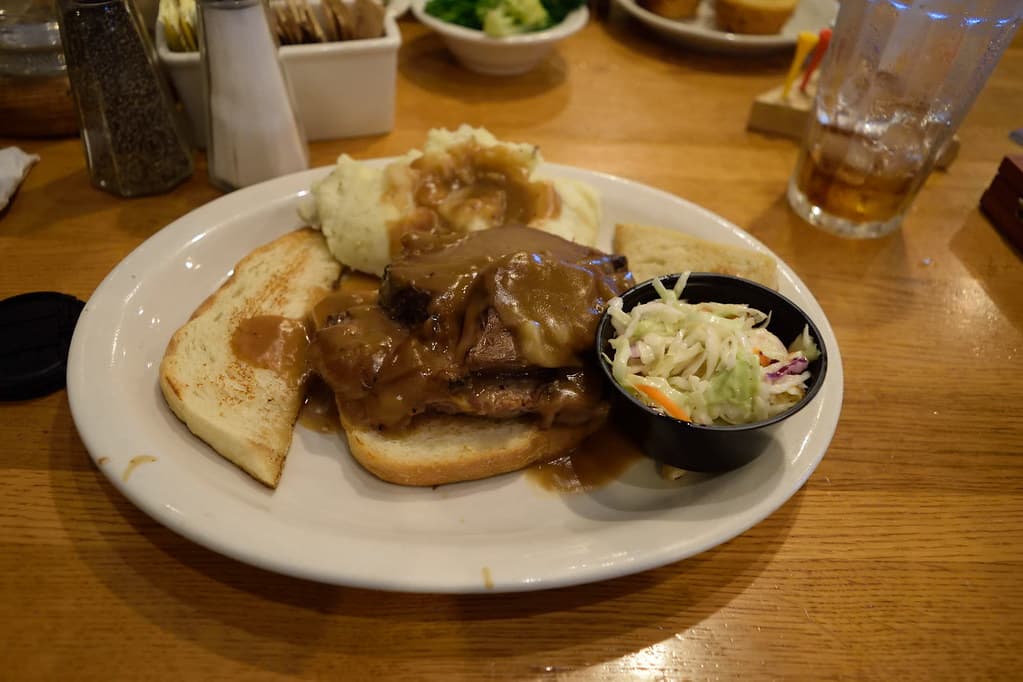
The Open-Faced Roast Beef Sandwich features thinly sliced roast beef served over toasted bread slices, covered with gravy, often accompanied by mashed potatoes. Popularized in American diners and lunch counters, this hearty sandwich is a staple of comfort food and practical meals.
America's Melting Pot
Oyster Pie photo coming soon
1800-1860
Oyster Pie is a savory pie filled with oysters and often combined with vegetables and seasonings, baked in a flaky crust. As a traditional New England dish from the early immigration and expansion era, it reflects coastal harvests and colonial cooking styles preserving regional seafood heritage.
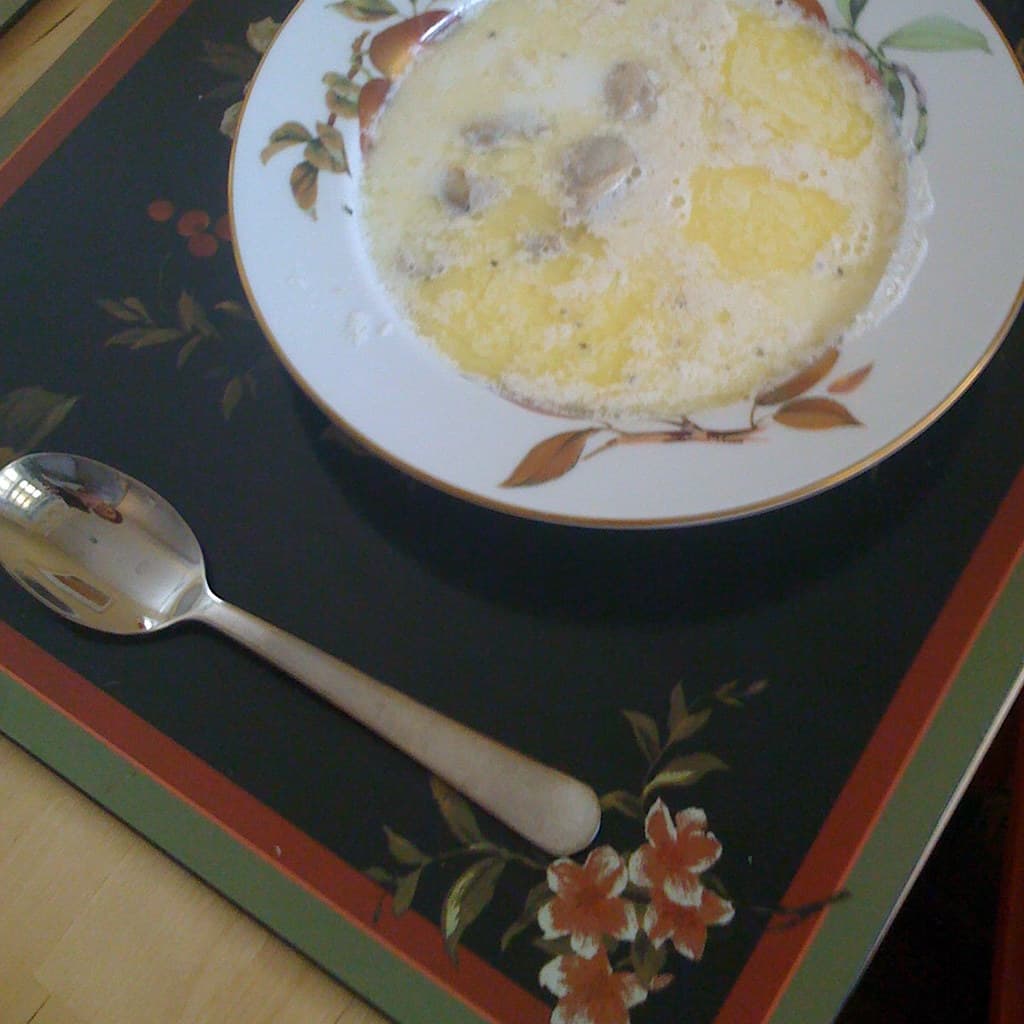
1776-1800
Oyster stew is a traditional American soup popular during the late 18th century, especially in coastal regions. This creamy stew features fresh oysters simmered in milk or cream with subtle seasonings, reflecting colonial America's use of locally sourced seafood.
America's Melting Pot
Oyster Stuffing photo coming soon
Before 1776
Oyster stuffing is a classic American side dish often served during Thanksgiving and other holiday meals. It blends fresh oysters with breadcrumbs, herbs, and aromatics to create a flavorful accompaniment traditionally baked within poultry or as a separate dish.
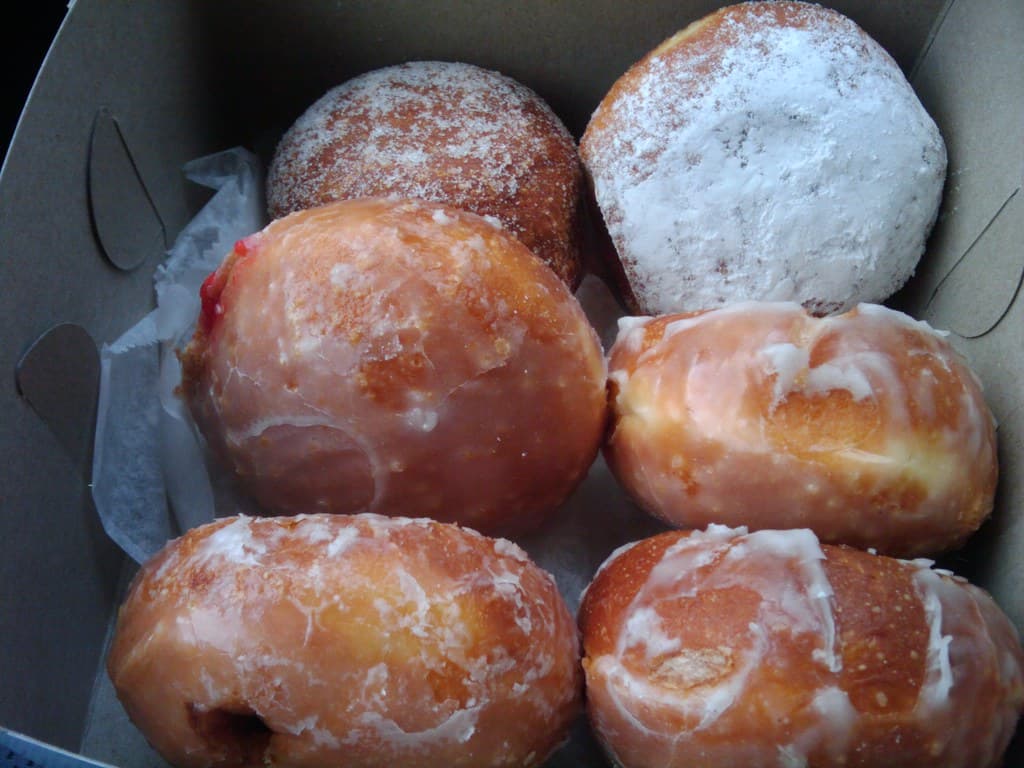
1900-1929
Paczki are rich, deep-fried Polish-style doughnuts filled with sweet fruit preserves or cream. Popular among Polish, Czech, Slovak, and other Eastern European communities in the US, they became a festive treat especially around Mardi Gras and Easter.
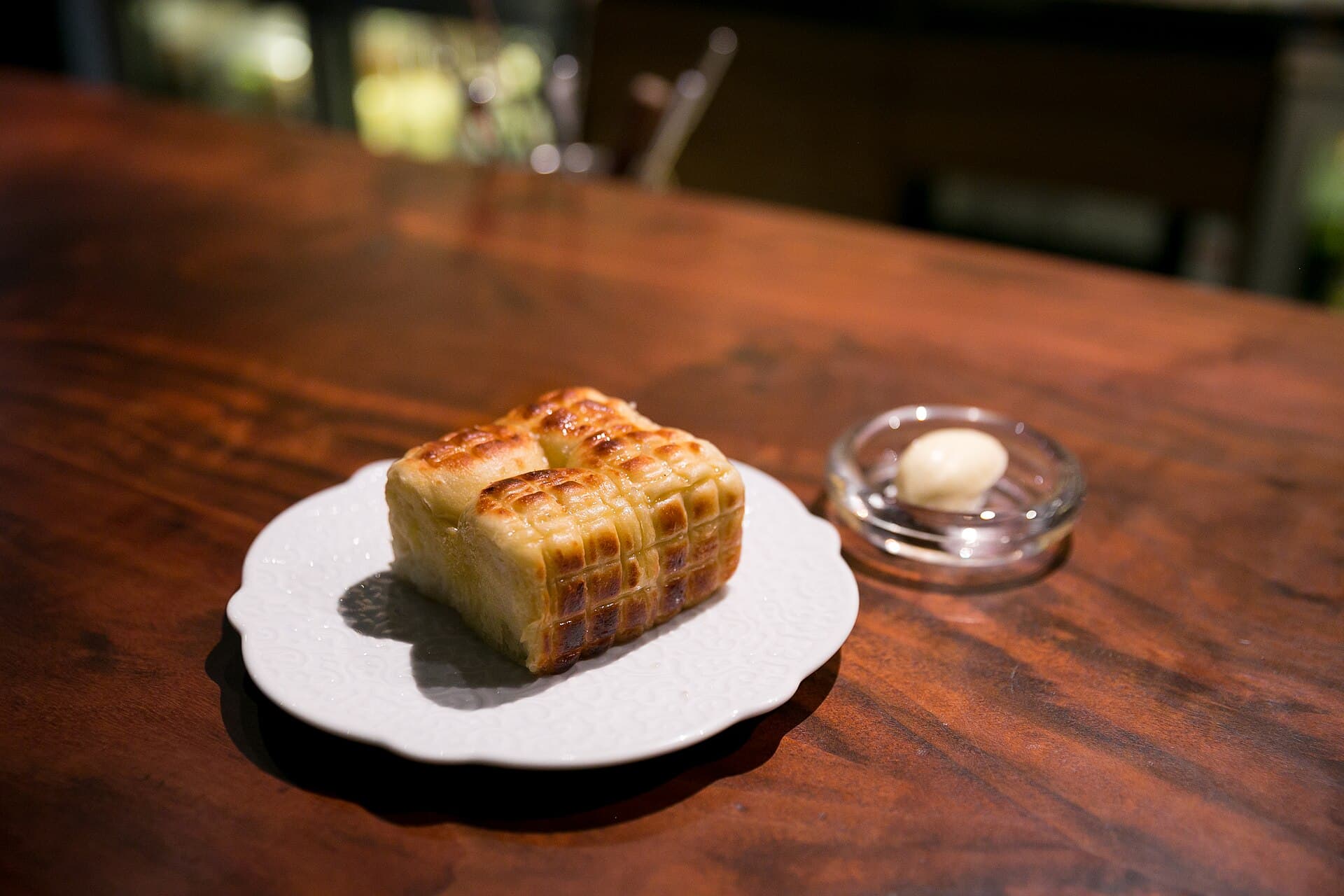
1861-1900
Parker House rolls are iconic American dinner rolls known for their soft interior and slightly crisp, buttery crust. They are often served during holiday dinners such as Thanksgiving and Easter, prized for their rich flavor and tender texture.
America's Melting Pot
Pasteles photo coming soon
Before 1776
Pasteles are savory Puerto Rican and island-style tamale-like parcels made with green banana dough filled with seasoned meats and wrapped in banana leaves, then boiled. A cultural staple in island communities and diaspora celebrations.
America's Melting Pot
Patriotic Berry Shortcake photo coming soon
1990-2009
Patriotic berry shortcake is a vibrant American dessert featuring layers of sweet biscuits or cake topped with fresh strawberries, blueberries, and whipped cream, celebrating national colors and festive occasions.
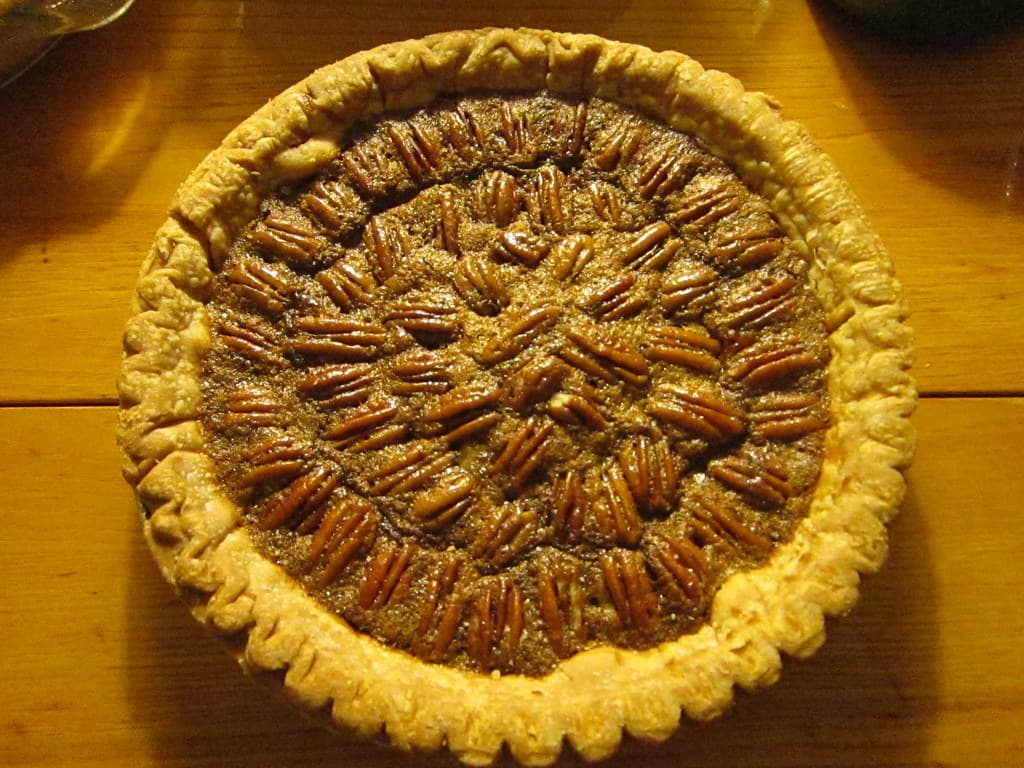
1800-1860
Pecan pie originated in the American South between 1800 and 1860, becoming a beloved dessert for holiday tables, especially Thanksgiving. Combining local pecans with sweet filling, this pie celebrates regional ingredients and early American culinary tradition.
America's Melting Pot
Pecan Pie Shake photo coming soon
Postwar & Diner Age
Pecan Pie Shake brings drive-in, carhop, and fast-food dessert-counter energy to the table: Southern holiday shake.
1945-2000
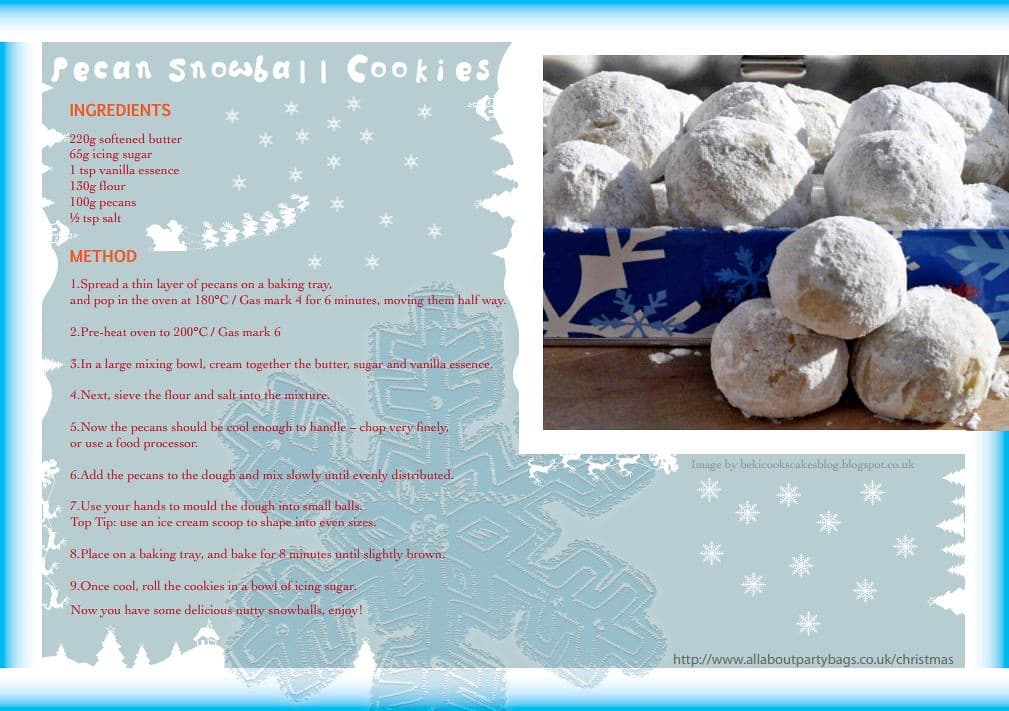
Pecan snowballs are tender, buttery cookies rolled in powdered sugar, commonly enjoyed in the Southern United States during Christmas celebrations. Their sweet nutty flavor and melt-in-your-mouth texture make them a festive traditional treat.
Cross-era
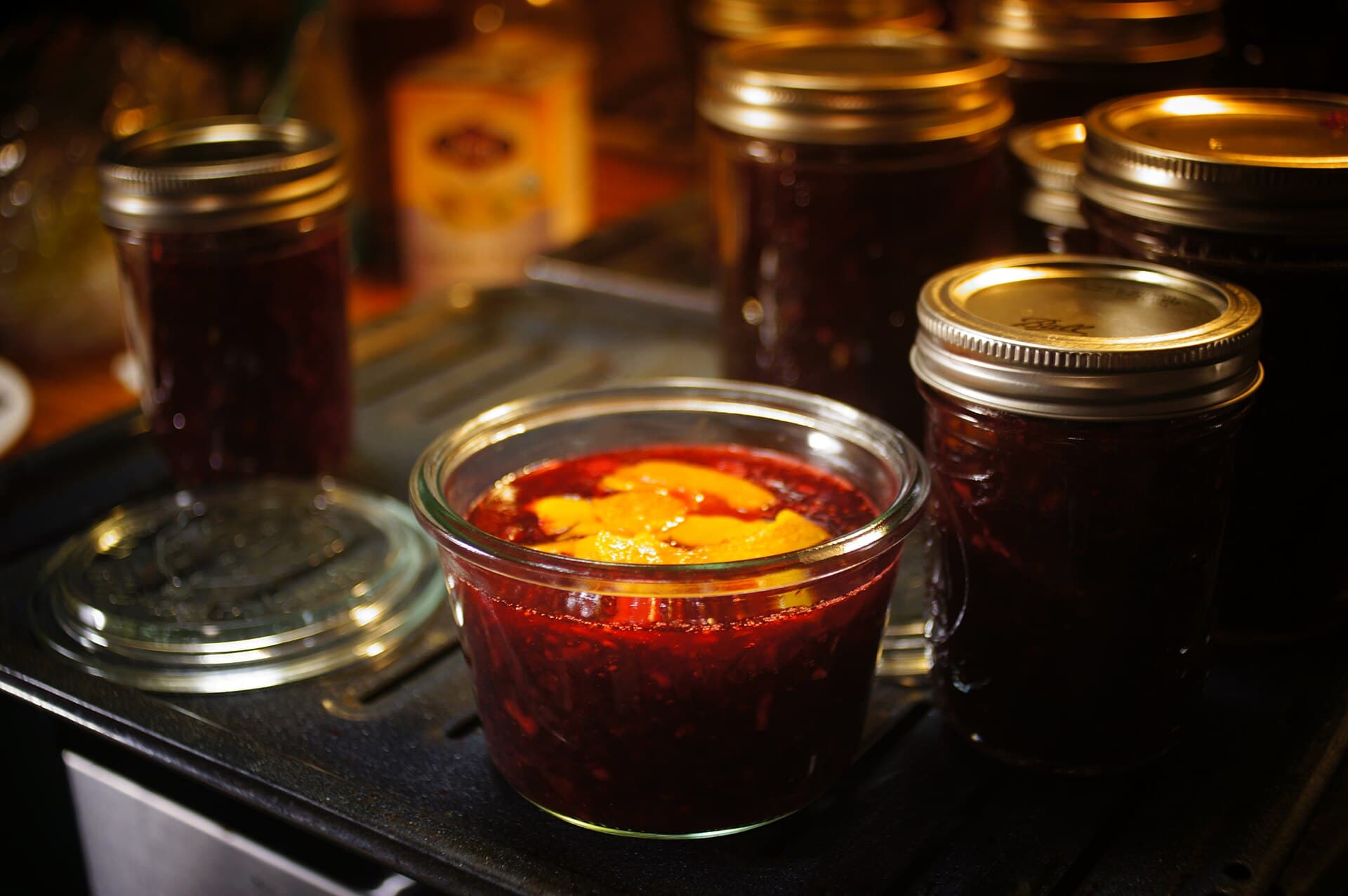
Pepper Jelly is a preserve with real American table personality: Southern party and cream-cheese-board staple. It brings flavor from the American South to cookouts, counters, lunch plates, potlucks, and weeknight suppers.
1990-2009
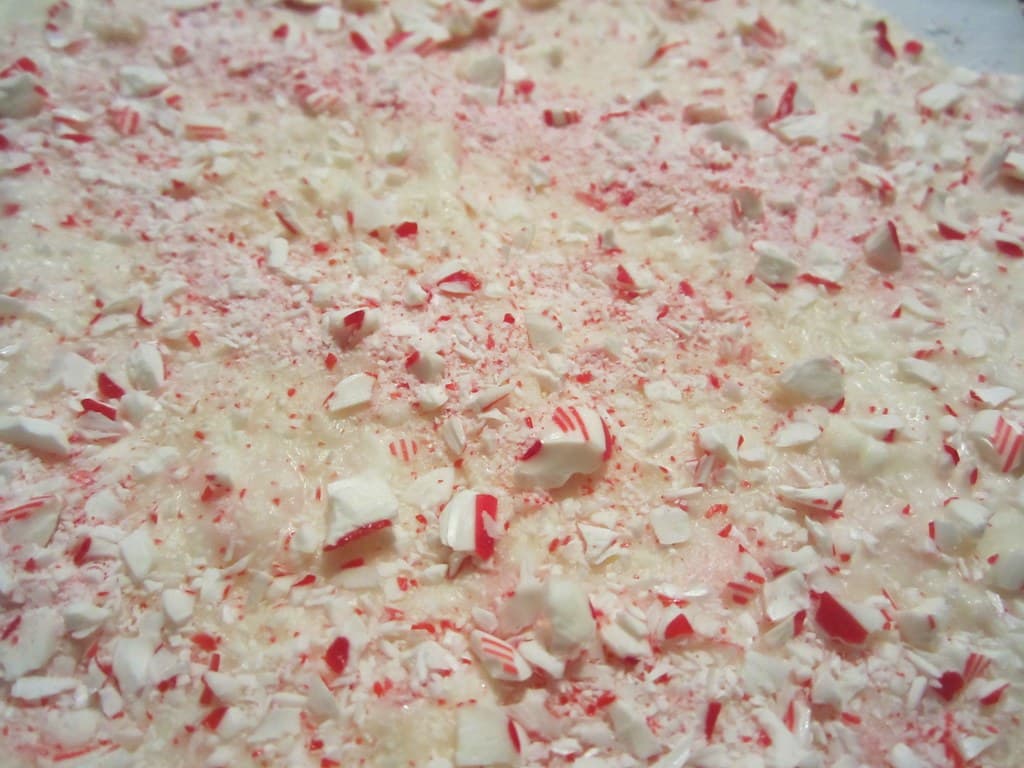
Peppermint bark is a seasonal treat combining layers of dark and white chocolate studded with crushed peppermint candies. Popular across the United States during Christmas, it's a simple confection capturing holiday flavors and festive textures.
America's Melting Pot
Peppermint Mocha Frappe-Style Drink photo coming soon
Modern Melting Pot
Peppermint Mocha Frappe-Style Drink blends coffeehouse America with milkshake-style fun: Holiday coffee culture.
America's Melting Pot
Peppermint Shake photo coming soon
1900-1929
Peppermint Shake pours old-school malt-shop cheer into a cold glass: Holiday shake, especially with crushed candy cane.
1800-1860
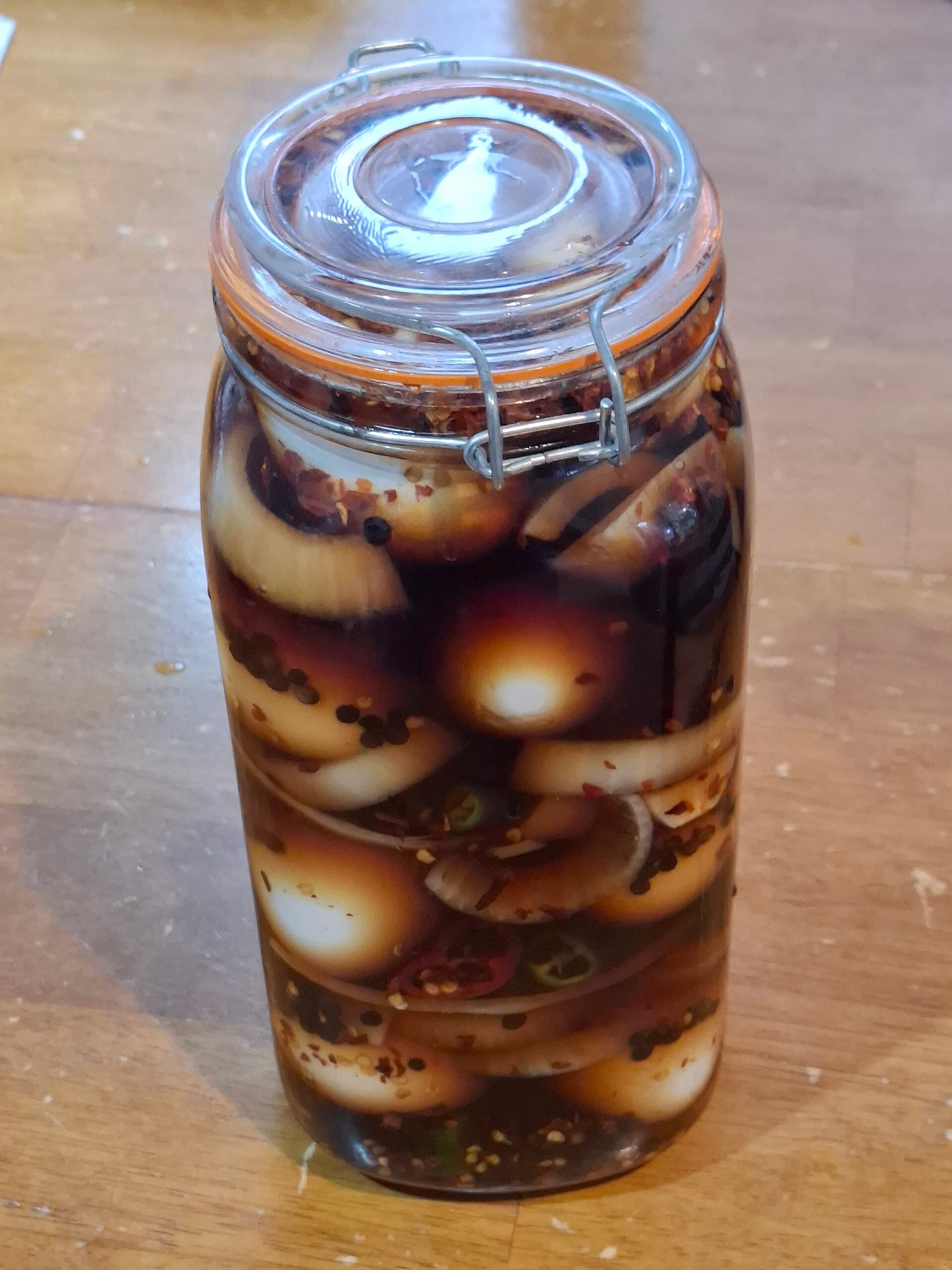
Pickled eggs were a popular preserved egg dish among German-American communities between 1800 and 1860, particularly during celebrations like Easter. They combine hard-boiled eggs with vinegar and spices to extend shelf life and add flavor.
1861-1900
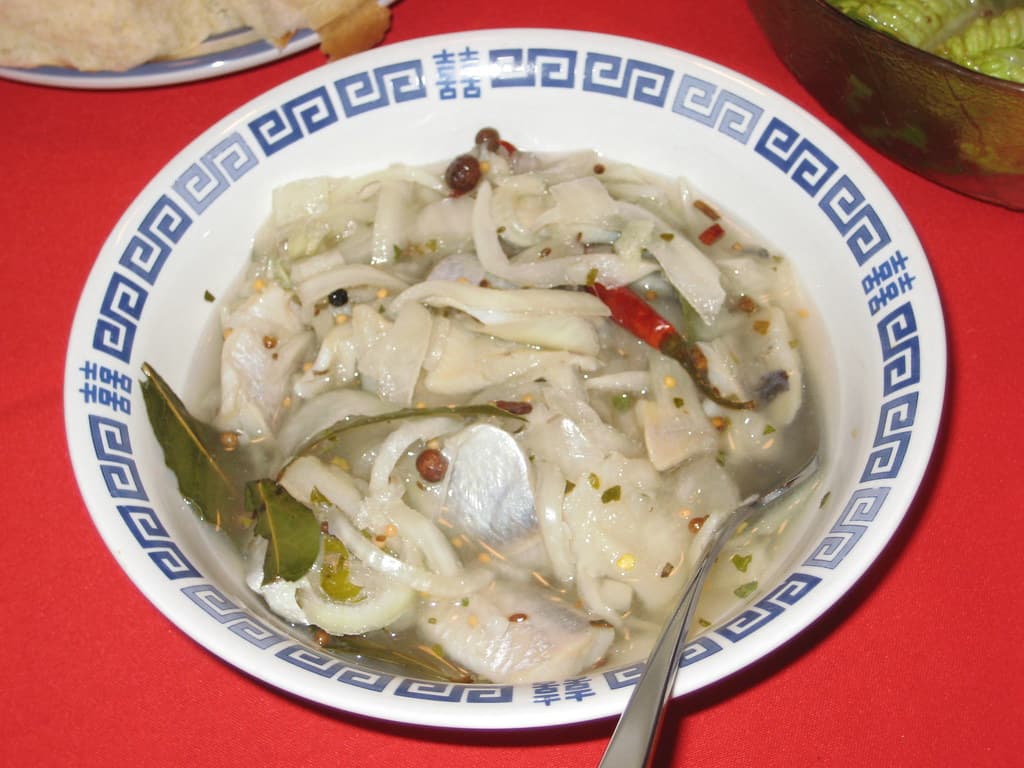
Pickled herring is a classic dish in Scandinavian-American households, especially in the Midwest, served during holidays and celebrations from the mid-19th century onward. The fish is cured and pickled with vinegar, sugar, and spices for a flavorful side or appetizer.
1900-1929
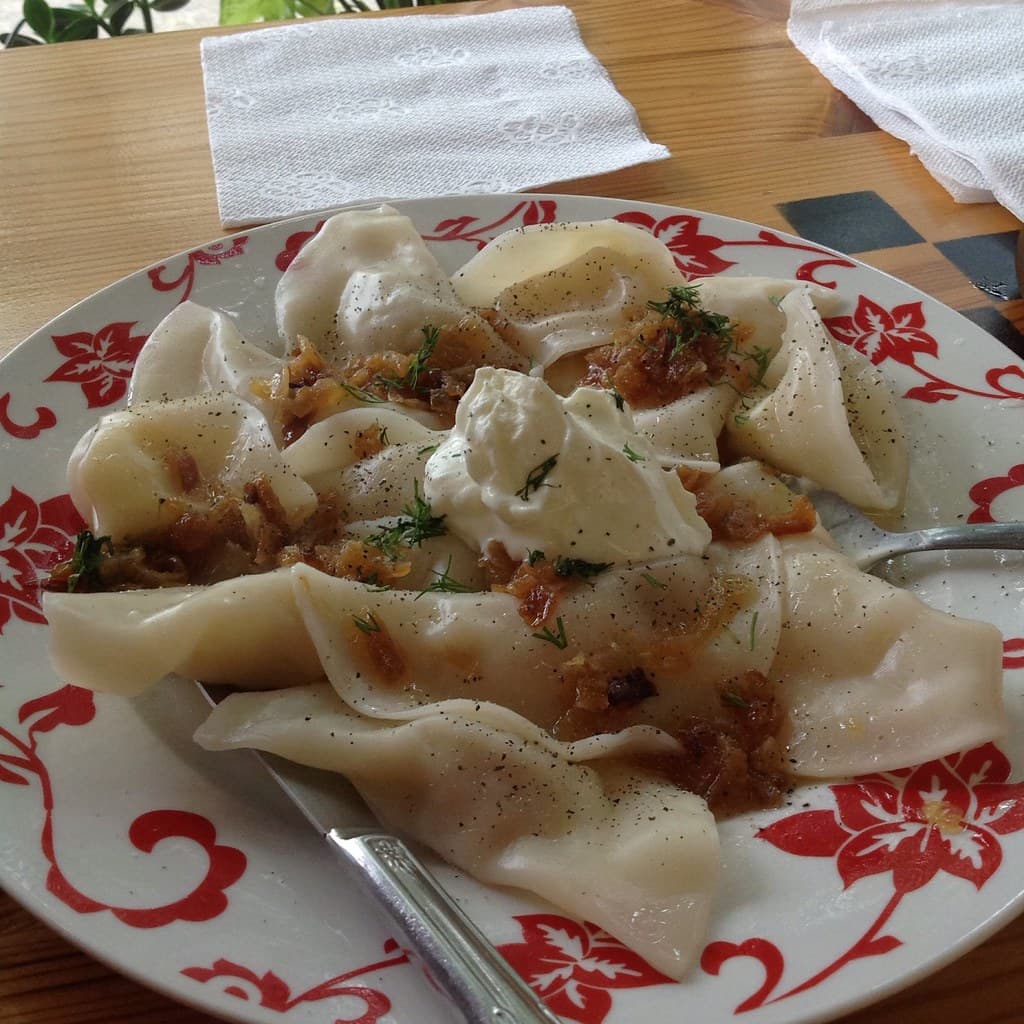
Pierogi are dumplings of Polish, Czech, Slovak, and other Eastern European origin widely embraced by immigrant communities in American cities during the early 20th century. Filled with sweet or savory ingredients, they became a comfort food at diners, lunch counters, and celebrations like Easter, helping preserve cultural traditions while integrating into American cuisine.
America's Melting Pot
Pineapple Sundae Topping photo coming soon
Gilded Age & Progressive Era
Pineapple Sundae Topping is a sweet sauce with real American table personality: Banana split essential. It brings flavor from coast-to-coast American tables to cookouts, counters, lunch plates, potlucks, and weeknight suppers.
America's Melting Pot
Poppy Seed Dressing photo coming soon
1946-1969
Poppy Seed Dressing is a dressing with real American table personality: Sweet dressing common with fruit salads, spinach salads, and church cookbooks. It brings flavor from coast-to-coast American tables to cookouts, counters, lunch plates, potlucks, and weeknight suppers.
1900-1929
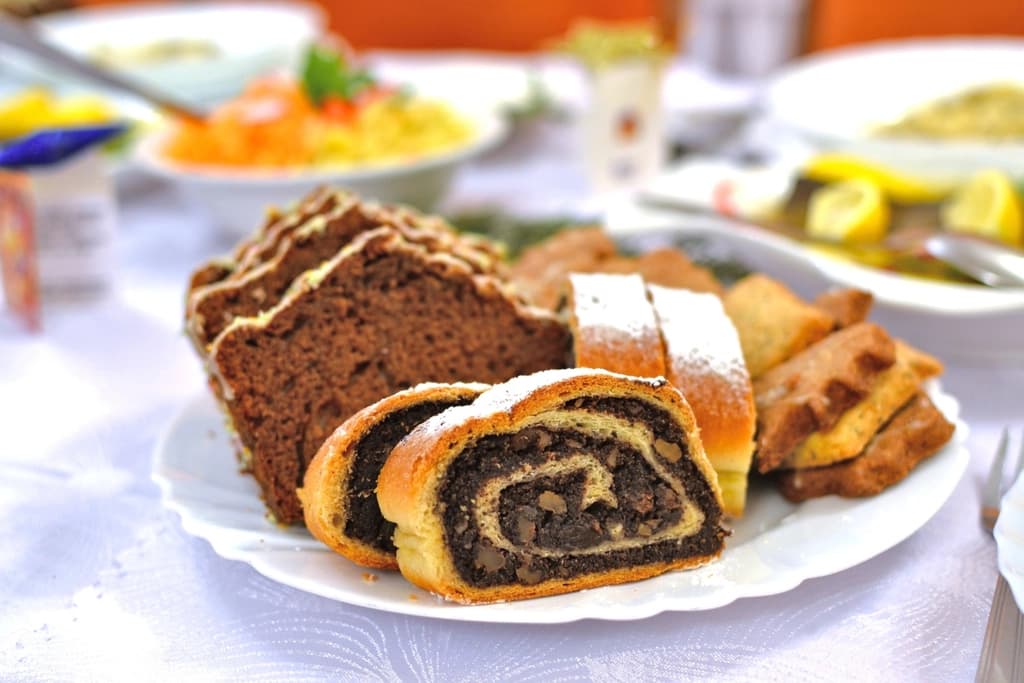
Poppy Seed Roll is a traditional Eastern European sweet yeast bread rolled around a dense poppy seed filling. This dessert became popular among Polish, Czech, and Slovak immigrant communities in American cities during the early 20th century.
1800-1860
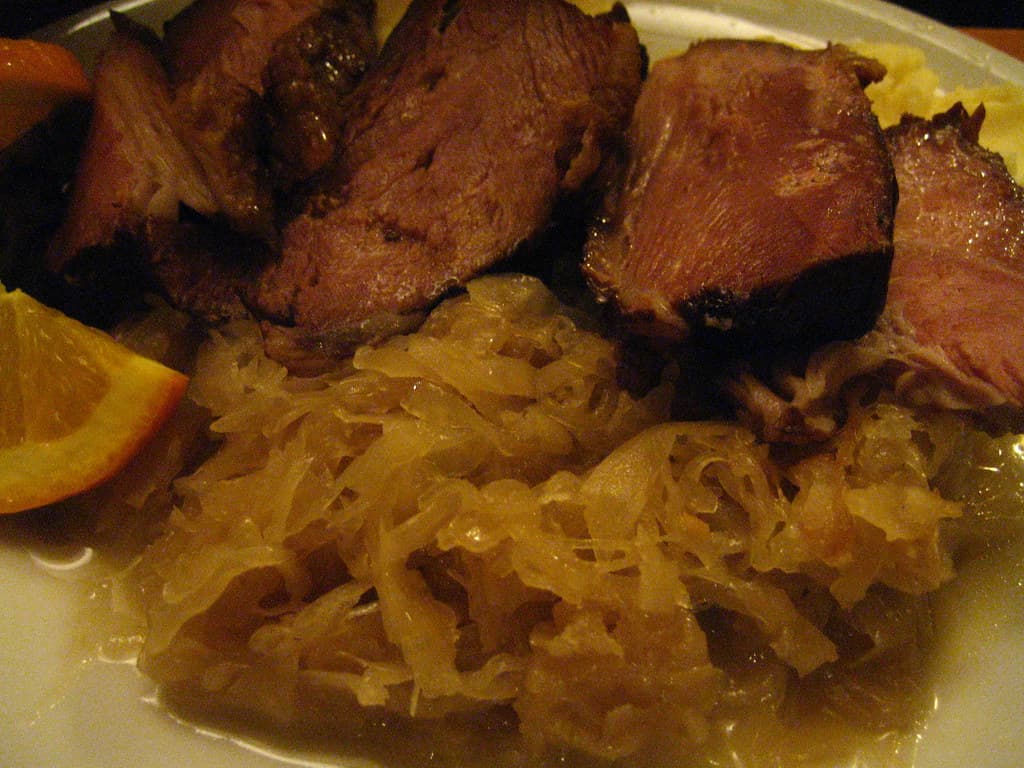
Pork and Sauerkraut is a classic American comfort and holiday dish often served on New Year's Day for luck and prosperity. Slow-cooked pork is combined with sauerkraut and seasoned to create a savory one-pot meal reflecting German-American and regional influences.
American Dairy Age
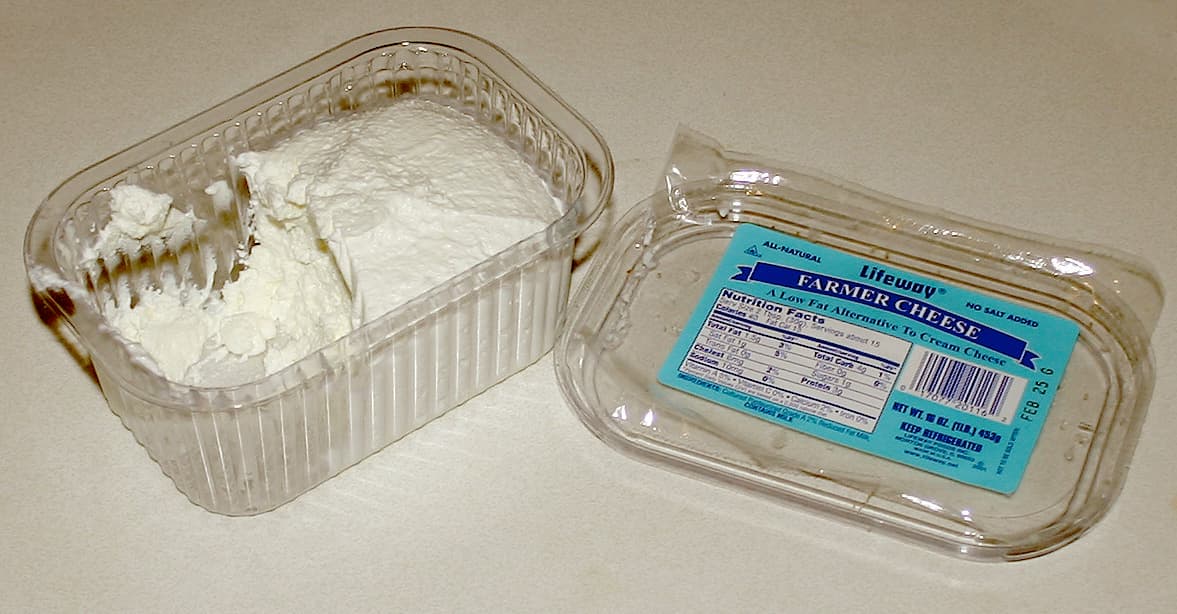
Pot Cheese is a fresh cultured American home cheese made with pasteurized dairy, clean handling, slow culturing, draining, salting, and refrigeration.
America's Melting Pot
Pot Roast Gravy photo coming soon
Gilded Age & Progressive Era
Pot Roast Gravy is a condiment with real American table personality: Sunday dinner sauce. It brings flavor from coast-to-coast American tables to cookouts, counters, lunch plates, potlucks, and weeknight suppers.
America's Melting Pot
Potato Dumplings photo coming soon
1900-1929
Potato Dumplings are traditional dumplings from Polish, Czech, Slovak, and other Eastern European cuisines, often served boiled and accompanied by savory or sweet sauces. Immigrant communities carried this beloved comfort food into the American culinary landscape.
1900-1929
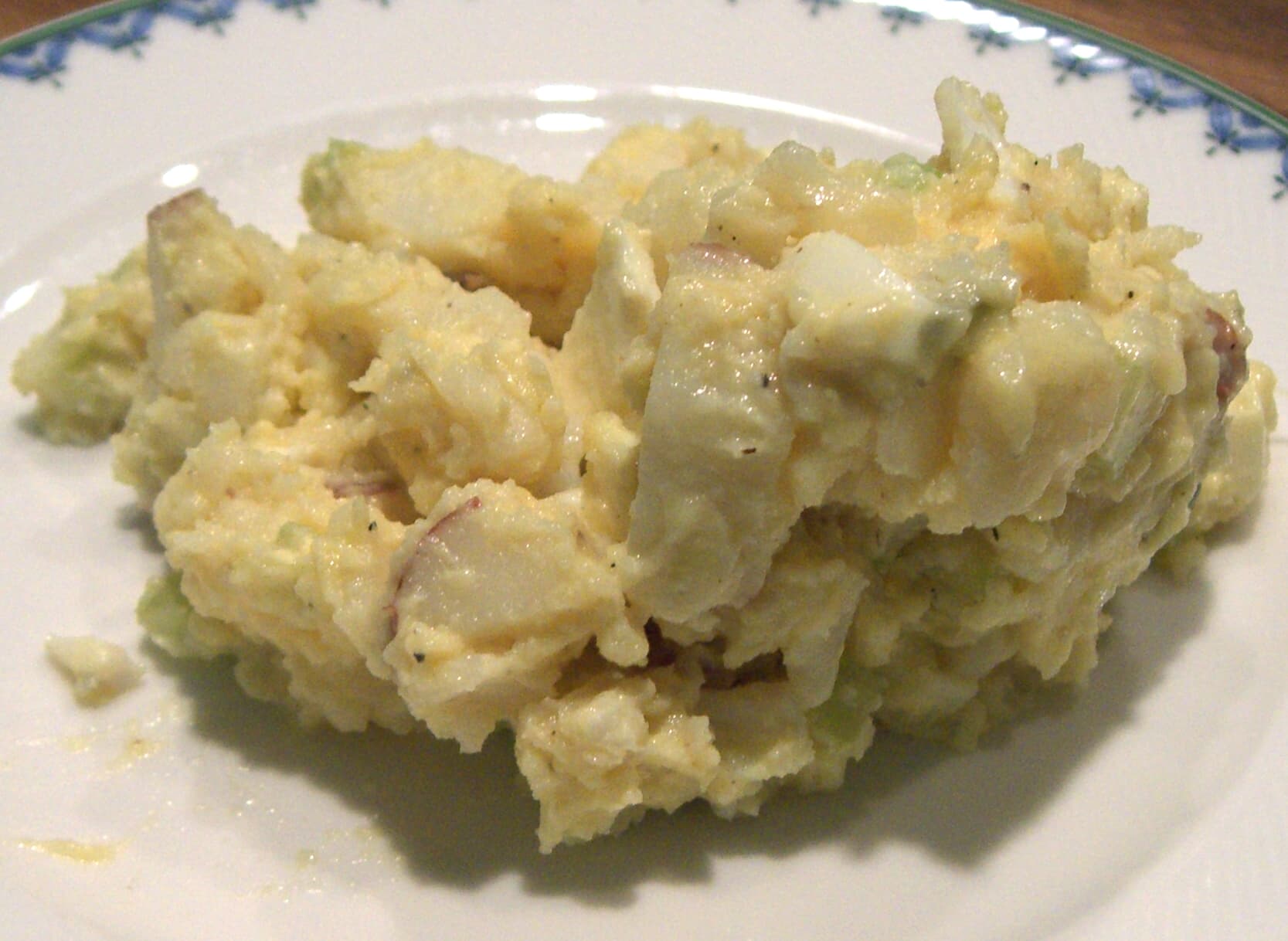
Potato Salad is a widely embraced side dish featuring boiled potatoes dressed in a tangy mayonnaise-based sauce, often including eggs and celery. It is a staple at American social gatherings including picnics, holidays, and community events.
Gilded Age & Progressive Era
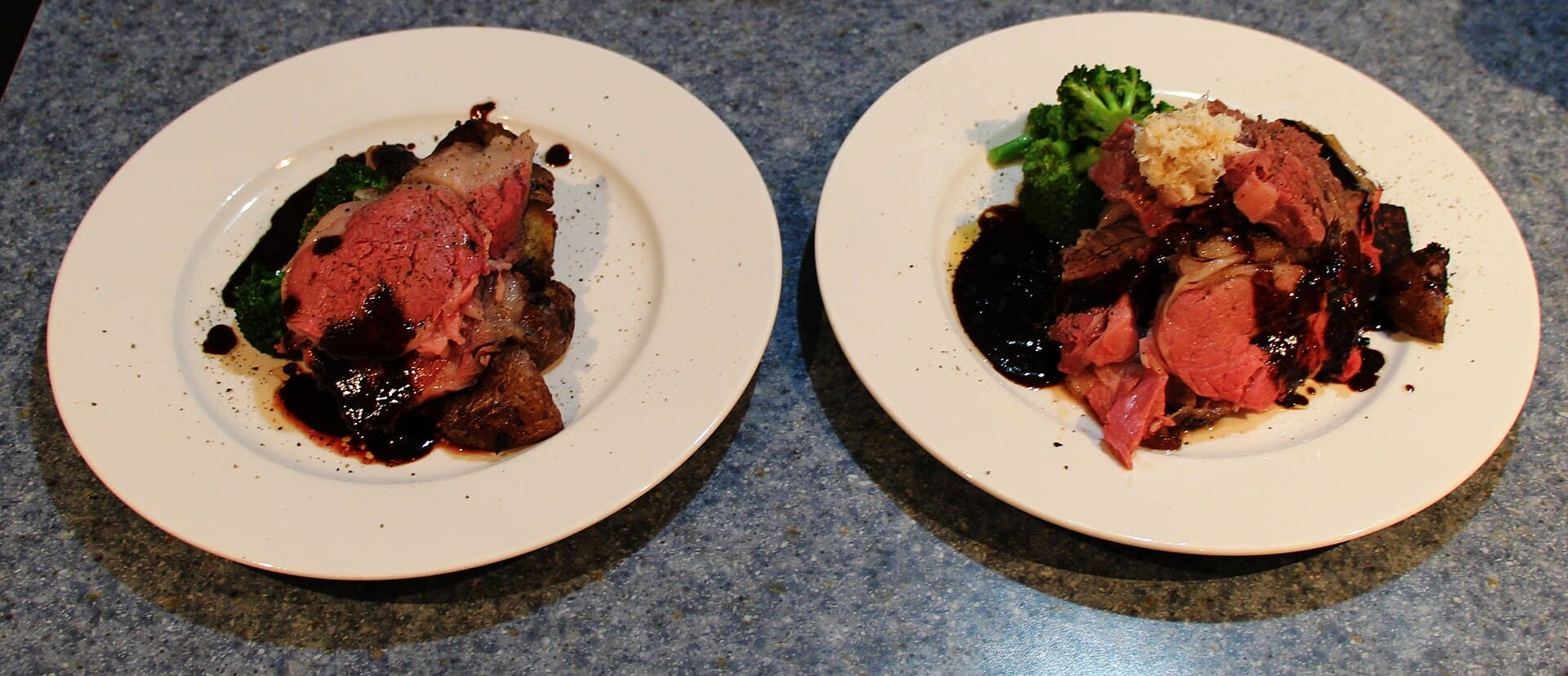
Prime Rib is a festive, slow-roasted beef cut traditionally featured at Christmas dinners and holiday celebrations across the United States. Its rich flavor and tender texture make it a centerpiece for special occasions.
America's Melting Pot
Prune Kolaches photo coming soon
1861-1900
Prune Kolaches are sweet yeast pastries filled with prune fruit, reflecting Polish, Czech, and Slovak immigrant baking traditions brought to American cities in the early 1900s. They became popular at diners and fairs.
America's Melting Pot
Puerto Rican Pernil photo coming soon
Before 1776
Puerto Rican Pernil is a flavorful marinated pork shoulder slow-roasted to tender perfection. It is an iconic dish in Puerto Rico and other island territories, deeply embedded in festive and family celebrations.
2010-2026
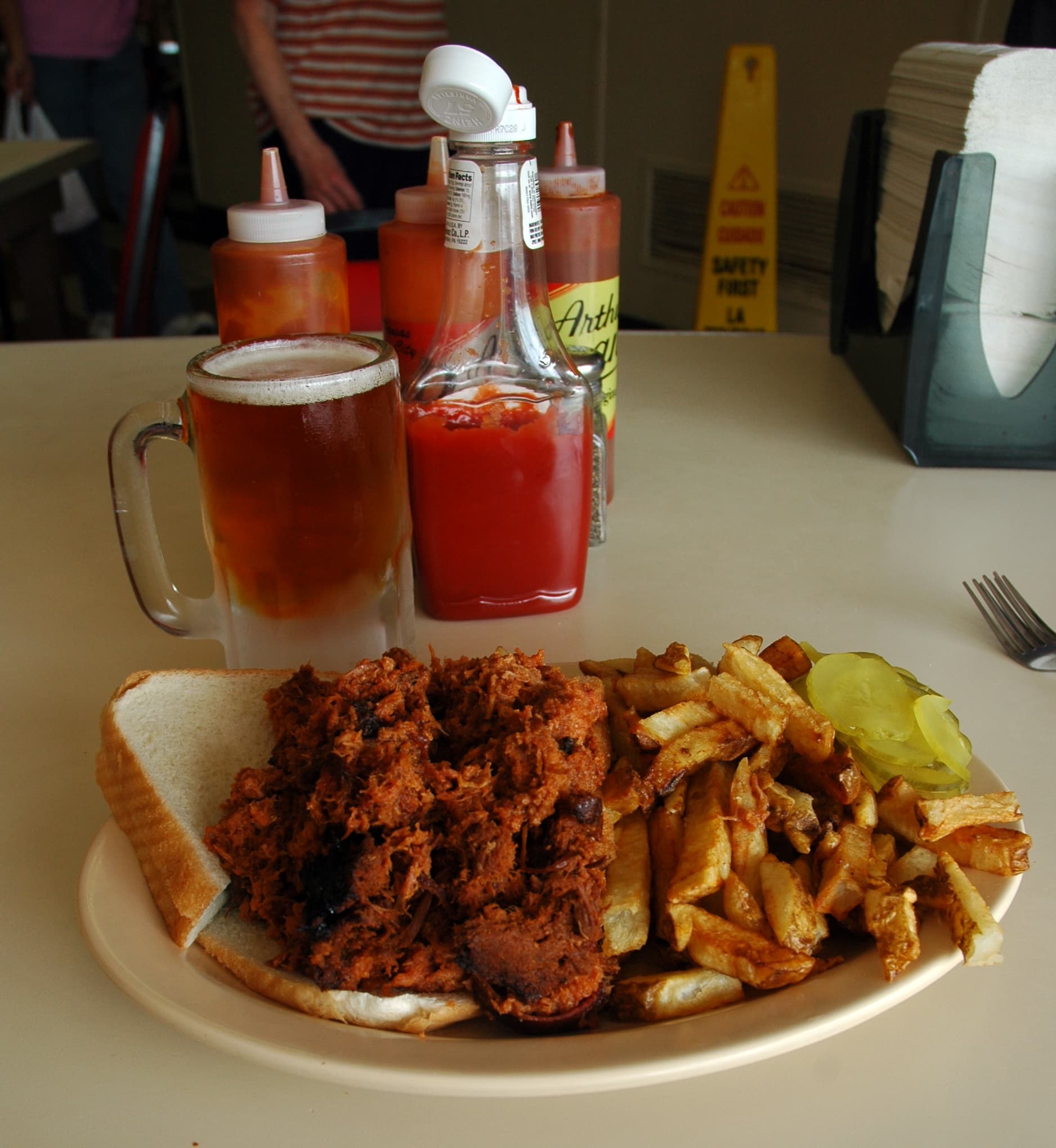
Pulled Pork is a barbecue classic featuring slow-smoked or braised pork shoulder shredded and served with sauce. It enjoys popularity at food trucks, farmers markets, and Fourth of July celebrations.
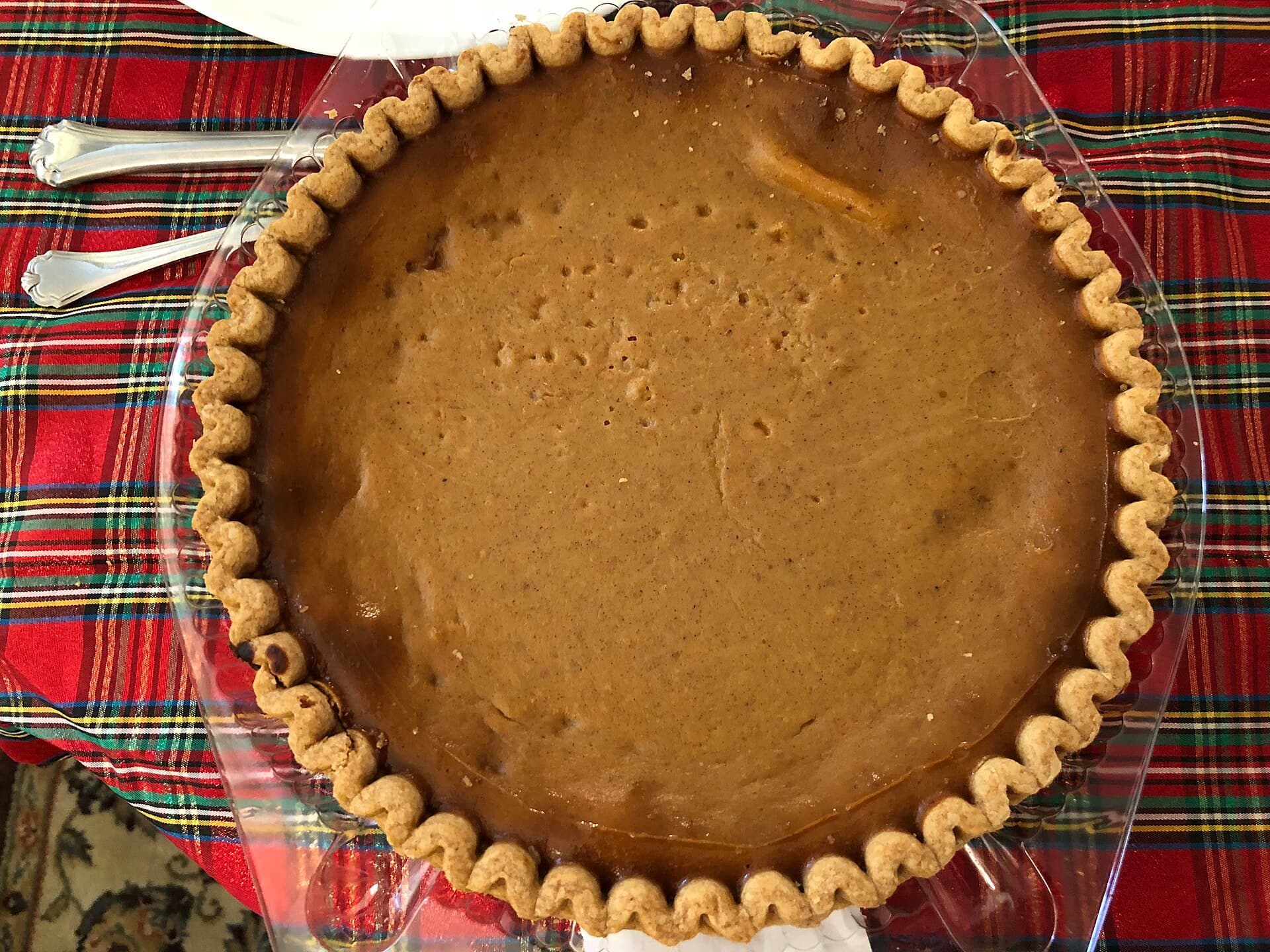
1776-1800
Pumpkin Pie is a quintessential American dessert featuring a spiced pumpkin custard filling baked in a pastry crust, historically tied to Thanksgiving celebrations since the late 18th century.
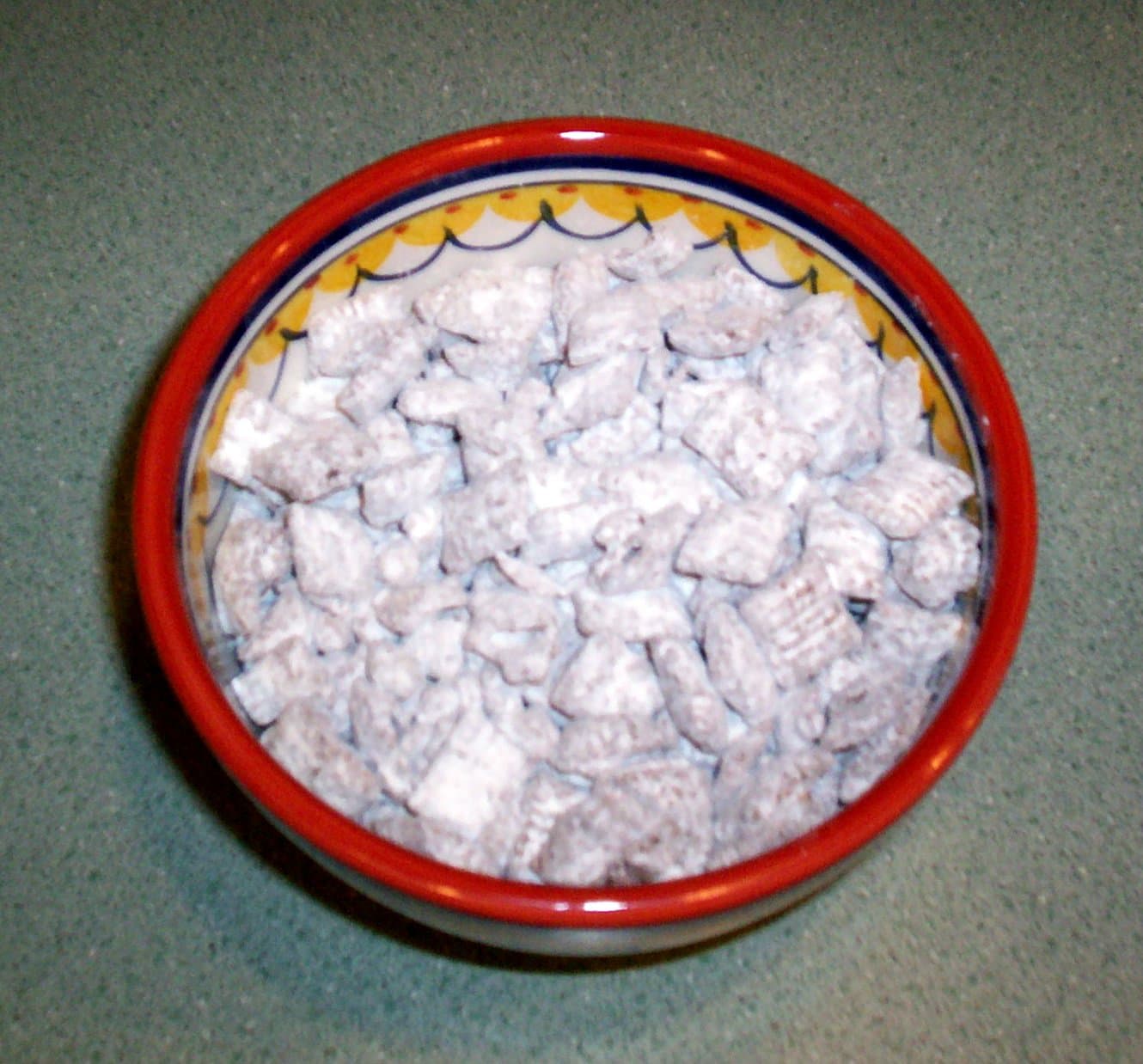
1970-1989
Puppy Chow, also known as Muddy Buddies, is a beloved American snack from the 1970s, featuring a mix of cereal coated in a sweet peanut butter and chocolate glaze, then dusted with powdered sugar. This easy, crowd-pleasing treat became popular at parties and tailgates for its nostalgic comfort and simple prep.

1800-1860
Red Cabbage braised with vinegar and apples is a classic German-American side that arrived with immigrants during the 19th century and became a staple in American households. This tangy-sweet cabbage dish complements hearty meals and reflects cultural blending during the nation's expansion years.
America's Melting Pot
Red, White, and Blue Trifle photo coming soon
1990-2009
Red, White, and Blue Trifle is a layered dessert featuring red berries, white cream or custard, and blue berries, embodying patriotic colors. Popular since 2010 in food trucks and seasonal markets, this vibrant dessert is easy to assemble and festive for American holidays and celebrations.
America's Melting Pot
Rice photo coming soon
Before 1776
Rice is a versatile, widely consumed grain prepared plain or flavored, often associated with good luck and prosperity in American holiday traditions. From cross-era variations, rice has been incorporated into many regional cuisines and festive dishes across the United States.
America's Melting Pot
Rice Pudding photo coming soon
1861-1900
Rice Pudding is a creamy, gently spiced baked or stovetop dessert featuring rice, milk, sugar, and often eggs or cream. Common among Scandinavian-American communities and other settlers from 1861 to 1900, this dish combined affordable ingredients into a satisfying sweet course.
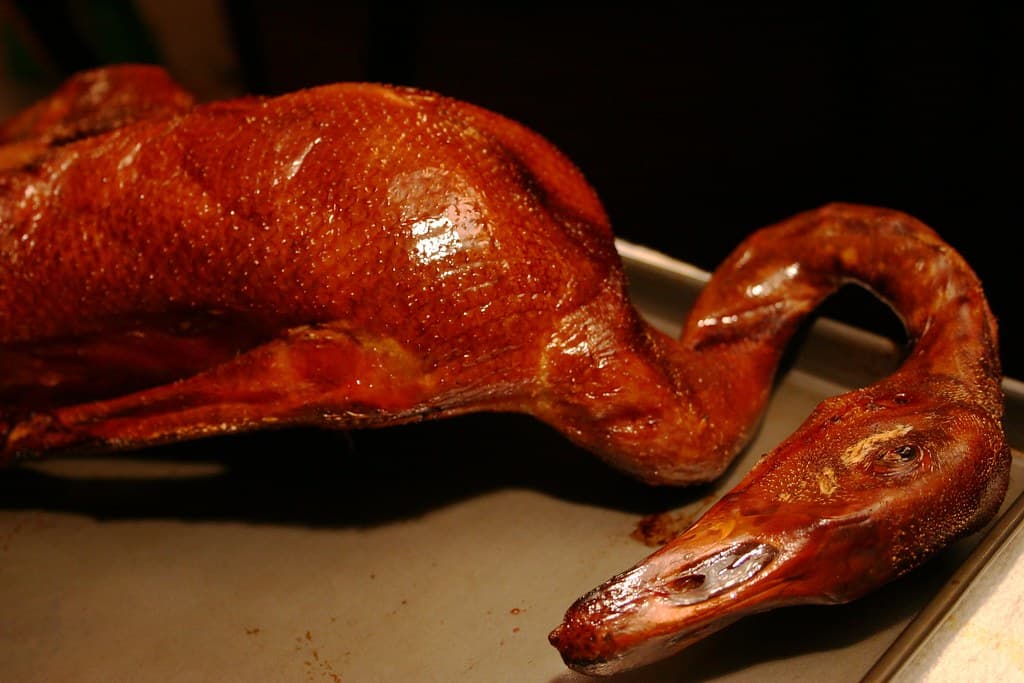
1776-1800
Roast Goose is a rich, savory main dish historically served during holidays like Christmas in early America. The bird is seasoned and slowly roasted to render its flavorful fat and crisp skin, embodying celebratory dining from the late 18th century.
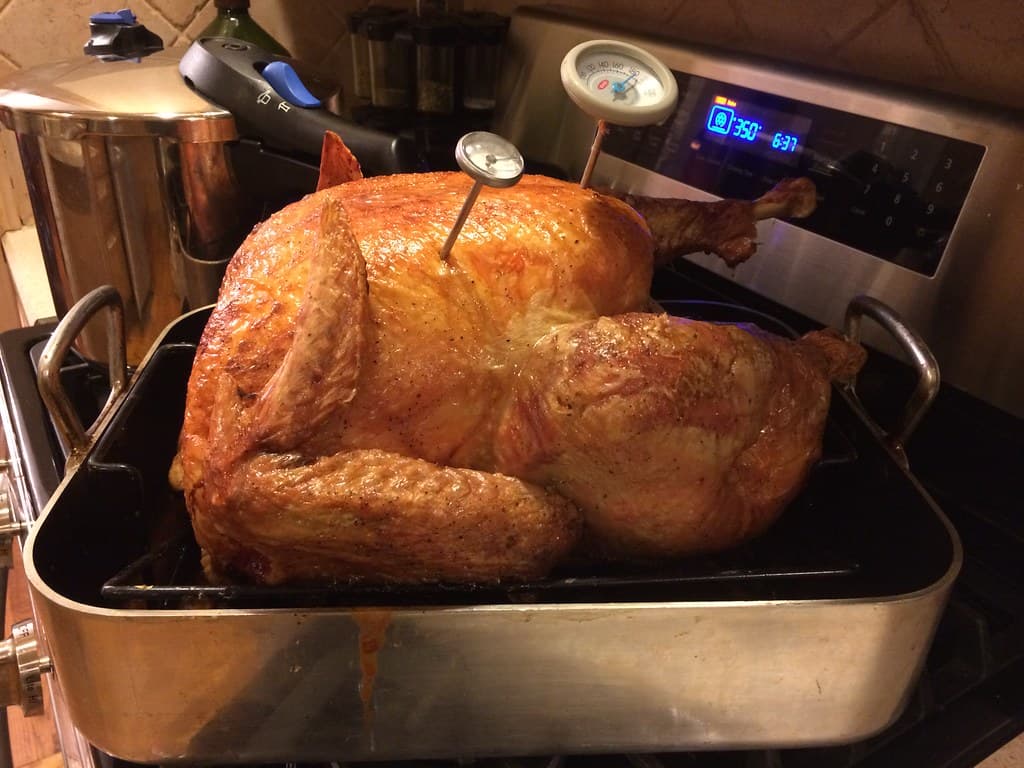
1800-1860
Roast Turkey is a centerpiece dish for Thanksgiving and other holidays, featuring a whole turkey seasoned and roasted until golden brown with moist interior. A symbol of American celebrations, it has evolved with regional and family variations across eras.
America's Melting Pot
Roast Turkey with Chestnut Stuffing photo coming soon
1800-1860
Roast Turkey with Chestnut Stuffing pairs roast turkey with a traditional stuffing made from chestnuts, bread, herbs, and seasonings. Popular during the Revolutionary period, this combination highlights seasonal ingredients and early American holiday traditions.
America's Melting Pot
Root Beer Floats photo coming soon
Gilded Age & Progressive Era
Root beer floats have evolved into popular festive beverages served at food trucks, farmers markets, and holiday celebrations across the United States. Often garnished creatively and incorporating craft or specialty root beers, these floats highlight a modern American twist on a classic treat, especially popular during Fourth of July and summer holidays.
America's Melting Pot
Rosettes photo coming soon
1861-1900
Rosettes are delicate, deep-fried Scandinavian pastries made from a thin batter shaped in flower forms using a special iron mold. Brought by Norwegian and Swedish immigrants to the Midwest in the 19th century, rosettes remain a festive treat often served during holidays and celebrations.
1861-1900
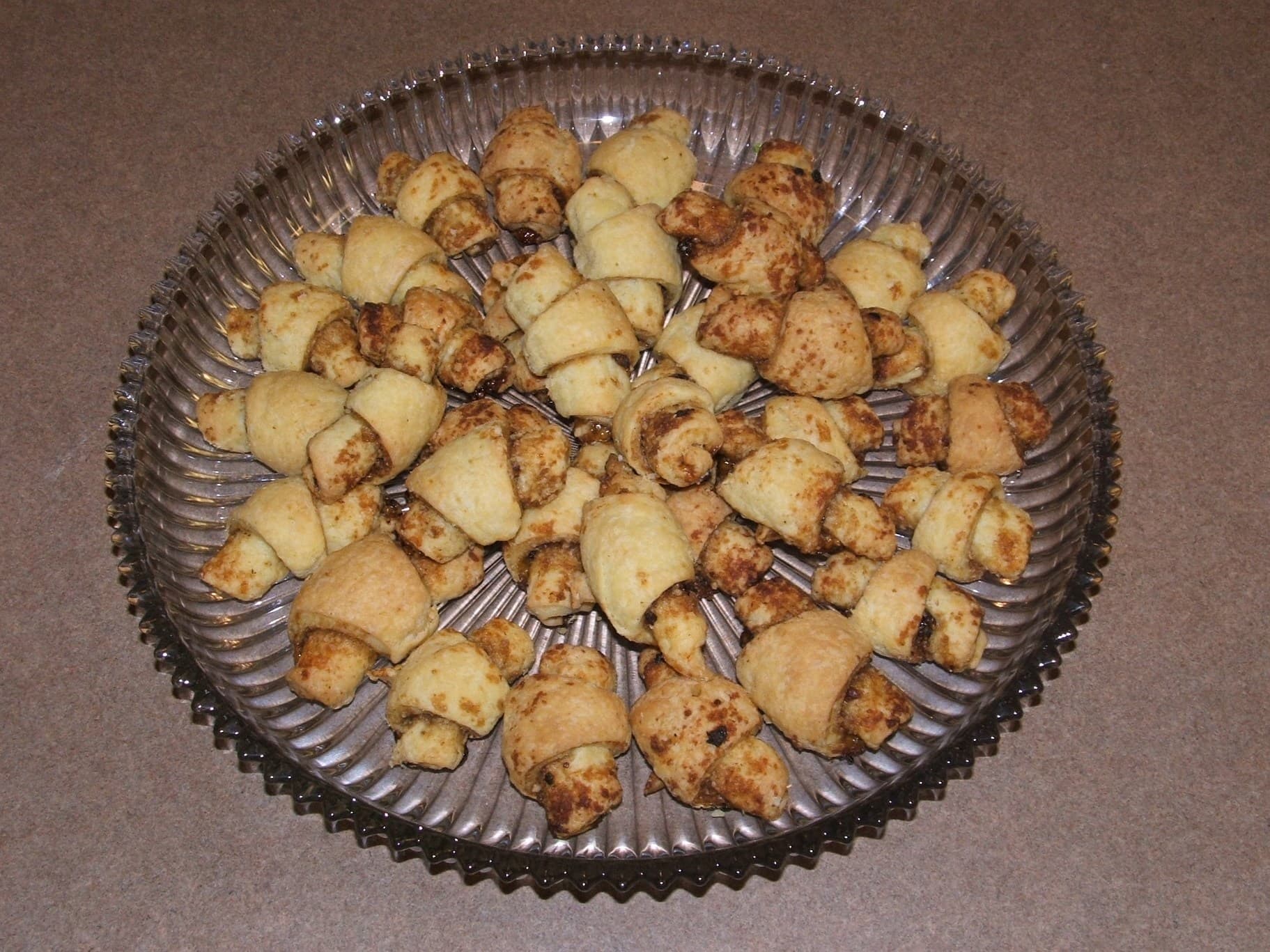
Rugelach are traditional Jewish pastries made from cream cheese dough folded with fillings such as nuts, raisins, or fruit preserves, shaped into crescent rolls. Brought to America by Eastern European Jewish immigrants, rugelach has become a beloved baked good beyond its origins.
America's Melting Pot
Sandbakkels photo coming soon
1861-1900
Sandbakkels are Norwegian buttery, crisp sugar cookies baked in fluted tins to create delicate, cup-shaped treats. They have been preserved and popularized by Scandinavian-American families in the Midwest since the 19th century, often served during Christmas and special occasions.

1800-1860
Sauerbraten is a traditional German pot roast marinated for several days in a mixture of vinegar, spices, and aromatics before slow cooking. German immigrants brought this dish to America during the early 19th century, adapting it with locally available ingredients. It represents the culinary blending of immigrant traditions with American ingredients.
America's Melting Pot
Sauerkraut Soup photo coming soon
1900-1929
Sauerkraut Soup is a traditional hearty soup popular among Polish, Czech, Slovak, and other Eastern European immigrants in early 20th century America. Made with sauerkraut, potatoes, sausage, and root vegetables, it was a common comforting dish at diners, lunch counters, and state fairs reflecting immigrant food heritage.

1800-1860
Scalloped Potatoes are thinly sliced potatoes baked in a creamy sauce, often with cheese or onions, making a popular side dish at schools, churches, and state fairs in early 20th century America. Its simple ingredients and hearty texture suited well to communal meals and holiday dinners.
America's Melting Pot
Seafoam Salad photo coming soon
1900-1929
Seafoam Salad is a light, frothy gelatin salad featuring lime Jell-O, crushed pineapple, marshmallows, and cottage cheese or whipped topping. Popular in mid-20th century American suburbs, especially during 1946-1969, it was a fixture of potlucks and holiday dinners symbolizing postwar convenience foods adapted into celebratory menus.
America's Melting Pot
Shawarma photo coming soon
1946-1969
Shawarma is a Middle Eastern seasoned meat preparation typically shaved from a vertical spit, wrapped in flatbread with toppings and sauces. Its American adaptation became widely popular in suburban food scenes and coffee shops in the late 20th century as a flavorful fast meal.
1946-1969
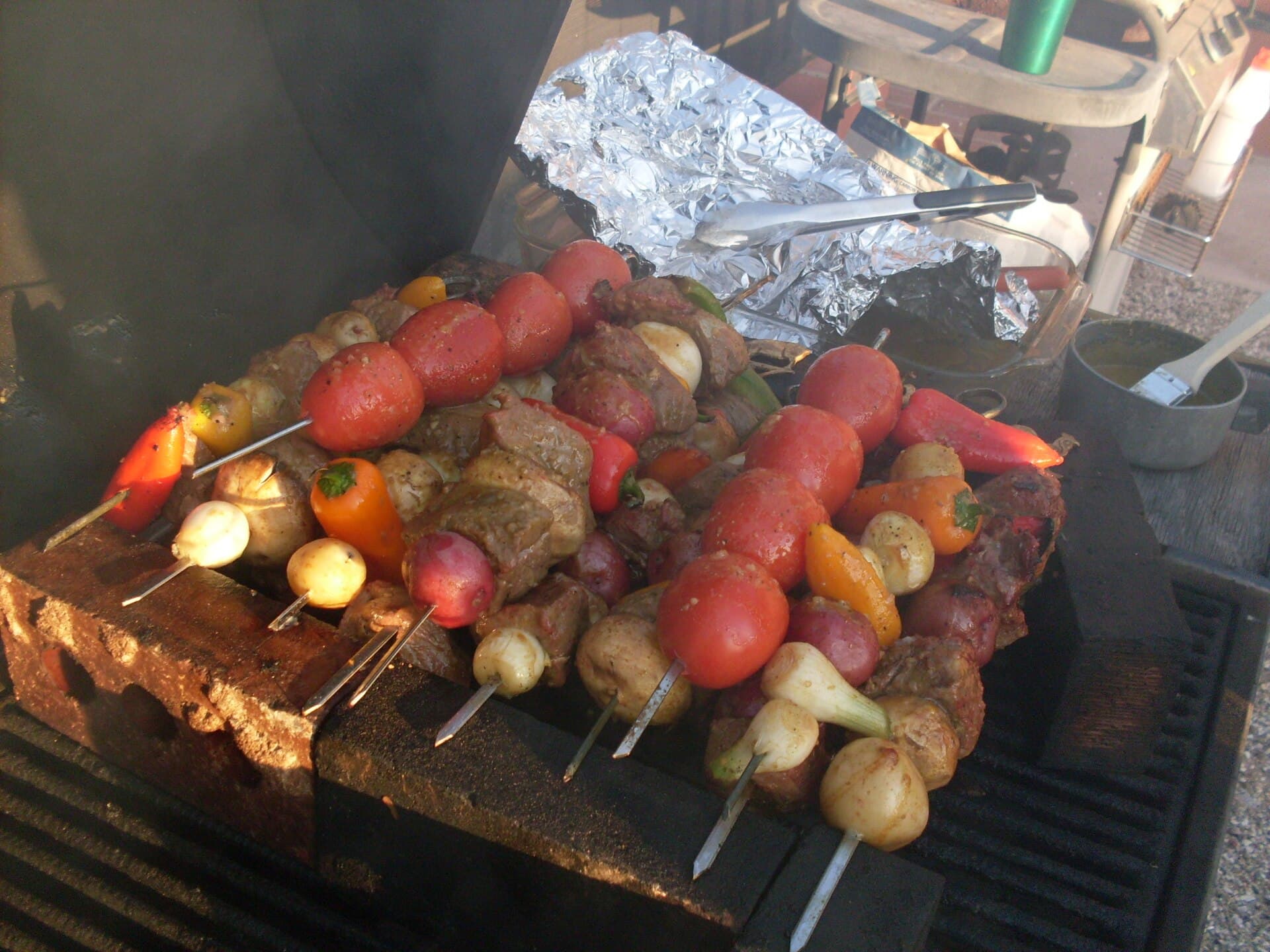
Shish Kebabs are skewered chunks of marinated meat and vegetables grilled to smoky perfection. Rising in popularity during postwar suburban backyard cookouts, they became emblematic of American outdoor grilling culture in the mid-20th century.
1800-1860
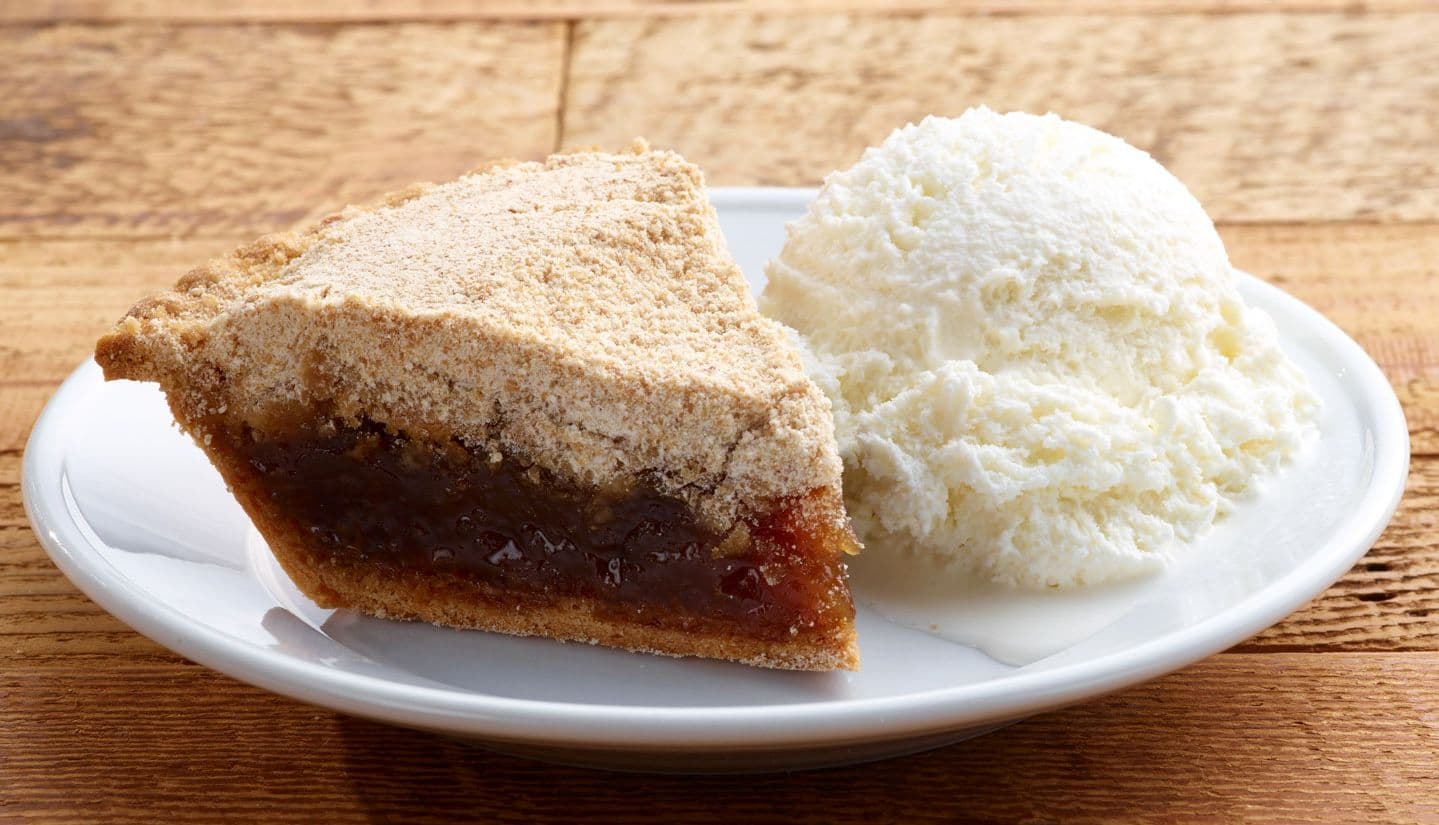
Shoofly Pie is a molasses-sweetened pie with a crumb topping, historically popular in Pennsylvania Dutch and Mid-Atlantic communities. Its rich, sticky filling reflects early American sweetening traditions and regional preferences.
America's Melting Pot
Shoofly Pie Ancestor photo coming soon
1776-1800
The Shoofly Pie Ancestor is an early version of the molasses crumb pie originating in the Mid-Atlantic region during the late 18th century. It features simple ingredients reflective of colonial foodways before industrialized sugar was widespread.
1800-1860
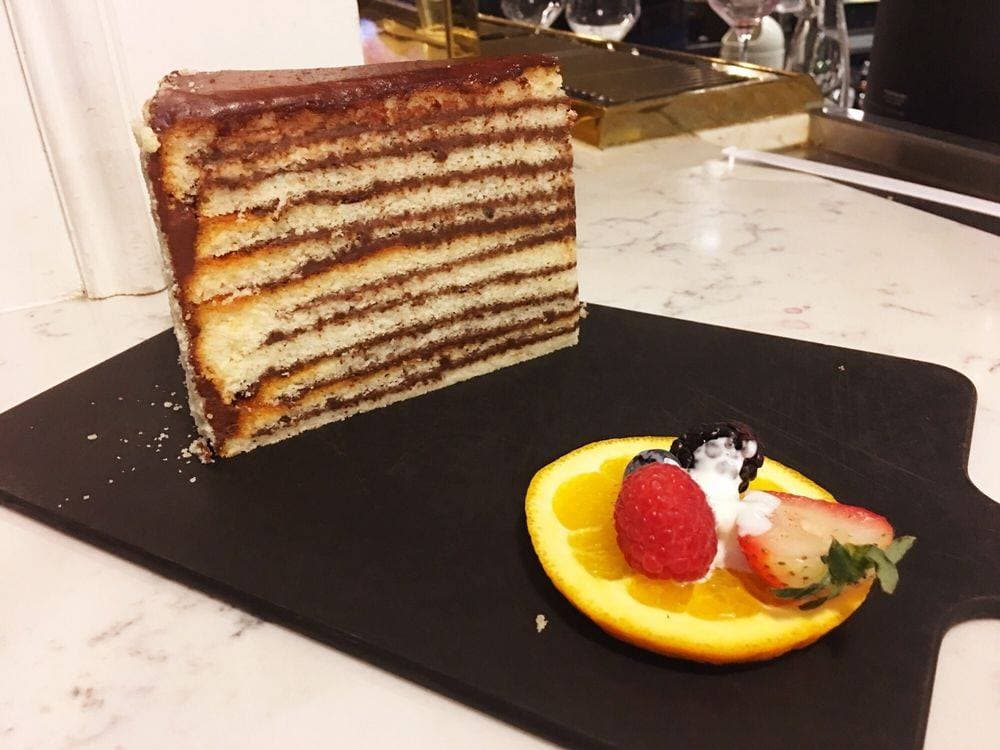
Smith Island Cake is a multi-layered cake originating from the Mid-Atlantic region, known for its numerous thin layers and rich chocolate frosting. This cake is the official state dessert of Maryland and reflects the baking traditions of the Chesapeake Bay area.
America's Melting Pot
Spinach Dip in a Bread Bowl photo coming soon
1970-1989
Spinach Dip in a Bread Bowl is a party dip with real American table personality: 1980s-1990s party table icon. It brings flavor from coast-to-coast American tables to cookouts, counters, lunch plates, potlucks, and weeknight suppers.
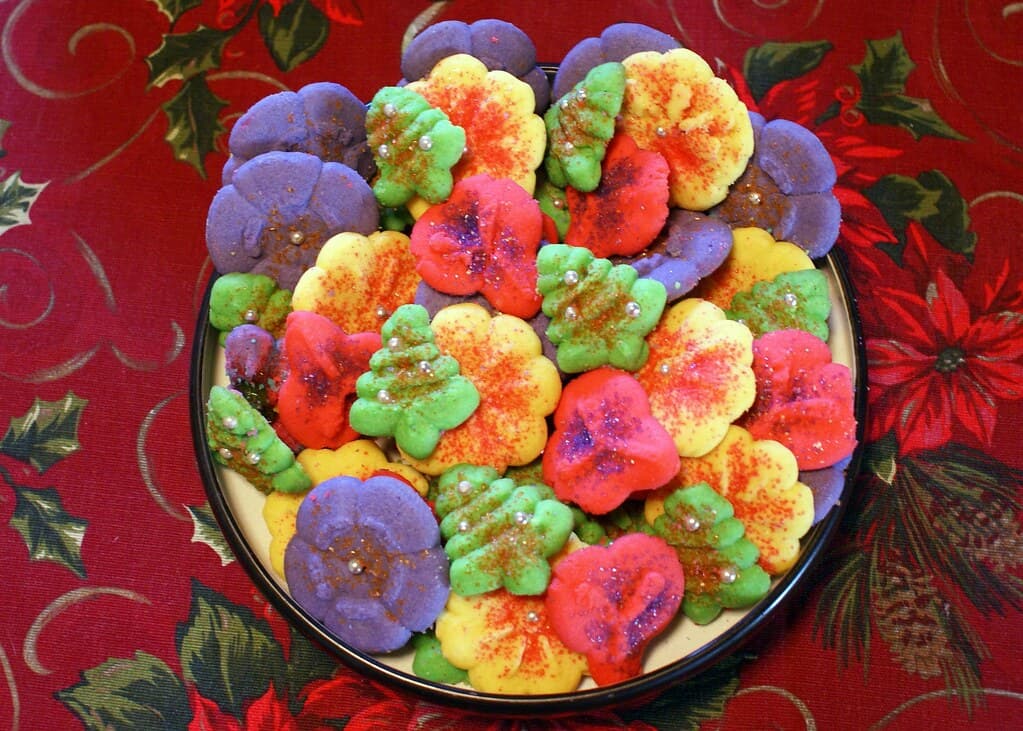
1900-1929
Spritz cookies are buttery, pressed cookies commonly made during Christmas in America, rooted in European immigrant traditions. Their decorative shapes and rich texture make them a festive favorite found broadly in holiday baking.
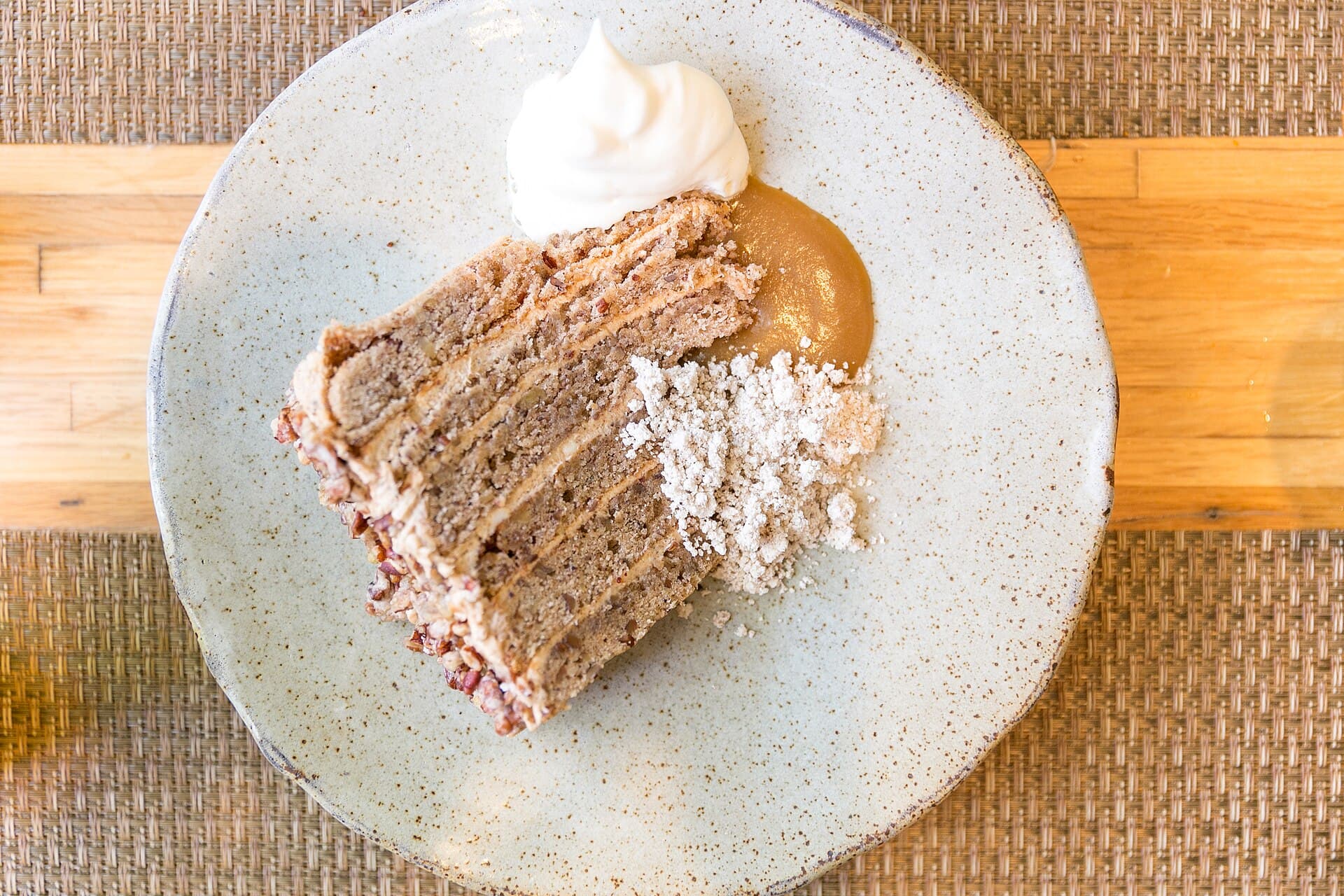
1800-1860
Stack cake is a layered cake sweetened with honey or molasses, often assembled with fruit preserves, traditional in Appalachian communities. It served as a celebratory dessert during the 1800-1860 period, reflecting local ingredients and social customs.
America's Melting Pot
Strawberry Pretzel Salad photo coming soon
1946-1969
Strawberry Pretzel Salad combines a salty pretzel crust, a creamy sweetened cream cheese layer, and a tangy strawberry gelatin topping. Emerging in postwar America, this recipe became a staple at holiday and Easter tables, marrying convenience with contrasting flavors and textures.
America's Melting Pot
Struffoli photo coming soon
1900-1929
Struffoli are small deep-fried dough balls coated in honey and often decorated with colorful sprinkles, traditionally served during Italian-American Christmas celebrations. This sweet treat traces back to Italian immigrant communities adapting their holiday desserts in the United States during the 19th century.
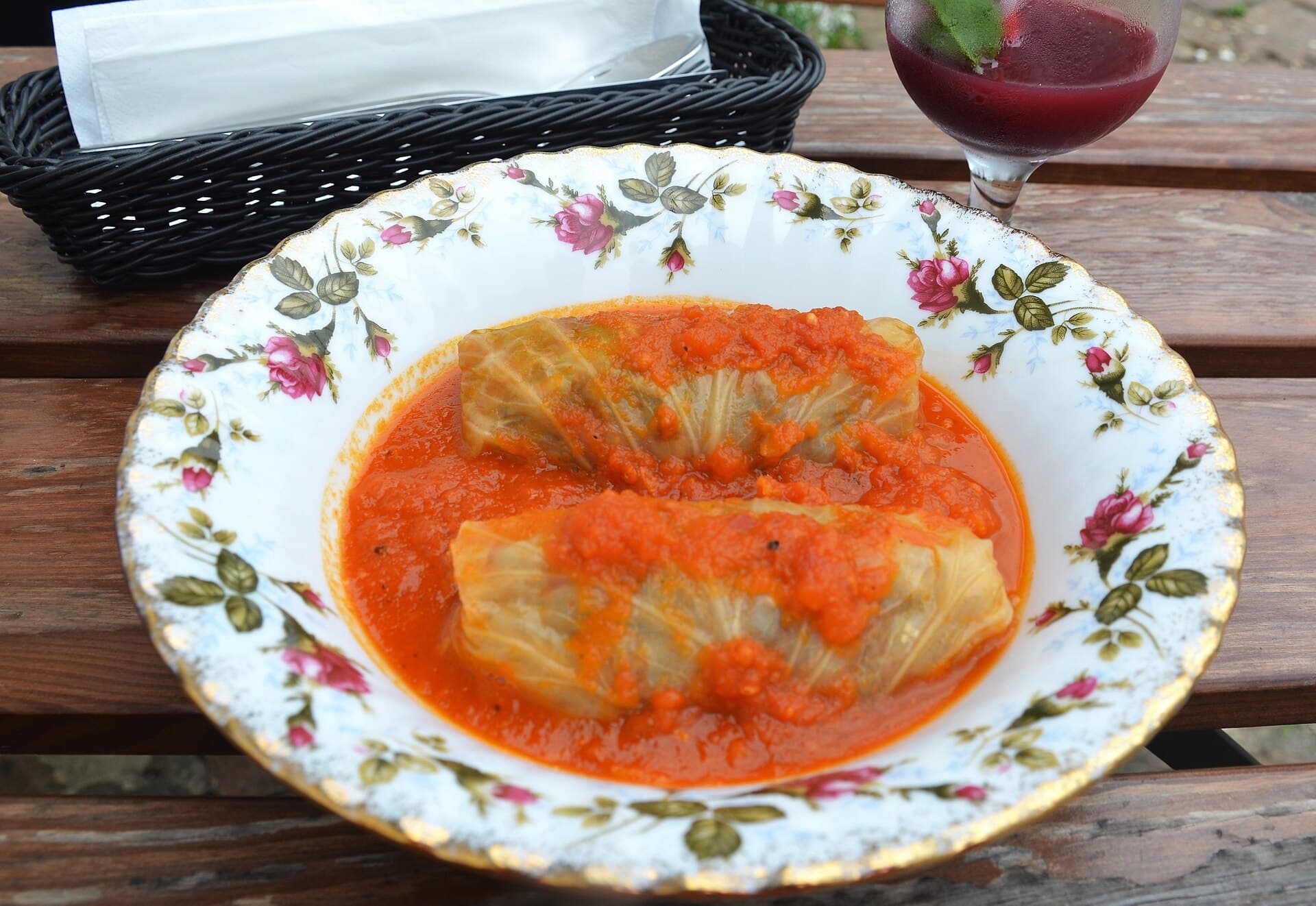
1900-1929
Stuffed cabbage is a beloved dish among Polish, Czech, Slovak, and Eastern European immigrants to America in the early 20th century. Cabbage leaves are filled with a mixture of ground meat, rice, and seasonings, then simmered in a tangy tomato sauce, commonly served at state fairs, diners, and holiday tables.
America's Melting Pot
Stuffed Celery photo coming soon
1946-1969
Stuffed celery was a popular American appetizer during the postwar era, often featuring celery stalks filled with cream cheese or other savory spreads. This simple, crunchy hors d'oeuvre reflected mid-century preferences for light finger foods suitable for cocktail parties and social gatherings.
America's Melting Pot
Stuffed Mushrooms photo coming soon
1946-1969
Stuffed mushrooms became a favored appetizer during postwar American cocktail parties, using mushroom caps filled with seasoned breadcrumbs, cheese, herbs, or sausage. This easy, elegant dish reflects mid-20th-century tastes for finger foods combining fresh vegetables with savory fillings.
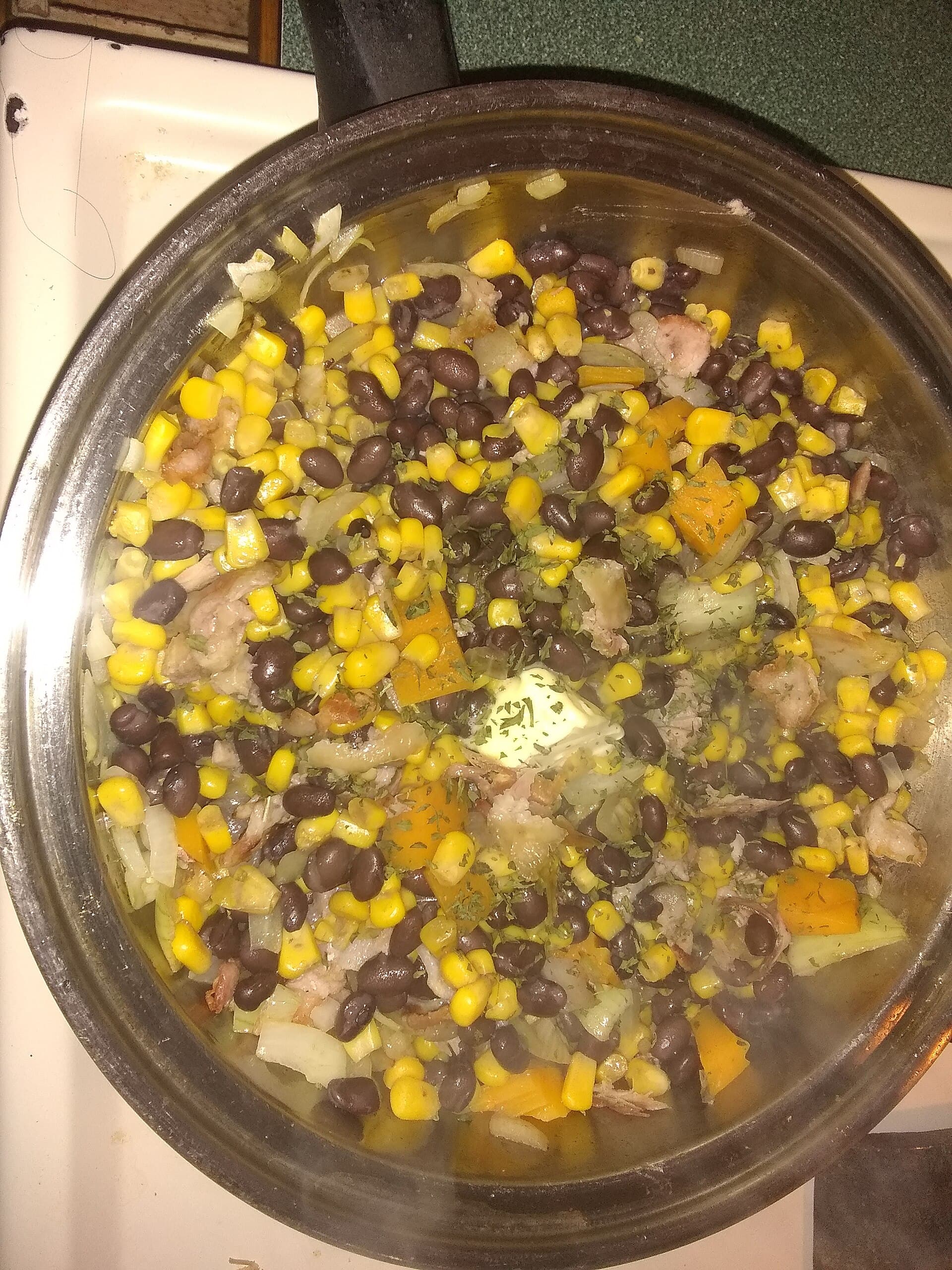
Before 1776
Succotash is a hearty vegetable stew of corn and lima beans, with variations including tomatoes, peppers, or other vegetables. Rooted in early American and Native food traditions, it was commonly served throughout the Revolutionary era as a simple, nutrient-rich side or main dish.

1776-1800
Sugar cookies are a timeless American holiday treat known for their crisp edges and tender interiors. Often decorated with colored sugar or icing, they hold a special place in Christmas celebrations and beyond, evolving over centuries to suit home bakers and commercial baking alike.
1900-1929
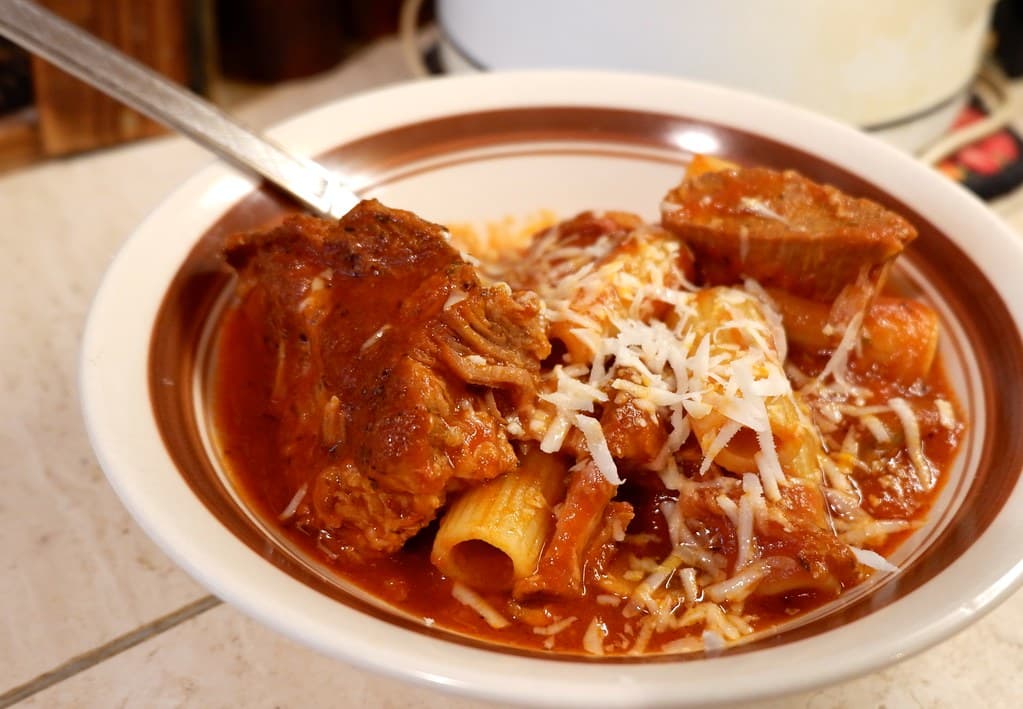
Sunday Gravy is a rich Italian-American tomato sauce slow-simmered with various meats including pork, beef, and sausage, traditionally served after Sunday mass. This communal sauce is foundational to many Italian-American family meals and celebrations.
America's Melting Pot
Sunflower Seed Cakes photo coming soon
Before 1776
Sunflower Seed Cakes were a traditional Native American snack or dessert made from ground sunflower seeds formed into small patties or cakes. These cakes represent indigenous foodways prior to and during early American expansion and settlement.
America's Melting Pot
Swedish Meatballs photo coming soon
1861-1900
A hearty meatball dish brought by Scandinavian immigrants to the American Midwest during the late 19th century. Popularized in homes, churches, schools, and state fairs as a comfort food, especially during Christmas holidays.
1900-1929
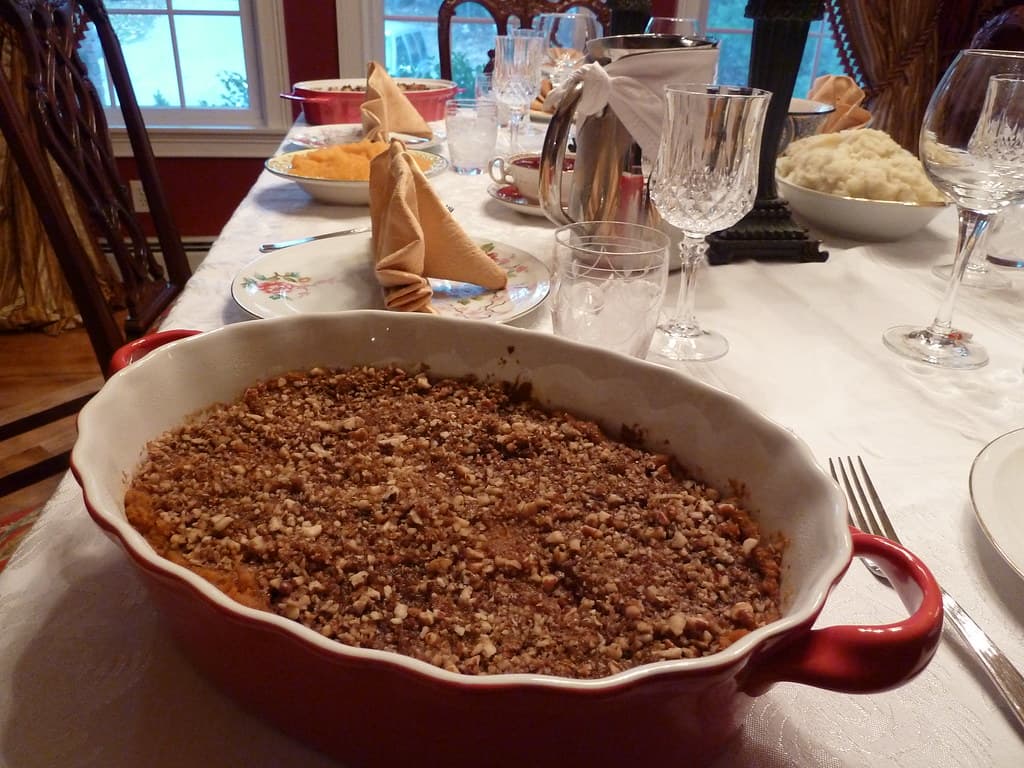
Sweet potato casserole is a beloved Southern side dish traditionally served during holiday celebrations such as Thanksgiving. It features mashed sweet potatoes topped with a crunchy pecan or marshmallow crust, symbolizing Southern hospitality and seasonal flavors.
1800-1860
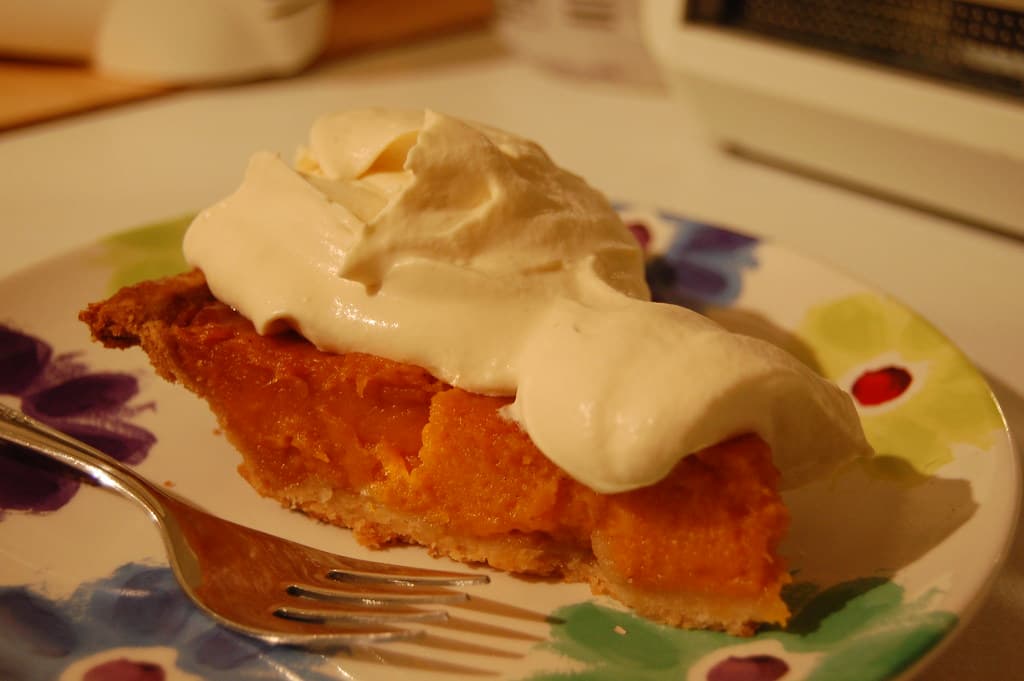
Sweet potato pie is a traditional Southern dessert dating back to the early 19th century, featuring a creamy sweet potato filling baked in a pie crust. It reflects African American and Southern culinary heritage during the antebellum period and beyond.

2010-2026
Sweet tea is a signature Southern iced tea sweetened generously with sugar, widely consumed at family gatherings, food trucks, and celebrations such as the Fourth of July. It embodies hospitality and regional identity in modern American culture.
1946-1969
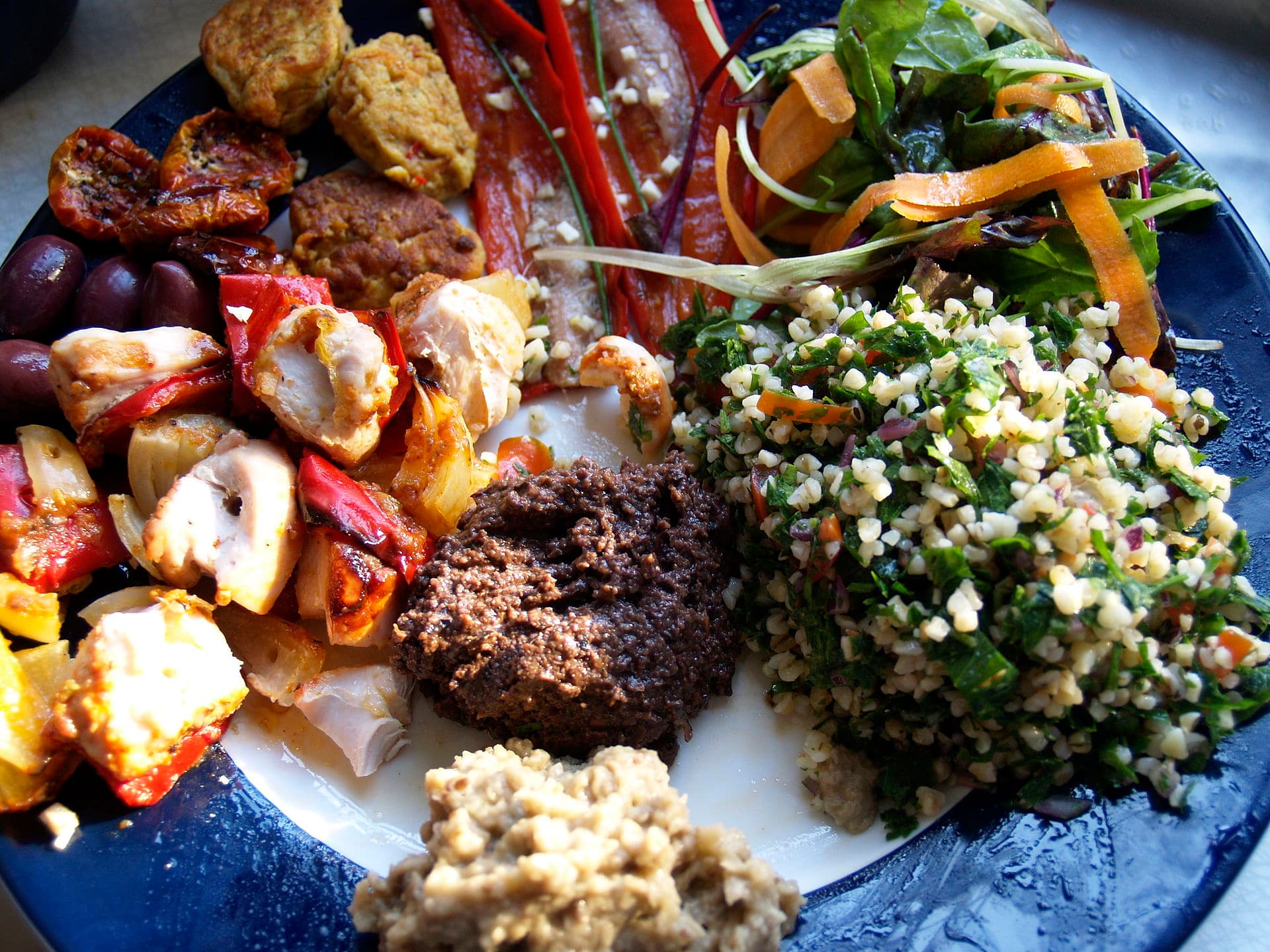
Tabbouleh, a parsley, bulgur, and tomato salad, became popular in American suburbs during the late 20th century through immigrant and foodie influences. Often served as a fresh side or light meal, it reflects the global culinary currents influencing suburban America between 1990 and 2009.
1800-1860
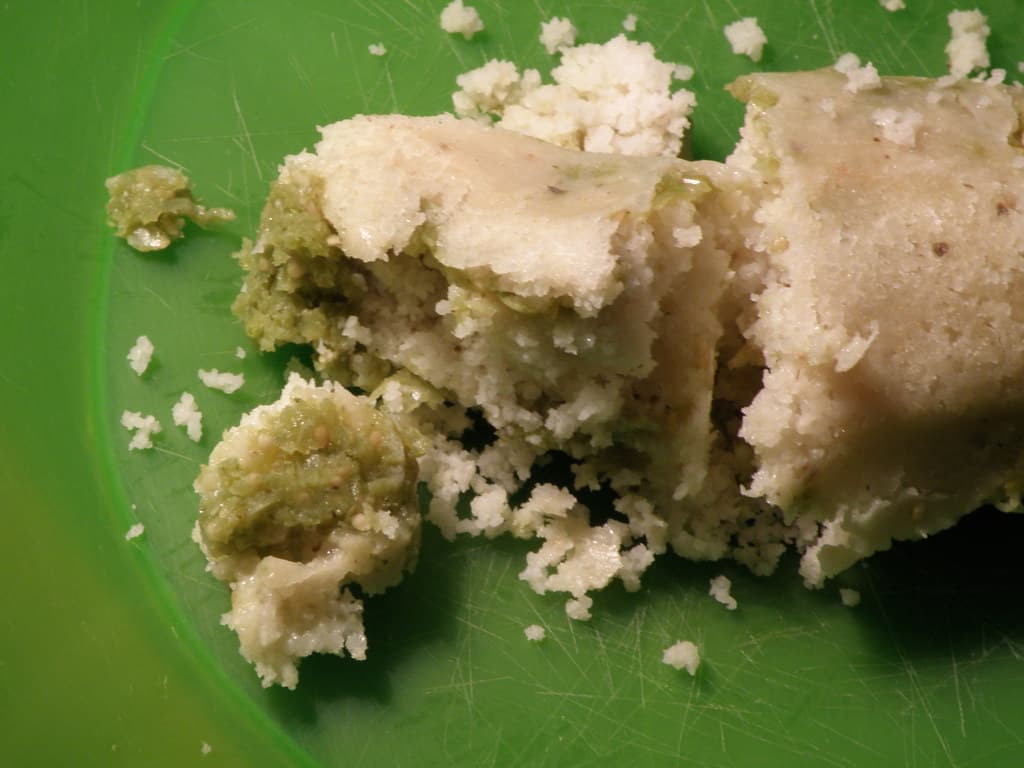
Tamales are traditional Mesoamerican foods made of masa dough filled with meat or vegetables, wrapped in corn husks, and steamed. They have deep roots in Mexican, Spanish borderlands, and Indigenous cultures and were adapted by Mexican-American communities in the 19th century, becoming central to holiday celebrations.
1800-1860
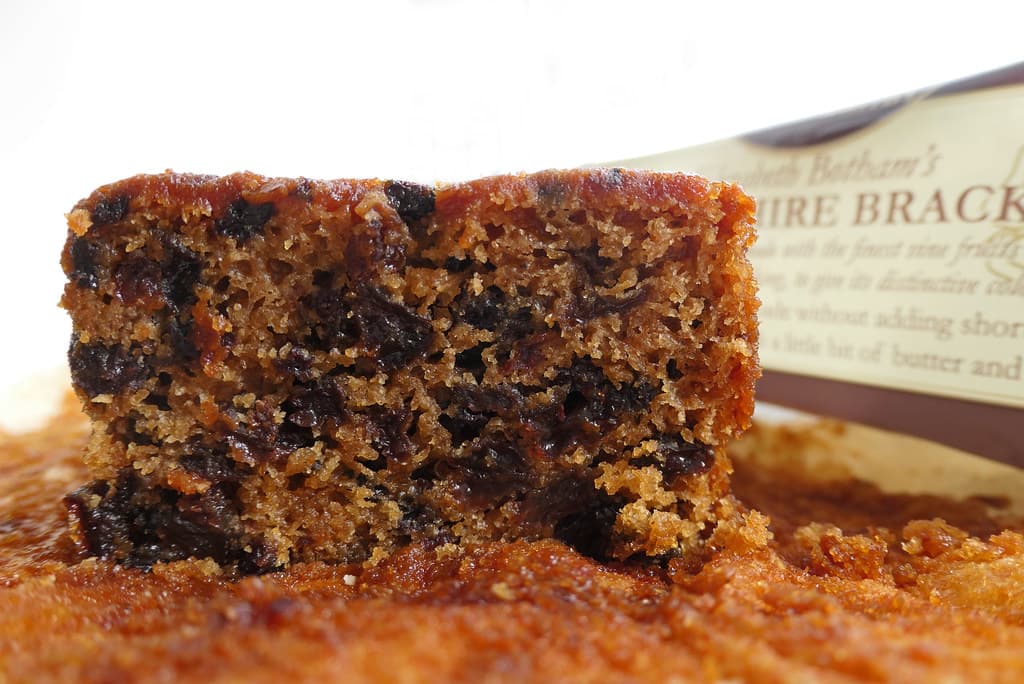
Tea Brack is a lightly spiced sweet bread soaked in tea and studded with dried fruits. This traditional Irish-influenced drinkable bread found a place in Irish-American kitchens during the early 19th century, especially around holidays. It combines the flavors of black tea, dried fruits, and warming spices, reflecting the blending of Irish heritage with American ingredients.
America's Melting Pot
Three Sisters Stew photo coming soon
Before 1776
Three Sisters Stew features the traditional Indigenous American agricultural trio of corn, beans, and squash simmered into a hearty, nourishing stew. Reflecting centuries-old Native foodways, this dish celebrates indigenous crops and culinary traditions from Expansion through early 19th century America, underscoring sustainable agriculture and seasonal cooking.
1800-1860
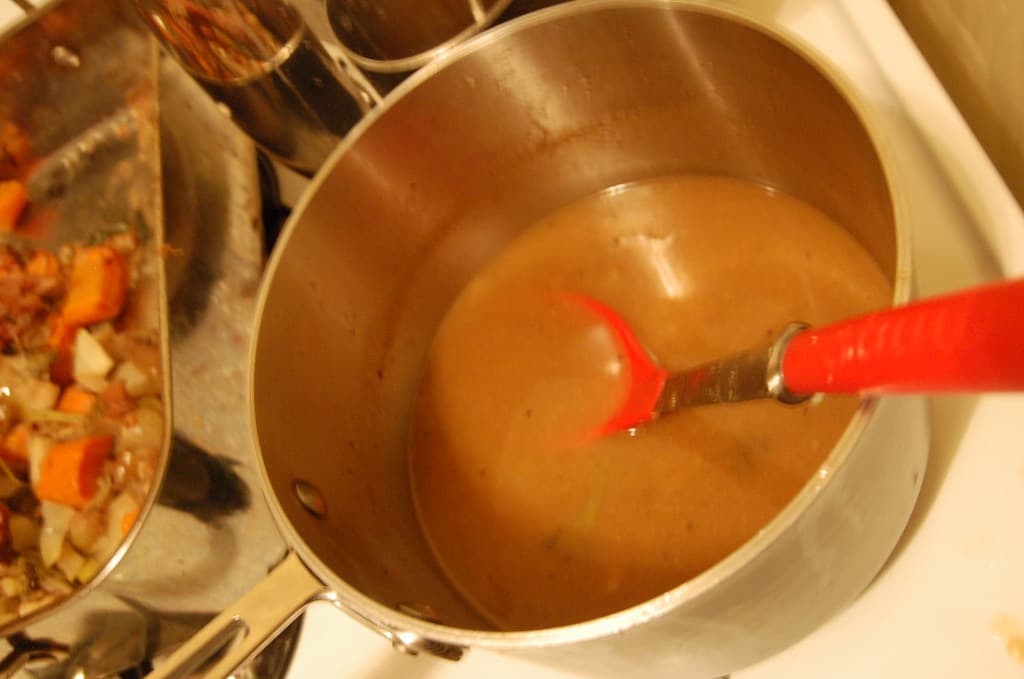
Turkey gravy is a fundamental accompaniment in American Thanksgiving traditions, made from pan drippings and seasoned to enhance roasted turkey. Its rich flavor and smooth texture have made it a holiday essential across generations and regions of the United States.
1861-1900
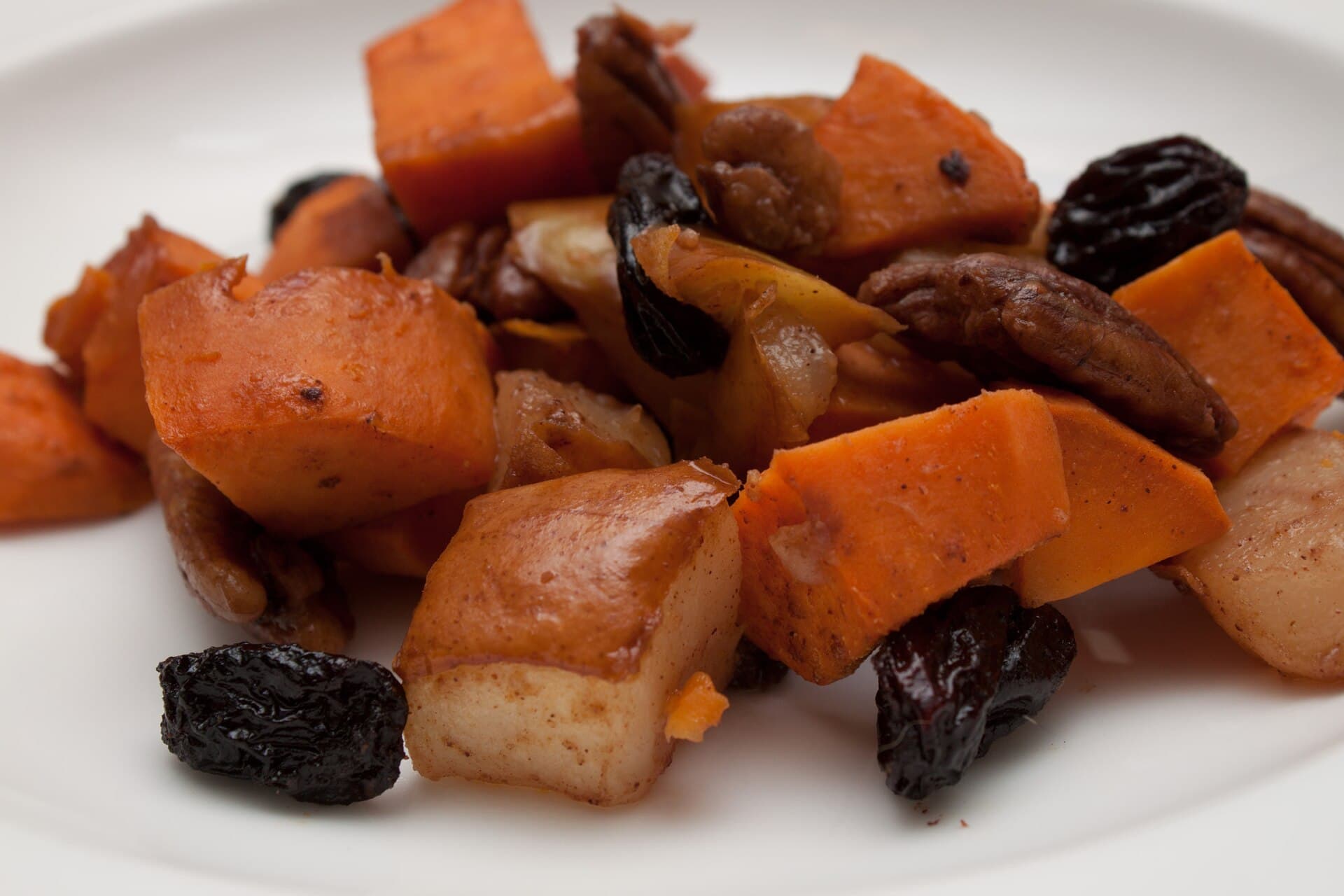
Tzimmes is a sweet potato and carrot stew rooted in Jewish-American communities during the 19th century, reflecting the use of dried fruits and root vegetables in Ashkenazi holiday cooking. It exemplifies cultural continuity and adaptation in American Jewish culinary traditions.
America's Melting Pot
Venison Roast photo coming soon
1776-1800
A simple yet flavorful roast venison main dish reflecting early American culinary practices. Venison was a valued game meat during the Revolutionary era, often roasted with herbs and root vegetables.
America's Melting Pot
Vermont Maple Pie photo coming soon
1800-1860
A traditional New England dessert pie using pure maple syrup for sweetening. This pie reflects Vermont's long history of maple syrup production and its use in regional desserts during the early 19th century.
America's Melting Pot
Vinegar Pie photo coming soon
1861-1900
A simple Southern American pie made with basic pantry ingredients including vinegar, which provides tartness to balance the sweet filling. This economical dessert originated during the Reconstruction era and symbolized resilience through scarcity.
1946-1969
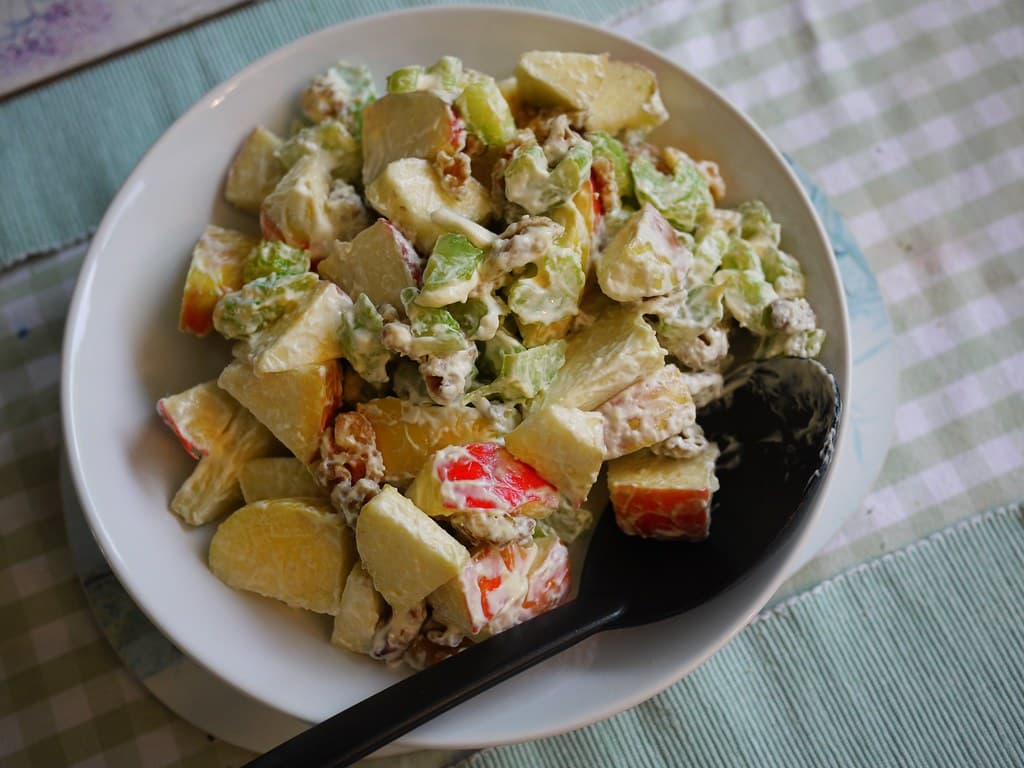
A fresh side dish combining crisp apples, celery, walnuts, and mayonnaise dressing. Originating in the early 20th century, Waldorf Salad became popular during the postwar prosperity era as a simple yet elegant accompaniment.
America's Melting Pot
Washington Pie photo coming soon
1776-1800
Washington Pie is a layered dessert combining cake and fruit preserves, dating back to late 18th-century America. This simple yet elegant sweet features moist cake layers sandwiched with jam or jelly and optionally dusted with sugar, reflecting colonial baking practices and early American tastes for fruit desserts.
America's Melting Pot
Watermelon photo coming soon
1946-1969
Watermelon has been a staple American summer fruit especially popular at backyard barbecues and holiday gatherings from post-World War II suburban culture. Its juicy sweetness and easy serving profile made it a favorite during the Fourth of July and other festive occasions.
America's Melting Pot
Whole Berry Cranberry Sauce photo coming soon
Founding Era
Whole Berry Cranberry Sauce is a preserve with real American table personality: New England and Thanksgiving classic. It brings flavor from New England to cookouts, counters, lunch plates, potlucks, and weeknight suppers.
1900-1929
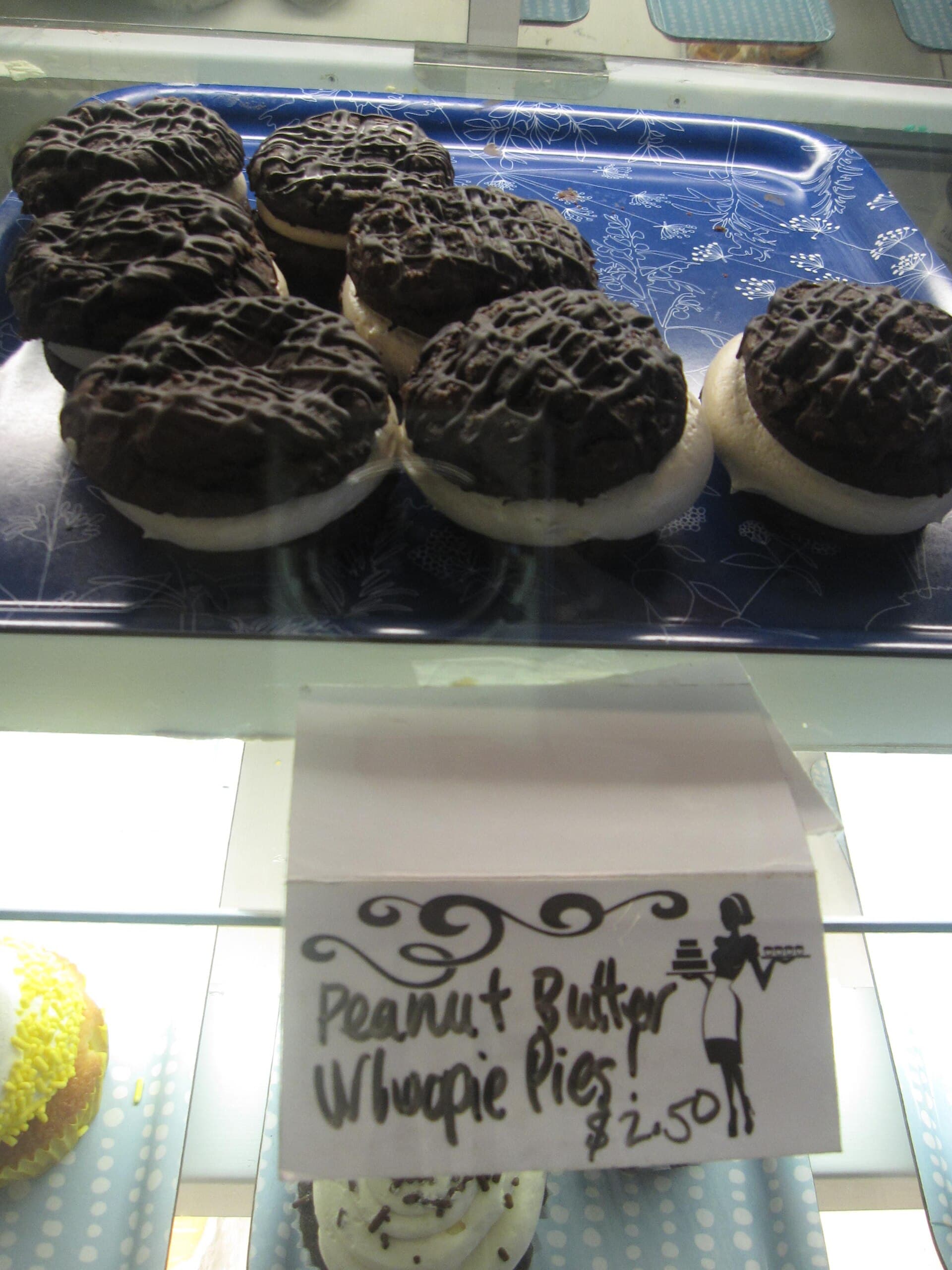
Whoopie Pies are traditional New England treats featuring two soft chocolate or cake-like cookies sandwiching a fluffy sweet cream filling. Popular across generations, these desserts are a regional icon representing Northeastern American baking traditions.
America's Melting Pot
Wild Rice Dressing photo coming soon
Native Foodways and Continuity
Wild Rice Dressing is a traditional American Thanksgiving side combining wild rice with aromatic vegetables, herbs, and often nuts or sausage. It reflects regional Midwestern and Native American influences and features prominently at holiday tables across the United States.
1946-1969
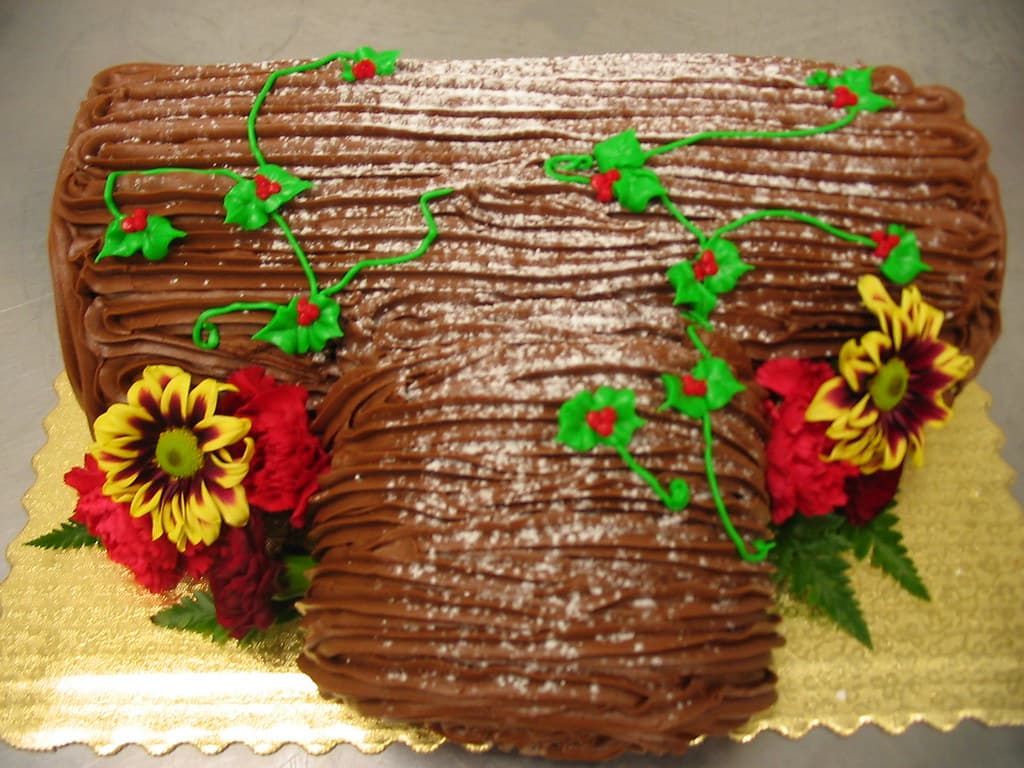
The Yule Log, or Buche de Noel, is a rolled sponge cake decorated to resemble a tree log, traditionally served at Christmas. This dessert's American adoption reflects European holiday customs, featuring chocolate sponge with cream filling and decorative frosting representing the winter season.
Community recipe submission
Log in to submit a recipe, format it with the cooking companion, and send it for review.
Log in to Submit