
Loading
Setting the table...
Fetching the latest recipes from the archive.
Loading
Fetching the latest recipes from the archive.
Recipe archive
Recipe archive
Search the archive by title, region, ingredient, tag, or era, then sort the table by the view that fits your kitchen.
This archive is growing through recipes, photos, family recipes, and historical context shared by the community.
America's Melting Pot
Hash Browns photo coming soon
1900-1929
Hash browns are shredded or diced potatoes pan-fried until golden and crisp, popularized in American diners and lunch counters during the early 20th century. Served primarily at breakfast, they embody simple, rustic comfort food.
America's Melting Pot
Hawaii Haupia Shake photo coming soon
Cross-era
Hawaii Haupia Shake salutes regional fruit country and the American dairy-stand tradition: Hawaii coconut dessert influence.
America's Melting Pot
Hawaii Pineapple Shake photo coming soon
Cross-era
Hawaii Pineapple Shake salutes regional fruit country and the American dairy-stand tradition: Hawaii.
America's Melting Pot
Hazelnut Cake photo coming soon
1900-1929
Hazelnut cake showcases toasted Northwest hazelnuts incorporated into a moist cake, often layered and frosted. This dessert highlights the Pacific Northwest's rich nut harvests and fusion of American baking traditions.
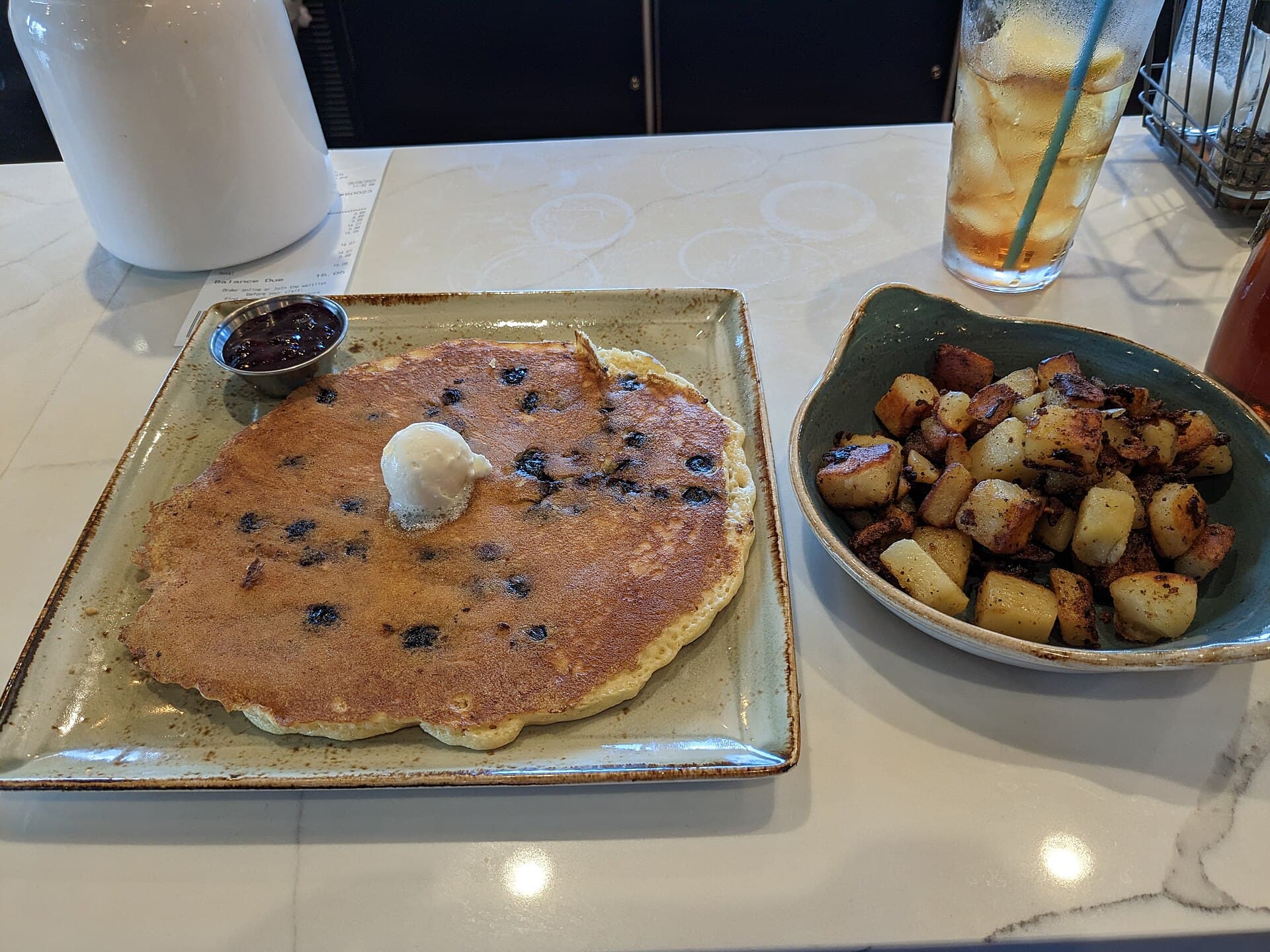
1900-1929
Home fries are diced or sliced potatoes pan-fried with onions and seasoning, commonly served at American diners with breakfast. Emerging in early 20th-century immigrant cities, they offer a warm and crispy potato side dish.
America's Melting Pot
Hoover Stew photo coming soon
1930-1945
Hoover Stew emerged during the Great Depression as a simple, affordable, and nourishing meal using available pantry staples. Named (sometimes colloquially) after President Hoover, it typifies Depression-era cooking that utilized minimal ingredients stretched for multiple servings. The stew often combines canned goods and inexpensive proteins to create a filling dish suited to hard times.
America's Melting Pot
Horseradish Cream Sauce photo coming soon
Gilded Age & Progressive Era
Horseradish Cream Sauce is a sandwich sauce with real American table personality: Prime rib, pit beef, roast beef sandwiches. It brings flavor from coast-to-coast American tables to cookouts, counters, lunch plates, potlucks, and weeknight suppers.

1970-1989
Hot chocolate is a comforting American beverage enjoyed across many regions and occasions. Especially popular at tailgates and concession stands from the 1970s through the 1980s, it blends cocoa, sugar, and milk or water into a rich drink. This version reflects mid-late 20th century conveniences while maintaining roots in traditional American chocolate drinks.
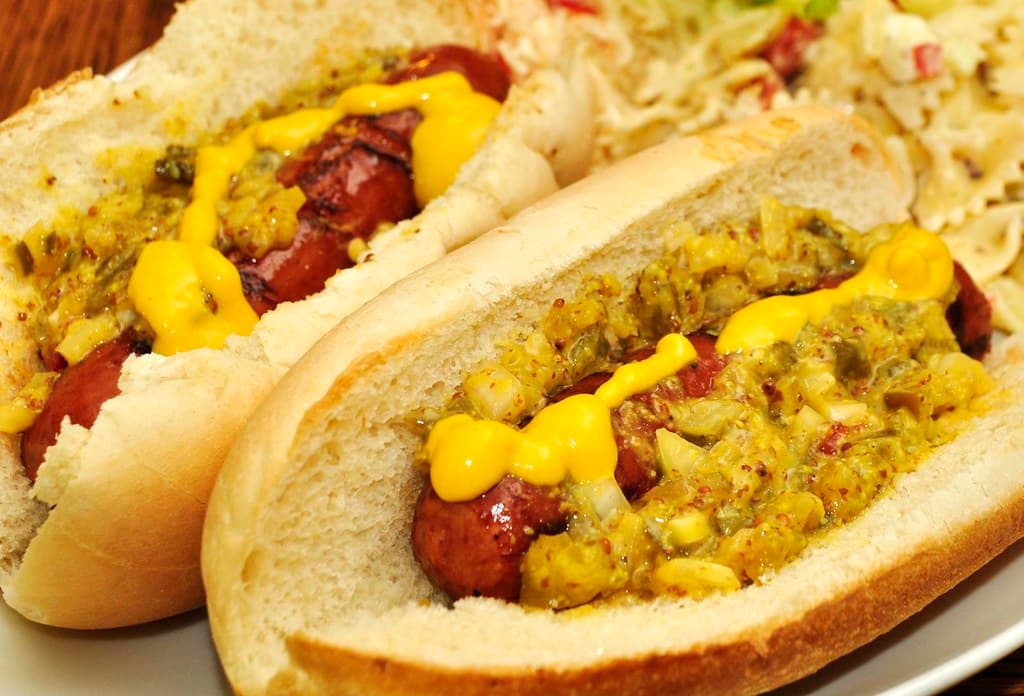
1861-1900
Hot dogs are grilled or boiled sausages served in a sliced bun, a quintessential American backyard and tailgate food. Their widespread popularity in postwar America coincided with suburban expansion, backyard grills, and convenient frozen foods from 1946 to 1969. Often associated with holidays like the Fourth of July, hot dogs remain an iconic symbol of casual American dining.
America's Melting Pot
Hot Fudge Sauce photo coming soon
Gilded Age & Progressive Era
Hot Fudge Sauce is a sweet sauce with real American table personality: Soda fountain and sundae culture. It brings flavor from coast-to-coast American tables to cookouts, counters, lunch plates, potlucks, and weeknight suppers.
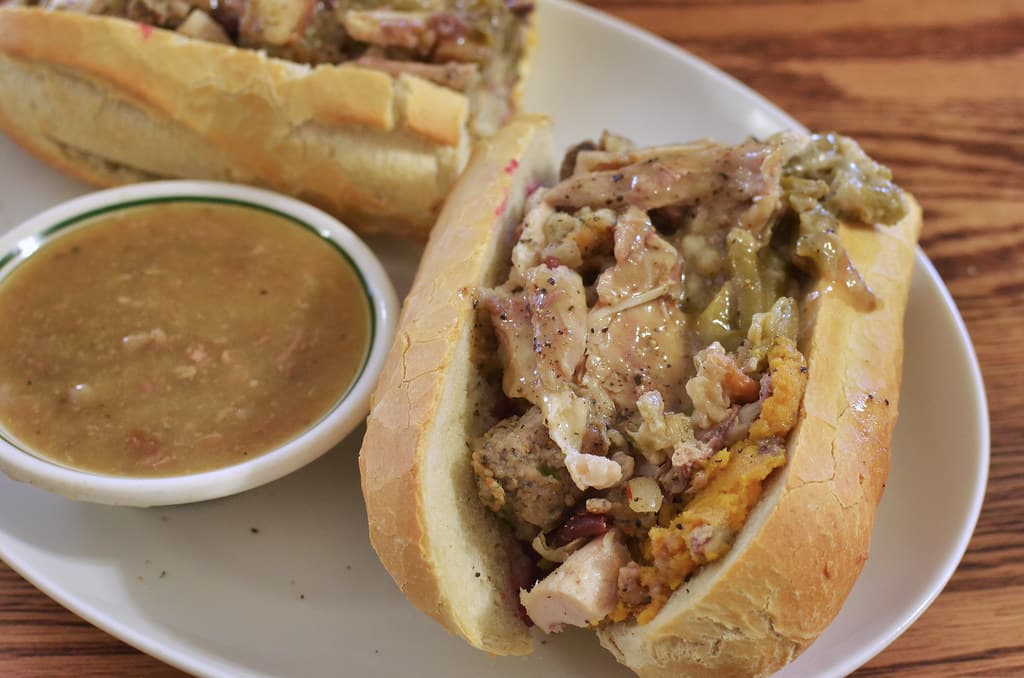
1900-1929
The hot turkey sandwich is an American diner and lunch counter classic featuring sliced roasted turkey on bread covered with rich gravy. Popular during the early 20th century, it was a practical, hearty meal in immigrant city diners and state fairs from 1900-1929, serving as a comforting use of leftover turkey.
America's Melting Pot
Hot Turkey Sandwich Gravy photo coming soon
1900-1929
Hot Turkey Sandwich Gravy is a condiment with real American table personality: Diner open-faced sandwich staple. It brings flavor from coast-to-coast American tables to cookouts, counters, lunch plates, potlucks, and weeknight suppers.
America's Melting Pot
Hotdish photo coming soon
1900-1929
Hotdish is a type of casserole popular in the American Midwest, especially associated with community gatherings, church suppers, and state fairs during the early 20th century. Combining a starch, protein (often ground meat or tuna), canned soup, and vegetables, it exemplifies economical, filling cuisine typical of immigrant and rural communities from 1900 to 1929.
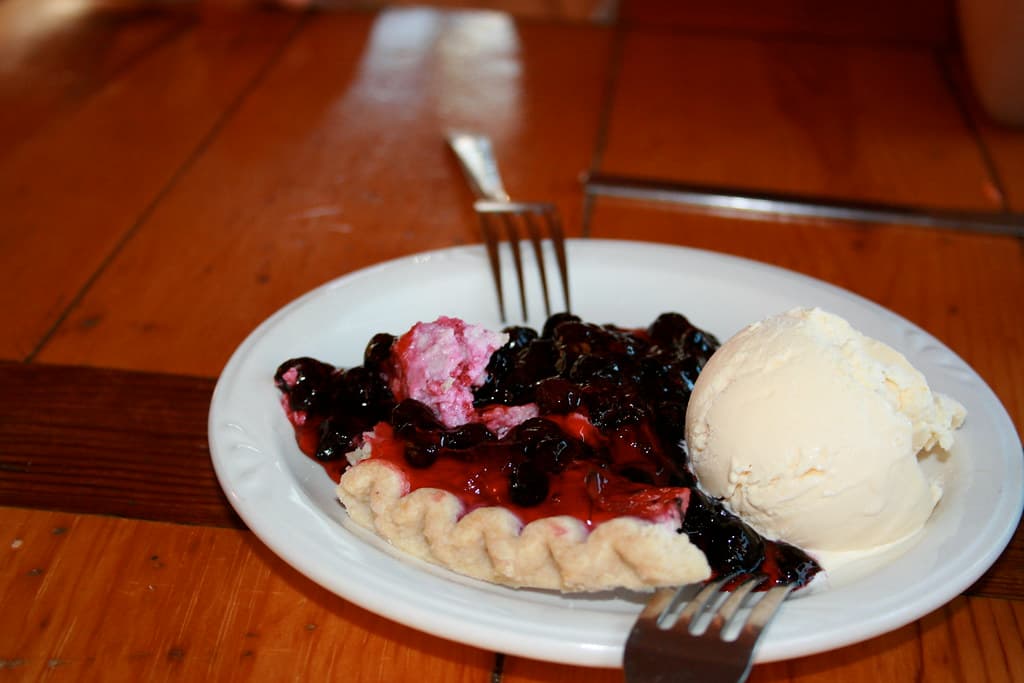
1861-1900
Huckleberry pie is a traditional dessert from the Pacific Northwest, featuring native huckleberries baked in a flaky crust. Known for their distinct tart and sweet flavor, huckleberries have been foraged and used by Indigenous peoples and settlers alike. The pie showcases regional culinary heritage and celebration of local wild ingredients.
America's Melting Pot
Huckleberry Shake photo coming soon
Postwar & Diner Age
Huckleberry Shake pours old-school malt-shop cheer into a cold glass: Montana, Idaho, and mountain West favorite.
America's Melting Pot
Huckleberry Syrup photo coming soon
Cross-era
Huckleberry Syrup is a sweet sauce with real American table personality: Mountain West pancakes and ice cream. It brings flavor from the Pacific Northwest and Mountain West to cookouts, counters, lunch plates, potlucks, and weeknight suppers.
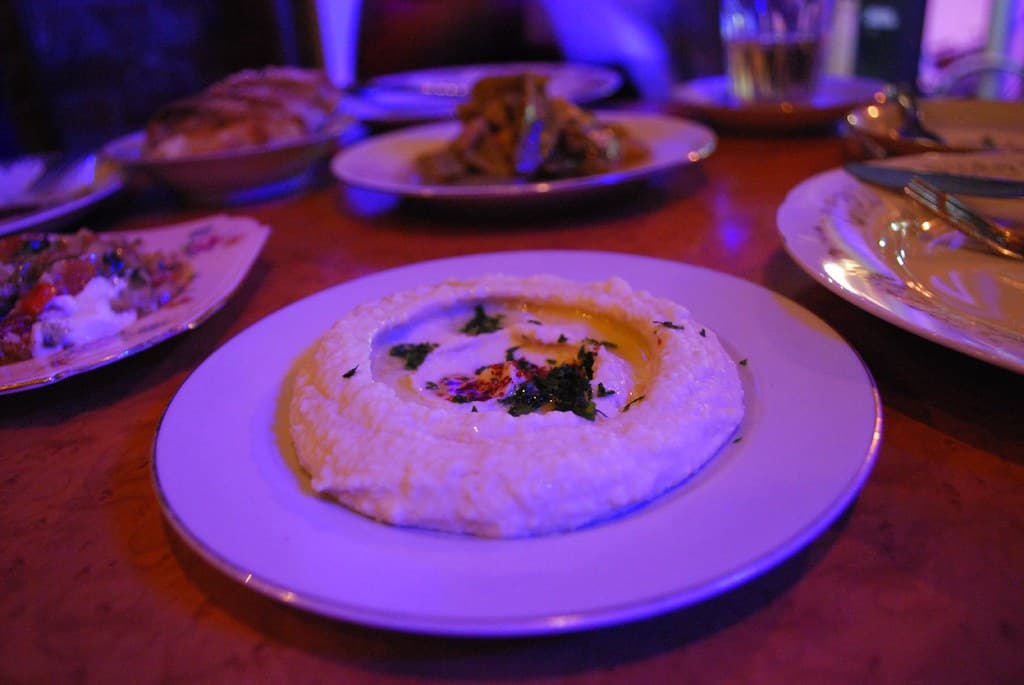
1946-1969
This classic hummus recipe, now a staple in American suburban households and coffee shops, reflects the successful immigrant adaptation of Middle Eastern flavors into American food culture from 1990 to 2009. It gained notable popularity as a healthy and flavorful snack and Super Bowl food item.
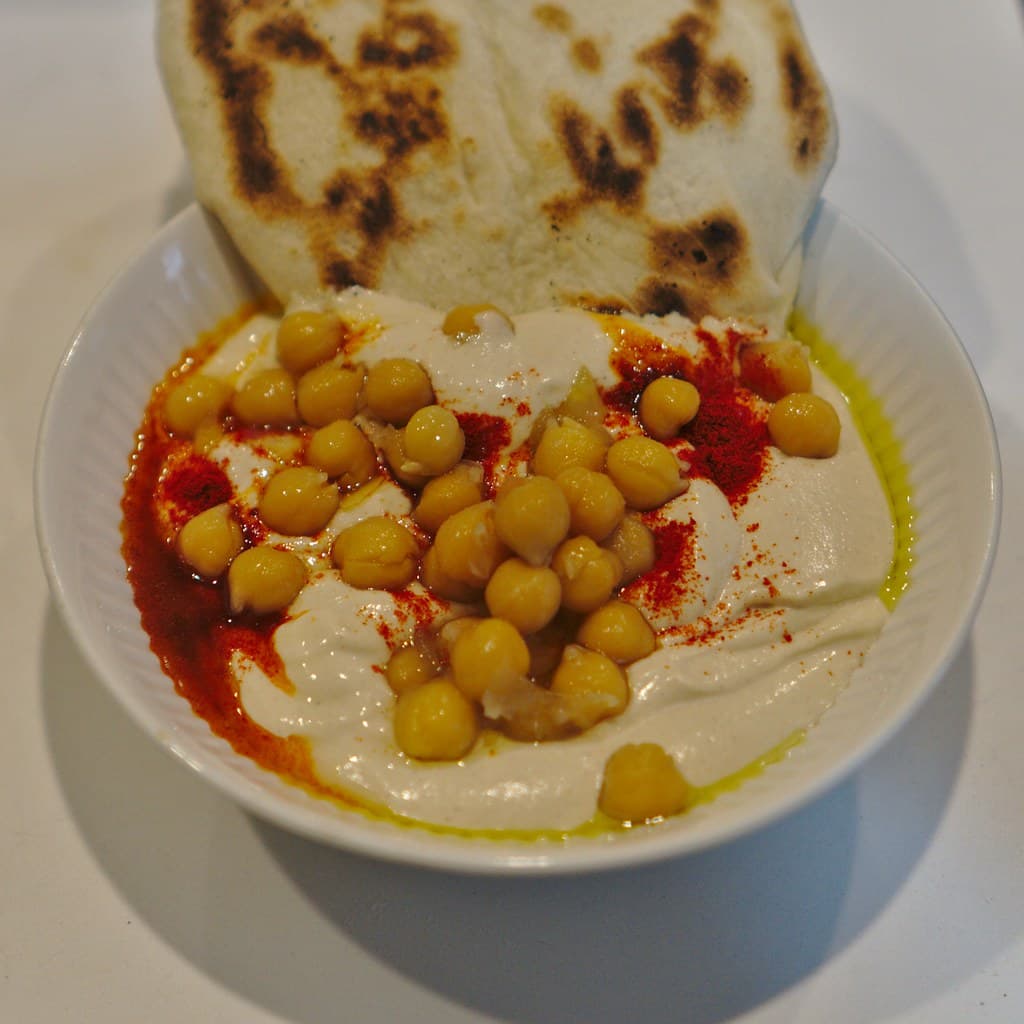
1946-1969
Hummus paired with pita bread became a popular combination in American suburbs during the 1990-2009 era, often featured in coffee shops and casual Super Bowl gatherings. This pairing highlights the meeting of Middle Eastern culinary staples with American casual dining culture.
America's Melting Pot
Ice Cream Soda photo coming soon
1861-1900
Ice Cream Soda is fizzy Americana from the soda-fountain counter: Soda water, syrup, and ice cream.
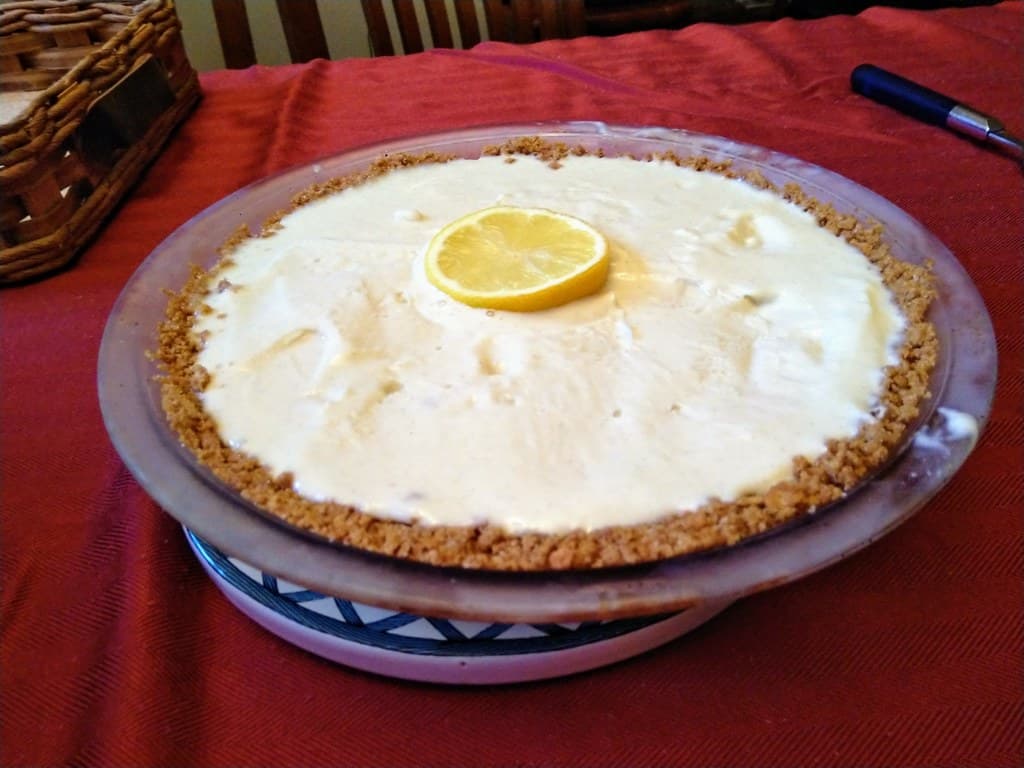
1930-1945
Icebox pies emerged as easy-to-make desserts suited for the freezer and backyard grills of postwar American suburbs (1946-1969). These no-bake pies leveraged refrigeration technology and convenience food trends, becoming iconic in family and social outdoor gatherings.
America's Melting Pot
Idaho Huckleberry Shake photo coming soon
Cross-era
Idaho Huckleberry Shake salutes regional fruit country and the American dairy-stand tradition: Idaho.
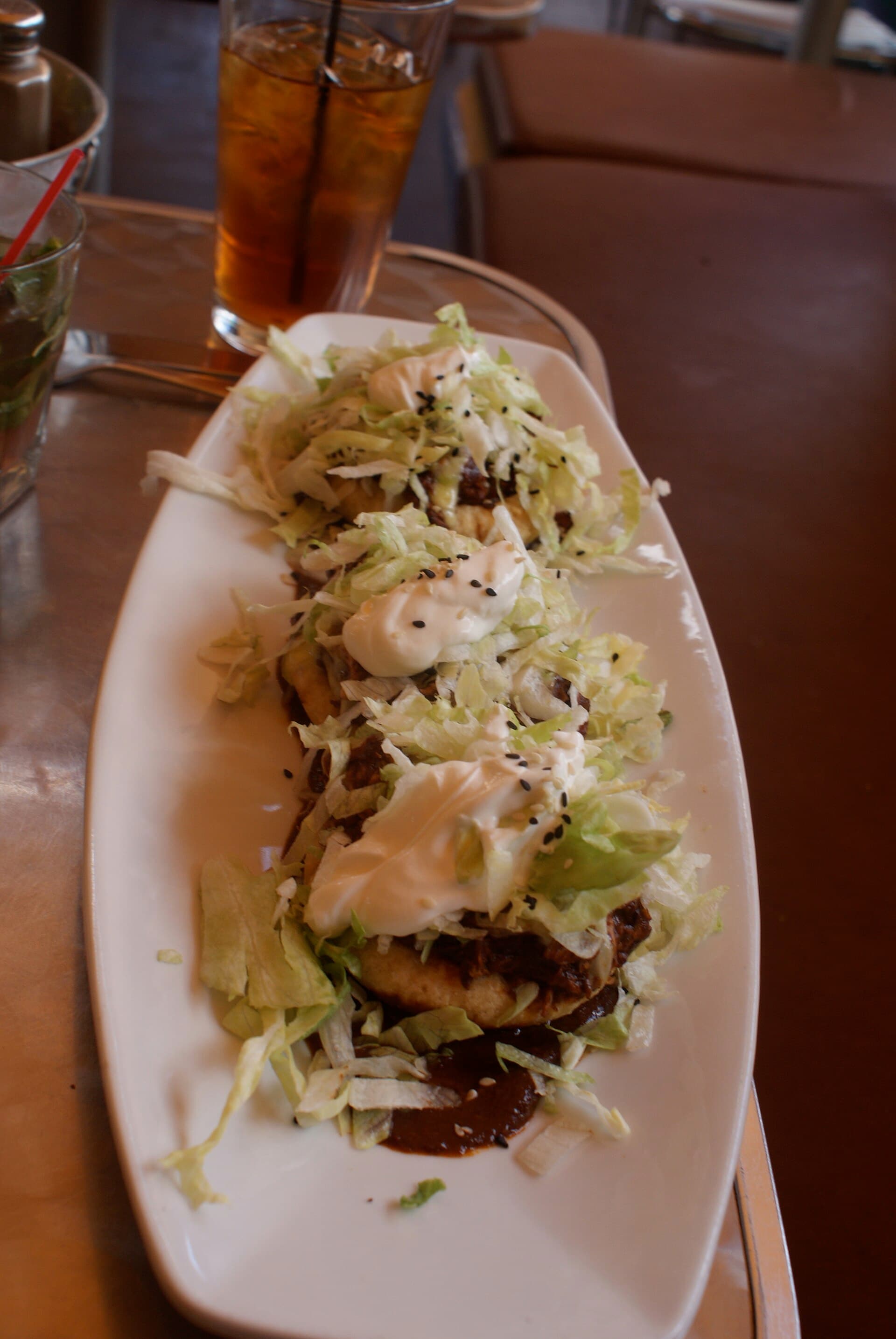
1900-1929
Indian Tacos, served on frybread, gained popularity in early 20th century American state fairs and diners from 1900 to 1929. This dish represents a culinary adaptation blending Mexican-American taco ingredients with Indigenous frybread, making it a beloved carnival and diner food item.
America's Melting Pot
Italian Beef Giardiniera Oil photo coming soon
Cross-era
Italian Beef Giardiniera Oil is a sandwich sauce with real American table personality: Chicago sandwich condiment. It brings flavor from Chicago and the Upper Midwest to cookouts, counters, lunch plates, potlucks, and weeknight suppers.
America's Melting Pot
Italian Soda, American Coffeehouse Style photo coming soon
1900-1929
Italian Soda, American Coffeehouse Style is fizzy Americana from the soda-fountain counter: Syrup, soda, and cream, popularized in American cafes.
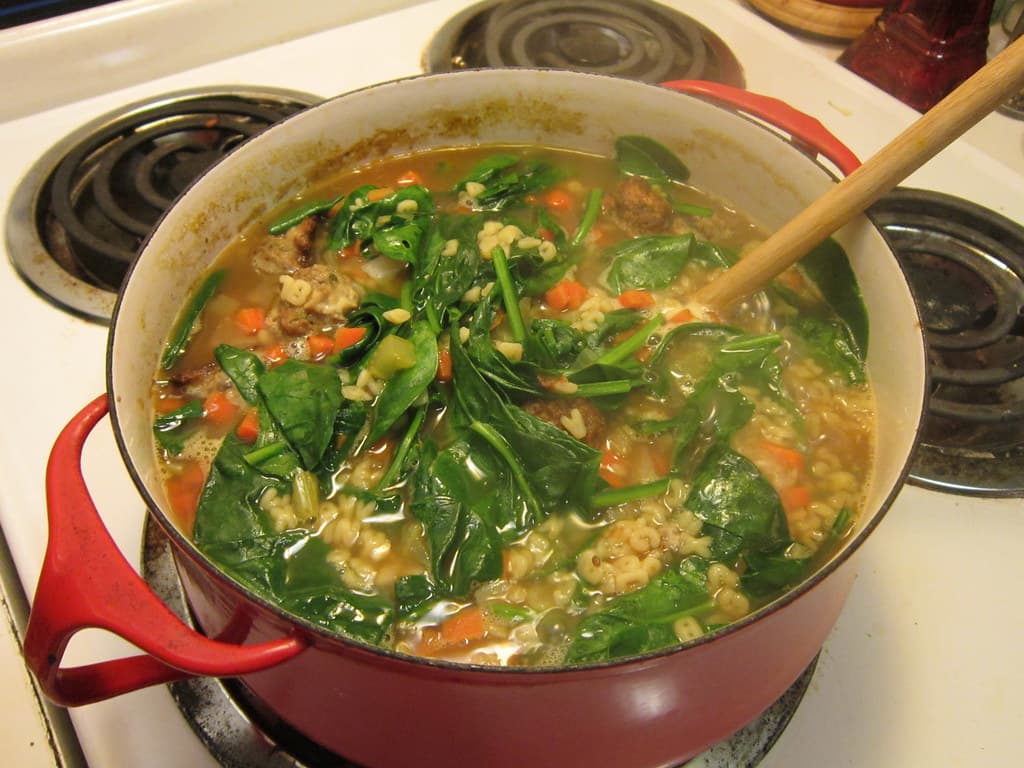
1861-1900
This Italian wedding soup combines flavorful meatballs, leafy greens, and small pasta in a savory broth, a comforting dish rooted in Italian-American tradition from the late 19th century.
America's Melting Pot
Jell-O Salad photo coming soon
1900-1929
Jell-O salad, popular in early 20th-century American school, church, and community gatherings, is a molded gelatin dish incorporating fruit, nuts, and sometimes vegetables. It became a festive side or dessert during the 1900-1929 period, reflecting innovation in convenience foods and the era's fondness for bright, decorative dishes.
America's Melting Pot
Kansas City Burnt Ends photo coming soon
1900-1929
Kansas City burnt ends are specially cooked, caramelized, and smoky cubes of beef brisket point, a barbecue delicacy known for its flavorful crust and tender interior. This barbecue tradition, spanning multiple eras, showcases the regional mastery of smoking meats and represents Kansas City's identity in American barbecue.
America's Melting Pot
Kansas City Ribs photo coming soon
1900-1929
Kansas City ribs are pork ribs slow-smoked and coated with a sweet, tangy dry rub and barbecue sauce, epitomizing the regional barbecue style. These ribs, cherished across many decades, highlight the balance of smoky flavor and sugary glaze characteristic of Kansas City barbecue traditions.
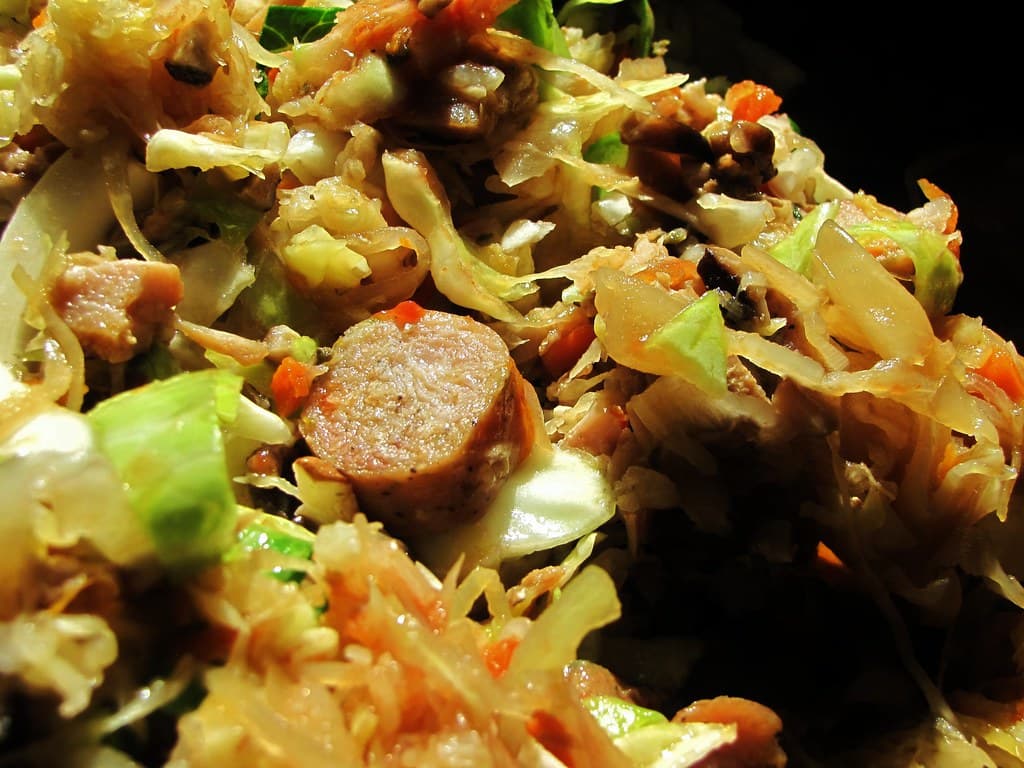
1900-1929
Kielbasa and sauerkraut is a traditional Eastern European dish combining smoked sausage with tangy fermented cabbage. Immigrant communities brought this hearty comfort food to American diners, state fairs, and holiday tables during the early 20th century, representing cultural preservation in new urban environments.
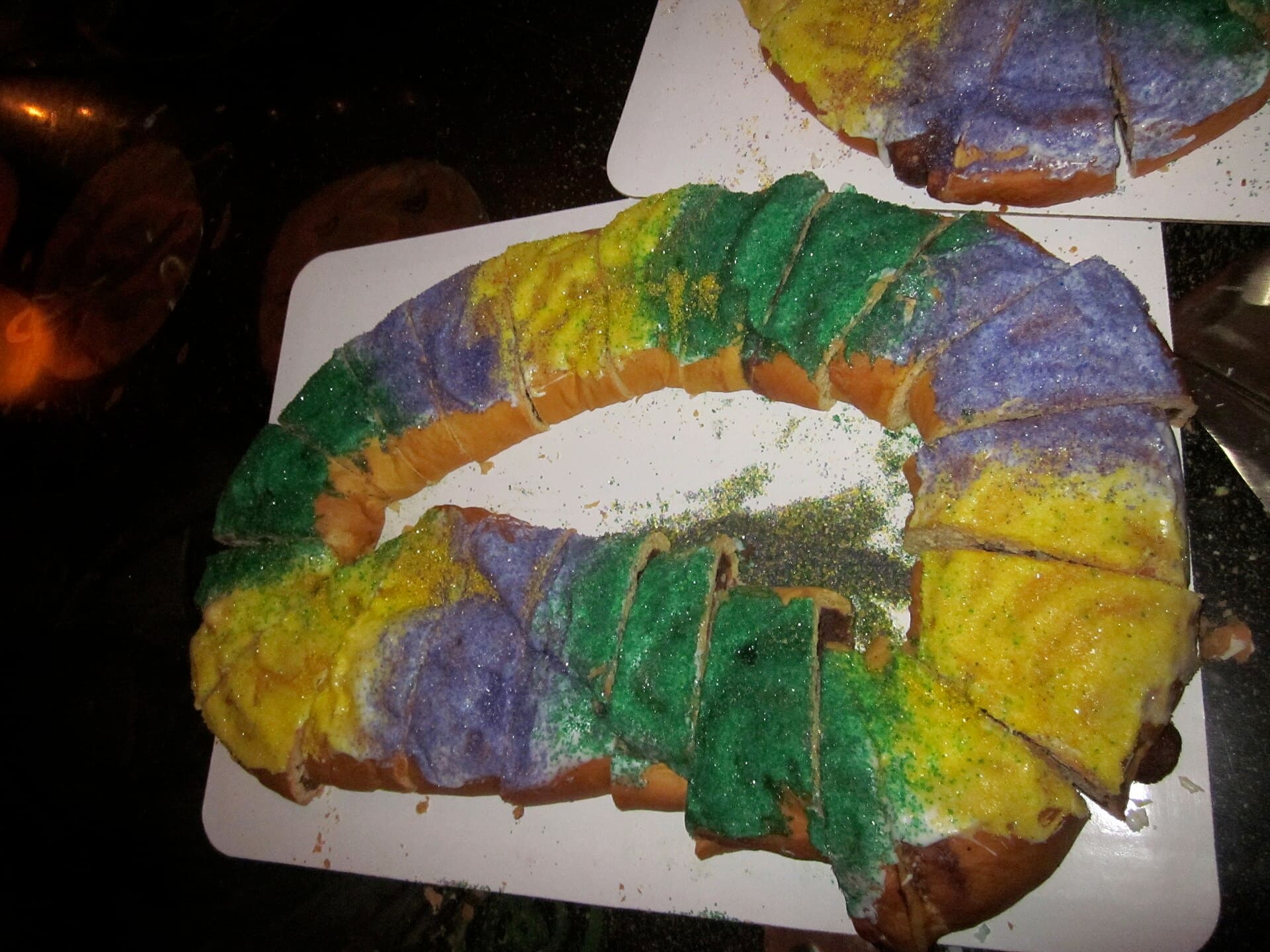
1861-1900
King cake is a sweet, ring-shaped cake traditionally decorated in purple, green, and gold sugars, associated with Mardi Gras and New Year's celebrations. Originating from European Epiphany customs, the king cake became an emblem of holiday festivity in the southern United States, especially New Orleans, blending cultural symbolism with regional baking.
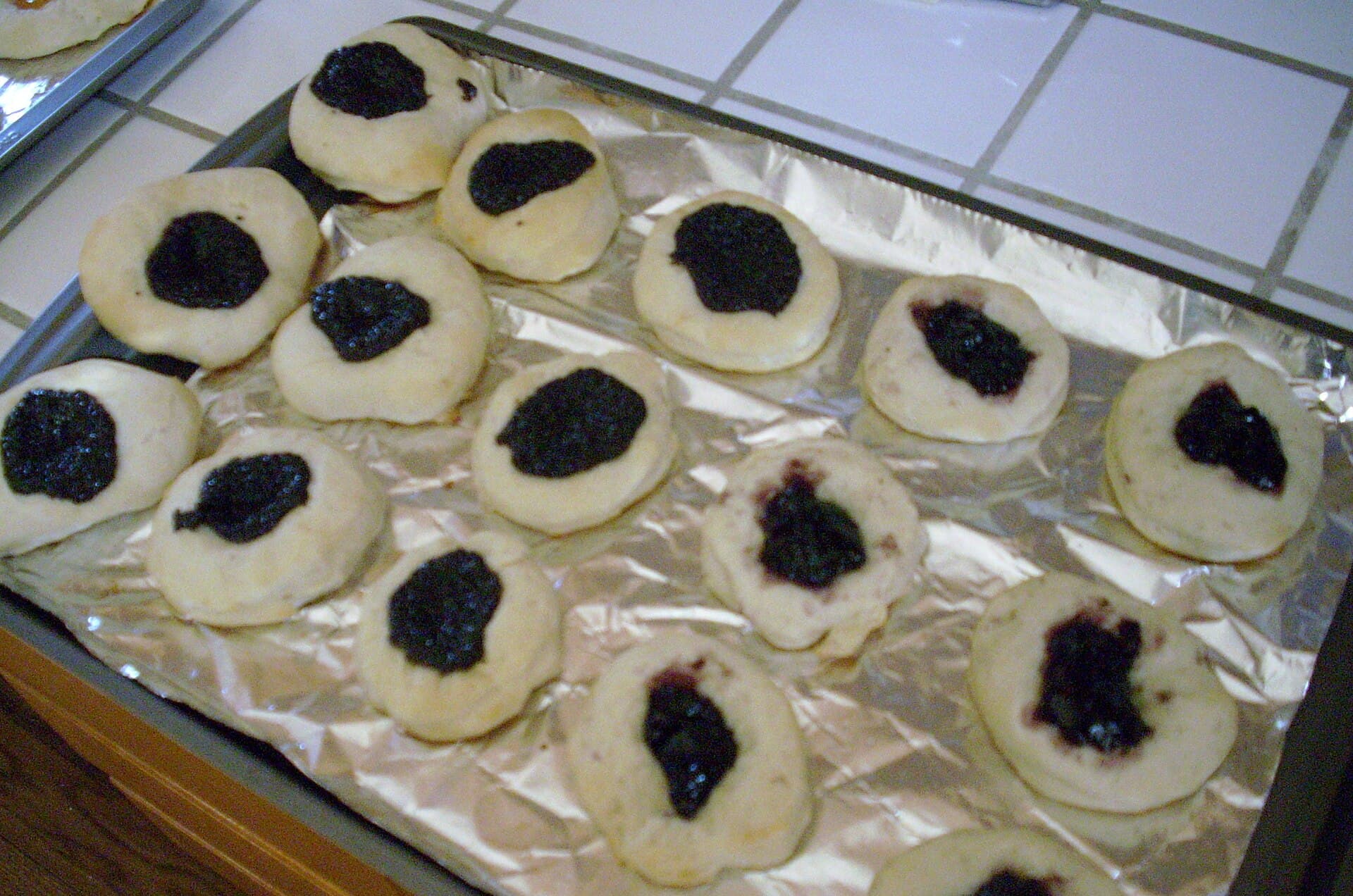
1900-1929
Kolaches are soft yeast dough pastries filled with fruit jams, cream cheese, or savory meats. They became popular in the Great Plains through Polish, Czech, Slovak, and other Eastern European immigrant communities. These treats are traditionally enjoyed at church gatherings, state fairs, and holiday celebrations like Easter, symbolizing community and heritage.
1861-1900
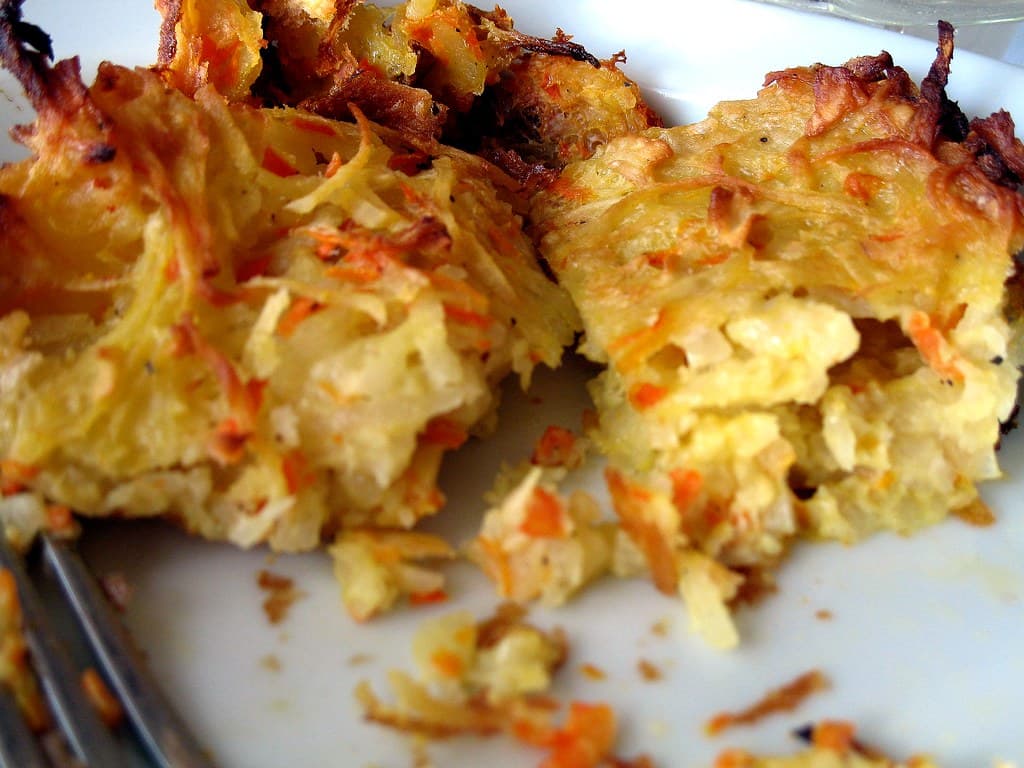
Kugel is a traditional Jewish casserole dish made with noodles or potatoes, baked with eggs and seasonings. It was brought to the United States by Jewish immigrants during the Civil War and Reconstruction era and became a staple at holiday meals and Shabbat dinners, showcasing Ashkenazi culinary heritage adapted to American ingredients.
1900-1929
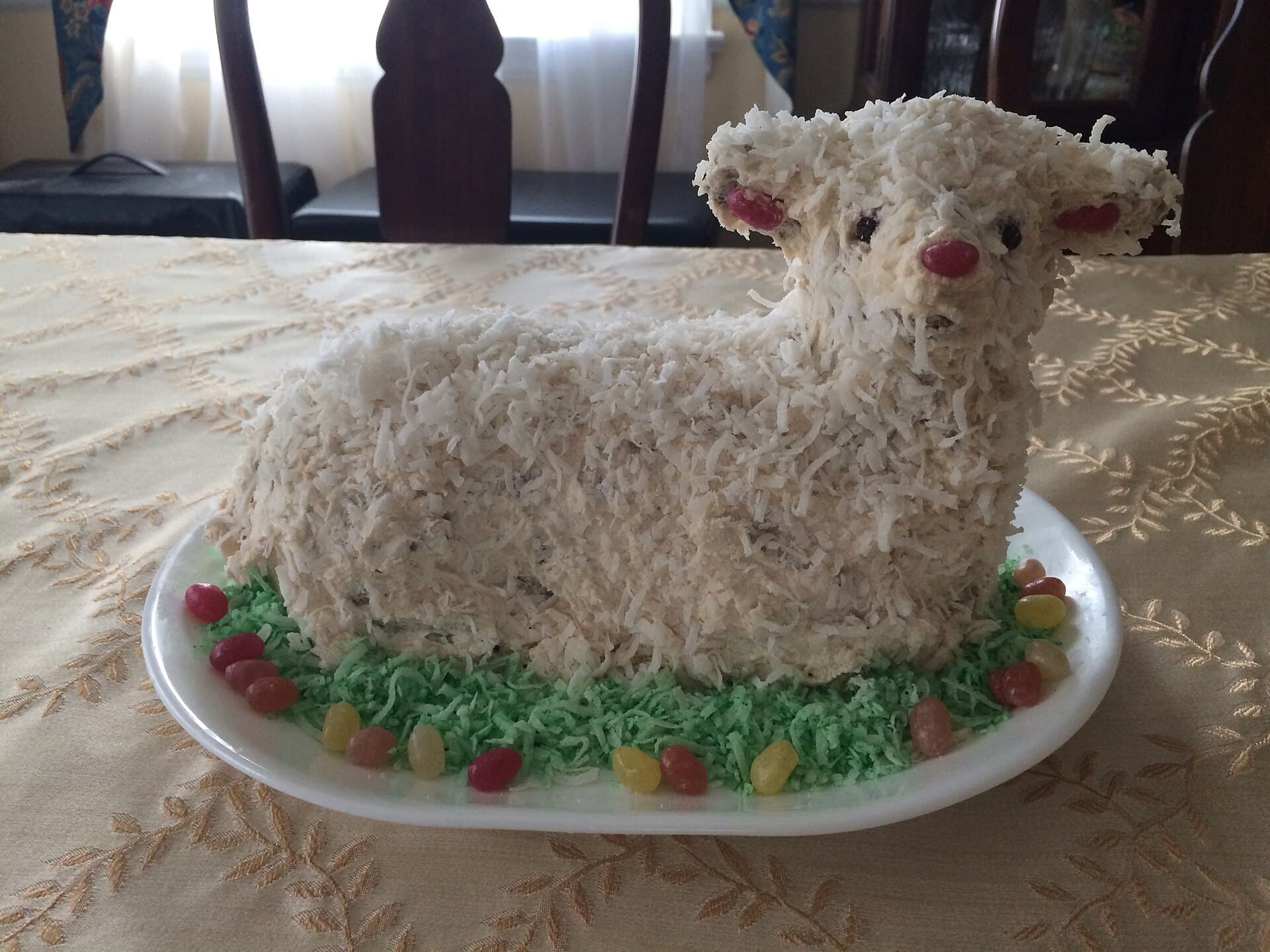
Lamb cake is a dessert shaped into a lamb, traditionally served at Easter celebrations in various American communities. The cake symbolizes purity and resurrection, often made using a molded pan and decorated with frosting to resemble wool. Its cross-era presence illustrates the blending of European Easter customs with American holiday traditions.
1861-1900
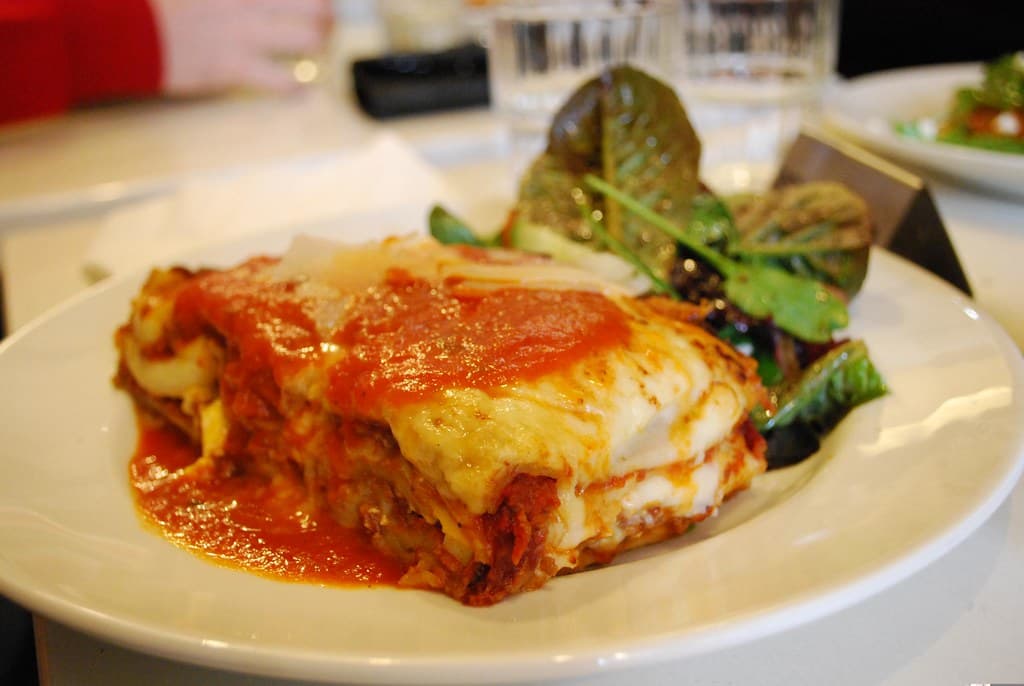
Lasagna is a layered baked casserole with pasta sheets, meat sauce, cheese, and often tomato and herbs. Italian immigrants introduced it to the U.S., where it became a holiday tradition and staple comfort food, especially during Christmas. Its layered nature symbolizes family and richness in American Italian cooking heritage.
1861-1900
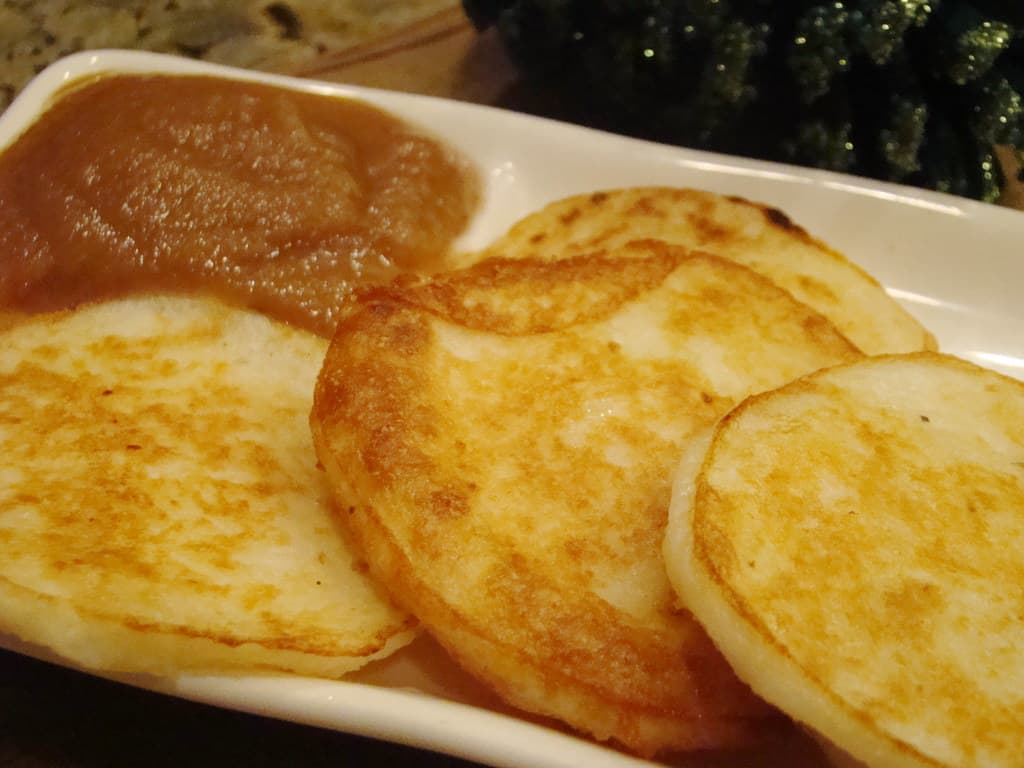
Latkes are fried potato pancakes traditionally served during Hanukkah, tracing back to Jewish communities of Eastern Europe. Brought to America by Jewish immigrants in the late 19th century, latkes symbolize cultural resilience and holiday observance, made from grated potatoes, onions, and eggs, fried to golden crispness and served with applesauce or sour cream.
America's Melting Pot
Lemon Coke photo coming soon
Gilded Age & Progressive Era
Lemon Coke is fizzy Americana from the soda-fountain counter: Diner counter variation.
America's Melting Pot
Lemon Freeze photo coming soon
Postwar & Diner Age
Lemon Freeze carries the bright, frothy spirit of American mall counters: Frozen lemonade plus ice cream/sherbet.
America's Melting Pot
Lemon Phosphate photo coming soon
Gilded Age & Progressive Era
Lemon Phosphate is fizzy Americana from the soda-fountain counter: Soda fountain refresher.
America's Melting Pot
Lemon Potatoes photo coming soon
1900-1929
Lemon potatoes are a classic Greek-American side featuring roasted potato wedges cooked with lemon, olive oil, garlic, and herbs. Introduced to American diners and lunch counters in early 20th century immigrant cities, they remain a flavorful accompaniment to many meals.
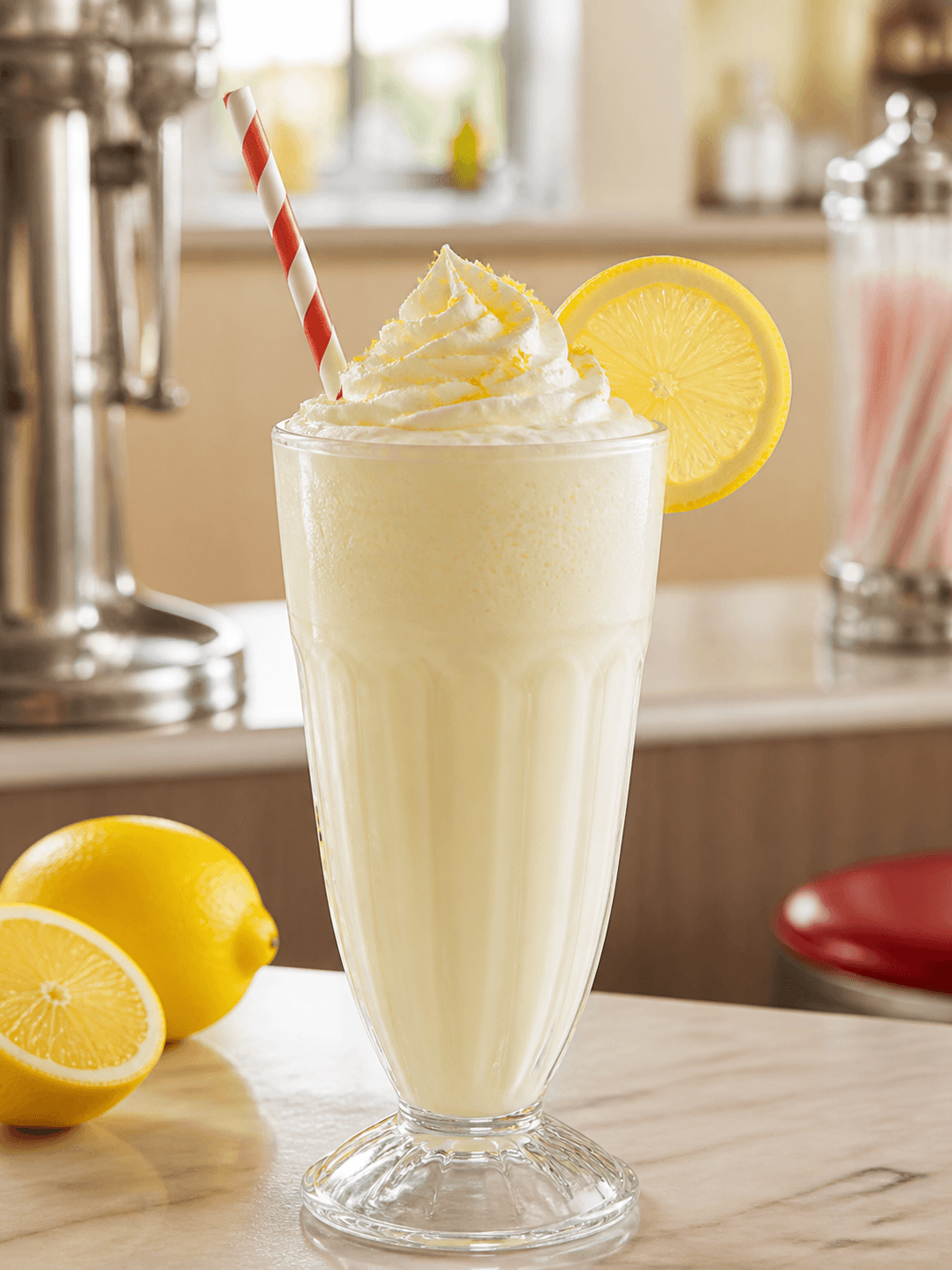
1900-1929
Lemon Shake pours old-school malt-shop cheer into a cold glass: Tart summer ice cream stand drink.
America's Melting Pot
Lemon Shake-Up photo coming soon
1900-1929
Lemon Shake-Up brings juice-bar color and American smoothie-counter energy to the glass: State fair and county fair staple.
America's Melting Pot
Lemon Shake-Ups photo coming soon
1900-1929
Lemon Shake-Ups are a refreshing, roadside fair drink made by shaking fresh lemon slices, sugar, and ice together to create an icy, tart beverage popular at early 20th century American state fairs and carnivals.
America's Melting Pot
Lemon-Caper Fish Sauce photo coming soon
Modern Melting Pot
Lemon-Caper Fish Sauce is a seafood sauce with real American table personality: American restaurant fish special staple. It brings flavor from coast-to-coast American tables to cookouts, counters, lunch plates, potlucks, and weeknight suppers.
America's Melting Pot
Lexington-Style Pork Shoulder photo coming soon
1900-1929
Lexington-Style Pork Shoulder is a North Carolina barbecue dish featuring slow-cooked pork shoulder served with a tangy vinegar and tomato-based sauce. This distinct style is a regional barbecue tradition, emphasizing sharp, bright, and spicy flavors.
America's Melting Pot
Lime Coke photo coming soon
Gilded Age & Progressive Era
Lime Coke is fizzy Americana from the soda-fountain counter: Drive-in variation.
America's Melting Pot
Lime Freeze photo coming soon
Postwar & Diner Age
Lime Freeze carries the bright, frothy spirit of American mall counters: Lime sherbet/ice cream soda fountain drink.
America's Melting Pot
Lime Jell-O with Cottage Cheese photo coming soon
1900-1929
Lime Jell-O with cottage cheese is a nostalgic side dish from mid-20th century America combining tart lime gelatin with creamy cottage cheese. Popular during suburban dinner parties and potlucks, it reflects the era's fascination with gelatin salads and convenient frozen foods.
America's Melting Pot
Lime Rickey photo coming soon
Gilded Age & Progressive Era
Lime Rickey is fizzy Americana from the soda-fountain counter: Lime, soda water, and syrup; nonalcoholic soda fountain version.
America's Melting Pot
Lime Shake photo coming soon
1900-1929
Lime Shake pours old-school malt-shop cheer into a cold glass: Often tied to old soda fountain lime flavors.
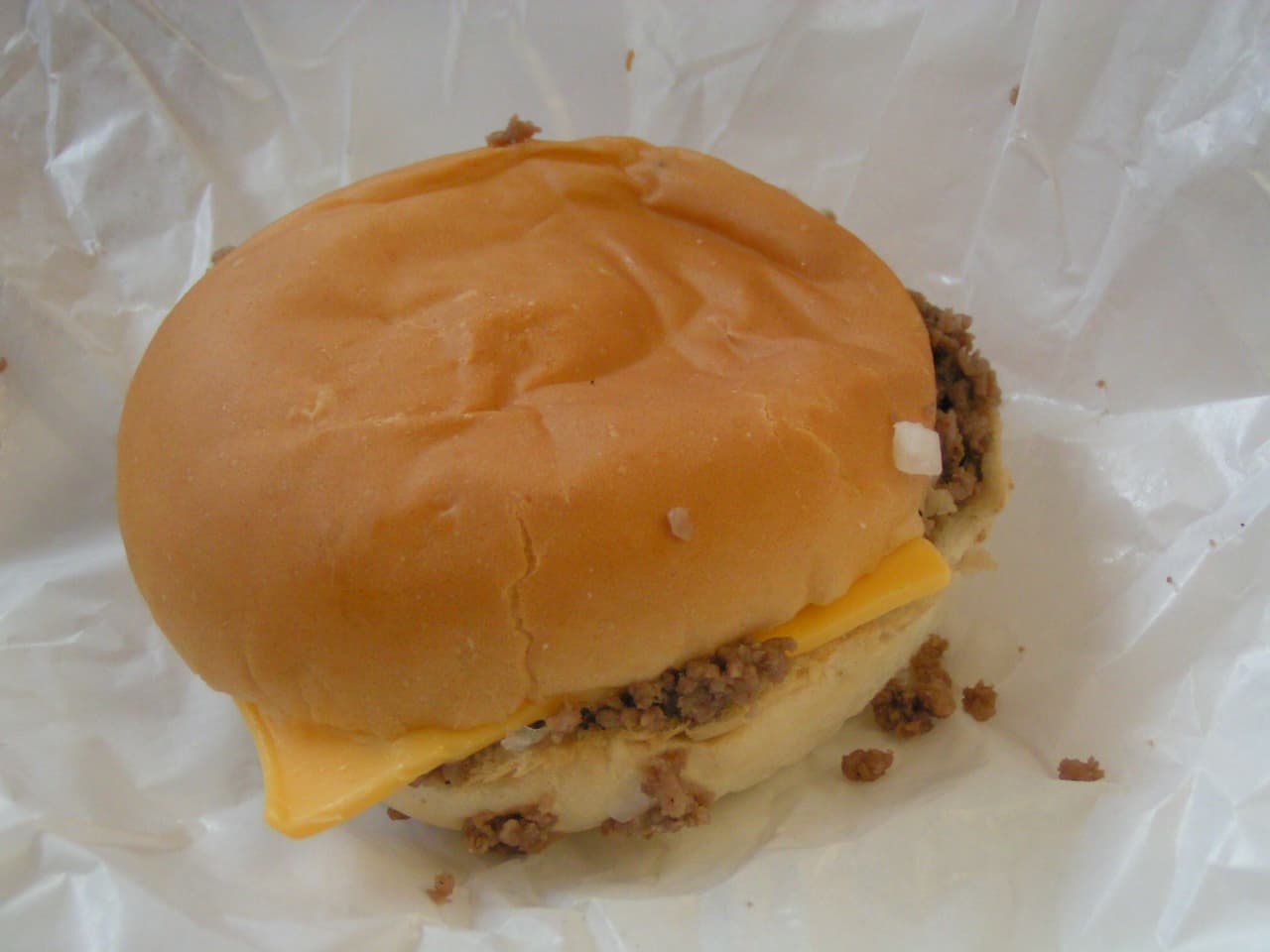
1900-1929
The loose meat sandwich features ground beef cooked with onions and seasonings served loose on a sandwich bun without forming a patty. Originating in the American Midwest, it is a precursor to the sloppy joe and enjoys popularity as a casual sandwich.
America's Melting Pot
Loose Meat Sandwich Seasoning/Sauce photo coming soon
Cross-era
Loose Meat Sandwich Seasoning/Sauce is a sandwich sauce with real American table personality: Iowa and Midwest diner tradition. It brings flavor from the Midwest and Great Lakes to cookouts, counters, lunch plates, potlucks, and weeknight suppers.
America's Melting Pot
Loose Meat Sandwiches photo coming soon
1900-1929
Loose meat sandwiches, featuring seasoned ground beef served loose in sandwich buns, gained popularity as practical tailgate and booster club fare in America from the 1970s through the 1980s, prized for ease and satisfying flavor.
America's Melting Pot
Lunchroom Peanut Butter Cookies photo coming soon
1861-1900
These peanut butter cookies were a staple dessert in American school lunchrooms and concession stands, offering a simple, sweet treat accessible to children across many decades. Known for their distinctive crisscross fork marks and soft, chewy texture, they reflect modest, budget-friendly baking typical of institutional kitchens.
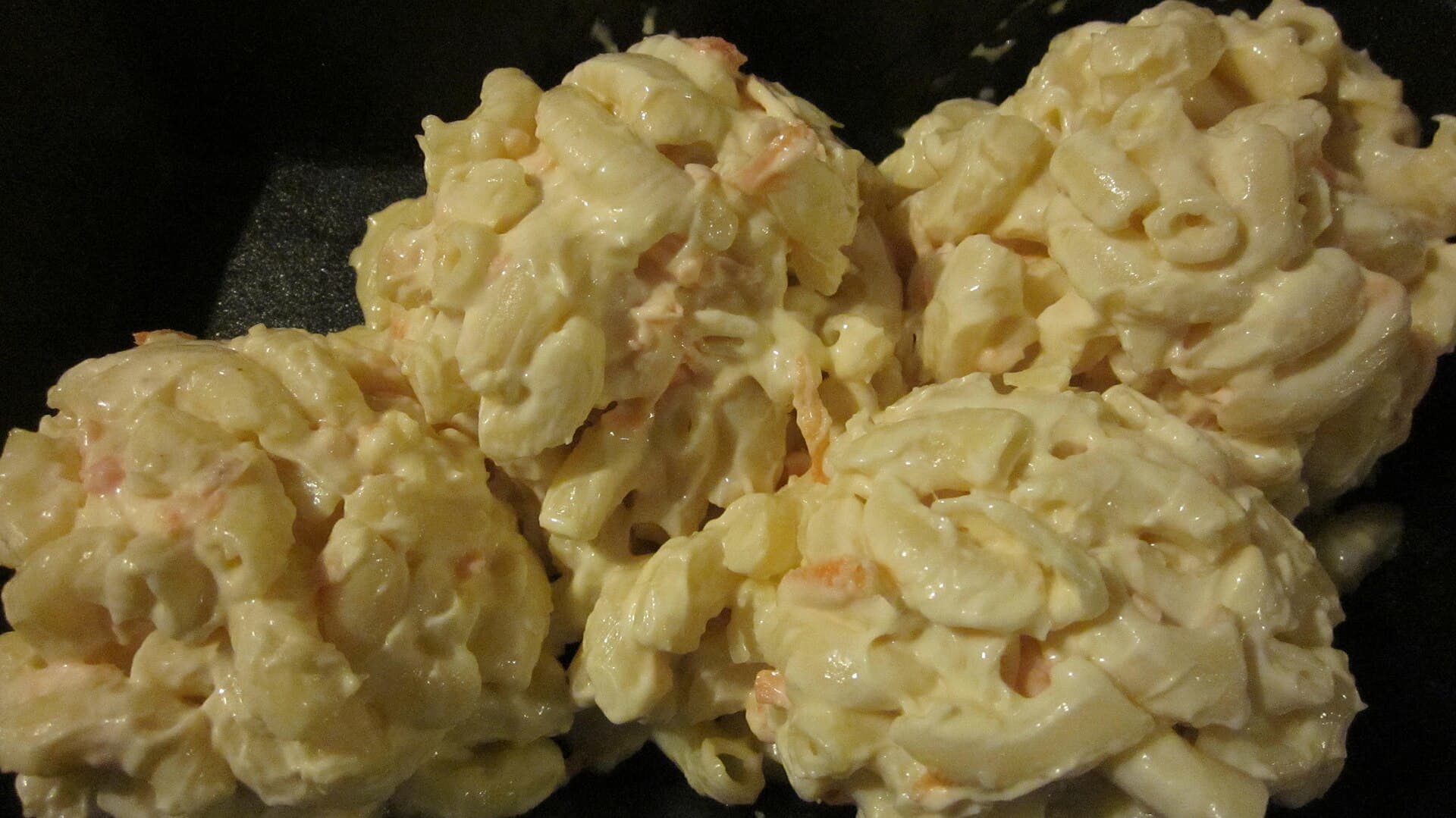
1900-1929
Macaroni salad is an essential side dish in Hawaii's multicultural cuisine, blending Asian-Pacific, Hawaiian, and Portuguese influences. Served at school functions, churches, and state fairs, it features tender macaroni with creamy mayonnaise dressing and subtle seasonings, making it a refreshing accompaniment for various Hawaiian meals and celebrations.
America's Melting Pot
Maid-Rite photo coming soon
1900-1929
The Maid-Rite sandwich is a loose ground beef sandwich typically served on a bun without traditional burger toppings. Originating in the Midwest, it offered a quick, affordable alternative to hamburgers and became a steady favorite in casual dining, reflecting American innovation in sandwich culture with a focus on simple, savory meat served hot.
America's Melting Pot
Maine Wild Blueberry Shake photo coming soon
Cross-era
Maine Wild Blueberry Shake salutes regional fruit country and the American dairy-stand tradition: Maine.
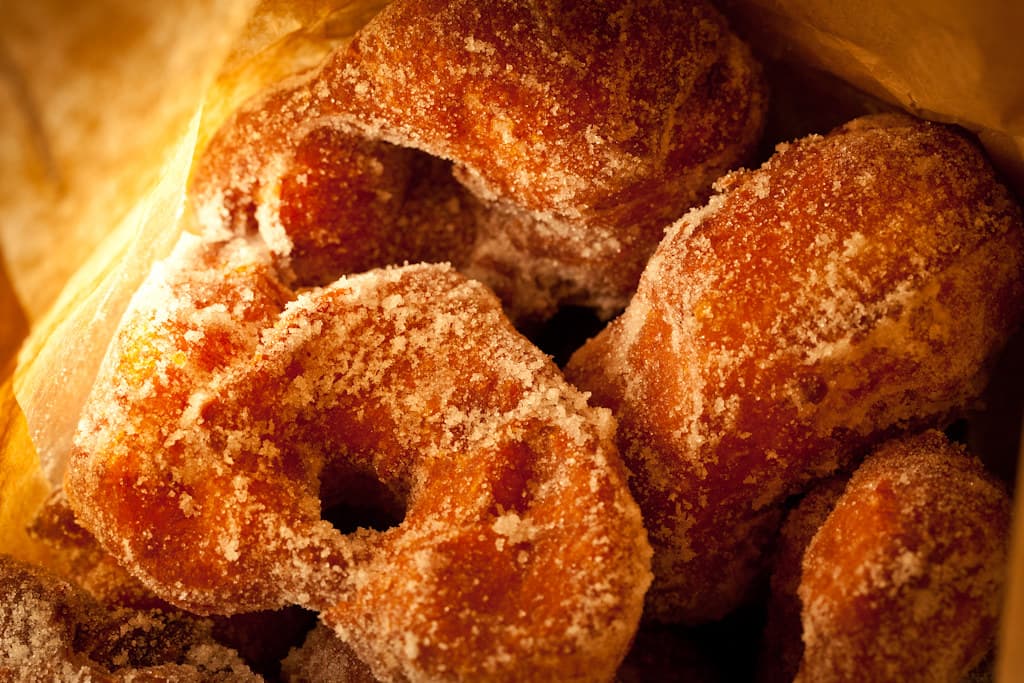
1861-1900
Malasadas are Portuguese-style fried doughnuts, soft and fluffy, rolled in sugar, introduced to Hawaii by Portuguese immigrant workers. Adopted widely in Hawaiian breakfasts and celebrations, malasadas exemplify the blending of immigrant traditions with local food culture, enjoyed across generations and served in bakeries and breakfast tables across the islands.
America's Melting Pot
Malt photo coming soon
1900-1929
Malt, or malted milkshake, was a staple of American diners, lunch counters, and state fairs from the early 1900s, offering a creamy, frothy beverage blending milk, malted milk powder, and ice cream. This nostalgic treat evokes the immigrant city food culture, where malt shops served as social hubs and classic American diner experiences.
America's Melting Pot
Malt-O-Meal photo coming soon
1900-1929
Malt-O-Meal is a hot breakfast cereal made from toasted wheat, known for its quick cooking and comforting, malty flavor. Positioned as a convenient alternative to traditional oatmeal or cream of wheat, this cereal reflects American adaptations of grain-based breakfast porridges and the rise of packaged breakfast convenience foods across the 20th century.
America's Melting Pot
Malted Milk Ball Shake photo coming soon
1900-1929
Malted Milk Ball Shake pours old-school malt-shop cheer into a cold glass: Whoppers-style modern malt.
America's Melting Pot
Malted Milk, Unfrozen photo coming soon
1900-1929
Malted Milk, Unfrozen is fizzy Americana from the soda-fountain counter: Pre-shake health drink/soda fountain drink.
America's Melting Pot
Mango Julius photo coming soon
Postwar & Diner Age
Mango Julius carries the bright, frothy spirit of American mall counters: Modern fruit-bar version.
America's Melting Pot
Mango Lassi Smoothie, American Cafe Version photo coming soon
Cross-era
Mango Lassi Smoothie, American Cafe Version salutes regional fruit country and the American dairy-stand tradition: Indian-American adaptation.
America's Melting Pot
Maple Creemee Shake photo coming soon
Cross-era
Maple Creemee Shake salutes regional fruit country and the American dairy-stand tradition: Vermont/New England.
America's Melting Pot
Maple Frappe photo coming soon
Postwar & Diner Age
Maple Frappe celebrates New England dairy-bar pride in a cold glass: New England maple variation.
America's Melting Pot
Maple Malt photo coming soon
Postwar & Diner Age
Maple Malt pours old-school malt-shop cheer into a cold glass: New England/Upper Midwest candidate.
America's Melting Pot
Maple Shake photo coming soon
Postwar & Diner Age
Maple Shake pours old-school malt-shop cheer into a cold glass: New England and Upper Midwest potential.
America's Melting Pot
Marionberry Shake photo coming soon
Postwar & Diner Age
Marionberry Shake pours old-school malt-shop cheer into a cold glass: Oregon berry-country flavor.
America's Melting Pot
Marshmallow Creme / Fluff photo coming soon
Cross-era
Marshmallow Creme / Fluff is a sweet sauce with real American table personality: New England fluffernutter and dessert culture. It brings flavor from New England to cookouts, counters, lunch plates, potlucks, and weeknight suppers.
America's Melting Pot
Matzo Ball Soup photo coming soon
1861-1900
A traditional Jewish-American soup featuring flavorful chicken broth and light matzo ball dumplings. This dish became an integral part of Jewish communities in the United States from the late 19th century onward.
America's Melting Pot
Mayonnaise Cake photo coming soon
1930-1945
A simple and moist chocolate cake using mayonnaise as a substitute for eggs and butter. Popular during the Great Depression when traditional baking ingredients were scarce or expensive.
America's Melting Pot
Meat-Stretching Meatloaf photo coming soon
1930-1945
A meatloaf recipe designed to extend limited ground meat with fillers like vegetables and grains. Commonly created during the Great Depression to conserve scarce and expensive ingredients while maintaining flavor and nutrition.
America's Melting Pot
Meatballs photo coming soon
1861-1900
Hearty meatballs made of ground beef, pork, or a blend, mixed with breadcrumbs, herbs, and seasonings. Popularized in Italian-American communities during the late 19th century, often served with tomato sauce and pasta or bread.
America's Melting Pot
Meatless Loaf photo coming soon
1930-1945
A savory meatless loaf made using vegetables, cereals, and binders to substitute for meat during wartime rationing. Reflects home front innovation during World War II to stretch limited protein resources.
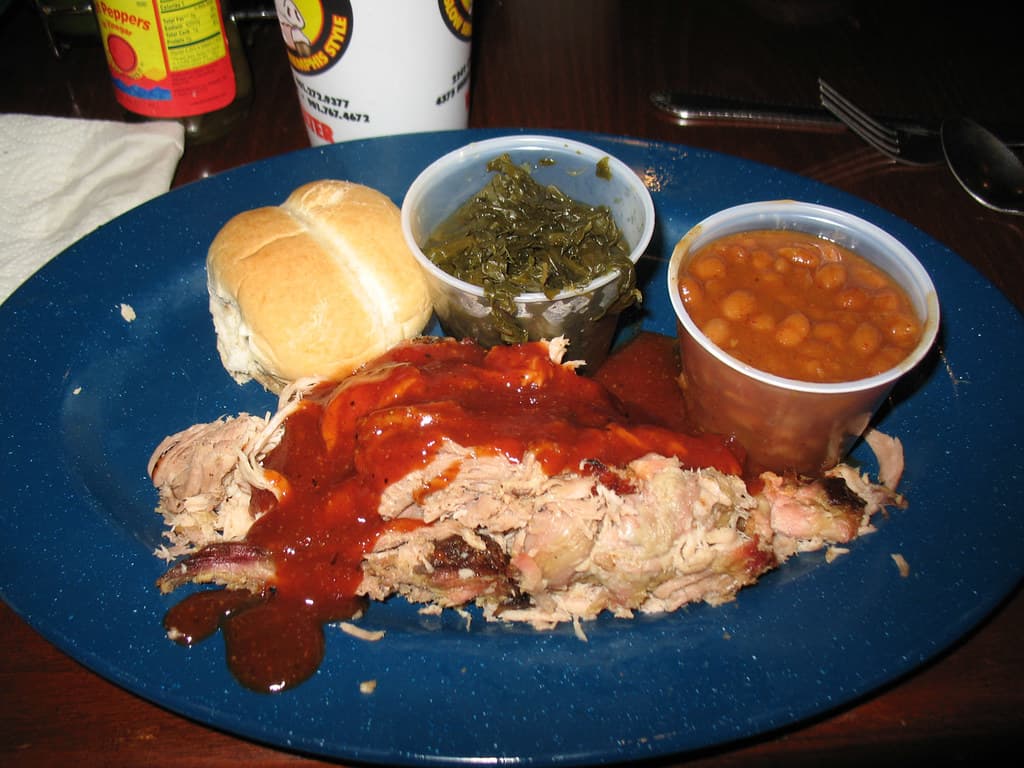
1900-1929
A signature Southern barbecue dish from Memphis traditions featuring slow-cooked pork shoulder shredded and mixed with tangy, smoky sauce. Celebrated for its distinctive dry-rub and sauce flavors combining sweet, spicy, and smoky notes.
America's Melting Pot
Mess Hall Meatloaf photo coming soon
1930-1945
Mess Hall Meatloaf was a pragmatic and nourishing main dish served in U.S. military and institutional mess halls during the Depression and World War II periods. It typically combined ground beef with economical fillers to stretch rations and provide calorie-rich nourishment for soldiers and workers.
America's Melting Pot
Mexican-American Strawberry Licuado photo coming soon
Cross-era
Mexican-American Strawberry Licuado salutes regional fruit country and the American dairy-stand tradition: Borderlands/Latino-American drink.
America's Melting Pot
Michigan Blueberry Shake photo coming soon
Cross-era
Michigan Blueberry Shake salutes regional fruit country and the American dairy-stand tradition: Michigan.
America's Melting Pot
Milk Toast photo coming soon
1930-1945
Milk Toast is a comforting dish that emerged during the Great Depression, combining plain toasted bread soaked in warm milk. This modest recipe reflects the era's frugality and need for simple, easy-to-digest nourishment during challenging economic times.

1900-1929
The American milkshake is a sweet, creamy beverage made from milk, ice cream, and flavored syrups, emblematic of early 20th-century diners and lunch counters. This recipe captures its nostalgic appeal and simple preparation, frequently enjoyed at state fairs and social gatherings.

1861-1900
Minestrone is a thick Italian-style soup combining vegetables, beans, and pasta or rice in a savory broth. In the United States post-Civil War period, it became emblematic of Italian-American immigrant food, adapted with regional ingredients to nourish families in new communities.

1946-1969
Mini corn dogs are small hot dogs coated in a cornmeal batter and fried until golden, popularized in American game day and party foods during the 1990s and 2000s. This recipe celebrates snack food culture tied to sports and casual gatherings across the U.S.
America's Melting Pot
Mint Chocolate Chip Shake photo coming soon
1900-1929
Mint Chocolate Chip Shake pours old-school malt-shop cheer into a cold glass: Ice cream parlor standard.
America's Melting Pot
Miracle Whip-Style Dressing photo coming soon
1930-1945
Miracle Whip-Style Dressing is a dressing with real American table personality: Tangy-sweet American sandwich and salad spread culture. It brings flavor from coast-to-coast American tables to cookouts, counters, lunch plates, potlucks, and weeknight suppers.
America's Melting Pot
Mocha Cabinet photo coming soon
Postwar & Diner Age
Mocha Cabinet celebrates New England dairy-bar pride in a cold glass: Coffee cabinet with chocolate.
America's Melting Pot
Mocha Malt photo coming soon
1900-1929
Mocha Malt pours old-school malt-shop cheer into a cold glass: Coffee and chocolate.
America's Melting Pot
Mock Apple Pie photo coming soon
1930-1945
Mock Apple Pie is a resourceful dessert developed during the Civil War era and later, using crackers instead of apples to simulate the texture and flavor of apple pie. This affordable and wartime-inspired pie substituted scarce or expensive ingredients with accessible ones while maintaining familiar comforting flavors. It represents American ingenuity during times of scarcity in the late 19th century.
America's Melting Pot
Mock Whipped Cream photo coming soon
1930-1945
Mock Whipped Cream is an inventive, non-dairy topping created during the Great Depression and World War II era when cream was scarce or rationed. This economical recipe uses gelatin, milk, and sugar to simulate whipped cream's light texture and sweetness. It illustrates American homefront adaptations to food shortages, fitting within the context of victory gardens, rationing, and wartime ingenuity in domestic cooking.
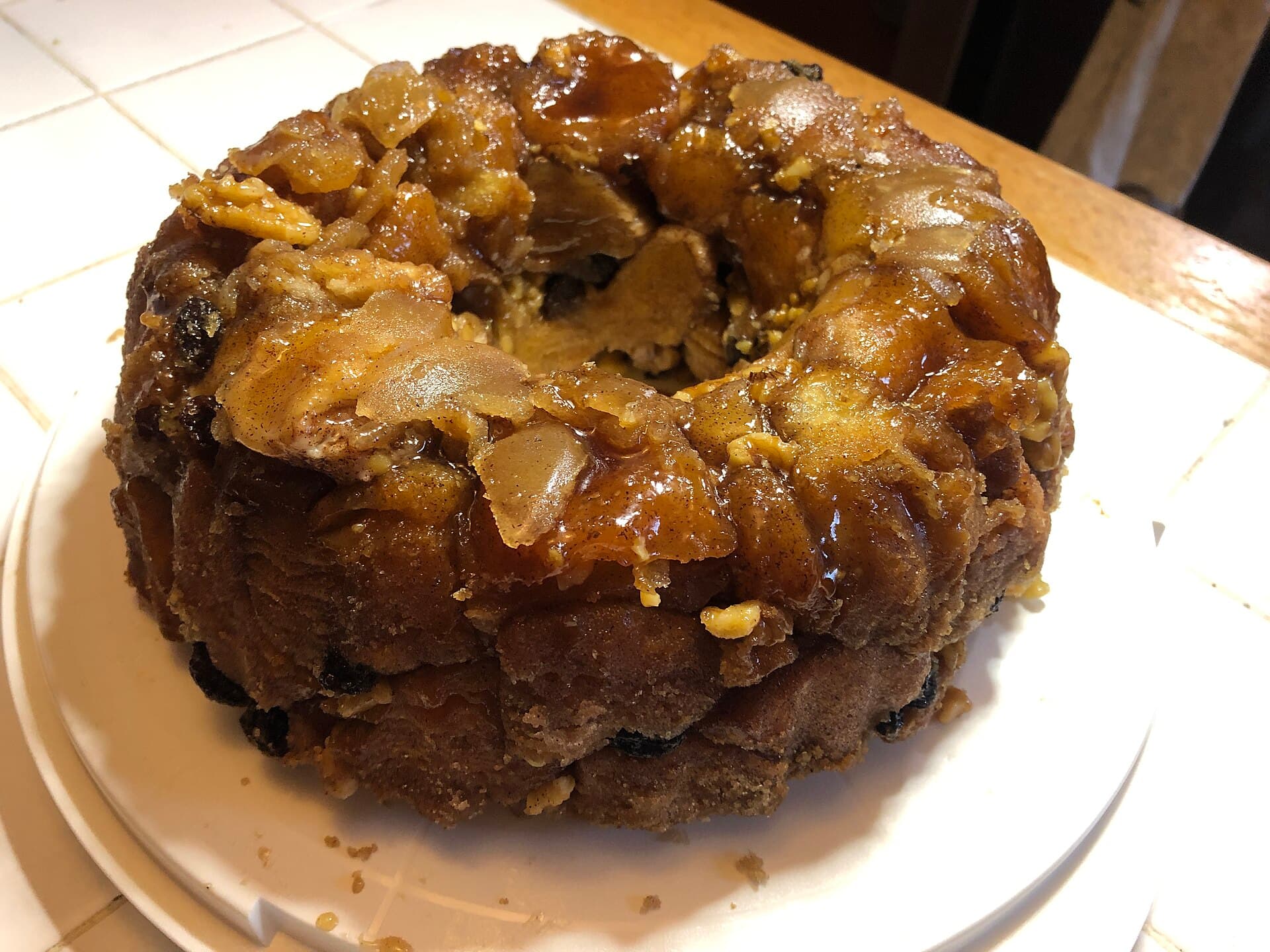
1946-1969
Monkey Bread is a sweet, sticky pull-apart bread made from individual dough pieces coated in cinnamon sugar and baked together. Though its precise origins are unclear, Monkey Bread became popular as a Christmas treat across the United States, embodying festive conviviality. Its interactive eating style and sweet, rich flavor capture the spirit of American holiday baking traditions.
America's Melting Pot
Montana Huckleberry Shake photo coming soon
Cross-era
Montana Huckleberry Shake salutes regional fruit country and the American dairy-stand tradition: Montana.
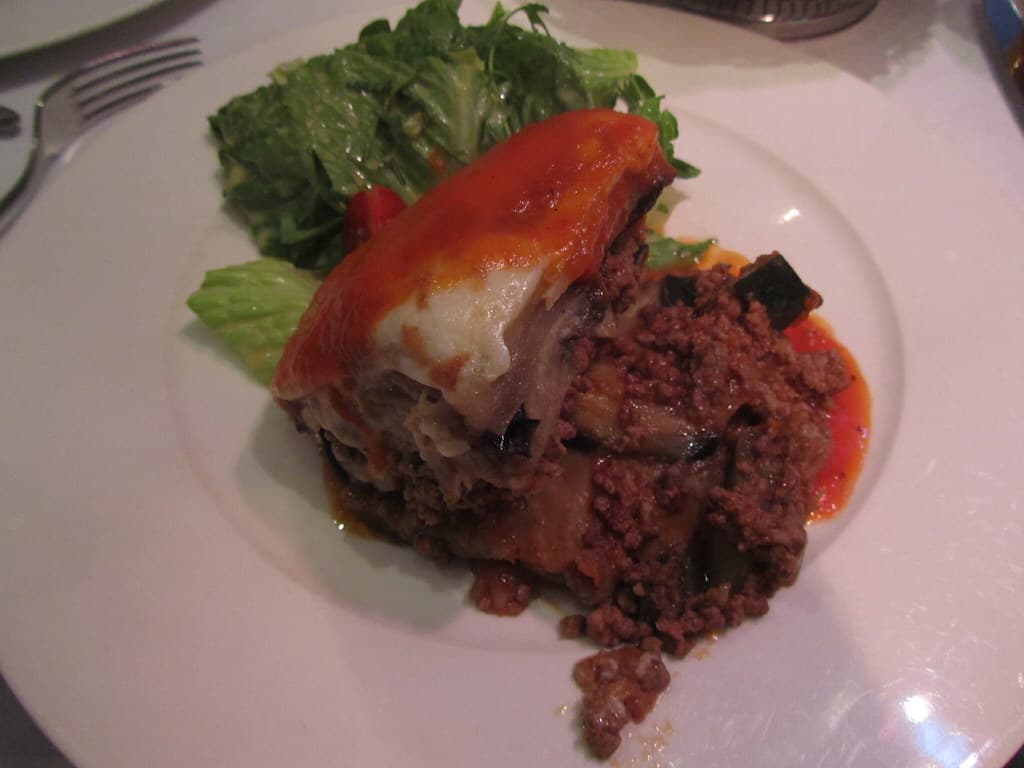
1900-1929
Moussaka is a layered casserole combining eggplant, ground meat, tomato sauce, and creamy bechamel, introduced to American diners by Greek immigrants in the early 20th century. It became popular in immigrant cities and lunch counters, blending Mediterranean traditions with American comfort food culture. This hearty dish is a hallmark of Greek-American cuisine and diner fare.
America's Melting Pot
Mulligan Stew photo coming soon
1930-1945
Mulligan Stew is a traditional American soup-stew known for its flexible, resourceful use of available ingredients, emerging prominently during the Great Depression and wartime rationing. This dish reflects a practical approach to feeding many with limited resources, often combining leftover meats, vegetables, and whatever was on hand in a one-pot meal.
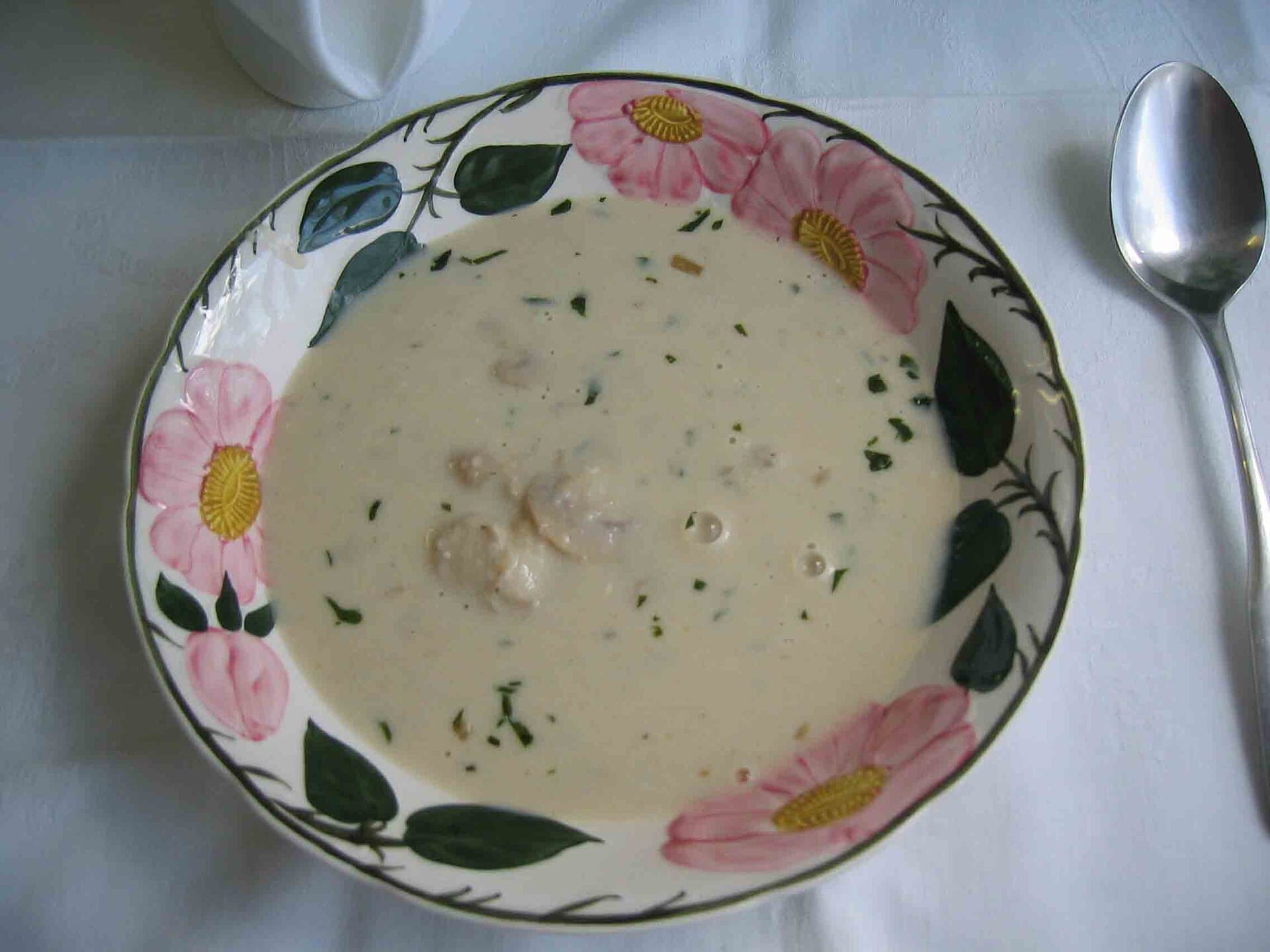
1900-1929
Mushroom Soup is a comforting dish featuring the diverse wild and cultivated mushrooms found in the Pacific Northwest, combined with broth and cream for a rich flavor. It celebrates the region's natural bounty and forest-to-table traditions.
America's Melting Pot
Nachos with Cheese Sauce photo coming soon
1930-1945
Nachos with Cheese Sauce features crispy tortilla chips topped with a creamy melted cheese sauce, commonly served in school cafeterias and concession stands across the U.S. The simplicity and appeal of this snack have made it a beloved comfort food for children and adults alike.
America's Melting Pot
Navy Bean Soup photo coming soon
1900-1929
Navy Bean Soup is a simple, hearty soup featuring white navy beans simmered with vegetables and ham or pork, widely consumed during the Great Depression and wartime for its affordability and sustenance. The soup became a staple in military and civilian kitchens alike.
America's Melting Pot
Neapolitan Shake photo coming soon
1900-1929
Neapolitan Shake pours old-school malt-shop cheer into a cold glass: Chocolate, vanilla, and strawberry together.
Community recipe submission
Log in to submit a recipe, format it with the cooking companion, and send it for review.
Log in to Submit