
Loading
Setting the table...
Fetching the latest recipes from the archive.
Loading
Fetching the latest recipes from the archive.
Recipe archive
Recipe archive
Search the archive by title, region, ingredient, tag, or era, then sort the table by the view that fits your kitchen.
This archive is growing through recipes, photos, family recipes, and historical context shared by the community.
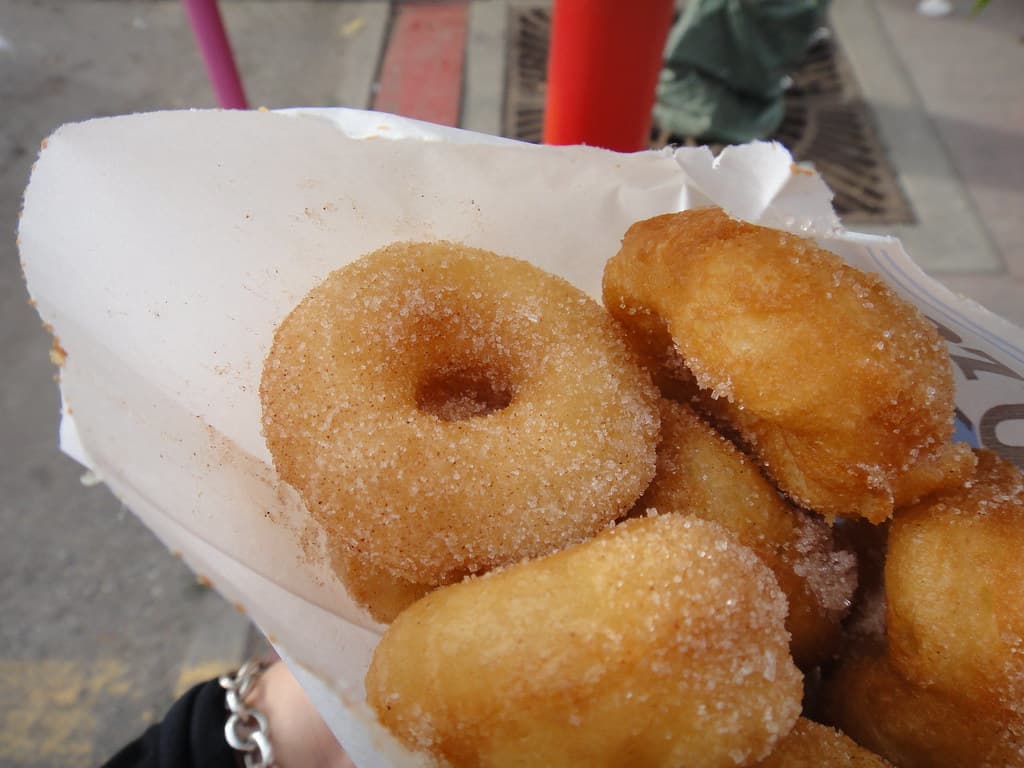
1776-1800
Mini donuts are tiny, fried doughnuts commonly enjoyed at American state fairs, carnivals, and diners during the early 20th century. Their small size made them a convenient treat for fairgoers and lunch counter patrons. This recipe captures the simplicity and nostalgic appeal of these sweet bites, featuring a light dough fried to golden perfection and lightly dusted with cinnamon sugar.
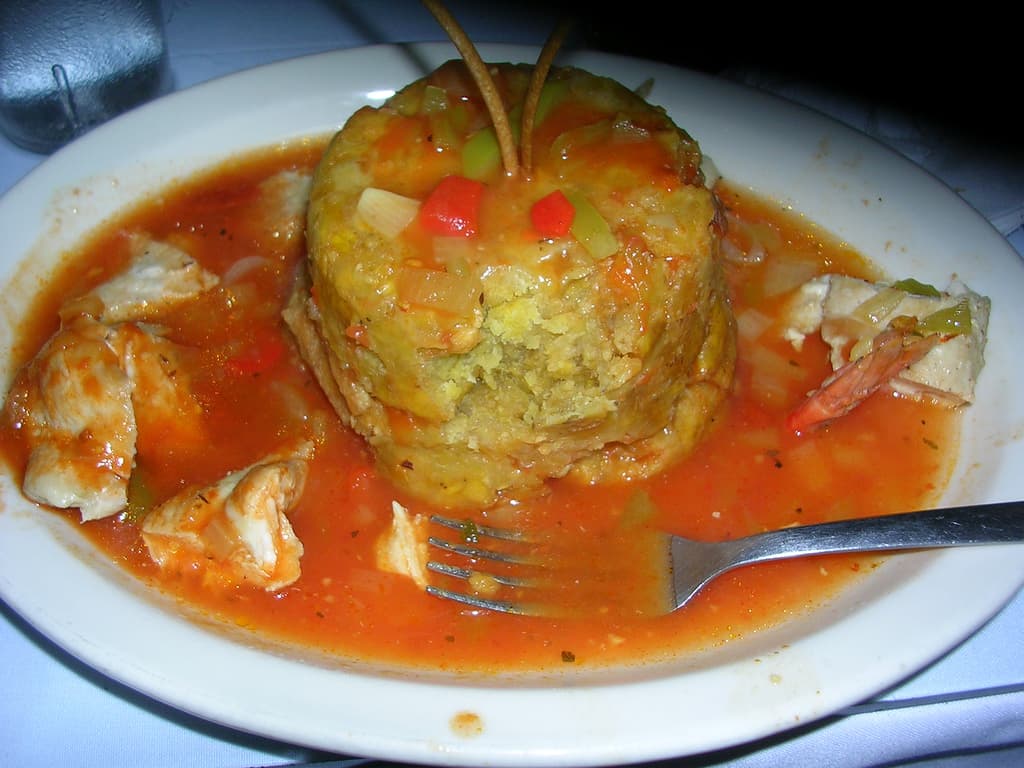
Before 1776
Mofongo is a traditional dish of mashed fried plantains combined with garlic, olive oil, and pork cracklings, originating from Puerto Rican and other Caribbean island communities. It holds a cross-era place in Territories and Island America foodways, blending African, Spanish, and indigenous influences. Mofongo is a staple in Puerto Rican, Chamorro, Filipino-American, and Virgin Islands kitchens, embodying diverse island cultural heritage.
America's Melting Pot
Molasses photo coming soon
Founding Era
Molasses is a sweet sauce with real American table personality: Colonial, Southern, Caribbean trade, and early American baking. It brings flavor from the American South to cookouts, counters, lunch plates, potlucks, and weeknight suppers.
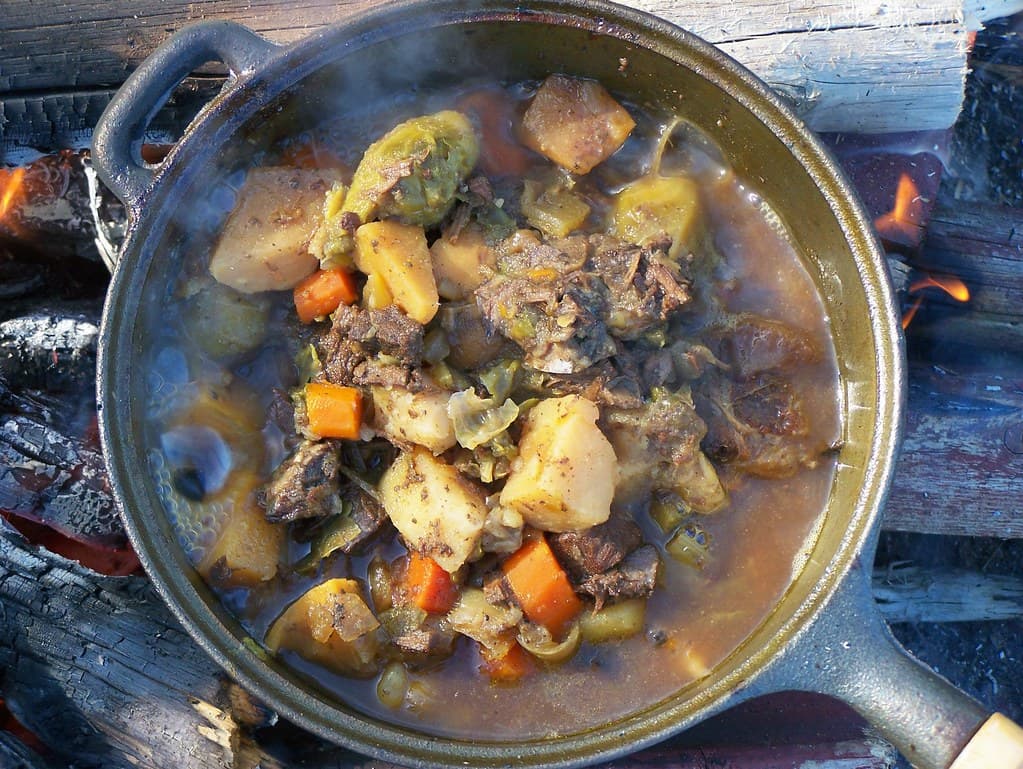
Native Foodways and Continuity
Moose Stew is a nourishing, slow-cooked stew featuring moose meat and root vegetables, traditional in Alaska's hunting and subsistence cultures. Its preparation embraces rustic methods suited to remote environments, offering warmth and sustenance year-round. This dish represents Alaska's regional food heritage and resourceful use of local wildlife across eras.
America's Melting Pot
Muscadine Jelly photo coming soon
Cross-era
Muscadine Jelly is a preserve with real American table personality: Southern native grape preserve. It brings flavor from the American South to cookouts, counters, lunch plates, potlucks, and weeknight suppers.
America's Melting Pot
Mush and Milk photo coming soon
1776-1800
Mush and Milk is a traditional breakfast dish from late 18th-century America, consisting of cornmeal cooked into a soft porridge (mush) and served simply with milk. It was a staple among frontier and rural households due to its inexpensive ingredients and easy preparation.
America's Melting Pot
Nashville Hot Chicken Paste/Oil photo coming soon
Cross-era
Nashville Hot Chicken Paste/Oil is a condiment with real American table personality: Fiery cayenne-lard/oil seasoning tied to Prince's Hot Chicken in Nashville. It brings flavor from the American South to cookouts, counters, lunch plates, potlucks, and weeknight suppers.
America's Melting Pot
Olallieberry Jam photo coming soon
Cross-era
Olallieberry Jam is a preserve with real American table personality: California coastal berry preserve. It brings flavor from California, Hawaii, and the West Coast to cookouts, counters, lunch plates, potlucks, and weeknight suppers.
America's Melting Pot
Olive Salad photo coming soon
Cross-era
Olive Salad is a relish with real American table personality: New Orleans muffuletta essential. It brings flavor from the American South to cookouts, counters, lunch plates, potlucks, and weeknight suppers.
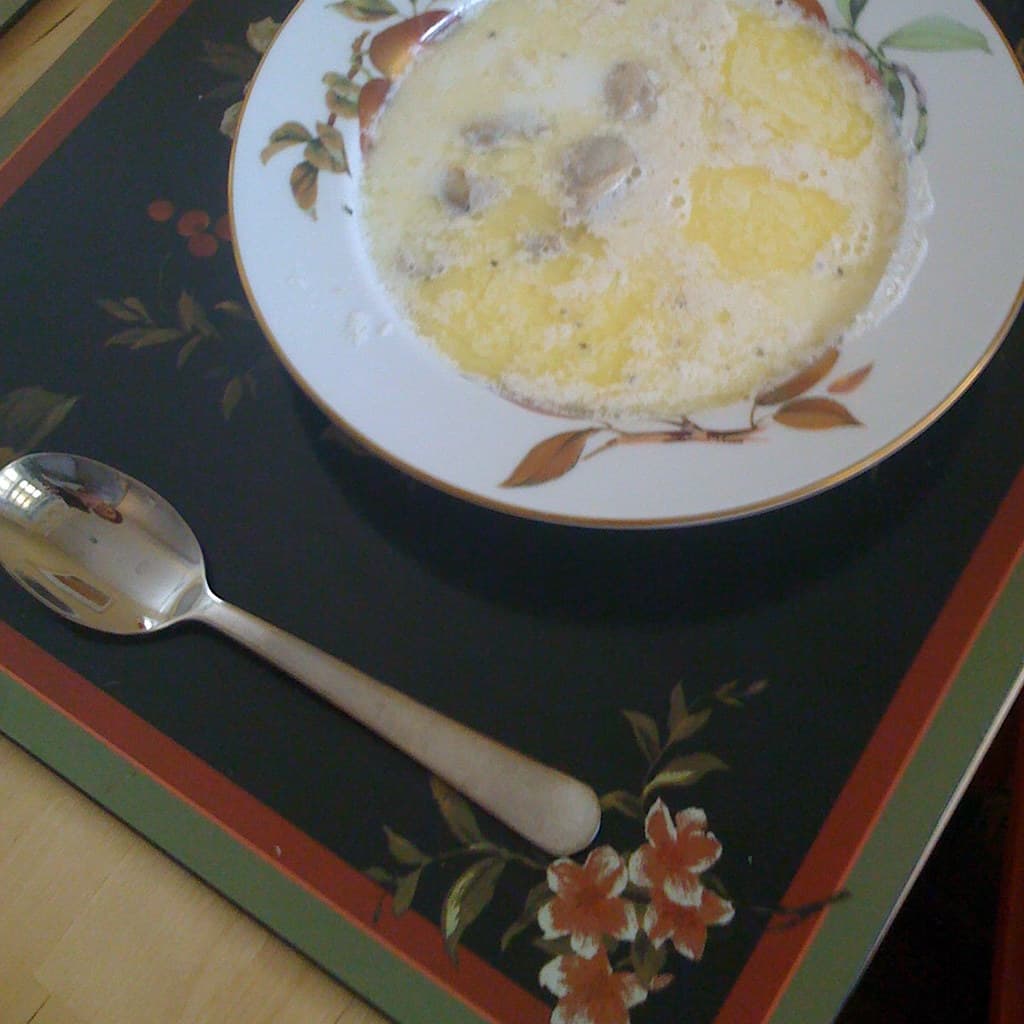
1776-1800
Oyster stew is a traditional American soup popular during the late 18th century, especially in coastal regions. This creamy stew features fresh oysters simmered in milk or cream with subtle seasonings, reflecting colonial America's use of locally sourced seafood.
America's Melting Pot
Oyster Stuffing photo coming soon
Before 1776
Oyster stuffing is a classic American side dish often served during Thanksgiving and other holiday meals. It blends fresh oysters with breadcrumbs, herbs, and aromatics to create a flavorful accompaniment traditionally baked within poultry or as a separate dish.
1776-1800
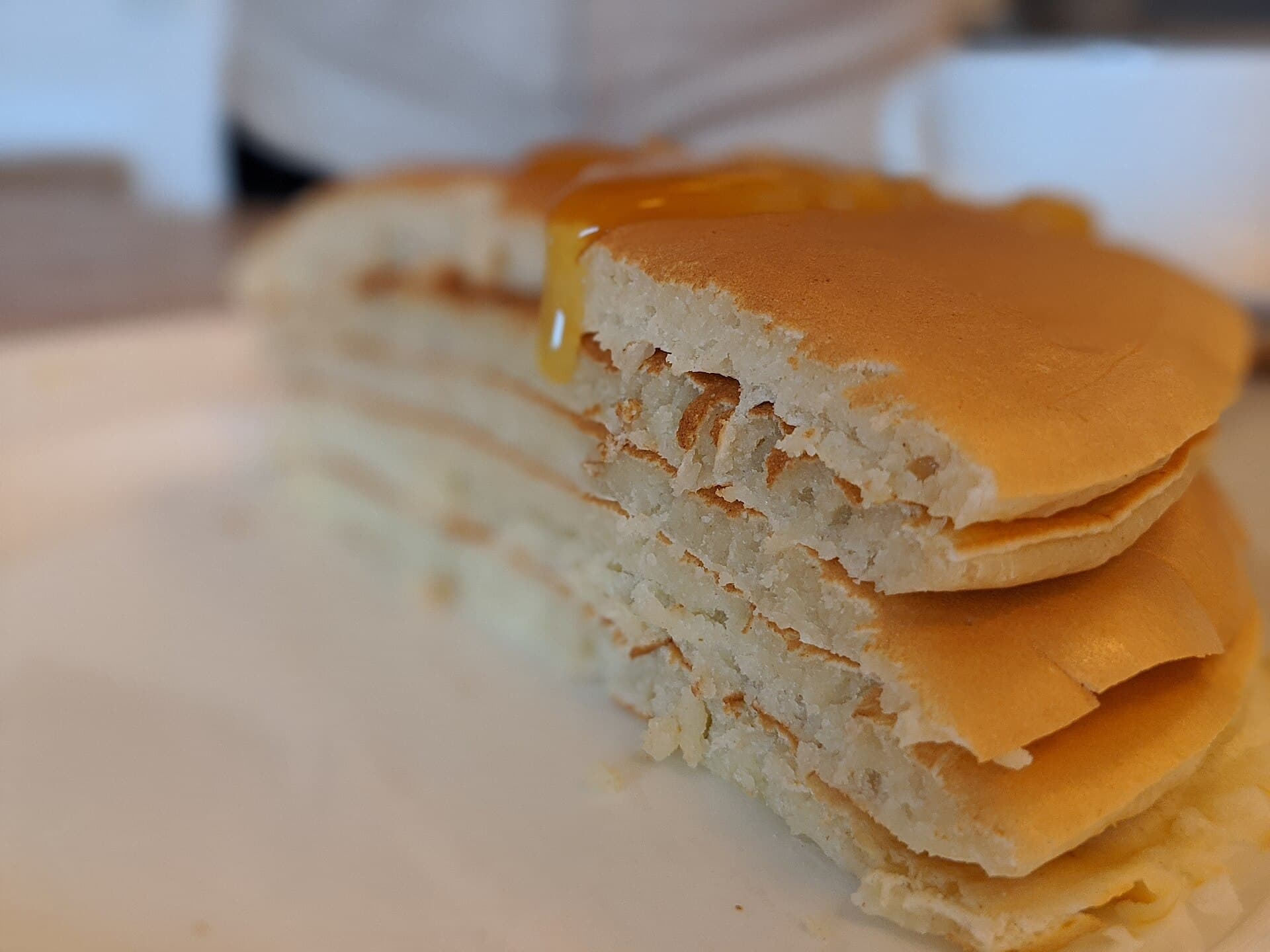
A tall stack of fluffy pancakes commonly served in American family restaurants and breakfast chains, often topped with butter, syrup, and sometimes fruit or whipped cream.
1776-1800
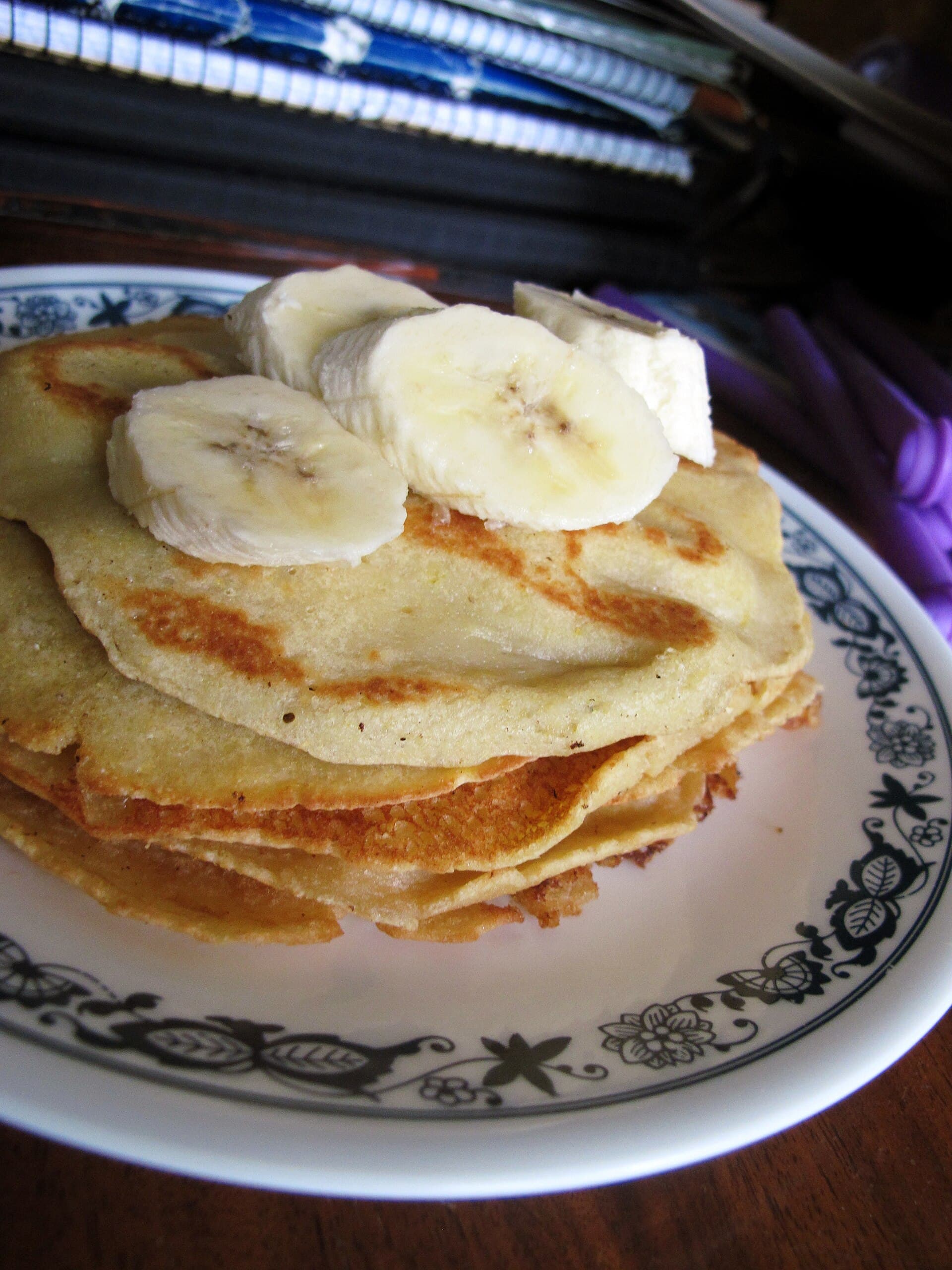
Pancakes are a quintessential American breakfast food consisting of flat, round cakes made from a simple batter of flour, eggs, milk, and leavening. They are typically cooked on a griddle and served with syrup, butter, or fruit toppings.
1776-1800
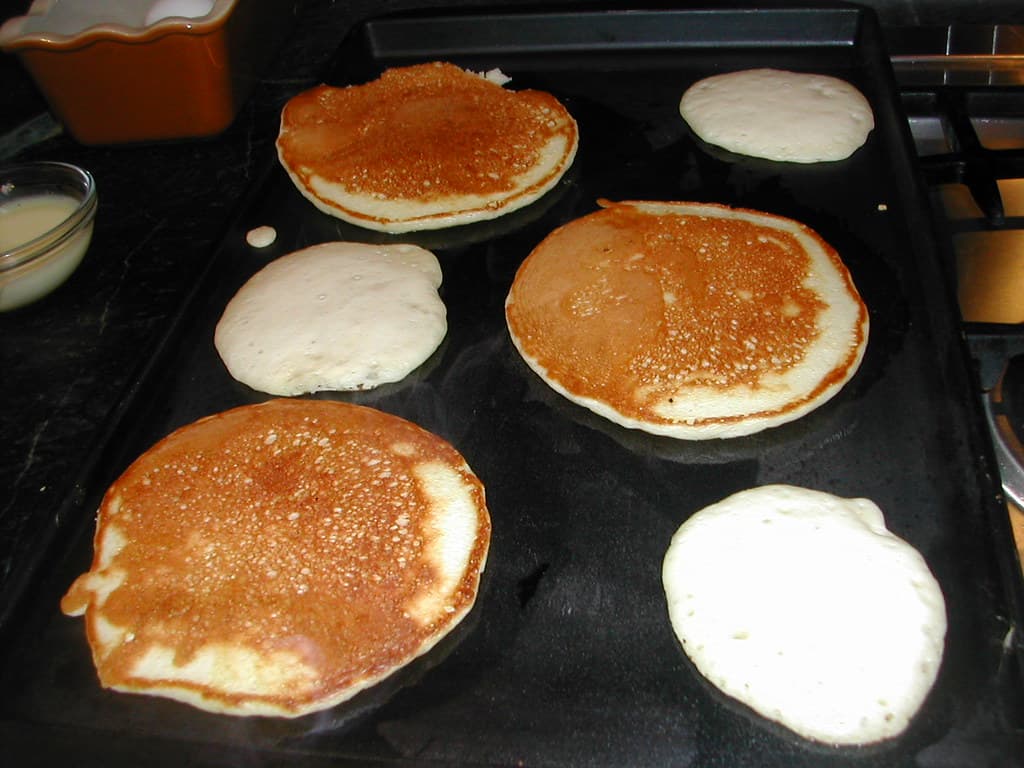
These pancakes reflect traditional camp and cabin cooking methods, using a straightforward batter cooked directly on a griddle or open fire. They are popular in hunting and fishing camps and rustic outdoor settings.
America's Melting Pot
Pasteles photo coming soon
Before 1776
Pasteles are savory Puerto Rican and island-style tamale-like parcels made with green banana dough filled with seasoned meats and wrapped in banana leaves, then boiled. A cultural staple in island communities and diaspora celebrations.
America's Melting Pot
Peach Barbecue Sauce photo coming soon
Cross-era
Peach Barbecue Sauce is a barbecue sauce with real American table personality: Southern fruit-meets-smoke sauce. It brings flavor from the American South to cookouts, counters, lunch plates, potlucks, and weeknight suppers.
America's Melting Pot
Peach Preserves photo coming soon
Cross-era
Peach Preserves is a preserve with real American table personality: Southern and orchard-country classic. It brings flavor from the American South to cookouts, counters, lunch plates, potlucks, and weeknight suppers.
Cross-era
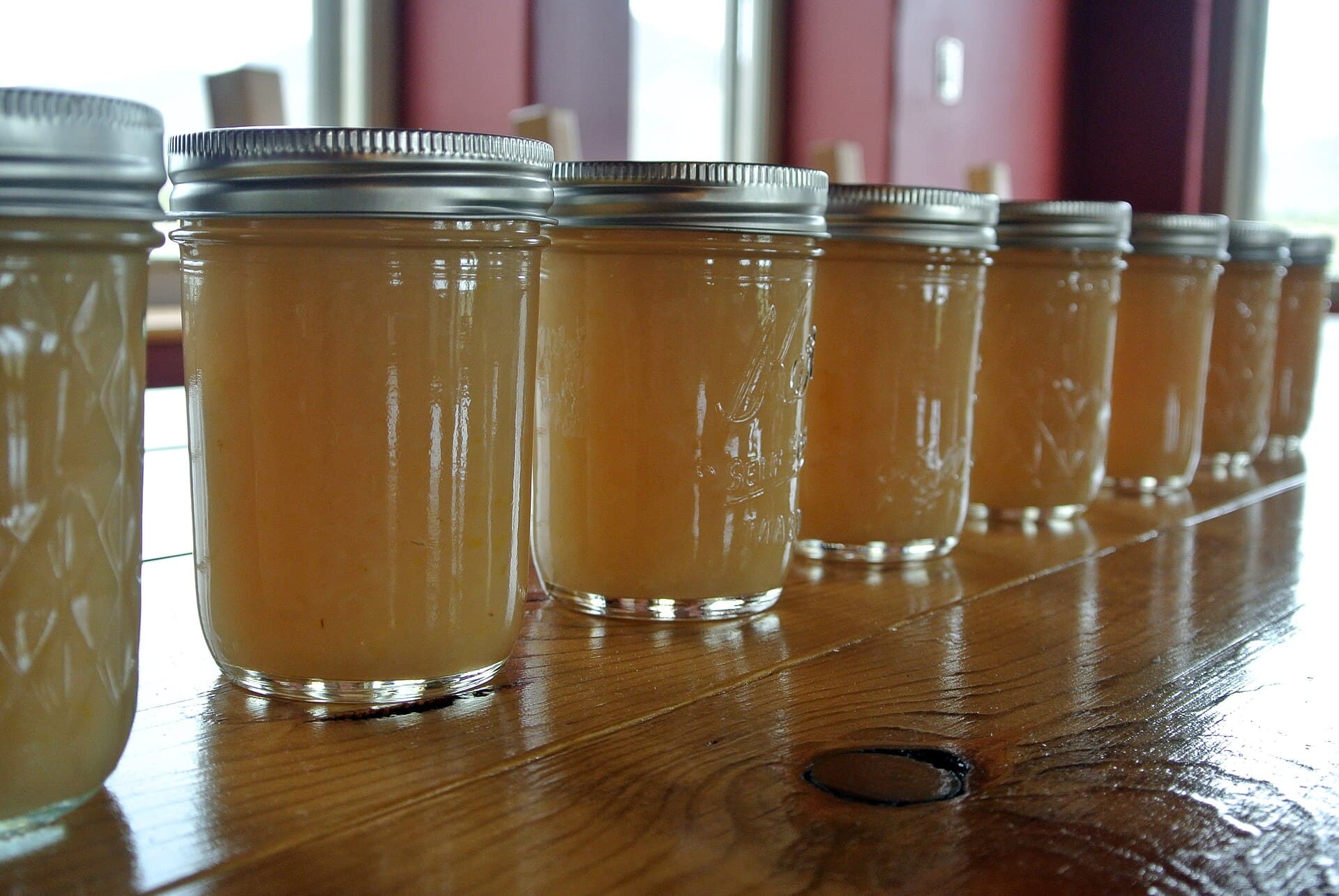
Pear Preserves is a preserve with real American table personality: Southern farm kitchens. It brings flavor from the American South to cookouts, counters, lunch plates, potlucks, and weeknight suppers.
America's Melting Pot
Pease Porridge photo coming soon
1776-1800
Pease porridge is a thick, savory dish made from dried peas, commonly eaten in late 18th-century America. It was a nourishing, economical staple during the Revolutionary period, reflecting colonial cooking traditions and available ingredients.
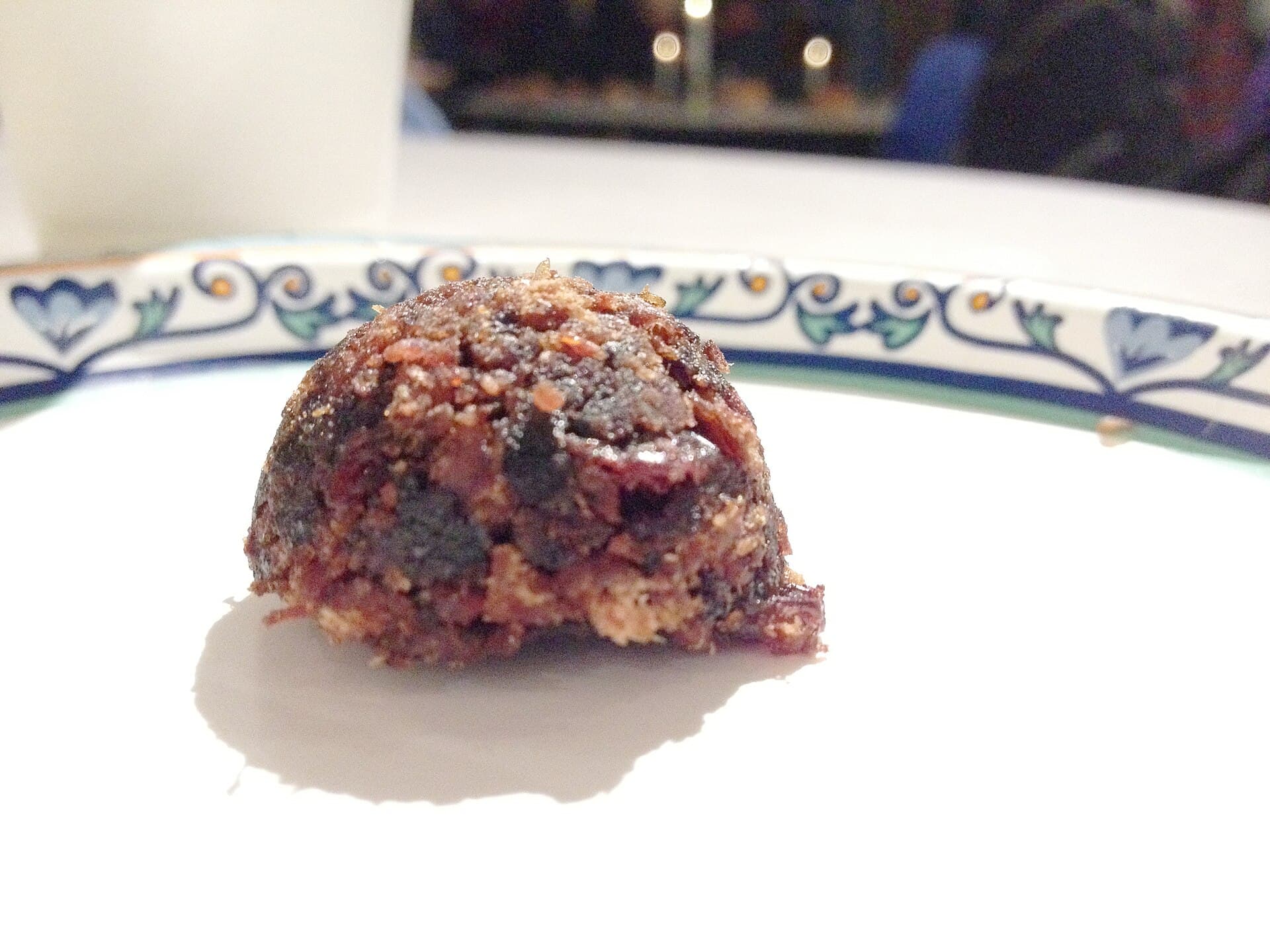
Before 1776
Pemmican is a traditional Indigenous American preserved food combining dried meat, rendered fat, and sometimes berries. It served as a portable, nutrient-dense staple for survival and travel across the continent during the 19th century and earlier.
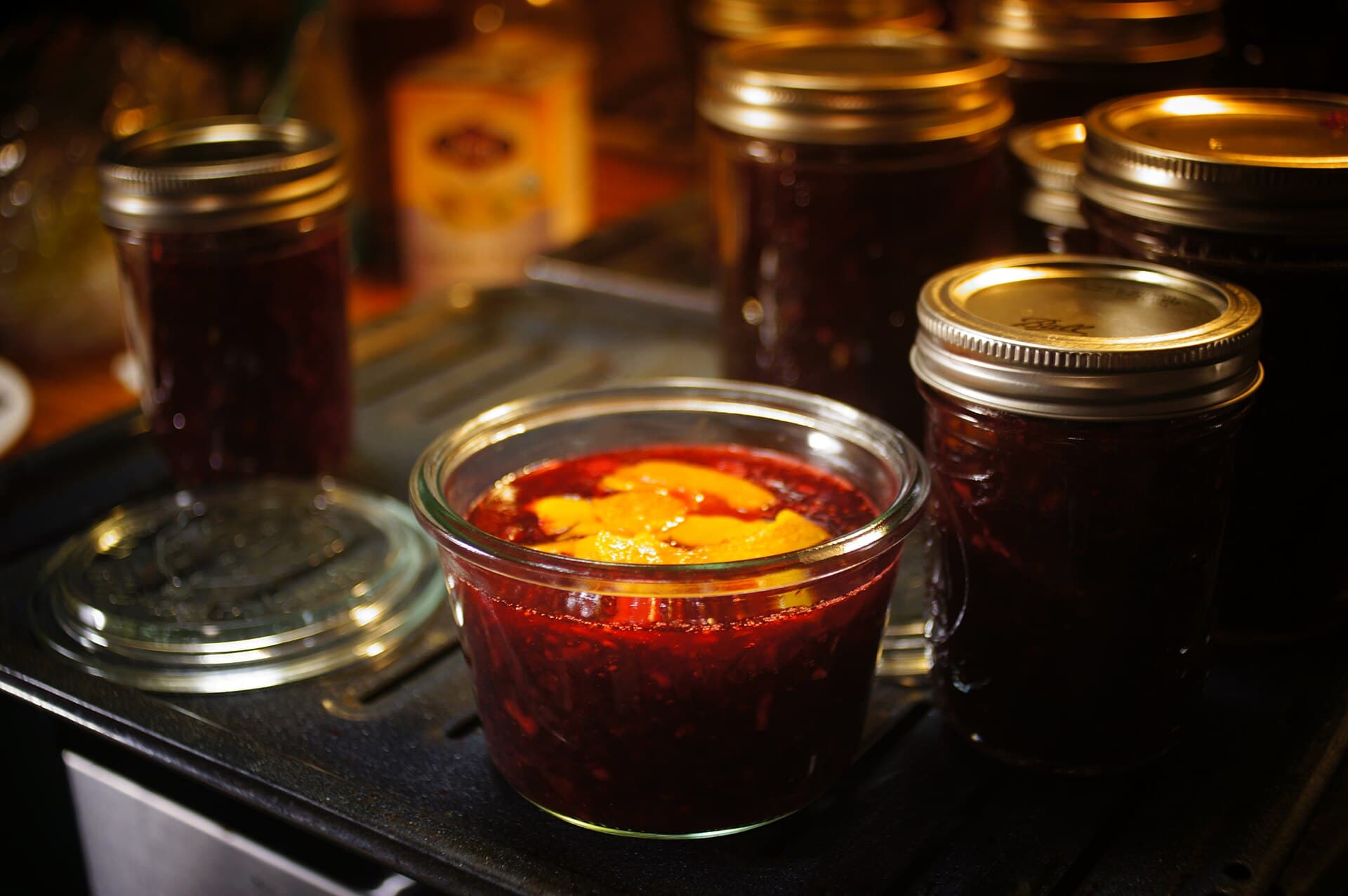
Cross-era
Pepper Jelly is a preserve with real American table personality: Southern party and cream-cheese-board staple. It brings flavor from the American South to cookouts, counters, lunch plates, potlucks, and weeknight suppers.
America's Melting Pot
Pepper Vinegar photo coming soon
Cross-era
Pepper Vinegar is a condiment with real American table personality: Southern greens condiment, often whole peppers steeped in vinegar. It brings flavor from the American South to cookouts, counters, lunch plates, potlucks, and weeknight suppers.
America's Melting Pot
Pickle Roll-Up Spread photo coming soon
Cross-era
Pickle Roll-Up Spread is a relish with real American table personality: Upper Midwest ham-pickle-cream cheese culture. It brings flavor from the Midwest and Great Lakes to cookouts, counters, lunch plates, potlucks, and weeknight suppers.
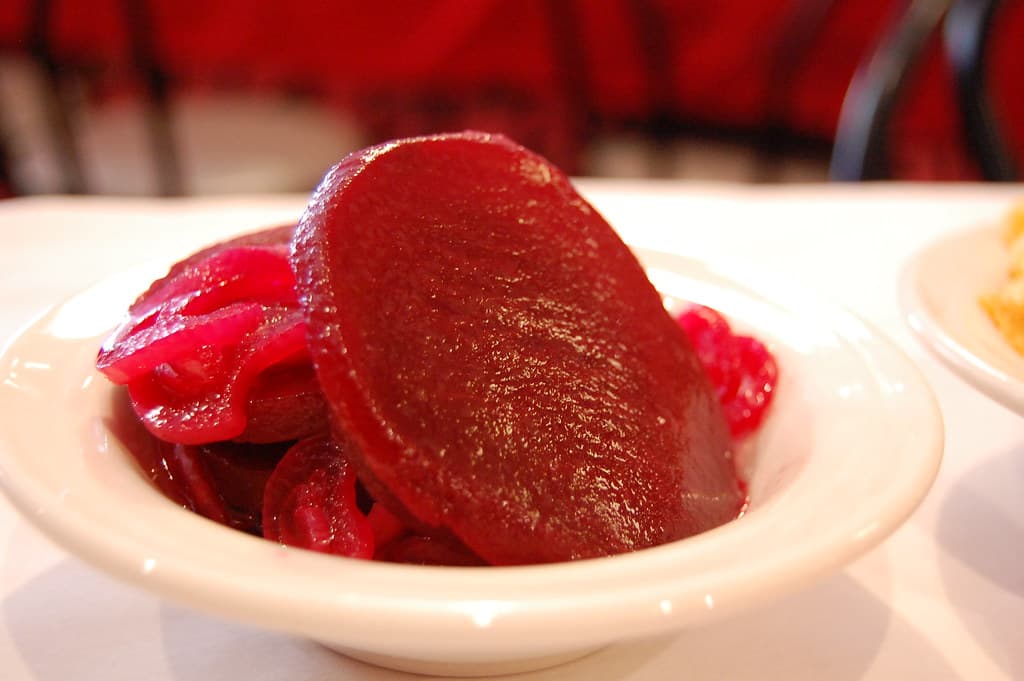
1776-1800
Pickled beets are a preserved vegetable side dish common in late 18th-century America. Offering earthy sweetness balanced with vinegar tang, they were a way to extend the harvest and enliven the winter table.
America's Melting Pot
Pickled Cucumbers photo coming soon
1776-1800
Pickled cucumbers were a staple preserved vegetable in 18th-century America, providing a crunchy, tangy side to meals during winter months. This recipe and method reflect early American preservation techniques combining vinegar, spices, and salt.
America's Melting Pot
Pickled Fish photo coming soon
Before 1776
Pickled fish were a common preservation method in late 18th-century America, allowing communities to enjoy fish long after catch. The preserved fish combine vinegar and spices to create a tangy side, reflective of colonial foodways.
America's Melting Pot
Pickled Jalapeno Brine Sauce photo coming soon
Cross-era
Pickled Jalapeno Brine Sauce is a condiment with real American table personality: Tex-Mex and ballpark nacho culture. It brings flavor from Texas and the Southwest to cookouts, counters, lunch plates, potlucks, and weeknight suppers.
America's Melting Pot
Pickled Okra photo coming soon
Cross-era
Pickled Okra is a relish with real American table personality: Southern relish tray classic. It brings flavor from the American South to cookouts, counters, lunch plates, potlucks, and weeknight suppers.
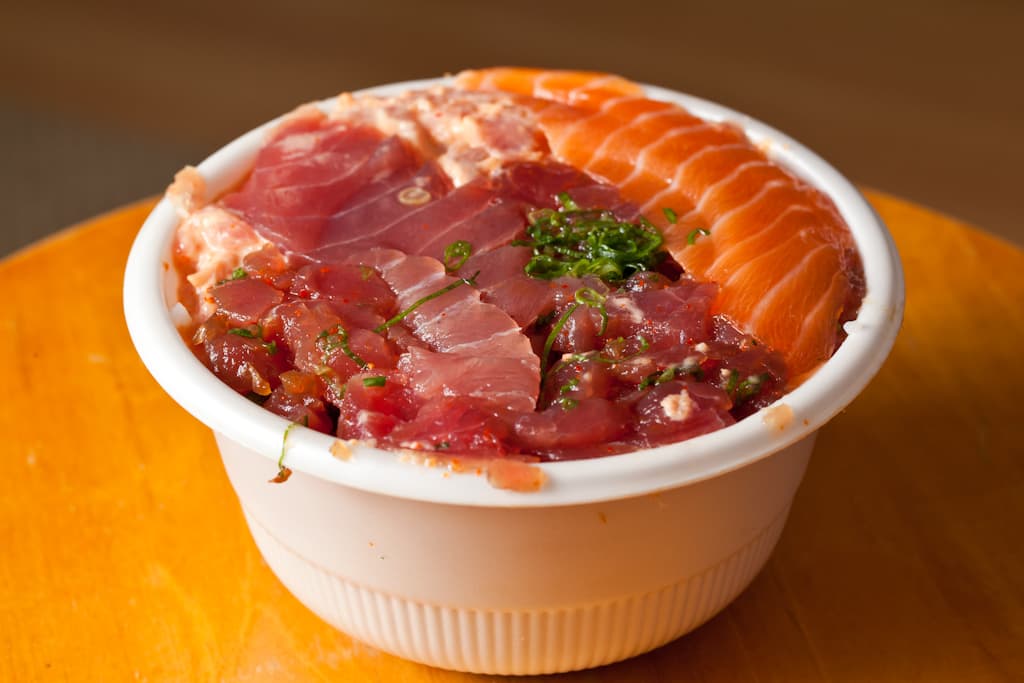
Native Foodways and Continuity
Poke is a Hawaiian dish featuring fresh raw fish, typically tuna, marinated in soy sauce, sesame oil, and other seasonings. It reflects the blending of Native Hawaiian culinary traditions with Asian and Portuguese immigrant influences on the islands.
Cross-era
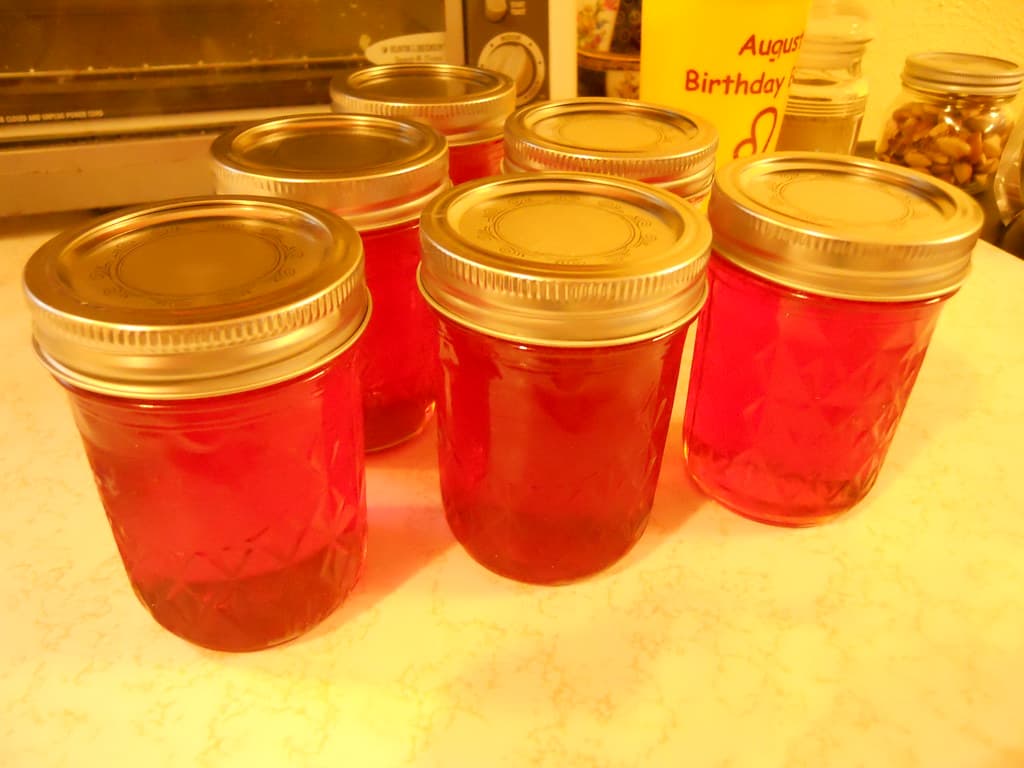
Prickly Pear Jelly is a preserve with real American table personality: Southwest desert fruit preserve. It brings flavor from the American South to cookouts, counters, lunch plates, potlucks, and weeknight suppers.
America's Melting Pot
Puerto Rican Pernil photo coming soon
Before 1776
Puerto Rican Pernil is a flavorful marinated pork shoulder slow-roasted to tender perfection. It is an iconic dish in Puerto Rico and other island territories, deeply embedded in festive and family celebrations.
1776-1800
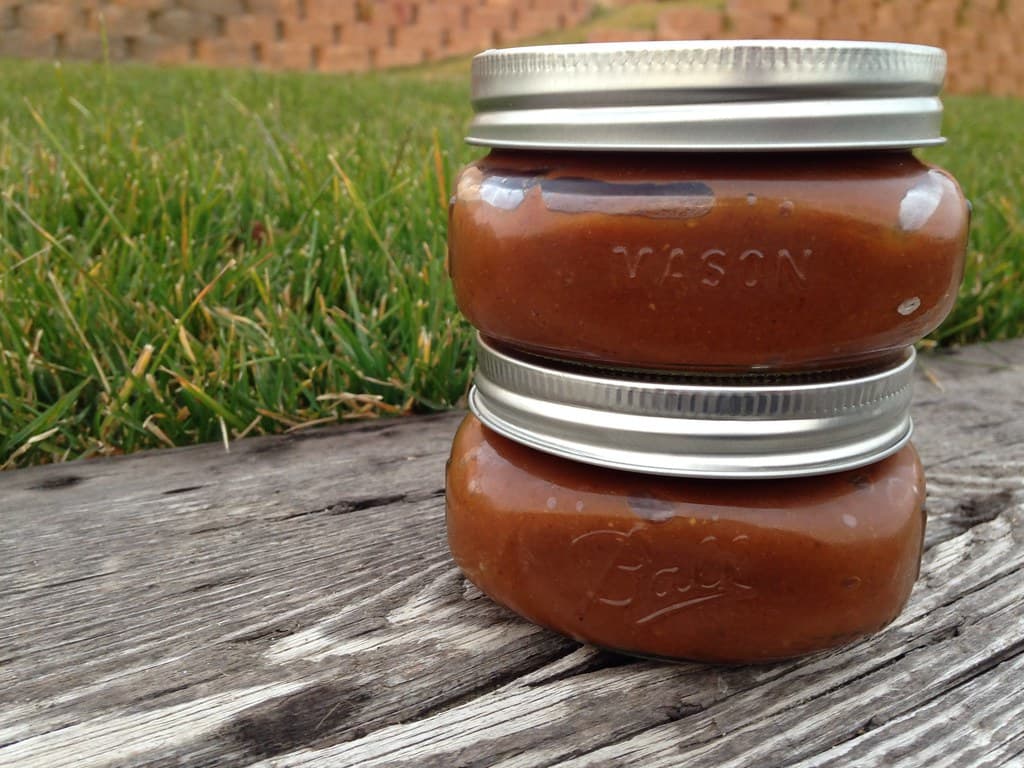
Pumpkin Butter is a preserve with real American table personality: Fall farmstand spread. It brings flavor from coast-to-coast American tables to cookouts, counters, lunch plates, potlucks, and weeknight suppers.
America's Melting Pot
Quince Preserves photo coming soon
1776-1800
Quince Preserves are a traditional American preserves recipe using fresh quince fruit cooked with sugar and spices into a fragrant, sweet spread. Dating back to the late 18th century, these preserves provided early Americans a way to enjoy quince's unique flavor year-round.
America's Melting Pot
Rabbit Pie photo coming soon
1776-1800
Rabbit Pie is a hearty savory pie featuring tender rabbit meat, vegetables, and herbs baked into a rich, flaky crust. Popular in early American cuisine, especially in the late 18th century, it was a practical way to use lean game meats in home kitchens.
America's Melting Pot
Rabbit Stew photo coming soon
1776-1800
Rabbit Stew is a slow-cooked, savory dish combining rabbit meat with root vegetables and herbs in a flavorful broth. A rural favorite in early America, it provided nutrient-rich, warming food using wild or farmed rabbits during the late 18th century.
America's Melting Pot
Rice photo coming soon
Before 1776
Rice is a versatile, widely consumed grain prepared plain or flavored, often associated with good luck and prosperity in American holiday traditions. From cross-era variations, rice has been incorporated into many regional cuisines and festive dishes across the United States.
1776-1800
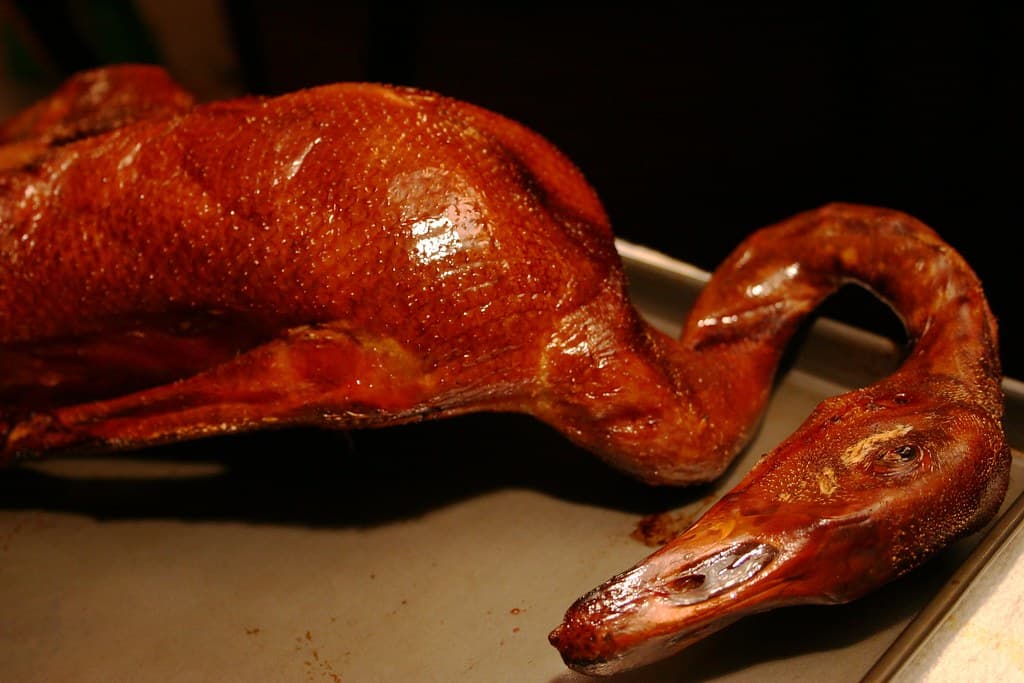
Roast Goose is a rich, savory main dish historically served during holidays like Christmas in early America. The bird is seasoned and slowly roasted to render its flavorful fat and crisp skin, embodying celebratory dining from the late 18th century.
America's Melting Pot
Root Beer Barbecue Sauce photo coming soon
Cross-era
Root Beer Barbecue Sauce is a barbecue sauce with real American table personality: Sweet, nostalgic American grilling sauce. It brings flavor from American barbecue regions to cookouts, counters, lunch plates, potlucks, and weeknight suppers.
America's Melting Pot
Rye and Indian Bread photo coming soon
1776-1800
This bread combines rye flour and cornmeal (referred to historically as Indian meal) to create a rustic, hearty loaf common in late 18th-century American households. It reflects grain availability and regional adaptation in early Revolutionary-era American baking.
Native Foodways and Continuity
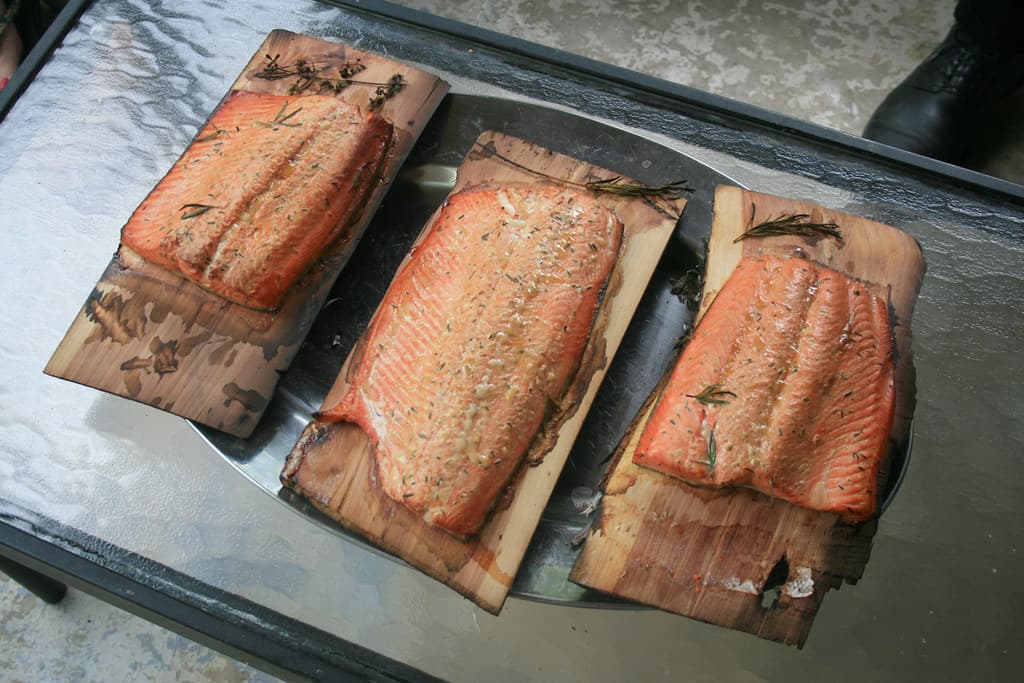
This dish features salmon fillets cooked on cedar planks to infuse smoky, aromatic flavors typical in Pacific Northwest Indigenous and settler culinary traditions. With minimal seasoning, the technique highlights the fish's natural flavor while respecting cultural methods.
America's Melting Pot
Salt Pork and Beans photo coming soon
1776-1800
Salt pork and beans is a traditional side dish combining salted cured pork and beans slow-cooked together. Common in American Revolutionary-era cooking, it provided preserved protein and starch with minimal fresh ingredients, often in military or frontier contexts.
America's Melting Pot
Sand Plum Jelly photo coming soon
Cross-era
Sand Plum Jelly is a preserve with real American table personality: Great Plains and Oklahoma/Texas tradition. It brings flavor from Texas and the Southwest to cookouts, counters, lunch plates, potlucks, and weeknight suppers.
America's Melting Pot
Santa Maria Salsa / Pinquito Bean Sauce photo coming soon
Cross-era
Santa Maria Salsa / Pinquito Bean Sauce is a barbecue sauce with real American table personality: Central California tri-tip tradition. It brings flavor from California, Hawaii, and the West Coast to cookouts, counters, lunch plates, potlucks, and weeknight suppers.
America's Melting Pot
Scrapple and Eggs photo coming soon
Before 1776
Scrapple and Eggs is a beloved breakfast combination in Mid-Atlantic American cuisine, featuring pan-fried slices of scrapple served alongside eggs cooked to preference. This simple, hearty meal draws from colonial and Pennsylvania Dutch traditions, providing a savory start to the day.
Cross-era
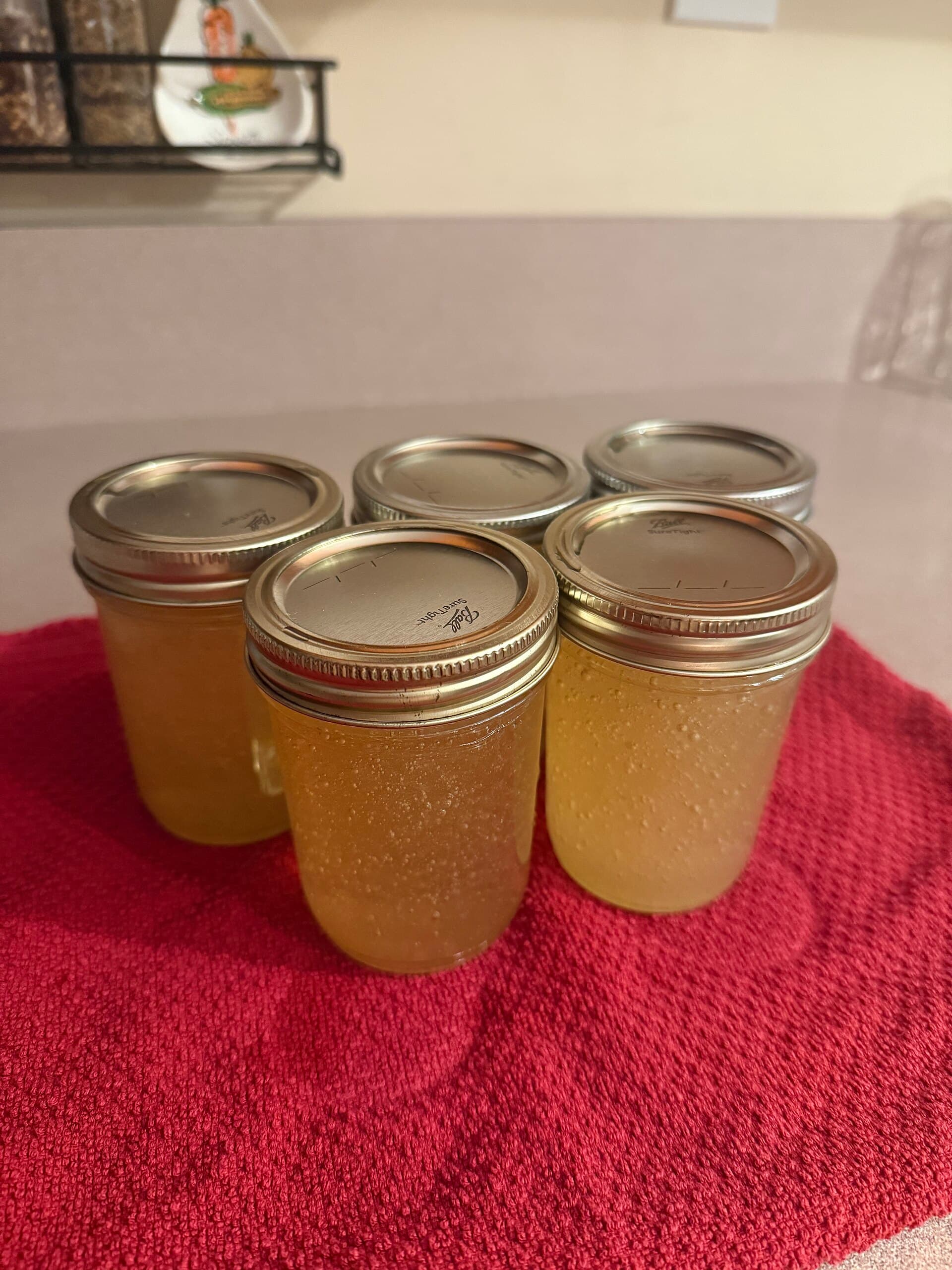
Scuppernong Jelly is a preserve with real American table personality: Southern grape jelly, especially Carolinas. It brings flavor from the American South to cookouts, counters, lunch plates, potlucks, and weeknight suppers.
America's Melting Pot
Shrub photo coming soon
1776-1800
Shrub is a vinegar-based syrup mixed with fruit juice or water to create a refreshing beverage. It was popular in Revolutionary-era America as a preserved fruit drink and early cocktail mixer.
America's Melting Pot
Small Beer photo coming soon
1776-1800
Small Beer is a historical low-alcohol beer brewed in Colonial America, commonly consumed daily as a hydrating alternative to water. Its mild strength and nutritional value made it a household staple in the Revolutionary era.
1776-1800
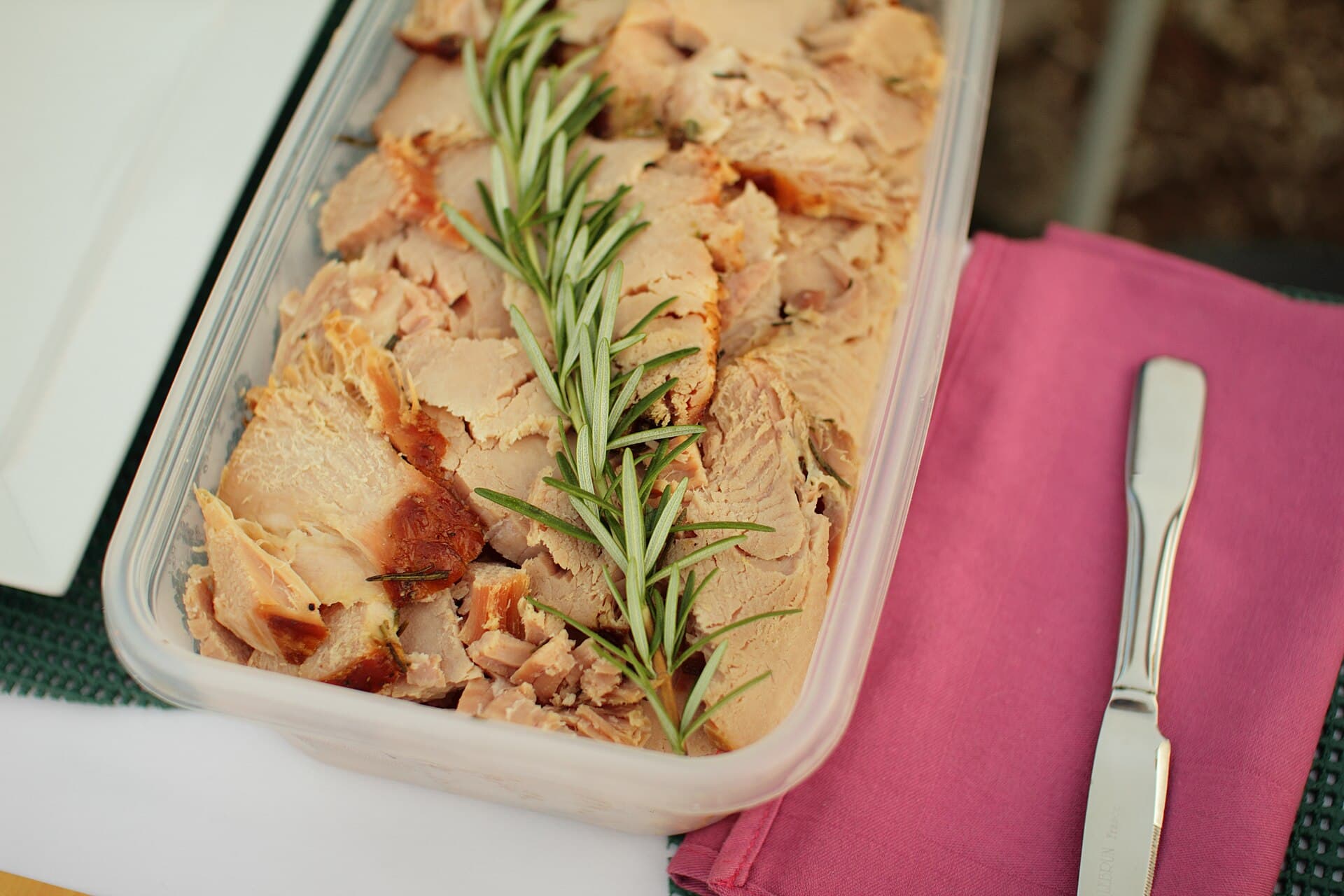
Smoked ham has been a staple in American meat preservation since the Revolutionary period, combining curing and smoking to enhance flavor and shelf life. This recipe reflects traditional barbecue and smokehouse methods from late 18th century America, a time when preserving meats was vital for sustenance and celebration.
America's Melting Pot
Smoked Salmon photo coming soon
Native Foodways and Continuity
Smoked salmon is a time-honored food of Alaska, where indigenous and local peoples have long used smoking as a preservation method. This recipe showcases classic methods combining curing with cold and hot smoking techniques that impart rich flavor and increased shelf life, integral to Alaskan regional identity.
America's Melting Pot
South Carolina Mustard Barbecue photo coming soon
Before 1776
South Carolina Mustard Barbecue features a unique tangy yellow mustard-based sauce often paired with slow-cooked pork. This style reflects regional preferences distinct to South Carolina, blending sharpness and sweetness in barbecue traditions.
America's Melting Pot
South Carolina Mustard Sauce / Carolina Gold photo coming soon
Cross-era
South Carolina Mustard Sauce / Carolina Gold is a barbecue sauce with real American table personality: German immigrant influence plus Southern pork barbecue. It brings flavor from the American South to cookouts, counters, lunch plates, potlucks, and weeknight suppers.
America's Melting Pot
Squirrel Stew photo coming soon
1776-1800
Squirrel stew is a rustic one-pot dish combining wild squirrel meat with vegetables and broth, common in late 18th century American cooking. It exemplifies use of game in colonial and revolutionary-era diets.
America's Melting Pot
St. Louis Barbecue Sauce photo coming soon
Cross-era
St. Louis Barbecue Sauce is a barbecue sauce with real American table personality: Tomato-based, sweet-tangy pork-rib sauce. It brings flavor from American barbecue regions to cookouts, counters, lunch plates, potlucks, and weeknight suppers.
America's Melting Pot
Strawberry-Rhubarb Jam photo coming soon
Cross-era
Strawberry-Rhubarb Jam is a preserve with real American table personality: Midwest and northern garden classic. It brings flavor from the Midwest and Great Lakes to cookouts, counters, lunch plates, potlucks, and weeknight suppers.
Before 1776
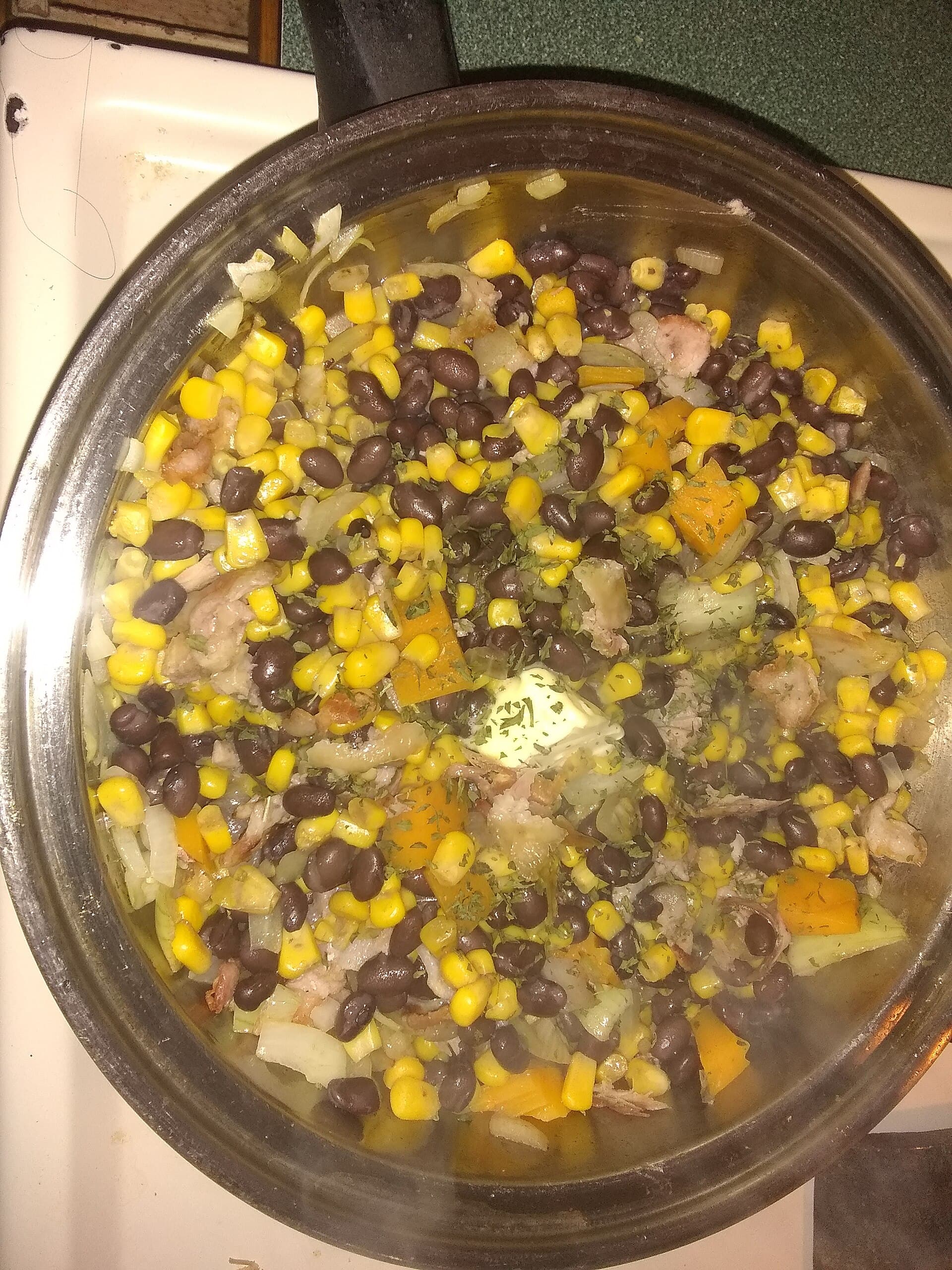
Succotash is a hearty vegetable stew of corn and lima beans, with variations including tomatoes, peppers, or other vegetables. Rooted in early American and Native food traditions, it was commonly served throughout the Revolutionary era as a simple, nutrient-rich side or main dish.

1776-1800
Sugar cookies are a timeless American holiday treat known for their crisp edges and tender interiors. Often decorated with colored sugar or icing, they hold a special place in Christmas celebrations and beyond, evolving over centuries to suit home bakers and commercial baking alike.
America's Melting Pot
Sunflower Seed Cakes photo coming soon
Before 1776
Sunflower Seed Cakes were a traditional Native American snack or dessert made from ground sunflower seeds formed into small patties or cakes. These cakes represent indigenous foodways prior to and during early American expansion and settlement.
America's Melting Pot
Sweet Potato Butter photo coming soon
Cross-era
Sweet Potato Butter is a preserve with real American table personality: Southern root-cellar preserve. It brings flavor from the American South to cookouts, counters, lunch plates, potlucks, and weeknight suppers.
America's Melting Pot
Switchel photo coming soon
1776-1800
Switchel, also known as haymaker's punch, is a traditional American fermented drink of water, vinegar, ginger, and sweeteners dating to the Revolutionary period. It was commonly consumed for refreshment and hydration during hard labor and social occasions.
America's Melting Pot
Tabasco Sauce photo coming soon
Cross-era
Tabasco Sauce is a condiment with real American table personality: Avery Island, Louisiana; one of America's great food exports. It brings flavor from the American South to cookouts, counters, lunch plates, potlucks, and weeknight suppers.
America's Melting Pot
Texas Mop Sauce photo coming soon
Cross-era
Texas Mop Sauce is a barbecue sauce with real American table personality: Thin sauce for basting beef, often with vinegar, spices, drippings, chile, or stock. It brings flavor from Texas and the Southwest to cookouts, counters, lunch plates, potlucks, and weeknight suppers.
America's Melting Pot
Three Sisters Stew photo coming soon
Before 1776
Three Sisters Stew features the traditional Indigenous American agricultural trio of corn, beans, and squash simmered into a hearty, nourishing stew. Reflecting centuries-old Native foodways, this dish celebrates indigenous crops and culinary traditions from Expansion through early 19th century America, underscoring sustainable agriculture and seasonal cooking.
America's Melting Pot
Tiger Sauce photo coming soon
Cross-era
Tiger Sauce is a condiment with real American table personality: Baltimore pit beef horseradish sauce. It brings flavor from Chesapeake and Mid-Atlantic to cookouts, counters, lunch plates, potlucks, and weeknight suppers.
Before 1776
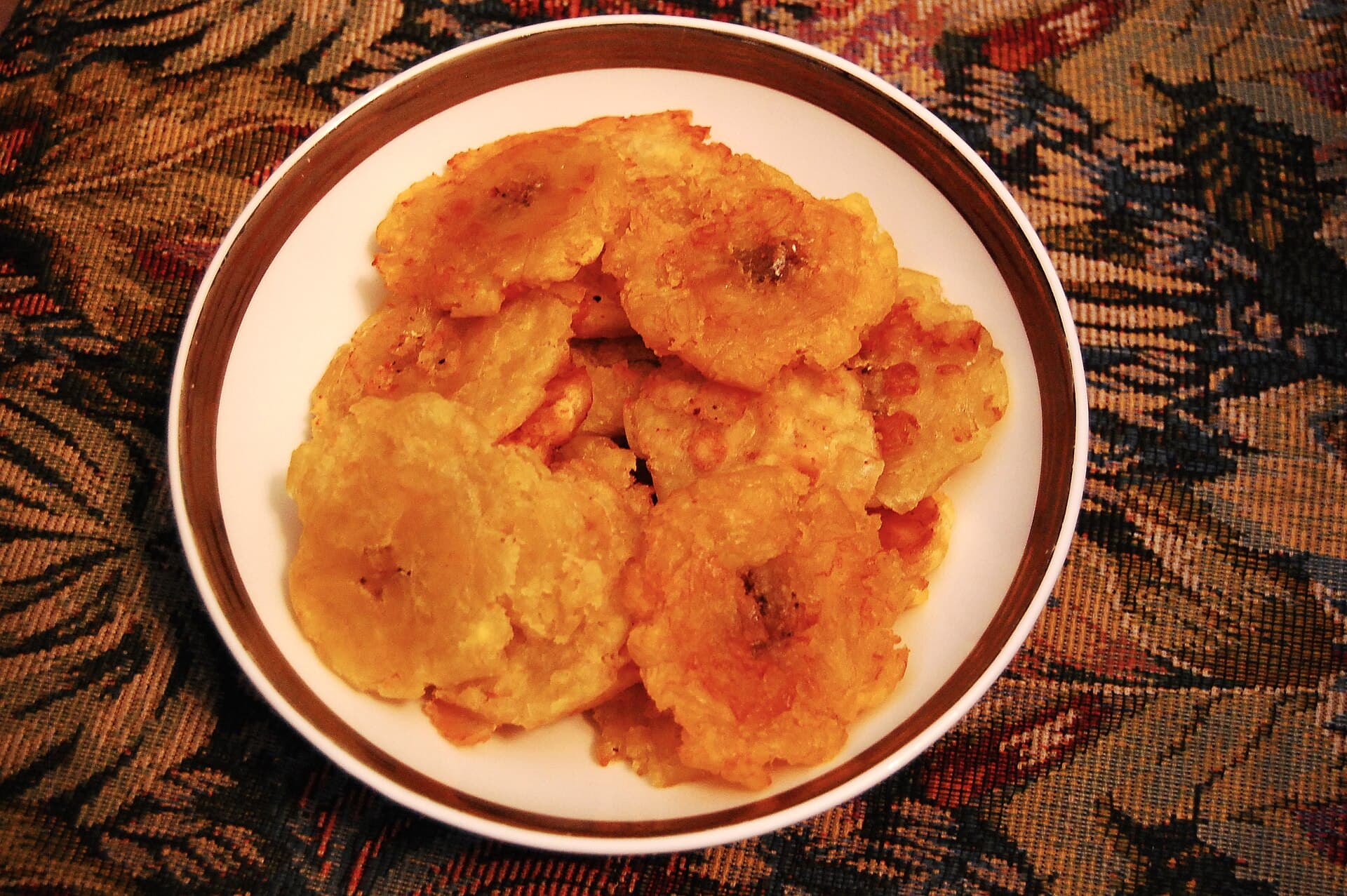
Tostones are flattened, twice-fried green plantain slices popular across Territories and Island America including Puerto Rico, Guam, the Philippines, and the Virgin Islands. This versatile snack or side dish exemplifies trans-Pacific culinary connections and the use of local tropical produce in island American food cultures.
America's Melting Pot
Turtle Soup photo coming soon
1776-1800
Turtle soup was a prized and elegant dish in colonial and early United States dinners, especially around the Revolutionary period. Using snapping turtle meat, it was considered both a delicacy and sustenance, reflecting early American culinary practices and resource utilization.
America's Melting Pot
Venison Backstrap photo coming soon
1776-1800
Venison backstrap is a tender cut from deer favored in hunting and cabin cooking across early and modern American outdoors traditions. Grilled or pan-seared to highlight its lean flavor, it represents a direct connection to locally sourced wild game cuisine.
Before 1776
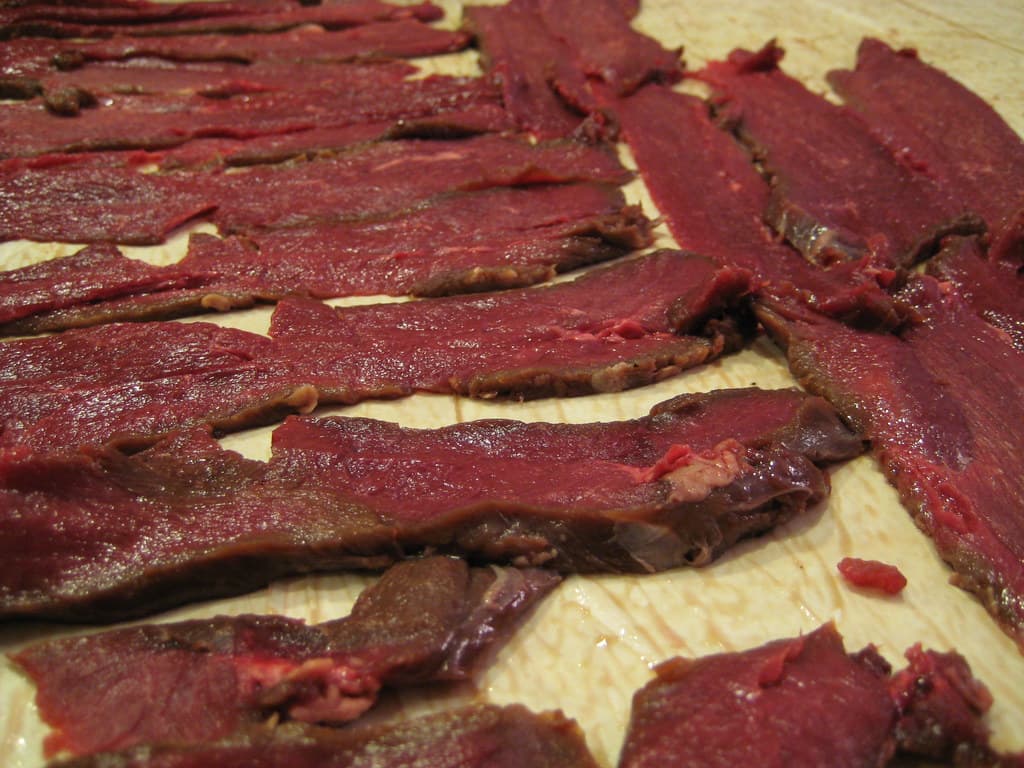
A dried meat snack made from thinly sliced venison seasoned and dehydrated. Jerky is a long-standing preservation method used by hunters and outdoor communities to carry protein-rich food into the wilderness.
America's Melting Pot
Venison Roast photo coming soon
1776-1800
A simple yet flavorful roast venison main dish reflecting early American culinary practices. Venison was a valued game meat during the Revolutionary era, often roasted with herbs and root vegetables.
America's Melting Pot
Venison Stew photo coming soon
1776-1800
A comforting stew featuring venison and root vegetables slowly simmered to tender perfection. Stewing was a common method in early America to maximize flavor and stretch limited game meat supplies.
America's Melting Pot
Vidalia Onion Relish photo coming soon
Cross-era
Vidalia Onion Relish is a relish with real American table personality: Georgia/Southern sweet onion condiment. It brings flavor from the American South to cookouts, counters, lunch plates, potlucks, and weeknight suppers.
America's Melting Pot
Virginia Barbecue photo coming soon
Before 1776
Virginia-style barbecue featuring pork slow-cooked over wood with a tangy vinegar-based sauce. This style reflects regional preferences blending English and African American culinary traditions prevalent in the Mid-Atlantic states.
1776-1800
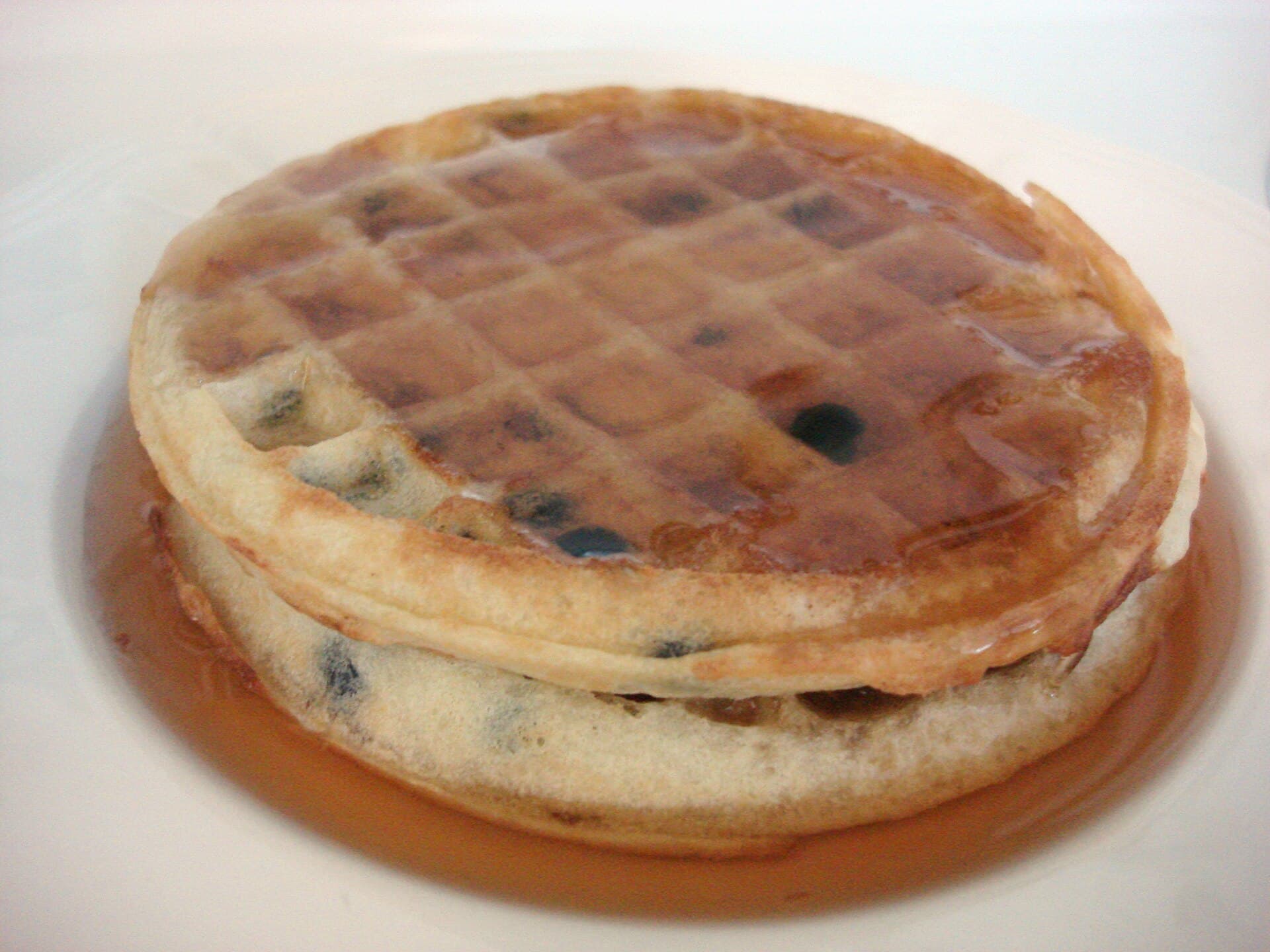
Fluffy waffles traditionally served for breakfast, made from a simple batter of flour, eggs, milk, and baking powder. This recipe has American roots and remains a popular morning meal.
America's Melting Pot
Washington Pie photo coming soon
1776-1800
Washington Pie is a layered dessert combining cake and fruit preserves, dating back to late 18th-century America. This simple yet elegant sweet features moist cake layers sandwiched with jam or jelly and optionally dusted with sugar, reflecting colonial baking practices and early American tastes for fruit desserts.
America's Melting Pot
Watermelon Rind Pickles photo coming soon
Cross-era
Watermelon Rind Pickles is a relish with real American table personality: Southern and farm no-waste preserving. It brings flavor from the American South to cookouts, counters, lunch plates, potlucks, and weeknight suppers.
America's Melting Pot
Watermelon Rind Preserves photo coming soon
Cross-era
Watermelon Rind Preserves is a preserve with real American table personality: Southern no-waste preserving. It brings flavor from the American South to cookouts, counters, lunch plates, potlucks, and weeknight suppers.
America's Melting Pot
Whole Berry Cranberry Sauce photo coming soon
Founding Era
Whole Berry Cranberry Sauce is a preserve with real American table personality: New England and Thanksgiving classic. It brings flavor from New England to cookouts, counters, lunch plates, potlucks, and weeknight suppers.
America's Melting Pot
Wild Blueberry Jam photo coming soon
Cross-era
Wild Blueberry Jam is a preserve with real American table personality: Maine and northern berry culture. It brings flavor from New England to cookouts, counters, lunch plates, potlucks, and weeknight suppers.
America's Melting Pot
Wild Rice Dressing photo coming soon
Native Foodways and Continuity
Wild Rice Dressing is a traditional American Thanksgiving side combining wild rice with aromatic vegetables, herbs, and often nuts or sausage. It reflects regional Midwestern and Native American influences and features prominently at holiday tables across the United States.
America's Melting Pot
Wojapi photo coming soon
Before 1776
Wojapi is a Native American berry sauce or jam commonly made from chokeberries or other wild berries, used as a condiment or dessert accompaniment. Its preparation and use reflect indigenous foodways and regional wild fruit harvesting in early 19th-century America.
Community recipe submission
Log in to submit a recipe, format it with the cooking companion, and send it for review.
Log in to Submit