
Loading
Setting the table...
Fetching the latest recipes from the archive.
Loading
Fetching the latest recipes from the archive.
Recipe archive
Recipe archive
Search the archive by title, region, ingredient, tag, or era, then sort the table by the view that fits your kitchen.
This archive is growing through recipes, photos, family recipes, and historical context shared by the community.
Cross-era
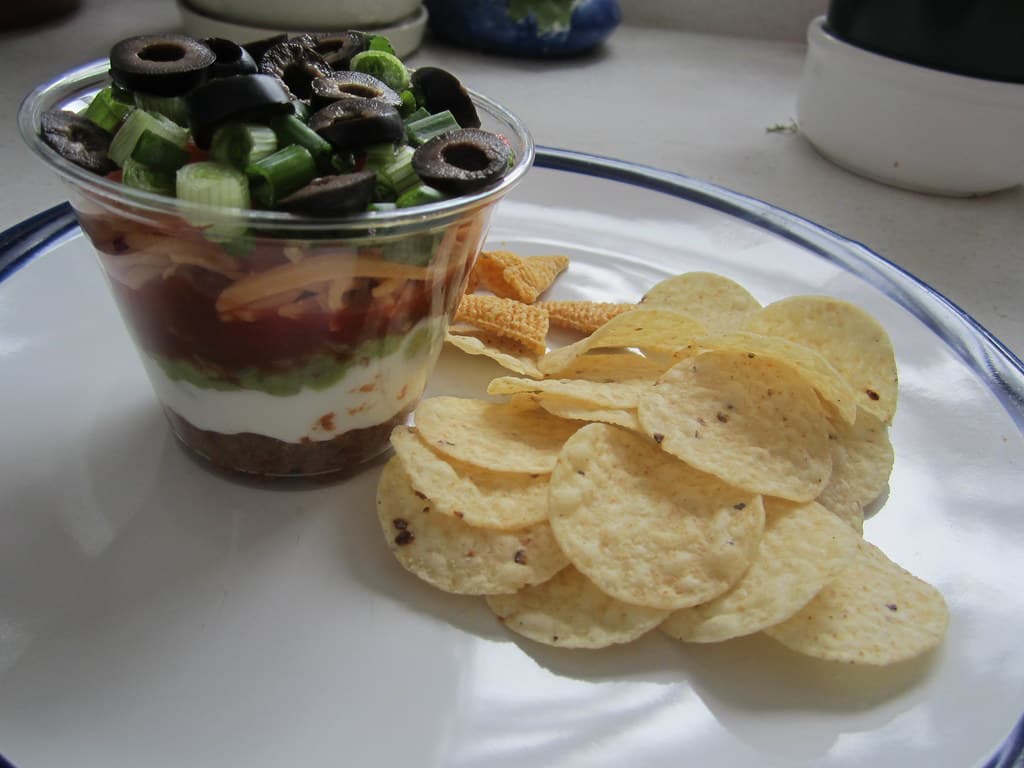
7-Layer Dip is a party dip with real American table personality: Tex-Mex party dish. It brings flavor from Texas and the Southwest to cookouts, counters, lunch plates, potlucks, and weeknight suppers.
America's Melting Pot
Air Fryer Brussels Sprouts photo coming soon
2010-2026
Trimmed Brussels sprouts air-fried with a little oil until crisp at the edges and tender in the center.
America's Melting Pot
Air Fryer Chicken Tenders photo coming soon
2010-2026
Chicken tenderloins coated in seasoned crumbs and air-fried until crisp, juicy, and safely cooked to 165 degrees F.
America's Melting Pot
Air Fryer Salmon photo coming soon
2010-2026
Salmon fillets seasoned simply and air-fried until browned outside and flaky within.
America's Melting Pot
Air Fryer Tater Tots photo coming soon
2010-2026
Frozen potato tots cooked in the air fryer until deeply crisp outside and fluffy inside.
America's Melting Pot
Air Fryer Wings photo coming soon
2010-2026
Chicken wings air-fried until crisp, then tossed with buttered hot sauce and served with celery and blue cheese or ranch.
America's Melting Pot
Alabama White Sauce photo coming soon
Cross-era
Alabama White Sauce is a barbecue sauce with real American table personality: Mayonnaise-based sauce strongly associated with Big Bob Gibson Bar-B-Q and northern Alabama chicken barbecue. It brings flavor from the American South to cookouts, counters, lunch plates, potlucks, and weeknight suppers.
America's Melting Pot
Alabama White Sauce Chicken photo coming soon
1920s-present
Grilled or smoked chicken served with Alabama white barbecue sauce, a mayonnaise-and-vinegar sauce associated with Big Bob Gibson Bar-B-Q in Decatur.
America's Melting Pot
Almond Chicken photo coming soon
1900s-present
Crisp boneless chicken served over lettuce with brown gravy, scallions, and toasted almonds.
America's Melting Pot
Ambrosia Dressing photo coming soon
Postwar & Diner Age
Ambrosia Dressing is a spread with real American table personality: Southern/midcentury fruit salad dressing. It brings flavor from the American South to cookouts, counters, lunch plates, potlucks, and weeknight suppers.
America's Melting Pot
American Cocktail Sauce photo coming soon
Cross-era
American Cocktail Sauce is a seafood sauce with real American table personality: Ketchup/chili sauce plus horseradish; shrimp cocktail, oysters, crab claws. It brings flavor from Texas and the Southwest to cookouts, counters, lunch plates, potlucks, and weeknight suppers.
America's Melting Pot
American French Dressing photo coming soon
1900-1929
American French Dressing is a dressing with real American table personality: The bright orange-red, sweet, tomatoey bottled dressing Americans call "French." Not very French, very American. It brings flavor from coast-to-coast American tables to cookouts, counters, lunch plates, potlucks, and weeknight suppers.
Cold War-present
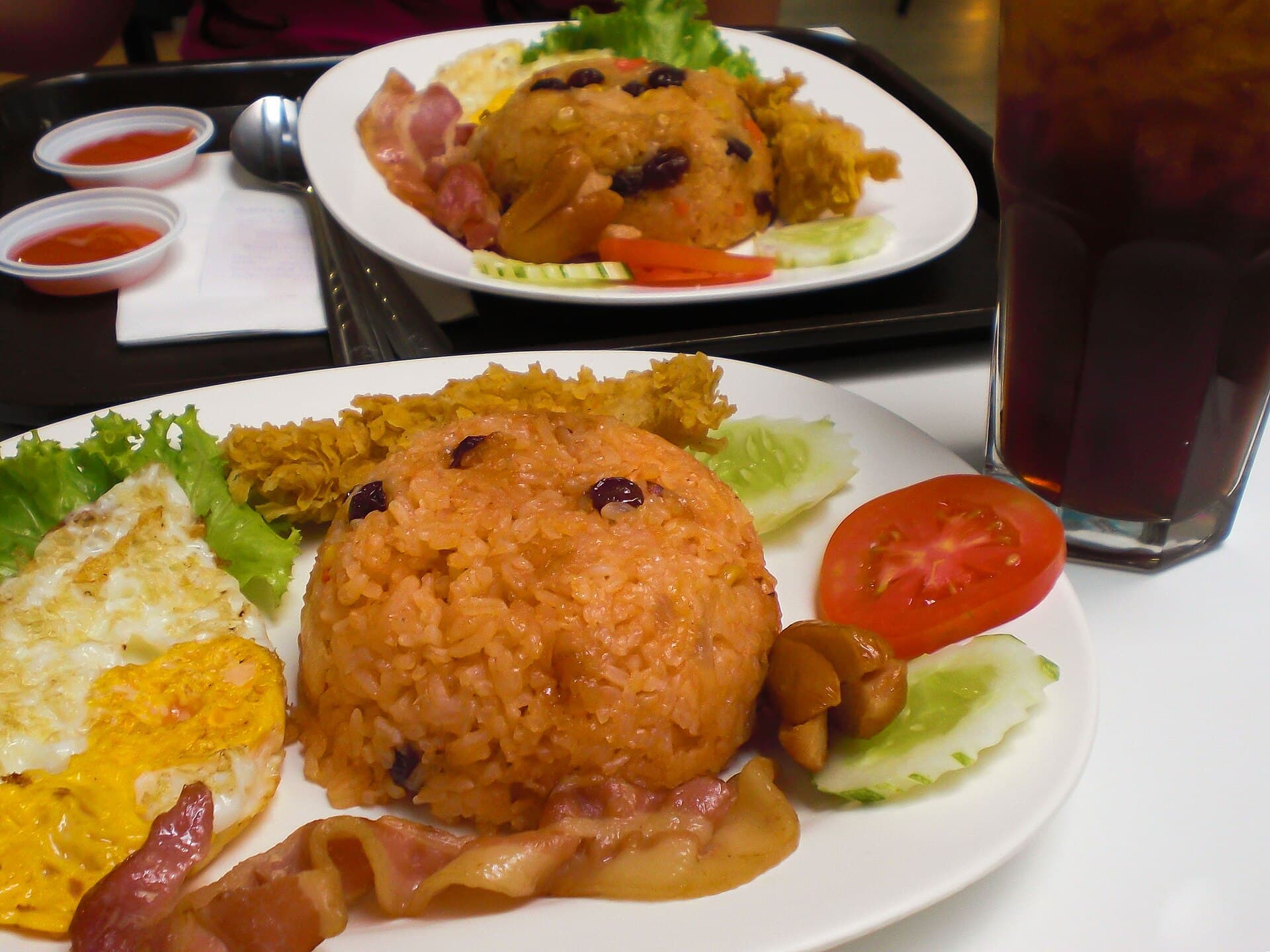
Thai-style ketchup fried rice served with American-coded sides such as egg, sausage, ham, raisins, and fried chicken.
American Dairy Age
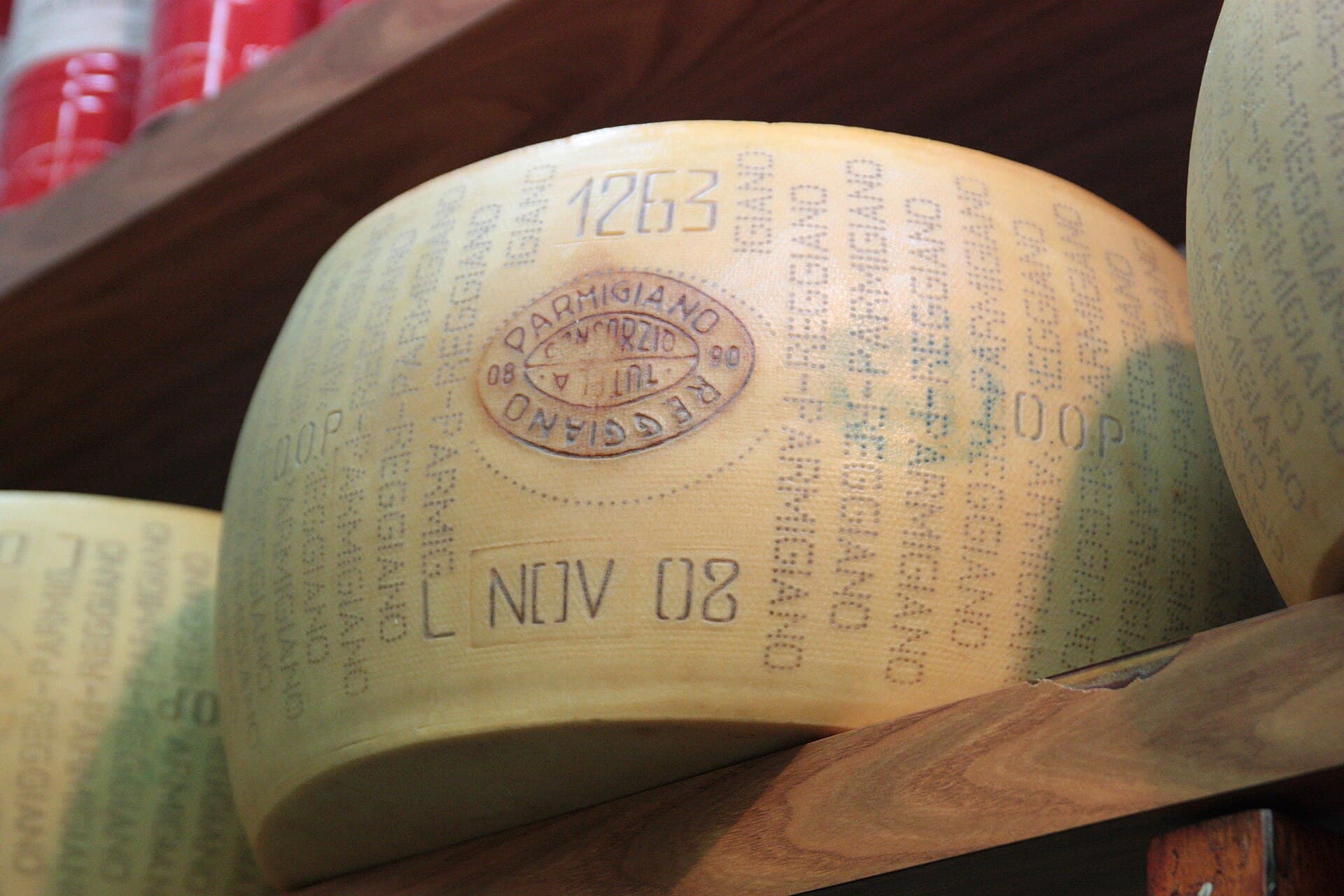
American Parmesan-style Grating Cheese is a cooked-curd American Alpine or grating-style cheese with thermophilic culture, firm pressing, brining, and controlled aging.
1800s-present
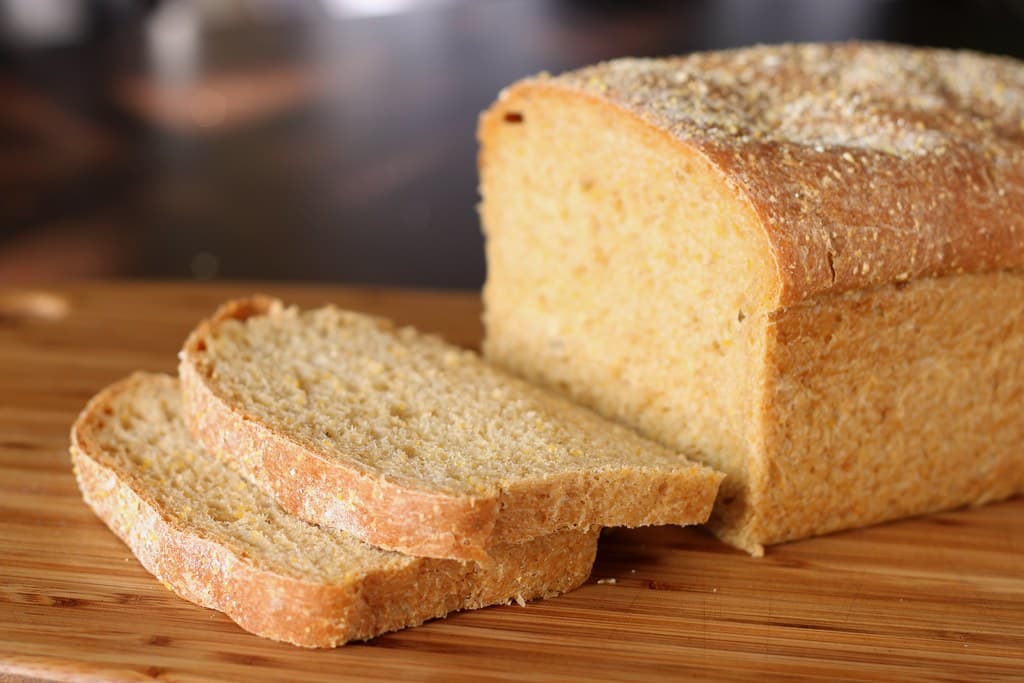
A lightly sweet New England loaf made with cornmeal, molasses, wheat flour, and yeast.
America's Melting Pot
Animal-Style Spread photo coming soon
Cross-era
Animal-Style Spread is a sandwich sauce with real American table personality: California drive-in burger culture. It brings flavor from California, Hawaii, and the West Coast to cookouts, counters, lunch plates, potlucks, and weeknight suppers.
1946-1969
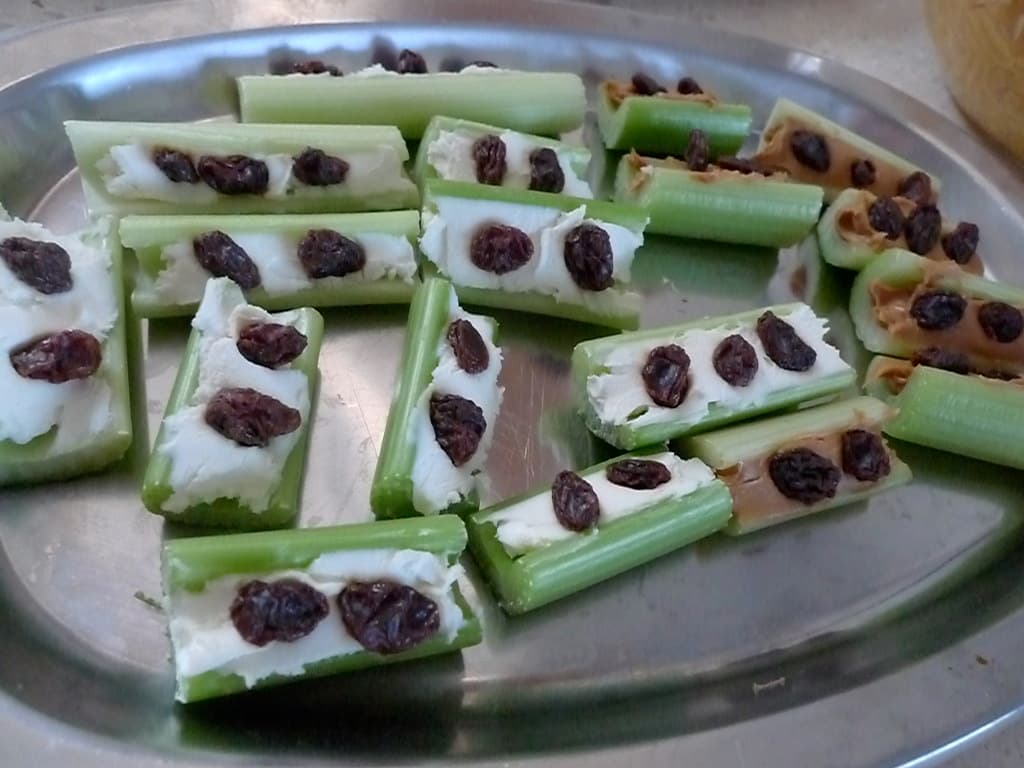
Celery sticks filled with peanut butter and topped with raisins, the classic American kid snack.
America's Melting Pot
Apple Cider Syrup photo coming soon
Cross-era
Apple Cider Syrup is a sweet sauce with real American table personality: Orchard-country reduction sauce. It brings flavor from coast-to-coast American tables to cookouts, counters, lunch plates, potlucks, and weeknight suppers.
1900s-present
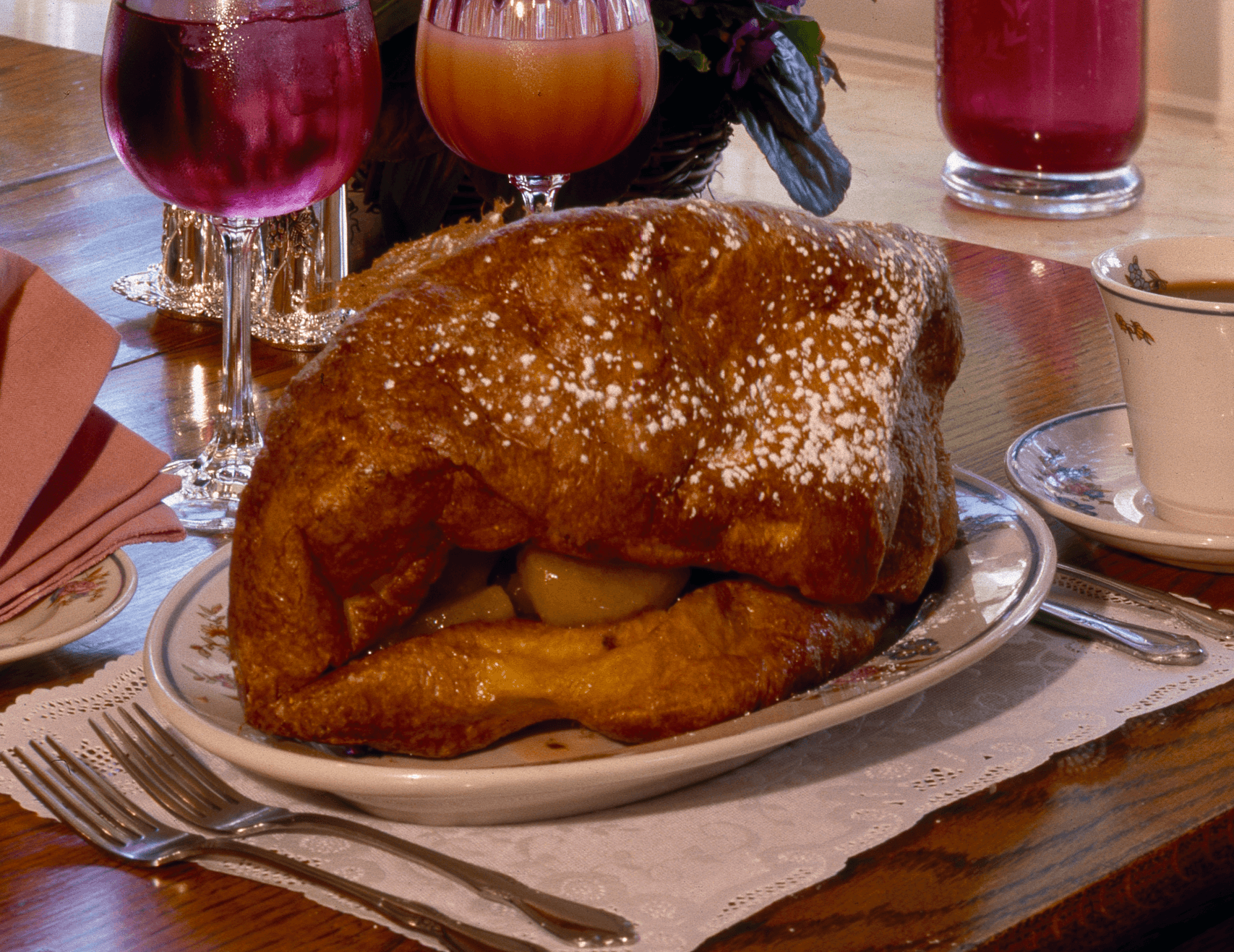
A German-American Dutch baby-style pancake baked over cinnamon apples in a hot skillet.
America's Melting Pot
Arby's-Style Horsey Sauce photo coming soon
1946-1969
Arby's-Style Horsey Sauce is a sandwich sauce with real American table personality: Fast-food horseradish mayo tradition. It brings flavor from coast-to-coast American tables to cookouts, counters, lunch plates, potlucks, and weeknight suppers.
America's Melting Pot
Arepa Sandwiches photo coming soon
2010-2026
A street-food arepa sandwich filled with avocado chicken salad, black beans, cheese, and bright lime, built for the American food-truck table while respecting its Venezuelan and Colombian roots.
1990-2009
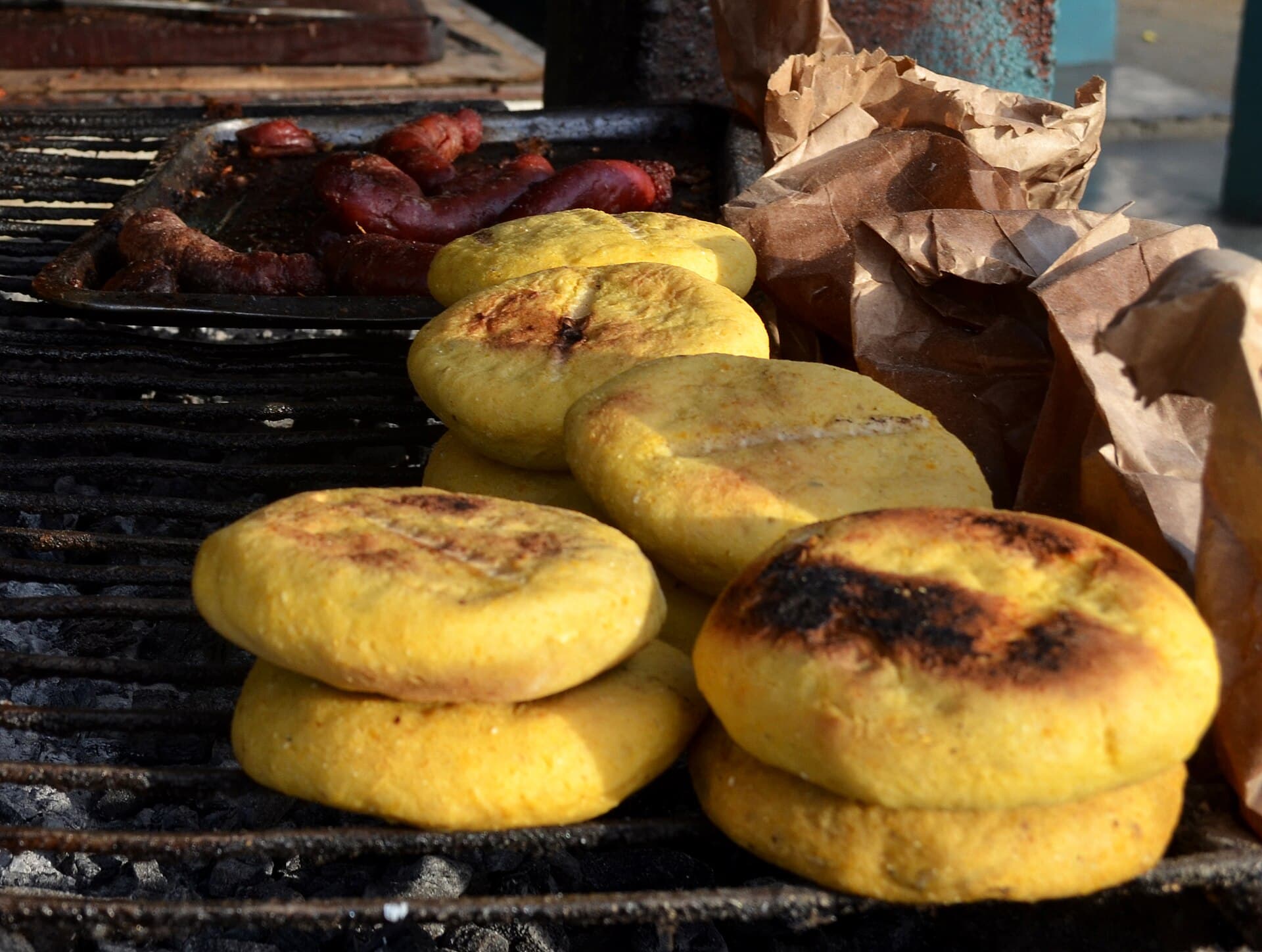
A basic arepa recipe made with masarepa, water, salt, and a hot skillet, ready to eat plain, buttered, cheesed, or split for fillings.
America's Melting Pot
Army Bean Soup photo coming soon
1861-1900
A hearty military-style bean soup built on navy beans, smoked ham hock, onion, celery, carrot, and bay leaf, adapted for a home pot from large-batch service traditions.
America's Melting Pot
Army Chili photo coming soon
1930-1945
A practical ground-beef chili with beans, tomatoes, onion, chili powder, cumin, and paprika, adapted from Armed Forces chili con carne formulas for a family pot.
America's Melting Pot
Artichoke Dip photo coming soon
Cross-era
Artichoke Dip is a party dip with real American table personality: California-to-suburban-party-table classic. It brings flavor from California, Hawaii, and the West Coast to cookouts, counters, lunch plates, potlucks, and weeknight suppers.
America's Melting Pot
Ash Cakes photo coming soon
1776-1800
A plain cornmeal-and-water ash cake inspired by Revolutionary-era field cooking, adapted for a skillet or campfire with salt and a little fat for modern eatability.
America's Melting Pot
Asparagus photo coming soon
1800-1860
A bright American Easter asparagus side, quickly cooked and dressed with lemon butter, herbs, and hard-cooked egg in the spirit of old spring-table recipes.
America's Melting Pot
Au Jus photo coming soon
Gilded Age & Progressive Era
Au Jus is a sandwich sauce with real American table personality: French name, but American diner/roadhouse French dip culture. It brings flavor from coast-to-coast American tables to cookouts, counters, lunch plates, potlucks, and weeknight suppers.
America's Melting Pot
Avgolemono Soup photo coming soon
1900-1929
A silky Greek-American chicken, rice, egg, and lemon soup made by tempering eggs into hot broth for a creamy dairy-free finish.
America's Melting Pot
Avocado Ranch photo coming soon
Modern Melting Pot
Avocado Ranch is a dressing with real American table personality: Modern Southwest-American variation. It brings flavor from the American South to cookouts, counters, lunch plates, potlucks, and weeknight suppers.
1990-2009
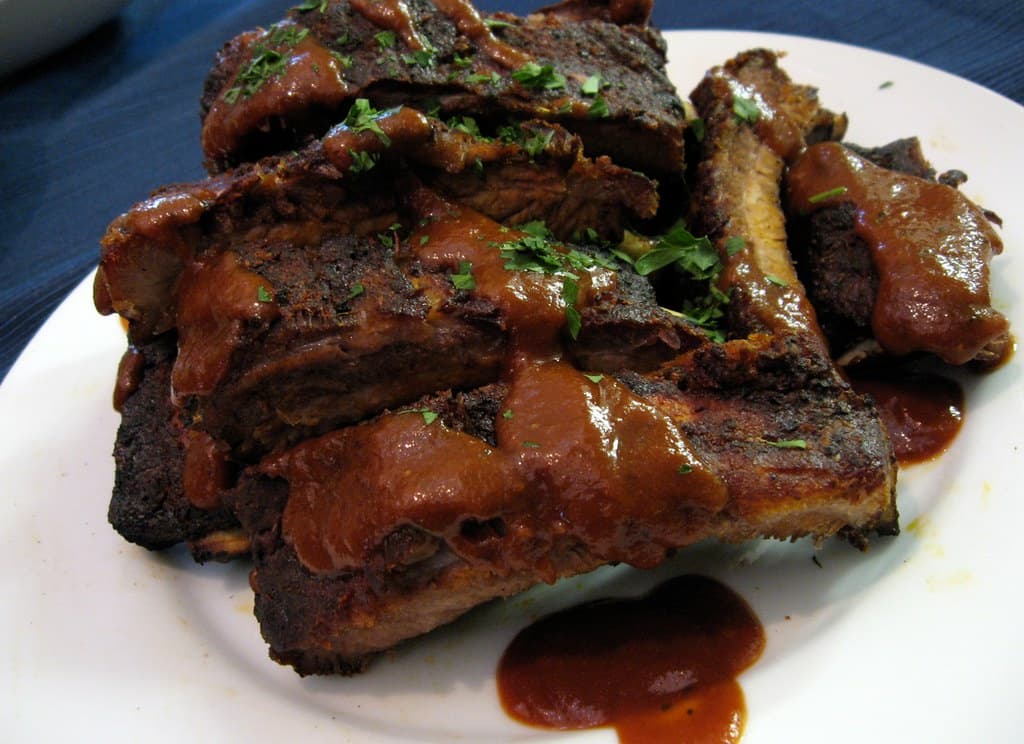
A chain-era and backyard-friendly baby back rib recipe using a dry rub, low oven cooking, barbecue sauce, and a final uncovered glaze.
America's Melting Pot
Bacon Dressing / Hot Bacon Dressing photo coming soon
Frontier & Expansion
Bacon Dressing / Hot Bacon Dressing is a dressing with real American table personality: Pennsylvania Dutch and Midwestern spinach salad dressing. It brings flavor from Appalachia and Pennsylvania Dutch country to cookouts, counters, lunch plates, potlucks, and weeknight suppers.
America's Melting Pot
Bacon Jam photo coming soon
Modern Melting Pot
Bacon Jam is a preserve with real American table personality: Modern American burger/brunch condiment. It brings flavor from coast-to-coast American tables to cookouts, counters, lunch plates, potlucks, and weeknight suppers.
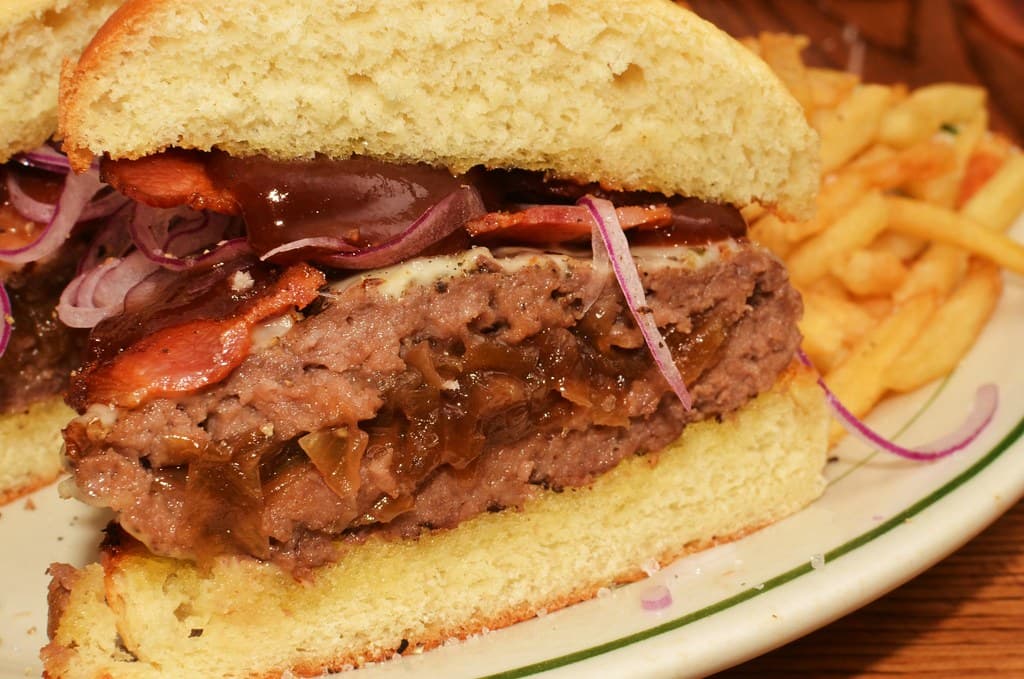
2010-2026
A griddled burger topped with homemade bacon jam, sharp cheese, arugula, and a toasted bun, inspired by the modern food-truck burger boom.
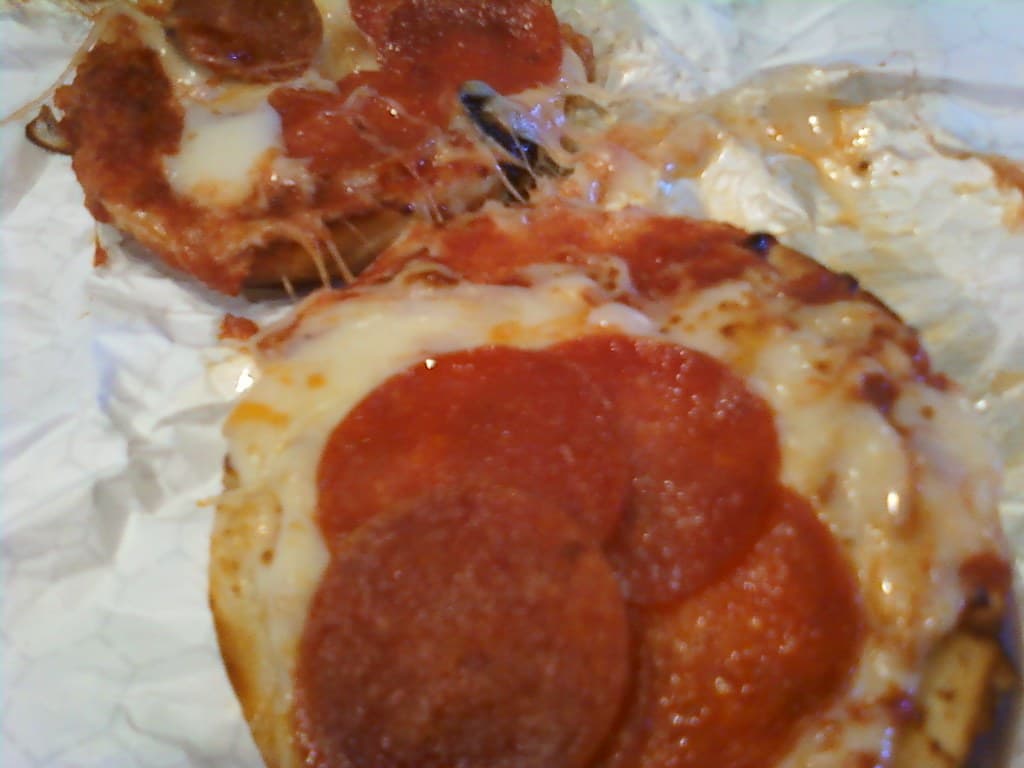
1970-1989
Split bagels topped with tomato sauce, mozzarella, oregano, and pepperoni or vegetables, baked until bubbly for a lunchbox and after-school classic.
America's Melting Pot
Baked Feta Pasta photo coming soon
2019-present
A viral baked pasta with a block of feta, cherry tomatoes, olive oil, garlic, basil, and short pasta tossed into a creamy tomato-feta sauce.
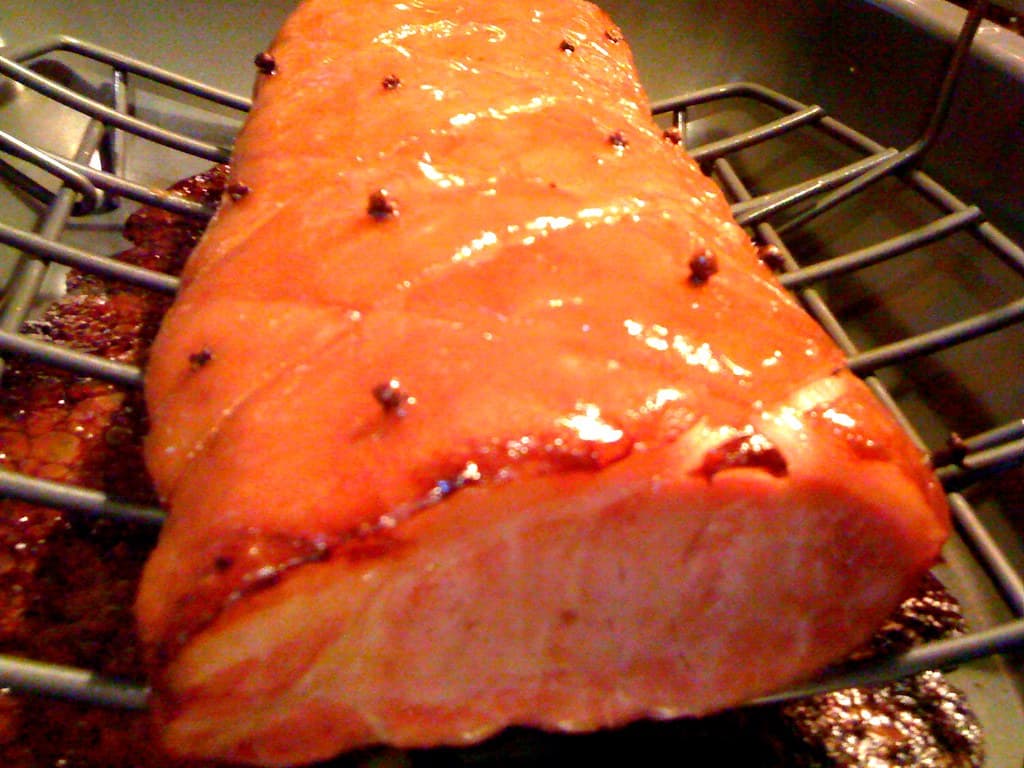
1900s-present
A Christmas and Easter baked ham glazed with brown sugar, mustard, cider vinegar, and cloves, baked until glossy and sliceable.
America's Melting Pot
Baked Potato Bar photo coming soon
1970s-present
Fluffy baked russet potatoes served with chili, cheese sauce, broccoli, bacon, sour cream, scallions, and other toppings for a crowd-friendly bar.
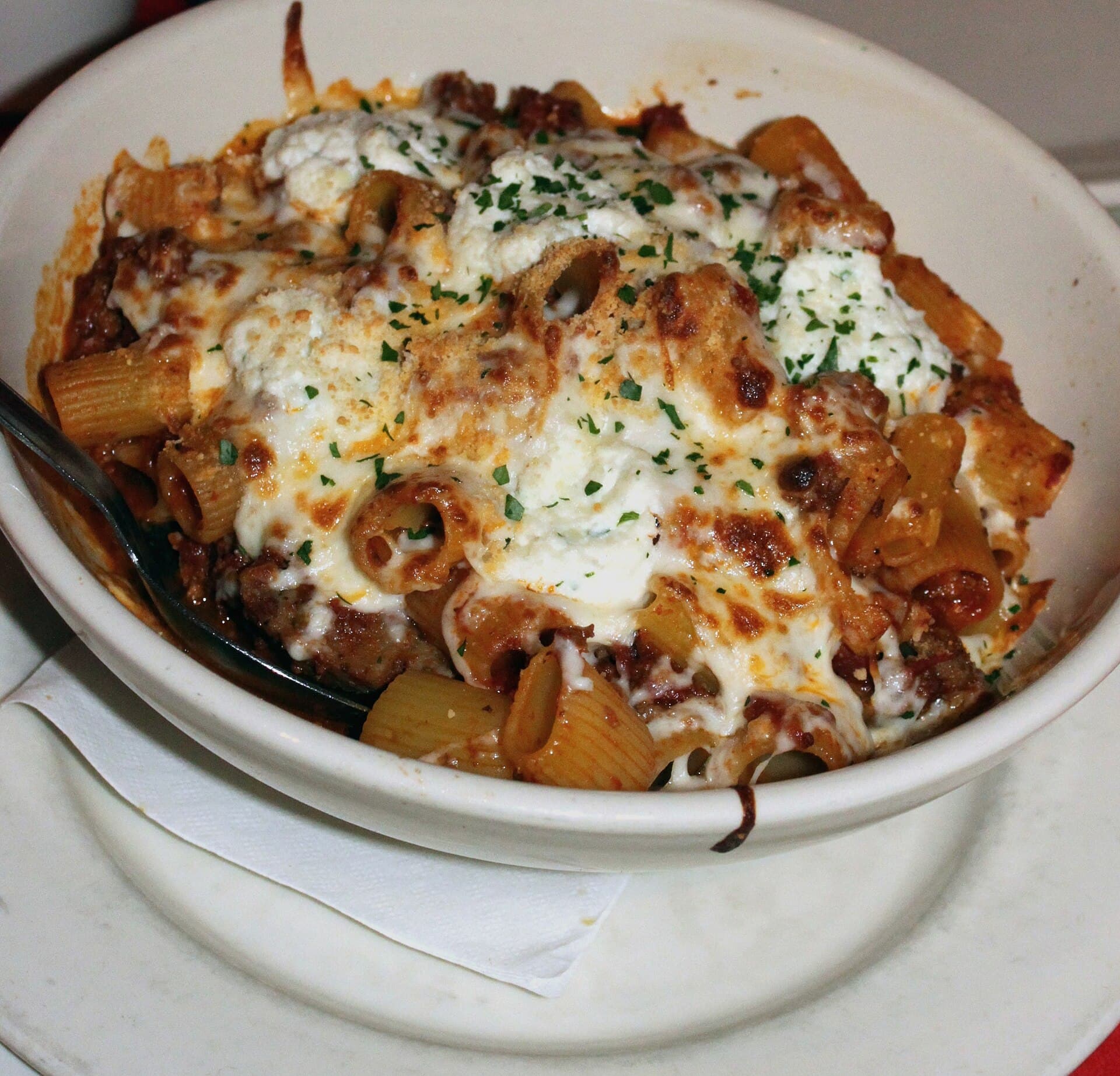
1900s-present
A crowd-friendly baked ziti casserole layered with marinara, ricotta, mozzarella, Parmesan, and optional Italian sausage.
America's Melting Pot
Banana Bars photo coming soon
1946-present
Moist banana bars baked in a sheet pan and topped with cream cheese frosting, made for church basements, lunchrooms, and family potlucks.
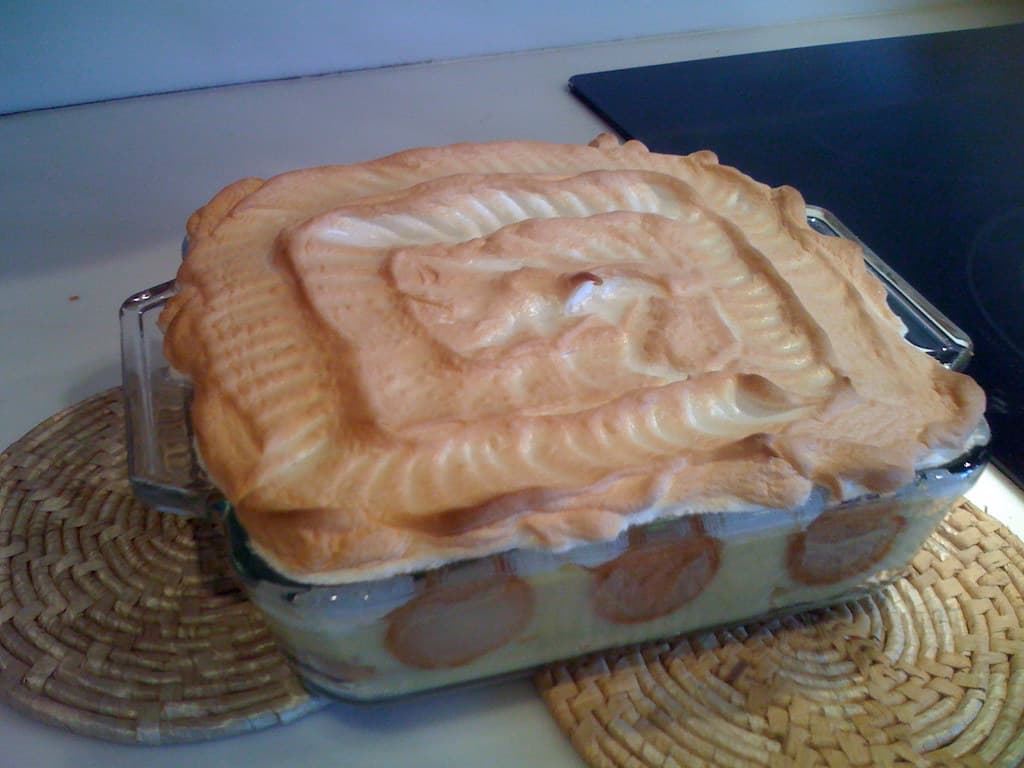
1880s-present
A classic Southern banana pudding layered with vanilla custard, ripe bananas, vanilla wafers, and whipped cream or meringue.
America's Melting Pot
Banana Pudding Ancestor photo coming soon
1880s-1920s
A late-19th-century style banana pudding ancestor layered with custard, sliced bananas, and ladyfingers or sponge cake.
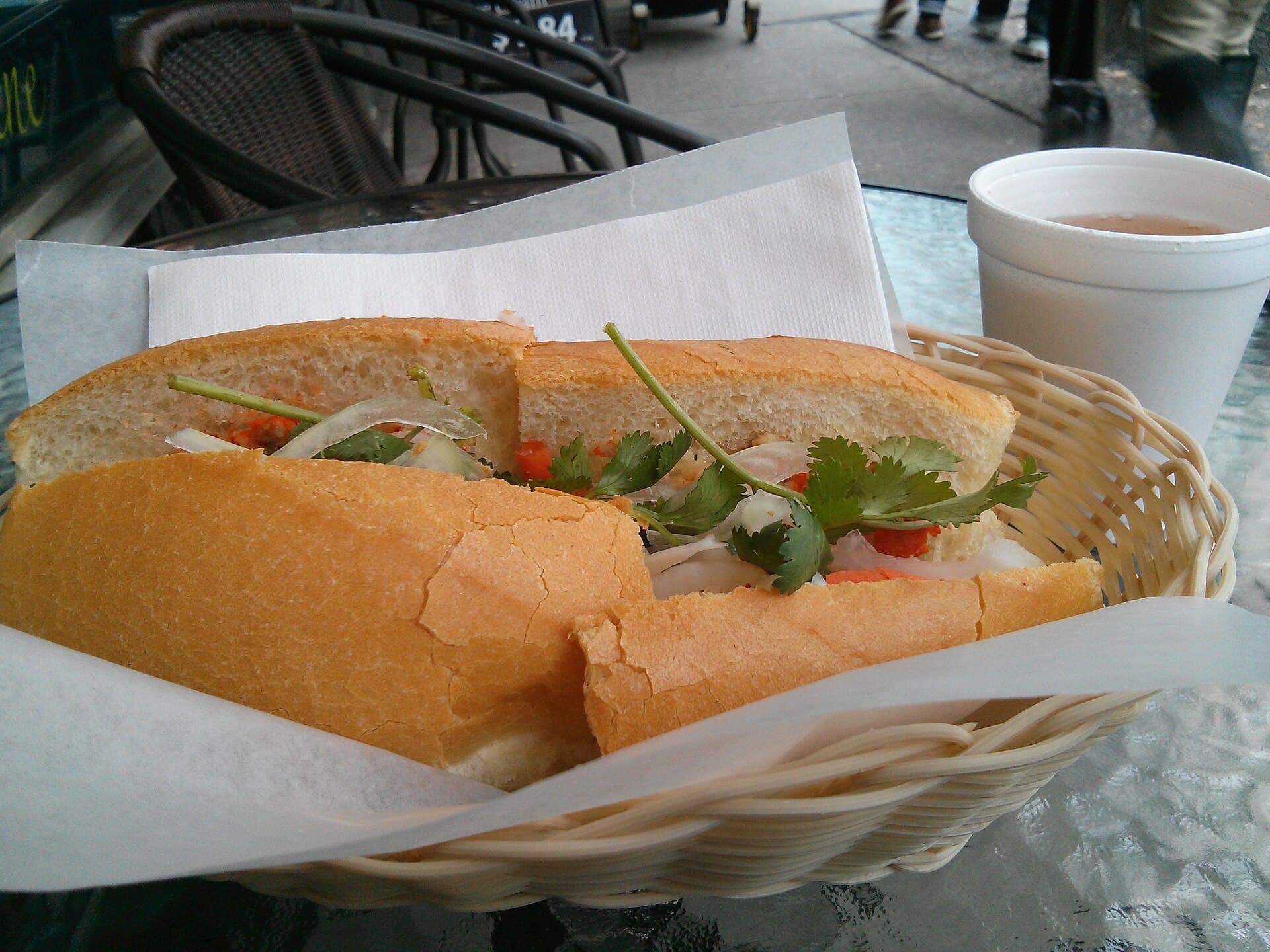
1970s-present
A Vietnamese American banh mi sandwich with crisp baguette, mayonnaise, pate, pork or tofu, pickled carrot and daikon, cucumber, jalapeno, and cilantro.
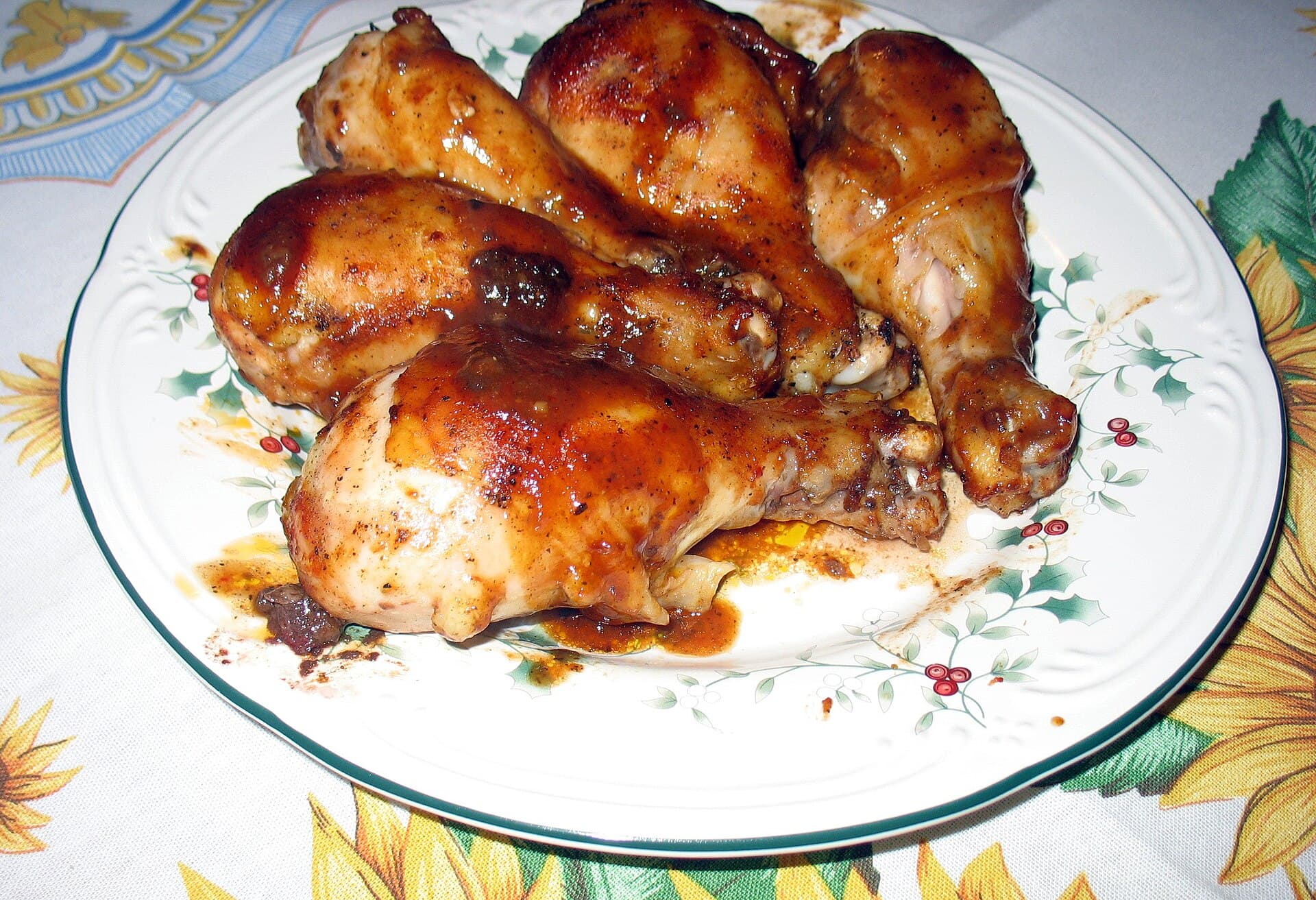
1946-present
A backyard barbecued chicken recipe with bone-in chicken pieces cooked over indirect heat and brushed with vinegar-tomato barbecue sauce.
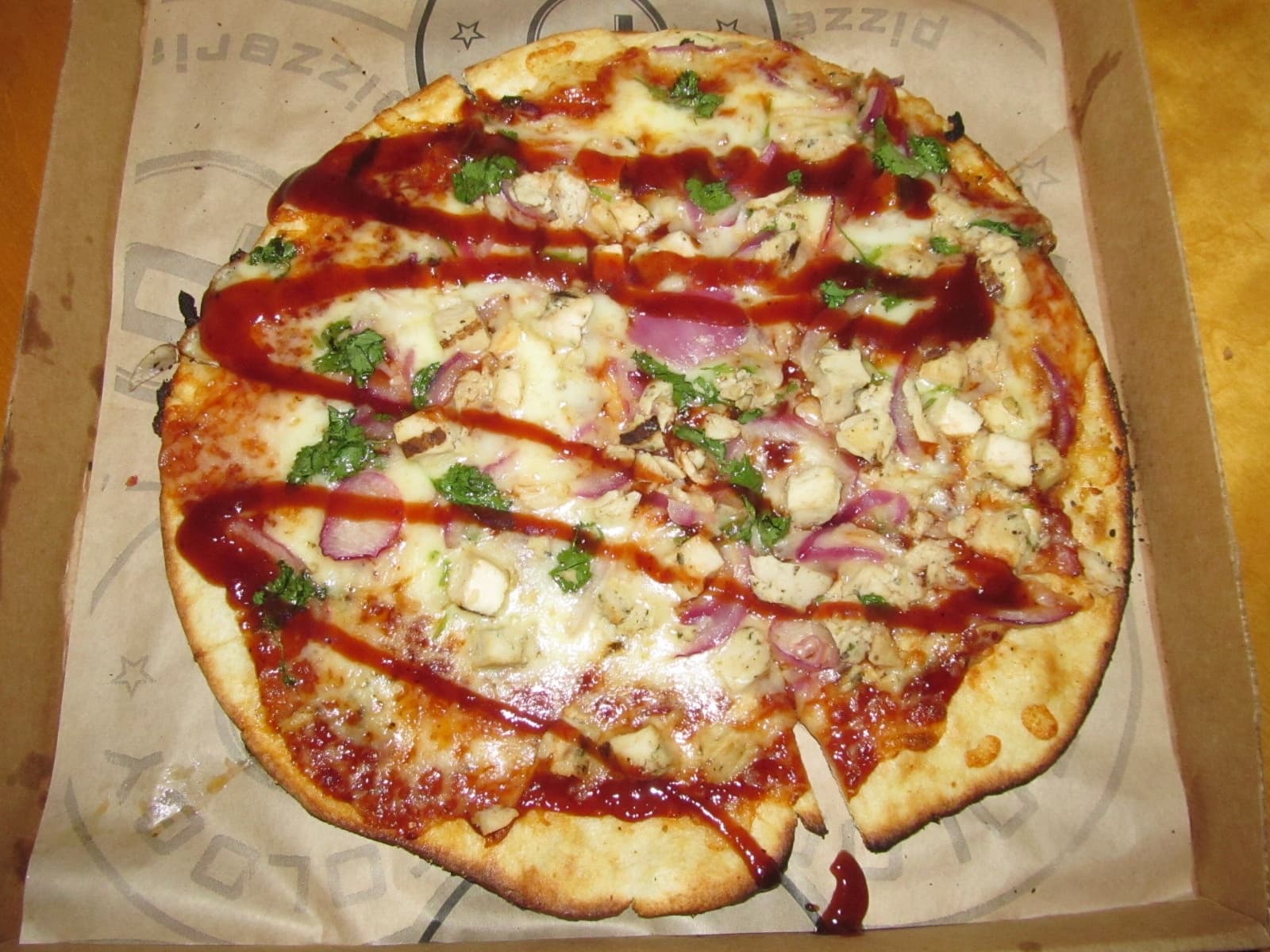
1985-present
BBQ chicken pizza became a national restaurant-chain signature after chef Ed LaDou developed it for California Pizza Kitchen in the 1980s. It is pure late-20th-century American fusion: Italian American pizza form, California creativity, smoky-sweet barbecue sauce, and a weeknight-friendly topping lineup.
America's Melting Pot
Beach Plum Jelly photo coming soon
Cross-era
Beach Plum Jelly is a preserve with real American table personality: Coastal New England and Mid-Atlantic preserve. It brings flavor from New England to cookouts, counters, lunch plates, potlucks, and weeknight suppers.
America's Melting Pot
Bean Porridge photo coming soon
1776-1800
Bean porridge sits close to the everyday cooking of early America: beans or peas, water, a little meat when available, and meal to thicken the pot. It was plain food, but practical food, made in a kettle and stretched for households that needed warmth, calories, and thrift more than ceremony.
1800-1860
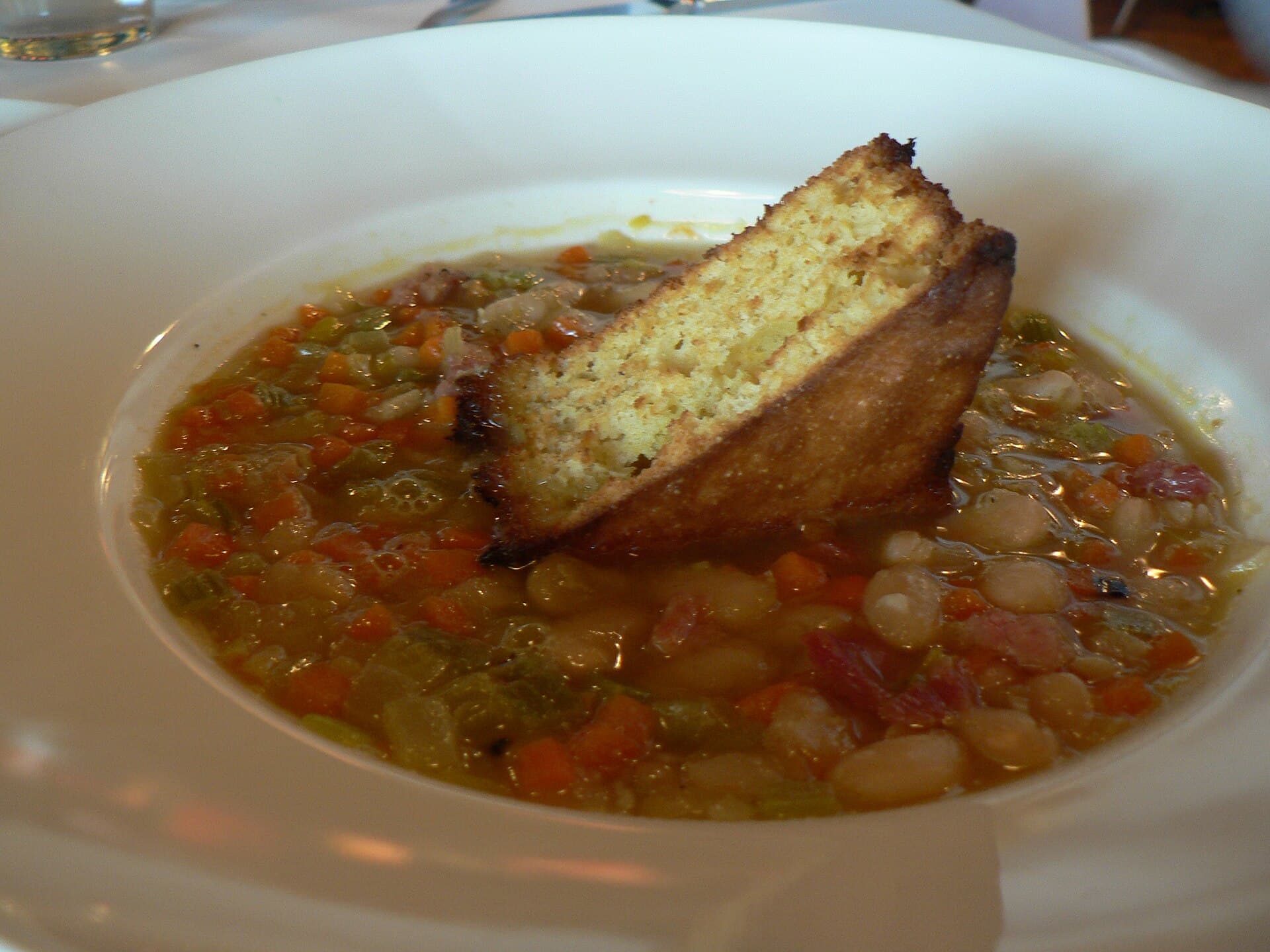
Bean soup is a humble American constant: inexpensive dried beans, water or stock, onion, and a ham bone when one was available. During hard times, that kind of pot could stretch flavor and protein across several meals. The U.S. Senate version made navy bean soup famous, but home kitchens kept it practical.
America's Melting Pot
Beef and Noodles photo coming soon
1861-1900
Beef and noodles is plainspoken comfort food: slow-cooked beef, rich broth, and egg noodles served as a main dish or over mashed potatoes. It fits the railroad, boardinghouse, and settlement table because it stretches a roast into a filling meal and reflects German and Amish noodle traditions carried into the Midwest and Great Plains.
1800s-present
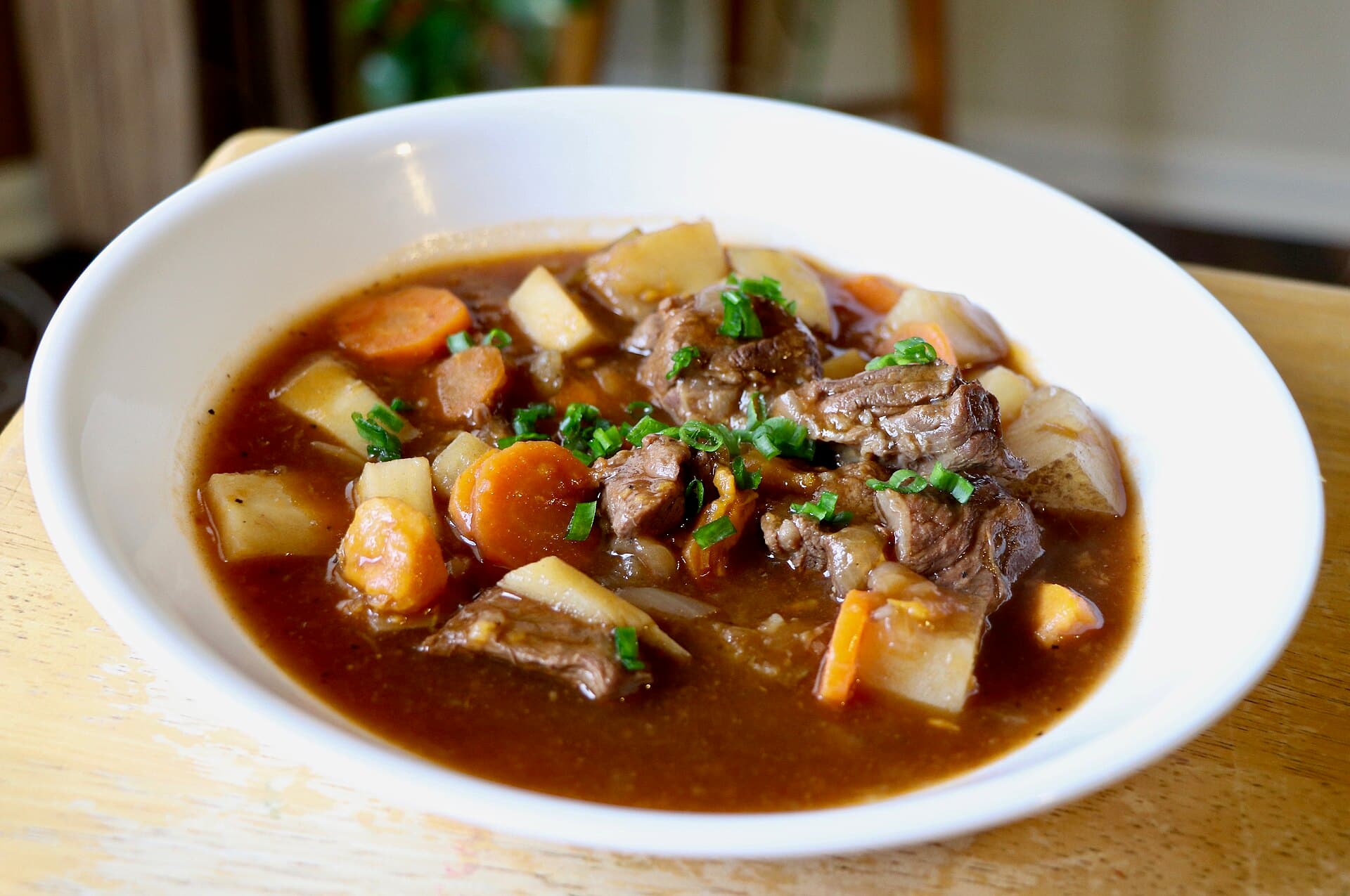
Beef stew is old-world pot cooking adapted to American beef country, boardinghouses, and family kitchens. Browning the meat, simmering it gently, and adding vegetables in stages turns inexpensive chuck into a cold-weather meal.
1900s-present
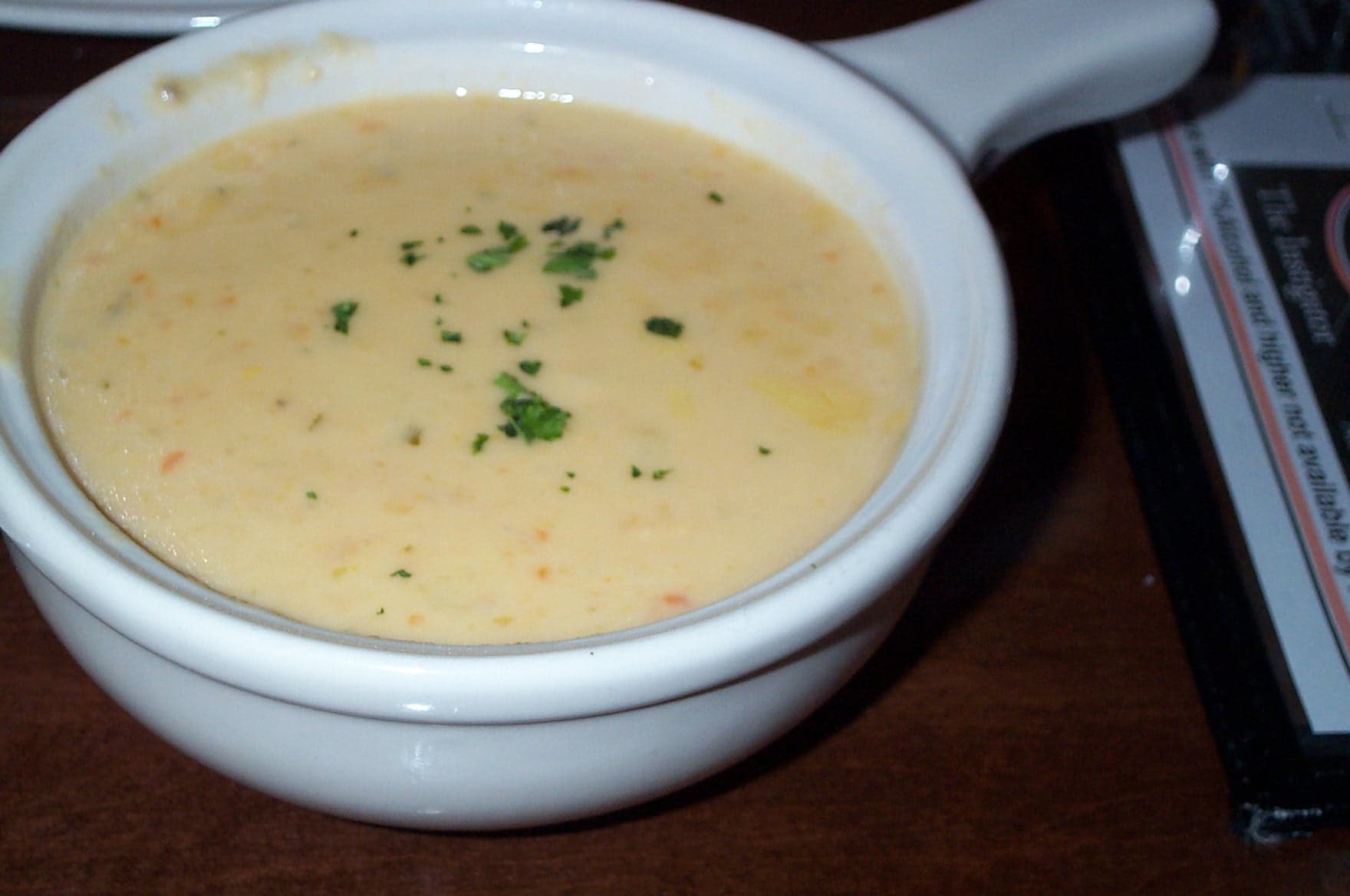
Beer cheese soup is a Wisconsin-style comfort dish where dairy country meets brewing culture. It echoes European beer soups but becomes distinctly Midwestern with cheddar, lager, supper-club richness, and sometimes popcorn or pretzels on top.
Cross-era
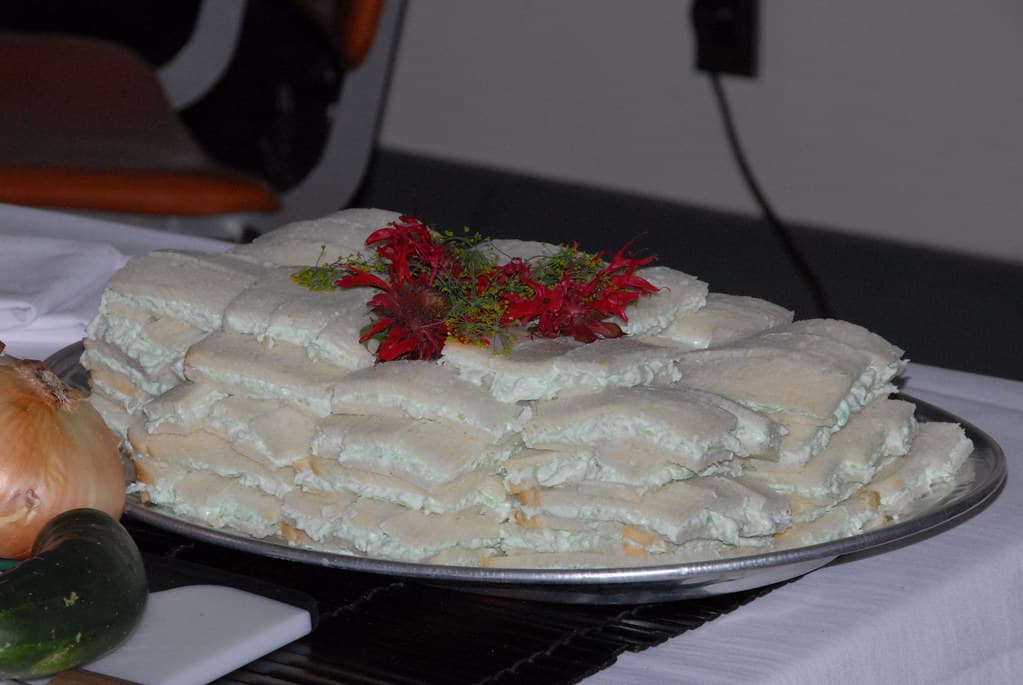
Benedictine is a spread with real American table personality: Louisville cucumber spread. It brings flavor from Appalachia and Pennsylvania Dutch country to cookouts, counters, lunch plates, potlucks, and weeknight suppers.
America's Melting Pot
Benedictine Spread photo coming soon
Cross-era
Benedictine Spread is a party dip with real American table personality: Kentucky cucumber-cream cheese spread, especially associated with Louisville. It brings flavor from Appalachia and Pennsylvania Dutch country to cookouts, counters, lunch plates, potlucks, and weeknight suppers.
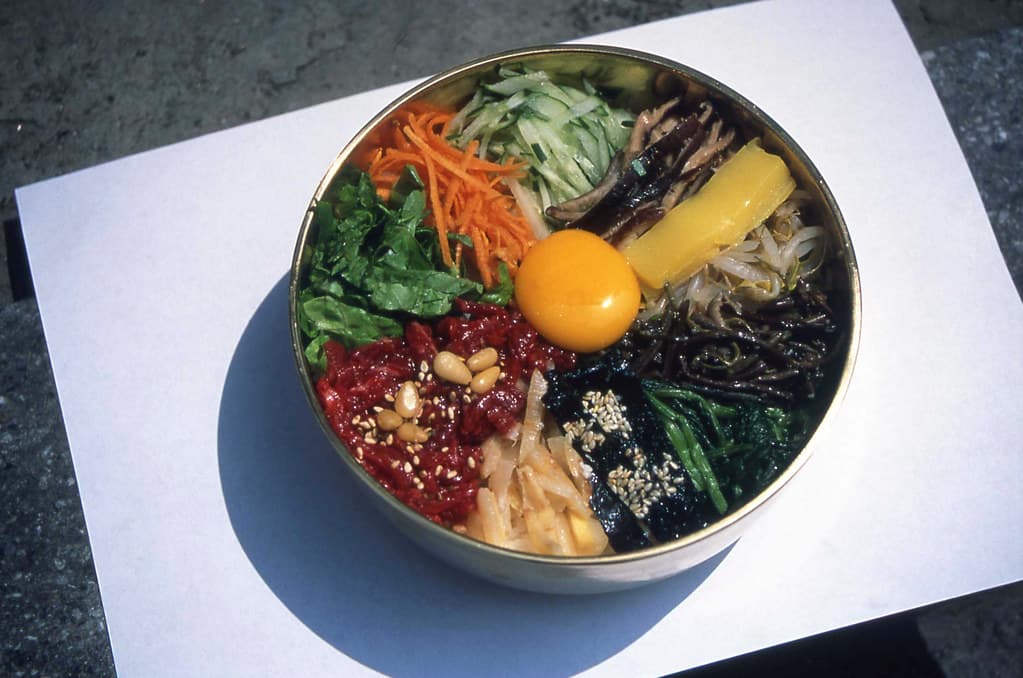
1960s-present
Bibimbap is a Korean classic with several origin stories, from palace meals to farmers mixing available vegetables. In the United States it became a Korean American restaurant and home-cooking staple because the format is flexible, colorful, and practical.
America's Melting Pot
Bierocks photo coming soon
1870s-present
Bierocks traveled with Volga German communities into Kansas, Nebraska, and the Great Plains. They are field food and comfort food at once: portable bread pockets filled with seasoned beef and cabbage, closely related to Nebraska runzas.
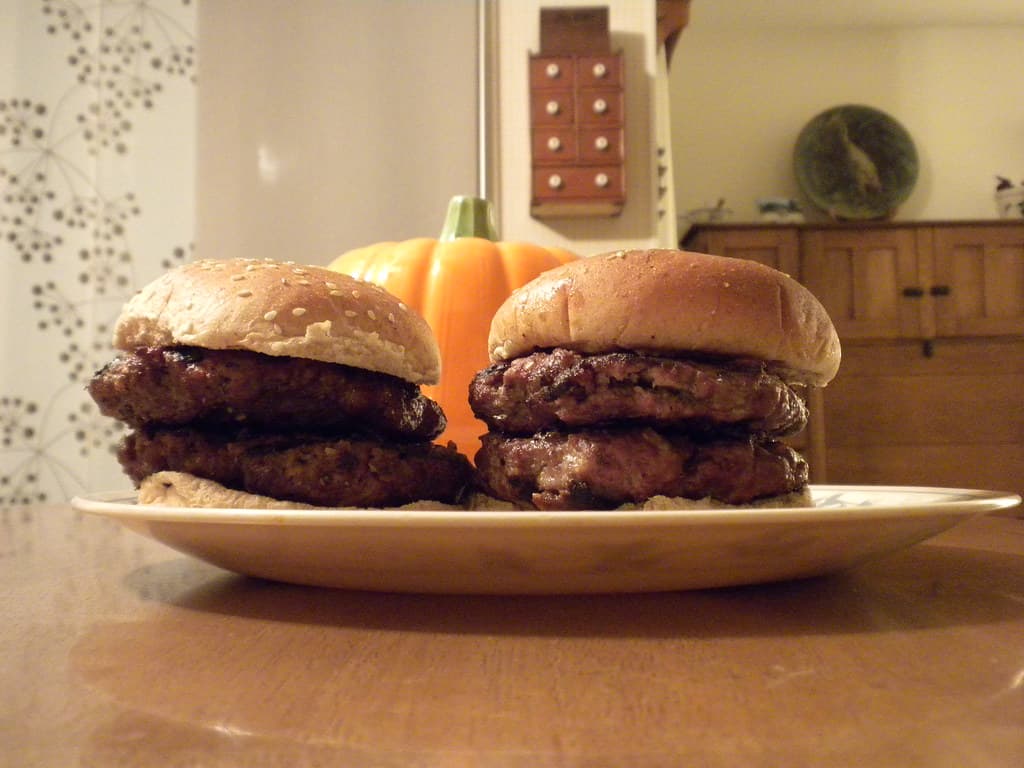
1980s-present
Bison burgers are a modern restaurant and backyard form of a much older Great Plains food story. Bison sustained Indigenous nations for centuries; after near-destruction in the 19th century, ranching and restoration made bison meat more available again.
America's Melting Pot
Bison Stew photo coming soon
Native Foodways and Continuity
Bison stew can be a modern way to honor older Indigenous food relationships when it is framed carefully. Bison supplied meat, fat, hides, tools, and ceremony for many Plains nations; corn, beans, and squash add a broader Native agricultural foundation.
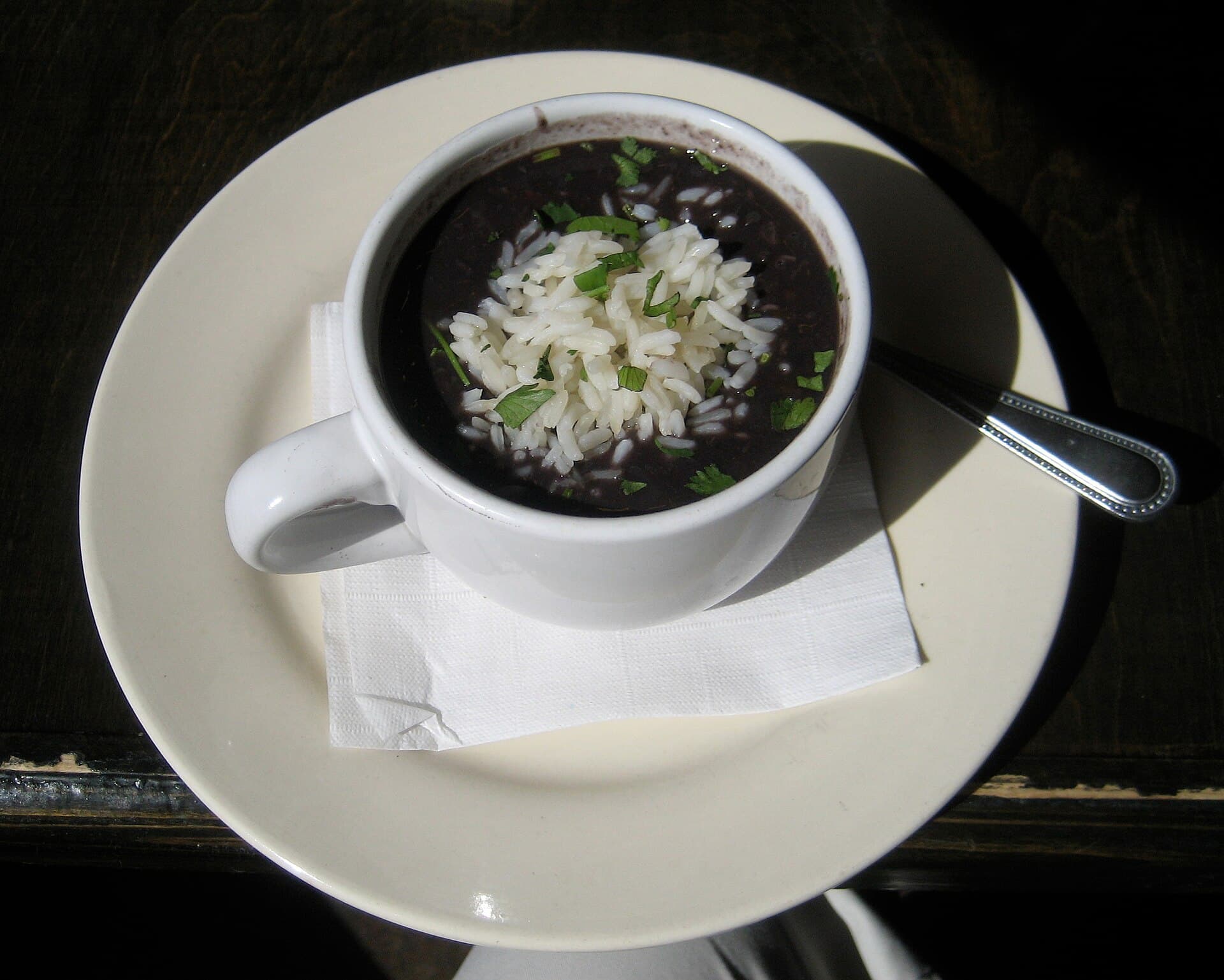
1900s-present
Black bean soup connects Caribbean, Spanish, and Cuban cooking traditions with American tables through Florida, Cuban American restaurants, and home kitchens. It is economical, filling, and deeply flavored when the beans are simmered slowly.
America's Melting Pot
Black Raspberry Jam photo coming soon
Cross-era
Black Raspberry Jam is a preserve with real American table personality: Midwest, Appalachia, and Pennsylvania tradition. It brings flavor from the Midwest and Great Lakes to cookouts, counters, lunch plates, potlucks, and weeknight suppers.
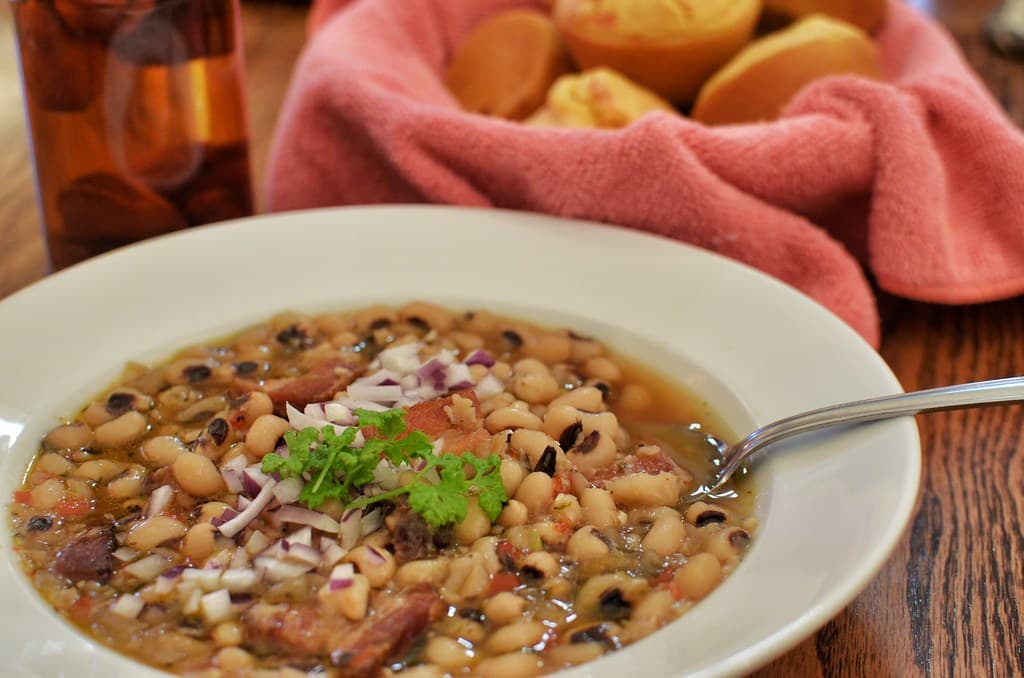
1700s-present
Black-eyed peas carry West African, Southern, and Gullah Geechee food history. They became a New Year good-luck dish across the South, especially when served with greens, cornbread, or rice as Hoppin John.
1800s-present
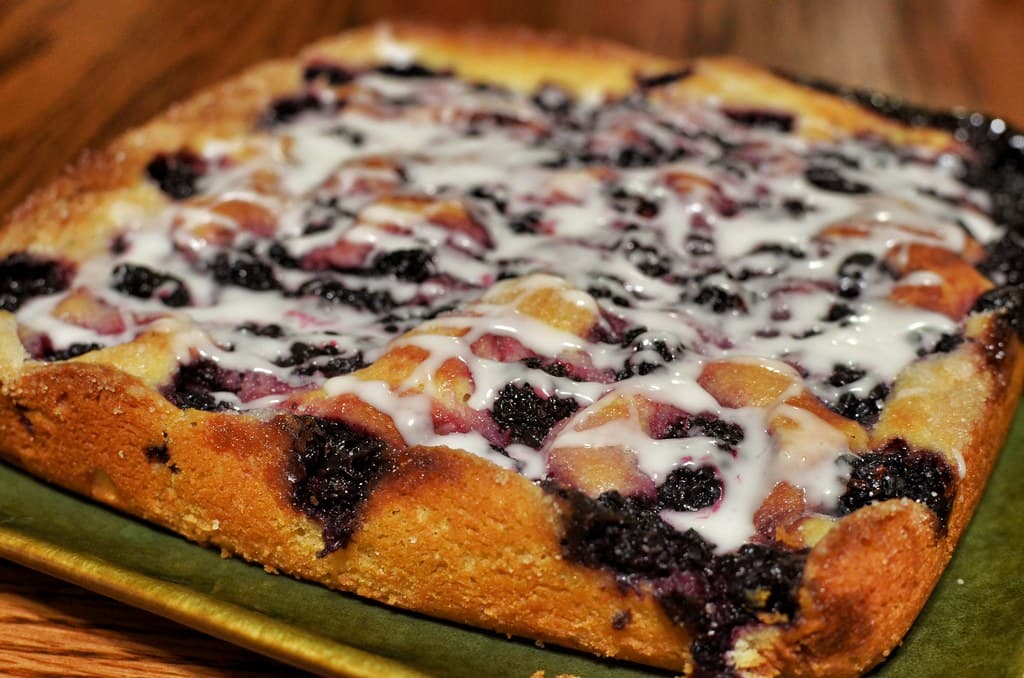
Blackberry cobbler is summer fruit economy: wild or cultivated berries, sugar, butter, flour, and enough heat to turn a picking bucket into dessert. Southern versions range from pour-over batter cobblers to biscuit-topped family recipes.
Frontier & Expansion
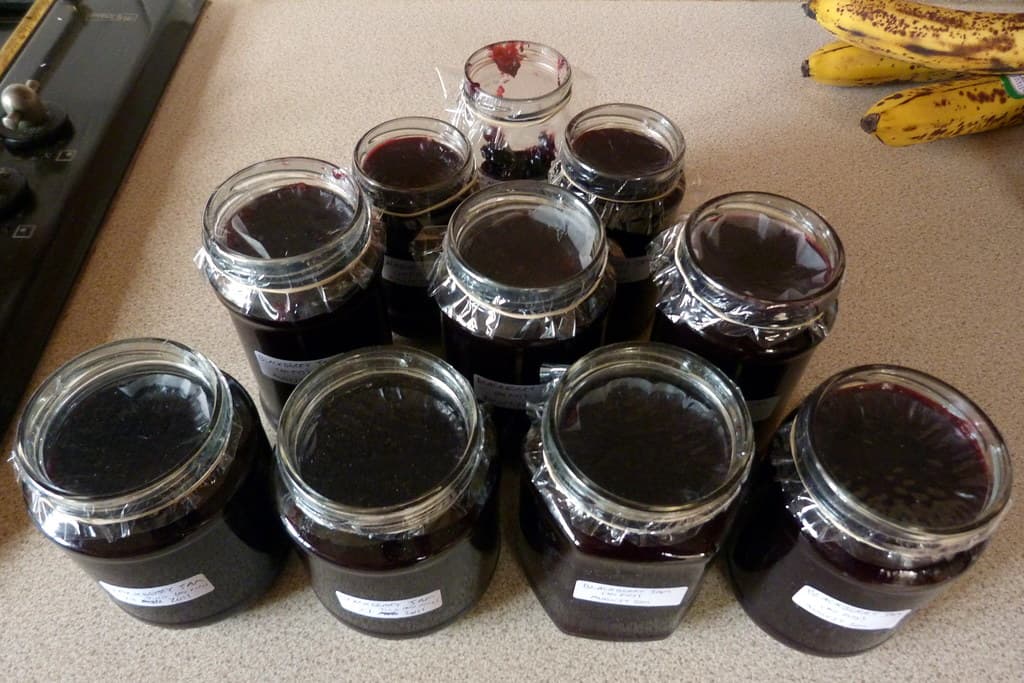
Blackberry Jam is a preserve with real American table personality: Southern, Appalachian, Ozark, and Pacific Northwest tradition. It brings flavor from Appalachia and Pennsylvania Dutch country to cookouts, counters, lunch plates, potlucks, and weeknight suppers.
America's Melting Pot
Blackstrap Molasses photo coming soon
Before 1776
Blackstrap Molasses is a sweet sauce with real American table personality: Baking, beans, gingerbread, wartime thrift. It brings flavor from coast-to-coast American tables to cookouts, counters, lunch plates, potlucks, and weeknight suppers.
1900-1929
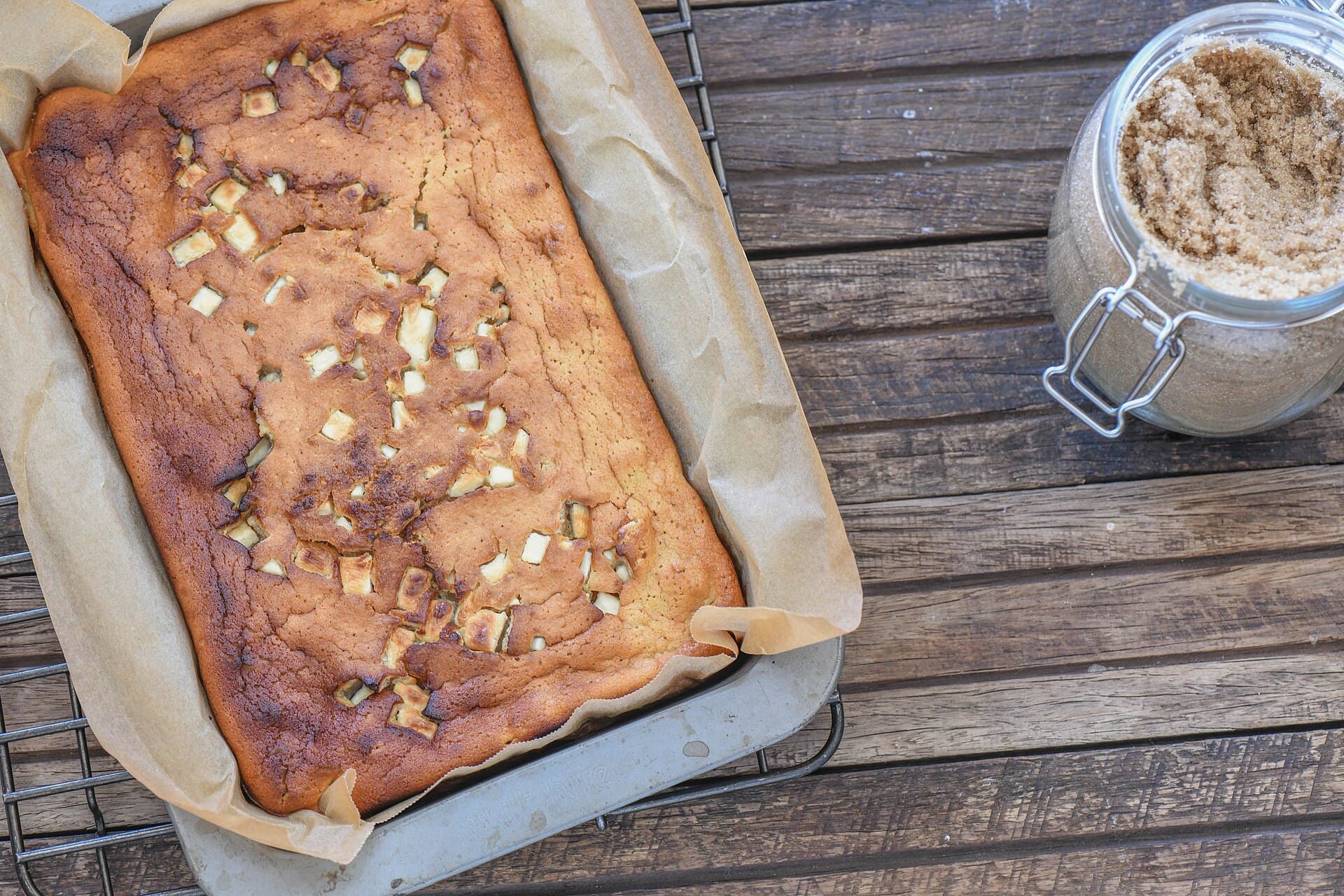
Blondies are American bar cookies built on brown sugar, butter, eggs, and flour. They preserve an older non-chocolate brownie lineage while becoming a lunchbox, bake-sale, and weeknight dessert standard.
1900s-present
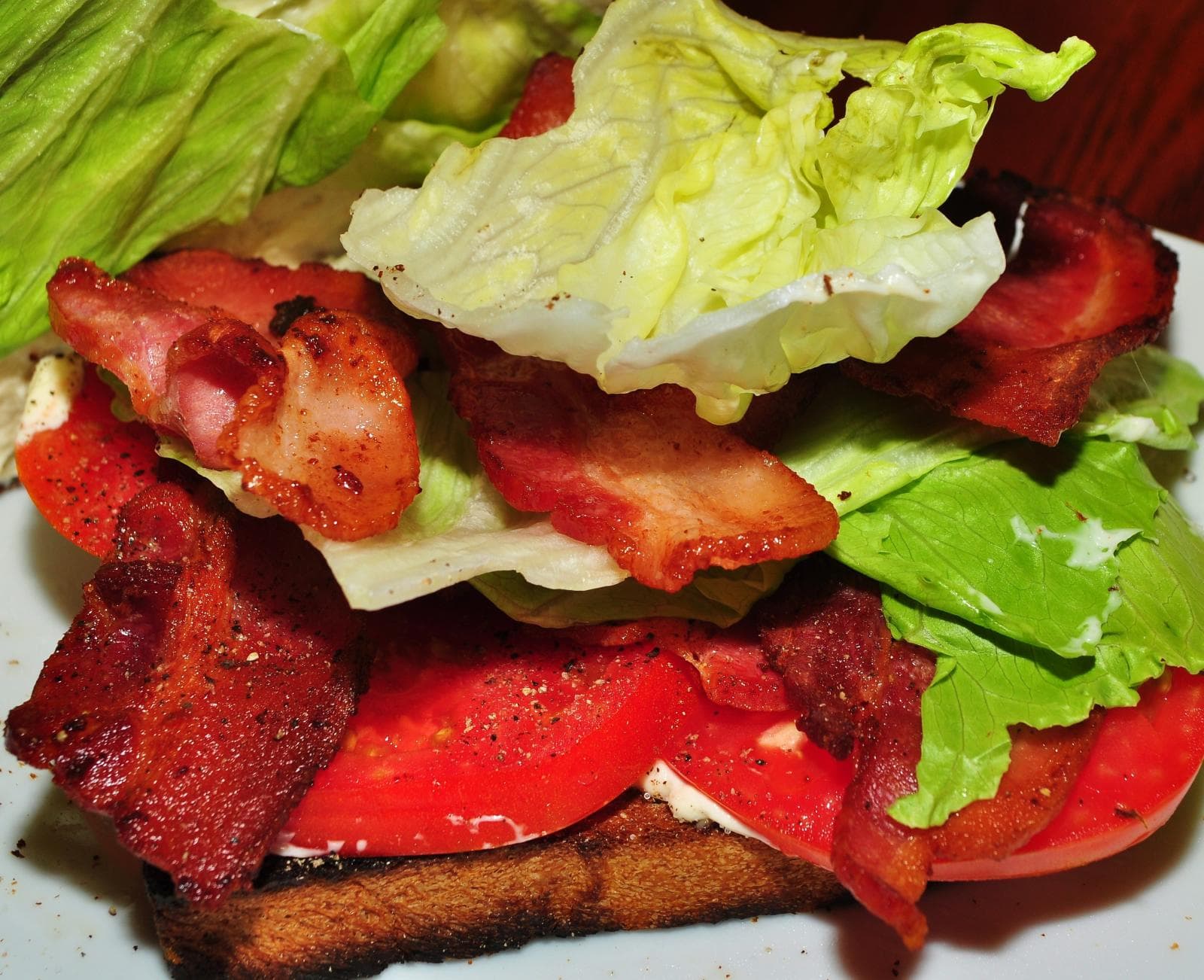
The BLT became a lunch-counter and diner standard in the early 20th century as sliced bread, commercial mayonnaise, bacon, lettuce, and ripe tomatoes converged in American kitchens. Its simplicity is the point: crisp bacon, juicy tomato, cool lettuce, toast, and enough mayonnaise to bind the sandwich.
America's Melting Pot
Blue Cheese Dressing photo coming soon
1900-1929
Blue Cheese Dressing is a dressing with real American table personality: Steakhouse, wing joint, and supper club staple. It brings flavor from coast-to-coast American tables to cookouts, counters, lunch plates, potlucks, and weeknight suppers.
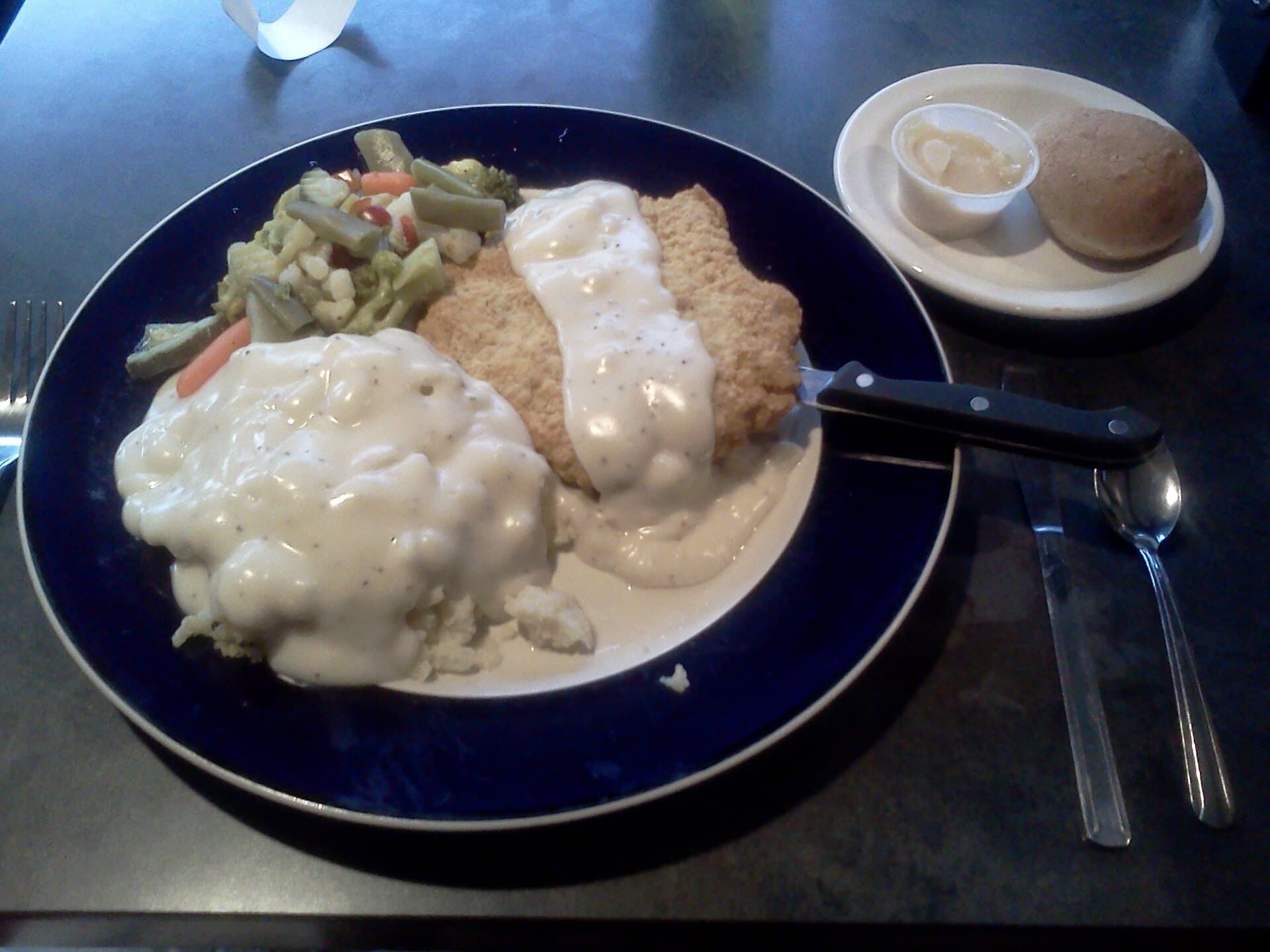
1910s-present
The blue plate special became shorthand for the everyday American diner meal: filling, inexpensive, and quick to order. The phrase was common by the 1920s and 1930s, tied to lunch counters, railroad restaurants, and diners serving one daily set plate.
America's Melting Pot
Blueberry Jam photo coming soon
Cross-era
Blueberry Jam is a preserve with real American table personality: Maine, Michigan, New Jersey, and farm country. It brings flavor from New England to cookouts, counters, lunch plates, potlucks, and weeknight suppers.
America's Melting Pot
Blueberry Syrup photo coming soon
Cross-era
Blueberry Syrup is a sweet sauce with real American table personality: Maine/Michigan breakfast and pancakes. It brings flavor from New England to cookouts, counters, lunch plates, potlucks, and weeknight suppers.
America's Melting Pot
Boardinghouse Meatloaf photo coming soon
1861-1900
Boardinghouse meatloaf fits kitchens that had to feed many people from affordable ingredients. Ground meat, binders, vegetables, and a sweet-tangy glaze made a loaf that sliced neatly, stretched well, and reheated for leftovers.
America's Melting Pot
Boiled Dinner photo coming soon
1800s-present
New England boiled dinner is practical one-pot cooking shaped by salt meat, root cellars, cabbage, and later Irish American corned beef traditions. It remains strongly tied to St. Patrick Day in the United States but is older and broader than the holiday plate.
America's Melting Pot
Boiled Dressing photo coming soon
1861-1900
Boiled Dressing is a dressing with real American table personality: Old-fashioned American dressing made with eggs, vinegar, sugar, and mustard before bottled mayo took over. It brings flavor from coast-to-coast American tables to cookouts, counters, lunch plates, potlucks, and weeknight suppers.
America's Melting Pot
Boiled Potatoes photo coming soon
1800-1860
Boiled potatoes are a building-block recipe rather than a showpiece. They belong to everyday American tables because potatoes were affordable, filling, easy to store, and ready to serve plain or dress with butter, gravy, herbs, or pan drippings.
America's Melting Pot
Boiled Potatoes with Butter photo coming soon
1800s-present
Buttered boiled potatoes turn the plain potato pot into a finished side dish. The method is common across European and American tables: boil small potatoes until tender, drain well, and coat them with butter and herbs while they are still steaming.
America's Melting Pot
Bologna Salad Spread photo coming soon
Cross-era
Bologna Salad Spread is a spread with real American table personality: Rural, Midwest, and lunch counter food. It brings flavor from the Midwest and Great Lakes to cookouts, counters, lunch plates, potlucks, and weeknight suppers.

1900s-present
The bologna sandwich is lunchbox America: inexpensive sliced meat, soft bread, and a condiment. Fried bologna versions became especially beloved in Southern diners, Midwestern bars, and home kitchens where a quick skillet turned lunch meat into comfort food.
America's Melting Pot
Booyah photo coming soon
1850s-present
Booyah is more than soup in Green Bay and northeast Wisconsin. It is a community event food tied to Belgian American settlements, church picnics, fundraisers, and enormous kettles stirred for hours.
America's Melting Pot
Bosco Sticks photo coming soon
1988-present
Bosco Sticks are the kind of school-lunch food that became a regional memory: soft breadstick dough wrapped around mozzarella, baked in bulk, and served with warm marinara. The brand traces its roots to a Warren, Michigan pizzeria near a high school, then grew through cafeteria and concession channels.
America's Melting Pot
Bourbon Barbecue Sauce photo coming soon
Modern Melting Pot
Bourbon Barbecue Sauce is a barbecue sauce with real American table personality: Kentucky/Southern modern BBQ sauce. It brings flavor from Appalachia and Pennsylvania Dutch country to cookouts, counters, lunch plates, potlucks, and weeknight suppers.
America's Melting Pot
Bourbon Caramel Sauce photo coming soon
Modern Melting Pot
Bourbon Caramel Sauce is a sweet sauce with real American table personality: Kentucky/Southern modern dessert sauce. It brings flavor from Appalachia and Pennsylvania Dutch country to cookouts, counters, lunch plates, potlucks, and weeknight suppers.
America's Melting Pot
Bourbon Chicken photo coming soon
1980s-present
Bourbon chicken is modern American fusion food: bite-size chicken in a sticky sweet-savory sauce, associated with Bourbon Street in New Orleans and later with mall food courts and American-Chinese steam tables. Some versions include bourbon whiskey; others keep the name and skip the liquor.
America's Melting Pot
Bourbon Peach Jam photo coming soon
Cross-era
Bourbon Peach Jam is a preserve with real American table personality: Southern/Kentucky-style preserve. It brings flavor from Appalachia and Pennsylvania Dutch country to cookouts, counters, lunch plates, potlucks, and weeknight suppers.
America's Melting Pot
Boysenberry Preserves photo coming soon
Cross-era
Boysenberry Preserves is a preserve with real American table personality: California berry culture; Walter Knott helped commercialize the boysenberry at what became Knott's Berry Farm. It brings flavor from California, Hawaii, and the West Coast to cookouts, counters, lunch plates, potlucks, and weeknight suppers.
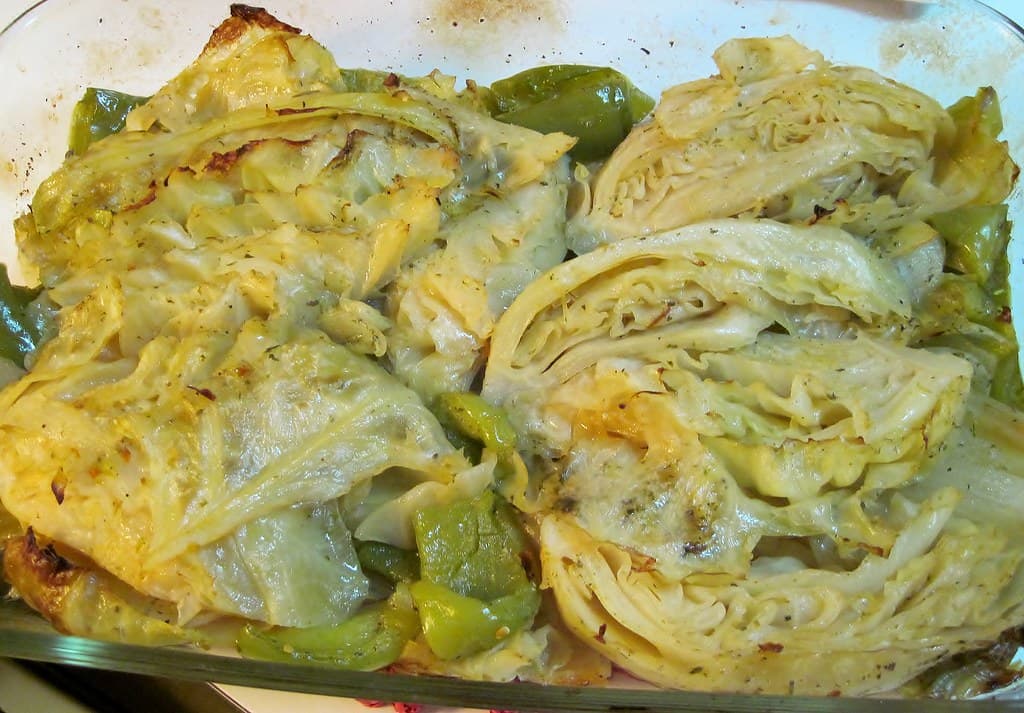
1700s-present
Braised cabbage is an old, practical side dish because cabbage stores well, feeds many, and softens beautifully with slow moist heat. American versions draw from British, German, Irish, and Eastern European cabbage cookery as well as plain farm-table thrift.
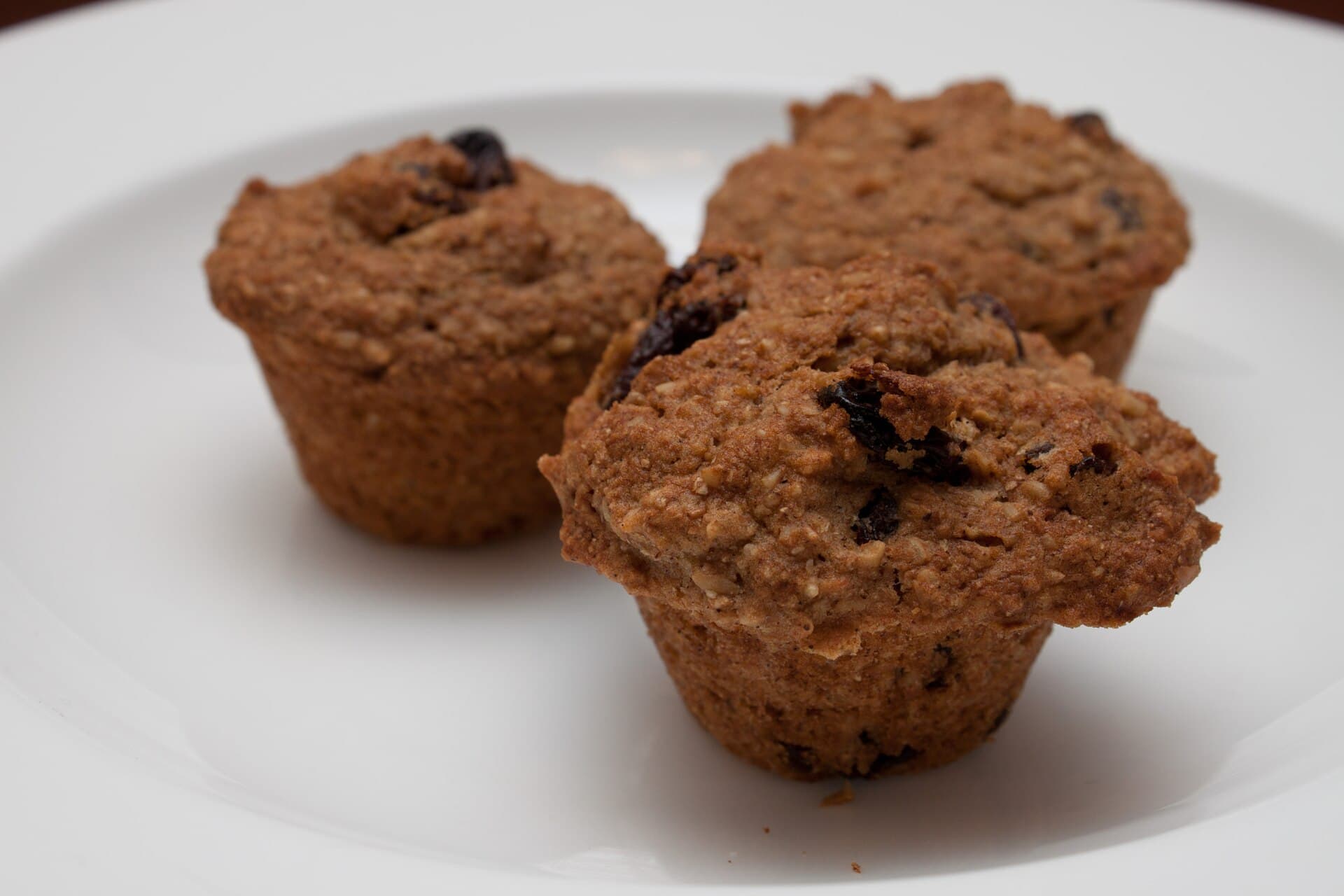
1910s-present
Bran muffins became part of American breakfast culture through cereal marketing, home economics, and recurring waves of interest in fiber and wholesome baking. They can be plain and practical or sweetened with raisins, molasses, honey, or brown sugar.
America's Melting Pot
Braunschweiger Sandwich photo coming soon
1800s-present
American braunschweiger is a smoked liver sausage closely associated with German-style deli and butcher traditions. In the Midwest and other German American communities, it became a quick sandwich filling with rye bread, mustard, onion, and pickles.
America's Melting Pot
Bread Bowl Soup photo coming soon
1970s-present
Soup in a bread bowl became nationally familiar through San Francisco sourdough tourism and later cafe chains. The idea is older than the mall, but in modern American food it usually means chowder, broccoli cheddar, or another creamy soup served in an edible round loaf.
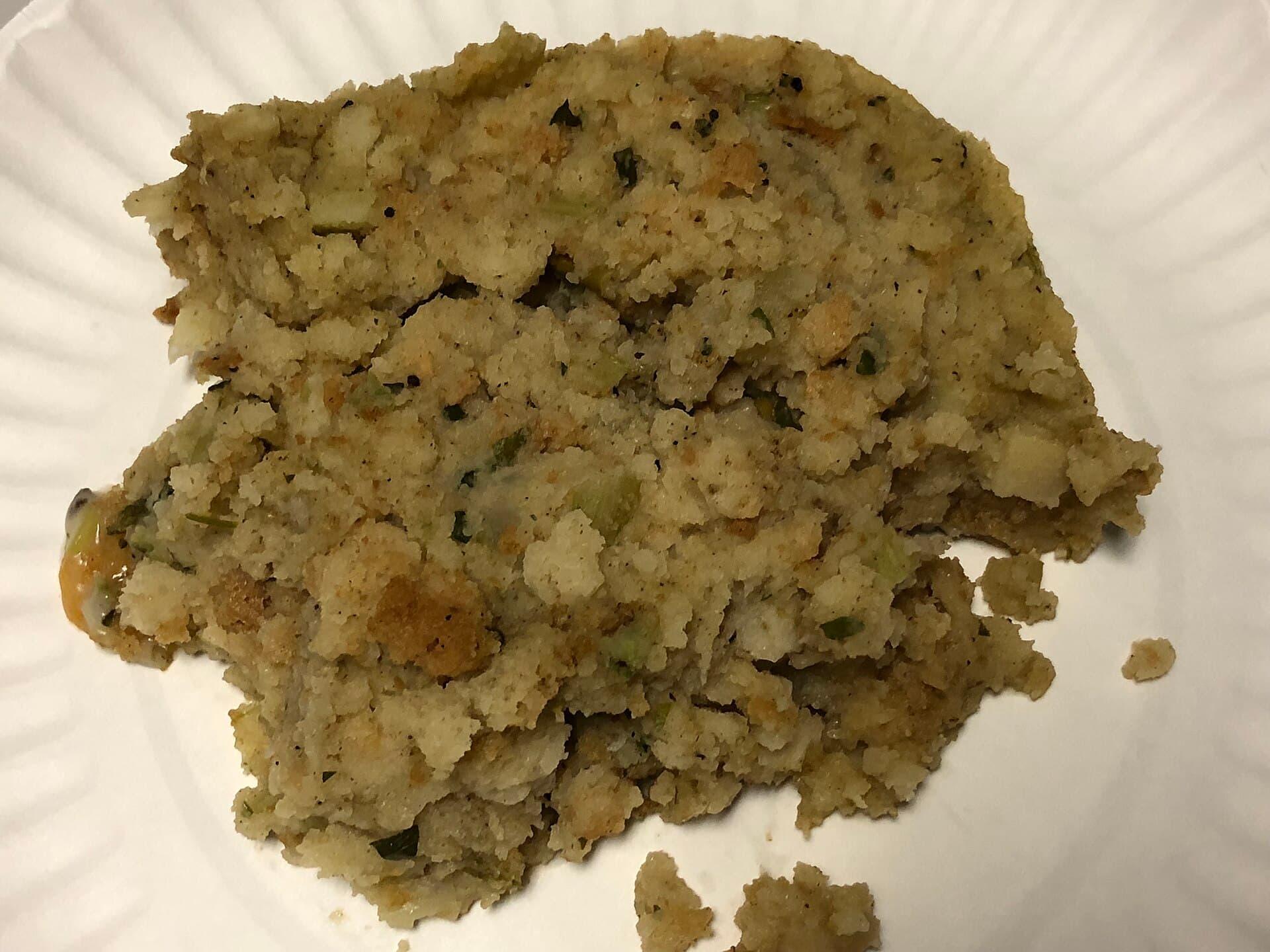
1700s-present
Bread stuffing is the Thanksgiving workhorse that turns stale bread into the part of the plate many people reach for first. Whether cooked inside the bird or baked separately as dressing, the core American formula is bread, aromatics, poultry herbs, and rich stock.
America's Melting Pot
Bread-and-Butter Jalapenos photo coming soon
Modern Melting Pot
Bread-and-Butter Jalapenos is a relish with real American table personality: Modern Southern/Southwestern preserve. It brings flavor from the American South to cookouts, counters, lunch plates, potlucks, and weeknight suppers.
1900-1929
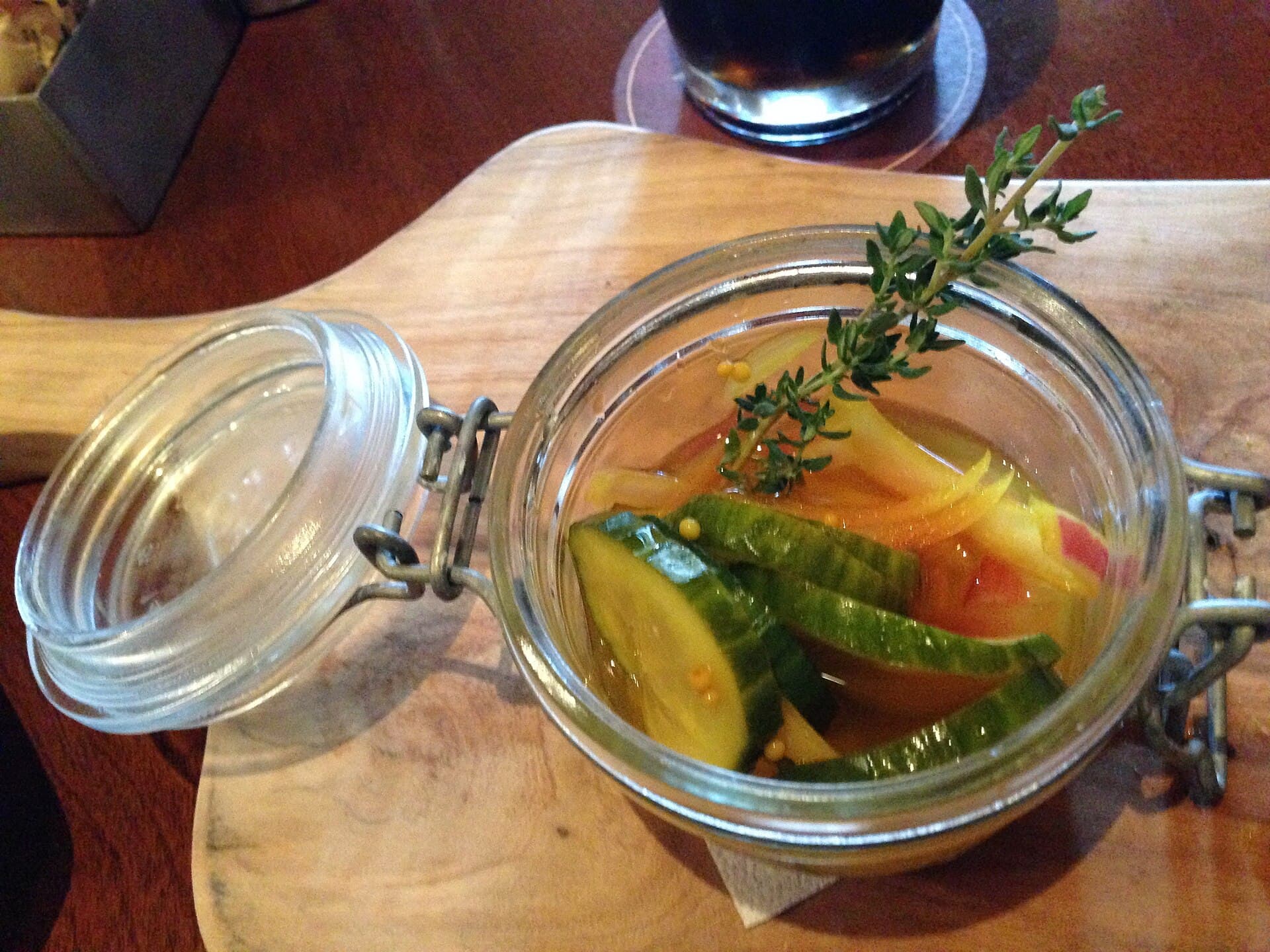
Bread-and-Butter Pickles is a relish with real American table personality: Sweet Depression-era-style pickle tradition. It brings flavor from coast-to-coast American tables to cookouts, counters, lunch plates, potlucks, and weeknight suppers.
America's Melting Pot
Breakfast Casserole photo coming soon
1950s-present
Breakfast casserole is built for mornings when the cook wants the work done early. Midcentury casserole culture, church cookbooks, and holiday hosting made the overnight egg, bread, sausage, and cheese bake a reliable American brunch dish.
America's Melting Pot
Breakfast Skillet photo coming soon
1970s-present
Breakfast skillets are classic American diner and family-restaurant food: potatoes on the bottom, eggs on top, and enough meat, cheese, and vegetables to make breakfast feel like a full meal. They also translate easily to home cooking because one pan does most of the work.
America's Melting Pot
Brisket photo coming soon
1800s-present
Before brisket became a barbecue shorthand, it was a holiday braise in many Jewish American homes. The tough cut becomes tender with long moist cooking, making it practical for Rosh Hashanah, Passover, Hanukkah, Shabbat, and make-ahead family meals.
1900s-present
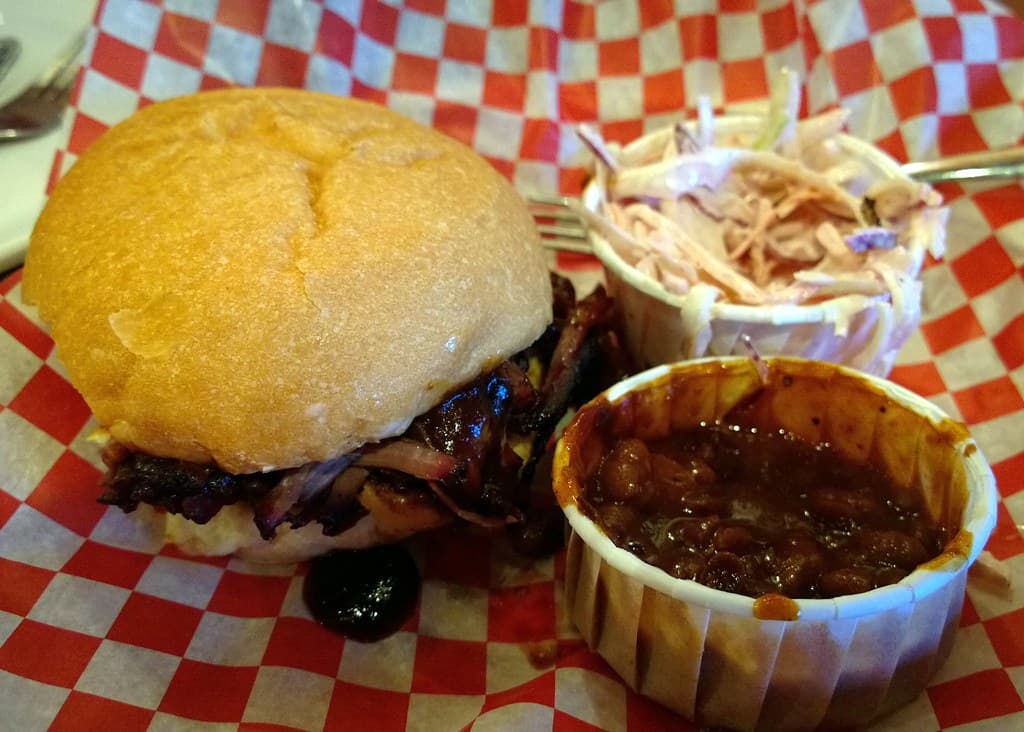
The brisket sandwich can come from two American lines: smoked barbecue brisket on a soft bun, or Jewish deli-style brisket on rye. Both turn slow-cooked beef into a handheld meal, with sharp pickles, mustard, slaw, or sauce balancing the richness.
America's Melting Pot
Broccoli Rice Casserole photo coming soon
1950s-present
Broccoli rice casserole is a classic convenience-era side dish. Frozen broccoli, quick rice, condensed soup, and processed cheese made it easy for home cooks to put a green vegetable, starch, and creamy sauce into one holiday or potluck pan.
America's Melting Pot
Brown Gravy photo coming soon
Cross-era
Brown Gravy is a condiment with real American table personality: Diner meatloaf, hot beef sandwiches, mashed potatoes. It brings flavor from coast-to-coast American tables to cookouts, counters, lunch plates, potlucks, and weeknight suppers.
Community recipe submission
Log in to submit a recipe, format it with the cooking companion, and send it for review.
Log in to Submit