
Loading
Setting the table...
Fetching the latest recipes from the archive.
Loading
Fetching the latest recipes from the archive.
Recipe archive
Recipe archive
Search the archive by title, region, ingredient, tag, or era, then sort the table by the view that fits your kitchen.
This archive is growing through recipes, photos, family recipes, and historical context shared by the community.
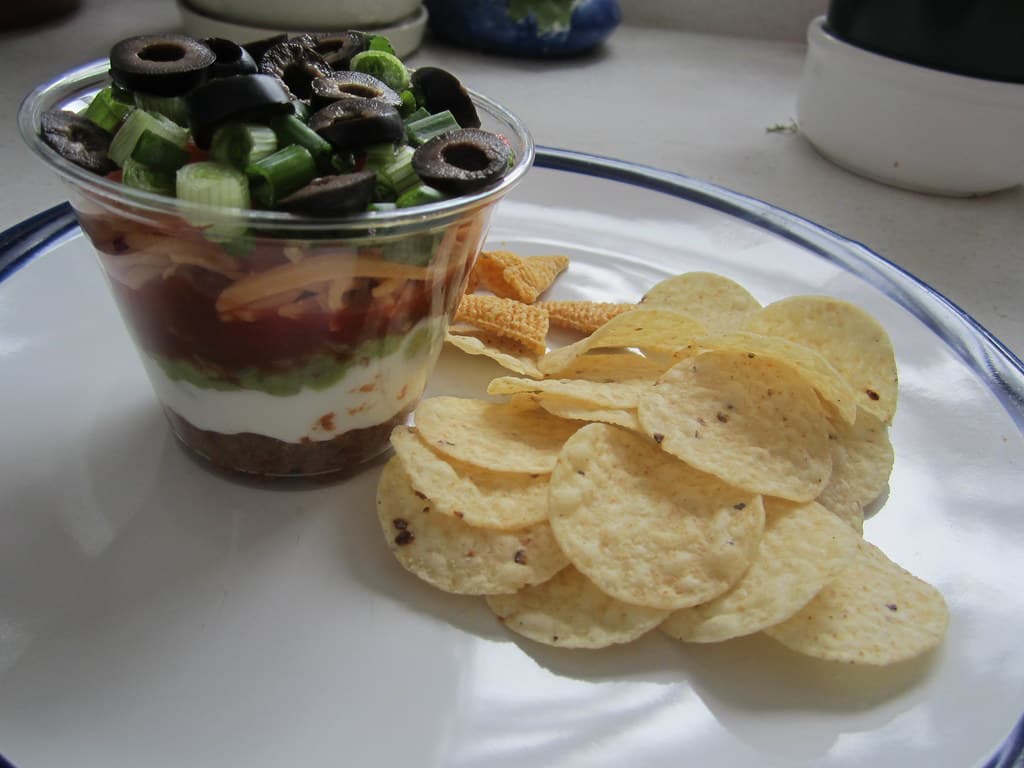
Cross-era
7-Layer Dip is a party dip with real American table personality: Tex-Mex party dish. It brings flavor from Texas and the Southwest to cookouts, counters, lunch plates, potlucks, and weeknight suppers.
America's Melting Pot
Acorn Bread photo coming soon
1800-1860
A nutty, lightly sweet quick bread made with properly leached acorn flour, cornmeal, and wheat flour.
America's Melting Pot
Air Fryer Brussels Sprouts photo coming soon
2010-2026
Trimmed Brussels sprouts air-fried with a little oil until crisp at the edges and tender in the center.
America's Melting Pot
Ambrosia photo coming soon
Late 1800s-present
A simple old-fashioned ambrosia of oranges, pineapple, coconut, and a little sugar, chilled until juicy.
America's Melting Pot
Ambrosia Salad photo coming soon
Postwar & Diner Age
A midcentury-style fruit salad with pineapple, mandarin oranges, coconut, marshmallows, and a creamy dressing.
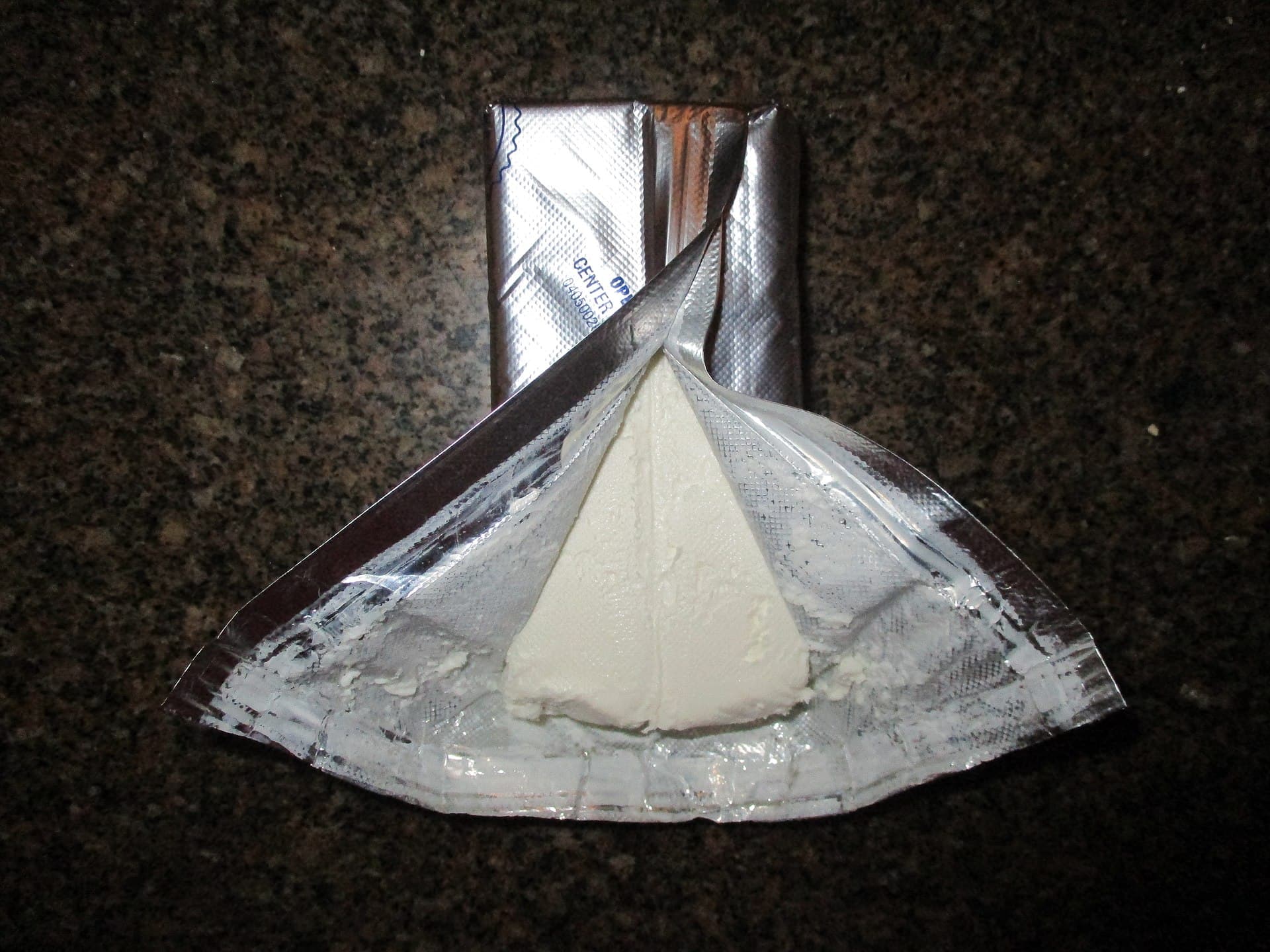
American Dairy Age
American Neufchatel-style Cream Cheese is a fresh cultured American home cheese made with pasteurized dairy, clean handling, slow culturing, draining, salting, and refrigeration.
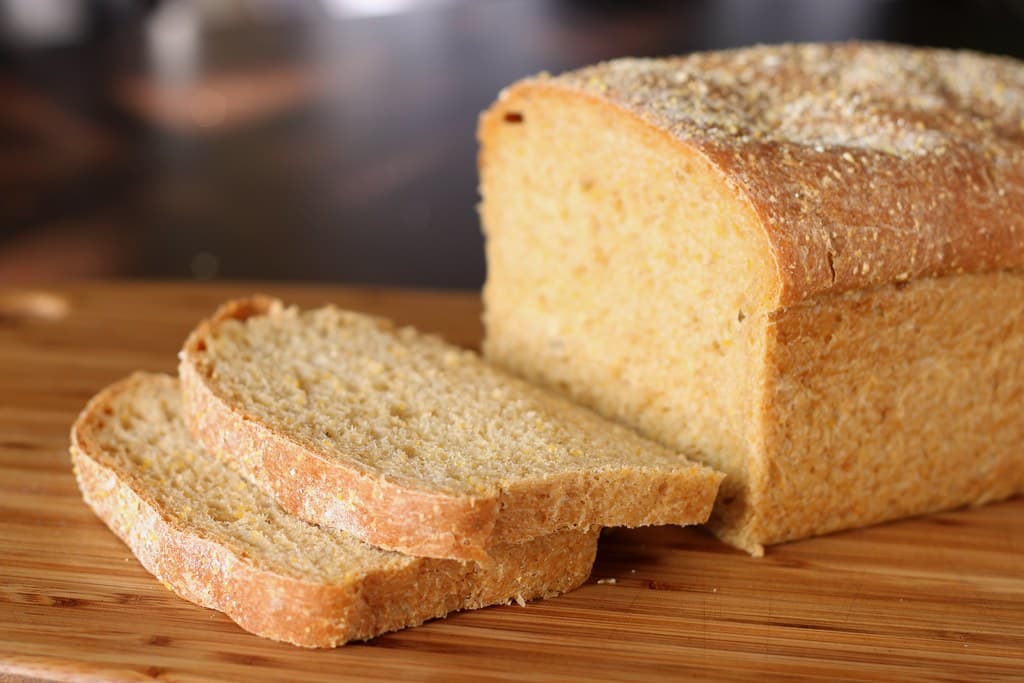
1800s-present
A lightly sweet New England loaf made with cornmeal, molasses, wheat flour, and yeast.
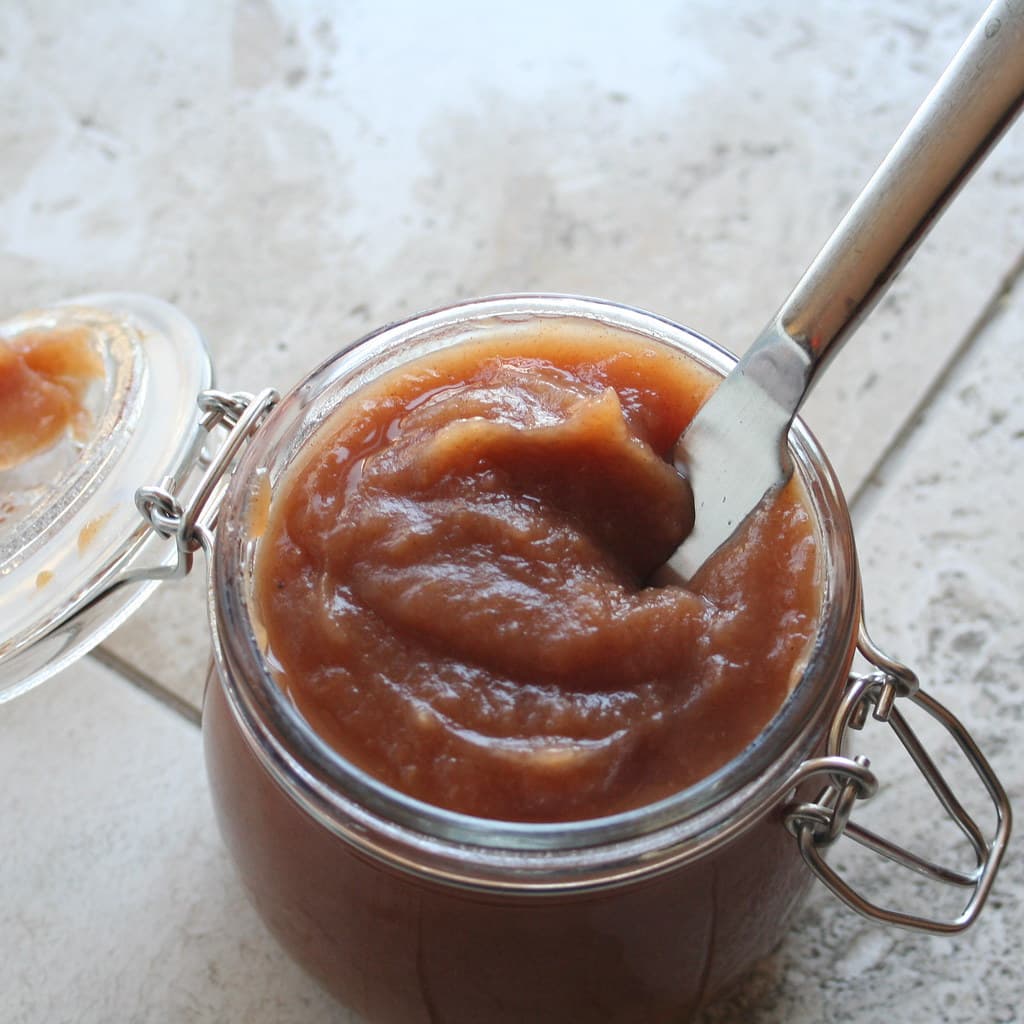
1700s-present
Apples cooked down with cider, sugar, and warm spices into a dark, spreadable fruit butter.
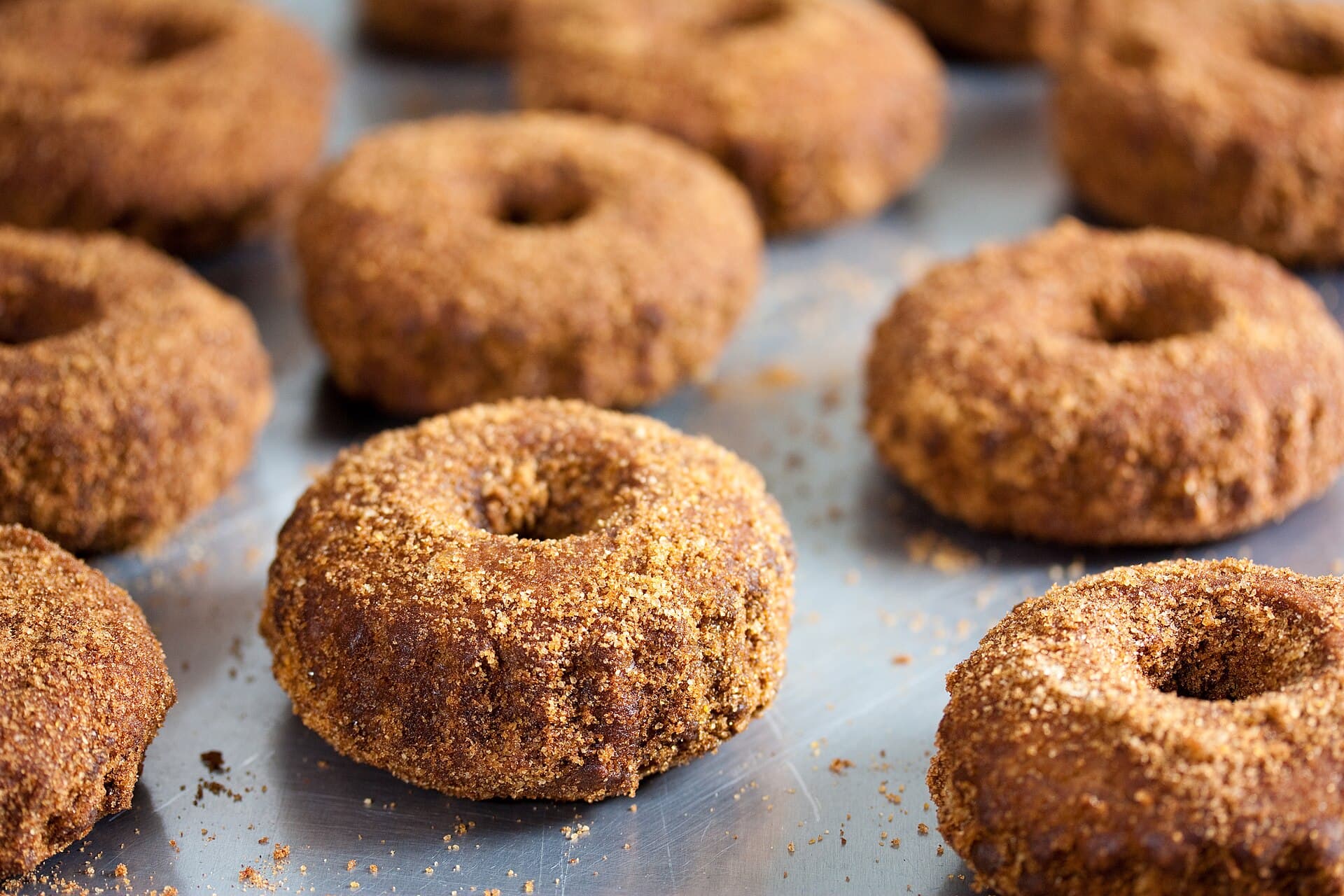
1900s-present
Cake doughnuts flavored with reduced apple cider and rolled in cinnamon sugar.
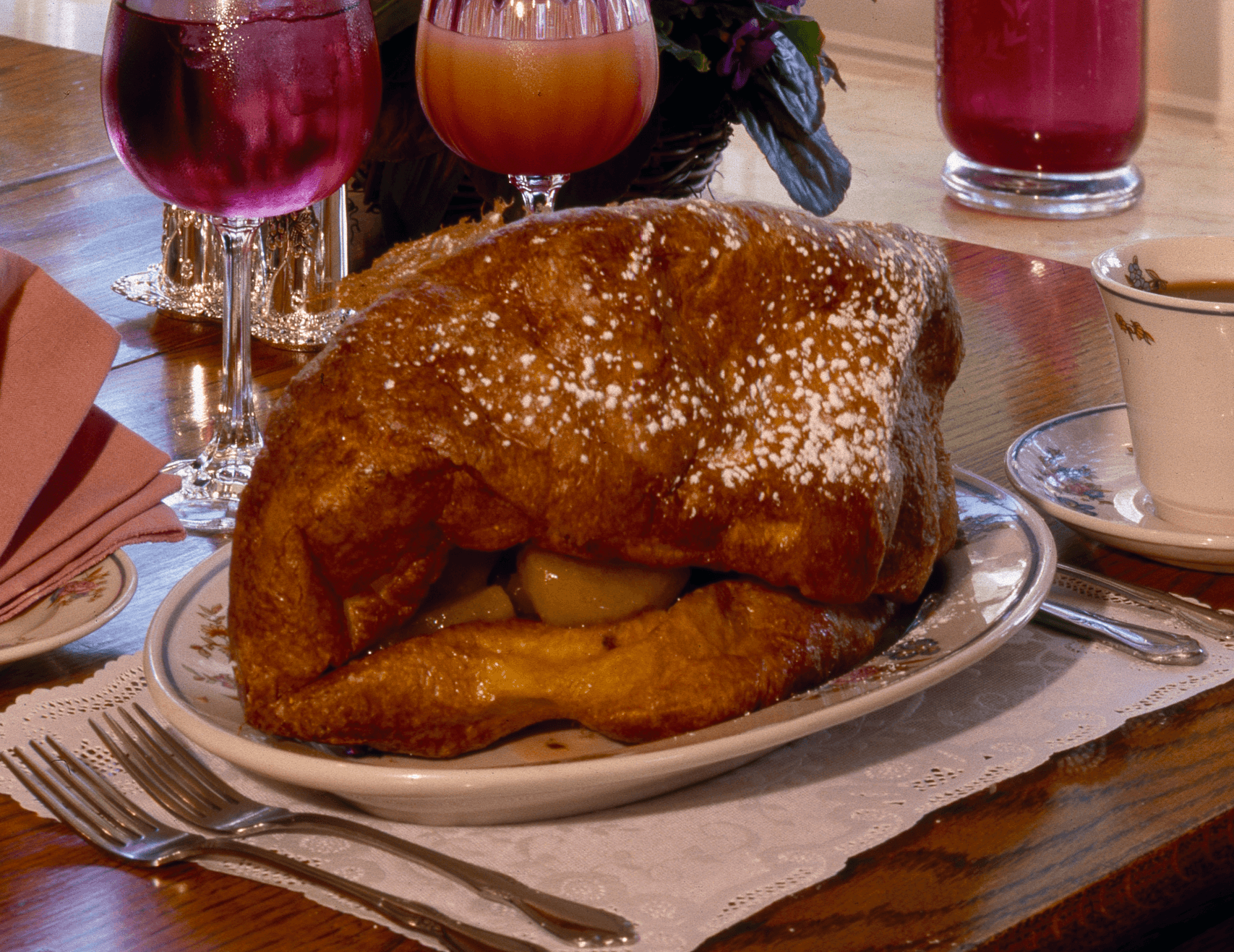
1900s-present
A German-American Dutch baby-style pancake baked over cinnamon apples in a hot skillet.
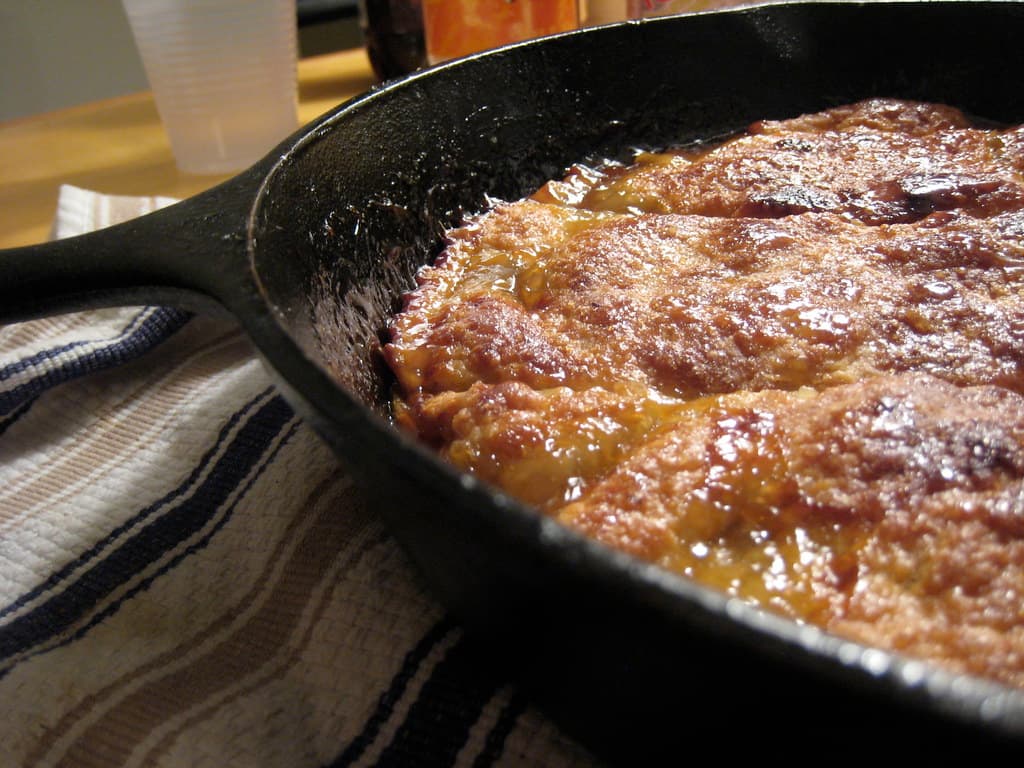
Founding Era
Sliced apples baked under a pastry or biscuit crust that is broken into the juices as it bakes.
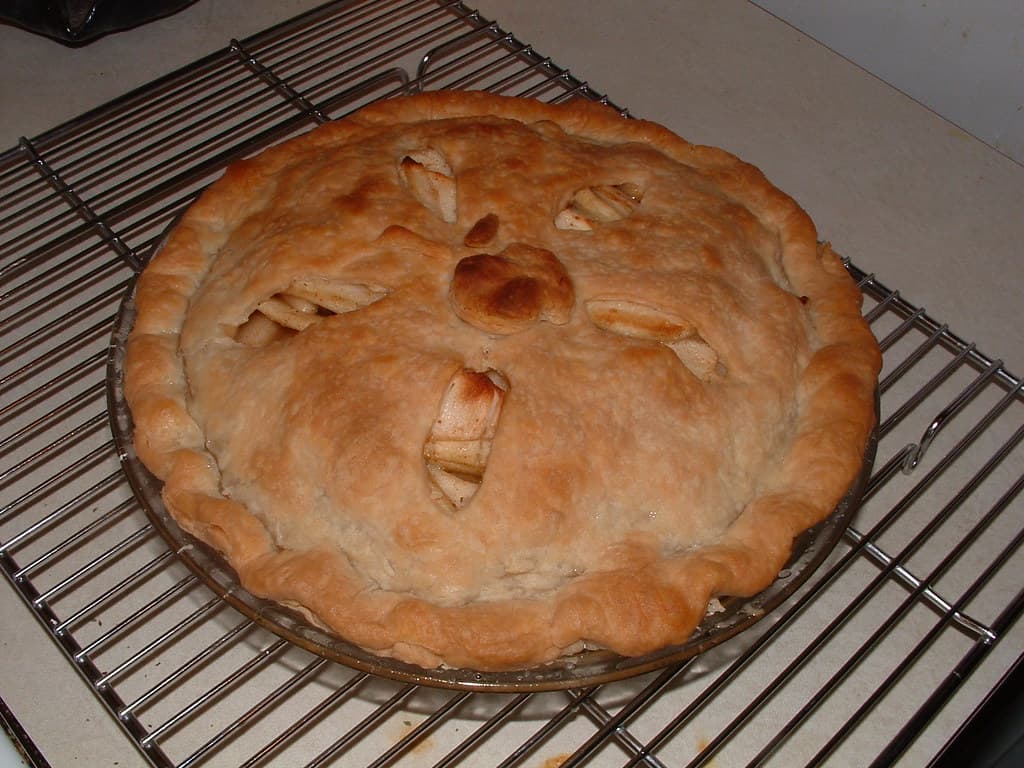
1700s-present
A double-crust apple pie with cinnamon-spiced apples and a flaky butter crust.
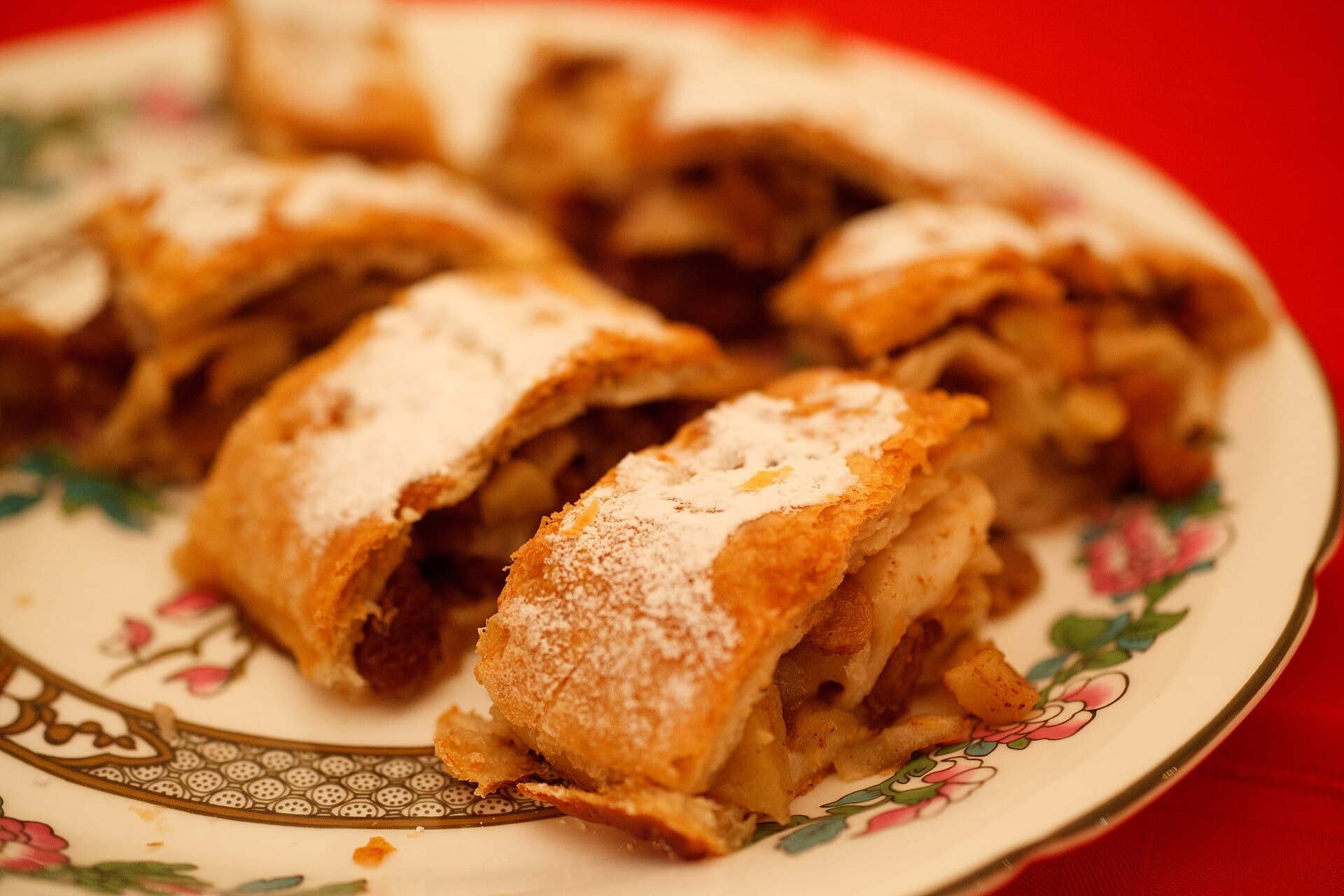
1800-1860
A German-American apple strudel made with crisp apples, raisins, cinnamon, buttered crumbs, and flaky phyllo for a practical home version of a Central European pastry.
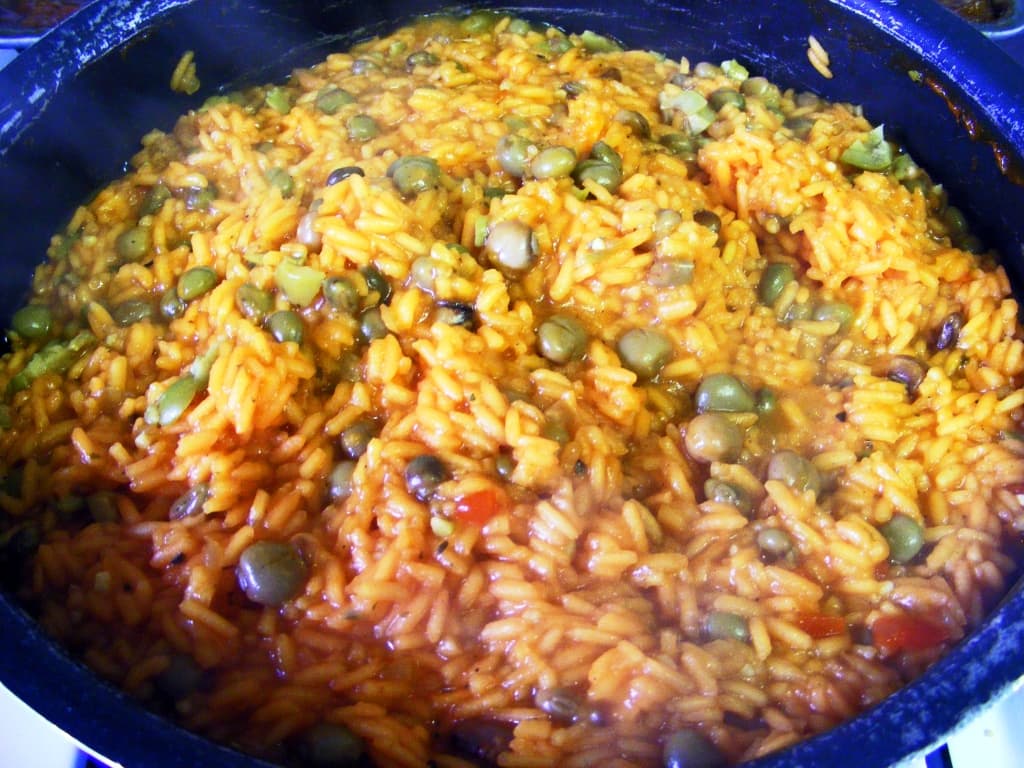
Before 1776
A Puerto Rican arroz con gandules made in one pot with medium-grain rice, pigeon peas, sofrito, sazon, pork, olives, and a patient steam for fluffy grains and coveted pegao.
America's Melting Pot
Artichoke Dip photo coming soon
Cross-era
Artichoke Dip is a party dip with real American table personality: California-to-suburban-party-table classic. It brings flavor from California, Hawaii, and the West Coast to cookouts, counters, lunch plates, potlucks, and weeknight suppers.
America's Melting Pot
Asparagus photo coming soon
1800-1860
A bright American Easter asparagus side, quickly cooked and dressed with lemon butter, herbs, and hard-cooked egg in the spirit of old spring-table recipes.
America's Melting Pot
Au Jus photo coming soon
Gilded Age & Progressive Era
Au Jus is a sandwich sauce with real American table personality: French name, but American diner/roadhouse French dip culture. It brings flavor from coast-to-coast American tables to cookouts, counters, lunch plates, potlucks, and weeknight suppers.
America's Melting Pot
Avgolemono Soup photo coming soon
1900-1929
A silky Greek-American chicken, rice, egg, and lemon soup made by tempering eggs into hot broth for a creamy dairy-free finish.
America's Melting Pot
Backyard BBQ Ribs photo coming soon
2010-2026
A backyard-style pork rib recipe with a brown-sugar spice rub, low indirect heat, apple juice, and a sticky barbecue sauce glaze.
America's Melting Pot
Bacon-Wrapped Water Chestnuts photo coming soon
1946-1969
Crunchy water chestnuts wrapped in bacon, baked until crisp, and glazed with a brown sugar, soy, ketchup, and Worcestershire sauce.
America's Melting Pot
Bagel and Lox photo coming soon
1900-1929
A toasted bagel layered with cream cheese, lox, red onion, capers, tomato, and dill in the New York appetizing-shop tradition.
America's Melting Pot
Bagels with Schmear photo coming soon
1861-1900
A deli-style bagel with a thick schmear of plain or scallion cream cheese, with optional onion, capers, tomato, and cucumber.
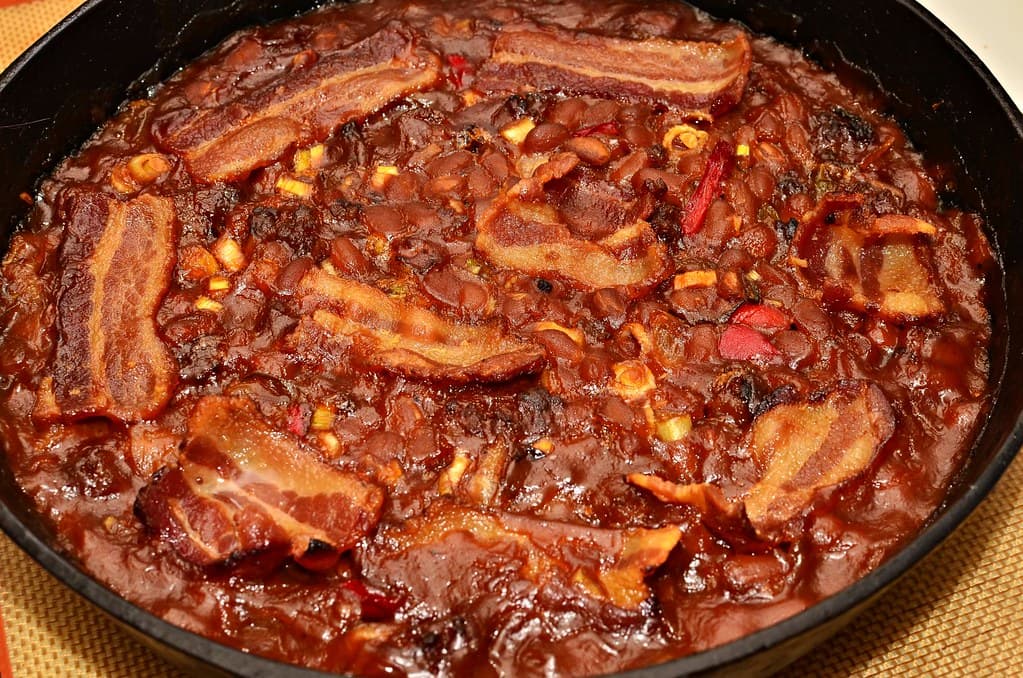
1600s-present
A New England-style baked bean pot made with navy beans, molasses, brown sugar, mustard, onion, and salt pork or bacon.
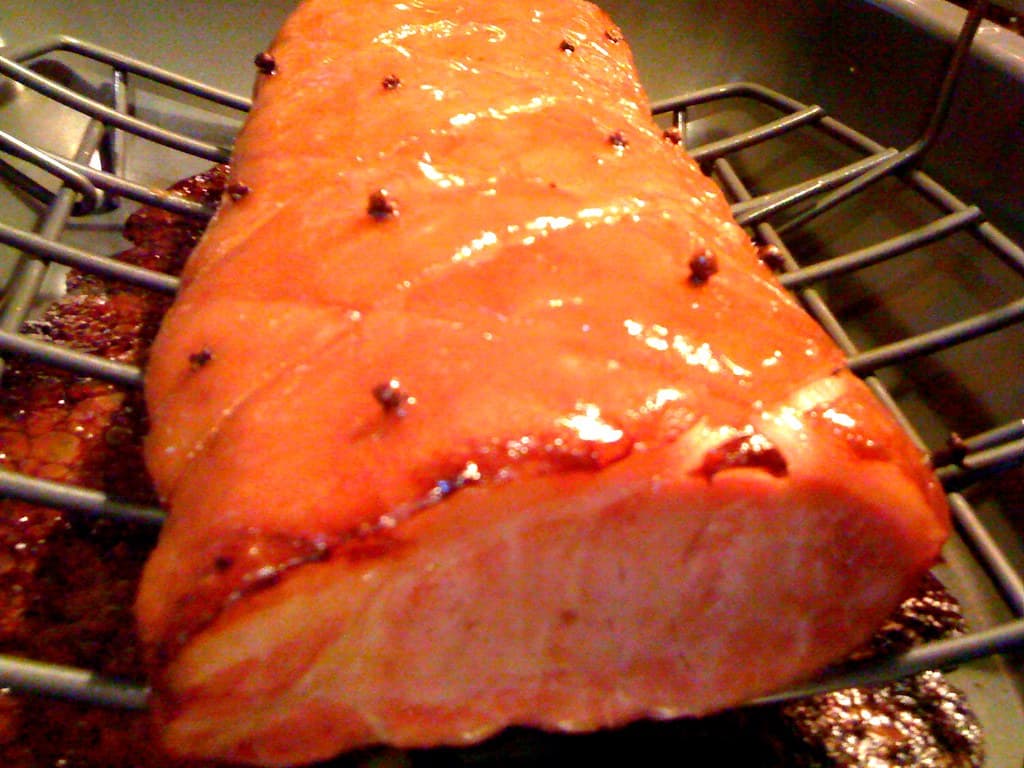
1900s-present
A Christmas and Easter baked ham glazed with brown sugar, mustard, cider vinegar, and cloves, baked until glossy and sliceable.
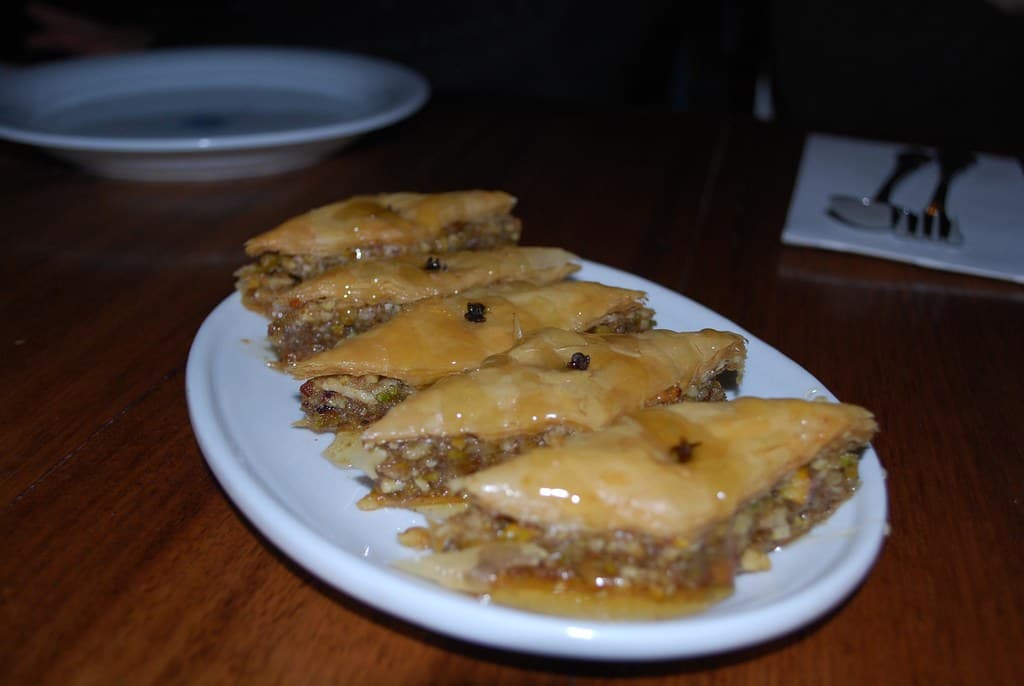
1900s-present
A Greek American-style baklava made with buttered phyllo, walnuts and pistachios, cinnamon, honey syrup, and lemon.
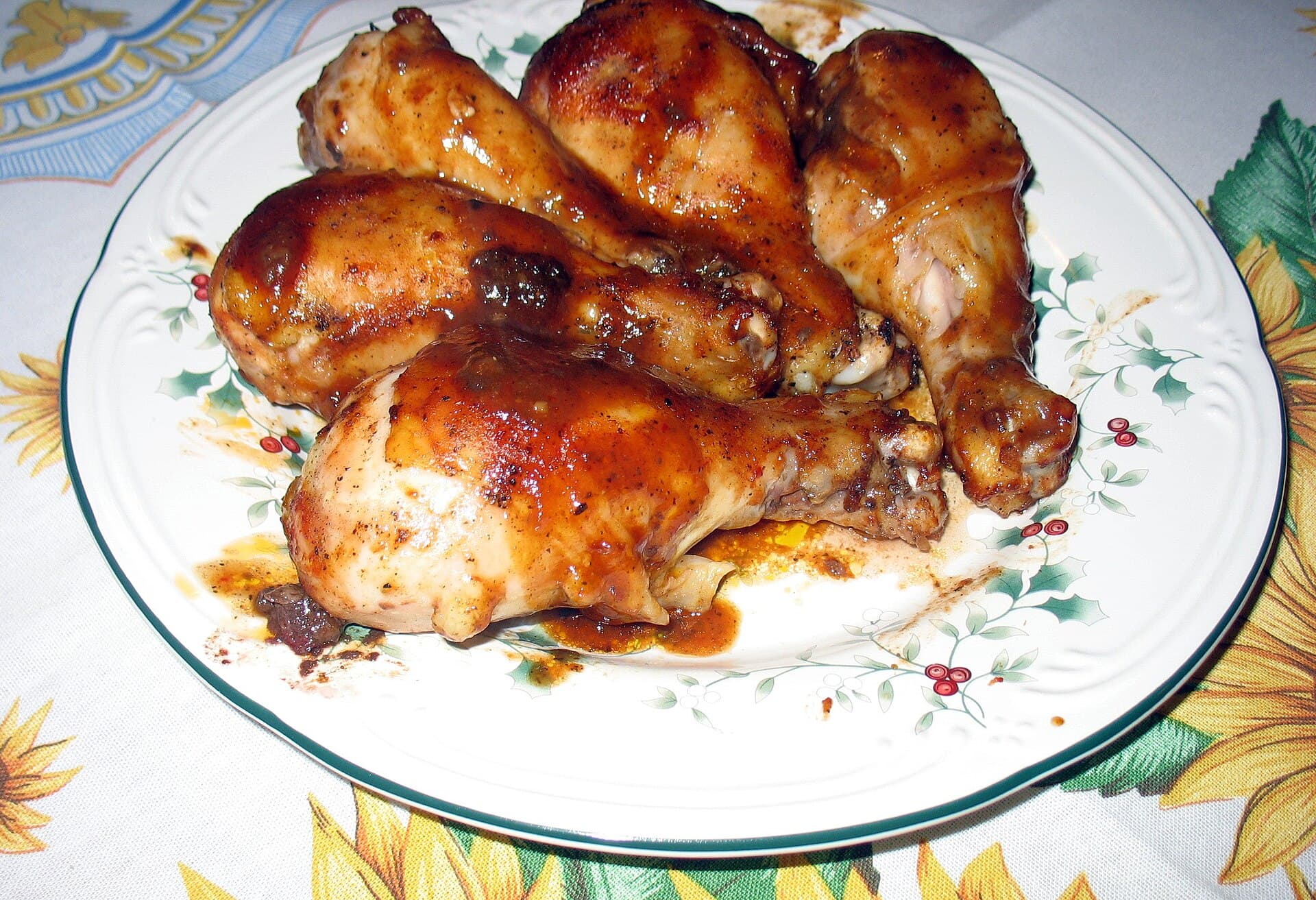
1946-present
A backyard barbecued chicken recipe with bone-in chicken pieces cooked over indirect heat and brushed with vinegar-tomato barbecue sauce.
America's Melting Pot
BBQ Meatballs photo coming soon
1946-1969
BBQ meatballs are a descendant of midcentury cocktail meatballs, especially the grape-jelly-and-chili-sauce party formula that kept showing up at buffets and church gatherings. Swapping in barbecue sauce made the dish feel at home on game-day tables: easy to spear with toothpicks, easy to keep warm, and unapologetically sweet-savory.
America's Melting Pot
BBQ Pulled Pork Sandwich photo coming soon
1920s-present
The pulled pork sandwich carries Southern barbecue into a portable form. Pork shoulder is cooked low and slow until it can be pulled apart, then served chopped or shredded on a bun. In Memphis and the Carolinas, slaw on the sandwich is part of the experience; elsewhere the sauce and smoke take the lead.
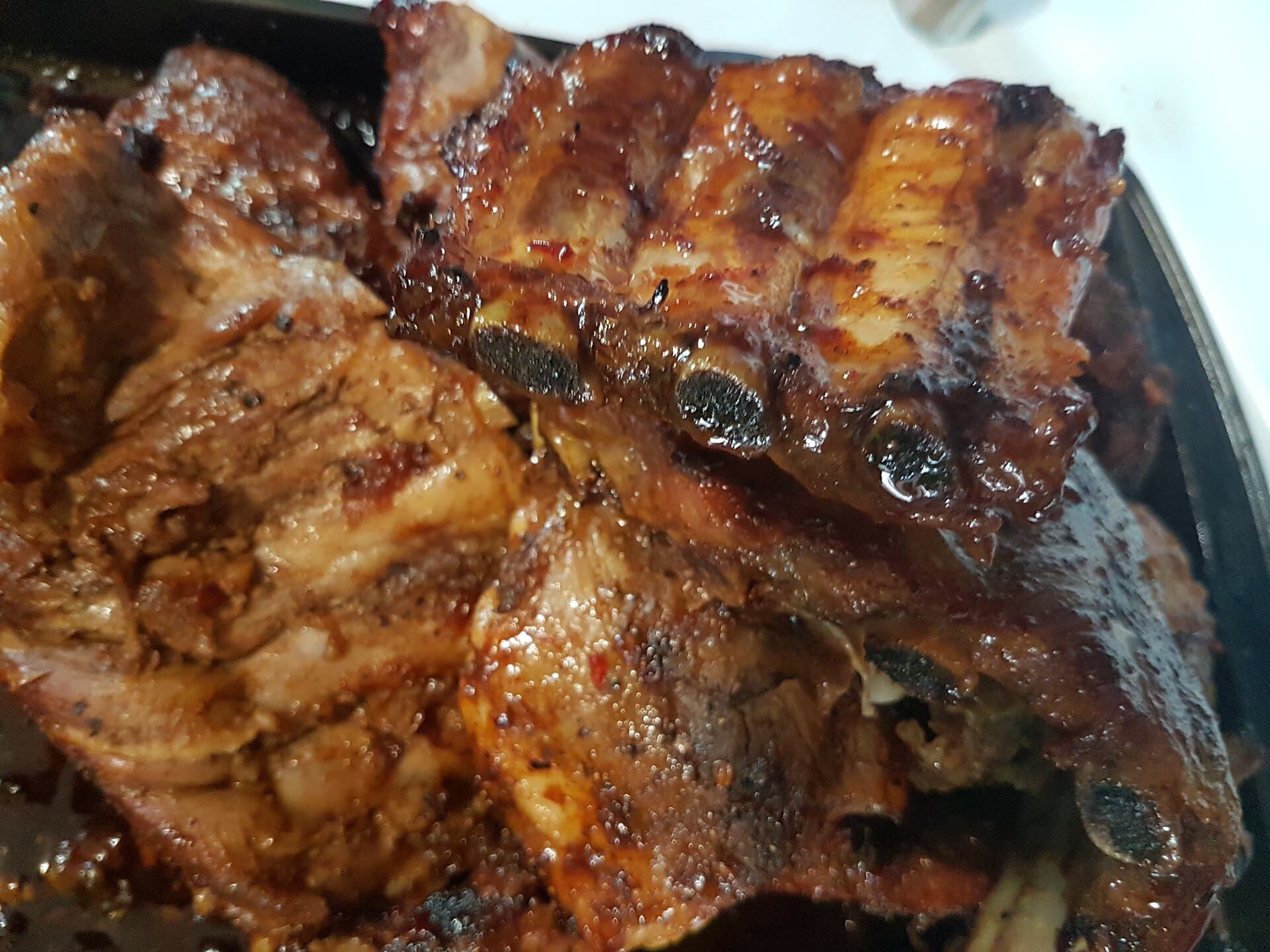
1920s-present
Modern barbecued ribs are newer than their old-fashioned reputation suggests. They rose with commercial meatpacking, refrigeration, barbecue stands, and postwar backyard grilling. Today ribs are a holiday and cookout centerpiece, especially when cooked gently and sauced near the end so the glaze sets instead of scorches.
America's Melting Pot
Bierocks photo coming soon
1870s-present
Bierocks traveled with Volga German communities into Kansas, Nebraska, and the Great Plains. They are field food and comfort food at once: portable bread pockets filled with seasoned beef and cabbage, closely related to Nebraska runzas.
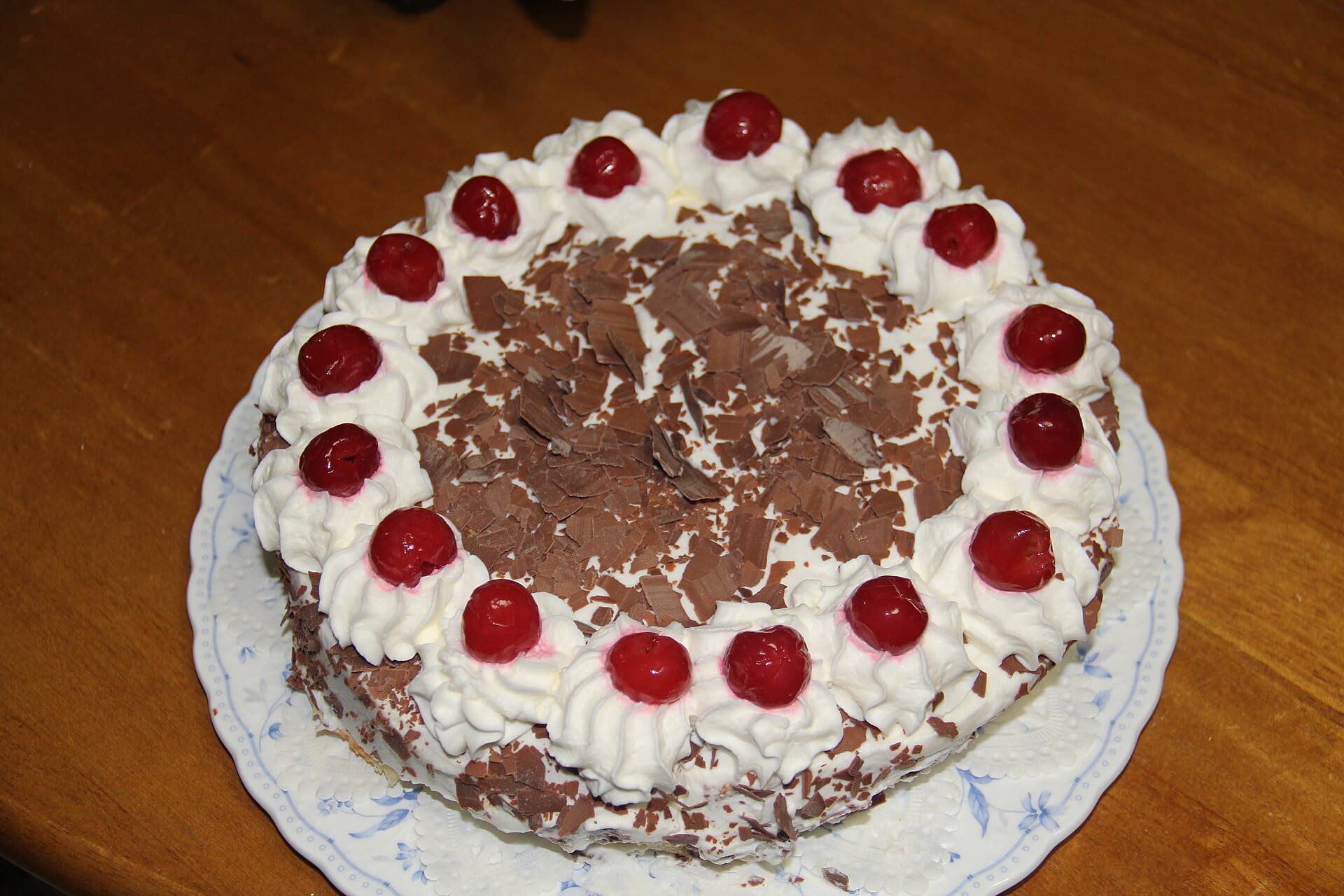
1960s-present
Black Forest cake, or Schwarzwalder Kirschtorte, came from German pastry traditions and became popular in the United States in the mid-20th century. American versions often soften the kirsch element but keep chocolate, cherries, and whipped cream.
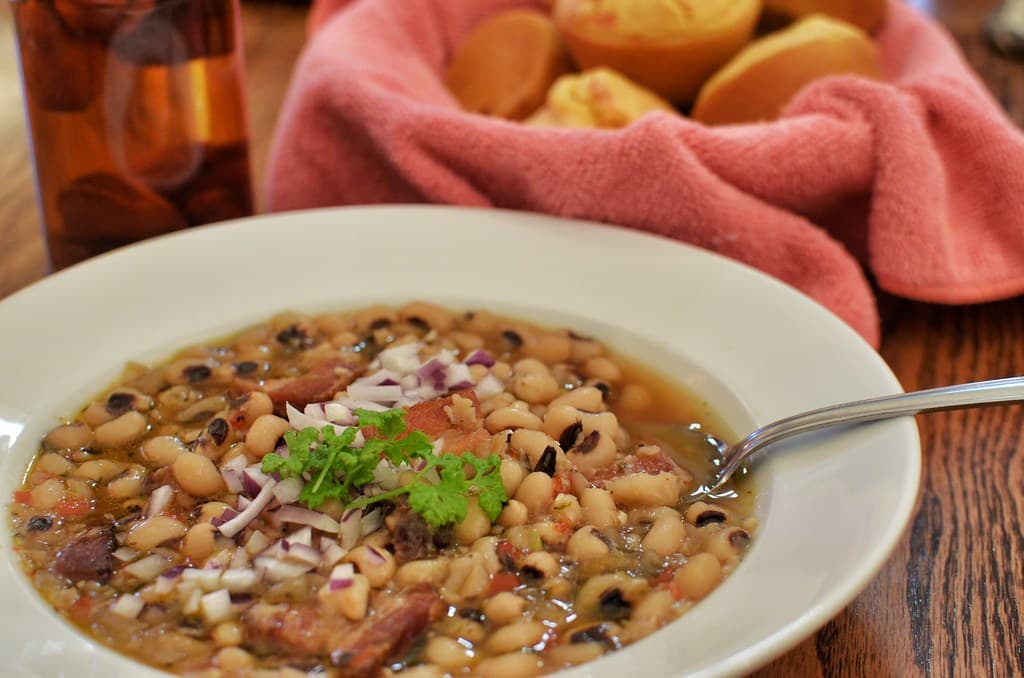
1700s-present
Black-eyed peas carry West African, Southern, and Gullah Geechee food history. They became a New Year good-luck dish across the South, especially when served with greens, cornbread, or rice as Hoppin John.
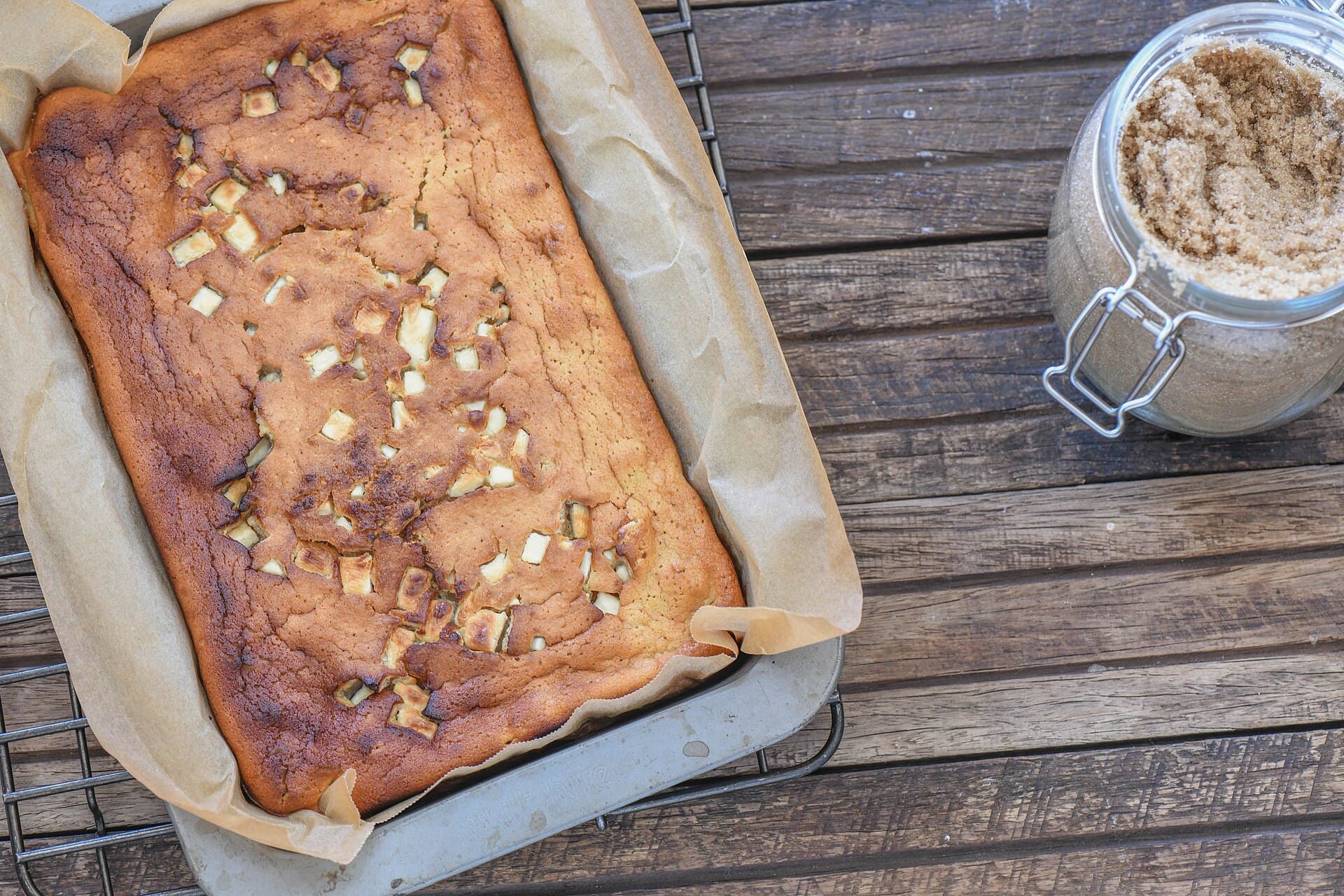
1900-1929
Blondies are American bar cookies built on brown sugar, butter, eggs, and flour. They preserve an older non-chocolate brownie lineage while becoming a lunchbox, bake-sale, and weeknight dessert standard.
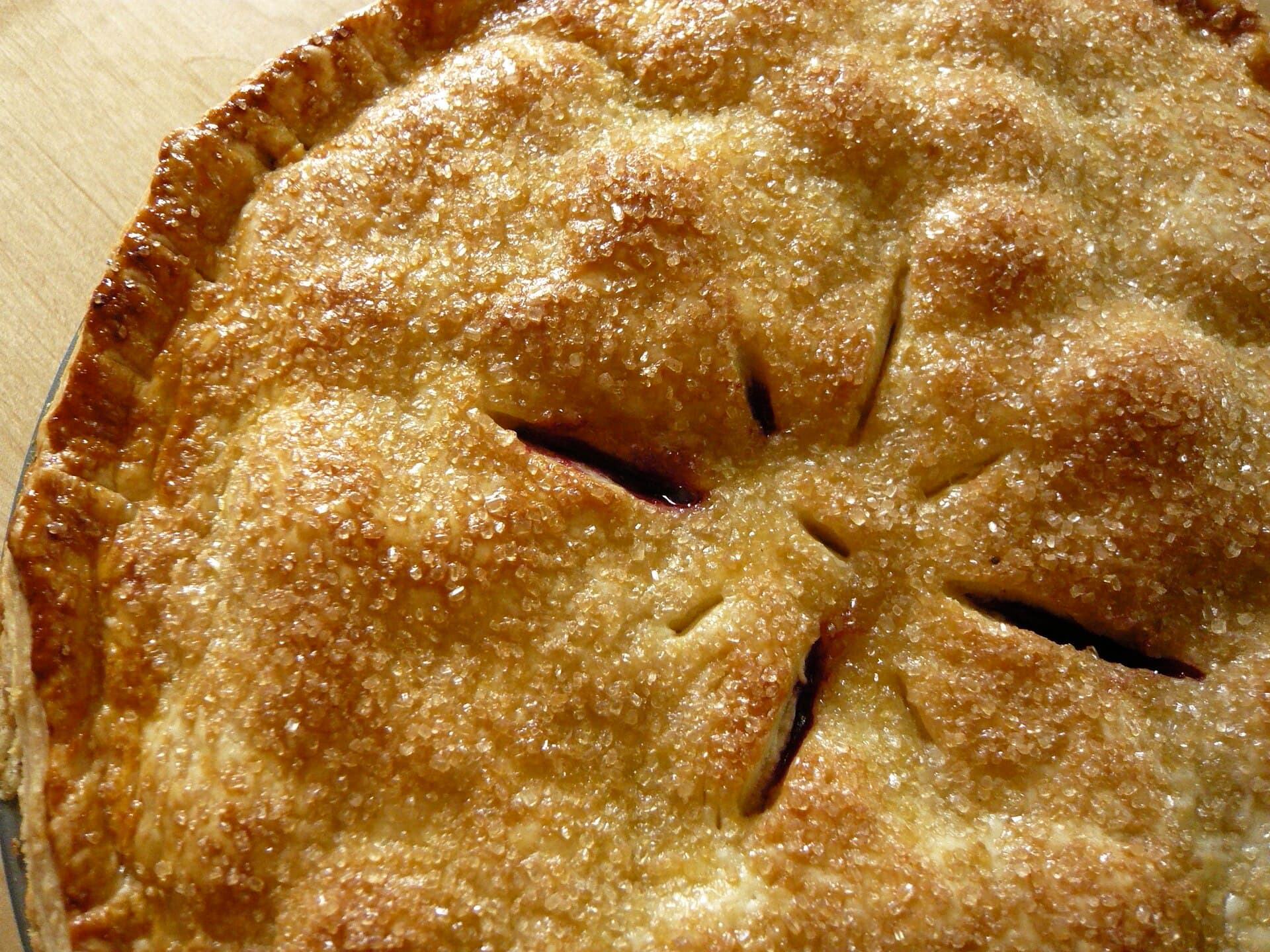
1800s-present
Blueberry pie is a New England and summer-holiday classic built from a native North American fruit and European pie technique. Maine made wild blueberry pie its official state dessert in 2011, but the pie belongs broadly to American summer tables.
America's Melting Pot
Blueberry Slab Pie photo coming soon
2000s-present
Slab pie takes the American fruit pie and turns it into potluck architecture: more servings, easier transport, and plenty of crust. A blueberry version fits summer celebrations, church suppers, and Fourth of July tables.
America's Melting Pot
Boiled Dinner photo coming soon
1800s-present
New England boiled dinner is practical one-pot cooking shaped by salt meat, root cellars, cabbage, and later Irish American corned beef traditions. It remains strongly tied to St. Patrick Day in the United States but is older and broader than the holiday plate.
America's Melting Pot
Boiled Potatoes with Butter photo coming soon
1800s-present
Buttered boiled potatoes turn the plain potato pot into a finished side dish. The method is common across European and American tables: boil small potatoes until tender, drain well, and coat them with butter and herbs while they are still steaming.
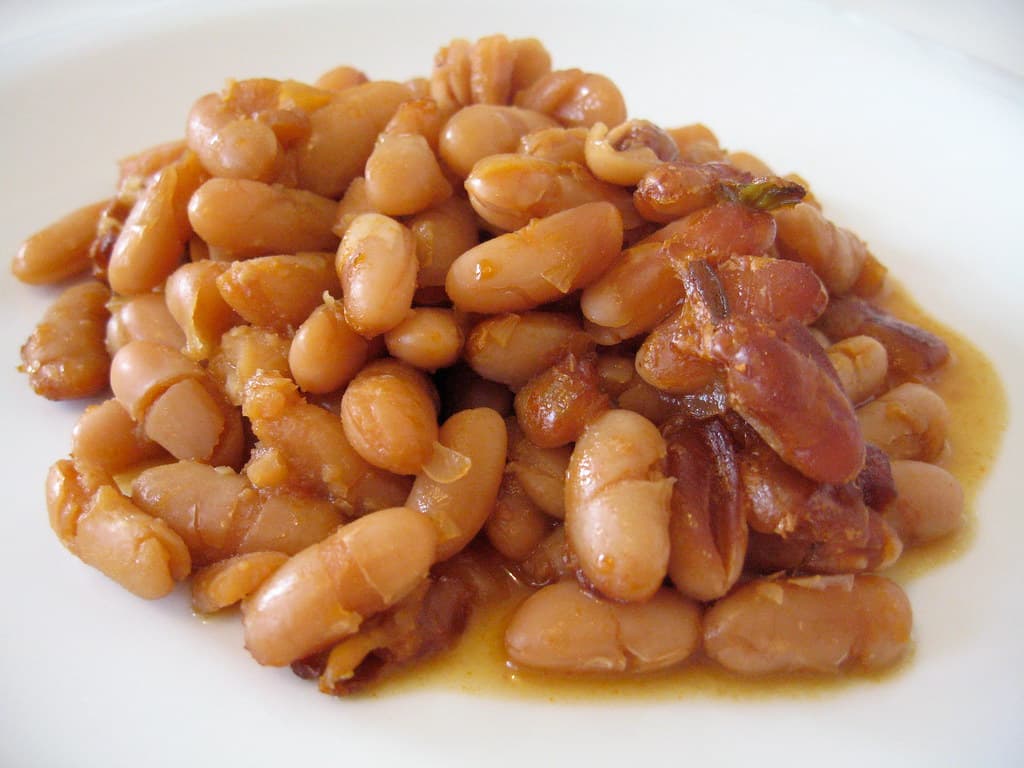
1600s-present
Boston baked beans grew from New England bean cookery, English pork-and-bean traditions, and the colonial availability of molasses through Atlantic trade. The long bake made practical sense for Sabbath observance and cold-weather kitchens, and the dish became one of Boston's defining foods.
1700s-present
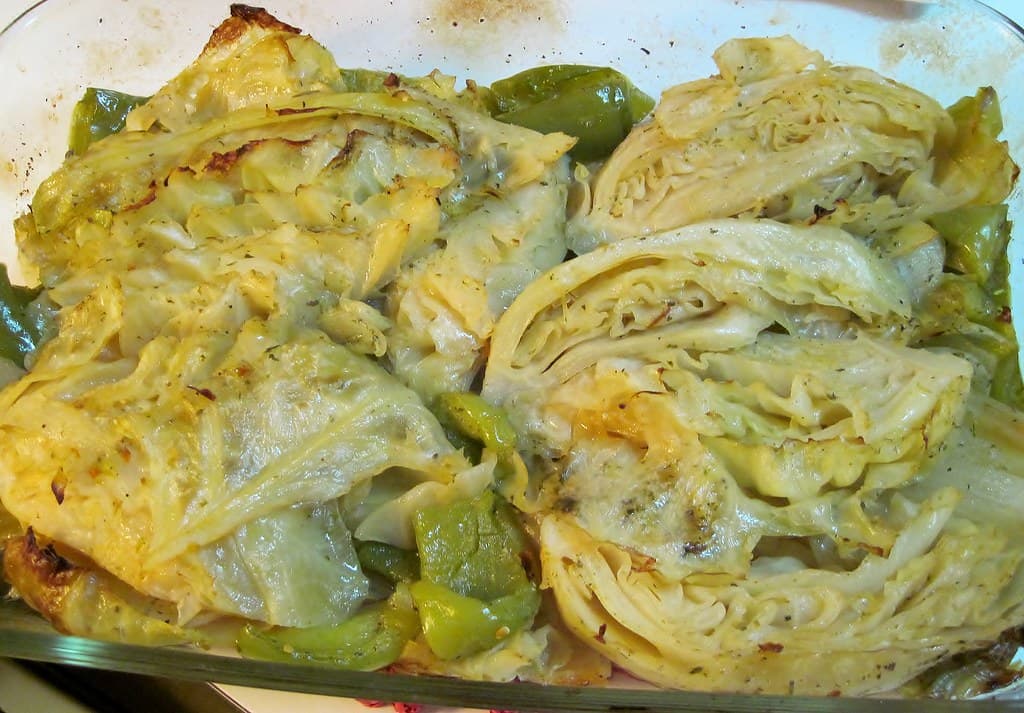
Braised cabbage is an old, practical side dish because cabbage stores well, feeds many, and softens beautifully with slow moist heat. American versions draw from British, German, Irish, and Eastern European cabbage cookery as well as plain farm-table thrift.
1800s-present
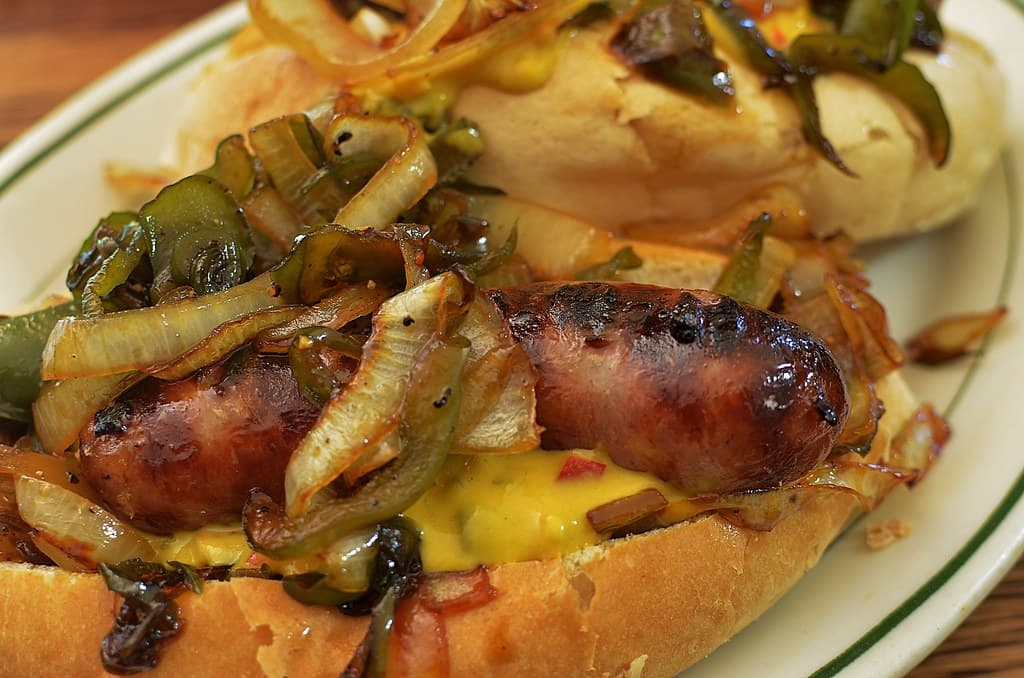
Brats are bratwurst in their American backyard form: pork sausages grilled or beer-simmered, tucked into buns, and served at picnics, tailgates, baseball games, and summer cookouts. Wisconsin made the brat especially visible through German American sausage culture and stadium food.
1700s-present
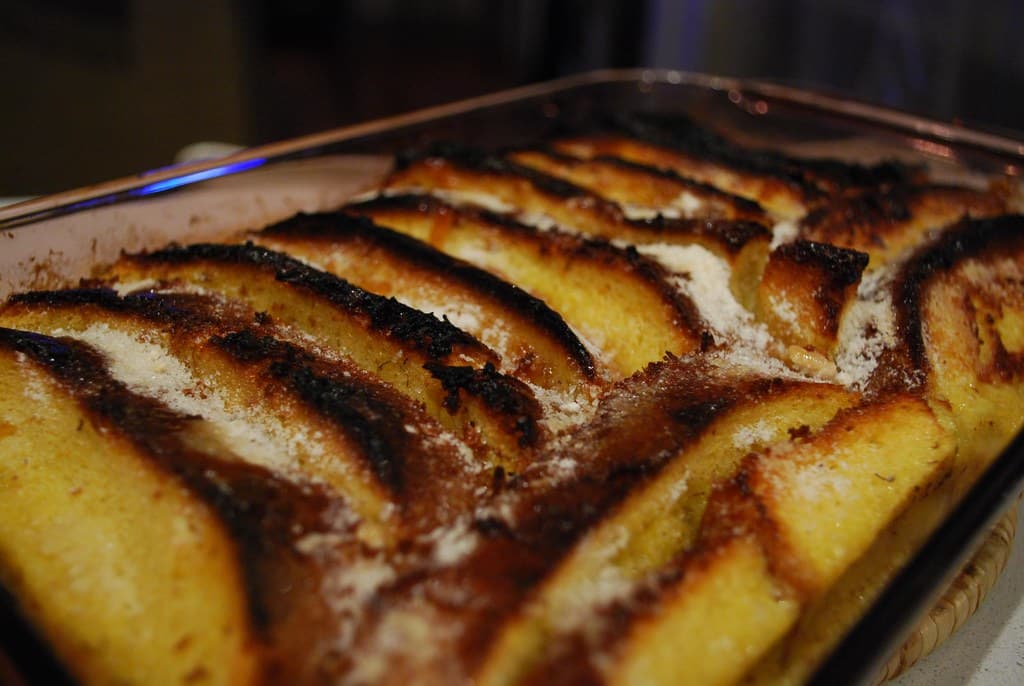
Bread pudding is one of the clearest examples of kitchen thrift becoming comfort food. English colonists brought bread-and-custard pudding habits to America, where cooks used stale bread, milk, eggs, sugar, and spices to make a dessert from leftovers.
1700s-present
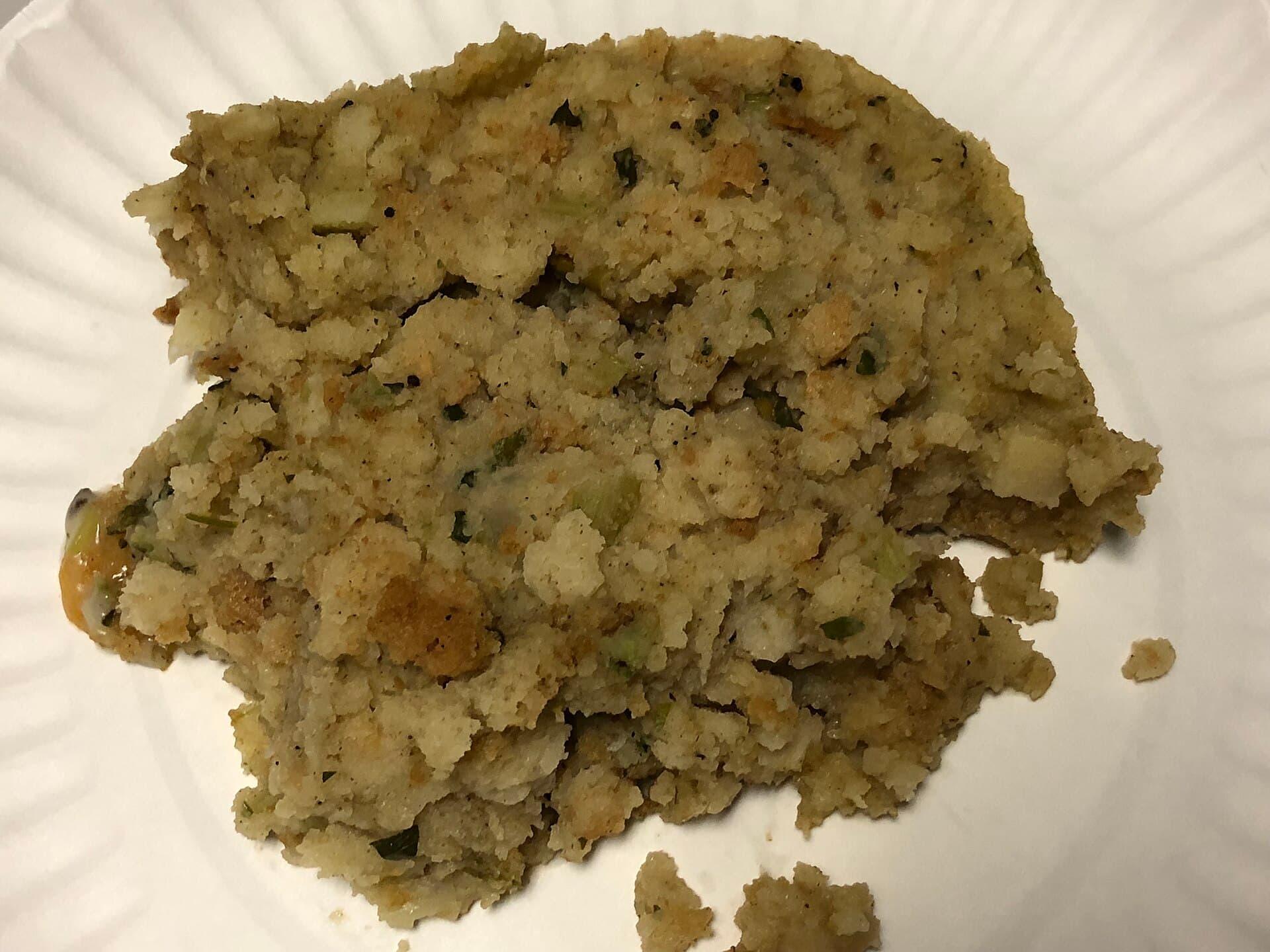
Bread stuffing is the Thanksgiving workhorse that turns stale bread into the part of the plate many people reach for first. Whether cooked inside the bird or baked separately as dressing, the core American formula is bread, aromatics, poultry herbs, and rich stock.
America's Melting Pot
Breakfast Casserole photo coming soon
1950s-present
Breakfast casserole is built for mornings when the cook wants the work done early. Midcentury casserole culture, church cookbooks, and holiday hosting made the overnight egg, bread, sausage, and cheese bake a reliable American brunch dish.
America's Melting Pot
Brisket photo coming soon
1800s-present
Before brisket became a barbecue shorthand, it was a holiday braise in many Jewish American homes. The tough cut becomes tender with long moist cooking, making it practical for Rosh Hashanah, Passover, Hanukkah, Shabbat, and make-ahead family meals.
America's Melting Pot
Broccoli Rice Casserole photo coming soon
1950s-present
Broccoli rice casserole is a classic convenience-era side dish. Frozen broccoli, quick rice, condensed soup, and processed cheese made it easy for home cooks to put a green vegetable, starch, and creamy sauce into one holiday or potluck pan.
America's Melting Pot
Brown Bread photo coming soon
1800s-present
Irish brown bread is a daily table bread rather than a sweet holiday loaf. Irish immigrants and Irish American families carried versions of wholemeal soda bread into American kitchens, where buttermilk and baking soda made a quick, sturdy loaf possible without yeast.
America's Melting Pot
Brown Gravy photo coming soon
Cross-era
Brown Gravy is a condiment with real American table personality: Diner meatloaf, hot beef sandwiches, mashed potatoes. It brings flavor from coast-to-coast American tables to cookouts, counters, lunch plates, potlucks, and weeknight suppers.
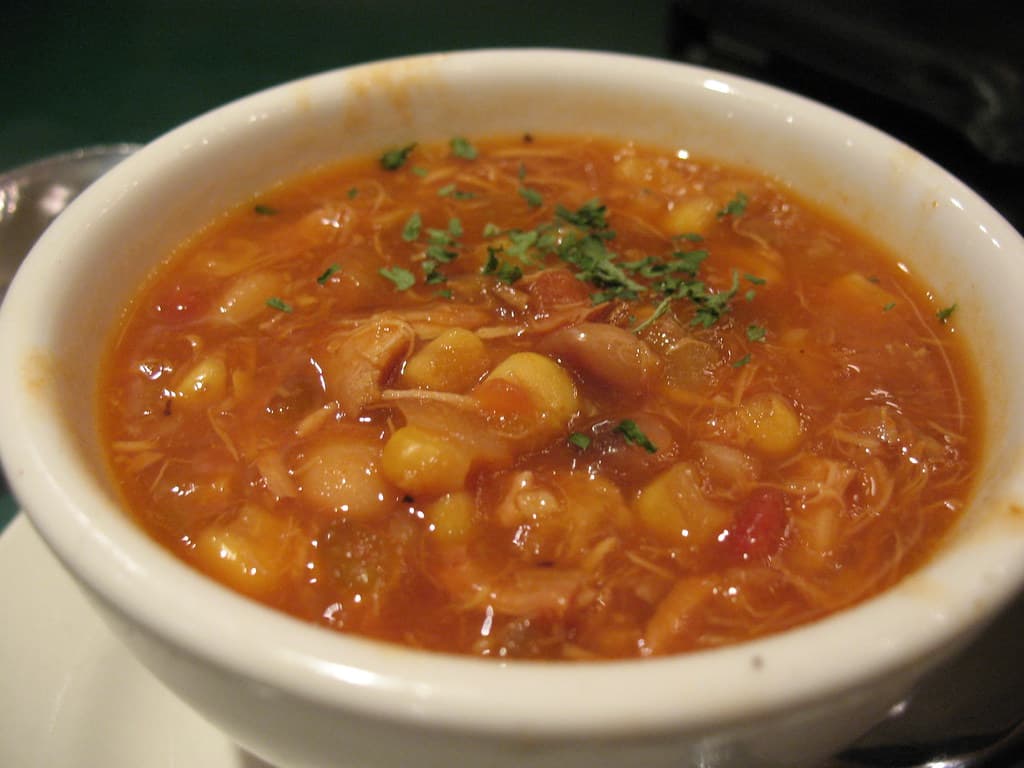
1800s-present
Brunswick stew has competing origin claims in Virginia and Georgia, and older roots in Southeastern stews that combined meat and corn. Modern versions are often linked to barbecue restaurants, church fundraisers, hunting camps, and community kettles.
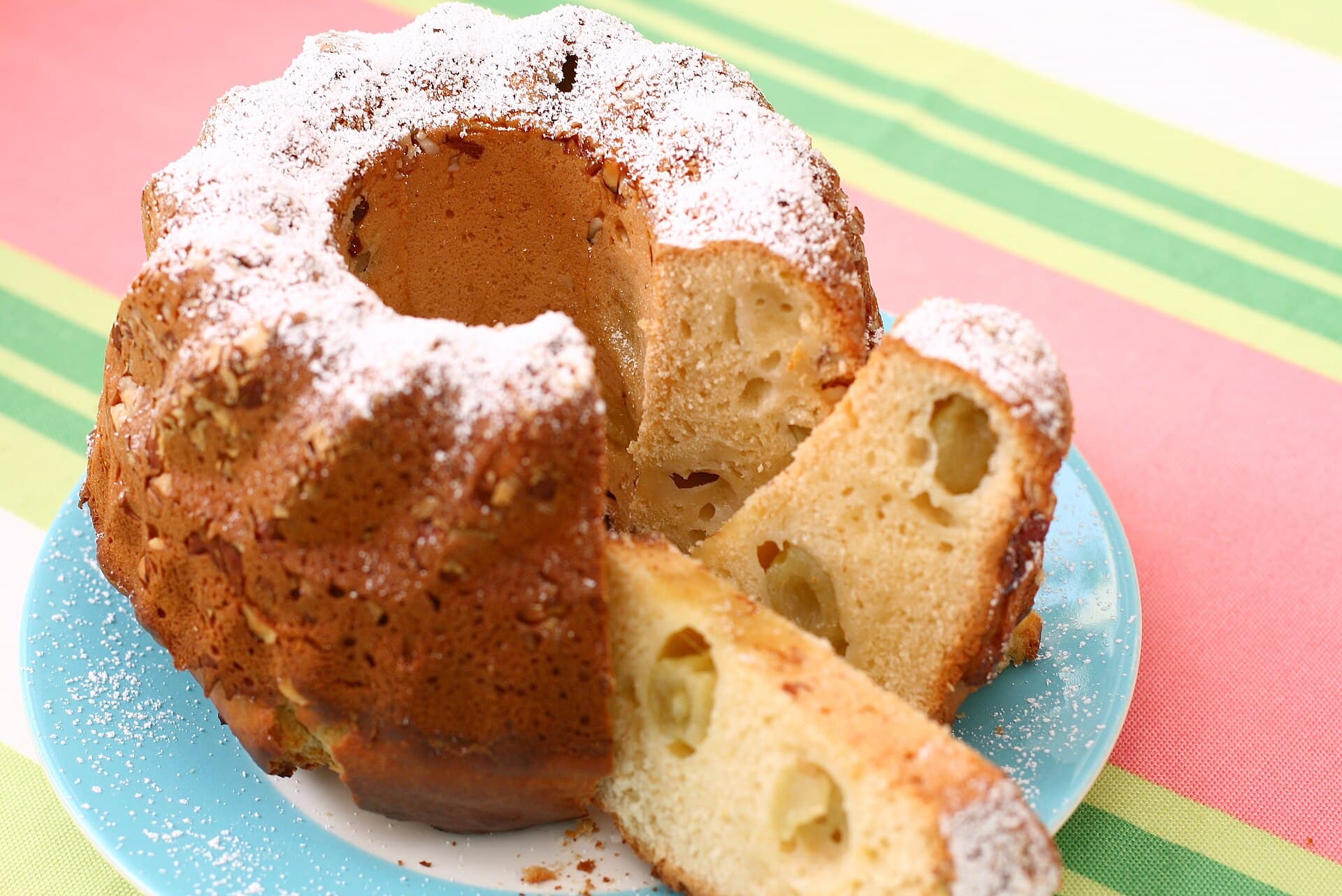
1950s-present
Bundt cake is as much about the pan as the batter. Nordic Ware created the Bundt pan in 1950 for home bakers seeking a kugelhopf-style shape, and Ella Helfrich's 1966 Tunnel of Fudge cake sent Bundt baking into American kitchens.
America's Melting Pot
Butter Boards photo coming soon
2020s-present
Butter boards became a viral American entertaining trend in 2022 after Justine Doiron shared her version online and credited Joshua McFadden's cookbook idea. The appeal was simple: a dramatic, cheaper alternative to a charcuterie board that turns good butter and bread into a party centerpiece.
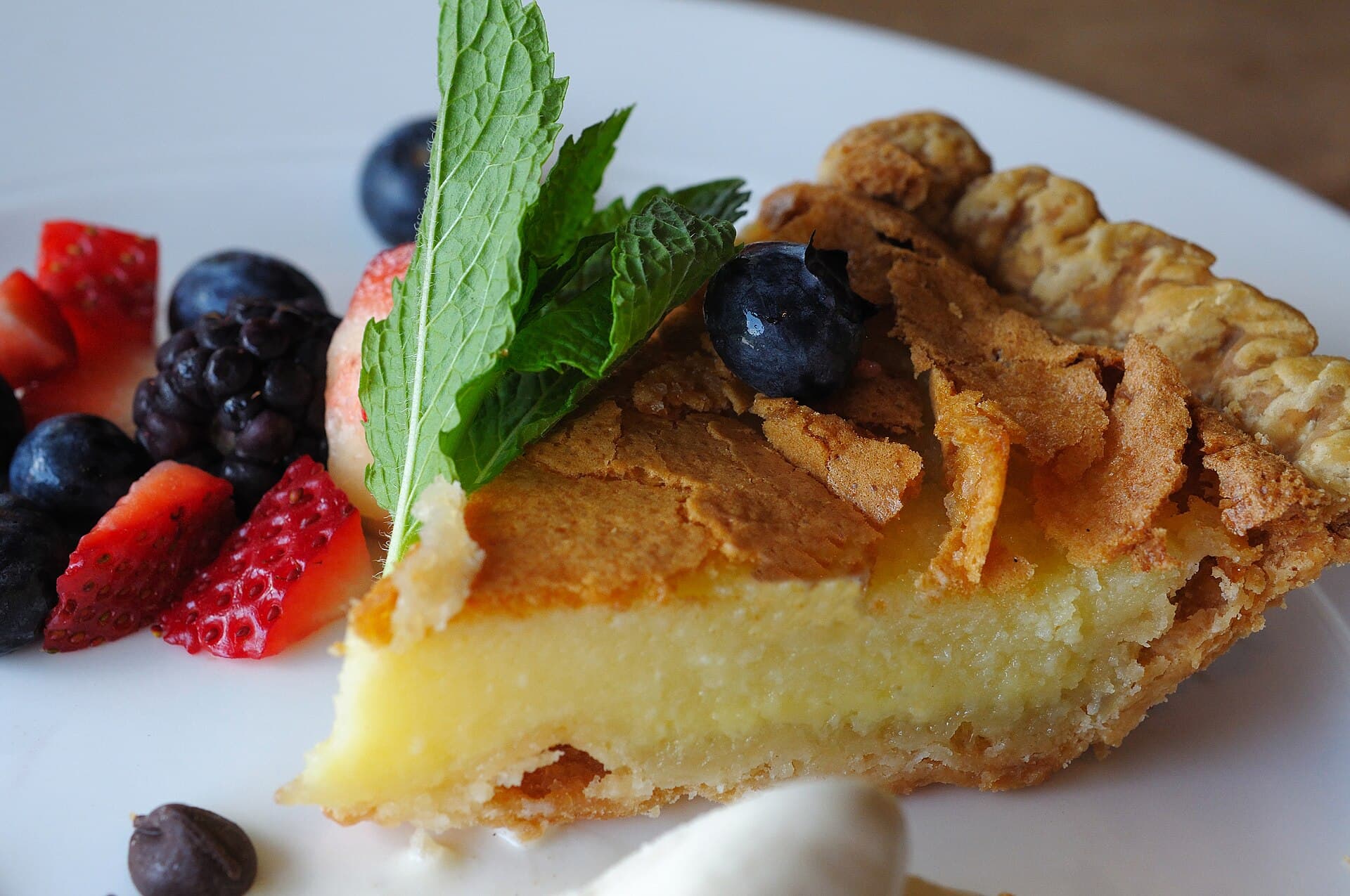
1800s-present
Buttermilk pie is a Southern pantry pie: inexpensive, tangy, and available when fruit is out of season. It sits near chess pie and other desperation pies, using buttermilk and a few staple ingredients to make a custard filling in a plain pie shell.
America's Melting Pot
Butterscotch Sauce photo coming soon
Gilded Age & Progressive Era
Butterscotch Sauce is a sweet sauce with real American table personality: Ice cream parlor classic. It brings flavor from coast-to-coast American tables to cookouts, counters, lunch plates, potlucks, and weeknight suppers.
America's Melting Pot
Cabbage and Noodles photo coming soon
1900s-present
Cabbage and noodles is Depression-friendly comfort food with Central and Eastern European roots. In American Polish, Slovak, Czech, Hungarian, and Appalachian communities, buttered cabbage and noodles became a cheap dish that could feed many people.
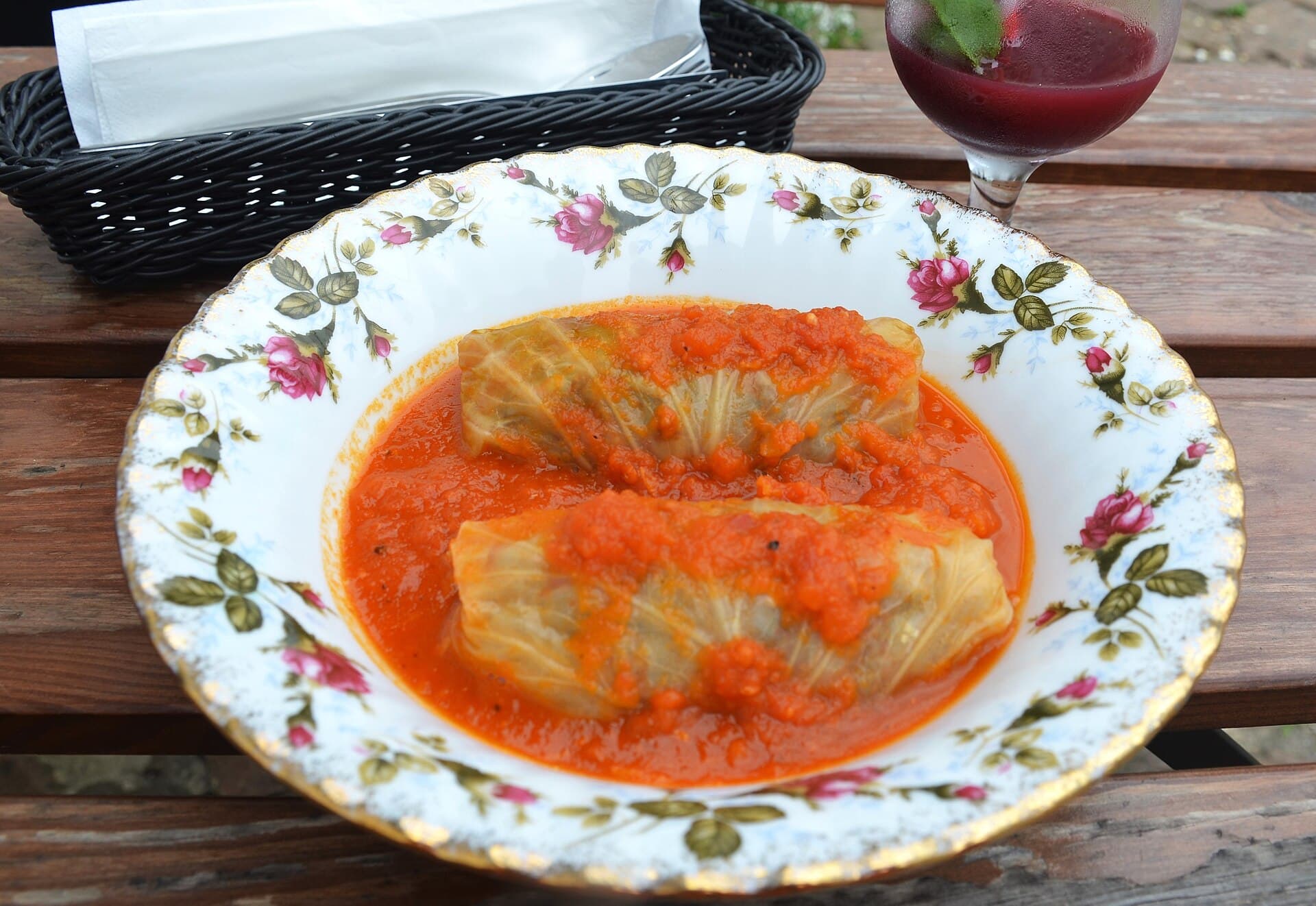
1900s-present
Cabbage rolls came to American tables through many Eastern European and Jewish immigrant communities. Polish golabki, Ukrainian holubtsi, Slovak holubky, Jewish holishkes, and related dishes all wrap humble cabbage around a filling that stretches meat with rice or grain.
America's Melting Pot
Candy Cane Shake photo coming soon
1900-1929
Candy Cane Shake brings drive-in, carhop, and fast-food dessert-counter energy to the table: Christmas seasonal shake.
America's Melting Pot
Canned Oyster Stew photo coming soon
1800s-present
Oyster stew has long been part of American coastal, holiday, and Lenten cooking. Canned oysters made the dish possible far from oyster beds and useful for military, railroad, boardinghouse, and pantry meals.
1900s-present
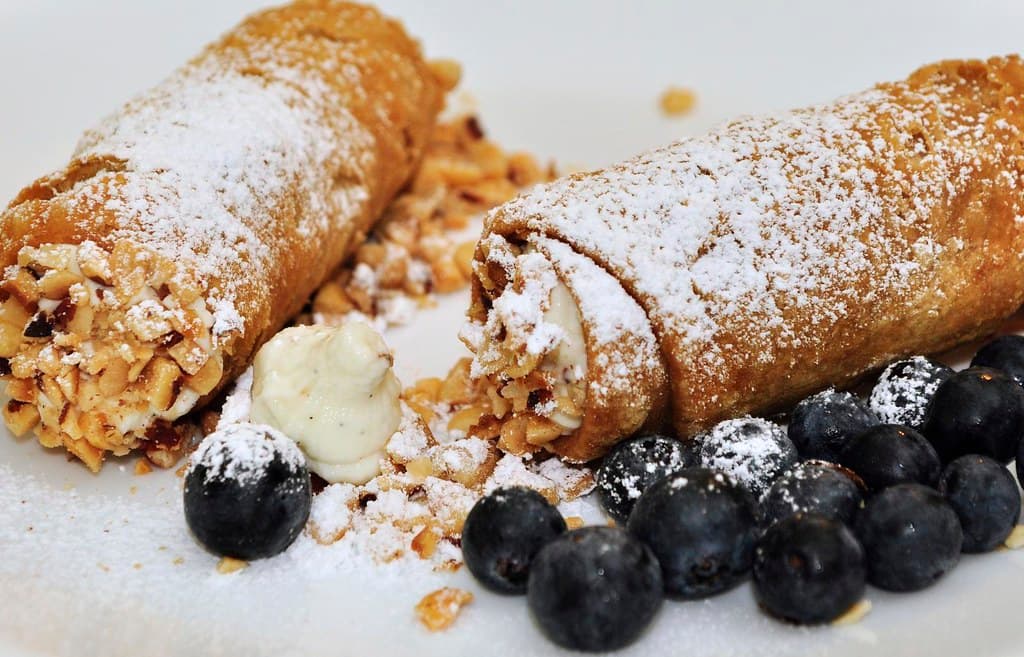
Cannoli came to Italian American bakeries from Sicily, where fried pastry shells and ricotta filling have deep carnival and regional roots. In the United States, Little Italy bakeries made cannoli a signature Italian American dessert, often sweeter and larger than Sicilian versions.
America's Melting Pot
Caramel Sauce photo coming soon
Gilded Age & Progressive Era
Caramel Sauce is a sweet sauce with real American table personality: Sundaes, apple dipping, coffee drinks. It brings flavor from coast-to-coast American tables to cookouts, counters, lunch plates, potlucks, and weeknight suppers.
1800s-present
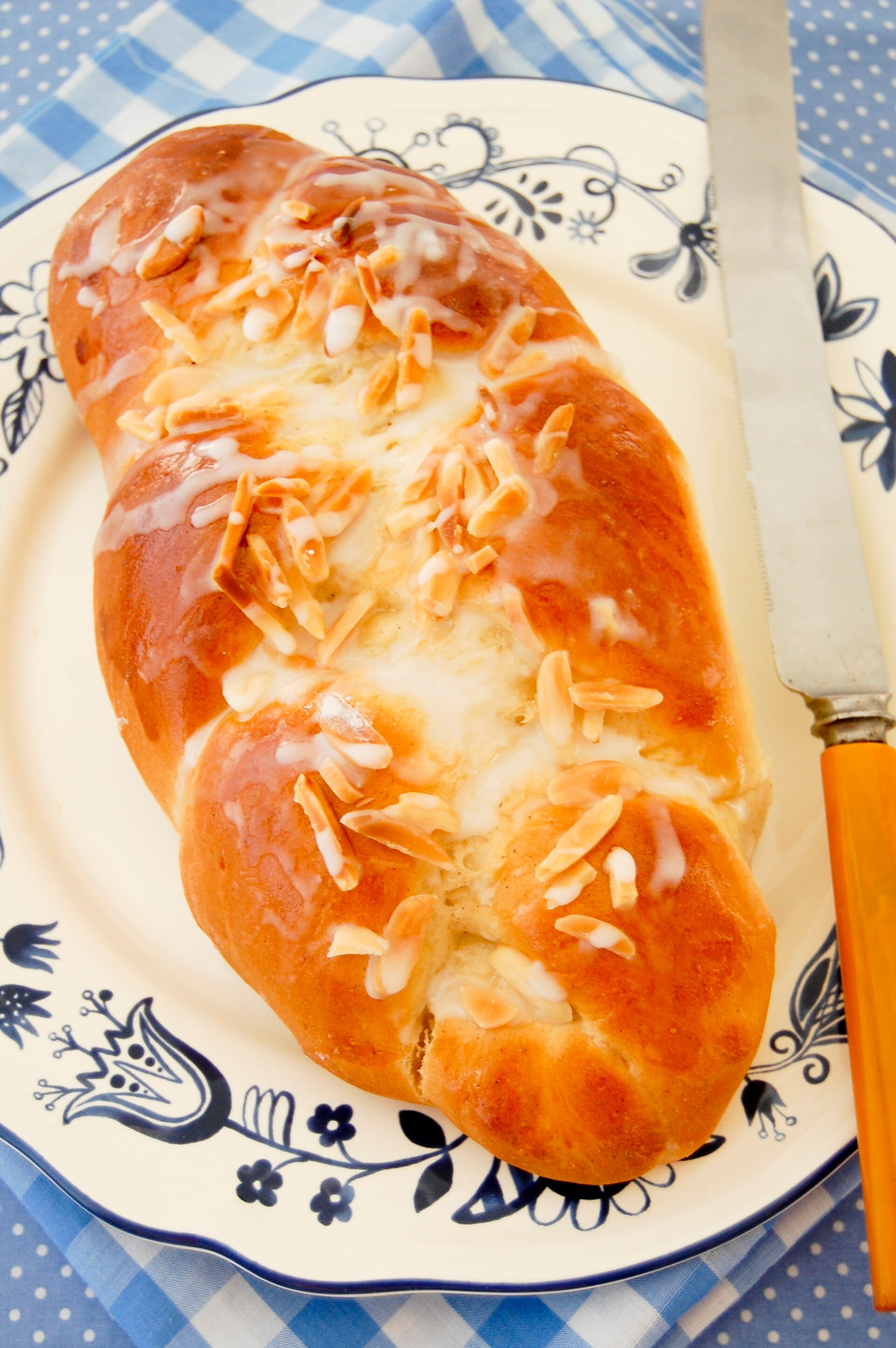
Cardamom bread came into Upper Midwest kitchens with Finnish, Swedish, Norwegian, and other Scandinavian immigrants. Finnish pulla and Swedish cardamom breads became coffee-table, holiday, and family celebration loaves in Scandinavian American communities.
1960s-present
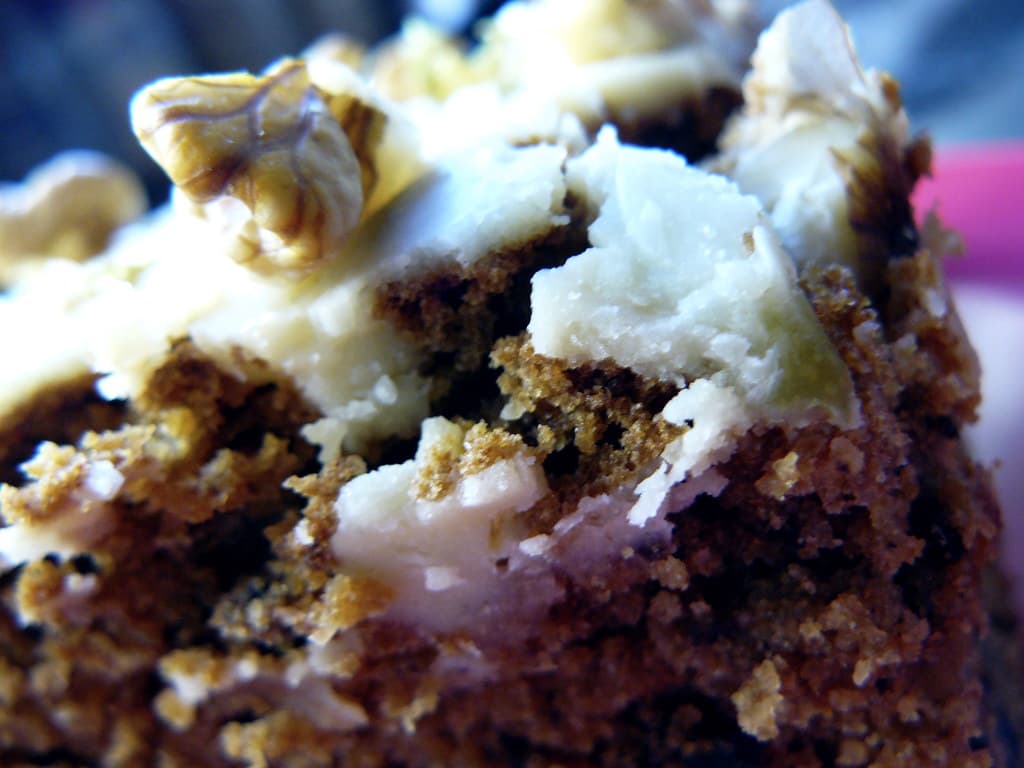
Carrot cake has older European roots in carrot puddings and cakes, but the American layer cake with oil, warm spices, nuts, and cream cheese frosting surged in the 1960s and 1970s. It became a party, bakery, and Easter-table classic.
1880s-present
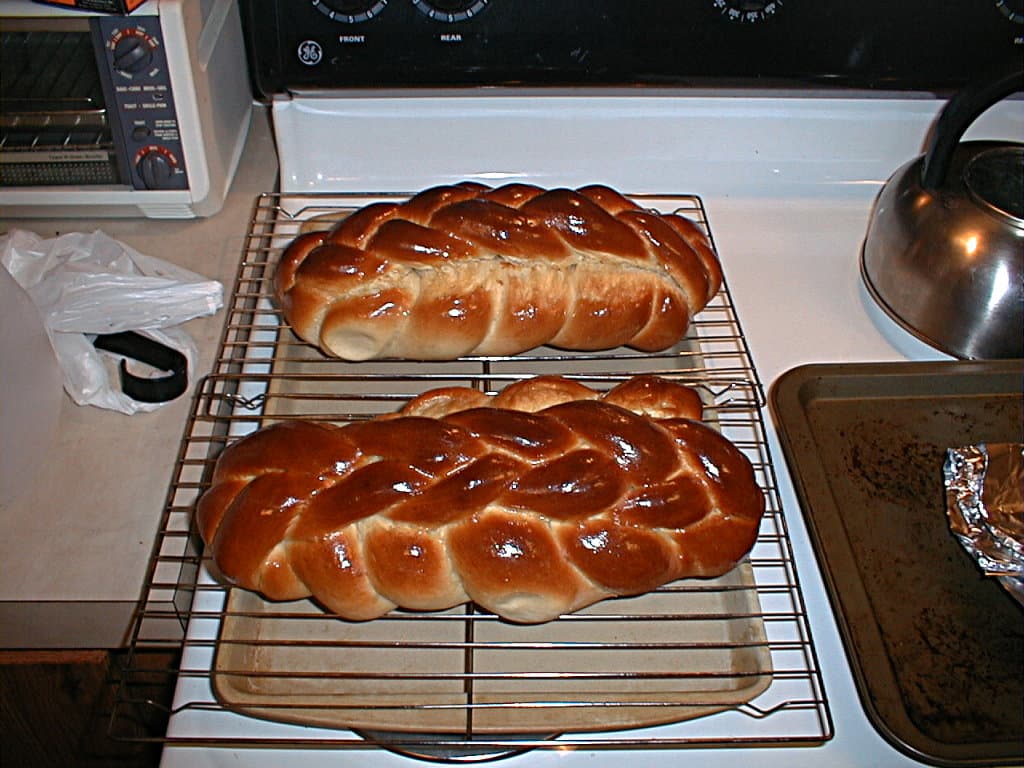
A tender braided egg bread with a glossy crust, lightly sweet crumb, and deep Jewish American Shabbat and holiday meaning.
America's Melting Pot
Charcuterie Boards photo coming soon
2010s-present
A modern American party board arranging cured meats, cheeses, crackers, fruit, nuts, pickles, and spreads for casual grazing.
America's Melting Pot
Cheese Ball photo coming soon
1950s-present
A midcentury-style cheese ball made with cream cheese, cheddar, green onion, Worcestershire, and a crunchy pecan coating.
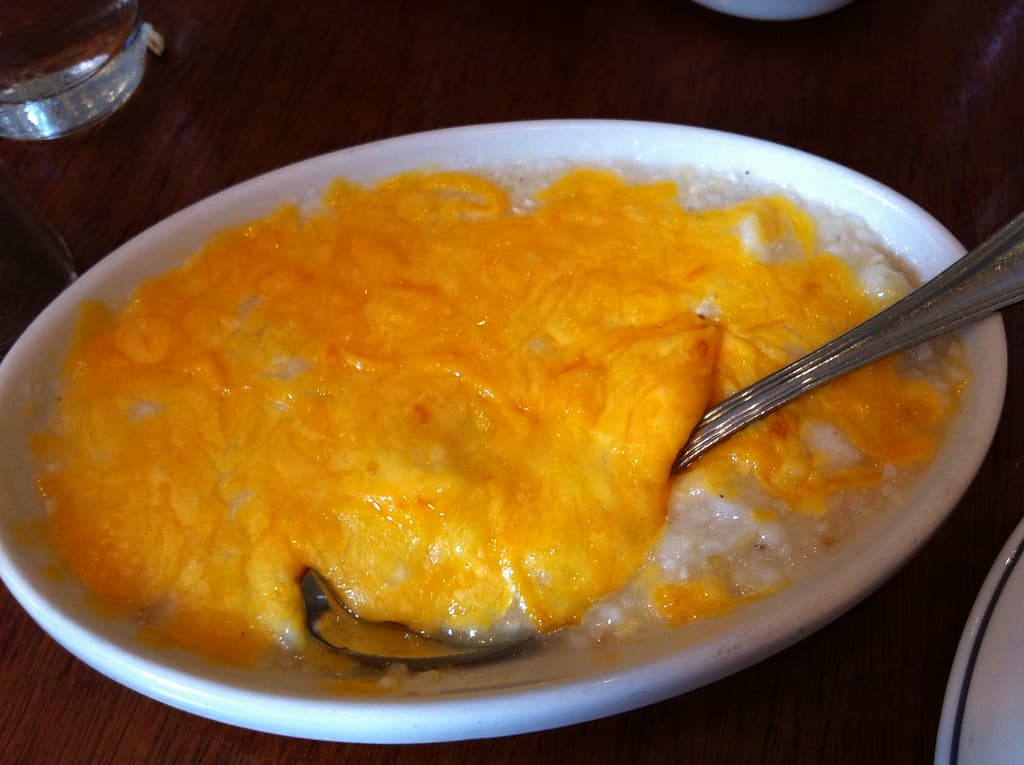
1800s-present
Creamy Southern grits cooked with milk or water, finished with butter, sharp cheddar, and black pepper.
America's Melting Pot
Cheese Logs photo coming soon
1960s-present
Retro party cheese logs made from cream cheese, cheddar or blue cheese, Worcestershire, hot sauce, and a nut or herb coating.
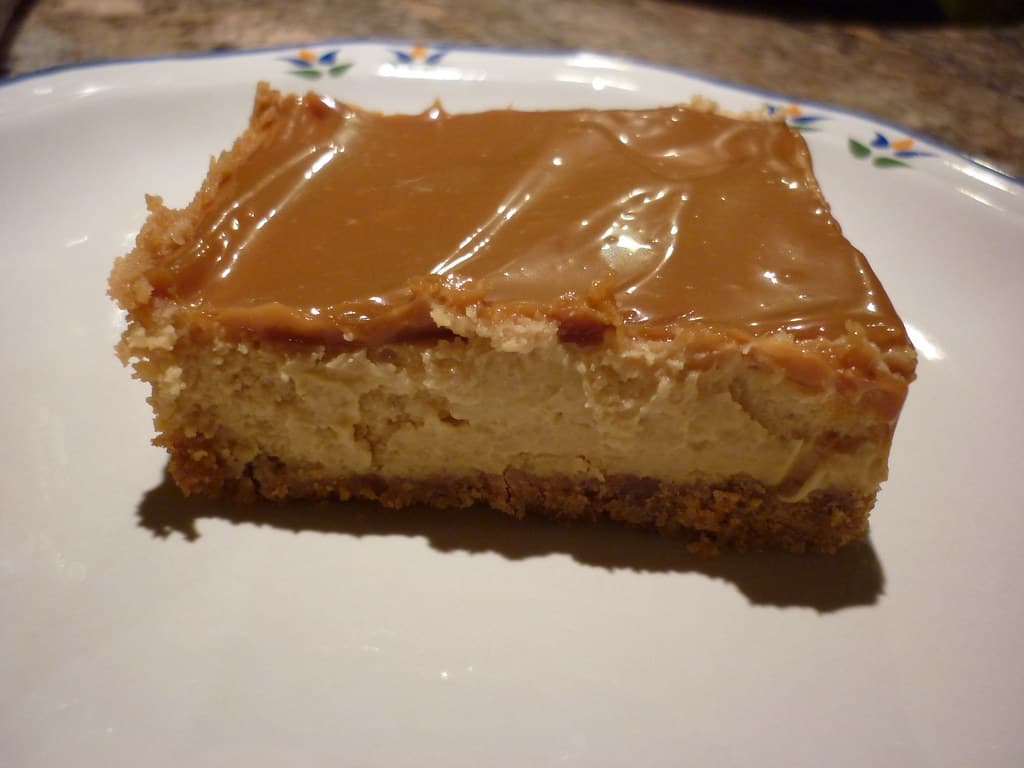
1990s-present
Creamy cheesecake baked over a graham cracker crust, chilled, and cut into tidy bars for easy serving.
America's Melting Pot
Cheesecake Sampler photo coming soon
1970s-present
A four-flavor cheesecake sampler with one base cheesecake and sections topped with plain, strawberry, chocolate, and caramel-pecan finishes.
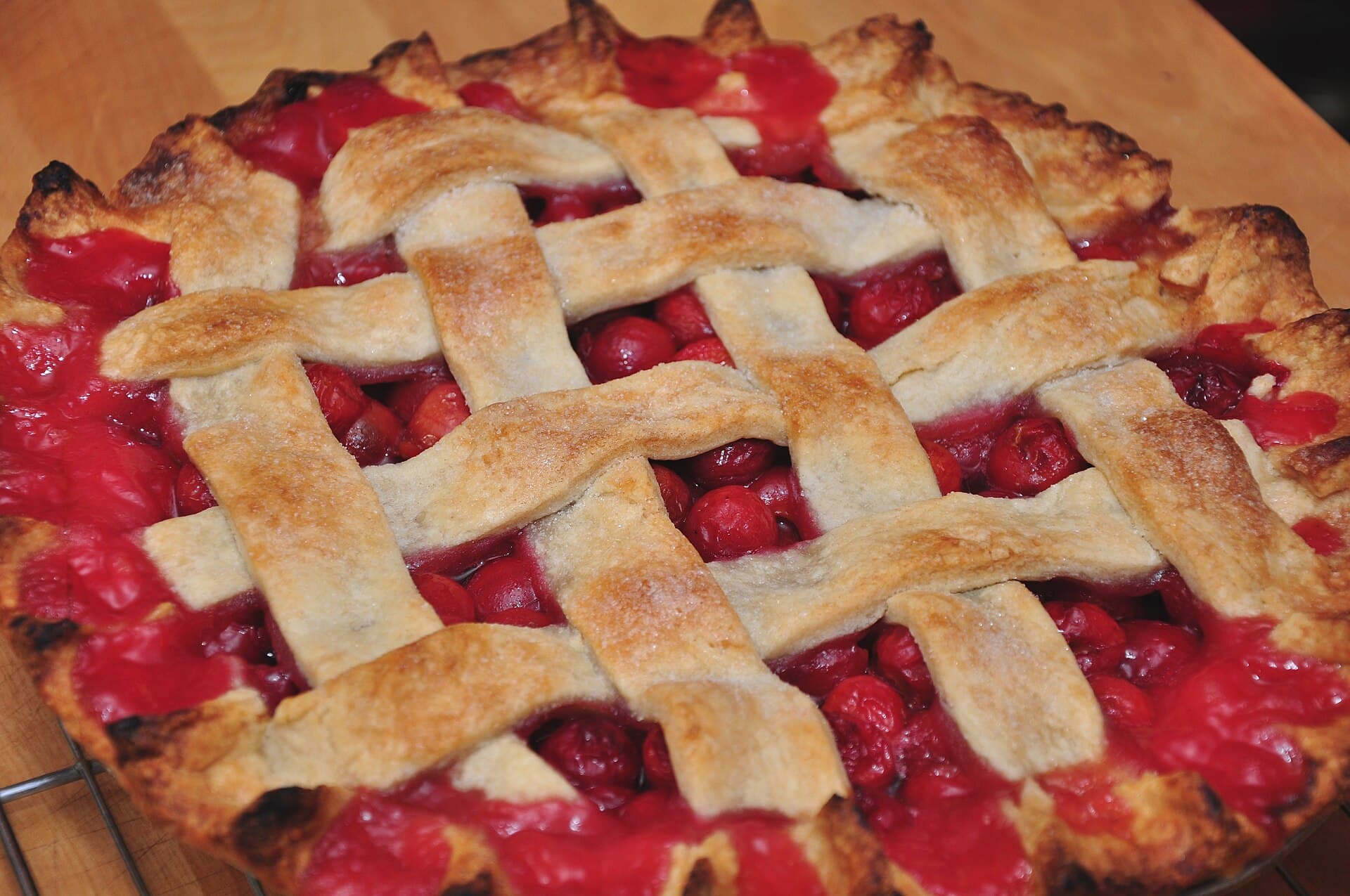
1700s-present
A double-crust sour cherry pie with a bright tart-sweet filling thickened just enough to slice cleanly.
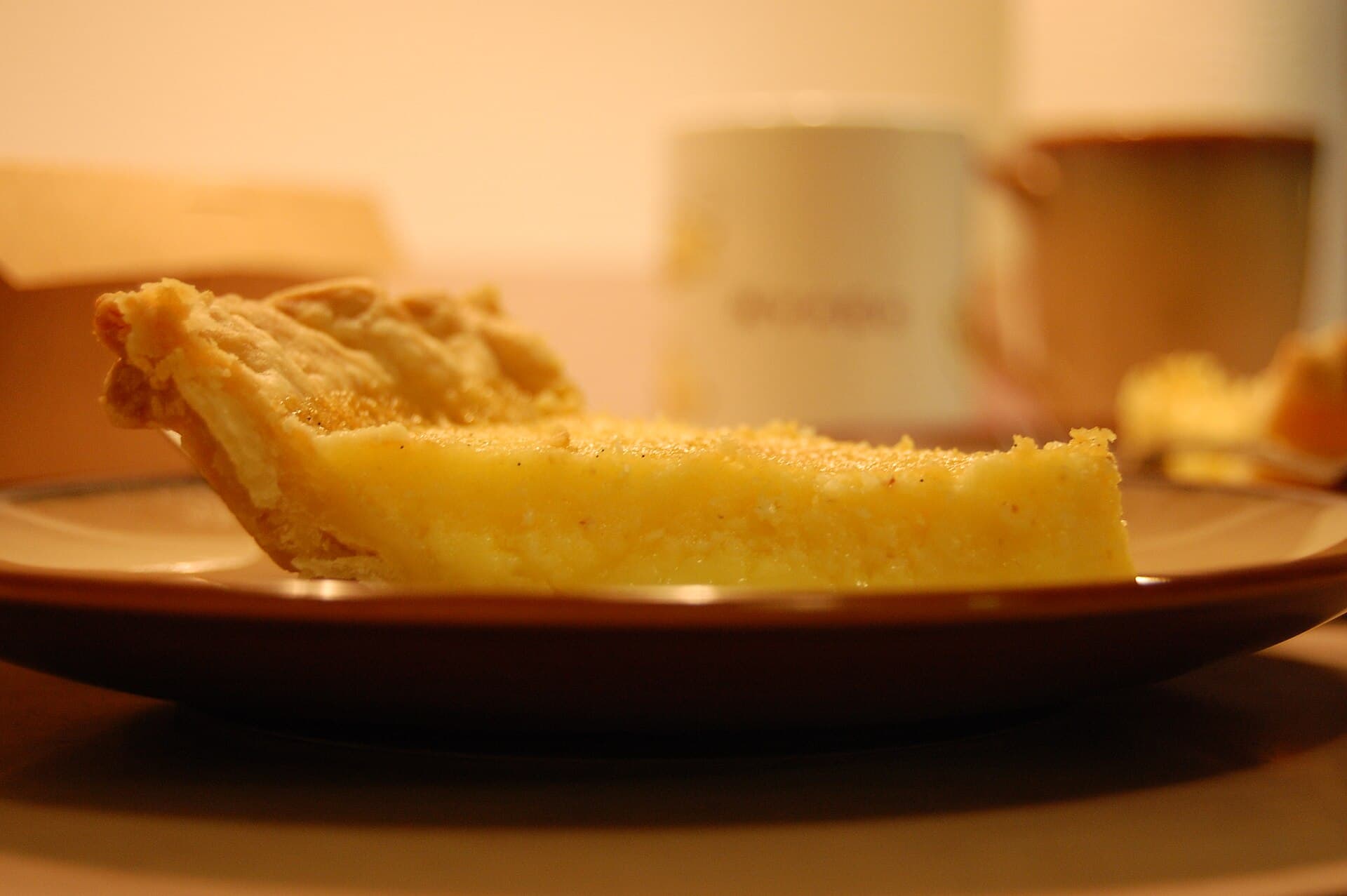
1800s-present
A classic Southern pantry pie with a buttery sugar filling, cornmeal texture, and a bright touch of vinegar or lemon.
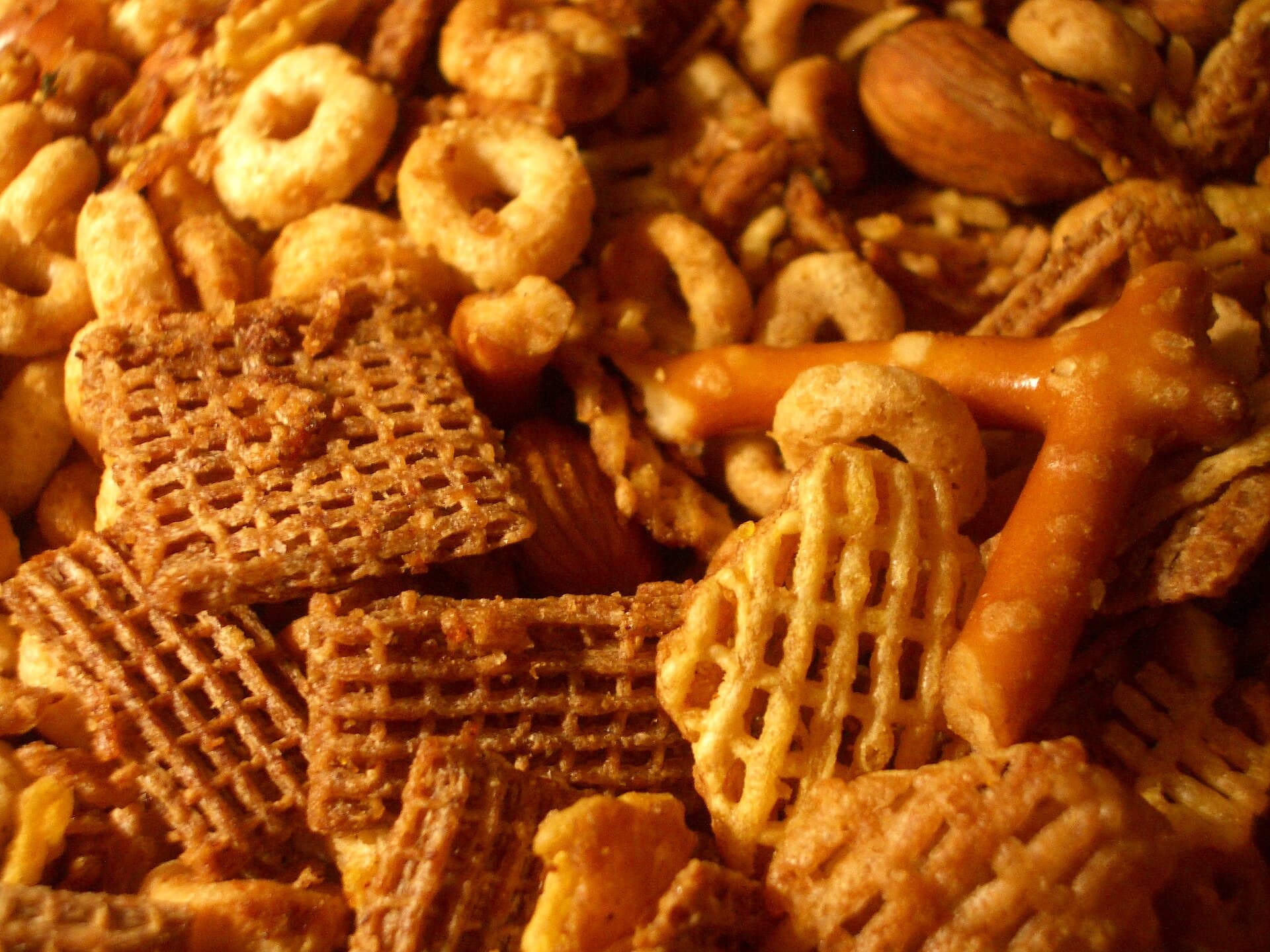
1950s-present
A savory baked party mix of Chex cereal, pretzels, nuts, butter, Worcestershire sauce, garlic, and seasoned salt.
America's Melting Pot
Chicken Bog photo coming soon
1920s-present
A Pee Dee and Horry County chicken-and-rice dish with smoked sausage, moist rice, and enough broth to stay boggy.
America's Melting Pot
Chicken Gravy photo coming soon
Cross-era
Chicken Gravy is a condiment with real American table personality: Cafeteria, Sunday supper, chicken and biscuits. It brings flavor from coast-to-coast American tables to cookouts, counters, lunch plates, potlucks, and weeknight suppers.
America's Melting Pot
Chicken Liver Spread photo coming soon
1861-1900
Chicken Liver Spread is a smooth pate made from sauteed chicken livers, onions, and seasonings, often served as a hearty appetizer or sandwich topping within Jewish-American communities. Rooted in mid-19th century culinary traditions during and after the Civil War, this dish reflects immigrant adaptation and resourcefulness.
America's Melting Pot
Chicken Noodle Soup photo coming soon
1930-1945
Chicken Noodle Soup is a comforting one-pot dish made by simmering chicken, vegetables, broth, and egg noodles into a nourishing soup. A staple across American kitchens for generations, it highlights simplicity, warmth, and adaptability in soups and stews throughout the country's culinary evolution.
America's Melting Pot
Chipped Beef Dip photo coming soon
1946-1969
Chipped Beef Dip is a party dip with real American table personality: Midcentury and church-cookbook favorite. It brings flavor from coast-to-coast American tables to cookouts, counters, lunch plates, potlucks, and weeknight suppers.
America's Melting Pot
Chokecherry Sauce photo coming soon
Before 1776
Chokecherry Sauce is a tart and flavorful condiment made from the chokecherry fruit, historically prepared by Indigenous American peoples across the United States from the early 19th century. This sauce functions as an accompaniment to game meats and poultry, showcasing native foraging and preservation techniques during the Expansion and Young Republic period. It exemplifies Indigenous foodways adapted to settler tables while maintaining cultural culinary heritage.
America's Melting Pot
Cider photo coming soon
1776-1800
Cider, made from fermented or fresh-pressed apple juice, has been an important American drink since colonial times. Both hard (alcoholic) and sweet (non-alcoholic) varieties were common, used at meals and celebrations, embodying early American fruit preservation and local agriculture.
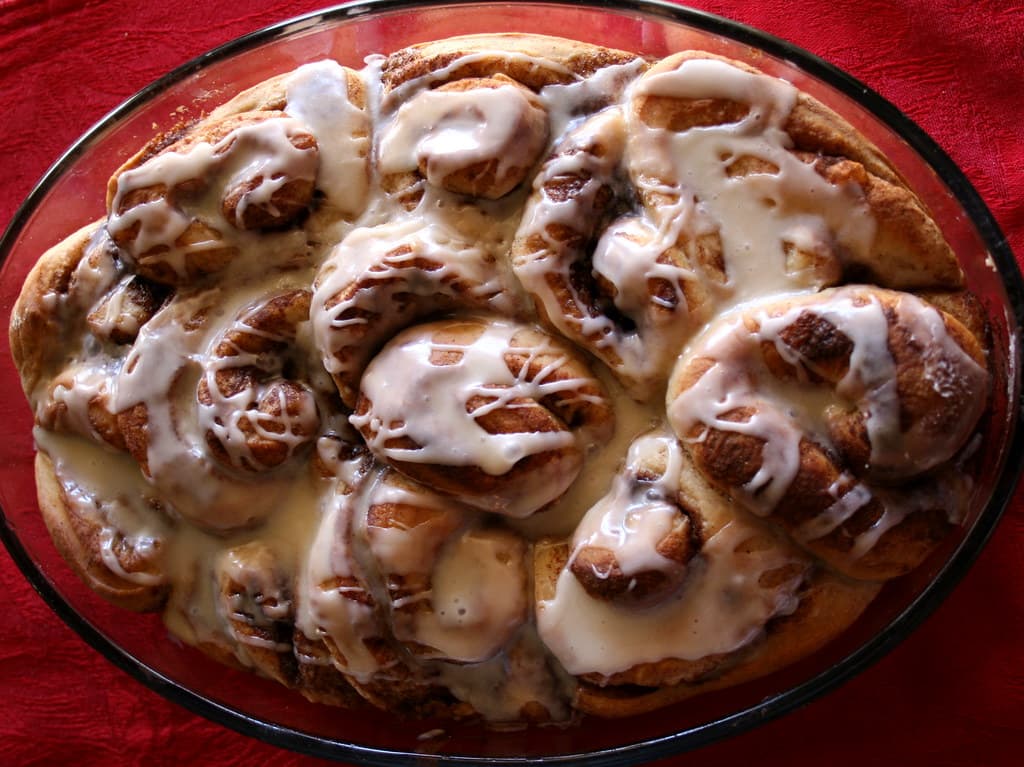
1970-1989
Classic American breakfast sweet rolls featuring a soft, fluffy dough swirled with cinnamon sugar and topped with a sweet glaze. Cinnamon rolls became popular as convenient and comforting treats at tailgate parties, booster clubs, and concession stands in late 20th-century America, especially from the 1970s through the 1980s. Their warm spices and sweetness mark them as a festive favorite around Christmas and other cold-weather celebrations.
America's Melting Pot
City Chicken photo coming soon
1930-1945
City Chicken consists of cubes of pork or veal (sometimes a mix), skewered on sticks, breaded, and fried or baked to simulate roasted chicken. It became popular in American industrial cities with large Polish, Czech, Slovak, and other Eastern European immigrant populations in the early 20th century, especially where chicken was expensive or scarce. Served often at diners, lunch counters, and state fairs, it represents resourceful ethnic adaptation and immigrant influence on urban American foodways.
America's Melting Pot
Cocktail Wieners photo coming soon
1946-1969
Cocktail Wieners are bite-sized sausages often simmered in a flavorful sauce, making them popular appetizers for cocktail parties and gatherings in the post-World War II American suburban era. They epitomize easy, crowd-pleasing finger foods suited to informal entertaining from 1946 to 1969.
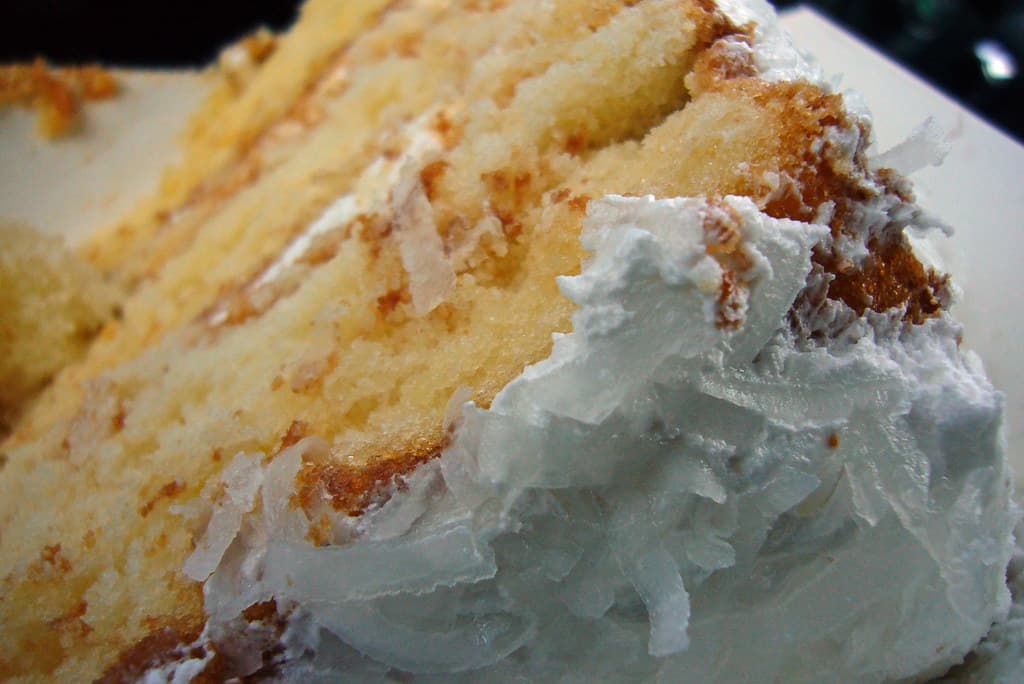
1800-1860
Coconut Cake is a beloved Southern dessert featuring moist layers of vanilla or yellow cake frosted with rich coconut-flavored icing and topped with shredded coconut. Dating back to early 19th-century Southern United States, it gained particular popularity in holiday and Easter celebrations, reflecting the region's fondness for coconut and festive cakes between 1800 and 1860.
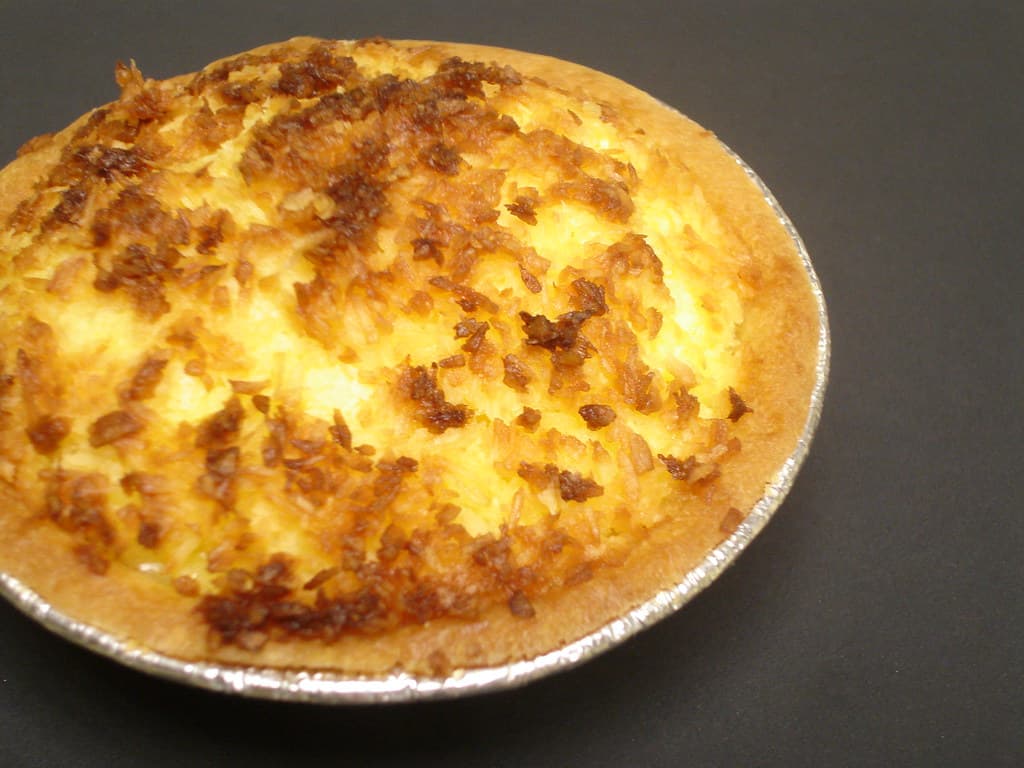
1900-1929
Coconut Tart is a traditional dessert found across U.S. territories and island communities such as Puerto Rico, Guam (Chamorro), the Philippines, and the U.S. Virgin Islands. This recipe features a flaky crust filled with sweetened coconut custard, highlighting indigenous and colonial culinary influences that span eras and geographies in American territories.
America's Melting Pot
Coleslaw photo coming soon
Before 1776
Coleslaw is a popular American salad made from shredded cabbage and carrots tossed in a creamy mayonnaise-based dressing. It became widespread in the postwar period as a favorite side for barbecues, picnics, and holidays such as the Fourth of July. Refreshing and versatile, coleslaw complements grilled meats and sandwiches in American backyard dining traditions.
Before 1776
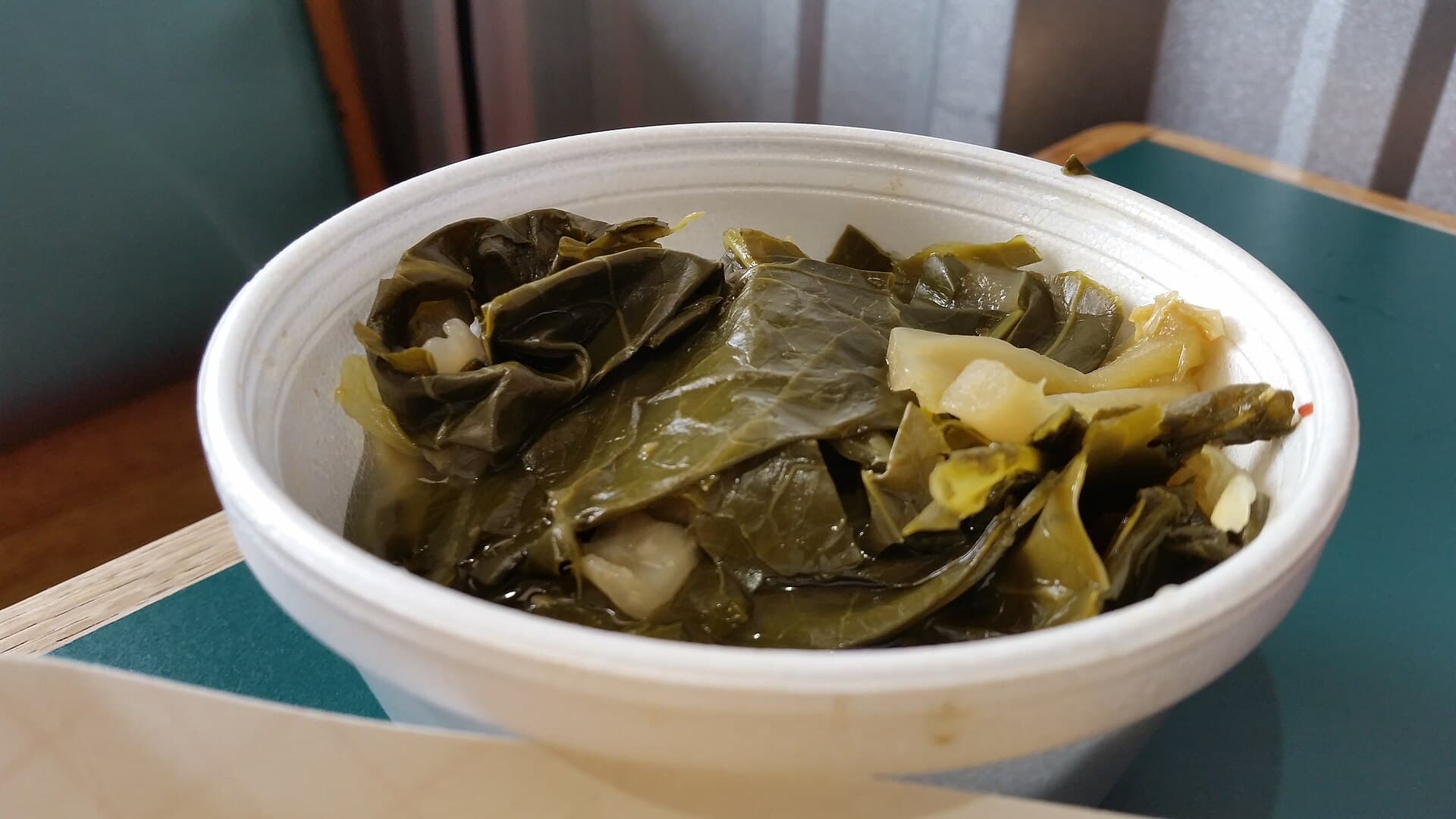
Collard greens are a Southern staple of slow-cooked leafy greens, often simmered with smoked meats and seasonings. Served frequently at Thanksgiving and other holidays, they reflect African American and Southern culinary traditions blending native and immigrant foodways. This versatile side dish is a symbol of Southern hospitality and cultural heritage.

1861-1900
Concord Grape Jelly is a preserve with real American table personality: Northeastern American grape culture. It brings flavor from coast-to-coast American tables to cookouts, counters, lunch plates, potlucks, and weeknight suppers.
America's Melting Pot
Congealed Salad photo coming soon
1900-1929
Congealed salad is a cold dish featuring gelatin with mixed ingredients such as fruit, vegetables, mayo, or cottage cheese, molded into decorative shapes. Popular in American homes and potlucks from 1946 to 1969, it reflects mid-century fascination with convenience foods and playful presentation. Though less common today, it remains a nostalgic symbol of postwar suburban family menus and holiday tables.
America's Melting Pot
Corn Dip photo coming soon
Cross-era
Corn Dip is a party dip with real American table personality: Southwestern/Midwestern potluck food. It brings flavor from the American South to cookouts, counters, lunch plates, potlucks, and weeknight suppers.
Before 1776
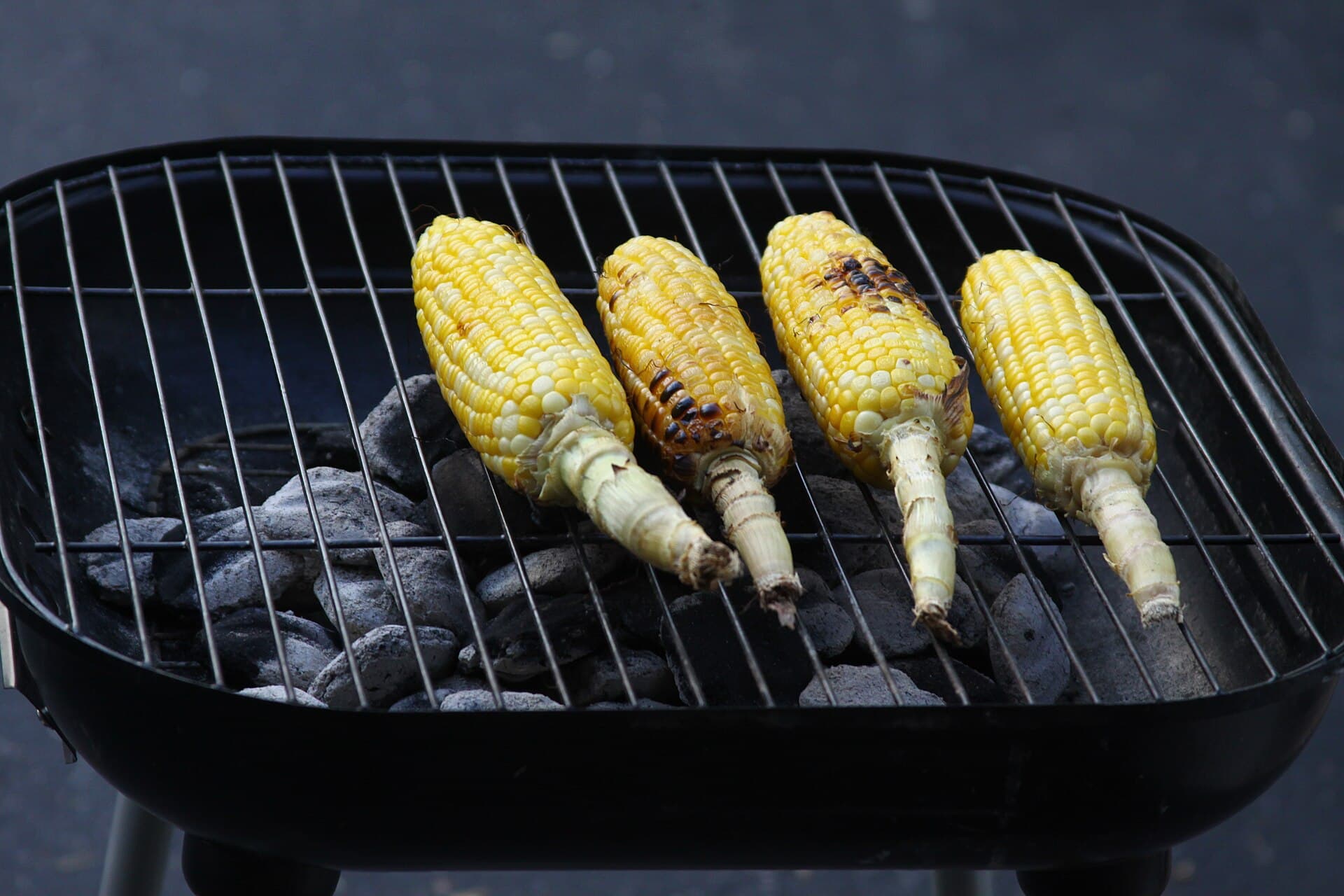
Corn on the cob is a simple, beloved summer side dish traditionally enjoyed at Fourth of July celebrations and backyard cookouts across the United States. Boiled or grilled fresh corn with butter and salt has long been a staple of American holiday tables.
America's Melting Pot
Corn Soup photo coming soon
Before 1776
Corn soup is a nourishing dish rooted in Indigenous American foodways, made with fresh or dried corn and vegetables. It was a common staple during the early 19th century, reflecting traditional methods of using native crops for sustenance.
America's Melting Pot
Cornbread photo coming soon
1930-1945
Cornbread is a versatile quick bread made primarily from cornmeal, commonly baked or fried in the South and Appalachia during the Great Depression and World War II eras. It was a dietary staple in military mess halls and home kitchens, valued for economical ingredients and satisfying flavor. Often served alongside barbecue and holiday meals, this cornbread represents resilience and regional culinary heritage in trying times.
1800-1860
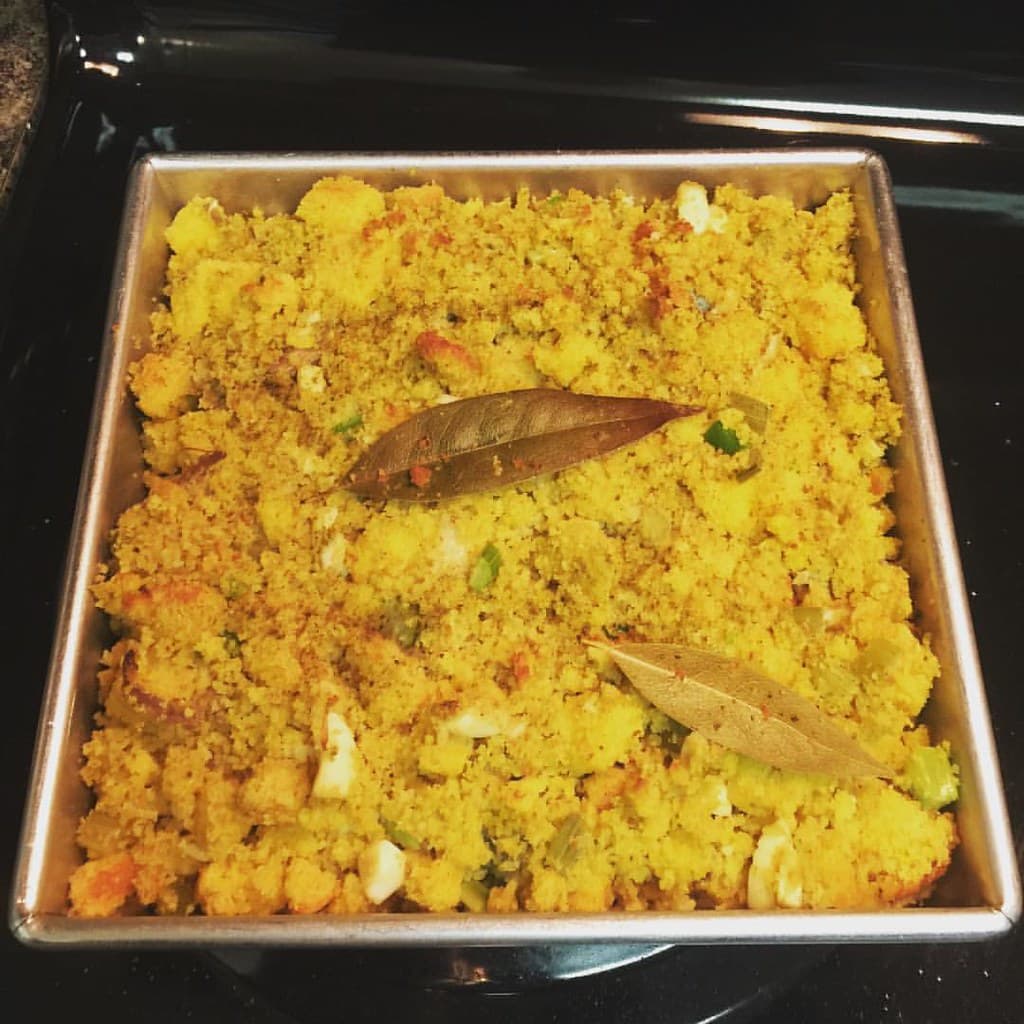
Cornbread dressing is a savory Southern side enjoyed especially during Thanksgiving, combining crumbled cornbread with herbs and often broth for moist stuffing.
America's Melting Pot
Country Ham photo coming soon
1800-1860
Country ham is a dry-cured, aged ham typical of Southern United States foodways dating back to the early 19th century. It is preserved with salt and aging, resulting in a salty, flavorful meat served in traditional Southern meals.
America's Melting Pot
Cranberry Fluff photo coming soon
1900-1929
A nostalgic sweet salad combining cranberries, marshmallows, nuts, and whipped topping to create a light, fruity dessert common at churches and schools in New England during the early 20th century.
America's Melting Pot
Cranberry Orange Relish photo coming soon
Founding Era
Cranberry Orange Relish is a preserve with real American table personality: Holiday table condiment. It brings flavor from New England to cookouts, counters, lunch plates, potlucks, and weeknight suppers.
1900-1929
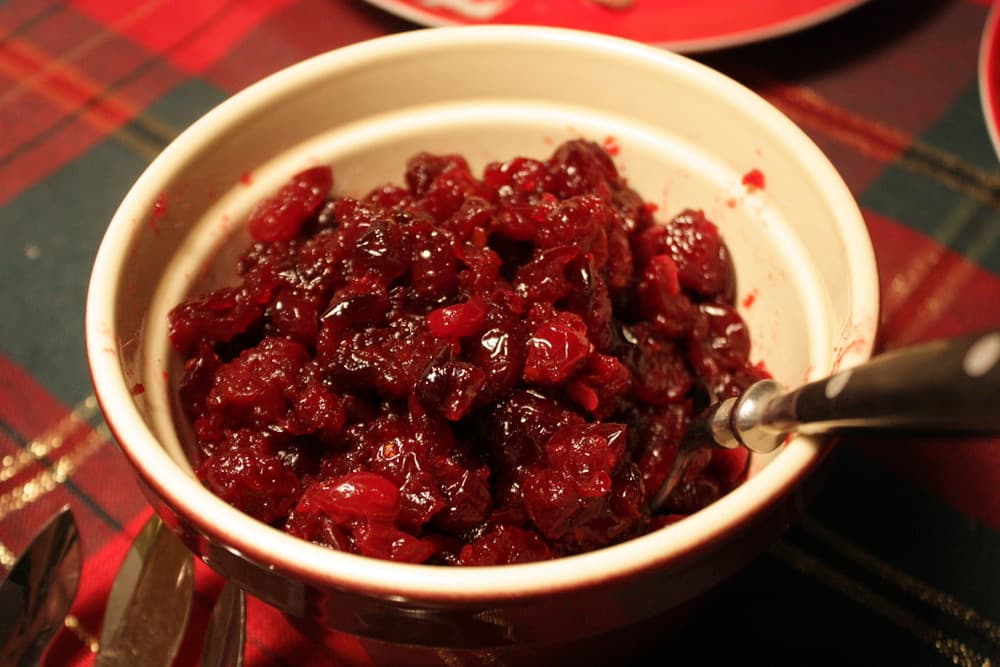
A bright and tangy relish made from freshly chopped cranberries, orange peel, and sugar. A traditional New England side dish commonly served at Thanksgiving and holiday meals.
1776-1800
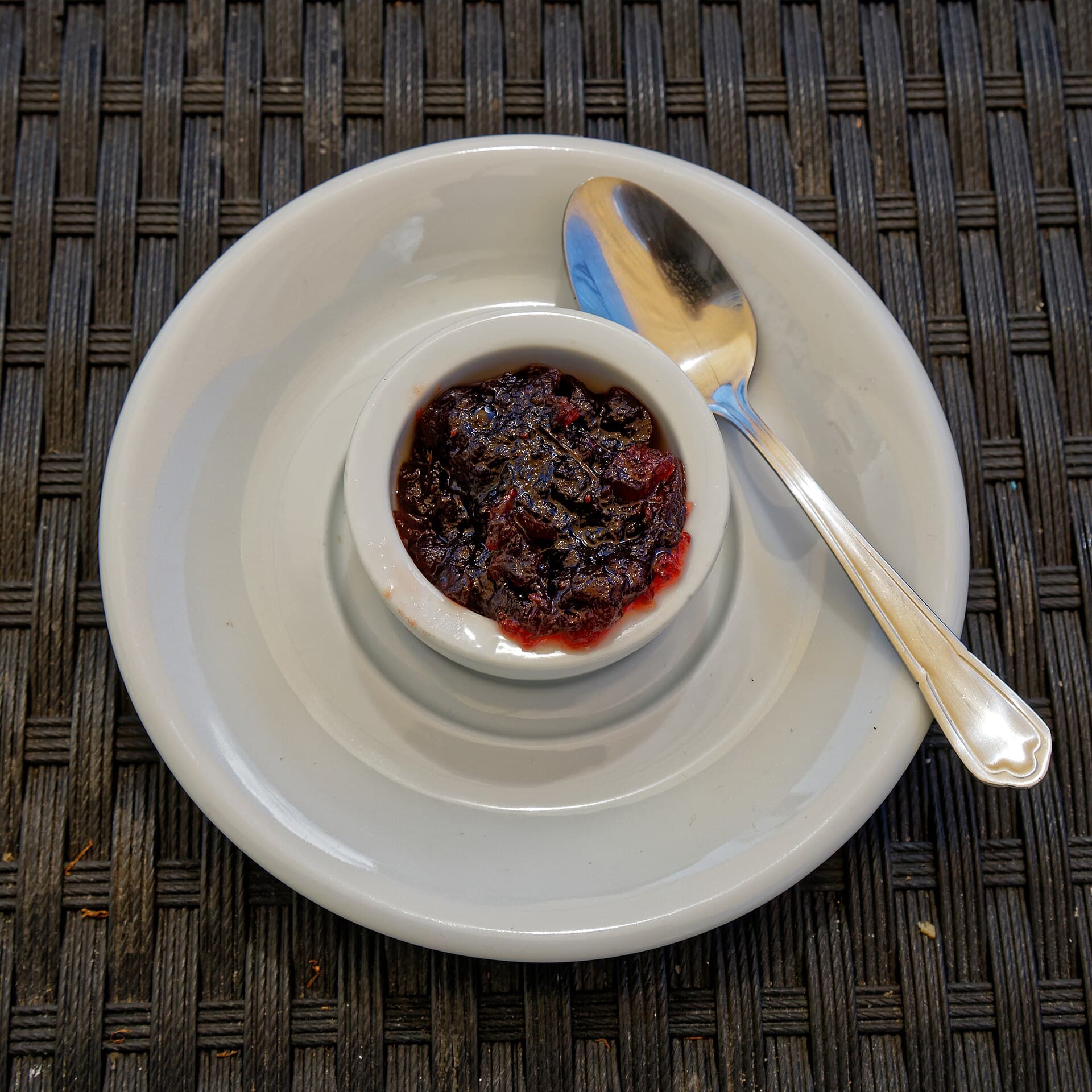
A traditional cooked cranberry sauce simmered with sugar and citrus, served as a tart condiment during Thanksgiving feasts in New England since the late 18th century.
Community recipe submission
Log in to submit a recipe, format it with the cooking companion, and send it for review.
Log in to Submit