
Loading
Setting the table...
Fetching the latest recipes from the archive.
Loading
Fetching the latest recipes from the archive.
Recipe archive
Recipe archive
Search the archive by title, region, ingredient, tag, or era, then sort the table by the view that fits your kitchen.
This archive is growing through recipes, photos, family recipes, and historical context shared by the community.
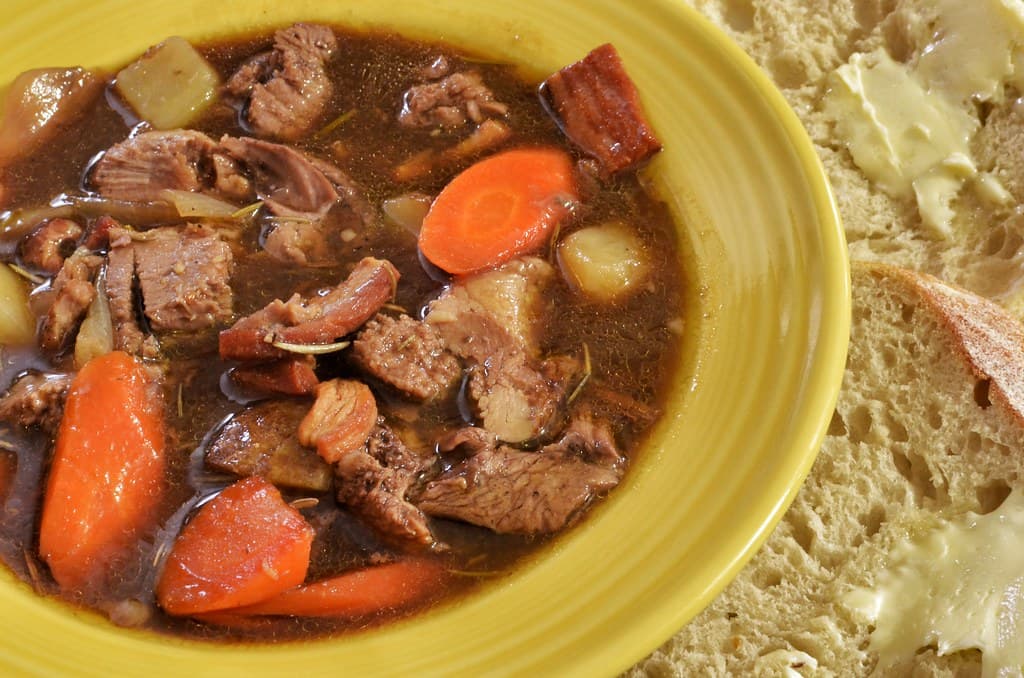
1800-1860
Lamb stew is a savory dish featuring tender lamb pieces simmered with root vegetables and herbs. Irish immigrants brought such recipes to the United States during the early 19th century, adapting them to American ingredients. The stew reflects sustenance cooking suited to family gatherings and everyday meals in immigrant households.
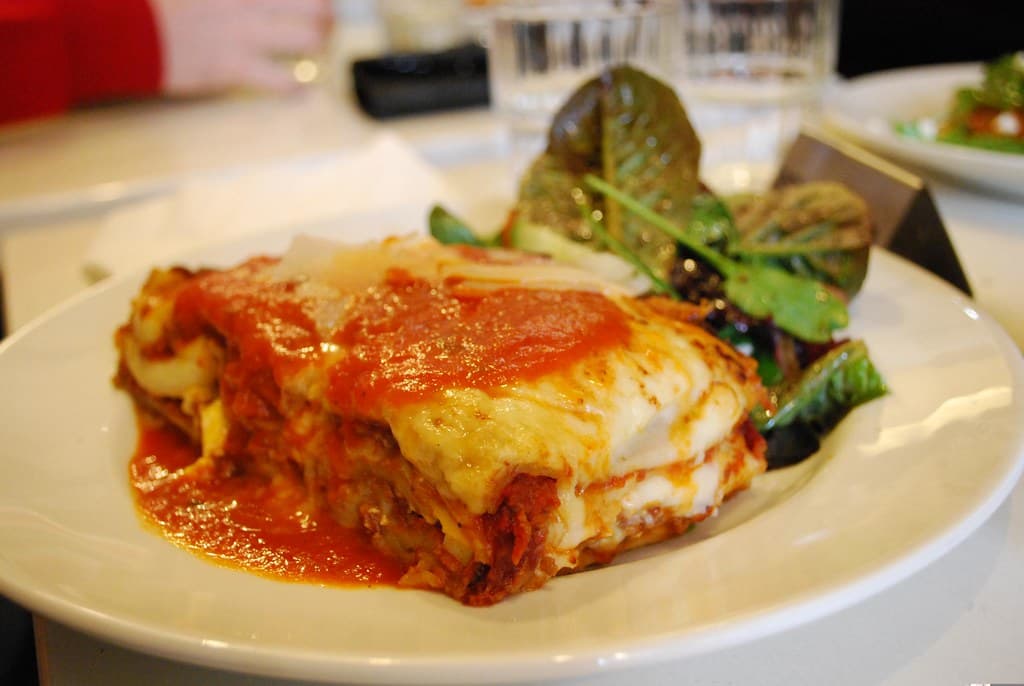
1861-1900
Lasagna is a layered baked casserole with pasta sheets, meat sauce, cheese, and often tomato and herbs. Italian immigrants introduced it to the U.S., where it became a holiday tradition and staple comfort food, especially during Christmas. Its layered nature symbolizes family and richness in American Italian cooking heritage.
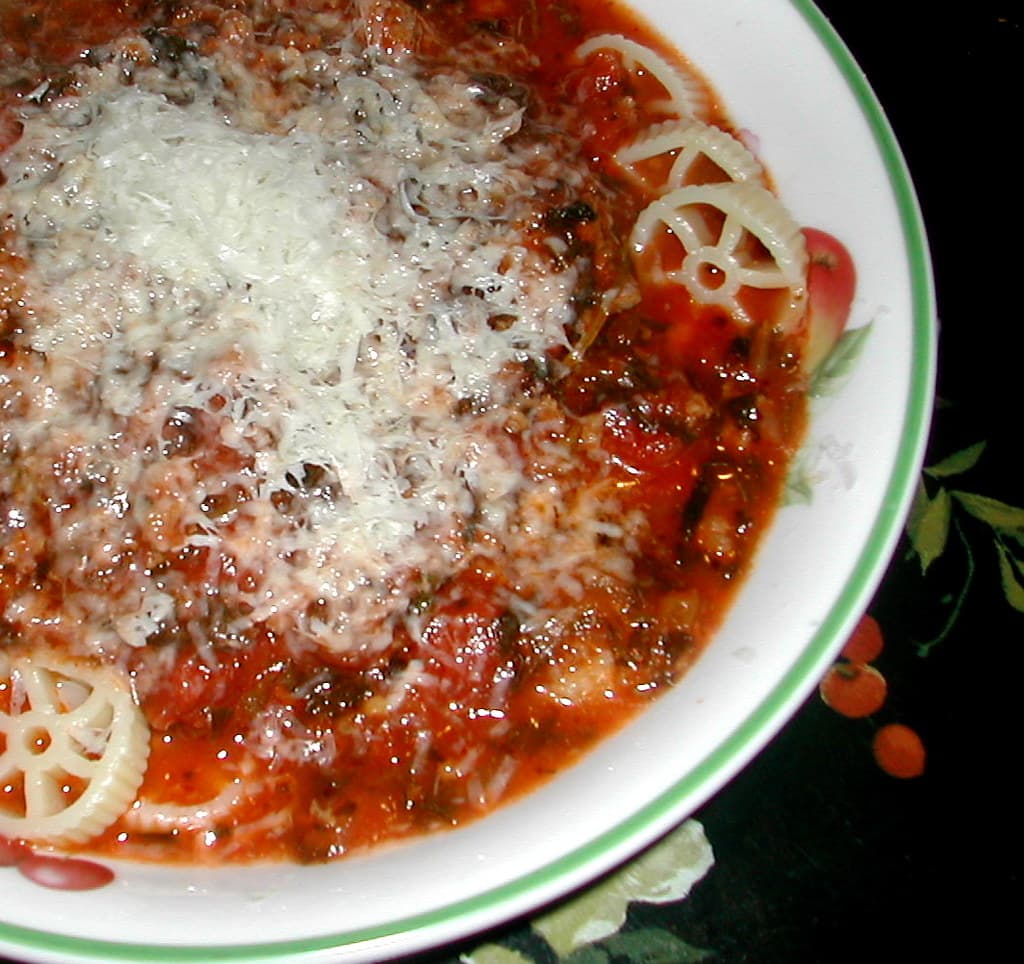
2010-2026
Lasagna soup captures the iconic flavors of baked lasagna in a warm, brothy soup form. Emerging as a viral recipe in the 2010s in American food trends, it adapts traditional elements like tomato, ground meat, noodles, and cheese into a hearty, easy-to-prepare dish popular at markets and food trucks.
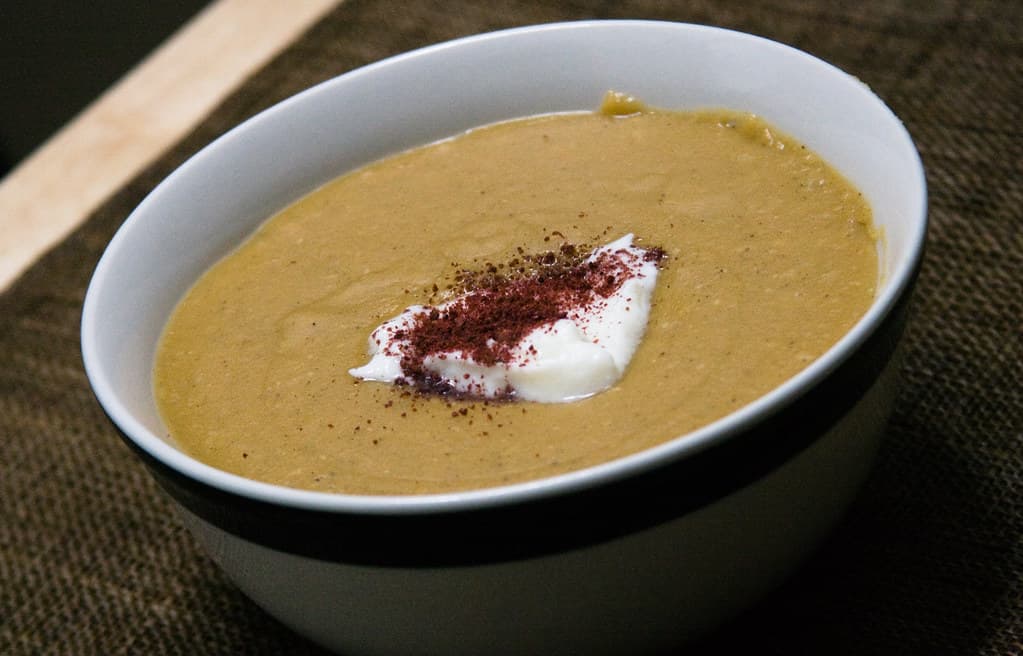
Modern Melting Pot
Lentil soup is a nourishing stew made from lentils, vegetables, and herbs, commonly prepared in American households during New Year's celebrations as a symbol of prosperity and good fortune.
America's Melting Pot
Lime Jell-O with Cottage Cheese photo coming soon
1900-1929
Lime Jell-O with cottage cheese is a nostalgic side dish from mid-20th century America combining tart lime gelatin with creamy cottage cheese. Popular during suburban dinner parties and potlucks, it reflects the era's fascination with gelatin salads and convenient frozen foods.
1861-1900
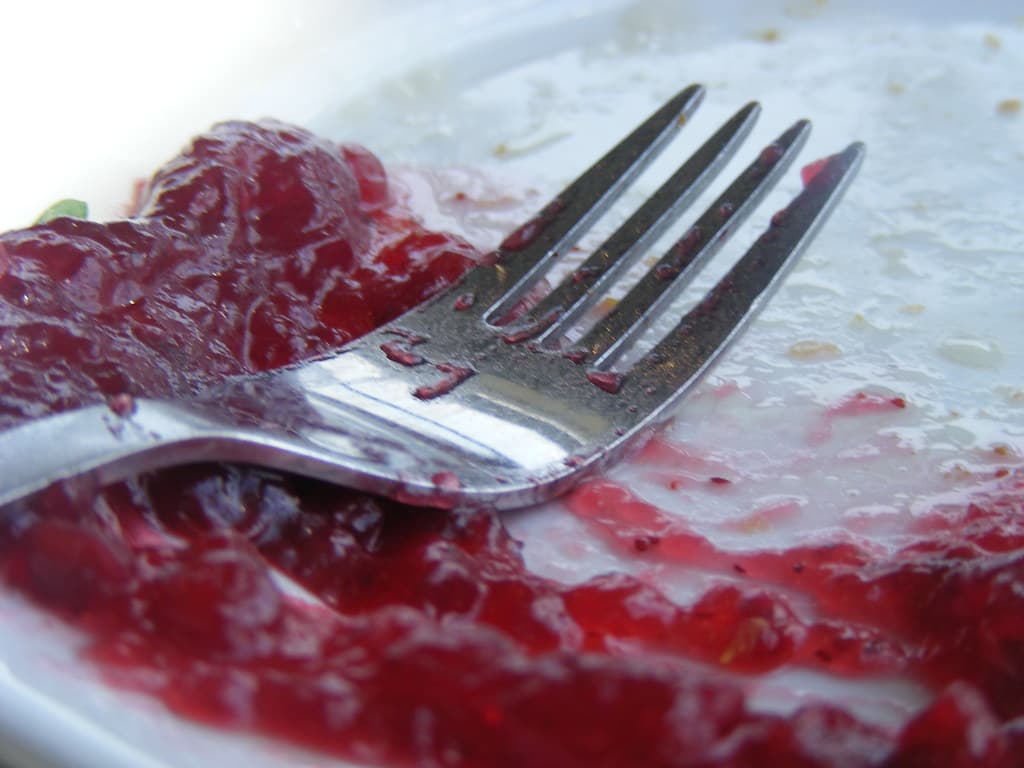
Lingonberry sauce is a bright, slightly tart condiment made from lingonberries, sugar, and water. It is a staple in Scandinavian-American cuisine and gained popularity in the American Midwest during the late 19th century, often served with meats and holiday dinners.
1990-2009
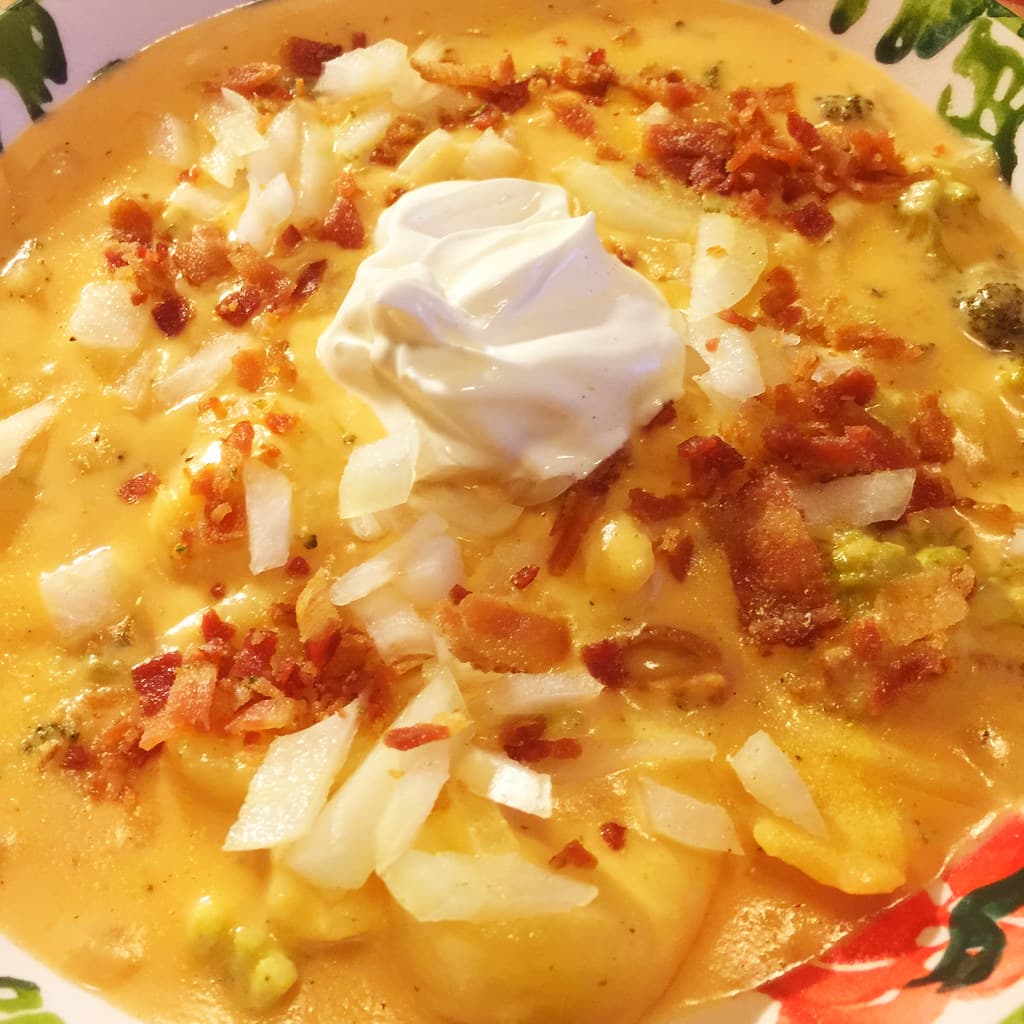
Loaded baked potato soup is a creamy and hearty soup featuring potatoes, cheese, bacon, and green onions, inspired by the flavors of the loaded baked potato. It grew in popularity in family restaurants and casual eateries across the U.S. during the 1990s and 2000s.
America's Melting Pot
Loaded Baked Potatoes photo coming soon
1970-1989
Loaded baked potatoes are large baked potatoes topped with ingredients like cheese, bacon, sour cream, and chives. This side dish became popular at tailgates and casual American gatherings during the late 20th century as a filling and customizable comfort food.
2010-2026
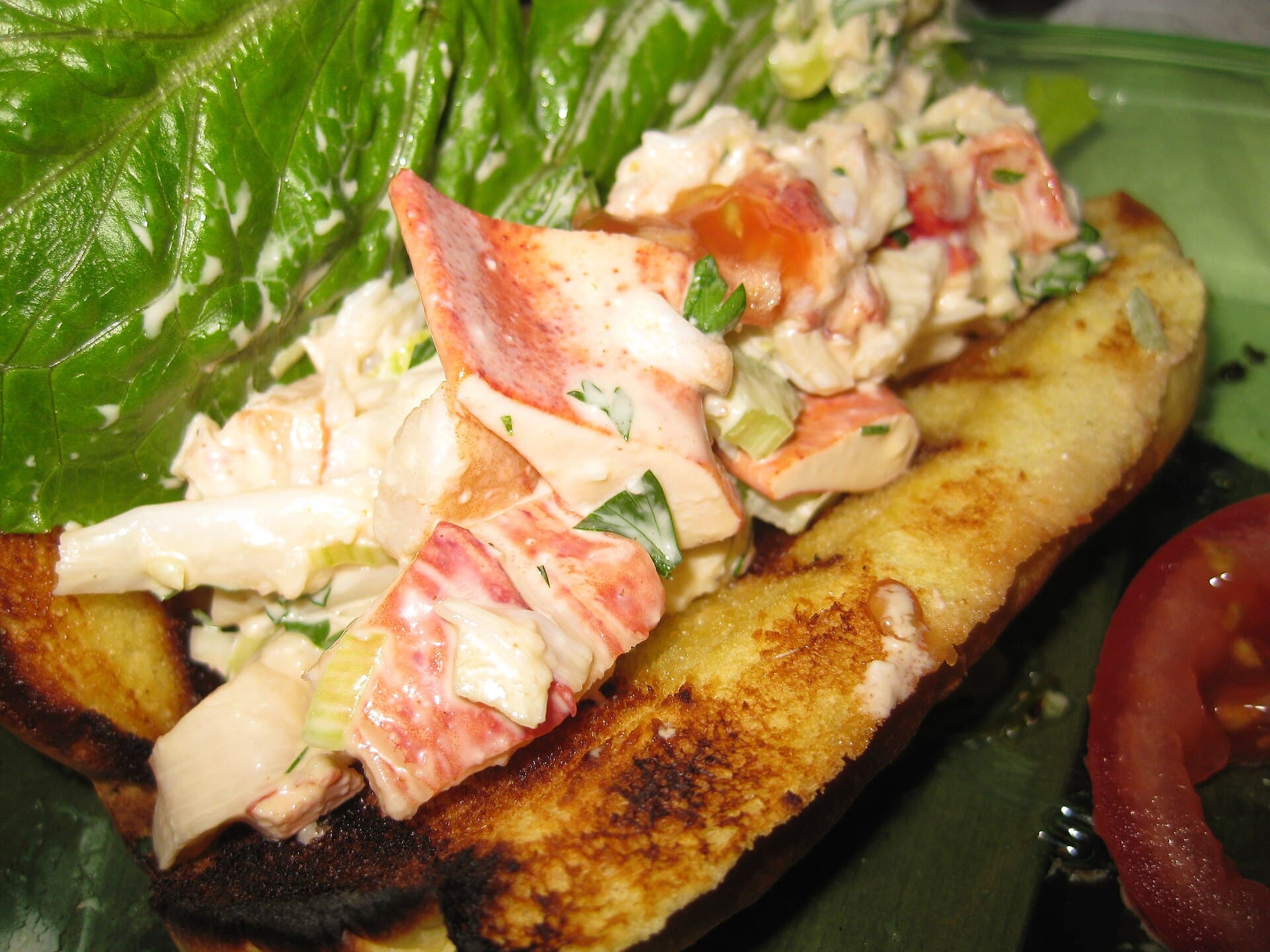
The lobster roll is a sandwich featuring tender lobster meat tossed in mayonnaise or drawn butter and served in a toasted bun. It is a hallmark of New England seafood cuisine and has gained visibility through food trucks and farmers markets in recent decades.
1946-1969
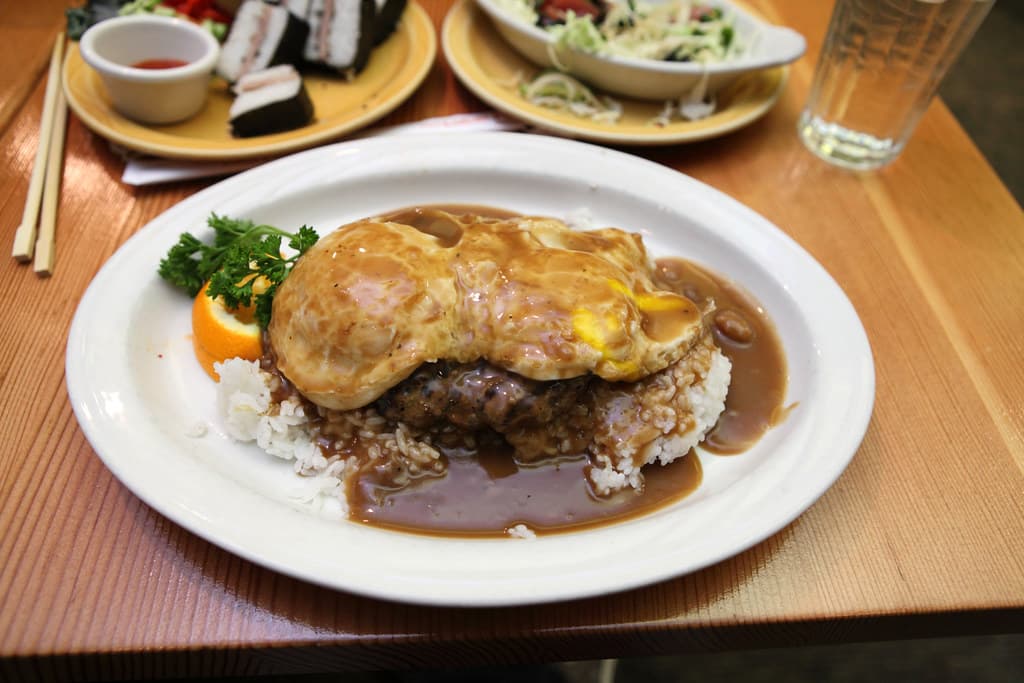
Loco Moco is a Hawaiian dish consisting of white rice topped with a hamburger patty, fried egg, and brown gravy. It reflects a fusion of Hawaiian, Asian-Pacific American, and Portuguese-American culinary influences and became popular in Hawaii post World War II.
1900-1929
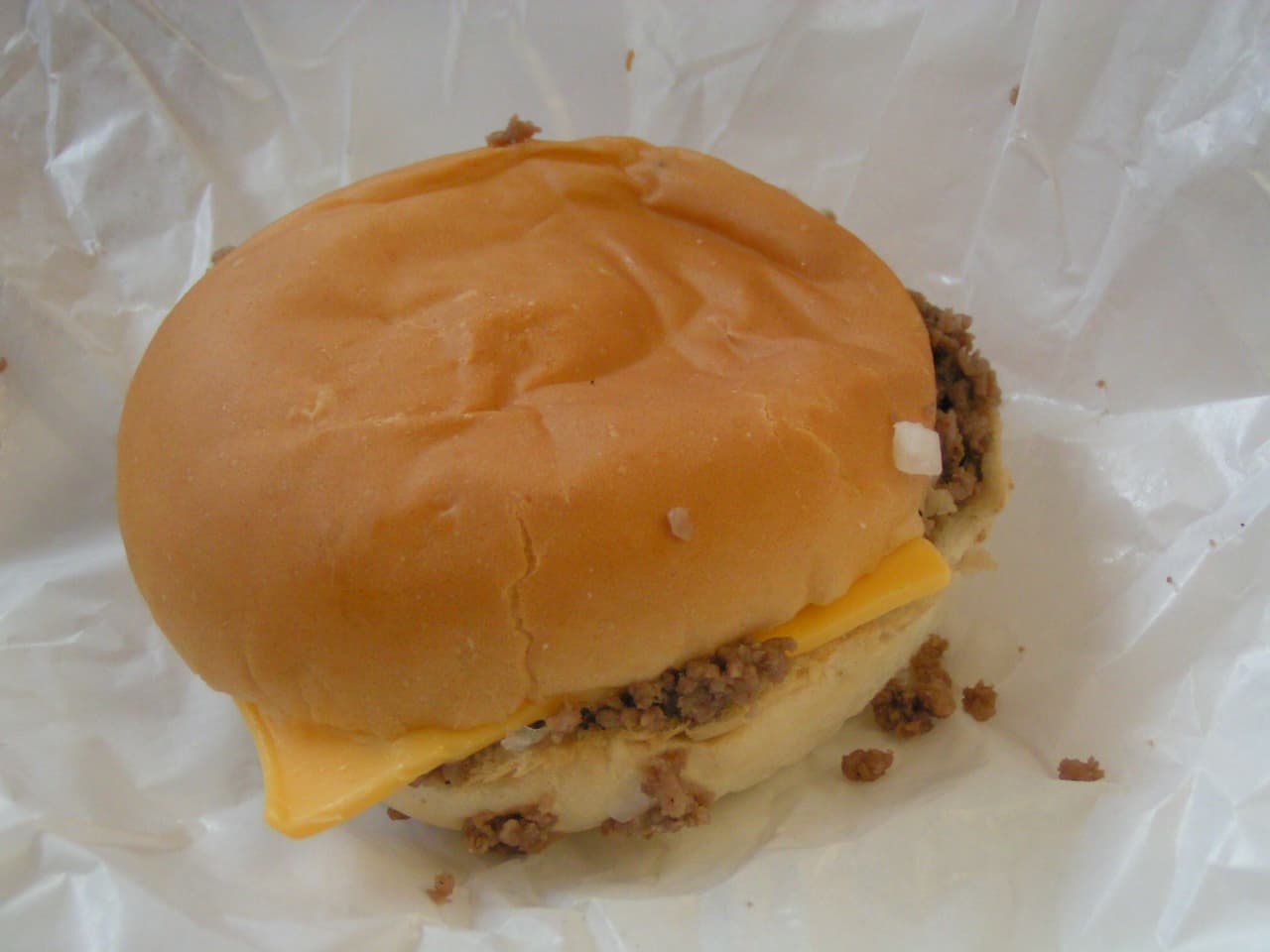
The loose meat sandwich features ground beef cooked with onions and seasonings served loose on a sandwich bun without forming a patty. Originating in the American Midwest, it is a precursor to the sloppy joe and enjoys popularity as a casual sandwich.
America's Melting Pot
Loose Meat Sandwich Seasoning/Sauce photo coming soon
Cross-era
Loose Meat Sandwich Seasoning/Sauce is a sandwich sauce with real American table personality: Iowa and Midwest diner tradition. It brings flavor from the Midwest and Great Lakes to cookouts, counters, lunch plates, potlucks, and weeknight suppers.
America's Melting Pot
Loose Meat Sandwiches photo coming soon
1900-1929
Loose meat sandwiches, featuring seasoned ground beef served loose in sandwich buns, gained popularity as practical tailgate and booster club fare in America from the 1970s through the 1980s, prized for ease and satisfying flavor.
America's Melting Pot
Lunchroom Pizza photo coming soon
1970-1989
Lunchroom pizza became a widespread comfort food during postwar America, reflecting Italian-American influences adapted for school cafeterias and home kitchens. Characterized by simple tomato sauce, mild cheeses, and a straightforward crust, this pizza is a nostalgic favorite of suburban childhoods and freezable casseroles.
America's Melting Pot
Mac and Cheese Bowls photo coming soon
2010-2026
Mac and Cheese Bowls represent a modern twist on classic macaroni and cheese, served as crispy, portable handheld bowls popularized by food trucks and street food vendors since the 2010s. Utilizing techniques like air frying, these bowls combine creamy cheese pasta with a crunchy exterior for a viral, fusion-style snack that energizes American comfort food traditions.
1776-1800
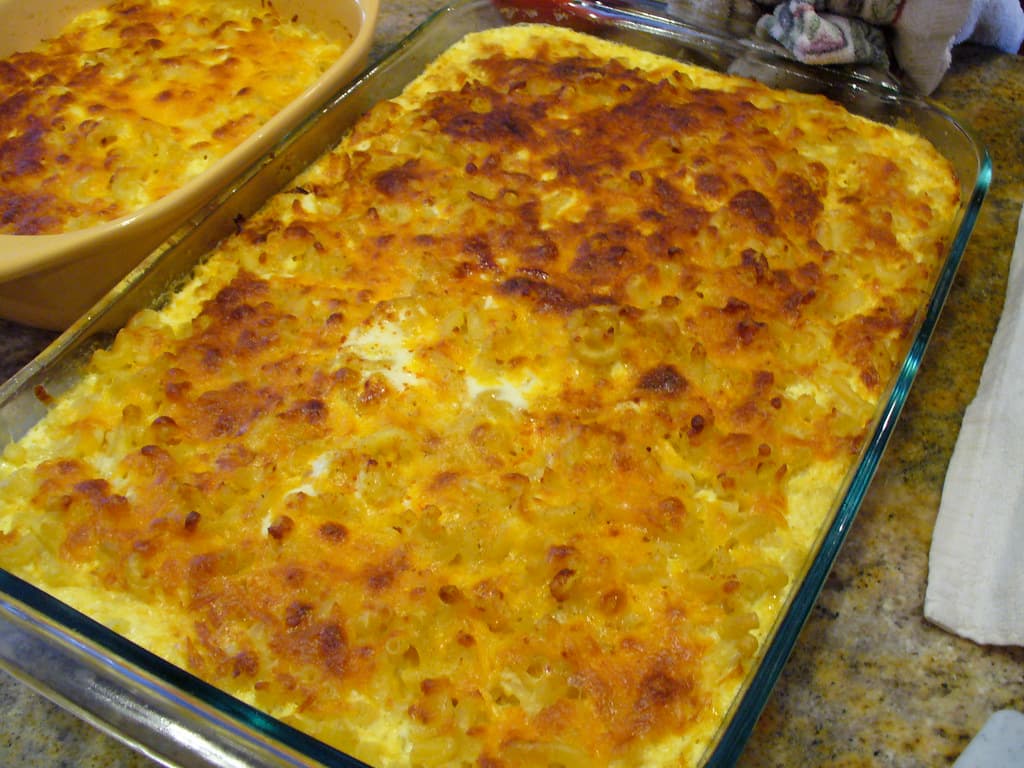
Macaroni and cheese became a beloved American staple during the Great Depression and World War II through its affordability, ease of preparation, and comfort. Featuring tender macaroni enveloped in creamy cheese sauce, this dish was served in schools, homes, and holiday tables, reflecting both economic frugality and festive tradition.
1946-1969
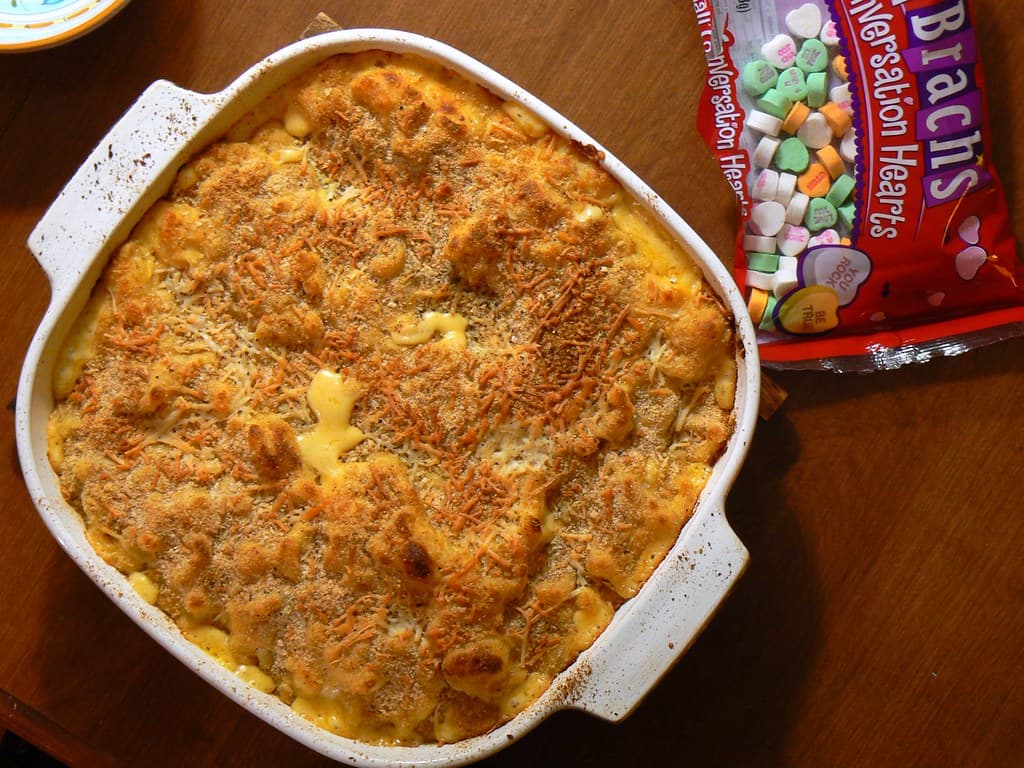
The macaroni and cheese casserole, popular in the Midwest during the prosperous postwar period, exemplifies the hotdish tradition - a baked, filling meal designed for family comfort and efficient reheating. It often includes creamy cheese sauce, pasta, and sometimes additional ingredients, baked until bubbly and golden.
America's Melting Pot
Machaca photo coming soon
1800-1860
Machaca is a traditional dried and shredded beef dish originating from the Mexican borderlands and adapted by Southwestern US communities. Often rehydrated then cooked with eggs, peppers, or served in tortillas, machaca represents resourceful preservation of meat in frontier economies, combining Spanish and Indigenous culinary techniques prevalent prior to and during early American expansion.
America's Melting Pot
Maid-Rite photo coming soon
1900-1929
The Maid-Rite sandwich is a loose ground beef sandwich typically served on a bun without traditional burger toppings. Originating in the Midwest, it offered a quick, affordable alternative to hamburgers and became a steady favorite in casual dining, reflecting American innovation in sandwich culture with a focus on simple, savory meat served hot.
America's Melting Pot
Maid-Rite Loose Meat Sandwich photo coming soon
1946-1969
The Maid-Rite loose meat sandwich, popularized in the postwar period, features seasoned ground beef cooked loose rather than formed into patties. Eaten on bun, often with mustard and pickles, this sandwich highlights simple, hearty Midwestern flavors in casual dining. Its legacy endures in regional restaurants and reflects developments in fast, affordable American sandwich variants after WWII.
2010-2026
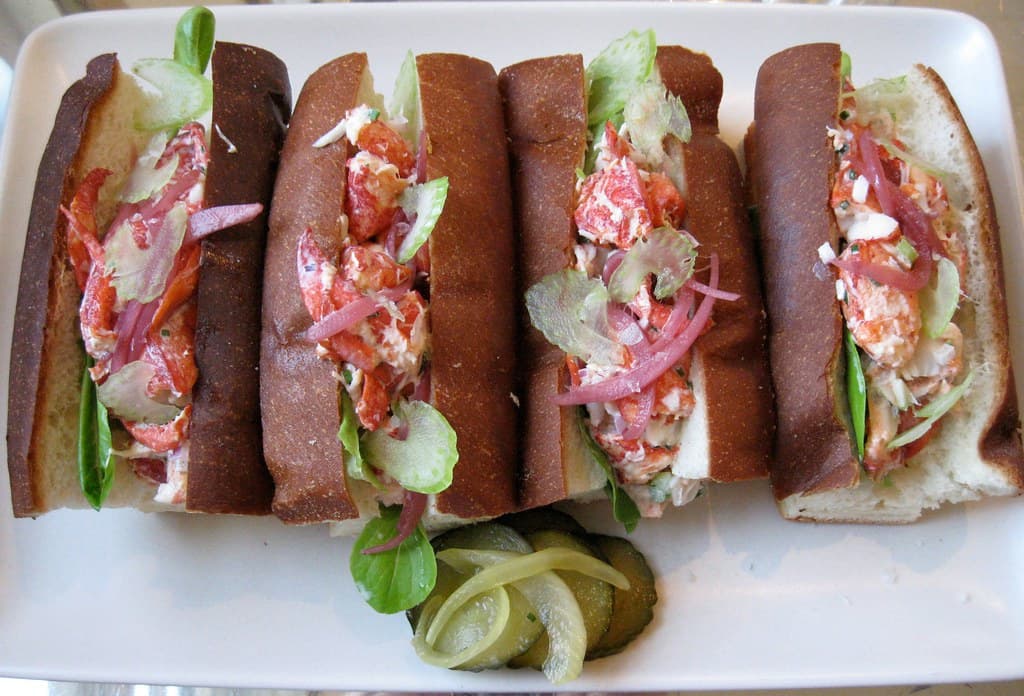
Maine lobster rolls are an iconic New England sandwich featuring tender lobster meat served chilled or warm in a buttered, toasted split-top bun. Since the early 20th century, this sandwich has been a regional favorite at seafood shacks, fairs, and food trucks, embodying the maritime heritage and casual dining culture of the Northeastern United States.
America's Melting Pot
Manhattan Clam Chowder photo coming soon
1861-1900
Manhattan clam chowder is a distinctively red, tomato-based clam soup containing clams, vegetables like tomatoes, celery, and carrots, and often potatoes. Originating as a regional alternative to creamy New England clam chowder, it reflects diverse American coastal cooking traditions and Italian immigrant influence in the Northeast.

Founding Era
Maple Syrup is a sweet sauce with real American table personality: Indigenous North American foodway adopted and commercialized across New England and the Upper Midwest. It brings flavor from New England to cookouts, counters, lunch plates, potlucks, and weeknight suppers.
America's Melting Pot
Marry Me Chicken photo coming soon
2010-2026
Marry Me Chicken is a creamy skillet chicken recipe combining garlic, sun-dried tomatoes, and fresh herbs in a rich sauce. Gaining fame through viral internet sharing since the 2010s, it epitomizes contemporary American home cooking trends that embrace approachable, flavorful, and visually appealing dishes suitable for casual weeknight meals or special occasions.
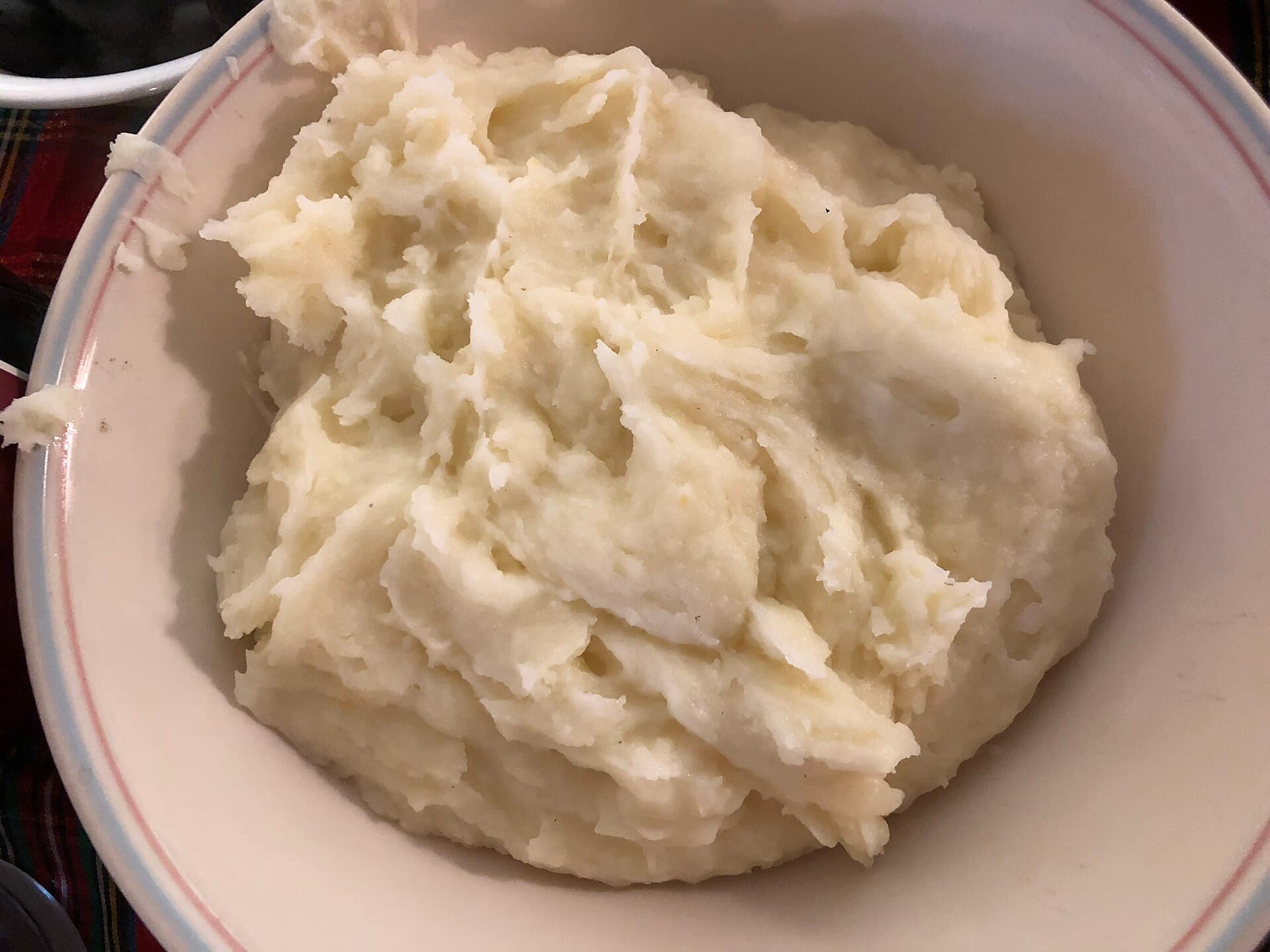
1800-1860
A creamy and comforting side dish popular across the United States, especially during Thanksgiving and other holiday meals. Mashed potatoes blend simple ingredients to create a satisfying accompaniment to main courses.
America's Melting Pot
Matzo Ball Soup photo coming soon
1861-1900
A traditional Jewish-American soup featuring flavorful chicken broth and light matzo ball dumplings. This dish became an integral part of Jewish communities in the United States from the late 19th century onward.
America's Melting Pot
Meal Prep Burrito Bowls photo coming soon
2010-2026
A versatile and nutritious burrito bowl designed for meal prep and quick eating. This recipe incorporates fresh and cooked ingredients tailored for air fryer, Instant Pot, or basic stovetop use, reflecting contemporary quick-cuisine trends.
America's Melting Pot
Meat-Stretching Meatloaf photo coming soon
1930-1945
A meatloaf recipe designed to extend limited ground meat with fillers like vegetables and grains. Commonly created during the Great Depression to conserve scarce and expensive ingredients while maintaining flavor and nutrition.
America's Melting Pot
Meatballs photo coming soon
1861-1900
Hearty meatballs made of ground beef, pork, or a blend, mixed with breadcrumbs, herbs, and seasonings. Popularized in Italian-American communities during the late 19th century, often served with tomato sauce and pasta or bread.
America's Melting Pot
Meatless Loaf photo coming soon
1930-1945
A savory meatless loaf made using vegetables, cereals, and binders to substitute for meat during wartime rationing. Reflects home front innovation during World War II to stretch limited protein resources.
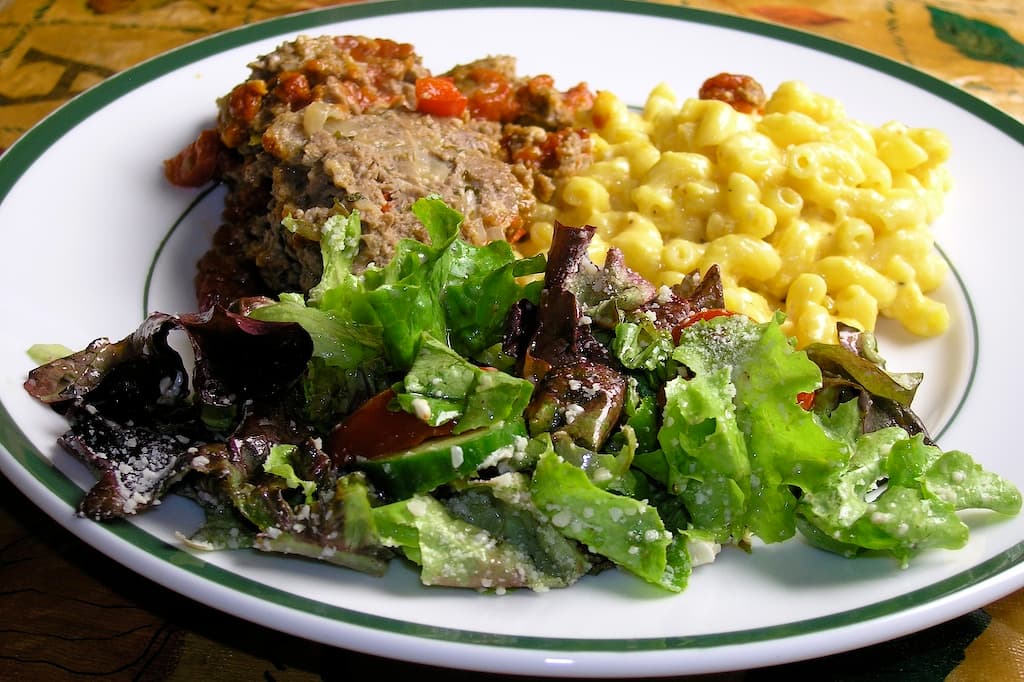
1990-2009
Traditional meatloaf served as a diner lunch or dinner with classic sides such as mashed potatoes and vegetables. A fixture of 20th-century American roadside, state fair, and lunch counter dining experiences.
America's Melting Pot
Menudo photo coming soon
1800-1860
Menudo is a traditional Mexican soup featuring beef tripe slow-cooked in a rich, flavorful red chili broth, often served with hominy and garnished with lime and onions. It holds special cultural significance in Southwestern Mexican-American communities and is commonly enjoyed during celebrations or as a restorative meal.
America's Melting Pot
Mesquite Jelly/Syrup photo coming soon
Cross-era
Mesquite Jelly/Syrup is a preserve with real American table personality: Southwestern desert pantry. It brings flavor from the American South to cookouts, counters, lunch plates, potlucks, and weeknight suppers.
America's Melting Pot
Milk Gravy photo coming soon
Frontier & Expansion
Milk Gravy is a condiment with real American table personality: Farmhouse pan gravy. It brings flavor from coast-to-coast American tables to cookouts, counters, lunch plates, potlucks, and weeknight suppers.
America's Melting Pot
Milk Toast photo coming soon
1930-1945
Milk Toast is a comforting dish that emerged during the Great Depression, combining plain toasted bread soaked in warm milk. This modest recipe reflects the era's frugality and need for simple, easy-to-digest nourishment during challenging economic times.

1861-1900
Minestrone is a thick Italian-style soup combining vegetables, beans, and pasta or rice in a savory broth. In the United States post-Civil War period, it became emblematic of Italian-American immigrant food, adapted with regional ingredients to nourish families in new communities.

1946-1969
Mini corn dogs are small hot dogs coated in a cornmeal batter and fried until golden, popularized in American game day and party foods during the 1990s and 2000s. This recipe celebrates snack food culture tied to sports and casual gatherings across the U.S.
America's Melting Pot
Minnesota Wild Rice Soup photo coming soon
2010-2026
Minnesota Wild Rice Soup is a comforting, creamy soup showcasing native wild rice combined with mushrooms, vegetables, and savory broth. Popularized in the modern era through food trucks and farmers markets, this regional specialty integrates indigenous ingredients with contemporary cooking techniques, reflecting Minnesota's culinary heritage and evolving food culture.
America's Melting Pot
Miracle Whip-Style Dressing photo coming soon
1930-1945
Miracle Whip-Style Dressing is a dressing with real American table personality: Tangy-sweet American sandwich and salad spread culture. It brings flavor from coast-to-coast American tables to cookouts, counters, lunch plates, potlucks, and weeknight suppers.
America's Melting Pot
Mock Apple Pie photo coming soon
1930-1945
Mock Apple Pie is a resourceful dessert developed during the Civil War era and later, using crackers instead of apples to simulate the texture and flavor of apple pie. This affordable and wartime-inspired pie substituted scarce or expensive ingredients with accessible ones while maintaining familiar comforting flavors. It represents American ingenuity during times of scarcity in the late 19th century.
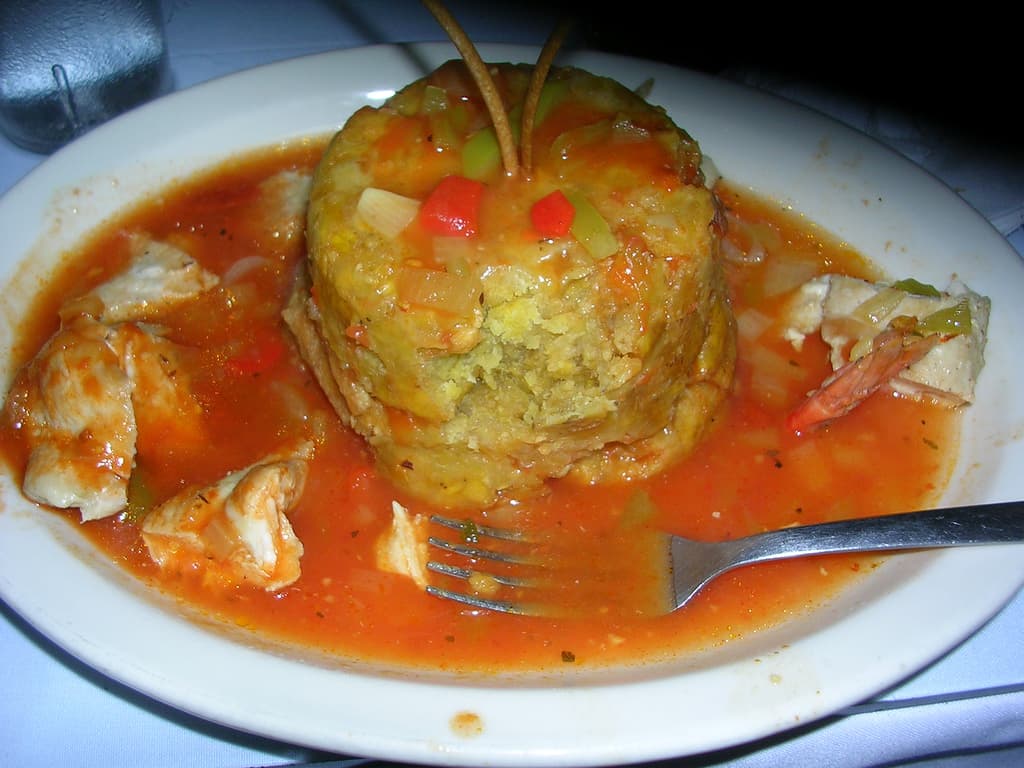
Before 1776
Mofongo is a traditional dish of mashed fried plantains combined with garlic, olive oil, and pork cracklings, originating from Puerto Rican and other Caribbean island communities. It holds a cross-era place in Territories and Island America foodways, blending African, Spanish, and indigenous influences. Mofongo is a staple in Puerto Rican, Chamorro, Filipino-American, and Virgin Islands kitchens, embodying diverse island cultural heritage.
America's Melting Pot
Molasses Cornbread photo coming soon
1776-1800
Molasses Cornbread is a slightly sweet cornmeal bread flavored with molasses, common in early American households during the Revolutionary era. Combining locally grown cornmeal with molasses provided a hearty and economical bread that complemented savory dishes and breakfast tables alike. Its enduring popularity reflects early American adaptation of indigenous and imported ingredients.
America's Melting Pot
Monte Cristo photo coming soon
1946-1969
Monte Cristo is a fried ham and cheese sandwich dipped in egg batter and often served with fruit jam or powdered sugar. Originating in the post-World War II era, it became a diner and family restaurant staple across the United States, blending French croque-monsieur influences with American tastes for indulgent sandwiches and carnival-style foods.
America's Melting Pot
Monterey Chicken photo coming soon
1990-2009
Monterey Chicken is a grilled or broiled American main dish featuring chicken breasts topped with cheddar cheese, bacon bits, and salsa. Popularized in chain and family restaurants during the 1990s and 2000s, this recipe exemplifies fusion of Tex-Mex flavors with mainstream American casual dining, suited for suburban and Super Bowl gatherings.
America's Melting Pot
Moo Goo Gai Pan photo coming soon
1900-1929
Moo Goo Gai Pan is a staple Chinese-American dish featuring sliced chicken, mushrooms, and vegetables quickly cooked in a mild, savory sauce. It became established in American immigrant cities and diners from the early 20th century, catering to changing local tastes while retaining familiar Cantonese influences. The dish exemplifies the immigrant city culinary adaptations to American palates during early 1900s.
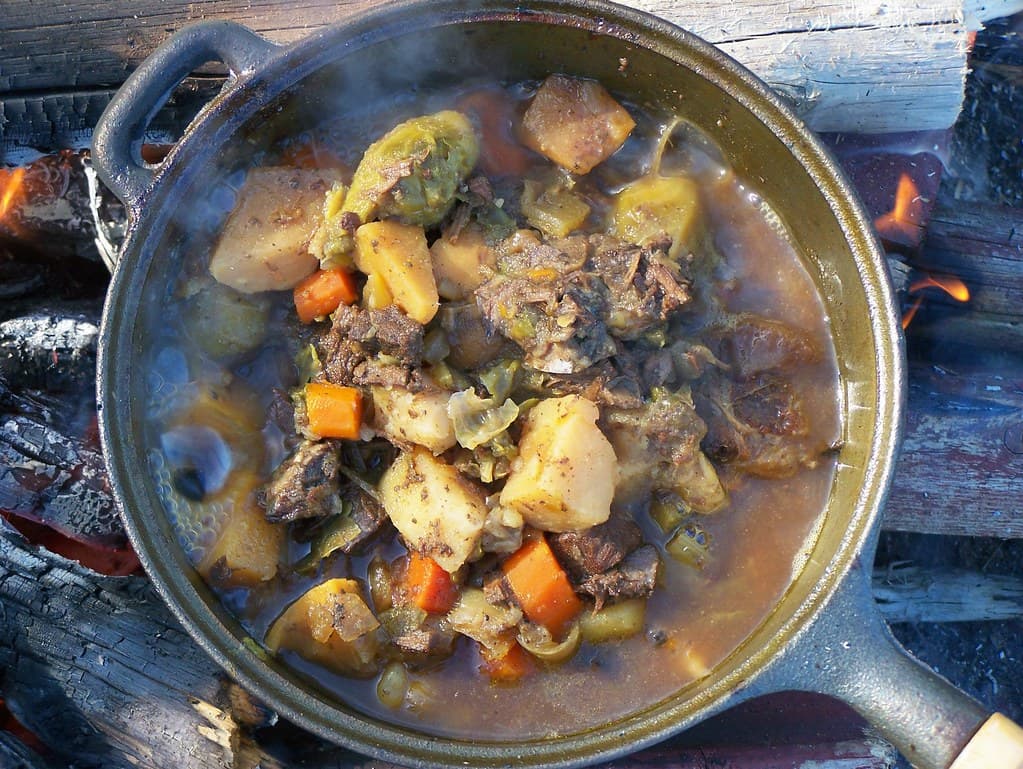
Native Foodways and Continuity
Moose Stew is a nourishing, slow-cooked stew featuring moose meat and root vegetables, traditional in Alaska's hunting and subsistence cultures. Its preparation embraces rustic methods suited to remote environments, offering warmth and sustenance year-round. This dish represents Alaska's regional food heritage and resourceful use of local wildlife across eras.
1900-1929
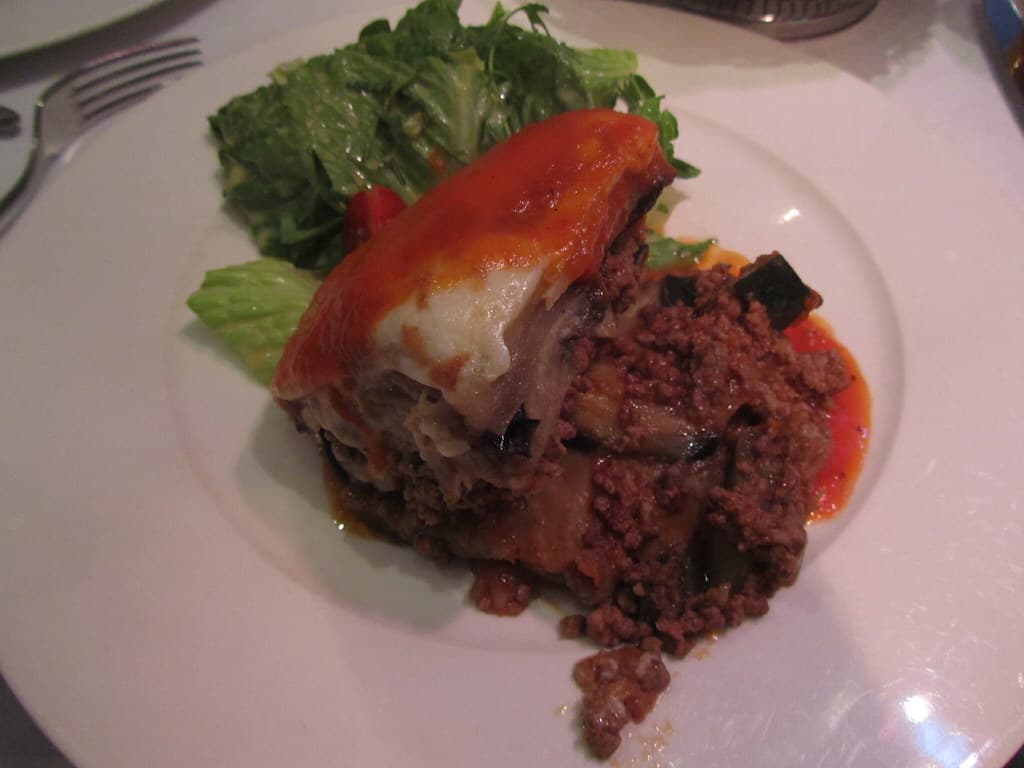
Moussaka is a layered casserole combining eggplant, ground meat, tomato sauce, and creamy bechamel, introduced to American diners by Greek immigrants in the early 20th century. It became popular in immigrant cities and lunch counters, blending Mediterranean traditions with American comfort food culture. This hearty dish is a hallmark of Greek-American cuisine and diner fare.
American Dairy Age
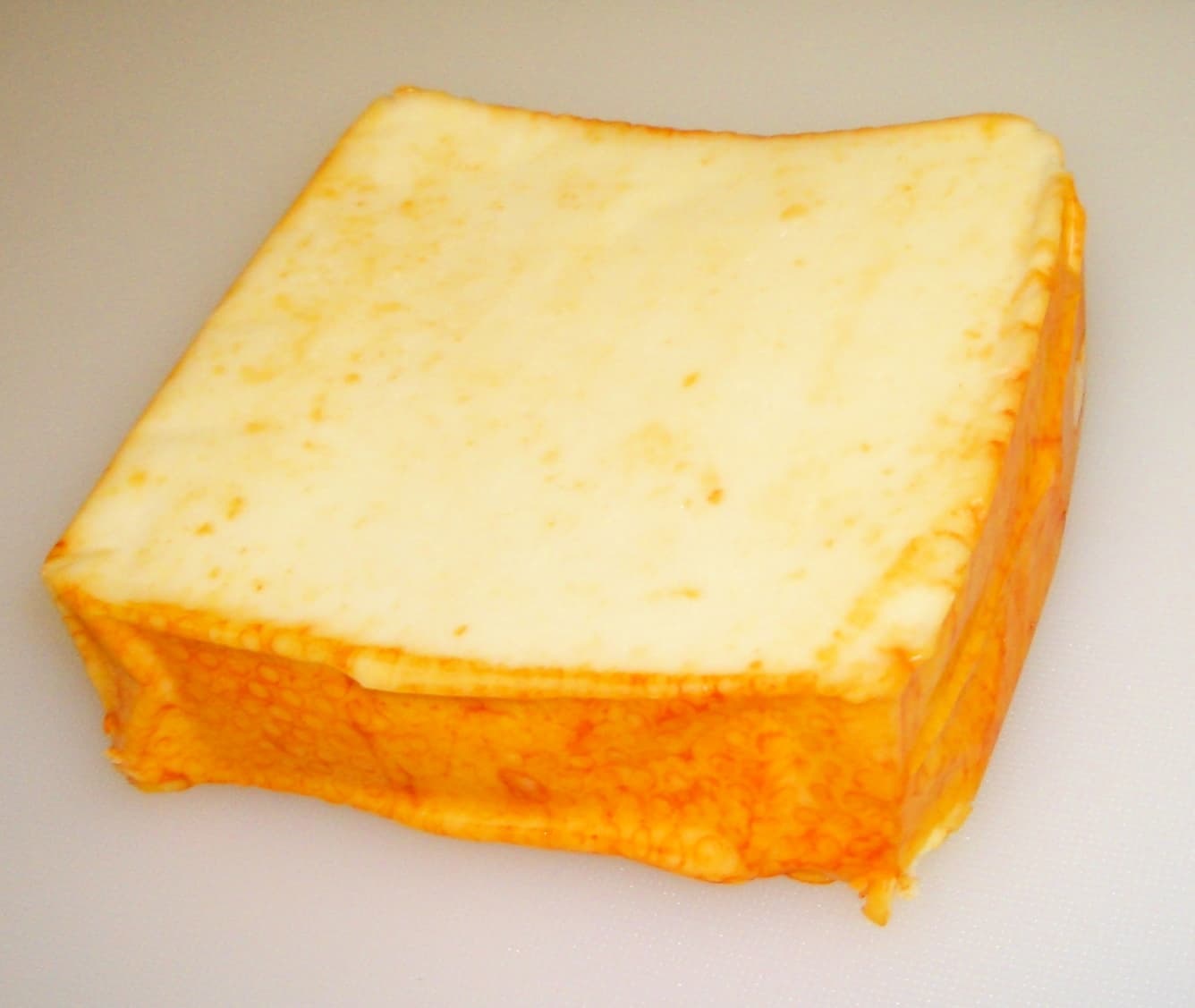
Muenster, American-style is a washed-rind American cheese with measured starter, careful draining, brining, regular rind washing, and controlled humid aging.
1946-1969
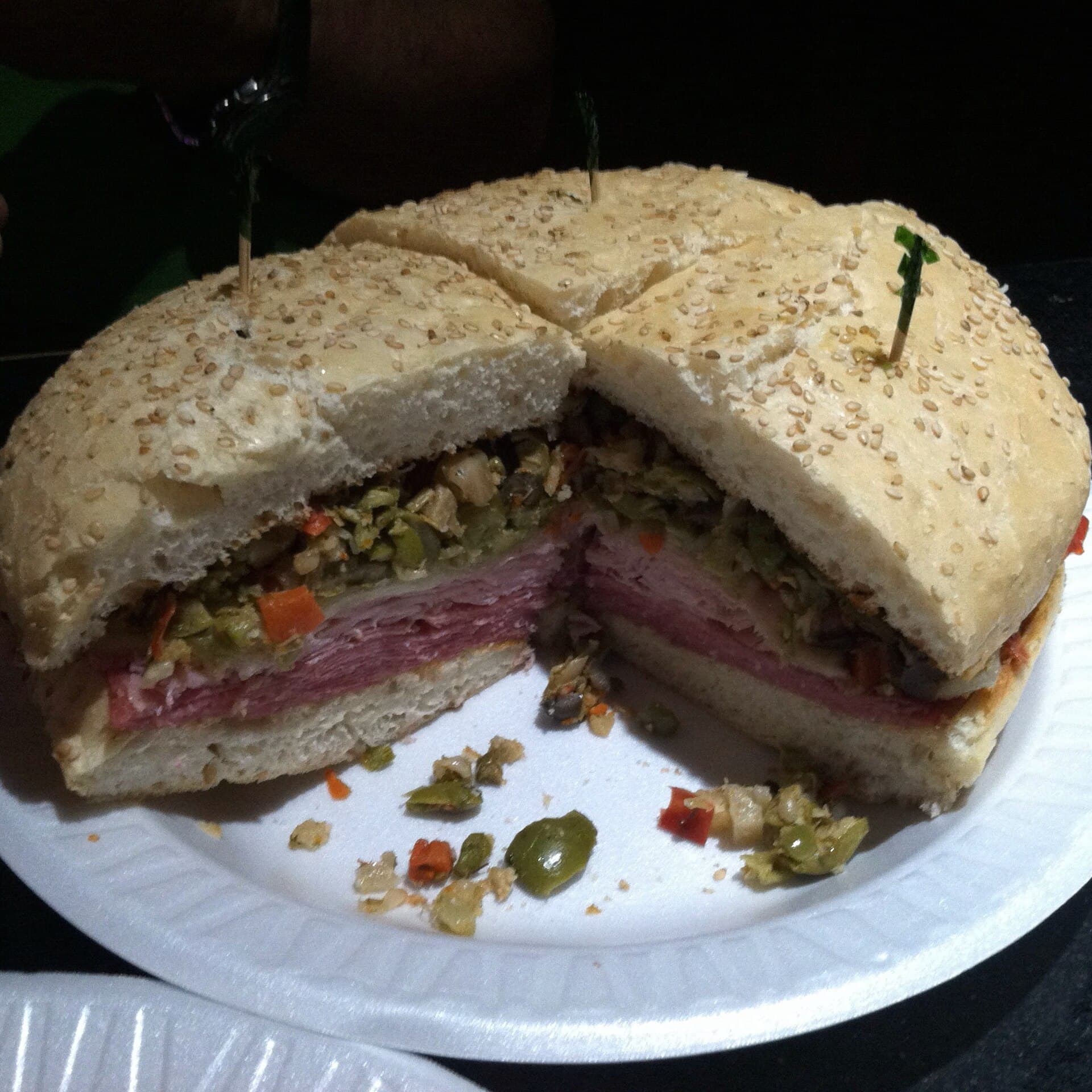
Muffuletta is a large, round sandwich originating in New Orleans, featuring layers of cold cuts, cheese, and a distinctive olive salad on a sturdy sesame loaf. Popularized after World War II, it became a beloved postwar regional icon blending Italian-American deli traditions with Southern food culture, often enjoyed at picnics and gatherings.
America's Melting Pot
Mulligan Stew photo coming soon
1930-1945
Mulligan Stew is a traditional American soup-stew known for its flexible, resourceful use of available ingredients, emerging prominently during the Great Depression and wartime rationing. This dish reflects a practical approach to feeding many with limited resources, often combining leftover meats, vegetables, and whatever was on hand in a one-pot meal.
America's Melting Pot
Mushroom Gravy photo coming soon
Cross-era
Mushroom Gravy is a condiment with real American table personality: Salisbury steak and casserole America. It brings flavor from coast-to-coast American tables to cookouts, counters, lunch plates, potlucks, and weeknight suppers.
1900-1929
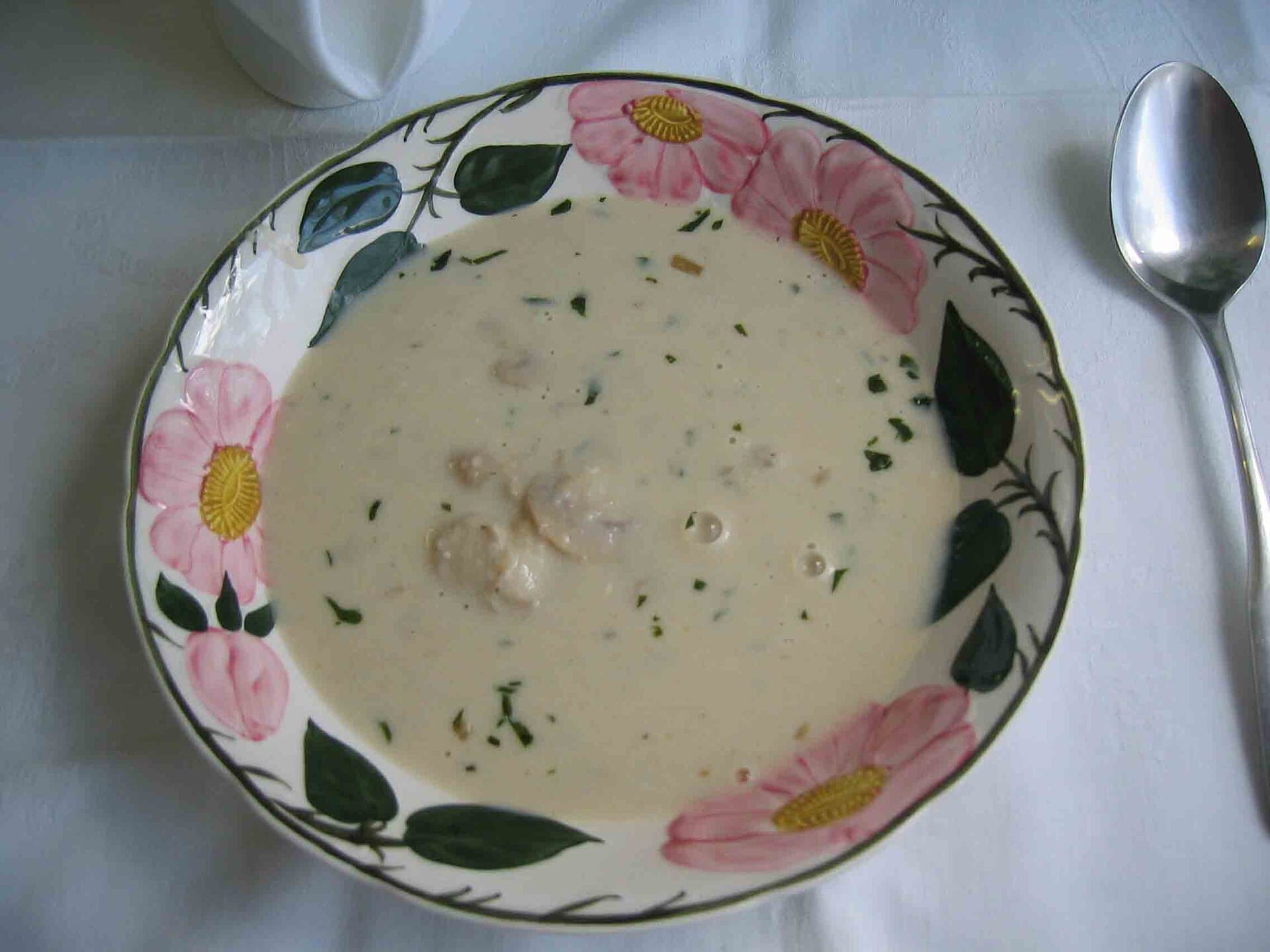
Mushroom Soup is a comforting dish featuring the diverse wild and cultivated mushrooms found in the Pacific Northwest, combined with broth and cream for a rich flavor. It celebrates the region's natural bounty and forest-to-table traditions.
1970-1989
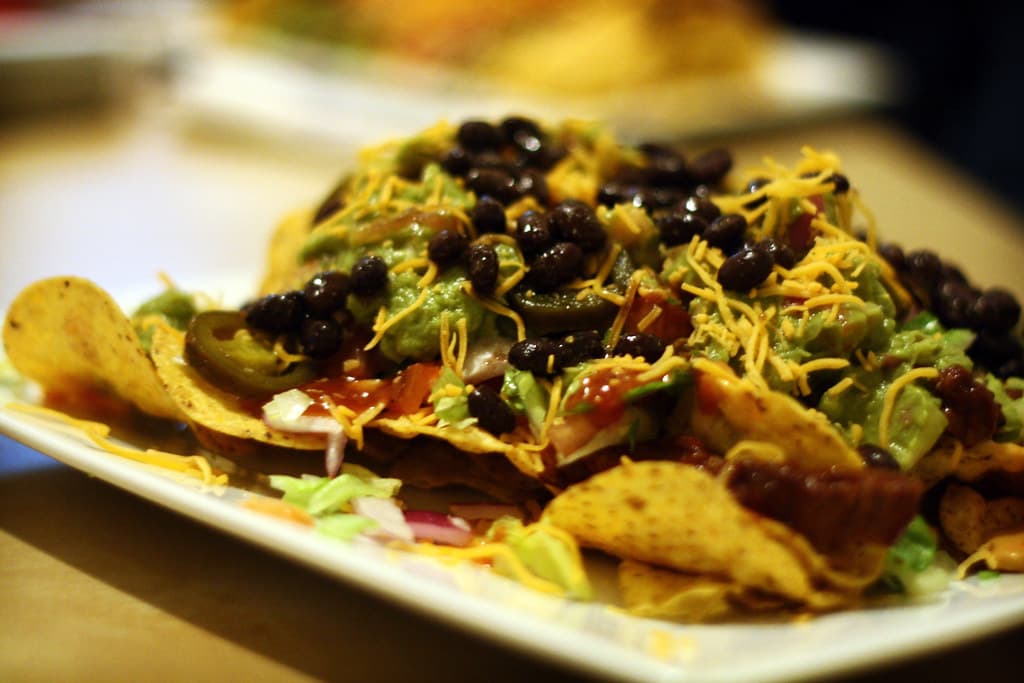
Nachos are a popular Tex-Mex inspired snack involving tortilla chips covered with melted cheese and optional toppings like jalapenos, beans, and salsa. Originating in the 1970s, this dish spread widely in the United States as an easy sharable comfort food.
America's Melting Pot
Nachos with Cheese Sauce photo coming soon
1930-1945
Nachos with Cheese Sauce features crispy tortilla chips topped with a creamy melted cheese sauce, commonly served in school cafeterias and concession stands across the U.S. The simplicity and appeal of this snack have made it a beloved comfort food for children and adults alike.
America's Melting Pot
Nashville Hot Chicken Sandwich photo coming soon
2010-2026
The Nashville Hot Chicken Sandwich is a street food variant that sandwiches the spicy fried chicken between bread with pickles and condiments. Emerging in the 2010s alongside food truck culture, it combines classic Southern heat with handheld convenience.
America's Melting Pot
Navy Bean Soup photo coming soon
1900-1929
Navy Bean Soup is a simple, hearty soup featuring white navy beans simmered with vegetables and ham or pork, widely consumed during the Great Depression and wartime for its affordability and sustenance. The soup became a staple in military and civilian kitchens alike.
America's Melting Pot
New England Boiled Dinner photo coming soon
1800-1860
New England Boiled Dinner is a classic dish of salted meat boiled with cabbage, potatoes, carrots, and other root vegetables. Popular during the early 19th century, it reflects Irish and New England working-class food traditions merging colonial and immigrant influences.
1776-1800
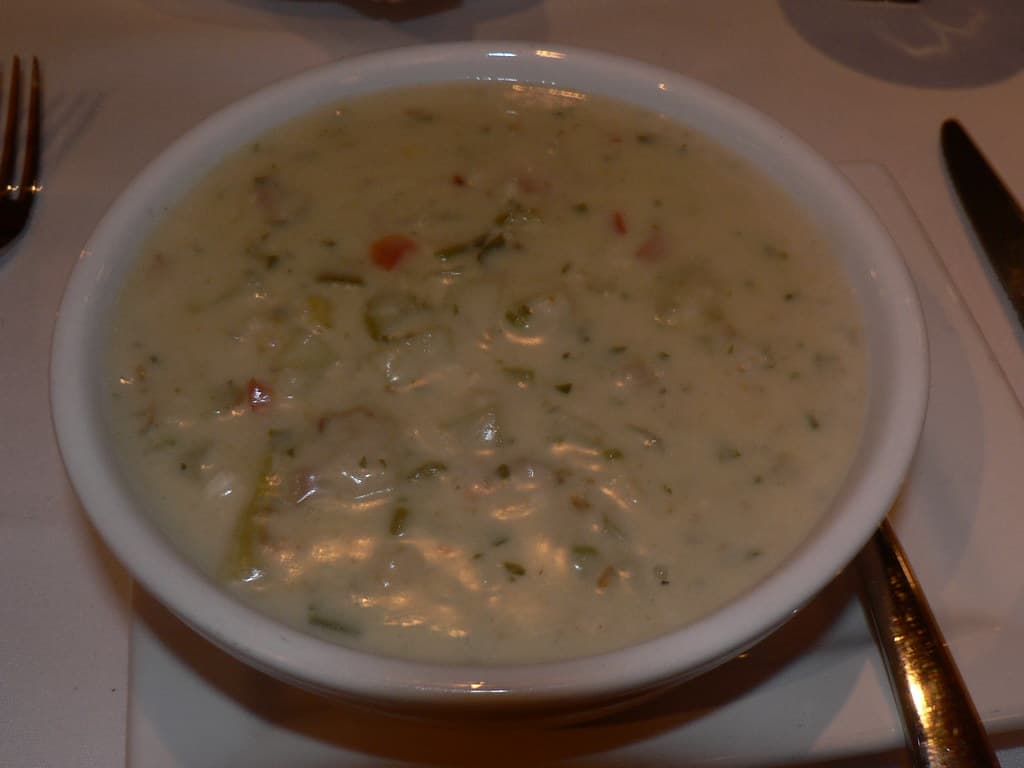
New England Clam Chowder is a thick, creamy soup made with clams, potatoes, onions, and often salt pork, reflecting colonial and maritime culinary traditions dating to the late 18th century. It is a signature dish of New England and has spread to other coastal regions including the Pacific Northwest.
America's Melting Pot
New Mexico Green Chile Stew photo coming soon
1800-1860
New Mexico Green Chile Stew is a traditional hearty stew made with pork, green chiles, potatoes, and spices, reflecting the culinary influences of Mexican-American and Southwestern cultures in the 19th century. It remains a popular regional comfort food known for its distinctive heat and flavor.
America's Melting Pot
New York Chopped Cheese photo coming soon
2010-2026
New York Chopped Cheese is a deli sandwich with chopped spiced ground beef cooked with onions, topped with melted American cheese, lettuce, tomato, and condiments on a hero roll. It originated in Harlem and Bronx bodegas and became a viral street food icon in the 2010s and beyond.
America's Melting Pot
North Dakota Knoephla Soup photo coming soon
2010-2026
Knoephla Soup is a comforting creamy dumpling soup tied to German-Russian immigrant heritage in North Dakota and the Upper Midwest. Featuring small dough dumplings simmered in a savory broth with potatoes and often chicken, this regional icon offers rich fusion flavors representative of immigrant adaptation and local ingredients.

1900-1929
Nut Roll is a rich yeast dough rolled with a sweet, spiced nut and sugar filling, popular among Polish, Czech, Slovak, and other Eastern European immigrant communities. This sweet bread often appears at Easter and fairs, symbolizing cultural continuity amidst new American settings.
America's Melting Pot
Oatmeal Cream Pies photo coming soon
1930-1945
Oatmeal Cream Pies are soft, sandwich-style cookies filled with creamy vanilla filling. Popularized in mid-20th century America, especially postwar suburbs, these treats combined convenience with nostalgic comfort, becoming a lunchbox and snack staple representative of American childhood.
America's Melting Pot
Okra Stew photo coming soon
1800-1860
Okra Stew is a hearty Southern dish featuring tender okra simmered with tomatoes and spices to create a flavorful soup or stew. Reflecting culinary influences within the South, it is rooted in African American and Southern cooking traditions dating back to the 19th century, showcasing local produce and simple ingredients.
1900-1929
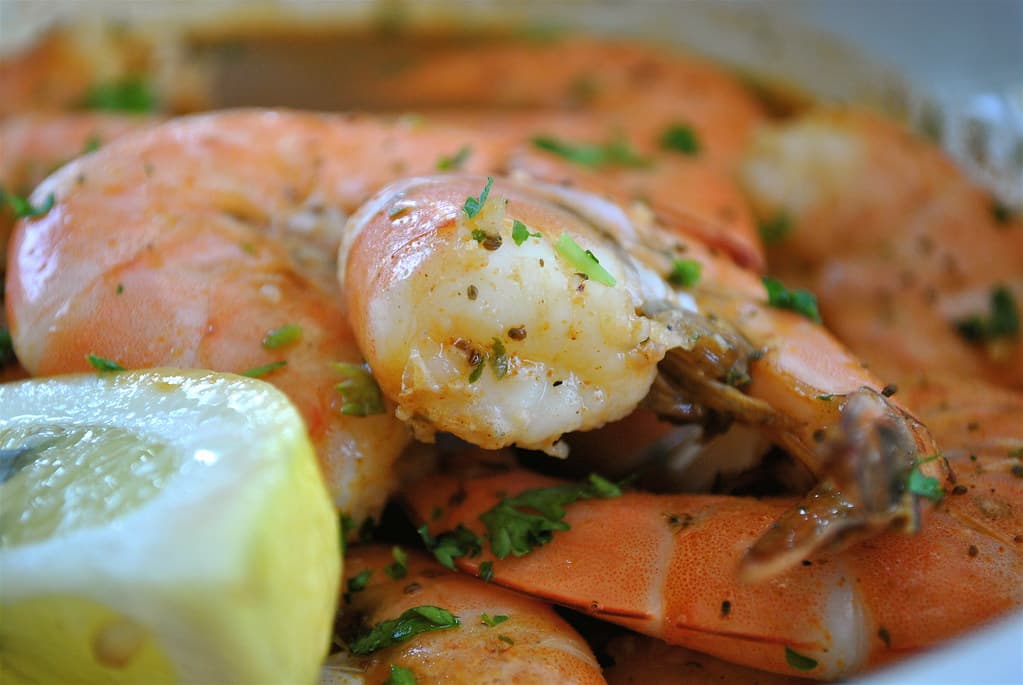
Old Bay Shrimp is a simple, flavorful seafood dish featuring shrimp seasoned with Old Bay, a proprietary blend of herbs and spices iconic to the Mid-Atlantic region. Served hot or chilled, this recipe reflects the region's affinity for spice blends and seafood traditions.
America's Melting Pot
Olive Salad photo coming soon
Cross-era
Olive Salad is a relish with real American table personality: New Orleans muffuletta essential. It brings flavor from the American South to cookouts, counters, lunch plates, potlucks, and weeknight suppers.
2010-2026
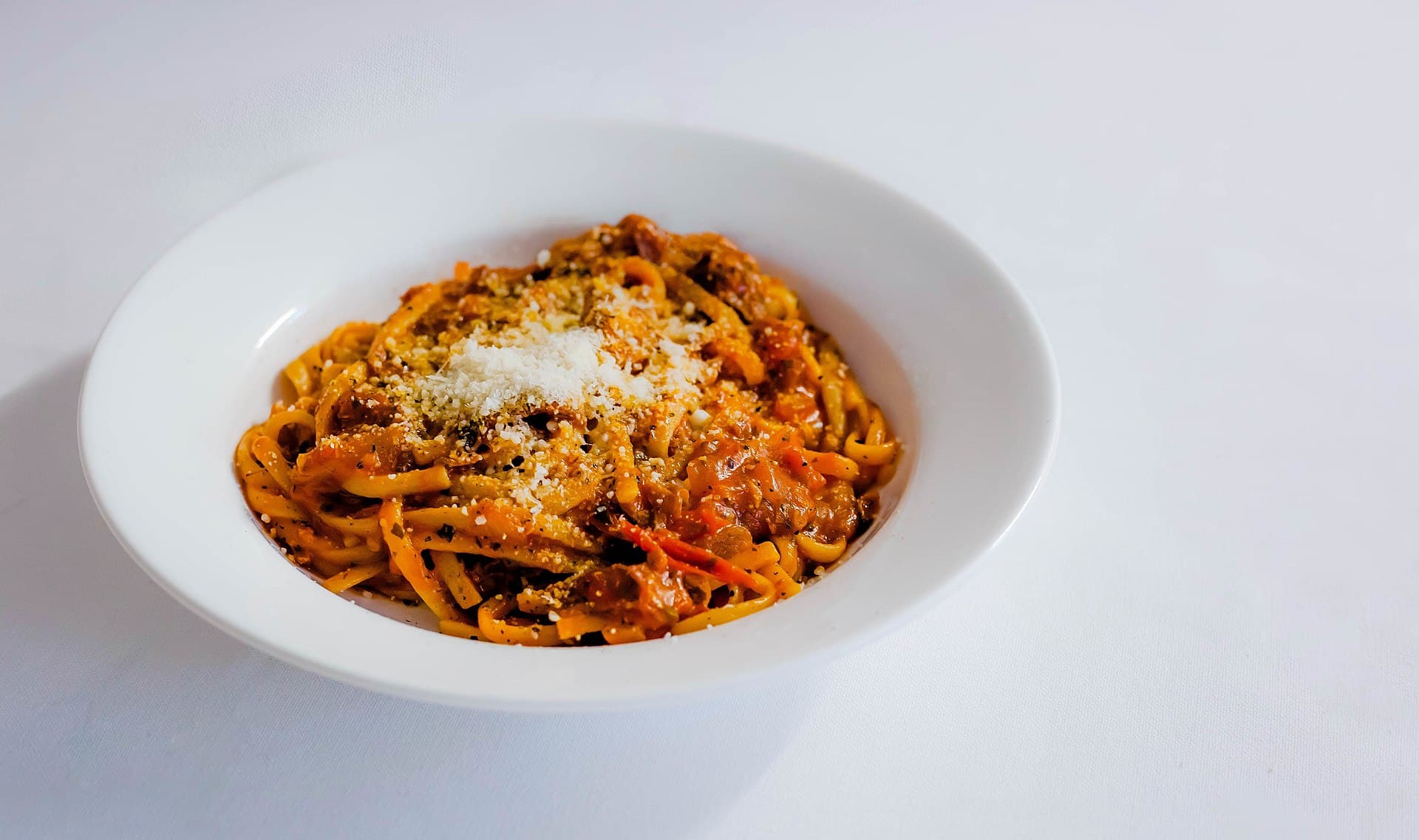
One-Pot Pasta is a convenient, popular recipe where pasta cooks simultaneously with sauce ingredients in one pot, minimizing cleanup. Gaining viral popularity in the 2010s, it reflects modern American cooking preferences for fast, flavorful meals with minimal effort, suited to kitchen gadgets and contemporary life.
America's Melting Pot
Onion Dip photo coming soon
1946-1969
Onion Dip is a creamy, savory dip made by combining sour cream and onion flavors, commonly served with chips at social gatherings. Widely popular in post-World War II America, this dip reflects mid-century culinary trends emphasizing convenience foods and easy entertaining.
America's Melting Pot
Onion Gravy photo coming soon
Cross-era
Onion Gravy is a condiment with real American table personality: Meatloaf, hamburger steak, pot roast. It brings flavor from coast-to-coast American tables to cookouts, counters, lunch plates, potlucks, and weeknight suppers.
America's Melting Pot
Onion Jam photo coming soon
Modern Melting Pot
Onion Jam is a preserve with real American table personality: Modern steakhouse and burger condiment. It brings flavor from coast-to-coast American tables to cookouts, counters, lunch plates, potlucks, and weeknight suppers.
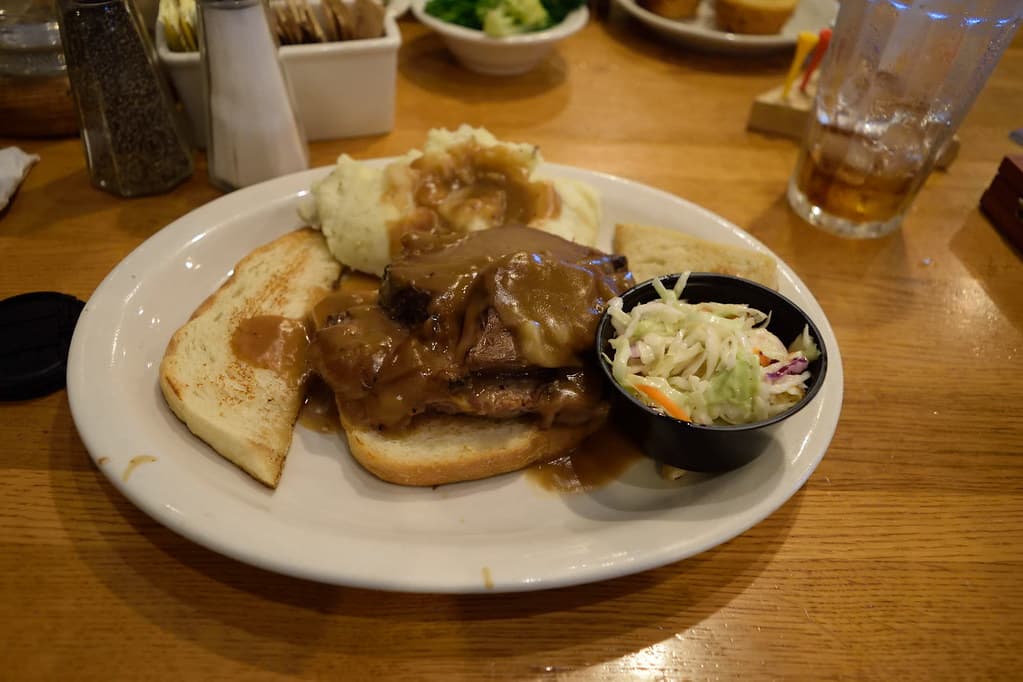
1900-1929
The Open-Faced Roast Beef Sandwich features thinly sliced roast beef served over toasted bread slices, covered with gravy, often accompanied by mashed potatoes. Popularized in American diners and lunch counters, this hearty sandwich is a staple of comfort food and practical meals.
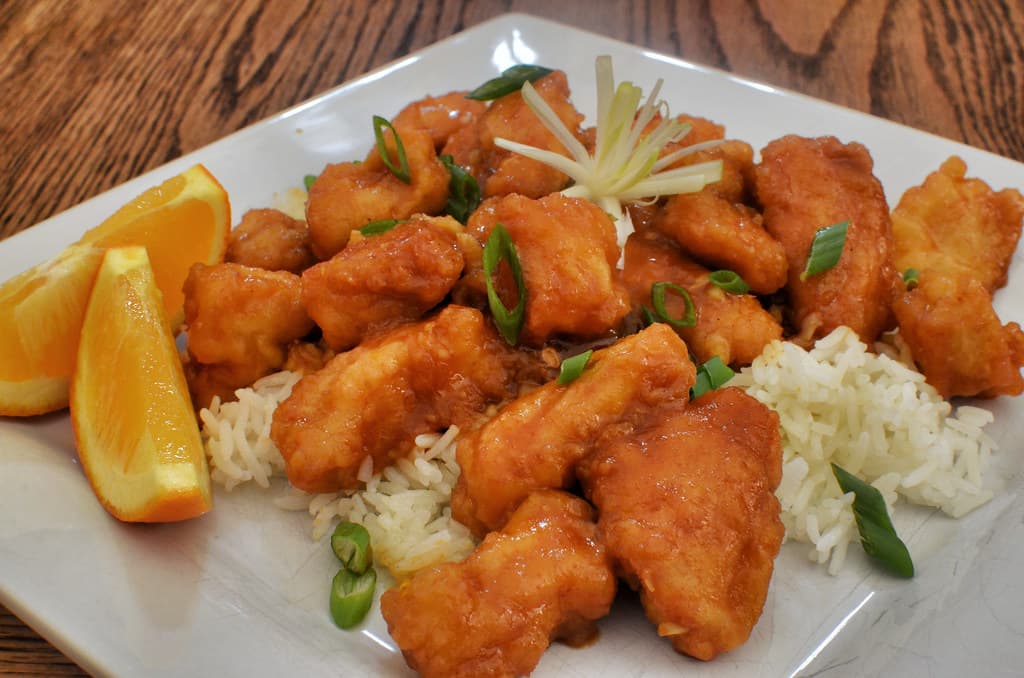
1970-1989
Orange Chicken is a popular Chinese-American fried chicken dish coated in a sweet, tangy orange-flavored sauce. Emerging from Chinese immigrant restaurant cuisines in early 20th century America, it has become a ubiquitous menu item blending American tastes with Chinese culinary techniques.
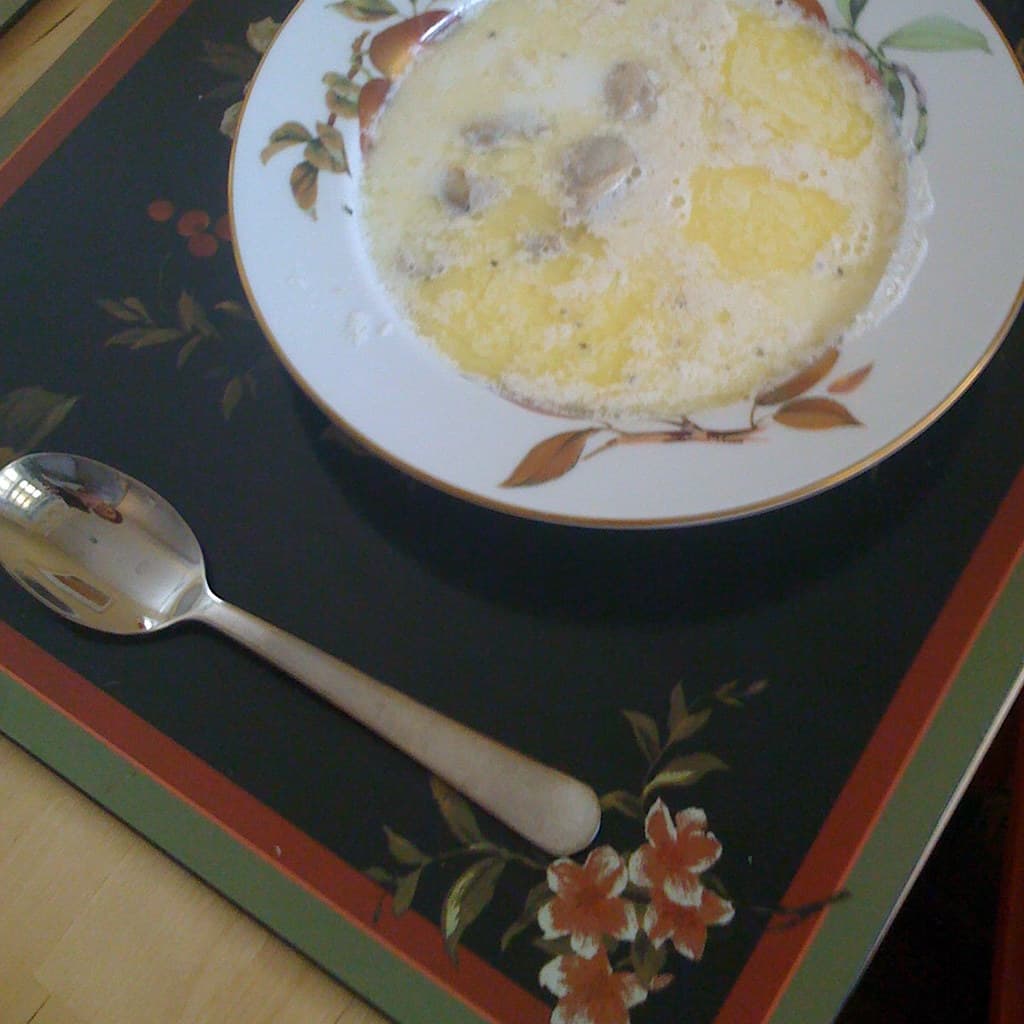
1776-1800
Oyster stew is a traditional American soup popular during the late 18th century, especially in coastal regions. This creamy stew features fresh oysters simmered in milk or cream with subtle seasonings, reflecting colonial America's use of locally sourced seafood.
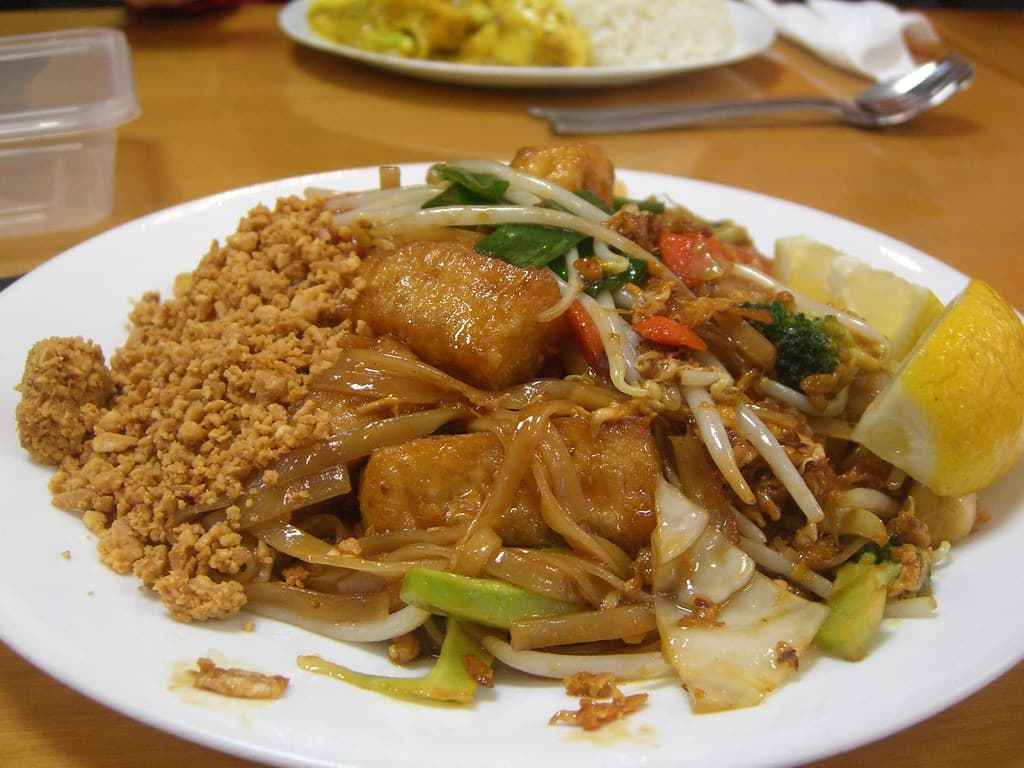
1970-1989
Pad Thai is a stir-fried rice noodle dish combining tangy, sweet, and savory flavors, adapted by immigrant and suburban American cooks. It incorporates rice noodles, peanuts, eggs, bean sprouts, and a special sauce, reflecting a fusion of Thai origins and American tastes.
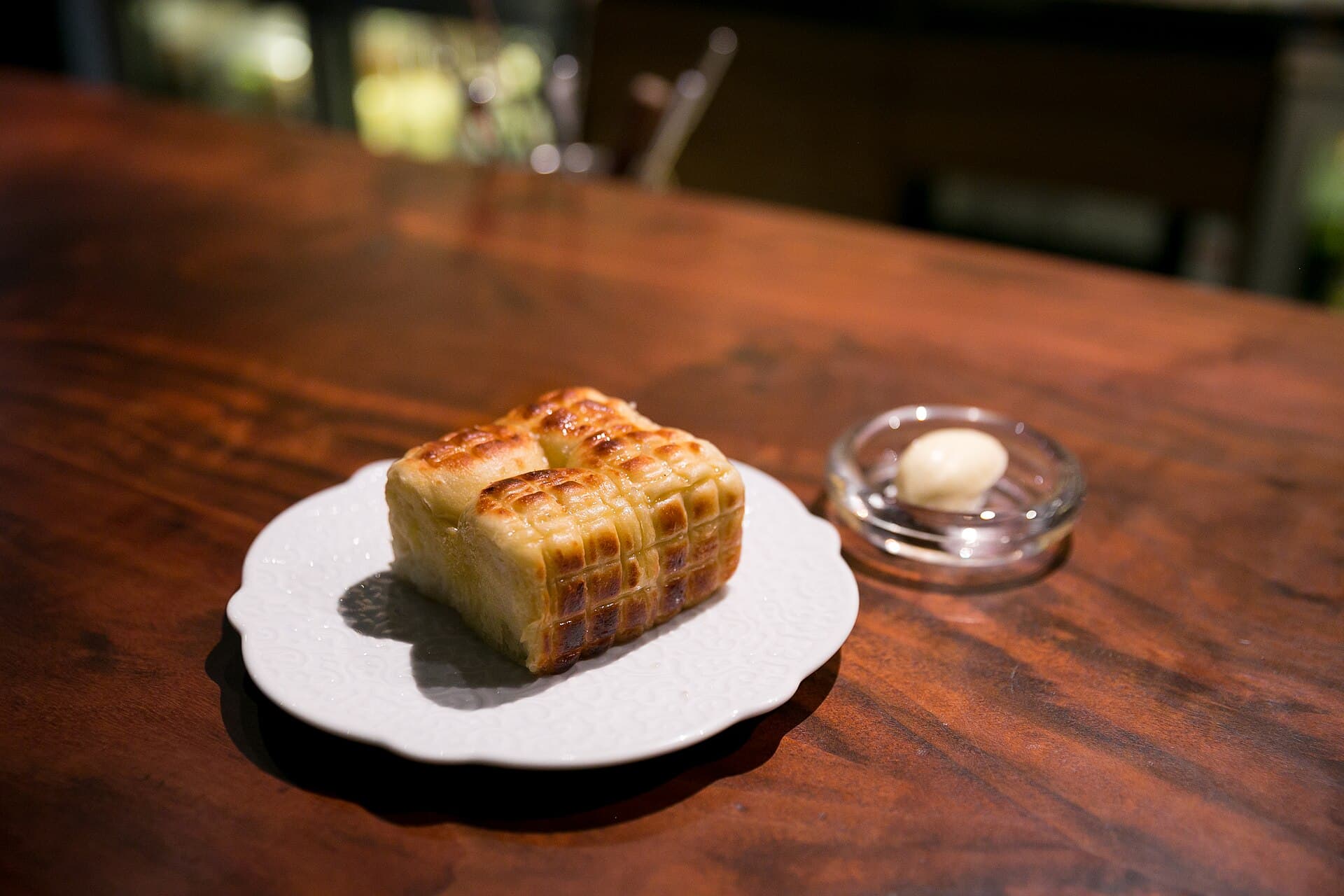
1861-1900
Parker House rolls are iconic American dinner rolls known for their soft interior and slightly crisp, buttery crust. They are often served during holiday dinners such as Thanksgiving and Easter, prized for their rich flavor and tender texture.
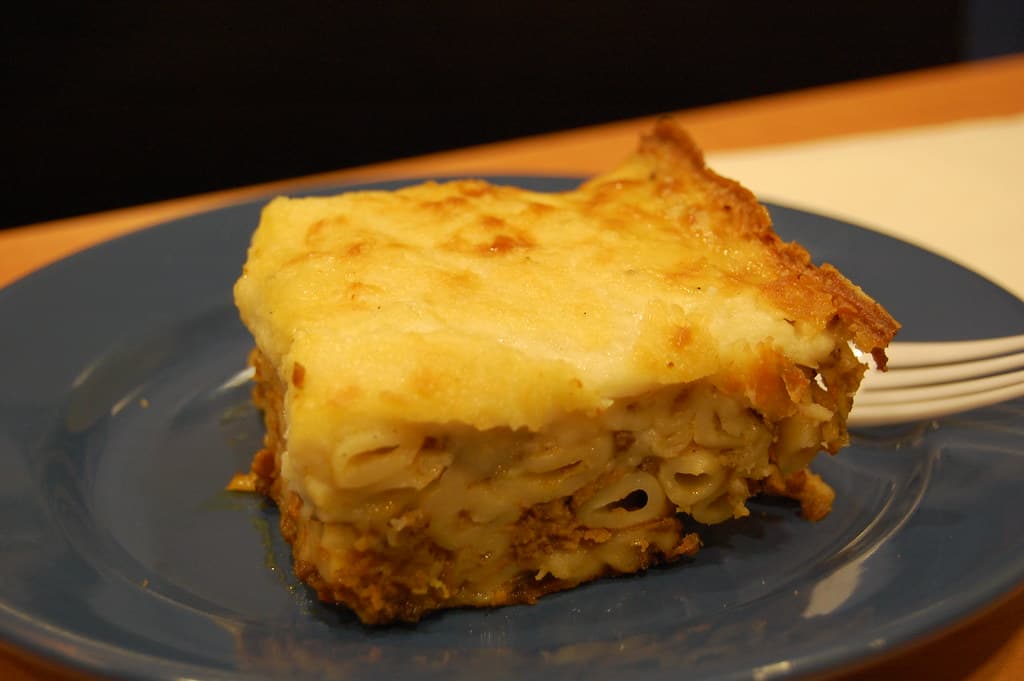
1900-1929
Pastitsio is a Greek-American comfort casserole featuring layers of pasta, seasoned ground meat, and bechamel sauce baked until golden. Popular in Greek immigrant communities, it reflects traditional Greek cuisine adapted in American diners and lunch counters.
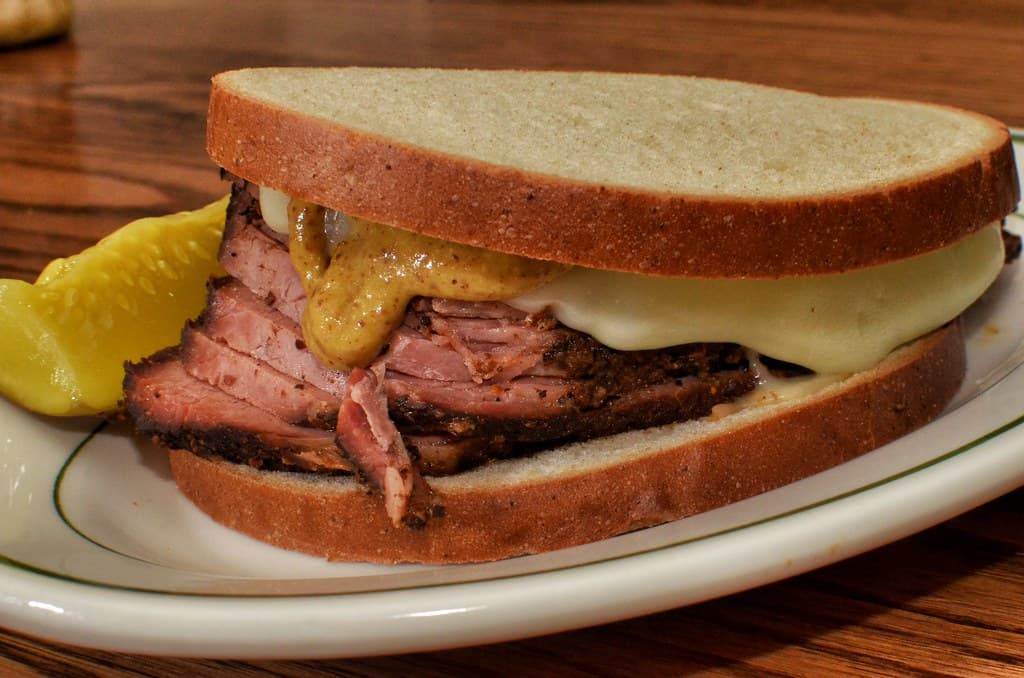
1861-1900
Pastrami on rye is a signature Jewish-American deli sandwich featuring spiced cured pastrami piled on rye bread, often served with mustard. It became emblematic of New York's Mid-Atlantic deli culture during the late 19th century.
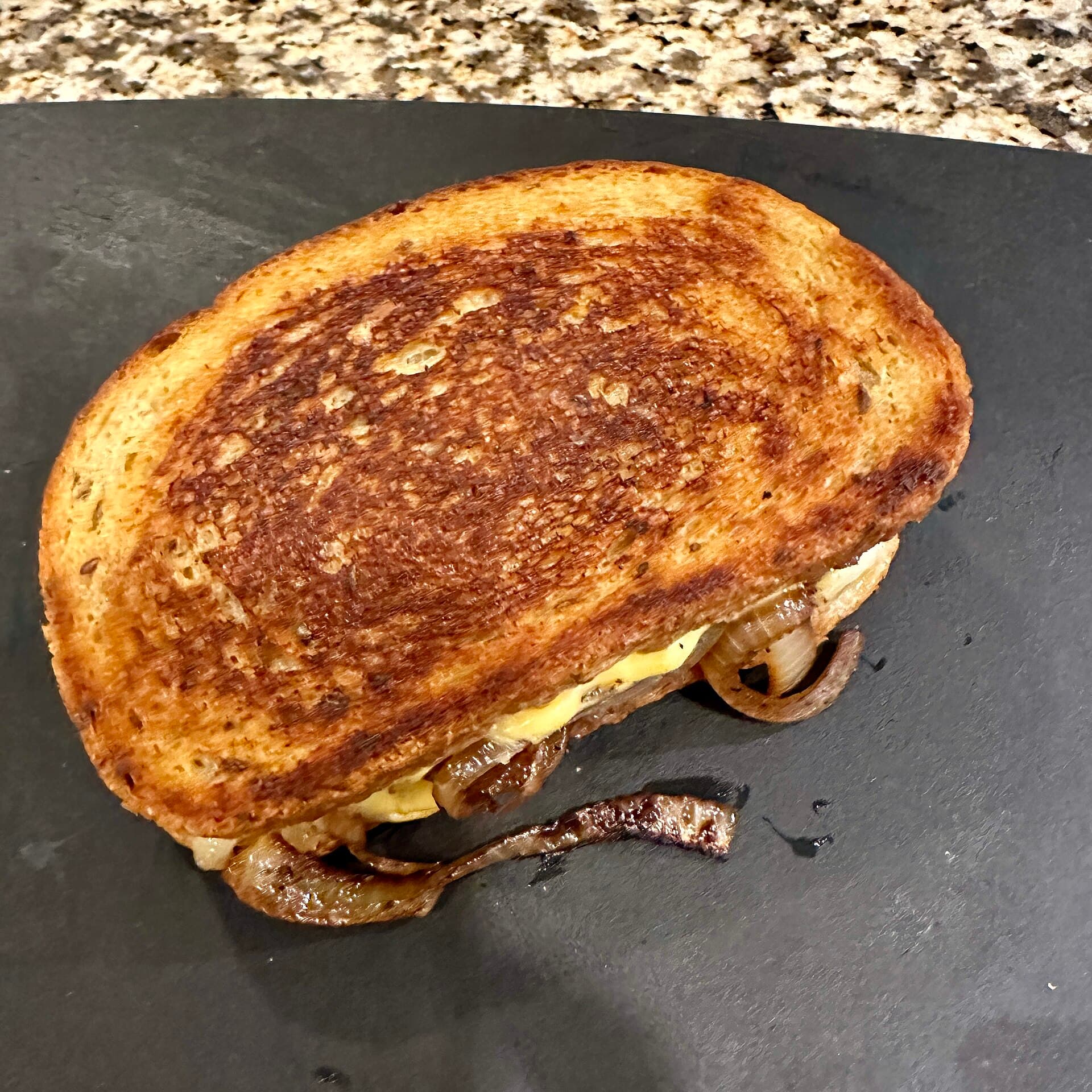
1946-1969
The patty melt is a classic American diner sandwich consisting of a seasoned ground beef patty grilled between slices of rye bread with melted cheese and sauteed onions, often served with pickles or fries.
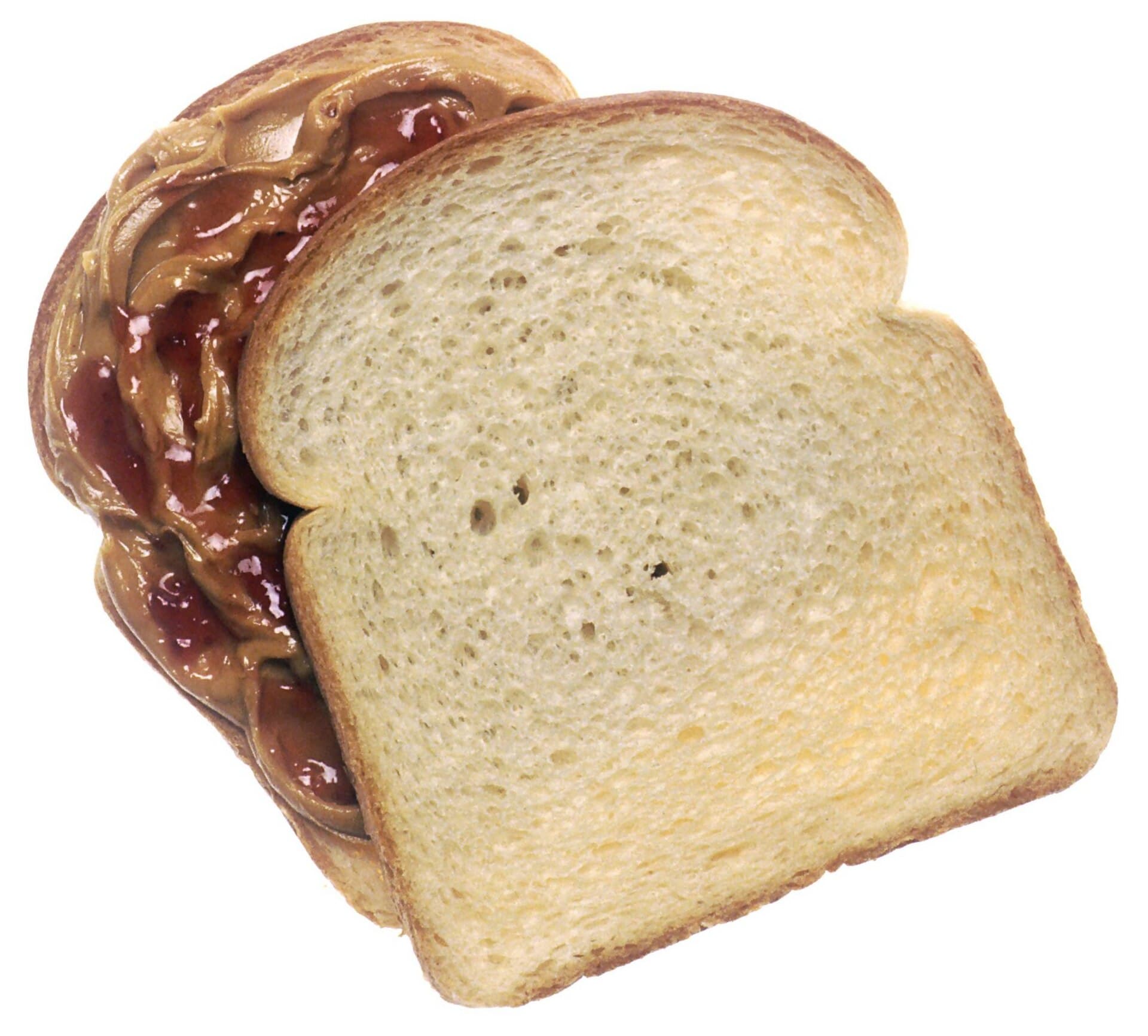
1900-1929
Peanut butter and jelly sandwich is a simple, iconic American lunch made by spreading peanut butter and fruit jelly between slices of bread. Popularized in the mid-20th century, it remains a staple in school lunches and casual meals.
America's Melting Pot
Pease Porridge photo coming soon
1776-1800
Pease porridge is a thick, savory dish made from dried peas, commonly eaten in late 18th-century America. It was a nourishing, economical staple during the Revolutionary period, reflecting colonial cooking traditions and available ingredients.
America's Melting Pot
Pepper Gravy photo coming soon
Frontier & Expansion
Pepper Gravy is a condiment with real American table personality: Steakhouse and diner gravy. It brings flavor from coast-to-coast American tables to cookouts, counters, lunch plates, potlucks, and weeknight suppers.
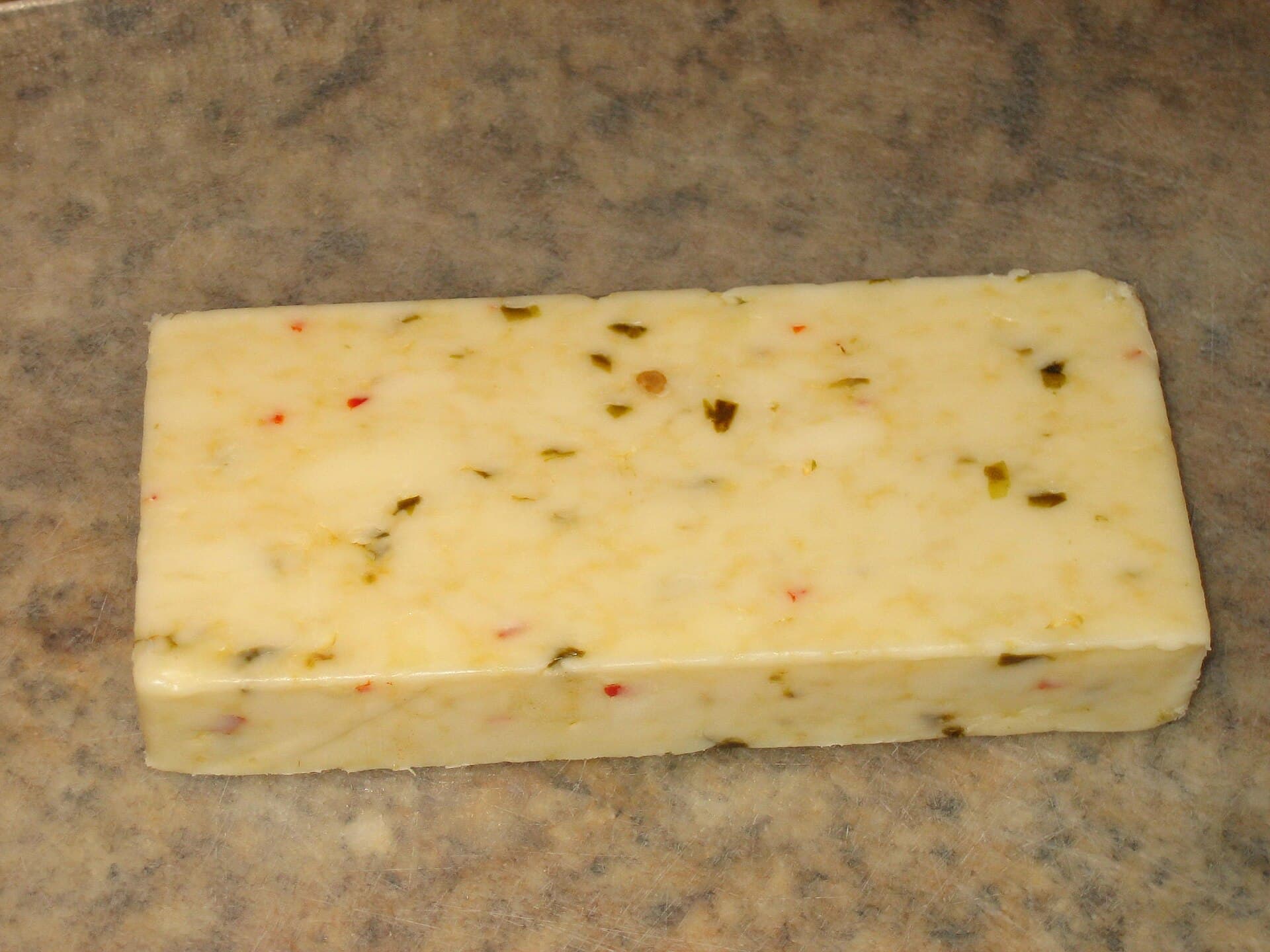
American Dairy Age
Pepper Jack Cheese is a mild American Jack-family cheese with clean milk handling, careful curd cooking, optional flavoring, pressing, and controlled aging.
America's Melting Pot
Pepper Pot Soup photo coming soon
1800-1860
Pepper Pot Soup is a thick, flavorful stew with a peppery kick, traditionally made with beef tripe or other meats, vegetables, and spices. Popular in New England and the Mid-Atlantic during the early 19th century, it reflects immigrant and regional culinary influences.
America's Melting Pot
Pepper Relish photo coming soon
Frontier & Expansion
Pepper Relish is a relish with real American table personality: Hot dog, sausage, and sandwich condiment. It brings flavor from coast-to-coast American tables to cookouts, counters, lunch plates, potlucks, and weeknight suppers.
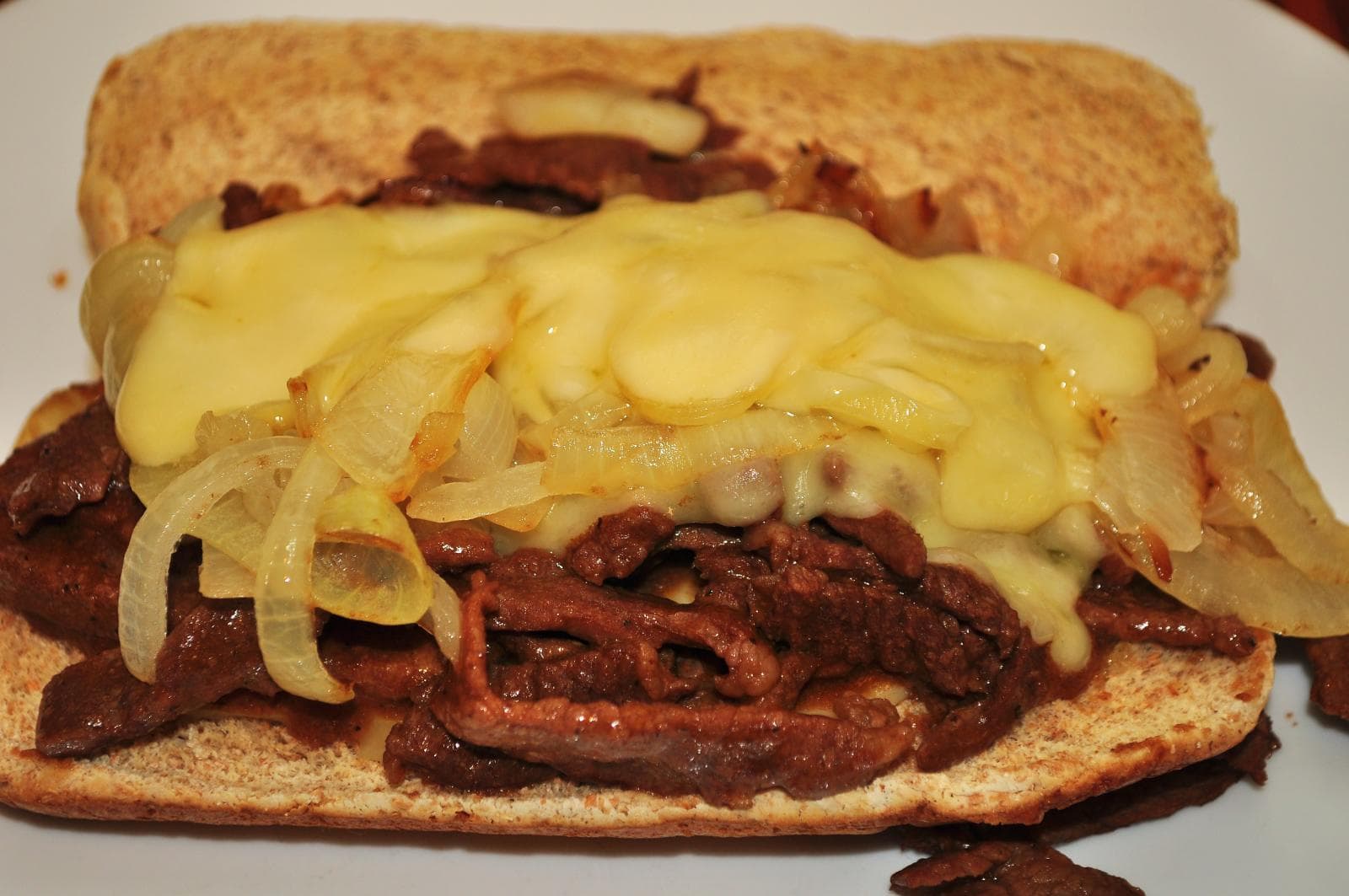
1946-1969
The Philly cheesesteak is a beloved sandwich hailing from Philadelphia and the Mid-Atlantic region, featuring thinly sliced beef, melted cheese, and a soft hoagie roll. It rose to regional prominence between 1946 and 1969 as a staple of postwar prosperity and working-class food culture.
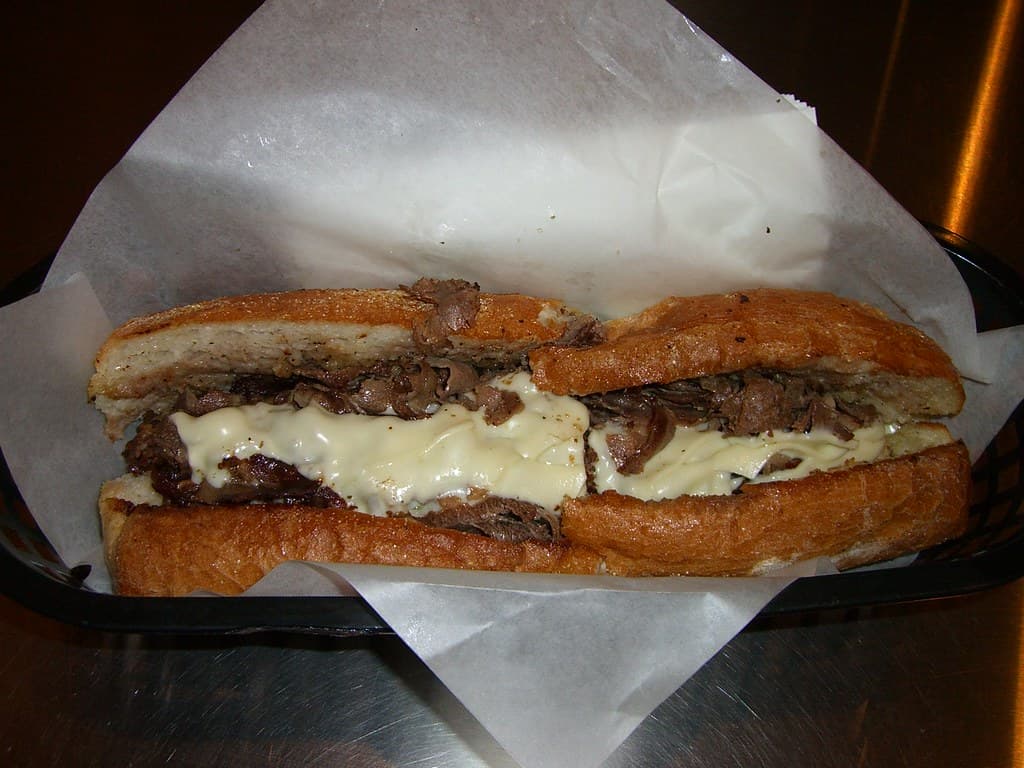
1970-1989
These cheesesteak sandwiches gained popularity from the 1970s through 1980s as fast food and tailgate staples in the Mid-Atlantic region. Building on the traditional Philly cheesesteak, they often incorporated convenience-oriented techniques and ingredients favored in mall and chain venues.
1970-1989
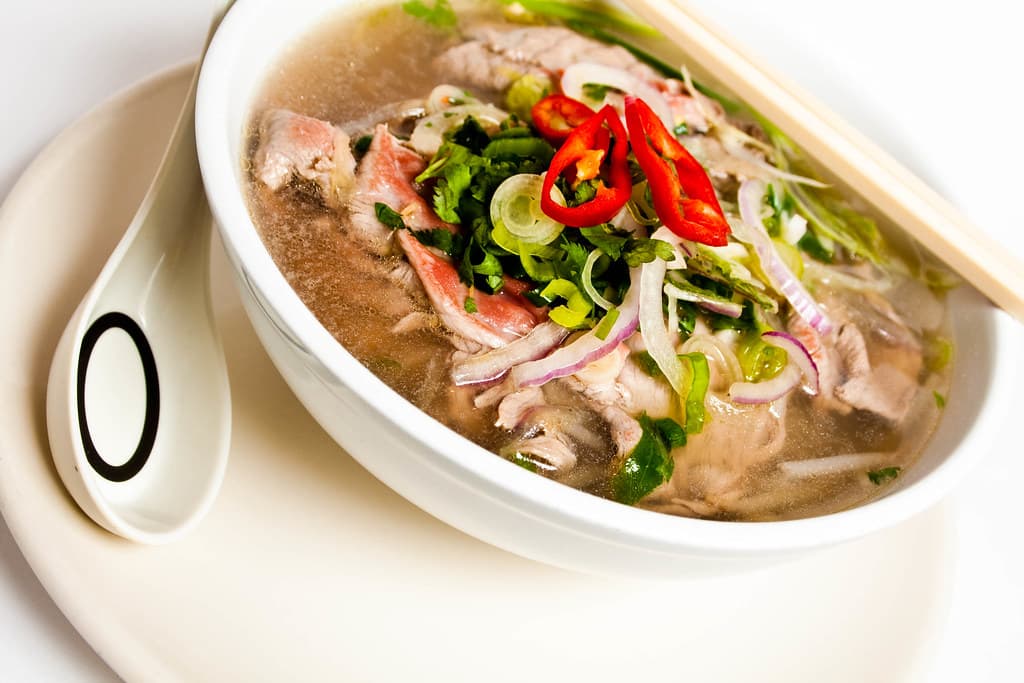
Pho is a fragrant Vietnamese soup consisting of clear beef broth, rice noodles, herbs, and thinly sliced meat. Popularized in the United States especially in the 1990s and 2000s suburbs, it represents immigrant culinary influence blended into American food culture.

Frontier & Expansion
Piccalilli is a relish with real American table personality: Old Anglo-American relish tradition. It brings flavor from coast-to-coast American tables to cookouts, counters, lunch plates, potlucks, and weeknight suppers.
America's Melting Pot
Pickle Roll-Up Spread photo coming soon
Cross-era
Pickle Roll-Up Spread is a relish with real American table personality: Upper Midwest ham-pickle-cream cheese culture. It brings flavor from the Midwest and Great Lakes to cookouts, counters, lunch plates, potlucks, and weeknight suppers.
America's Melting Pot
Pickle Roll-Ups photo coming soon
1946-1969
Pickle Roll-Ups are a popular American snack combining a crunchy pickle spear wrapped inside a slice of deli meat and cream cheese spread. Common at tailgates, church potlucks, and booster clubs during the late 20th century, these easy-to-make finger foods deliver tangy, creamy, and savory flavors in a convenient roll.
America's Melting Pot
Pickled Green Beans / Dilly Beans photo coming soon
1900-1929
Pickled Green Beans / Dilly Beans is a relish with real American table personality: Garden preserving and Bloody Mary garnish. It brings flavor from coast-to-coast American tables to cookouts, counters, lunch plates, potlucks, and weeknight suppers.
America's Melting Pot
Pickled Jalapeno Brine Sauce photo coming soon
Cross-era
Pickled Jalapeno Brine Sauce is a condiment with real American table personality: Tex-Mex and ballpark nacho culture. It brings flavor from Texas and the Southwest to cookouts, counters, lunch plates, potlucks, and weeknight suppers.
America's Melting Pot
Pickled Okra photo coming soon
Cross-era
Pickled Okra is a relish with real American table personality: Southern relish tray classic. It brings flavor from the American South to cookouts, counters, lunch plates, potlucks, and weeknight suppers.
America's Melting Pot
Pickled Ramps photo coming soon
Frontier & Expansion
Pickled Ramps is a relish with real American table personality: Appalachian spring preserve. It brings flavor from Appalachia and Pennsylvania Dutch country to cookouts, counters, lunch plates, potlucks, and weeknight suppers.
1900-1929
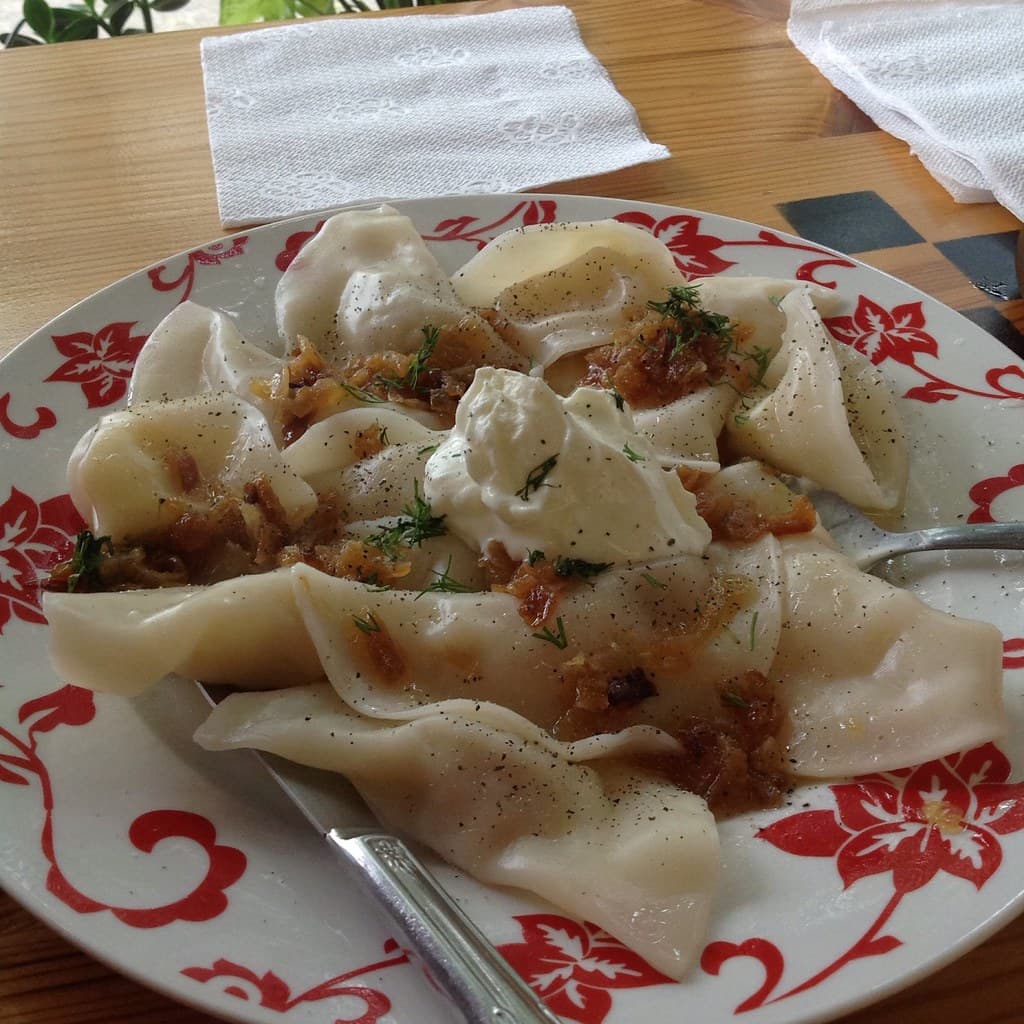
Pierogi are dumplings of Polish, Czech, Slovak, and other Eastern European origin widely embraced by immigrant communities in American cities during the early 20th century. Filled with sweet or savory ingredients, they became a comfort food at diners, lunch counters, and celebrations like Easter, helping preserve cultural traditions while integrating into American cuisine.

American Dairy Age
Pimento Cheese is a finished American cheese spread for crackers, sandwiches, and snack boards, with clear mixing, chilling, and storage guidance.
Community recipe submission
Log in to submit a recipe, format it with the cooking companion, and send it for review.
Log in to Submit