
Loading
Setting the table...
Fetching the latest recipes from the archive.
Loading
Fetching the latest recipes from the archive.
Recipe archive
Recipe archive
Search the archive by title, region, ingredient, tag, or era, then sort the table by the view that fits your kitchen.
This archive is growing through recipes, photos, family recipes, and historical context shared by the community.
America's Melting Pot
Acorn Bread photo coming soon
1800-1860
A nutty, lightly sweet quick bread made with properly leached acorn flour, cornmeal, and wheat flour.
American Dairy Age
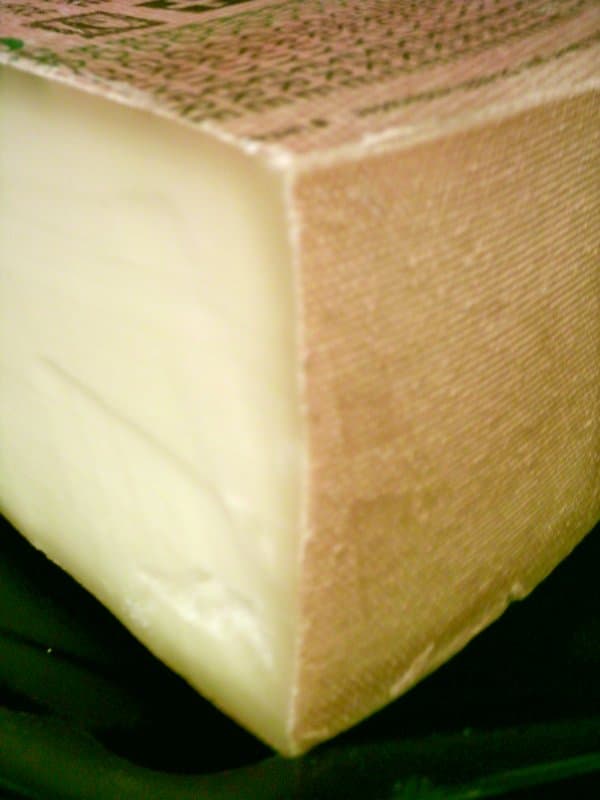
American Alpine-style Farmstead Cheese is a cooked-curd American Alpine or grating-style cheese with thermophilic culture, firm pressing, brining, and controlled aging.
America's Melting Pot
American Cotija-style Grating Cheese photo coming soon
American Dairy Age
American Cotija-style Grating Cheese is a brined American farmstead-style cheese with clean milk handling, measured culture, rennet setting, draining, salting, and brine aging.
American Dairy Age
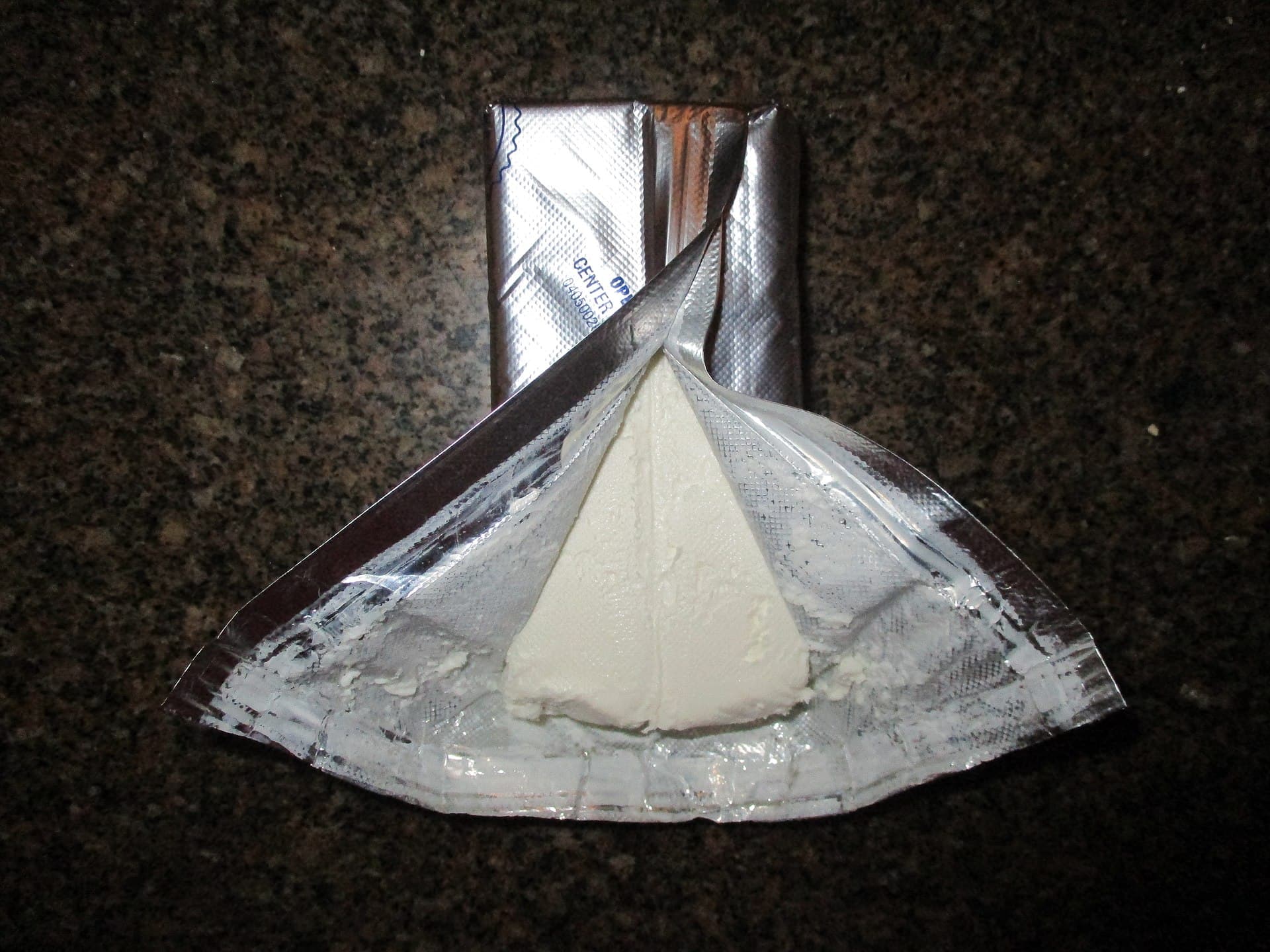
American Neufchatel-style Cream Cheese is a fresh cultured American home cheese made with pasteurized dairy, clean handling, slow culturing, draining, salting, and refrigeration.
American Dairy Age
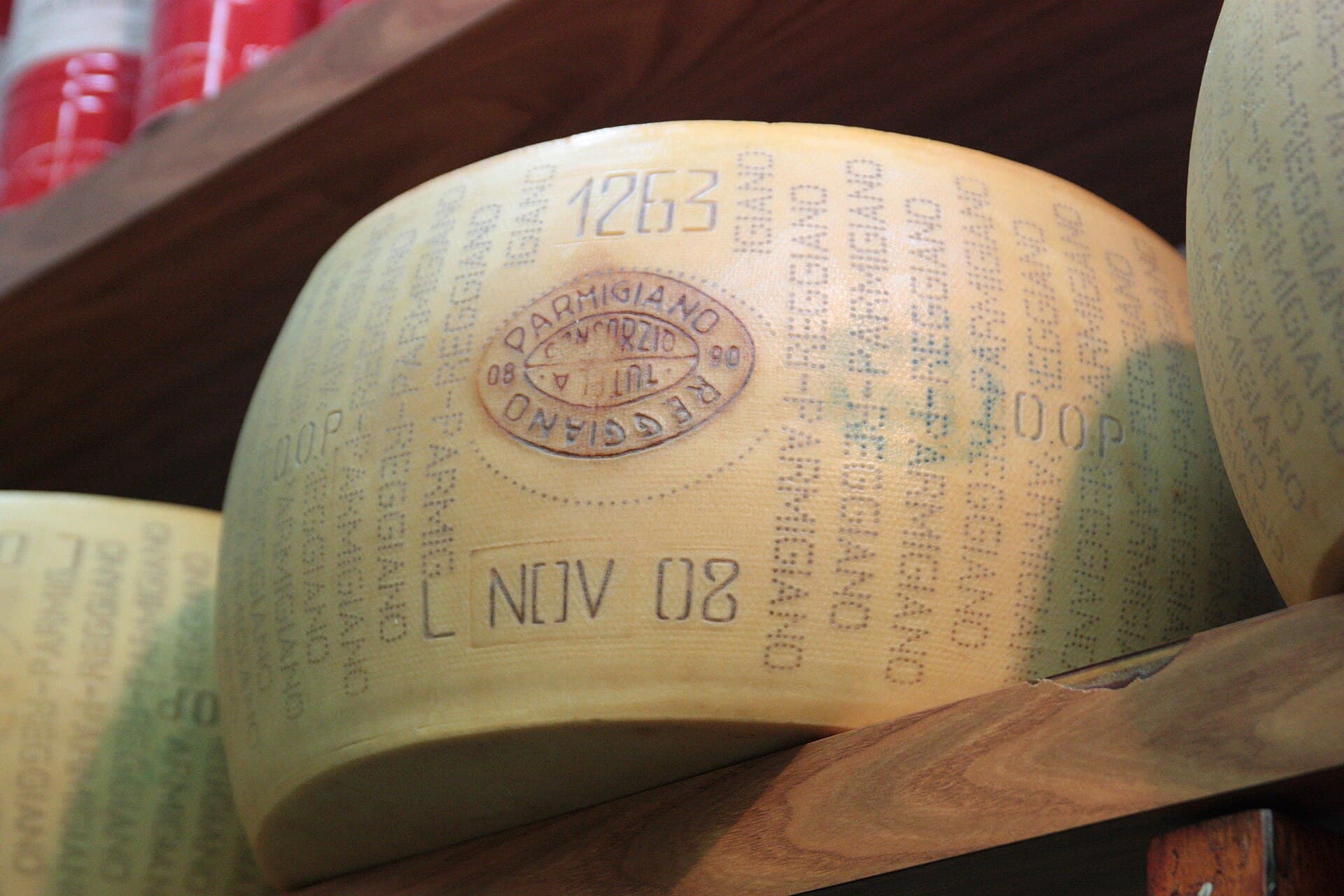
American Parmesan-style Grating Cheese is a cooked-curd American Alpine or grating-style cheese with thermophilic culture, firm pressing, brining, and controlled aging.
America's Melting Pot
American Sheep-Milk Farmstead Cheese photo coming soon
American Dairy Age
American Sheep-Milk Farmstead Cheese is a brined American farmstead-style cheese with clean milk handling, measured culture, rennet setting, draining, salting, and brine aging.
American Dairy Age
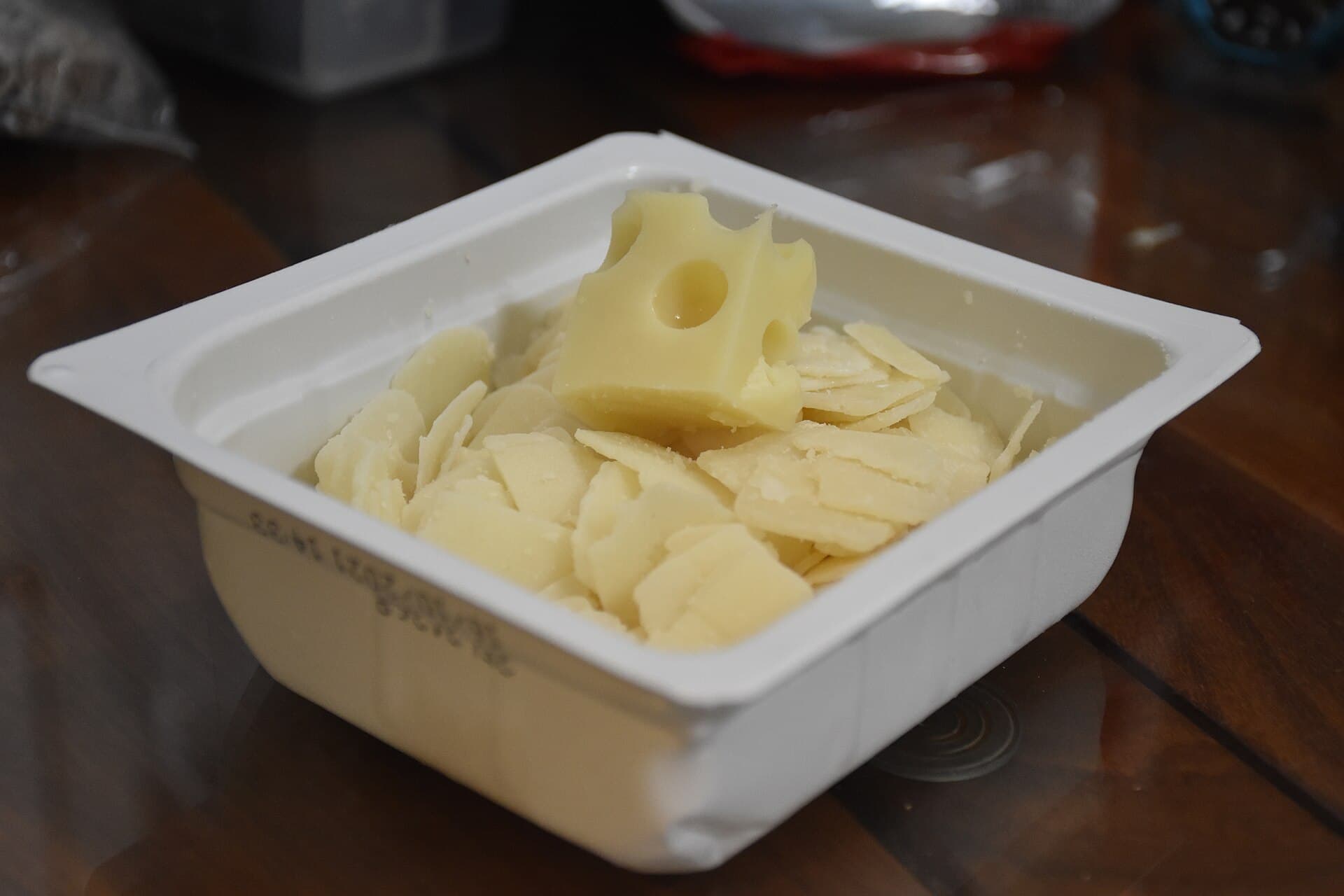
American Swiss / Deli Swiss is a home-scale Swiss-style American cheese with thermophilic culture, propionic culture, pressing, brining, and controlled warm-room eye development.
American Dairy Age
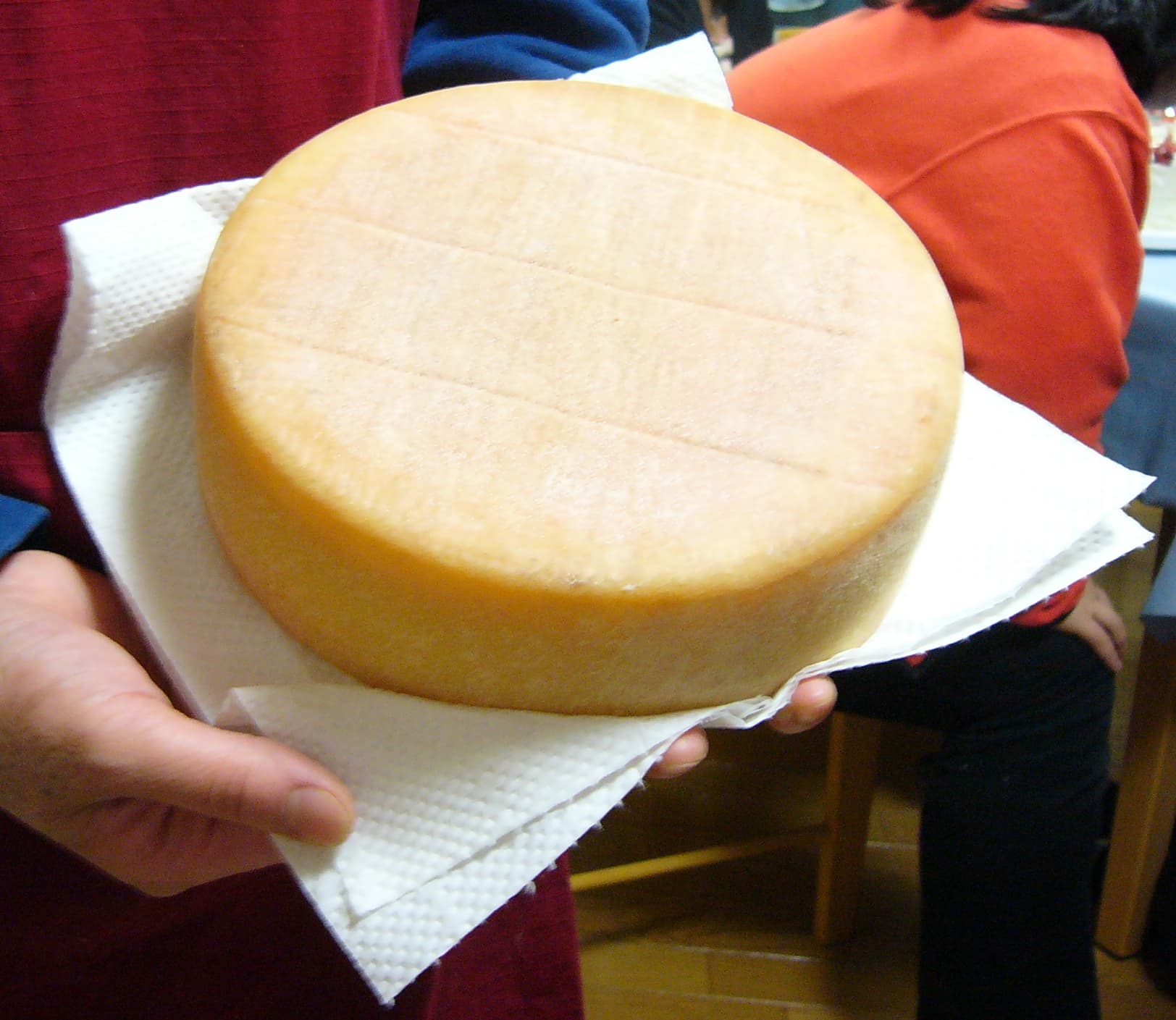
American Washed-Rind Farmstead Cheese is a washed-rind American cheese with measured starter, careful draining, brining, regular rind washing, and controlled humid aging.
American Dairy Age
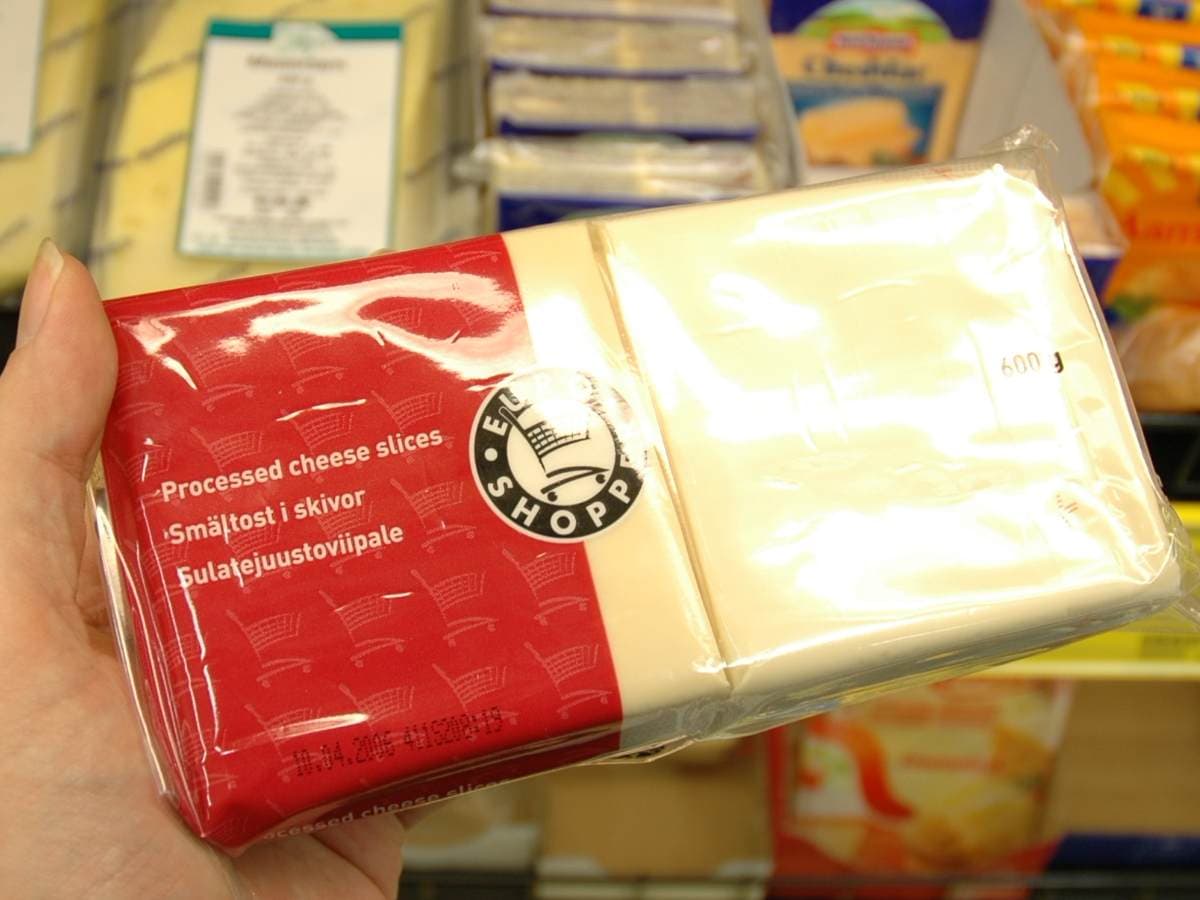
American-style Melting Cheese is a home kitchen melting-cheese base using pasteurized cheese, milk, and sodium citrate for a smooth, sliceable or dip-style texture.
1800s-present
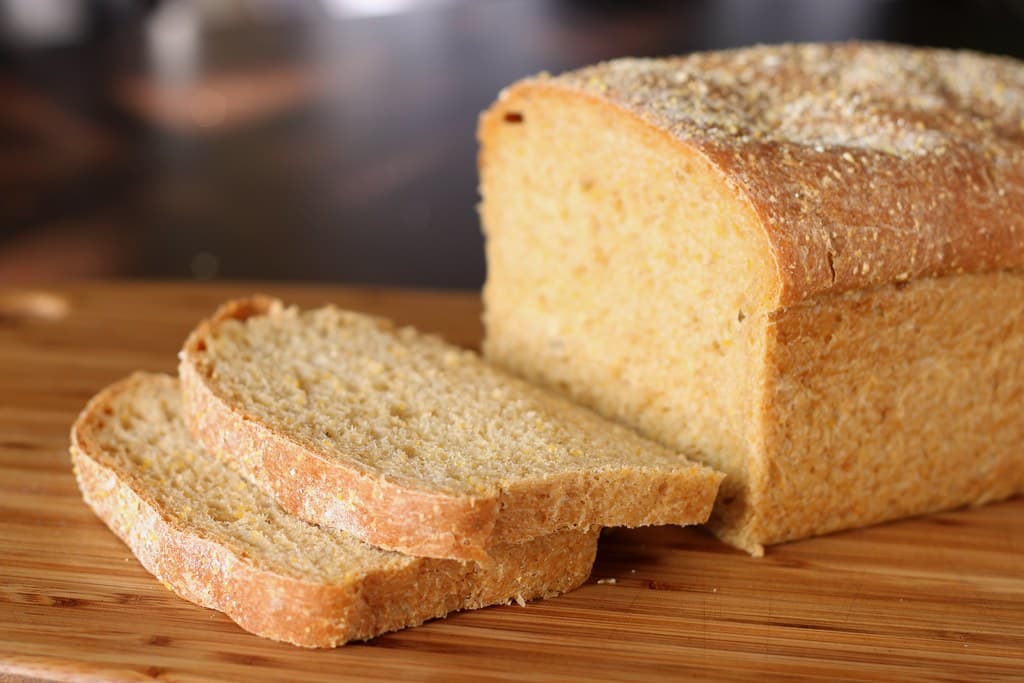
A lightly sweet New England loaf made with cornmeal, molasses, wheat flour, and yeast.
America's Melting Pot
Apple Cake photo coming soon
1800s-present
A tender apple-studded cake with cinnamon, butter, and a simple crumb topping.
1800s-present
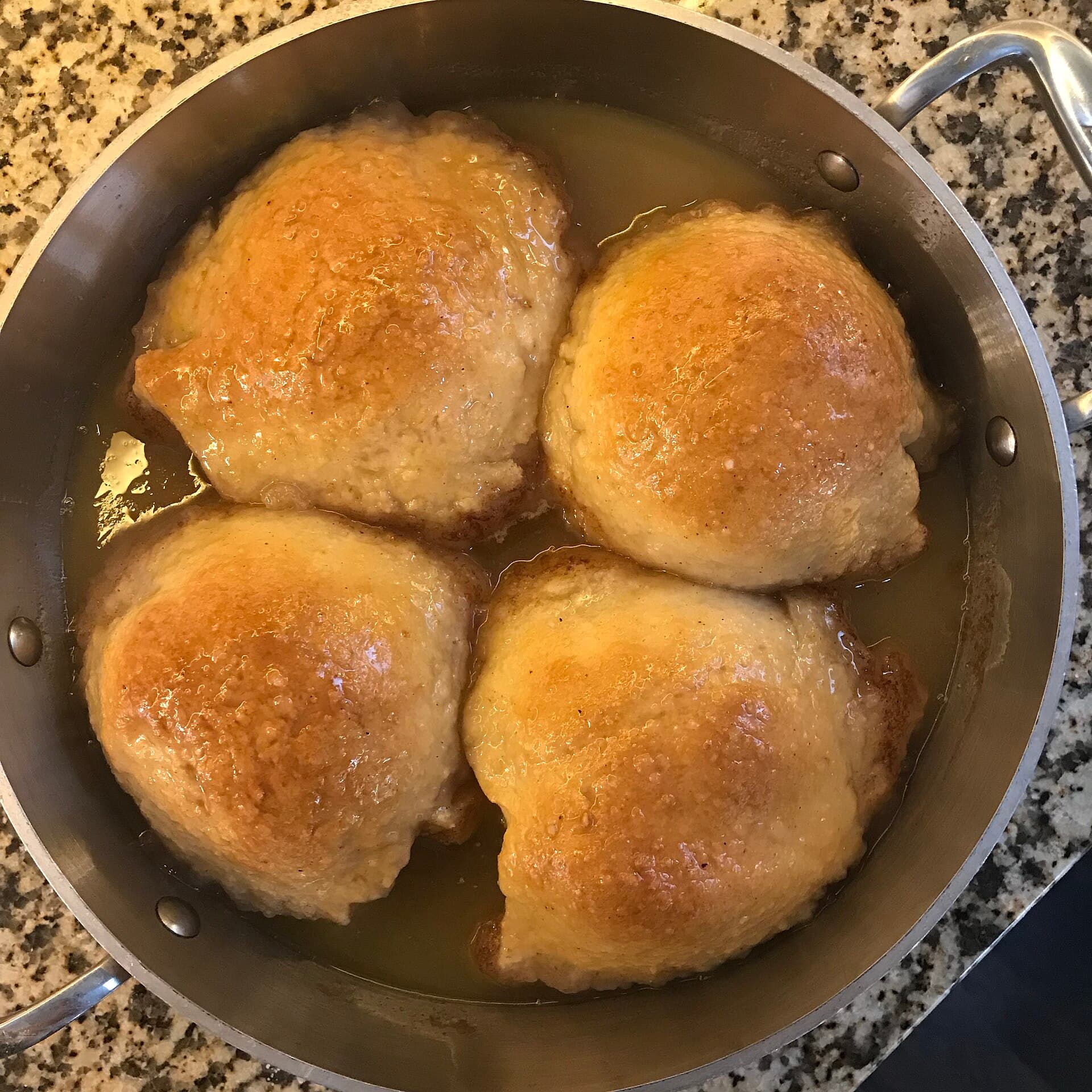
A Pennsylvania Dutch-style dessert of cored apples wrapped in dough and baked with brown sugar syrup.
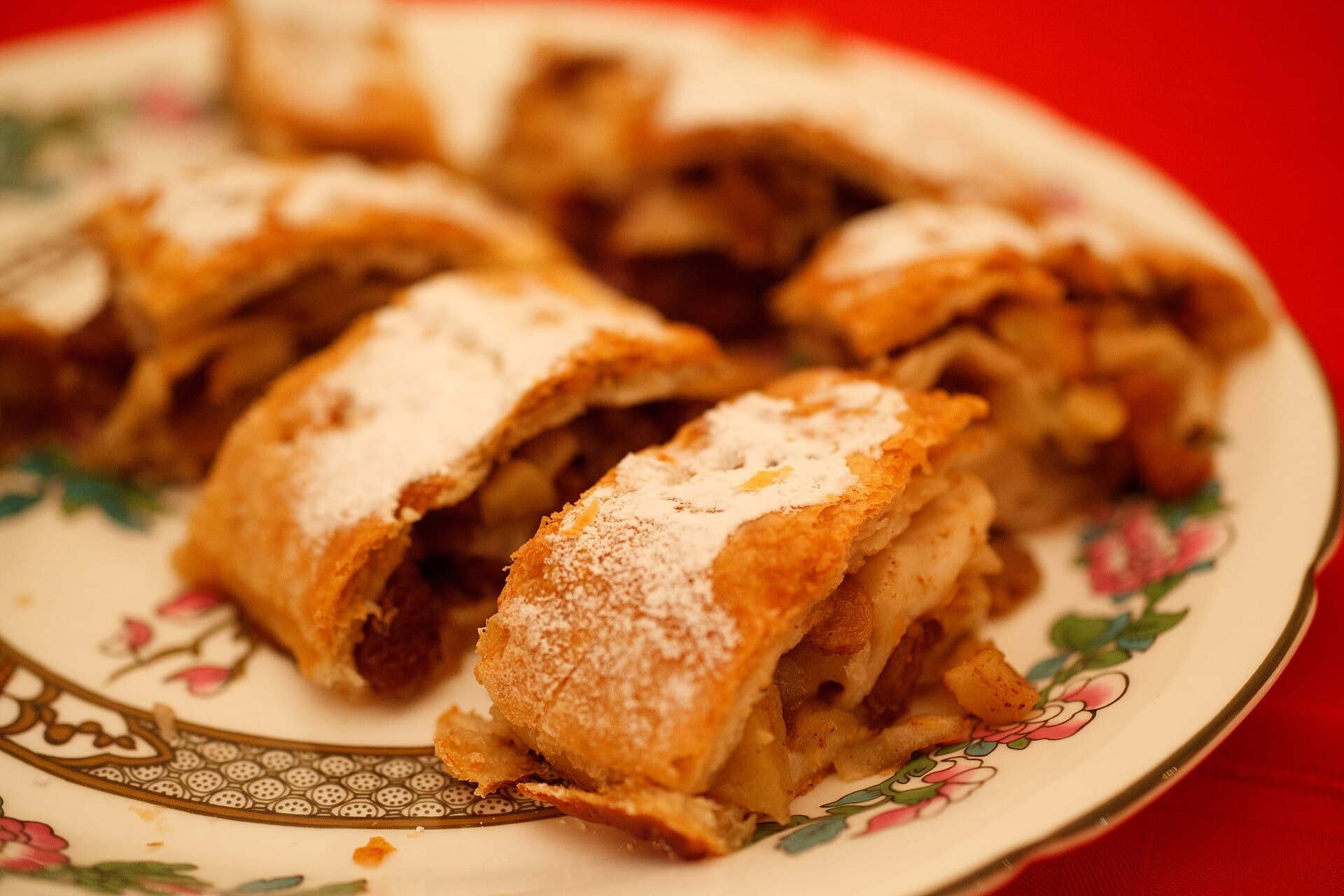
1800-1860
A German-American apple strudel made with crisp apples, raisins, cinnamon, buttered crumbs, and flaky phyllo for a practical home version of a Central European pastry.
America's Melting Pot
Army Bean Soup photo coming soon
1861-1900
A hearty military-style bean soup built on navy beans, smoked ham hock, onion, celery, carrot, and bay leaf, adapted for a home pot from large-batch service traditions.
America's Melting Pot
Asadero-style American-made Melting Cheese photo coming soon
American Dairy Age
Asadero-style American-made Melting Cheese is a fresh stretched-curd cheese with pasteurized milk, measured acid, rennet setting, hot stretching, salting, and short refrigerated storage.
America's Melting Pot
Ash Cakes photo coming soon
1776-1800
A plain cornmeal-and-water ash cake inspired by Revolutionary-era field cooking, adapted for a skillet or campfire with salt and a little fat for modern eatability.
America's Melting Pot
Asparagus photo coming soon
1800-1860
A bright American Easter asparagus side, quickly cooked and dressed with lemon butter, herbs, and hard-cooked egg in the spirit of old spring-table recipes.
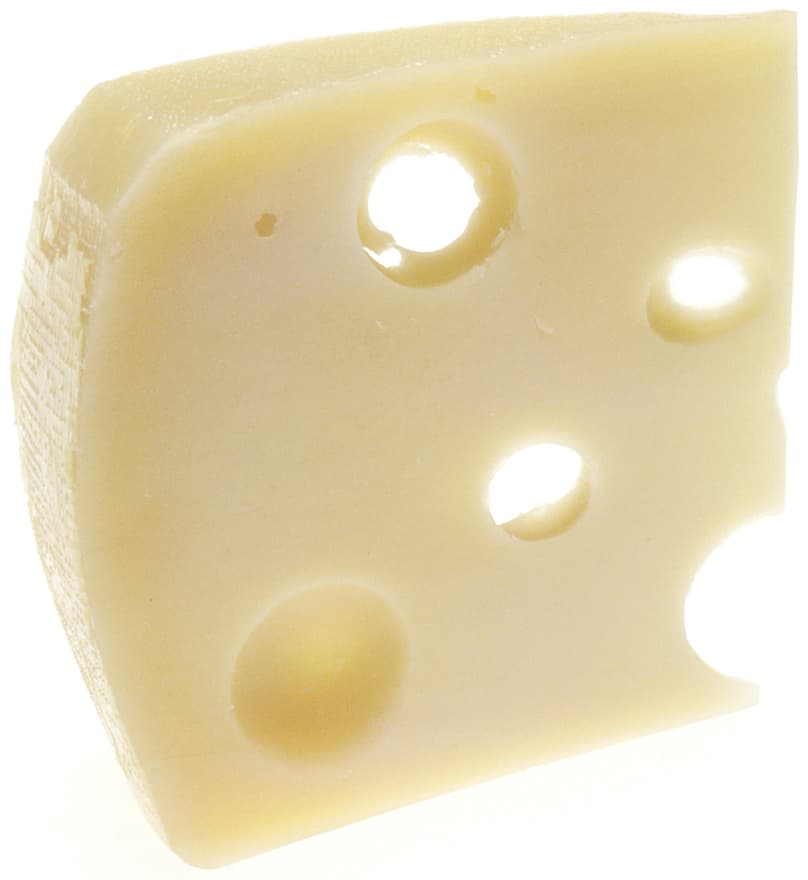
American Dairy Age
Baby Swiss is a home-scale Swiss-style American cheese with thermophilic culture, propionic culture, pressing, brining, and controlled warm-room eye development.
America's Melting Pot
Bacon Dressing / Hot Bacon Dressing photo coming soon
Frontier & Expansion
Bacon Dressing / Hot Bacon Dressing is a dressing with real American table personality: Pennsylvania Dutch and Midwestern spinach salad dressing. It brings flavor from Appalachia and Pennsylvania Dutch country to cookouts, counters, lunch plates, potlucks, and weeknight suppers.
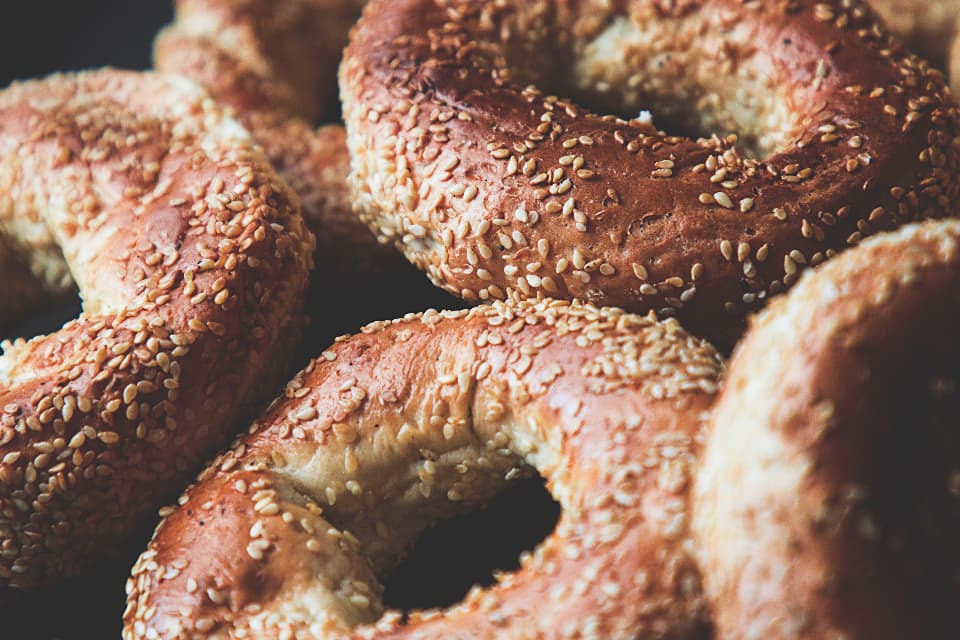
1861-1900
A basic homemade bagel recipe using high-protein flour, malt or brown sugar, a short boil, and a hot bake for chewy New York-style results.
America's Melting Pot
Bagels with Schmear photo coming soon
1861-1900
A deli-style bagel with a thick schmear of plain or scallion cream cheese, with optional onion, capers, tomato, and cucumber.
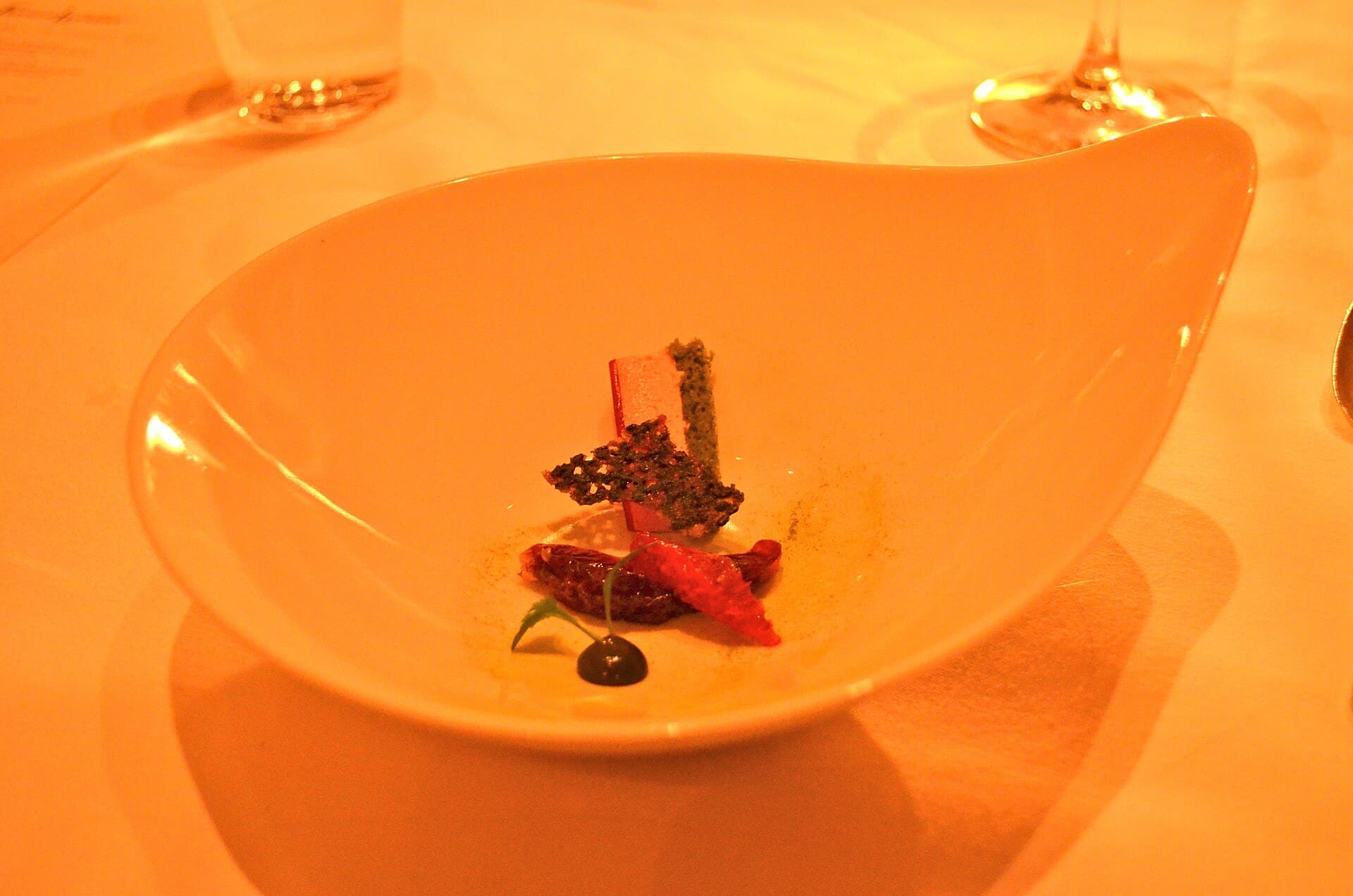
American Dairy Age
Bandaged American Cheddar is a home-scale American cheddar with measured culture, rennet setting, cheddaring, pressing, salting, and controlled aging.
American Dairy Age
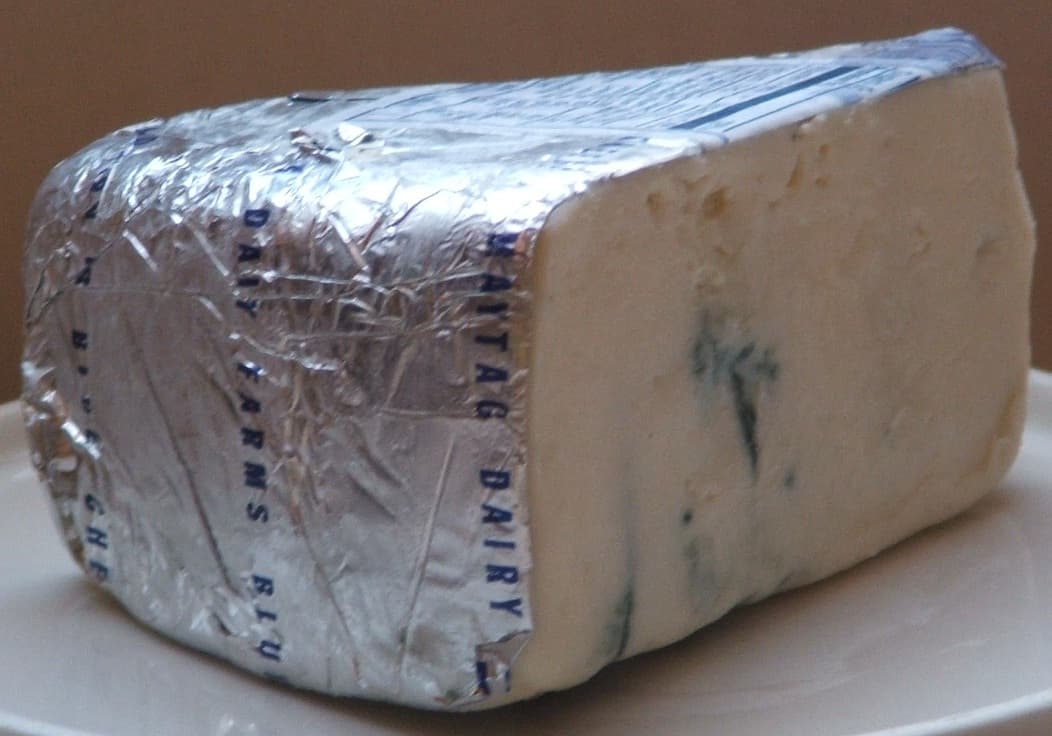
Bayley Hazen Blue-style Cheese is a blue-veined American cheese with measured mold culture, loose curd handling, piercing, humid aging, and careful moisture control.
America's Melting Pot
Bean Porridge photo coming soon
1776-1800
Bean porridge sits close to the everyday cooking of early America: beans or peas, water, a little meat when available, and meal to thicken the pot. It was plain food, but practical food, made in a kettle and stretched for households that needed warmth, calories, and thrift more than ceremony.
1800-1860
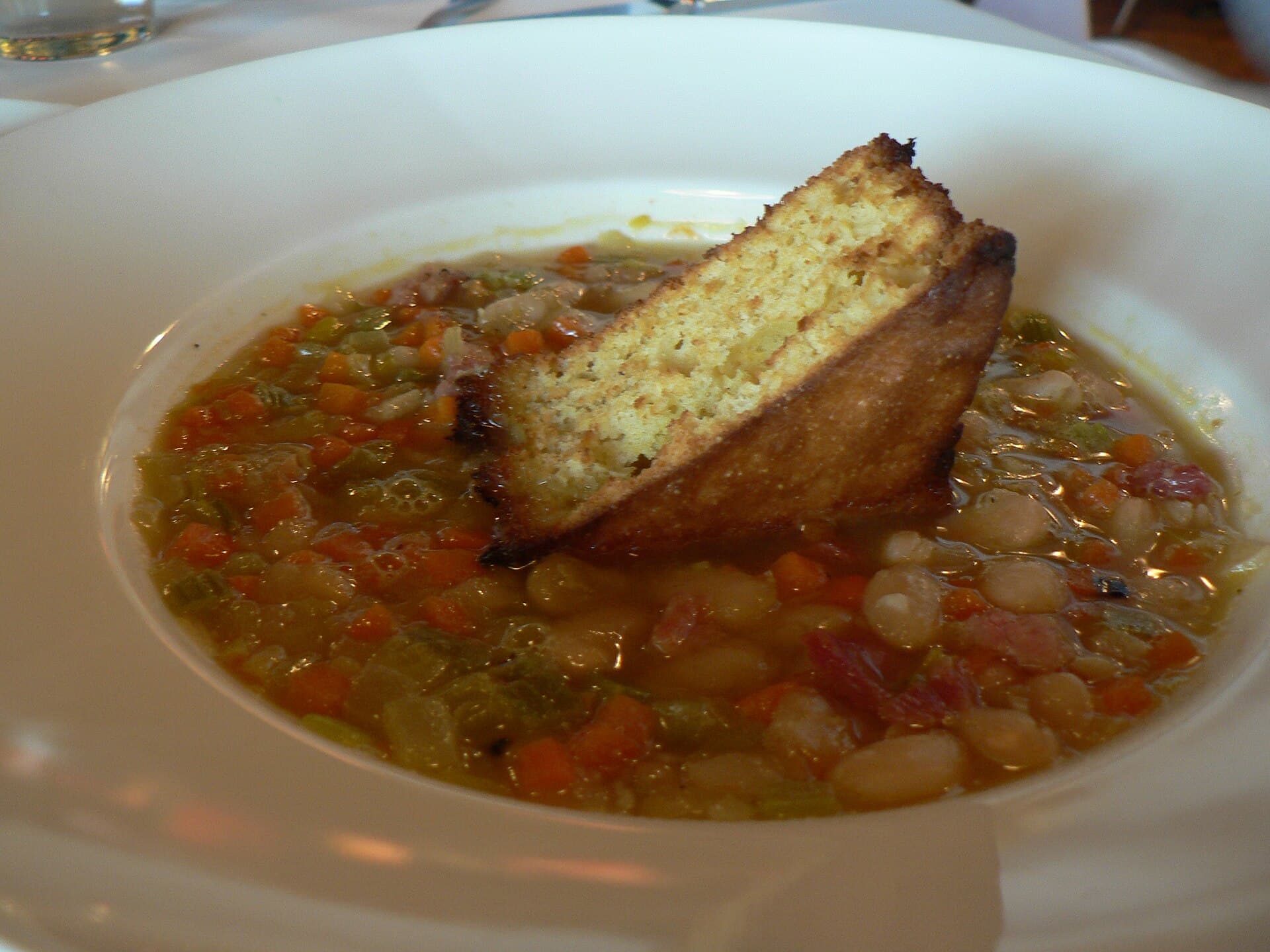
Bean soup is a humble American constant: inexpensive dried beans, water or stock, onion, and a ham bone when one was available. During hard times, that kind of pot could stretch flavor and protein across several meals. The U.S. Senate version made navy bean soup famous, but home kitchens kept it practical.
America's Melting Pot
Beef and Noodles photo coming soon
1861-1900
Beef and noodles is plainspoken comfort food: slow-cooked beef, rich broth, and egg noodles served as a main dish or over mashed potatoes. It fits the railroad, boardinghouse, and settlement table because it stretches a roast into a filling meal and reflects German and Amish noodle traditions carried into the Midwest and Great Plains.
1800s-present
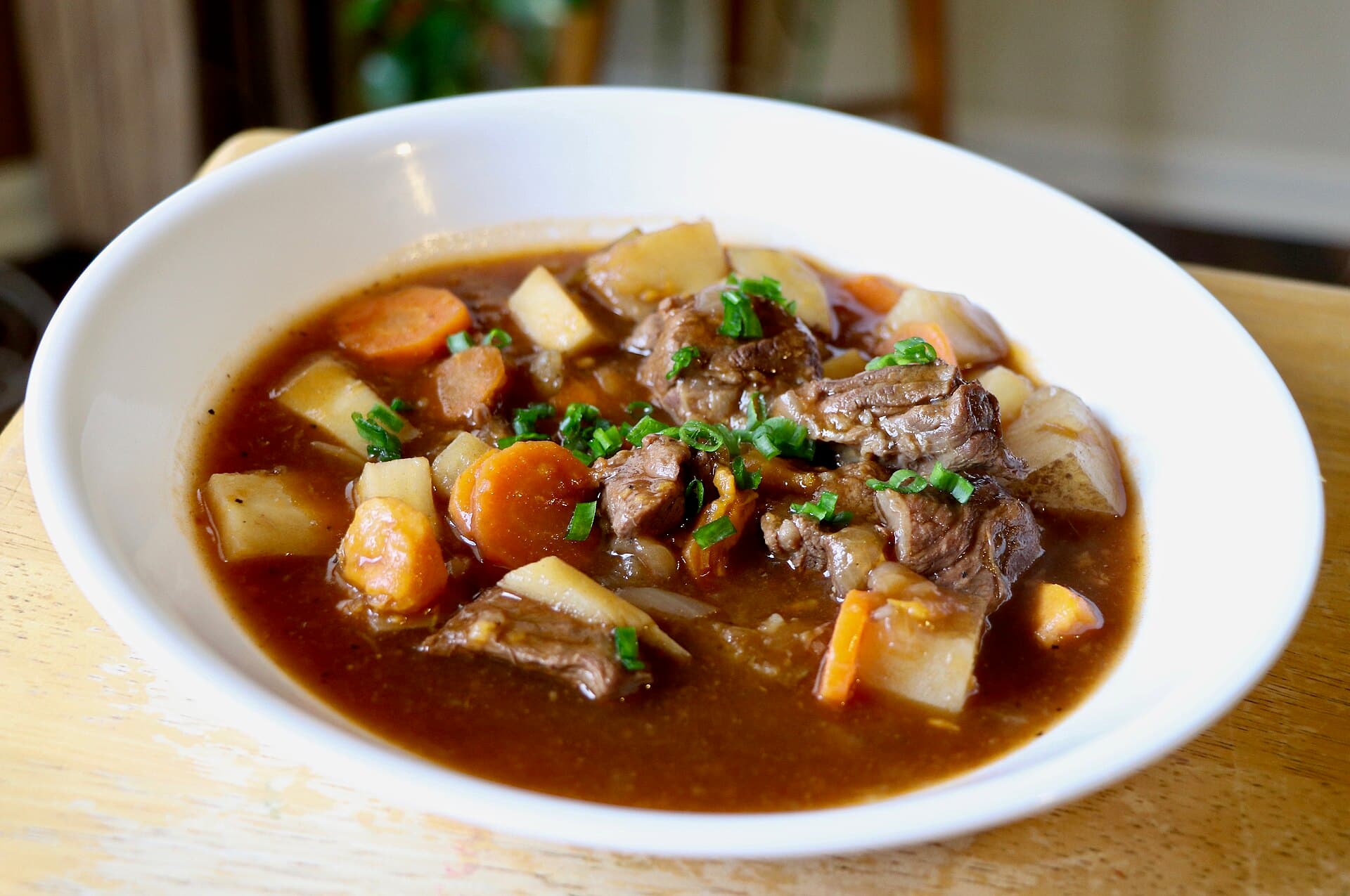
Beef stew is old-world pot cooking adapted to American beef country, boardinghouses, and family kitchens. Browning the meat, simmering it gently, and adding vegetables in stages turns inexpensive chuck into a cold-weather meal.
American Dairy Age
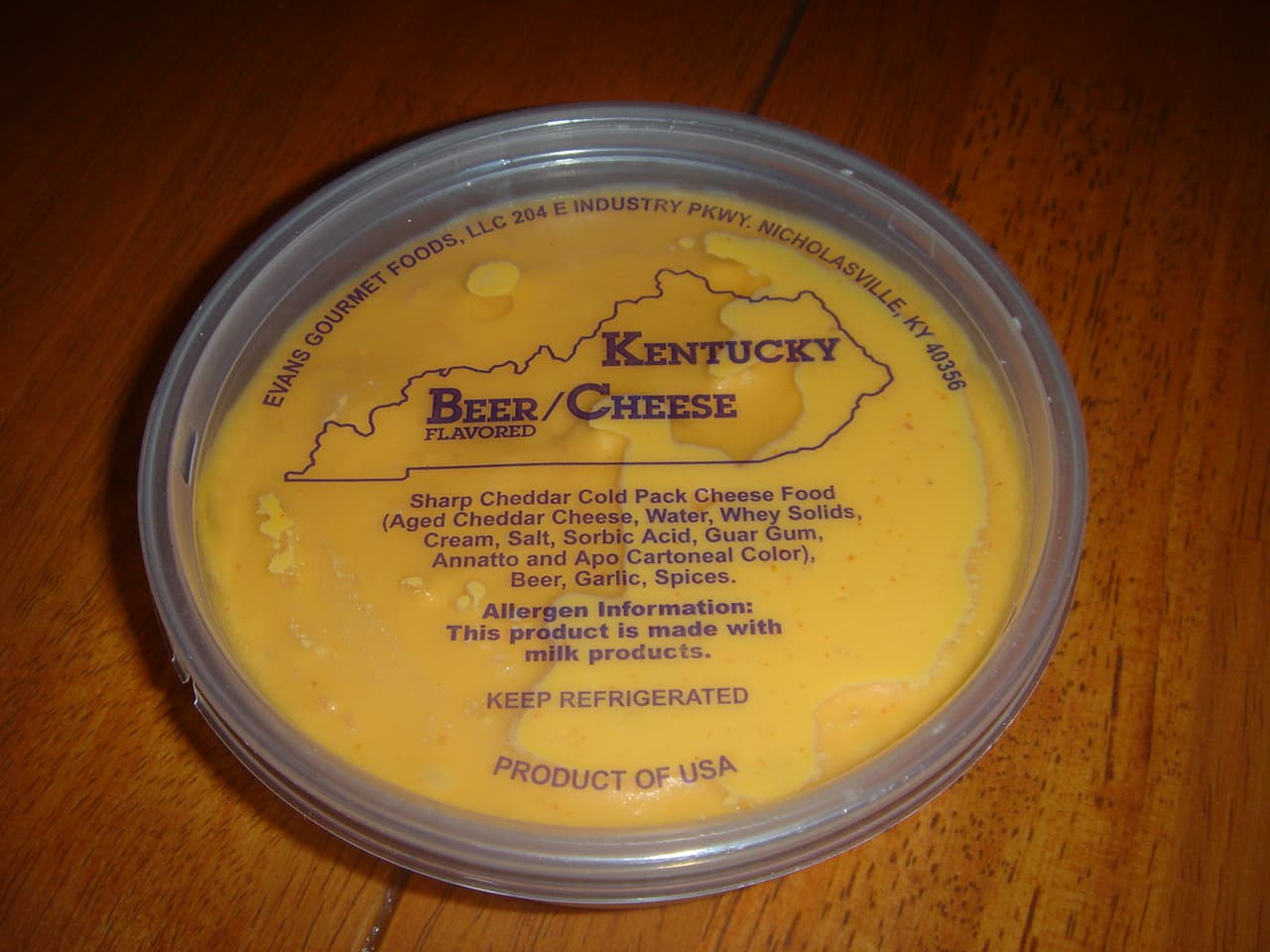
Beer Cheese Spread is a finished American cheese spread for crackers, sandwiches, and snack boards, with clear mixing, chilling, and storage guidance.
America's Melting Pot
Berry Jam photo coming soon
1800-1860
Berry jam is the flavor of American summer preservation: short-season fruit cooked with sugar so it can brighten biscuits, toast, and winter breakfasts. Home canning, commercial pectin, and extension-tested recipes made jam a dependable household project.
America's Melting Pot
Biscuits and Gravy photo coming soon
1800s-present
Biscuits and gravy grew from practical working food: cheap flour biscuits, pork drippings, milk, and enough richness to carry a hard morning. Modern sausage gravy is the familiar diner version, but older versions often used salt pork or any available pork fat.
America's Melting Pot
Biscuits with Molasses photo coming soon
1800s-present
Biscuits with molasses are less a formal recipe than a habit of American farm and Southern tables: make simple biscuits, split them hot, and drizzle on a dark sweetener that was cheaper and more available than refined treats.
America's Melting Pot
Biscuits with Salt Pork Gravy photo coming soon
1861-1900
Before sausage gravy became the default, cooks could make a filling breakfast from salt pork, flour, and milk. The method fits chuckwagon, farm, and 19th-century working kitchens where cured pork traveled well and every bit of fat mattered.
1800s-present
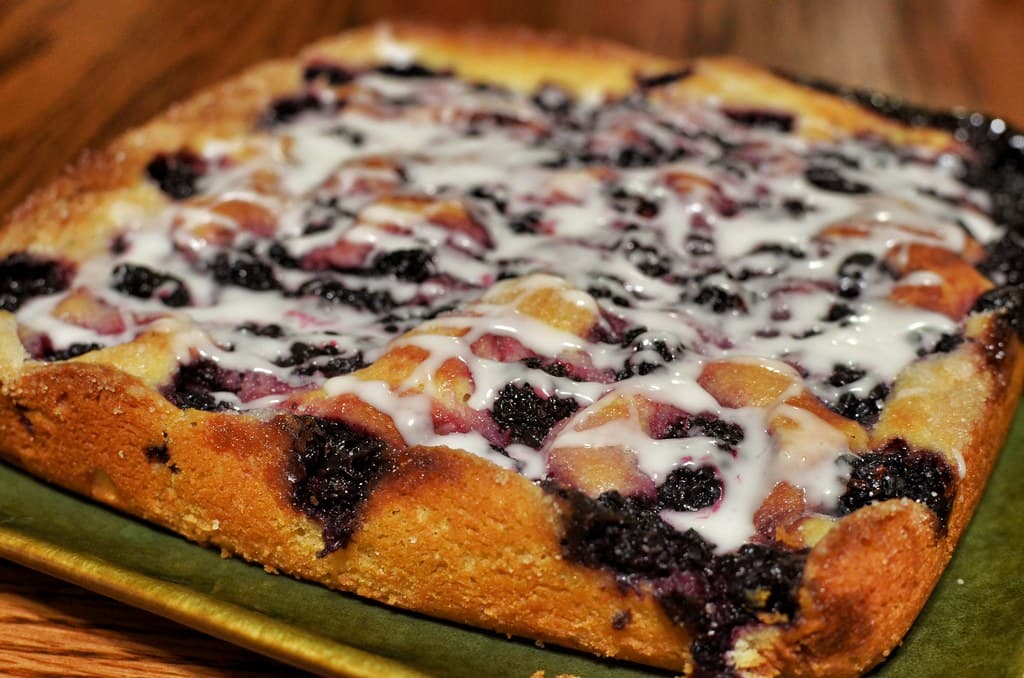
Blackberry cobbler is summer fruit economy: wild or cultivated berries, sugar, butter, flour, and enough heat to turn a picking bucket into dessert. Southern versions range from pour-over batter cobblers to biscuit-topped family recipes.
Frontier & Expansion
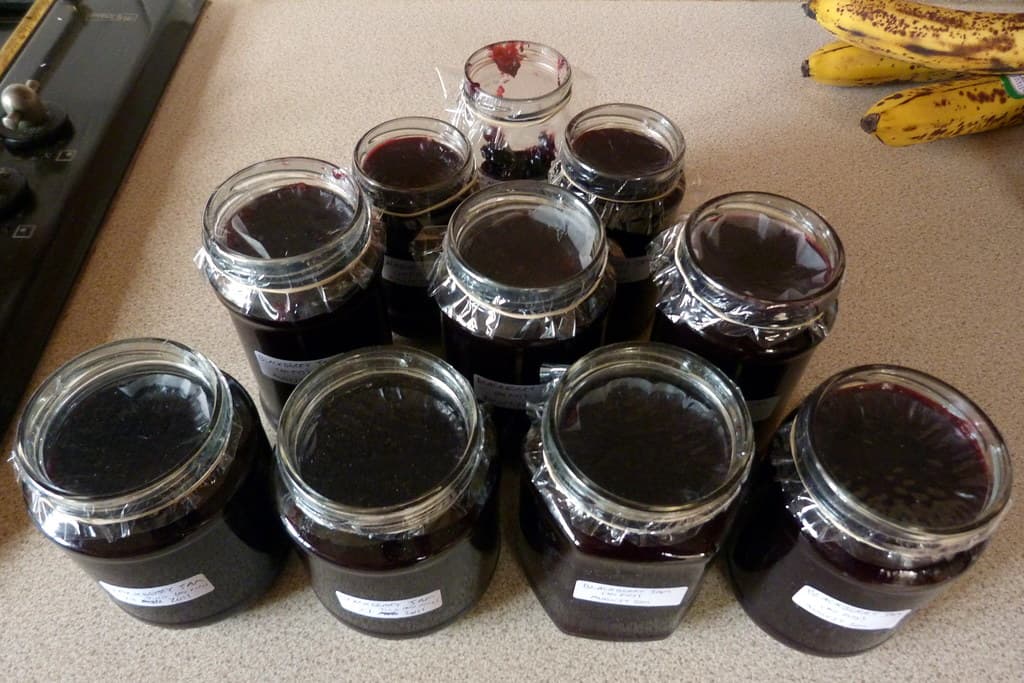
Blackberry Jam is a preserve with real American table personality: Southern, Appalachian, Ozark, and Pacific Northwest tradition. It brings flavor from Appalachia and Pennsylvania Dutch country to cookouts, counters, lunch plates, potlucks, and weeknight suppers.
1800s-present
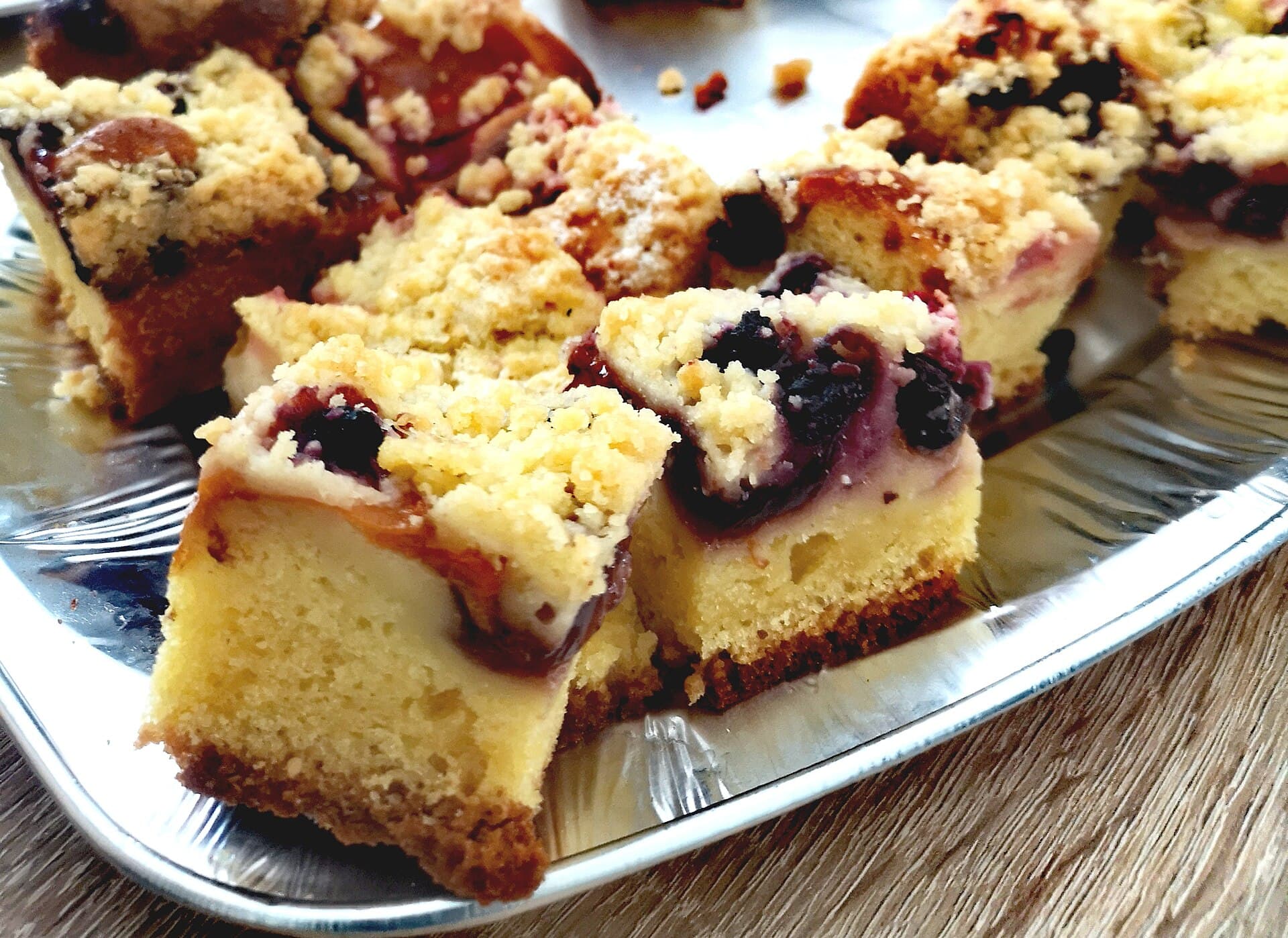
Blueberry buckle is a classic American fruit cake, especially at home in New England where native blueberries are abundant. The streusel topping sinks and cracks into the cake as it bakes, giving the dessert its buckle name.
1800s-present
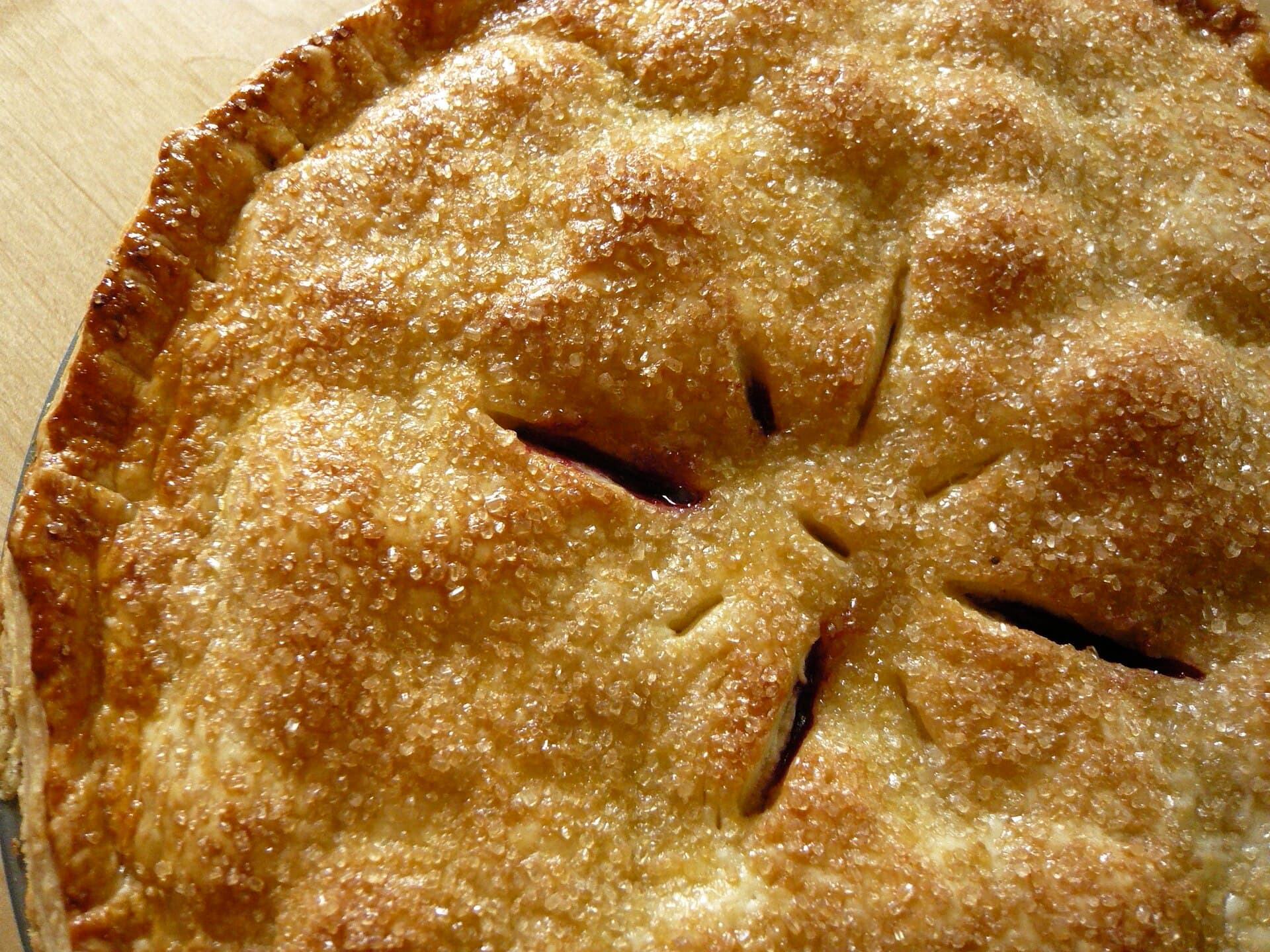
Blueberry pie is a New England and summer-holiday classic built from a native North American fruit and European pie technique. Maine made wild blueberry pie its official state dessert in 2011, but the pie belongs broadly to American summer tables.
America's Melting Pot
Boardinghouse Meatloaf photo coming soon
1861-1900
Boardinghouse meatloaf fits kitchens that had to feed many people from affordable ingredients. Ground meat, binders, vegetables, and a sweet-tangy glaze made a loaf that sliced neatly, stretched well, and reheated for leftovers.
America's Melting Pot
Boiled Dinner photo coming soon
1800s-present
New England boiled dinner is practical one-pot cooking shaped by salt meat, root cellars, cabbage, and later Irish American corned beef traditions. It remains strongly tied to St. Patrick Day in the United States but is older and broader than the holiday plate.
America's Melting Pot
Boiled Dressing photo coming soon
1861-1900
Boiled Dressing is a dressing with real American table personality: Old-fashioned American dressing made with eggs, vinegar, sugar, and mustard before bottled mayo took over. It brings flavor from coast-to-coast American tables to cookouts, counters, lunch plates, potlucks, and weeknight suppers.
America's Melting Pot
Boiled Potatoes photo coming soon
1800-1860
Boiled potatoes are a building-block recipe rather than a showpiece. They belong to everyday American tables because potatoes were affordable, filling, easy to store, and ready to serve plain or dress with butter, gravy, herbs, or pan drippings.
America's Melting Pot
Boiled Potatoes with Butter photo coming soon
1800s-present
Buttered boiled potatoes turn the plain potato pot into a finished side dish. The method is common across European and American tables: boil small potatoes until tender, drain well, and coat them with butter and herbs while they are still steaming.
America's Melting Pot
Booyah photo coming soon
1850s-present
Booyah is more than soup in Green Bay and northeast Wisconsin. It is a community event food tied to Belgian American settlements, church picnics, fundraisers, and enormous kettles stirred for hours.
America's Melting Pot
Boxty photo coming soon
1800s-present
Boxty is a traditional Irish potato pancake especially associated with north Connacht, the north Midlands, and Ulster. Irish immigrants brought potato cookery with them to America, where boxty fits naturally beside other Irish American breakfast and supper dishes.
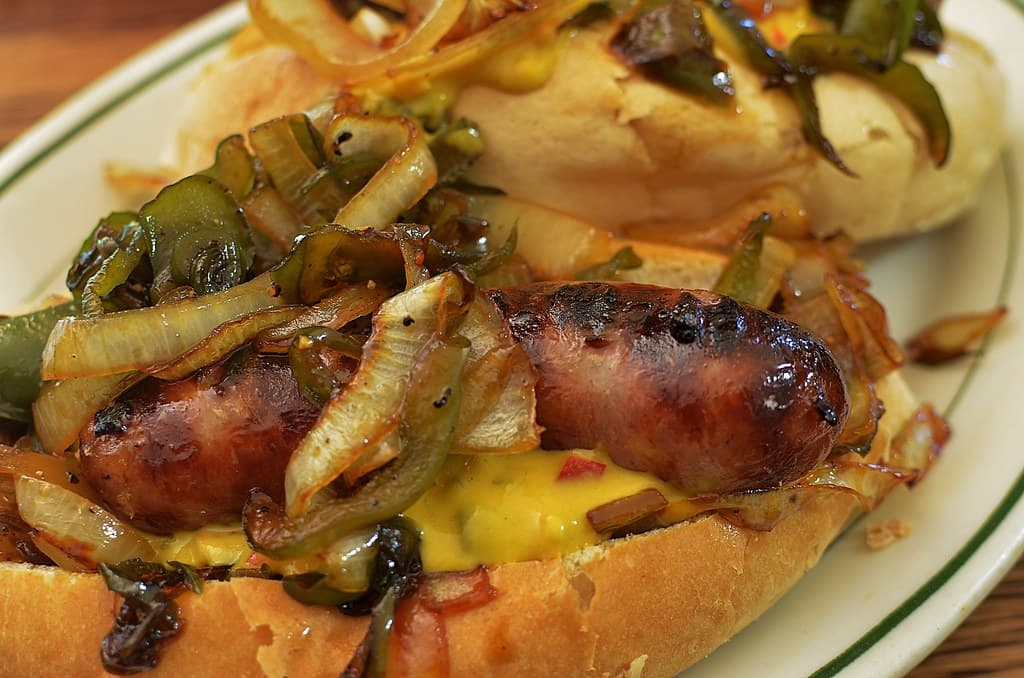
1800s-present
Brats are bratwurst in their American backyard form: pork sausages grilled or beer-simmered, tucked into buns, and served at picnics, tailgates, baseball games, and summer cookouts. Wisconsin made the brat especially visible through German American sausage culture and stadium food.
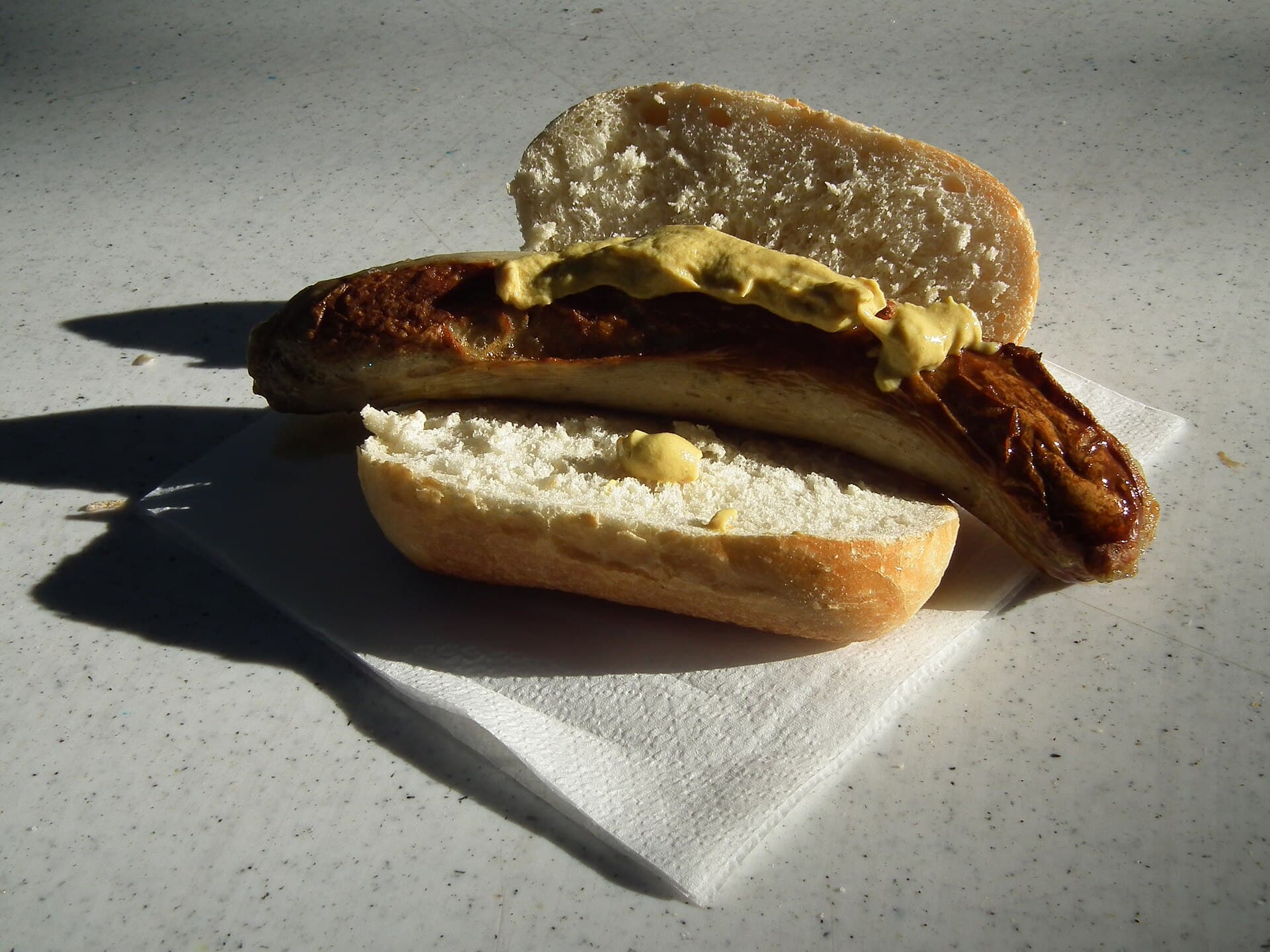
1800s-present
Bratwurst is older than the American brat on a bun. German immigrants carried regional sausage-making traditions to the United States, where Midwestern butcher shops, especially in Wisconsin, made fresh bratwurst part of everyday cooking and community events.
America's Melting Pot
Braunschweiger Sandwich photo coming soon
1800s-present
American braunschweiger is a smoked liver sausage closely associated with German-style deli and butcher traditions. In the Midwest and other German American communities, it became a quick sandwich filling with rye bread, mustard, onion, and pickles.
America's Melting Pot
Brick Cheese photo coming soon
American Dairy Age
Brick Cheese is a washed-rind American cheese with measured starter, careful draining, brining, regular rind washing, and controlled humid aging.
America's Melting Pot
Brisket photo coming soon
1800s-present
Before brisket became a barbecue shorthand, it was a holiday braise in many Jewish American homes. The tough cut becomes tender with long moist cooking, making it practical for Rosh Hashanah, Passover, Hanukkah, Shabbat, and make-ahead family meals.
America's Melting Pot
Brown Bread photo coming soon
1800s-present
Irish brown bread is a daily table bread rather than a sweet holiday loaf. Irish immigrants and Irish American families carried versions of wholemeal soda bread into American kitchens, where buttermilk and baking soda made a quick, sturdy loaf possible without yeast.
America's Melting Pot
Brown Gravy photo coming soon
Cross-era
Brown Gravy is a condiment with real American table personality: Diner meatloaf, hot beef sandwiches, mashed potatoes. It brings flavor from coast-to-coast American tables to cookouts, counters, lunch plates, potlucks, and weeknight suppers.
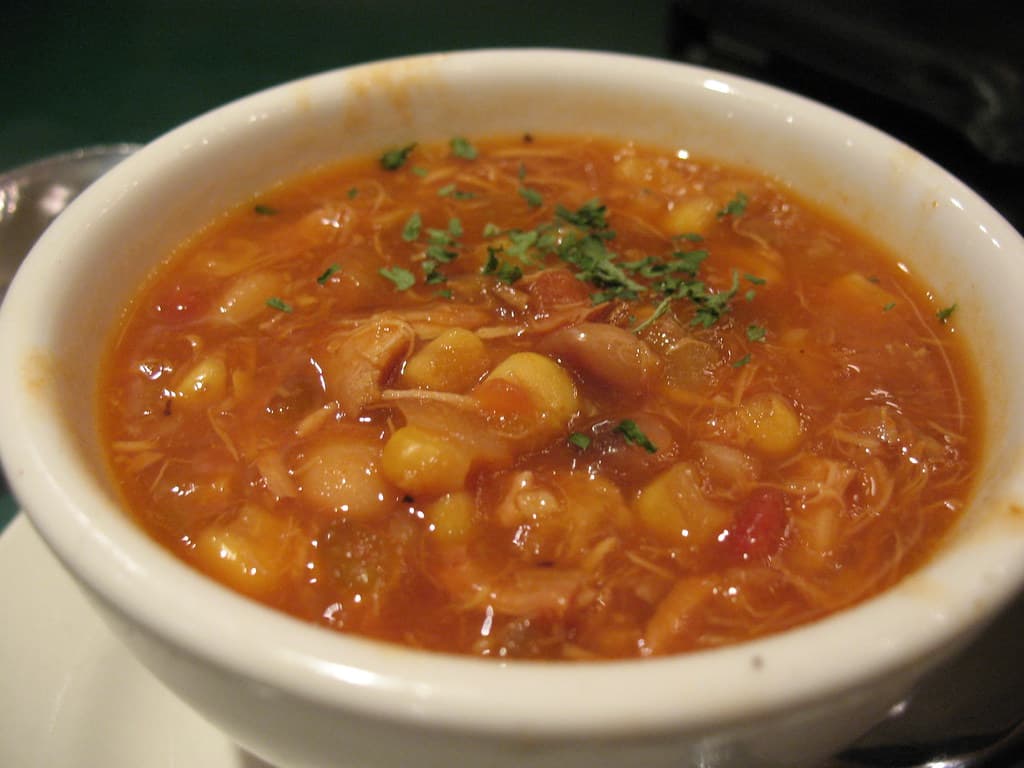
1800s-present
Brunswick stew has competing origin claims in Virginia and Georgia, and older roots in Southeastern stews that combined meat and corn. Modern versions are often linked to barbecue restaurants, church fundraisers, hunting camps, and community kettles.
America's Melting Pot
Burgoo photo coming soon
1800s-present
Burgoo is Kentucky gathering food, cooked in big kettles for barbecues, political events, church fundraisers, Derby parties, and camps. Its origins are murky, with links to frontier stews, ragout, and communal cooking, but its identity is unmistakably Kentucky.
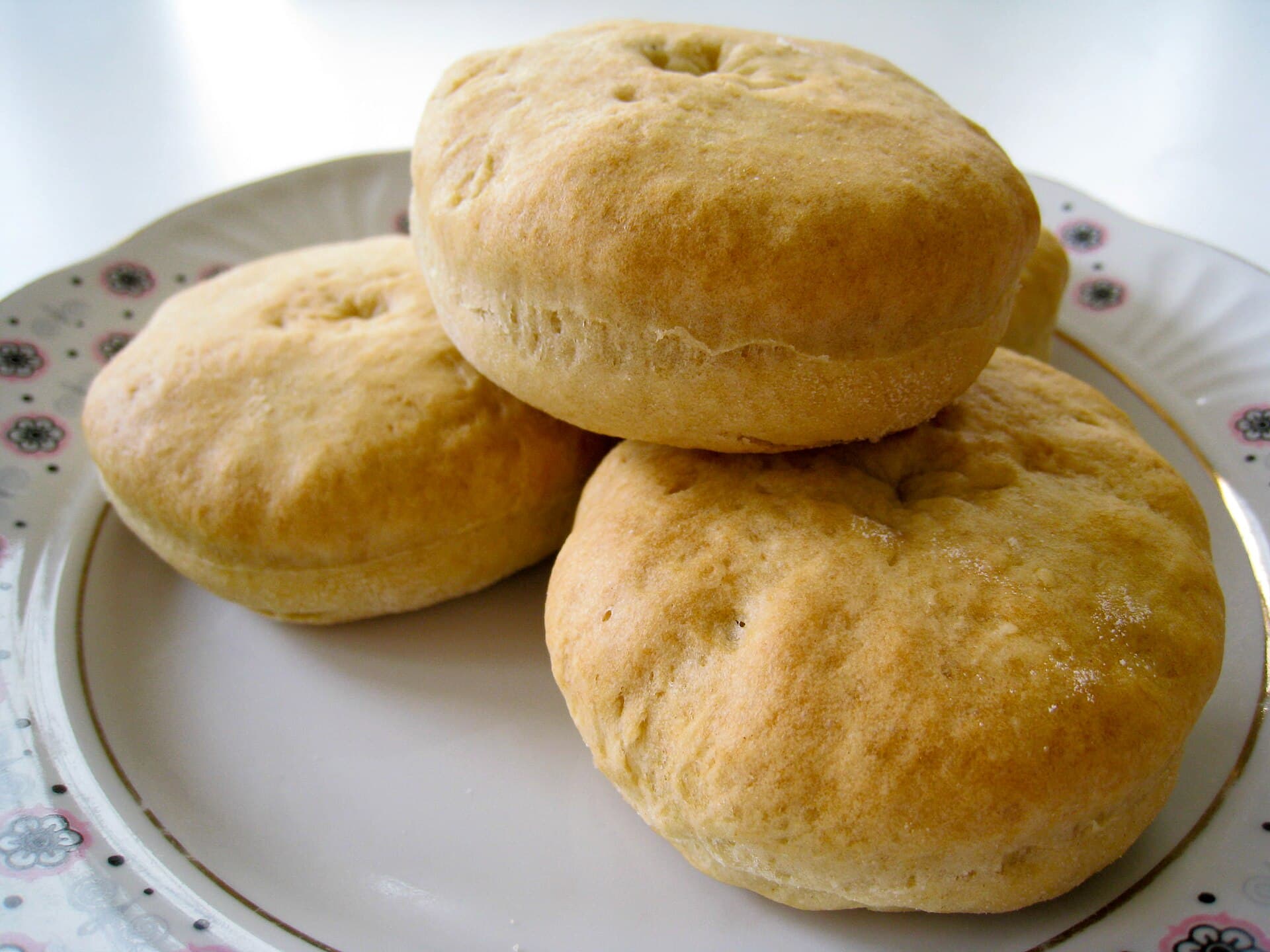
1800s-present
Buttermilk biscuits are a cornerstone of Southern breakfast and supper tables. Their tenderness depends on soft wheat flour, cold butter or shortening, and a light hand, and they became especially identified with Southern brands such as White Lily.
America's Melting Pot
Buttermilk Cheese photo coming soon
American Dairy Age
Buttermilk Cheese is a fresh acid-set American home cheese made with pasteurized dairy, direct heating, measured acid, draining, salting, and refrigeration.
America's Melting Pot
Buttermilk Dressing photo coming soon
Frontier & Expansion
Buttermilk Dressing is a dressing with real American table personality: Southern and farmhouse cousin of ranch. It brings flavor from the American South to cookouts, counters, lunch plates, potlucks, and weeknight suppers.
1800s-present
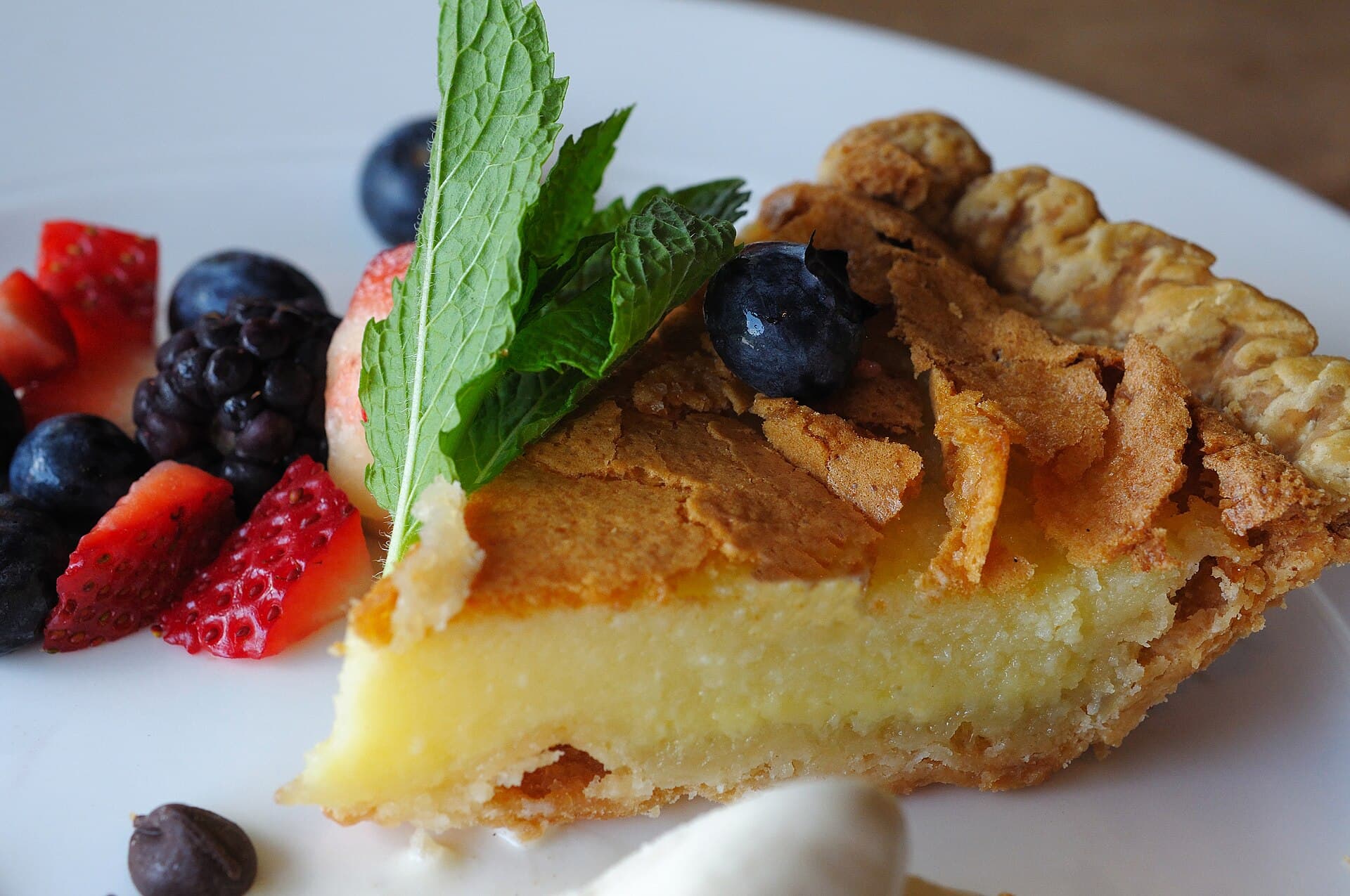
Buttermilk pie is a Southern pantry pie: inexpensive, tangy, and available when fruit is out of season. It sits near chess pie and other desperation pies, using buttermilk and a few staple ingredients to make a custard filling in a plain pie shell.
America's Melting Pot
Cabbage and Bacon photo coming soon
1800s-present
Cabbage and bacon points back to Irish bacon-and-cabbage traditions more directly than corned beef and cabbage does. Irish American cooks adapted the pairing with the bacon available in American markets, turning it into a quick skillet or boiled side.
America's Melting Pot
Cabbage Soup photo coming soon
1800s-present
Cabbage soup is old-world thrift cooking that fit American boardinghouses, mining camps, immigrant kitchens, and wartime tables. Cabbage stored well, stretched broth, and could become a light vegetable soup or a heartier meal with potatoes, beans, or meat.
1800s-present
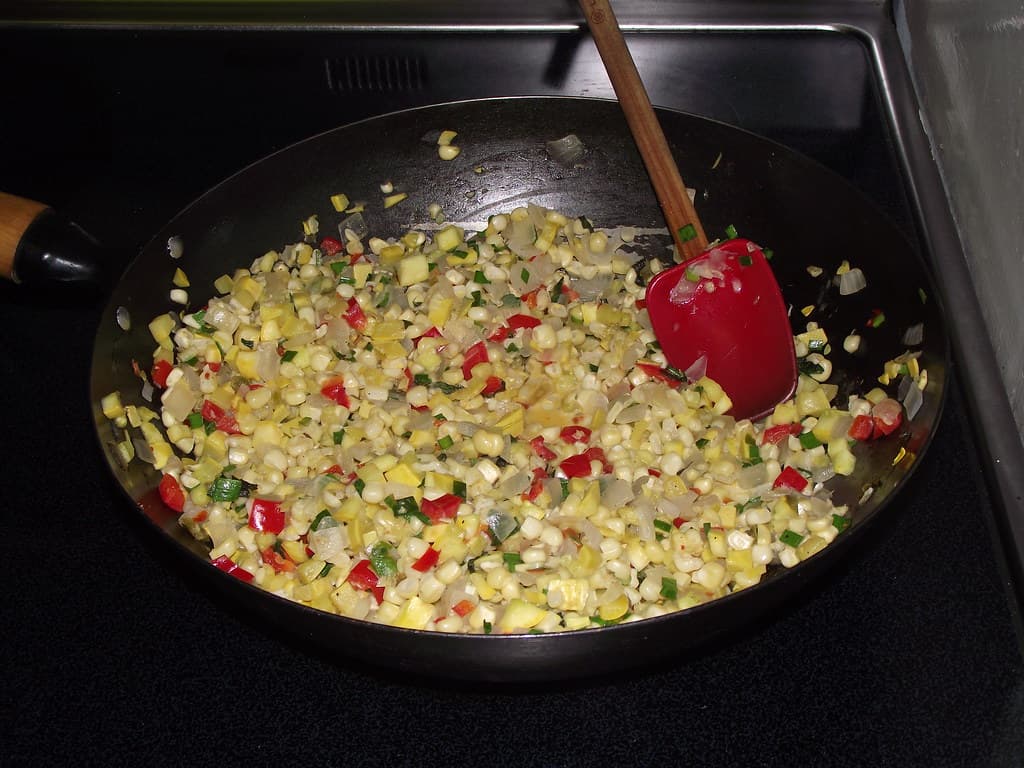
Calabacitas means little squash, and in New Mexico it names a fast summer vegetable dish of squash, corn, and green chile. It reflects Indigenous, Spanish borderlands, Mexican, and Mexican American foodways across the Southwest.
America's Melting Pot
California Fresh Goat Cheese photo coming soon
American Dairy Age
California Fresh Goat Cheese is a fresh American goat cheese made with pasteurized goat milk, slow culturing, gentle draining, salting, and refrigeration.
America's Melting Pot
Campfire Beans photo coming soon
1800s-present
Campfire beans belong to outdoor American cooking: beans simmered near a fire or baked in a Dutch oven for campers, hunters, ranch hands, and backyard cookouts. The modern version often uses canned beans and smoky meat for a quick, filling side.
America's Melting Pot
Canned Oyster Stew photo coming soon
1800s-present
Oyster stew has long been part of American coastal, holiday, and Lenten cooking. Canned oysters made the dish possible far from oyster beds and useful for military, railroad, boardinghouse, and pantry meals.
1800s-present
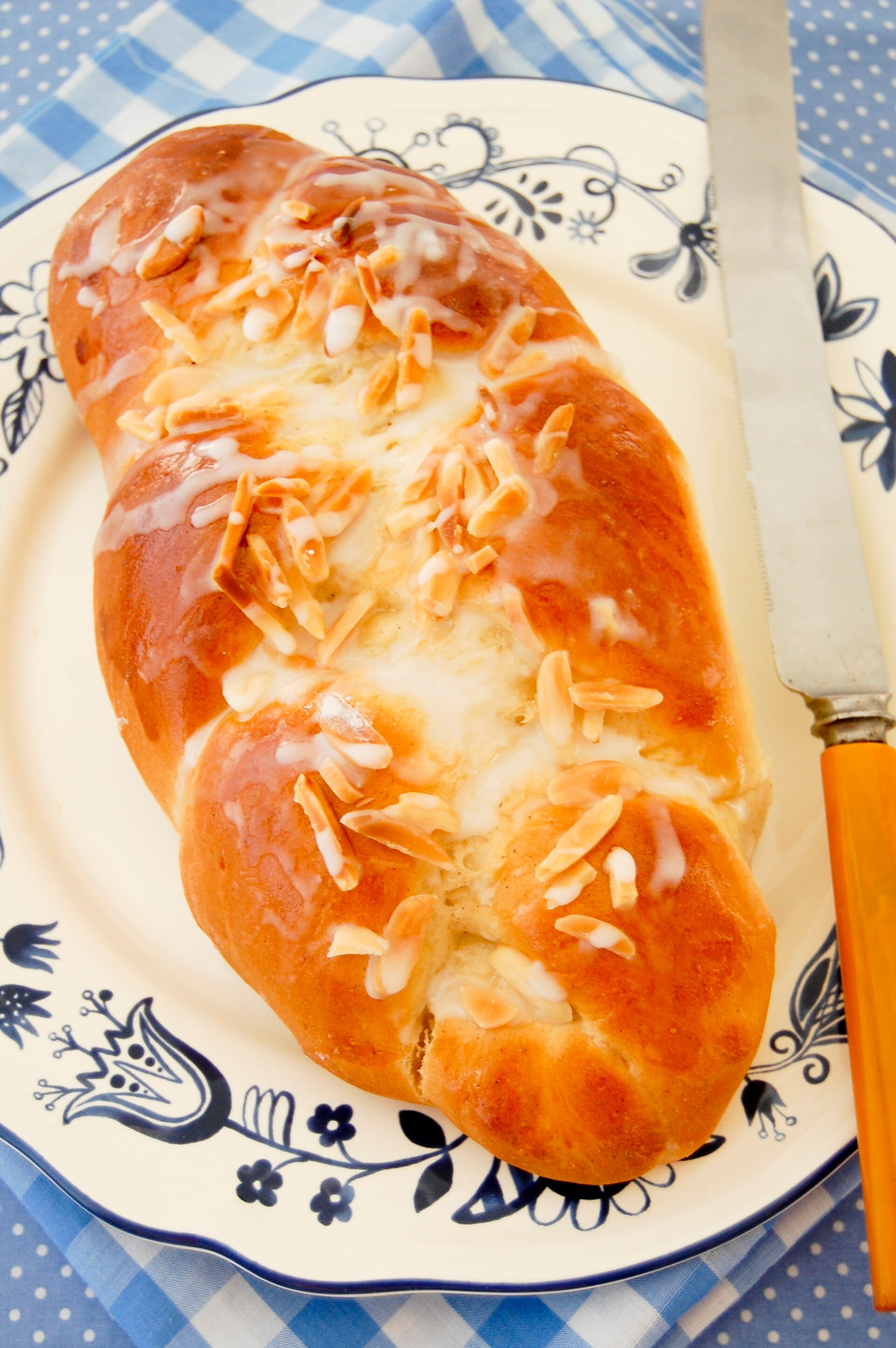
Cardamom bread came into Upper Midwest kitchens with Finnish, Swedish, Norwegian, and other Scandinavian immigrants. Finnish pulla and Swedish cardamom breads became coffee-table, holiday, and family celebration loaves in Scandinavian American communities.
America's Melting Pot
Carne Asada photo coming soon
1800s-present
Carne asada means grilled meat, and in northern Mexico and the American Southwest it is both a recipe and a gathering. Mexican American families, taquerias, and backyard cooks made thin grilled steak a staple for tacos, burritos, plates, and weekend cookouts.
1800s-present
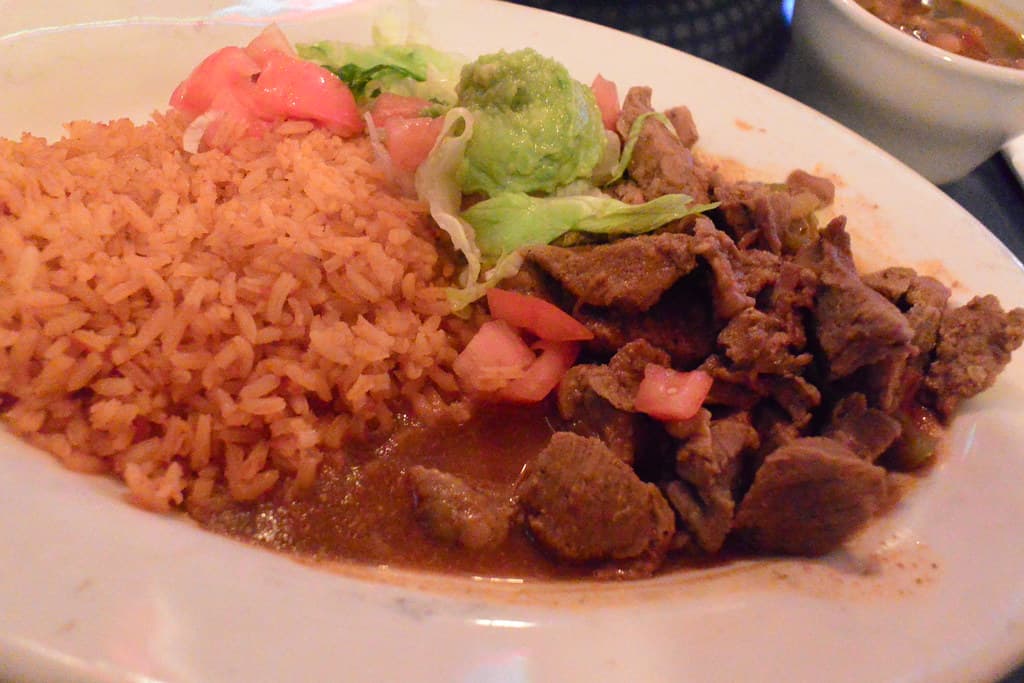
Carne guisada means stewed meat, and in Texas it is a beloved Mexican American home-cooking and Tex-Mex restaurant dish. Cubed beef cooks slowly with chiles, tomatoes, aromatics, and gravy until it can be spooned into tortillas or served as a plate lunch.
American Dairy Age
Cave-Aged American Cheddar is a home-scale American cheddar with measured culture, rennet setting, cheddaring, pressing, salting, and controlled aging.
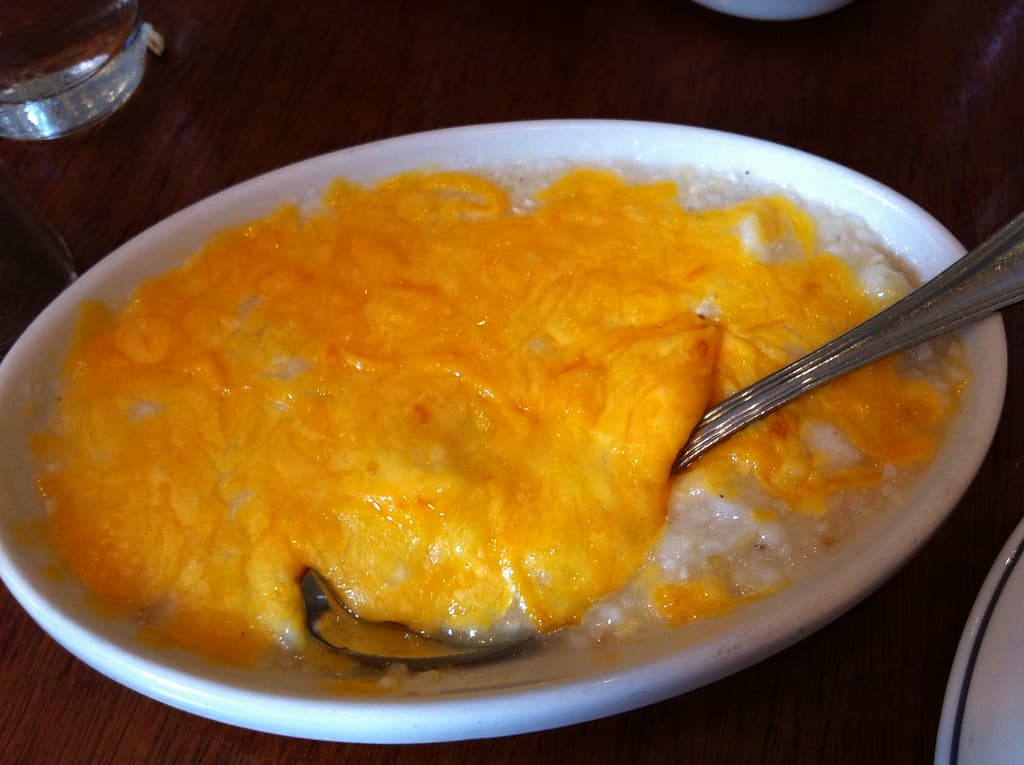
1800s-present
Creamy Southern grits cooked with milk or water, finished with butter, sharp cheddar, and black pepper.
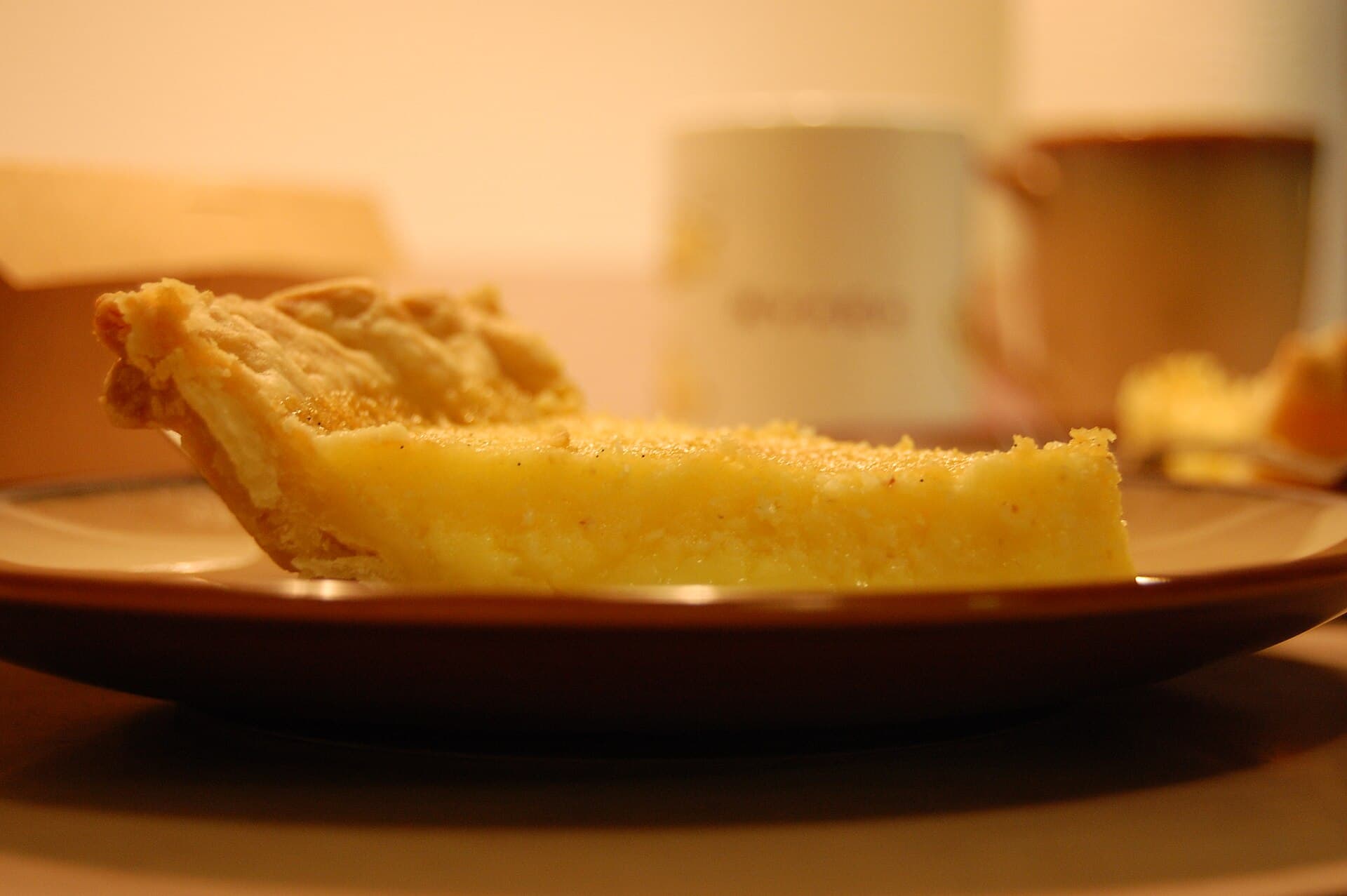
1800s-present
A classic Southern pantry pie with a buttery sugar filling, cornmeal texture, and a bright touch of vinegar or lemon.
America's Melting Pot
Chicken and Dumplings, Early Style photo coming soon
1770s-1800s
A historic-style chicken broth with simple flour dumplings, inspired by early American meat-dumpling and pottage traditions.
America's Melting Pot
Chicken and Slicks photo coming soon
1800s-present
Chicken simmered in broth with thin rolled dumpling strips, also called slicks, sliders, or chicken pastry in parts of the South.
America's Melting Pot
Chicken Gravy photo coming soon
Cross-era
Chicken Gravy is a condiment with real American table personality: Cafeteria, Sunday supper, chicken and biscuits. It brings flavor from coast-to-coast American tables to cookouts, counters, lunch plates, potlucks, and weeknight suppers.

1861-1900
Chicken Long Rice is a comforting Hawaiian side featuring clear mung bean noodles simmered in chicken broth with shredded chicken, garlic, and ginger. This dish evolved through Hawaiian local and immigrant communities, reflecting influences from Asian and Portuguese-American cuisines and becoming a staple at family gatherings.
1776-1800
Chicken Pie is a hearty savory pie made with cooked chicken, vegetables, and a flaky pastry crust. Rooted in mid to late 19th-century railroad and boardinghouse cooking, it offered a portable, filling meal for workers and travelers during the Civil War and Reconstruction period, blending practicality with comforting flavors.
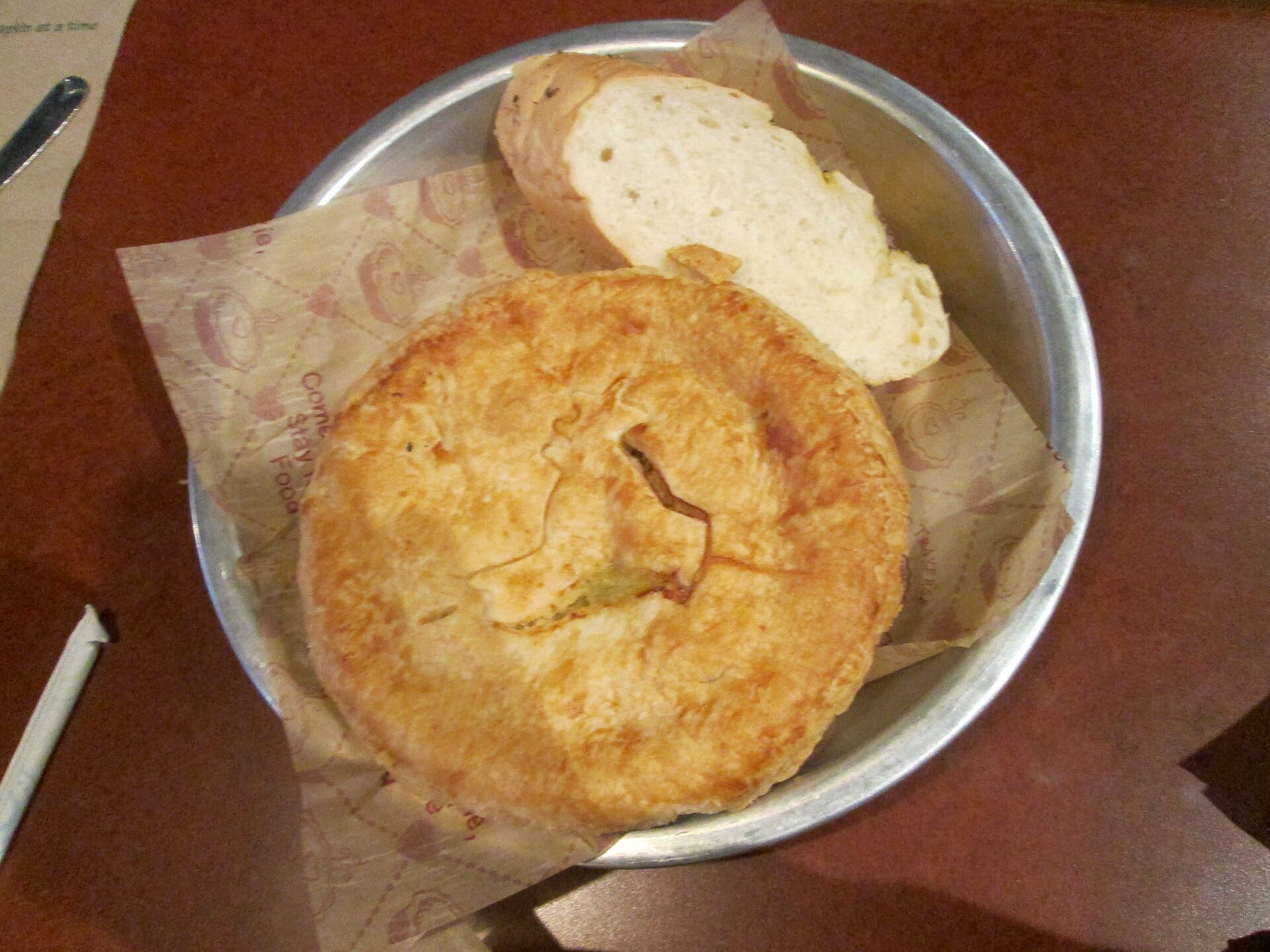
1800-1860
Chicken Pot Pie is a savory dish of chicken and vegetables enveloped in a flaky pastry crust. Emerging in New England and the Mid-Atlantic between 1800 and 1860, it provided a filling meal emphasizing local ingredients and baking traditions, symbolizing comfort food during early American settlement and immigration periods.
America's Melting Pot
Chicken Salad Dressing photo coming soon
1861-1900
Chicken Salad Dressing is a spread with real American table personality: Mayo-based deli and lunch counter culture. It brings flavor from coast-to-coast American tables to cookouts, counters, lunch plates, potlucks, and weeknight suppers.
1861-1900
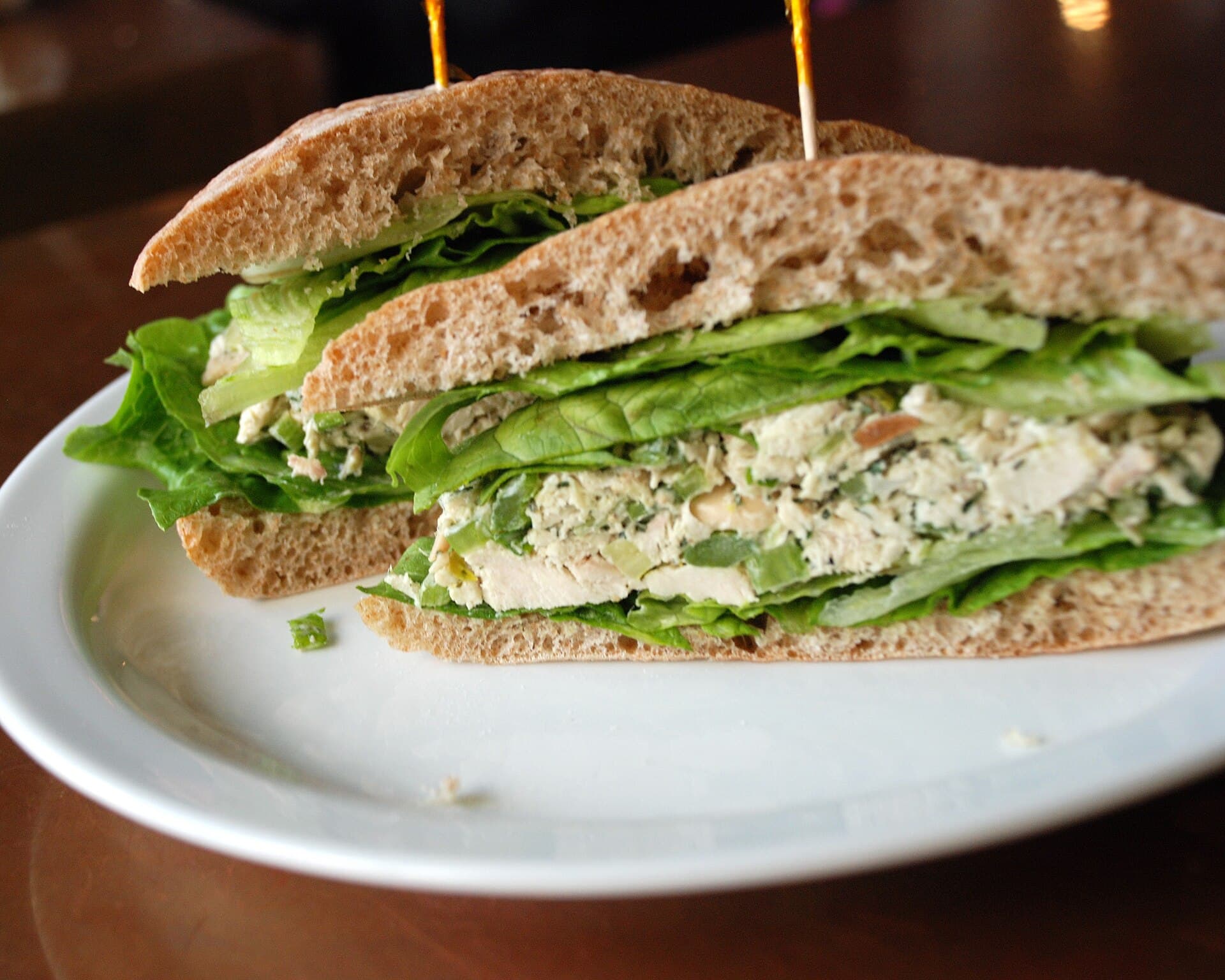
Chicken Salad Sandwich features poached chicken combined with mayonnaise and seasonings, served between slices of bread. A staple in diners and lunch counters from 1900 to 1929, it exemplified quick, hearty meals for working-class Americans in immigrant-rich urban centers and became a common offering at state fairs and casual eateries.
1861-1900
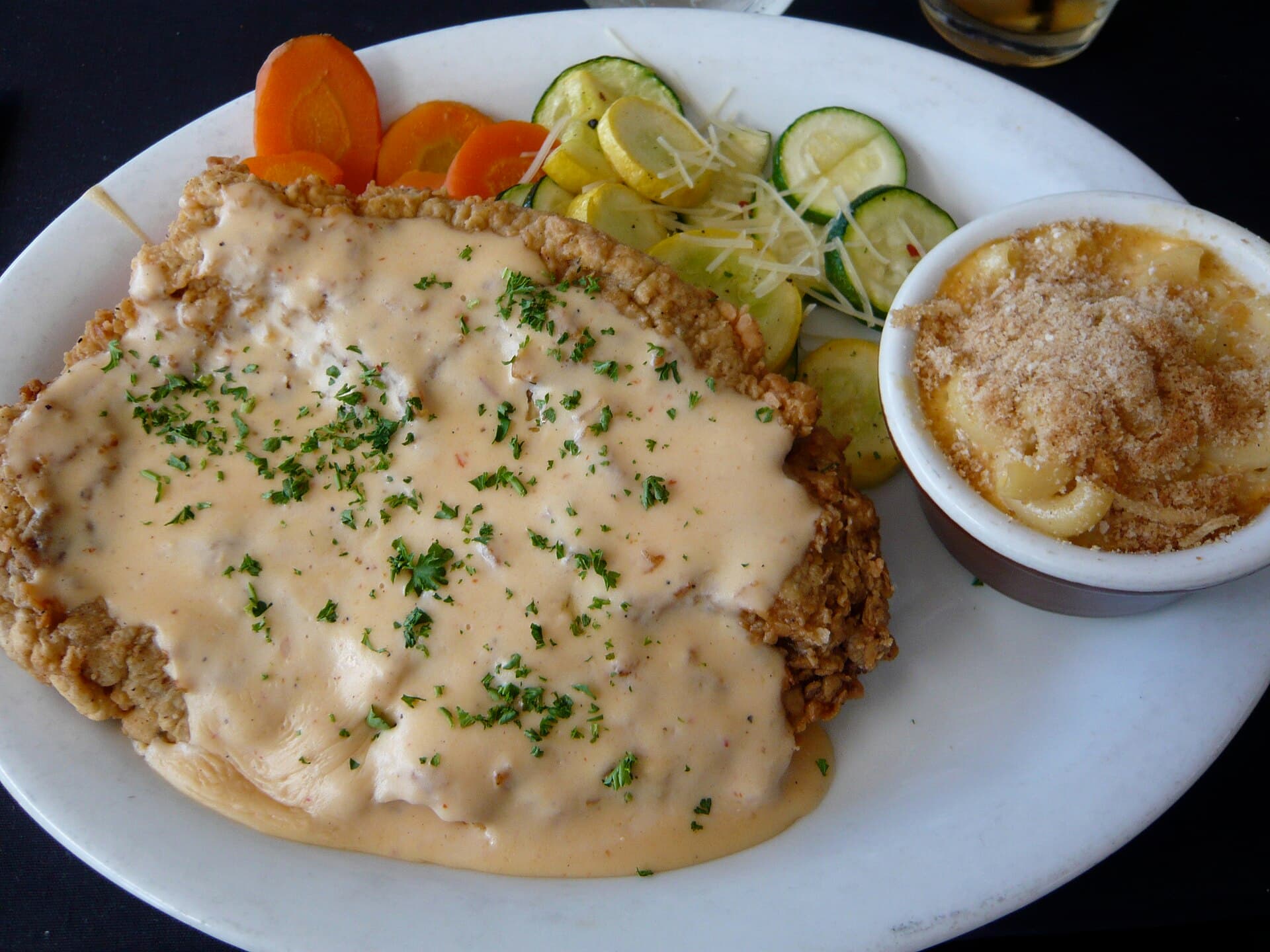
Chicken-Fried Steak is a tenderized beefsteak, breaded and fried similarly to fried chicken, served with creamy country gravy. Rooted in 19th-century cattle trail and chuckwagon cooking, this hearty dish became a Great Plains staple during the Civil War and westward expansion, embodying resourceful American frontier cooking.
America's Melting Pot
Chihuahua-style American-made Cheese photo coming soon
American Dairy Age
Chihuahua-style American-made Cheese is a washed-curd American cheese with gentle cooking, curd washing, salting, pressing, and a short controlled aging period.
1800-1860
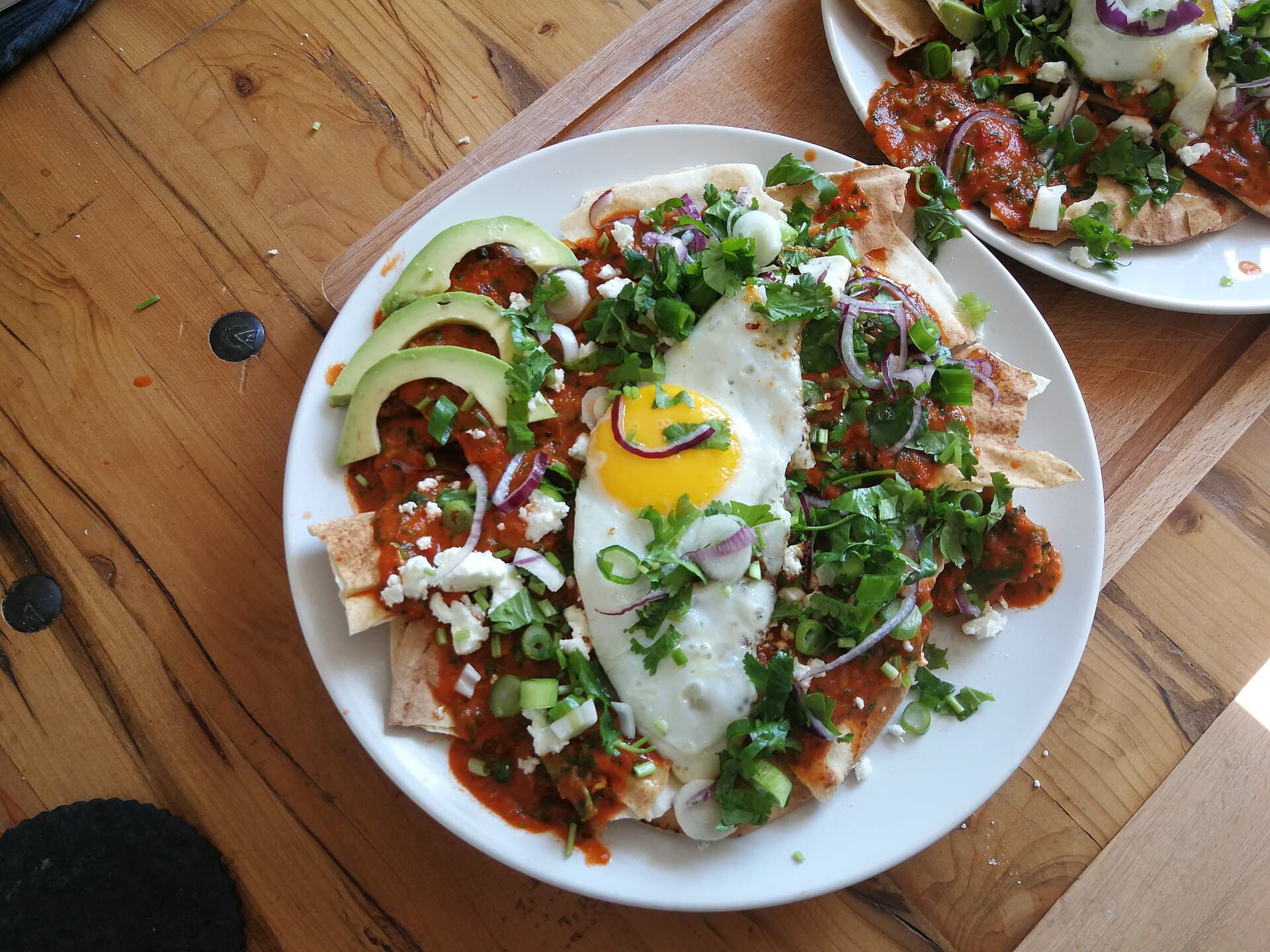
Chilaquiles is a traditional Mexican breakfast dish featuring fried tortilla chips simmered in green or red salsa and topped with cheese, crema, onions, and eggs. Rooted in Mexican-American and Spanish borderlands cooking, it was common in the Southwestern United States during the early 19th century. This dish exemplifies resourceful use of tortillas and reflects deep cultural ties between Spanish, Mexican, and early American frontier cuisines.
America's Melting Pot
Chile con Carne photo coming soon
1800-1860
Chile con Carne is a robust stew combining beef, chili peppers, tomatoes, and spices that became emblematic of Southwestern and Texas cooking in the 19th century. Its roots trace to Mexican-American and Spanish borderlands culinary traditions, adapted by settlers, cowboys, and ranchers. A filling, one-pot meal suited to frontier life, it holds a lasting place in regional American cuisine as a symbol of rustic, spicy comfort food.
America's Melting Pot
Chili photo coming soon
1861-1900
Chili is a spicy stew typically featuring meat, beans, chili peppers, and aromatic spices, standing as a quintessential American comfort food with roots in Mexican-American and Southwestern traditions. Its adaptability and richness have made it a popular one-pot meal enjoyed across the United States throughout multiple eras. Chili showcases the blending of frontier and immigrant culinary influences into a hearty, communal dish.
1861-1900
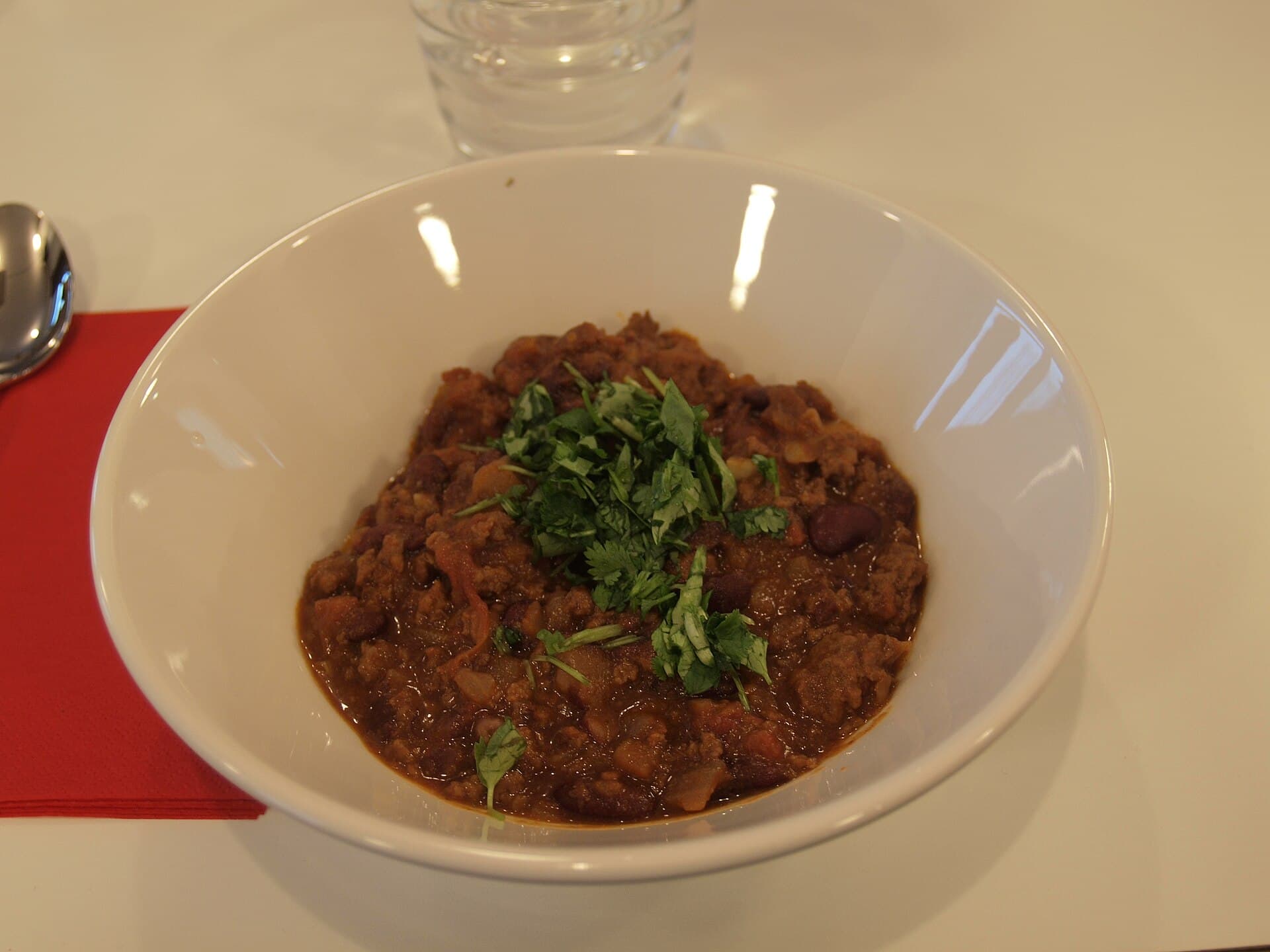
Chili con Carne is a spicy stew of beef, chili peppers, and seasonings integral to Great Plains cuisine post-Civil War. Popular among cattle drivers, settlers, and ranch communities during the late 19th century, this dish represents frontier culinary innovation blending Mexican-American and Southwestern flavors adapted to the rugged Great Plains environment. It remains a symbol of regional food heritage reflecting the era's settlement and cattle trail culture.
America's Melting Pot
Chocolate Gravy photo coming soon
Frontier & Expansion
Chocolate Gravy is a condiment with real American table personality: Appalachian/Southern breakfast sauce for biscuits. It brings flavor from Appalachia and Pennsylvania Dutch country to cookouts, counters, lunch plates, potlucks, and weeknight suppers.
1900-1929
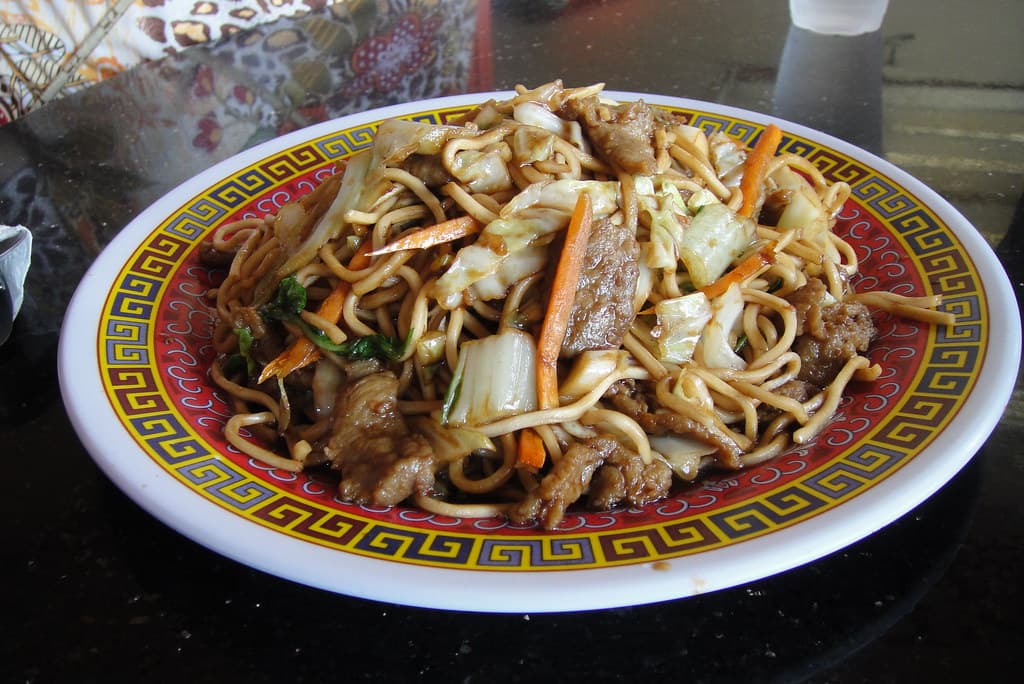
Chow Mein is a Chinese-American stir-fried noodle dish that became a fixture in early 20th-century immigrant cities and diners. Featuring crispy or soft egg noodles tossed with meat, vegetables, and a savory sauce, it was adapted to local tastes and ingredients, quickly becoming a diner and state fair favorite across the United States.
America's Melting Pot
Chow-Chow photo coming soon
Frontier & Expansion
Chow-Chow is a relish with real American table personality: Southern/Appalachian chopped vegetable relish. It brings flavor from Appalachia and Pennsylvania Dutch country to cookouts, counters, lunch plates, potlucks, and weeknight suppers.
America's Melting Pot
Chow-Chow Pepper Relish photo coming soon
Frontier & Expansion
Chow-Chow Pepper Relish is a condiment with real American table personality: Southern/Appalachian preserved garden relish. It brings flavor from Appalachia and Pennsylvania Dutch country to cookouts, counters, lunch plates, potlucks, and weeknight suppers.
America's Melting Pot
Chuckwagon Beans photo coming soon
1861-1900
Chuckwagon Beans were a staple side dish for cattle drivers and settlers in the Great Plains during the late 19th century. Cooked slowly over open fires, these beans offered a nutritious, filling, and portable food suited to the long cattle drives and frontier life, combining simple pantry staples with smoked or cured pork.
America's Melting Pot
Cider photo coming soon
1776-1800
Cider, made from fermented or fresh-pressed apple juice, has been an important American drink since colonial times. Both hard (alcoholic) and sweet (non-alcoholic) varieties were common, used at meals and celebrations, embodying early American fruit preservation and local agriculture.
America's Melting Pot
Clabber Cheese photo coming soon
American Dairy Age
Clabber Cheese is a fresh cultured American home cheese made with pasteurized dairy, clean handling, slow culturing, draining, salting, and refrigeration.
1861-1900
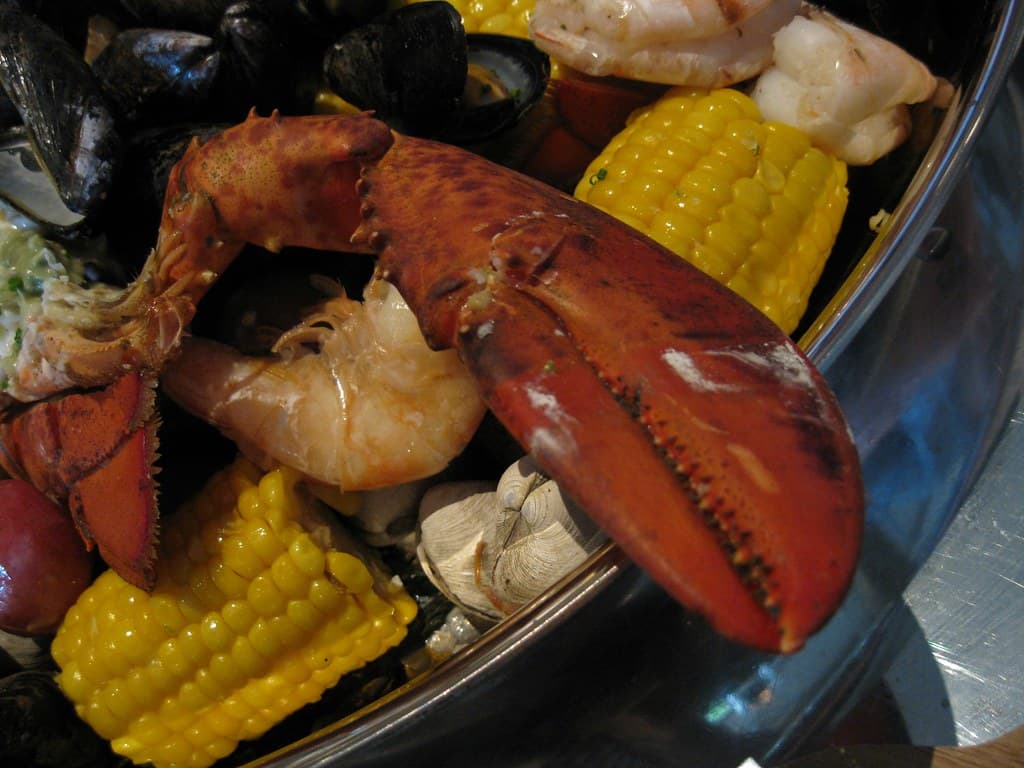
Clam Bake is a communal outdoor cooking method from New England that involves steaming clams, fish, corn, potatoes, and sometimes other shellfish in a pit or pot layered with seaweed. This method celebrates coastal regional ingredients and social dining, historically practiced by Native Americans and adopted by European settlers to feature the bounty of the Atlantic. It remains a hallmark of summer gatherings and fishing camp meals in New England.

1800-1860
Clam Cakes are deep-fried savory dough balls with minced clams, a staple of coastal New England cuisine dating back to the early 19th century. Typically served as appetizers or snacks, they highlight the region's seafood availability and British-based frying traditions. Clam Cakes exemplify local adaptations celebrating clam harvesting and are commonly found at seafood shacks and fairs throughout New England.
1800-1860
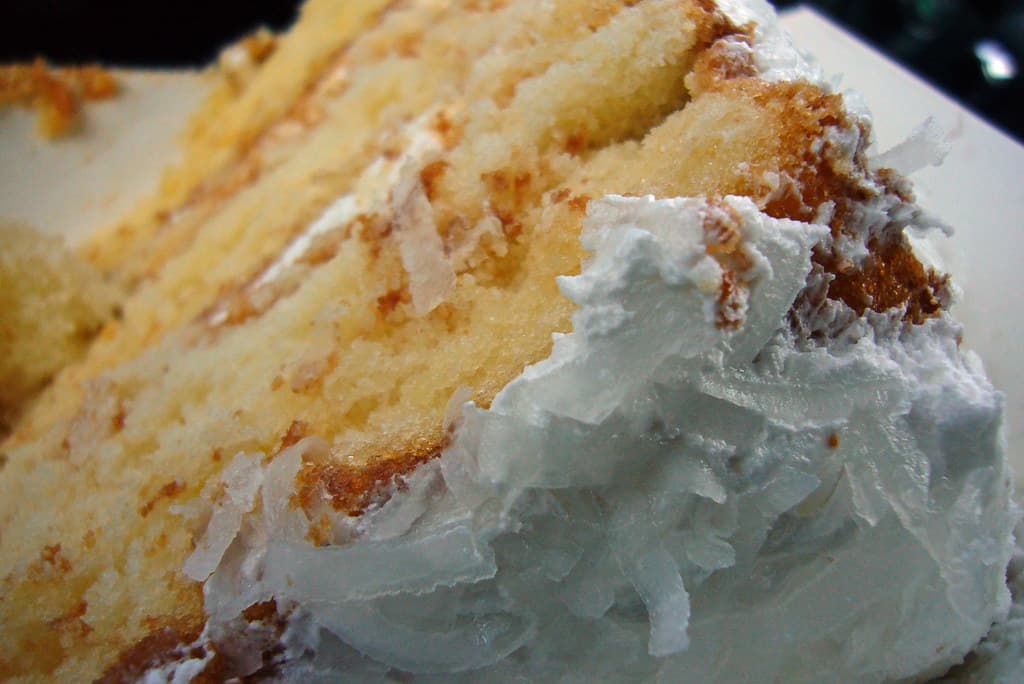
Coconut Cake is a beloved Southern dessert featuring moist layers of vanilla or yellow cake frosted with rich coconut-flavored icing and topped with shredded coconut. Dating back to early 19th-century Southern United States, it gained particular popularity in holiday and Easter celebrations, reflecting the region's fondness for coconut and festive cakes between 1800 and 1860.
America's Melting Pot
Codfish Balls photo coming soon
1800-1860
Codfish Balls are a classic New England fried dish made from salt cod mixed with potatoes, herbs, and seasonings, shaped into balls, and deep-fried until golden. Common in the early 19th century, they represent resourceful use of preserved fish and local staples in the region's culinary traditions during 1800-1860.
America's Melting Pot
Codfish Cakes photo coming soon
1776-1800
Codfish cakes are a traditional dish featuring salted cod blended with potatoes and seasonings, then fried to golden perfection. Reminiscent of early American coastal cooking around the Revolutionary period, these patties were a practical and flavorful way to enjoy preserved fish.
1861-1900
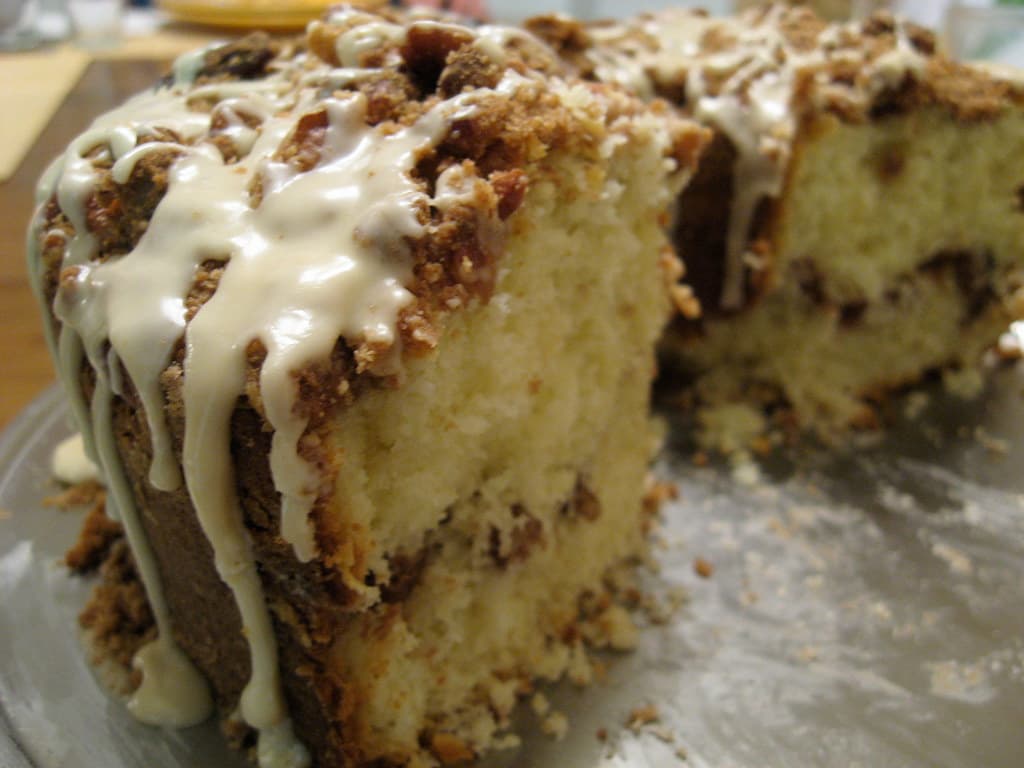
Coffee cake is a moist, sweet cake often topped with cinnamon sugar streusel, enjoyed in schools, churches, and diners during the early 1900s. This American breakfast favorite embodies community gathering traditions and immigrant influences melding into everyday comfort food.
America's Melting Pot
Coffee-Boiled Beef photo coming soon
1861-1900
Coffee-boiled beef is a unique stew-like dish from the Civil War era where beef is simmered slowly with brewed coffee, giving the meat a rich and slightly bitter flavor. This hearty preparation reflects military ingenuity in using available ingredients to tenderize tough cuts of meat.
Community recipe submission
Log in to submit a recipe, format it with the cooking companion, and send it for review.
Log in to Submit