
Loading
Setting the table...
Fetching the latest recipes from the archive.
Loading
Fetching the latest recipes from the archive.
Recipe archive
Recipe archive
Search the archive by title, region, ingredient, tag, or era, then sort the table by the view that fits your kitchen.
This archive is growing through recipes, photos, family recipes, and historical context shared by the community.
America's Melting Pot
Air Fryer Pickles photo coming soon
2010-2026
Dill pickle chips breaded with seasoned panko and air-fried into a tangy, crunchy snack.
America's Melting Pot
Ambrosia Salad photo coming soon
Postwar & Diner Age
A midcentury-style fruit salad with pineapple, mandarin oranges, coconut, marshmallows, and a creamy dressing.
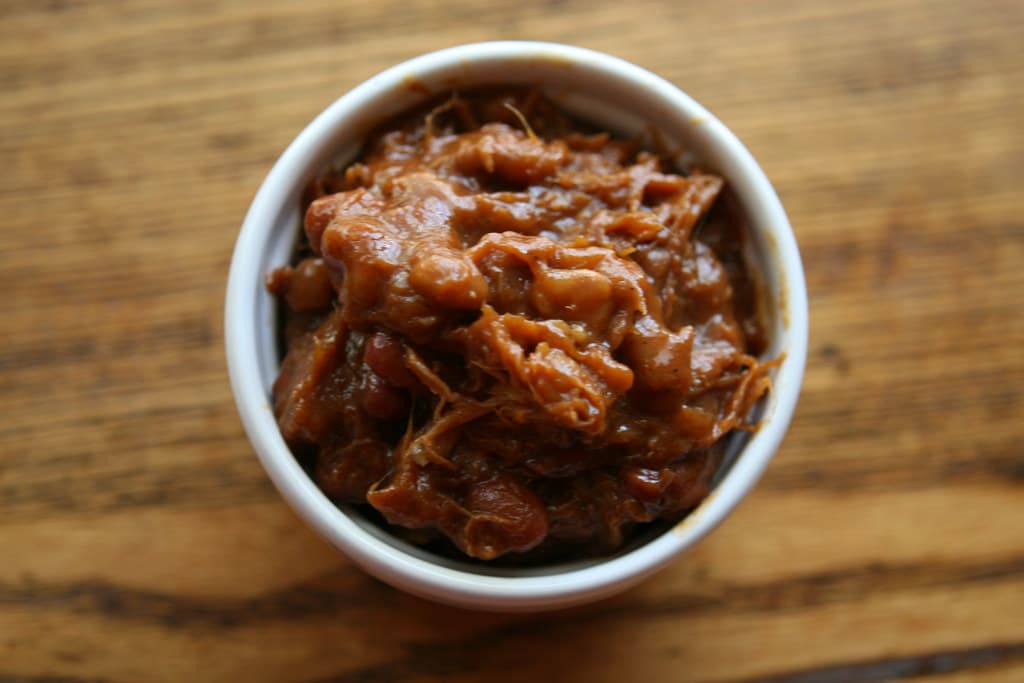
1900s-present
A barbecue side dish of beans baked with bacon, onion, molasses, tomato, brown sugar, mustard, and barbecue sauce until thick and smoky.
America's Melting Pot
BBQ Beef Sandwiches photo coming soon
1970s-present
This sandwich turns pot roast into crowd food: cook beef until it pulls apart, simmer it in barbecue sauce, and serve it from a slow cooker or Dutch oven. It fits the late-20th-century world of booster clubs, church suppers, and game-day tables, where economical roasts could feed a line of hungry fans.
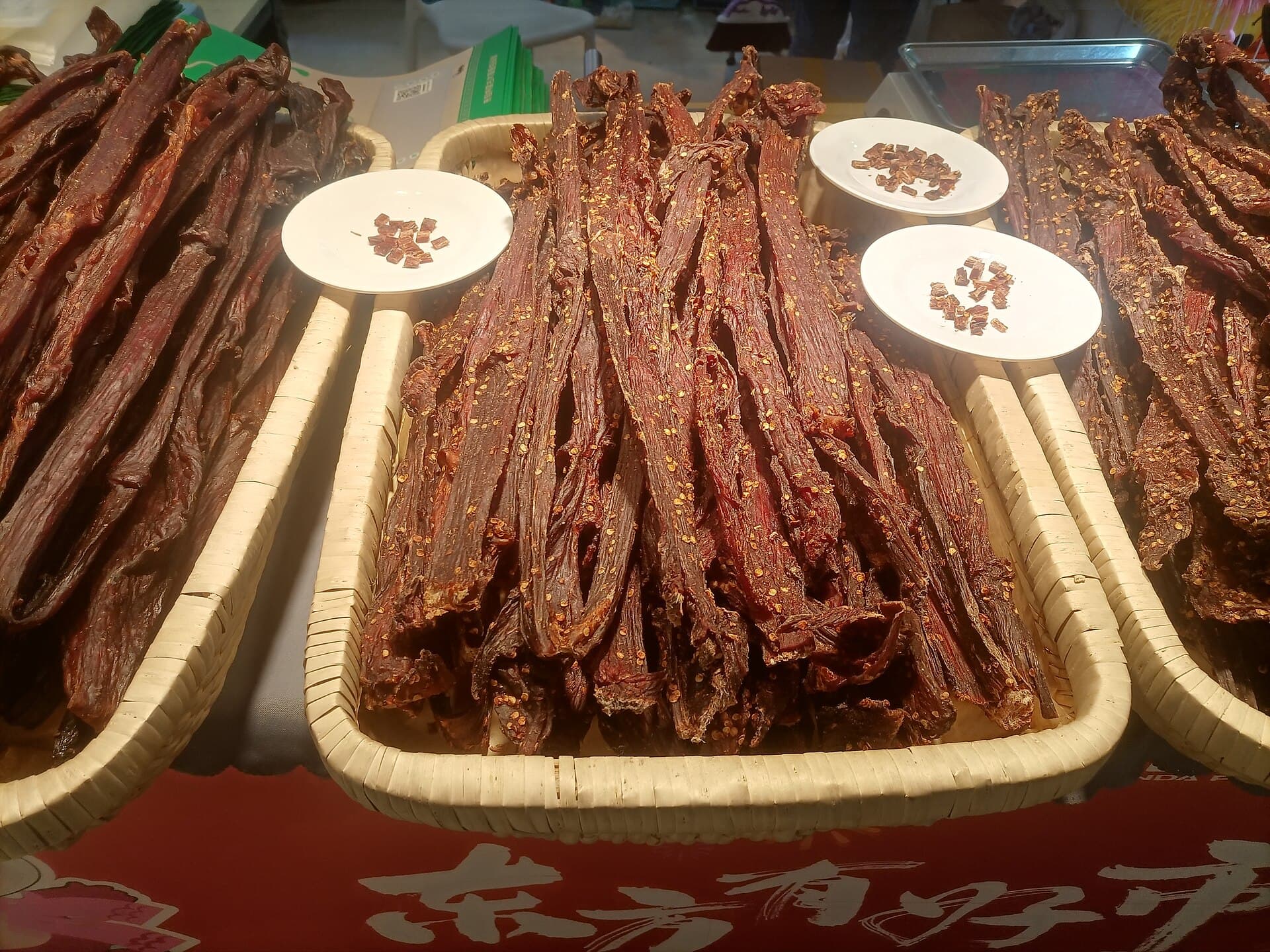
Native Foodways and Continuity
Jerky is preservation food before it is snack food. Indigenous drying traditions, pemmican, pioneer travel, soldiers, cowboys, and later road-trip convenience all helped make dried meat part of American food culture.
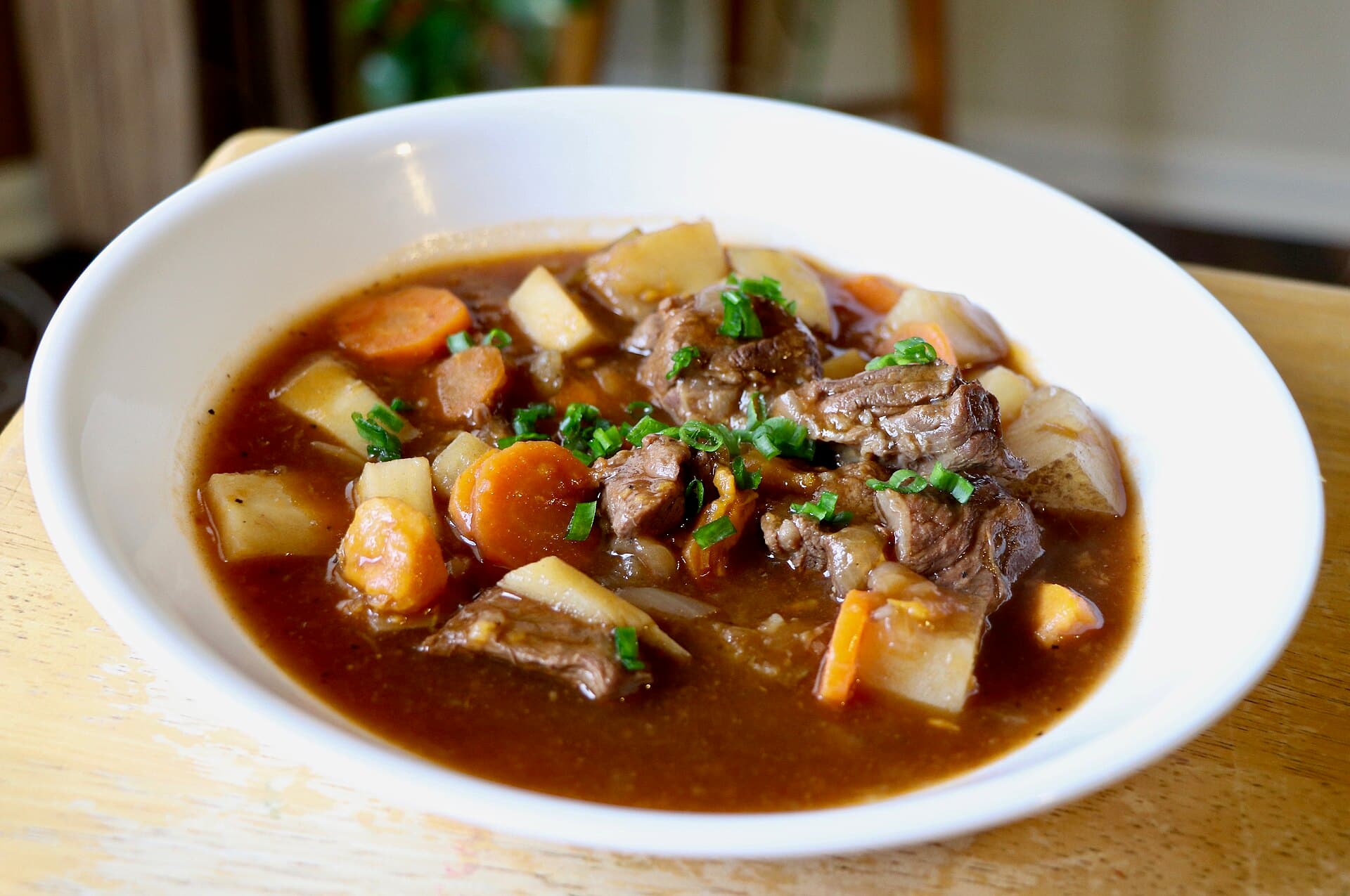
1800s-present
Beef stew is old-world pot cooking adapted to American beef country, boardinghouses, and family kitchens. Browning the meat, simmering it gently, and adding vegetables in stages turns inexpensive chuck into a cold-weather meal.
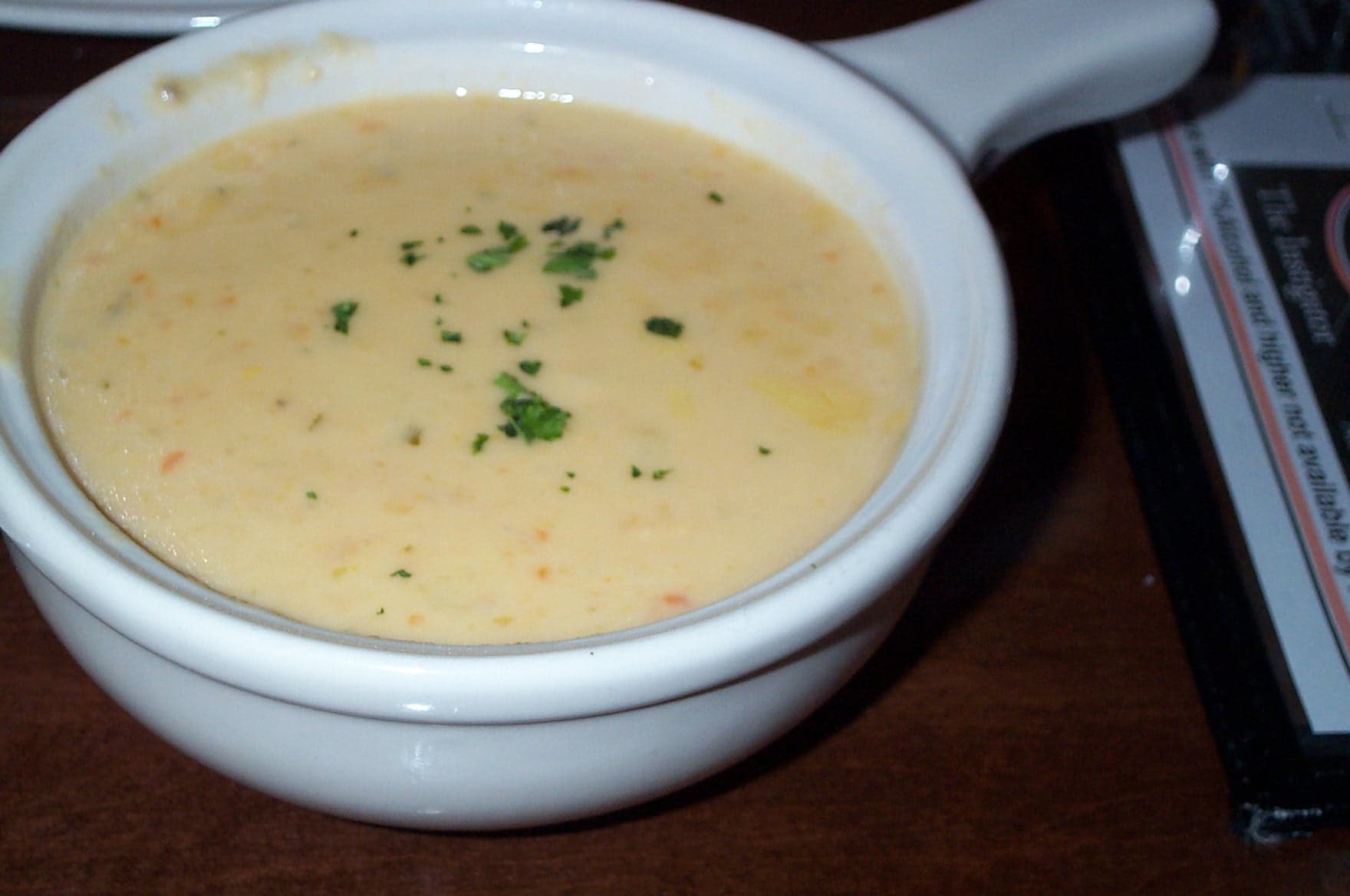
1900s-present
Beer cheese soup is a Wisconsin-style comfort dish where dairy country meets brewing culture. It echoes European beer soups but becomes distinctly Midwestern with cheddar, lager, supper-club richness, and sometimes popcorn or pretzels on top.
America's Melting Pot
Bierocks photo coming soon
1870s-present
Bierocks traveled with Volga German communities into Kansas, Nebraska, and the Great Plains. They are field food and comfort food at once: portable bread pockets filled with seasoned beef and cabbage, closely related to Nebraska runzas.
1980s-present
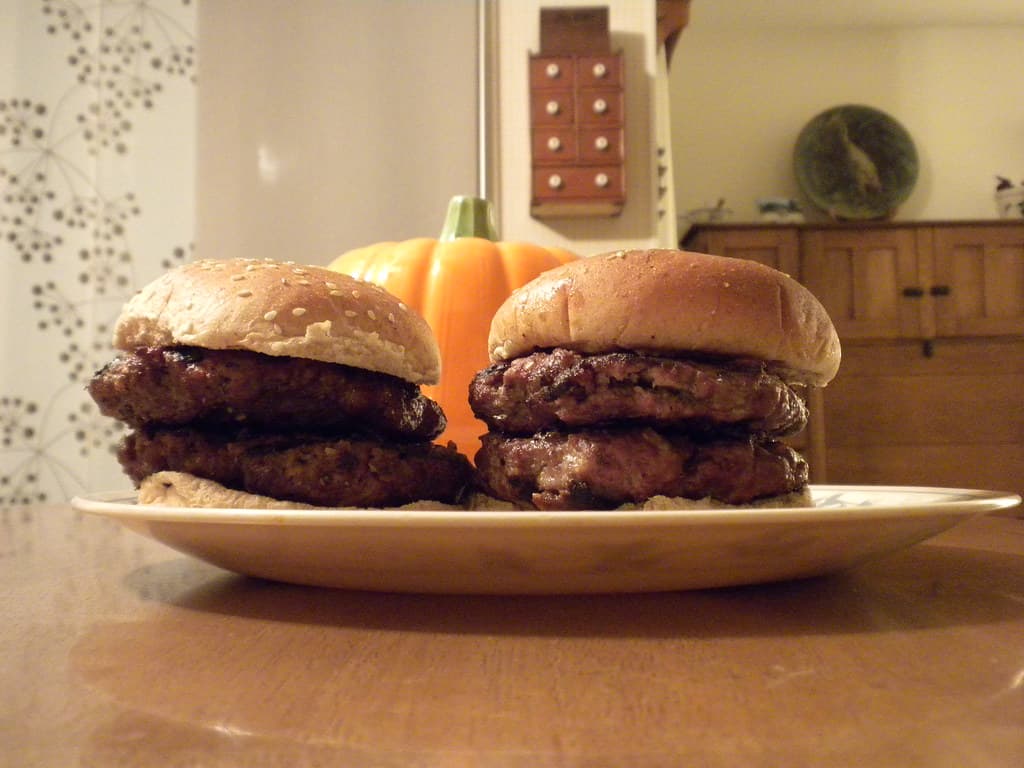
Bison burgers are a modern restaurant and backyard form of a much older Great Plains food story. Bison sustained Indigenous nations for centuries; after near-destruction in the 19th century, ranching and restoration made bison meat more available again.
America's Melting Pot
Bison Stew photo coming soon
Native Foodways and Continuity
Bison stew can be a modern way to honor older Indigenous food relationships when it is framed carefully. Bison supplied meat, fat, hides, tools, and ceremony for many Plains nations; corn, beans, and squash add a broader Native agricultural foundation.
America's Melting Pot
Black Cow photo coming soon
Gilded Age & Progressive Era
Black Cow is fizzy Americana from the soda-fountain counter: Often root beer float or root beer mixed with ice cream; name varies by region.
America's Melting Pot
Blue Corn Mush photo coming soon
Native Foodways and Continuity
Blue corn mush is a Din? and Southwestern Indigenous staple made from roasted blue cornmeal, water, and juniper ash. The ash is not a gimmick: it contributes minerals and helps unlock nutrients in the corn.
America's Melting Pot
Blue Raspberry Slush photo coming soon
1970-1989
Blue Raspberry Slush brings juice-bar color and American smoothie-counter energy to the glass: Pure American artificial-blue joy.
America's Melting Pot
Booster Club Brats photo coming soon
1970s-present
Brats are Midwestern event food: easy to scale, easy to hold warm, and strongly tied to Wisconsin football and German American sausage culture. Booster clubs and tailgaters use beer, onions, and grills to feed a crowd without much fuss.
America's Melting Pot
Booyah photo coming soon
1850s-present
Booyah is more than soup in Green Bay and northeast Wisconsin. It is a community event food tied to Belgian American settlements, church picnics, fundraisers, and enormous kettles stirred for hours.
1800s-present
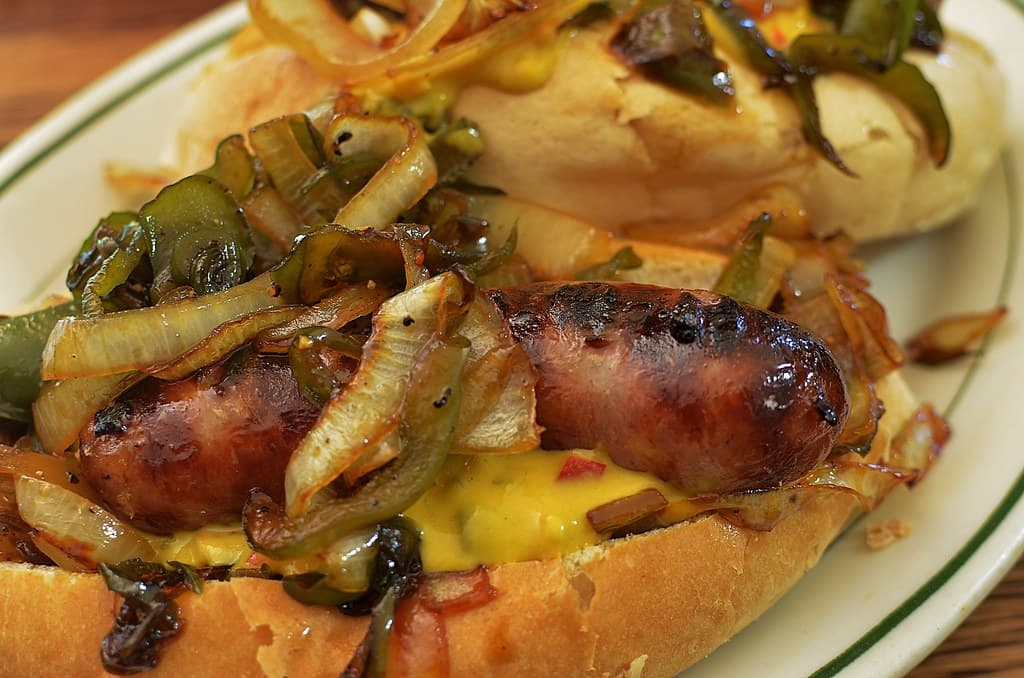
Brats are bratwurst in their American backyard form: pork sausages grilled or beer-simmered, tucked into buns, and served at picnics, tailgates, baseball games, and summer cookouts. Wisconsin made the brat especially visible through German American sausage culture and stadium food.
1800s-present
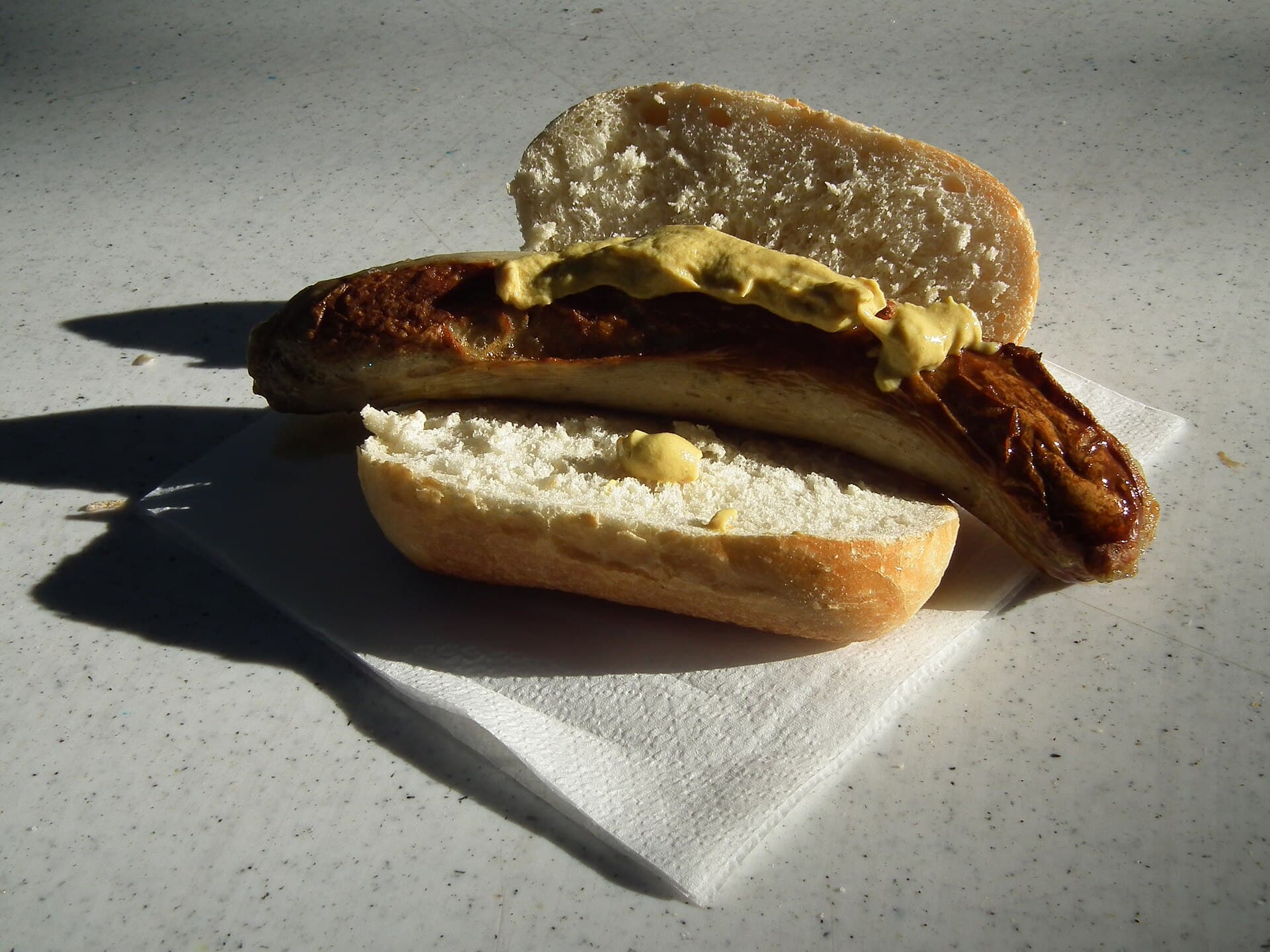
Bratwurst is older than the American brat on a bun. German immigrants carried regional sausage-making traditions to the United States, where Midwestern butcher shops, especially in Wisconsin, made fresh bratwurst part of everyday cooking and community events.
America's Melting Pot
Brown Cow photo coming soon
Gilded Age & Progressive Era
Brown Cow is fizzy Americana from the soda-fountain counter: Chocolate/root beer float variation in some regions.
1800s-present
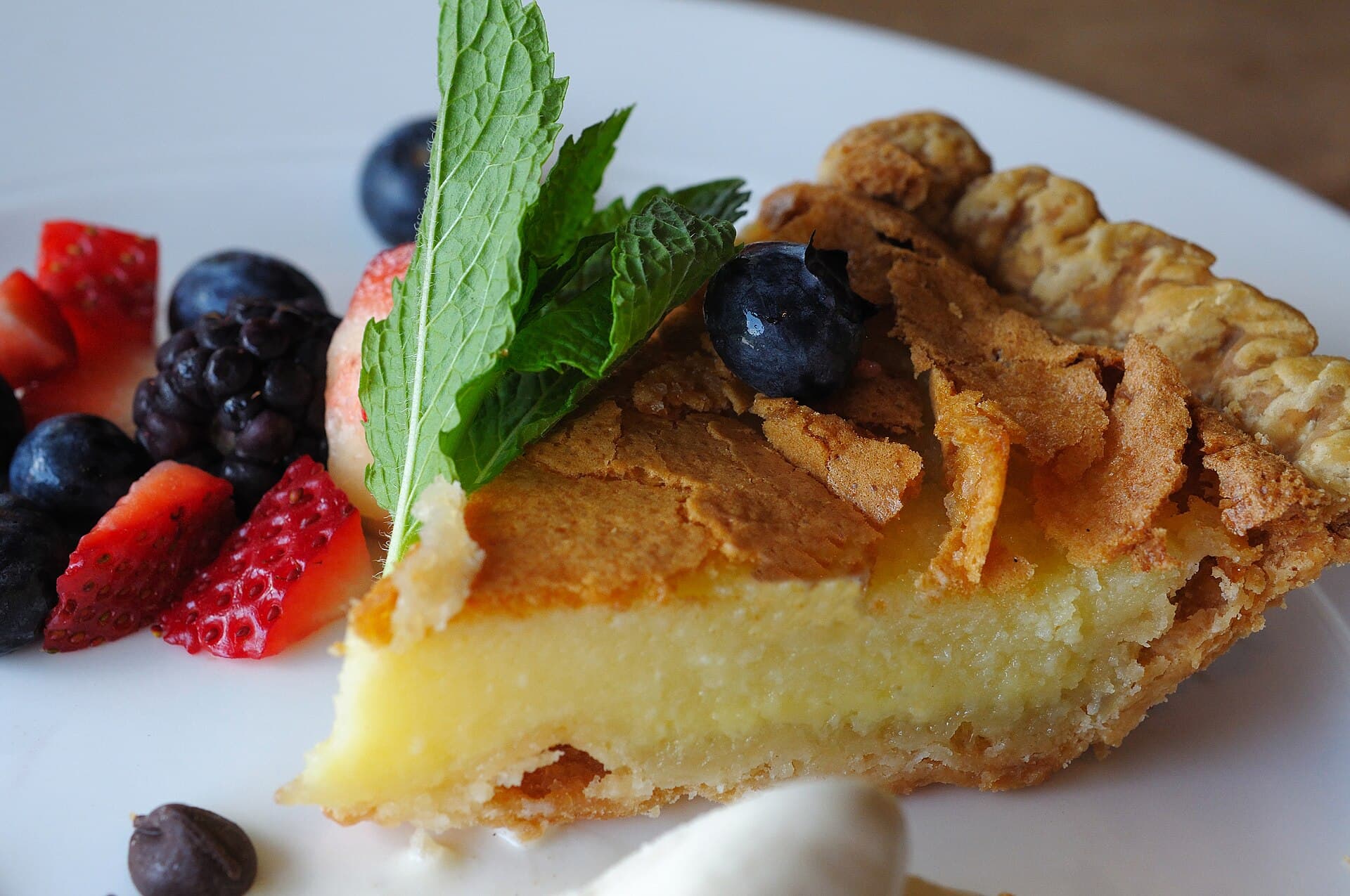
Buttermilk pie is a Southern pantry pie: inexpensive, tangy, and available when fruit is out of season. It sits near chess pie and other desperation pies, using buttermilk and a few staple ingredients to make a custard filling in a plain pie shell.
America's Melting Pot
Canned Corned Beef Hash photo coming soon
1910s-present
Canned corned beef hash moved through military rations, Depression-era thrift, and diner breakfasts because it was shelf-stable, filling, and quick. The key home technique is simple: spread it in a hot skillet and let it brown before turning.
America's Melting Pot
Caramel Rolls photo coming soon
1920s-present
Caramel rolls are a beloved North Dakota and Upper Midwest bakery, church, and cafe treat. They resemble cinnamon rolls or sticky buns, but the defining feature is a generous caramel sauce that bakes under the rolls and becomes the top after turning out.
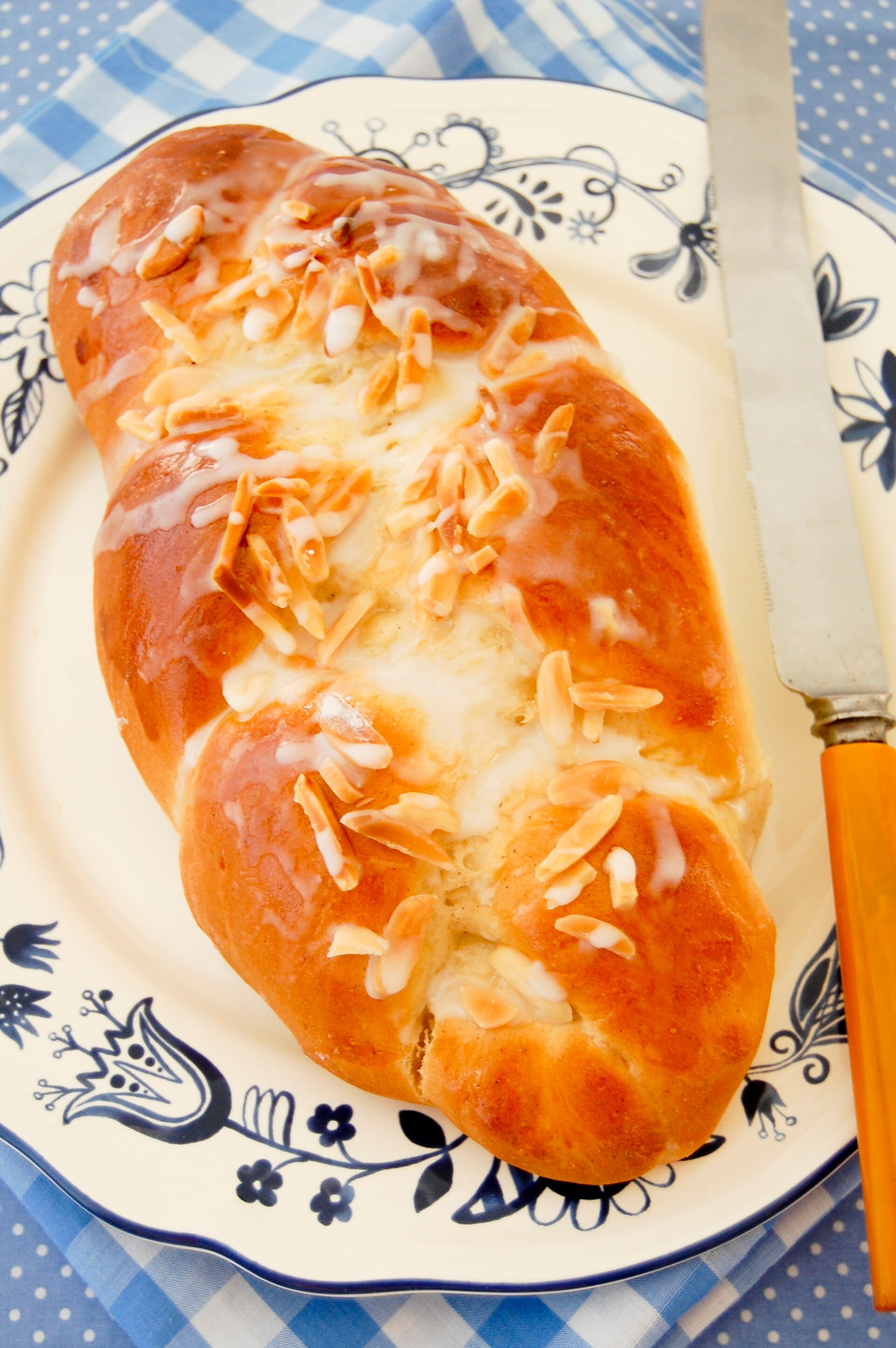
1800s-present
Cardamom bread came into Upper Midwest kitchens with Finnish, Swedish, Norwegian, and other Scandinavian immigrants. Finnish pulla and Swedish cardamom breads became coffee-table, holiday, and family celebration loaves in Scandinavian American communities.
America's Melting Pot
Cherry Limeade photo coming soon
Modern Melting Pot
Cherry Limeade brings juice-bar color and American smoothie-counter energy to the glass: Drive-in drink, especially Sonic-style culture.
America's Melting Pot
Chicago Neon Green Relish photo coming soon
Cross-era
Chicago Neon Green Relish is a relish with real American table personality: Essential part of the Chicago-style hot dog. It brings flavor from Chicago and the Upper Midwest to cookouts, counters, lunch plates, potlucks, and weeknight suppers.
America's Melting Pot
Chicago-Style Neon Relish photo coming soon
Cross-era
Chicago-Style Neon Relish is a sandwich sauce with real American table personality: Bright green relish essential to Chicago hot dogs. It brings flavor from Chicago and the Upper Midwest to cookouts, counters, lunch plates, potlucks, and weeknight suppers.
America's Melting Pot
Chili and Cinnamon Rolls photo coming soon
1945-2000
Chili and Cinnamon Rolls is a unique Midwestern comfort food pairing commonly found in school cafeterias and concession stands. Combining a warm bowl of chili with sweet, soft cinnamon rolls offers a blend of savory and sweet flavors reflecting regional preferences in informal or institutional American dining. This meal represents practical, hearty food designed for broad appeal and sustenance in communal eating contexts.
America's Melting Pot
Chokecherry Jelly photo coming soon
Founding Era
Chokecherry Jelly is a preserve with real American table personality: Plains, Mountain West, and Indigenous/settler preserving tradition. It brings flavor from coast-to-coast American tables to cookouts, counters, lunch plates, potlucks, and weeknight suppers.
America's Melting Pot
Chokecherry Sauce photo coming soon
Before 1776
Chokecherry Sauce is a tart and flavorful condiment made from the chokecherry fruit, historically prepared by Indigenous American peoples across the United States from the early 19th century. This sauce functions as an accompaniment to game meats and poultry, showcasing native foraging and preservation techniques during the Expansion and Young Republic period. It exemplifies Indigenous foodways adapted to settler tables while maintaining cultural culinary heritage.
America's Melting Pot
Cinnamon Rolls with Chili photo coming soon
1945-2000
A unique breakfast combining the sweet, soft cinnamon roll with a spicy chili twist, reflecting flavor fusions from the Great Plains region influenced by Mexican-American and Southwestern cuisines. This dish pairs the warming spices of cinnamon with hearty chili for a tasty and filling meal that honors regional culinary blending.
America's Melting Pot
Cornbread and Beans photo coming soon
1930-1945
Cornbread and beans was a nutritional and affordable meal staple during the Great Depression, combining inexpensive ingredients to create a filling dish. Beans, often pinto or kidney varieties, provided protein and fiber, while cornbread offered a comforting starch. This pairing sustained many American families through economic hardship and is now a symbolic representation of depression-era resourcefulness in foodways.
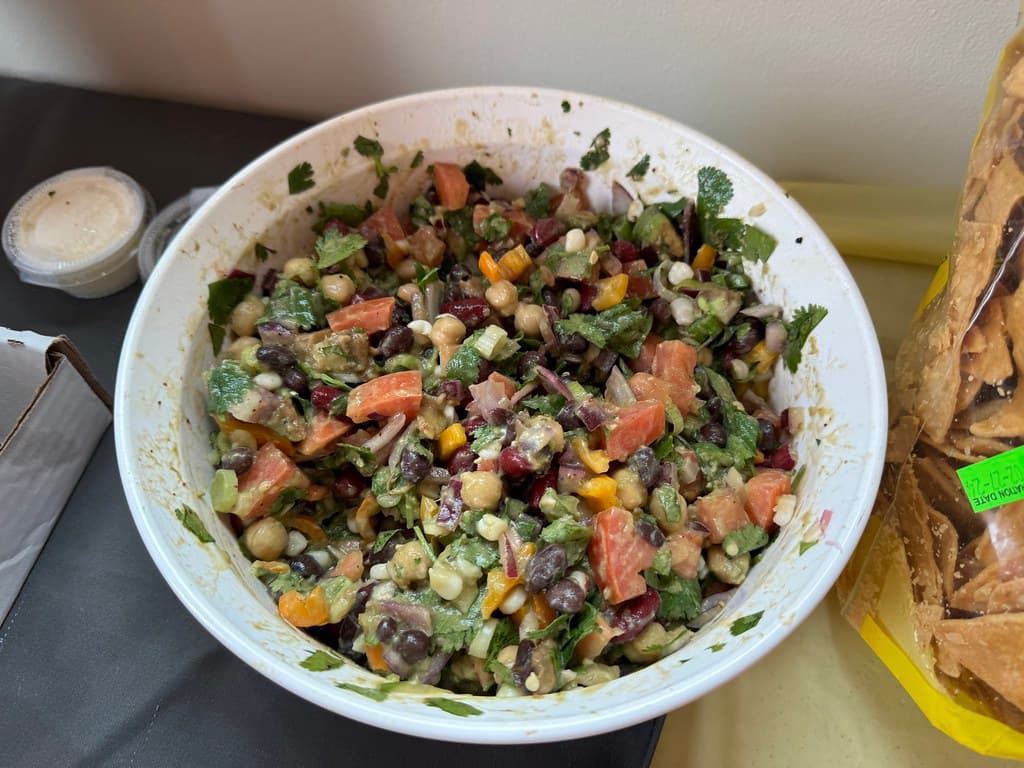
2010-2026
A colorful, fresh salad of black-eyed peas, corn, tomatoes, and peppers dressed with a tangy vinaigrette. Known as Cowboy Caviar, it is popular at casual outdoor gatherings and reflects Southwestern and Tex-Mex flavors in a healthy, easy-to-prepare salad.
America's Melting Pot
Cranberry Slush photo coming soon
1946-1969
Cranberry Slush brings juice-bar color and American smoothie-counter energy to the glass: Holiday punch and party drink.
America's Melting Pot
Cream of Wheat photo coming soon
1861-1900
Cream of Wheat is a smooth farina hot cereal made from wheat semolina, popular for American breakfasts since the early 20th century. Known for its creamy texture and mild flavor, it can be enriched with milk, butter, sugar, or spices, offering an energizing start to the day.
America's Melting Pot
Creamed Chipped Beef on Toast photo coming soon
1900-1929
A nostalgic American diner breakfast or lunch dish featuring creamed chopped beef served on toasted bread, combining simplicity with savory comfort.
America's Melting Pot
Creamy Italian Dressing photo coming soon
1946-1969
Creamy Italian Dressing is a dressing with real American table personality: Midcentury American version of Italian dressing with mayo or dairy. It brings flavor from coast-to-coast American tables to cookouts, counters, lunch plates, potlucks, and weeknight suppers.
America's Melting Pot
Crockpot Apple Butter photo coming soon
1970-1989
Crockpot Apple Butter is a convenient modern adaptation of traditional apple butter, slow-cooked fruit preserves spiced with cinnamon and cloves. It features in American regional and tailgate cooking, offering a spread or condiment with deep, concentrated apple flavor achieved through slow cooking.
America's Melting Pot
Crockpot Beef Stroganoff photo coming soon
1970-1989
Crockpot Beef Stroganoff adapts the classic Russian-inspired sauteed beef and mushroom dish to slow cooker convenience, delivering tender beef in a creamy sauce typically served over noodles. This Americanized version suits weeknight cooking and reflects 1970s-80s home cooking trends embracing convenience appliances.
America's Melting Pot
Crockpot Grape Jelly Meatballs photo coming soon
1970-1989
Crockpot Grape Jelly Meatballs marry tender meatballs with a tangy-sweet sauce made from grape jelly and chili sauce. This quick and popular crockpot appetizer or main dish gained traction in American home cooking and potlucks during the late 20th century.
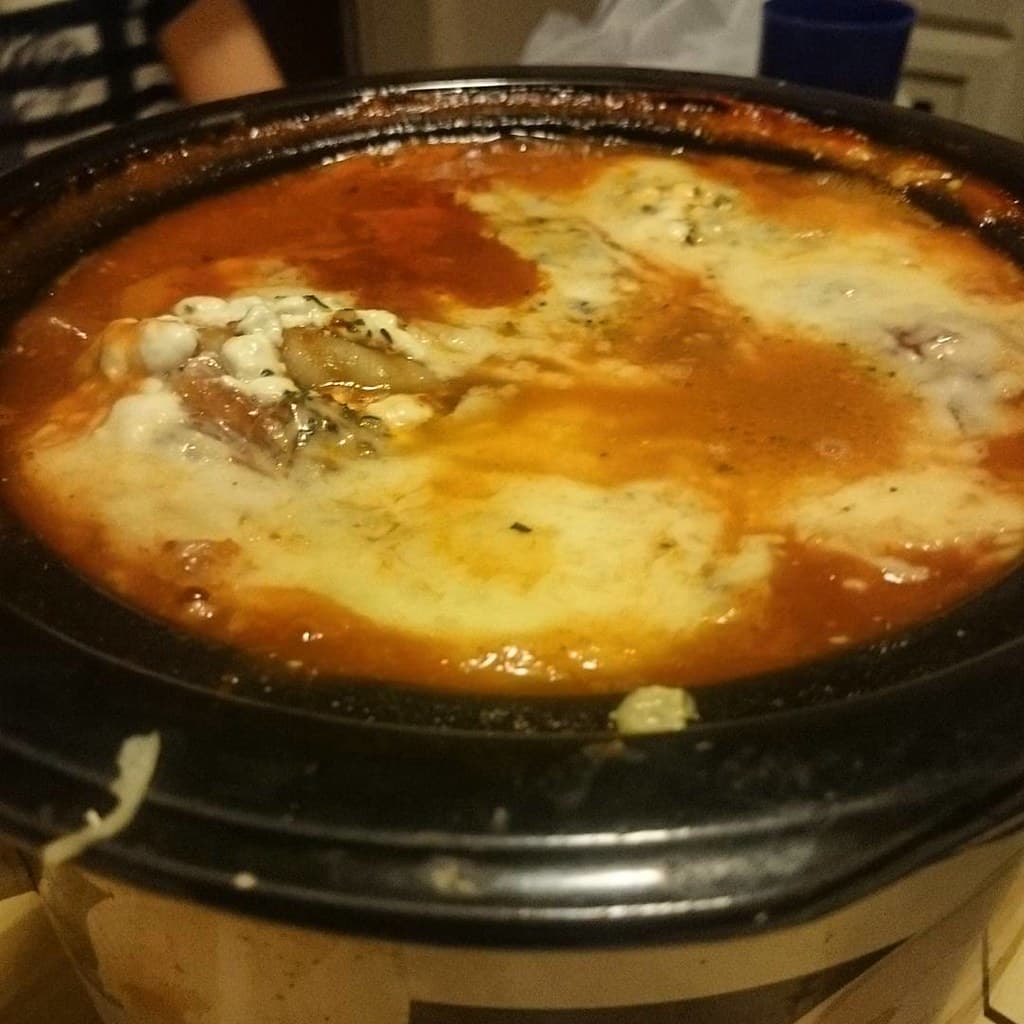
1970-1989
Crockpot Lasagna adapts the traditional Italian-American layered pasta dish into an easy, slow-cooked version. It layers noodles, ricotta cheese, meat sauce, and cheese in a crockpot for a hands-off approach that maintains the rich flavors and textures familiar to American households.
America's Melting Pot
Crockpot Little Smokies photo coming soon
1970-1989
Crockpot Little Smokies are small smoked sausages cooked in a flavorful sauce, commonly served as appetizers or party snacks. Combining ease and taste, they became a popular dish for casual gatherings and tailgate parties in late 20th-century American social cuisine.
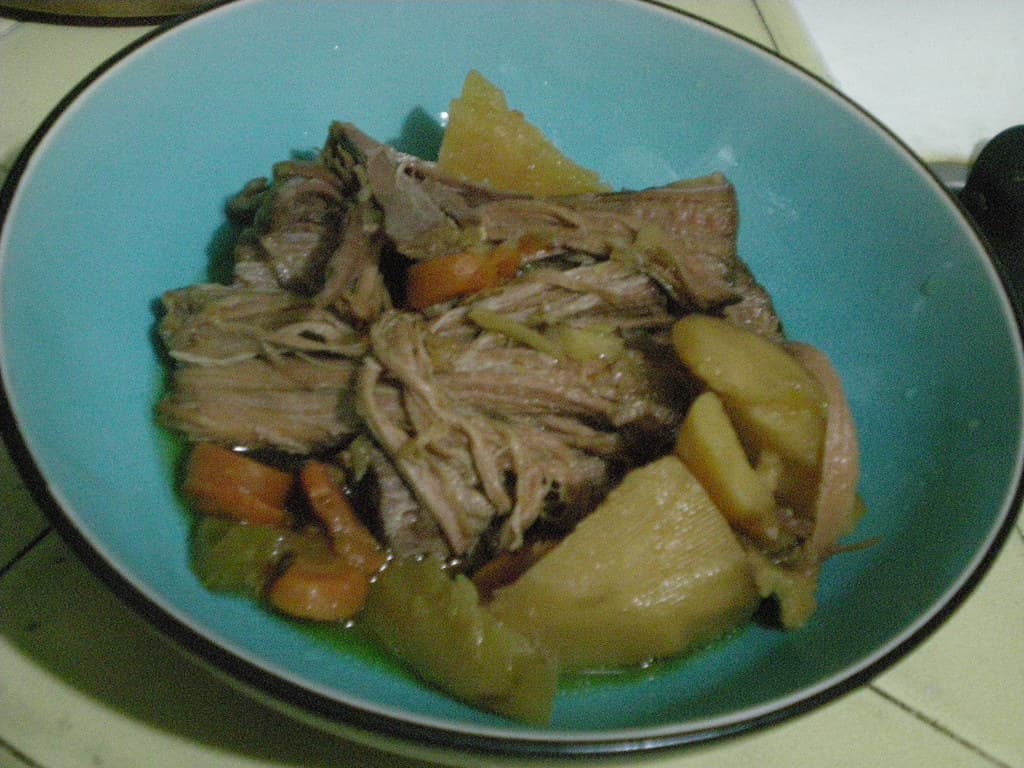
1970-1989
Crockpot Pot Roast offers a classic American comfort food prepared by slow cooking a beef roast with vegetables and seasonings until fork-tender. This technique, widely adopted in American homes from the 1970s onward, provides a hearty main dish with minimal active cooking.
America's Melting Pot
Crockpot Stuffed Peppers photo coming soon
1970-1989
Crockpot Stuffed Peppers are bell peppers filled with a savory mixture of meats, rice, and seasonings slowly cooked until tender. This variation simplifies traditional oven preparation, allowing integration of flavors and convenient hands-off cooking favored in American kitchens since the late 20th century.
America's Melting Pot
Crockpot Swedish Meatballs photo coming soon
1970-1989
Crockpot Swedish Meatballs feature tender meatballs slowly cooked in a rich, creamy sauce with Nordic roots adapted to American slow cooker convenience. This comfort dish became favored in American homes for its ease and familiar flavors during the late 20th century.
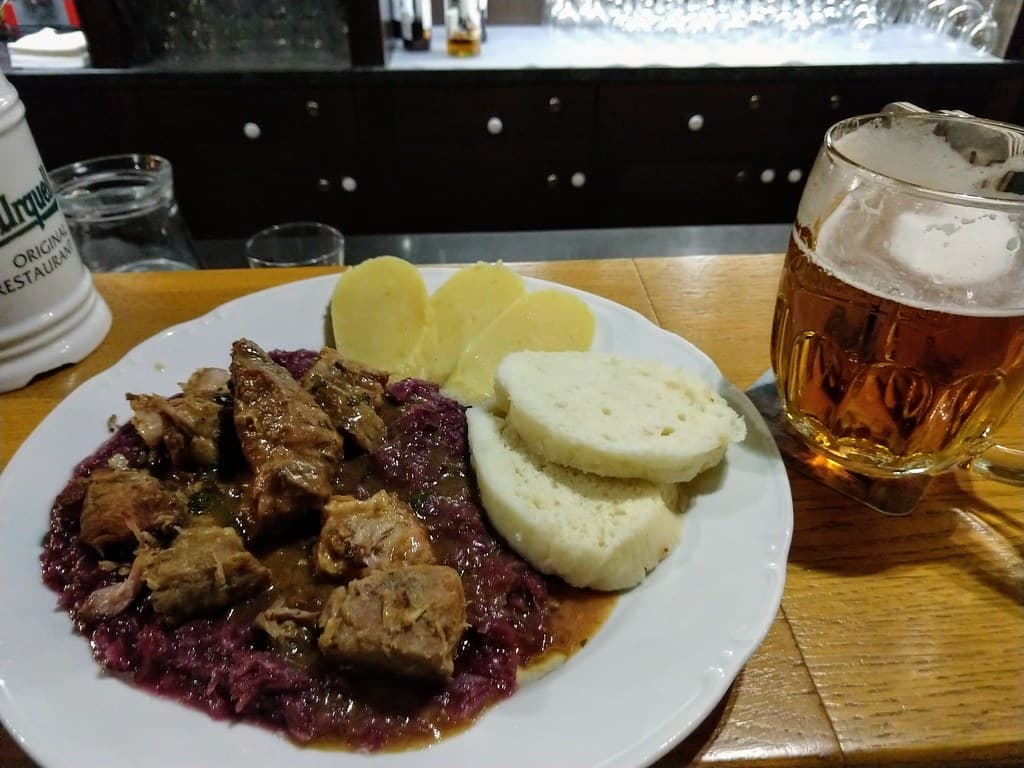
1861-1900
This hearty dish combines slow-roasted pork, delicate bread dumplings, and tangy sauerkraut, reflecting the culinary traditions of Czech and Slovak immigrants in early 20th-century America. It remains a beloved entree at diners and state fairs during festive occasions like Easter.
America's Melting Pot
Dandelion Salad photo coming soon
1930-1945
During the Great Depression era, home cooks turned to foraging and victory gardens for nutritious ingredients. The dandelion salad utilizes wild dandelion greens, dressed simply to provide a fresh, slightly bitter salad reflecting the resourcefulness of 1930s and 1940s American kitchens.
America's Melting Pot
Denver Omelet photo coming soon
1900-1929
The Denver omelet, a diner and lunch counter staple, blends diced ham, green bell peppers, onions, and cheddar cheese folded into eggs. Popularized in early 20th-century American immigrant cities, it remains a hearty breakfast favorite at state fairs and casual diners.
America's Melting Pot
Dill Pickle Relish photo coming soon
Cross-era
Dill Pickle Relish is a relish with real American table personality: Burgers, Chicago dogs, and fish sauces. It brings flavor from Chicago and the Upper Midwest to cookouts, counters, lunch plates, potlucks, and weeknight suppers.
America's Melting Pot
Dutch Oven Cobbler photo coming soon
Frontier & Expansion
A classic outdoor dessert, the Dutch Oven Cobbler combines fresh or canned fruit topped with a simple biscuit or cake-like batter, baked in a cast iron Dutch oven over coals or an open fire. A favored treat at camps and cabins, it's valued for ease of preparation and comforting, warm sweetness.
America's Melting Pot
Elk Burgers photo coming soon
1900s-present
Elk Burgers offer a lean and flavorful alternative to traditional beef, made popular in hunting and cabin contexts. The ground elk meat is seasoned and grilled or pan-fried, served in sandwich form, representing a connection to American hunting and outdoor culinary traditions.
America's Melting Pot
Farmhouse Hash photo coming soon
1930-1945
Farmhouse Hash is a resourceful, filling dish combining potatoes, root vegetables, and available proteins cooked together, typical of Depression-era and Dust Bowl survival cooking. It reflects home cooks' adaptability during austerity, utilizing garden and pantry staples in one-pan meals.
America's Melting Pot
Foil Packet Dinners photo coming soon
1946-1969
Foil packet dinners are meals assembled and sealed in aluminum foil for cooking on grills, ovens, or campfires. Popularized during postwar suburban growth, these flexible recipes emphasize ease, portability, and minimal cleanup for casual family meals and outdoor gatherings.
America's Melting Pot
Foraged Greens photo coming soon
1930-1945
Foraged greens include a variety of wild edible plants collected from fields and forests, used as food during the Civil War due to scarcity and nutritional need. These hardy greens were often boiled or fried to supplement diets in difficult times.
America's Melting Pot
Fried Bologna Sandwich photo coming soon
1930-1945
The fried bologna sandwich consists of slices of bologna pan-fried until browned, served on white bread with condiments. A simple, nostalgic sandwich commonly found in American delis and home kitchens throughout the 20th century.
America's Melting Pot
Fried Cabbage photo coming soon
1930-1945
Fried cabbage is thinly sliced cabbage sauteed with onions and seasonings until tender and slightly caramelized. It became a popular economical side dish during the Great Depression, reflecting resourcefulness and simplicity in American kitchens.
America's Melting Pot
Frog Eye Salad Dressing photo coming soon
Cross-era
Frog Eye Salad Dressing is a spread with real American table personality: Utah/Intermountain potluck dessert salad. It brings flavor from Intermountain West to cookouts, counters, lunch plates, potlucks, and weeknight suppers.
America's Melting Pot
Giardiniera, Chicago Style photo coming soon
Cross-era
Giardiniera, Chicago Style is a relish with real American table personality: Italian-American Chicago sandwich condiment, especially Italian beef. It brings flavor from Chicago and the Upper Midwest to cookouts, counters, lunch plates, potlucks, and weeknight suppers.
America's Melting Pot
Grape Slush photo coming soon
1946-1969
Grape Slush brings juice-bar color and American smoothie-counter energy to the glass: Kid concession classic.
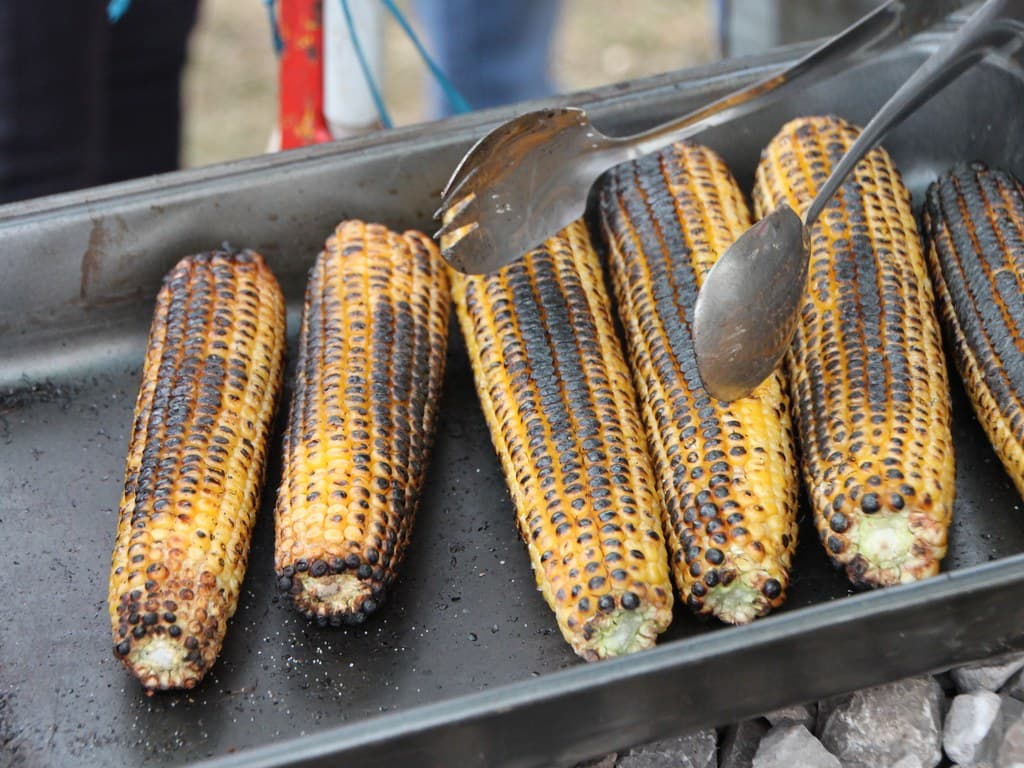
1946-1969
Grilled Corn gained popularity in American suburbs and backyards during the postwar period, representing easy and affordable patio food. Often served as a summer barbecue staple, corn is grilled in the husk or directly on the grill for smoky flavor and tender texture.
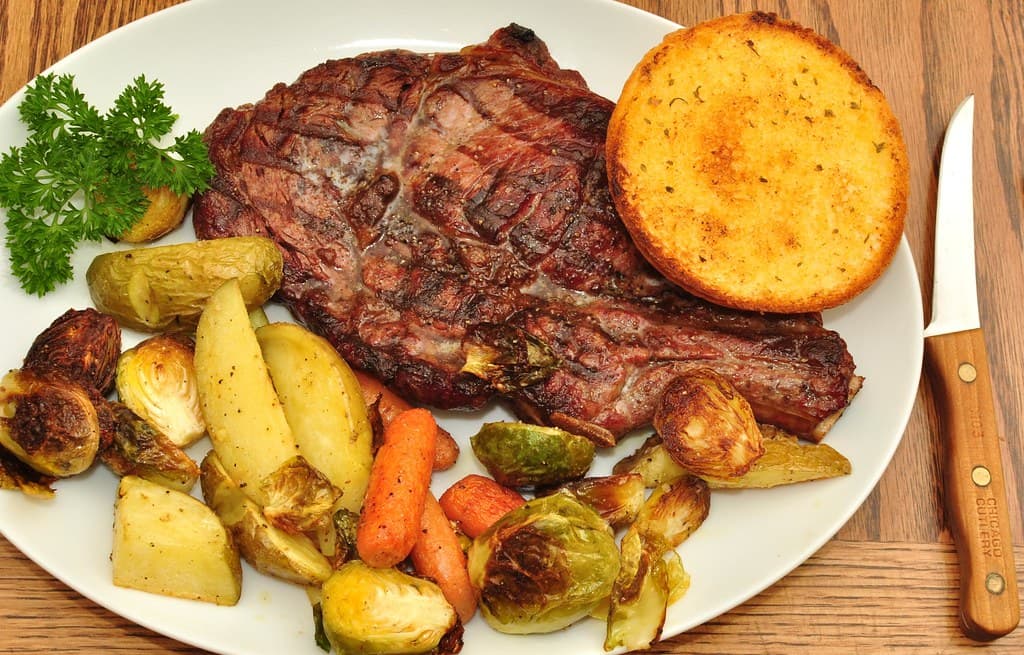
1946-1969
Grilled steak has been a centerpiece of American backyard barbecues since the postwar suburban boom. Typically prepared with simple seasoning and cooked over charcoal or gas grills, it represents a traditional approach to meat preparation for outdoor hospitality and family gatherings.
America's Melting Pot
Huckleberry Jam photo coming soon
Cross-era
Huckleberry Jam is a preserve with real American table personality: Montana, Idaho, Pacific Northwest, and mountain West. It brings flavor from the Pacific Northwest and Mountain West to cookouts, counters, lunch plates, potlucks, and weeknight suppers.
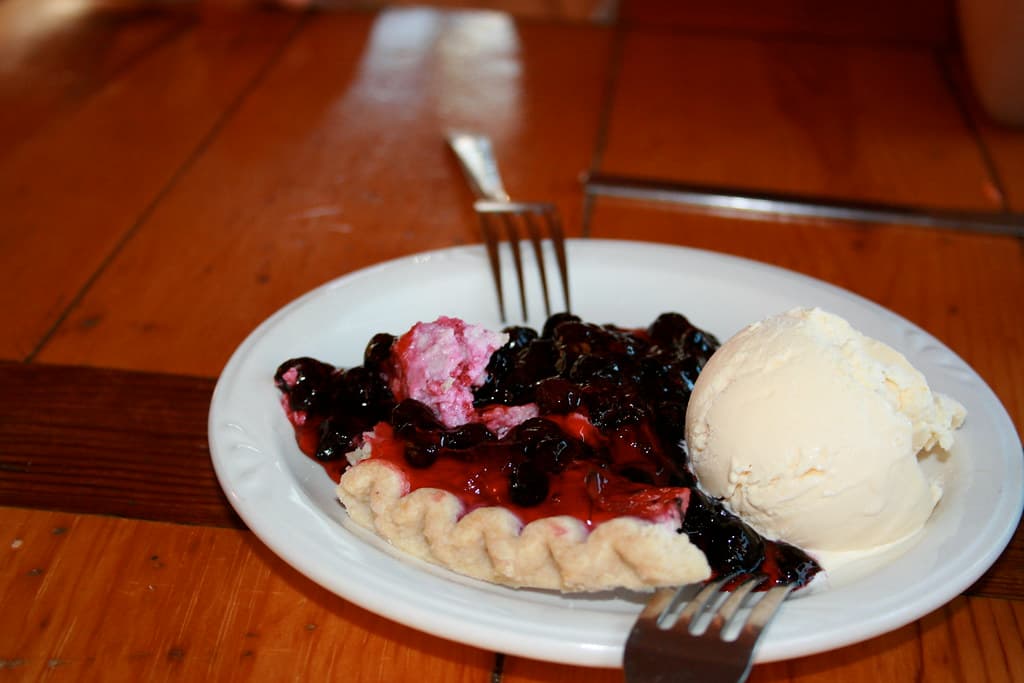
1861-1900
Huckleberry pie is a traditional dessert from the Pacific Northwest, featuring native huckleberries baked in a flaky crust. Known for their distinct tart and sweet flavor, huckleberries have been foraged and used by Indigenous peoples and settlers alike. The pie showcases regional culinary heritage and celebration of local wild ingredients.
America's Melting Pot
Huckleberry Shake photo coming soon
Postwar & Diner Age
Huckleberry Shake pours old-school malt-shop cheer into a cold glass: Montana, Idaho, and mountain West favorite.
America's Melting Pot
Huckleberry Syrup photo coming soon
Cross-era
Huckleberry Syrup is a sweet sauce with real American table personality: Mountain West pancakes and ice cream. It brings flavor from the Pacific Northwest and Mountain West to cookouts, counters, lunch plates, potlucks, and weeknight suppers.
America's Melting Pot
Idaho Huckleberry Shake photo coming soon
Cross-era
Idaho Huckleberry Shake salutes regional fruit country and the American dairy-stand tradition: Idaho.
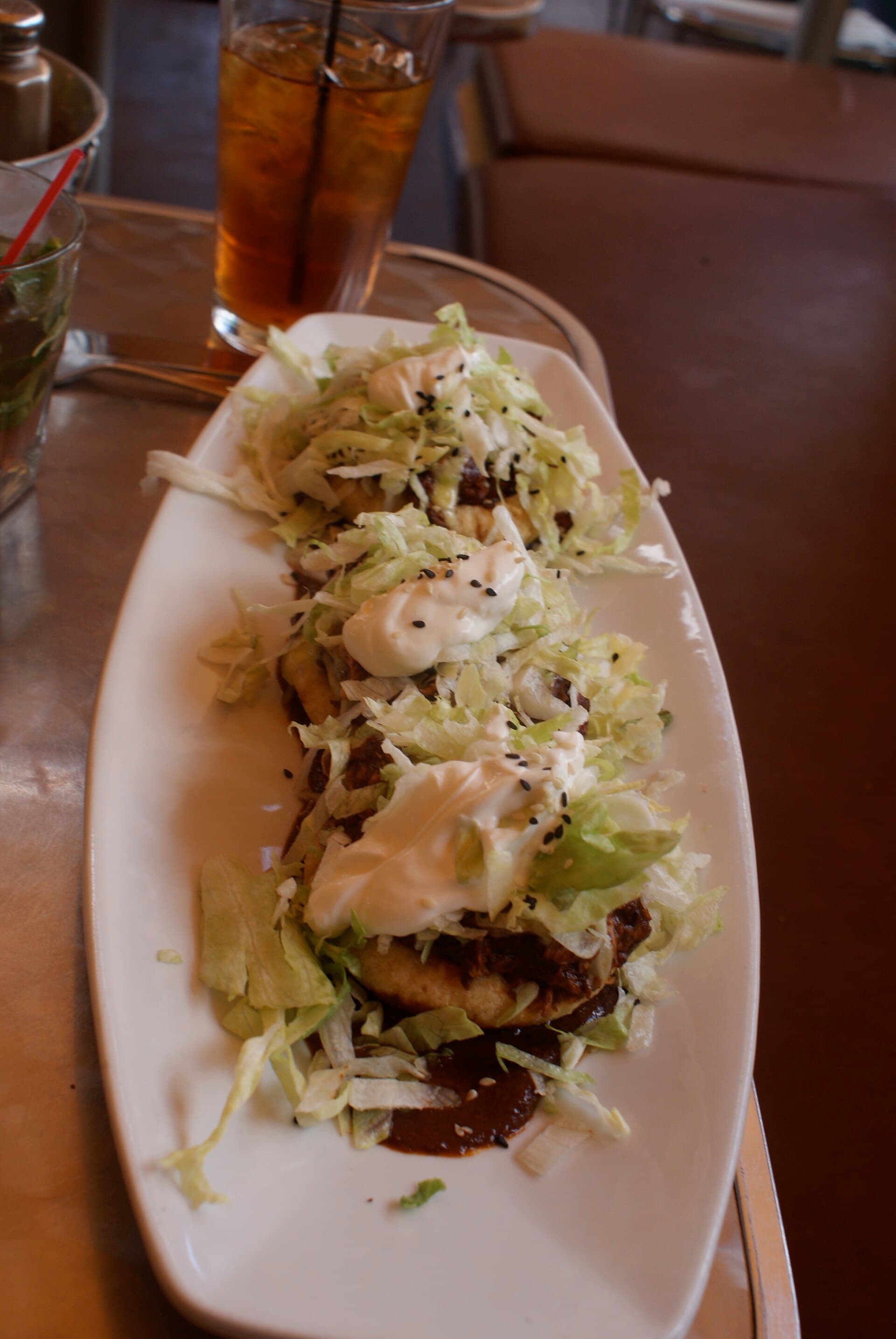
1945-2000
Indian tacos combine Native American frybread with taco toppings, reflecting a fusion of Mexican-American culinary influence and Indigenous food traditions in the Great Plains. This dish has evolved cross-era, maintaining cultural significance and popularity across generations.
America's Melting Pot
Italian Beef Giardiniera Oil photo coming soon
Cross-era
Italian Beef Giardiniera Oil is a sandwich sauce with real American table personality: Chicago sandwich condiment. It brings flavor from Chicago and the Upper Midwest to cookouts, counters, lunch plates, potlucks, and weeknight suppers.
America's Melting Pot
Italian-American Dressing photo coming soon
1946-1969
Italian-American Dressing is a dressing with real American table personality: Bottled oregano-garlic-vinegar dressing used on salads, subs, pasta salad, and grilled chicken. It brings flavor from coast-to-coast American tables to cookouts, counters, lunch plates, potlucks, and weeknight suppers.
America's Melting Pot
Kansas City Barbecue Sauce photo coming soon
Founding Era
Kansas City Barbecue Sauce is a barbecue sauce with real American table personality: Thick, sweet, tomato-molasses sauce. It brings flavor from American barbecue regions to cookouts, counters, lunch plates, potlucks, and weeknight suppers.
America's Melting Pot
Kansas City Burnt Ends photo coming soon
1900-1929
Kansas City burnt ends are specially cooked, caramelized, and smoky cubes of beef brisket point, a barbecue delicacy known for its flavorful crust and tender interior. This barbecue tradition, spanning multiple eras, showcases the regional mastery of smoking meats and represents Kansas City's identity in American barbecue.
America's Melting Pot
Kansas City Ribs photo coming soon
1900-1929
Kansas City ribs are pork ribs slow-smoked and coated with a sweet, tangy dry rub and barbecue sauce, epitomizing the regional barbecue style. These ribs, cherished across many decades, highlight the balance of smoky flavor and sugary glaze characteristic of Kansas City barbecue traditions.
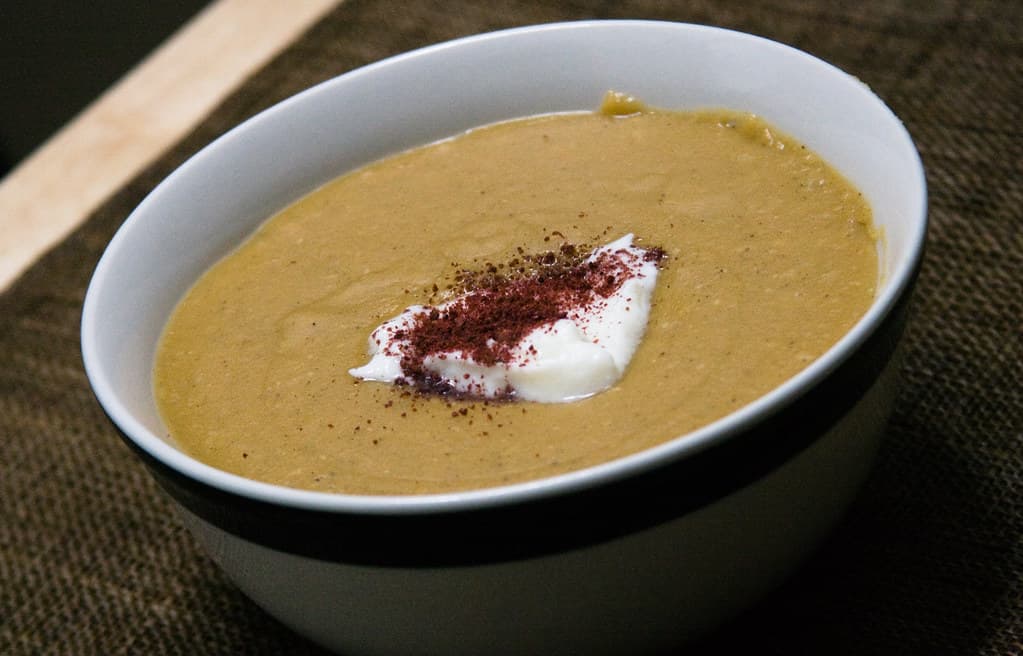
Modern Melting Pot
Lentil soup is a nourishing stew made from lentils, vegetables, and herbs, commonly prepared in American households during New Year's celebrations as a symbol of prosperity and good fortune.
America's Melting Pot
Limeade Slush photo coming soon
Modern Melting Pot
Limeade Slush brings juice-bar color and American smoothie-counter energy to the glass: Drive-in and fair drink.

Founding Era
Maple Syrup is a sweet sauce with real American table personality: Indigenous North American foodway adopted and commercialized across New England and the Upper Midwest. It brings flavor from New England to cookouts, counters, lunch plates, potlucks, and weeknight suppers.
America's Melting Pot
Marionberry Jam photo coming soon
Cross-era
Marionberry Jam is a preserve with real American table personality: Oregon original blackberry cultivar released in 1956 by USDA/OSU and named for Marion County, Oregon. It brings flavor from the Pacific Northwest and Mountain West to cookouts, counters, lunch plates, potlucks, and weeknight suppers.
America's Melting Pot
Meal Prep Burrito Bowls photo coming soon
2010-2026
A versatile and nutritious burrito bowl designed for meal prep and quick eating. This recipe incorporates fresh and cooked ingredients tailored for air fryer, Instant Pot, or basic stovetop use, reflecting contemporary quick-cuisine trends.
America's Melting Pot
Memphis Barbecue Sauce photo coming soon
Cross-era
Memphis Barbecue Sauce is a barbecue sauce with real American table personality: Tomato-vinegar sauce, often thinner and tangier than Kansas City. It brings flavor from American barbecue regions to cookouts, counters, lunch plates, potlucks, and weeknight suppers.
America's Melting Pot
Montana Huckleberry Shake photo coming soon
Cross-era
Montana Huckleberry Shake salutes regional fruit country and the American dairy-stand tradition: Montana.
America's Melting Pot
North Dakota Knoephla Soup photo coming soon
2010-2026
Knoephla Soup is a comforting creamy dumpling soup tied to German-Russian immigrant heritage in North Dakota and the Upper Midwest. Featuring small dough dumplings simmered in a savory broth with potatoes and often chicken, this regional icon offers rich fusion flavors representative of immigrant adaptation and local ingredients.
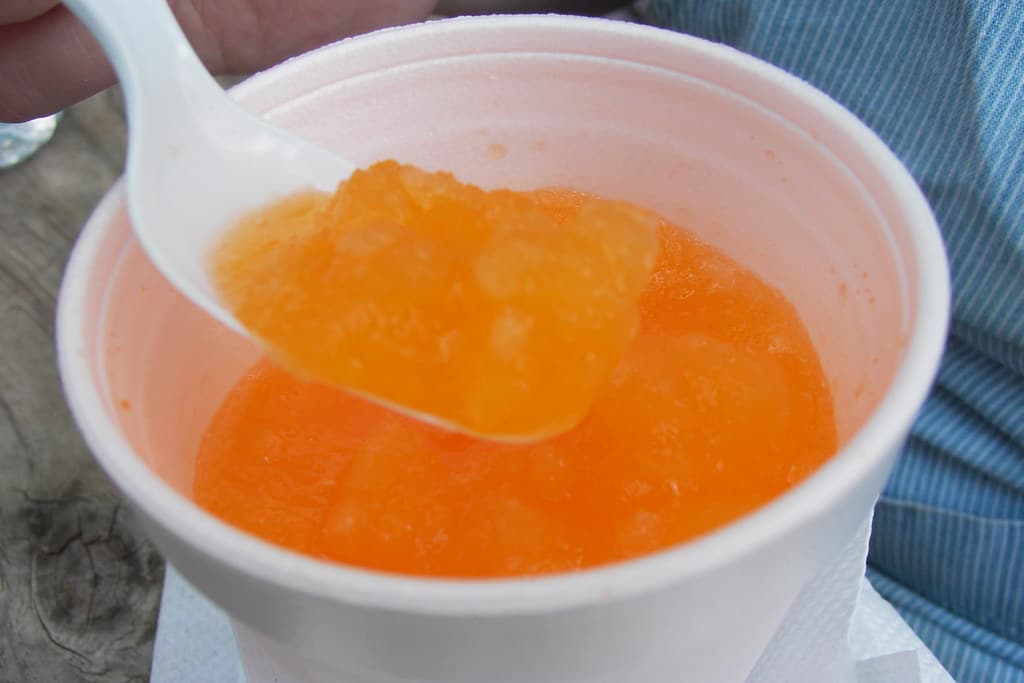
Modern Melting Pot
Orange Slush brings juice-bar color and American smoothie-counter energy to the glass: Ballpark and concession drink.
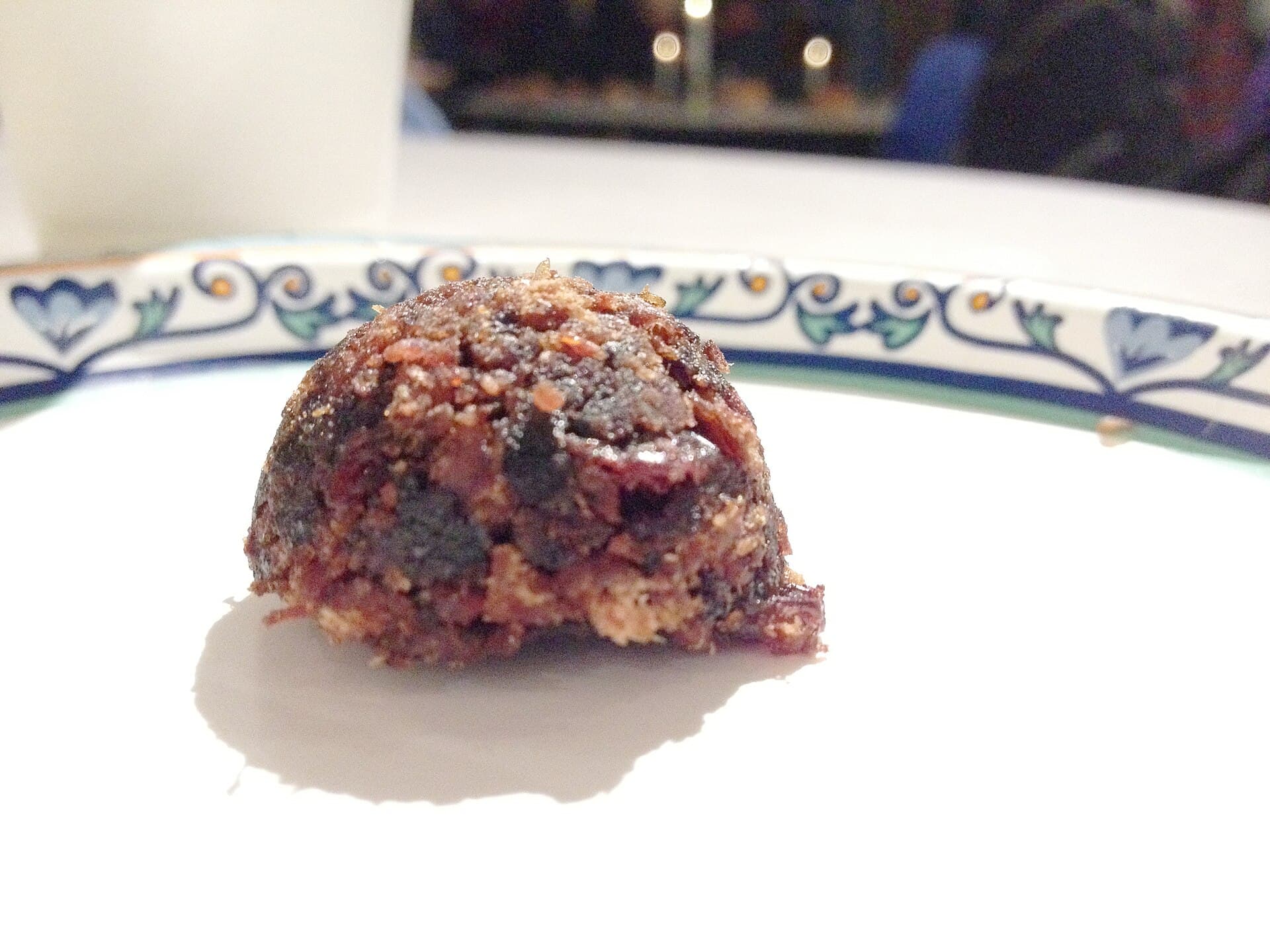
Before 1776
Pemmican is a traditional Indigenous American preserved food combining dried meat, rendered fat, and sometimes berries. It served as a portable, nutrient-dense staple for survival and travel across the continent during the 19th century and earlier.
America's Melting Pot
Pheasant and Wild Rice photo coming soon
1900-1929
This recipe pairs pheasant, a game bird, with wild rice, a native grain, commonly prepared in hunting and fishing camps or rustic cabins. It highlights simplicity and resourcefulness in outdoor American cooking traditions.
America's Melting Pot
Pickle Roll-Up Spread photo coming soon
Cross-era
Pickle Roll-Up Spread is a relish with real American table personality: Upper Midwest ham-pickle-cream cheese culture. It brings flavor from the Midwest and Great Lakes to cookouts, counters, lunch plates, potlucks, and weeknight suppers.
America's Melting Pot
Pie by the Slice photo coming soon
1900-1929
Pie by the Slice refers to the tradition of serving a single slice of pie as a dessert or snack in American diners, lunch counters, and state fairs. Popular from the early 20th century onward, this practice highlights the accessibility and communal spirit of pie as an all-American favorite, offering a variety of fruit, cream, or custard pies available by the slice for quick enjoyment.

1900-1929
Popcorn is an American staple snack made by heating dried corn kernels until they pop, commonly enjoyed at tailgates, booster events, and concessions with butter and salt.
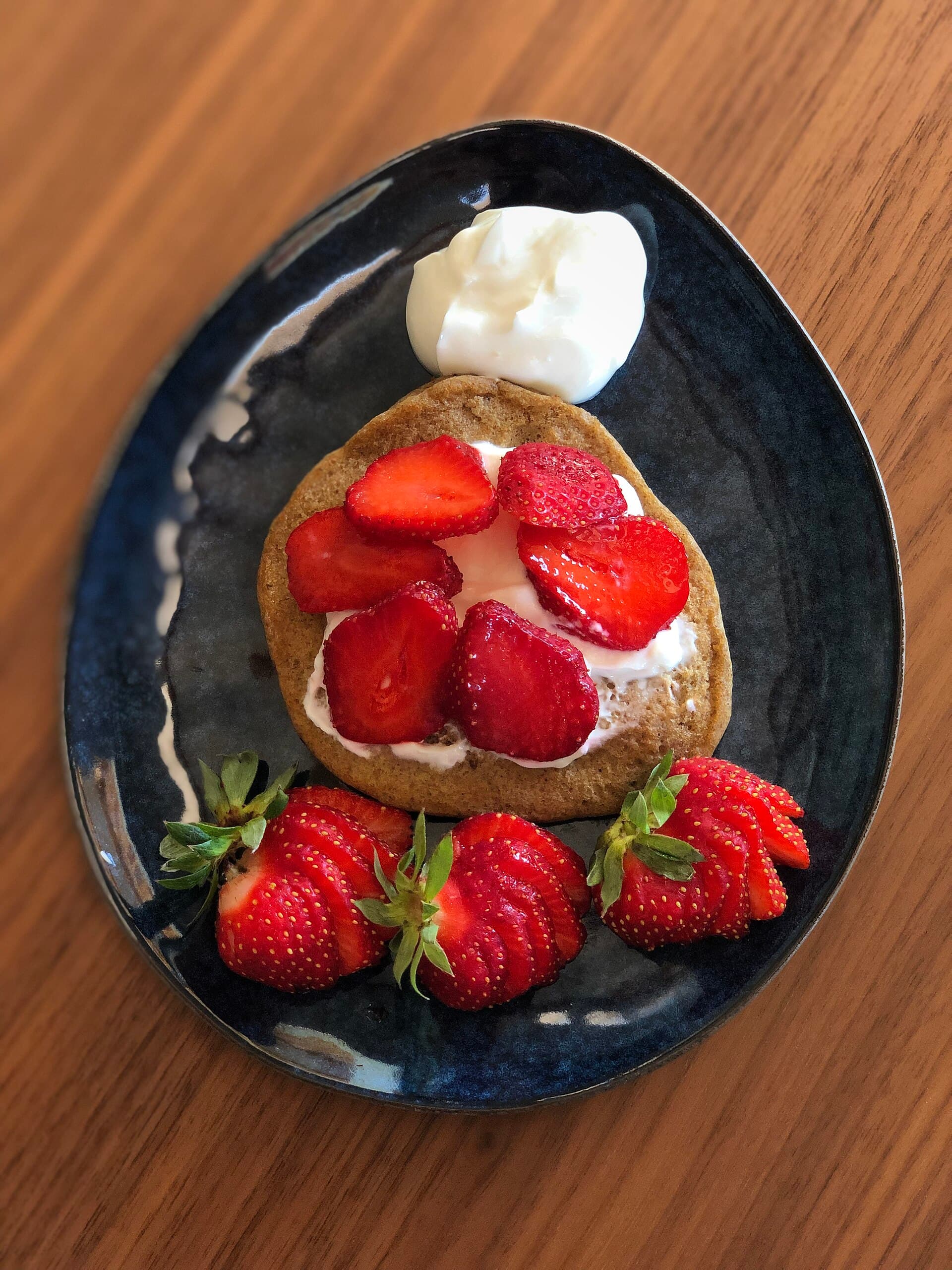
Modern Melting Pot
Protein Pancakes are a contemporary breakfast popularized by food trucks and viral internet recipes in the 2010s. They combine traditional pancake batter with protein-rich ingredients for a nutritious start to the day, reflecting New American Fusion trends.
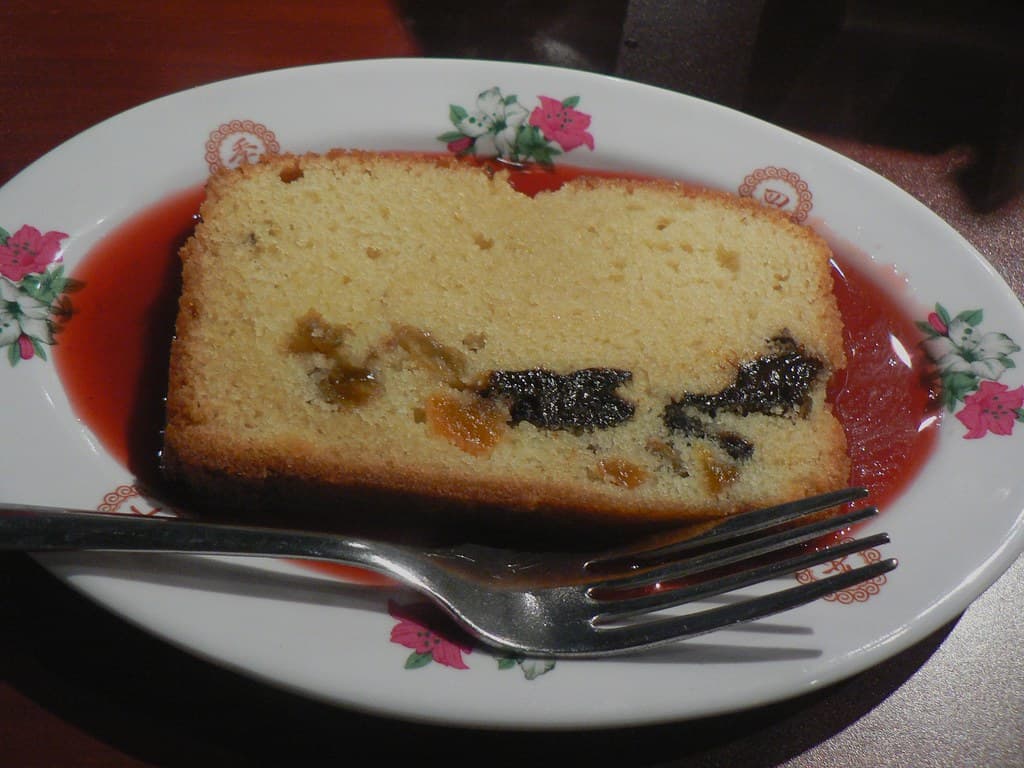
1930-1945
Prune Cake is a moist, spiced dessert that became popular during the Great Depression, utilizing affordable and shelf-stable prunes as a key ingredient. It reflects resourceful baking amid economic hardship.
America's Melting Pot
Prune Kolaches photo coming soon
1861-1900
Prune Kolaches are sweet yeast pastries filled with prune fruit, reflecting Polish, Czech, and Slovak immigrant baking traditions brought to American cities in the early 1900s. They became popular at diners and fairs.
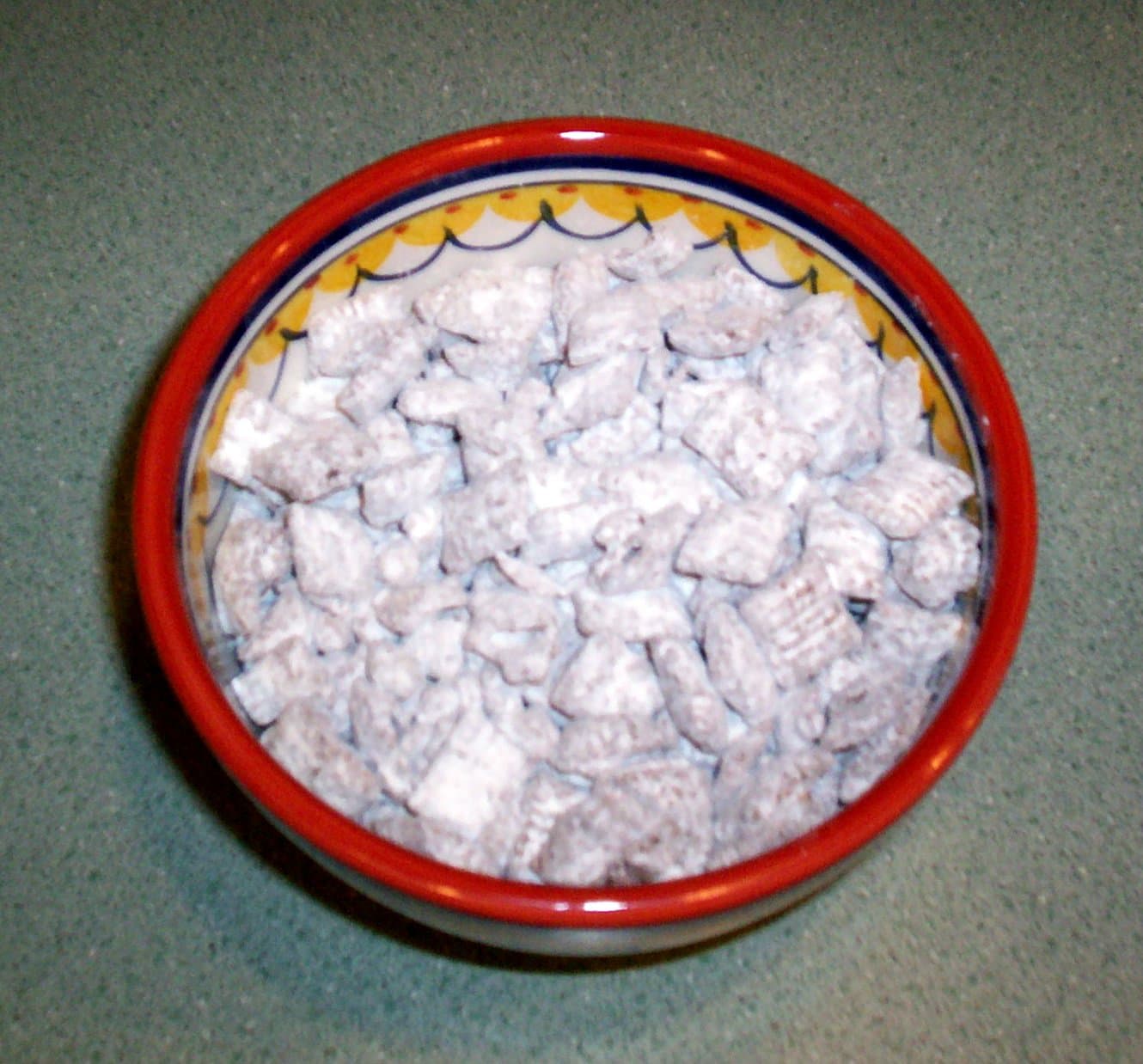
1970-1989
Puppy Chow, also known as Muddy Buddies, is a beloved American snack from the 1970s, featuring a mix of cereal coated in a sweet peanut butter and chocolate glaze, then dusted with powdered sugar. This easy, crowd-pleasing treat became popular at parties and tailgates for its nostalgic comfort and simple prep.
America's Melting Pot
Quinoa Salad photo coming soon
Modern Melting Pot
Quinoa Salad is a nutritious side dish combining cooked quinoa with fresh vegetables, herbs, and a light vinaigrette. Popularized in American health food circles during the 1990s and 2000s, this salad reflects growing interest in gluten-free whole grains and global-inspired flavors in suburban food culture.
America's Melting Pot
Railroad Pie photo coming soon
1900-1929
Railroad Pie is a traditional American fruit pie historically linked to railroad and mining communities during the Civil War and Reconstruction era. Made with seasonal fruits and a sturdy crust, it was a portable and energy-rich dessert for workers and settlers.
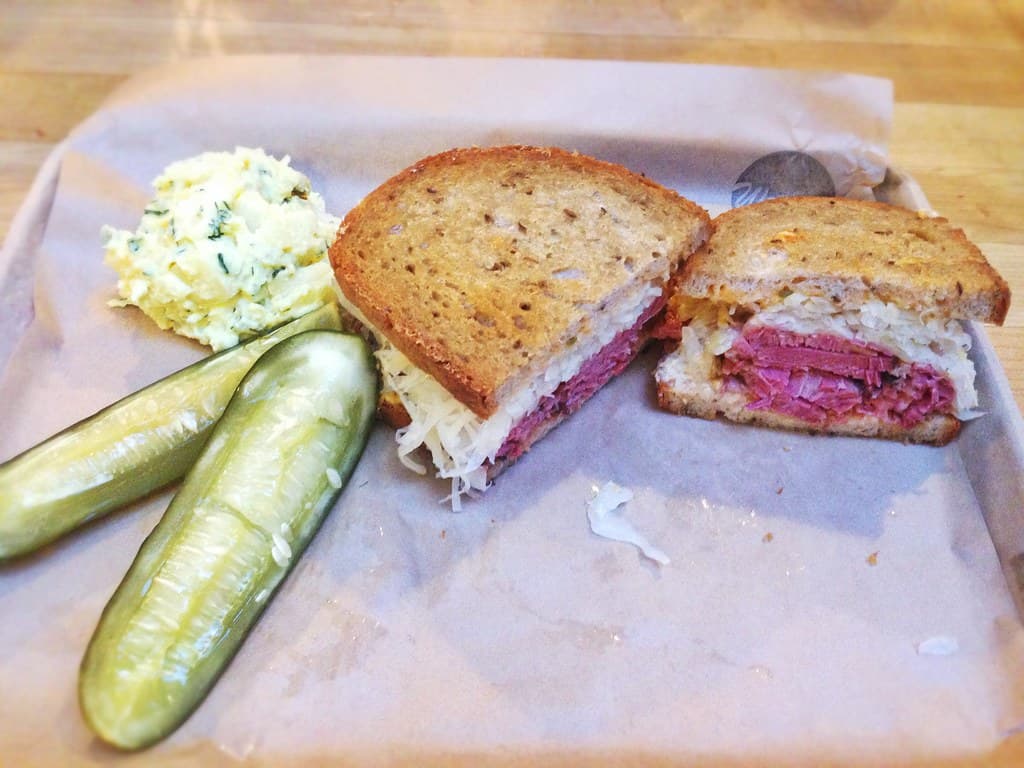
1900-1929
The Reuben sandwich is a hearty deli sandwich made with corned beef, sauerkraut, Swiss cheese, and Russian or Thousand Island dressing on rye bread, grilled to perfection. Emerging in American diners and lunch counters between 1900 and 1929, it combines immigrant flavors into an iconic comfort food.
America's Melting Pot
Roasted Corn photo coming soon
1946-1969
Roasted Corn is a classic American side dish featuring ears of corn cooked over open flame or oven-roasted until charred and tender. Common at state fairs and diners from the early 20th century, it remains a nostalgic favorite for its sweet, smoky flavor and simplicity.
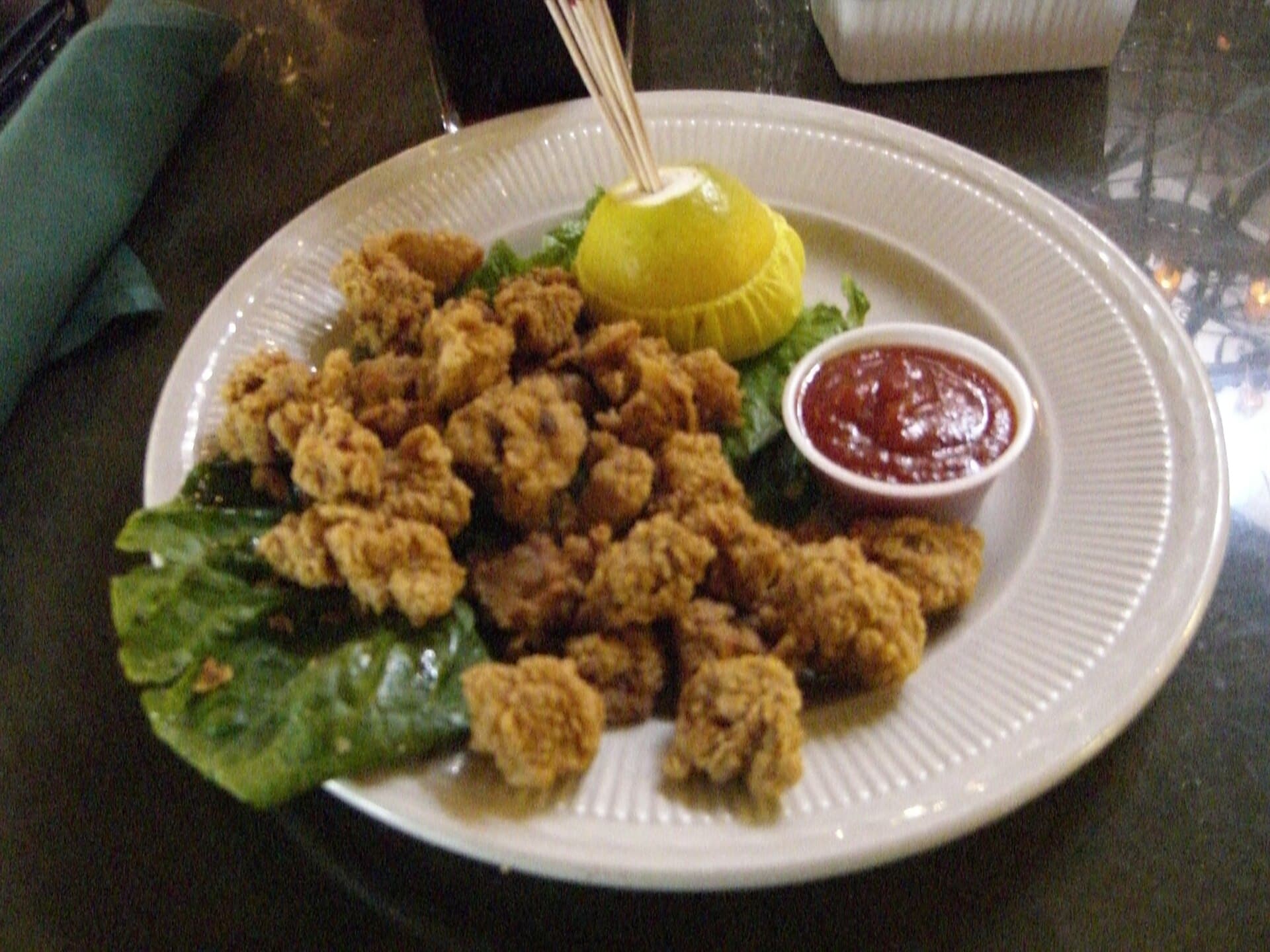
1861-1900
Rocky Mountain Oysters are deep-fried bull testicles considered a delicacy and novelty dish in Western and Plains states. Popular from 1970 to 1989 at tailgates and regional festivals, they reflect ranching culture and playful culinary traditions.
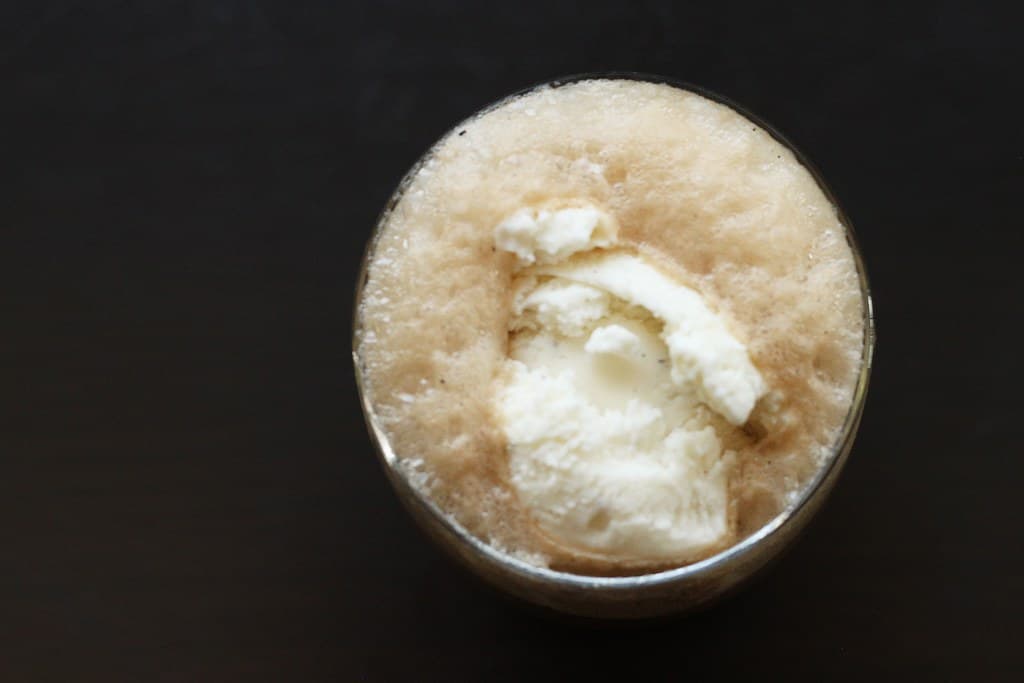
Gilded Age & Progressive Era
The root beer float combines cold root beer with vanilla ice cream to create a creamy fizzy dessert drink popularized in early 20th-century American diners and soda fountains. This nostalgic treat remains a favorite for its simplicity and delightful flavors.
America's Melting Pot
Root Beer Floats photo coming soon
Gilded Age & Progressive Era
Root beer floats have evolved into popular festive beverages served at food trucks, farmers markets, and holiday celebrations across the United States. Often garnished creatively and incorporating craft or specialty root beers, these floats highlight a modern American twist on a classic treat, especially popular during Fourth of July and summer holidays.
America's Melting Pot
Salmon Burger Dill Sauce photo coming soon
Cross-era
Salmon Burger Dill Sauce is a seafood sauce with real American table personality: Pacific Northwest and Alaska-style seafood condiment. It brings flavor from the Pacific Northwest and Mountain West to cookouts, counters, lunch plates, potlucks, and weeknight suppers.
Community recipe submission
Log in to submit a recipe, format it with the cooking companion, and send it for review.
Log in to Submit