
Loading
Setting the table...
Fetching the latest recipes from the archive.
Loading
Fetching the latest recipes from the archive.
Recipe archive
Recipe archive
Search the archive by title, region, ingredient, tag, or era, then sort the table by the view that fits your kitchen.
This archive is growing through recipes, photos, family recipes, and historical context shared by the community.
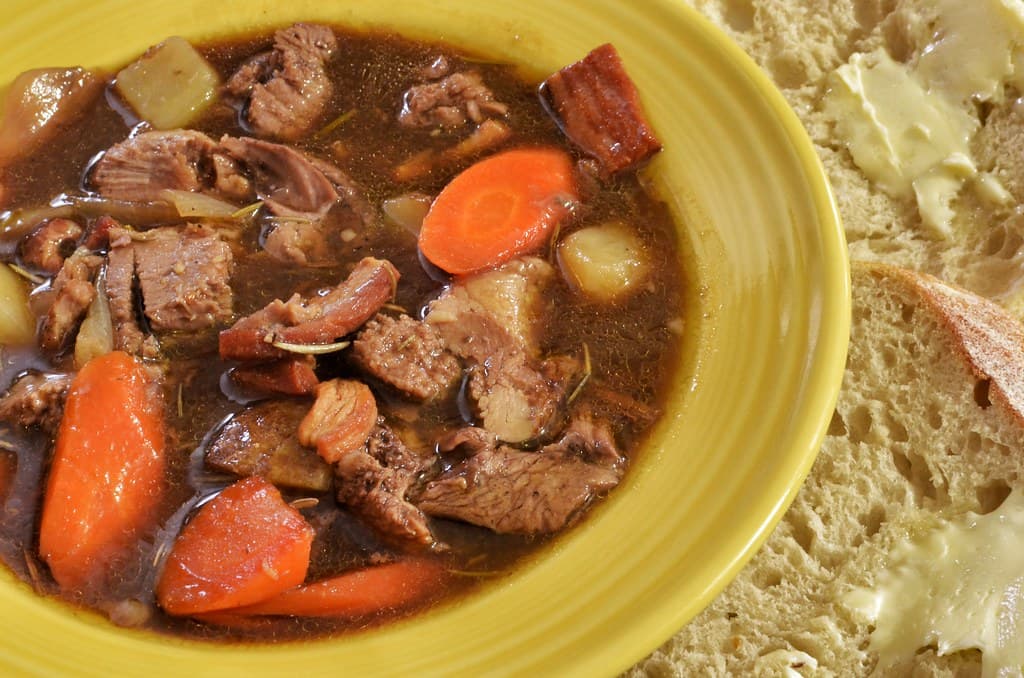
1800-1860
Lamb stew is a savory dish featuring tender lamb pieces simmered with root vegetables and herbs. Irish immigrants brought such recipes to the United States during the early 19th century, adapting them to American ingredients. The stew reflects sustenance cooking suited to family gatherings and everyday meals in immigrant households.
America's Melting Pot
Lane Cake photo coming soon
1800-1860
Lane cake is a traditional Southern dessert featuring layered cake filled with custard, raisins, coconut, and sometimes a hint of whiskey. Established in the 19th century South, it became a celebratory dish for holidays and special gatherings, representing Southern hospitality and culinary ingenuity with pantry staples.
America's Melting Pot
Leather Britches Beans photo coming soon
1800-1860
Leather Britches Beans are dried beans soaked and slow-cooked until tender, a staple in Appalachian and frontier American diets. Dating from the early 19th century, this simple yet hearty side dish reflects the resourcefulness of settlers and mountain communities using preserved legumes and basic seasonings.
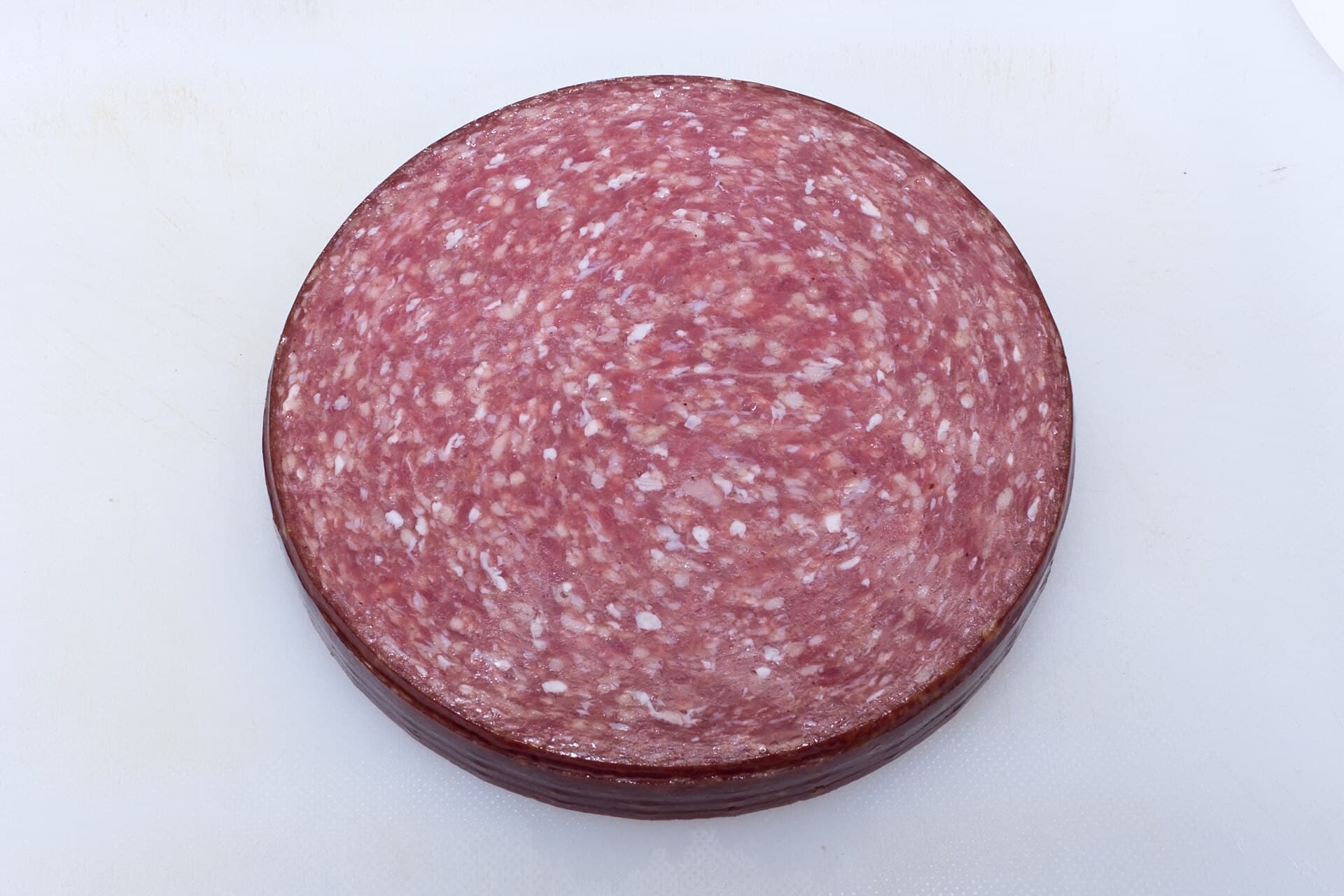
1800-1860
Lebanon Bologna is a smoked, cured sausage traditionally produced by German-American communities, particularly in Pennsylvania, since the 19th century. Known for its spiced flavor and fine texture, it is typically sliced and served cold or fried, representing German sausage-making techniques adapted in America.
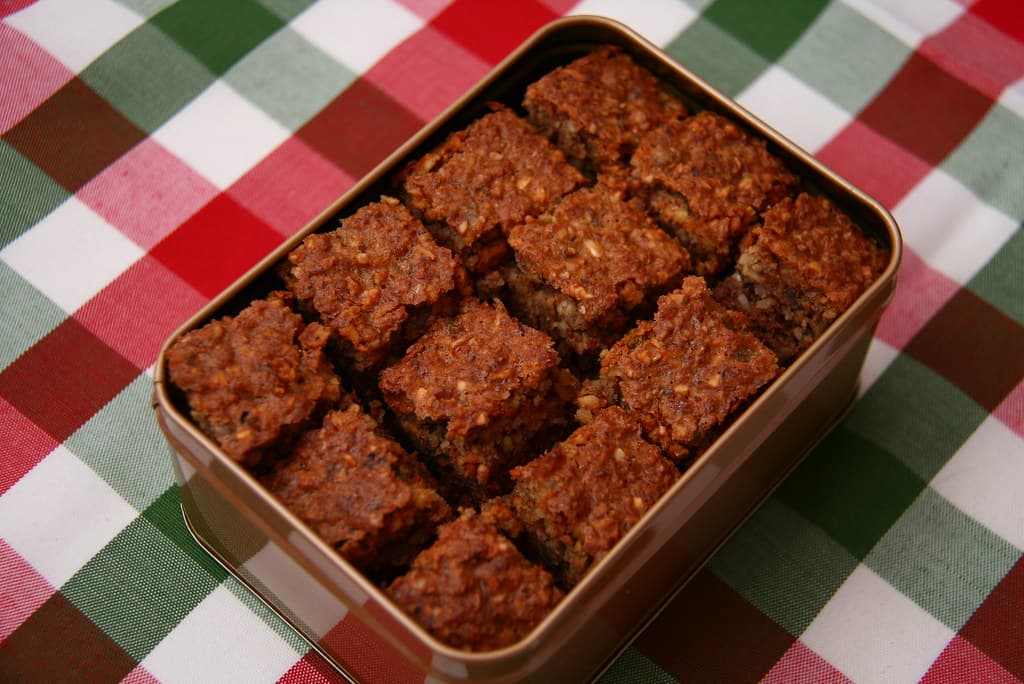
1800-1860
Lebkuchen are dense, spiced cookies resembling gingerbread, traditional in German holiday baking. Immigrants brought lebkuchen recipes to America in the 1800s, particularly to Great Plains settlements. These cookies combine honey, spices, nuts, and sometimes candied fruit and are enjoyed especially around Christmas time.
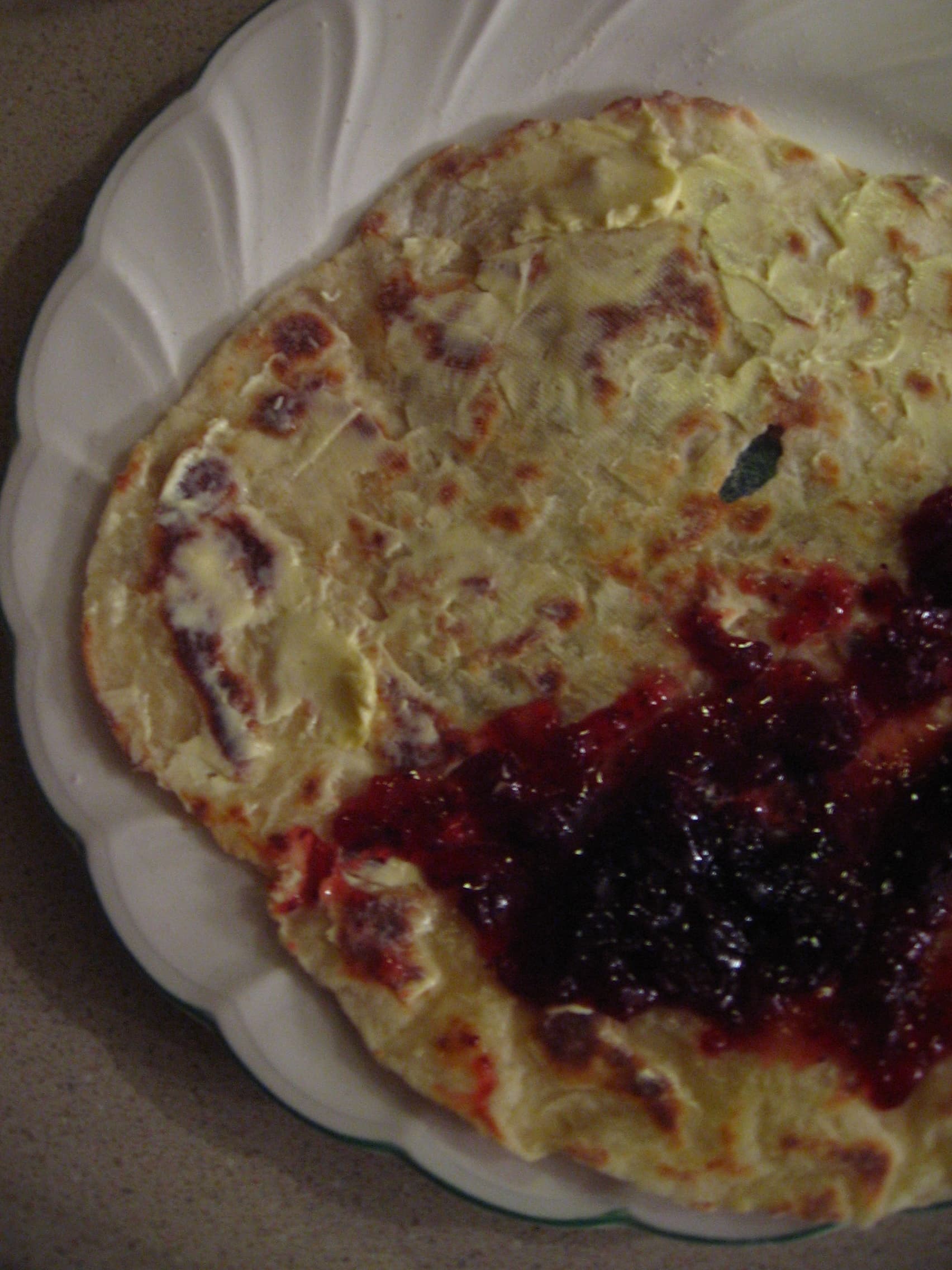
1861-1900
Lefse is a soft, thin flatbread made from potatoes, flour, and cream, traditionally cooked on a griddle. Norwegian immigrants brought lefse to the American Midwest in the late 19th century, where it became a festive and everyday staple enjoyed with butter, sugar, or savory fillings during holiday and church celebrations.
American Dairy Age
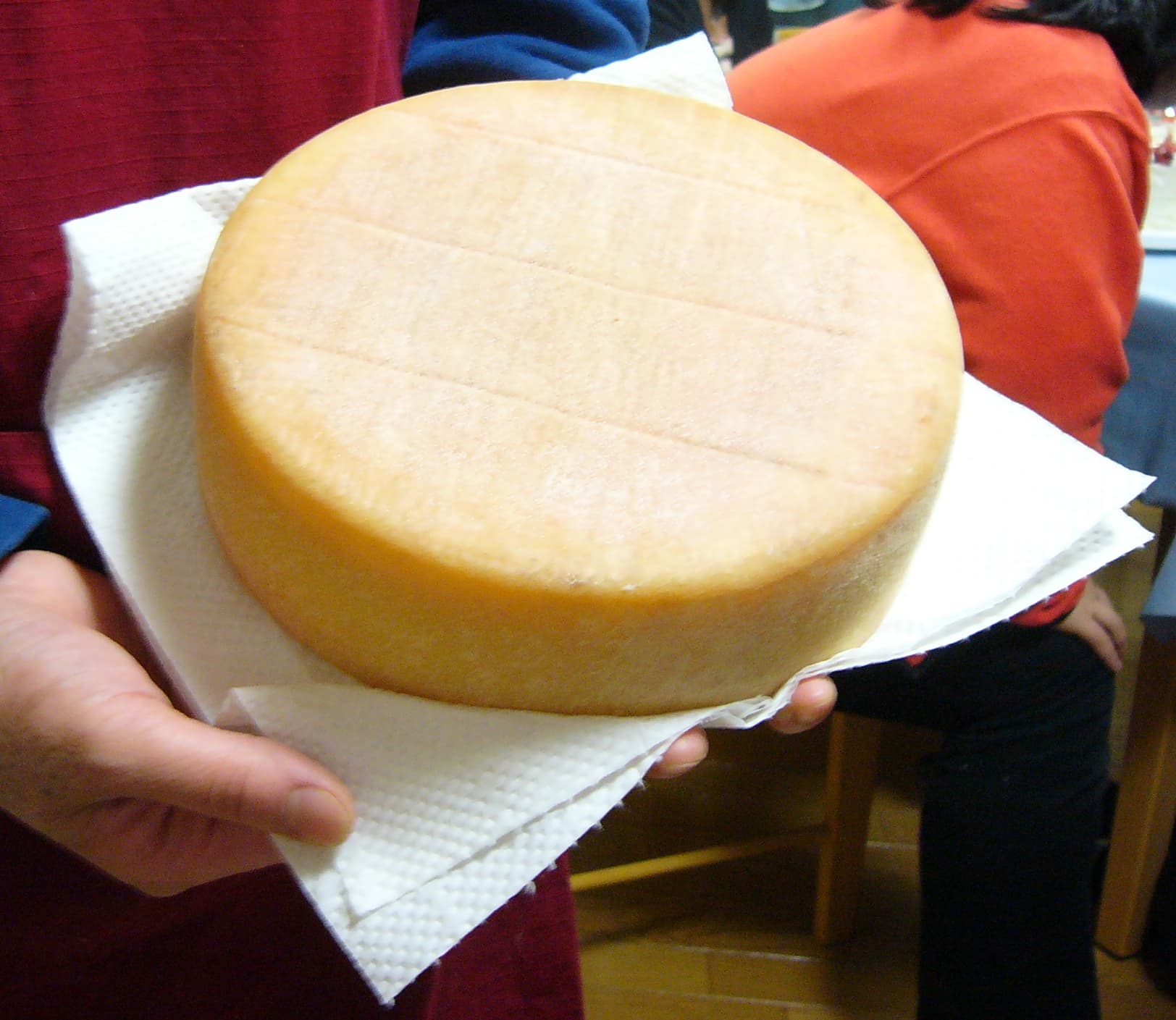
Liederkranz-style American Washed-Rind Cheese is a washed-rind American cheese with measured starter, careful draining, brining, regular rind washing, and controlled humid aging.
American Dairy Age
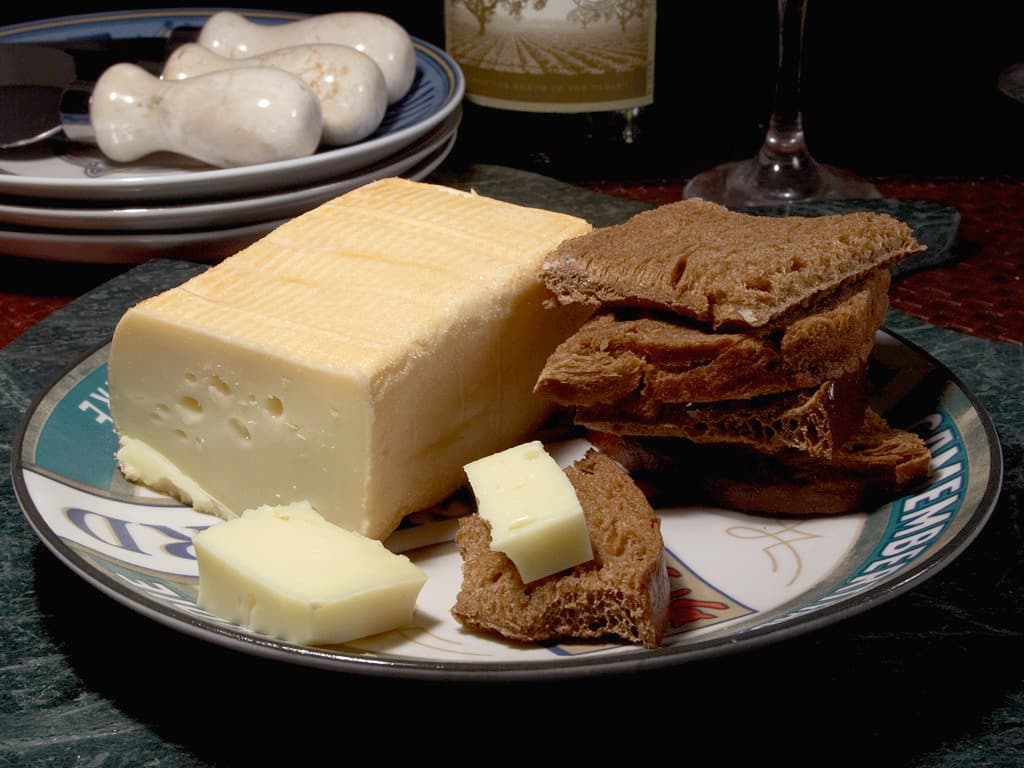
Limburger, Wisconsin/German-American is a washed-rind American cheese with measured starter, careful draining, brining, regular rind washing, and controlled humid aging.
1861-1900
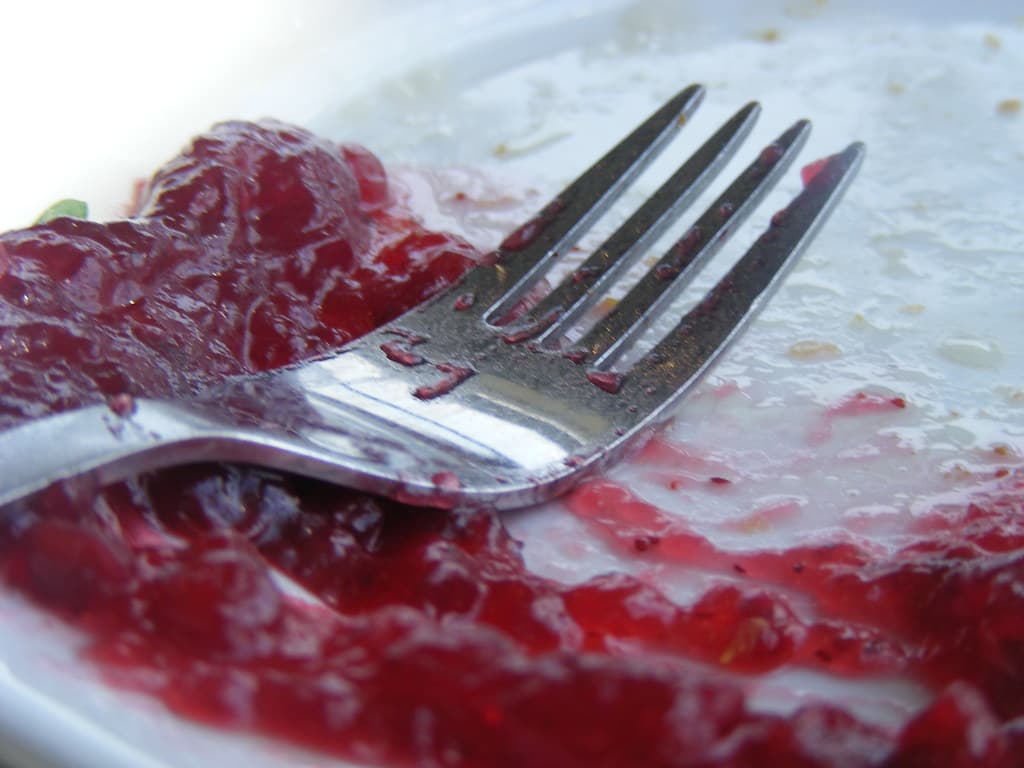
Lingonberry sauce is a bright, slightly tart condiment made from lingonberries, sugar, and water. It is a staple in Scandinavian-American cuisine and gained popularity in the American Midwest during the late 19th century, often served with meats and holiday dinners.
American Dairy Age
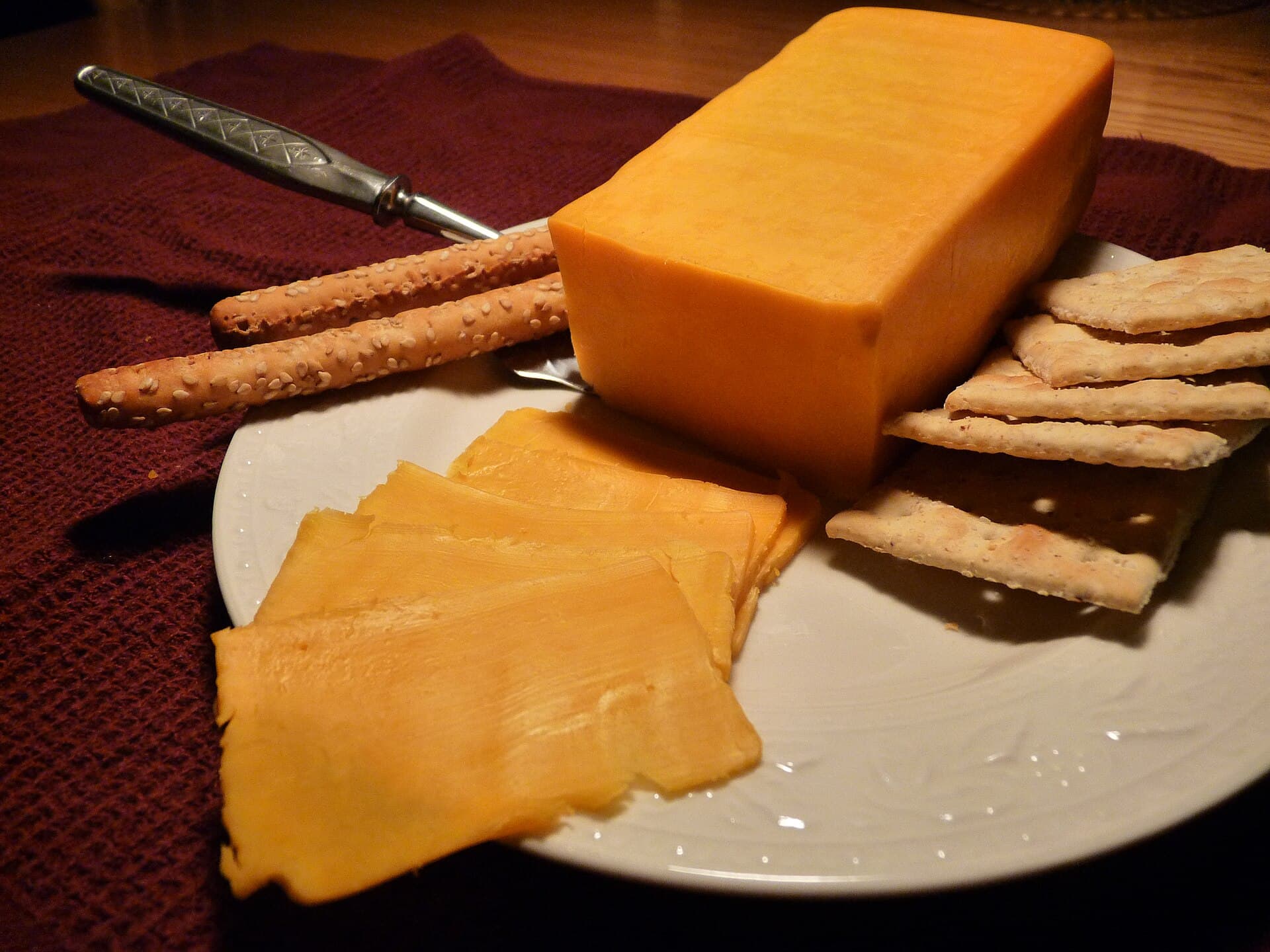
Longhorn Colby is a washed-curd American cheese with gentle cooking, curd washing, salting, pressing, and a short controlled aging period.
America's Melting Pot
Lunch Pail Pasties photo coming soon
1861-1900
Lunch Pail Pasties are baked hand pies filled with ground meat, potatoes, and vegetables. Popular among railroad and mining workers in late 19th century America, they were portable, filling meals suited for physically demanding labor.
America's Melting Pot
Lutefisk photo coming soon
1861-1900
Lutefisk is a preserved whitefish dish made by soaking dried cod or whitefish in lye and water, then rinsing and cooking it before serving. Brought by Scandinavian immigrants settling the Midwest during the late 19th century, lutefisk remains a holiday tradition, especially at Christmas, reflecting the cultural preservation of heritage foods amid American immigrant history.
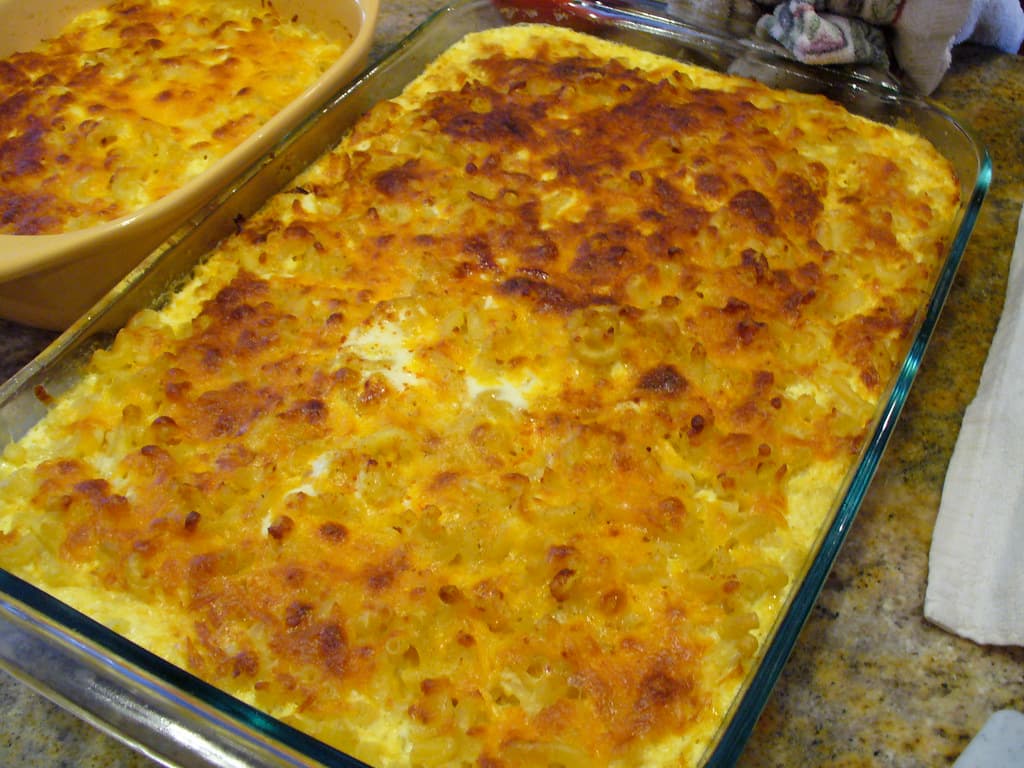
1776-1800
Macaroni and cheese became a beloved American staple during the Great Depression and World War II through its affordability, ease of preparation, and comfort. Featuring tender macaroni enveloped in creamy cheese sauce, this dish was served in schools, homes, and holiday tables, reflecting both economic frugality and festive tradition.
America's Melting Pot
Machaca photo coming soon
1800-1860
Machaca is a traditional dried and shredded beef dish originating from the Mexican borderlands and adapted by Southwestern US communities. Often rehydrated then cooked with eggs, peppers, or served in tortillas, machaca represents resourceful preservation of meat in frontier economies, combining Spanish and Indigenous culinary techniques prevalent prior to and during early American expansion.
America's Melting Pot
Manhattan Clam Chowder photo coming soon
1861-1900
Manhattan clam chowder is a distinctively red, tomato-based clam soup containing clams, vegetables like tomatoes, celery, and carrots, and often potatoes. Originating as a regional alternative to creamy New England clam chowder, it reflects diverse American coastal cooking traditions and Italian immigrant influence in the Northeast.
America's Melting Pot
Maple Apple Butter photo coming soon
Frontier & Expansion
Maple Apple Butter is a preserve with real American table personality: New England/Appalachian mashup. It brings flavor from New England to cookouts, counters, lunch plates, potlucks, and weeknight suppers.
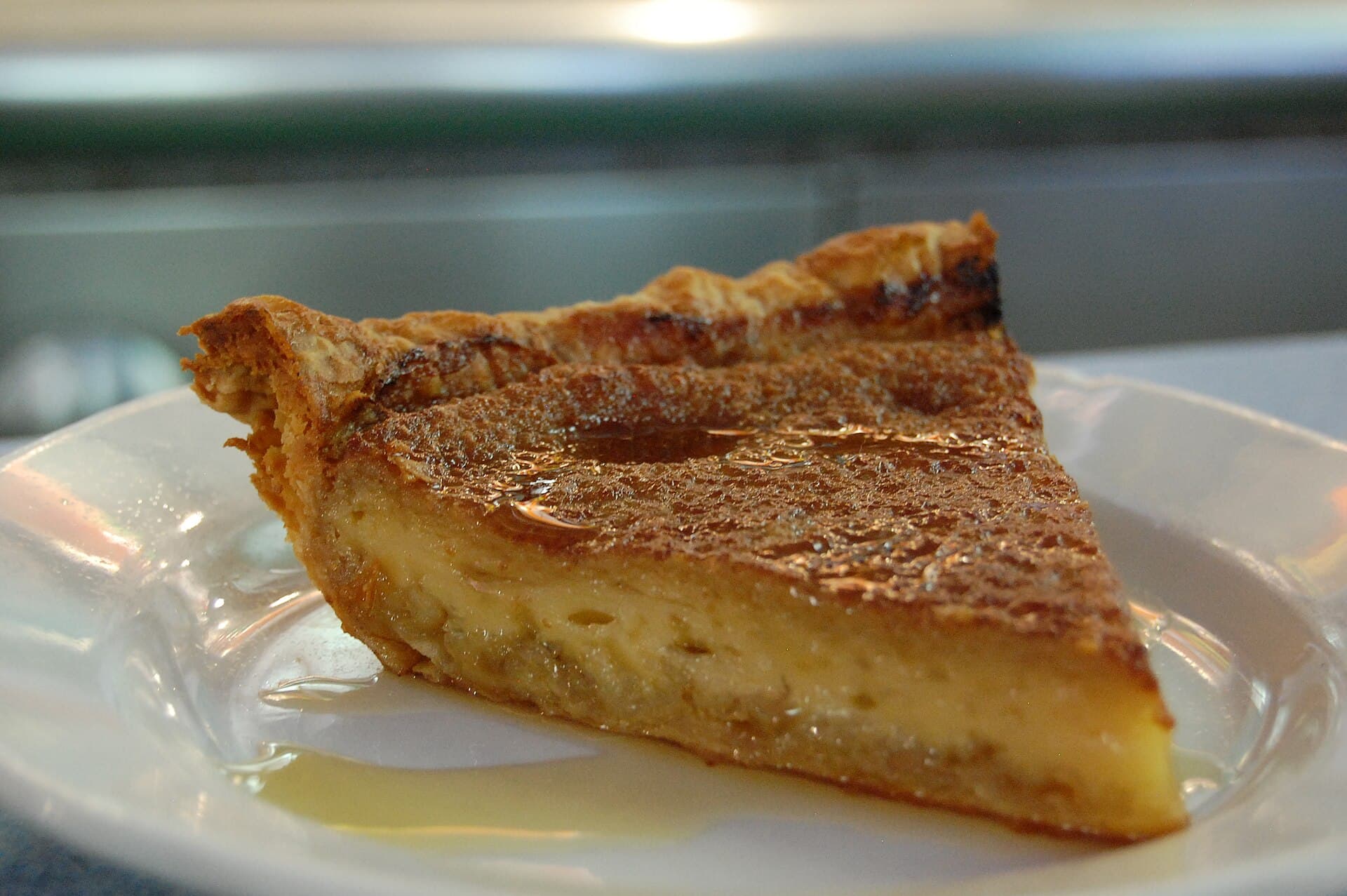
1800-1860
Maple pie is a classic New England dessert featuring rich filling made from pure maple syrup layered in a flaky pie crust. Celebrated for its deep caramelized sweetness and regional ingredient heritage, maple pie symbolizes the importance of maple syrup production and festive baking customs in Northeastern American households.
America's Melting Pot
Maple-Roasted Squash photo coming soon
1800-1860
Maple-roasted squash is a straightforward side dish combining seasonal winter squash roasted with butter and maple syrup glaze. It reflects Indigenous American foodways and early American frontier cooking that utilized native crops and natural sweeteners, emphasizing simplicity and seasonal ingredients.

American Dairy Age
Marieke Gouda-style American Farmstead Gouda is a washed-curd American cheese with gentle cooking, curd washing, salting, pressing, and a short controlled aging period.
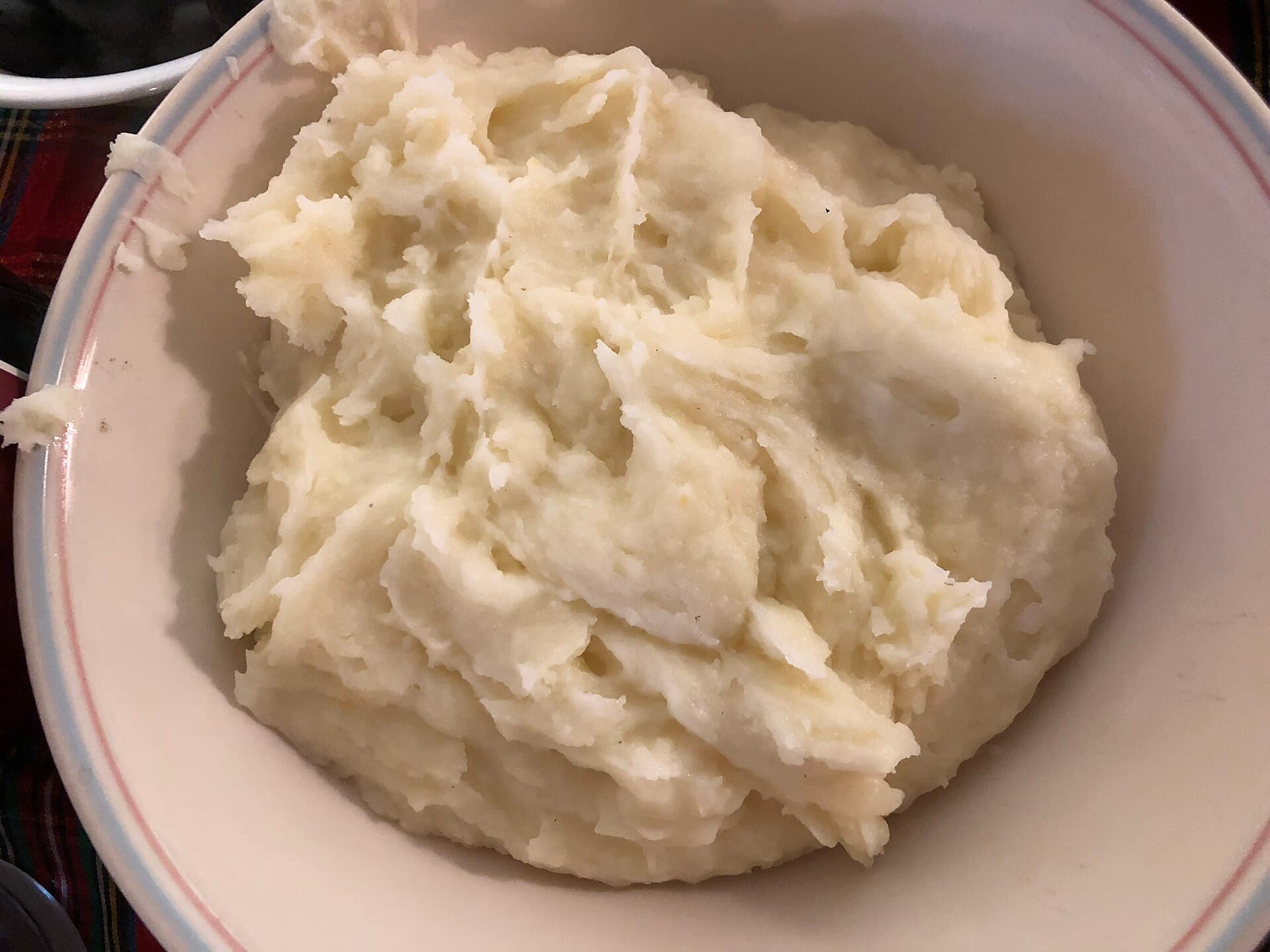
1800-1860
A creamy and comforting side dish popular across the United States, especially during Thanksgiving and other holiday meals. Mashed potatoes blend simple ingredients to create a satisfying accompaniment to main courses.
America's Melting Pot
Mashed Turnips photo coming soon
1776-1800
A simple mashed turnip recipe reflecting 18th-century American vegetable preparations. This dish offers a starchy alternative to potatoes and was commonly eaten during the Revolutionary War era.
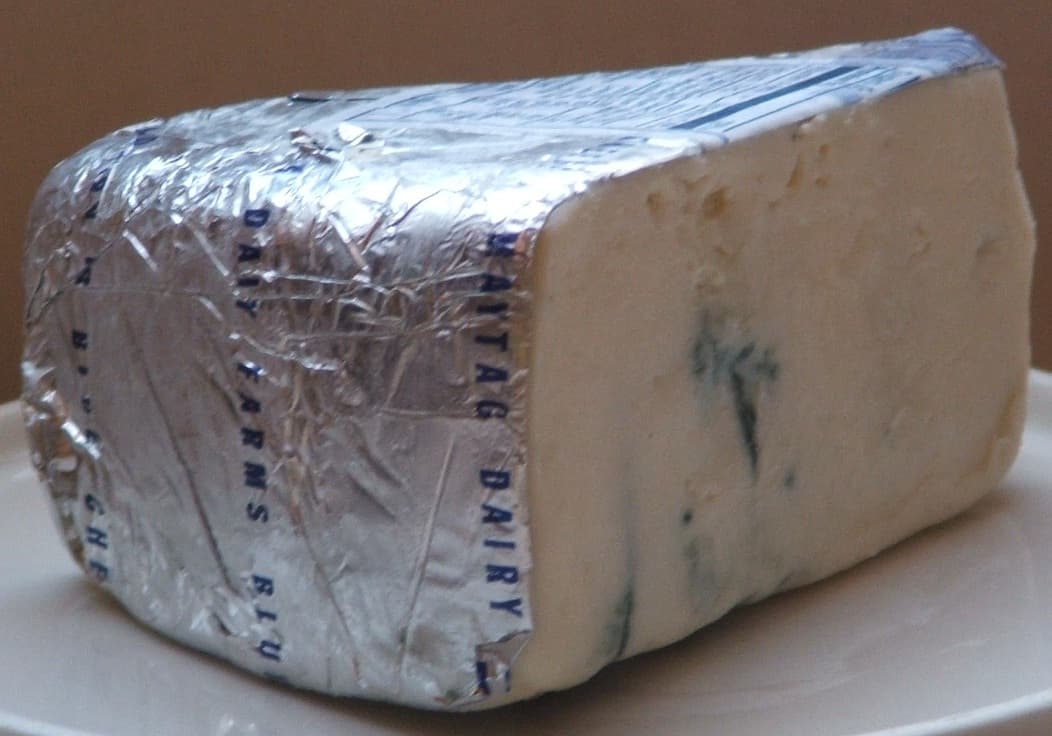
American Dairy Age
Maytag Blue-style American Blue Cheese is a blue-veined American cheese with measured mold culture, loose curd handling, piercing, humid aging, and careful moisture control.
America's Melting Pot
Menudo photo coming soon
1800-1860
Menudo is a traditional Mexican soup featuring beef tripe slow-cooked in a rich, flavorful red chili broth, often served with hominy and garnished with lime and onions. It holds special cultural significance in Southwestern Mexican-American communities and is commonly enjoyed during celebrations or as a restorative meal.
America's Melting Pot
Milk Gravy photo coming soon
Frontier & Expansion
Milk Gravy is a condiment with real American table personality: Farmhouse pan gravy. It brings flavor from coast-to-coast American tables to cookouts, counters, lunch plates, potlucks, and weeknight suppers.
1776-1800
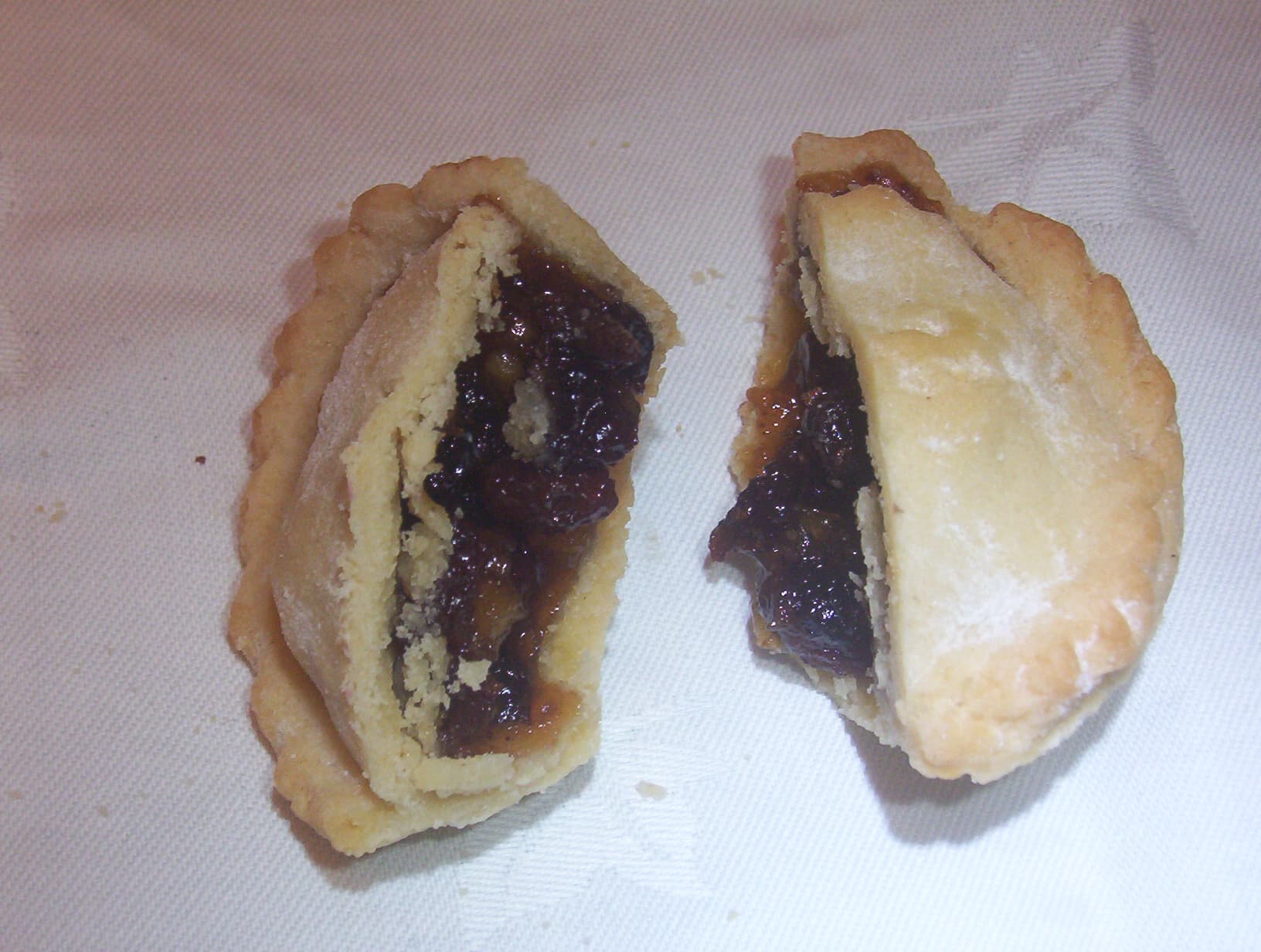
Mince pie is a small, rich pastry filled with spiced dried fruits, suet, and sometimes minced meat, traditionally served during the late 18th century in America. The recipe captures colonial American tastes influenced by English baking customs during the Revolutionary era.
1776-1800
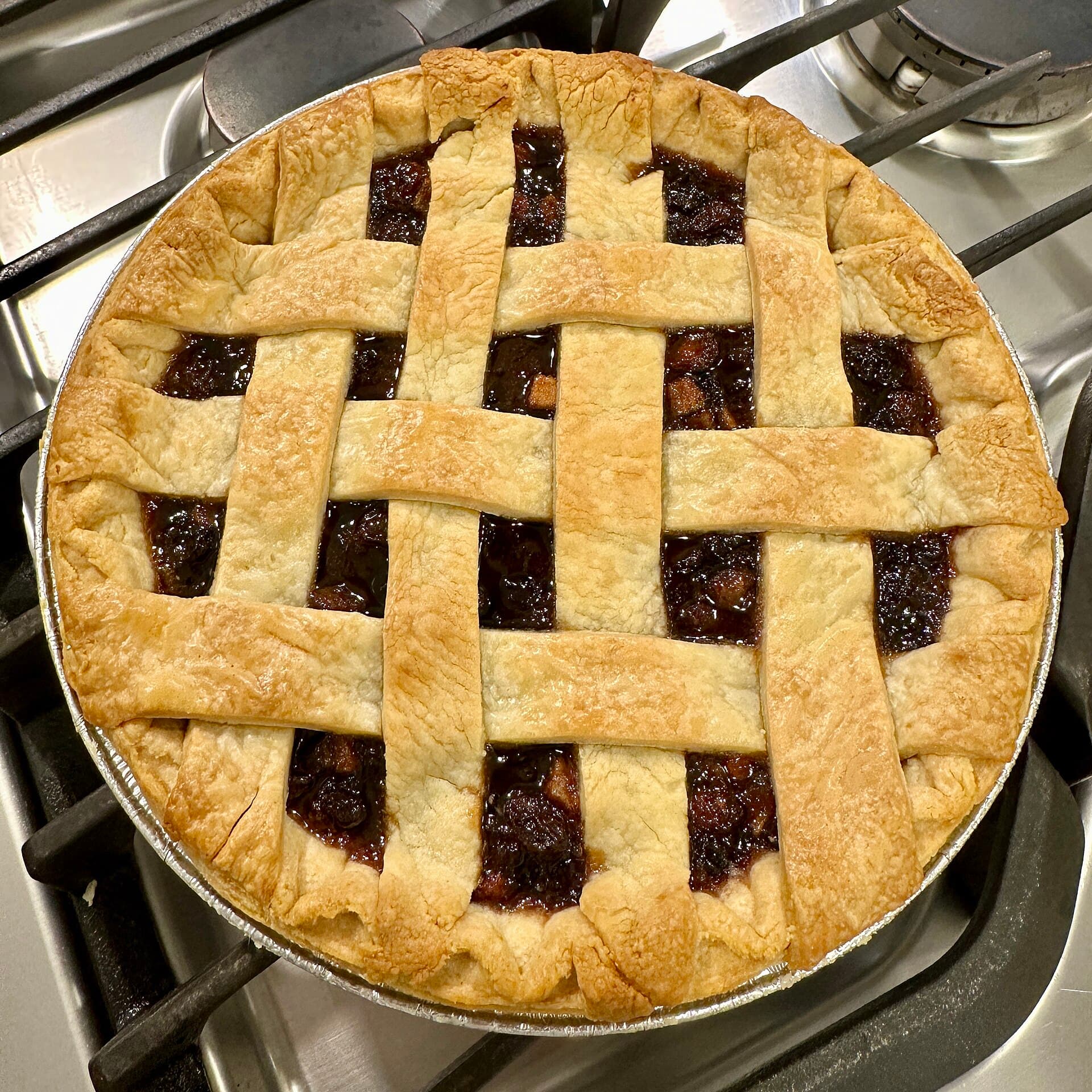
Mincemeat pie is a classic American dessert featuring a spiced filling of chopped dried fruits, suet or beef fat, and sometimes minced meat, enclosed in a flaky pastry crust. Historically enjoyed during Thanksgiving and holiday seasons, it blends English colonial heritage with American ingredients.
1776-1800
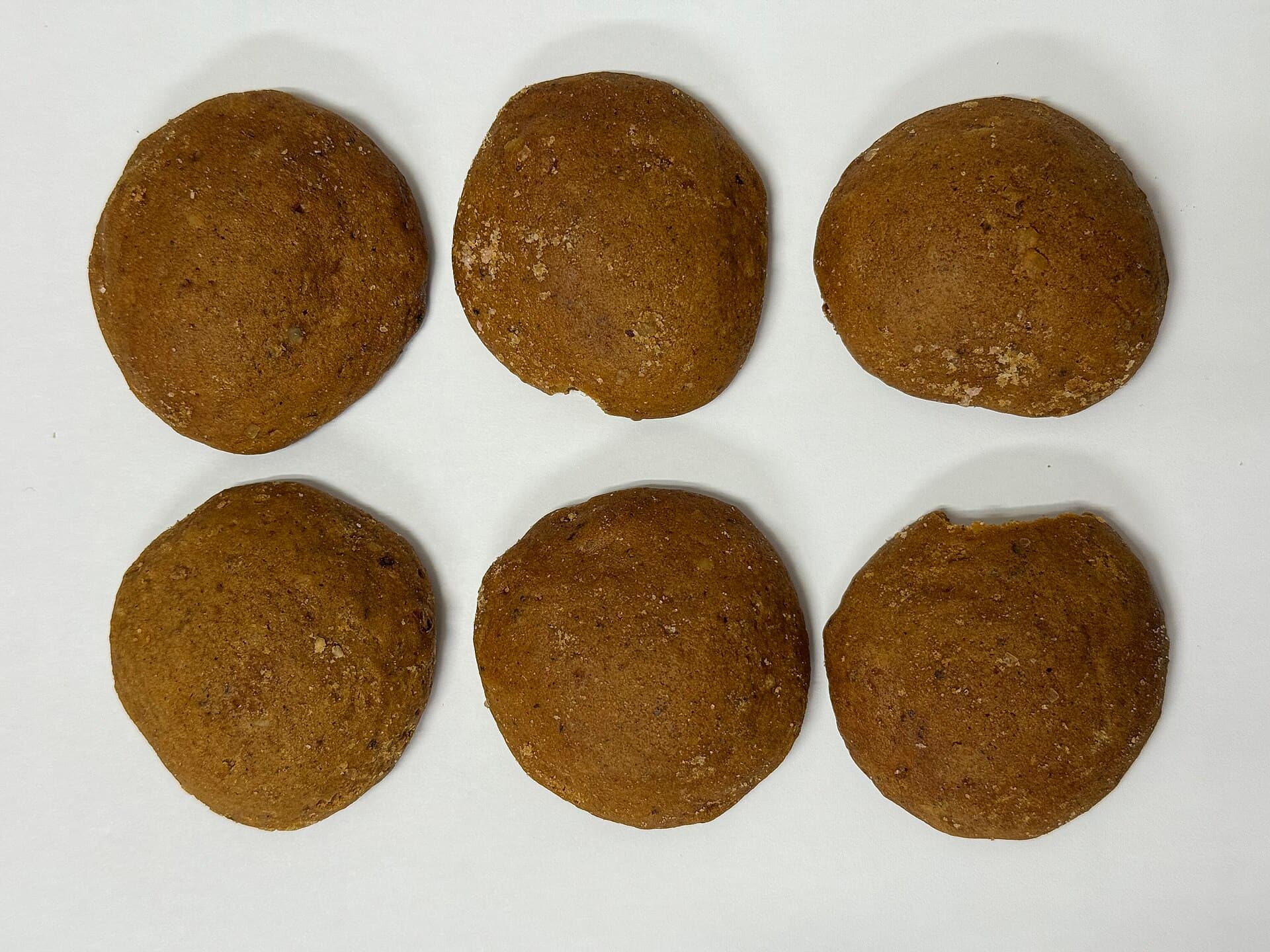
Molasses Cookies are chewy, spiced gingerbread-style cookies sweetened with rich molasses, reflecting early Appalachian and Revolutionary-era American baking traditions. These cookies were popular among settlers who used molasses as an affordable sweetener and incorporated warming spices for flavor. They became a staple of military rations and domestic kitchens during the Civil War era, offering comfort and energy.
America's Melting Pot
Molasses Cornbread photo coming soon
1776-1800
Molasses Cornbread is a slightly sweet cornmeal bread flavored with molasses, common in early American households during the Revolutionary era. Combining locally grown cornmeal with molasses provided a hearty and economical bread that complemented savory dishes and breakfast tables alike. Its enduring popularity reflects early American adaptation of indigenous and imported ingredients.
America's Melting Pot
Molasses Pound Cake photo coming soon
1861-1900
Molasses Pound Cake is a rich, moist cake sweetened with molasses, characteristic of Southern American desserts during the Reconstruction era. The cake features traditional pound cake proportions with the addition of molasses and warm spices, reflecting the culinary adaptation to available and affordable sweeteners post-Civil War. It embodies Southern resilience and culinary identity in comfort baking.
American Dairy Age
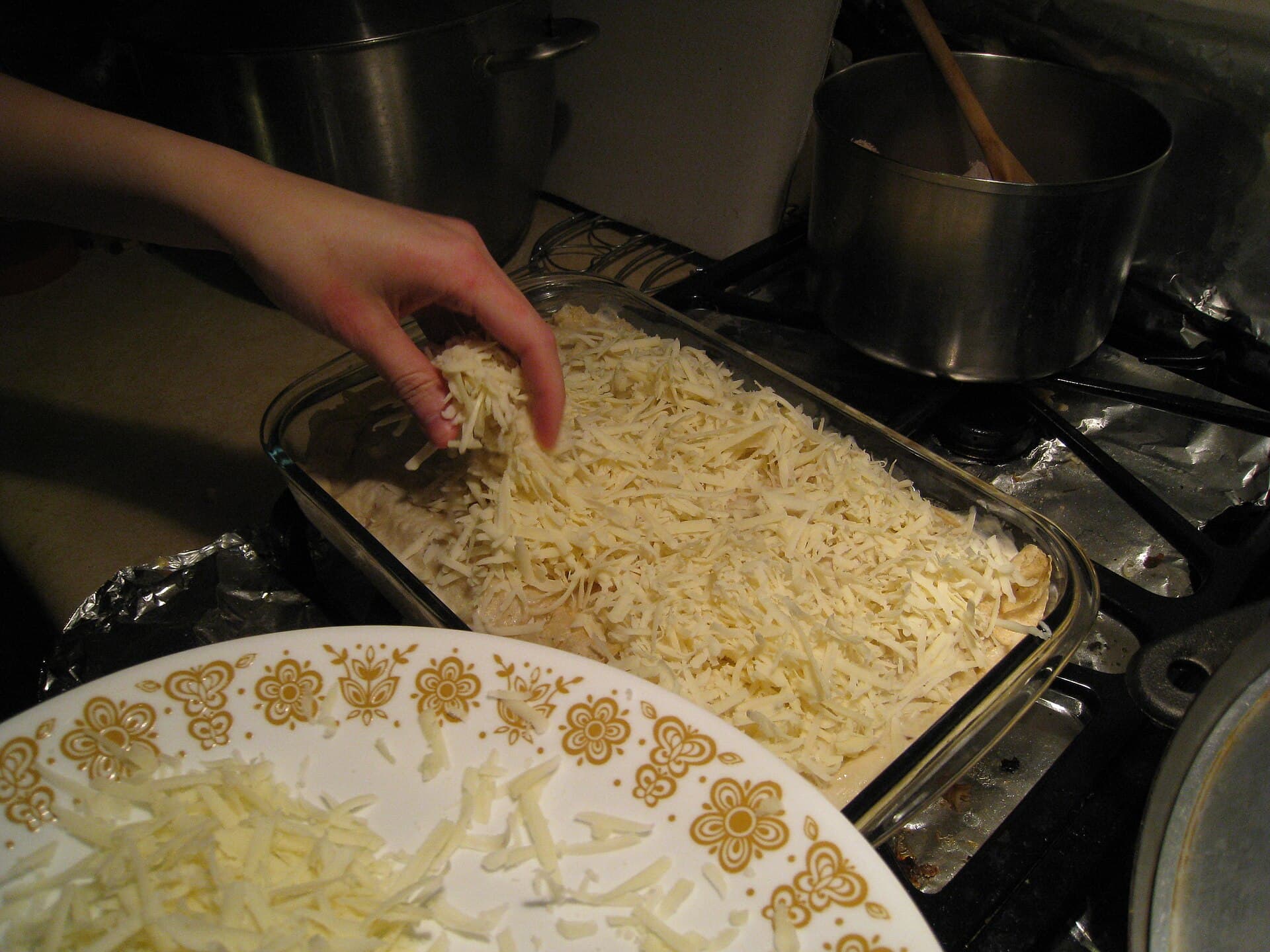
Monterey Jack Cheese is a mild American Jack-family cheese with clean milk handling, careful curd cooking, optional flavoring, pressing, and controlled aging.
America's Melting Pot
Moo Goo Gai Pan photo coming soon
1900-1929
Moo Goo Gai Pan is a staple Chinese-American dish featuring sliced chicken, mushrooms, and vegetables quickly cooked in a mild, savory sauce. It became established in American immigrant cities and diners from the early 20th century, catering to changing local tastes while retaining familiar Cantonese influences. The dish exemplifies the immigrant city culinary adaptations to American palates during early 1900s.
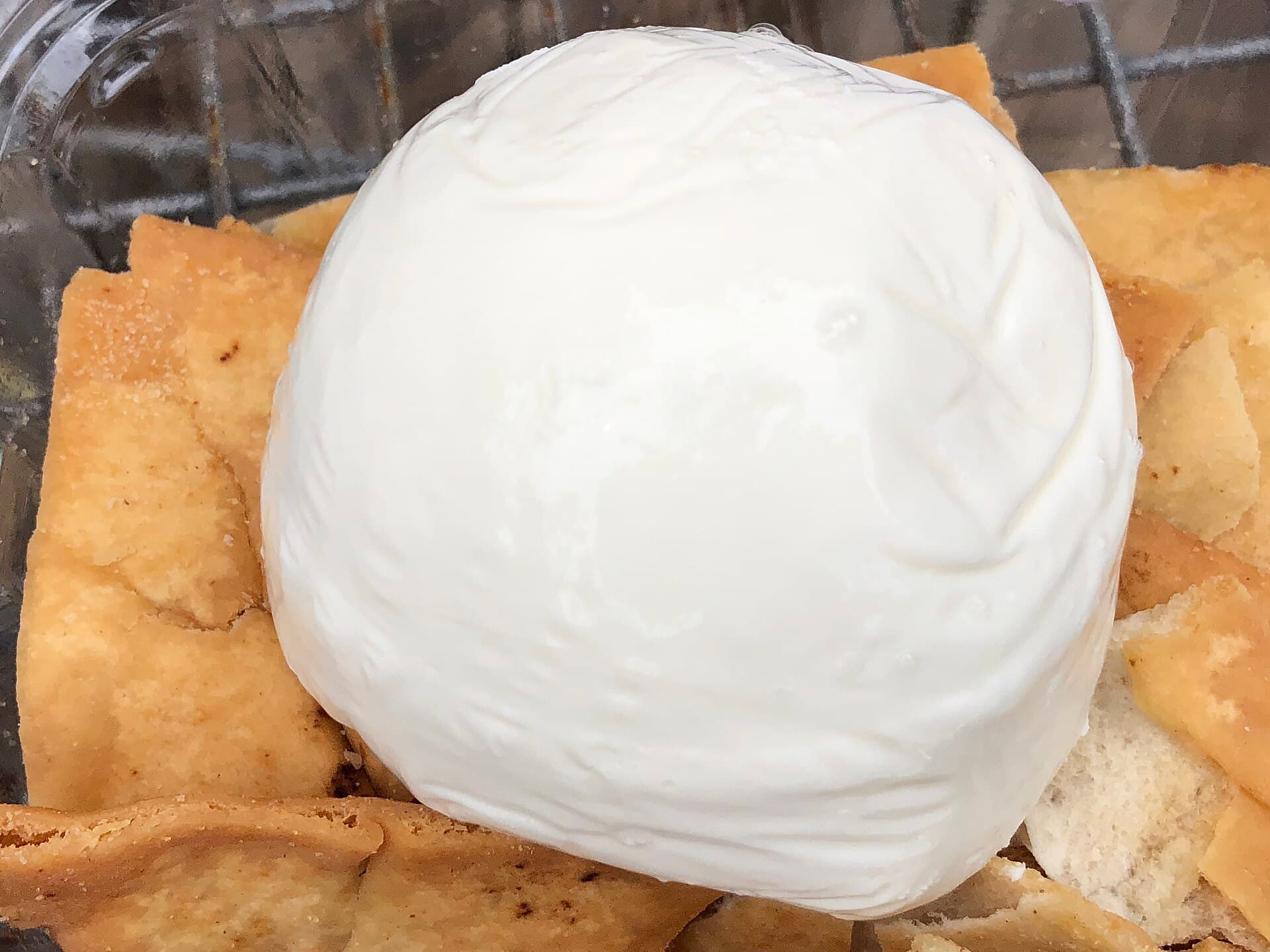
American Dairy Age
Mozzarella, Italian-American Home Style is a fresh stretched-curd cheese with pasteurized milk, measured acid, rennet setting, hot stretching, salting, and short refrigerated storage.
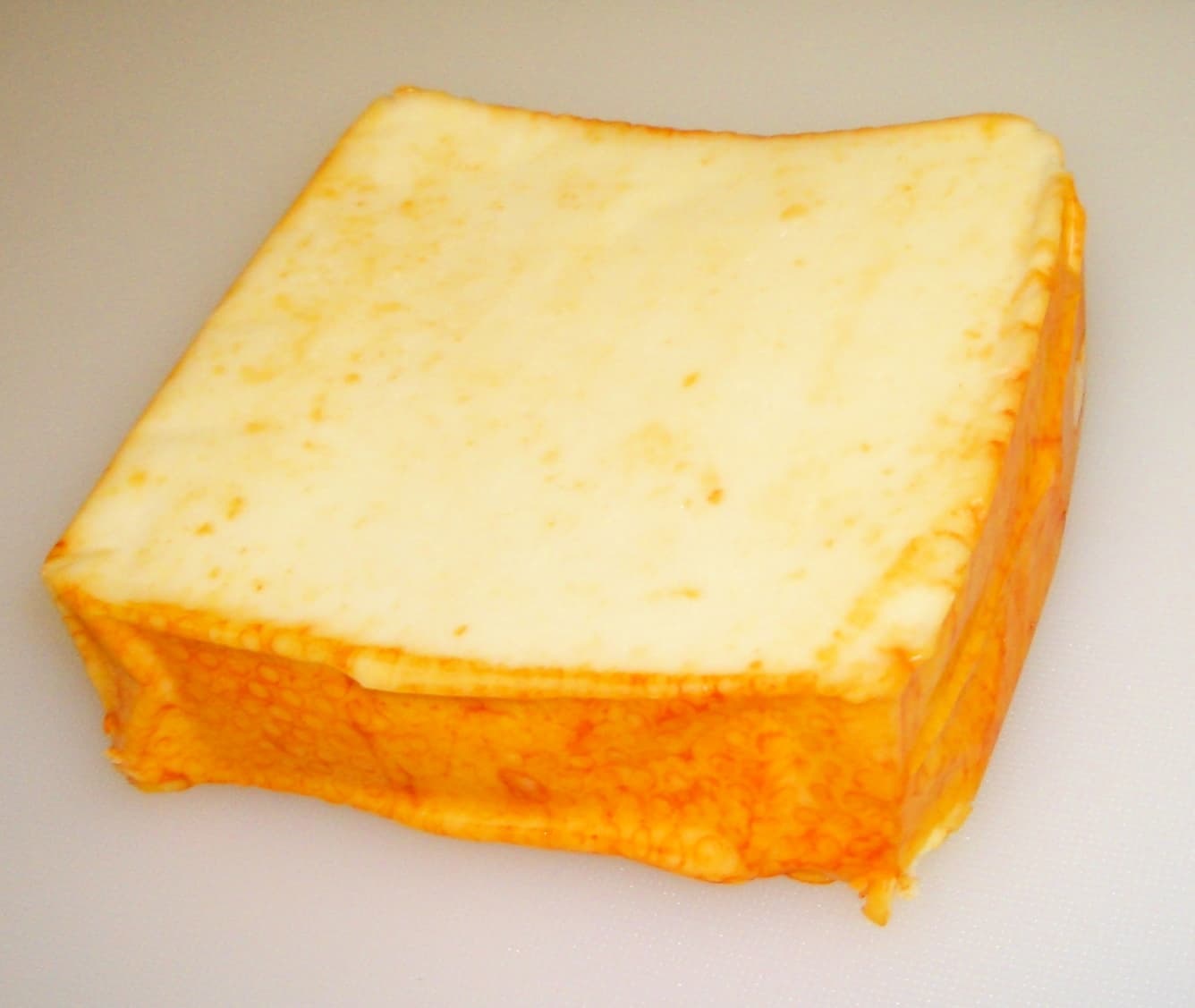
American Dairy Age
Muenster, American-style is a washed-rind American cheese with measured starter, careful draining, brining, regular rind washing, and controlled humid aging.
America's Melting Pot
Mushroom Gravy photo coming soon
Cross-era
Mushroom Gravy is a condiment with real American table personality: Salisbury steak and casserole America. It brings flavor from coast-to-coast American tables to cookouts, counters, lunch plates, potlucks, and weeknight suppers.
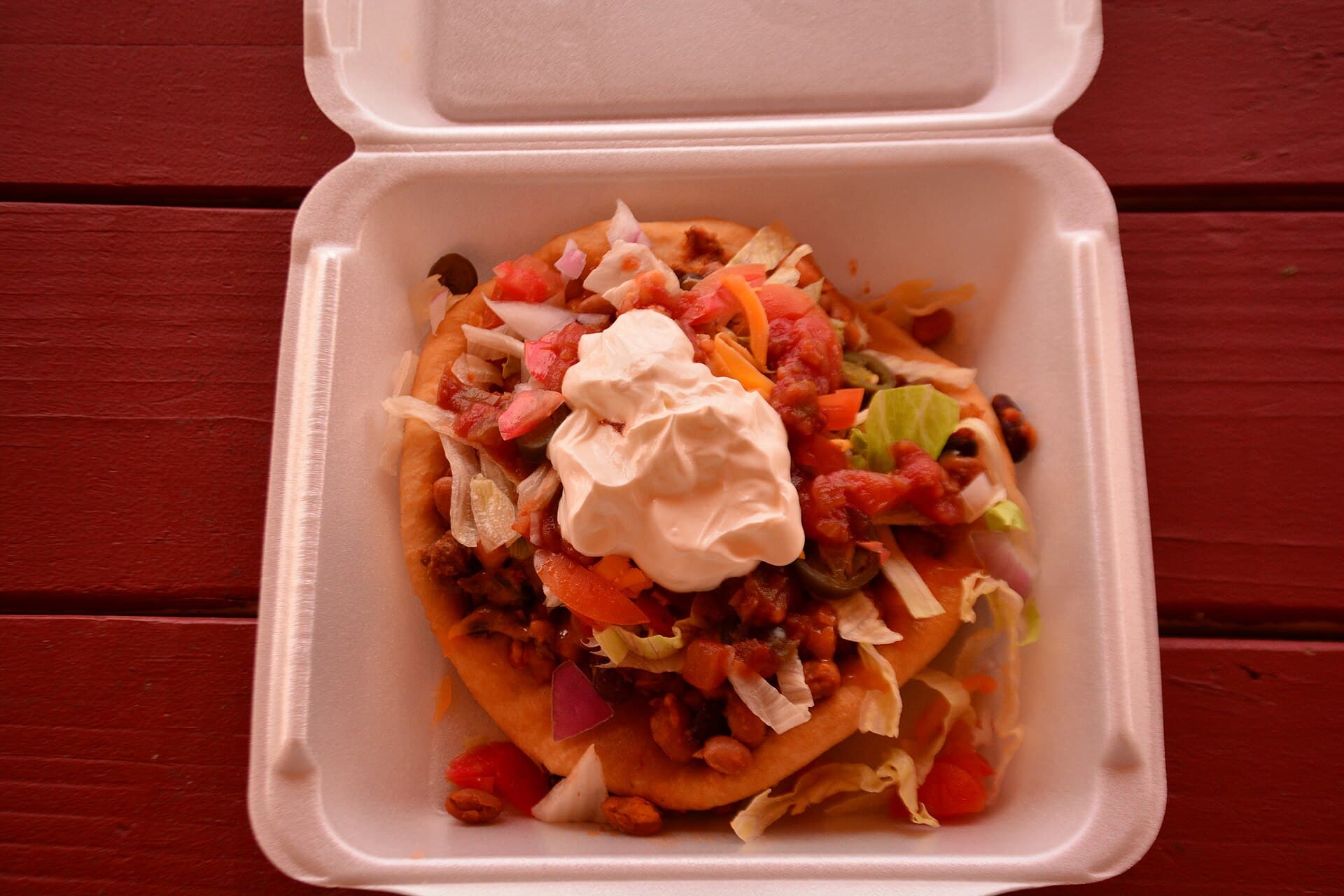
1861-1900
Navajo Tacos consist of a base of traditional fry bread topped with seasoned ground beef or beans, lettuce, tomatoes, cheese, and salsa. This dish embodies the fusion of Indigenous bread-making with Mexican and American taco ingredients, enjoyed widely in Southwestern and Southern U.S. regions.
America's Melting Pot
Navajo/Indigenous Fry Bread photo coming soon
1800-1860
Navajo Fry Bread is a deep-fried flatbread traditionally prepared by Indigenous communities, especially the Navajo Nation. Dating back to the 19th century, the bread represents survival and adaptation during difficult historical periods and continues as a staple in Southwestern cooking.
America's Melting Pot
New England Boiled Dinner photo coming soon
1800-1860
New England Boiled Dinner is a classic dish of salted meat boiled with cabbage, potatoes, carrots, and other root vegetables. Popular during the early 19th century, it reflects Irish and New England working-class food traditions merging colonial and immigrant influences.
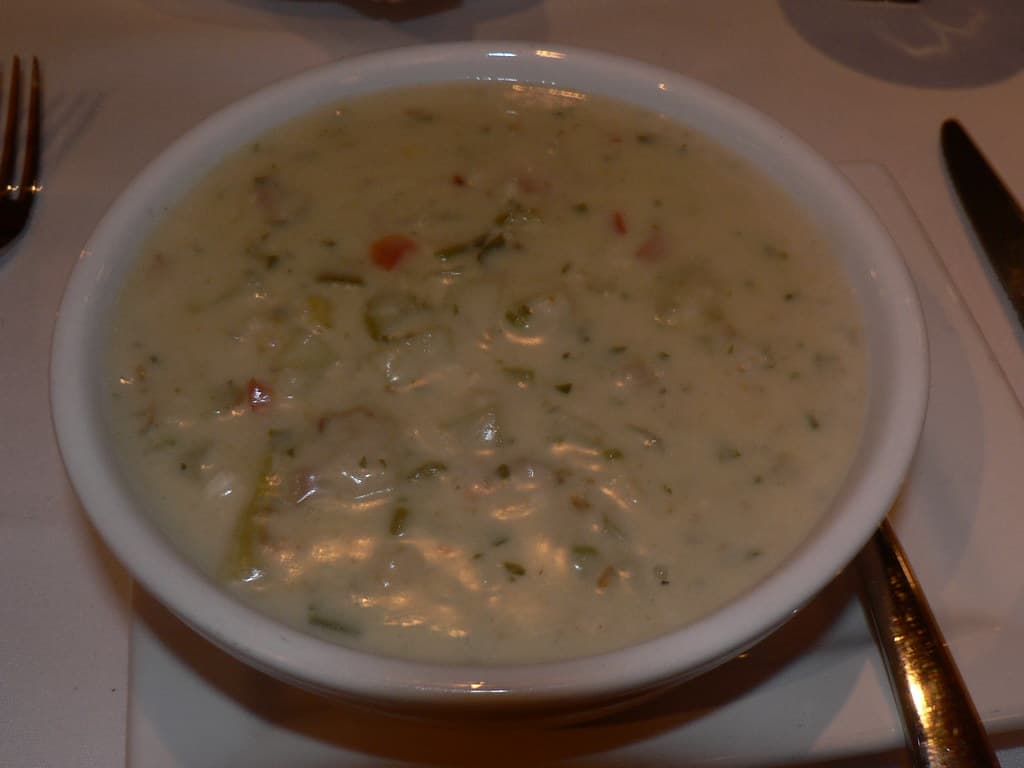
1776-1800
New England Clam Chowder is a thick, creamy soup made with clams, potatoes, onions, and often salt pork, reflecting colonial and maritime culinary traditions dating to the late 18th century. It is a signature dish of New England and has spread to other coastal regions including the Pacific Northwest.
America's Melting Pot
New Mexico Green Chile Stew photo coming soon
1800-1860
New Mexico Green Chile Stew is a traditional hearty stew made with pork, green chiles, potatoes, and spices, reflecting the culinary influences of Mexican-American and Southwestern cultures in the 19th century. It remains a popular regional comfort food known for its distinctive heat and flavor.
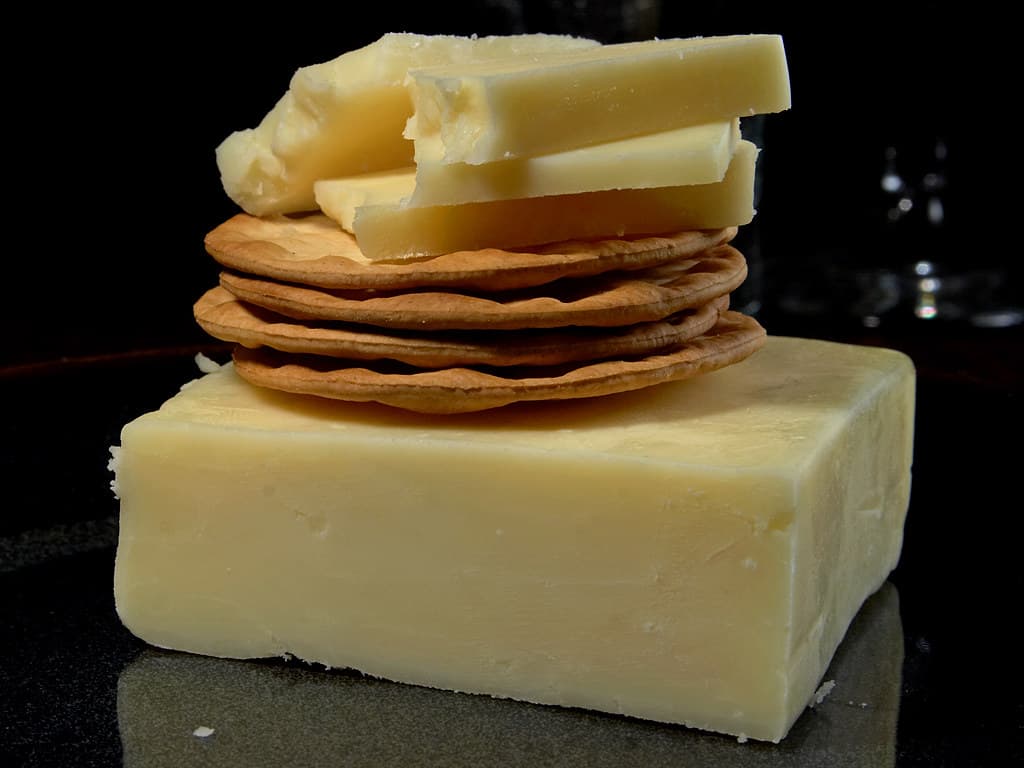
American Dairy Age
New York Cheddar is a home-scale American cheddar with measured culture, rennet setting, cheddaring, pressing, salting, and controlled aging.
America's Melting Pot
Norwegian Meatballs photo coming soon
1861-1900
Norwegian Meatballs are tender, flavorful meatballs influenced by Scandinavian immigrants who settled in the American Midwest during the 19th century. Blended with traditional spices and baked or pan-fried, these meatballs reflect immigrant culinary adaptation in new lands, often served with gravy or lingonberry sauce.
America's Melting Pot
Oatcakes photo coming soon
1800-1860
Oatcakes are wholesome, crunchy biscuits or cookies associated with Irish culinary heritage and popular among Irish-American communities in the 19th century. Made with basic pantry ingredients, they make a satisfying dessert or tea accompaniment reflecting simpler times and immigrant food traditions.
America's Melting Pot
Oaxaca-style American-made String Cheese photo coming soon
American Dairy Age
Oaxaca-style American-made String Cheese is a fresh stretched-curd cheese with pasteurized milk, measured acid, rennet setting, hot stretching, salting, and short refrigerated storage.
America's Melting Pot
Okra Stew photo coming soon
1800-1860
Okra Stew is a hearty Southern dish featuring tender okra simmered with tomatoes and spices to create a flavorful soup or stew. Reflecting culinary influences within the South, it is rooted in African American and Southern cooking traditions dating back to the 19th century, showcasing local produce and simple ingredients.
America's Melting Pot
Onion Gravy photo coming soon
Cross-era
Onion Gravy is a condiment with real American table personality: Meatloaf, hamburger steak, pot roast. It brings flavor from coast-to-coast American tables to cookouts, counters, lunch plates, potlucks, and weeknight suppers.
American Dairy Age
Oregon/Tillamook-style Cheddar is a home-scale American cheddar with measured culture, rennet setting, cheddaring, pressing, salting, and controlled aging.
America's Melting Pot
Oyster Pie photo coming soon
1800-1860
Oyster Pie is a savory pie filled with oysters and often combined with vegetables and seasonings, baked in a flaky crust. As a traditional New England dish from the early immigration and expansion era, it reflects coastal harvests and colonial cooking styles preserving regional seafood heritage.
America's Melting Pot
Pan de Campo photo coming soon
1861-1900
Pan de campo is a simple flatbread from the Great Plains and Texas cattle-driving culture. Known as 'camp bread,' it was a staple for cowboys and settlers, baked over open fires or on hot stones, embodying frontier practicality and sustenance.
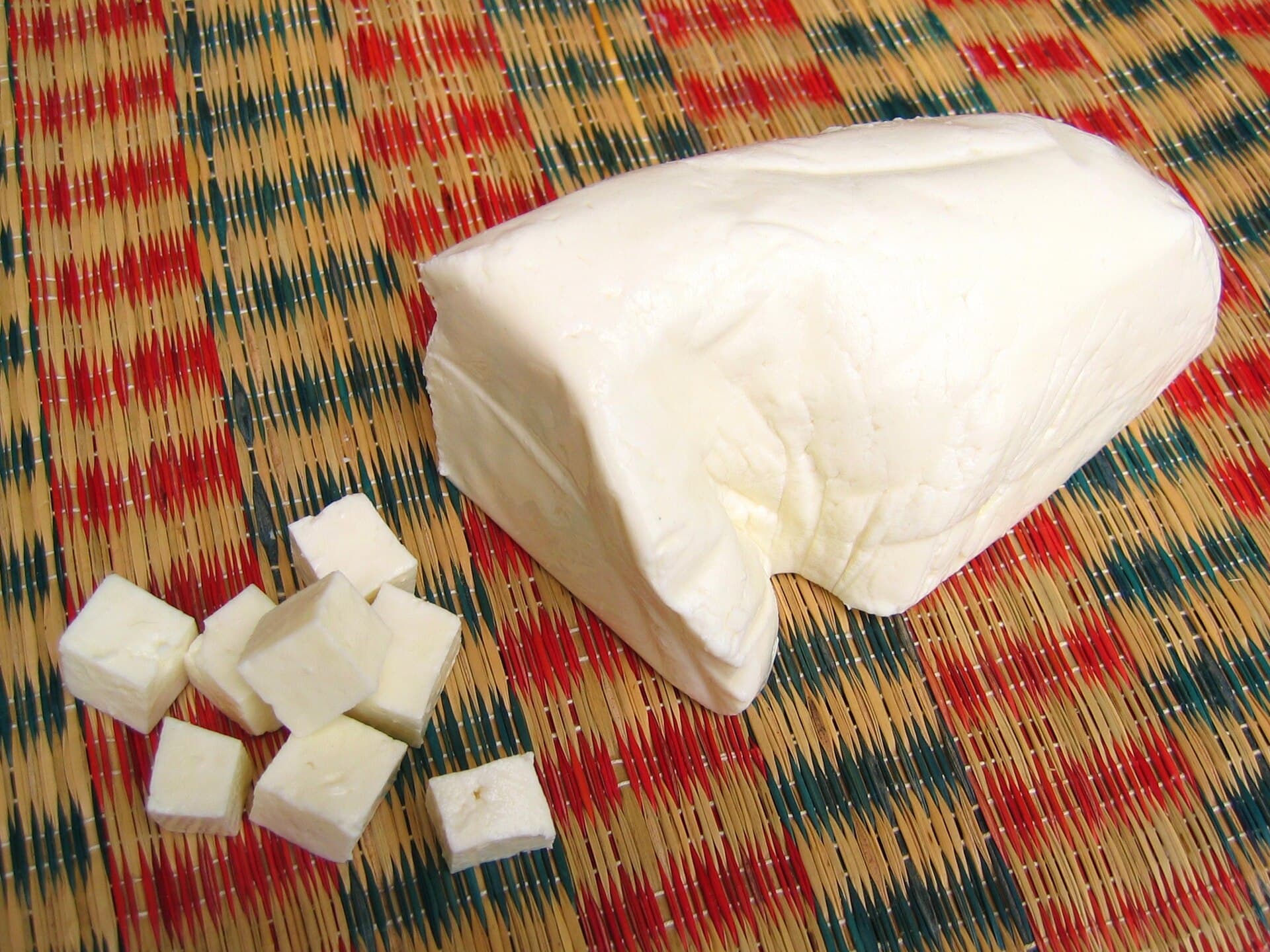
American Dairy Age
Paneer, Indian-American Home Cheese is a fresh Indian-American home cheese made by acid-setting pasteurized milk, draining, pressing, chilling, and cooking within a few days.
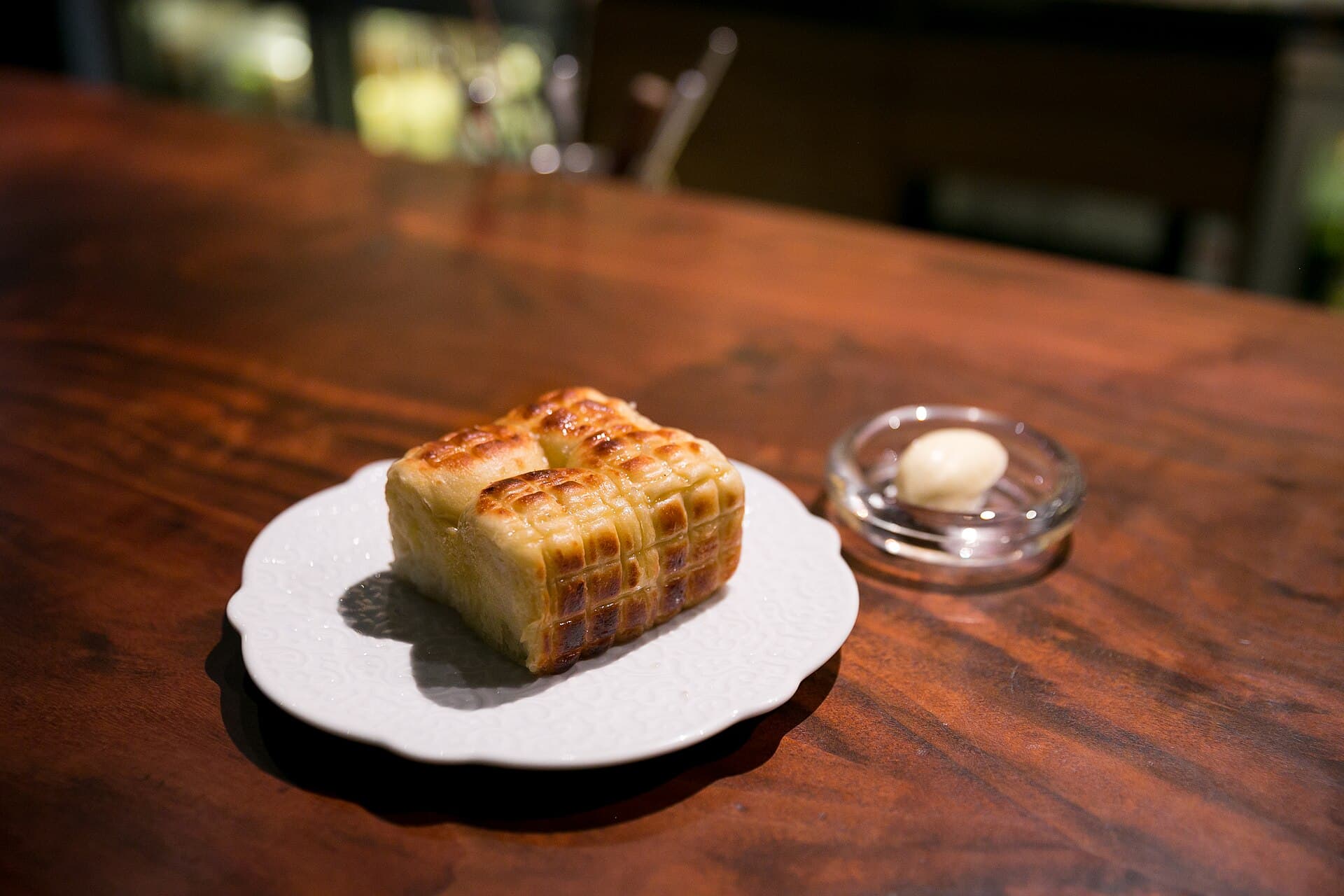
1861-1900
Parker House rolls are iconic American dinner rolls known for their soft interior and slightly crisp, buttery crust. They are often served during holiday dinners such as Thanksgiving and Easter, prized for their rich flavor and tender texture.
America's Melting Pot
Parsnip Cakes photo coming soon
1776-1800
Parsnip cakes are savory fried patties made from grated parsnips mixed with simple seasonings, common in late 18th-century American cooking. They highlight root vegetable use in early colonial diets, offering a wholesome side or dessert option depending on seasoning.
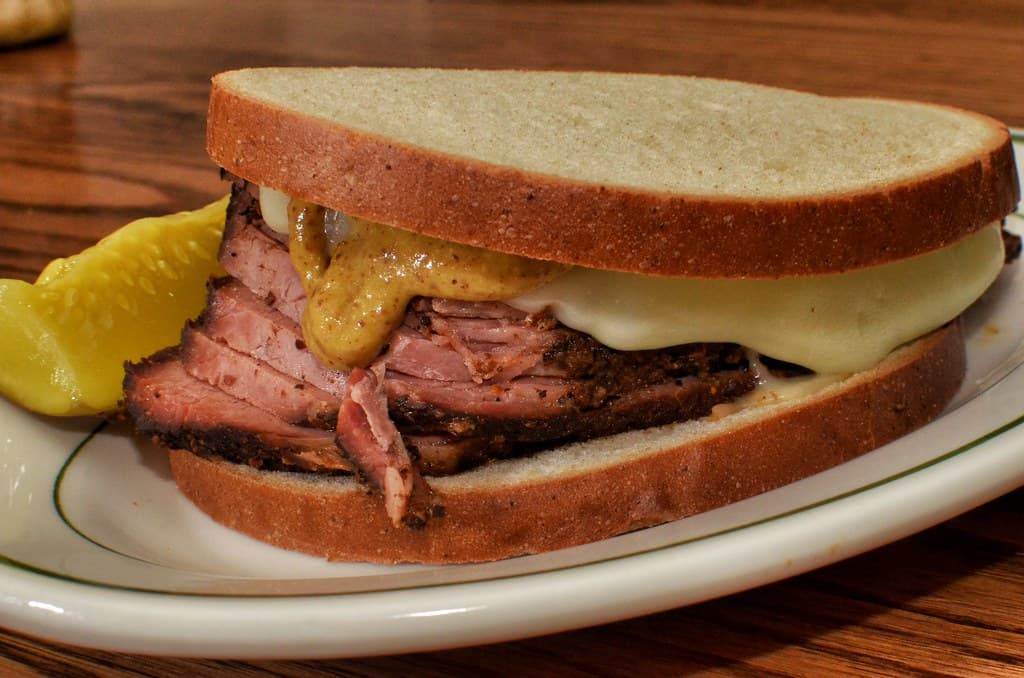
1861-1900
Pastrami on rye is a signature Jewish-American deli sandwich featuring spiced cured pastrami piled on rye bread, often served with mustard. It became emblematic of New York's Mid-Atlantic deli culture during the late 19th century.
America's Melting Pot
Pawpaw Butter photo coming soon
Frontier & Expansion
Pawpaw Butter is a preserve with real American table personality: Appalachian/Midwestern native fruit spread. It brings flavor from Appalachia and Pennsylvania Dutch country to cookouts, counters, lunch plates, potlucks, and weeknight suppers.
America's Melting Pot
Pawpaw Pudding photo coming soon
1800-1860
Pawpaw pudding is a traditional dessert from Appalachia made using the native pawpaw fruit, combined with sugar, eggs, and spices, resulting in a custardy, fruit-based pudding reflecting early American regional cooking.
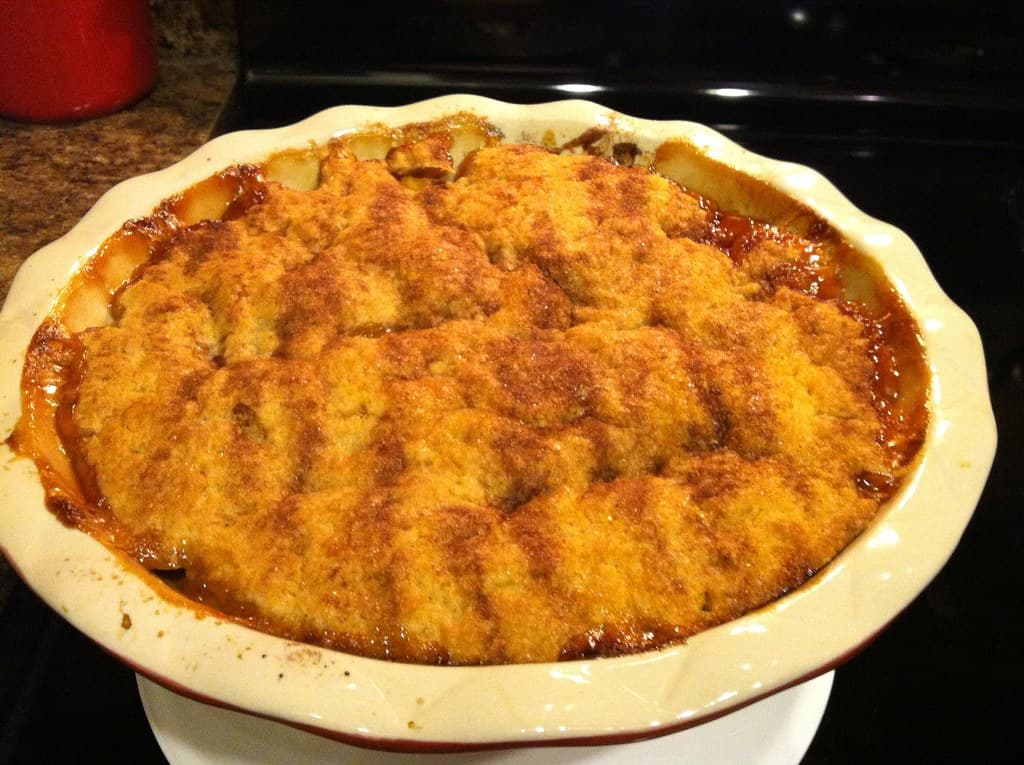
1861-1900
Peach cobbler is a comforting southern baked dessert featuring sweetened peaches topped with a biscuit or batter crust, baked until golden and bubbly. Widely enjoyed throughout the South, its origins trace to Reconstruction-era adaptations.
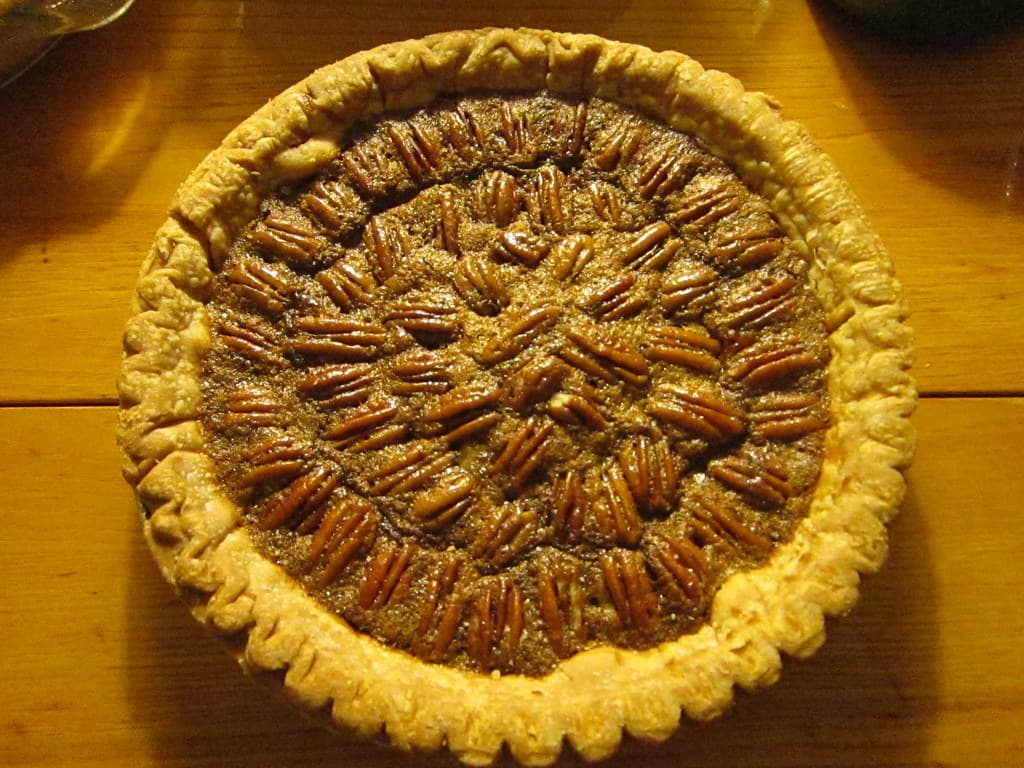
1800-1860
Pecan pie originated in the American South between 1800 and 1860, becoming a beloved dessert for holiday tables, especially Thanksgiving. Combining local pecans with sweet filling, this pie celebrates regional ingredients and early American culinary tradition.
America's Melting Pot
Pepper Gravy photo coming soon
Frontier & Expansion
Pepper Gravy is a condiment with real American table personality: Steakhouse and diner gravy. It brings flavor from coast-to-coast American tables to cookouts, counters, lunch plates, potlucks, and weeknight suppers.
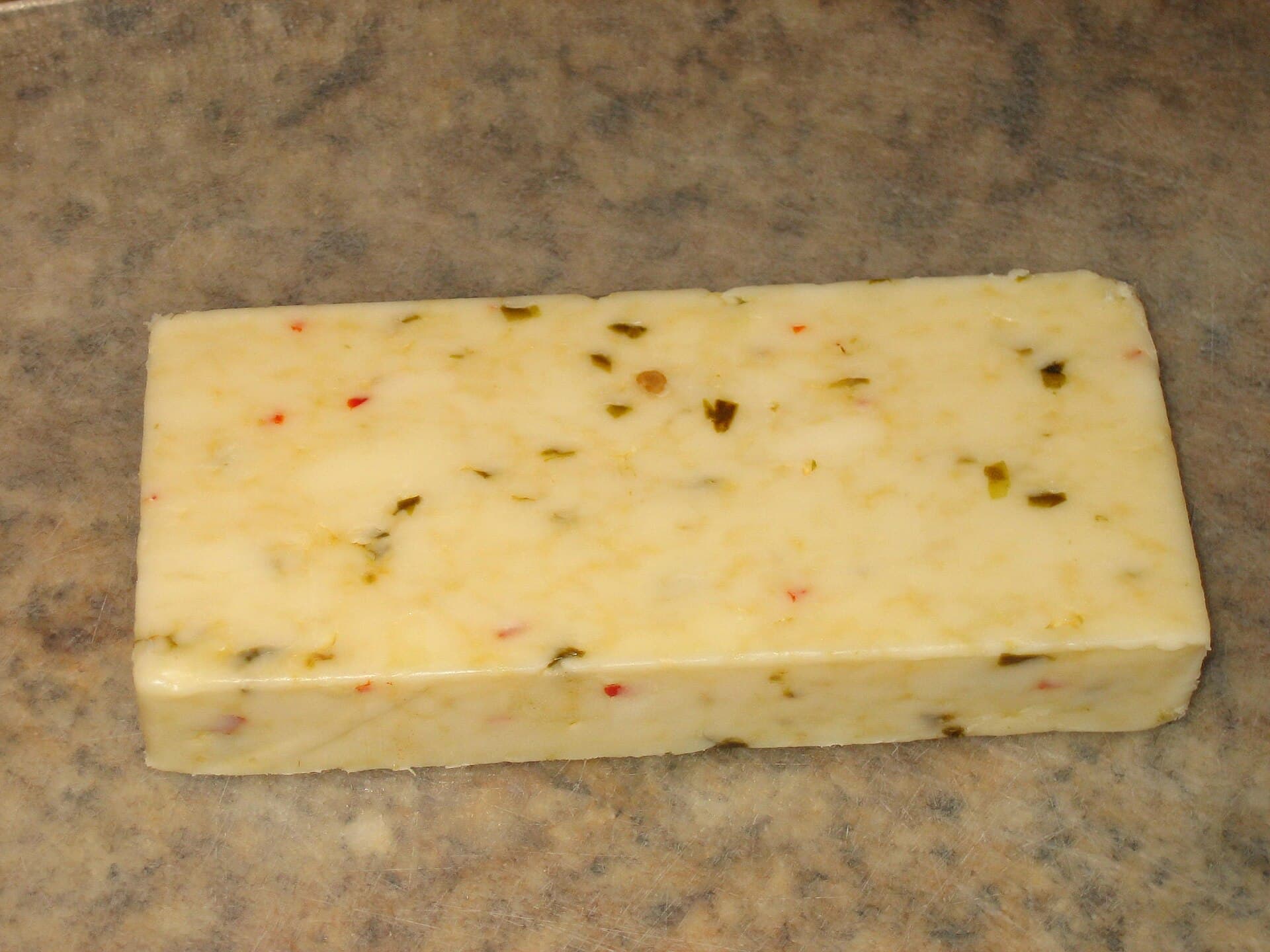
American Dairy Age
Pepper Jack Cheese is a mild American Jack-family cheese with clean milk handling, careful curd cooking, optional flavoring, pressing, and controlled aging.
America's Melting Pot
Pepper Pot Soup photo coming soon
1800-1860
Pepper Pot Soup is a thick, flavorful stew with a peppery kick, traditionally made with beef tripe or other meats, vegetables, and spices. Popular in New England and the Mid-Atlantic during the early 19th century, it reflects immigrant and regional culinary influences.
America's Melting Pot
Pepper Relish photo coming soon
Frontier & Expansion
Pepper Relish is a relish with real American table personality: Hot dog, sausage, and sandwich condiment. It brings flavor from coast-to-coast American tables to cookouts, counters, lunch plates, potlucks, and weeknight suppers.

Frontier & Expansion
Piccalilli is a relish with real American table personality: Old Anglo-American relish tradition. It brings flavor from coast-to-coast American tables to cookouts, counters, lunch plates, potlucks, and weeknight suppers.
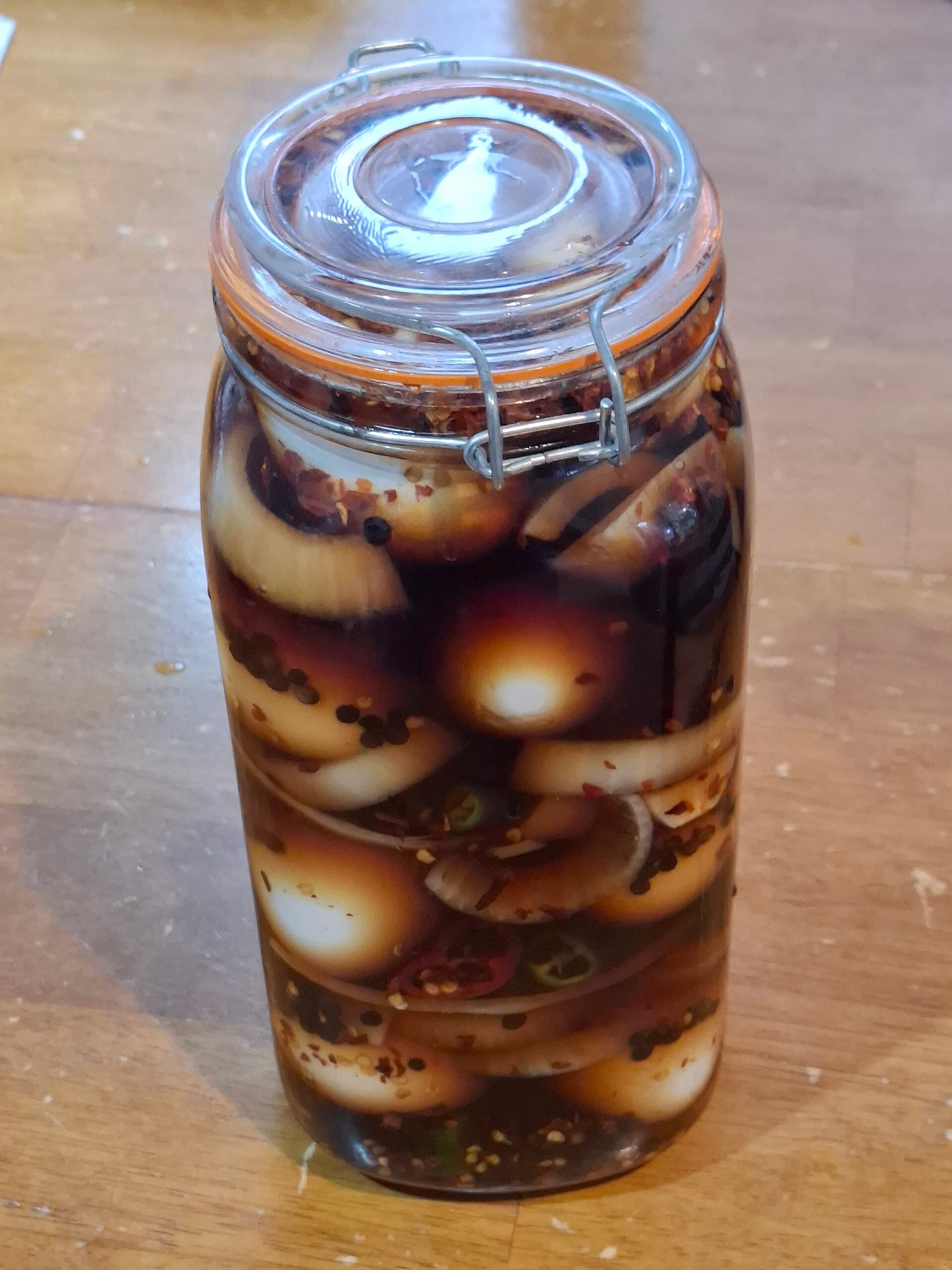
1800-1860
Pickled eggs were a popular preserved egg dish among German-American communities between 1800 and 1860, particularly during celebrations like Easter. They combine hard-boiled eggs with vinegar and spices to extend shelf life and add flavor.
1861-1900
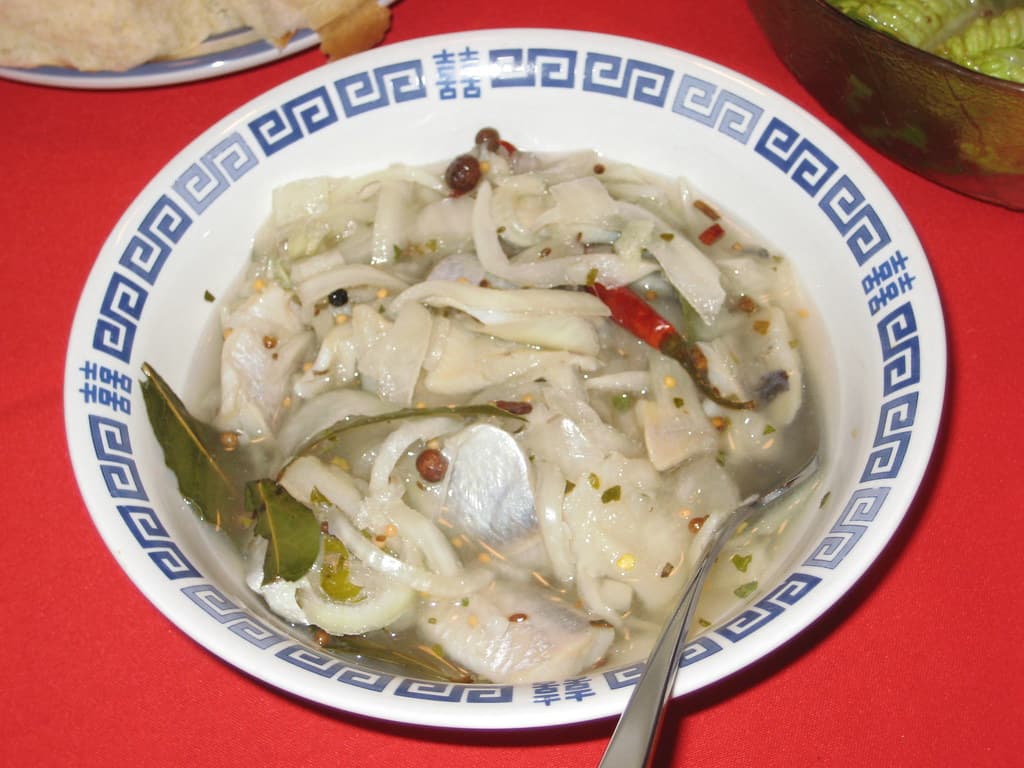
Pickled herring is a classic dish in Scandinavian-American households, especially in the Midwest, served during holidays and celebrations from the mid-19th century onward. The fish is cured and pickled with vinegar, sugar, and spices for a flavorful side or appetizer.
America's Melting Pot
Pickled Ramps photo coming soon
Frontier & Expansion
Pickled Ramps is a relish with real American table personality: Appalachian spring preserve. It brings flavor from Appalachia and Pennsylvania Dutch country to cookouts, counters, lunch plates, potlucks, and weeknight suppers.
America's Melting Pot
Pickled Watermelon Rind photo coming soon
1776-1800
Pickled Watermelon Rind is a historic Southern side dish featuring the crisp, tangy rind of the watermelon preserved in a sweet and spiced pickling brine. Preserving watermelon rind was a practical way to reduce waste and enjoy preserved flavor beyond watermelon season in late 18th-century America.
America's Melting Pot
Pigeon Pie photo coming soon
1776-1800
Pigeon Pie is a traditional colonial American meat pie using squab or young pigeon, popular during the Revolutionary era. This hearty pie blends game bird with vegetables and seasoning in a flaky pastry crust, reflecting early American reliance on local game and resourceful cooking practices of the period.

American Dairy Age
Pimento Cheese is a finished American cheese spread for crackers, sandwiches, and snack boards, with clear mixing, chilling, and storage guidance.
America's Melting Pot
Pimento Cheese Ancestor photo coming soon
1800-1860
This Pimento Cheese Ancestor recipe reflects an early Southern American cheese spread from the first half of the 19th century, predating the widespread use of mayonnaise. The recipe combines cheese, pimiento peppers, and simple seasonings into a spread reflecting evolving Southern tastes and ingredient availability during the Young Republic era.
America's Melting Pot
Pinconning Cheese photo coming soon
American Dairy Age
Pinconning Cheese is a washed-curd American cheese with gentle cooking, curd washing, salting, pressing, and a short controlled aging period.
American Dairy Age
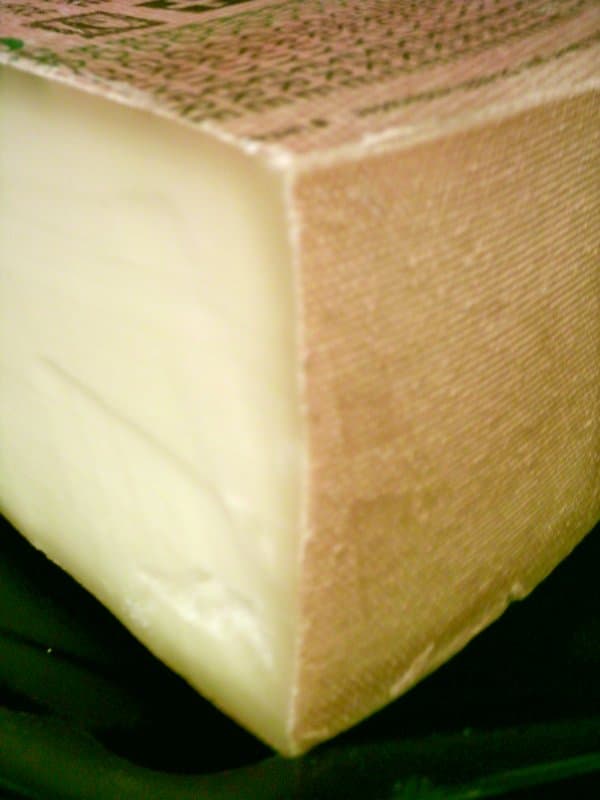
Pleasant Ridge Reserve-style Alpine Cheese is a cooked-curd American Alpine or grating-style cheese with thermophilic culture, firm pressing, brining, and controlled aging.
America's Melting Pot
Poke Sallet photo coming soon
1800-1860
Poke Sallet is a historic blend of raw chopped greens and light dressings, linked both to Hawaiian poke traditions and Appalachian foraged vegetable salads during early 19th century America.

1900-1929
Popcorn is an American staple snack made by heating dried corn kernels until they pop, commonly enjoyed at tailgates, booster events, and concessions with butter and salt.
1800-1860
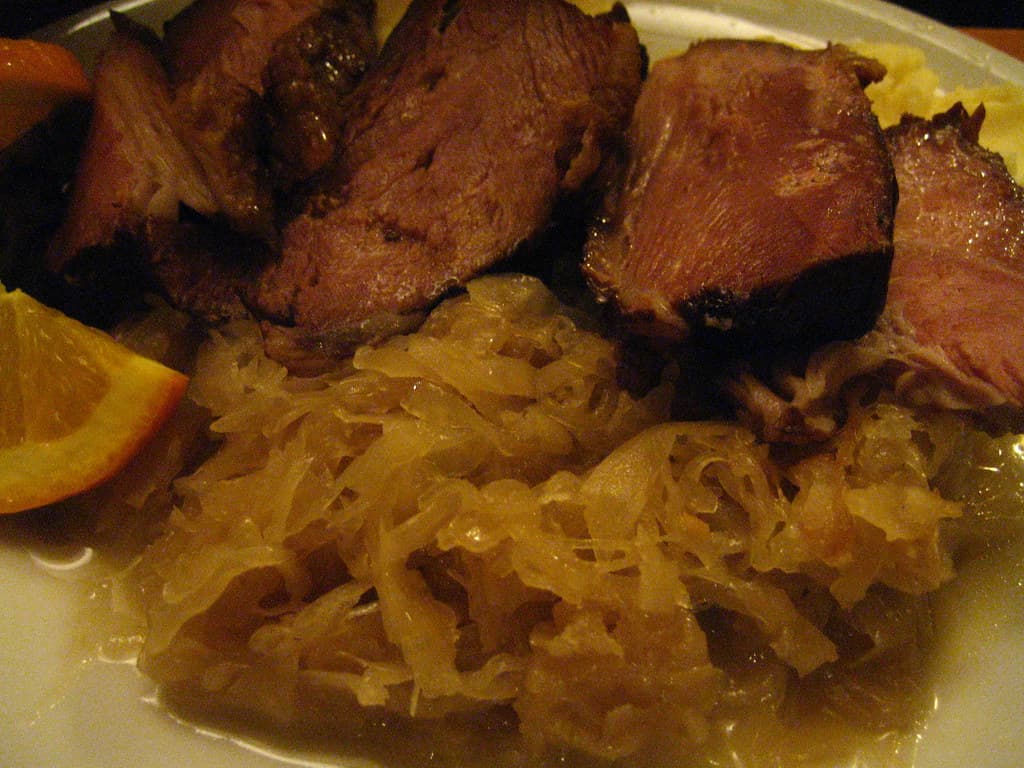
Pork and Sauerkraut is a classic American comfort and holiday dish often served on New Year's Day for luck and prosperity. Slow-cooked pork is combined with sauerkraut and seasoned to create a savory one-pot meal reflecting German-American and regional influences.
America's Melting Pot
Pork Roll/Taylor Ham Sandwich photo coming soon
1800-1860
The Pork Roll/Taylor Ham Sandwich is a distinctive breakfast sandwich from the Mid-Atlantic, featuring fried slices of pork roll encased in a soft roll, often complemented with egg and cheese. It showcases regional taste and identity.
American Dairy Age
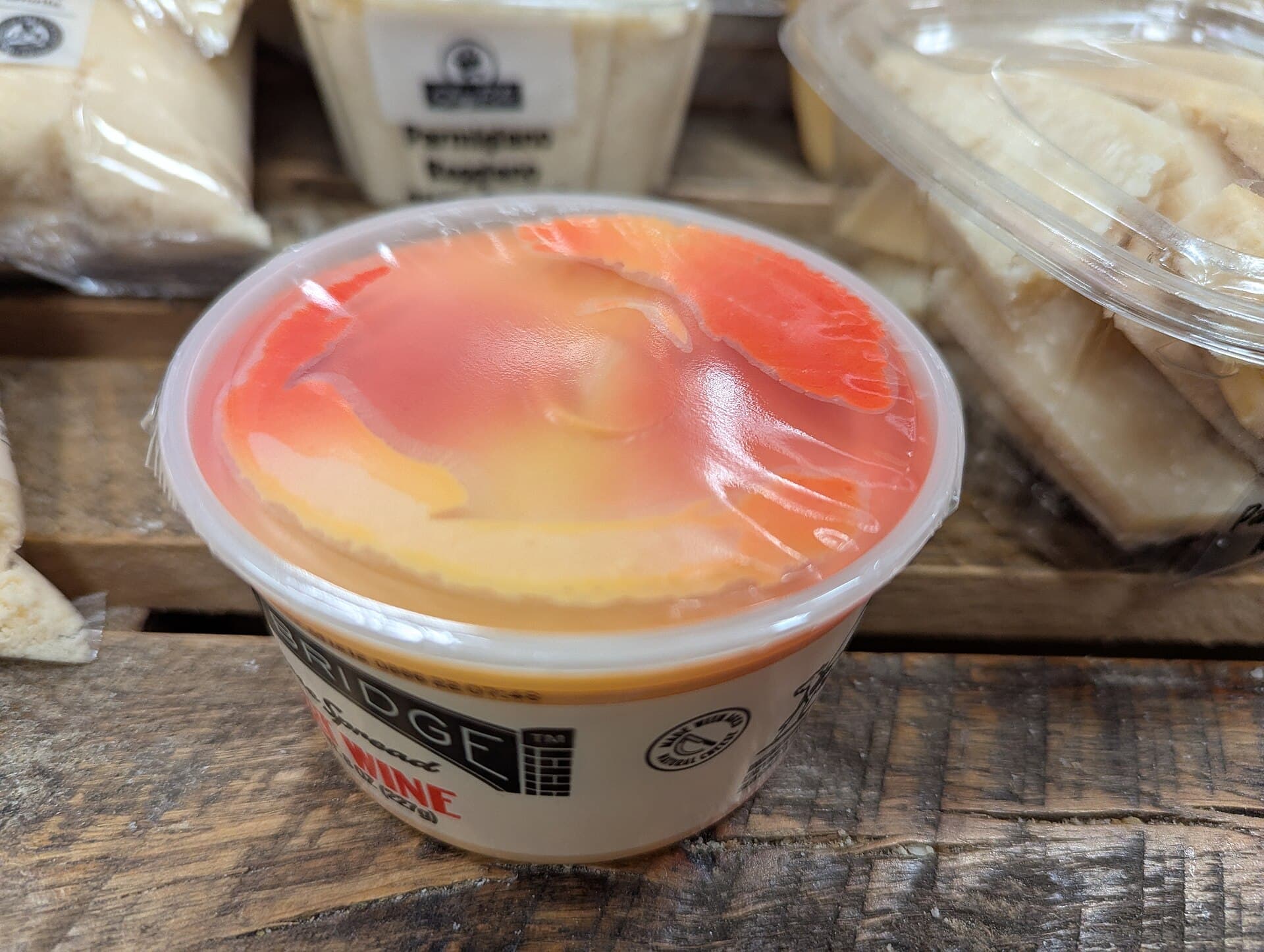
Port Wine Cheese Spread is a finished American cheese spread for crackers, sandwiches, and snack boards, with clear mixing, chilling, and storage guidance.
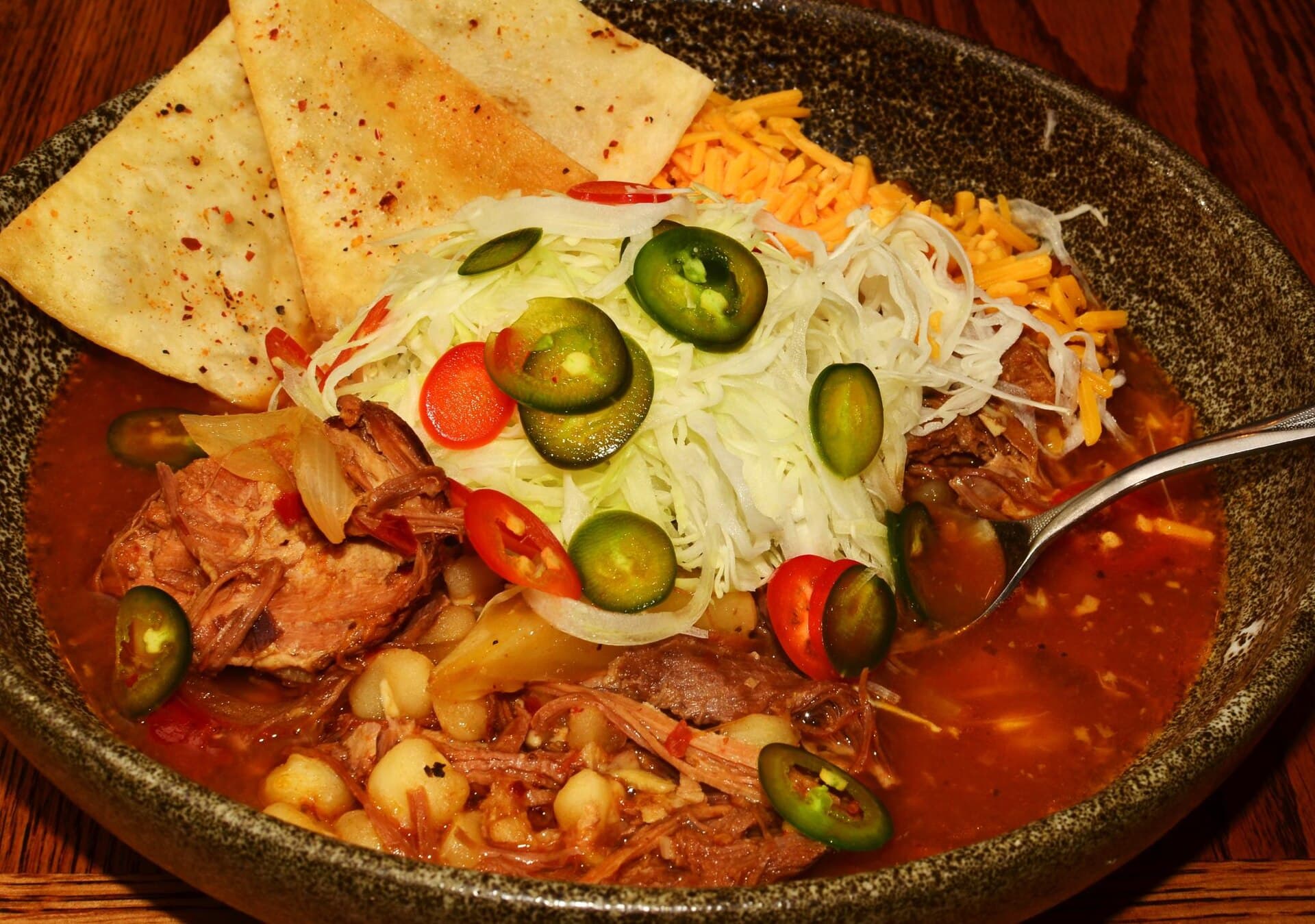
1800-1860
Posole is a hearty and spicy Mexican and Southwestern stew featuring hominy corn, pork, and chili peppers. It derives from pre-Columbian indigenous cuisine and became widely adopted in the U.S. Southwest and Southern regions, reflecting Mexican and Spanish borderlands culinary heritage.
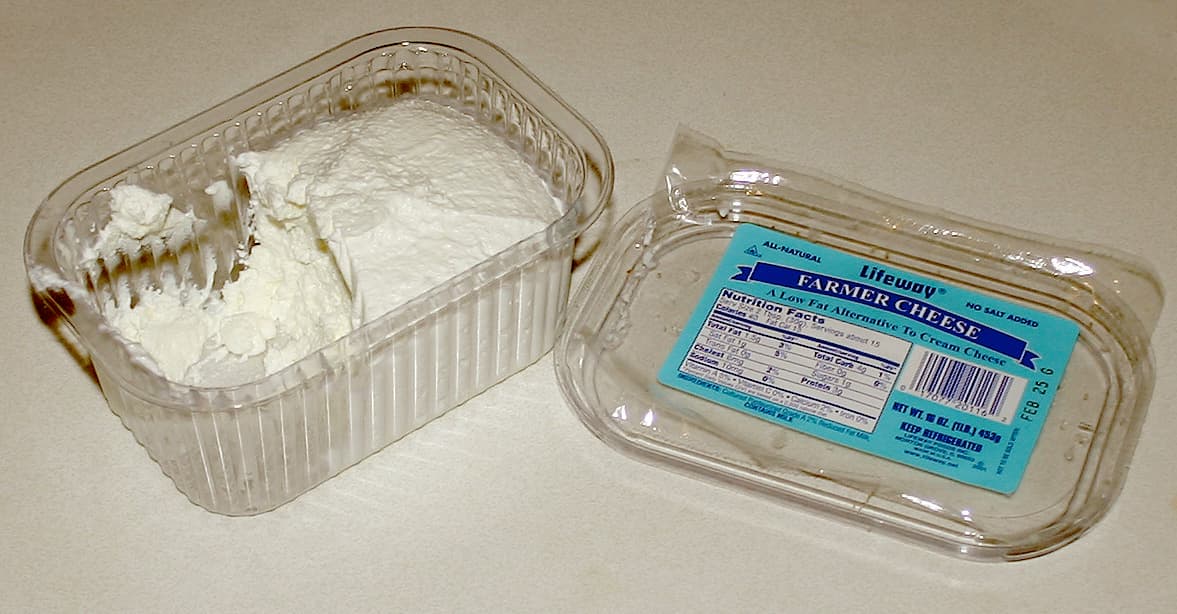
American Dairy Age
Pot Cheese is a fresh cultured American home cheese made with pasteurized dairy, clean handling, slow culturing, draining, salting, and refrigeration.
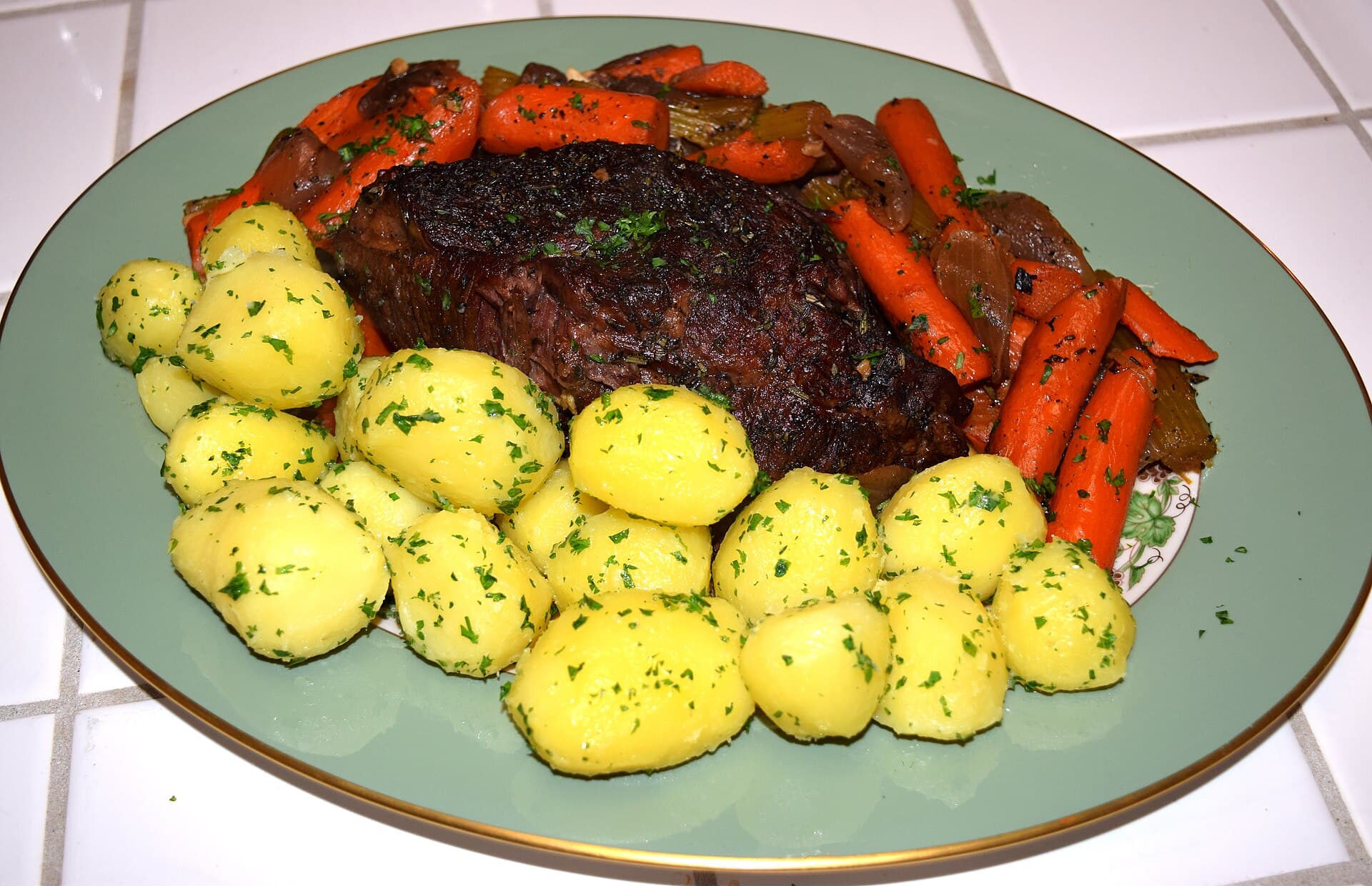
1861-1900
Pot Roast is a traditional slow-cooked beef dish that became a staple in railroad camps, mining boardinghouses, and rural settlements following the Civil War. Its simplicity and ability to tenderize tougher cuts made it valuable for feeding workers and families.
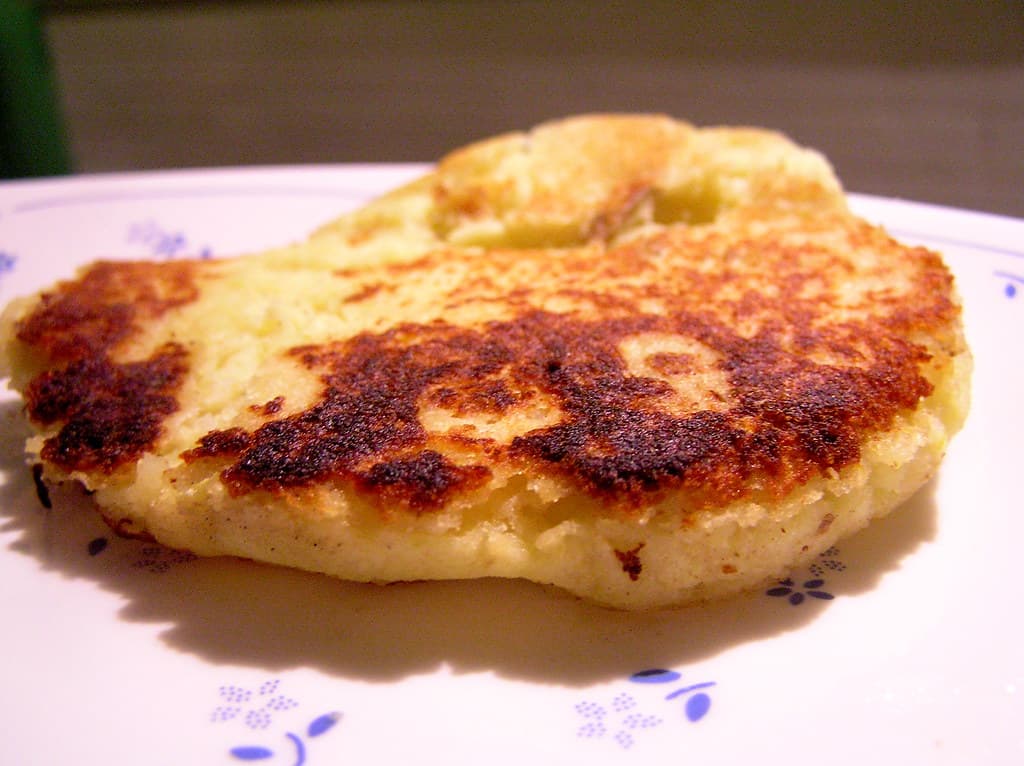
1800-1860
Potato Cakes are a practical, comforting dish made by frying mashed potato patties. Popular during the Depression and Dust Bowl decades, they exemplify resourceful cooking with staple ingredients under economic hardship.
1800-1860
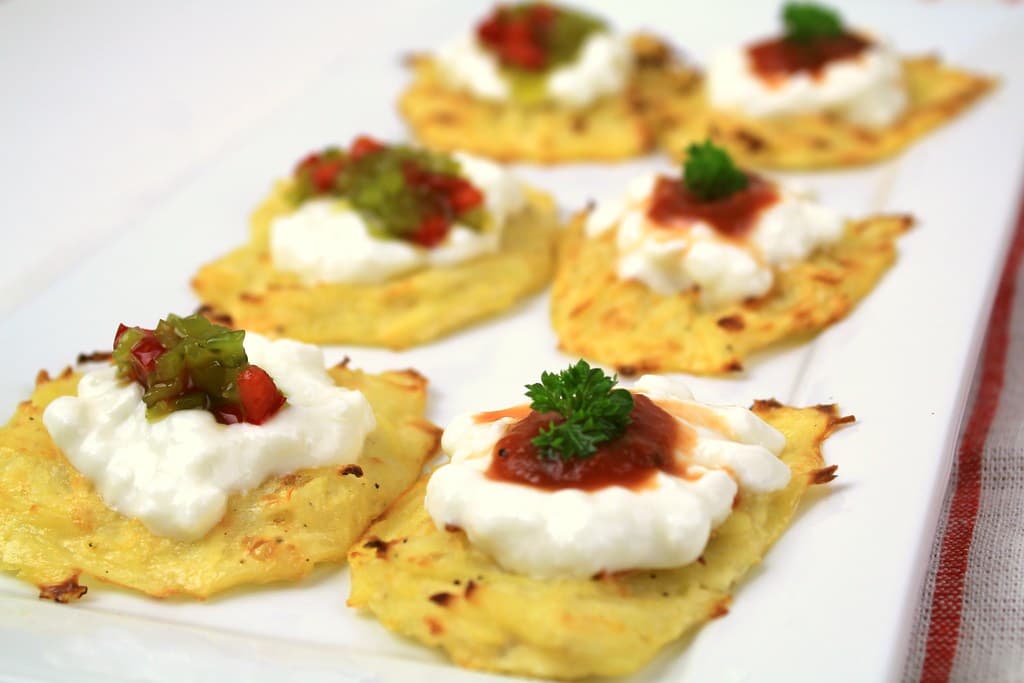
Potato Pancakes are a breakfast favorite among German-American communities, consisting of grated potatoes mixed with onions and eggs, fried to a crisp golden brown.
1900-1929
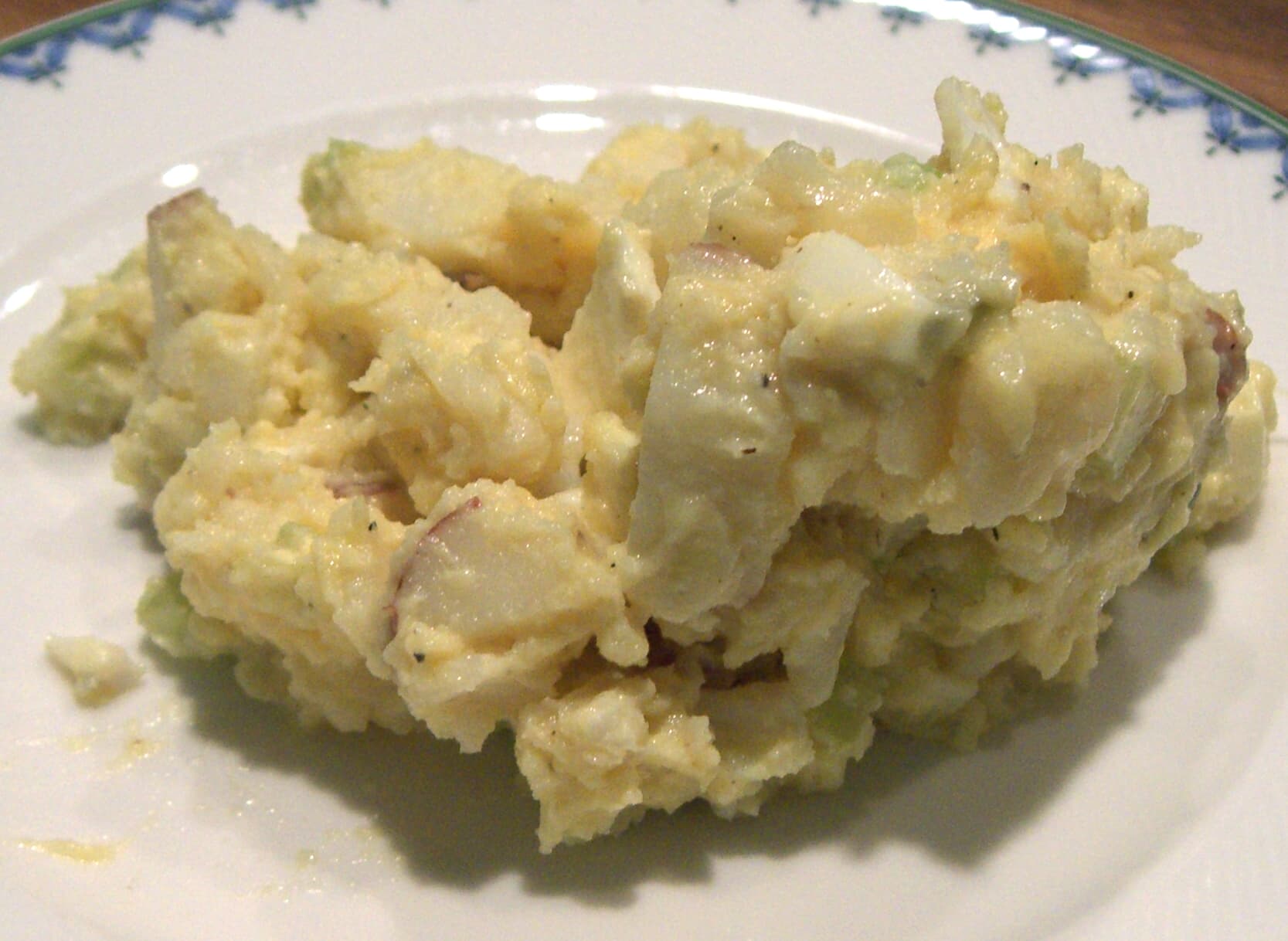
Potato Salad is a widely embraced side dish featuring boiled potatoes dressed in a tangy mayonnaise-based sauce, often including eggs and celery. It is a staple at American social gatherings including picnics, holidays, and community events.
America's Melting Pot
Potato Sausage photo coming soon
1861-1900
Potato Sausage is a traditional Midwest dish combining pork sausage with potatoes, reflecting Scandinavian immigrant culinary influence during the post-Civil War period.
1800-1860
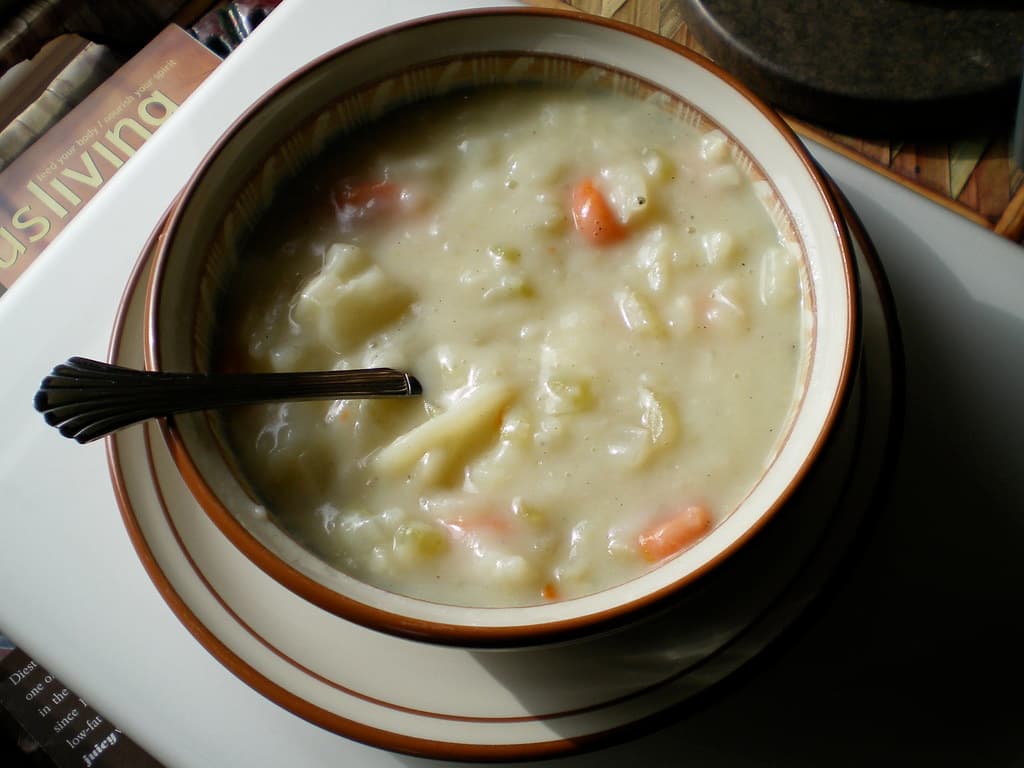
Potato Soup is a simple, hearty soup likely popular among Irish-American families, combining potatoes, onions, and cream or milk to create a warming dish during the expansion and immigration period.
America's Melting Pot
Potlikker Soup photo coming soon
1861-1900
Potlikker Soup is a traditional Southern U.S. dish made from the nutrient-rich broth left after cooking collard or other greens. Popular during Reconstruction and beyond, it emphasizes resourcefulness and Southern culinary traditions.
America's Melting Pot
Preserved Apples photo coming soon
1776-1800
Preserved Apples were a common way to store fruit from harvest through the winter in late 18th century America. Using sugar or honey and spices, early Americans extended the shelf life of apples for use in cooking and as table treats.
1800-1860
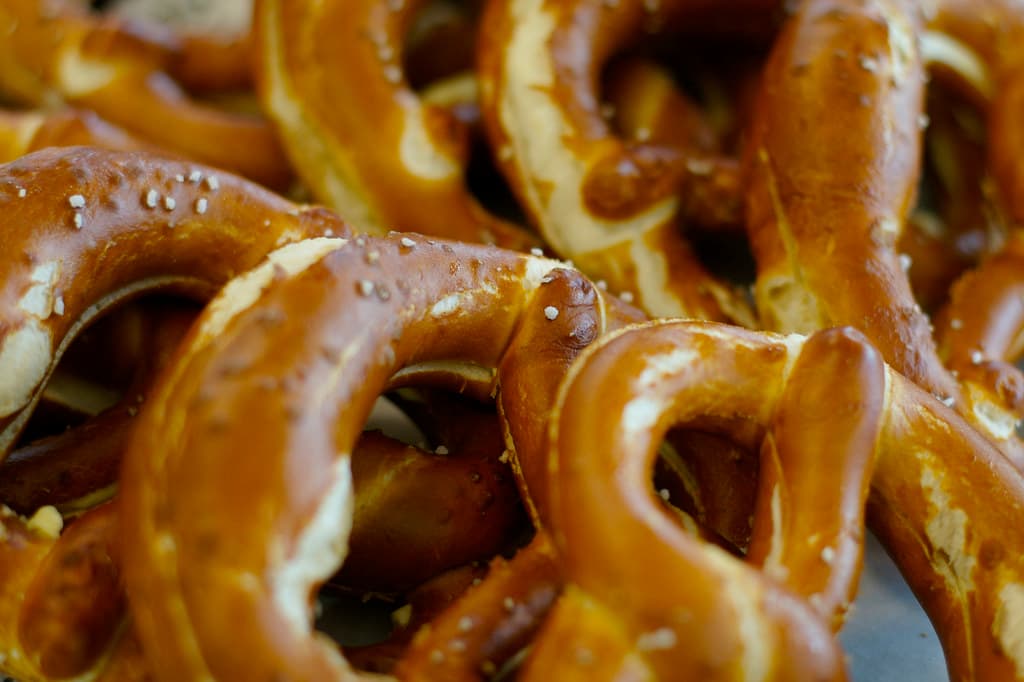
Pretzels, brought by German immigrants to the United States in the 1800s, became a beloved baked good in American urban centers and towns. These soft, twisted breads exemplify immigrant culinary influence blending with local tastes.

American Dairy Age
Processed Queso / Chile con Queso Cheese Base is a home kitchen melting-cheese base using pasteurized cheese, milk, and sodium citrate for a smooth, sliceable or dip-style texture.
America's Melting Pot
Provolone, Italian-American Deli Style photo coming soon
American Dairy Age
Provolone, Italian-American Deli Style is an Italian-American deli-style stretched-curd cheese with controlled acid development, hot stretching, brining, and short aging.
America's Melting Pot
Prune Kolaches photo coming soon
1861-1900
Prune Kolaches are sweet yeast pastries filled with prune fruit, reflecting Polish, Czech, and Slovak immigrant baking traditions brought to American cities in the early 1900s. They became popular at diners and fairs.
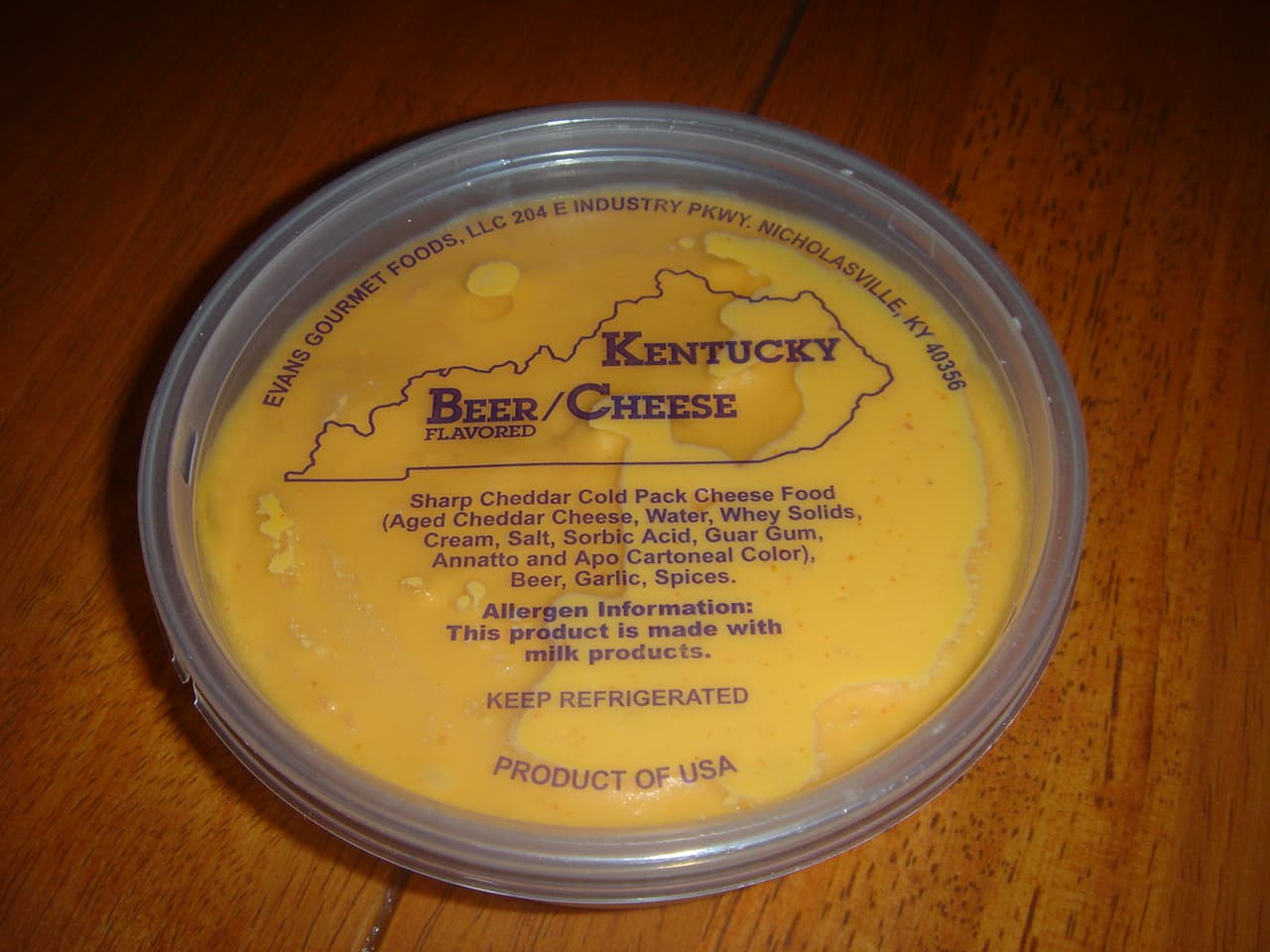
American Dairy Age
Pub Cheese is a finished American cheese spread for crackers, sandwiches, and snack boards, with clear mixing, chilling, and storage guidance.
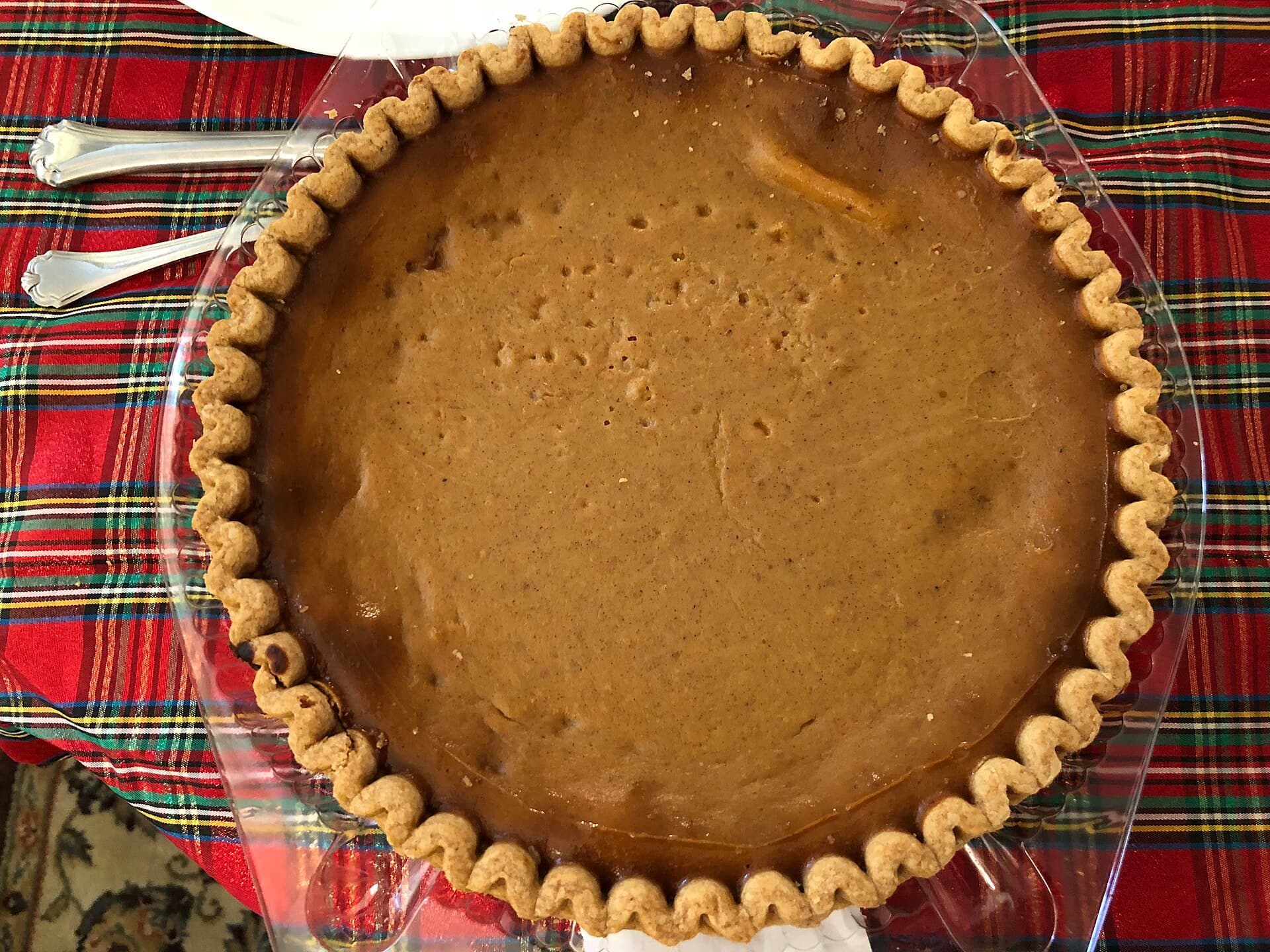
1776-1800
Pumpkin Pie is a quintessential American dessert featuring a spiced pumpkin custard filling baked in a pastry crust, historically tied to Thanksgiving celebrations since the late 18th century.
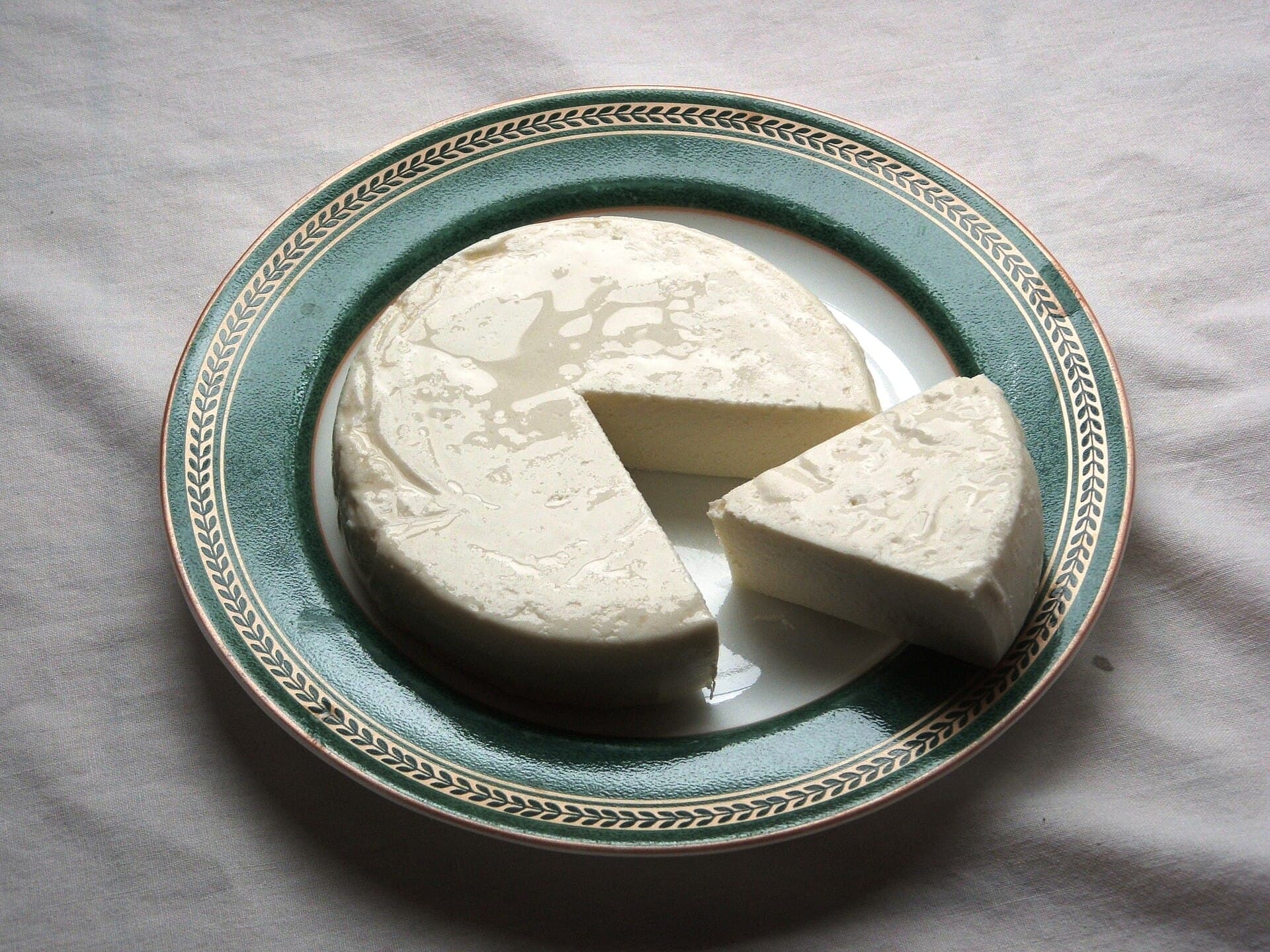
American Dairy Age
Queso Blanco, Mexican-American is a fresh acid-set American home cheese made with pasteurized dairy, direct heating, measured acid, draining, salting, and refrigeration.
American Dairy Age
Queso Fresco, Mexican-American is a fresh acid-set American home cheese made with pasteurized dairy, direct heating, measured acid, draining, salting, and refrigeration.
America's Melting Pot
Rabbit with Dumplings photo coming soon
1800-1860
Rabbit with Dumplings is a traditional Appalachian dish pairing tender rabbit stew with hand-rolled dough dumplings. Popular in rural homes during early 19th-century expansion and frontier life, this hearty meal provides comfort and sustenance using available game and pantry staples.
America's Melting Pot
Ramp Biscuits photo coming soon
1800-1860
Ramp Biscuits are tender American biscuits flavored with chopped ramps, a wild onion native to Appalachia. This early 19th-century Appalachian recipe celebrates local foraged ingredients and rustic baking techniques central to frontier cooking and regional food traditions.
America's Melting Pot
Range Stew photo coming soon
1861-1900
Range Stew is a robust meat and vegetable stew historically cooked by cattle trail and chuckwagon cooks in the Great Plains during the late 19th century. This dish reflects frontier life and the demands of feeding cowboys crossing long ranges with accessible ingredients simmered into a thick, hearty stew.
Community recipe submission
Log in to submit a recipe, format it with the cooking companion, and send it for review.
Log in to Submit