
Loading
Setting the table...
Fetching the latest recipes from the archive.
Loading
Fetching the latest recipes from the archive.
Recipe archive
Recipe archive
Search the archive by title, region, ingredient, tag, or era, then sort the table by the view that fits your kitchen.
This archive is growing through recipes, photos, family recipes, and historical context shared by the community.
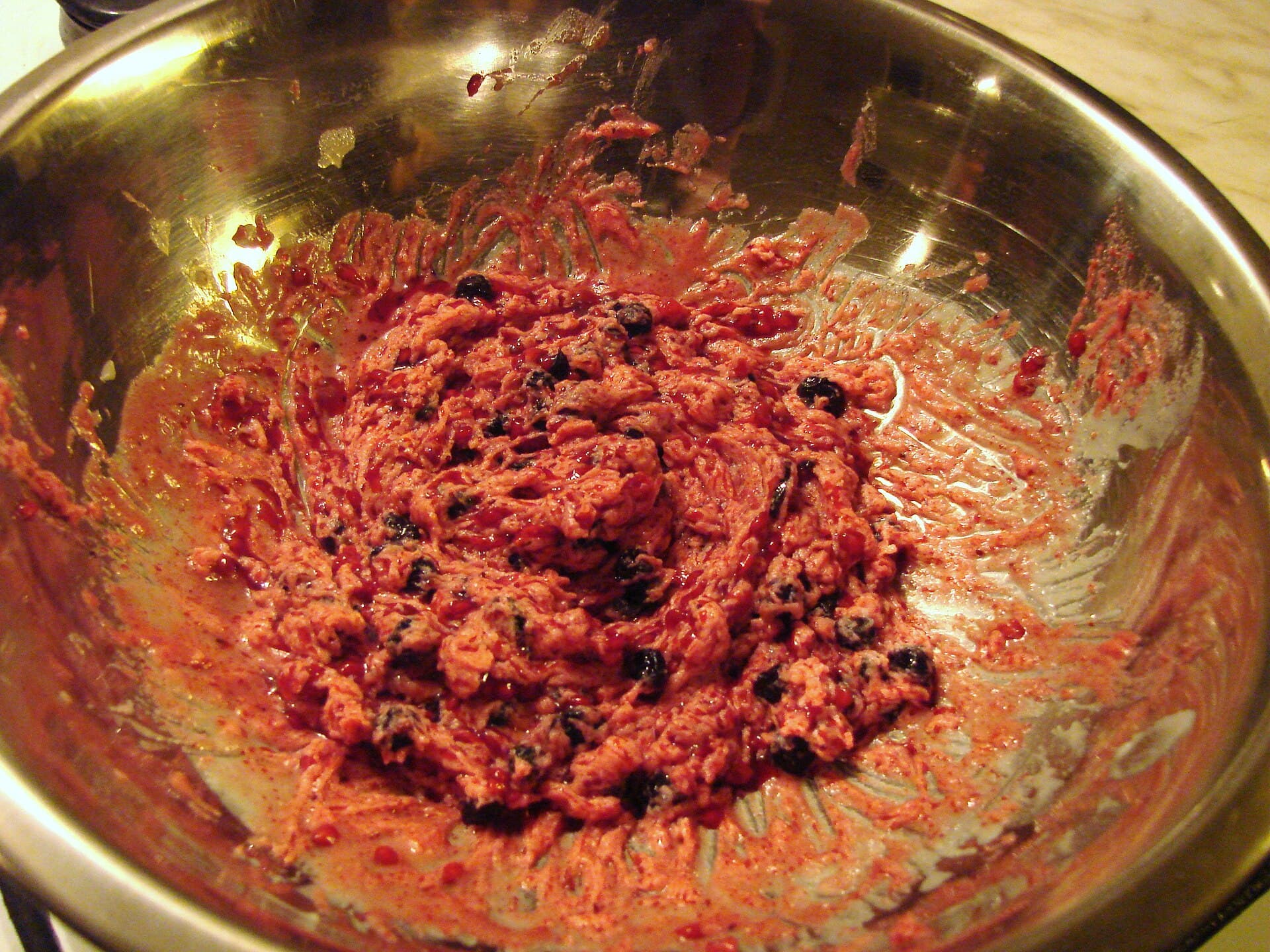
Native Foodways and Continuity
A researched archive entry for akutaq, a family- and region-specific Alaska Native mixed fat-and-berry dish often translated as Alaska Native ice cream.
America's Melting Pot
Alabama White Sauce photo coming soon
Cross-era
Alabama White Sauce is a barbecue sauce with real American table personality: Mayonnaise-based sauce strongly associated with Big Bob Gibson Bar-B-Q and northern Alabama chicken barbecue. It brings flavor from the American South to cookouts, counters, lunch plates, potlucks, and weeknight suppers.
America's Melting Pot
Alaska Grilled Whale Steak photo coming soon
Native Foodways and Continuity
This archive entry records grilled whale steak as part of Alaska Native subsistence food history, with a clear note that lawful access is governed by cultural rights, conservation rules, and marine mammal law.
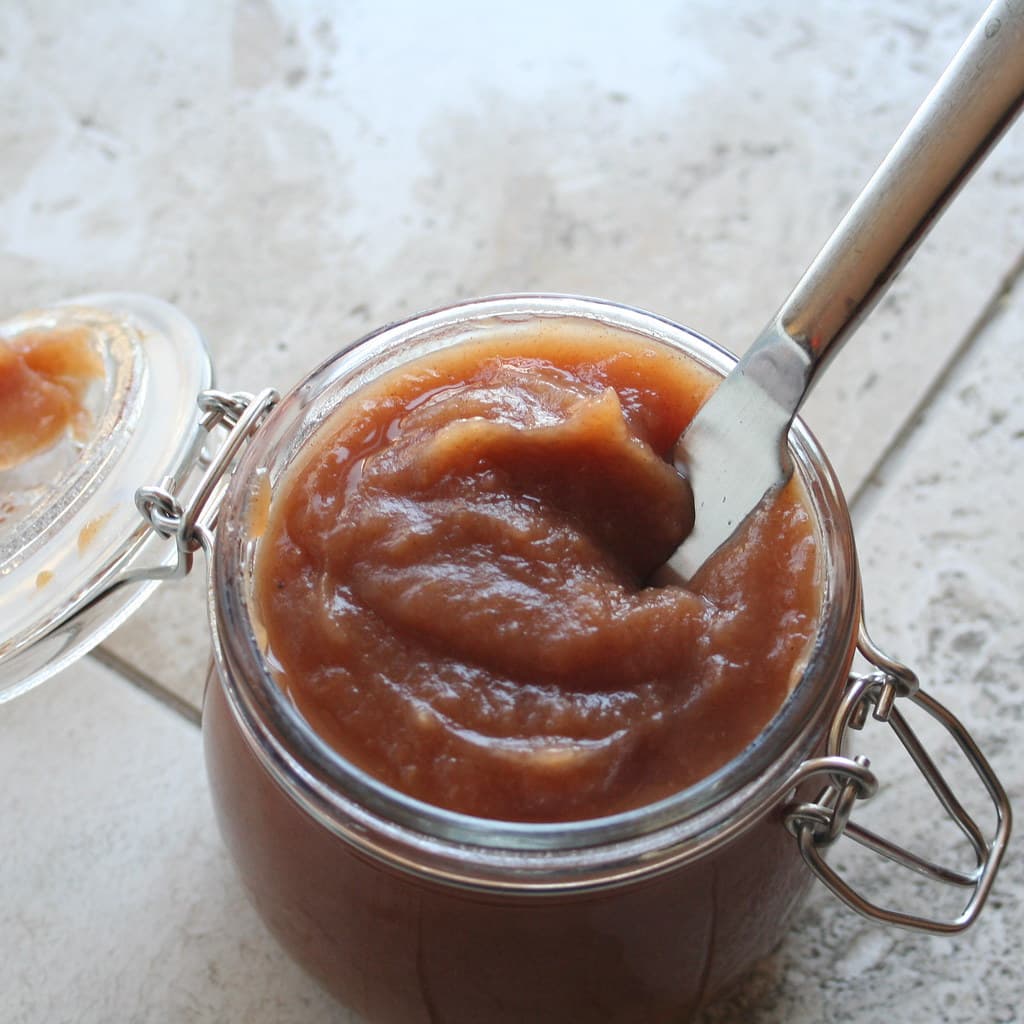
1700s-present
Apples cooked down with cider, sugar, and warm spices into a dark, spreadable fruit butter.
America's Melting Pot
Apple Butter on Biscuits photo coming soon
1700s-present
Warm buttermilk biscuits split and served with butter and spiced apple butter.
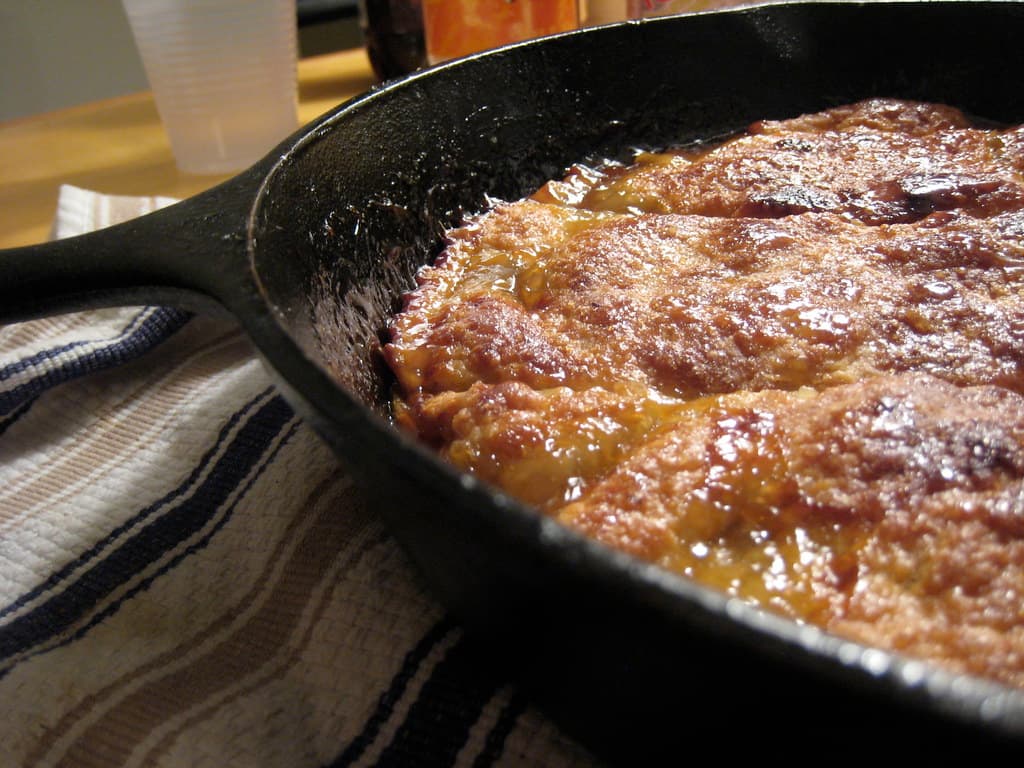
Founding Era
Sliced apples baked under a pastry or biscuit crust that is broken into the juices as it bakes.
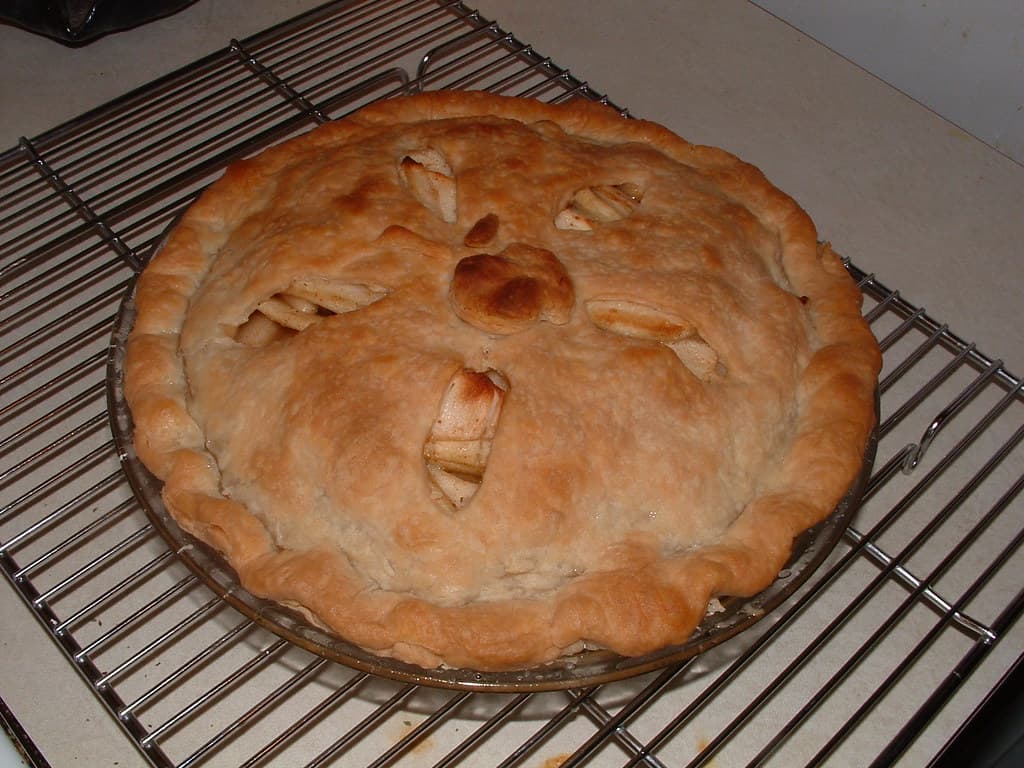
1700s-present
A double-crust apple pie with cinnamon-spiced apples and a flaky butter crust.
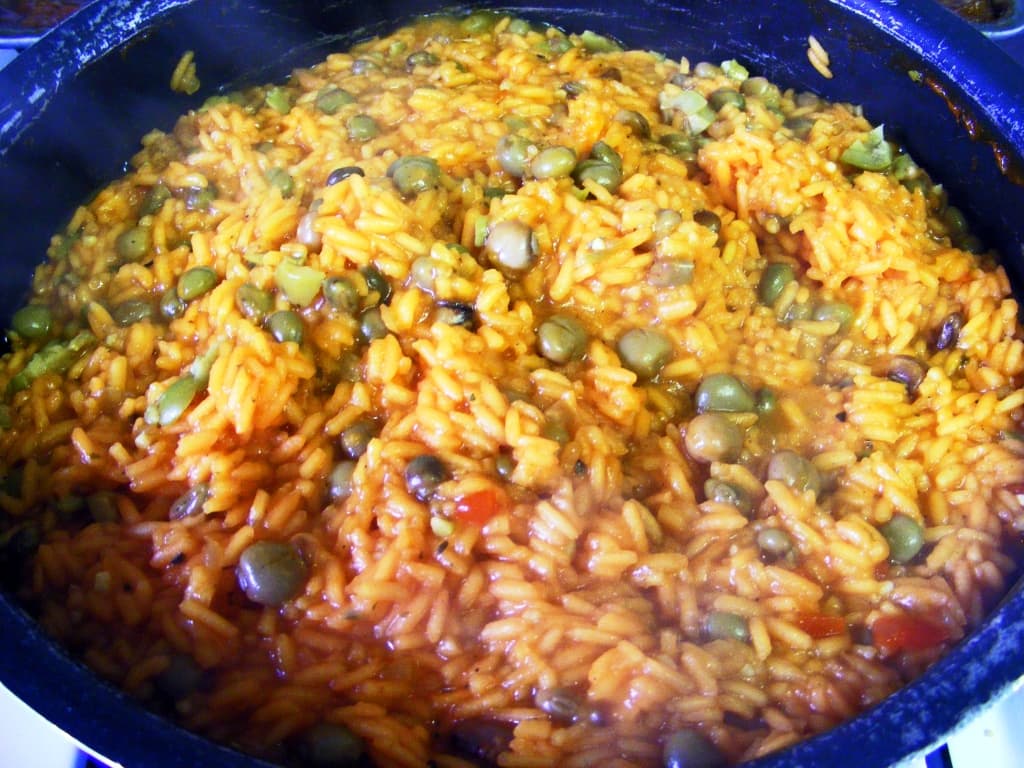
Before 1776
A Puerto Rican arroz con gandules made in one pot with medium-grain rice, pigeon peas, sofrito, sazon, pork, olives, and a patient steam for fluffy grains and coveted pegao.
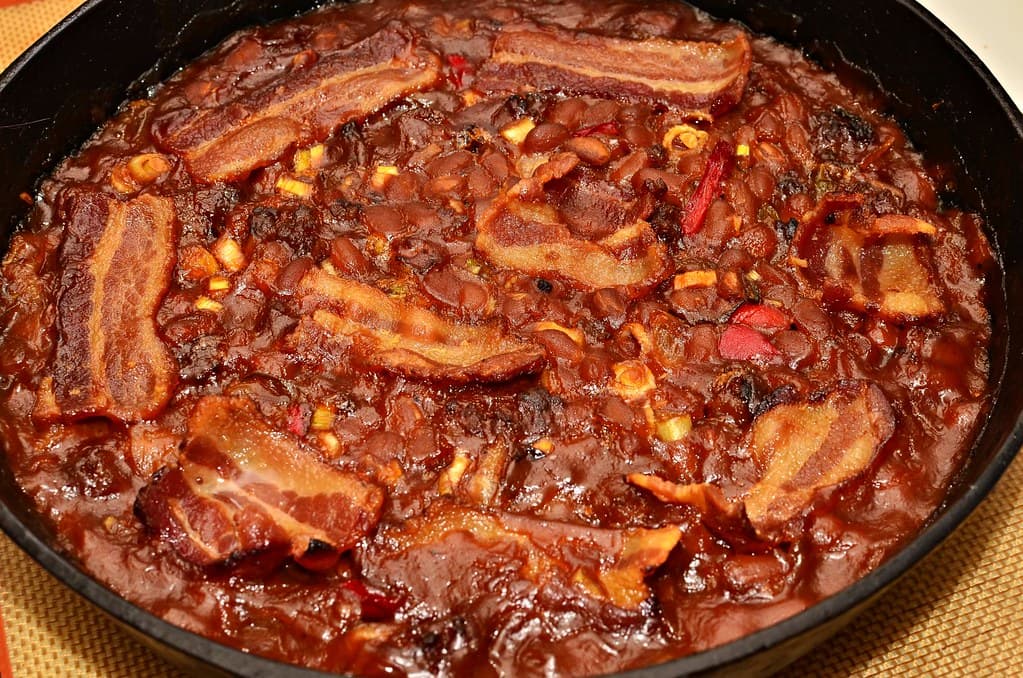
1600s-present
A New England-style baked bean pot made with navy beans, molasses, brown sugar, mustard, onion, and salt pork or bacon.
America's Melting Pot
Barbecue photo coming soon
1600s-present
A foundational Southern barbecue recipe for smoked pork shoulder seasoned with a dry rub and served with a vinegar-forward sauce.
America's Melting Pot
Beach Plum Jelly photo coming soon
Cross-era
Beach Plum Jelly is a preserve with real American table personality: Coastal New England and Mid-Atlantic preserve. It brings flavor from New England to cookouts, counters, lunch plates, potlucks, and weeknight suppers.
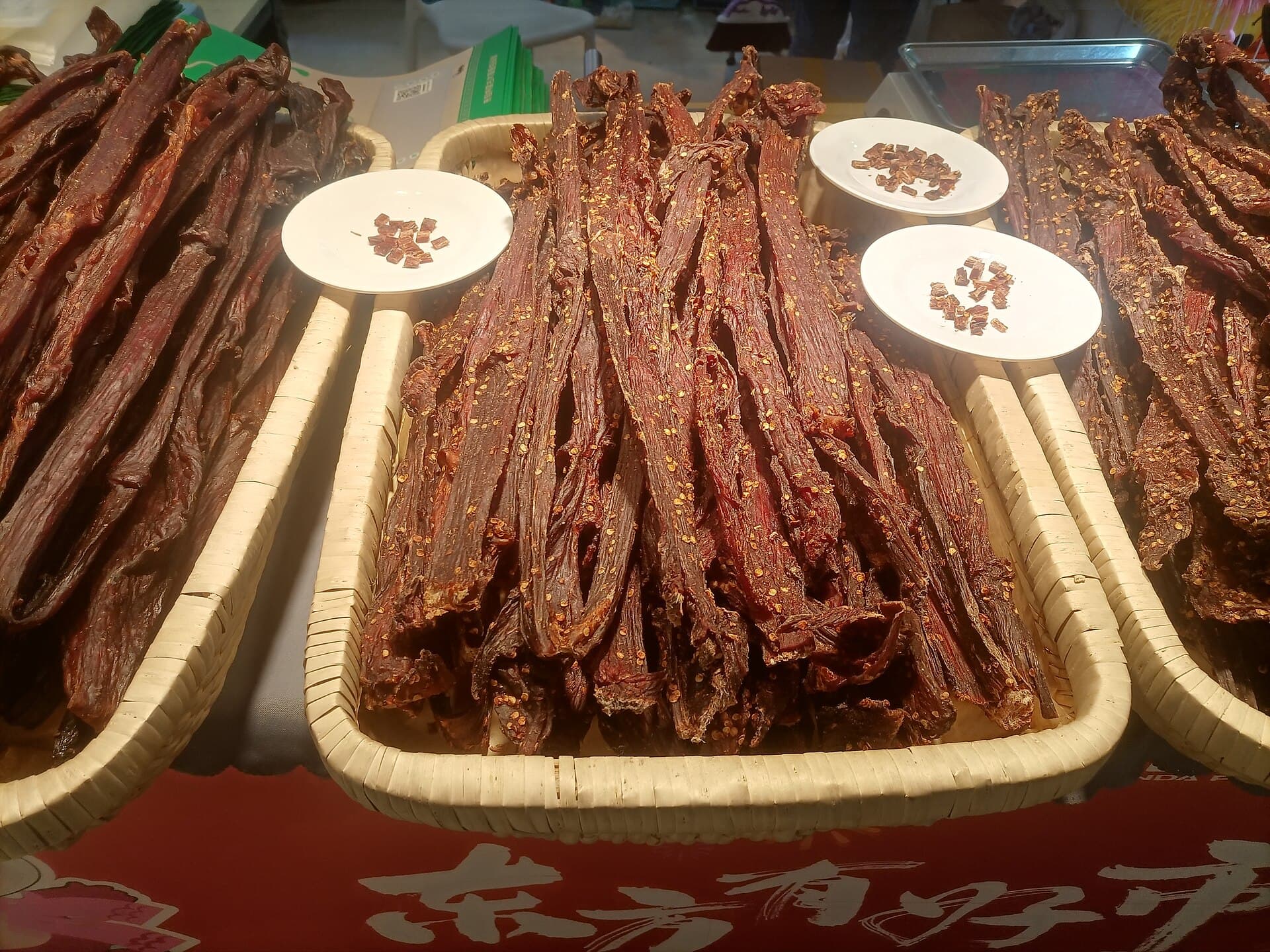
Native Foodways and Continuity
Jerky is preservation food before it is snack food. Indigenous drying traditions, pemmican, pioneer travel, soldiers, cowboys, and later road-trip convenience all helped make dried meat part of American food culture.
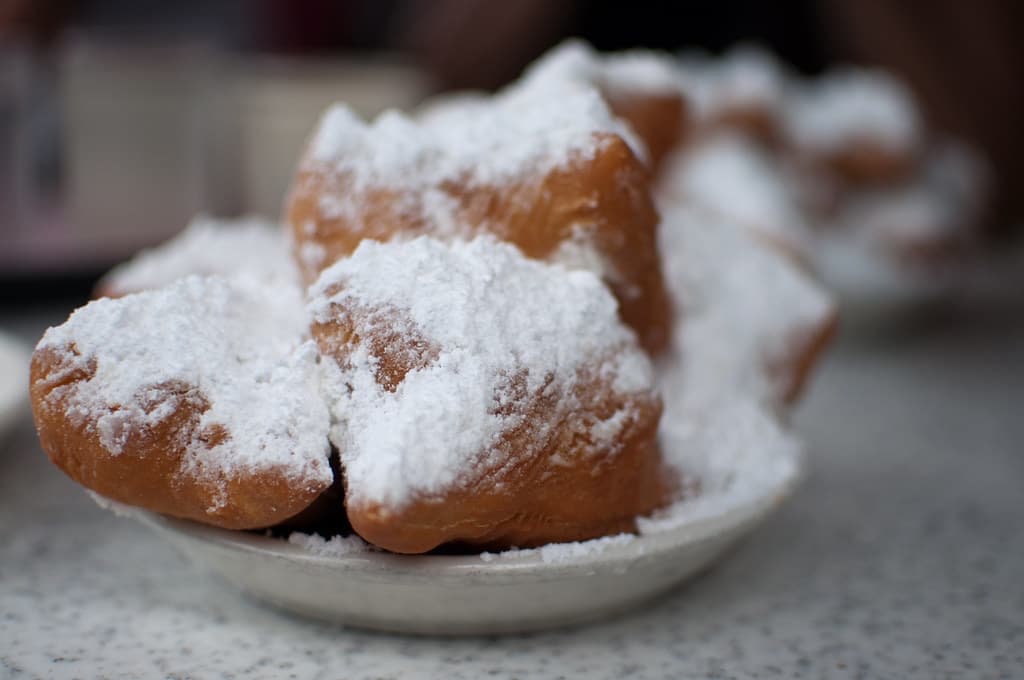
1700s-present
Beignets carry French and Acadian roots into Louisiana, where New Orleans coffee stands made them a breakfast and late-night ritual. The familiar square, sugar-dusted version is now inseparable from cafe au lait and the French Quarter.
America's Melting Pot
Bison Stew photo coming soon
Native Foodways and Continuity
Bison stew can be a modern way to honor older Indigenous food relationships when it is framed carefully. Bison supplied meat, fat, hides, tools, and ceremony for many Plains nations; corn, beans, and squash add a broader Native agricultural foundation.
America's Melting Pot
Black Raspberry Jam photo coming soon
Cross-era
Black Raspberry Jam is a preserve with real American table personality: Midwest, Appalachia, and Pennsylvania tradition. It brings flavor from the Midwest and Great Lakes to cookouts, counters, lunch plates, potlucks, and weeknight suppers.
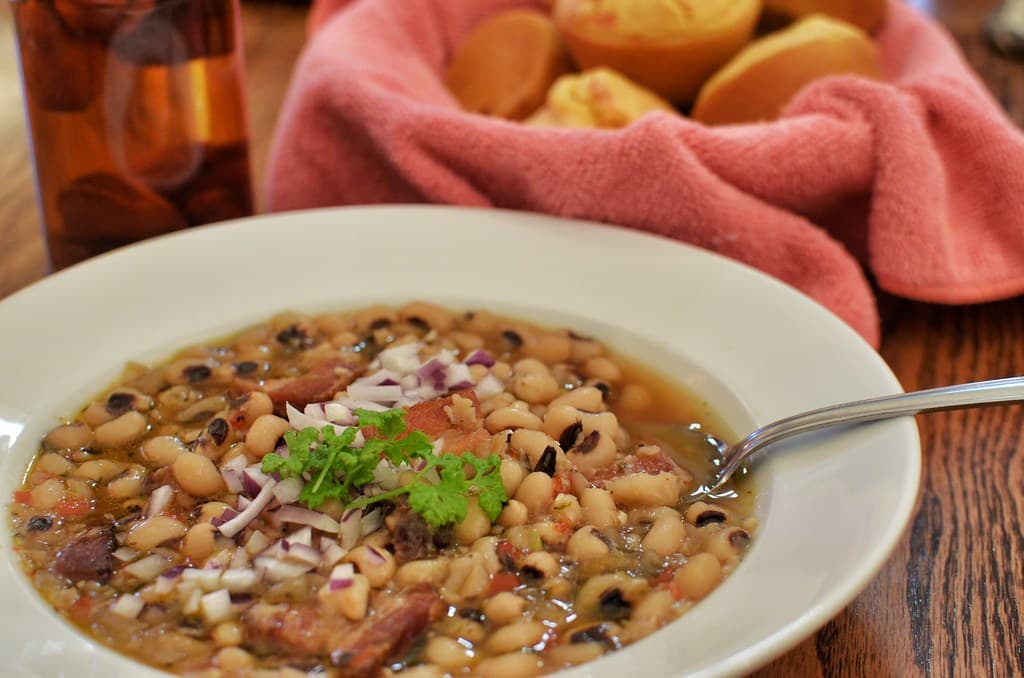
1700s-present
Black-eyed peas carry West African, Southern, and Gullah Geechee food history. They became a New Year good-luck dish across the South, especially when served with greens, cornbread, or rice as Hoppin John.
America's Melting Pot
Blackstrap Molasses photo coming soon
Before 1776
Blackstrap Molasses is a sweet sauce with real American table personality: Baking, beans, gingerbread, wartime thrift. It brings flavor from coast-to-coast American tables to cookouts, counters, lunch plates, potlucks, and weeknight suppers.
America's Melting Pot
Blue Corn Mush photo coming soon
Native Foodways and Continuity
Blue corn mush is a Din? and Southwestern Indigenous staple made from roasted blue cornmeal, water, and juniper ash. The ash is not a gimmick: it contributes minerals and helps unlock nutrients in the corn.
America's Melting Pot
Blueberry Jam photo coming soon
Cross-era
Blueberry Jam is a preserve with real American table personality: Maine, Michigan, New Jersey, and farm country. It brings flavor from New England to cookouts, counters, lunch plates, potlucks, and weeknight suppers.
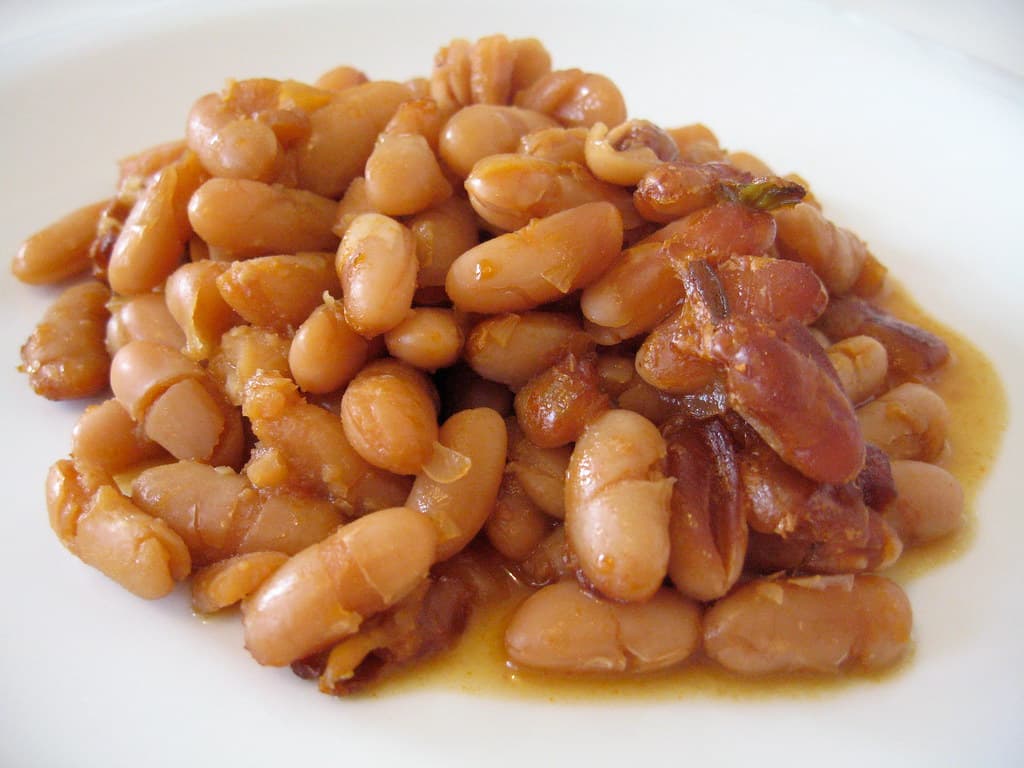
1600s-present
Boston baked beans grew from New England bean cookery, English pork-and-bean traditions, and the colonial availability of molasses through Atlantic trade. The long bake made practical sense for Sabbath observance and cold-weather kitchens, and the dish became one of Boston's defining foods.
America's Melting Pot
Boston Brown Bread photo coming soon
1700s-present
Boston brown bread is the dark, tender partner to baked beans. Colonial New England cooks used mixed grains, cornmeal, and molasses, then steamed the batter because the bread had little gluten and home ovens were not always reliable.
America's Melting Pot
Bourbon Peach Jam photo coming soon
Cross-era
Bourbon Peach Jam is a preserve with real American table personality: Southern/Kentucky-style preserve. It brings flavor from Appalachia and Pennsylvania Dutch country to cookouts, counters, lunch plates, potlucks, and weeknight suppers.
America's Melting Pot
Boysenberry Preserves photo coming soon
Cross-era
Boysenberry Preserves is a preserve with real American table personality: California berry culture; Walter Knott helped commercialize the boysenberry at what became Knott's Berry Farm. It brings flavor from California, Hawaii, and the West Coast to cookouts, counters, lunch plates, potlucks, and weeknight suppers.
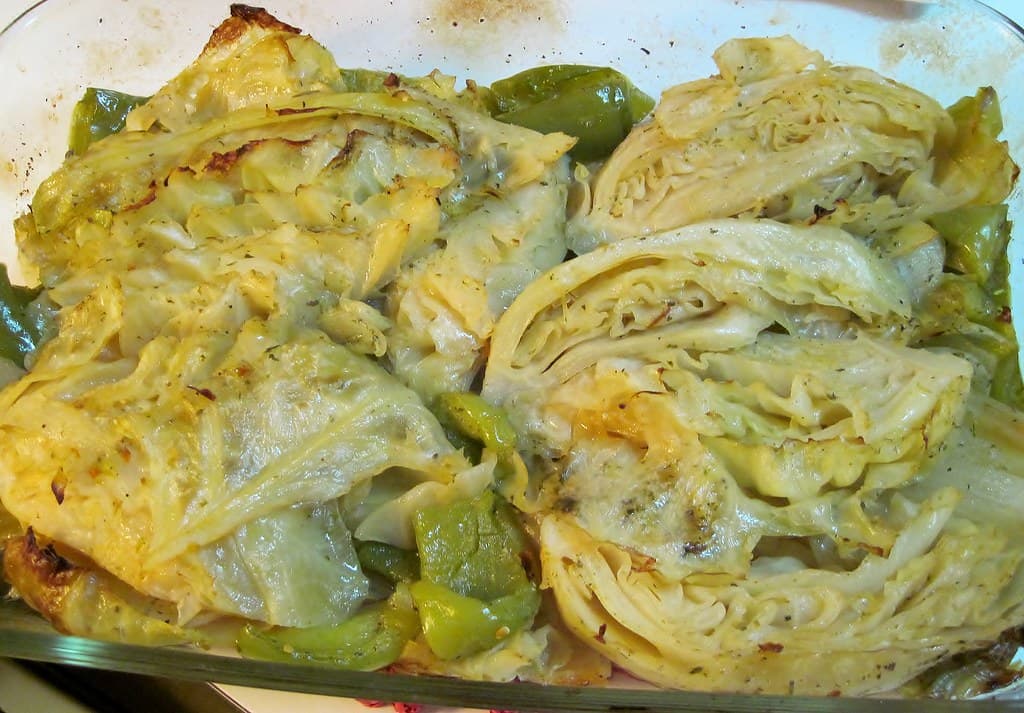
1700s-present
Braised cabbage is an old, practical side dish because cabbage stores well, feeds many, and softens beautifully with slow moist heat. American versions draw from British, German, Irish, and Eastern European cabbage cookery as well as plain farm-table thrift.
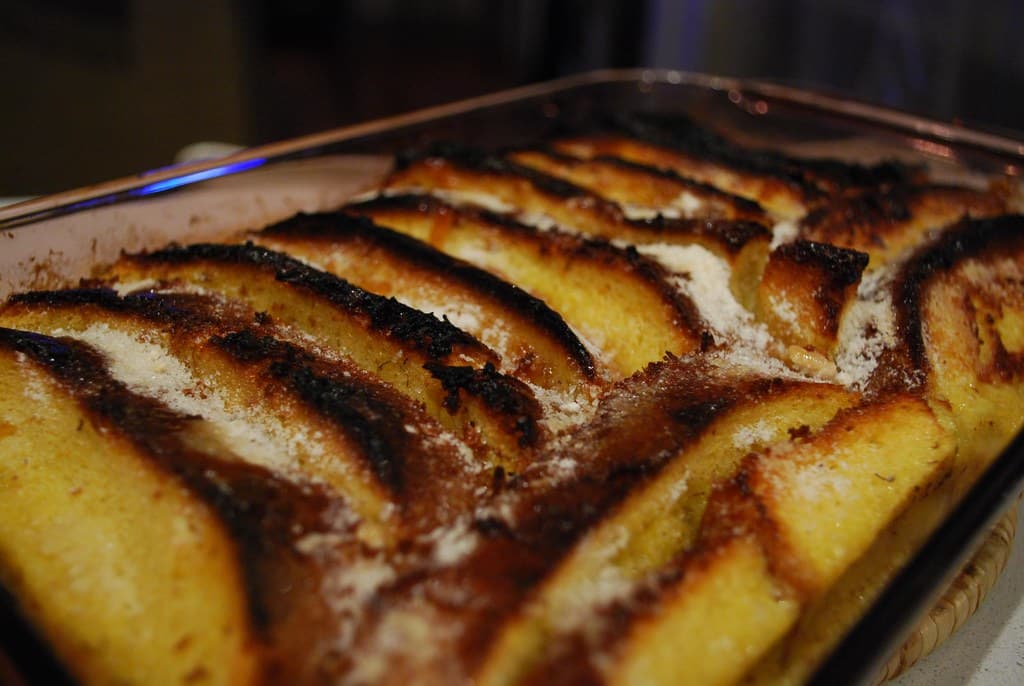
1700s-present
Bread pudding is one of the clearest examples of kitchen thrift becoming comfort food. English colonists brought bread-and-custard pudding habits to America, where cooks used stale bread, milk, eggs, sugar, and spices to make a dessert from leftovers.
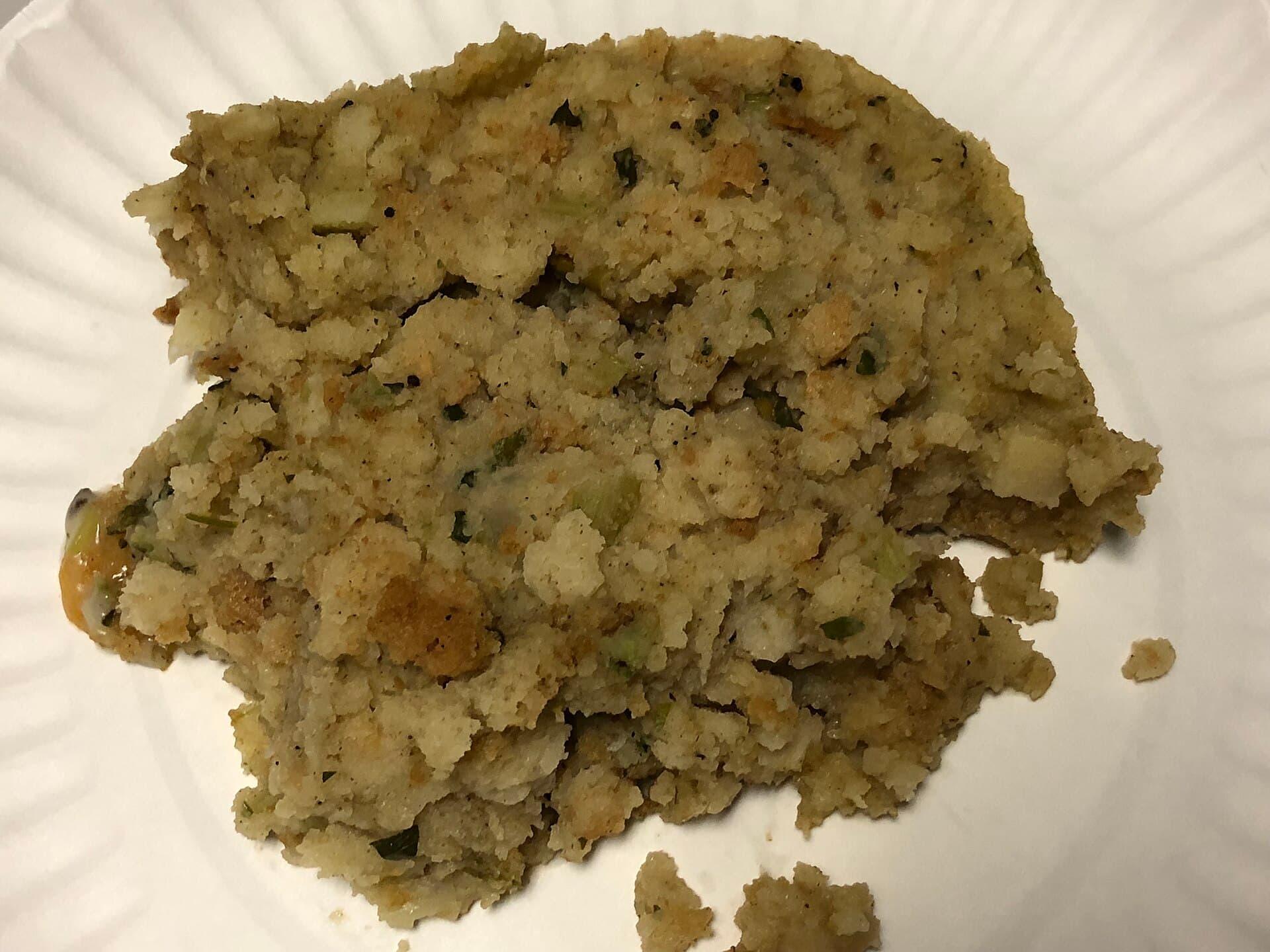
1700s-present
Bread stuffing is the Thanksgiving workhorse that turns stale bread into the part of the plate many people reach for first. Whether cooked inside the bird or baked separately as dressing, the core American formula is bread, aromatics, poultry herbs, and rich stock.
America's Melting Pot
Buckwheat Cakes photo coming soon
1700s-present
Buckwheat cakes were once a cold-weather American breakfast staple, especially in Pennsylvania, Appalachia, and boardinghouses. Buckwheat grew well in poor soils, and an overnight batter gave the cakes a tangy flavor before modern baking powder pancakes took over.
America's Melting Pot
Buffalo Sauce photo coming soon
Cross-era
Buffalo Sauce is a condiment with real American table personality: Butter and hot sauce, tied to Buffalo wings at the Anchor Bar in Buffalo, New York, in 1964. It brings flavor from coast-to-coast American tables to cookouts, counters, lunch plates, potlucks, and weeknight suppers.
America's Melting Pot
Cajun Garlic Hot Sauce photo coming soon
Cross-era
Cajun Garlic Hot Sauce is a condiment with real American table personality: Louisiana seafood boil, po' boy, and gumbo table condiment. It brings flavor from the American South to cookouts, counters, lunch plates, potlucks, and weeknight suppers.
America's Melting Pot
Cajun Remoulade photo coming soon
Cross-era
Cajun Remoulade is a condiment with real American table personality: Louisiana version of French remoulade, often spicier and redder. It brings flavor from the American South to cookouts, counters, lunch plates, potlucks, and weeknight suppers.
America's Melting Pot
Central Texas Sauce photo coming soon
Cross-era
Central Texas Sauce is a barbecue sauce with real American table personality: Often minimal or optional; meat-first barbecue culture. It brings flavor from Texas and the Southwest to cookouts, counters, lunch plates, potlucks, and weeknight suppers.
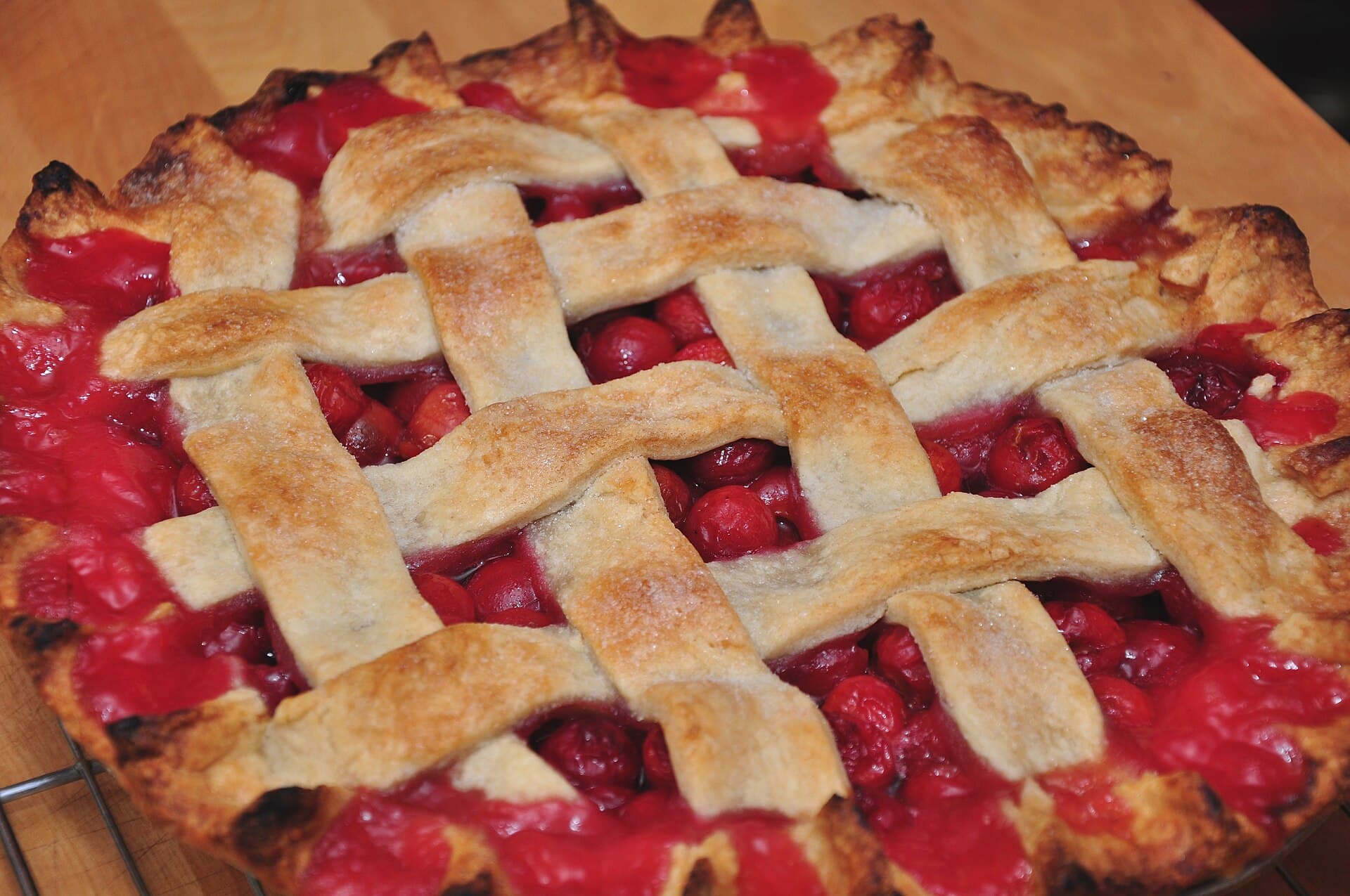
1700s-present
A double-crust sour cherry pie with a bright tart-sweet filling thickened just enough to slice cleanly.
America's Melting Pot
Chicago Neon Green Relish photo coming soon
Cross-era
Chicago Neon Green Relish is a relish with real American table personality: Essential part of the Chicago-style hot dog. It brings flavor from Chicago and the Upper Midwest to cookouts, counters, lunch plates, potlucks, and weeknight suppers.
America's Melting Pot
Chokecherry Jelly photo coming soon
Founding Era
Chokecherry Jelly is a preserve with real American table personality: Plains, Mountain West, and Indigenous/settler preserving tradition. It brings flavor from coast-to-coast American tables to cookouts, counters, lunch plates, potlucks, and weeknight suppers.
America's Melting Pot
Chokecherry Sauce photo coming soon
Before 1776
Chokecherry Sauce is a tart and flavorful condiment made from the chokecherry fruit, historically prepared by Indigenous American peoples across the United States from the early 19th century. This sauce functions as an accompaniment to game meats and poultry, showcasing native foraging and preservation techniques during the Expansion and Young Republic period. It exemplifies Indigenous foodways adapted to settler tables while maintaining cultural culinary heritage.
America's Melting Pot
Coffee Barbecue Sauce photo coming soon
Cross-era
Coffee Barbecue Sauce is a barbecue sauce with real American table personality: Texas/Southwest-style bitter-sweet beef sauce. It brings flavor from the American South to cookouts, counters, lunch plates, potlucks, and weeknight suppers.
America's Melting Pot
Coleslaw photo coming soon
Before 1776
Coleslaw is a popular American salad made from shredded cabbage and carrots tossed in a creamy mayonnaise-based dressing. It became widespread in the postwar period as a favorite side for barbecues, picnics, and holidays such as the Fourth of July. Refreshing and versatile, coleslaw complements grilled meats and sandwiches in American backyard dining traditions.
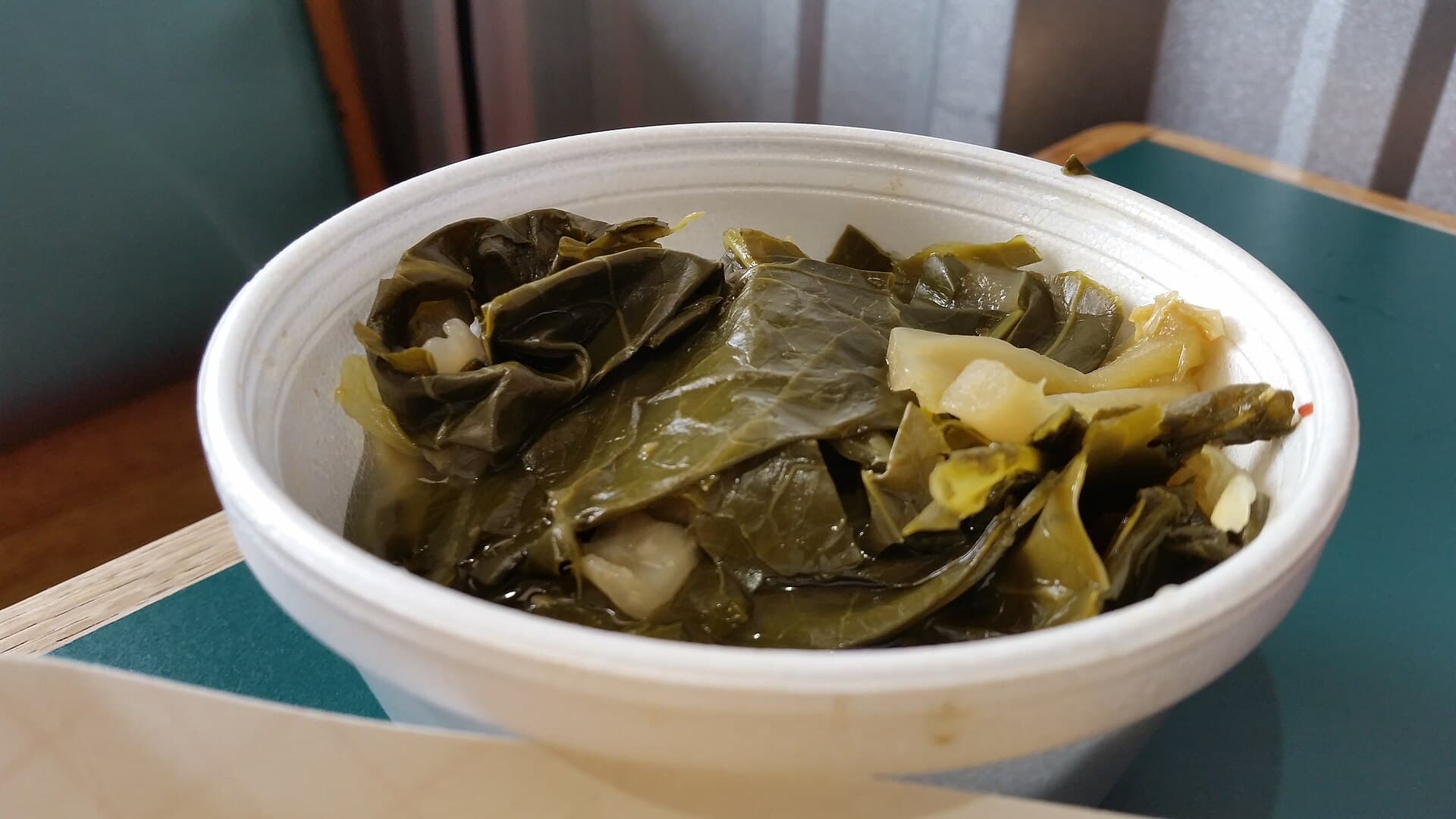
Before 1776
Collard greens are a Southern staple of slow-cooked leafy greens, often simmered with smoked meats and seasonings. Served frequently at Thanksgiving and other holidays, they reflect African American and Southern culinary traditions blending native and immigrant foodways. This versatile side dish is a symbol of Southern hospitality and cultural heritage.
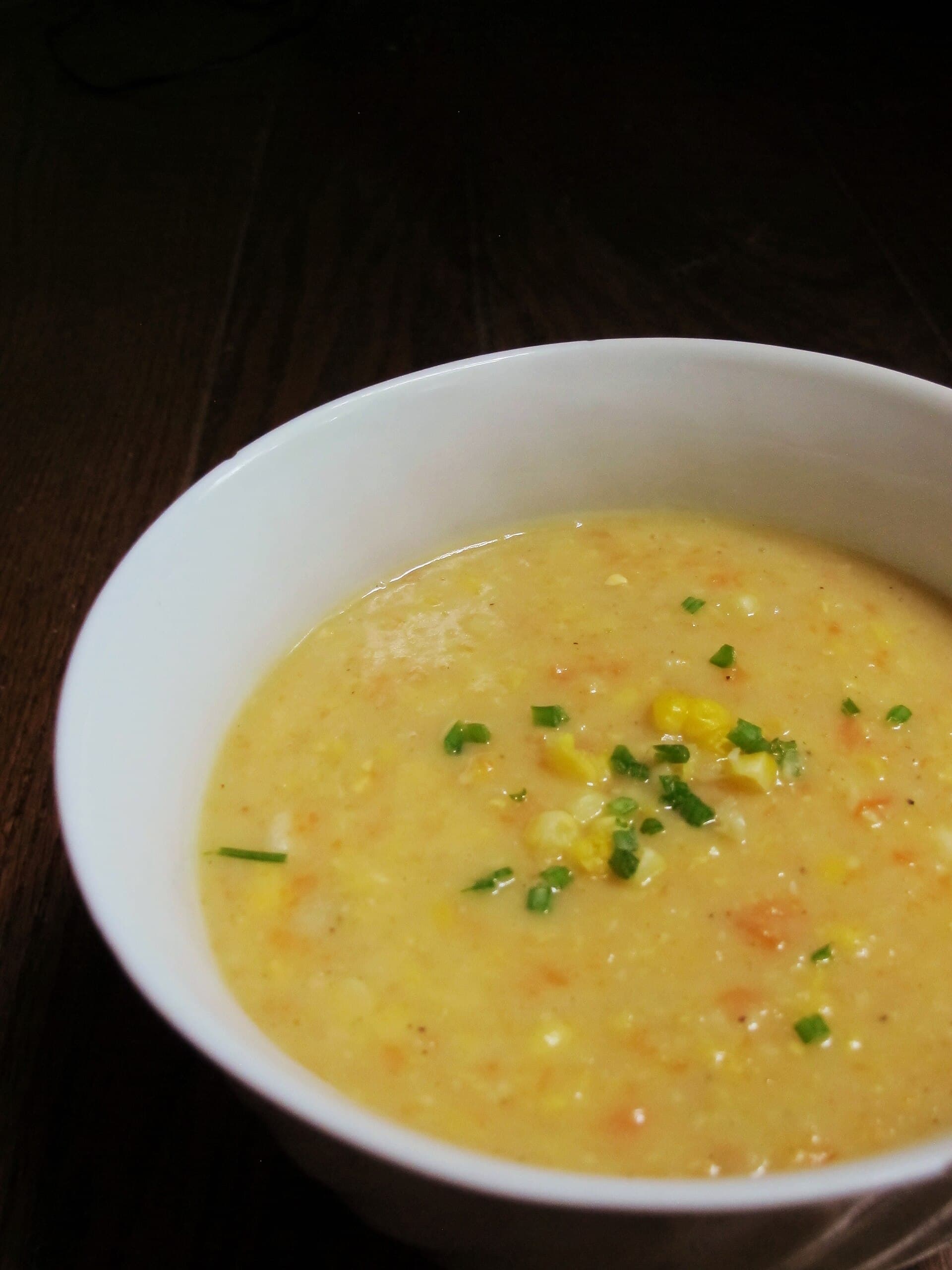
1776-1800
Corn chowder is a creamy and filling soup showcasing fresh or canned corn with potatoes, onions, and occasionally bacon or salt pork, enjoyed across the United States over multiple eras.
Before 1776
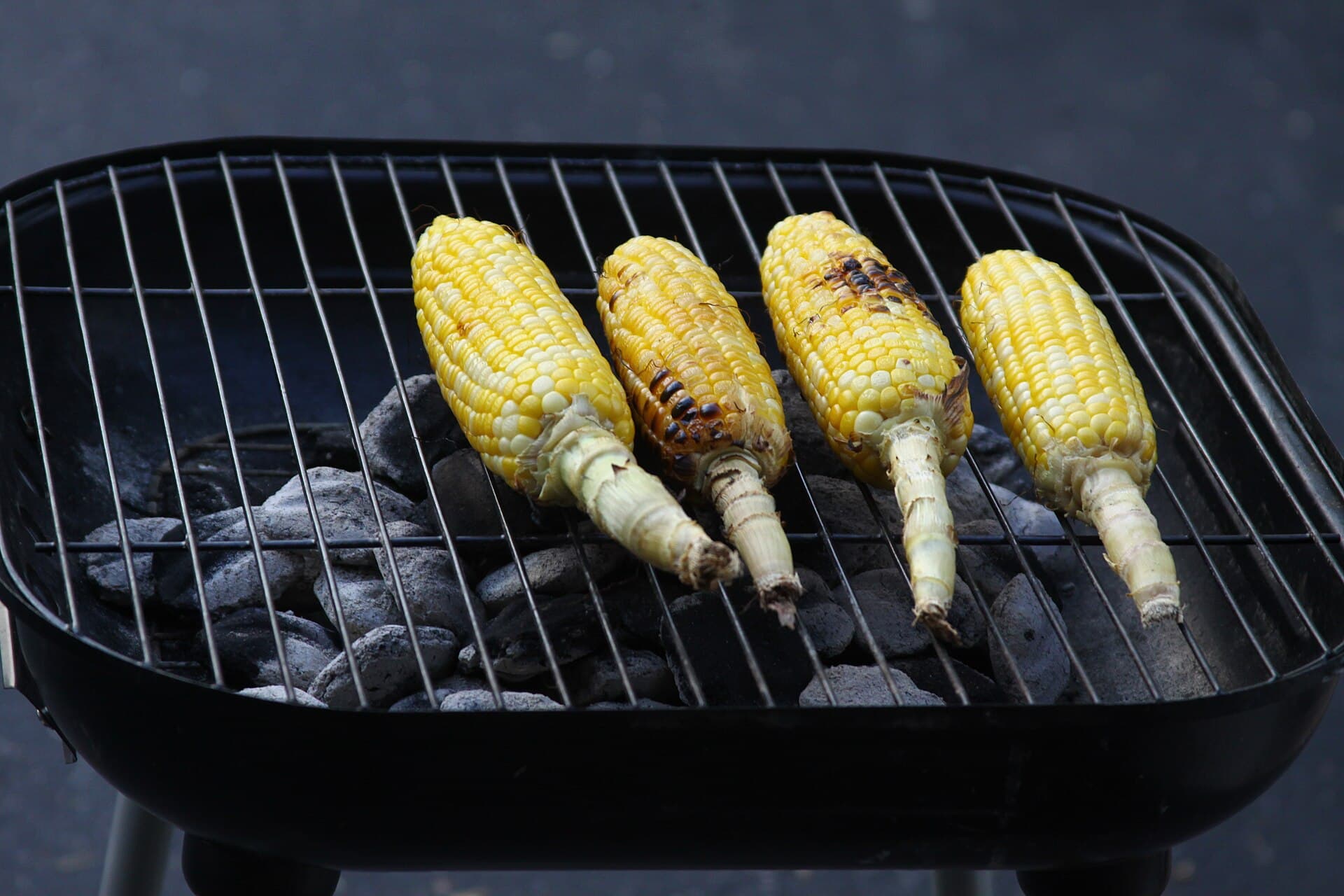
Corn on the cob is a simple, beloved summer side dish traditionally enjoyed at Fourth of July celebrations and backyard cookouts across the United States. Boiled or grilled fresh corn with butter and salt has long been a staple of American holiday tables.
America's Melting Pot
Corn Soup photo coming soon
Before 1776
Corn soup is a nourishing dish rooted in Indigenous American foodways, made with fresh or dried corn and vegetables. It was a common staple during the early 19th century, reflecting traditional methods of using native crops for sustenance.
Before 1776
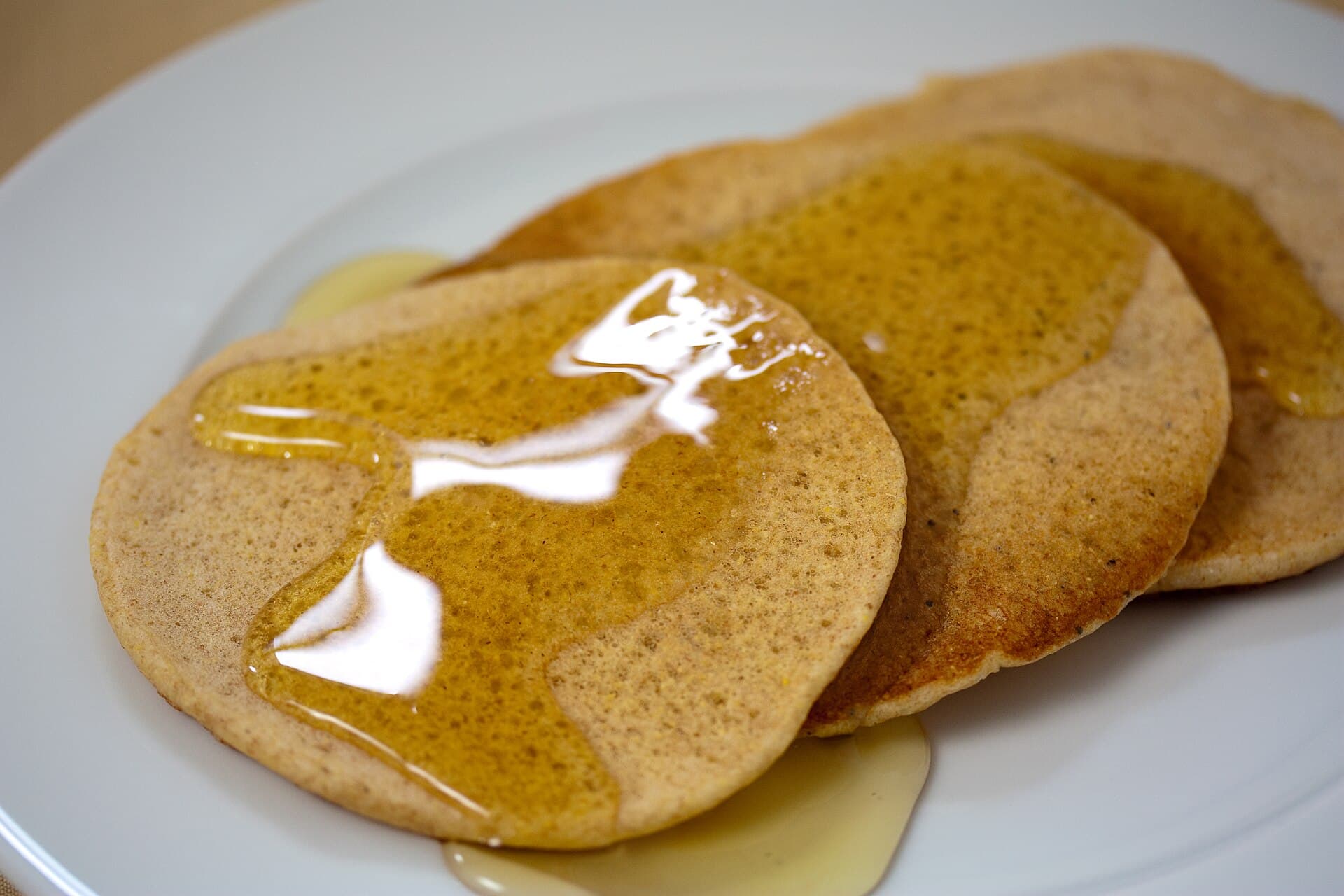
Cornmeal pancakes were a practical and hearty breakfast staple during the Depression and Dust Bowl years, offering an affordable, nourishing start to the day in rural and urban kitchens alike. Using simple pantry staples like cornmeal and flour, these pancakes sustained families through hard economic times and food shortages.
America's Melting Pot
Country Ham and Eggs photo coming soon
Before 1776
A traditional Southern breakfast featuring salty country ham paired with perfectly cooked eggs. This dish reflects rural American morning fare, combining hearty protein with simple preparation for an energizing start to the day.
America's Melting Pot
Cowboy Candy photo coming soon
Cross-era
Cowboy Candy is a relish with real American table personality: Sweet pickled jalapenos. It brings flavor from Texas and the Southwest to cookouts, counters, lunch plates, potlucks, and weeknight suppers.
America's Melting Pot
Cowboy Candy Syrup photo coming soon
Cross-era
Cowboy Candy Syrup is a condiment with real American table personality: Sweet pickled jalapeno syrup used on cream cheese, burgers, and barbecue. It brings flavor from Texas and the Southwest to cookouts, counters, lunch plates, potlucks, and weeknight suppers.
America's Melting Pot
Cranberry Orange Relish photo coming soon
Founding Era
Cranberry Orange Relish is a preserve with real American table personality: Holiday table condiment. It brings flavor from New England to cookouts, counters, lunch plates, potlucks, and weeknight suppers.
America's Melting Pot
Creole Mustard Sauce photo coming soon
Cross-era
Creole Mustard Sauce is a condiment with real American table personality: Louisiana mustard culture for po' boys, seafood, and meats. It brings flavor from the American South to cookouts, counters, lunch plates, potlucks, and weeknight suppers.
1776-1800
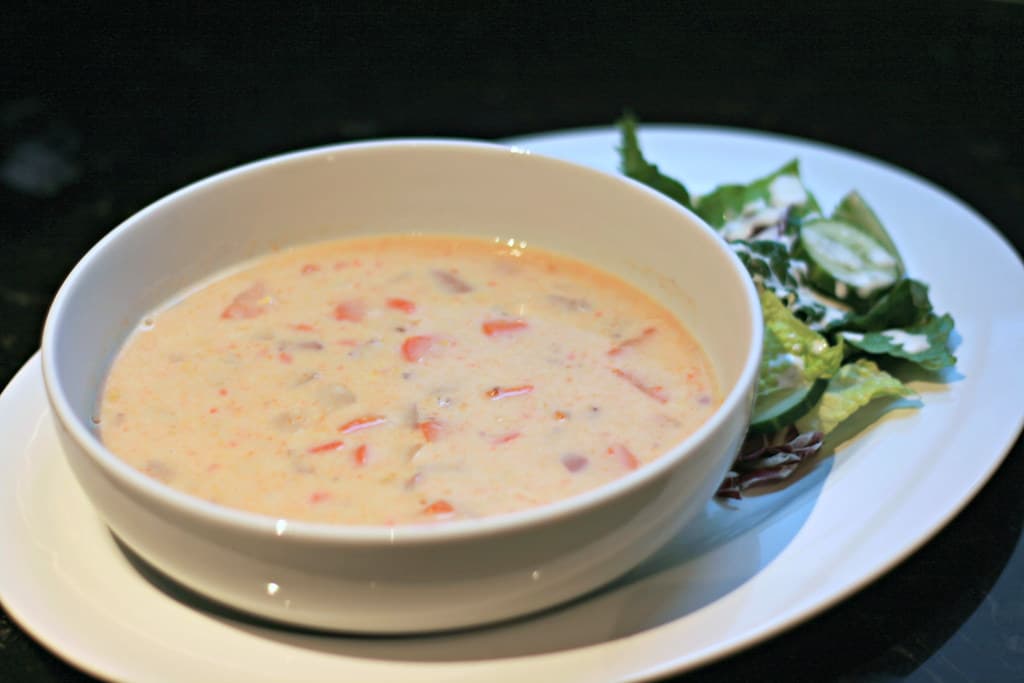
Crockpot Corn Chowder is a comforting soup blending sweet corn, potatoes, cream, and aromatics slowly cooked to meld flavors. This dish demonstrates American home cooks' use of the crockpot for hearty, vegetable-rich soups, popular in the late 20th century in diverse regional settings.
America's Melting Pot
Crystal-Style Hot Sauce photo coming soon
Cross-era
Crystal-Style Hot Sauce is a condiment with real American table personality: New Orleans table sauce culture. It brings flavor from the American South to cookouts, counters, lunch plates, potlucks, and weeknight suppers.
America's Melting Pot
Deviled Egg Filling photo coming soon
1776-1800
Deviled Egg Filling is a spread with real American table personality: Not exactly a sauce, but a condiment-like American picnic food. It brings flavor from coast-to-coast American tables to cookouts, counters, lunch plates, potlucks, and weeknight suppers.
America's Melting Pot
Dill Pickle Relish photo coming soon
Cross-era
Dill Pickle Relish is a relish with real American table personality: Burgers, Chicago dogs, and fish sauces. It brings flavor from Chicago and the Upper Midwest to cookouts, counters, lunch plates, potlucks, and weeknight suppers.
1776-1800
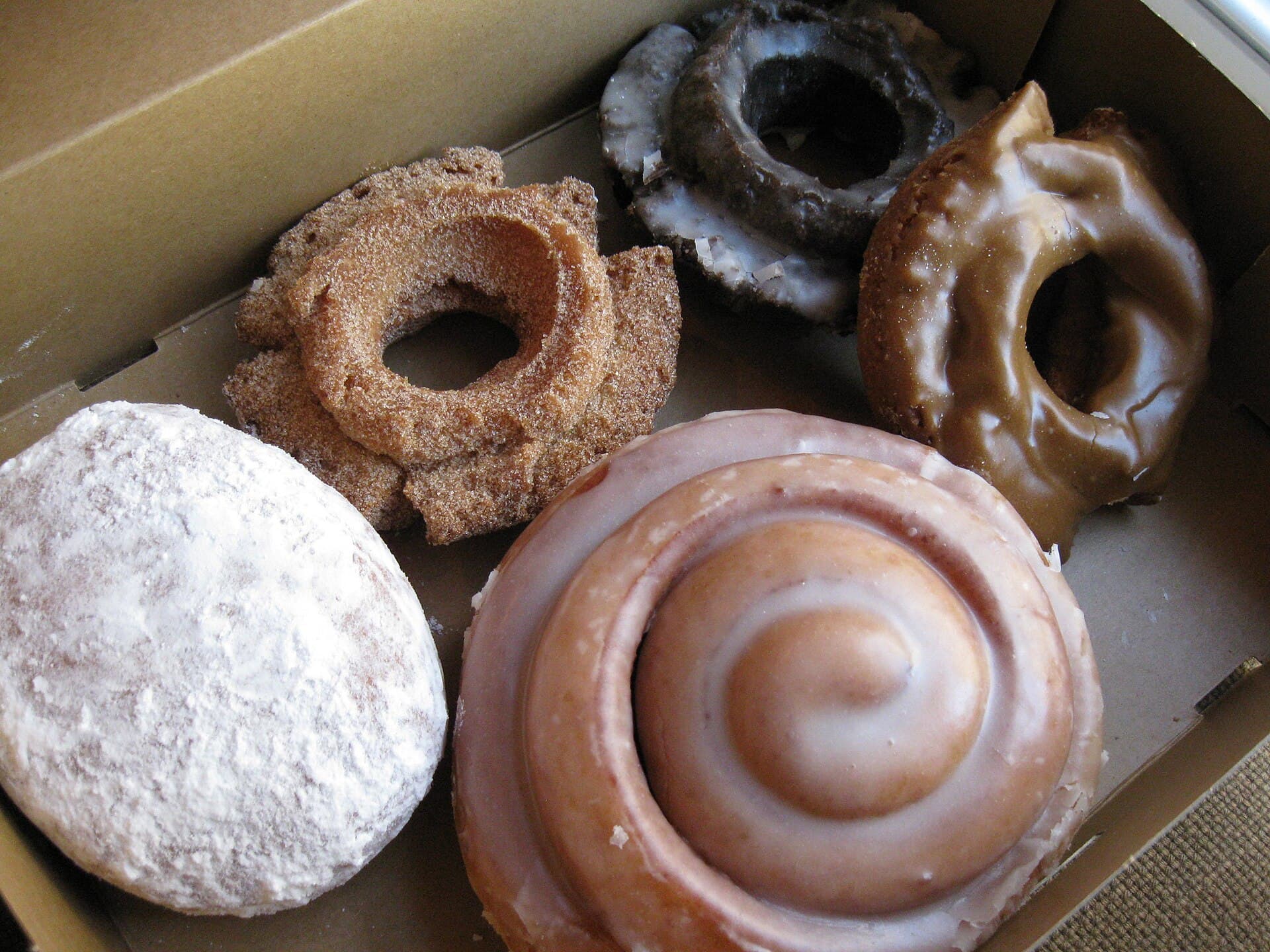
Doughnuts are a beloved American breakfast and snack originating from various immigrant influences, consisting of fried dough rings or balls coated in sugar or glaze. The recipe has evolved over centuries and become a cross-era staple with numerous regional variations.
America's Melting Pot
Dr Pepper Barbecue Sauce photo coming soon
Cross-era
Dr Pepper Barbecue Sauce is a barbecue sauce with real American table personality: Soda-pop barbecue culture. It brings flavor from American barbecue regions to cookouts, counters, lunch plates, potlucks, and weeknight suppers.
America's Melting Pot
East Texas Barbecue Sauce photo coming soon
Cross-era
East Texas Barbecue Sauce is a barbecue sauce with real American table personality: Sweeter, tomato-based sauce often used with chopped beef and pork. It brings flavor from Texas and the Southwest to cookouts, counters, lunch plates, potlucks, and weeknight suppers.
America's Melting Pot
Eastern North Carolina Vinegar Sauce photo coming soon
Cross-era
Eastern North Carolina Vinegar Sauce is a barbecue sauce with real American table personality: Thin vinegar, pepper, and pork fat tradition for whole hog barbecue. It brings flavor from the American South to cookouts, counters, lunch plates, potlucks, and weeknight suppers.
America's Melting Pot
Eastern North Carolina Whole Hog photo coming soon
Before 1776
Eastern North Carolina Whole Hog barbecue is a traditional slow-cooked pork technique where an entire hog is cooked over wood coals and served with a tangy, vinegar-based sauce. This style emphasizes simplicity, smoky flavor, and communal preparation often associated with regional celebrations.
1776-1800
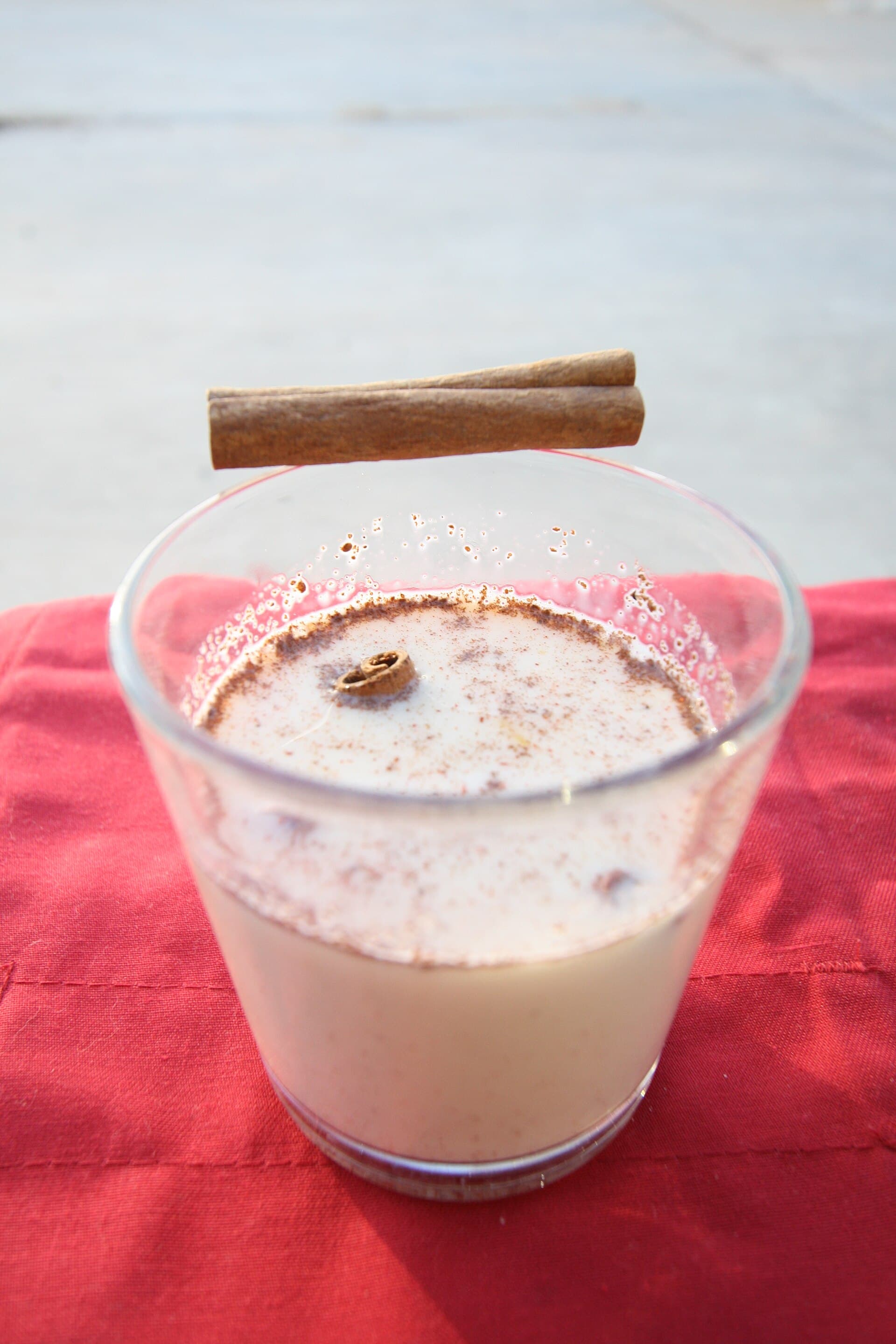
Eggnog is a rich, creamy holiday beverage made from milk or cream, beaten eggs, sugar, and often spiked with spirits such as brandy or rum. Served chilled, it is a festive treat deeply associated with Christmas celebrations across the United States, with colonial roots.
America's Melting Pot
Fig Preserves photo coming soon
Cross-era
Fig Preserves is a preserve with real American table personality: Southern and Gulf Coast tradition. It brings flavor from the American South to cookouts, counters, lunch plates, potlucks, and weeknight suppers.
1776-1800
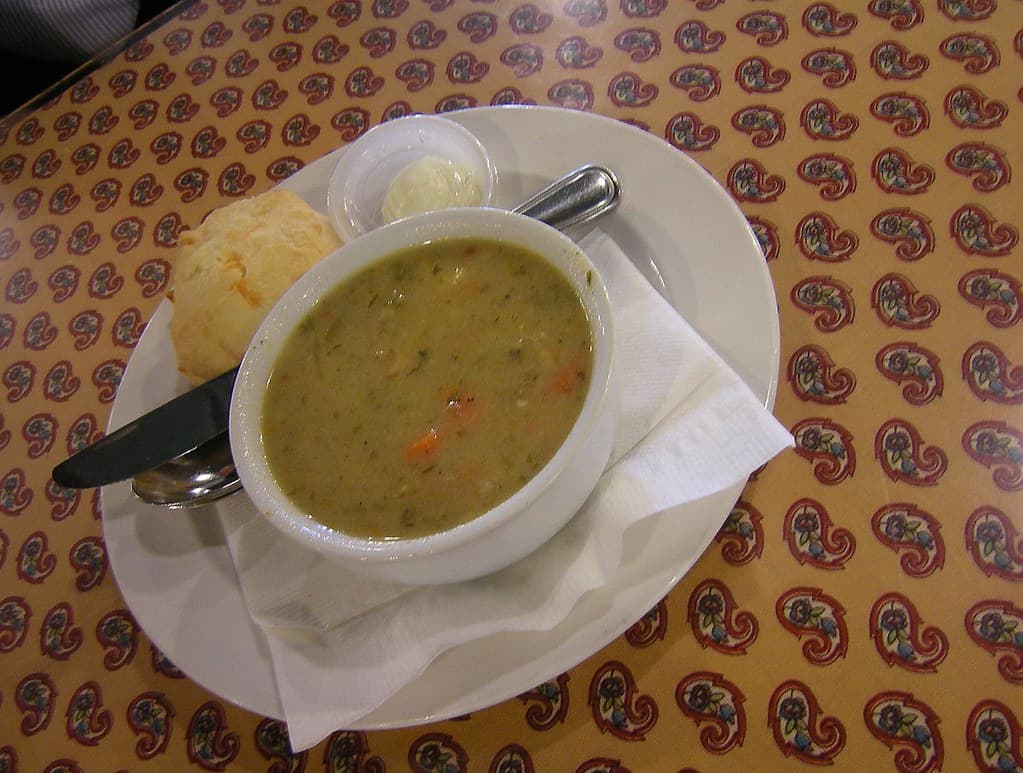
Fish Chowder is a thick, creamy soup made with white fish, potatoes, and onions, traditionally served in coastal American communities. Documented since the Revolutionary era, fish chowder reflects early American pottage and stew practices blending local seafood with hearty vegetables.
Before 1776
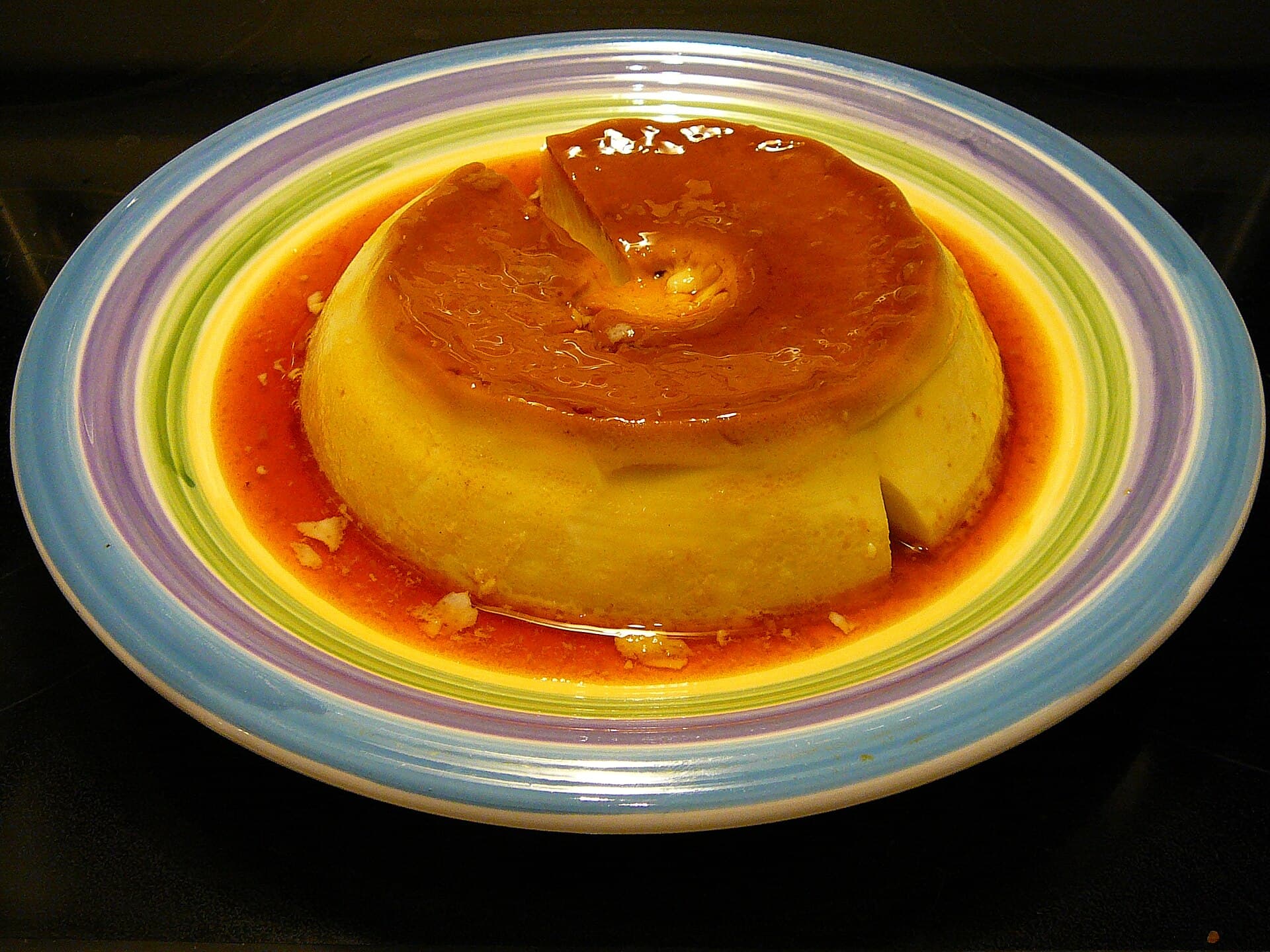
Flan is a smooth baked custard dessert topped with a layer of soft caramel. Popular in Puerto Rico, the Philippines, Guam, and Virgin Islands, it reflects colonial and cultural exchange blending Spanish dessert traditions with local ingredients.
America's Melting Pot
Fried Oysters photo coming soon
1776-1800
Fried oysters are oysters breaded or battered and pan-fried or deep-fried until crispy. A popular dish in the late 18th century, fried oysters were enjoyed as a fresh, flavorful way to prepare abundant coastal seafood during the Revolutionary era.
Before 1776
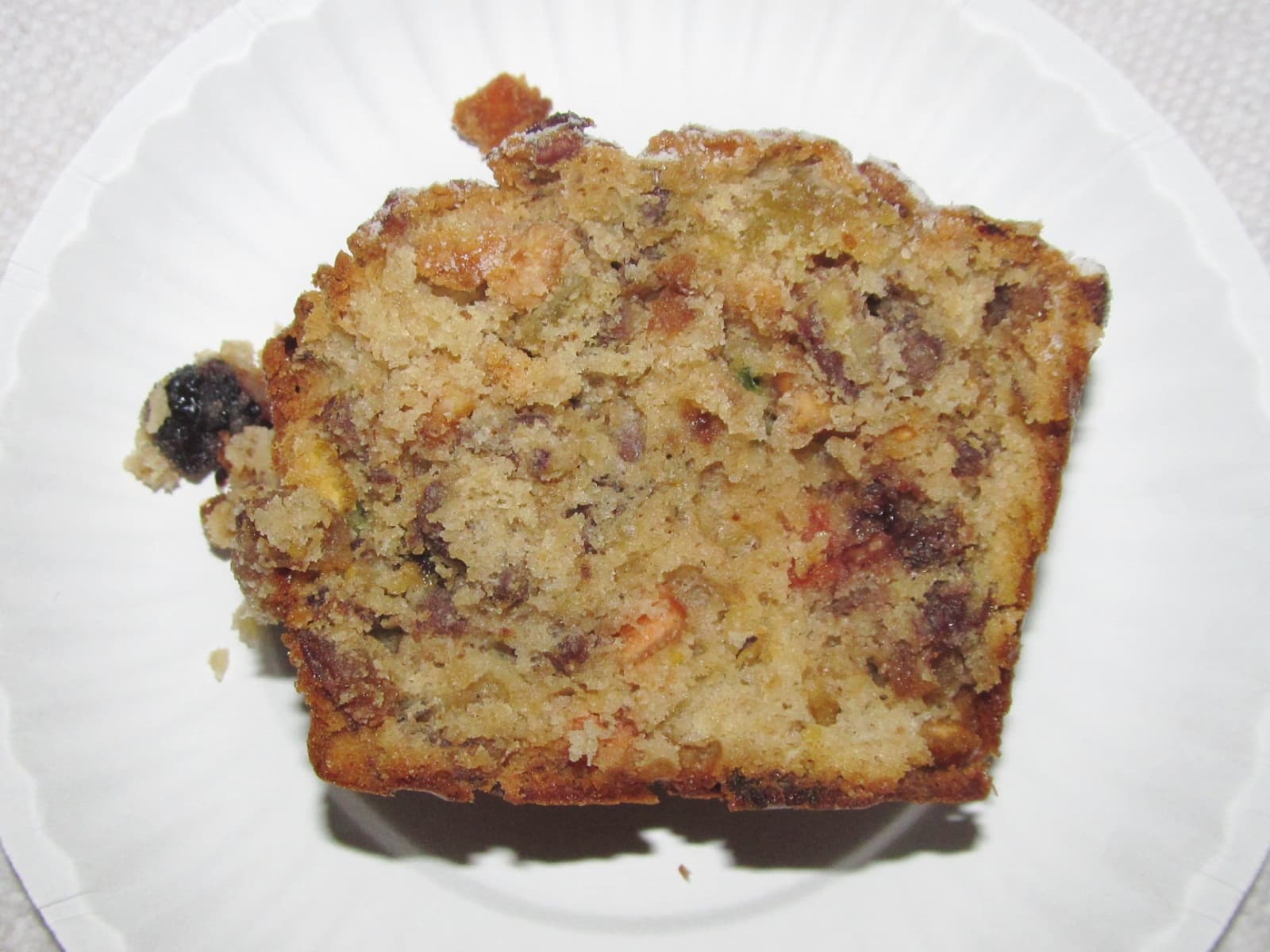
Fruitcake is a rich, dense cake loaded with dried fruits, nuts, and spices, often soaked in alcohol and served during Christmas holidays across America for centuries, rooted in European festive traditions.
America's Melting Pot
Giardiniera, Chicago Style photo coming soon
Cross-era
Giardiniera, Chicago Style is a relish with real American table personality: Italian-American Chicago sandwich condiment, especially Italian beef. It brings flavor from Chicago and the Upper Midwest to cookouts, counters, lunch plates, potlucks, and weeknight suppers.
America's Melting Pot
Giblet Gravy photo coming soon
1776-1800
Giblet Gravy is a condiment with real American table personality: Thanksgiving turkey gravy with giblets. It brings flavor from coast-to-coast American tables to cookouts, counters, lunch plates, potlucks, and weeknight suppers.
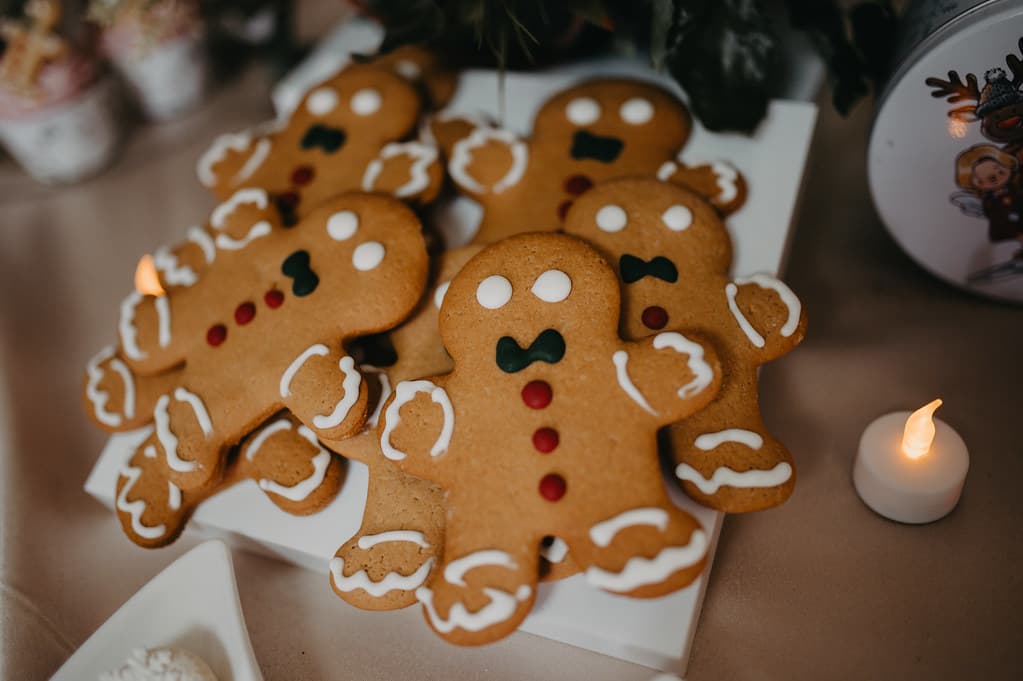
1776-1800
Gingerbread is a spiced baked good flavored with ginger, molasses, and warming spices such as cinnamon and cloves. Commonly prepared as cookies or moist cake, gingerbread became a favored holiday treat in America during the late 18th century, embodying the festive flavors associated with Christmas traditions.
America's Melting Pot
Green Chile Sauce photo coming soon
Cross-era
Green Chile Sauce is a condiment with real American table personality: New Mexico and Southwestern staple. It brings flavor from the American South to cookouts, counters, lunch plates, potlucks, and weeknight suppers.
America's Melting Pot
Green Chile Stew photo coming soon
Before 1776
Green Chile Stew is a traditional one-pot dish from the Southwest and South, combining local green chiles with meats and vegetables. Its history spans multiple eras and reflects a melding of Native American, Mexican, and Anglo culinary influences, helping define regional stew traditions.
America's Melting Pot
Greens photo coming soon
Before 1776
Cooked greens have been a traditional Southern American dish associated with New Year's and good luck. Derived from African American and Southern settlements, the dish typically involves collard, mustard, or turnip greens slow-cooked with smoked meat for rich flavor. Its cultural significance endures.
America's Melting Pot
Grits photo coming soon
Before 1776
Grits, made from ground corn, are a Southern breakfast cornerstone in American cuisine across many eras. Simple and adaptable, grits are often served creamy with butter, cheese, or savory toppings, symbolizing Southern hospitality and regional identity.
America's Melting Pot
Guam Kelaguen photo coming soon
Before 1776
Kelaguen is a traditional Chamorro dish from Guam, consisting of marinated meat or seafood typically chopped and served cold. Blending influences from Chamorro, Filipino, Puerto Rican, and other island cultures, it remains a cherished part of island American territories' food traditions.
America's Melting Pot
Ham photo coming soon
1776-1800
Ham is a traditional centerpiece in American holiday meals, especially during New Year's celebrations where it symbolizes good fortune and prosperity. Its preservation and curing methods vary regionally, reflecting diverse cultural influences across the United States. This recipe explores practical home preparation of ham suitable for festive occasions.
America's Melting Pot
Hasty Pudding photo coming soon
Before 1776
Hasty pudding is a simple cornmeal porridge traditionally eaten for breakfast, traced to colonial America and The Revolutionary Table era. It historically used accessible grains and minimal ingredients to provide warm sustenance.
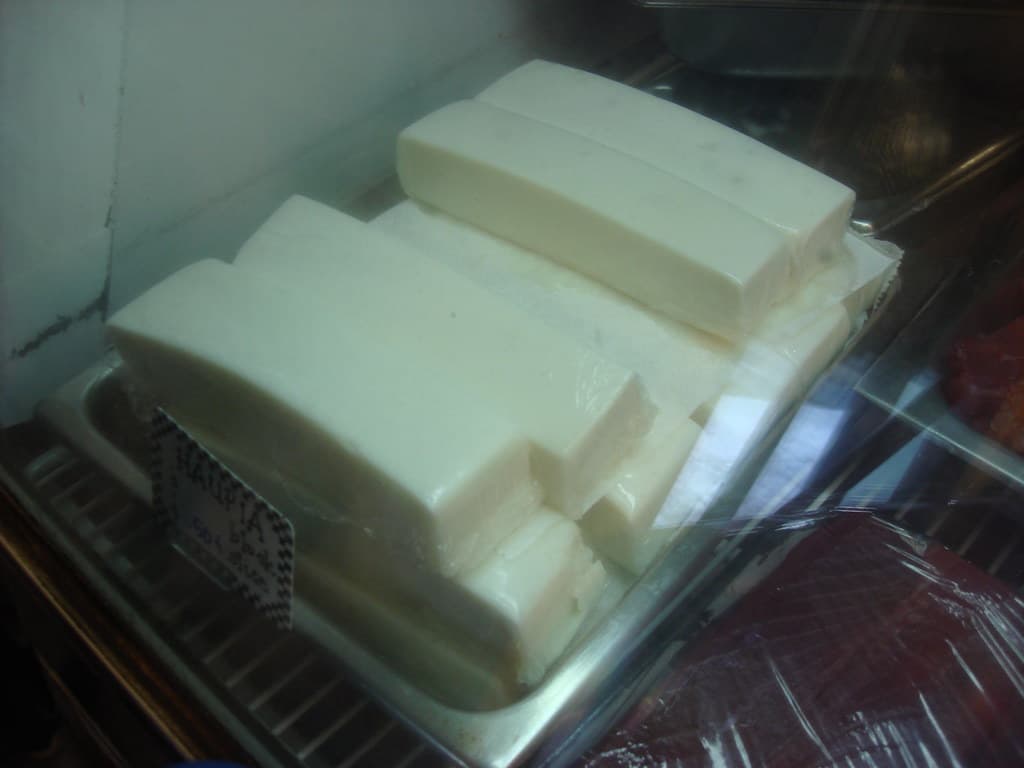
Native Foodways and Continuity
Haupia is a coconut milk-based pudding native to Hawaii often used in traditional and modern desserts. This dairy-free, gelatinous treat reflects Hawaiian cuisine's use of local ingredients and cultural fusion including Asian and Portuguese influences.
America's Melting Pot
Hawaiian Huli Huli Sauce photo coming soon
Cross-era
Hawaiian Huli Huli Sauce is a barbecue sauce with real American table personality: Soy, sugar, ginger, garlic, pineapple/tropical sweetness; Hawaiian barbecue culture. It brings flavor from California, Hawaii, and the West Coast to cookouts, counters, lunch plates, potlucks, and weeknight suppers.
America's Melting Pot
Hoecakes photo coming soon
Before 1776
Hoecakes are simple cornmeal flatbreads or pancakes cooked on a griddle. Dating to the Revolutionary era, they provided a quick, hearty breakfast or side dish using native grains with minimal ingredients.
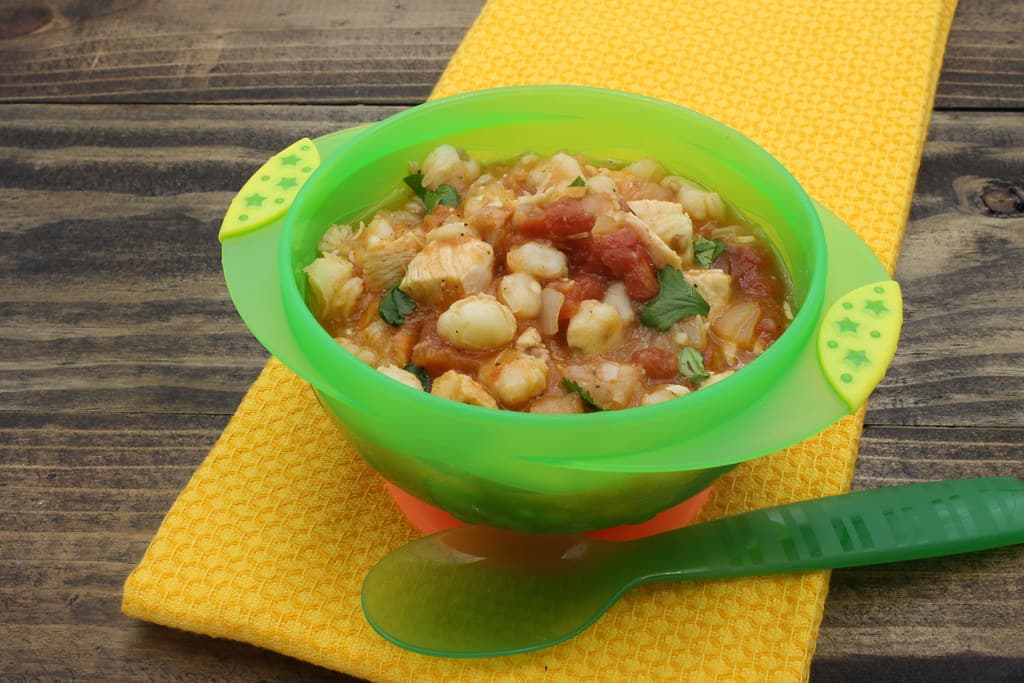
Before 1776
Hominy stew is a traditional Indigenous American dish combining hominy with meat and vegetables to create a hearty, nourishing meal. This recipe reflects how Indigenous foodways influenced American cooking during the 1800-1860 period, using local ingredients and slow cooking methods.
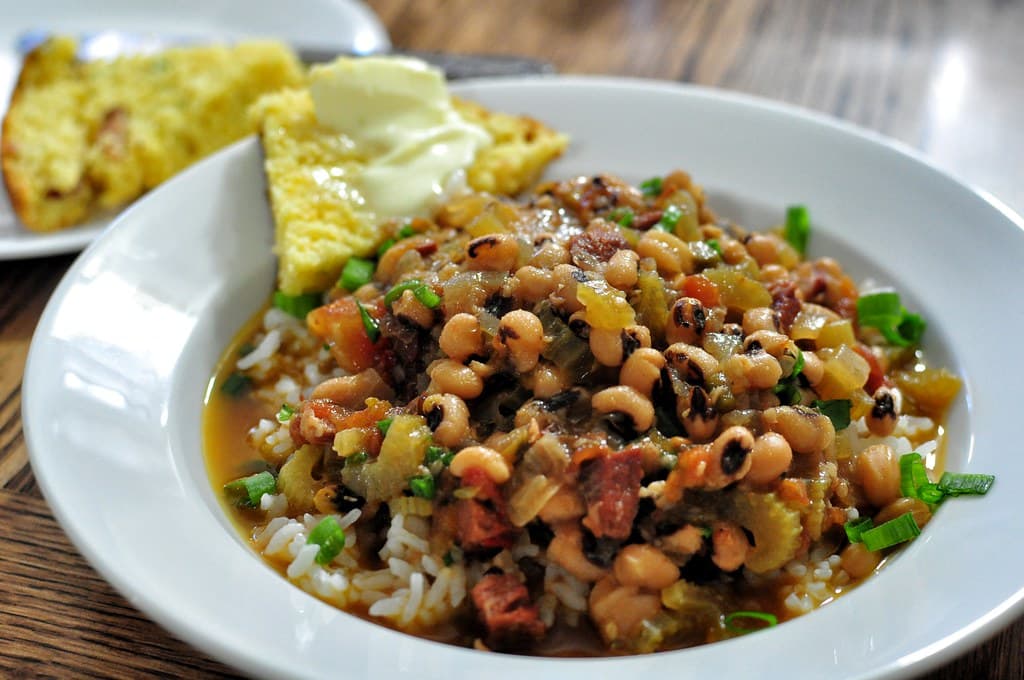
Founding Era
A Lowcountry rice and black-eyed pea dish tied to Southern New Year tables, pork seasoning, and African-influenced foodways.
America's Melting Pot
Hot Pepper Jelly photo coming soon
Cross-era
Hot Pepper Jelly is a condiment with real American table personality: Southern party staple, often served over cream cheese. It brings flavor from the American South to cookouts, counters, lunch plates, potlucks, and weeknight suppers.
America's Melting Pot
Huckleberry Jam photo coming soon
Cross-era
Huckleberry Jam is a preserve with real American table personality: Montana, Idaho, Pacific Northwest, and mountain West. It brings flavor from the Pacific Northwest and Mountain West to cookouts, counters, lunch plates, potlucks, and weeknight suppers.
America's Melting Pot
Jalapeno Jelly photo coming soon
Cross-era
Jalapeno Jelly is a preserve with real American table personality: Texas/Southwest/Southern sweet-hot jelly. It brings flavor from the American South to cookouts, counters, lunch plates, potlucks, and weeknight suppers.
America's Melting Pot
Jellied Cranberry Sauce photo coming soon
Founding Era
Jellied Cranberry Sauce is a preserve with real American table personality: Thanksgiving can-shaped icon. It brings flavor from New England to cookouts, counters, lunch plates, potlucks, and weeknight suppers.
America's Melting Pot
Jezebel Sauce photo coming soon
Cross-era
Jezebel Sauce is a condiment with real American table personality: Southern sweet-hot sauce, usually pineapple preserves, apple jelly, horseradish, mustard, and pepper. It brings flavor from the American South to cookouts, counters, lunch plates, potlucks, and weeknight suppers.
Before 1776
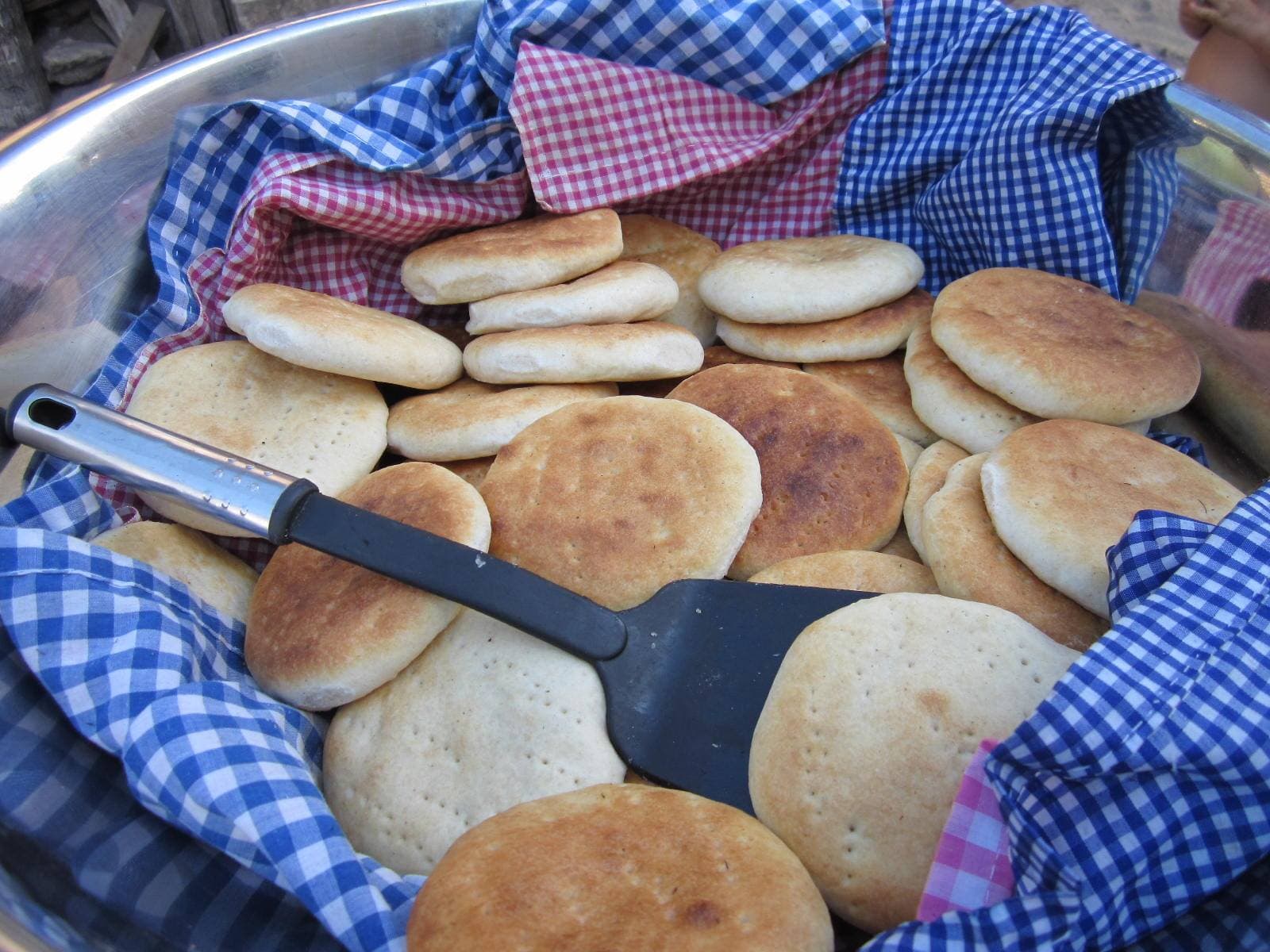
Johnny Cakes, as known in Puerto Rican, Chamorro, Filipino-American, and Virgin Islands cuisines, are fried cornmeal cakes served as snacks or side dishes. This cross-era preparation exemplifies the cultural blending in American island territories, combining influences from indigenous, Spanish, and Pacific Islander cooking.
Native Foodways and Continuity
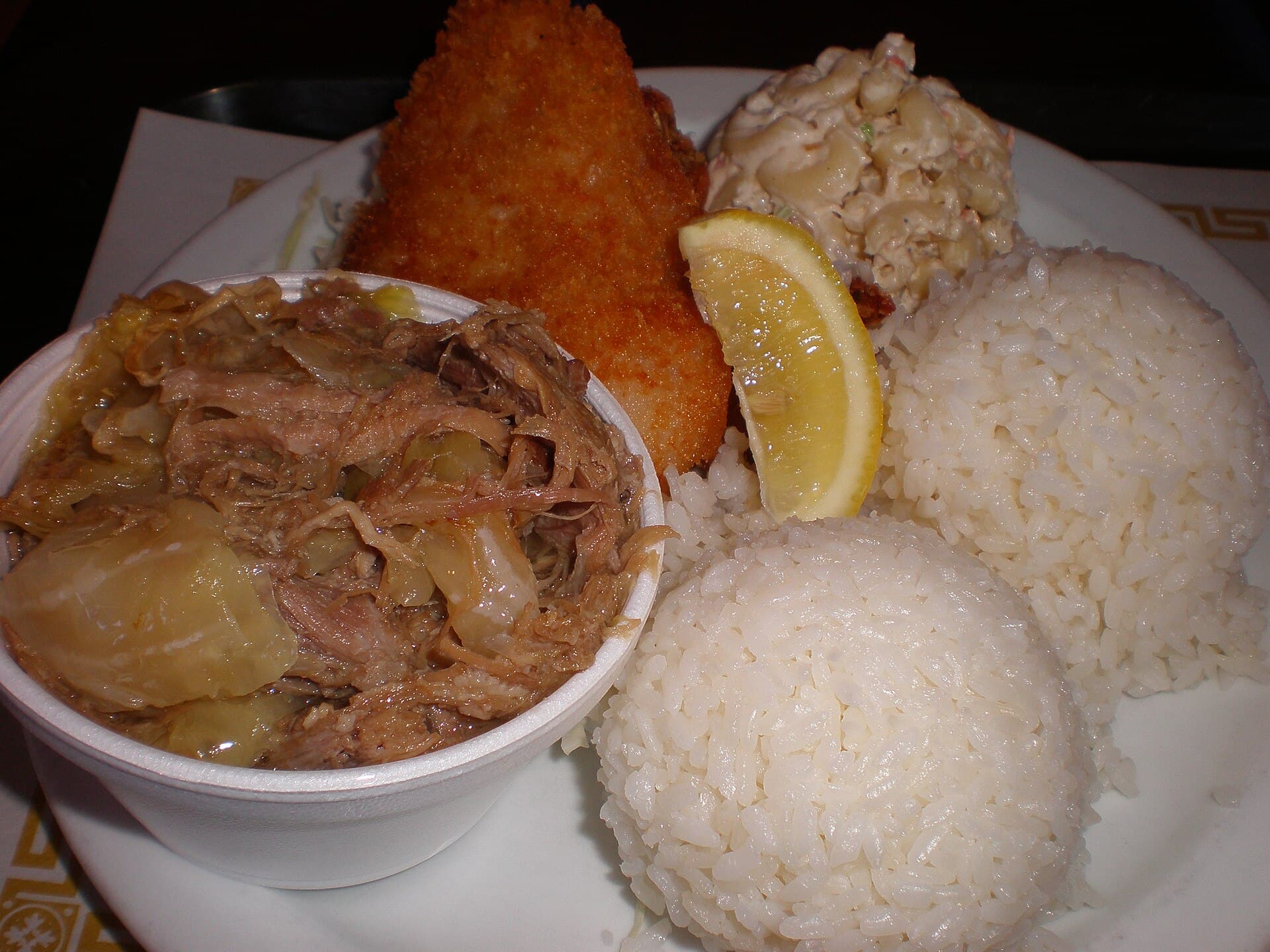
Kalua pork is a Hawaiian dish featuring whole pork shoulder or butt slow-cooked with liquid smoke or in an imu (underground oven) until tender and smoky. It blends indigenous Hawaiian cooking methods with influences from Asian and Portuguese immigrants, becoming a centerpiece of Hawaiian luaus and celebrations.
America's Melting Pot
Kansas City Barbecue Sauce photo coming soon
Founding Era
Kansas City Barbecue Sauce is a barbecue sauce with real American table personality: Thick, sweet, tomato-molasses sauce. It brings flavor from American barbecue regions to cookouts, counters, lunch plates, potlucks, and weeknight suppers.
America's Melting Pot
Kentucky Black Barbecue Sauce photo coming soon
Cross-era
Kentucky Black Barbecue Sauce is a barbecue sauce with real American table personality: Worcestershire-heavy sauce for mutton, especially Owensboro-style barbecue. It brings flavor from Appalachia and Pennsylvania Dutch country to cookouts, counters, lunch plates, potlucks, and weeknight suppers.
1776-1800
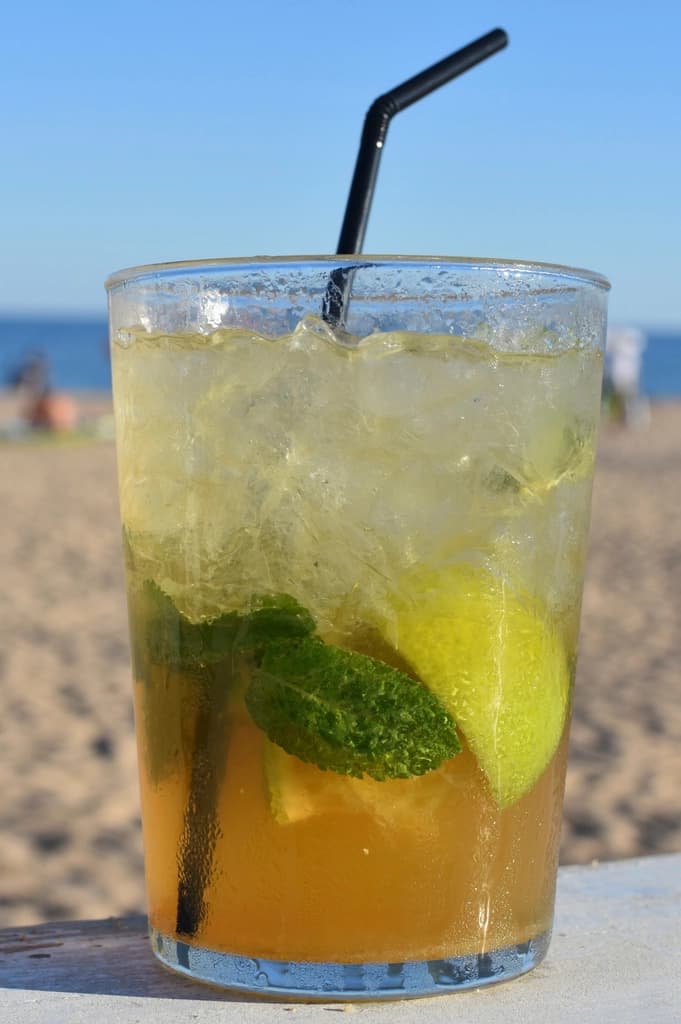
Lemonade is a simple, refreshing drink made from lemon juice, water, and sugar, popularized in American suburbs during the postwar boom. Served at backyard barbecues and holiday gatherings, especially on the Fourth of July, it embodies summer refreshment and casual entertaining.
America's Melting Pot
Lexington Dip photo coming soon
Cross-era
Lexington Dip is a barbecue sauce with real American table personality: Western North Carolina vinegar sauce with tomato/ketchup added. It brings flavor from the American South to cookouts, counters, lunch plates, potlucks, and weeknight suppers.
America's Melting Pot
Louisiana-Style Hot Sauce photo coming soon
Cross-era
Louisiana-Style Hot Sauce is a condiment with real American table personality: Vinegar-aged cayenne hot sauce culture: Tabasco, Crystal, Louisiana Hot Sauce, and many more. It brings flavor from the American South to cookouts, counters, lunch plates, potlucks, and weeknight suppers.
America's Melting Pot
Mambo/Mumbo Sauce photo coming soon
Cross-era
Mambo/Mumbo Sauce is a condiment with real American table personality: D.C. It brings flavor from Chesapeake and Mid-Atlantic to cookouts, counters, lunch plates, potlucks, and weeknight suppers.
Before 1776
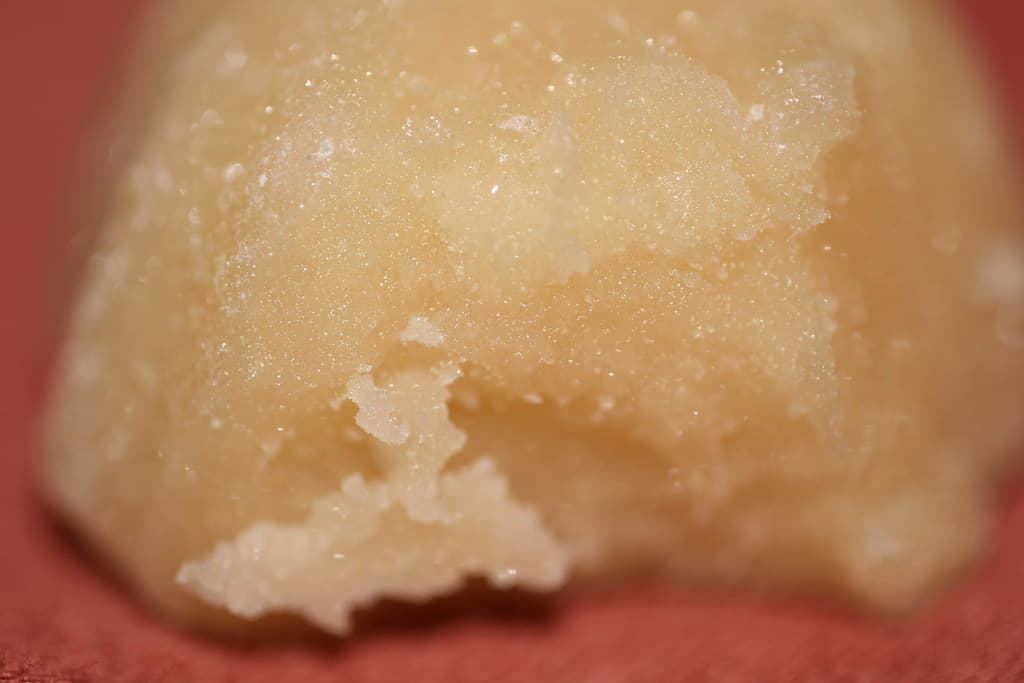
Maple sugar candy is a traditional treat made by concentrating and cooling pure maple syrup until crystallized into small, rich candies. Popular in colonial and early American celebrations, this confection celebrates the maple harvest and resourcefulness in using local maple products for sweets.
Founding Era
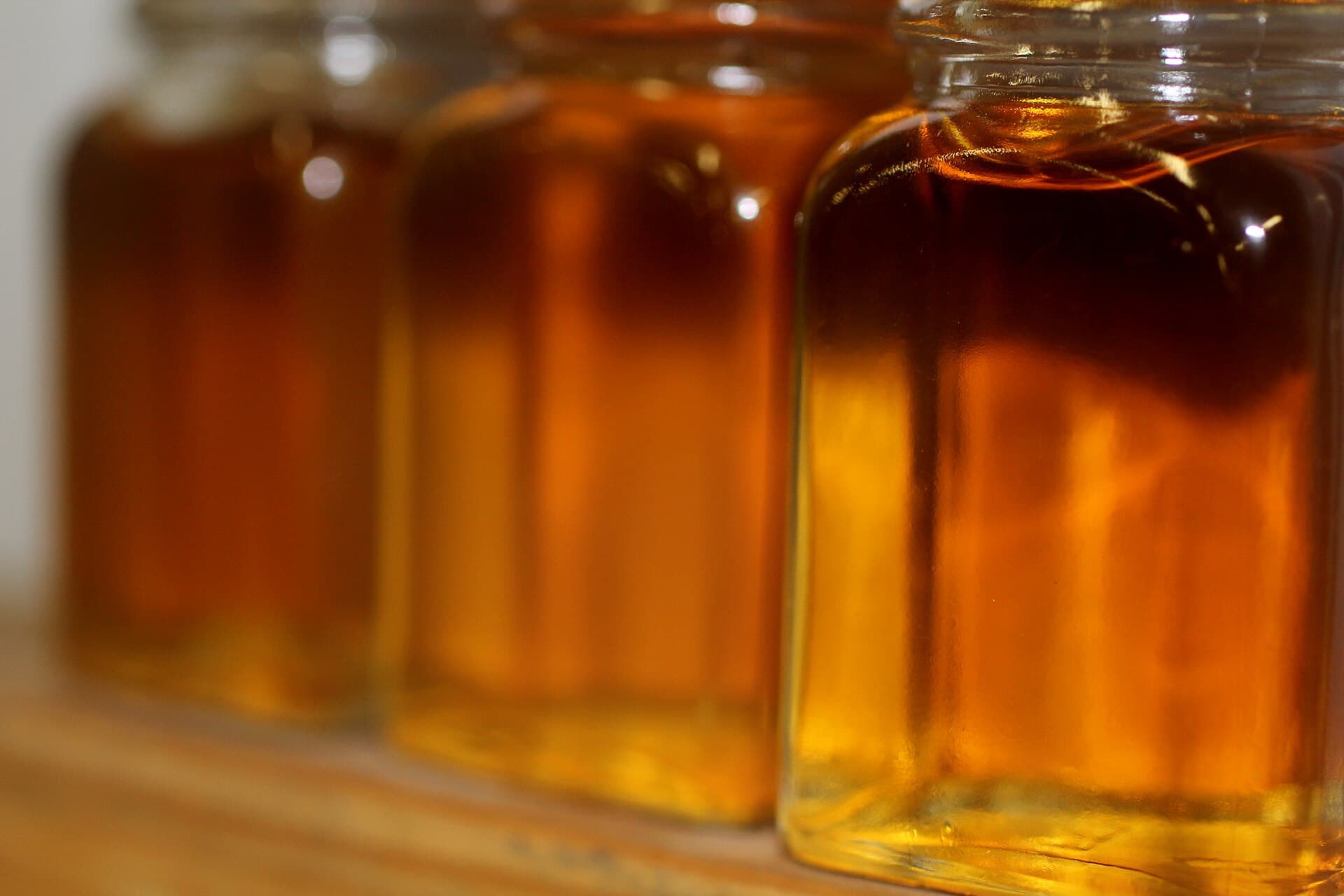
Maple Syrup is a sweet sauce with real American table personality: Indigenous North American foodway adopted and commercialized across New England and the Upper Midwest. It brings flavor from New England to cookouts, counters, lunch plates, potlucks, and weeknight suppers.
America's Melting Pot
Marionberry Jam photo coming soon
Cross-era
Marionberry Jam is a preserve with real American table personality: Oregon original blackberry cultivar released in 1956 by USDA/OSU and named for Marion County, Oregon. It brings flavor from the Pacific Northwest and Mountain West to cookouts, counters, lunch plates, potlucks, and weeknight suppers.
America's Melting Pot
Mayhaw Jelly photo coming soon
Cross-era
Mayhaw Jelly is a preserve with real American table personality: Southern wetland fruit jelly; mayhaws are native to the southern U.S. It brings flavor from the American South to cookouts, counters, lunch plates, potlucks, and weeknight suppers.
America's Melting Pot
Memphis Barbecue Sauce photo coming soon
Cross-era
Memphis Barbecue Sauce is a barbecue sauce with real American table personality: Tomato-vinegar sauce, often thinner and tangier than Kansas City. It brings flavor from American barbecue regions to cookouts, counters, lunch plates, potlucks, and weeknight suppers.
America's Melting Pot
Mesquite Jelly/Syrup photo coming soon
Cross-era
Mesquite Jelly/Syrup is a preserve with real American table personality: Southwestern desert pantry. It brings flavor from the American South to cookouts, counters, lunch plates, potlucks, and weeknight suppers.
Community recipe submission
Log in to submit a recipe, format it with the cooking companion, and send it for review.
Log in to Submit