
Loading
Setting the table...
Fetching the latest recipes from the archive.
Loading
Fetching the latest recipes from the archive.
Recipe archive
Recipe archive
Search the archive by title, region, ingredient, tag, or era, then sort the table by the view that fits your kitchen.
This archive is growing through recipes, photos, family recipes, and historical context shared by the community.
America's Melting Pot
Election Cake photo coming soon
1776-1800
Election Cake is a rich, spiced yeast-leavened cake traditionally baked for political celebrations in colonial and early American history. It combines dried fruits, warm spices, and nuts, symbolizing communal festivity around elections and gatherings.
America's Melting Pot
Electrolyte Smoothie photo coming soon
1970-1989
Electrolyte Smoothie brings juice-bar color and American smoothie-counter energy to the glass: Modern hydration smoothie.
America's Melting Pot
Elephant Ears photo coming soon
1900-1929
Elephant Ears are large, thin, fried dough pastries typically coated with cinnamon sugar or other sweet toppings. A favorite at state fairs and carnivals, they offer a crispy, warm, and indulgent treat enjoyed by American families since the early 20th century.
America's Melting Pot
Energy Smoothie photo coming soon
1970-1989
Energy Smoothie brings juice-bar color and American smoothie-counter energy to the glass: Smoothie with caffeine/guarana/tea additives.
America's Melting Pot
Extra-Thick Shake photo coming soon
Postwar & Diner Age
Extra-Thick Shake is thick, spoonable frozen-custard stand fun: Drive-in and burger chain version.
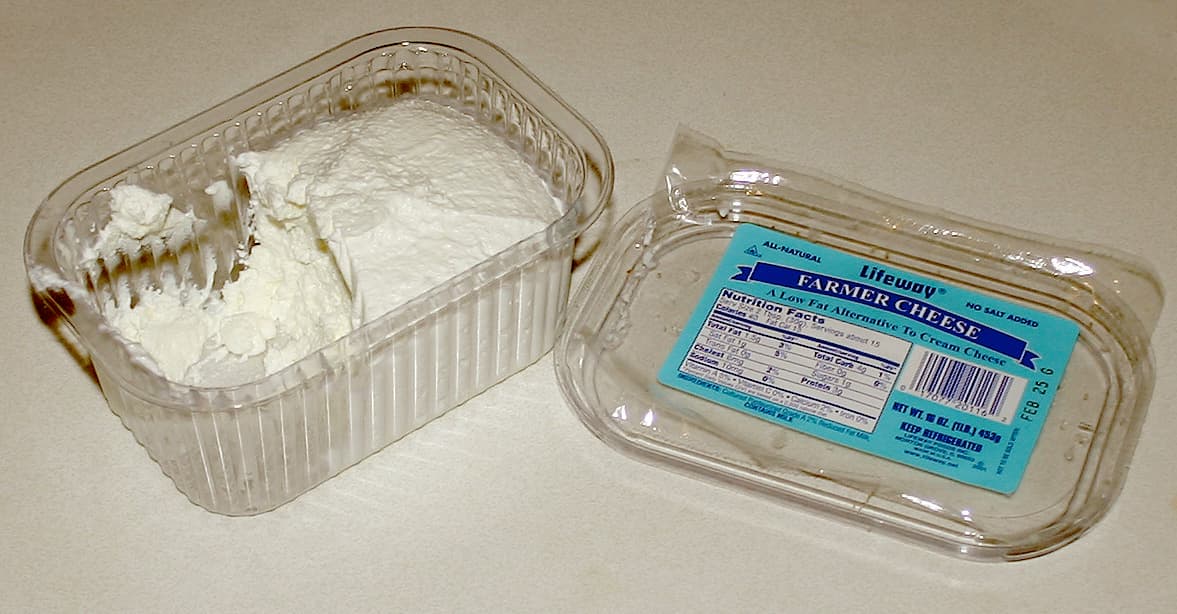
American Dairy Age
Farmer Cheese is a fresh cultured American home cheese made with pasteurized dairy, clean handling, slow culturing, draining, salting, and refrigeration.
America's Melting Pot
Fastnachts photo coming soon
1800-1860
Fastnachts are dense, fried doughnuts traditionally prepared by German-American communities in the U.S. during the 19th century, especially for Shrove Tuesday. These simple pastries reflect German immigrant influence on American regional baking traditions during early expansion and immigration periods.
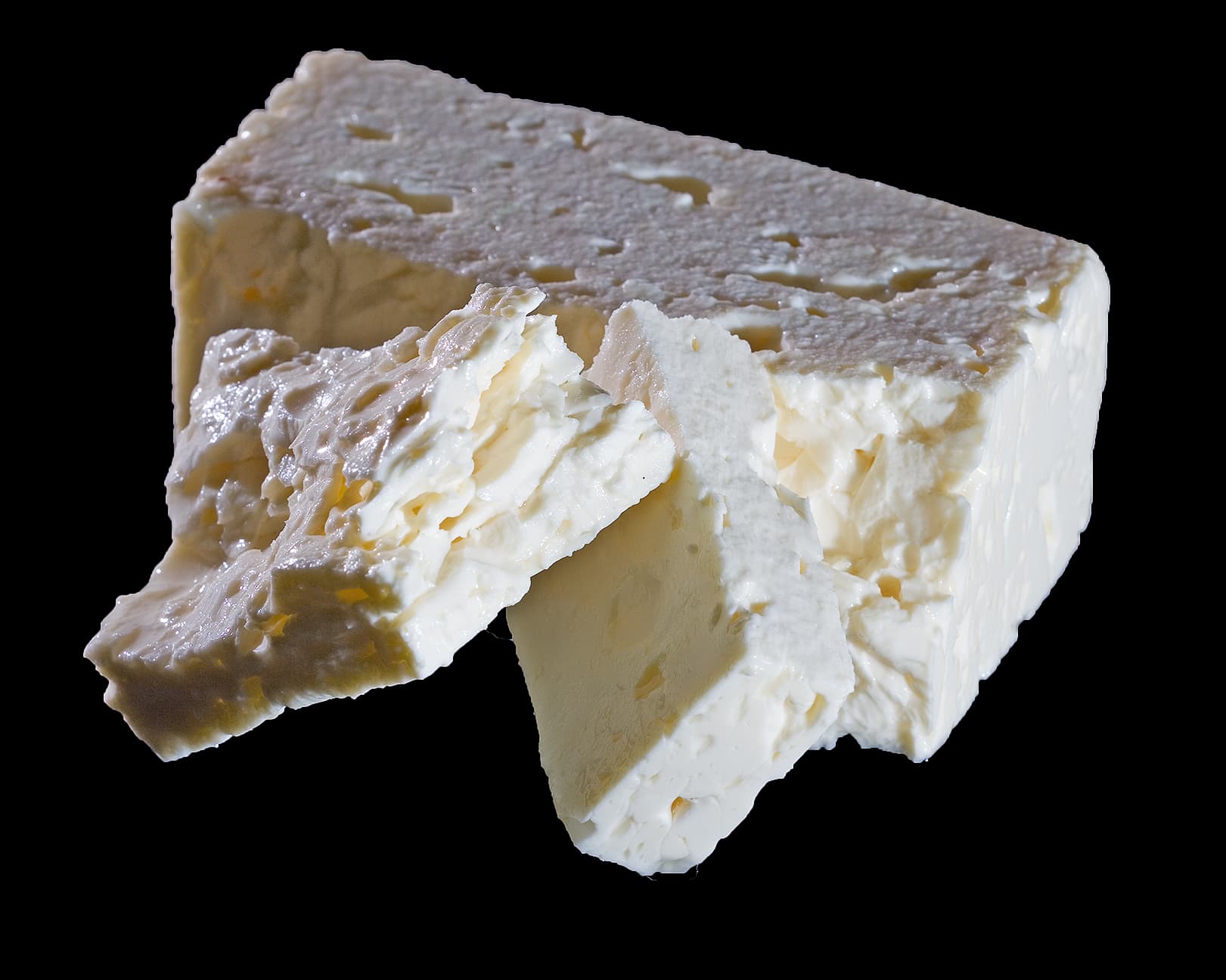
American Dairy Age
Feta, Greek-American Style is a brined American farmstead-style cheese with clean milk handling, measured culture, rennet setting, draining, salting, and brine aging.
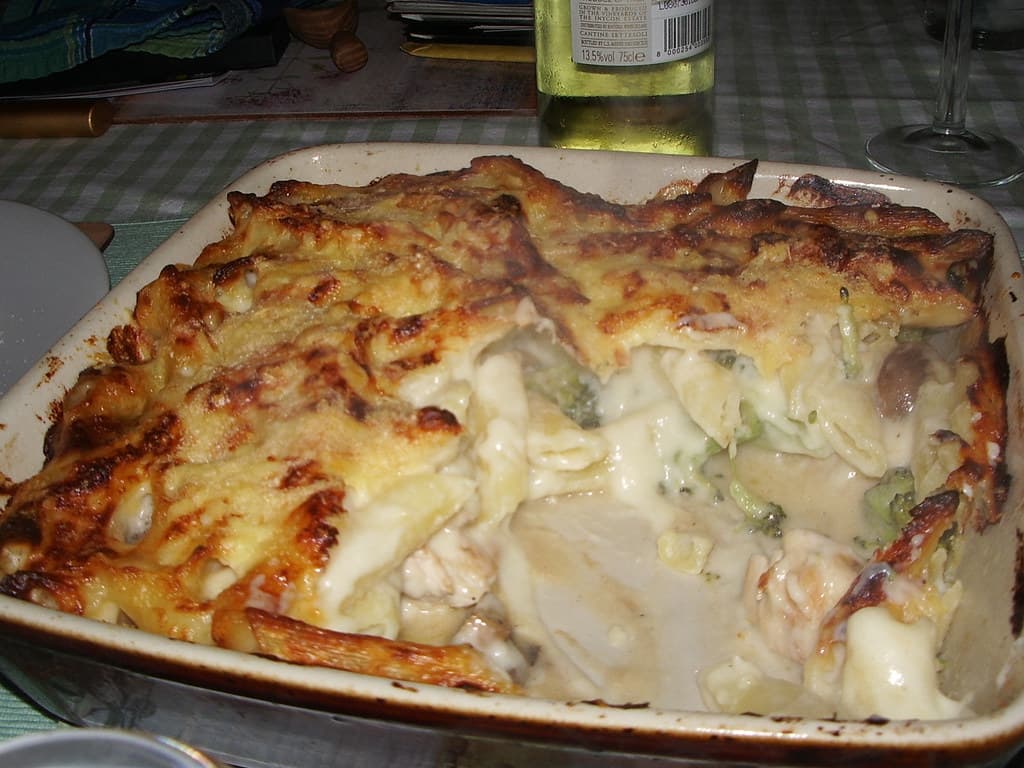
1800-1860
Fish Pie combines cooked fish and creamy sauce topped with mashed potatoes, baked into a savory pie. Brought by Irish immigrants to America during the 19th century, it represents adaptation of traditional Irish comfort foods using available seafood and pantry staples.
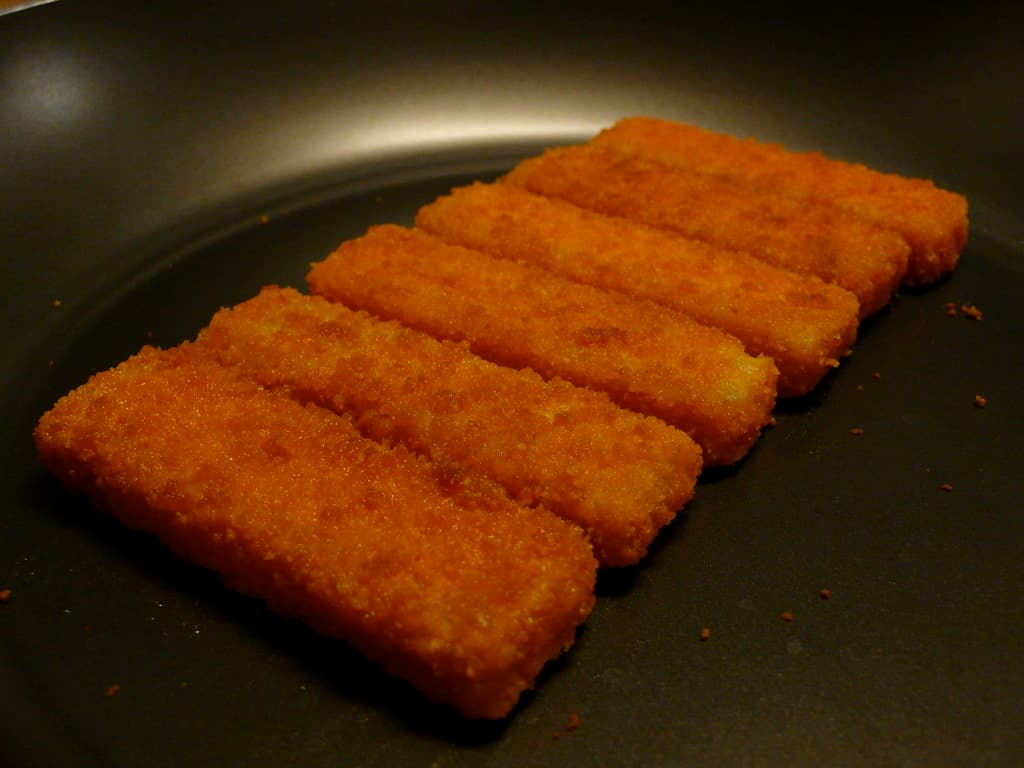
1946-1969
Fish Sticks are small breaded and fried or baked fish pieces packaged typically as kid-friendly convenience food. Popularized in the postwar suburban period during 1946-1969, fish sticks became a staple in American school lunches and home freezers as easy-to-prepare main dishes.
America's Melting Pot
Flag Cake photo coming soon
1990-2009
Flag cake is a festive dessert featuring layers of cake decorated to resemble the American flag. It often uses red, white, and blue ingredients or decorations, making it a popular choice for Fourth of July and patriotic celebrations.
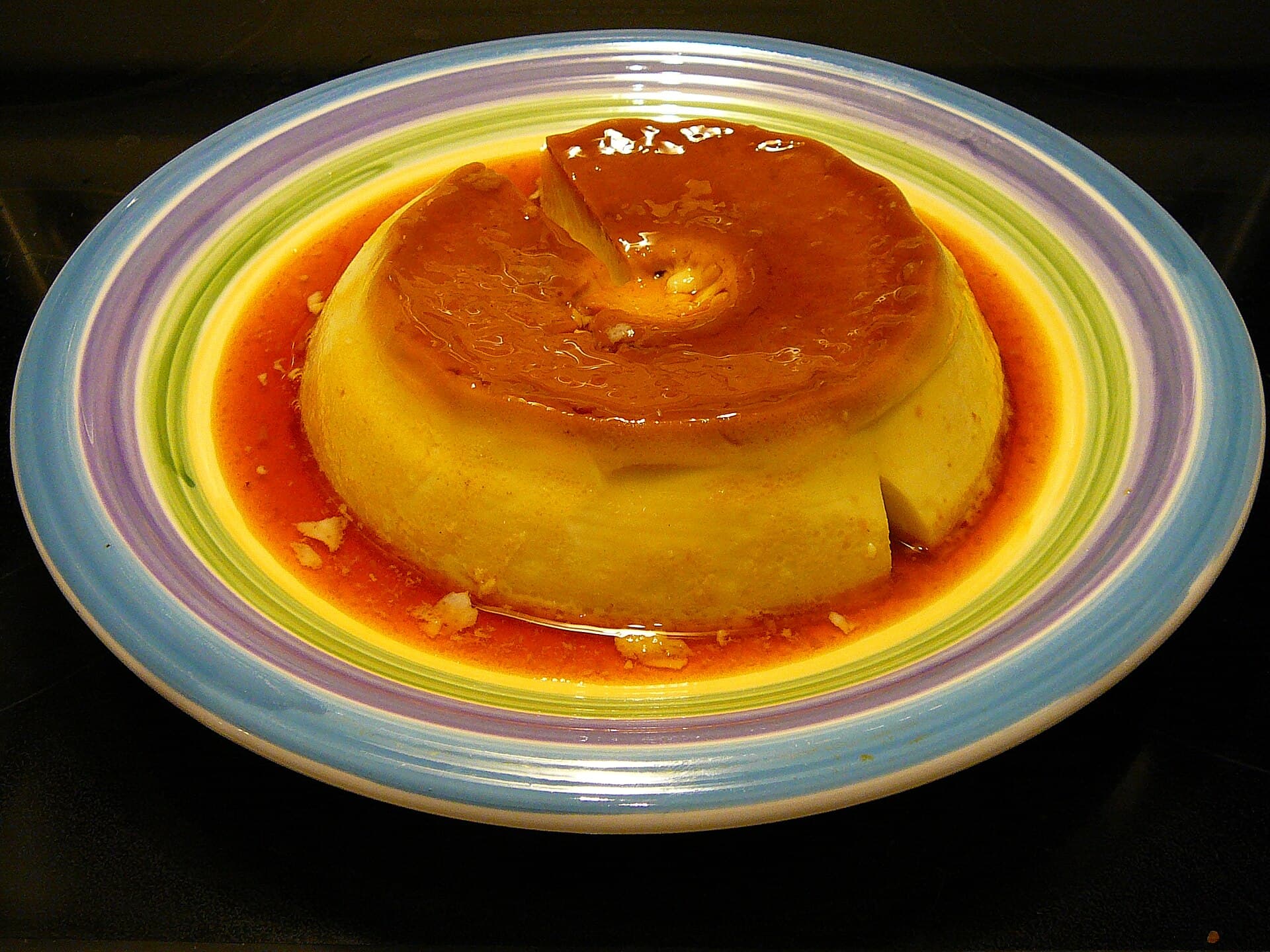
Before 1776
Flan is a smooth baked custard dessert topped with a layer of soft caramel. Popular in Puerto Rico, the Philippines, Guam, and Virgin Islands, it reflects colonial and cultural exchange blending Spanish dessert traditions with local ingredients.
America's Melting Pot
Florida Key Lime Shake photo coming soon
Cross-era
Florida Key Lime Shake salutes regional fruit country and the American dairy-stand tradition: Florida.
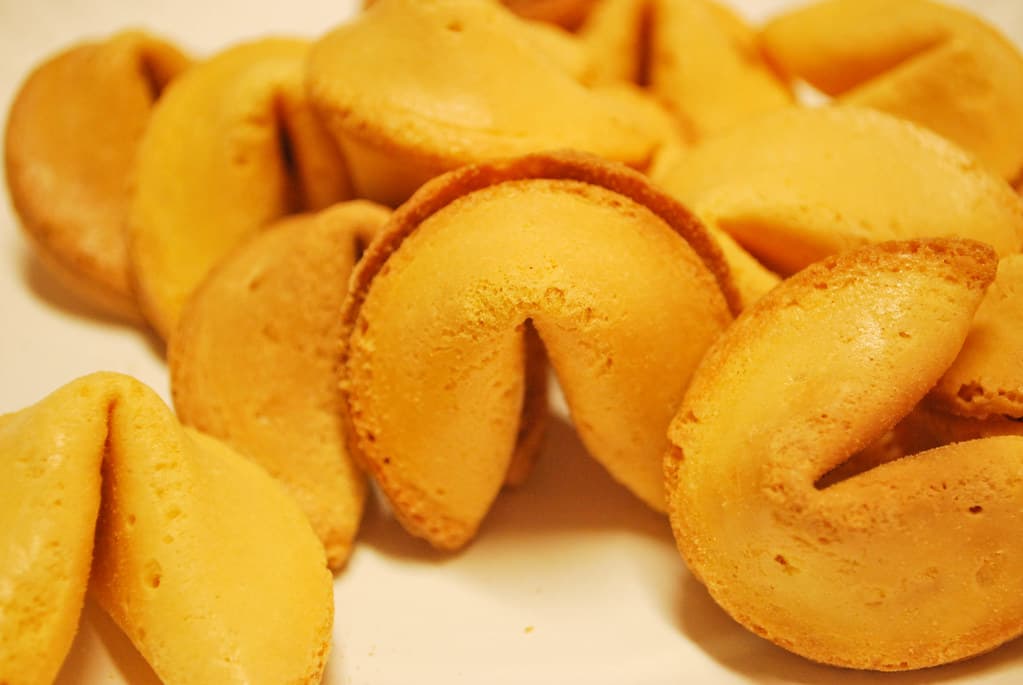
1900-1929
Fortune cookies are thin, crisp cookies folded to hold a paper slip with a message or fortune inside. Although commonly associated with Chinese-American restaurants, their origins trace back to early 20th-century immigrant communities, blending Asian and American culinary influences.
America's Melting Pot
Fresh Orange Juice Stand Drink photo coming soon
Modern Melting Pot
Fresh Orange Juice Stand Drink brings juice-bar color and American smoothie-counter energy to the glass: California citrus culture; Orange Julius started from this world.
America's Melting Pot
Fribble-Style Shake photo coming soon
Postwar & Diner Age
Fribble-Style Shake is thick, spoonable frozen-custard stand fun: Friendly's-style thick milkshake.
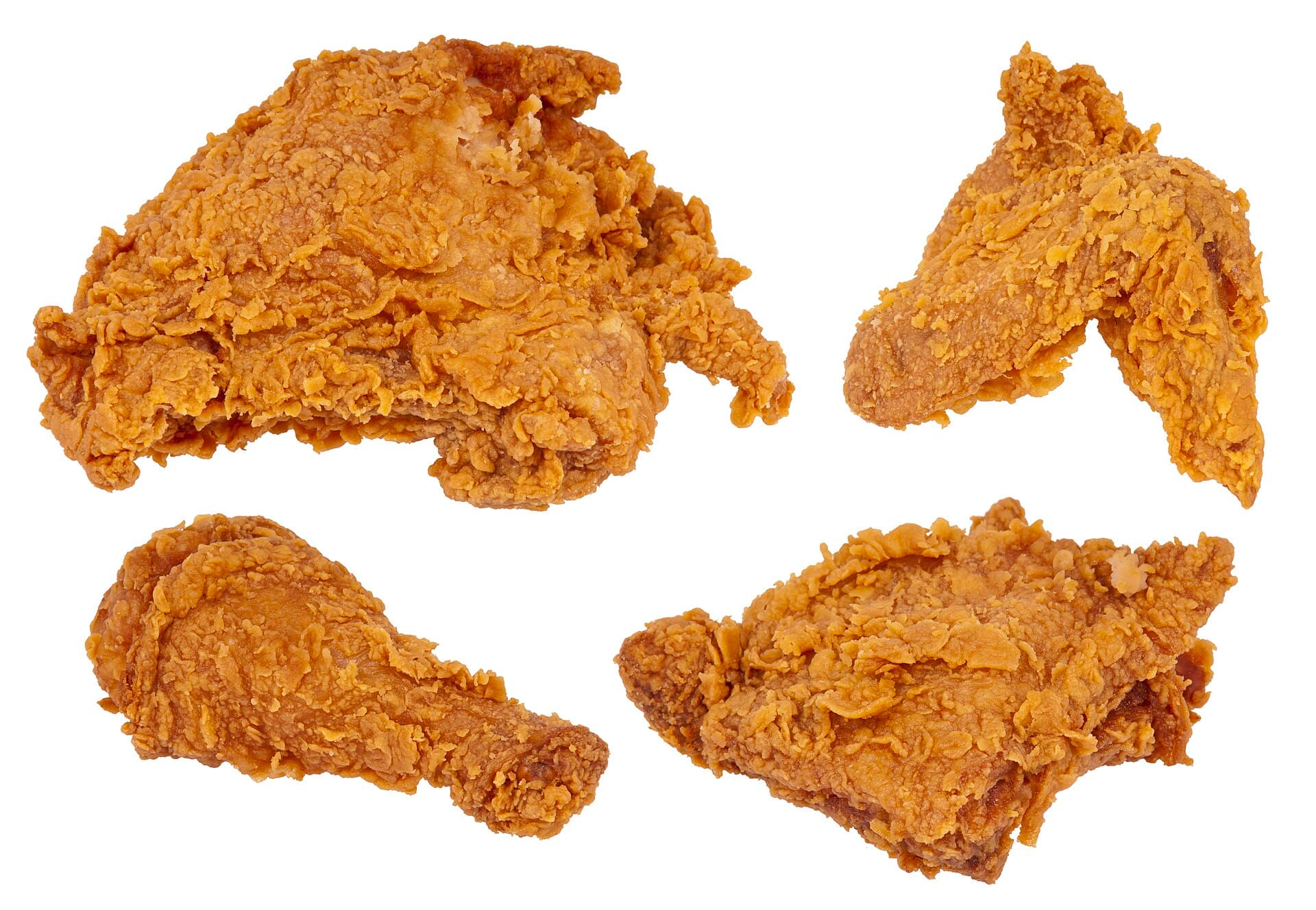
1800-1860
Fried chicken is a Southern classic featuring chicken pieces seasoned, battered, and deep fried to a crispy golden crust. This dish has been beloved across the South since the early 19th century and remains a cornerstone of American comfort food.
America's Melting Pot
Fried Dough photo coming soon
1900-1929
Fried dough is a crispy, golden fried bread dough treat commonly sold at fairs, carnivals, and carnivals across the United States. Topped with powdered sugar or cinnamon sugar, it represents immigrant-influenced American carnival cuisine of the early 20th century.
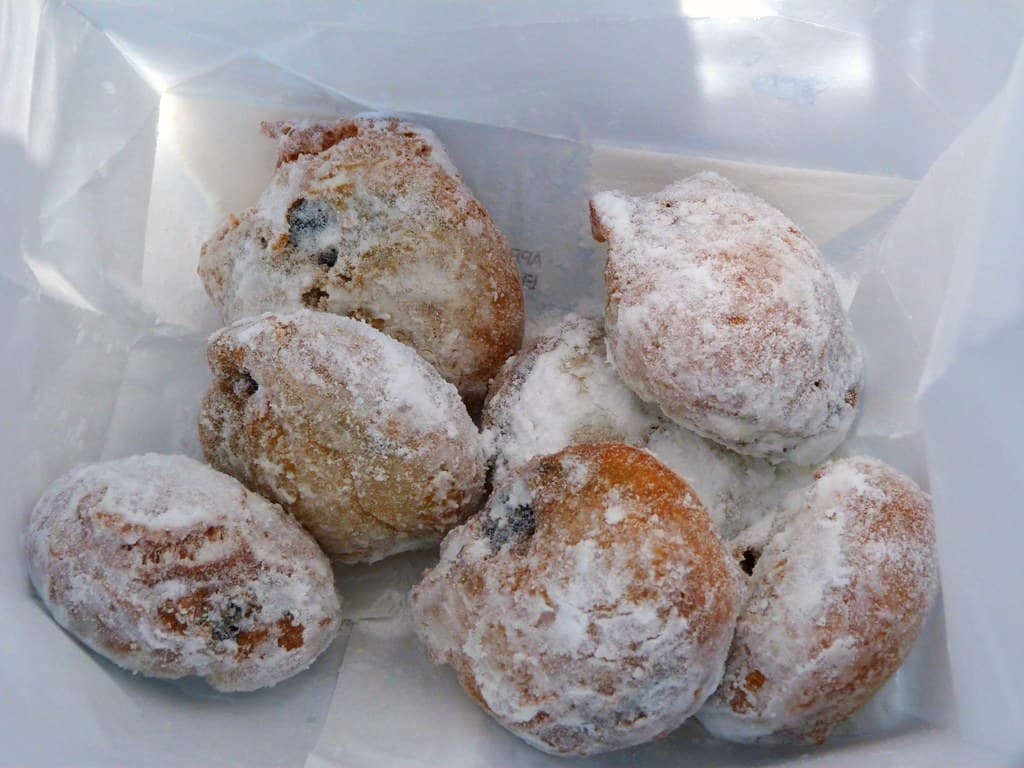
1990-2009
Fried Oreos feature Oreo cookies dipped in batter and deep fried, creating a warm, crispy, and gooey sweet treat. Popularized at American fairs and carnivals in the early 20th century, they blend convenience baking with indulgent frying.
1970-1989
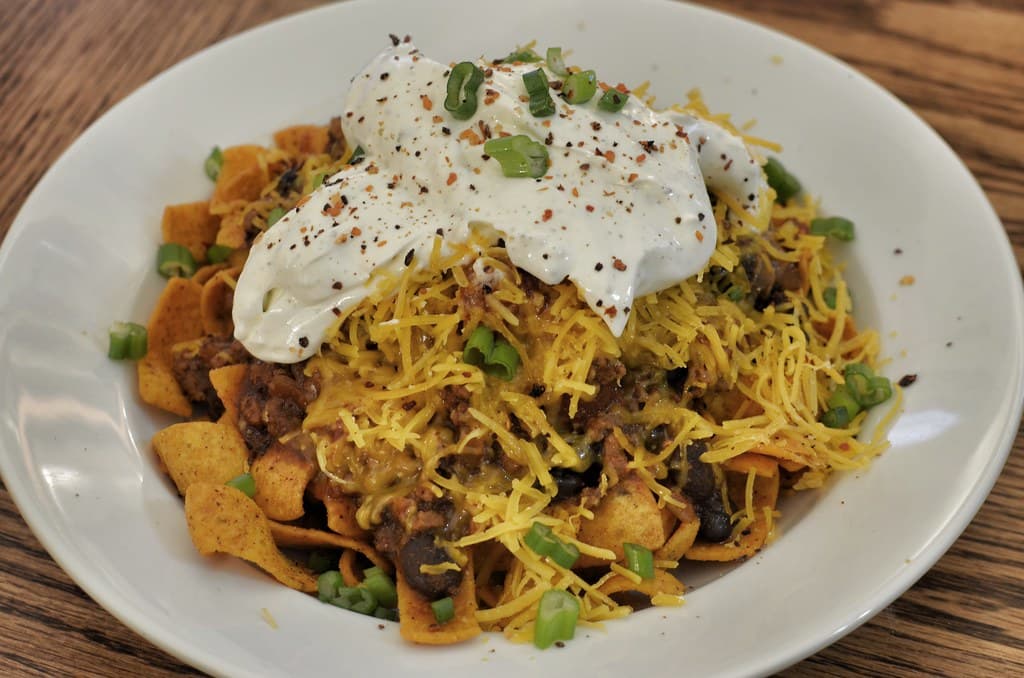
Frito pie is a layered Tex-Mex casserole combining Fritos corn chips, chili, cheese, and toppings. A convenient, flavorful dish emerging in the late 20th century combining Texan and Southwestern tastes for casual dining and tailgating.
America's Melting Pot
Frog Eye Salad photo coming soon
1946-1969
Frog eye salad is a sweet side dish made with acini di pepe pasta, fruit, and a creamy marshmallow-based dressing. Popular in mid-20th century suburban America, it exemplifies the era's love of Jell-O salads and freezer convenience foods.
America's Melting Pot
Frog Eye Salad Dressing photo coming soon
Cross-era
Frog Eye Salad Dressing is a spread with real American table personality: Utah/Intermountain potluck dessert salad. It brings flavor from Intermountain West to cookouts, counters, lunch plates, potlucks, and weeknight suppers.
America's Melting Pot
Frosted Lemonade photo coming soon
Postwar & Diner Age
Frosted Lemonade carries the bright, frothy spirit of American mall counters: Lemonade blended with vanilla soft serve.
America's Melting Pot
Frosted Orange Drink photo coming soon
Postwar & Diner Age
Frosted Orange Drink carries the bright, frothy spirit of American mall counters: Fast-food style orange milkshake/smoothie hybrid.
America's Melting Pot
Frosty-Style Dairy Dessert photo coming soon
Postwar & Diner Age
Frosty-Style Dairy Dessert is thick, spoonable frozen-custard stand fun: Wendy's-style thick chocolate shake/frozen dessert.
America's Melting Pot
Frozen Chai photo coming soon
Modern Melting Pot
Frozen Chai blends coffeehouse America with milkshake-style fun: 1990s-2000s cafe drink.
America's Melting Pot
Frozen Coffee Cabinet photo coming soon
Postwar & Diner Age
Frozen Coffee Cabinet celebrates New England dairy-bar pride in a cold glass: Coffee milk culture meets modern blended coffee.
America's Melting Pot
Frozen Coke photo coming soon
Gilded Age & Progressive Era
Frozen Coke brings juice-bar color and American smoothie-counter energy to the glass: Convenience store and theater drink.
America's Melting Pot
Frozen Custard Shake photo coming soon
Postwar & Diner Age
Frozen Custard Shake is thick, spoonable frozen-custard stand fun: Midwest custard stand drink.
America's Melting Pot
Frozen Hot Chocolate photo coming soon
Modern Melting Pot
Frozen Hot Chocolate brings juice-bar color and American smoothie-counter energy to the glass: New York dessert-drink icon.
America's Melting Pot
Frozen Latte photo coming soon
Modern Melting Pot
Frozen Latte blends coffeehouse America with milkshake-style fun: Coffeehouse blended drink.
America's Melting Pot
Frozen Lemonade photo coming soon
1946-1969
Frozen Lemonade brings juice-bar color and American smoothie-counter energy to the glass: Fair, ballpark, and amusement park drink.
America's Melting Pot
Frozen Matcha Latte photo coming soon
Modern Melting Pot
Frozen Matcha Latte blends coffeehouse America with milkshake-style fun: Modern American cafe drink.
America's Melting Pot
Frozen Mocha photo coming soon
Modern Melting Pot
Frozen Mocha blends coffeehouse America with milkshake-style fun: Diner and coffeehouse overlap.
America's Melting Pot
Frozen Root Beer photo coming soon
1900-1929
Frozen Root Beer brings juice-bar color and American smoothie-counter energy to the glass: Drive-in variation.
1970-1989
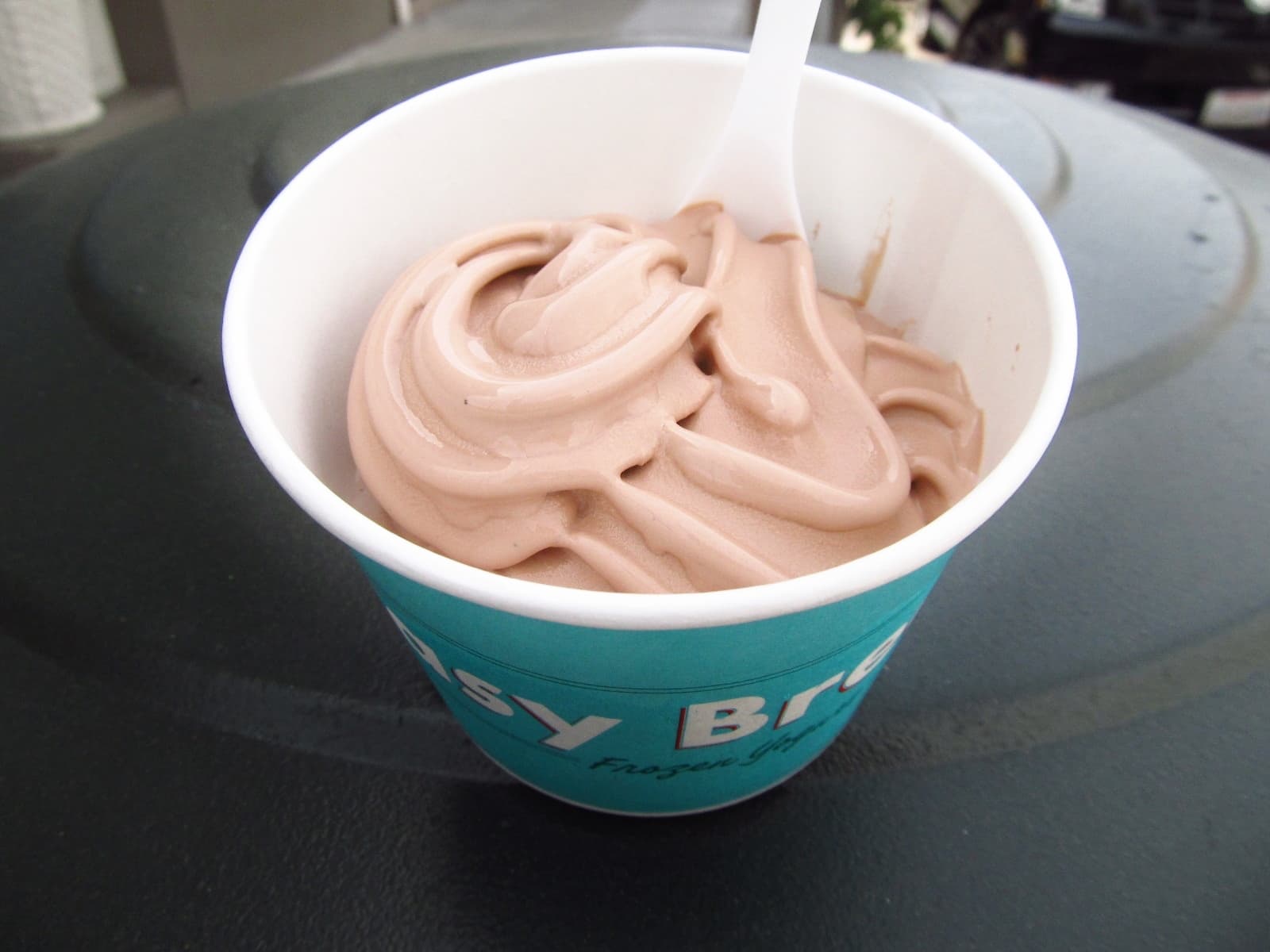
Frozen yogurt is a tangy, creamy frozen dairy dessert made from yogurt and sweeteners, popularized in American malls and chain stores in the 1970s-1980s as a healthier ice cream alternative.
1990-2009
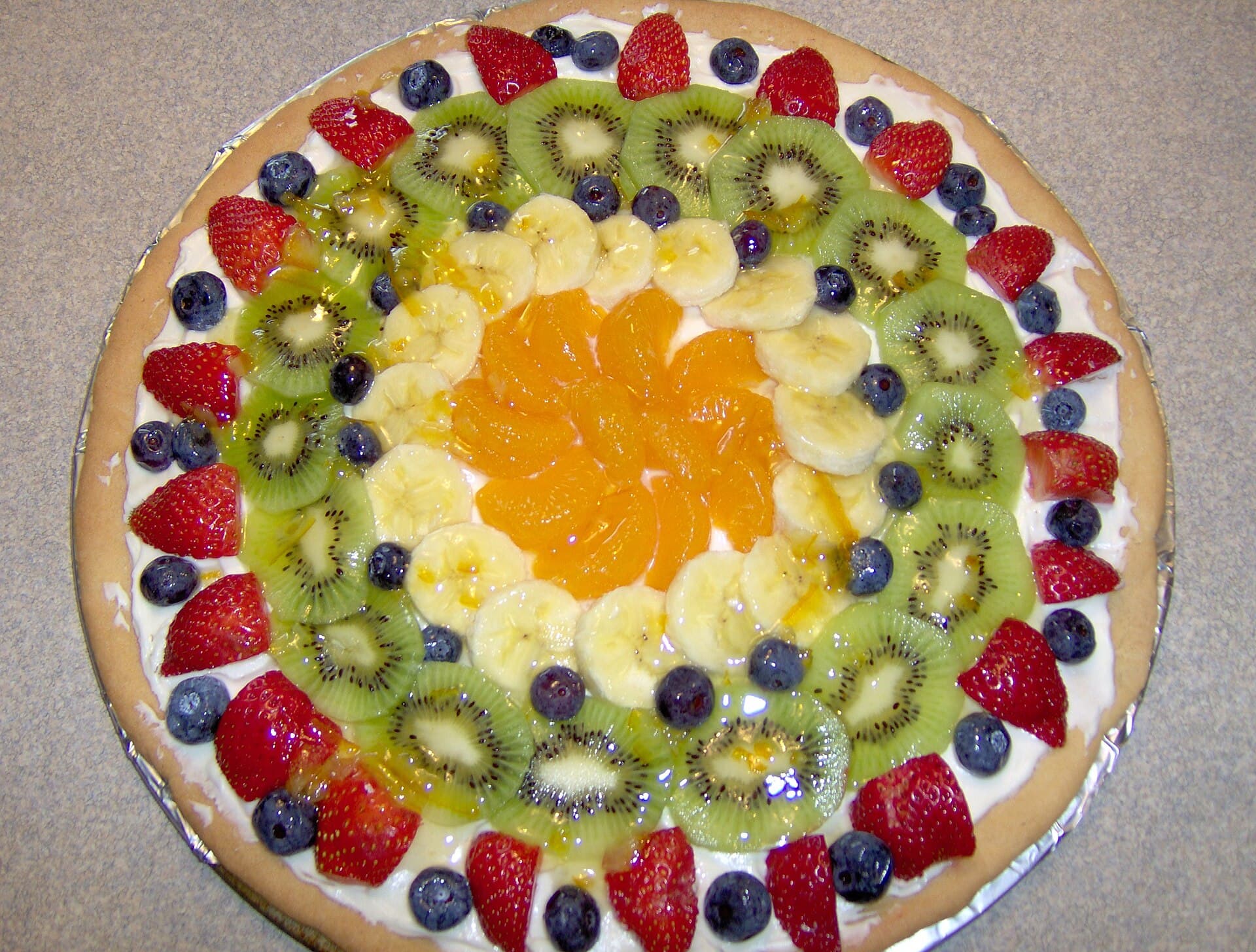
Fruit pizza is a sweet dessert featuring a cookie or sugar cookie crust topped with a layer of cream cheese icing and fresh fruit. Born from Italian-American culinary creativity, this versatile treat combines the fun of pizza presentation with fresh and colorful fruits, perfect for celebrations and summer gatherings.
Before 1776
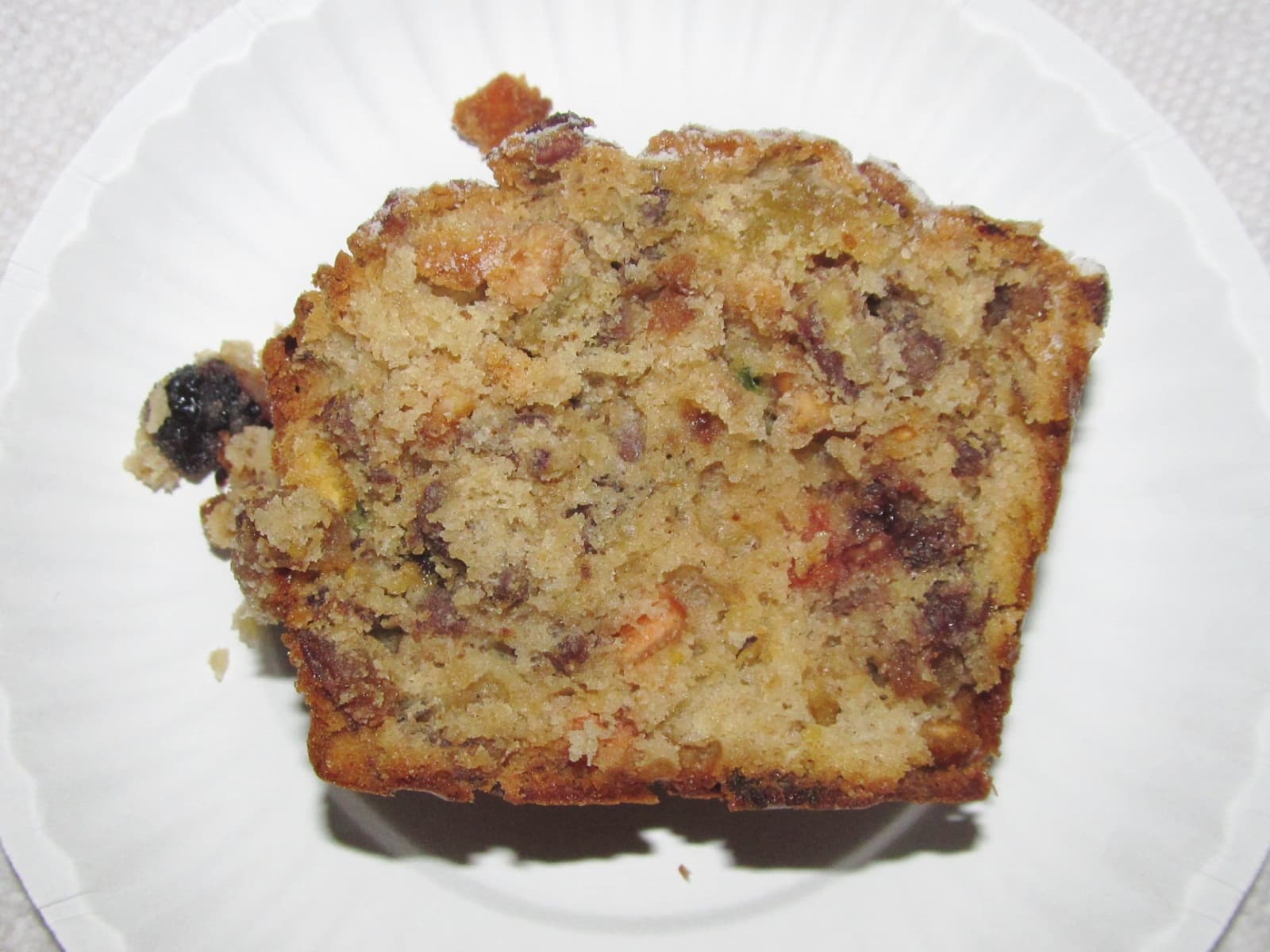
Fruitcake is a rich, dense cake loaded with dried fruits, nuts, and spices, often soaked in alcohol and served during Christmas holidays across America for centuries, rooted in European festive traditions.
America's Melting Pot
Fruity Cereal Shake photo coming soon
1900-1929
Fruity Cereal Shake brings drive-in, carhop, and fast-food dessert-counter energy to the table: Instagram-era shake shop flavor.
1900-1929
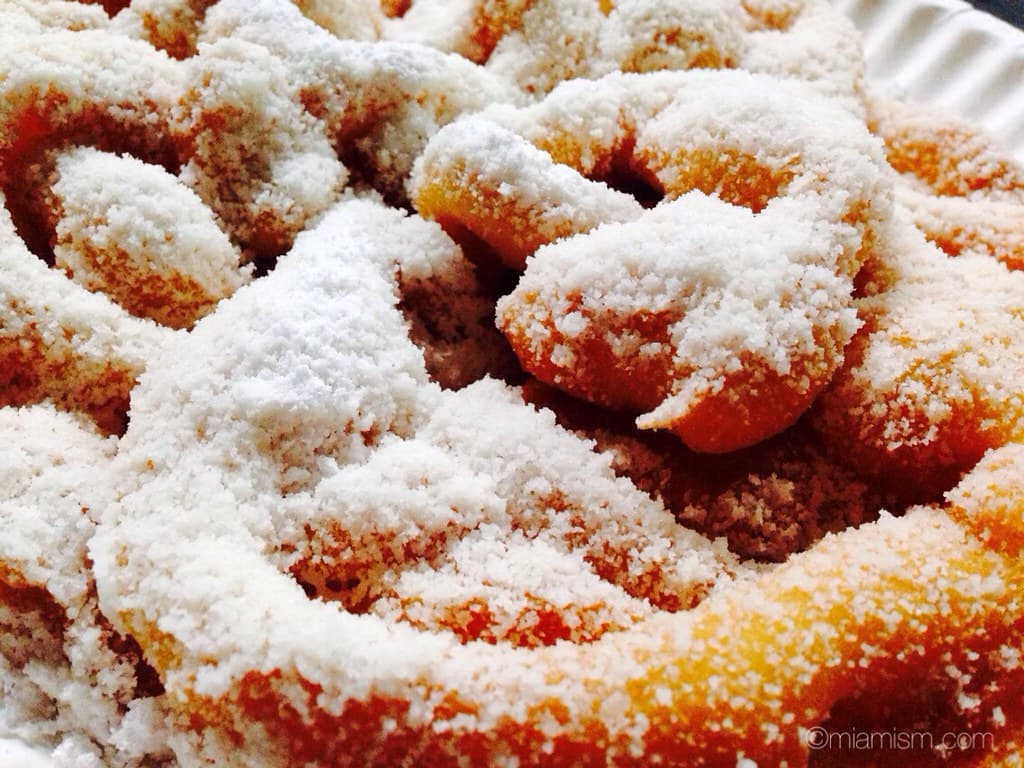
Funnel cake is a popular festival and carnival dessert consisting of a lacy, deep-fried batter drizzled in a circular pattern and dusted with powdered sugar. Introduced by European immigrants and popularized in American state fairs and carnivals in the early 20th century, it remains a nostalgic treat associated with outdoor celebrations.
1970-1989
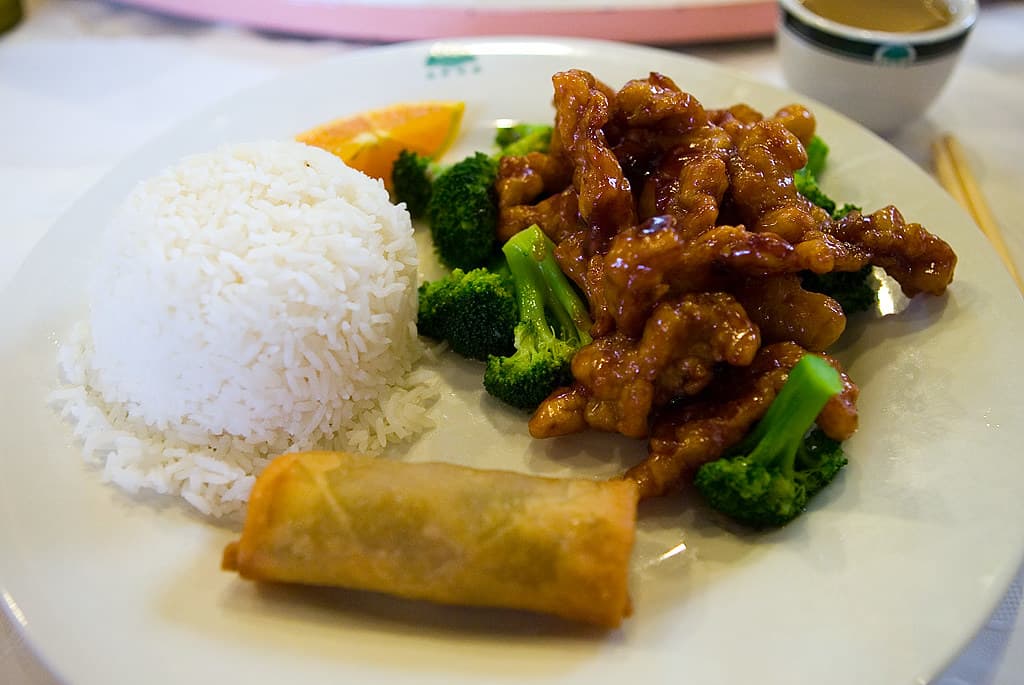
General Tso's chicken is a Chinese-American dish featuring battered and fried chicken pieces coated in a sweet, tangy, and slightly spicy sauce. Popularized in American diners and state fairs in the early 20th century, it has become a staple of Americanized Chinese cuisine, often characterized by its bold flavor and crispy texture.
America's Melting Pot
Georgia Peach Shake photo coming soon
Cross-era
Georgia Peach Shake salutes regional fruit country and the American dairy-stand tradition: Georgia/South.
America's Melting Pot
Giant Cookies photo coming soon
1990-2009
Giant cookies are oversized versions of classic cookies, popularized in American coffee shops during the 1990s and early 2000s. Featuring a variety of flavors from chocolate chip to oatmeal raisin, these cookies offer a shareable dessert experience characterized by a soft, chewy texture and crisp edges.
America's Melting Pot
Ginger Ale Float photo coming soon
1861-1900
Ginger Ale Float is fizzy Americana from the soda-fountain counter: Light, old-fashioned soda fountain drink.

1776-1800
Gingerbread is a spiced baked good flavored with ginger, molasses, and warming spices such as cinnamon and cloves. Commonly prepared as cookies or moist cake, gingerbread became a favored holiday treat in America during the late 18th century, embodying the festive flavors associated with Christmas traditions.
America's Melting Pot
Gingerbread for Soldiers photo coming soon
1861-1900
Gingerbread for soldiers was a dense, spiced quick bread distributed to Union soldiers during the Civil War to provide a portable, energy-rich food. Made with molasses and warming spices, it offered familiar flavors and durable storage, often baked in loaf pans or as small cakes for rations on the move.
1861-1900
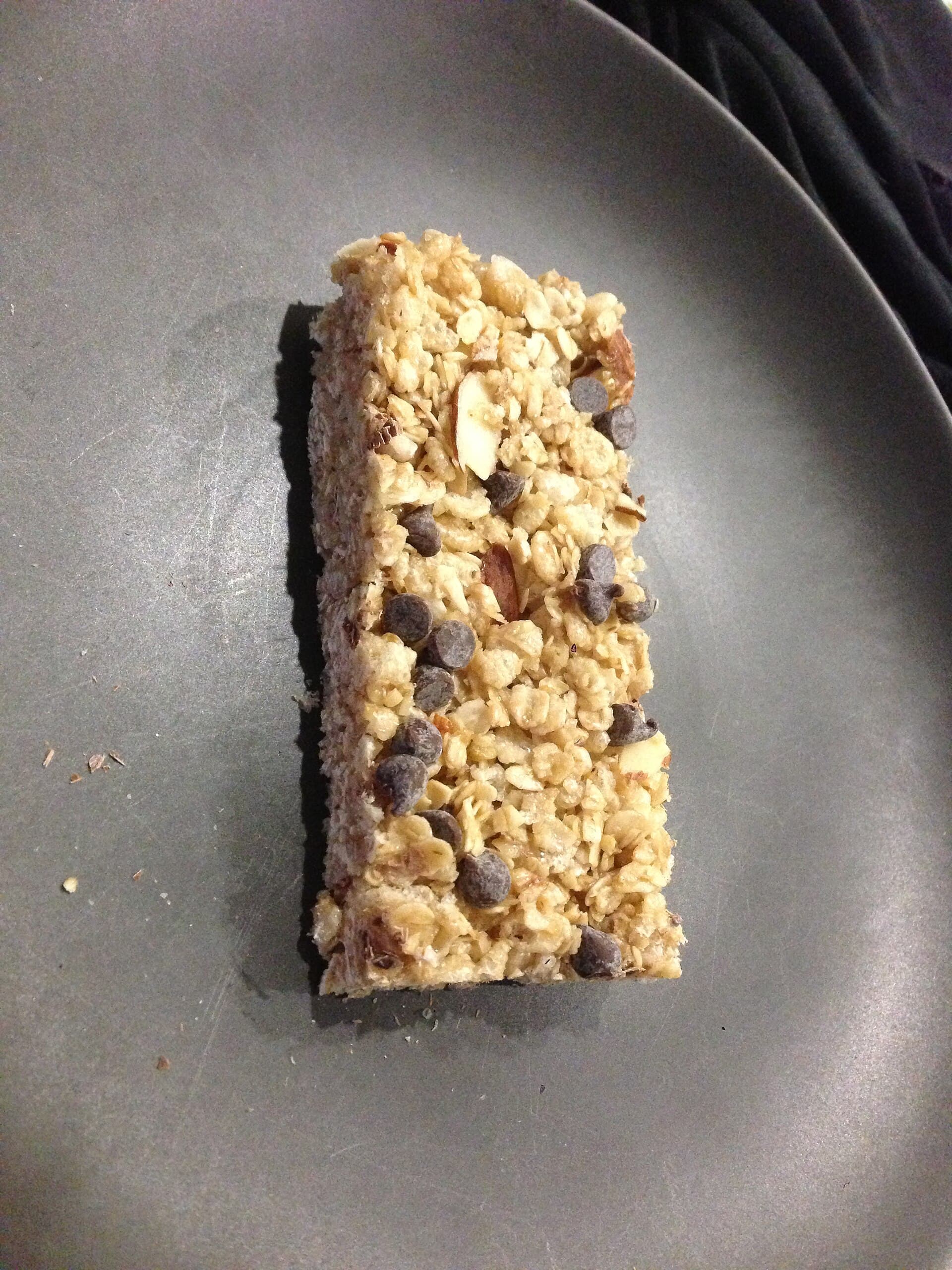
Granola bars are compact, baked or no-bake snack bars made of oats, nuts, dried fruit, and sweeteners. Popularized in late 20th-century American coffee shops and convenience foods, granola bars offer a convenient energy source fitting modern on-the-go lifestyles and sporty snack needs.
1861-1900
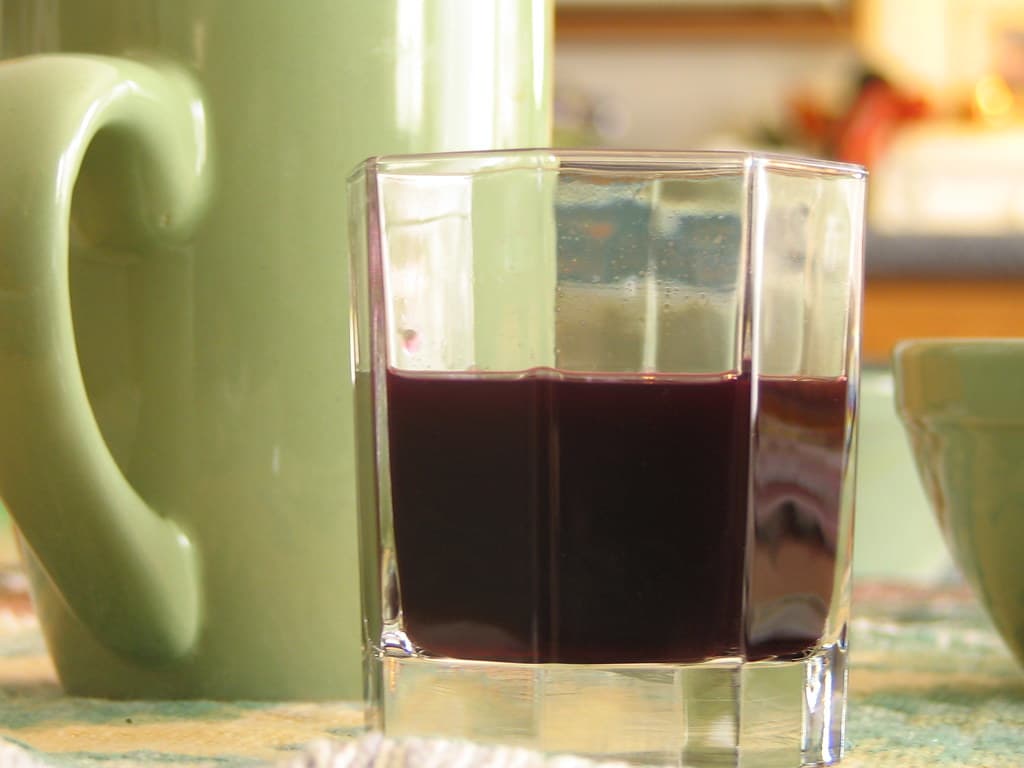
Grape Juice brings juice-bar color and American smoothie-counter energy to the glass: Welch's, church communion, lunchbox, and breakfast table.
America's Melting Pot
Grape Slush photo coming soon
1946-1969
Grape Slush brings juice-bar color and American smoothie-counter energy to the glass: Kid concession classic.
America's Melting Pot
Grape Soda Float photo coming soon
1861-1900
Grape Soda Float is fizzy Americana from the soda-fountain counter: Ice cream stand/kid favorite.
America's Melting Pot
Greek Diner Rice Pudding photo coming soon
1900-1929
Greek diner rice pudding is a creamy dessert made from rice cooked with milk, sugar, and often flavored with cinnamon or lemon. Introduced by Greek immigrant communities in the early 20th century, this pudding became a classic offering in diners across the United States, prized for its comforting texture and simple ingredients.
America's Melting Pot
Green Juice photo coming soon
1970-1989
Green Juice brings juice-bar color and American smoothie-counter energy to the glass: Kale/celery/apple/cucumber wellness culture.
America's Melting Pot
Green Smoothie photo coming soon
1970-1989
Green Smoothie brings juice-bar color and American smoothie-counter energy to the glass: Spinach/kale, fruit, juice, yogurt.
1946-1969
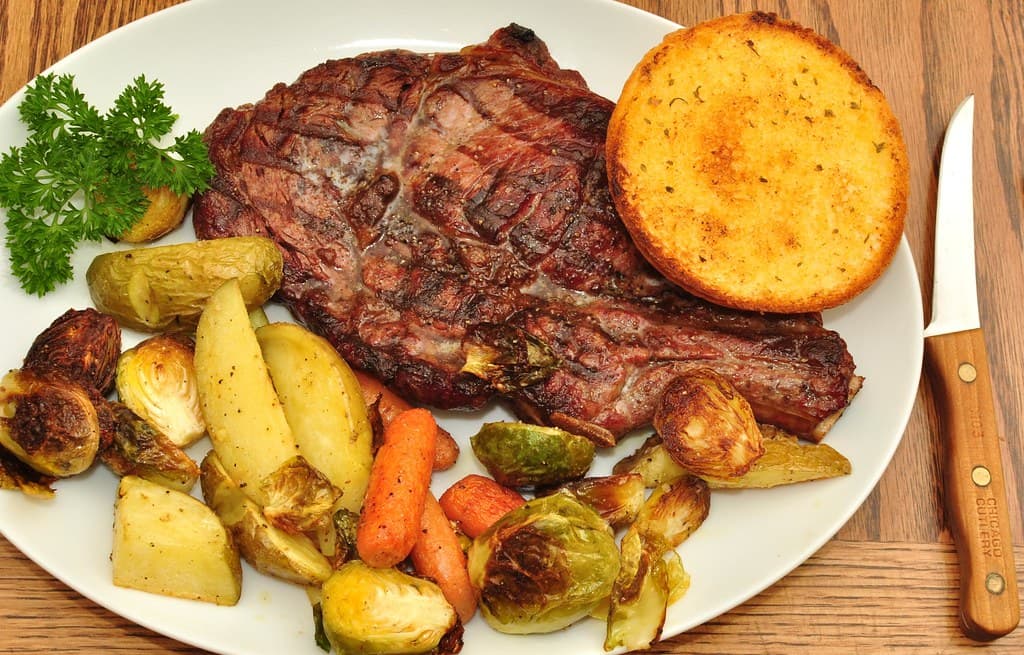
Grilled steak has been a centerpiece of American backyard barbecues since the postwar suburban boom. Typically prepared with simple seasoning and cooked over charcoal or gas grills, it represents a traditional approach to meat preparation for outdoor hospitality and family gatherings.
America's Melting Pot
Ham photo coming soon
1776-1800
Ham is a traditional centerpiece in American holiday meals, especially during New Year's celebrations where it symbolizes good fortune and prosperity. Its preservation and curing methods vary regionally, reflecting diverse cultural influences across the United States. This recipe explores practical home preparation of ham suitable for festive occasions.
1861-1900
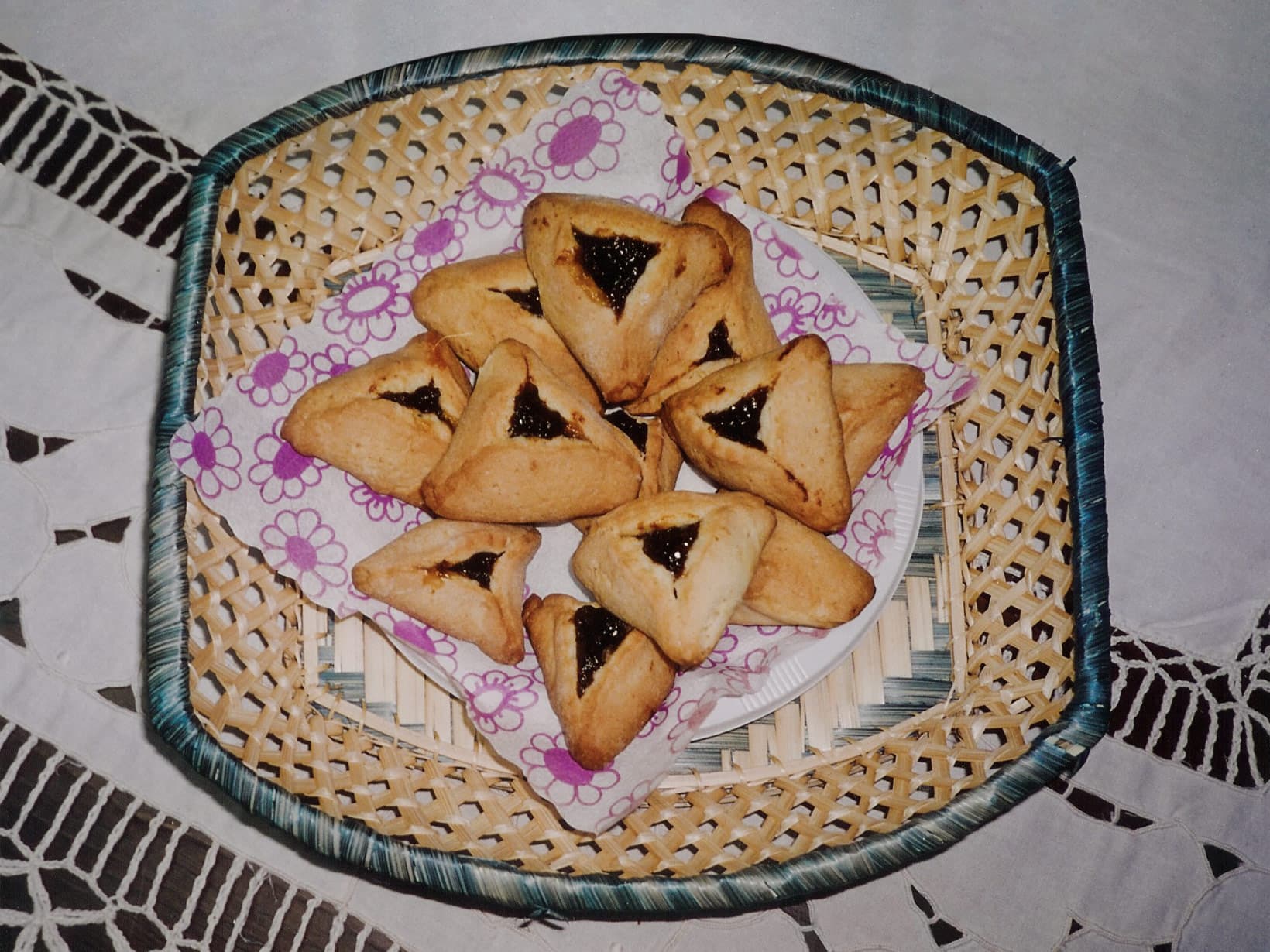
Hamantaschen are triangular filled pastries traditionally made for the Jewish holiday of Purim. Brought by Jewish-American communities in the 19th century, these pastries feature a variety of fillings and shapes symbolizing folklore tied to the festival.
America's Melting Pot
Hand-Spun Shake photo coming soon
Postwar & Diner Age
Hand-Spun Shake is thick, spoonable frozen-custard stand fun: Diner/drive-in phrase for a real ice cream shake.
America's Melting Pot
Harvey Wallbanger Cake photo coming soon
1970-1989
Harvey Wallbanger cake is a layered cake inspired by the popular Harvey Wallbanger cocktail of the 1970s. Featuring orange-flavored cake and a boozy glaze, it reflects the decade's enthusiasm for themed party desserts and adult-friendly sweets.
America's Melting Pot
Hasty Pudding photo coming soon
Before 1776
Hasty pudding is a simple cornmeal porridge traditionally eaten for breakfast, traced to colonial America and The Revolutionary Table era. It historically used accessible grains and minimal ingredients to provide warm sustenance.
Native Foodways and Continuity
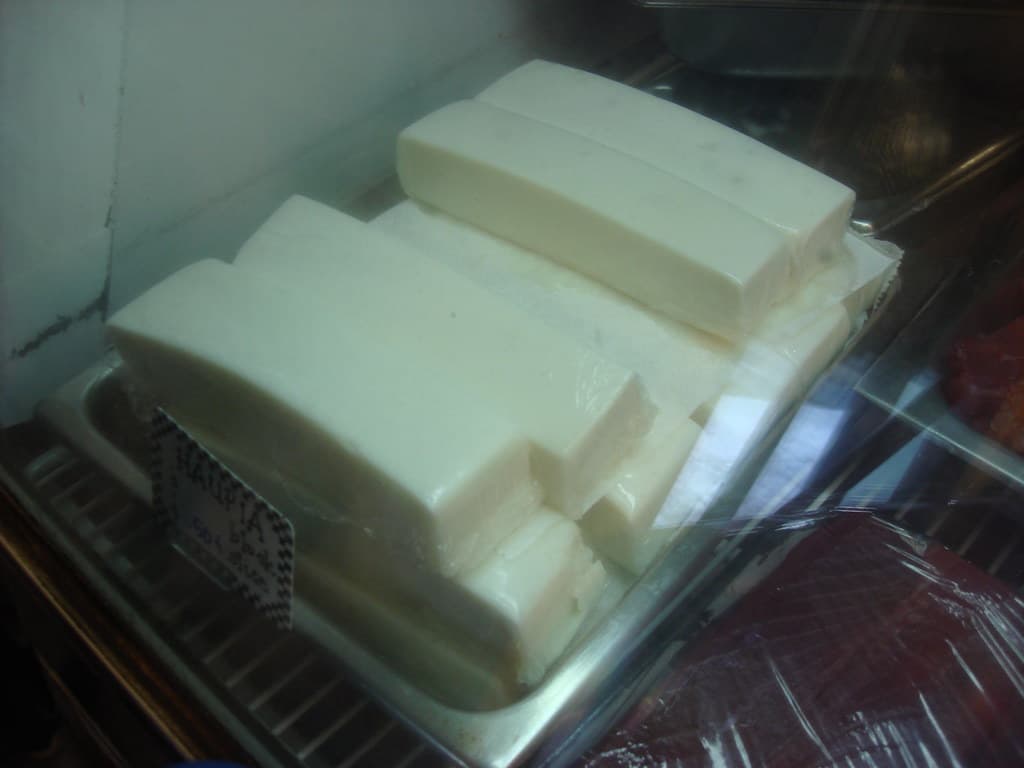
Haupia is a coconut milk-based pudding native to Hawaii often used in traditional and modern desserts. This dairy-free, gelatinous treat reflects Hawaiian cuisine's use of local ingredients and cultural fusion including Asian and Portuguese influences.
America's Melting Pot
Hawaii Haupia Shake photo coming soon
Cross-era
Hawaii Haupia Shake salutes regional fruit country and the American dairy-stand tradition: Hawaii coconut dessert influence.
America's Melting Pot
Hawaii Pineapple Shake photo coming soon
Cross-era
Hawaii Pineapple Shake salutes regional fruit country and the American dairy-stand tradition: Hawaii.
America's Melting Pot
Hazelnut Cake photo coming soon
1900-1929
Hazelnut cake showcases toasted Northwest hazelnuts incorporated into a moist cake, often layered and frosted. This dessert highlights the Pacific Northwest's rich nut harvests and fusion of American baking traditions.
America's Melting Pot
Hoecakes photo coming soon
Before 1776
Hoecakes are simple cornmeal flatbreads or pancakes cooked on a griddle. Dating to the Revolutionary era, they provided a quick, hearty breakfast or side dish using native grains with minimal ingredients.
1861-1900
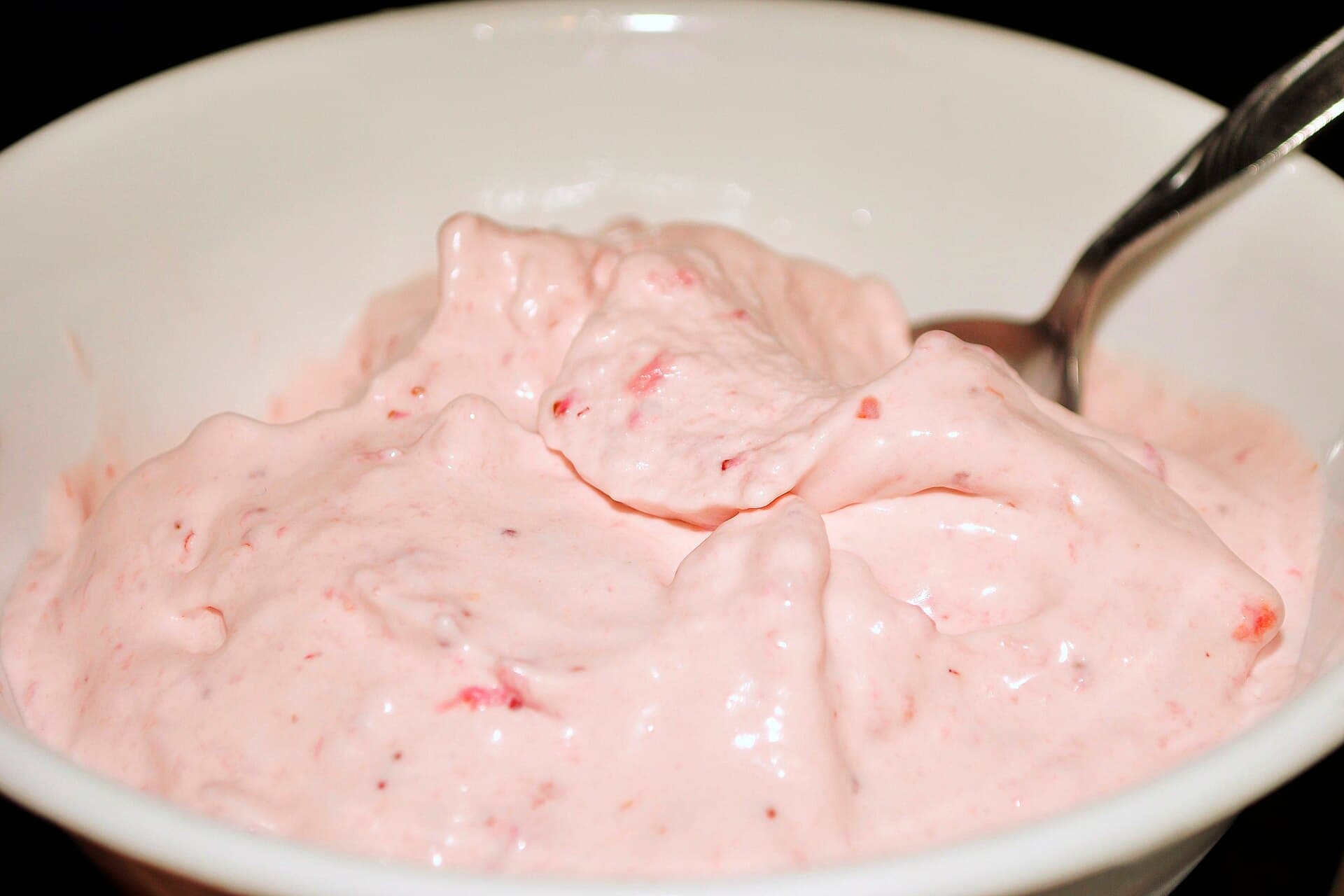
Homemade ice cream is a beloved treat enjoyed across the United States, especially during warm weather and holidays like the Fourth of July. This recipe captures the timeless tradition of making rich, creamy ice cream at home using simple ingredients. While commercial ice cream became widely available in the 20th century, homemade versions date back to earlier periods and remain a festive family activity.
America's Melting Pot
Hot Fudge Sauce photo coming soon
Gilded Age & Progressive Era
Hot Fudge Sauce is a sweet sauce with real American table personality: Soda fountain and sundae culture. It brings flavor from coast-to-coast American tables to cookouts, counters, lunch plates, potlucks, and weeknight suppers.
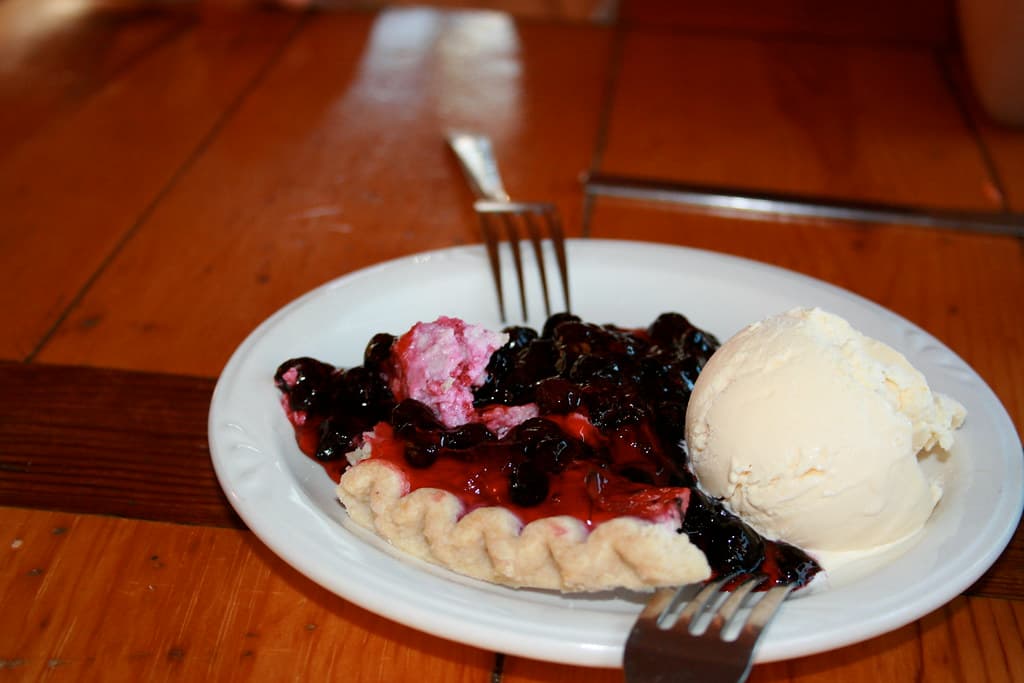
1861-1900
Huckleberry pie is a traditional dessert from the Pacific Northwest, featuring native huckleberries baked in a flaky crust. Known for their distinct tart and sweet flavor, huckleberries have been foraged and used by Indigenous peoples and settlers alike. The pie showcases regional culinary heritage and celebration of local wild ingredients.
America's Melting Pot
Huckleberry Shake photo coming soon
Postwar & Diner Age
Huckleberry Shake pours old-school malt-shop cheer into a cold glass: Montana, Idaho, and mountain West favorite.
America's Melting Pot
Huckleberry Syrup photo coming soon
Cross-era
Huckleberry Syrup is a sweet sauce with real American table personality: Mountain West pancakes and ice cream. It brings flavor from the Pacific Northwest and Mountain West to cookouts, counters, lunch plates, potlucks, and weeknight suppers.
America's Melting Pot
Ice Cream Soda photo coming soon
1861-1900
Ice Cream Soda is fizzy Americana from the soda-fountain counter: Soda water, syrup, and ice cream.
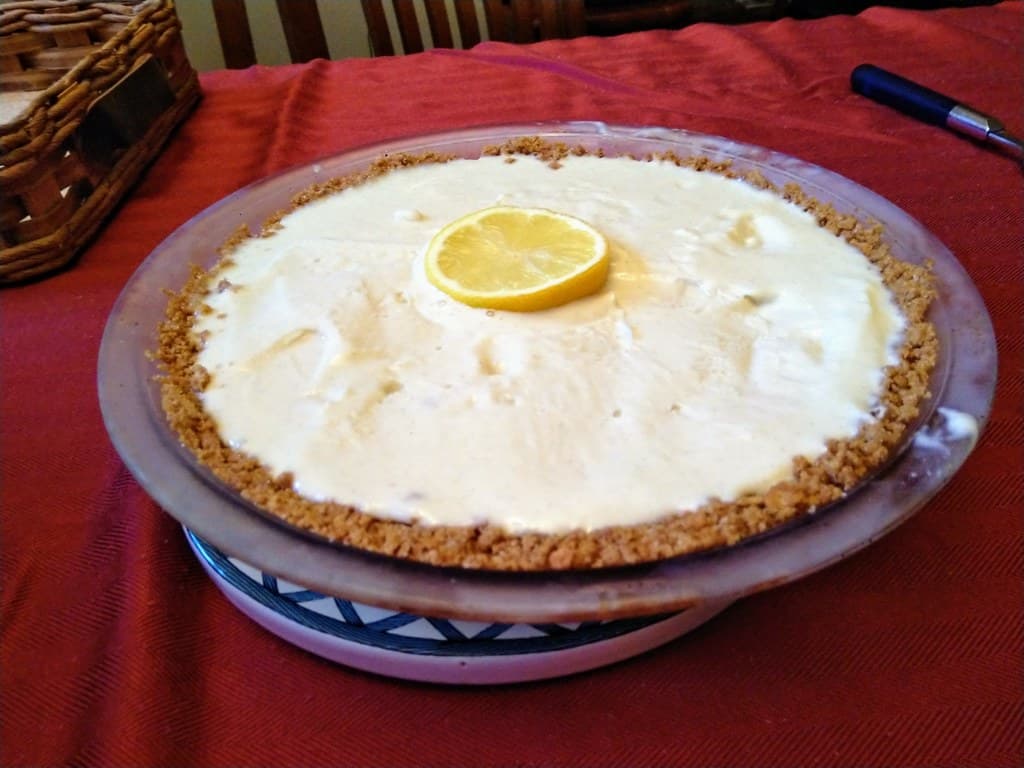
1930-1945
Icebox pies emerged as easy-to-make desserts suited for the freezer and backyard grills of postwar American suburbs (1946-1969). These no-bake pies leveraged refrigeration technology and convenience food trends, becoming iconic in family and social outdoor gatherings.
America's Melting Pot
Idaho Huckleberry Shake photo coming soon
Cross-era
Idaho Huckleberry Shake salutes regional fruit country and the American dairy-stand tradition: Idaho.
America's Melting Pot
Impossible Pie photo coming soon
1970-1989
Impossible pie is a Southern American dessert recognized for its seemingly impossible transformation of simple pantry ingredients into a rich custard pie. Popular in tailgate parties and family gatherings of the 1970s and 1980s, it exemplifies home-cooked convenience and regional pride.
America's Melting Pot
Indian Pudding photo coming soon
1776-1800
Indian pudding is a New England colonial-era dessert dating back to the late 18th century (1776-1800). Made with cornmeal, molasses, and dairy, it reflects early American adaptations of Native American and English influences, a testament to regional colonial foodways.
America's Melting Pot
Italian Soda, American Coffeehouse Style photo coming soon
1900-1929
Italian Soda, American Coffeehouse Style is fizzy Americana from the soda-fountain counter: Syrup, soda, and cream, popularized in American cafes.
America's Melting Pot
Java Chip Blended Coffee photo coming soon
Modern Melting Pot
Java Chip Blended Coffee blends coffeehouse America with milkshake-style fun: Dessert coffee drink.
America's Melting Pot
Jell-O Salad photo coming soon
1900-1929
Jell-O salad, popular in early 20th-century American school, church, and community gatherings, is a molded gelatin dish incorporating fruit, nuts, and sometimes vegetables. It became a festive side or dessert during the 1900-1929 period, reflecting innovation in convenience foods and the era's fondness for bright, decorative dishes.
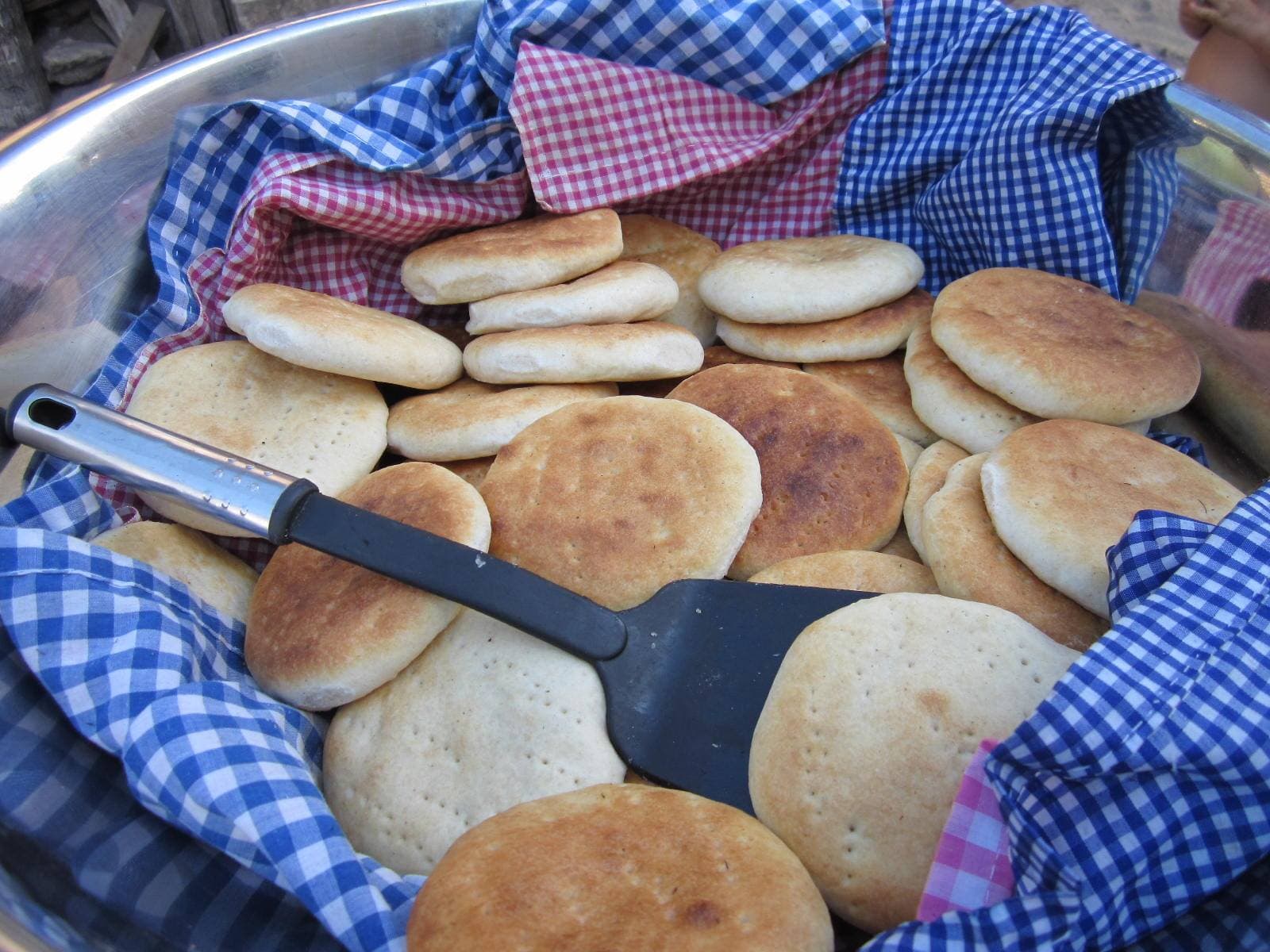
Before 1776
Johnny Cakes, as known in Puerto Rican, Chamorro, Filipino-American, and Virgin Islands cuisines, are fried cornmeal cakes served as snacks or side dishes. This cross-era preparation exemplifies the cultural blending in American island territories, combining influences from indigenous, Spanish, and Pacific Islander cooking.
America's Melting Pot
Johnnycakes photo coming soon
1776-1800
Johnnycakes are simple, pan-fried cornmeal flatbreads traditionally eaten for breakfast in New England during the late 18th century. Made primarily from cornmeal, water, and salt, they reflect Native American influences combined with colonial foodways, serving as an economical and filling meal for settlers and indigenous peoples alike.
America's Melting Pot
Kale Pineapple Smoothie photo coming soon
Modern Melting Pot
Kale Pineapple Smoothie brings juice-bar color and American smoothie-counter energy to the glass: 2010s health-food flavor.
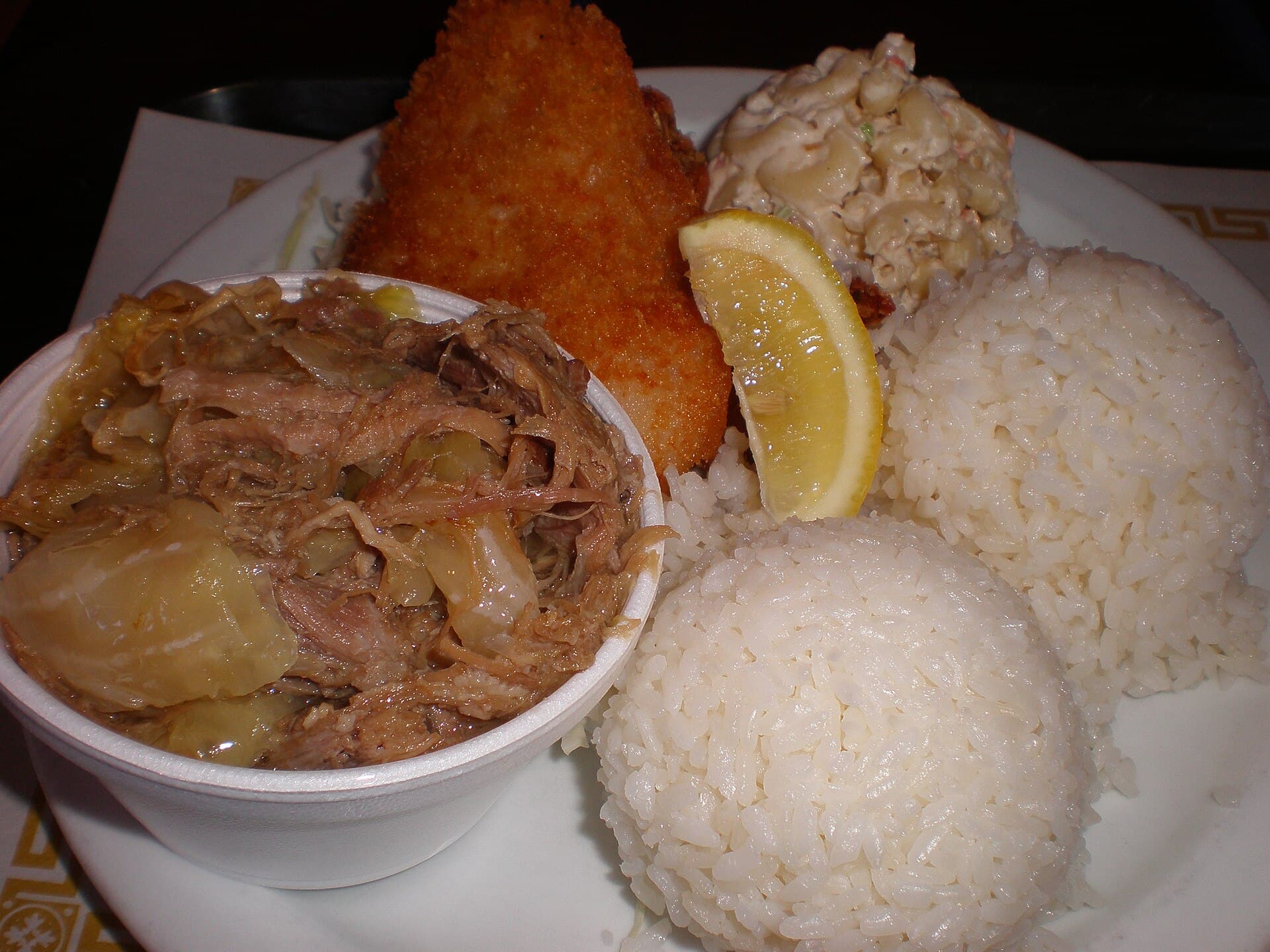
Native Foodways and Continuity
Kalua pork is a Hawaiian dish featuring whole pork shoulder or butt slow-cooked with liquid smoke or in an imu (underground oven) until tender and smoky. It blends indigenous Hawaiian cooking methods with influences from Asian and Portuguese immigrants, becoming a centerpiece of Hawaiian luaus and celebrations.
America's Melting Pot
Key Lime Pie Shake photo coming soon
Postwar & Diner Age
Key Lime Pie Shake brings drive-in, carhop, and fast-food dessert-counter energy to the table: Florida dessert influence.
1861-1900
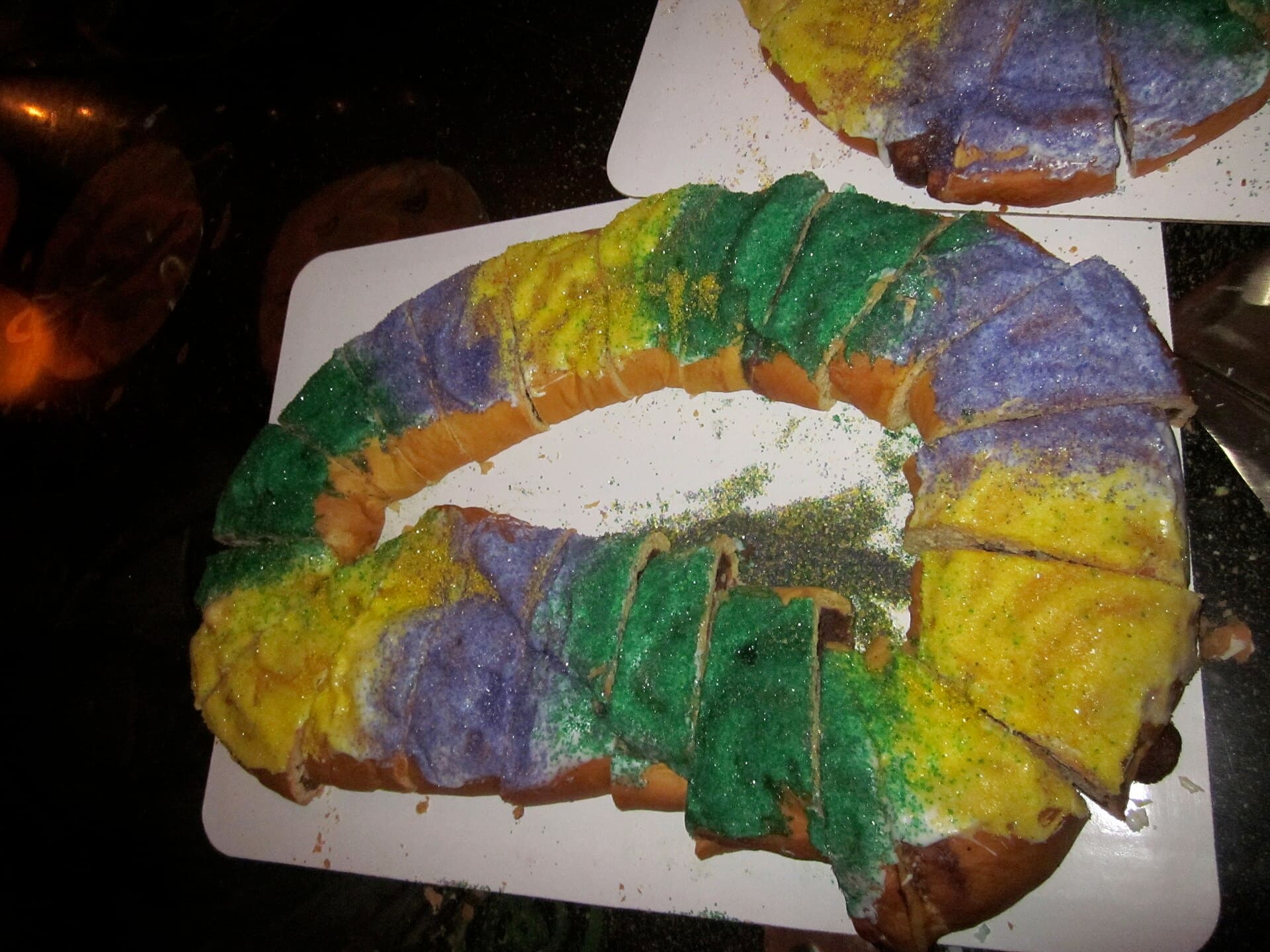
King cake is a sweet, ring-shaped cake traditionally decorated in purple, green, and gold sugars, associated with Mardi Gras and New Year's celebrations. Originating from European Epiphany customs, the king cake became an emblem of holiday festivity in the southern United States, especially New Orleans, blending cultural symbolism with regional baking.
America's Melting Pot
Kringla photo coming soon
1861-1900
Kringla is a lightly sweet, buttery Scandinavian cookie shaped like a pretzel, traditionally associated with church and holiday celebrations in the Midwest. Norwegian immigrants brought this recipe during the 19th century, where it became part of Christmas and Easter gatherings, symbolizing cultural continuity in immigrant farming communities.
1861-1900
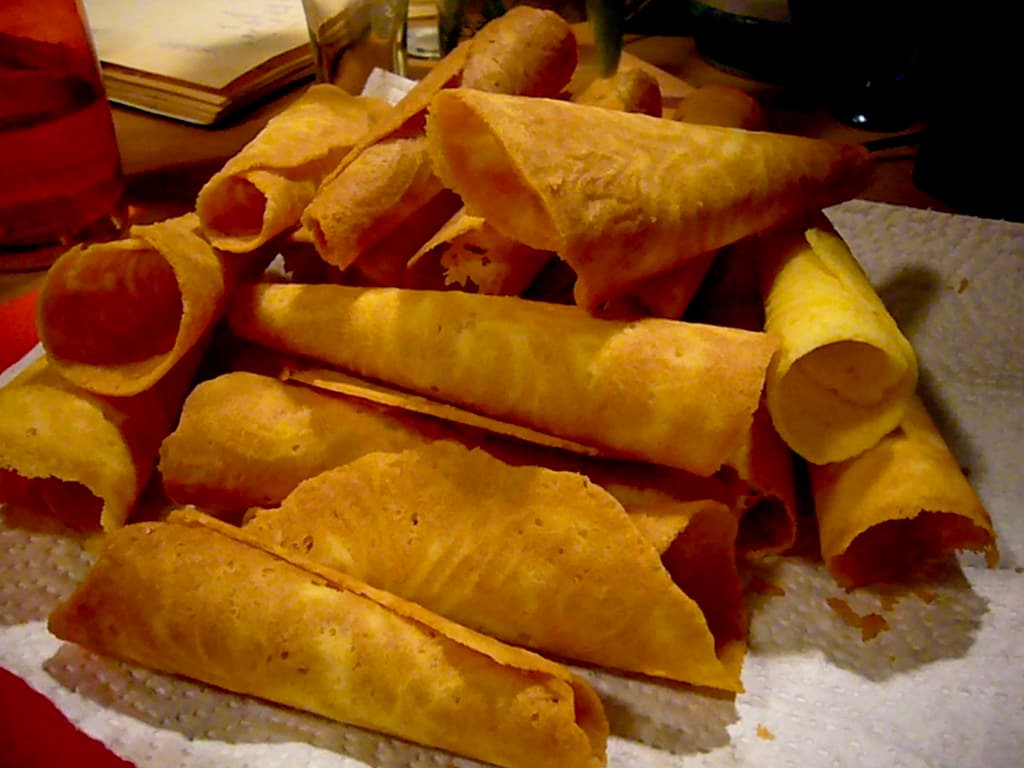
Krumkake are thin, crisp Norwegian waffle cookies rolled into cones, often filled with whipped cream or preserved fruit. Introduced by Scandinavian settlers to the Midwest in the late 19th century, krumkake became holiday staples for Christmas and family celebrations, highlighting continuity of heritage and festive customs.
1800-1860
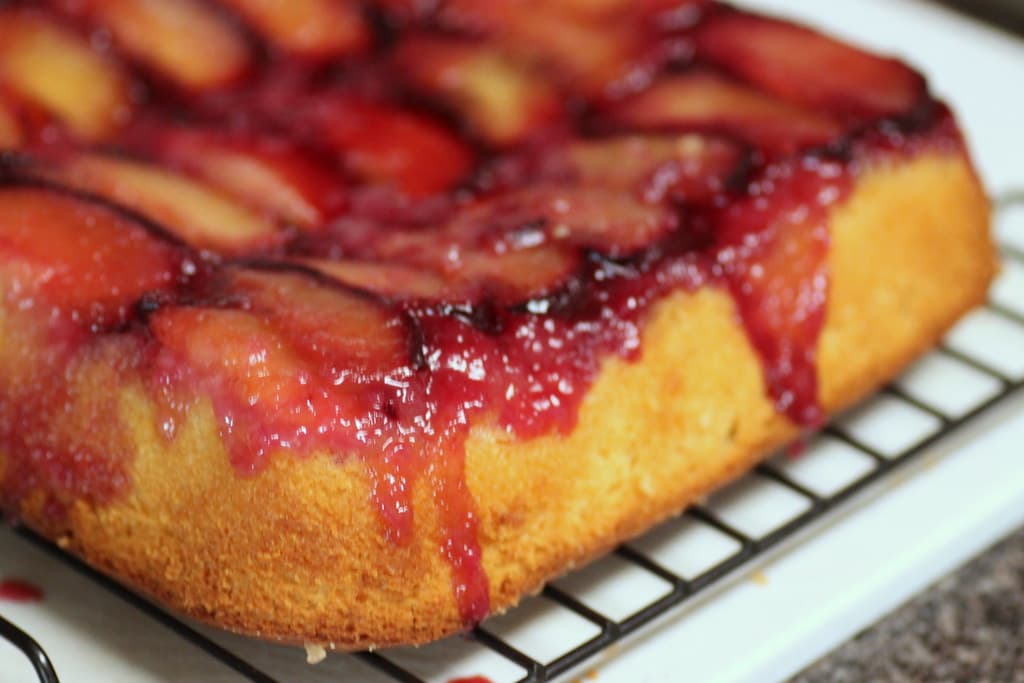
Kuchen, German for cake, refers to a variety of fruit or custard-topped cakes introduced to American Great Plains by German immigrants in the 19th century. These cakes were often baked for social and family occasions, reflecting adaptation of old-world recipes to local fruits and dairy, making them a staple in immigrant households.
1900-1929
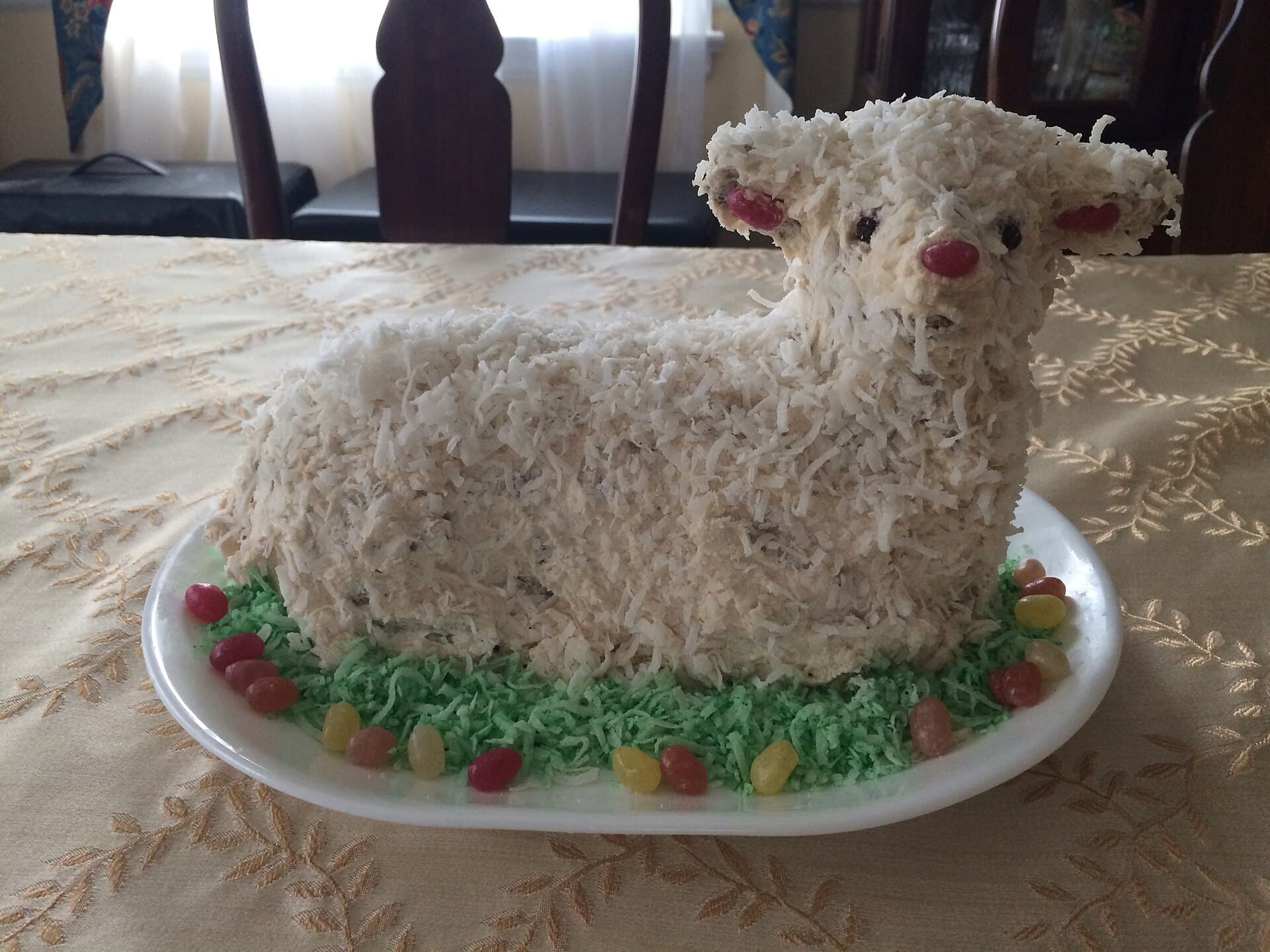
Lamb cake is a dessert shaped into a lamb, traditionally served at Easter celebrations in various American communities. The cake symbolizes purity and resurrection, often made using a molded pan and decorated with frosting to resemble wool. Its cross-era presence illustrates the blending of European Easter customs with American holiday traditions.
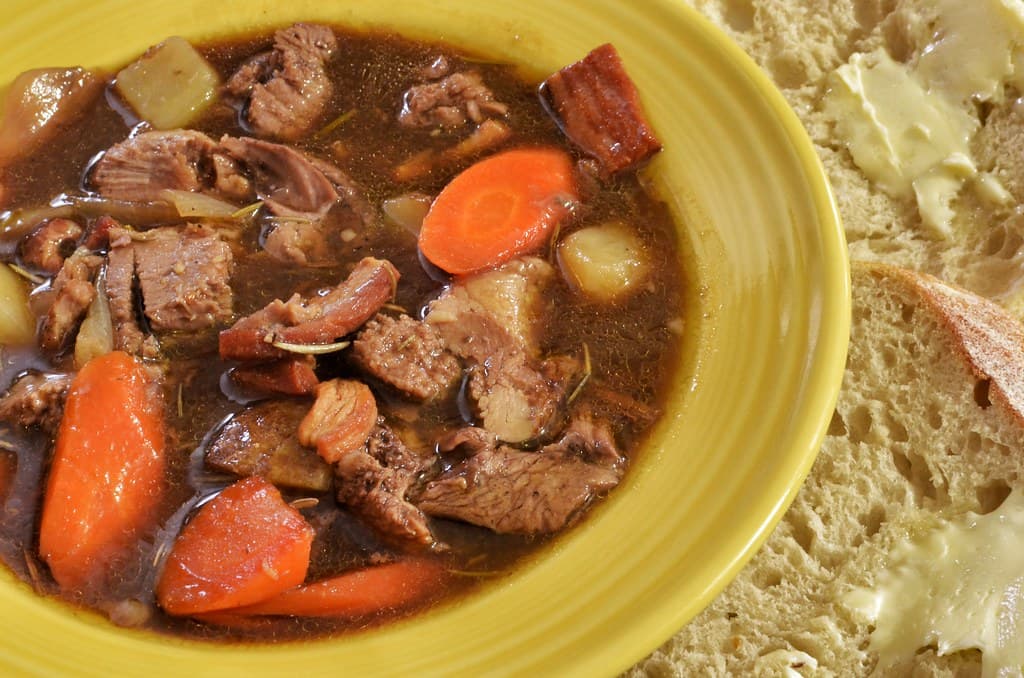
1800-1860
Lamb stew is a savory dish featuring tender lamb pieces simmered with root vegetables and herbs. Irish immigrants brought such recipes to the United States during the early 19th century, adapting them to American ingredients. The stew reflects sustenance cooking suited to family gatherings and everyday meals in immigrant households.
America's Melting Pot
Lane Cake photo coming soon
1800-1860
Lane cake is a traditional Southern dessert featuring layered cake filled with custard, raisins, coconut, and sometimes a hint of whiskey. Established in the 19th century South, it became a celebratory dish for holidays and special gatherings, representing Southern hospitality and culinary ingenuity with pantry staples.
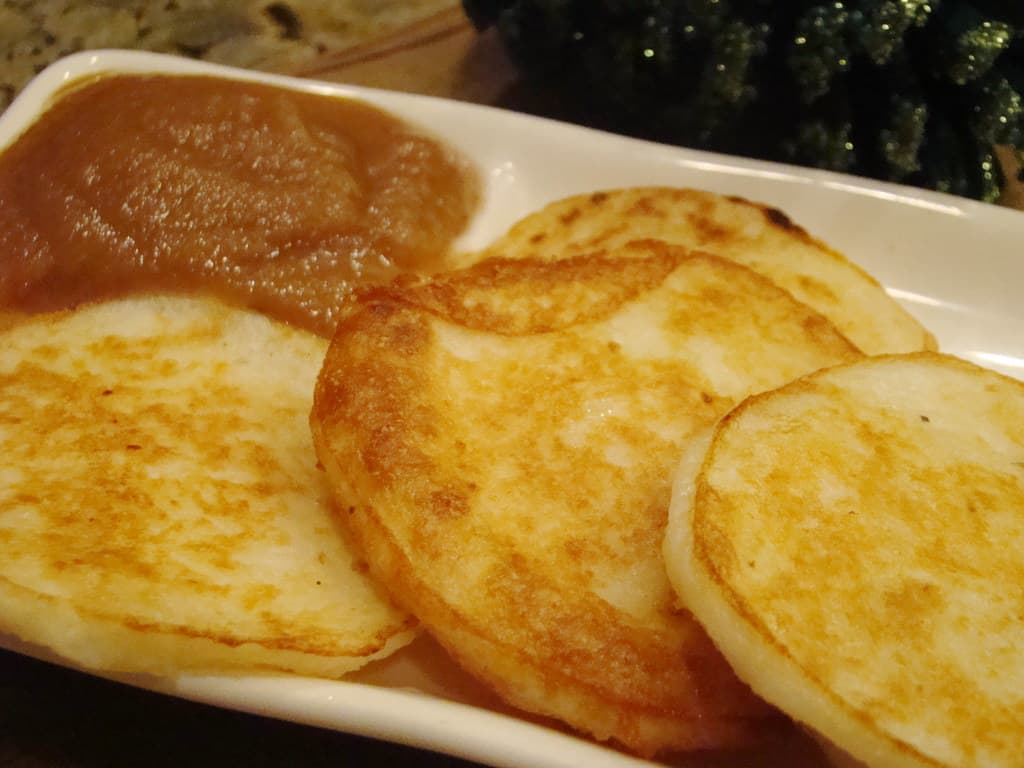
1861-1900
Latkes are fried potato pancakes traditionally served during Hanukkah, tracing back to Jewish communities of Eastern Europe. Brought to America by Jewish immigrants in the late 19th century, latkes symbolize cultural resilience and holiday observance, made from grated potatoes, onions, and eggs, fried to golden crispness and served with applesauce or sour cream.
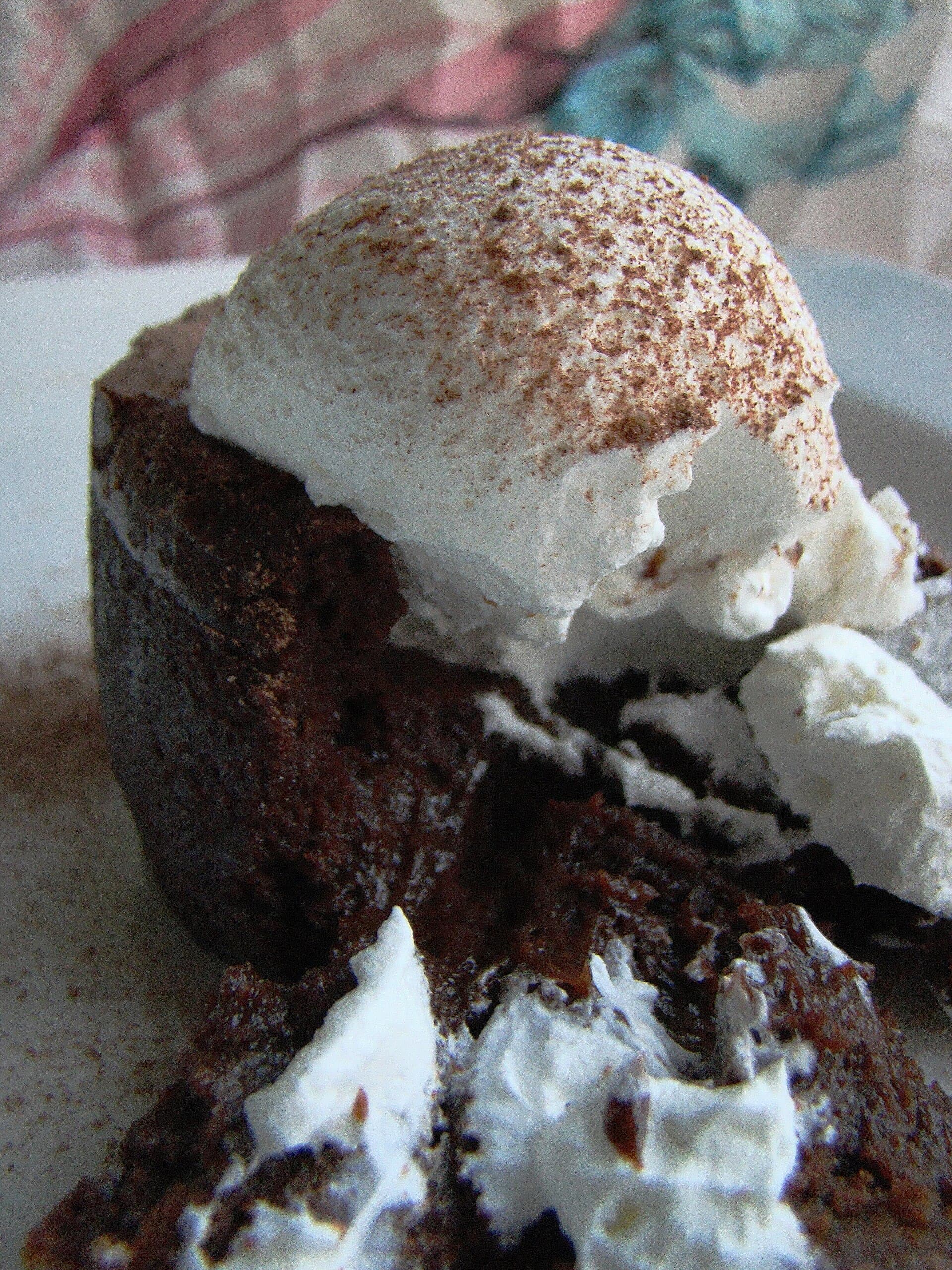
1990-2009
Lava cake is a rich dessert featuring individual chocolate cakes with a gooey molten center. Popularized in American family restaurants and chains from the 1990s onward, it uses minimal ingredients to create a dramatic dessert that combines chocolate cake and fondant-like filling, appealing broadly across age groups and occasions.
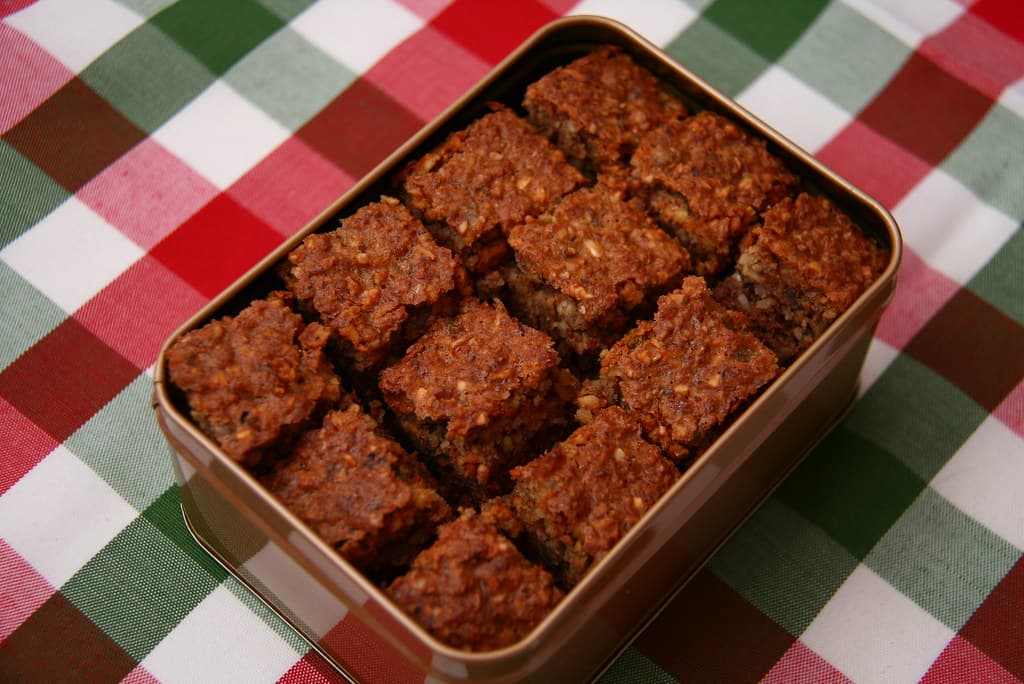
1800-1860
Lebkuchen are dense, spiced cookies resembling gingerbread, traditional in German holiday baking. Immigrants brought lebkuchen recipes to America in the 1800s, particularly to Great Plains settlements. These cookies combine honey, spices, nuts, and sometimes candied fruit and are enjoyed especially around Christmas time.
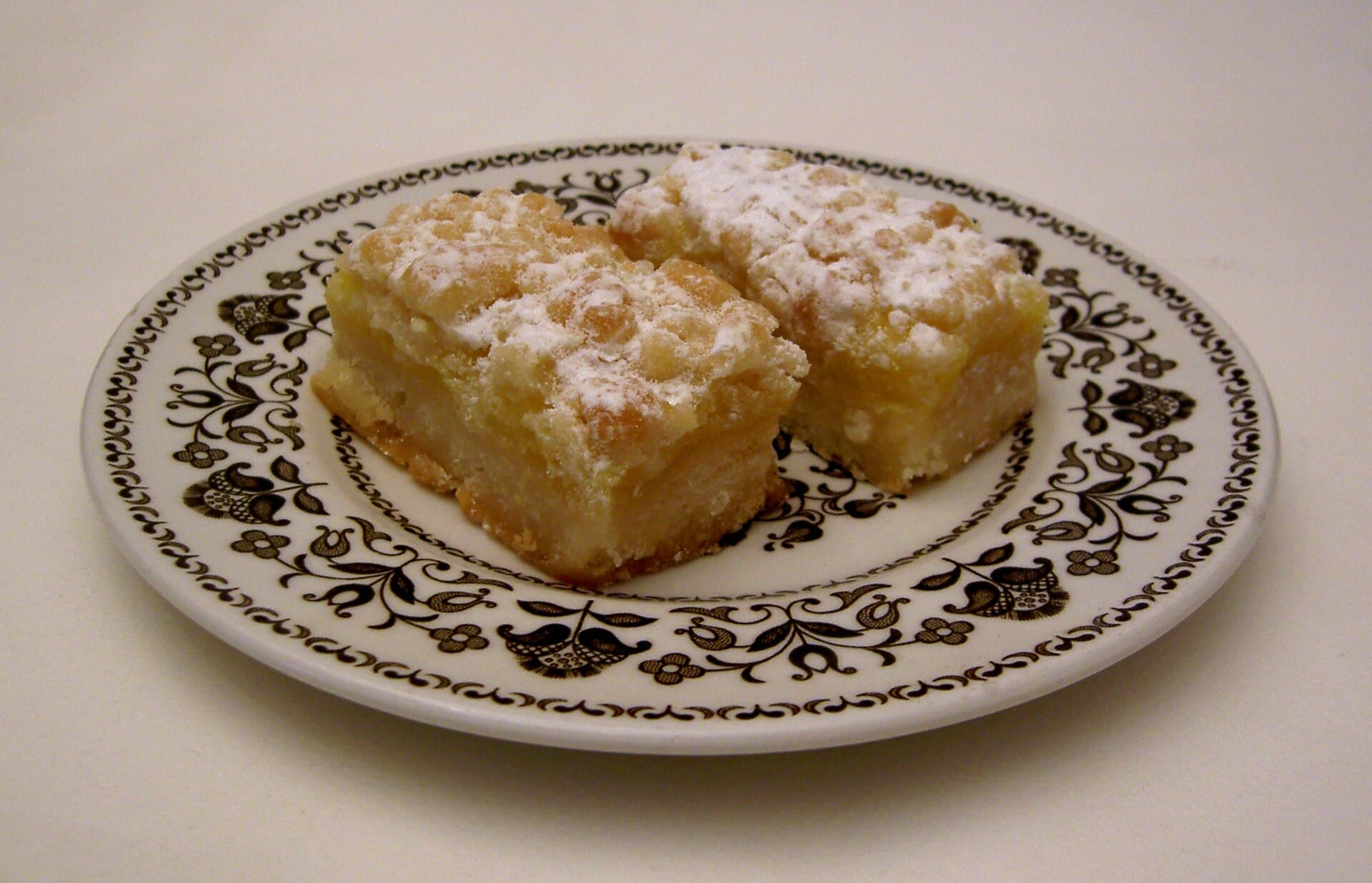
1946-1969
Lemon bars are a popular American dessert featuring a shortbread crust topped with a bright, tangy lemon custard. Widely enjoyed at tailgates, booster clubs, and church gatherings from the 1970s to 1980s, lemon bars combine convenience with fresh citrus flavor.
America's Melting Pot
Lemon Coke photo coming soon
Gilded Age & Progressive Era
Lemon Coke is fizzy Americana from the soda-fountain counter: Diner counter variation.
America's Melting Pot
Lemon Freeze photo coming soon
Postwar & Diner Age
Lemon Freeze carries the bright, frothy spirit of American mall counters: Frozen lemonade plus ice cream/sherbet.
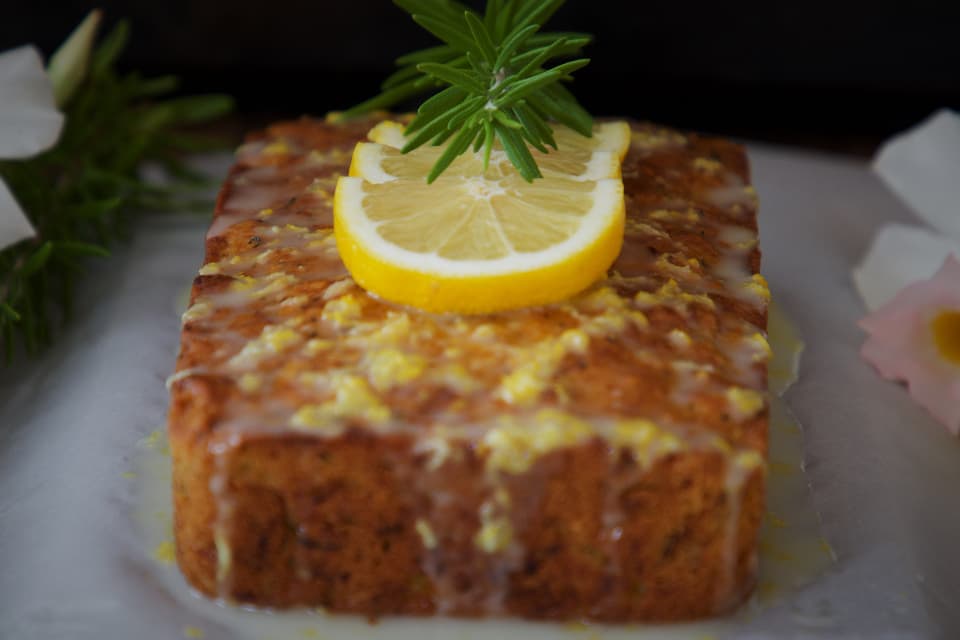
1990-2009
Lemon loaf is a soft, moist quick bread flavored with lemon zest and juice, topped with a sweet lemon glaze. It gained popularity in American coffee shops and bakeries in the 1990s and 2000s as a bright, fresh counterpart to traditional morning breads and snack cakes.
Community recipe submission
Log in to submit a recipe, format it with the cooking companion, and send it for review.
Log in to Submit