
Loading
Setting the table...
Fetching the latest recipes from the archive.
Loading
Fetching the latest recipes from the archive.
Recipe archive
Recipe archive
Search the archive by title, region, ingredient, tag, or era, then sort the table by the view that fits your kitchen.
This archive is growing through recipes, photos, family recipes, and historical context shared by the community.

1900-1929
Popcorn is an American staple snack made by heating dried corn kernels until they pop, commonly enjoyed at tailgates, booster events, and concessions with butter and salt.
America's Melting Pot
Poppy Seed Dressing photo coming soon
1946-1969
Poppy Seed Dressing is a dressing with real American table personality: Sweet dressing common with fruit salads, spinach salads, and church cookbooks. It brings flavor from coast-to-coast American tables to cookouts, counters, lunch plates, potlucks, and weeknight suppers.
America's Melting Pot
Porcupine Meatballs photo coming soon
1946-1969
Porcupine Meatballs are a Midwestern casserole dish featuring ground beef meatballs studded with uncooked rice, simmered in a tangy tomato sauce. Popular in America's postwar suburbs from 1946 to 1969, they embody practical comfort food of the era.
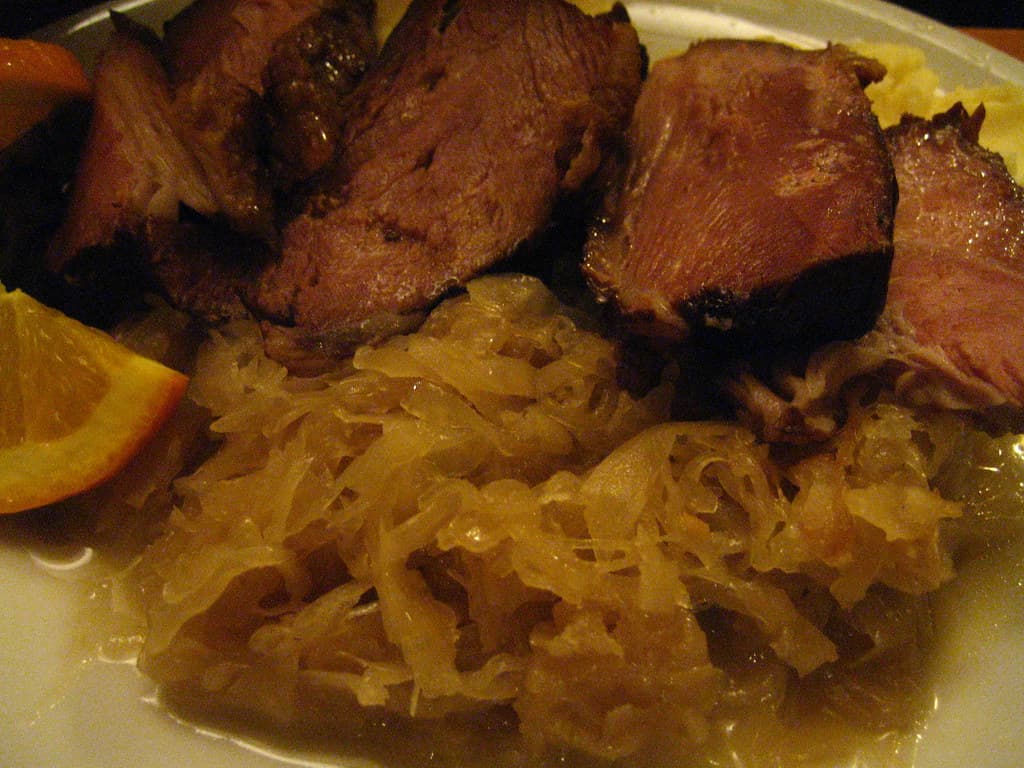
1800-1860
Pork and Sauerkraut is a classic American comfort and holiday dish often served on New Year's Day for luck and prosperity. Slow-cooked pork is combined with sauerkraut and seasoned to create a savory one-pot meal reflecting German-American and regional influences.
America's Melting Pot
Pork Roll/Taylor Ham Sandwich photo coming soon
1800-1860
The Pork Roll/Taylor Ham Sandwich is a distinctive breakfast sandwich from the Mid-Atlantic, featuring fried slices of pork roll encased in a soft roll, often complemented with egg and cheese. It showcases regional taste and identity.
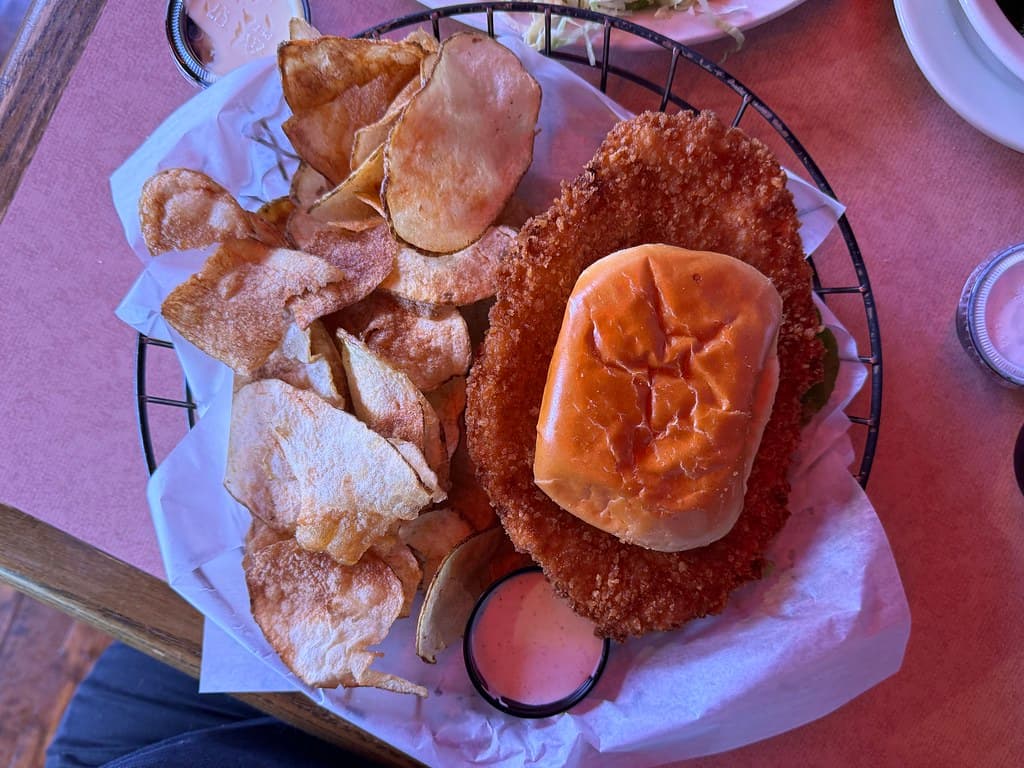
1970-1989
The Pork Tenderloin Sandwich is a Midwestern regional favorite featuring a breaded, fried pork tenderloin cutlet served on a bun with classic sandwich toppings. It rose in popularity during the 1970s and 1980s as convenient fast food and tailgate fare.
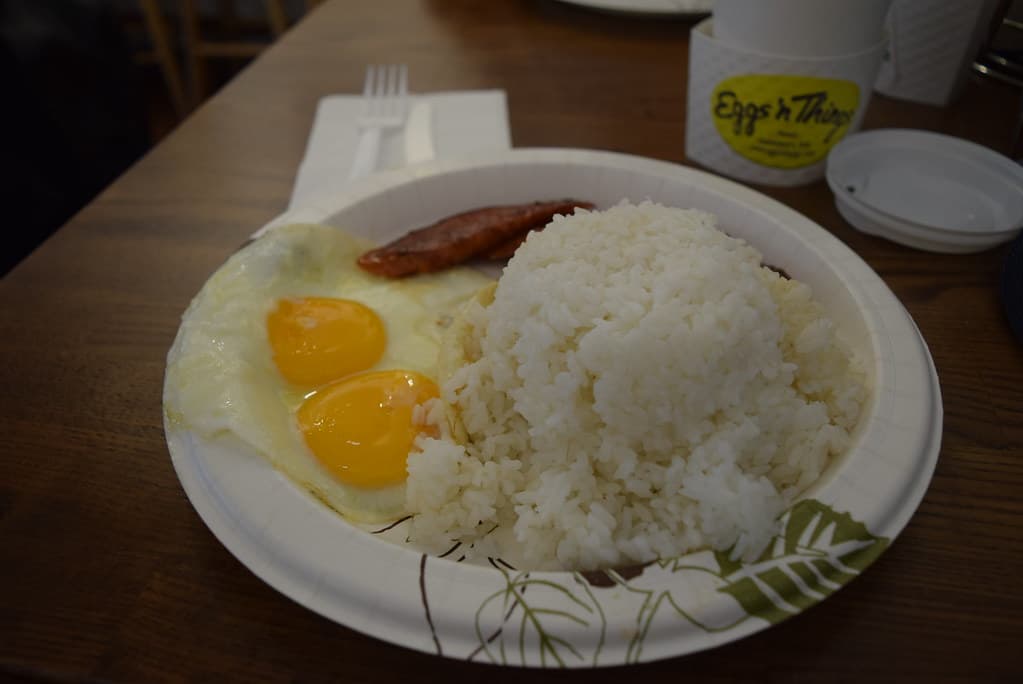
1861-1900
Portuguese Sausage and Eggs is a popular traditional breakfast in Hawaii combining savory Portuguese sausage with fried eggs to reflect immigrant influence on local food culture.
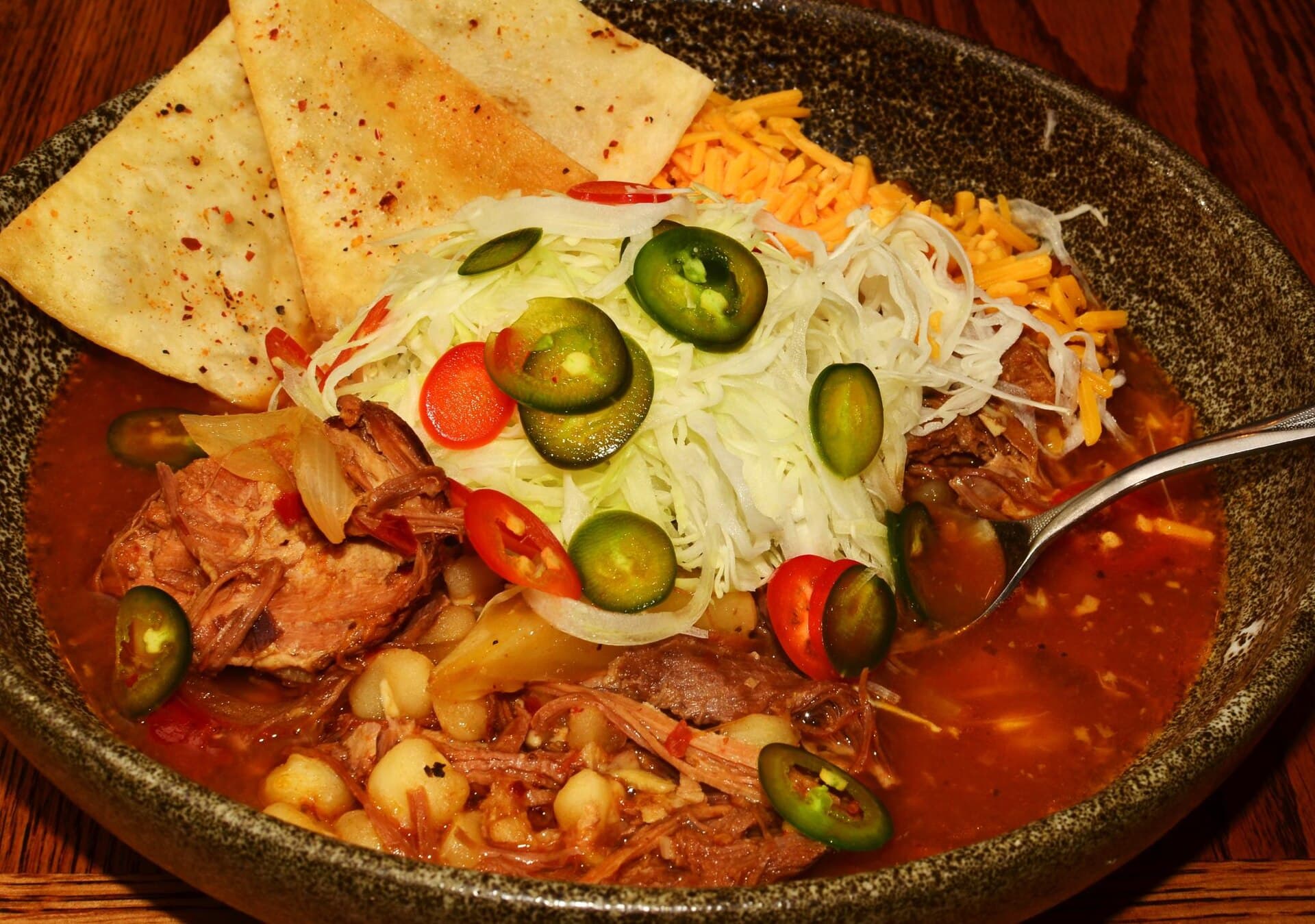
1800-1860
Posole is a hearty and spicy Mexican and Southwestern stew featuring hominy corn, pork, and chili peppers. It derives from pre-Columbian indigenous cuisine and became widely adopted in the U.S. Southwest and Southern regions, reflecting Mexican and Spanish borderlands culinary heritage.
America's Melting Pot
Post-Workout Recovery Shake photo coming soon
1970-1989
Post-Workout Recovery Shake brings juice-bar color and American smoothie-counter energy to the glass: Fitness and supplement culture.
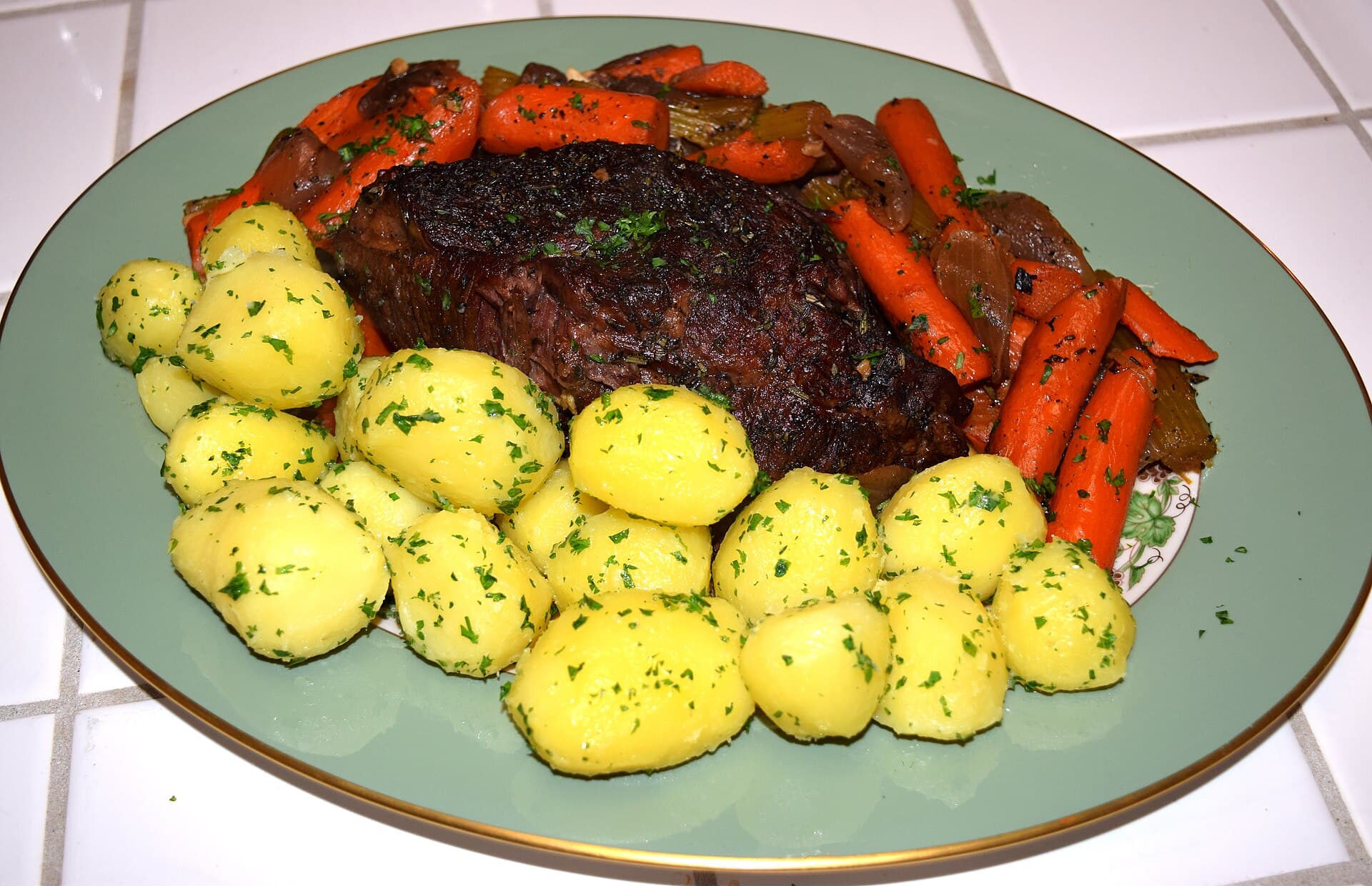
1861-1900
Pot Roast is a traditional slow-cooked beef dish that became a staple in railroad camps, mining boardinghouses, and rural settlements following the Civil War. Its simplicity and ability to tenderize tougher cuts made it valuable for feeding workers and families.
America's Melting Pot
Pot Roast Gravy photo coming soon
Gilded Age & Progressive Era
Pot Roast Gravy is a condiment with real American table personality: Sunday dinner sauce. It brings flavor from coast-to-coast American tables to cookouts, counters, lunch plates, potlucks, and weeknight suppers.
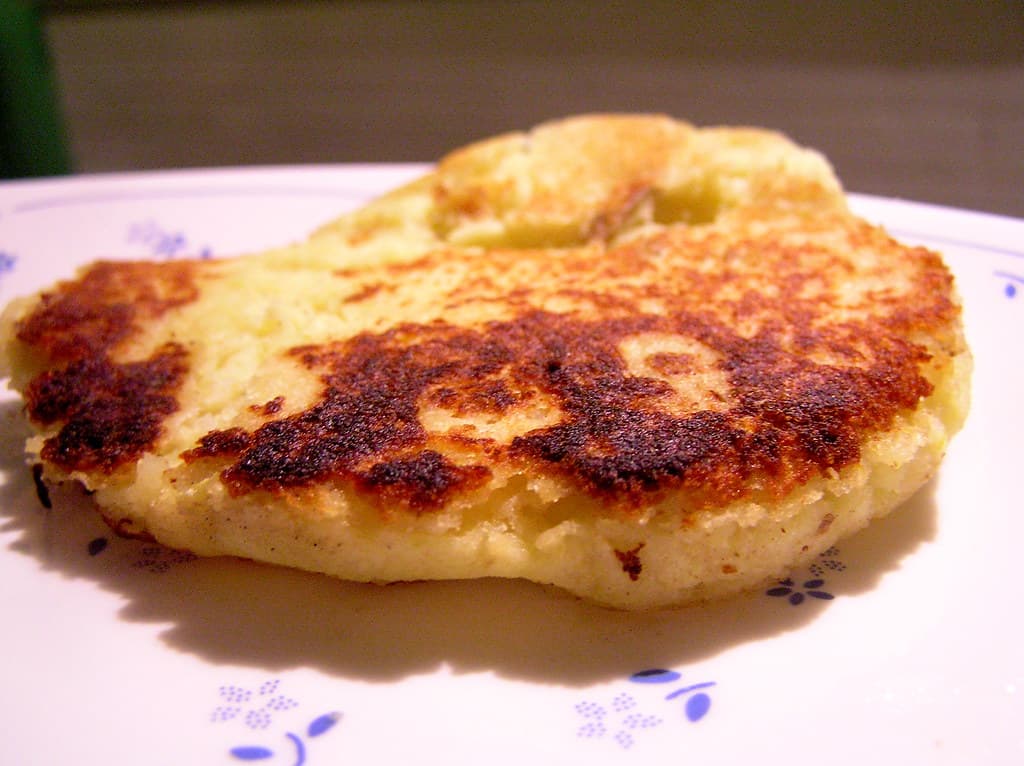
1800-1860
Potato Cakes are a practical, comforting dish made by frying mashed potato patties. Popular during the Depression and Dust Bowl decades, they exemplify resourceful cooking with staple ingredients under economic hardship.
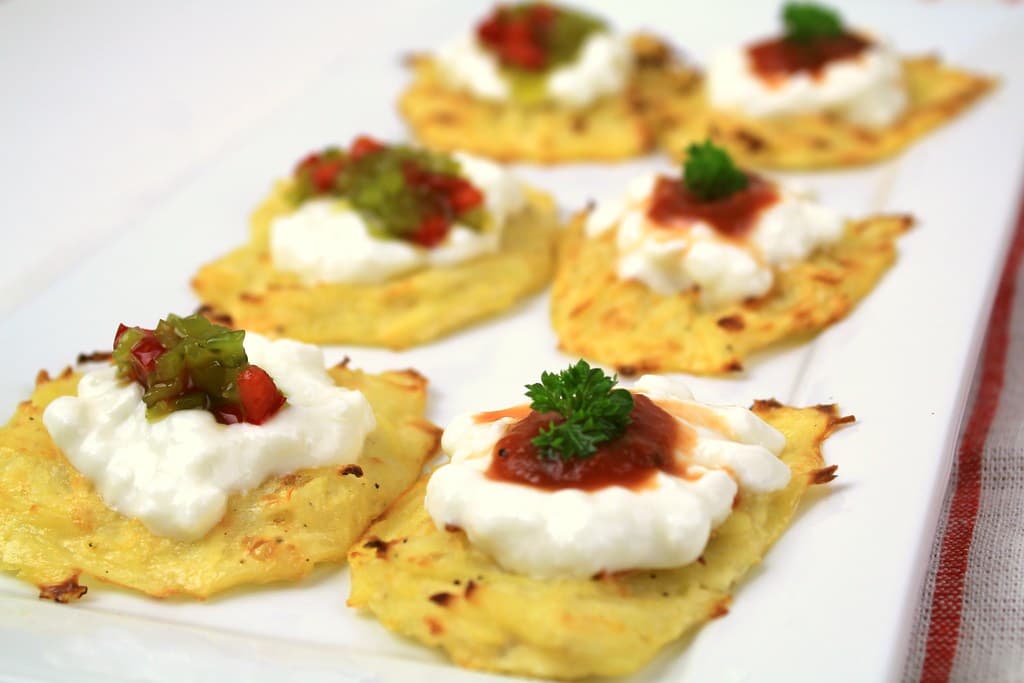
1800-1860
Potato Pancakes are a breakfast favorite among German-American communities, consisting of grated potatoes mixed with onions and eggs, fried to a crisp golden brown.
America's Melting Pot
Potato Sausage photo coming soon
1861-1900
Potato Sausage is a traditional Midwest dish combining pork sausage with potatoes, reflecting Scandinavian immigrant culinary influence during the post-Civil War period.
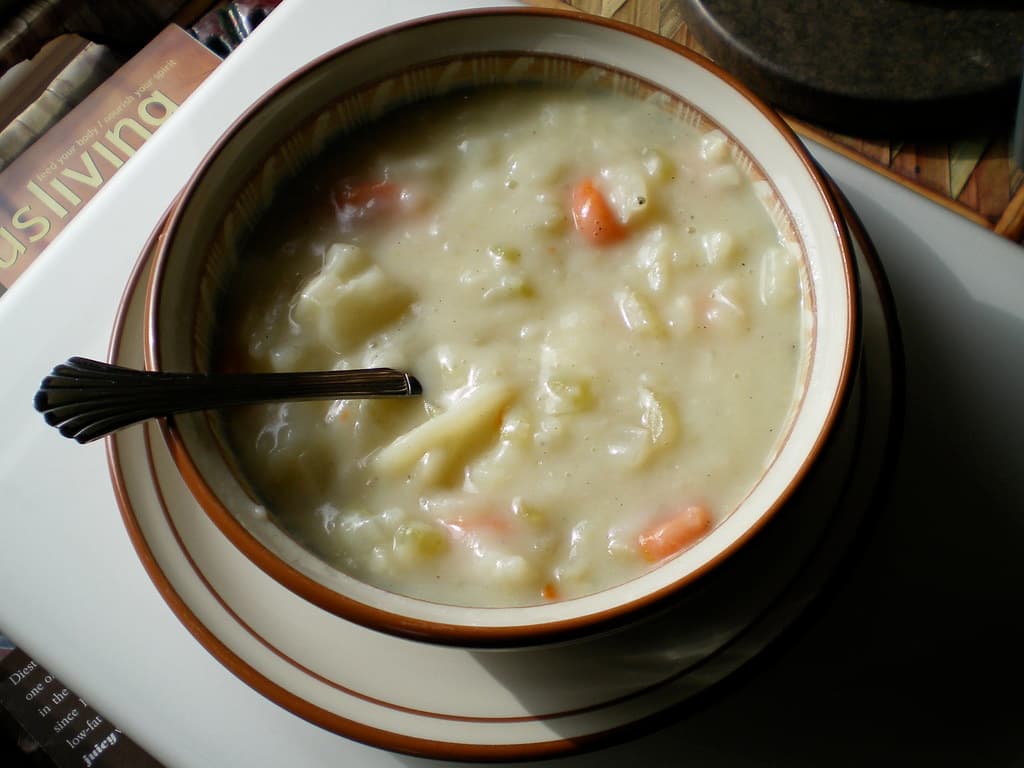
1800-1860
Potato Soup is a simple, hearty soup likely popular among Irish-American families, combining potatoes, onions, and cream or milk to create a warming dish during the expansion and immigration period.
America's Melting Pot
Praline Shake photo coming soon
Postwar & Diner Age
Praline Shake pours old-school malt-shop cheer into a cold glass: New Orleans/Southern dessert influence.
America's Melting Pot
Pre-Workout Smoothie photo coming soon
1970-1989
Pre-Workout Smoothie brings juice-bar color and American smoothie-counter energy to the glass: Gym-chain drink.
1990-2009
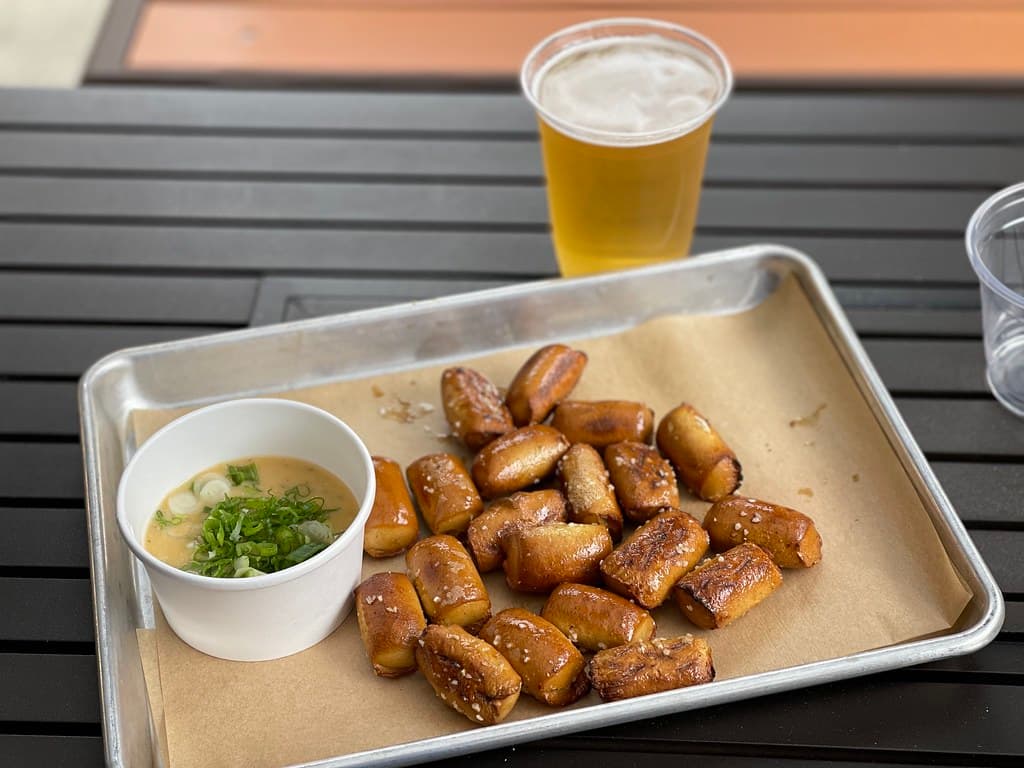
Pretzel Bites became a popular snack in American homes and sports bars from the 1990s onward, especially during game day parties and casual gatherings. These soft, salty treats offer a convenient finger food with various dipping options.
1800-1860
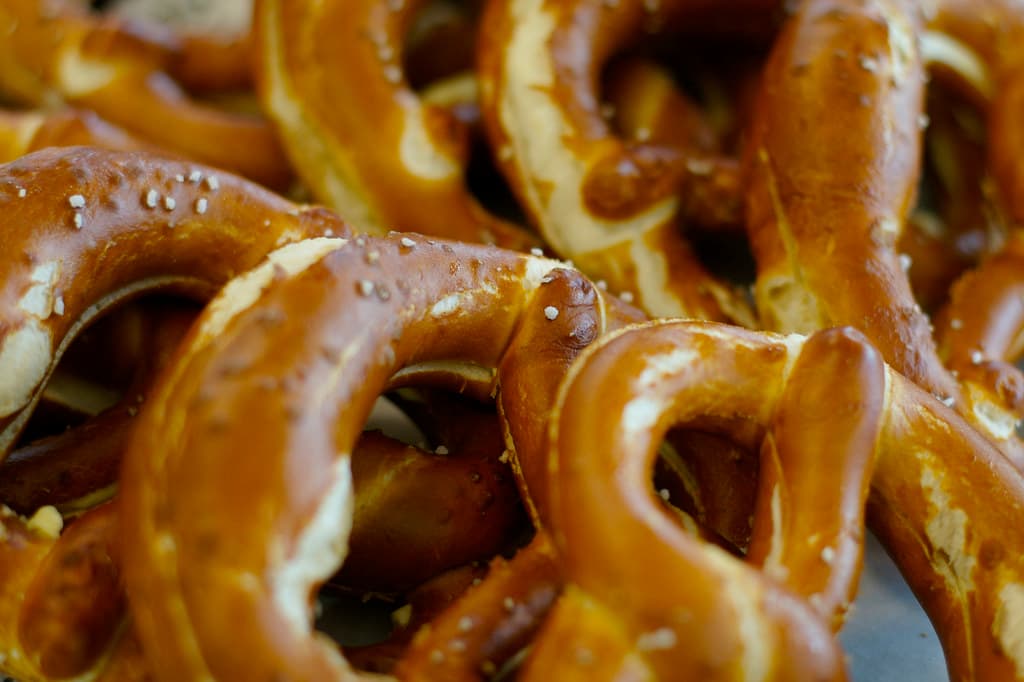
Pretzels, brought by German immigrants to the United States in the 1800s, became a beloved baked good in American urban centers and towns. These soft, twisted breads exemplify immigrant culinary influence blending with local tastes.
Cross-era
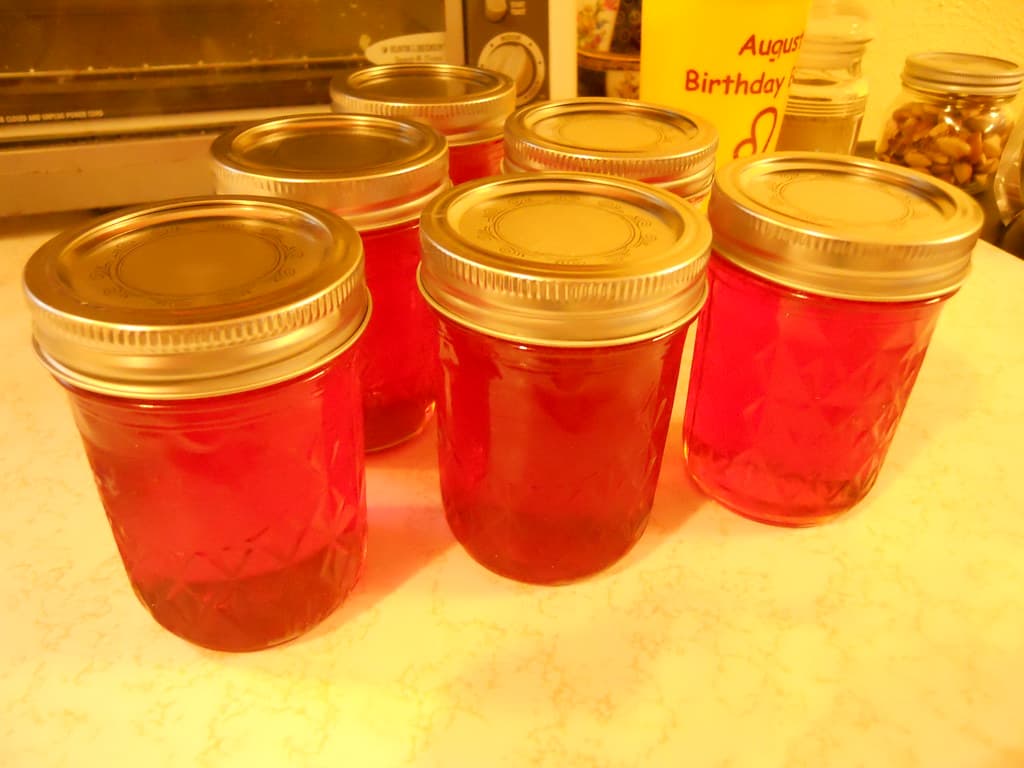
Prickly Pear Jelly is a preserve with real American table personality: Southwest desert fruit preserve. It brings flavor from the American South to cookouts, counters, lunch plates, potlucks, and weeknight suppers.
America's Melting Pot
Prickly Pear Smoothie photo coming soon
Cross-era
Prickly Pear Smoothie salutes regional fruit country and the American dairy-stand tradition: Southwest.
America's Melting Pot
Prickly Pear Syrup photo coming soon
Cross-era
Prickly Pear Syrup is a sweet sauce with real American table personality: Southwest drinks and desserts. It brings flavor from the American South to cookouts, counters, lunch plates, potlucks, and weeknight suppers.
America's Melting Pot
Primanti Bros.-Style Sandwich photo coming soon
1930-1945
The Primanti Bros.-Style Sandwich originated in Pittsburgh in the 1970s and 1980s as a hearty, convenient meal combining grilled meat, coleslaw, tomatoes, and french fries stacked inside Italian bread. It reflects regional pride and fast food fusion in post-industrial American cities.
Gilded Age & Progressive Era
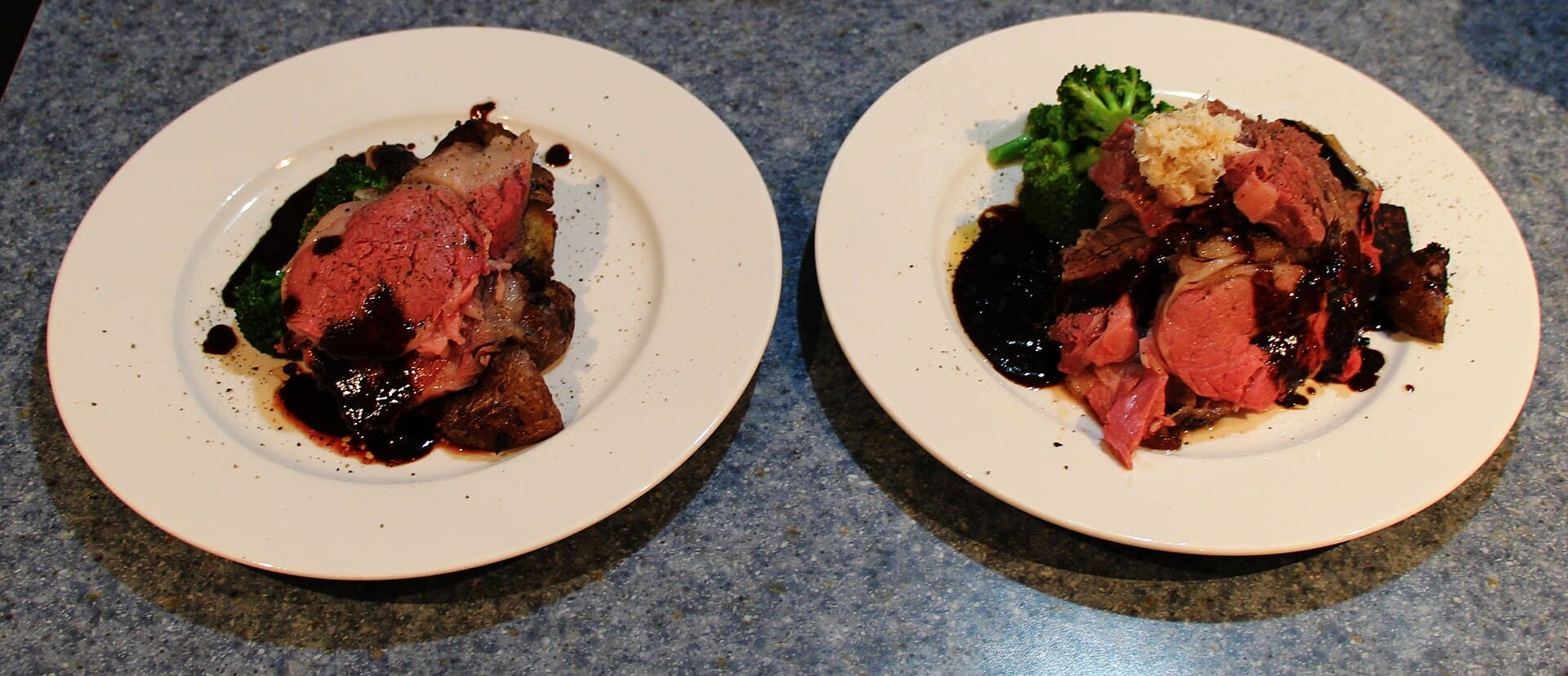
Prime Rib is a festive, slow-roasted beef cut traditionally featured at Christmas dinners and holiday celebrations across the United States. Its rich flavor and tender texture make it a centerpiece for special occasions.
America's Melting Pot
Protein Iced Coffee Shake photo coming soon
Modern Melting Pot
Protein Iced Coffee Shake blends coffeehouse America with milkshake-style fun: Gym/coffee crossover.
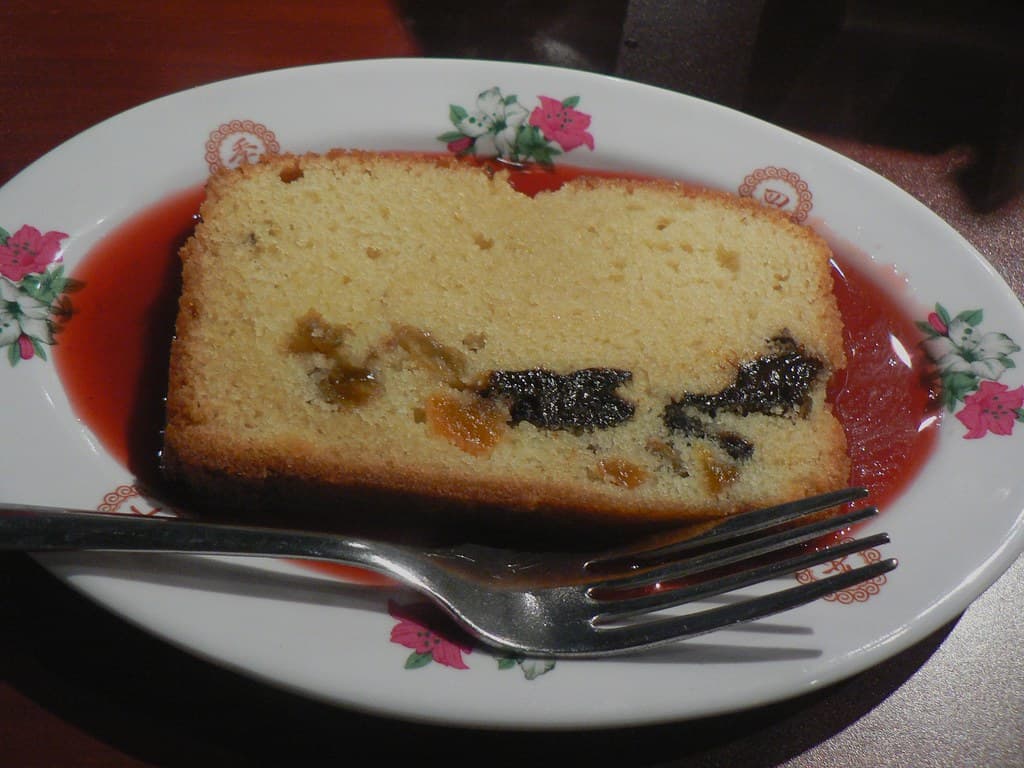
1930-1945
Prune Cake is a moist, spiced dessert that became popular during the Great Depression, utilizing affordable and shelf-stable prunes as a key ingredient. It reflects resourceful baking amid economic hardship.
America's Melting Pot
Pudgy Pies photo coming soon
1946-1969
Pudgy Pies, also known as Mountain Pies, are portable folded dough pockets with sweet or savory fillings popular at hunting and fishing camps across America. They represent practical cooking over open fires.
America's Melting Pot
Puerto Rican Mamey Shake photo coming soon
Cross-era
Puerto Rican Mamey Shake salutes regional fruit country and the American dairy-stand tradition: Puerto Rican-American kitchens.
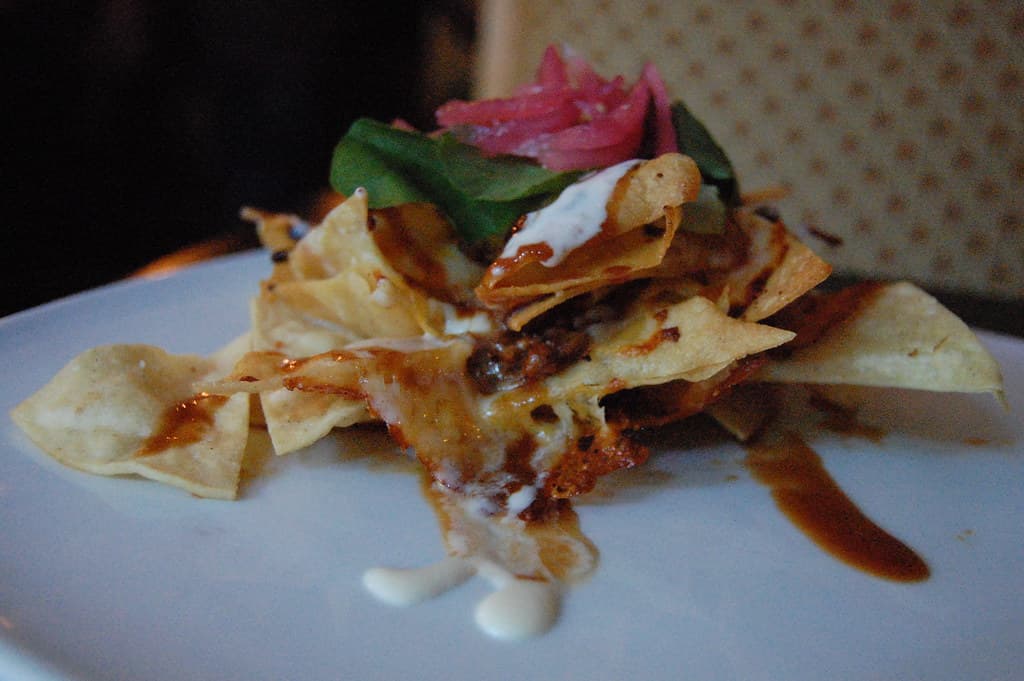
1990-2009
Pulled Pork Nachos combine tender barbecue pork with crunchy tortilla chips and melted cheese, popular at game day parties and casual gatherings during the 1990s and 2000s.
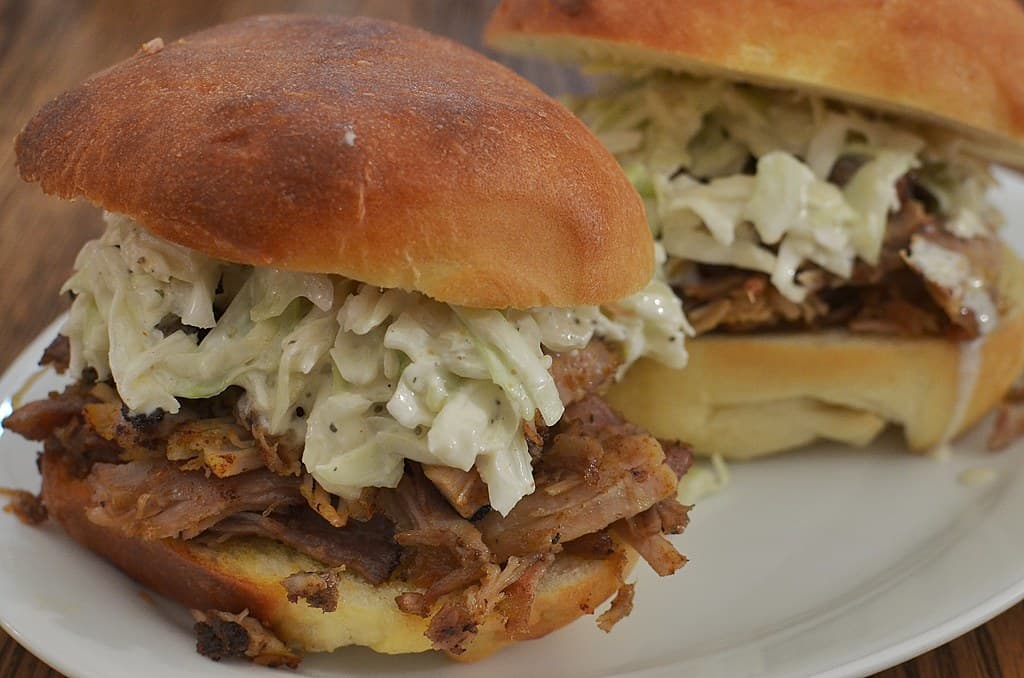
1970-1989
Pulled Pork Sandwiches, featuring tender barbecue shredded pork served on buns, became tailgate and booster club favorites during 1970s-1980s American regional food expansion.
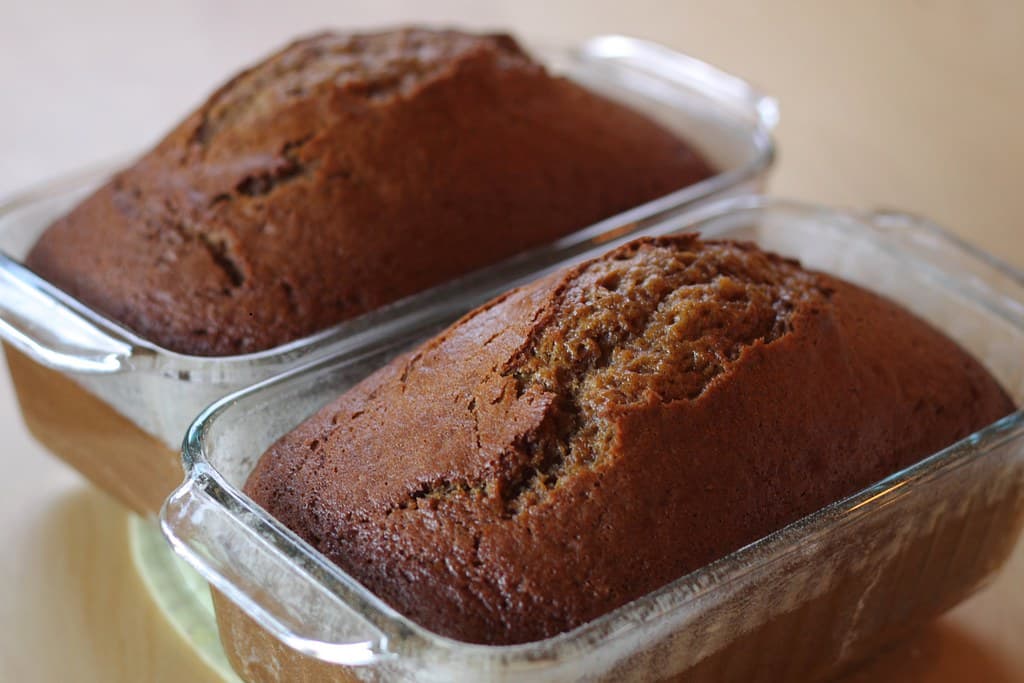
1990-2009
Pumpkin Bread is a moist, spiced quick bread that surged in popularity in American coffee shops and suburban bakeries from the 1990s through 2000s, often associated with fall seasonal menus.
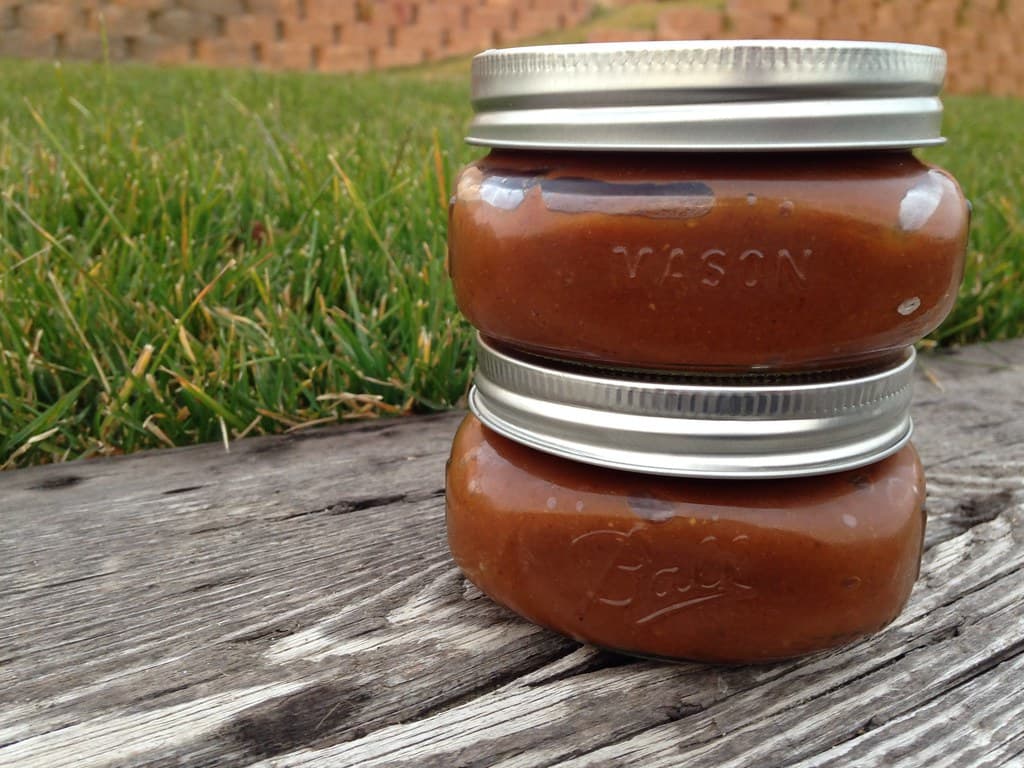
1776-1800
Pumpkin Butter is a preserve with real American table personality: Fall farmstand spread. It brings flavor from coast-to-coast American tables to cookouts, counters, lunch plates, potlucks, and weeknight suppers.
America's Melting Pot
Pumpkin Custard Shake photo coming soon
Cross-era
Pumpkin Custard Shake salutes regional fruit country and the American dairy-stand tradition: Midwest/South fall flavor.
America's Melting Pot
Pumpkin Malt photo coming soon
1900-1929
Pumpkin Malt pours old-school malt-shop cheer into a cold glass: Fall seasonal malt.
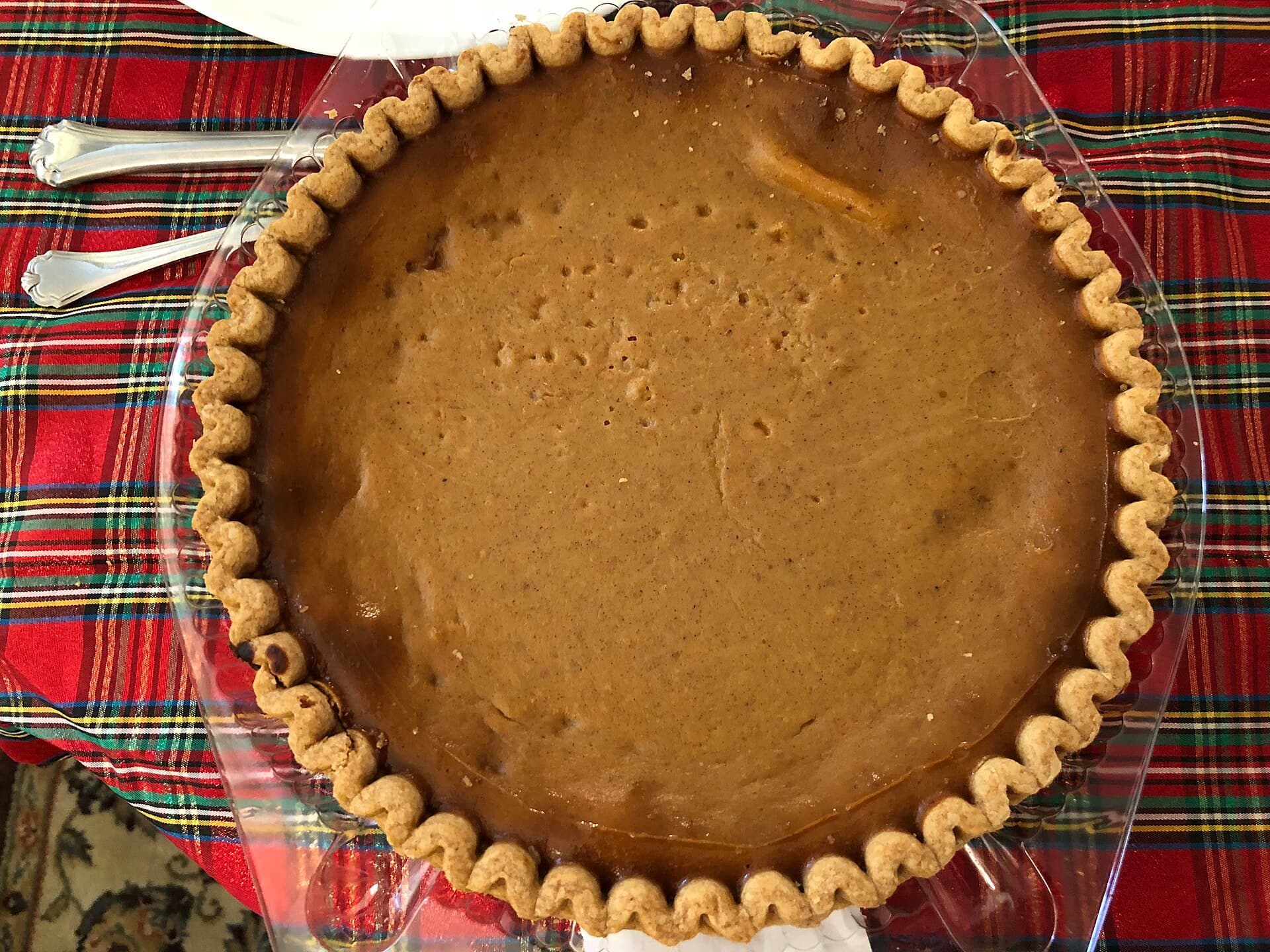
1776-1800
Pumpkin Pie is a quintessential American dessert featuring a spiced pumpkin custard filling baked in a pastry crust, historically tied to Thanksgiving celebrations since the late 18th century.
America's Melting Pot
Pumpkin Pie Shake photo coming soon
1900-1929
Pumpkin Pie Shake pours old-school malt-shop cheer into a cold glass: Autumn fast-food and custard-stand flavor.
America's Melting Pot
Pumpkin Spice Frappe-Style Drink photo coming soon
Modern Melting Pot
Pumpkin Spice Frappe-Style Drink blends coffeehouse America with milkshake-style fun: Fall coffee culture.
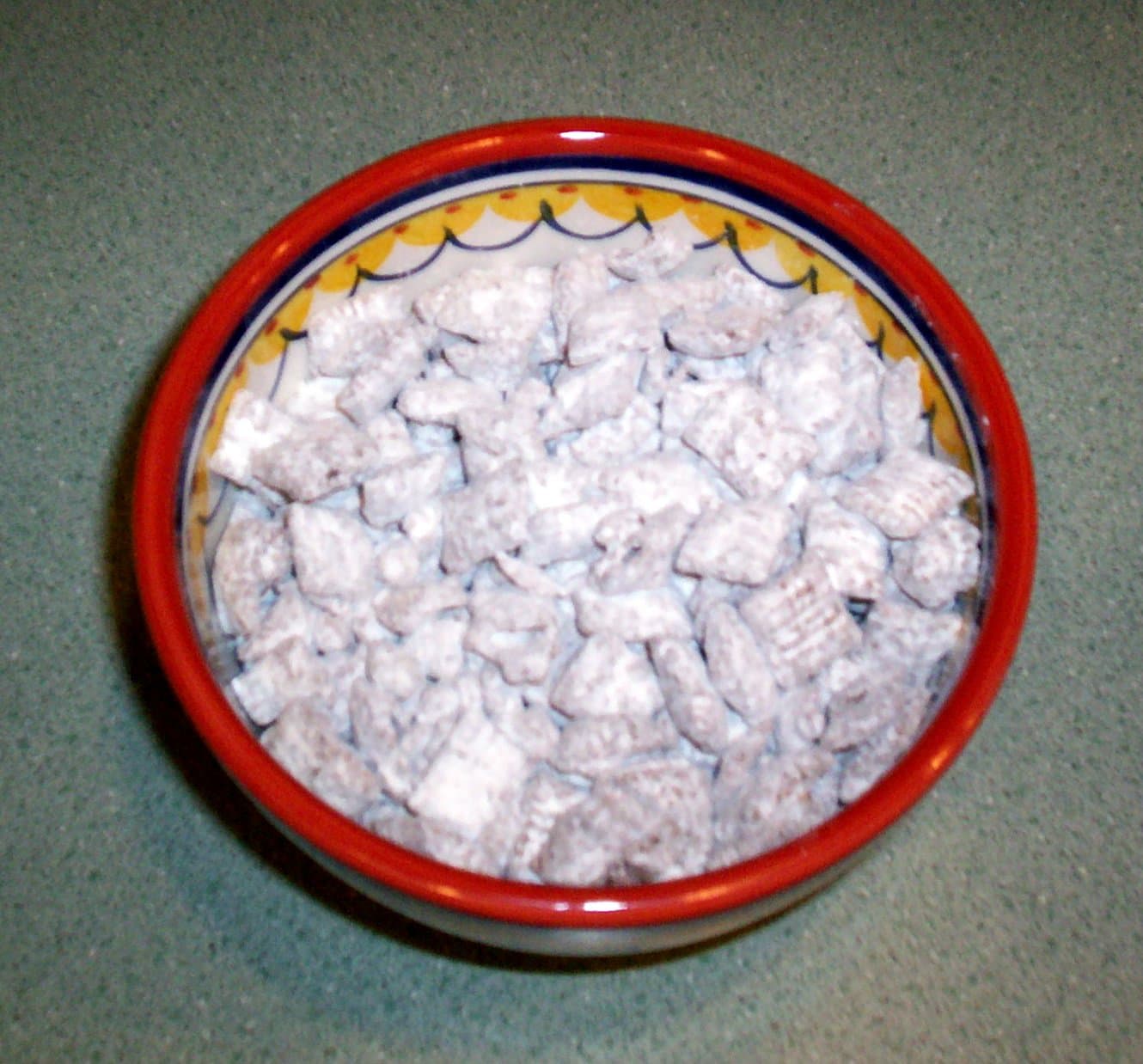
1970-1989
Puppy Chow, also known as Muddy Buddies, is a beloved American snack from the 1970s, featuring a mix of cereal coated in a sweet peanut butter and chocolate glaze, then dusted with powdered sugar. This easy, crowd-pleasing treat became popular at parties and tailgates for its nostalgic comfort and simple prep.
America's Melting Pot
Purple Cow photo coming soon
Gilded Age & Progressive Era
Purple Cow is fizzy Americana from the soda-fountain counter: Grape soda or grape juice with ice cream, depending on region.
America's Melting Pot
Quad Cities Pizza photo coming soon
1945-2000
Quad Cities Pizza is a distinctive American pizza style from the Mississippi River's Quad Cities area, known for its thick crust, sweet tomato sauce, and unique blend of cheeses. Rooted in Italian-American traditions, this regional pizza reflects local tastes and longstanding community pride.
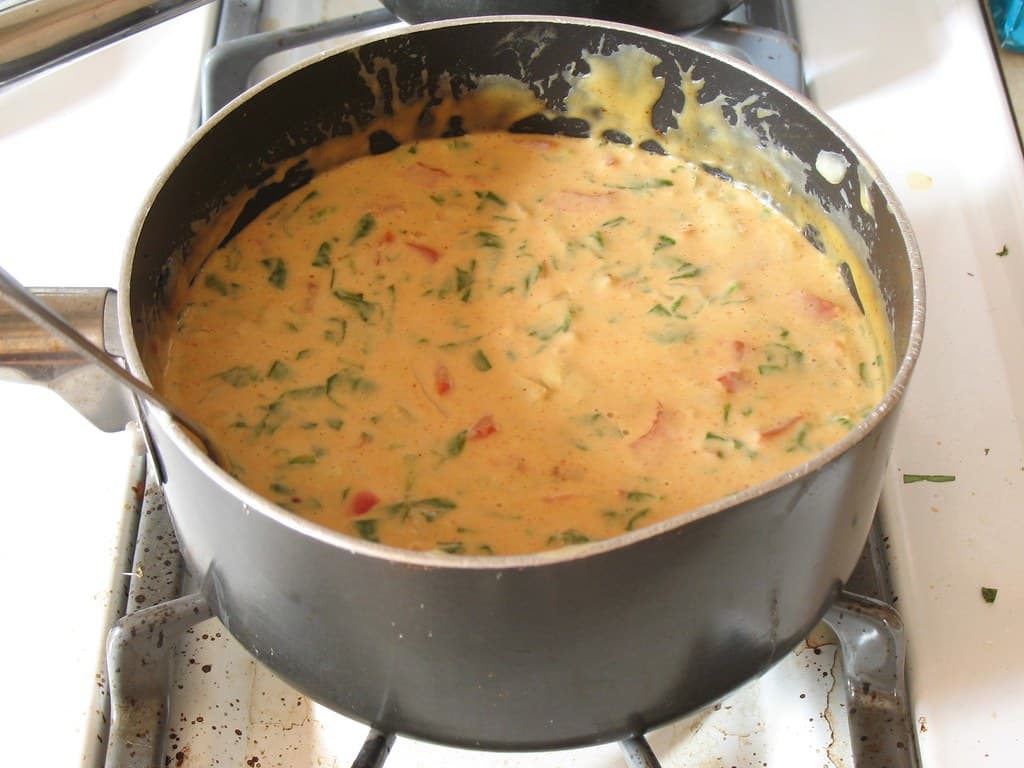
1990-2009
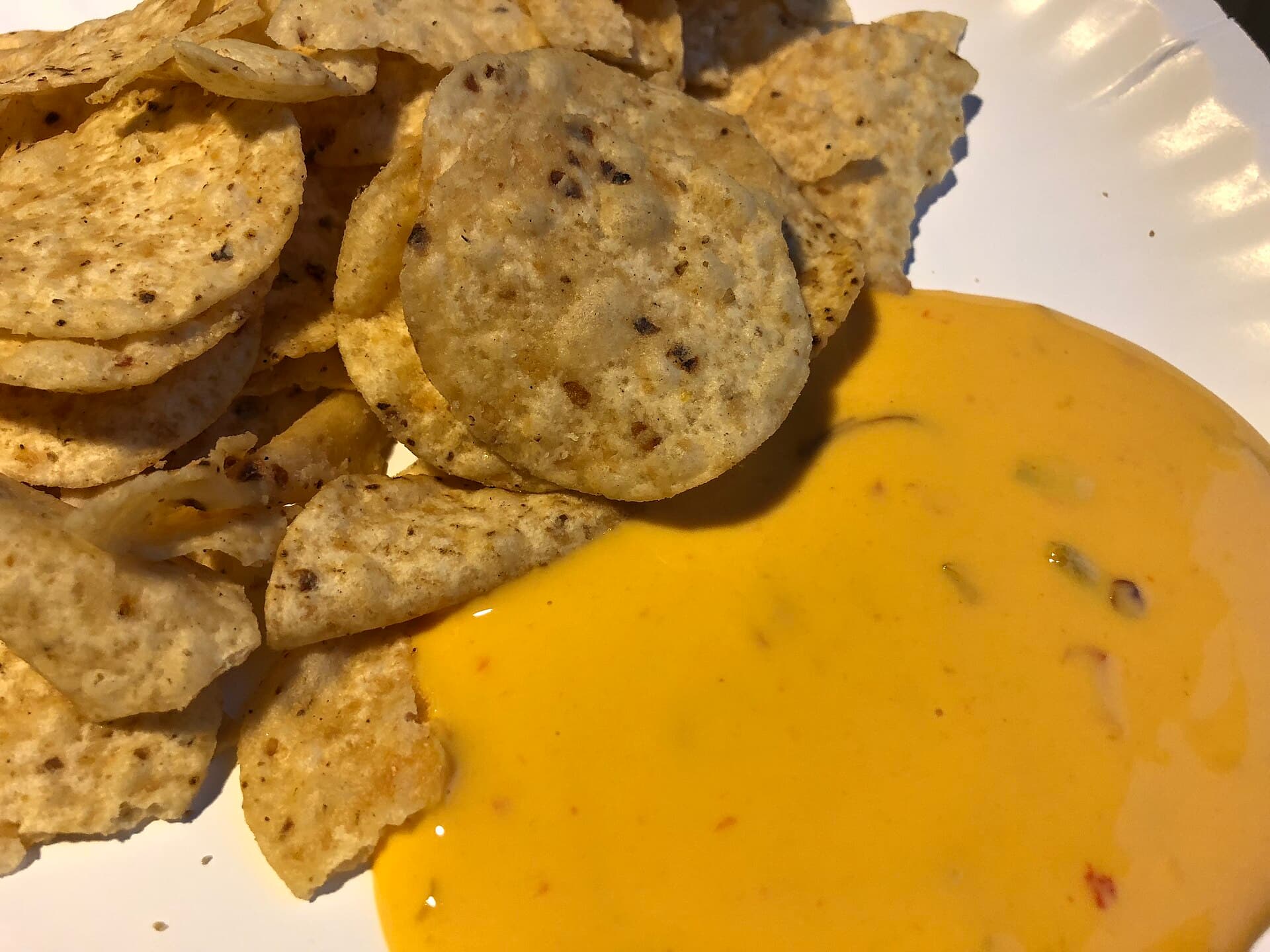
Queso is a warm melted cheese dip often enhanced with chili peppers, tomatoes, and spices, traditionally served alongside tortilla chips at games and parties. Rising in American popularity during the 1990s, it exemplifies comfort food blending Tex-Mex flavors suited for sharing during casual gatherings.
1970-1989
Queso Dip is a warm, cheesy sauce blending melted processed cheese with green chilies and seasonings, ideal for dipping tortilla chips. Emerging in American Tex-Mex kitchens in the 1970s and 1980s, this easy dip gained traction at tailgates and parties as a family- and crowd-friendly favorite.
America's Melting Pot
Quince Preserves photo coming soon
1776-1800
Quince Preserves are a traditional American preserves recipe using fresh quince fruit cooked with sugar and spices into a fragrant, sweet spread. Dating back to the late 18th century, these preserves provided early Americans a way to enjoy quince's unique flavor year-round.
America's Melting Pot
Rabbit Pie photo coming soon
1776-1800
Rabbit Pie is a hearty savory pie featuring tender rabbit meat, vegetables, and herbs baked into a rich, flaky crust. Popular in early American cuisine, especially in the late 18th century, it was a practical way to use lean game meats in home kitchens.
America's Melting Pot
Rabbit Stew photo coming soon
1776-1800
Rabbit Stew is a slow-cooked, savory dish combining rabbit meat with root vegetables and herbs in a flavorful broth. A rural favorite in early America, it provided nutrient-rich, warming food using wild or farmed rabbits during the late 18th century.
America's Melting Pot
Rabbit with Dumplings photo coming soon
1800-1860
Rabbit with Dumplings is a traditional Appalachian dish pairing tender rabbit stew with hand-rolled dough dumplings. Popular in rural homes during early 19th-century expansion and frontier life, this hearty meal provides comfort and sustenance using available game and pantry staples.
America's Melting Pot
Ramp Biscuits photo coming soon
1800-1860
Ramp Biscuits are tender American biscuits flavored with chopped ramps, a wild onion native to Appalachia. This early 19th-century Appalachian recipe celebrates local foraged ingredients and rustic baking techniques central to frontier cooking and regional food traditions.
America's Melting Pot
Ranch Powder Seasoning photo coming soon
Cross-era
Ranch Powder Seasoning is a spread with real American table personality: The dry-mix form of ranch: popcorn, crackers, pretzels, chicken, potatoes, and dips. It brings flavor from coast-to-coast American tables to cookouts, counters, lunch plates, potlucks, and weeknight suppers.
America's Melting Pot
Raspberry Jam photo coming soon
1800-1860
Raspberry Jam is a preserve with real American table personality: Farmhouse and berry-patch staple. It brings flavor from coast-to-coast American tables to cookouts, counters, lunch plates, potlucks, and weeknight suppers.
America's Melting Pot
Raspberry Lime Rickey photo coming soon
Gilded Age & Progressive Era
Raspberry Lime Rickey is fizzy Americana from the soda-fountain counter: New England/New York soda fountain flavor.
1970-1989
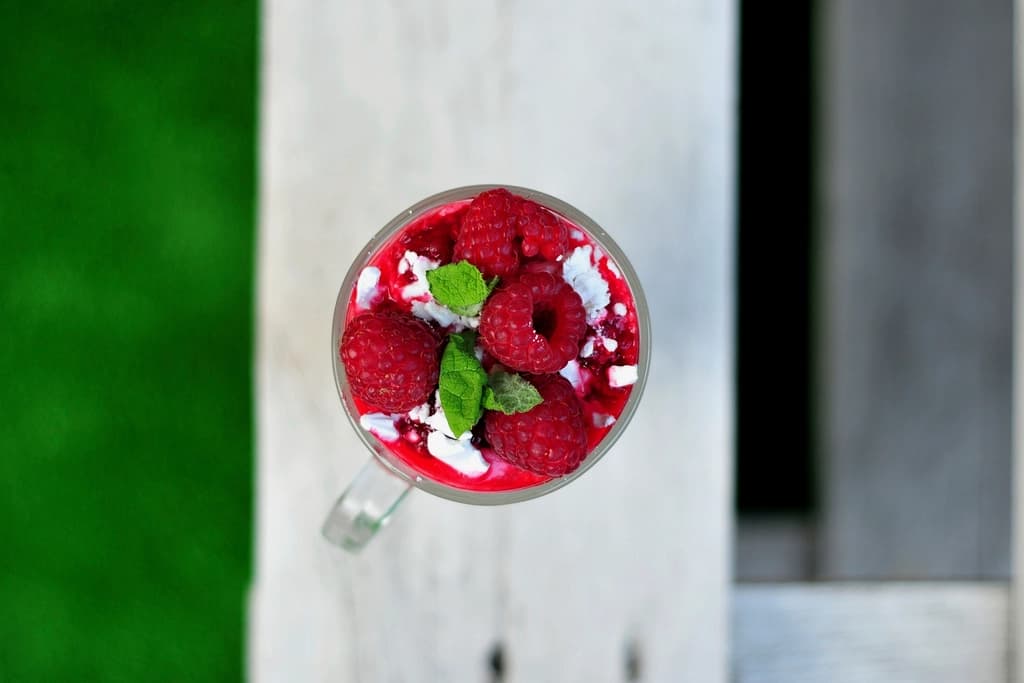
Raspberry Smoothie brings juice-bar color and American smoothie-counter energy to the glass: Berry-bar flavor.
1970-1989
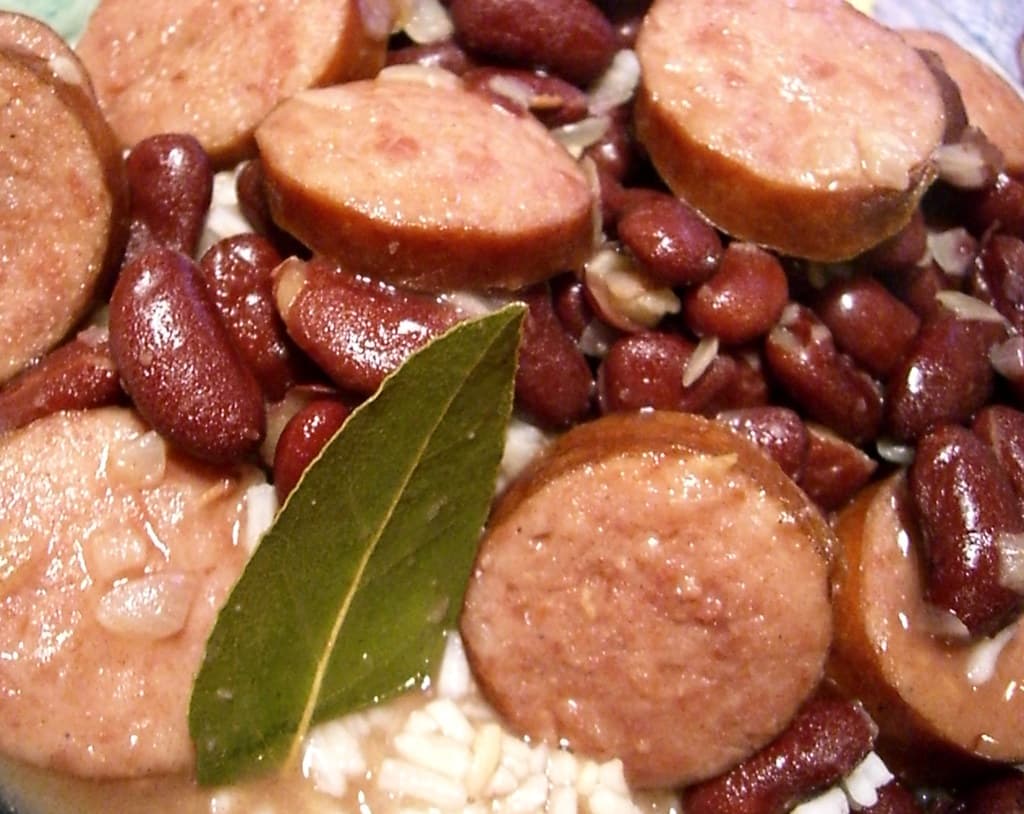
Red Beans and Rice is a classic Southern side dish featuring slow-simmered red kidney beans in a savory, spiced broth served over white rice. Popularized in the 1970s and 1980s, this dish is a staple at tailgates, family gatherings, and Southern tables showcasing regional pride and convenience.

1800-1860
Red Cabbage braised with vinegar and apples is a classic German-American side that arrived with immigrants during the 19th century and became a staple in American households. This tangy-sweet cabbage dish complements hearty meals and reflects cultural blending during the nation's expansion years.
America's Melting Pot
Red Chile Sauce photo coming soon
1800-1860
Red Chile Sauce is a vibrant, spicy sauce made from dried red chiles and seasonings, traditionally used in Mexican, Spanish, and Southwestern U.S. cuisines. This sauce embodies centuries-old culinary practices brought by Spanish settlers and Mexican heritage in the borderlands during the early 19th century, adding distinctive heat and flavor to many dishes.
1800-1860
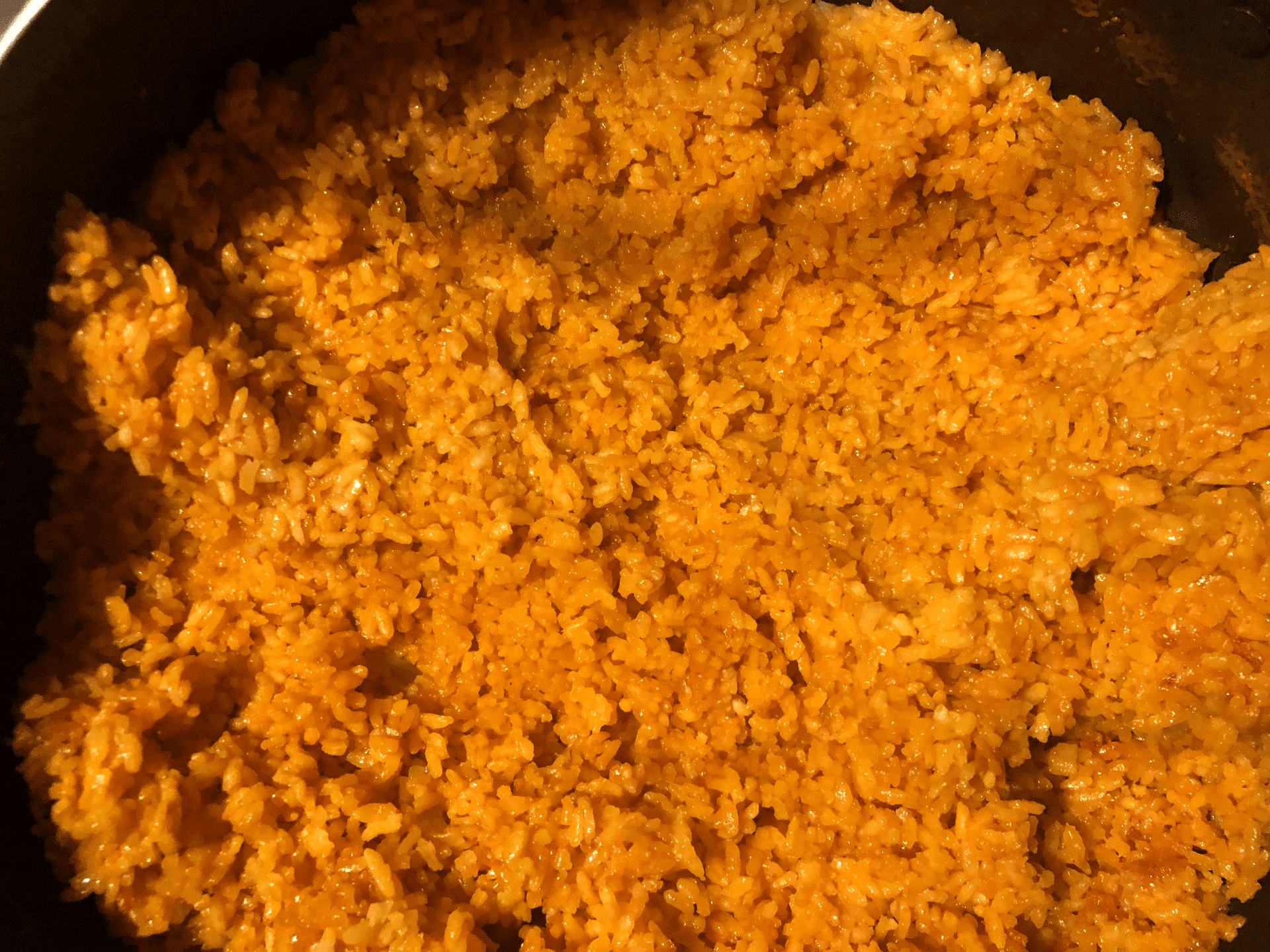
Red Rice is a colorful, savory rice dish cooked with tomatoes, seasonings, and broth, common in Southern and U.S. territories' cuisines. It reflects the culinary blending of Puerto Rican, Chamorro, Filipino-American, and Virgin Islands food traditions during the early 19th century expansion and immigration period.
America's Melting Pot
Red, White, and Blue Trifle photo coming soon
1990-2009
Red, White, and Blue Trifle is a layered dessert featuring red berries, white cream or custard, and blue berries, embodying patriotic colors. Popular since 2010 in food trucks and seasonal markets, this vibrant dessert is easy to assemble and festive for American holidays and celebrations.
America's Melting Pot
Reese's Blizzard-Style Shake photo coming soon
Postwar & Diner Age
Reese's Blizzard-Style Shake is thick, spoonable frozen-custard stand fun: Peanut butter cup mix-in.
America's Melting Pot
Reindeer Sausage photo coming soon
1861-1900
Reindeer Sausage is a smoked, seasoned sausage made from reindeer or caribou meat, commonly found in Alaska. It is a hearty, flavorful protein often enjoyed grilled or pan-fried, reflecting indigenous and local food traditions unique to the region's environment.
America's Melting Pot
Remoulade, Louisiana Style photo coming soon
Cross-era
Remoulade, Louisiana Style is a seafood sauce with real American table personality: Creole/Cajun seafood sauce, often red or paprika-heavy. It brings flavor from the American South to cookouts, counters, lunch plates, potlucks, and weeknight suppers.
America's Melting Pot
Rhode Island Coffee Cabinet photo coming soon
Postwar & Diner Age
Rhode Island Coffee Cabinet celebrates New England dairy-bar pride in a cold glass: Coffee syrup, milk, and ice cream.
America's Melting Pot
Rhubarb Jam photo coming soon
1800-1860
Rhubarb Jam is a preserve with real American table personality: Cold-climate garden preserving. It brings flavor from coast-to-coast American tables to cookouts, counters, lunch plates, potlucks, and weeknight suppers.
America's Melting Pot
Rice photo coming soon
Before 1776
Rice is a versatile, widely consumed grain prepared plain or flavored, often associated with good luck and prosperity in American holiday traditions. From cross-era variations, rice has been incorporated into many regional cuisines and festive dishes across the United States.
America's Melting Pot
Rice and Gravy photo coming soon
1861-1900
Rice and Gravy is a straightforward side dish popularized in military mess halls and home kitchens during the Depression and World War II. It pairs simple cooked rice with a brown gravy made from meat drippings or broth, providing a filling and economical accompaniment rich in flavor.
America's Melting Pot
Rice Pudding photo coming soon
1861-1900
Rice Pudding is a creamy, gently spiced baked or stovetop dessert featuring rice, milk, sugar, and often eggs or cream. Common among Scandinavian-American communities and other settlers from 1861 to 1900, this dish combined affordable ingredients into a satisfying sweet course.
America's Melting Pot
Rmmegrt photo coming soon
1861-1900
Rmmegrt is a creamy porridge made from sour cream, whole milk, flour, butter, and salt. It originates from Norwegian immigrants in the American Midwest during the late 19th century, serving as a hearty comfort food especially during colder months. The dish exemplifies Scandinavian-American influence on regional cooking traditions.
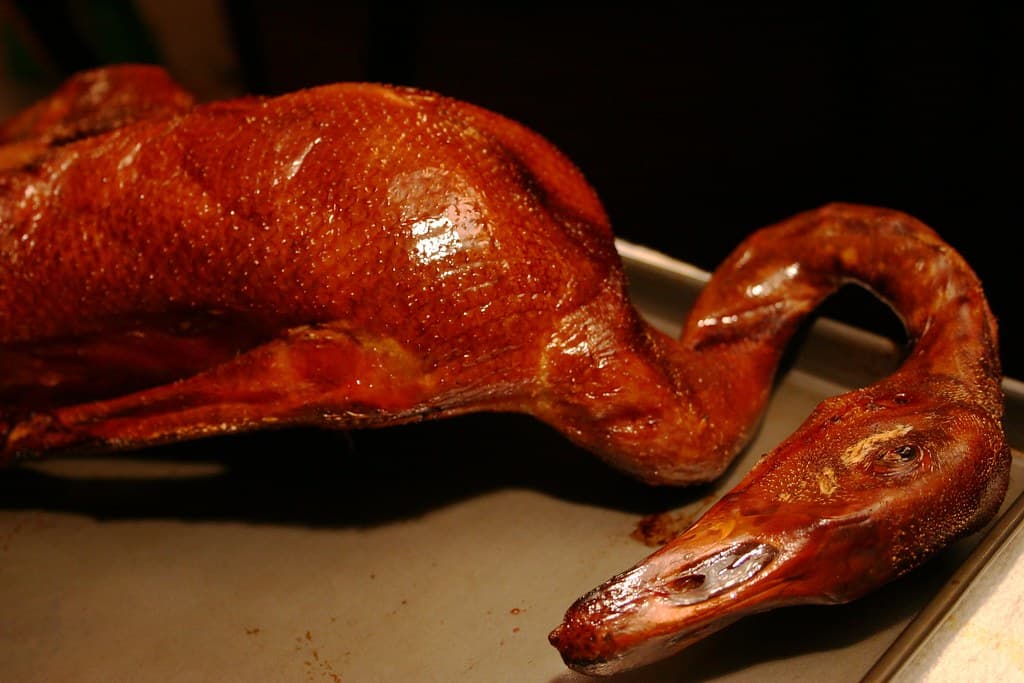
1776-1800
Roast Goose is a rich, savory main dish historically served during holidays like Christmas in early America. The bird is seasoned and slowly roasted to render its flavorful fat and crisp skin, embodying celebratory dining from the late 18th century.
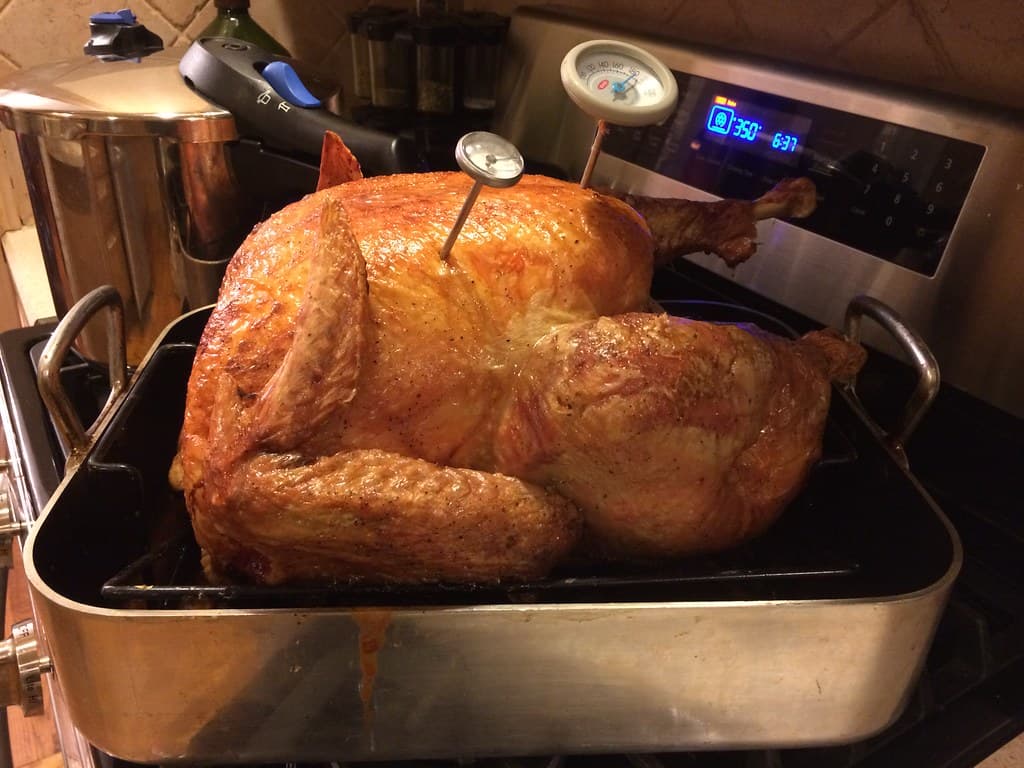
1800-1860
Roast Turkey is a centerpiece dish for Thanksgiving and other holidays, featuring a whole turkey seasoned and roasted until golden brown with moist interior. A symbol of American celebrations, it has evolved with regional and family variations across eras.
America's Melting Pot
Roast Turkey with Chestnut Stuffing photo coming soon
1800-1860
Roast Turkey with Chestnut Stuffing pairs roast turkey with a traditional stuffing made from chestnuts, bread, herbs, and seasonings. Popular during the Revolutionary period, this combination highlights seasonal ingredients and early American holiday traditions.
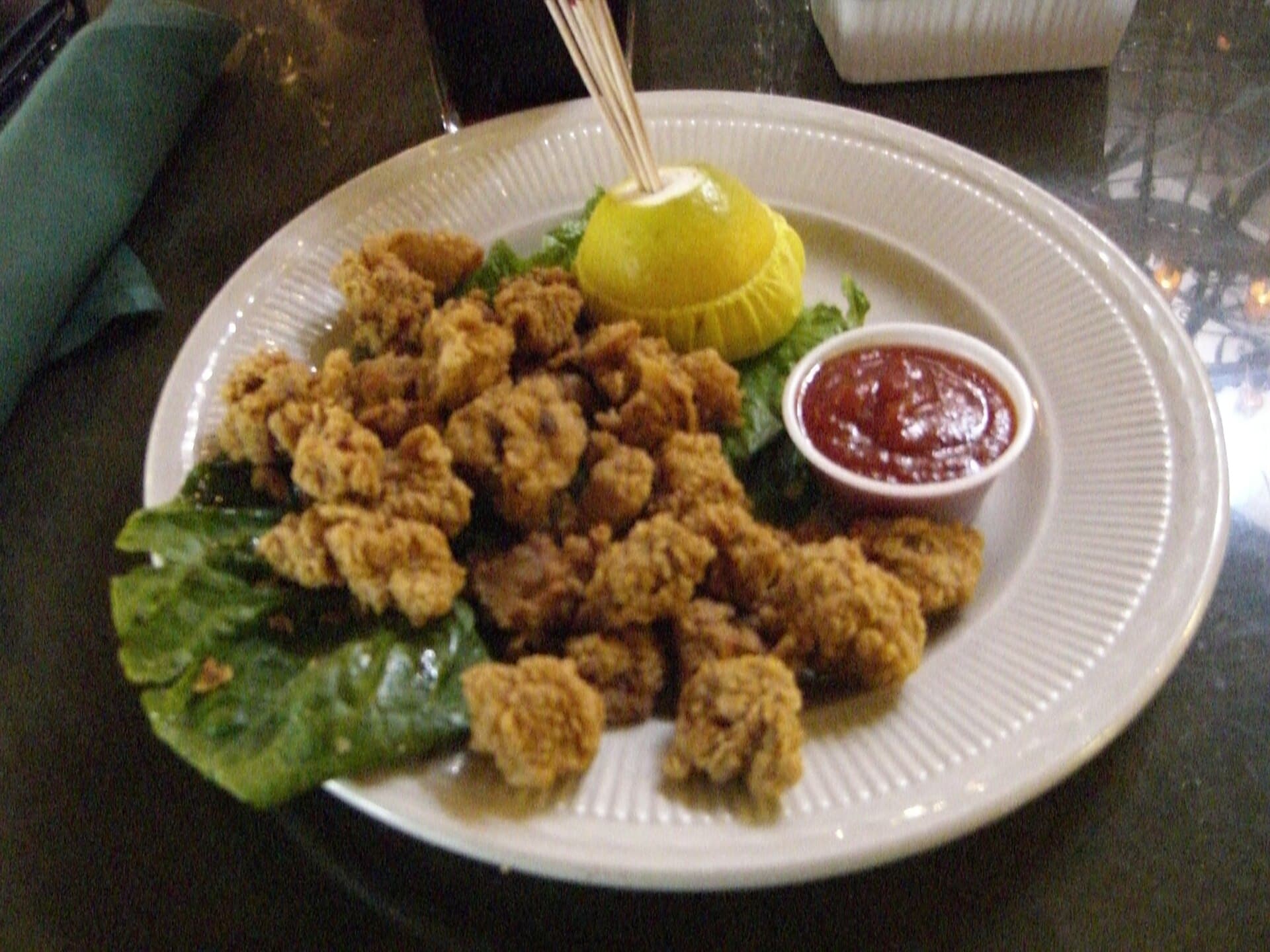
1861-1900
Rocky Mountain Oysters are deep-fried bull testicles considered a delicacy and novelty dish in Western and Plains states. Popular from 1970 to 1989 at tailgates and regional festivals, they reflect ranching culture and playful culinary traditions.
America's Melting Pot
Root Beer Malt photo coming soon
1900-1929
Root Beer Malt pours old-school malt-shop cheer into a cold glass: Root beer float and malt crossover.
America's Melting Pot
Root Beer Shake photo coming soon
1900-1929
Root Beer Shake pours old-school malt-shop cheer into a cold glass: Root beer float flavor blended into shake form.
America's Melting Pot
Rosettes photo coming soon
1861-1900
Rosettes are delicate, deep-fried Scandinavian pastries made from a thin batter shaped in flower forms using a special iron mold. Brought by Norwegian and Swedish immigrants to the Midwest in the 19th century, rosettes remain a festive treat often served during holidays and celebrations.
America's Melting Pot
Rotel Queso photo coming soon
Cross-era
Rotel Queso is a party dip with real American table personality: Processed cheese plus canned tomatoes/chiles; Tex-Mex meets American convenience food. It brings flavor from Texas and the Southwest to cookouts, counters, lunch plates, potlucks, and weeknight suppers.
America's Melting Pot
Rotisserie Chicken Enchiladas photo coming soon
2010-2026
Rotisserie chicken enchiladas combine pre-cooked chicken with tortillas and a flavorful sauce, ideal for weeknight meals. This dish reflects modern Southwestern American home cooking and food truck adaptations focusing on convenience without sacrificing flavor.
America's Melting Pot
Rumaki photo coming soon
1946-1969
Rumaki is an appetizer featuring water chestnuts and chicken liver wrapped in bacon, marinated and baked or fried. Popularized during the postwar suburban cocktail party era, rumaki reflects mid-20th century American tastes and fascination with exotic flavors.
America's Melting Pot
Runza photo coming soon
1946-1969
Runza is a yeast-leavened bread pocket filled with seasoned ground beef, cabbage, onions, and spices. Of German-Russian origin, it became a regional favorite in the American Midwest and Great Plains, especially Nebraska, during the postwar era as a convenient savory meal.
America's Melting Pot
Russian Dressing photo coming soon
Cross-era
Russian Dressing is a dressing with real American table personality: American-born despite the name; usually mayo, chili sauce/ketchup, horseradish, and spices. It brings flavor from Texas and the Southwest to cookouts, counters, lunch plates, potlucks, and weeknight suppers.
America's Melting Pot
Rye and Indian Bread photo coming soon
1776-1800
This bread combines rye flour and cornmeal (referred to historically as Indian meal) to create a rustic, hearty loaf common in late 18th-century American households. It reflects grain availability and regional adaptation in early Revolutionary-era American baking.
America's Melting Pot
S'mores Shake photo coming soon
1900-1929
S'mores Shake pours old-school malt-shop cheer into a cold glass: Campfire nostalgia shake.
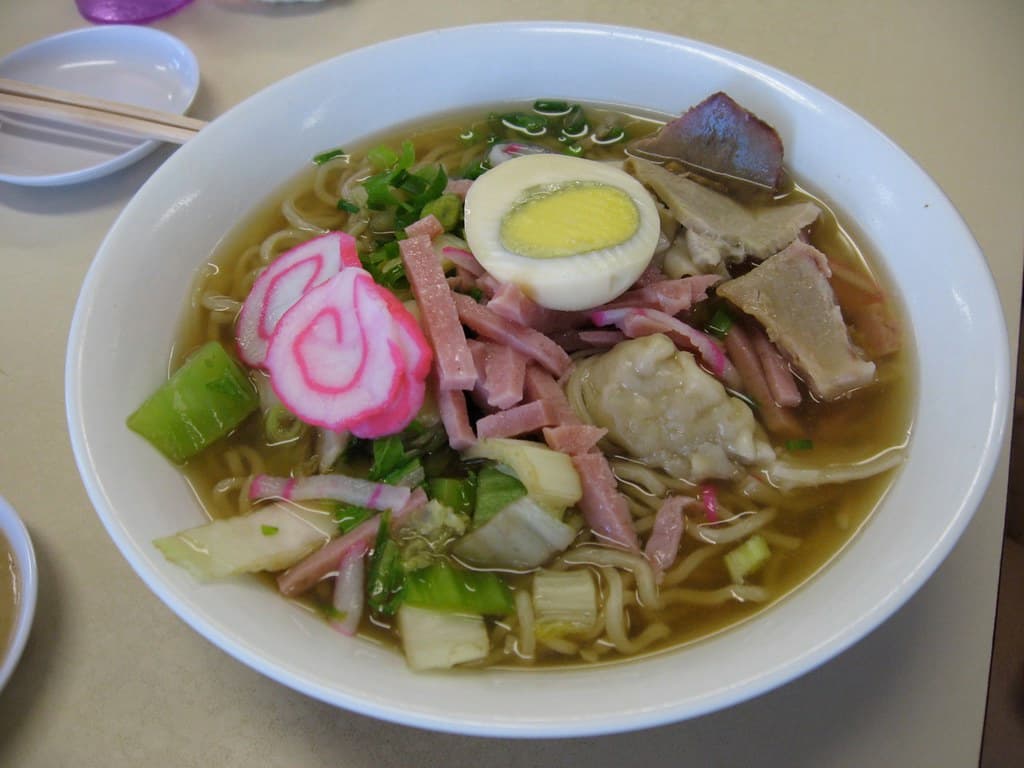
1900-1929
Saimin is a noodle soup combining wheat noodles in a light broth with garnishes such as green onions, char siu pork, and seaweed. It emerged in Hawaii through fusion of Hawaiian, Asian-Pacific American, and Portuguese-American culinary traditions reflecting diverse immigration patterns.
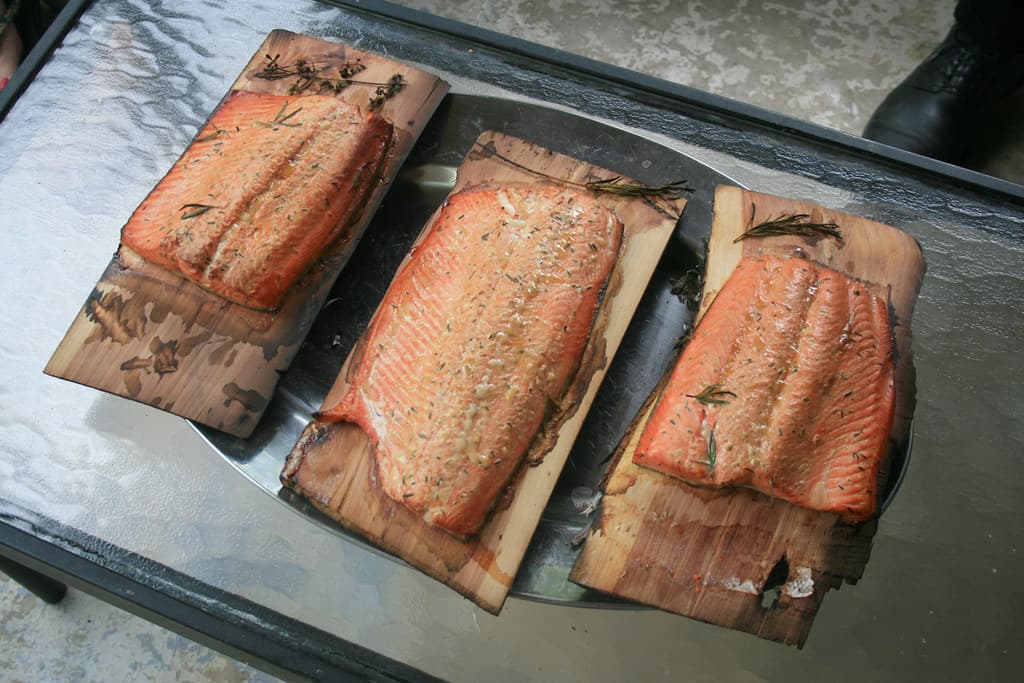
Native Foodways and Continuity
This dish features salmon fillets cooked on cedar planks to infuse smoky, aromatic flavors typical in Pacific Northwest Indigenous and settler culinary traditions. With minimal seasoning, the technique highlights the fish's natural flavor while respecting cultural methods.
America's Melting Pot
Salsa photo coming soon
1990-2009
Salsa is a fresh condiment made with chopped tomatoes, onions, peppers, and cilantro. Widely popular in the United States since the late 20th century, salsa has evolved into a staple at parties and game-day gatherings, reflecting Mexican-American culinary influence fused with American tastes.
America's Melting Pot
Salt Pork and Beans photo coming soon
1776-1800
Salt pork and beans is a traditional side dish combining salted cured pork and beans slow-cooked together. Common in American Revolutionary-era cooking, it provided preserved protein and starch with minimal fresh ingredients, often in military or frontier contexts.
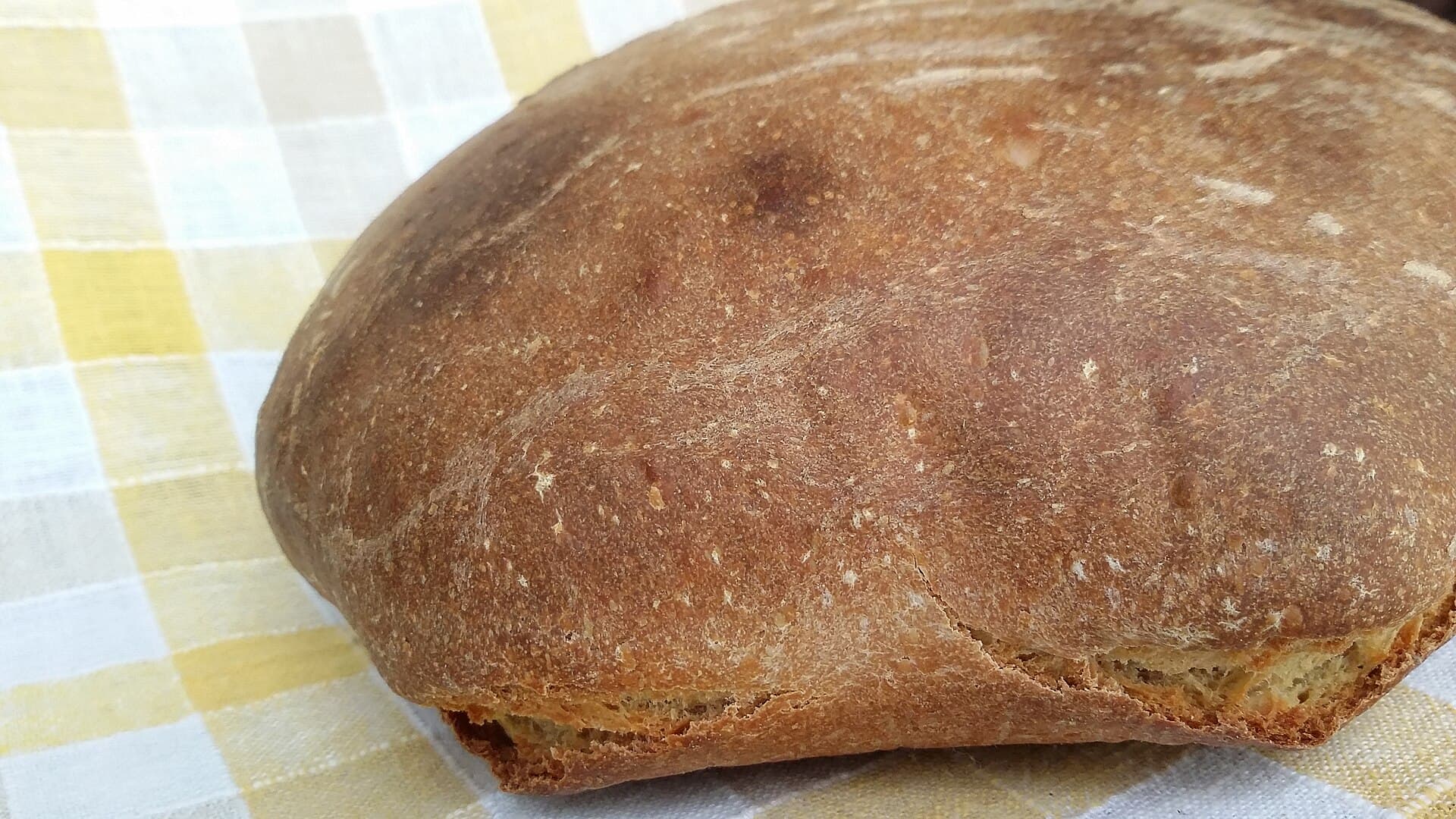
1800-1860
Salt-rising bread is an old-fashioned bread made with a starter that relies on naturally occurring bacteria instead of yeast, producing a dense loaf with a slightly tangy flavor. It is traditional in Appalachian and frontier regions from the early 19th century, reflecting resourceful baking.
America's Melting Pot
Salted Caramel Pretzel Shake photo coming soon
Postwar & Diner Age
Salted Caramel Pretzel Shake brings drive-in, carhop, and fast-food dessert-counter energy to the table: Modern sweet-salty fast-food flavor.
America's Melting Pot
Salted Caramel Shake photo coming soon
1900-1929
Salted Caramel Shake pours old-school malt-shop cheer into a cold glass: Modern diner/coffeehouse crossover.
America's Melting Pot
Sand Plum Jelly photo coming soon
Cross-era
Sand Plum Jelly is a preserve with real American table personality: Great Plains and Oklahoma/Texas tradition. It brings flavor from Texas and the Southwest to cookouts, counters, lunch plates, potlucks, and weeknight suppers.
America's Melting Pot
Sandbakkels photo coming soon
1861-1900
Sandbakkels are Norwegian buttery, crisp sugar cookies baked in fluted tins to create delicate, cup-shaped treats. They have been preserved and popularized by Scandinavian-American families in the Midwest since the 19th century, often served during Christmas and special occasions.
America's Melting Pot
Santa Maria Beans photo coming soon
2010-2026
Santa Maria Beans are a classic west coast side dish, known for their smoky flavor and hearty texture. Traditionally slow-cooked with bacon and onions, these beans complement grilled dishes and have become popular at food trucks and farmers markets reflecting modern regional tastes.
America's Melting Pot
Santa Maria Salsa / Pinquito Bean Sauce photo coming soon
Cross-era
Santa Maria Salsa / Pinquito Bean Sauce is a barbecue sauce with real American table personality: Central California tri-tip tradition. It brings flavor from California, Hawaii, and the West Coast to cookouts, counters, lunch plates, potlucks, and weeknight suppers.
America's Melting Pot
Santa Maria Tri-Tip photo coming soon
1970-1989
This iconic California barbecue dish features a triangular cut of beef, seasoned simply with salt, pepper, and garlic salt, then grilled over red oak wood for a smoky flavor. Santa Maria Tri-Tip gained popularity in the 1970s and 1980s as a regional favorite for tailgates and backyard barbecues.
America's Melting Pot
Sarsaparilla Float photo coming soon
1861-1900
Sarsaparilla Float is fizzy Americana from the soda-fountain counter: Old West/soda fountain throwback.

1800-1860
Sauerbraten is a traditional German pot roast marinated for several days in a mixture of vinegar, spices, and aromatics before slow cooking. German immigrants brought this dish to America during the early 19th century, adapting it with locally available ingredients. It represents the culinary blending of immigrant traditions with American ingredients.
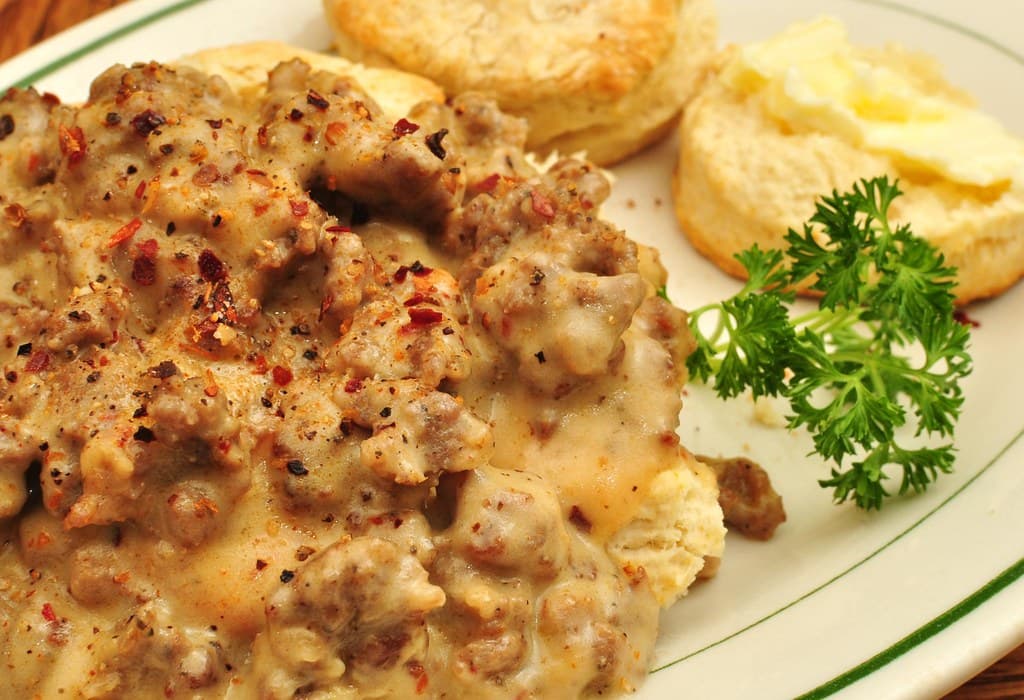
1800-1860
Sausage Gravy is a creamy gravy made from breakfast sausage drippings, milk, and flour, traditionally served over biscuits. Originating in Southern American breakfasts, this dish is a comforting staple across various regions of the United States and represents classic American breakfast fare.
America's Melting Pot
Sawmill Gravy photo coming soon
1800-1860
Sawmill Gravy is a condiment with real American table personality: Poor-man's flour-and-fat gravy, often with sausage or pork drippings. It brings flavor from coast-to-coast American tables to cookouts, counters, lunch plates, potlucks, and weeknight suppers.

1800-1860
Scalloped Potatoes are thinly sliced potatoes baked in a creamy sauce, often with cheese or onions, making a popular side dish at schools, churches, and state fairs in early 20th century America. Its simple ingredients and hearty texture suited well to communal meals and holiday dinners.
Community recipe submission
Log in to submit a recipe, format it with the cooking companion, and send it for review.
Log in to Submit