
Loading
Setting the table...
Fetching the latest recipes from the archive.
Loading
Fetching the latest recipes from the archive.
Recipe archive
Recipe archive
Search the archive by title, region, ingredient, tag, or era, then sort the table by the view that fits your kitchen.
This archive is growing through recipes, photos, family recipes, and historical context shared by the community.
America's Melting Pot
Raspberry Jam photo coming soon
1800-1860
Raspberry Jam is a preserve with real American table personality: Farmhouse and berry-patch staple. It brings flavor from coast-to-coast American tables to cookouts, counters, lunch plates, potlucks, and weeknight suppers.

1800-1860
Red Cabbage braised with vinegar and apples is a classic German-American side that arrived with immigrants during the 19th century and became a staple in American households. This tangy-sweet cabbage dish complements hearty meals and reflects cultural blending during the nation's expansion years.
America's Melting Pot
Red Chile Sauce photo coming soon
1800-1860
Red Chile Sauce is a vibrant, spicy sauce made from dried red chiles and seasonings, traditionally used in Mexican, Spanish, and Southwestern U.S. cuisines. This sauce embodies centuries-old culinary practices brought by Spanish settlers and Mexican heritage in the borderlands during the early 19th century, adding distinctive heat and flavor to many dishes.
1800-1860
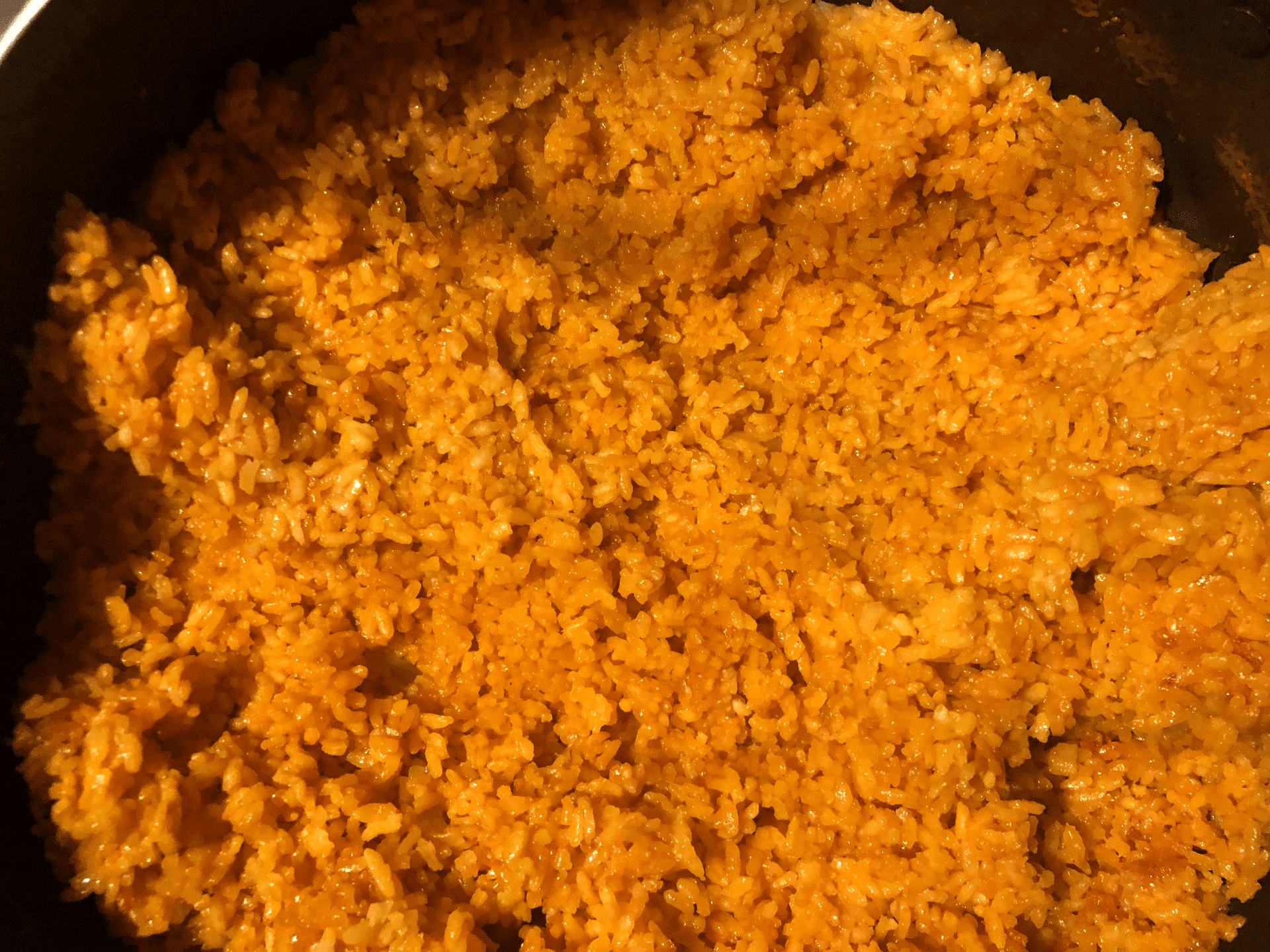
Red Rice is a colorful, savory rice dish cooked with tomatoes, seasonings, and broth, common in Southern and U.S. territories' cuisines. It reflects the culinary blending of Puerto Rican, Chamorro, Filipino-American, and Virgin Islands food traditions during the early 19th century expansion and immigration period.
America's Melting Pot
Red Rock-style Cheddar Blue photo coming soon
American Dairy Age
Red Rock-style Cheddar Blue is a blue-veined American cheese with measured mold culture, loose curd handling, piercing, humid aging, and careful moisture control.
1861-1900
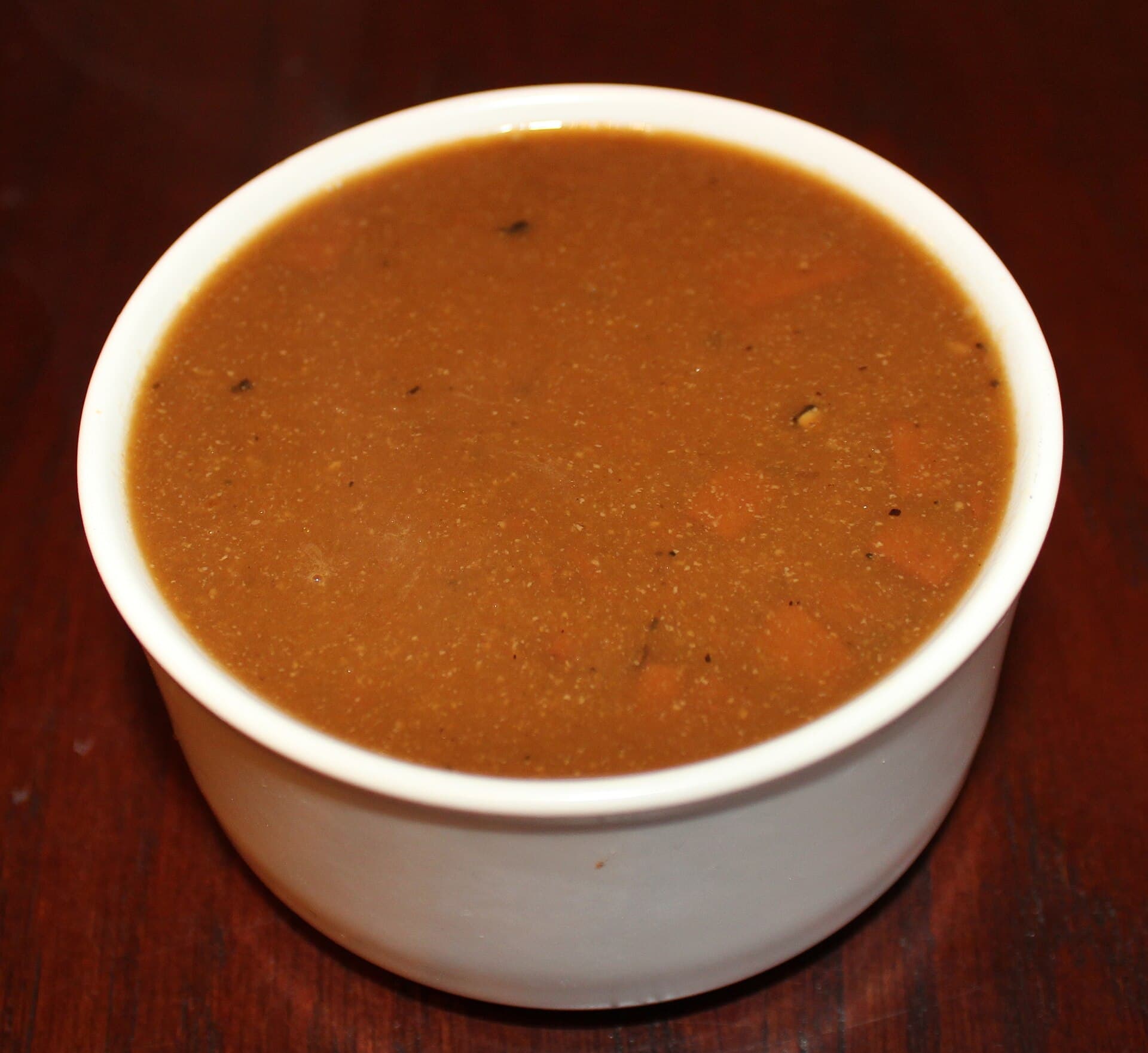
Red-Eye Gravy is a simple sauce made from pan drippings and black coffee, historically associated with cattle drives, chuckwagon cooking, and Southern breakfast traditions. This gravy offers a savory, slightly bitter complement to ham and biscuits, reflecting the resourcefulness and flavors of post-Civil War Great Plains settlers.
America's Melting Pot
Rhubarb Jam photo coming soon
1800-1860
Rhubarb Jam is a preserve with real American table personality: Cold-climate garden preserving. It brings flavor from coast-to-coast American tables to cookouts, counters, lunch plates, potlucks, and weeknight suppers.
America's Melting Pot
Rice and Gravy photo coming soon
1861-1900
Rice and Gravy is a straightforward side dish popularized in military mess halls and home kitchens during the Depression and World War II. It pairs simple cooked rice with a brown gravy made from meat drippings or broth, providing a filling and economical accompaniment rich in flavor.
America's Melting Pot
Rice Pudding photo coming soon
1861-1900
Rice Pudding is a creamy, gently spiced baked or stovetop dessert featuring rice, milk, sugar, and often eggs or cream. Common among Scandinavian-American communities and other settlers from 1861 to 1900, this dish combined affordable ingredients into a satisfying sweet course.
American Dairy Age
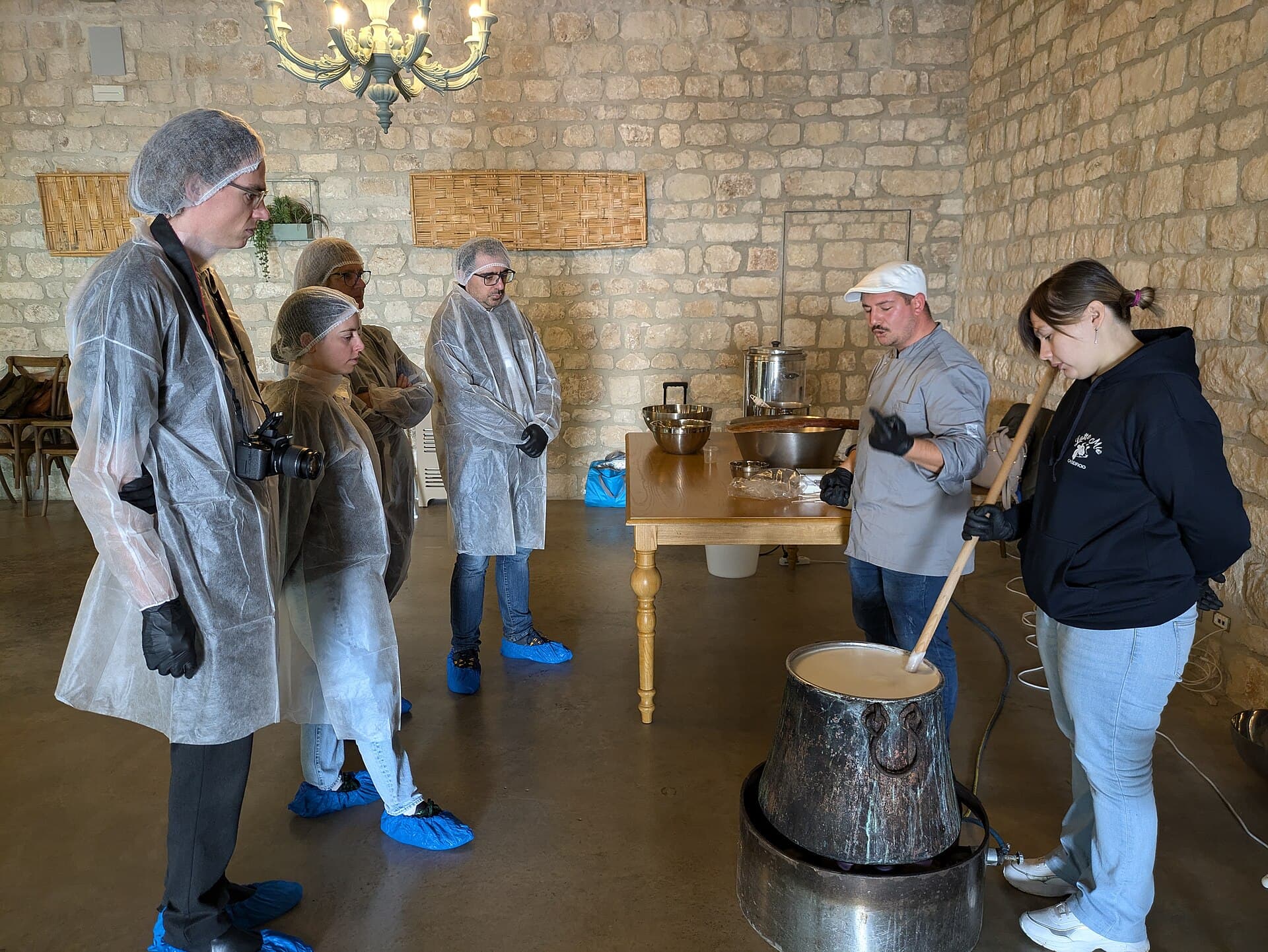
Ricotta, Italian-American Home Style is a fresh Italian-American home cheese made by heating pasteurized dairy, adding acid, draining the curds, and refrigerating promptly.
America's Melting Pot
Rmmegrt photo coming soon
1861-1900
Rmmegrt is a creamy porridge made from sour cream, whole milk, flour, butter, and salt. It originates from Norwegian immigrants in the American Midwest during the late 19th century, serving as a hearty comfort food especially during colder months. The dish exemplifies Scandinavian-American influence on regional cooking traditions.
1800-1860
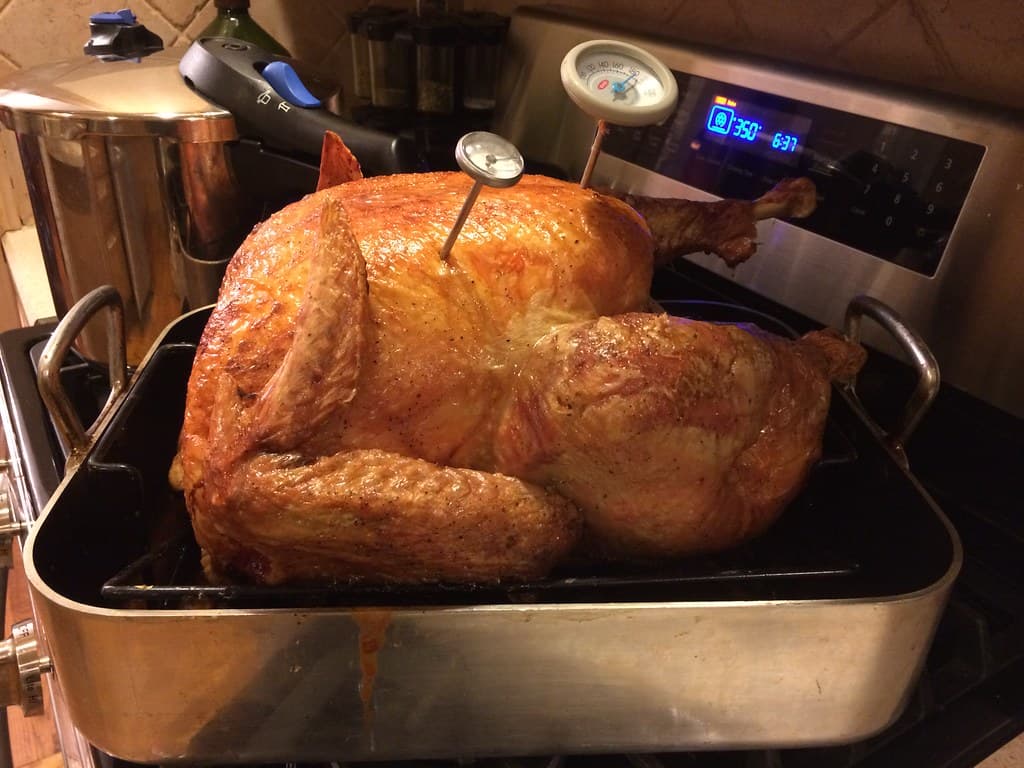
Roast Turkey is a centerpiece dish for Thanksgiving and other holidays, featuring a whole turkey seasoned and roasted until golden brown with moist interior. A symbol of American celebrations, it has evolved with regional and family variations across eras.
America's Melting Pot
Roast Turkey with Chestnut Stuffing photo coming soon
1800-1860
Roast Turkey with Chestnut Stuffing pairs roast turkey with a traditional stuffing made from chestnuts, bread, herbs, and seasonings. Popular during the Revolutionary period, this combination highlights seasonal ingredients and early American holiday traditions.
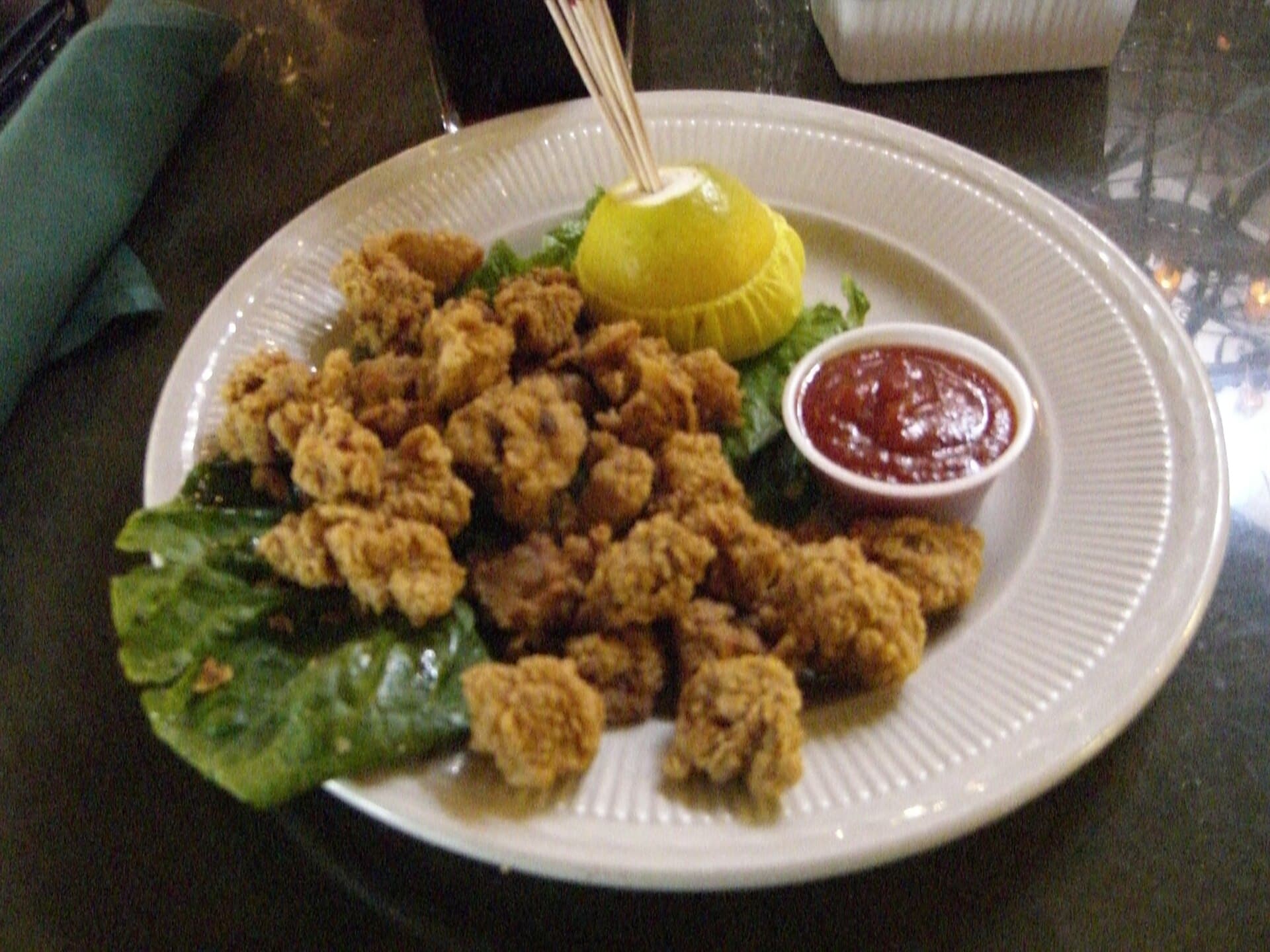
1861-1900
Rocky Mountain Oysters are deep-fried bull testicles considered a delicacy and novelty dish in Western and Plains states. Popular from 1970 to 1989 at tailgates and regional festivals, they reflect ranching culture and playful culinary traditions.
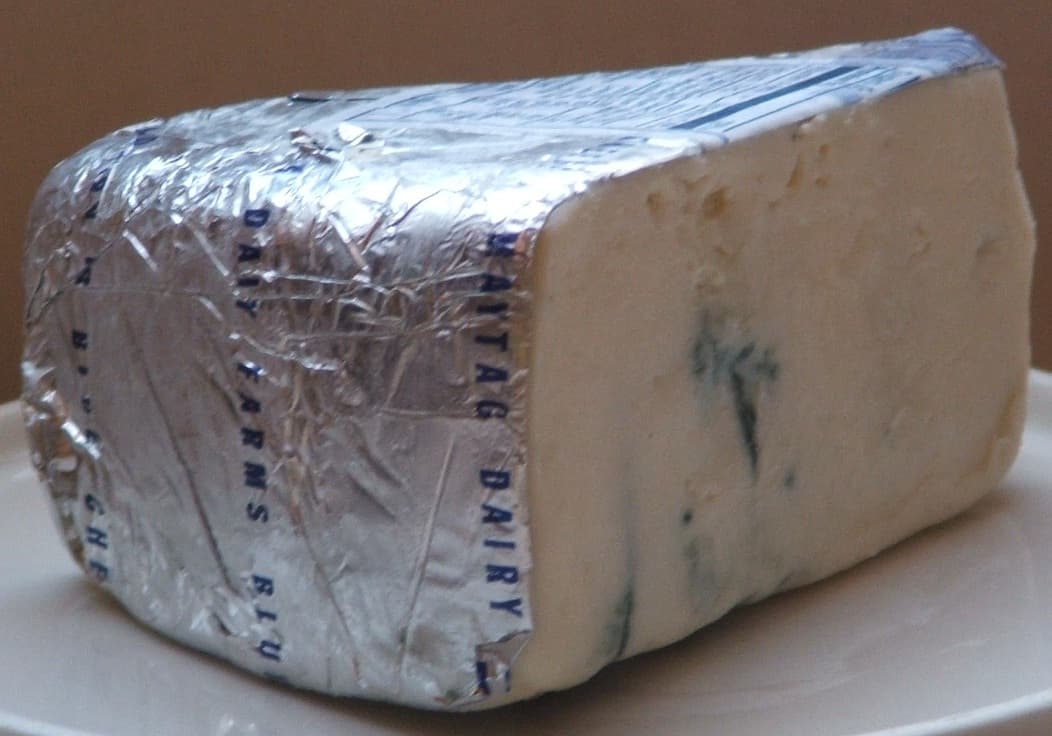
American Dairy Age
Rogue River Blue-style Cheese is a blue-veined American cheese with measured mold culture, loose curd handling, piercing, humid aging, and careful moisture control.
America's Melting Pot
Rosettes photo coming soon
1861-1900
Rosettes are delicate, deep-fried Scandinavian pastries made from a thin batter shaped in flower forms using a special iron mold. Brought by Norwegian and Swedish immigrants to the Midwest in the 19th century, rosettes remain a festive treat often served during holidays and celebrations.
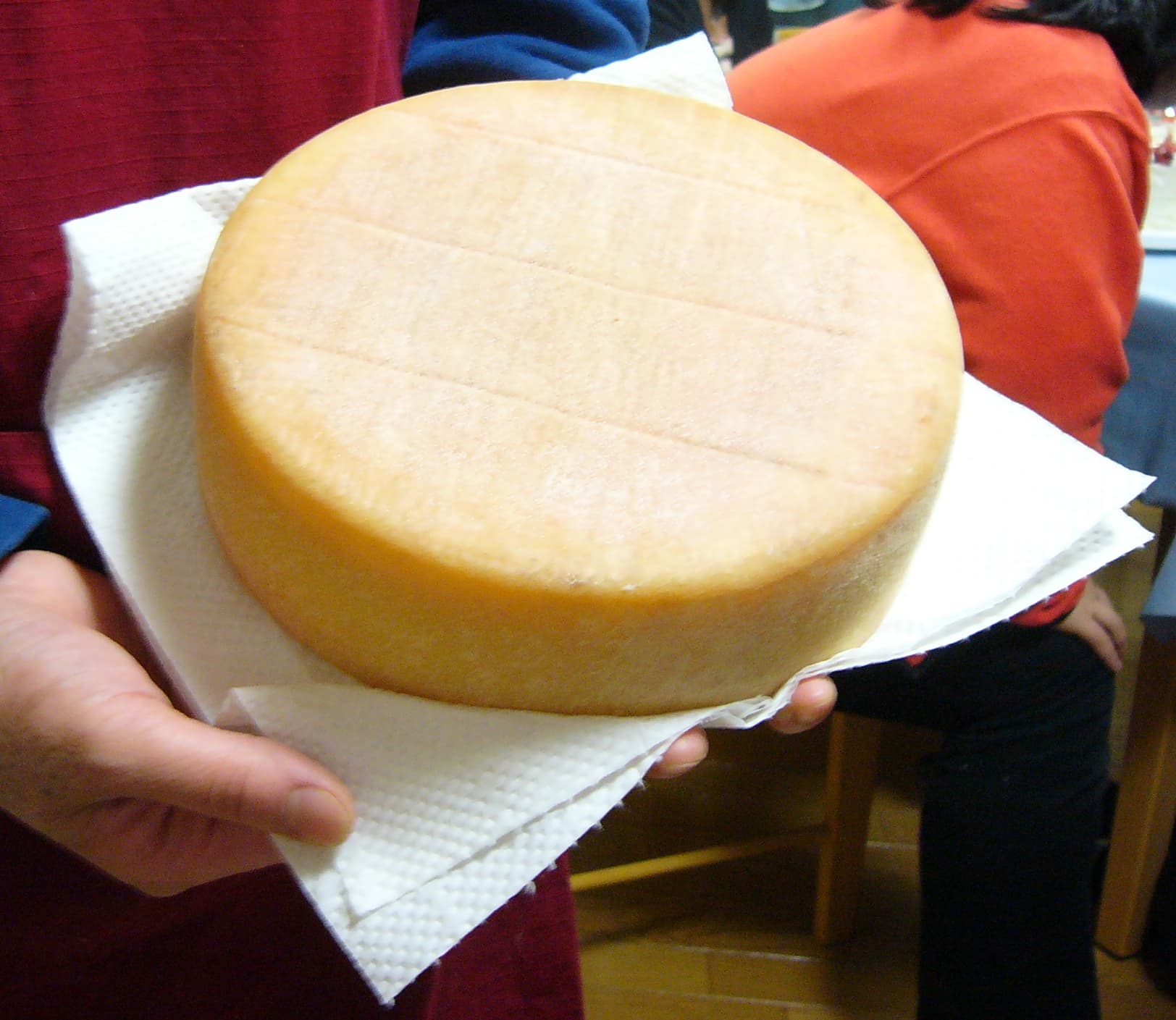
American Dairy Age
Rush Creek Reserve-style Soft-Ripened Cheese is a soft-ripened American cheese with careful culturing, gentle handling, rind development, and controlled refrigerated aging.
America's Melting Pot
Sally Lunn Bread photo coming soon
1776-1800
Sally Lunn bread is a large, rich, slightly sweet yeast bread similar to brioche, originally from England and adopted in early America. This bread was common in late 18th-century American kitchens as a breakfast or tea-time bread owing to its tender crumb and buttery flavor.
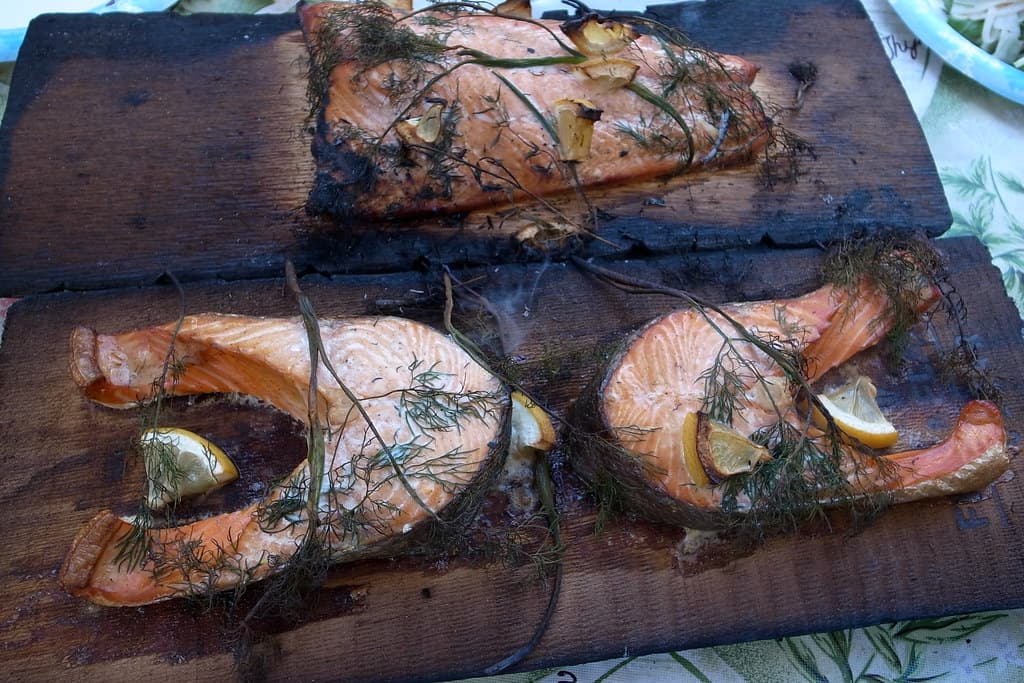
1800-1860
This preparation method involves roasting whole salmon on cedar boards, a traditional Indigenous American technique practiced in the Pacific Northwest prior to widespread European settlement. The method imparts smoky aroma and tender texture, reflecting sustainable harvesting and cooking practices.
1800-1860
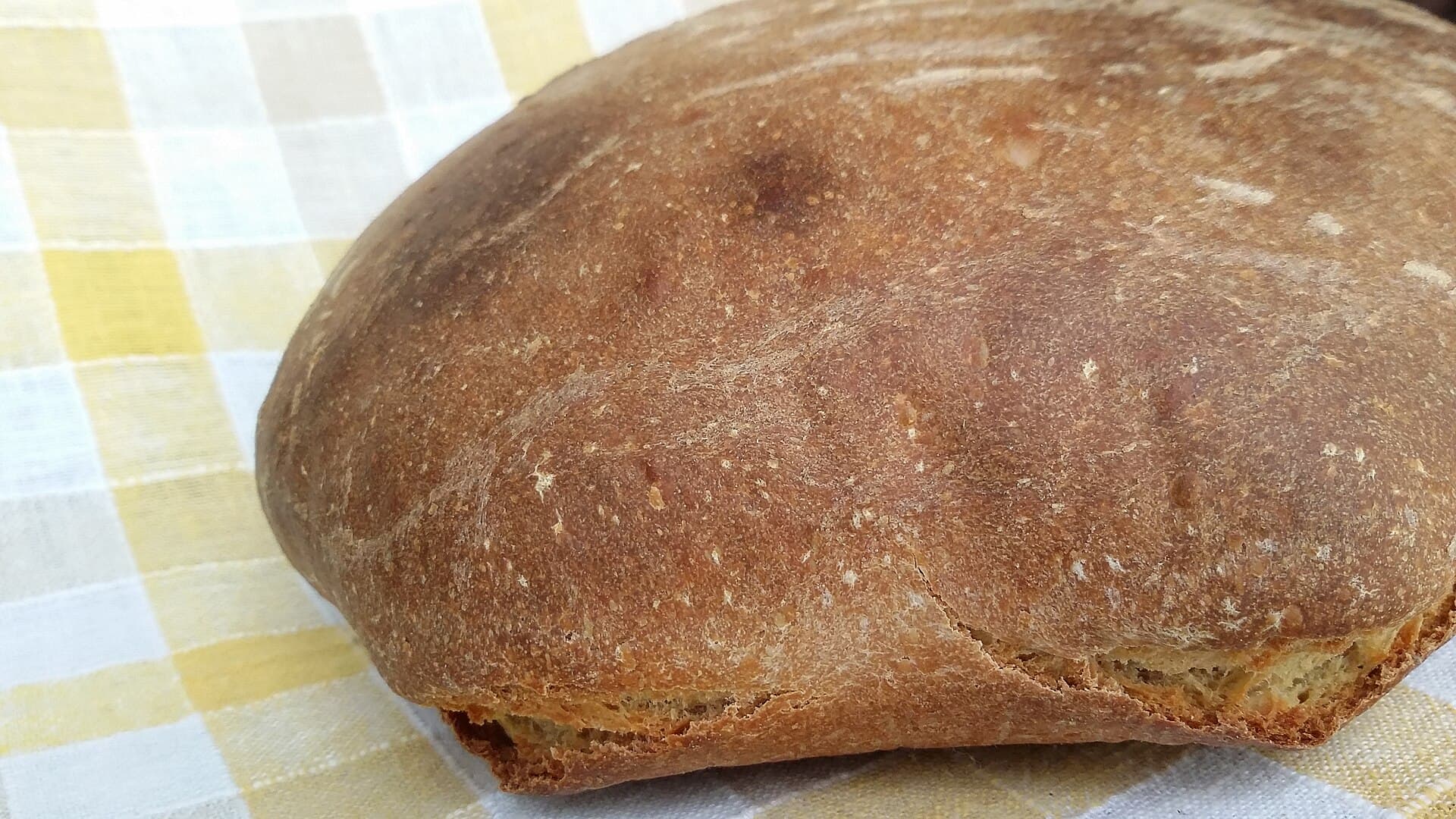
Salt-rising bread is an old-fashioned bread made with a starter that relies on naturally occurring bacteria instead of yeast, producing a dense loaf with a slightly tangy flavor. It is traditional in Appalachian and frontier regions from the early 19th century, reflecting resourceful baking.
America's Melting Pot
Sandbakkels photo coming soon
1861-1900
Sandbakkels are Norwegian buttery, crisp sugar cookies baked in fluted tins to create delicate, cup-shaped treats. They have been preserved and popularized by Scandinavian-American families in the Midwest since the 19th century, often served during Christmas and special occasions.

1800-1860
Sauerbraten is a traditional German pot roast marinated for several days in a mixture of vinegar, spices, and aromatics before slow cooking. German immigrants brought this dish to America during the early 19th century, adapting it with locally available ingredients. It represents the culinary blending of immigrant traditions with American ingredients.
1800-1860
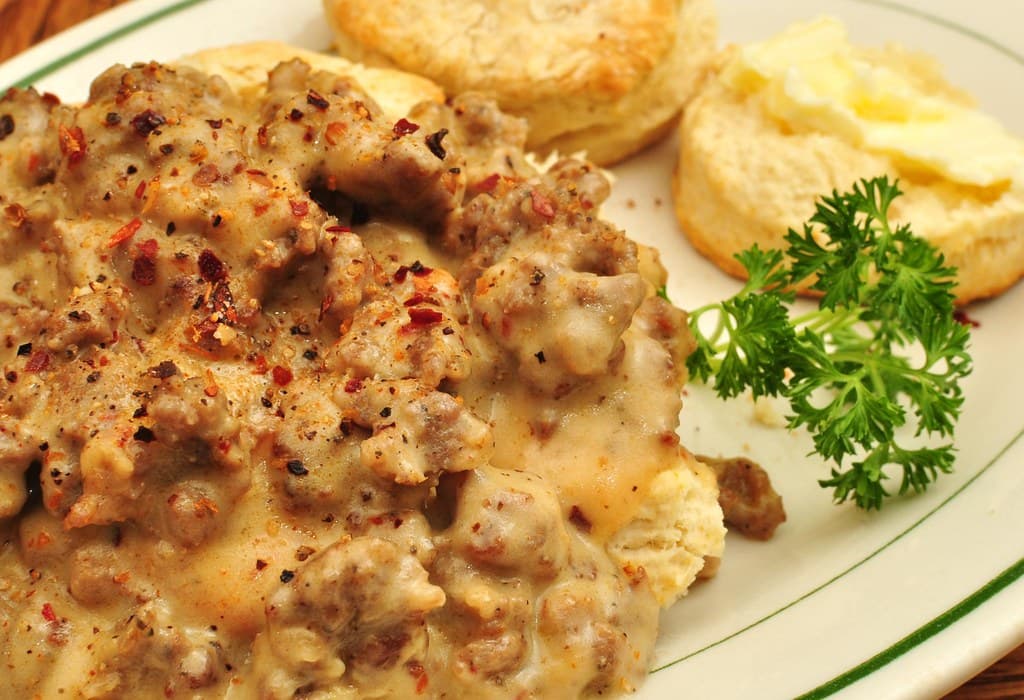
Sausage Gravy is a creamy gravy made from breakfast sausage drippings, milk, and flour, traditionally served over biscuits. Originating in Southern American breakfasts, this dish is a comforting staple across various regions of the United States and represents classic American breakfast fare.
America's Melting Pot
Sawmill Gravy photo coming soon
1800-1860
Sawmill Gravy is a condiment with real American table personality: Poor-man's flour-and-fat gravy, often with sausage or pork drippings. It brings flavor from coast-to-coast American tables to cookouts, counters, lunch plates, potlucks, and weeknight suppers.

1800-1860
Scalloped Potatoes are thinly sliced potatoes baked in a creamy sauce, often with cheese or onions, making a popular side dish at schools, churches, and state fairs in early 20th century America. Its simple ingredients and hearty texture suited well to communal meals and holiday dinners.
America's Melting Pot
Scandinavian Coffee Cake photo coming soon
1861-1900
A tender, lightly sweetened coffee cake with a crunchy streusel topping, reflecting Scandinavian-American baking traditions established by Northern European immigrants in the Midwest during the late 19th century, often enjoyed at breakfast or coffee breaks.
1800-1860
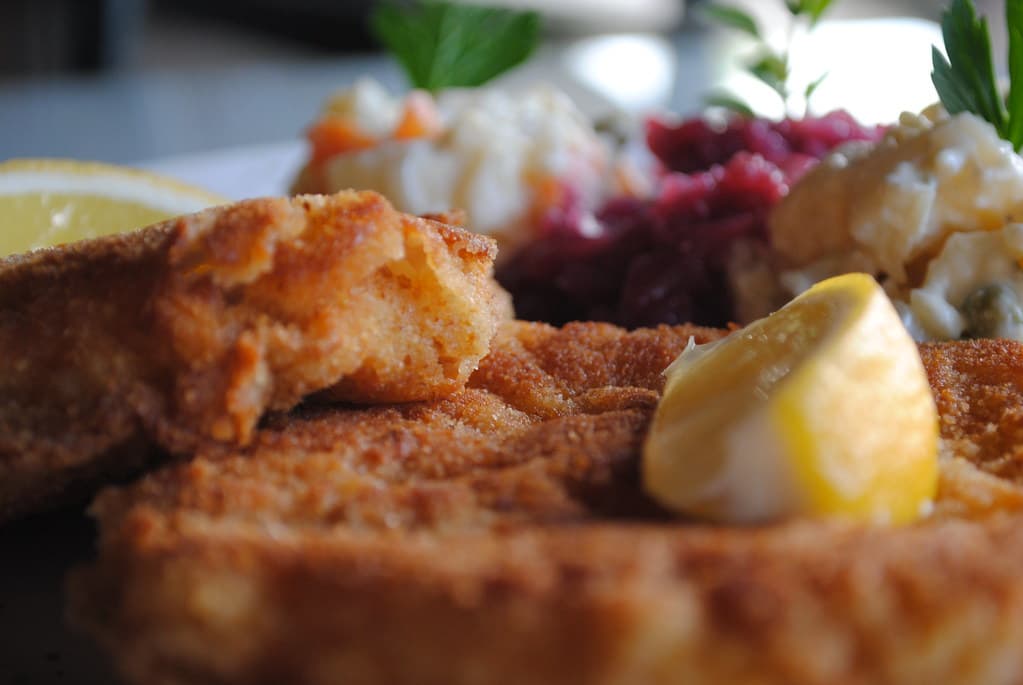
Schnitzel is a breaded, fried meat cutlet recognized as a German-American classic brought by immigrants in the early 19th century. Typically made with veal or pork, it was adapted in American kitchens to accessible meats and pan-frying methods, preserving a European culinary identity in the United States.
1800-1860
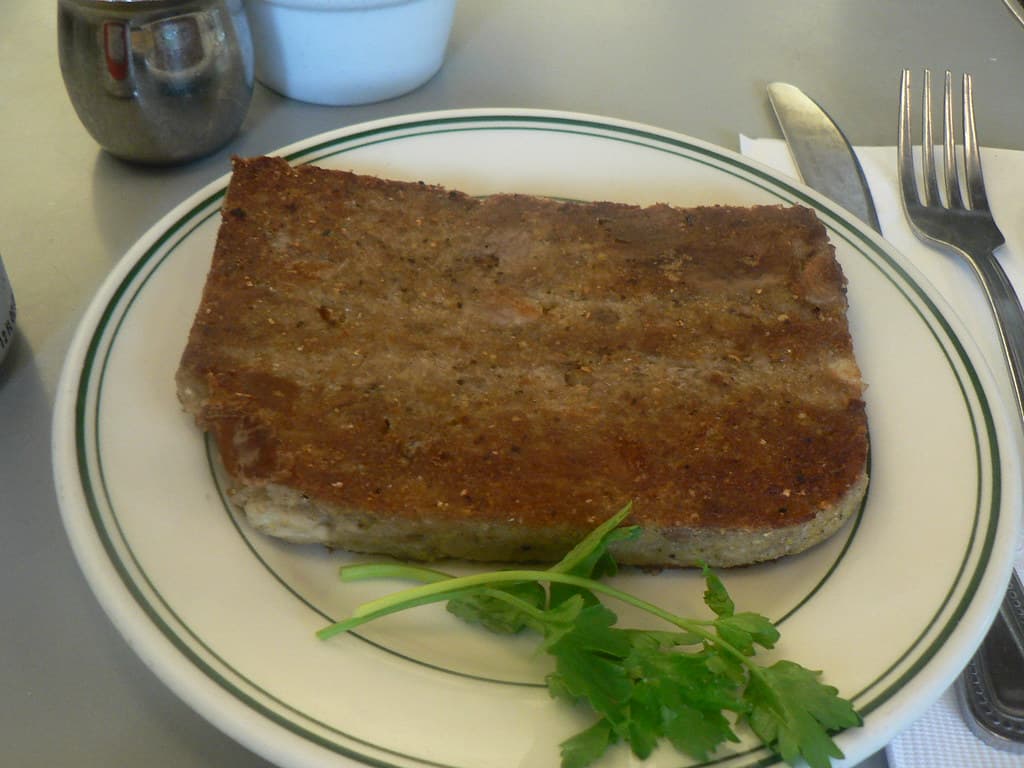
Scrapple is a pork-based mush combined with cornmeal and spices, formed into a loaf, cooled, sliced, and fried. Introduced in America during the early 19th century, it became a breakfast staple mainly in Pennsylvania, Delaware, Maryland, and parts of New England, rooted in resourceful colonial cuisine.
America's Melting Pot
Shad with Roe photo coming soon
1776-1800
Shad with Roe is a colonial-era main dish featuring shad fish served with its roe, prized for its delicate flavor. It was commonly prepared during shad spawning season in the late 18th century to early 19th century along American rivers and coasts.
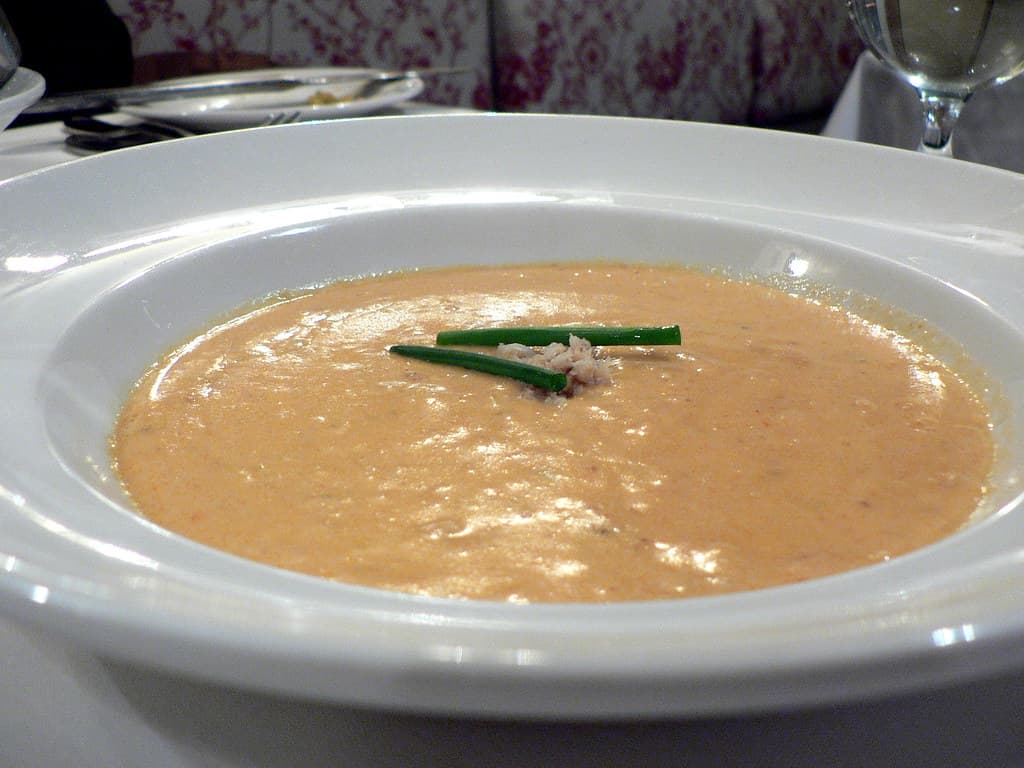
1800-1860
She-Crab Soup is a creamy seafood soup originating in the American South, made with blue crab meat and crab roe, embodying the flavors of coastal Southern cuisine before the Civil War. It became a staple of Southern tables and fine dining.
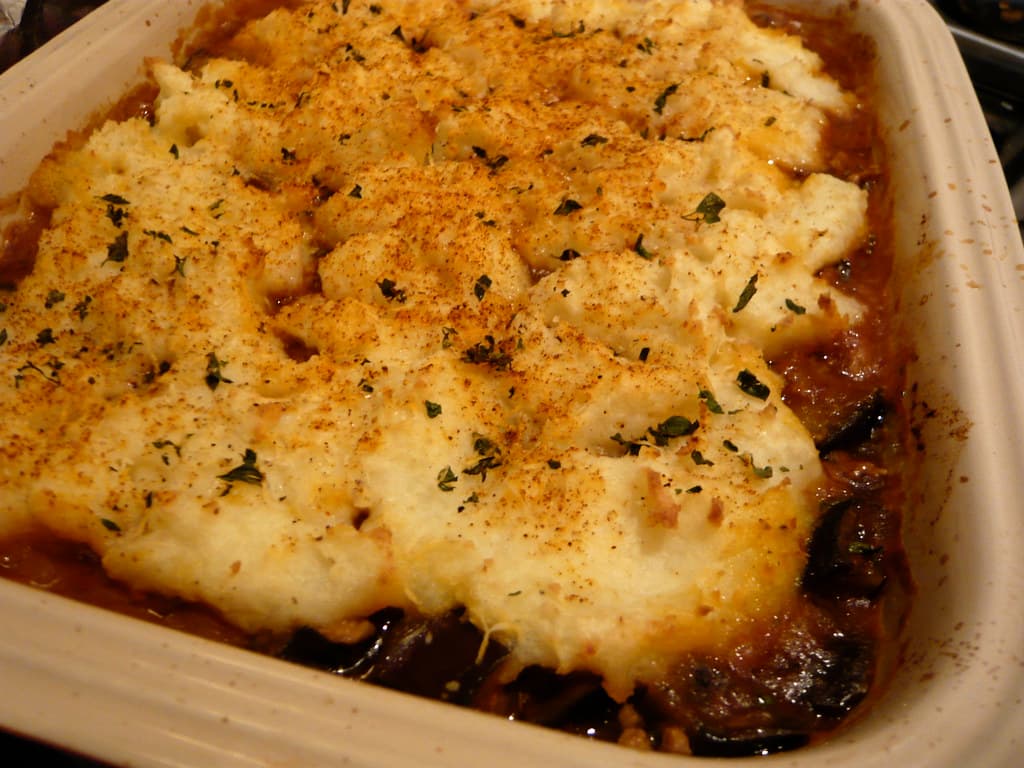
1800-1860
Shepherd's Pie is a savory casserole of seasoned ground meat topped with mashed potatoes, baked to golden perfection. Brought to the U.S. by Irish immigrants, it became a family favorite in many American households during the 19th century.
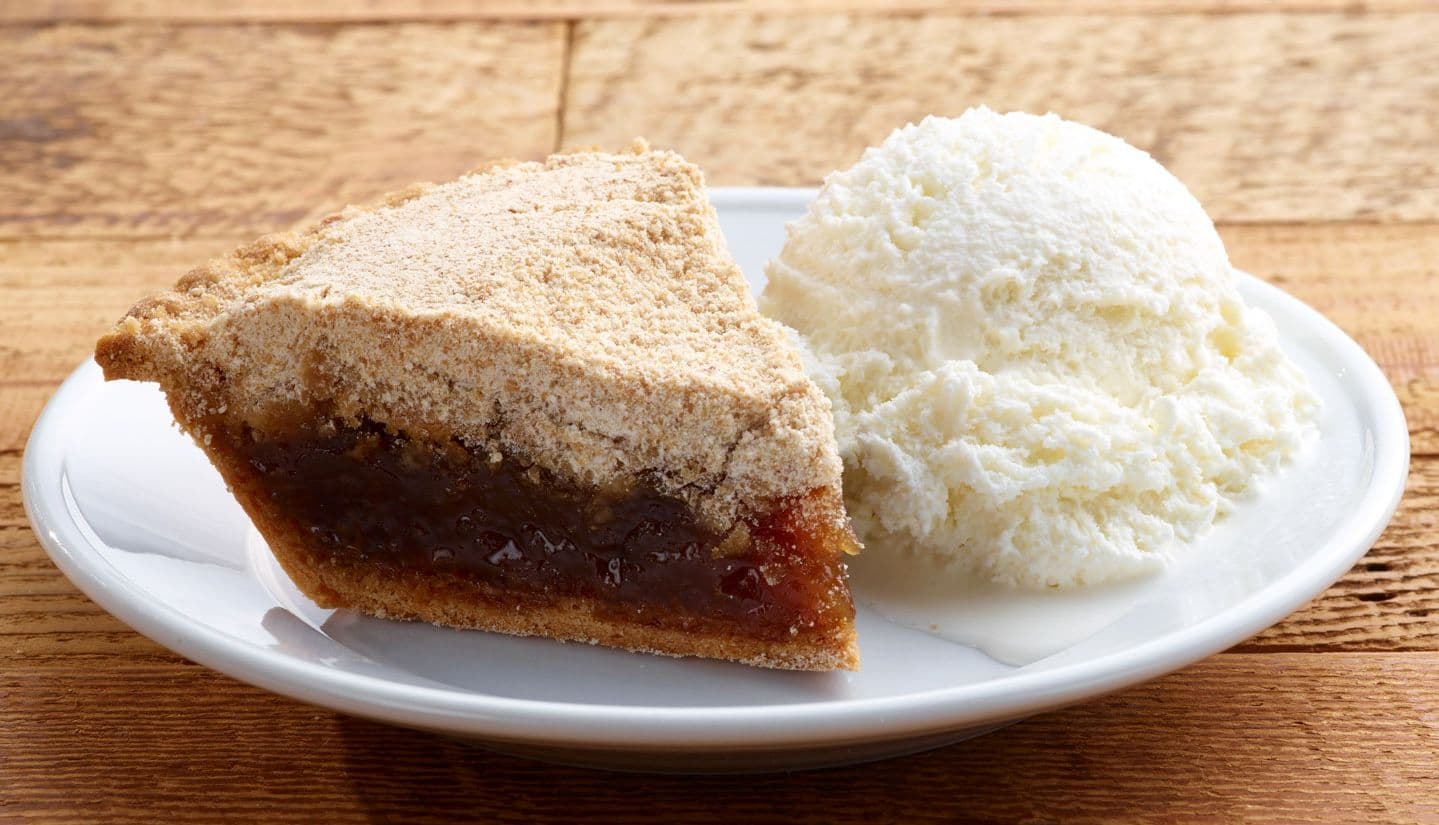
1800-1860
Shoofly Pie is a molasses-sweetened pie with a crumb topping, historically popular in Pennsylvania Dutch and Mid-Atlantic communities. Its rich, sticky filling reflects early American sweetening traditions and regional preferences.
America's Melting Pot
Shoofly Pie Ancestor photo coming soon
1776-1800
The Shoofly Pie Ancestor is an early version of the molasses crumb pie originating in the Mid-Atlantic region during the late 18th century. It features simple ingredients reflective of colonial foodways before industrialized sugar was widespread.
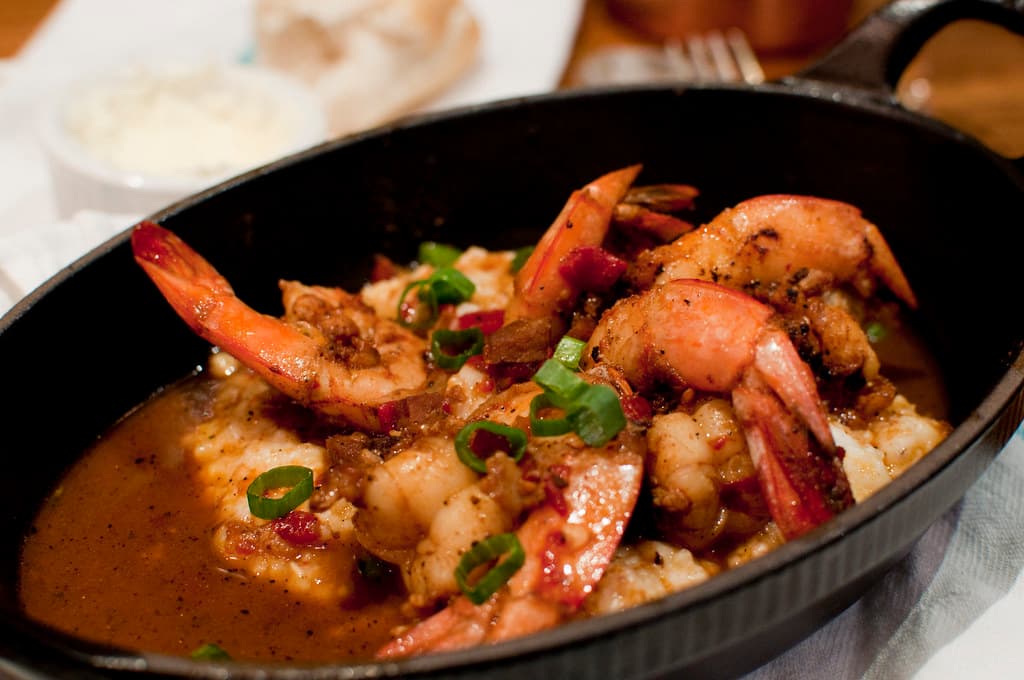
1800-1860
Shrimp and Grits is a Southern United States dish combining seasoned sauteed shrimp served over creamy cornmeal grits. It originated as a modest coastal breakfast and evolved into a beloved regional staple across meals.
America's Melting Pot
Skillet Potatoes photo coming soon
1861-1900
Skillet Potatoes are a hearty side vegetable dish long favored by cowboys and settlers along the Great Plains during the Civil War and Reconstruction era. Cooking simple, sliced potatoes in a heavy skillet over an open fire or camp stove made this dish a staple of the cattle trail and railroad expansion periods.
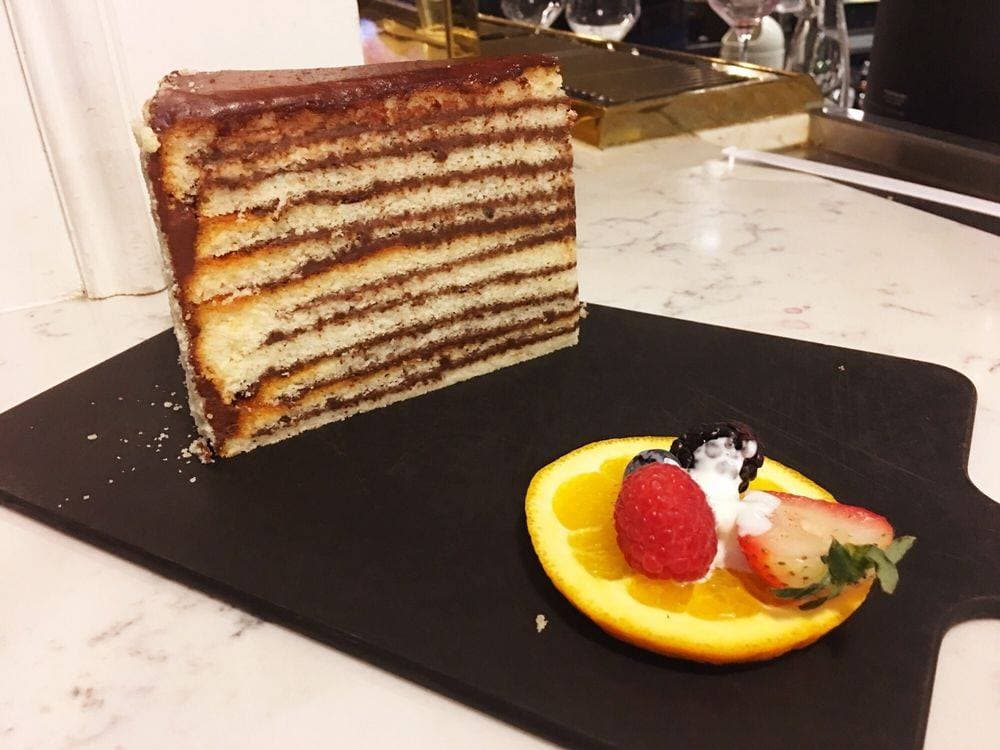
1800-1860
Smith Island Cake is a multi-layered cake originating from the Mid-Atlantic region, known for its numerous thin layers and rich chocolate frosting. This cake is the official state dessert of Maryland and reflects the baking traditions of the Chesapeake Bay area.
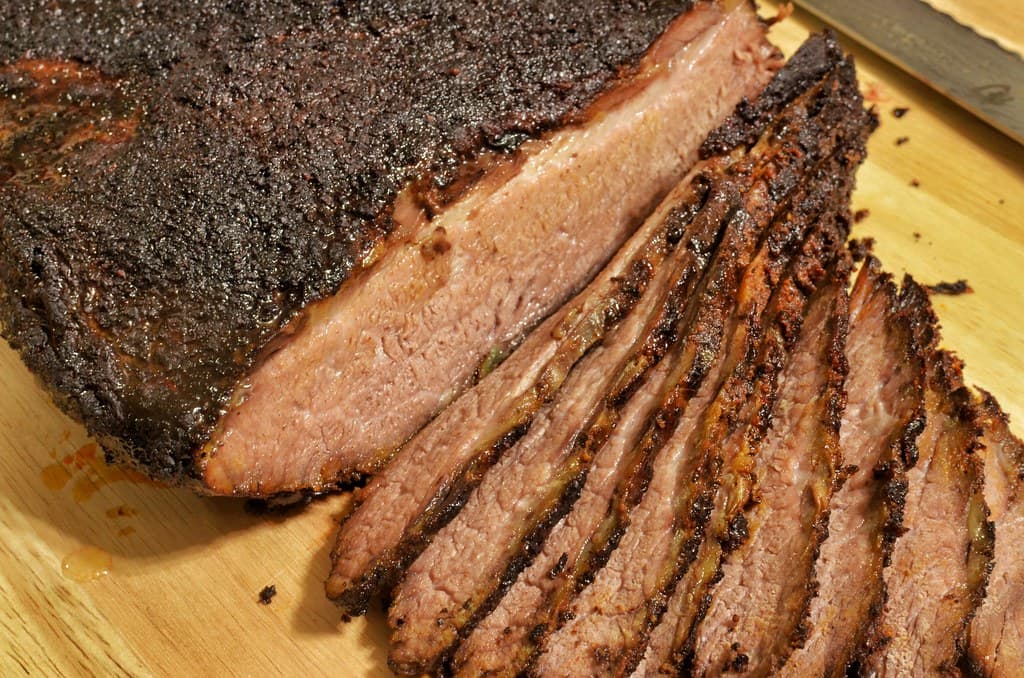
1861-1900
This smoked brisket recipe represents a modern American barbecue classic, popularized by food trucks, farmers markets, and viral food trends since 2010. Slow-smoking the beef brisket creates a tender, flavorful dish celebrated in New American fusion cuisine and casual outdoor dining.
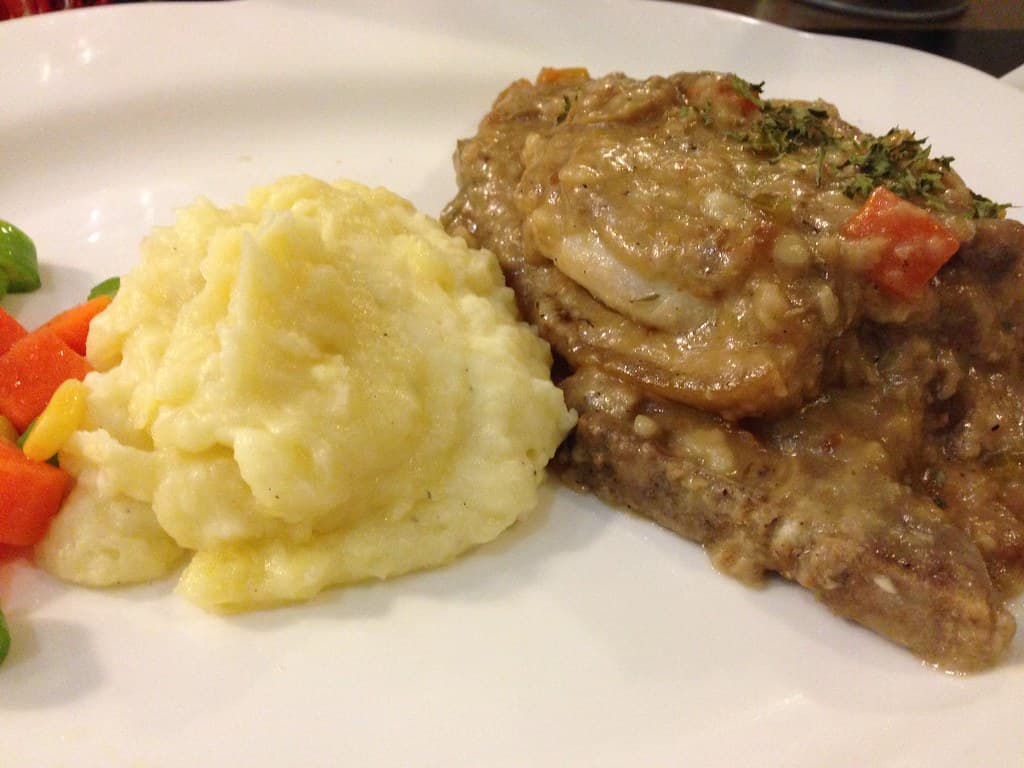
1861-1900
Smothered pork chops are a classic Southern dish featuring pork chops cooked slowly in a rich onion gravy. This comforting recipe reflects Southern resilience and resourcefulness during and after the Civil War, when affordable cuts and flavorful preparation were essential.
America's Melting Pot
Son-of-a-Gun Stew photo coming soon
1861-1900
Son-of-a-Gun Stew is a hearty stew associated with cattle drivers and chuckwagon cooks of the Great Plains during westward expansion and post-Civil War settlement. Made with various meats, vegetables, and basic seasonings, this stew reflects resourcefulness and sustenance on the trail.
America's Melting Pot
Sonoran Cheese Crisp photo coming soon
1800-1860
Sonoran Cheese Crisp consists of a crispy fried or baked tortilla topped with melted cheese and optional toppings. Originating in the Mexican-American and Spanish borderlands of the Southwest, it highlights the fusion of cultures and local flavors in this region.
America's Melting Pot
Sopa de Fideo photo coming soon
1800-1860
Sopa de Fideo is a light tomato-based soup featuring thin noodles, typical of Mexican and Southwestern home cooking. Its simple ingredients and preparation made it a staple in borderlands kitchens from the 19th century, providing a comforting, nourishing meal.
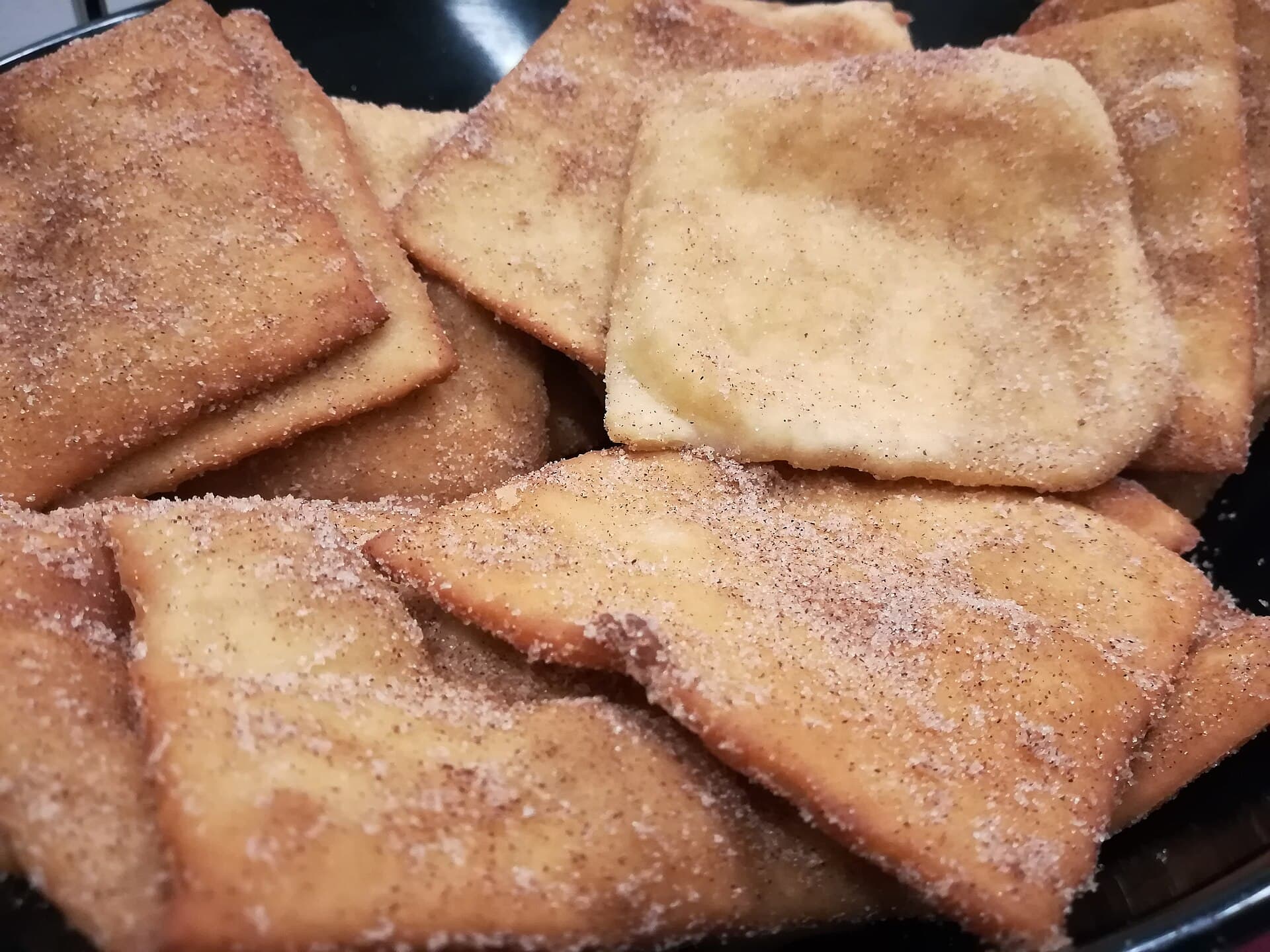
1800-1860
Sopapillas are puffy, fried dough pastries that puff up when cooked, creating a hollow interior perfect for stuffing or drizzling with honey. Enjoyed in Southwestern and Southern cuisines, they are versatile for savory or sweet preparations, reflecting cultural exchanges in these regions.
America's Melting Pot
Sorghum Syrup photo coming soon
Frontier & Expansion
Sorghum Syrup is a sweet sauce with real American table personality: Southern/Appalachian sweetener from sorghum cane. It brings flavor from Appalachia and Pennsylvania Dutch country to cookouts, counters, lunch plates, potlucks, and weeknight suppers.
1800-1860
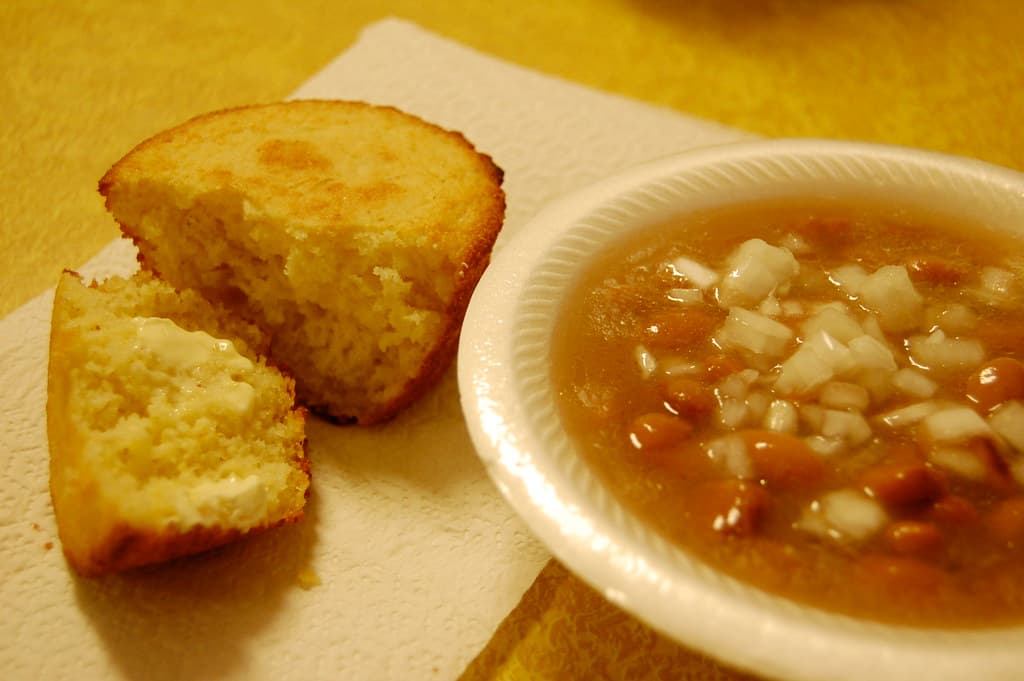
Soup Beans are a traditional slow-cooked bean stew popular in Appalachia and frontier regions during early American settlement. This dish is a humble, nourishing staple made with dried beans and minimal seasoning, reflecting the resourceful cooking of early settlers.
1861-1900
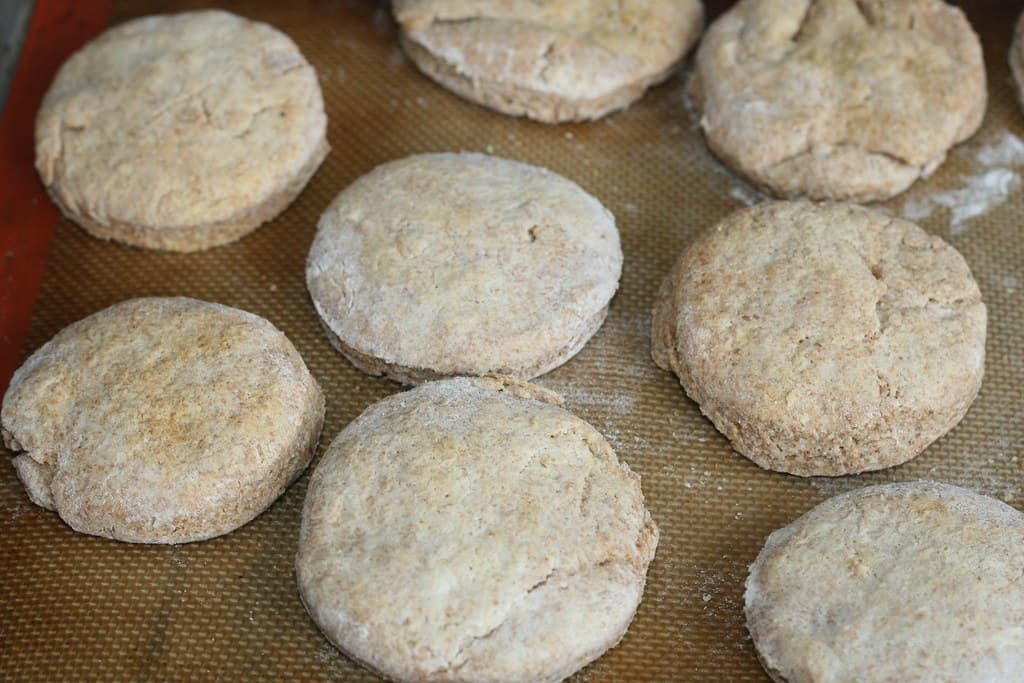
Sourdough Biscuits utilize natural fermentation for leavening, resulting in light and flavorful biscuits that were staples for chuckwagon cooks and settlers on the Great Plains and West Coast during late 19th century expansion.
America's Melting Pot
Sourdough Bread photo coming soon
1800-1860
Sourdough Bread is a crusty loaf leavened by naturally occurring wild yeasts from a fermented starter. It has been a staple throughout the West Coast from the Gold Rush through modern artisan baking, prized for its tangy flavor and chewy crumb.
1800-1860
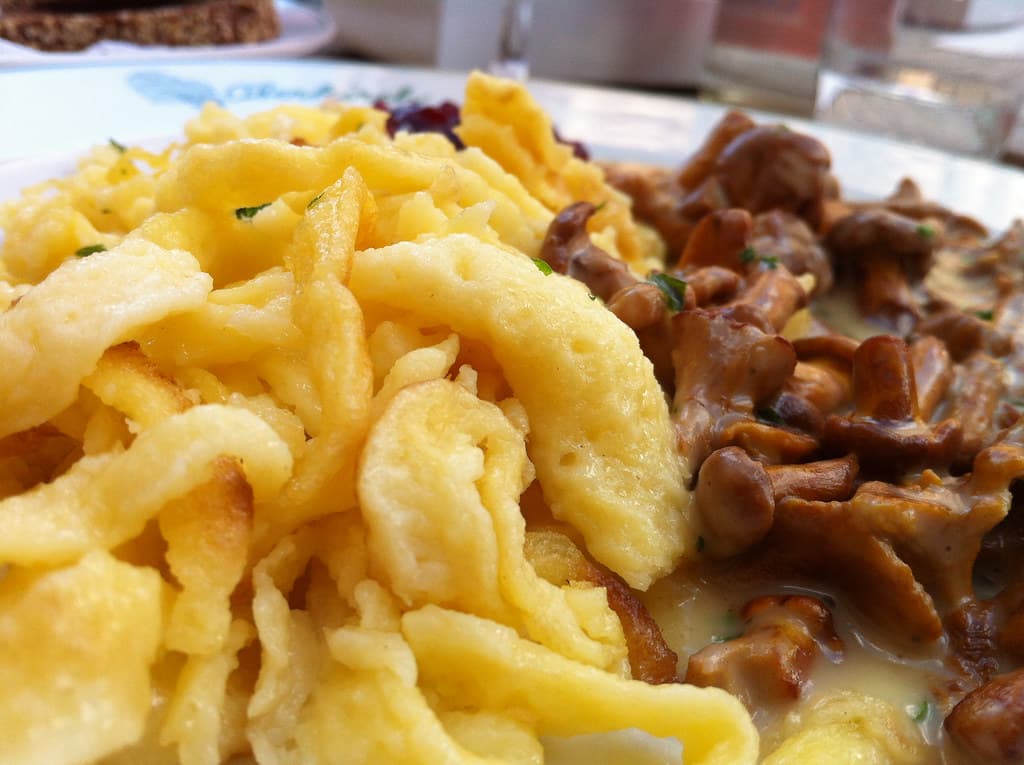
Spaetzle are soft egg noodles brought to America by German immigrants in the 1800s. Often served as a side to meat dishes, they reflect culinary traditions of German-speaking settlers adapting to new ingredients and kitchens in expanding American communities.
1800-1860
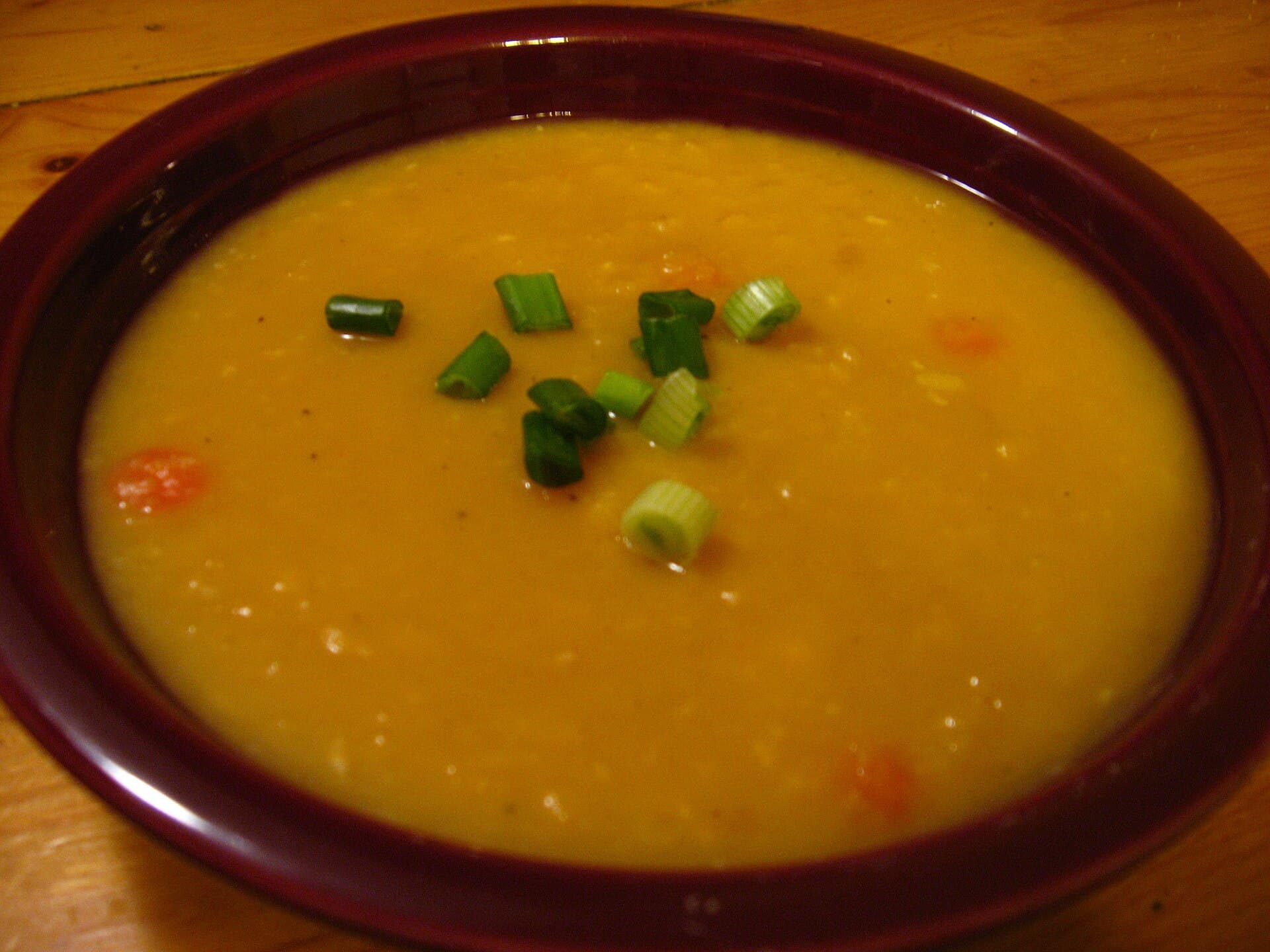
Split pea soup is a hearty, thick soup often made with dried peas, ham, vegetables, and seasonings, a staple of American one-pot cooking across many eras, prized for economy and nutrition.
1776-1800
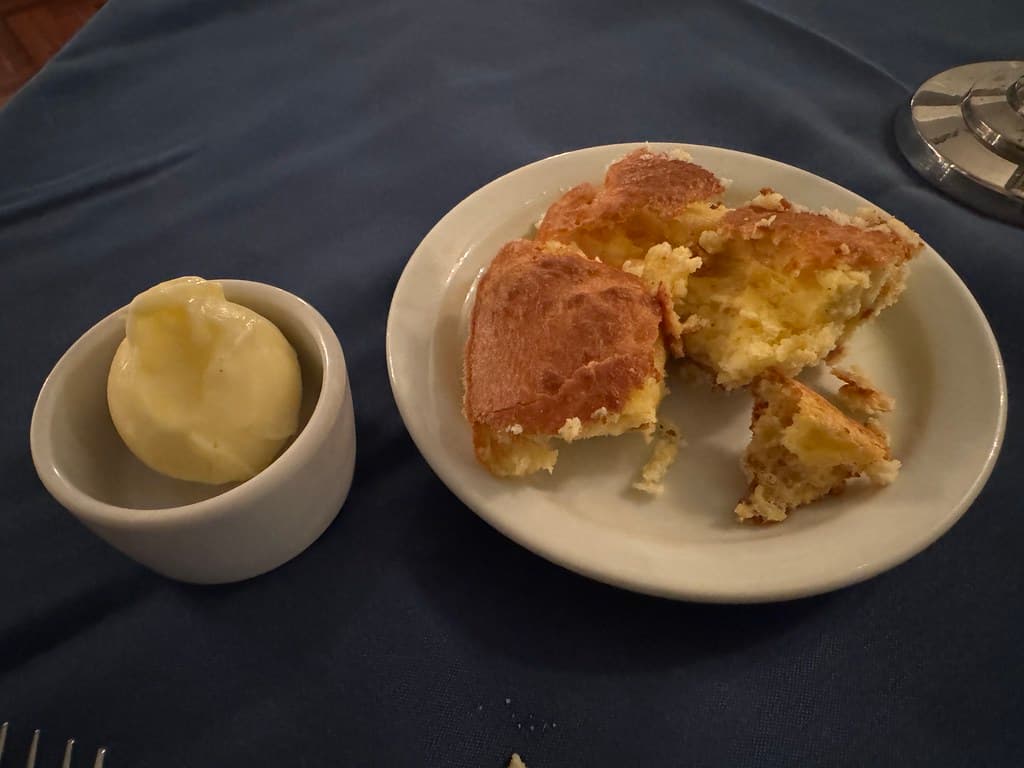
Spoonbread is a moist, custard-like cornmeal dish eaten with a spoon, popular in American homes since the Revolutionary era. It exemplifies colonial and early American adaptations of cornmeal into breakfast and side dishes.
America's Melting Pot
Squirrel Gravy photo coming soon
1800-1860
Squirrel gravy is a traditional Appalachian dish using local squirrel meat slow-cooked to create a rich gravy often served with biscuits or cornbread. It illustrates subsistence cooking and resource use on the American frontier.
1800-1860
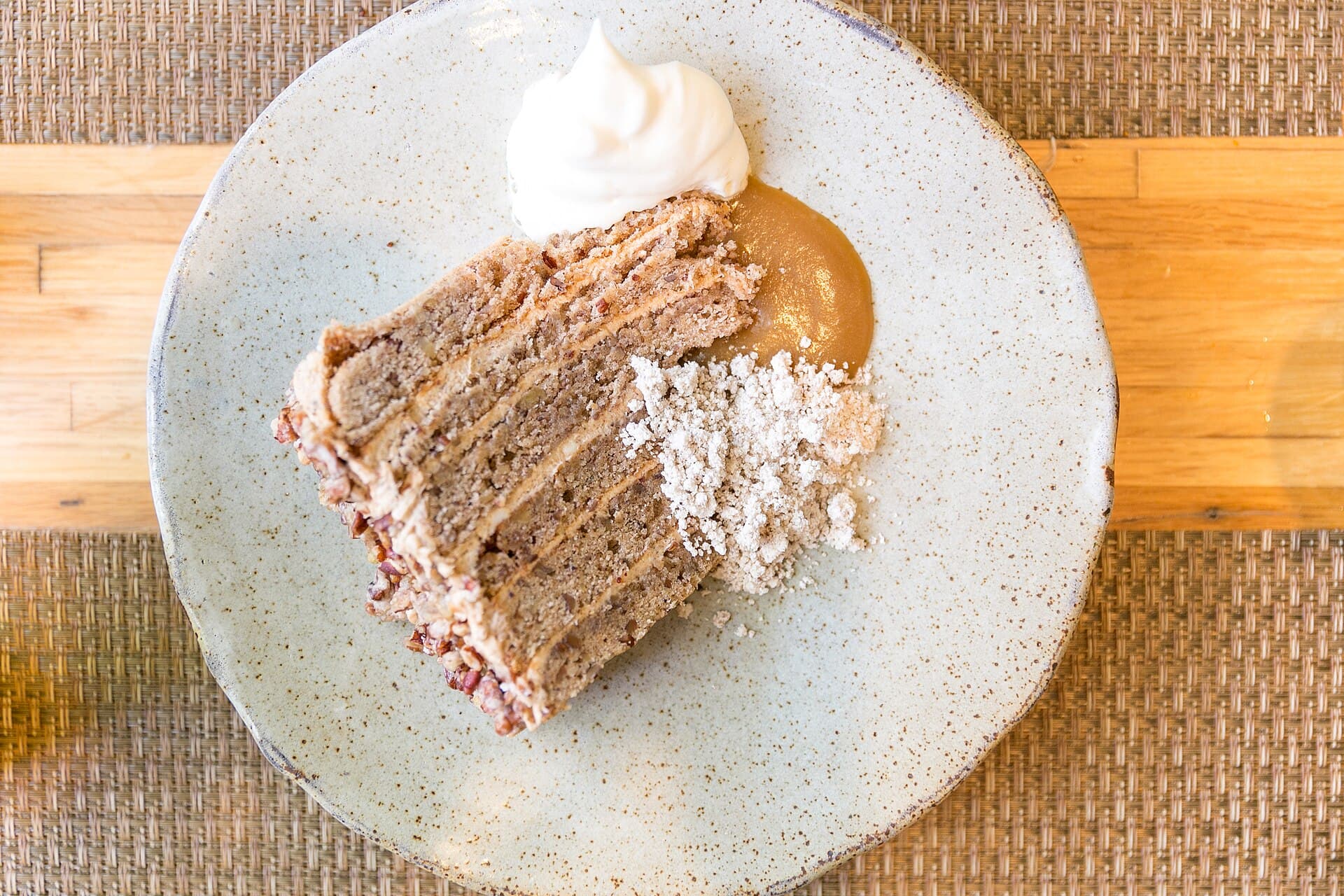
Stack cake is a layered cake sweetened with honey or molasses, often assembled with fruit preserves, traditional in Appalachian communities. It served as a celebratory dessert during the 1800-1860 period, reflecting local ingredients and social customs.
America's Melting Pot
Stewed Prunes photo coming soon
1861-1900
Stewed prunes were a simple, resourceful dish common in American railroad camps, mining towns, and boardinghouses during the Civil War and Reconstruction era. This dish showcases dried prunes stewed to tender softness, often sweetened slightly, providing a nutritious and affordable dessert or side.
America's Melting Pot
Stewed Pumpkin photo coming soon
1776-1800
Stewed pumpkin was a common vegetable preparation in late 18th-century America, used as a side or base for other dishes. This recipe highlights the simple stewing of fresh or dried pumpkin to tender, flavorful softness, often lightly sweetened or spiced.
1800-1860
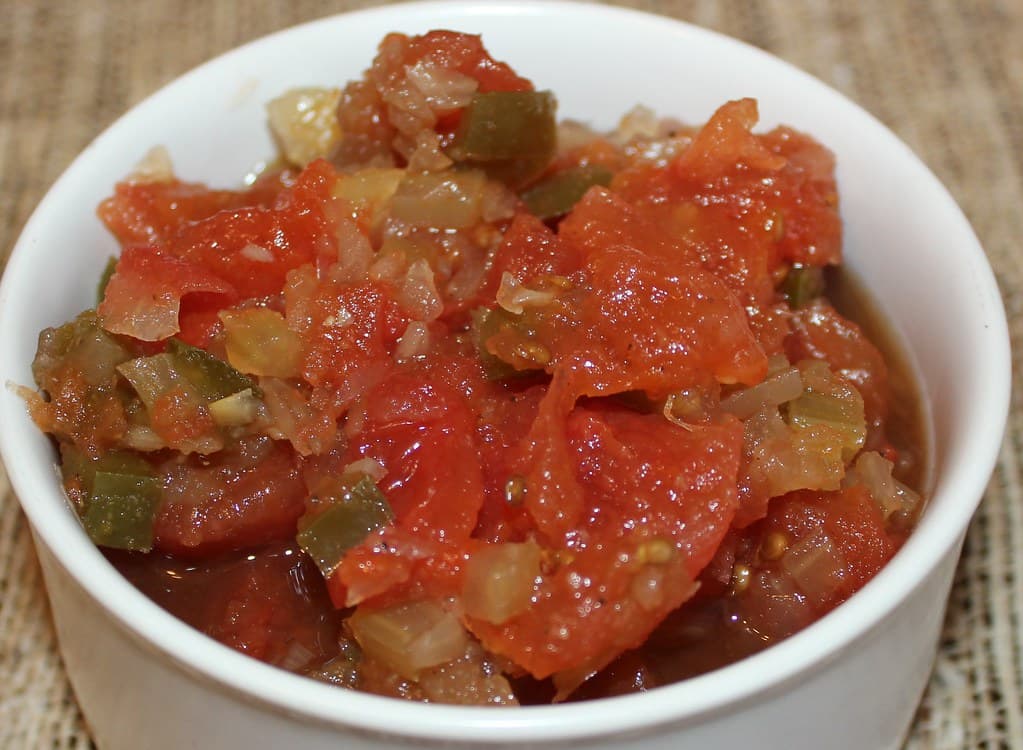
This traditional stewed tomatoes recipe reflects the practicality of Dust Bowl-era and wartime farm survival cooking. Using fresh or canned tomatoes, it creates a homey, warming stew often served with staple grains or breads, highlighting the resourceful use of garden produce.
America's Melting Pot
Strawberry Jam photo coming soon
1800-1860
Strawberry Jam is a preserve with real American table personality: Farmhouse, state fair, and breakfast table staple. It brings flavor from coast-to-coast American tables to cookouts, counters, lunch plates, potlucks, and weeknight suppers.
American Dairy Age
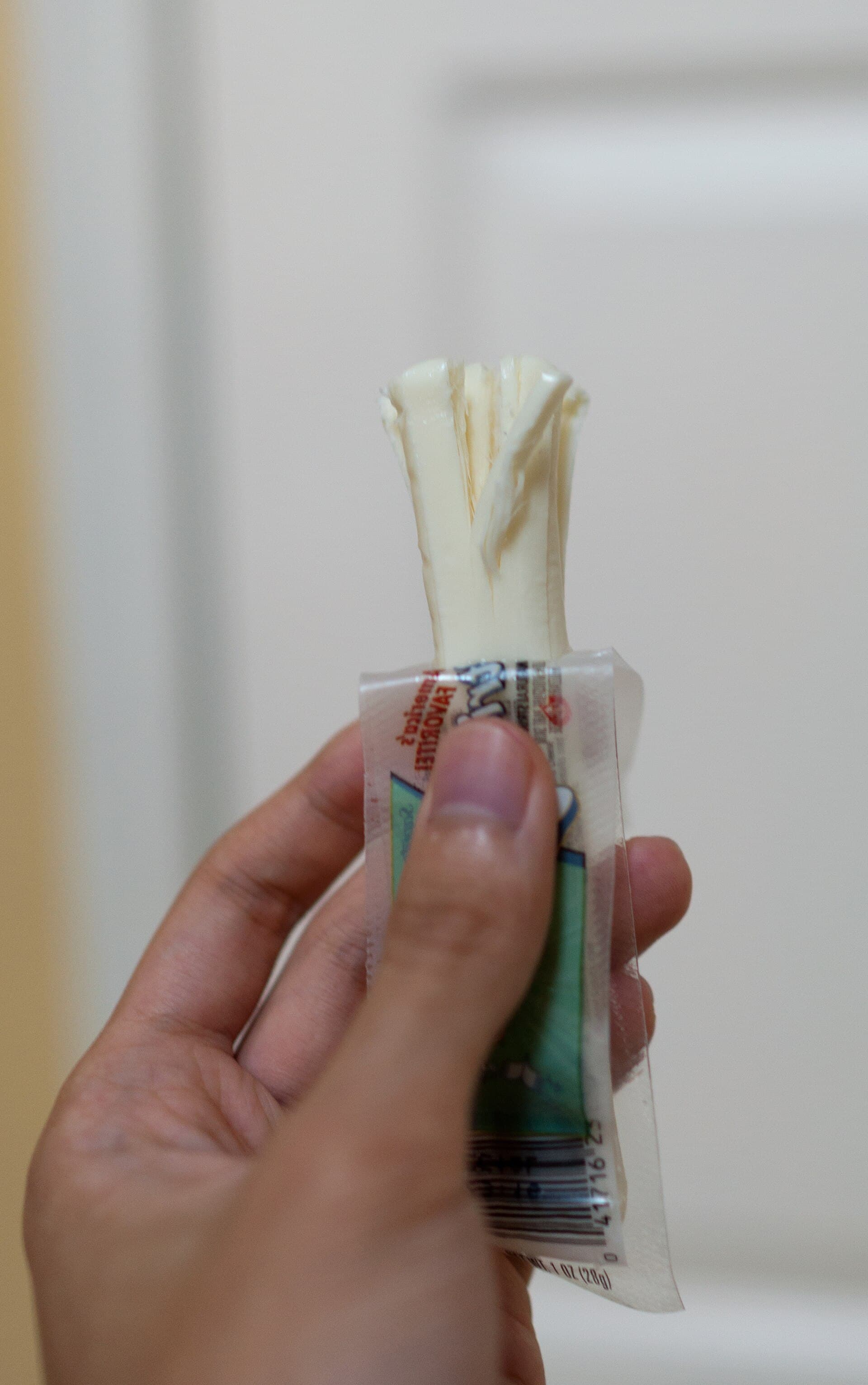
String Cheese, American Snack Style is a fresh stretched-curd cheese with pasteurized milk, measured acid, rennet setting, hot stretching, salting, and short refrigerated storage.
America's Melting Pot
Swedish Meatballs photo coming soon
1861-1900
A hearty meatball dish brought by Scandinavian immigrants to the American Midwest during the late 19th century. Popularized in homes, churches, schools, and state fairs as a comfort food, especially during Christmas holidays.
1861-1900
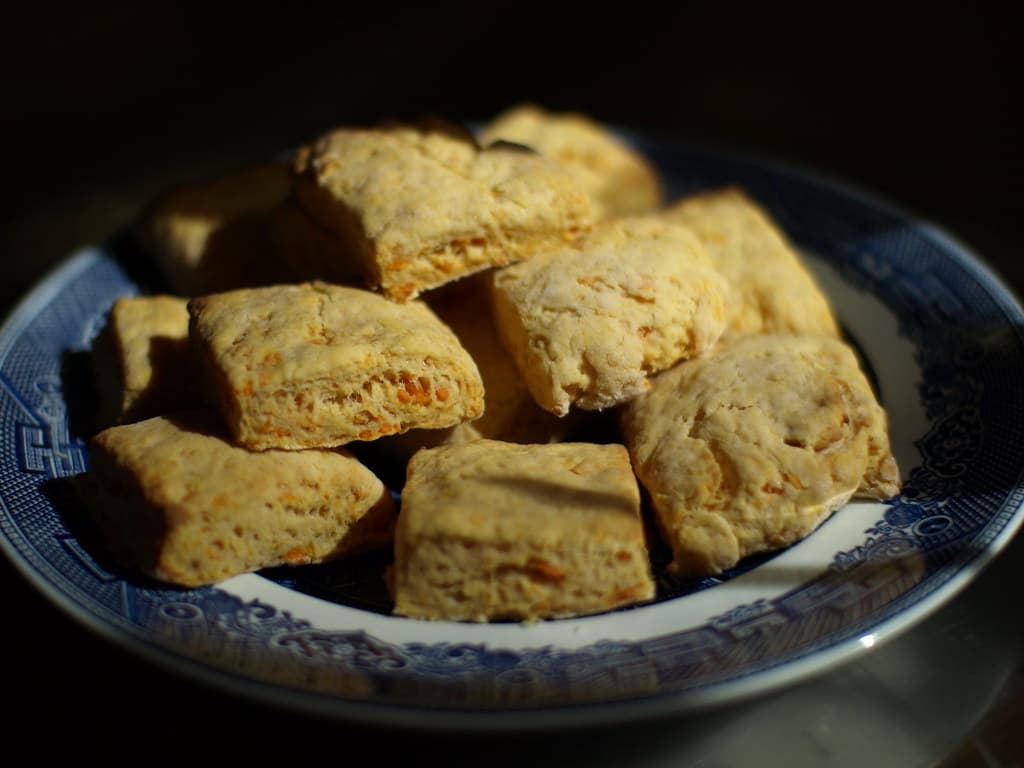
Sweet potato biscuits emerged as a staple in the American South during the Reconstruction era, utilizing the widely available sweet potato for a slightly sweet and moist biscuit. These biscuits were common at home tables and communal events during and after the Civil War.
1800-1860
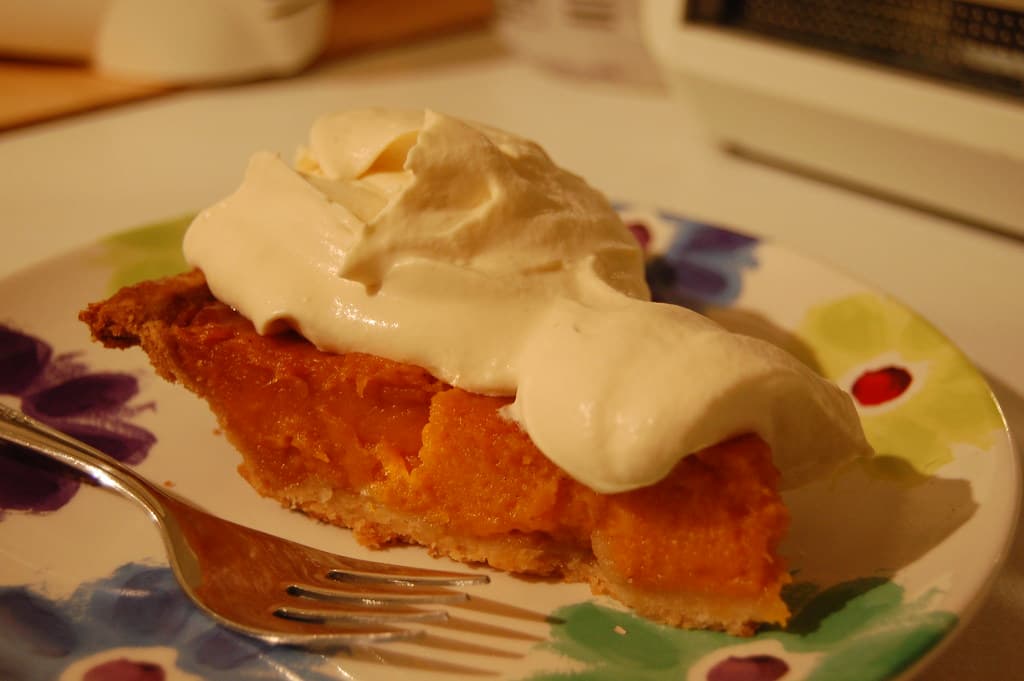
Sweet potato pie is a traditional Southern dessert dating back to the early 19th century, featuring a creamy sweet potato filling baked in a pie crust. It reflects African American and Southern culinary heritage during the antebellum period and beyond.
1800-1860
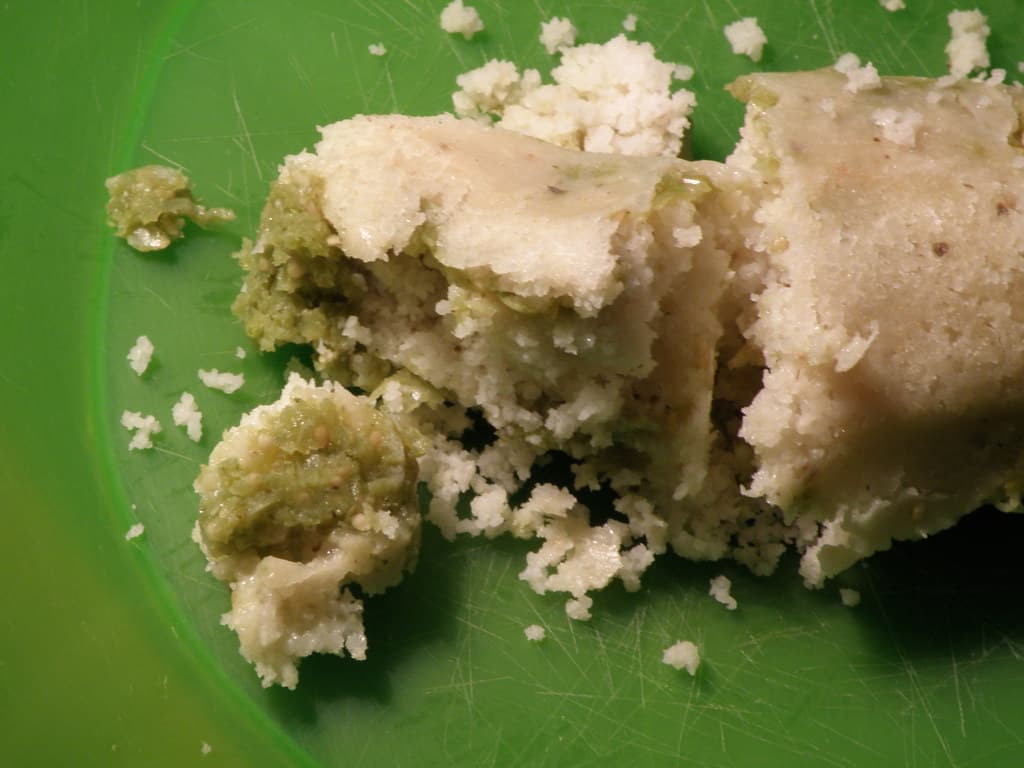
Tamales are traditional Mesoamerican foods made of masa dough filled with meat or vegetables, wrapped in corn husks, and steamed. They have deep roots in Mexican, Spanish borderlands, and Indigenous cultures and were adapted by Mexican-American communities in the 19th century, becoming central to holiday celebrations.
1800-1860
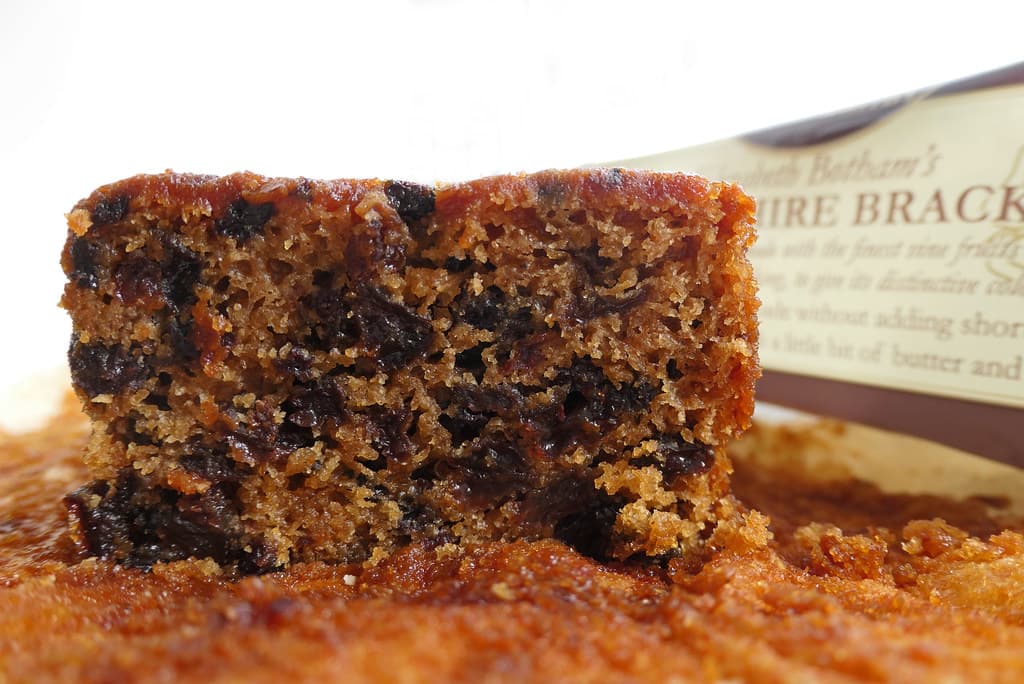
Tea Brack is a lightly spiced sweet bread soaked in tea and studded with dried fruits. This traditional Irish-influenced drinkable bread found a place in Irish-American kitchens during the early 19th century, especially around holidays. It combines the flavors of black tea, dried fruits, and warming spices, reflecting the blending of Irish heritage with American ingredients.
America's Melting Pot
Tea Cakes photo coming soon
1800-1860
Tea Cakes are tender, sweet biscuits popular in the American South during the 19th century. These lightly sweetened cakes were often served at teatime or after dinner and embody Southern hospitality and simple ingredients typical of the era. Their crisp exterior and soft interior make them a beloved traditional dessert.
America's Melting Pot
Teleme photo coming soon
American Dairy Age
Teleme is a soft-ripened American cheese with careful culturing, gentle handling, rind development, and controlled refrigerated aging.
America's Melting Pot
Texas Brisket photo coming soon
1800-1860
Texas Brisket is a slow-smoked beef brisket seasoned with a spice rub and cooked low and slow over wood smoke, a centerpiece of Texas barbecue culture. Its smoky flavor, tender texture, and bark crust showcase the deeply regional American barbecue tradition highly celebrated across the United States today.
America's Melting Pot
Texas Sausage photo coming soon
1800-1860
Texas Sausage is a spicy, coarsely ground pork sausage seasoned with pepper and garlic, integral to Texas barbecue culture. Often smoked or grilled, these sausages reflect the German and Czech immigrant influences merged with Southern barbecue traditions, providing a robust flavor and hearty protein popular at cookouts and gatherings.
America's Melting Pot
Tomato Gravy photo coming soon
1861-1900
Tomato Gravy is a classic Southern side dish of cooked tomato-infused gravy seasoned with spices and served with staples like rice or biscuits. Rooted in post-Civil War Southern food traditions, it reflects resourcefulness and flavor in simple ingredients, often featured in Southern resilience during Reconstruction and Depression eras.
America's Melting Pot
Tomato Jam photo coming soon
1800-1860
Tomato Jam is a preserve with real American table personality: Garden surplus turned savory-sweet condiment. It brings flavor from coast-to-coast American tables to cookouts, counters, lunch plates, potlucks, and weeknight suppers.
America's Melting Pot
Troop Ship Stew photo coming soon
1930-1945
Troop Ship Stew is a practical, hearty stew made from available ingredients to feed large groups during wartime deployments. Common in the U.S. military mess halls from the Great Depression through World War II, this stew reflects the resourceful, filling meals necessary for soldiers during challenging periods.
America's Melting Pot
Trout with Cornmeal Crust photo coming soon
1800-1860
This recipe features fresh trout coated in a crispy cornmeal crust, a favored preparation method in American hunting and fishing camps. Showcasing simple ingredients and straightforward technique, it highlights the rustic flavors celebrated in cabin and outdoor cooking traditions.
1800-1860
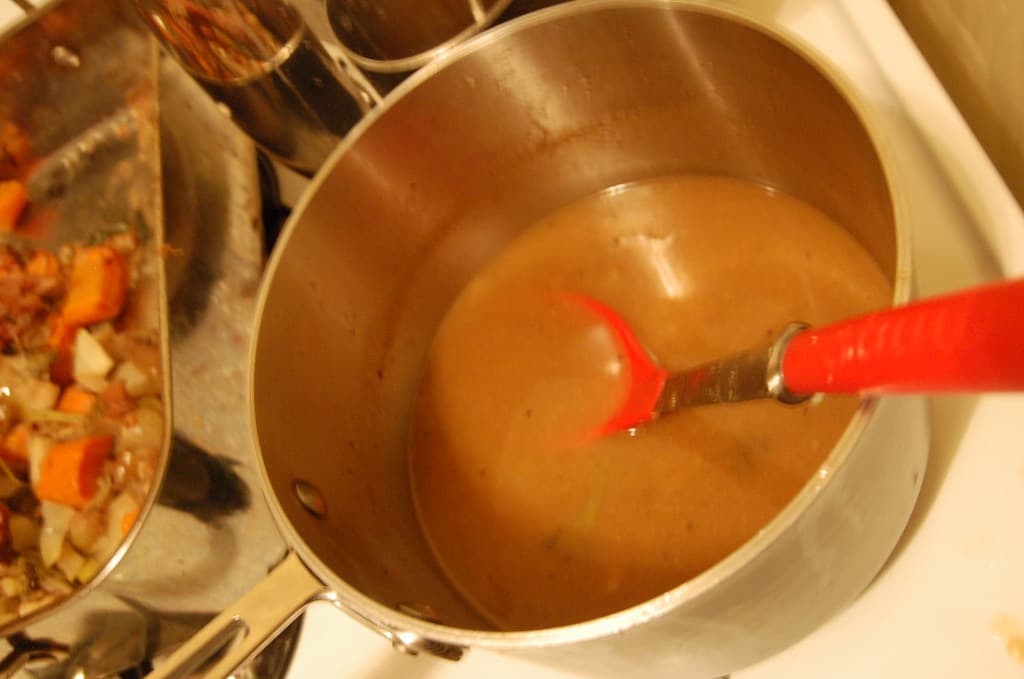
Turkey gravy is a fundamental accompaniment in American Thanksgiving traditions, made from pan drippings and seasoned to enhance roasted turkey. Its rich flavor and smooth texture have made it a holiday essential across generations and regions of the United States.
America's Melting Pot
Union Camp Stew photo coming soon
1930-1945
Union camp stew was a practical, filling dish served to soldiers during the American Civil War, utilizing available meats, vegetables, and staples to sustain troops. It reflects the resourcefulness and necessity of military cooking under challenging conditions.
America's Melting Pot
Vanilla Cream Soda photo coming soon
1800-1860
Vanilla Cream Soda is fizzy Americana from the soda-fountain counter: Soda fountain syrup drink.
American Dairy Age
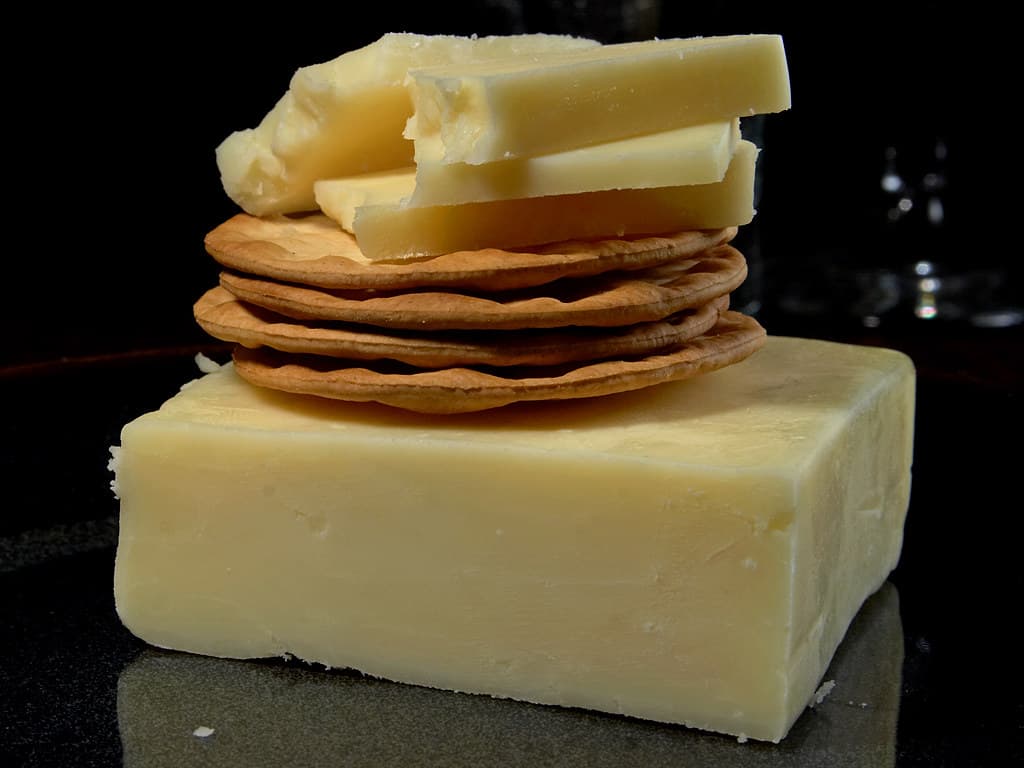
Vermont Cheddar is a home-scale American cheddar with measured culture, rennet setting, cheddaring, pressing, salting, and controlled aging.
America's Melting Pot
Vermont Maple Pie photo coming soon
1800-1860
A traditional New England dessert pie using pure maple syrup for sweetening. This pie reflects Vermont's long history of maple syrup production and its use in regional desserts during the early 19th century.
America's Melting Pot
Vinegar Pie photo coming soon
1861-1900
A simple Southern American pie made with basic pantry ingredients including vinegar, which provides tartness to balance the sweet filling. This economical dessert originated during the Reconstruction era and symbolized resilience through scarcity.
America's Melting Pot
Walleye Fry photo coming soon
1900-1929
Walleye Fry is a beloved dish in American fishing and hunting camps featuring tender walleye fish fillets lightly breaded and pan-fried to golden crispness. It represents outdoor and cabin dining traditions centered around locally caught fish.
Gilded Age & Progressive Era
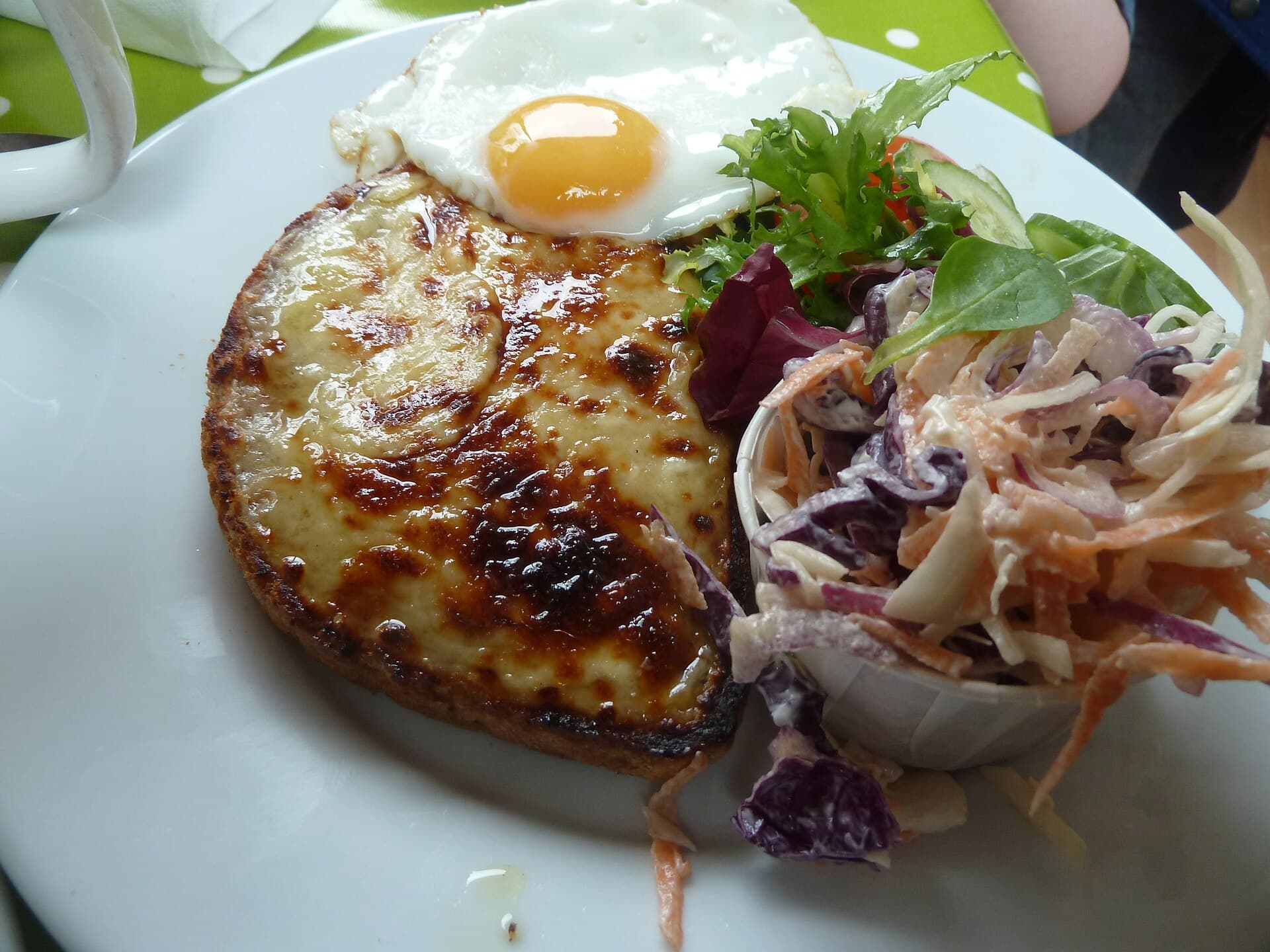
Welsh Rarebit is a rich, cheesy sauce served over toasted bread, popularized in Depression and wartime kitchens as an affordable, hearty meal. Using simple pantry staples, this dish offers comforting warmth and protein, reflecting resource usage during times of scarcity.
America's Melting Pot
Wild Plum Jelly photo coming soon
1800-1860
Wild Plum Jelly is a preserve with real American table personality: Prairie and farmstead preserving. It brings flavor from coast-to-coast American tables to cookouts, counters, lunch plates, potlucks, and weeknight suppers.
America's Melting Pot
Wild Rice Soup photo coming soon
1800-1860
Wild Rice Soup is a creamy, savory dish featuring indigenous wild rice combined with vegetables and broth, popular in the American Midwest since the early 19th century. It reflects Native American foodways adapted into settler cooking traditions with regional ingredients.
American Dairy Age
Wisconsin Cheddar is a home-scale American cheddar with measured culture, rennet setting, cheddaring, pressing, salting, and controlled aging.
Community recipe submission
Log in to submit a recipe, format it with the cooking companion, and send it for review.
Log in to Submit