Loading
Setting the table...
Fetching the latest recipes from the archive.
Loading
Fetching the latest recipes from the archive.
Recipe archive
Recipe archive
Search the archive by title, region, ingredient, tag, or era, then sort the table by the view that fits your kitchen.
This archive is growing through recipes, photos, family recipes, and historical context shared by the community.
America's Melting Pot
Cranberry Slush photo coming soon
1946-1969
Cranberry Slush brings juice-bar color and American smoothie-counter energy to the glass: Holiday punch and party drink.
America's Melting Pot
Cranberry Tart photo coming soon
1776-1800
A baked pastry tart filled with a sweetened cranberry custard or jelly filling. This dessert emphasizes New England's historic use of local cranberries in festive baked goods.
America's Melting Pot
Cream Cheese and Jezebel Sauce photo coming soon
Cross-era
Cream Cheese and Jezebel Sauce is a spread with real American table personality: Southern holiday tray. It brings flavor from the American South to cookouts, counters, lunch plates, potlucks, and weeknight suppers.
America's Melting Pot
Cream Cheese and Pepper Jelly photo coming soon
Cross-era
Cream Cheese and Pepper Jelly is a spread with real American table personality: Southern party appetizer. It brings flavor from the American South to cookouts, counters, lunch plates, potlucks, and weeknight suppers.
America's Melting Pot
Creamed Corn photo coming soon
1776-1800
A comforting side of corn kernels cooked gently in cream or milk, often with butter and mild seasonings. Popular during the Depression and Dust Bowl era as an economical vegetable dish.
America's Melting Pot
Creamed Onions photo coming soon
1776-1800
Creamed Onions are a traditional side dish popular in late 18th-century America, featuring pearl onions simmered in a creamy, buttery sauce. Common at holiday tables, especially Thanksgiving, this dish reflects early American adaptations of European cooking techniques using accessible vegetables and dairy.
America's Melting Pot
Creamed Peas on Toast photo coming soon
1930-1945
Creamed Peas on Toast was a frugal, filling dish common during the Great Depression era, making use of canned or fresh peas in a creamy sauce served over toasted bread. It provided an economical, nourishing meal when resources were scarce, and remains a nostalgic example of Depression-era cooking.
America's Melting Pot
Creamy Cucumber Dressing photo coming soon
1946-1969
Creamy Cucumber Dressing is a dressing with real American table personality: Garden, potluck, and summer supper classic. It brings flavor from coast-to-coast American tables to cookouts, counters, lunch plates, potlucks, and weeknight suppers.
America's Melting Pot
Crockpot Beef Stroganoff photo coming soon
1970-1989
Crockpot Beef Stroganoff adapts the classic Russian-inspired sauteed beef and mushroom dish to slow cooker convenience, delivering tender beef in a creamy sauce typically served over noodles. This Americanized version suits weeknight cooking and reflects 1970s-80s home cooking trends embracing convenience appliances.
America's Melting Pot
Cucumber Salad photo coming soon
1900-1929
This cool cucumber salad is a staple among Polish, Czech, Slovak, and other Eastern European-American communities in early 20th-century immigrant cities. Served often in diners and at state fairs, it features thinly sliced cucumbers dressed with sour cream, fresh dill, onions, and vinegar for a tangy, refreshing side.

1861-1900
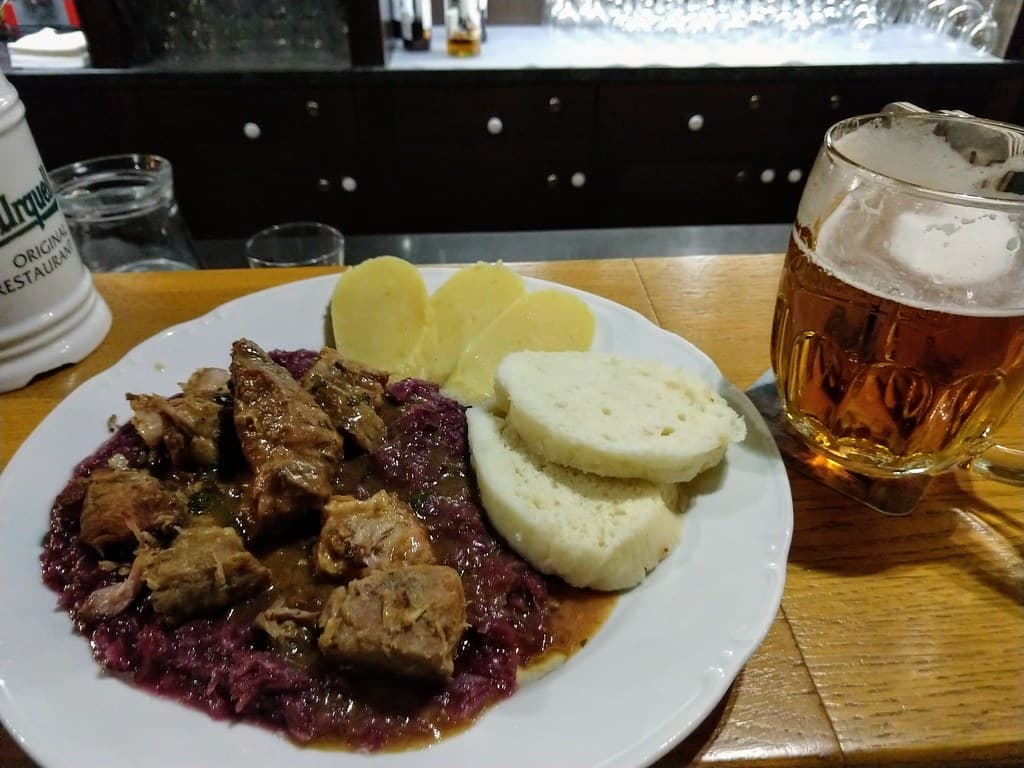
This hearty dish combines slow-roasted pork, delicate bread dumplings, and tangy sauerkraut, reflecting the culinary traditions of Czech and Slovak immigrants in early 20th-century America. It remains a beloved entree at diners and state fairs during festive occasions like Easter.
America's Melting Pot
Deviled Egg Filling photo coming soon
1776-1800
Deviled Egg Filling is a spread with real American table personality: Not exactly a sauce, but a condiment-like American picnic food. It brings flavor from coast-to-coast American tables to cookouts, counters, lunch plates, potlucks, and weeknight suppers.

1861-1900
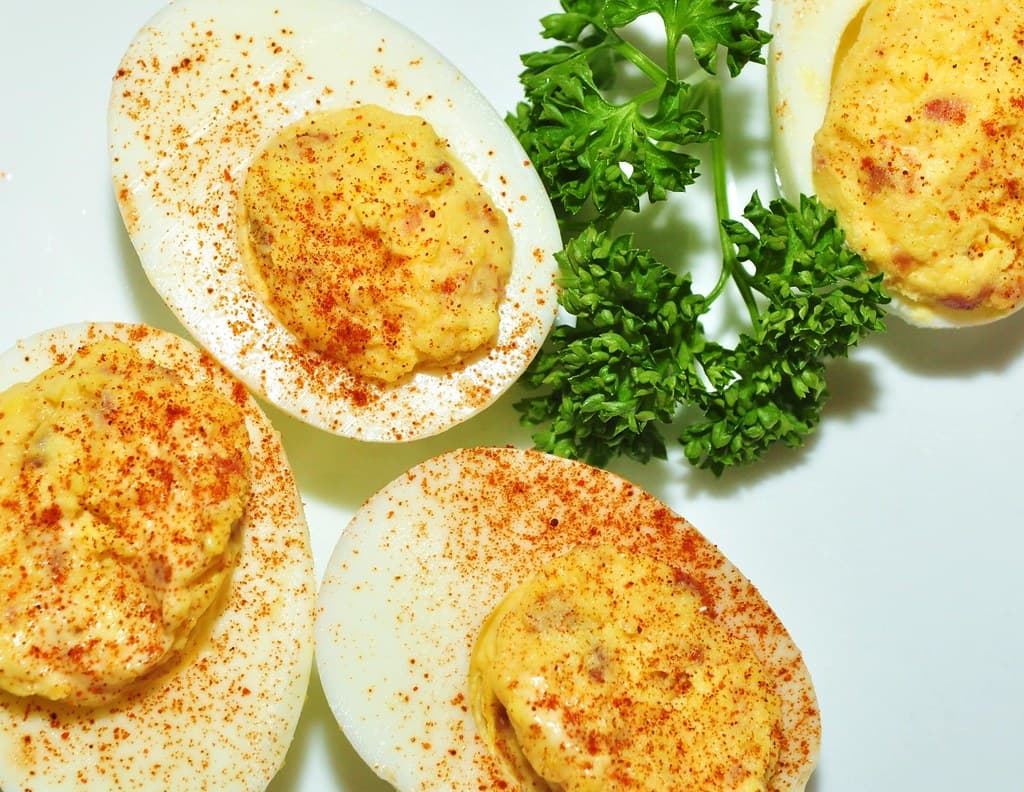
Deviled eggs are hard-boiled eggs halved and filled with a creamy, tangy yolk mixture. Commonly served at schools, churches, and community gatherings since the early 1900s, they are a familiar finger food across state fairs, holiday tables, and diners, especially at Fourth of July and Easter celebrations.
America's Melting Pot
Dried Apple Pie photo coming soon
1800-1860
Dried apple pie became common during the Civil War and Reconstruction periods when fresh fruit was scarce, utilizing dried apples to preserve seasonal flavor in a sweet, spiced pie. It exemplifies military and pioneer adaptations in American desserts.

1930-1945
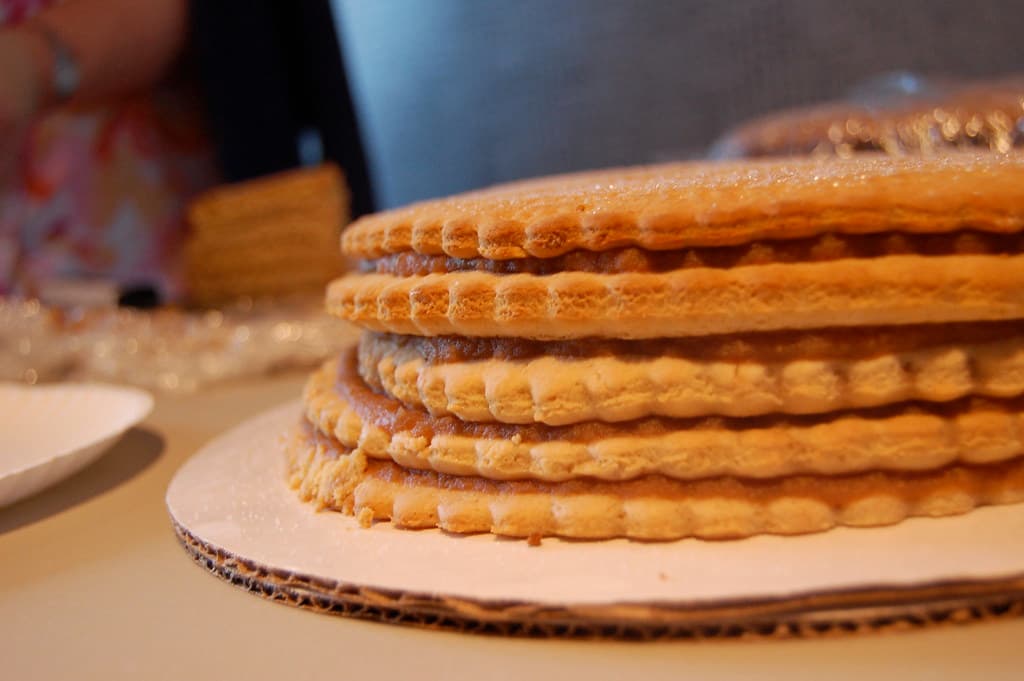
The dried apple stack cake is a layered cake made with dried apple filling between thin cakes, originating in Appalachia during the Dust Bowl and Depression era. It was a practical dessert using dried fruit, emblematic of resourceful farm survival cooking.
America's Melting Pot
Eastern North Carolina Vinegar Sauce photo coming soon
Cross-era
Eastern North Carolina Vinegar Sauce is a barbecue sauce with real American table personality: Thin vinegar, pepper, and pork fat tradition for whole hog barbecue. It brings flavor from the American South to cookouts, counters, lunch plates, potlucks, and weeknight suppers.
America's Melting Pot
Eastern North Carolina Whole Hog photo coming soon
Before 1776
Eastern North Carolina Whole Hog barbecue is a traditional slow-cooked pork technique where an entire hog is cooked over wood coals and served with a tangy, vinegar-based sauce. This style emphasizes simplicity, smoky flavor, and communal preparation often associated with regional celebrations.
America's Melting Pot
Egg Salad Dressing photo coming soon
1861-1900
Egg Salad Dressing is a spread with real American table personality: Diner, deli, picnic, and funeral lunch food. It brings flavor from coast-to-coast American tables to cookouts, counters, lunch plates, potlucks, and weeknight suppers.

1861-1900
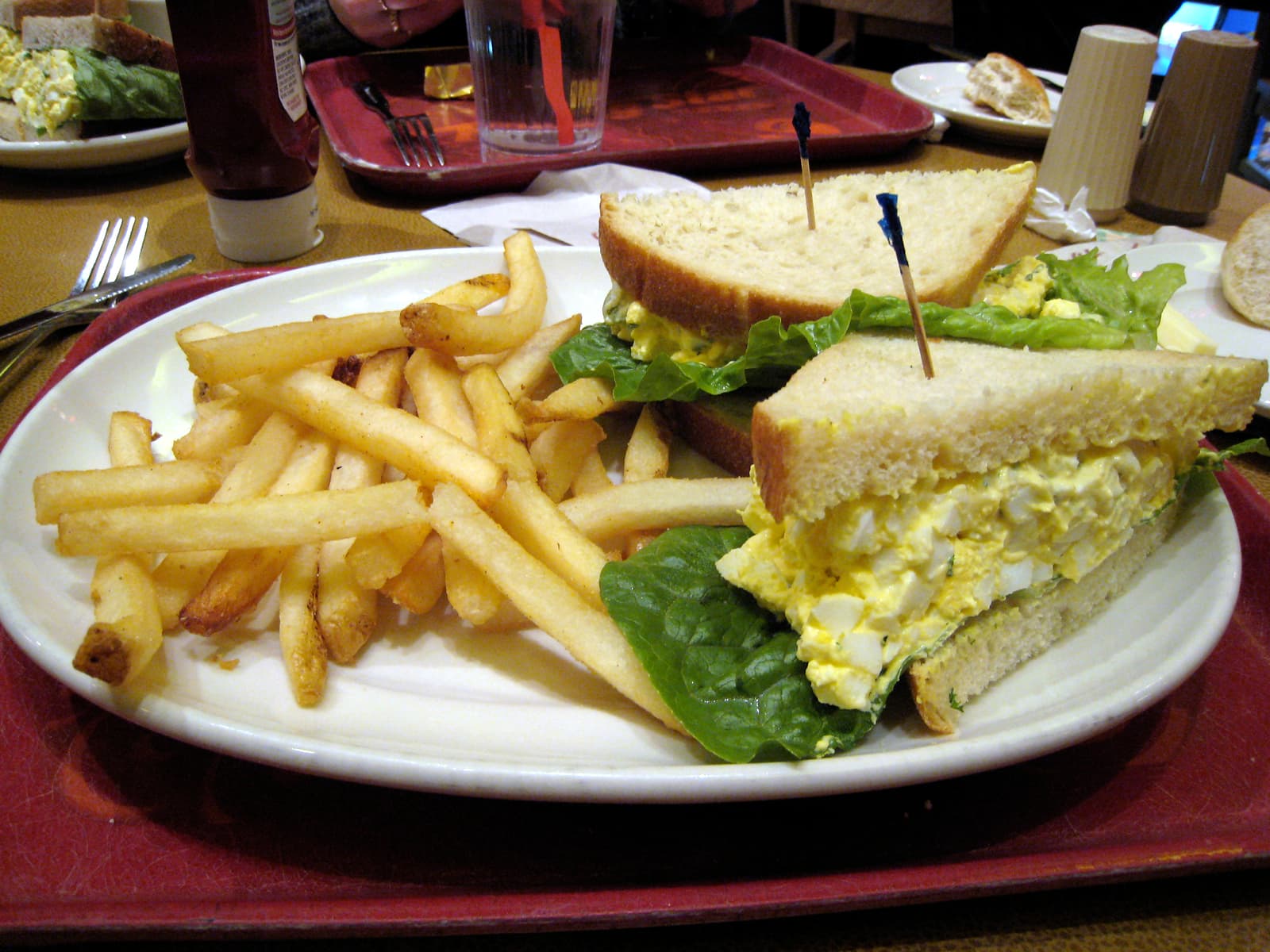
The Egg Salad Sandwich features chopped hard-boiled eggs mixed with mayonnaise and seasonings, served between slices of bread. A staple of American diners and lunch counters since the early 20th century, simple yet satisfying with variations in add-ins and bread choice.

1776-1800
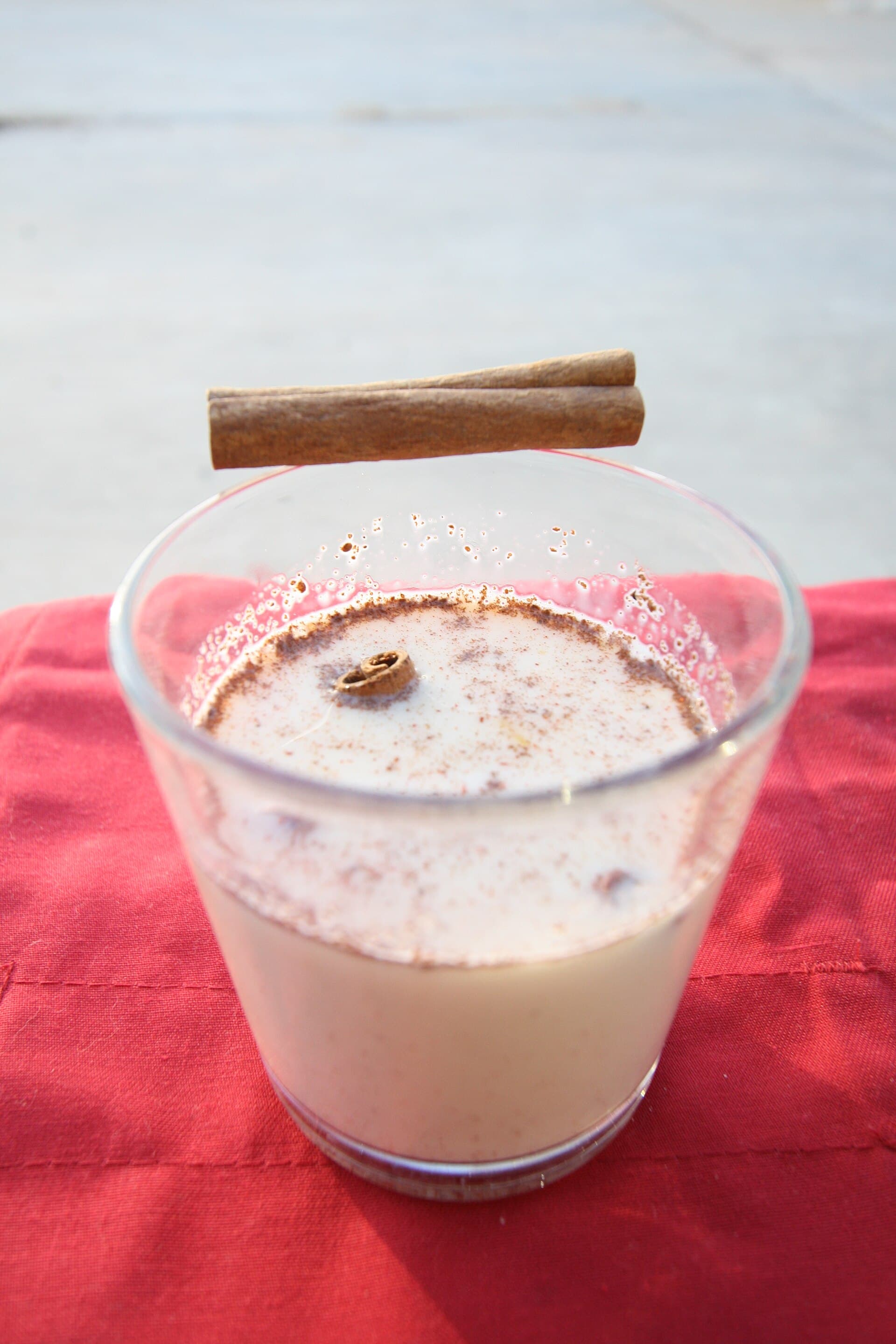
Eggnog is a rich, creamy holiday beverage made from milk or cream, beaten eggs, sugar, and often spiked with spirits such as brandy or rum. Served chilled, it is a festive treat deeply associated with Christmas celebrations across the United States, with colonial roots.
America's Melting Pot
Eggnog Shake photo coming soon
1900-1929
Eggnog Shake pours old-school malt-shop cheer into a cold glass: Christmas fast-food and diner seasonal drink.

1946-1969
Falafel are deep-fried patties or balls made primarily from chickpeas and herbs, common in Middle Eastern cuisine and widely adopted in the U.S. by immigrant communities. From 1990 to 2009, falafel became a staple of global suburban American diets, featured in food networks and growing coffee shop menus as a popular vegetarian sandwich source.
America's Melting Pot
Falafel Wraps photo coming soon
1946-1969
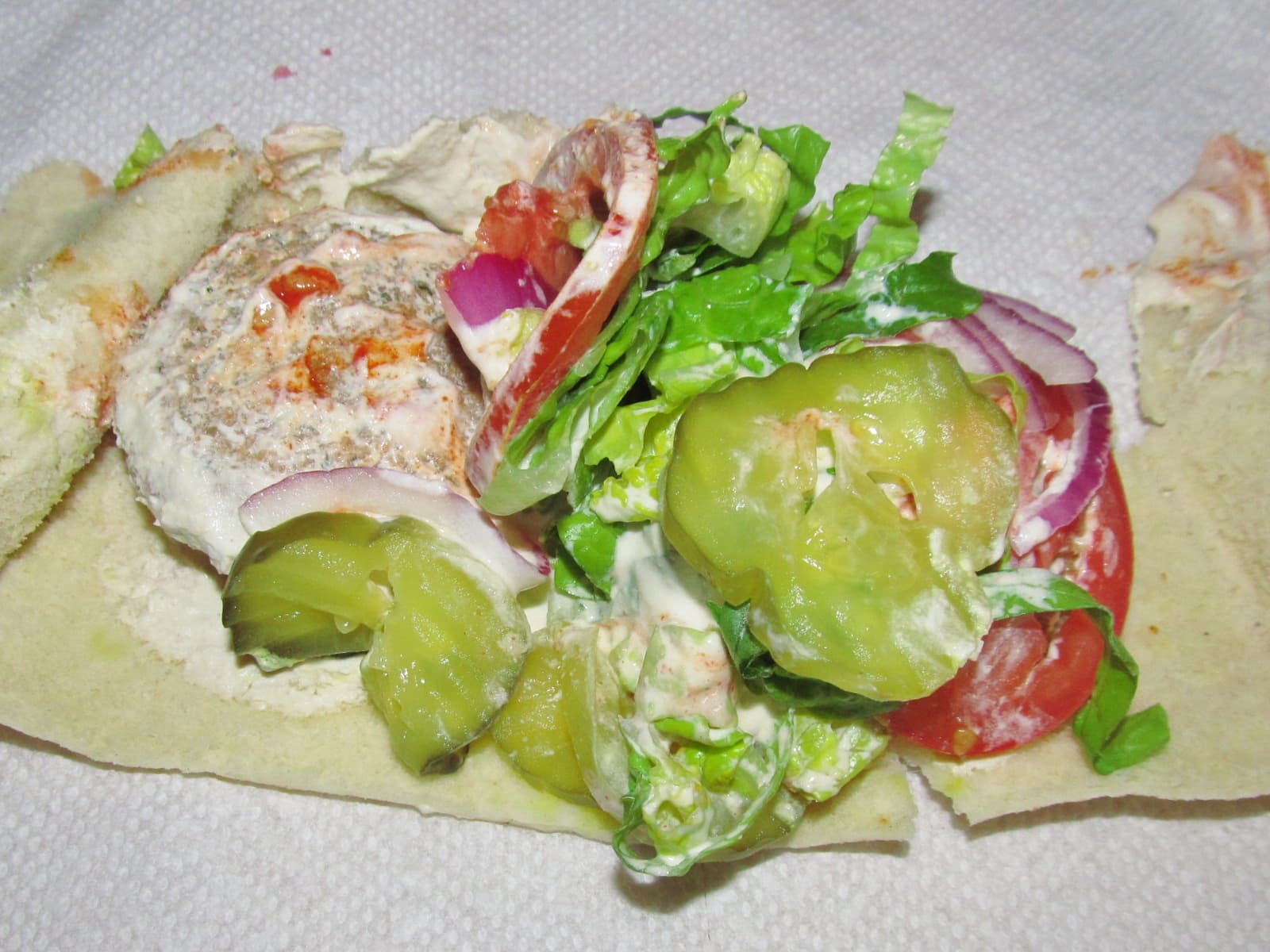
Falafel wraps are falafel patties served inside flatbreads or pita pockets with fresh vegetables and sauces, a popular street food and food truck item since 2010. This handheld meal blends traditional Middle Eastern flavors with American street food culture and new fusion trends.

American Dairy Age
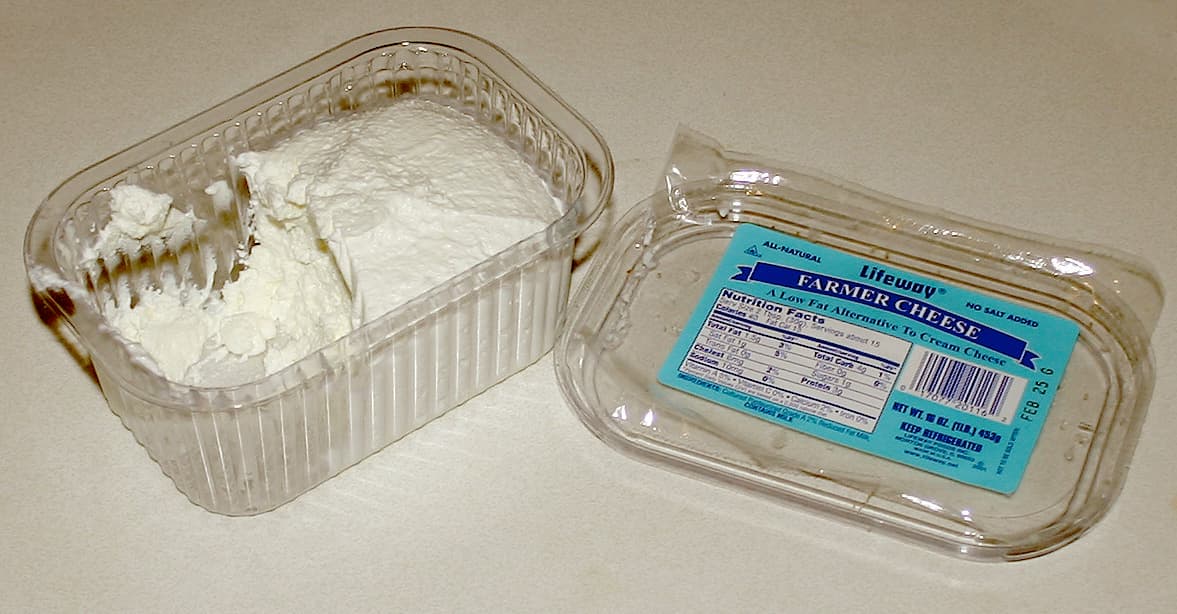
Farmer Cheese is a fresh cultured American home cheese made with pasteurized dairy, clean handling, slow culturing, draining, salting, and refrigeration.
America's Melting Pot
Fastnachts photo coming soon
1800-1860
Fastnachts are dense, fried doughnuts traditionally prepared by German-American communities in the U.S. during the 19th century, especially for Shrove Tuesday. These simple pastries reflect German immigrant influence on American regional baking traditions during early expansion and immigration periods.

1900-1929
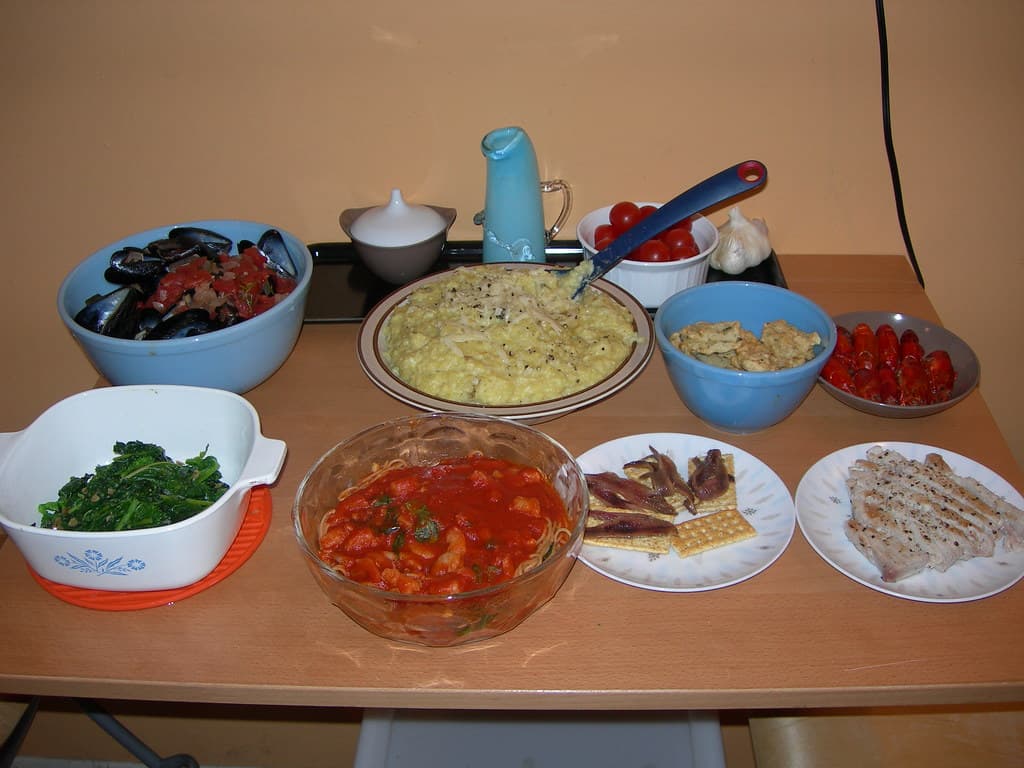
The Feast of the Seven Fishes is a traditional Italian-American Christmas Eve celebration featuring seven different seafood dishes. Rooted in Italian Catholic fasting customs, it has evolved into a special communal meal enjoyed throughout the United States across eras as part of holiday traditions.
America's Melting Pot
Flag Cake photo coming soon
1990-2009
Flag cake is a festive dessert featuring layers of cake decorated to resemble the American flag. It often uses red, white, and blue ingredients or decorations, making it a popular choice for Fourth of July and patriotic celebrations.

1900-1929
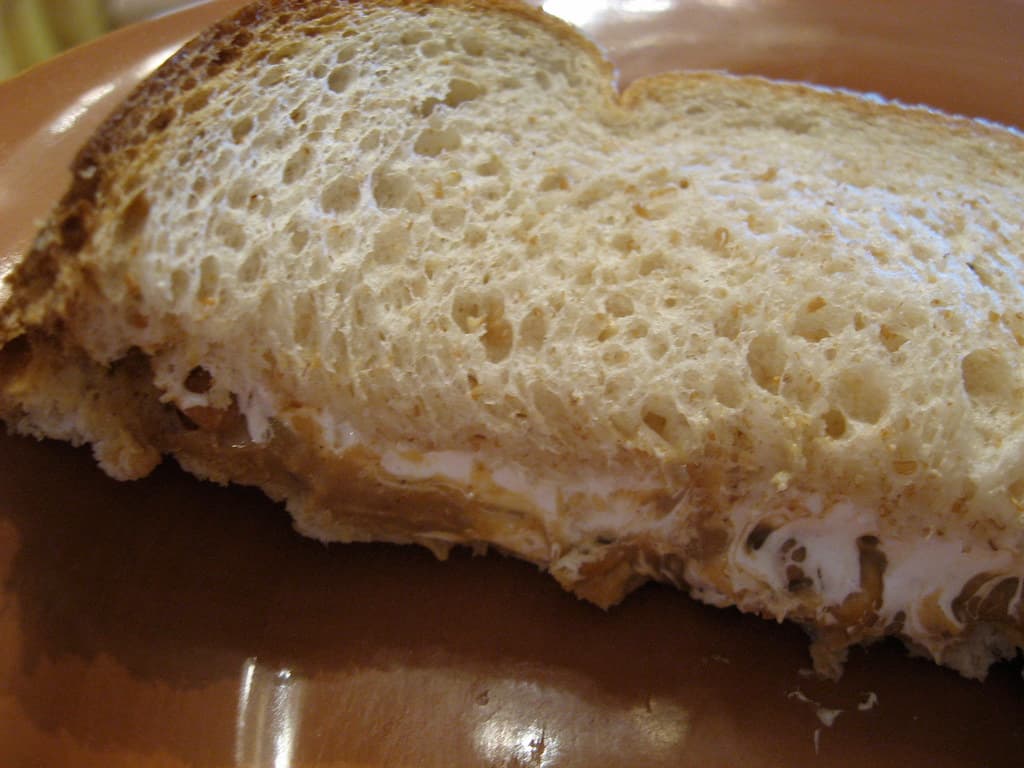
Fluffernutter sandwiches combine creamy peanut butter with sweet marshmallow fluff spread between slices of white bread. Originating in the Northeastern United States, this simple sandwich became a beloved comfort food symbolizing childhood nostalgia.

1900-1929
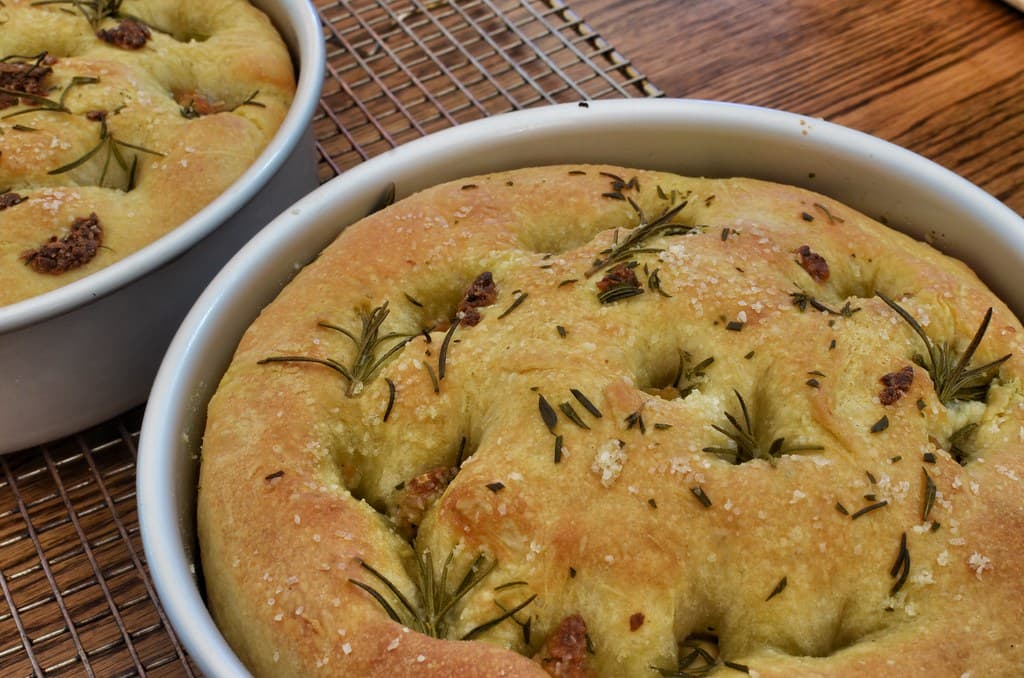
Focaccia is a flat Italian-style bread seasoned with olive oil, herbs, and often sea salt. Italian immigrants introduced focaccia to the United States during the late 19th century, adapting Old World baking techniques to American ingredients, thus becoming a beloved Italian-American staple bread.
America's Melting Pot
Fourth of July Burger Bar photo coming soon
1990-2009
The Fourth of July burger bar features grilled beef or plant-based burgers with a variety of toppings and condiments arranged for guests to assemble their own sandwiches. It reflects contemporary American celebration food trends prioritizing customization and casual outdoor dining.

1800-1860
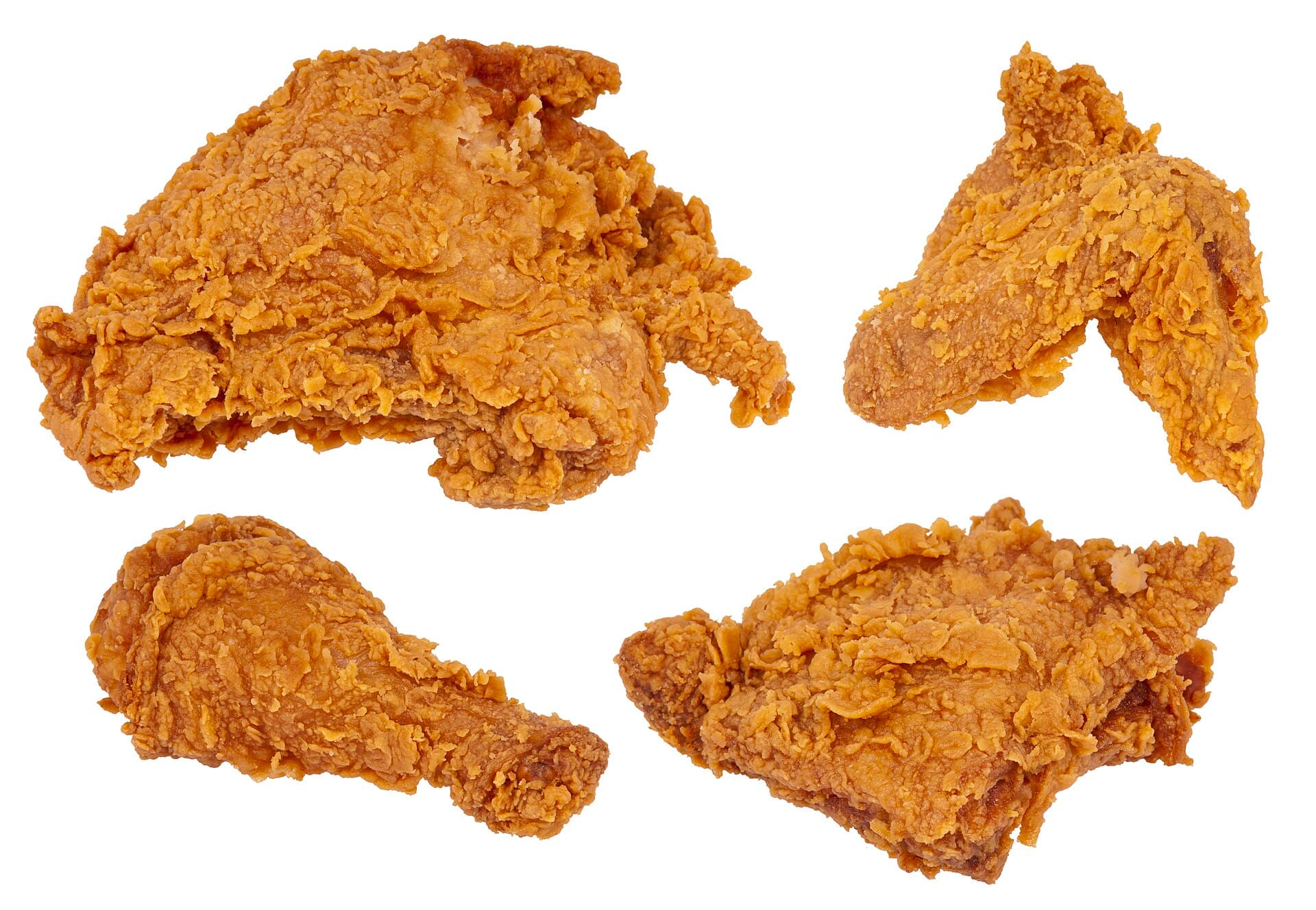
Fried chicken is a Southern classic featuring chicken pieces seasoned, battered, and deep fried to a crispy golden crust. This dish has been beloved across the South since the early 19th century and remains a cornerstone of American comfort food.
America's Melting Pot
Fried Dough photo coming soon
1900-1929
Fried dough is a crispy, golden fried bread dough treat commonly sold at fairs, carnivals, and carnivals across the United States. Topped with powdered sugar or cinnamon sugar, it represents immigrant-influenced American carnival cuisine of the early 20th century.
America's Melting Pot
Frog Eye Salad photo coming soon
1946-1969
Frog eye salad is a sweet side dish made with acini di pepe pasta, fruit, and a creamy marshmallow-based dressing. Popular in mid-20th century suburban America, it exemplifies the era's love of Jell-O salads and freezer convenience foods.
America's Melting Pot
Frog Eye Salad Dressing photo coming soon
Cross-era
Frog Eye Salad Dressing is a spread with real American table personality: Utah/Intermountain potluck dessert salad. It brings flavor from Intermountain West to cookouts, counters, lunch plates, potlucks, and weeknight suppers.

1990-2009
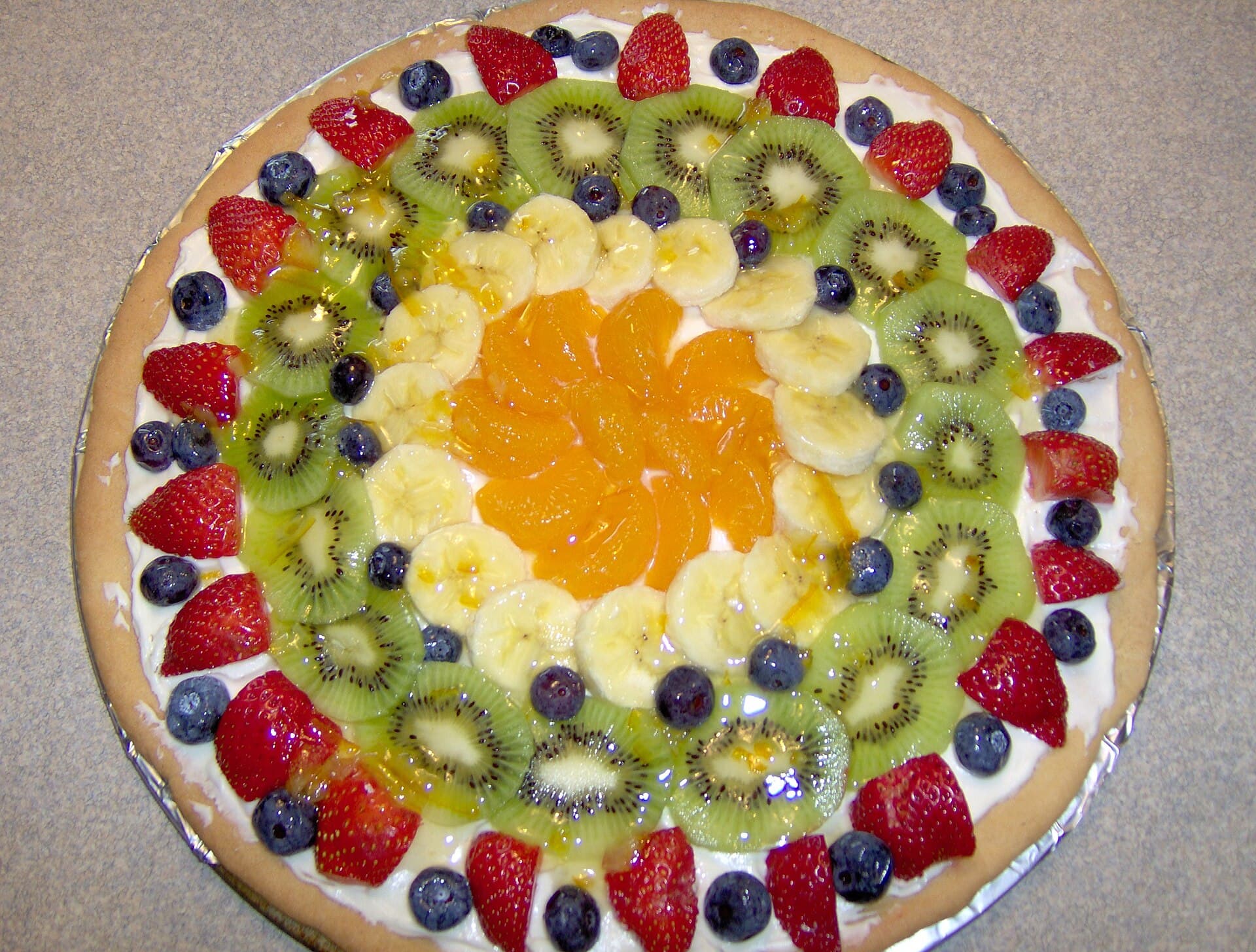
Fruit pizza is a sweet dessert featuring a cookie or sugar cookie crust topped with a layer of cream cheese icing and fresh fruit. Born from Italian-American culinary creativity, this versatile treat combines the fun of pizza presentation with fresh and colorful fruits, perfect for celebrations and summer gatherings.

Before 1776
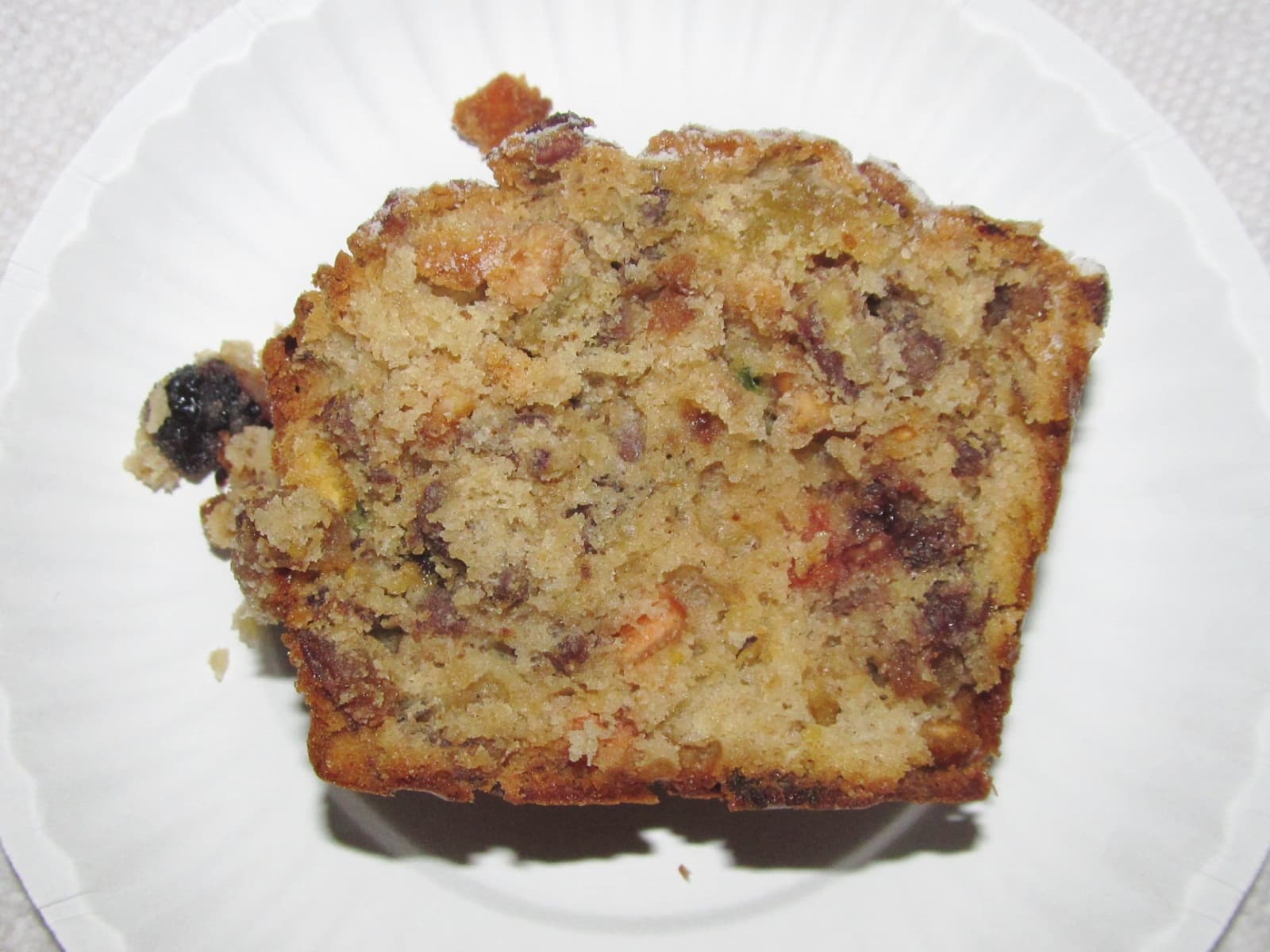
Fruitcake is a rich, dense cake loaded with dried fruits, nuts, and spices, often soaked in alcohol and served during Christmas holidays across America for centuries, rooted in European festive traditions.

1861-1900
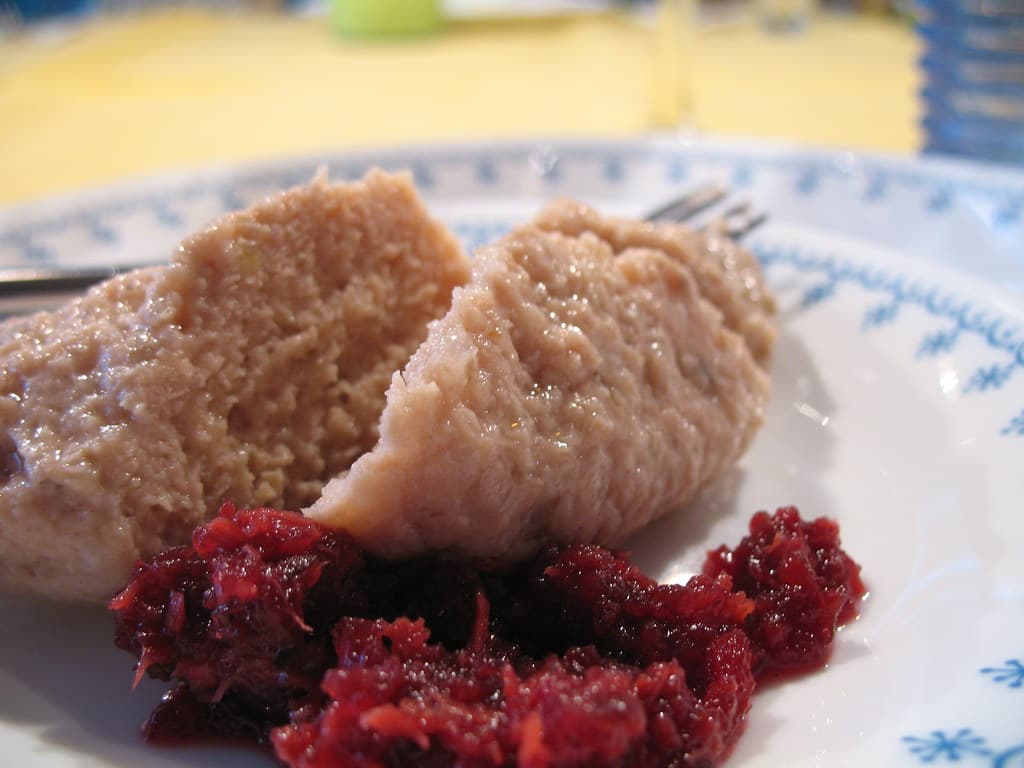
Gefilte fish is a traditional Jewish dish consisting of poached fish patties or balls made primarily from white fish, often served chilled with horseradish. Immigrant Jewish communities brought this economical yet elegant recipe to America during the late 19th century, where it remains a hallmark of Jewish-American cuisine, especially for holidays.
America's Melting Pot
Giblet Gravy photo coming soon
1776-1800
Giblet Gravy is a condiment with real American table personality: Thanksgiving turkey gravy with giblets. It brings flavor from coast-to-coast American tables to cookouts, counters, lunch plates, potlucks, and weeknight suppers.

1776-1800
Gingerbread is a spiced baked good flavored with ginger, molasses, and warming spices such as cinnamon and cloves. Commonly prepared as cookies or moist cake, gingerbread became a favored holiday treat in America during the late 18th century, embodying the festive flavors associated with Christmas traditions.

1900-1929
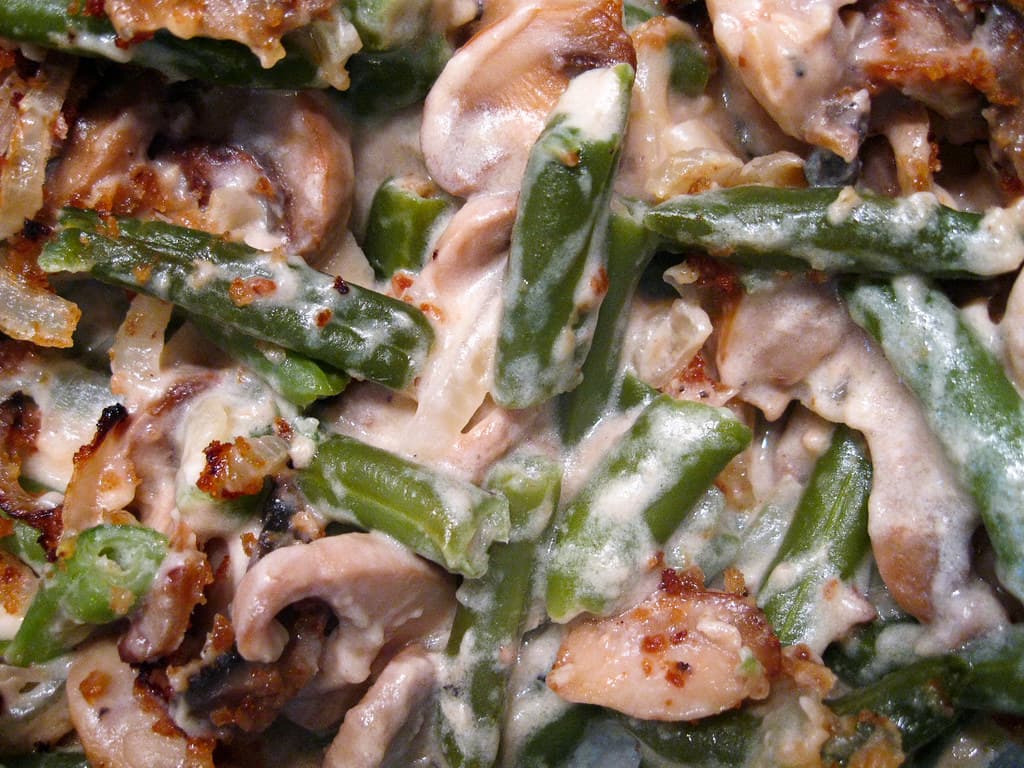
Green Bean Casserole is a staple side dish in Midwestern American holiday tables, church suppers, and school gatherings. Combining green beans, cream of mushroom soup, and crispy fried onions, it became widely popular in the early 20th century and remains a comforting, familiar casserole.
America's Melting Pot
Greens photo coming soon
Before 1776
Cooked greens have been a traditional Southern American dish associated with New Year's and good luck. Derived from African American and Southern settlements, the dish typically involves collard, mustard, or turnip greens slow-cooked with smoked meat for rich flavor. Its cultural significance endures.
America's Melting Pot
Grits photo coming soon
Before 1776
Grits, made from ground corn, are a Southern breakfast cornerstone in American cuisine across many eras. Simple and adaptable, grits are often served creamy with butter, cheese, or savory toppings, symbolizing Southern hospitality and regional identity.
America's Melting Pot
Haluski photo coming soon
1900-1929
Haluski is a traditional dish of Polish, Czech, Slovak, and Eastern European origins consisting of noodles, fried cabbage, and onions. Brought to the United States by immigrants in the early 20th century, it became comfort food commonly served at diners and state fairs, especially around Easter.
America's Melting Pot
Ham photo coming soon
1776-1800
Ham is a traditional centerpiece in American holiday meals, especially during New Year's celebrations where it symbolizes good fortune and prosperity. Its preservation and curing methods vary regionally, reflecting diverse cultural influences across the United States. This recipe explores practical home preparation of ham suitable for festive occasions.
America's Melting Pot
Ham Salad Spread photo coming soon
1900-1929
Ham Salad Spread is a spread with real American table personality: Church supper and sandwich spread. It brings flavor from coast-to-coast American tables to cookouts, counters, lunch plates, potlucks, and weeknight suppers.

1861-1900
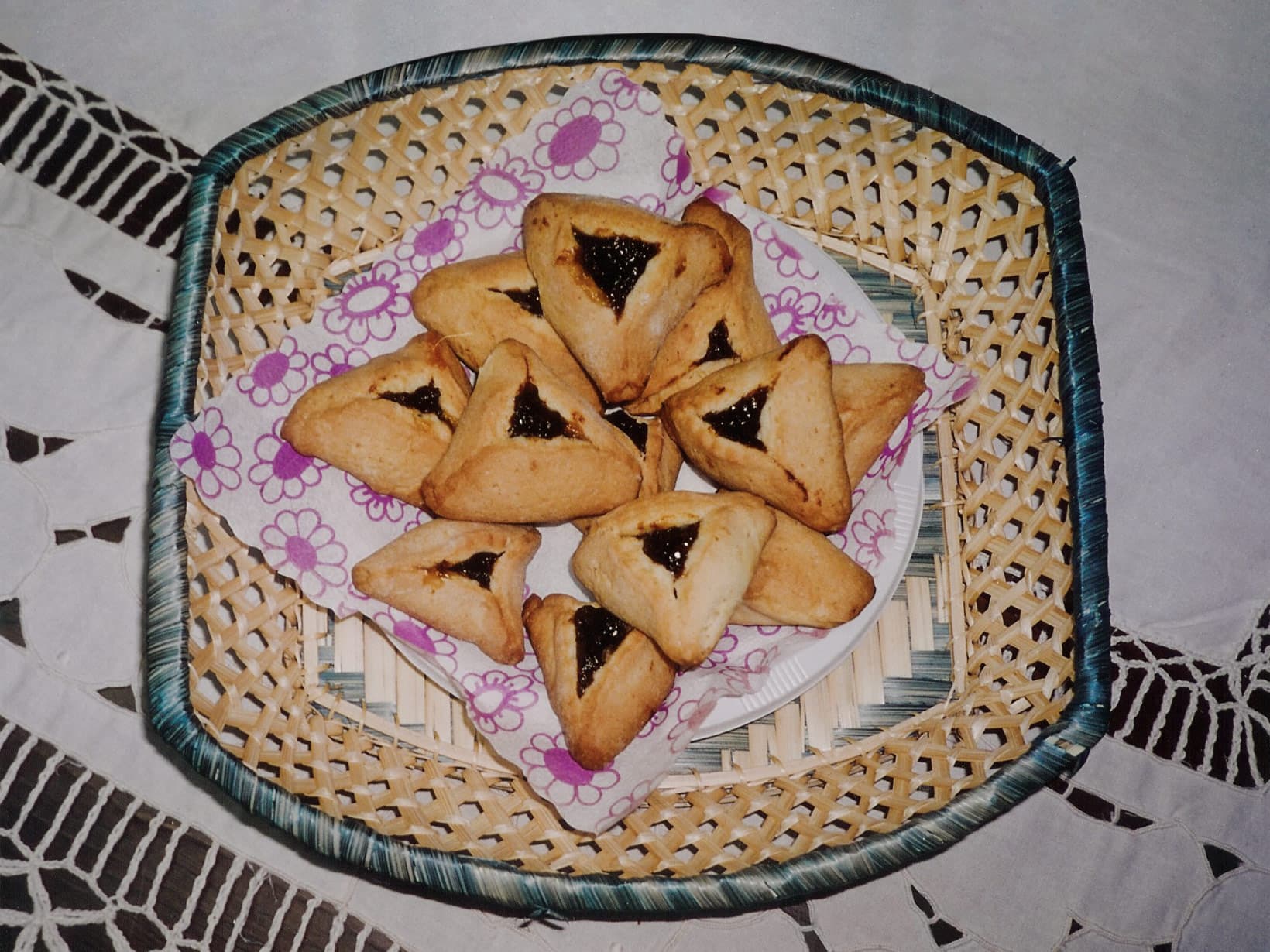
Hamantaschen are triangular filled pastries traditionally made for the Jewish holiday of Purim. Brought by Jewish-American communities in the 19th century, these pastries feature a variety of fillings and shapes symbolizing folklore tied to the festival.

1900-1929
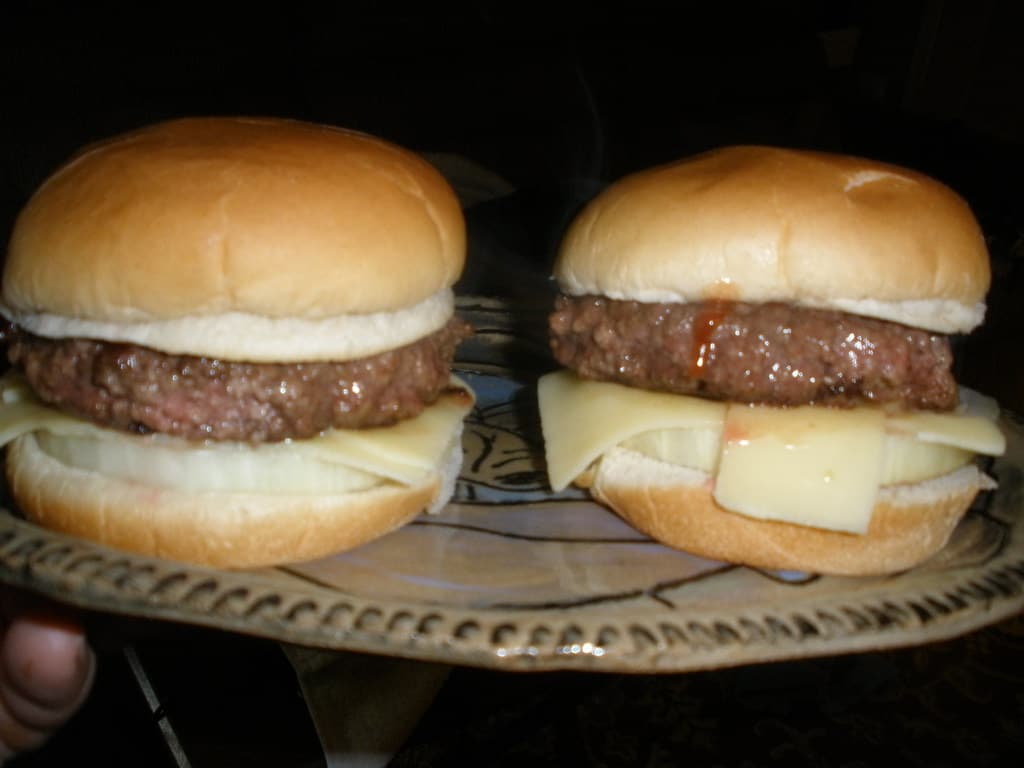
The hamburger is a ground beef patty cooked and served inside a split bun or roll, often garnished with condiments and vegetables. Emerging in early 20th-century America, hamburgers became an iconic and enduring symbol of American fast and casual dining.

1900-1929
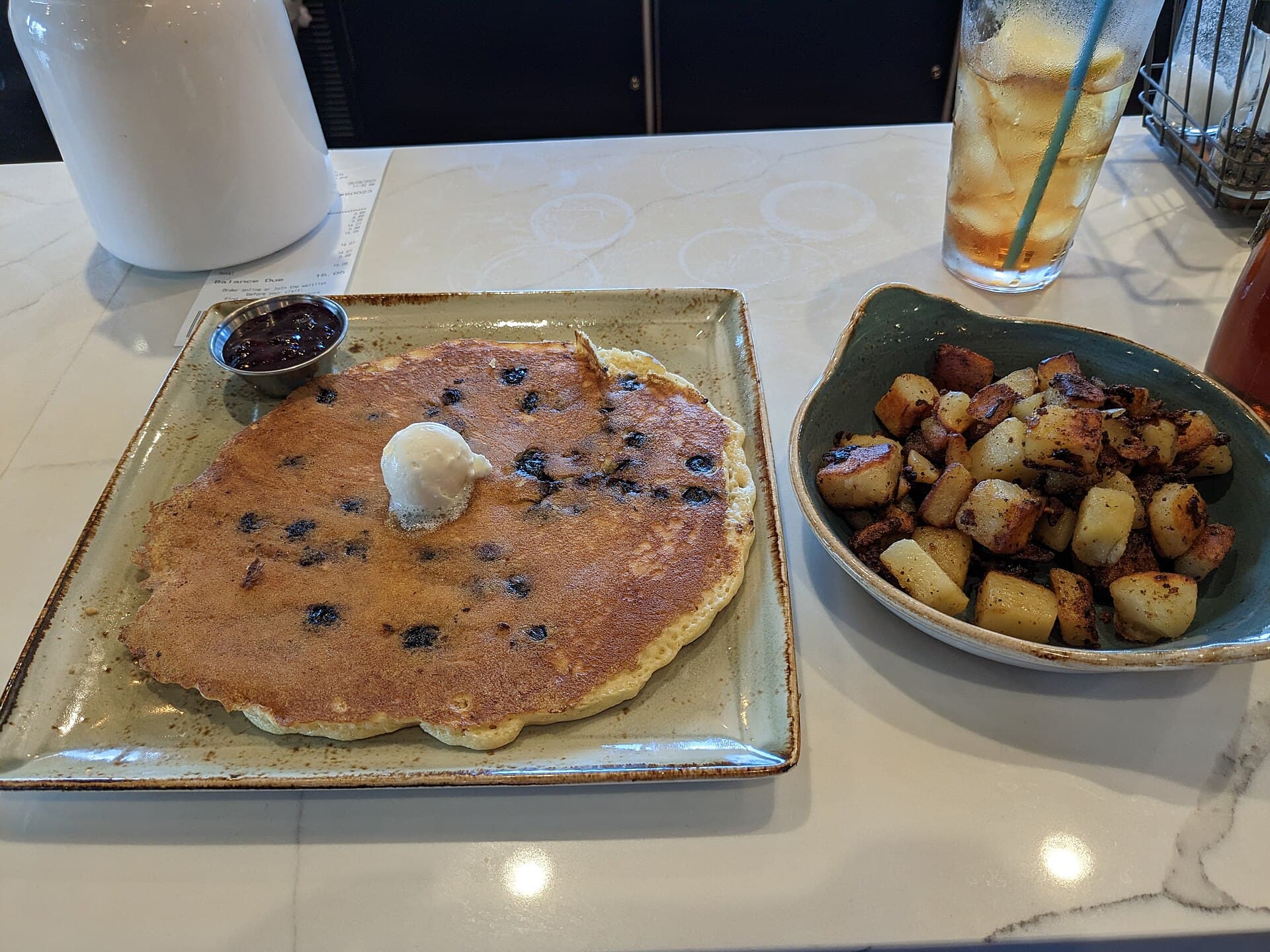
Home fries are diced or sliced potatoes pan-fried with onions and seasoning, commonly served at American diners with breakfast. Emerging in early 20th-century immigrant cities, they offer a warm and crispy potato side dish.

American Dairy Age
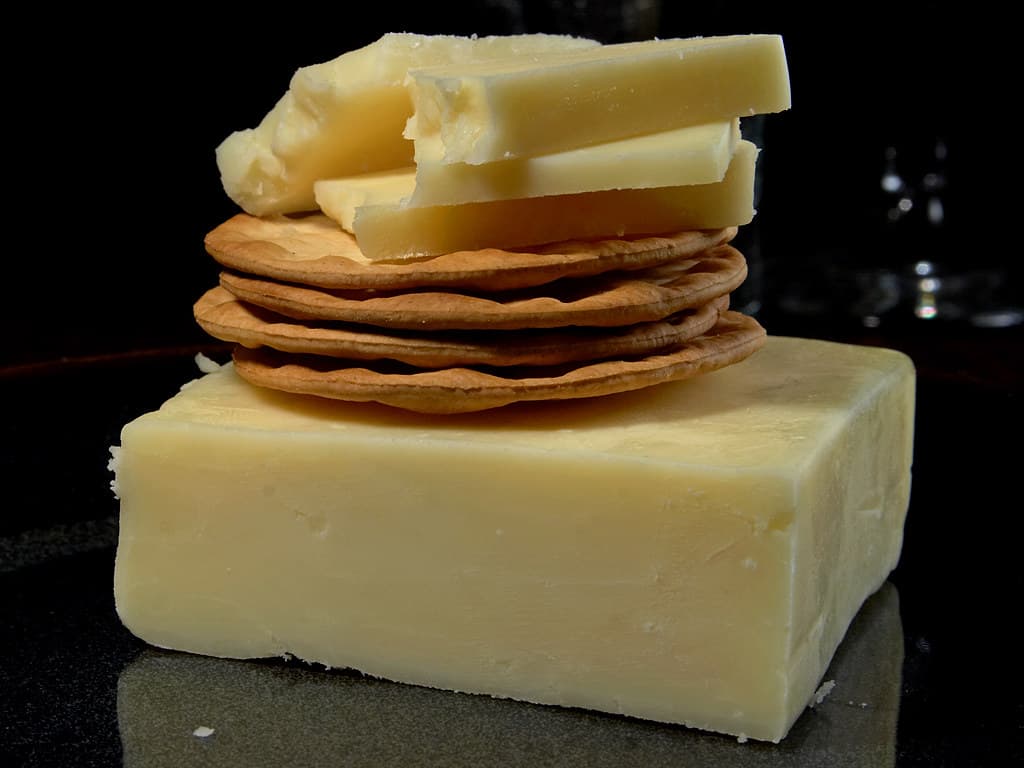
Homemade Cheddar Cheese is a home-scale American cheddar with measured culture, rennet setting, cheddaring, pressing, salting, and controlled aging.

1861-1900
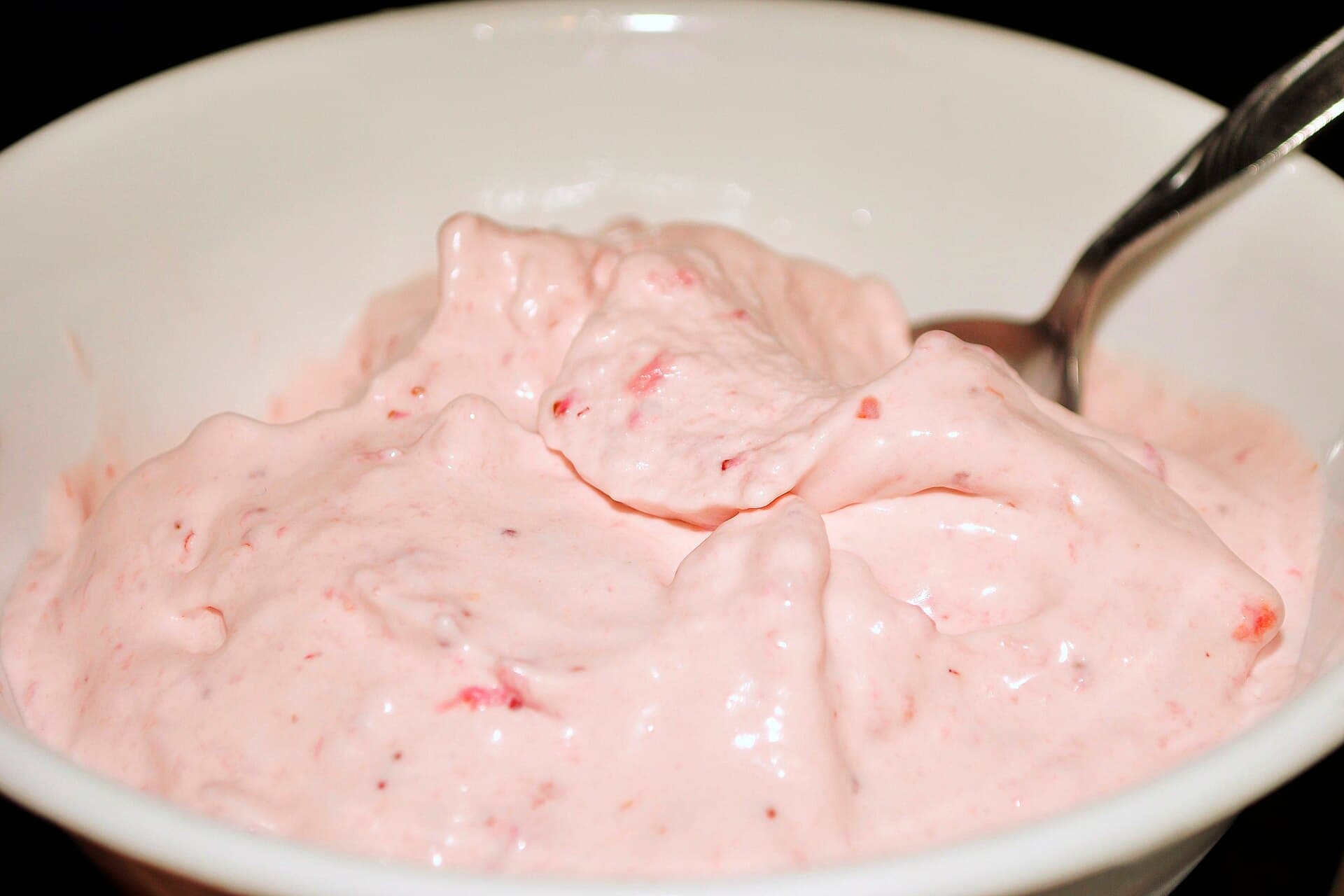
Homemade ice cream is a beloved treat enjoyed across the United States, especially during warm weather and holidays like the Fourth of July. This recipe captures the timeless tradition of making rich, creamy ice cream at home using simple ingredients. While commercial ice cream became widely available in the 20th century, homemade versions date back to earlier periods and remain a festive family activity.

Before 1776
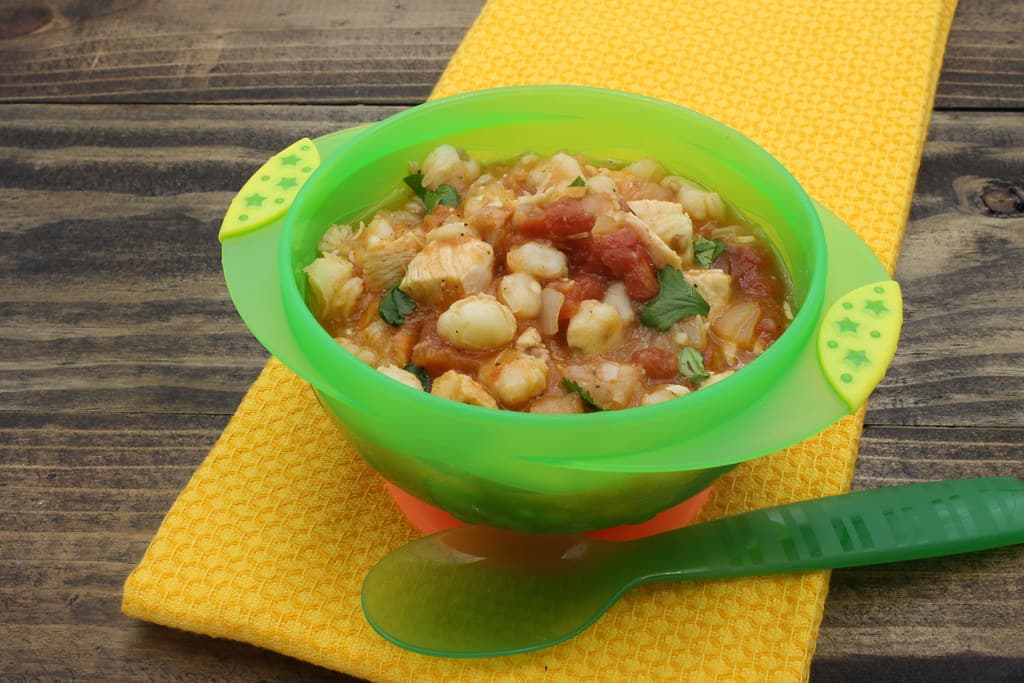
Hominy stew is a traditional Indigenous American dish combining hominy with meat and vegetables to create a hearty, nourishing meal. This recipe reflects how Indigenous foodways influenced American cooking during the 1800-1860 period, using local ingredients and slow cooking methods.

Founding Era
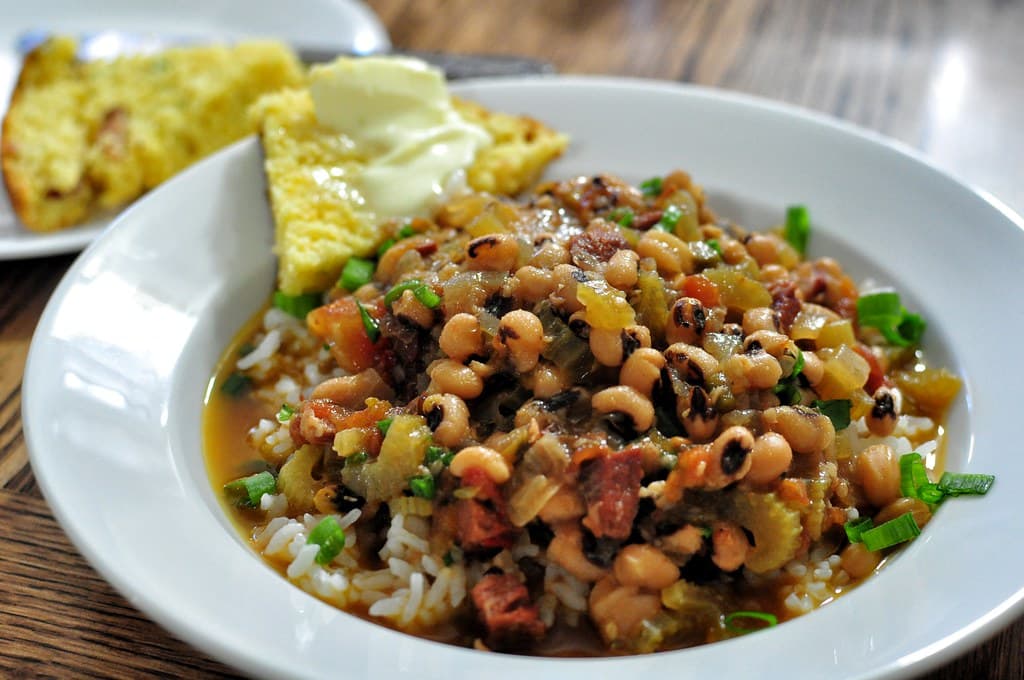
A Lowcountry rice and black-eyed pea dish tied to Southern New Year tables, pork seasoning, and African-influenced foodways.
America's Melting Pot
Horseradish Cheddar Spread photo coming soon
American Dairy Age
Horseradish Cheddar Spread is a finished American cheese spread for crackers, sandwiches, and snack boards, with clear mixing, chilling, and storage guidance.
America's Melting Pot
Horseradish Cream Sauce photo coming soon
Gilded Age & Progressive Era
Horseradish Cream Sauce is a sandwich sauce with real American table personality: Prime rib, pit beef, roast beef sandwiches. It brings flavor from coast-to-coast American tables to cookouts, counters, lunch plates, potlucks, and weeknight suppers.

1800-1860
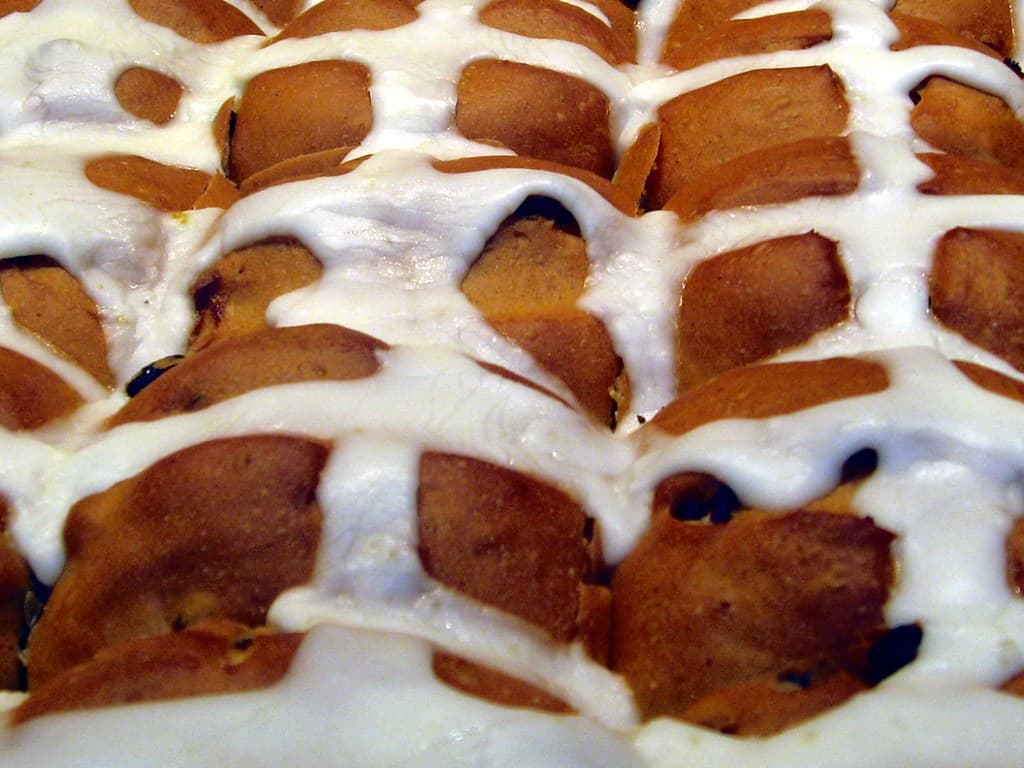
Hot cross buns are spiced sweet buns traditionally eaten during Easter in the United States and many other countries. The buns include dried fruit and are marked with a cross on top, symbolizing the holiday's Christian significance. This recipe reflects longstanding transatlantic baking traditions incorporated into American holiday cuisine.

1861-1900
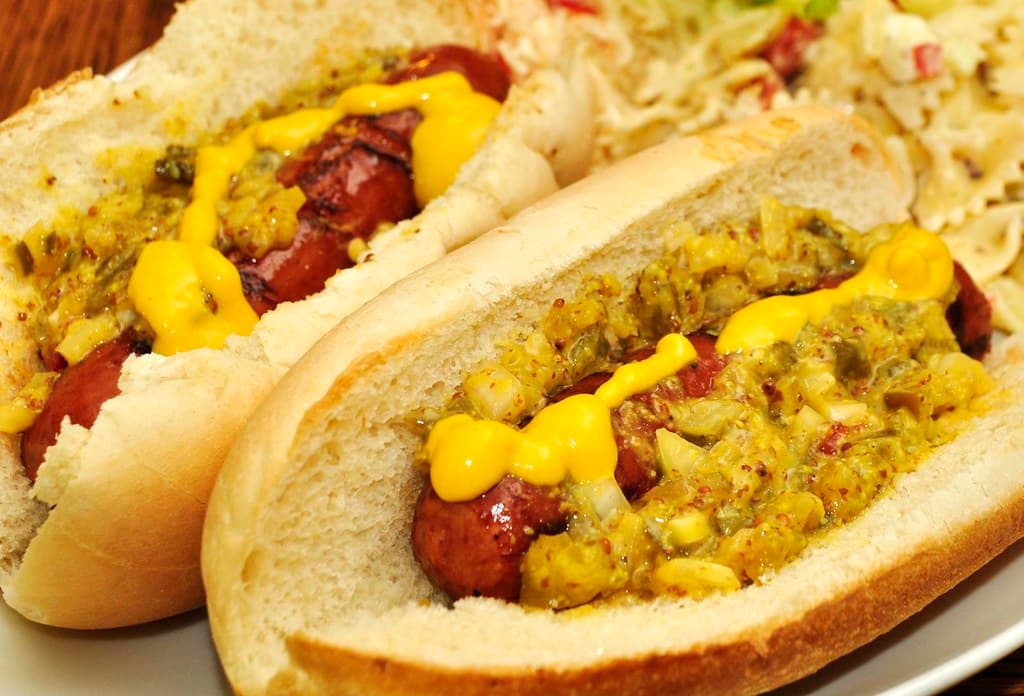
Hot dogs are grilled or boiled sausages served in a sliced bun, a quintessential American backyard and tailgate food. Their widespread popularity in postwar America coincided with suburban expansion, backyard grills, and convenient frozen foods from 1946 to 1969. Often associated with holidays like the Fourth of July, hot dogs remain an iconic symbol of casual American dining.
America's Melting Pot
Hot Pepper Jelly photo coming soon
Cross-era
Hot Pepper Jelly is a condiment with real American table personality: Southern party staple, often served over cream cheese. It brings flavor from the American South to cookouts, counters, lunch plates, potlucks, and weeknight suppers.
America's Melting Pot
Hot Turkey Sandwich Gravy photo coming soon
1900-1929
Hot Turkey Sandwich Gravy is a condiment with real American table personality: Diner open-faced sandwich staple. It brings flavor from coast-to-coast American tables to cookouts, counters, lunch plates, potlucks, and weeknight suppers.

1946-1969
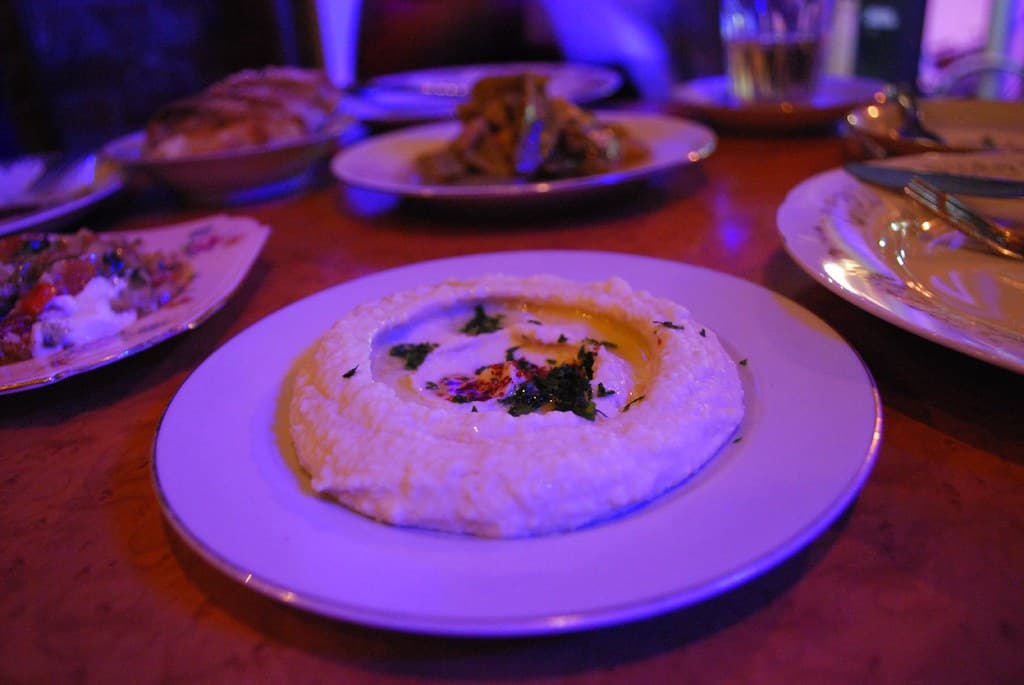
This classic hummus recipe, now a staple in American suburban households and coffee shops, reflects the successful immigrant adaptation of Middle Eastern flavors into American food culture from 1990 to 2009. It gained notable popularity as a healthy and flavorful snack and Super Bowl food item.

1946-1969
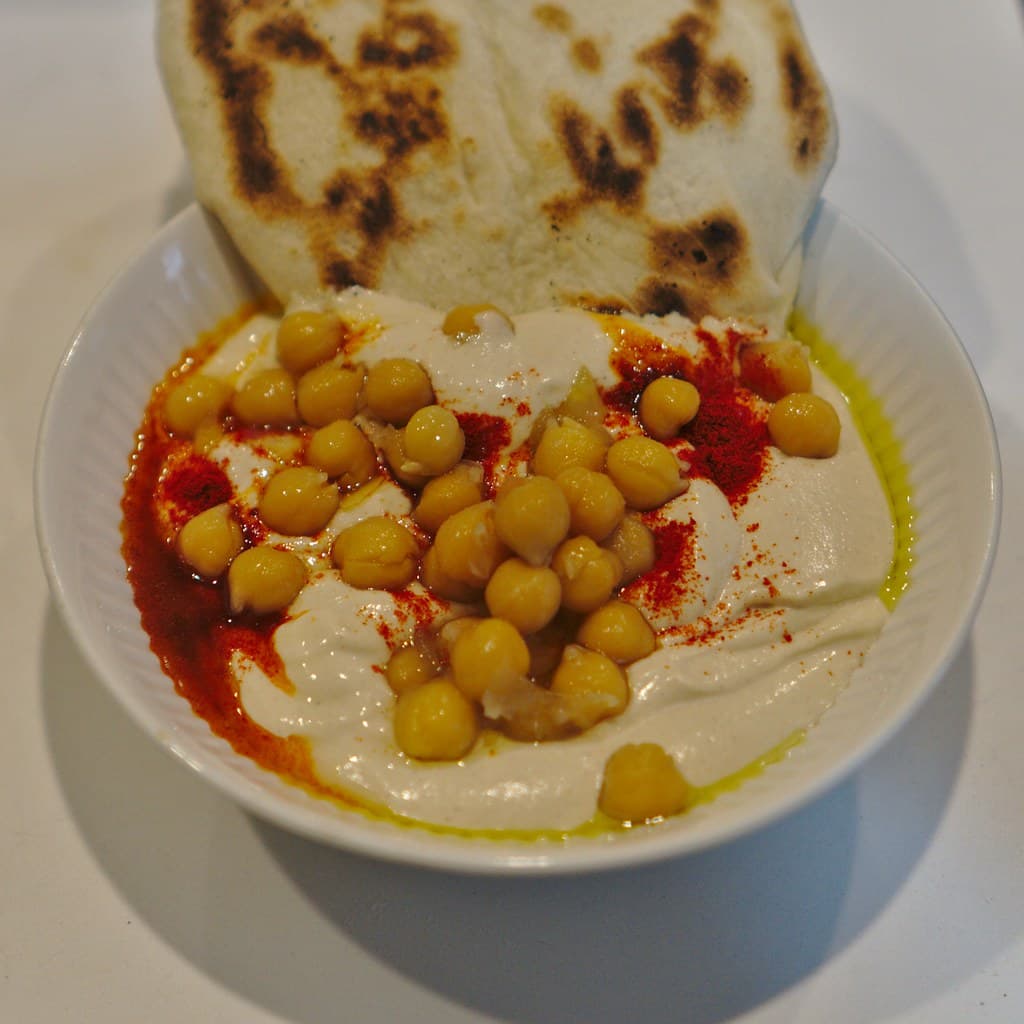
Hummus paired with pita bread became a popular combination in American suburbs during the 1990-2009 era, often featured in coffee shops and casual Super Bowl gatherings. This pairing highlights the meeting of Middle Eastern culinary staples with American casual dining culture.

1861-1900
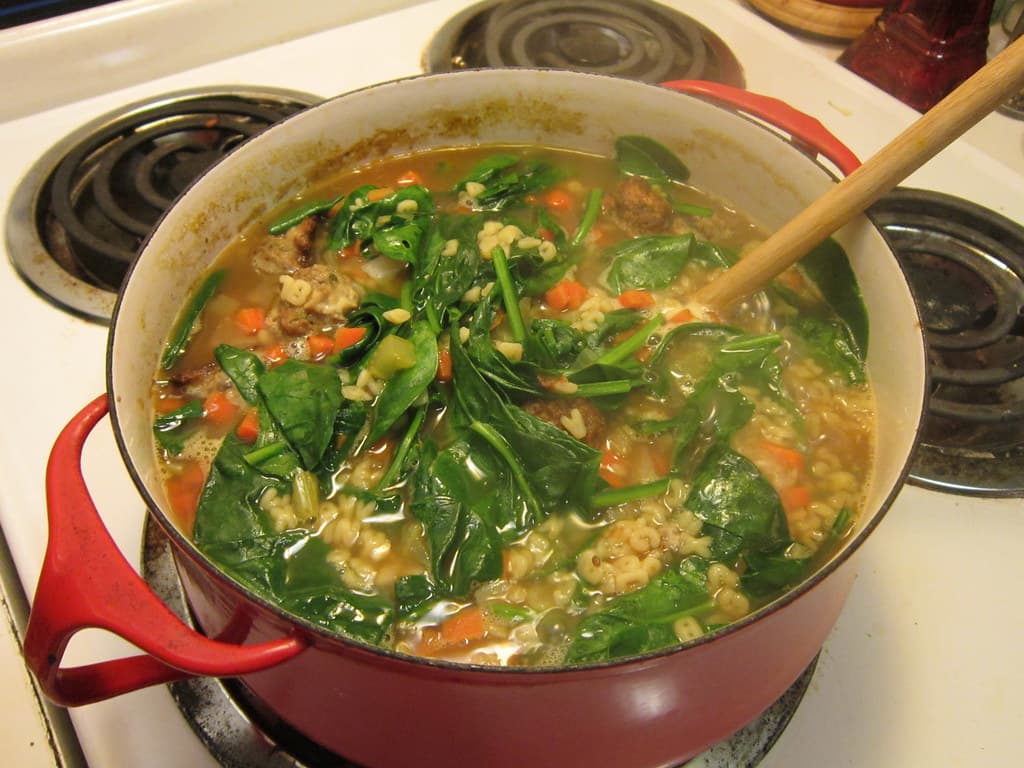
This Italian wedding soup combines flavorful meatballs, leafy greens, and small pasta in a savory broth, a comforting dish rooted in Italian-American tradition from the late 19th century.
America's Melting Pot
Jellied Cranberry Sauce photo coming soon
Founding Era
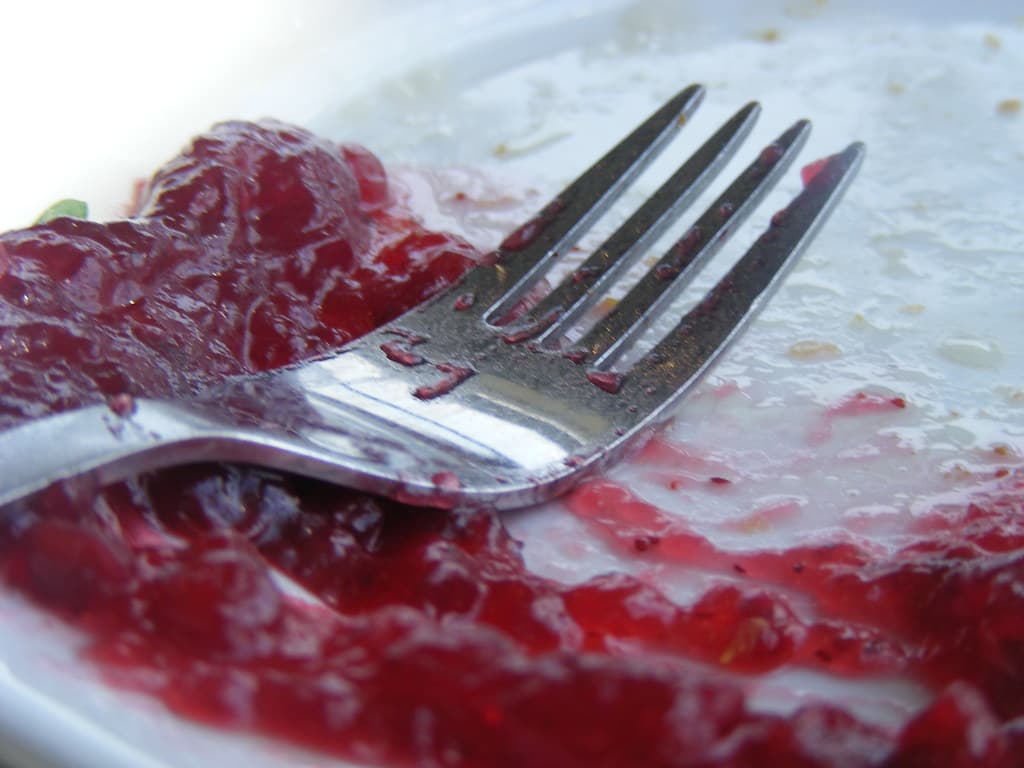
Jellied Cranberry Sauce is a preserve with real American table personality: Thanksgiving can-shaped icon. It brings flavor from New England to cookouts, counters, lunch plates, potlucks, and weeknight suppers.

1861-1900
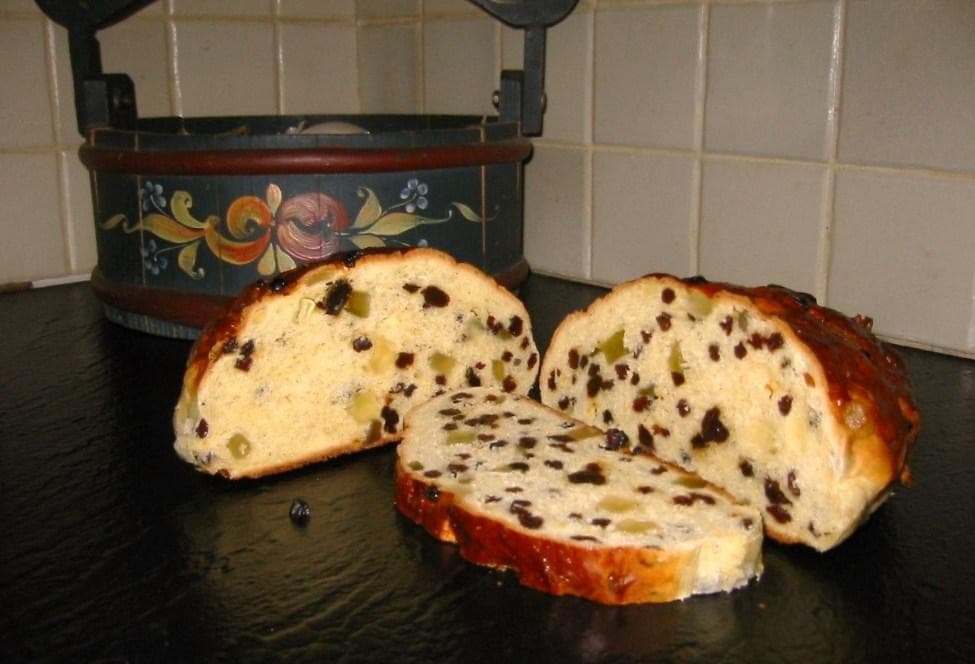
Julekake is a traditional Norwegian Christmas bread flavored with cardamom, studded with raisins, candied citrus peel, and sometimes almonds. Brought to the American Midwest by Scandinavian immigrants between 1861 and 1900, it remains a festive bread symbolizing heritage and holiday celebration.

1900-1929
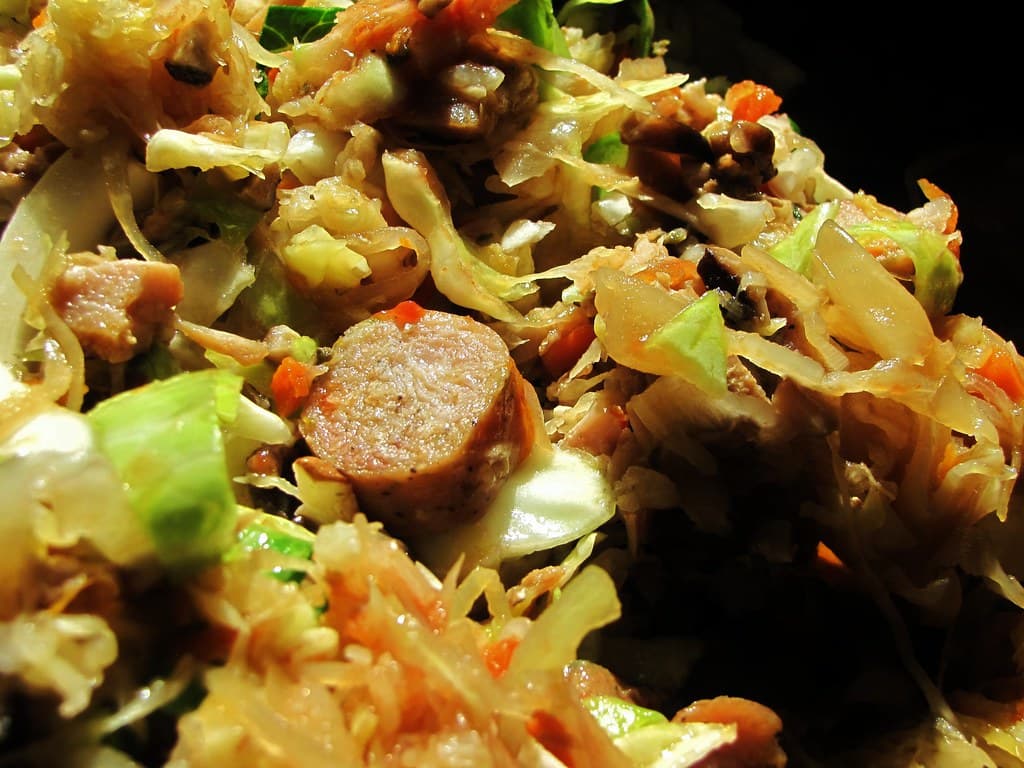
Kielbasa and sauerkraut is a traditional Eastern European dish combining smoked sausage with tangy fermented cabbage. Immigrant communities brought this hearty comfort food to American diners, state fairs, and holiday tables during the early 20th century, representing cultural preservation in new urban environments.

1861-1900
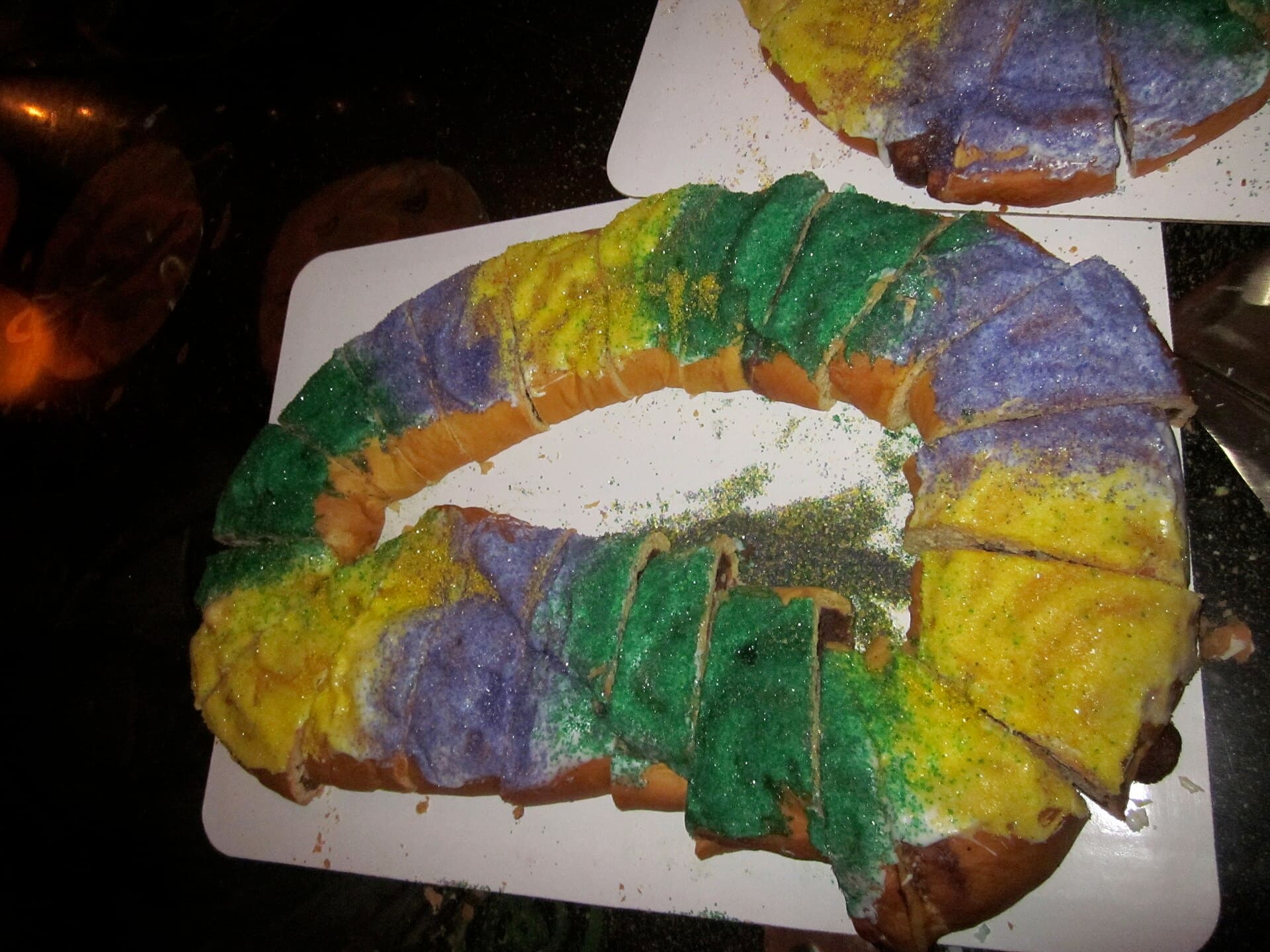
King cake is a sweet, ring-shaped cake traditionally decorated in purple, green, and gold sugars, associated with Mardi Gras and New Year's celebrations. Originating from European Epiphany customs, the king cake became an emblem of holiday festivity in the southern United States, especially New Orleans, blending cultural symbolism with regional baking.

1861-1900
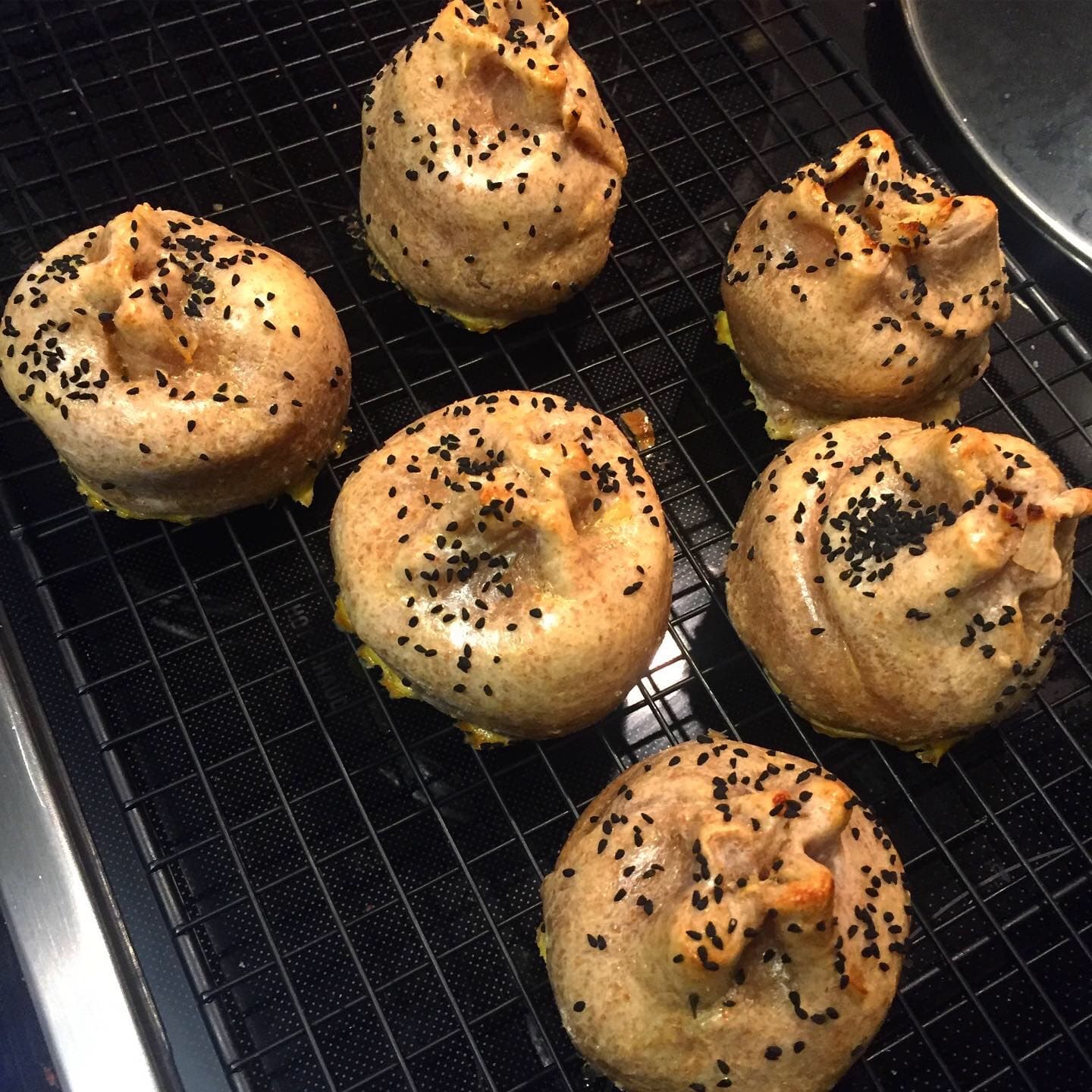
Knishes are baked or fried dough pockets traditionally filled with mashed potatoes, meat, or kasha, brought to America by Eastern European Jewish immigrants during the late 19th century. These portable snacks became popular in urban centers, symbolizing cultural heritage and adaptation in new environments.

1900-1929
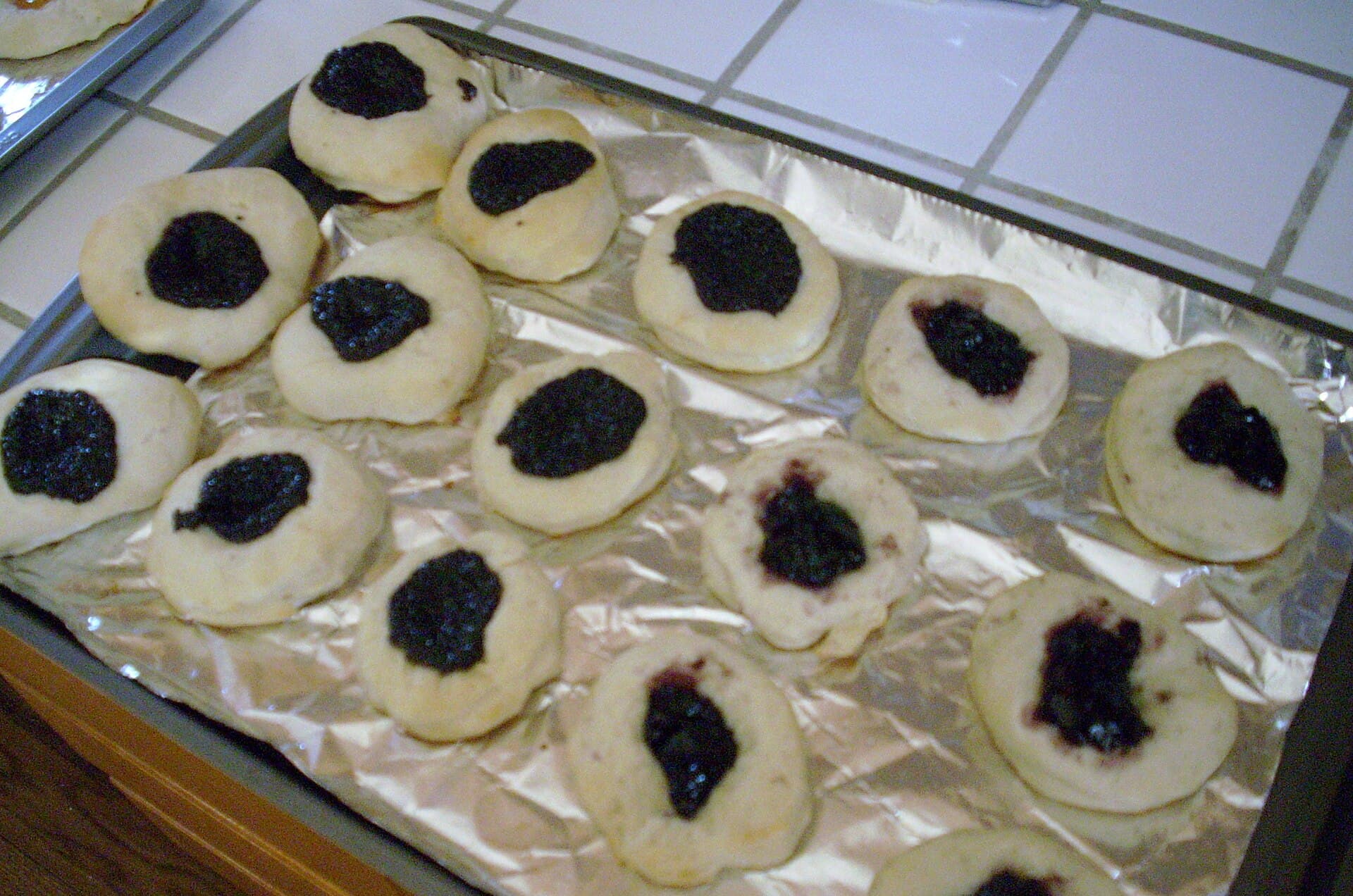
Kolaches are soft yeast dough pastries filled with fruit jams, cream cheese, or savory meats. They became popular in the Great Plains through Polish, Czech, Slovak, and other Eastern European immigrant communities. These treats are traditionally enjoyed at church gatherings, state fairs, and holiday celebrations like Easter, symbolizing community and heritage.
America's Melting Pot
Kringla photo coming soon
1861-1900
Kringla is a lightly sweet, buttery Scandinavian cookie shaped like a pretzel, traditionally associated with church and holiday celebrations in the Midwest. Norwegian immigrants brought this recipe during the 19th century, where it became part of Christmas and Easter gatherings, symbolizing cultural continuity in immigrant farming communities.

1861-1900
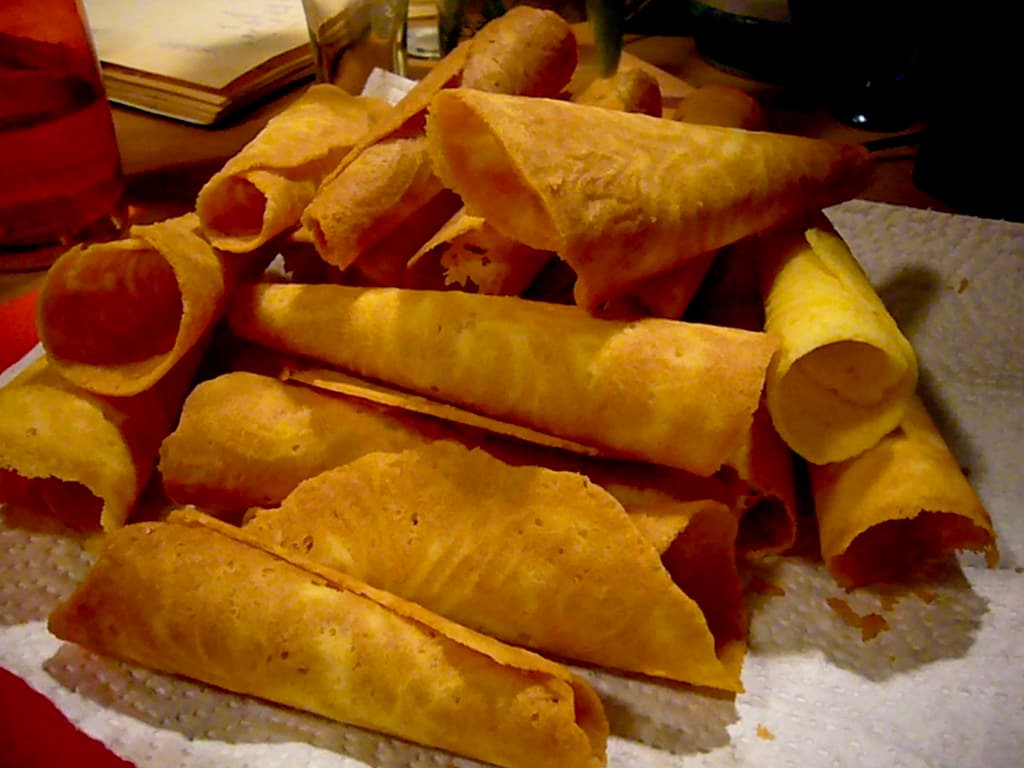
Krumkake are thin, crisp Norwegian waffle cookies rolled into cones, often filled with whipped cream or preserved fruit. Introduced by Scandinavian settlers to the Midwest in the late 19th century, krumkake became holiday staples for Christmas and family celebrations, highlighting continuity of heritage and festive customs.

1861-1900
Kugel is a traditional Jewish casserole dish made with noodles or potatoes, baked with eggs and seasonings. It was brought to the United States by Jewish immigrants during the Civil War and Reconstruction era and became a staple at holiday meals and Shabbat dinners, showcasing Ashkenazi culinary heritage adapted to American ingredients.

American Dairy Age
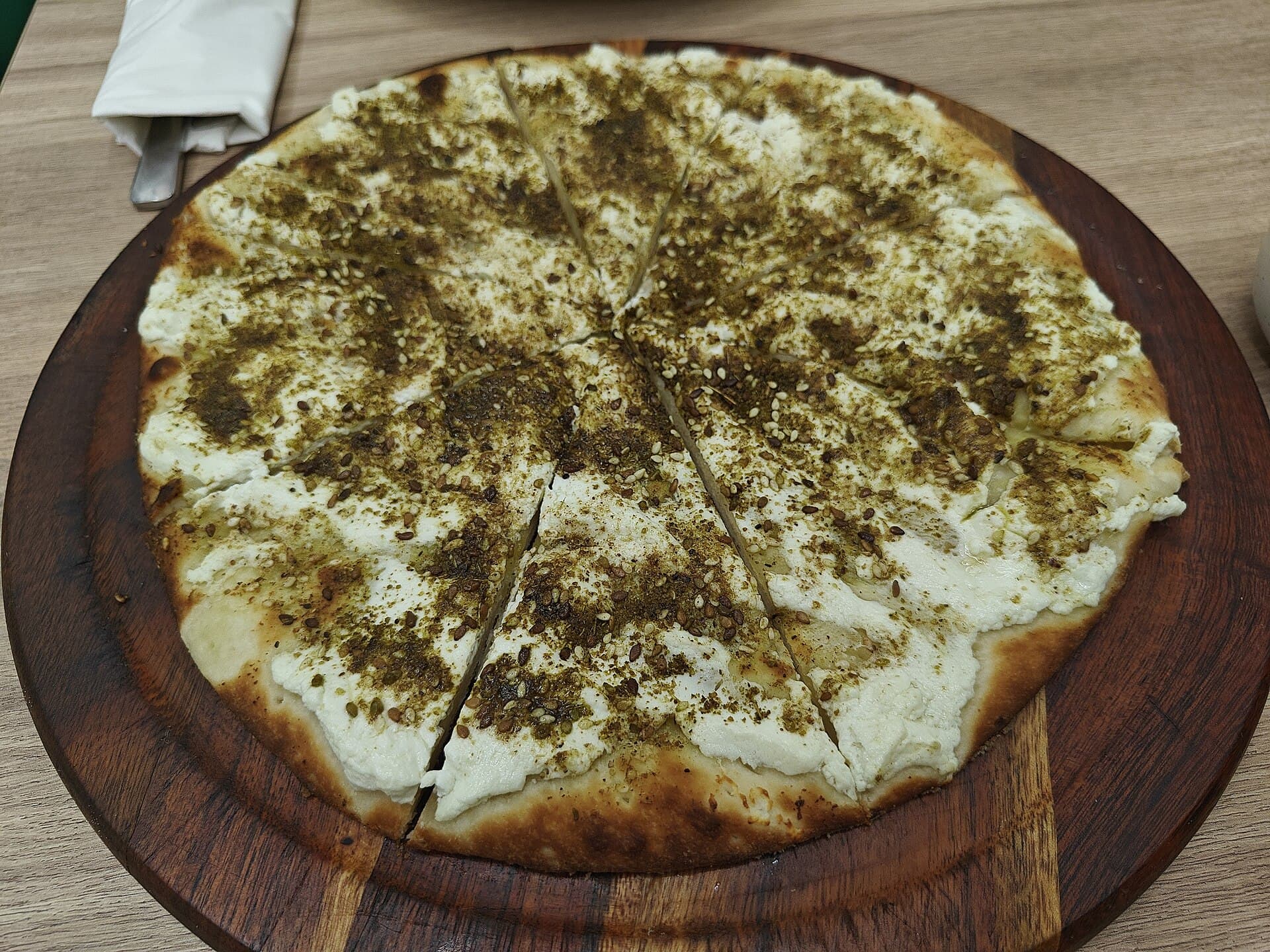
Labneh / Yogurt Cheese, Middle Eastern-American Home Style is a Middle Eastern-American yogurt cheese made by salting cultured yogurt, draining it cold, and serving it fresh.

1900-1929
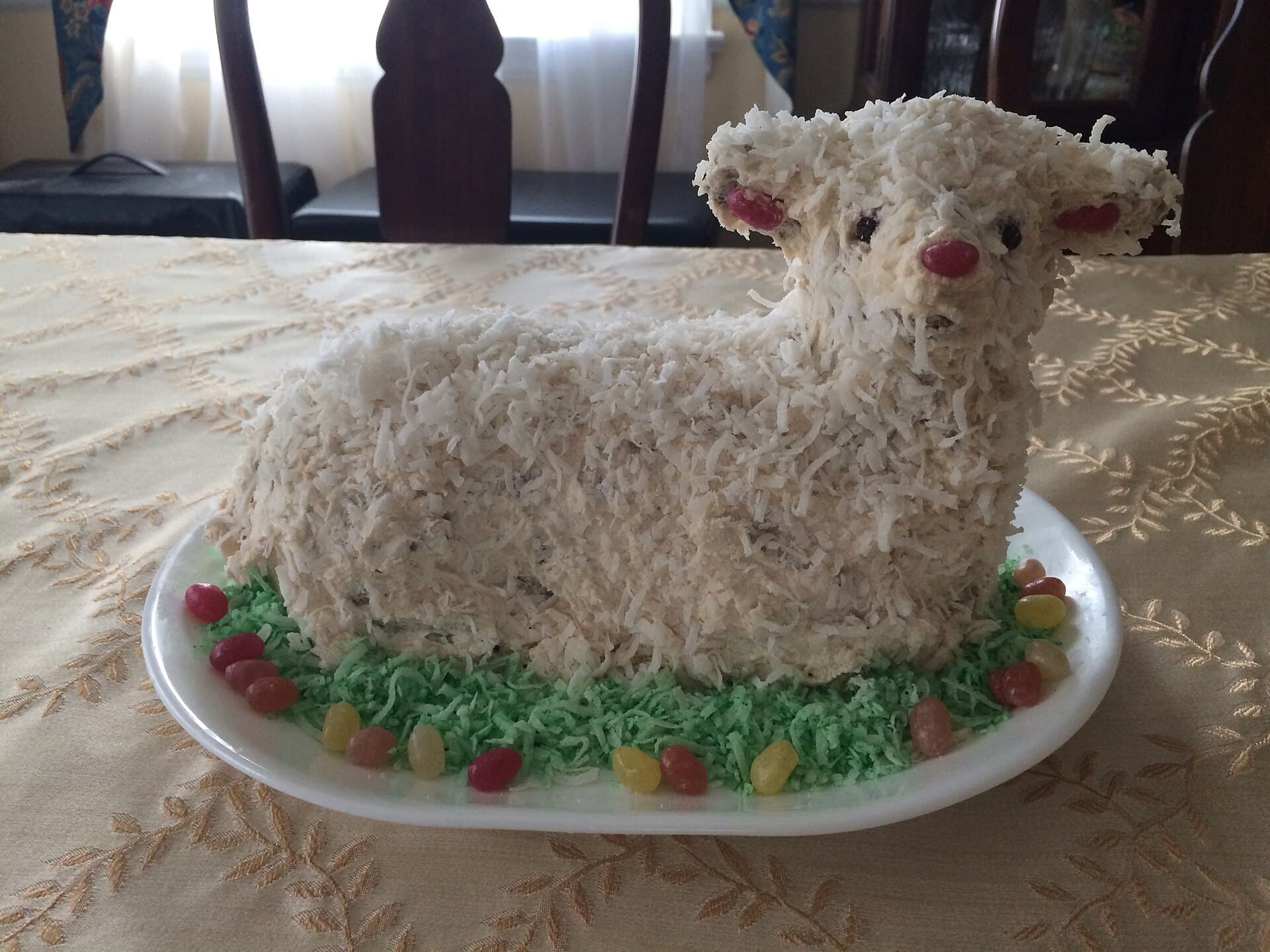
Lamb cake is a dessert shaped into a lamb, traditionally served at Easter celebrations in various American communities. The cake symbolizes purity and resurrection, often made using a molded pan and decorated with frosting to resemble wool. Its cross-era presence illustrates the blending of European Easter customs with American holiday traditions.
America's Melting Pot
Lane Cake photo coming soon
1800-1860
Lane cake is a traditional Southern dessert featuring layered cake filled with custard, raisins, coconut, and sometimes a hint of whiskey. Established in the 19th century South, it became a celebratory dish for holidays and special gatherings, representing Southern hospitality and culinary ingenuity with pantry staples.

1861-1900
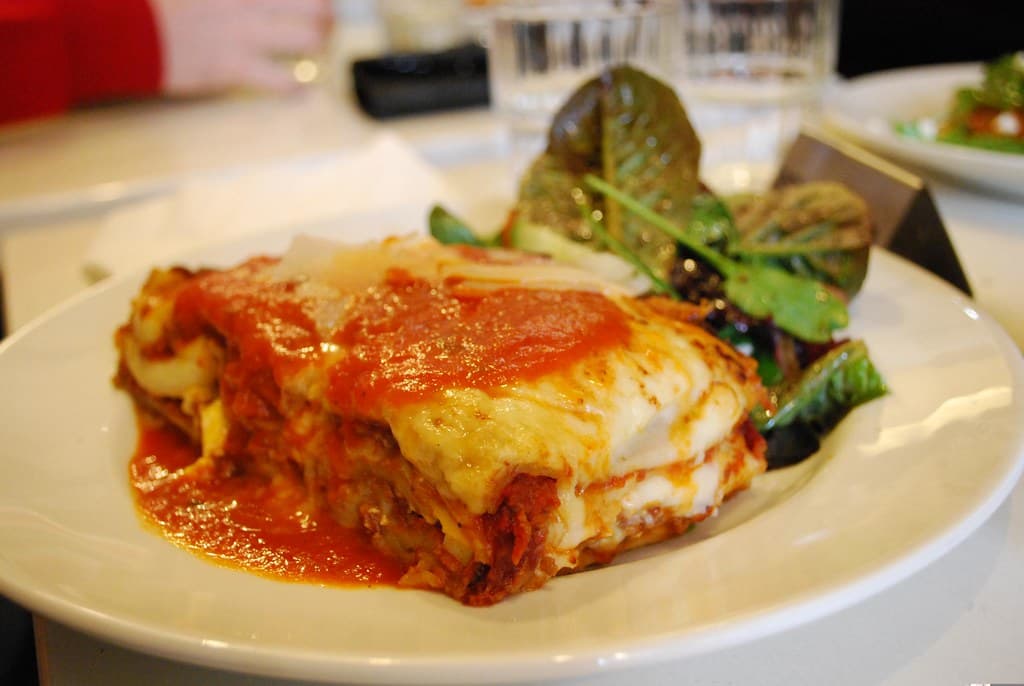
Lasagna is a layered baked casserole with pasta sheets, meat sauce, cheese, and often tomato and herbs. Italian immigrants introduced it to the U.S., where it became a holiday tradition and staple comfort food, especially during Christmas. Its layered nature symbolizes family and richness in American Italian cooking heritage.

1861-1900
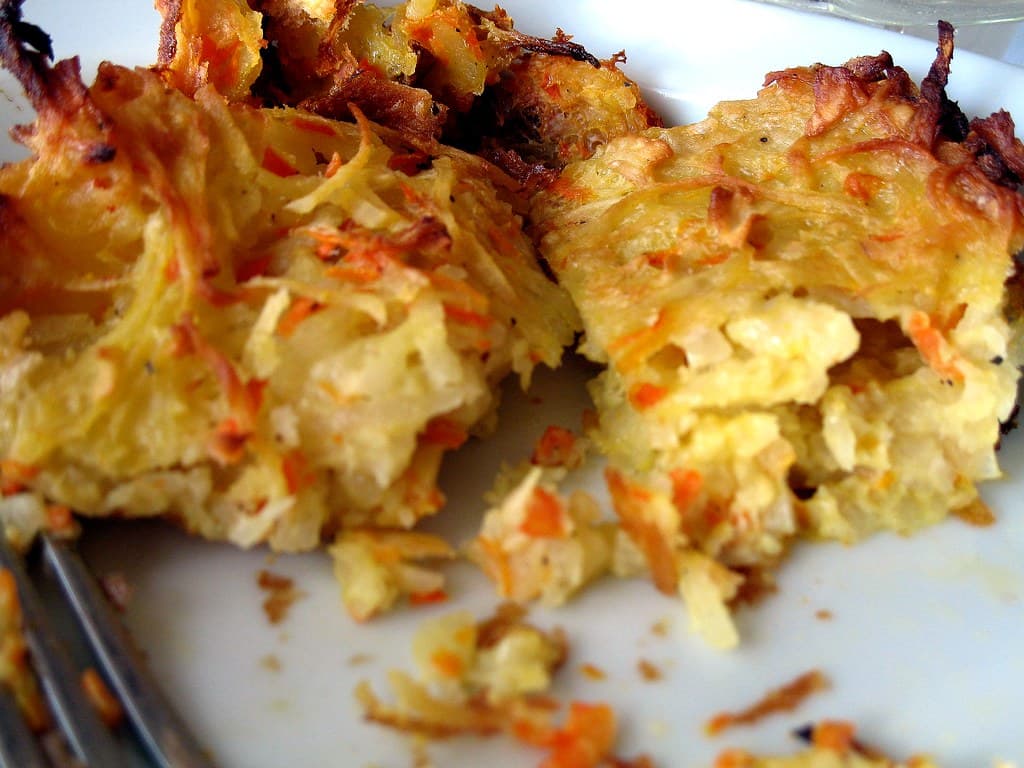
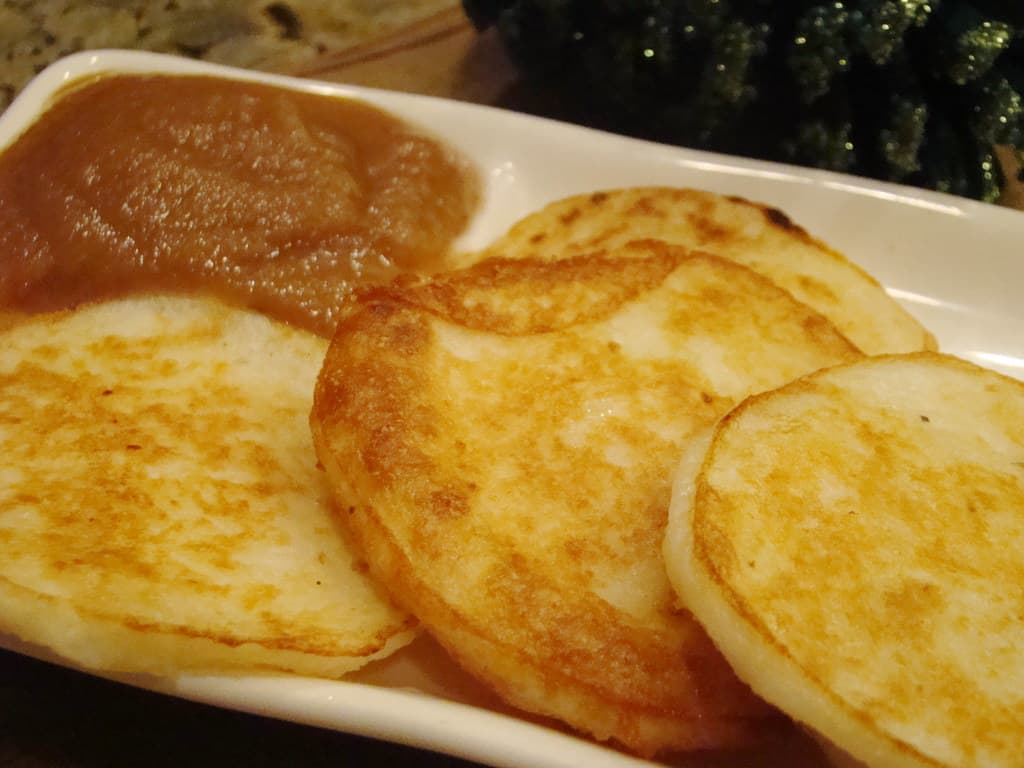
Latkes are fried potato pancakes traditionally served during Hanukkah, tracing back to Jewish communities of Eastern Europe. Brought to America by Jewish immigrants in the late 19th century, latkes symbolize cultural resilience and holiday observance, made from grated potatoes, onions, and eggs, fried to golden crispness and served with applesauce or sour cream.

1800-1860
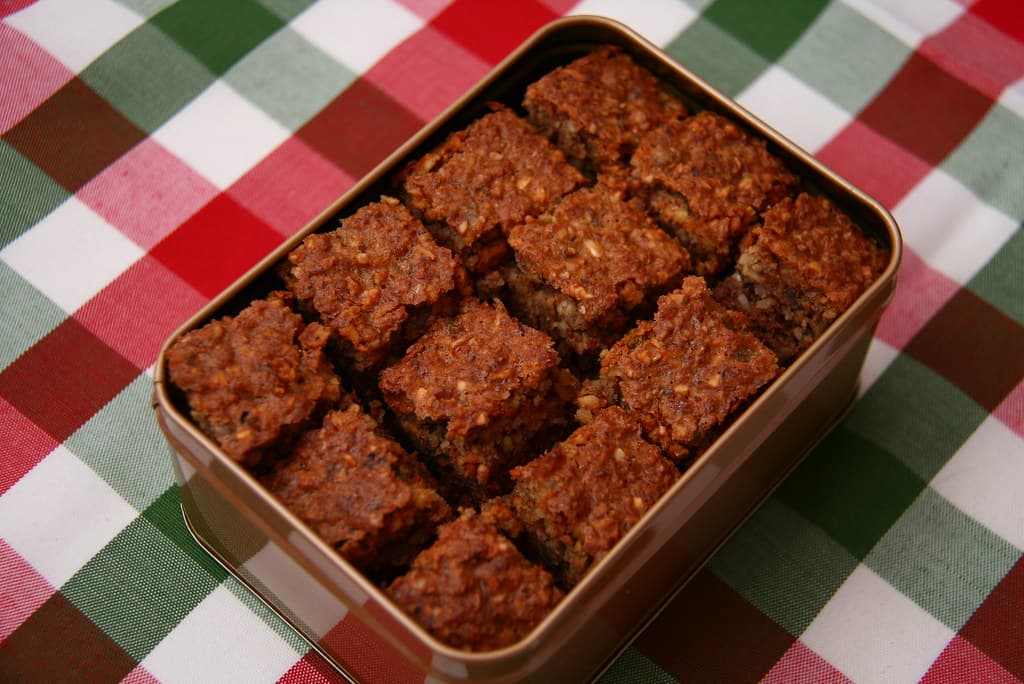
Lebkuchen are dense, spiced cookies resembling gingerbread, traditional in German holiday baking. Immigrants brought lebkuchen recipes to America in the 1800s, particularly to Great Plains settlements. These cookies combine honey, spices, nuts, and sometimes candied fruit and are enjoyed especially around Christmas time.

1861-1900
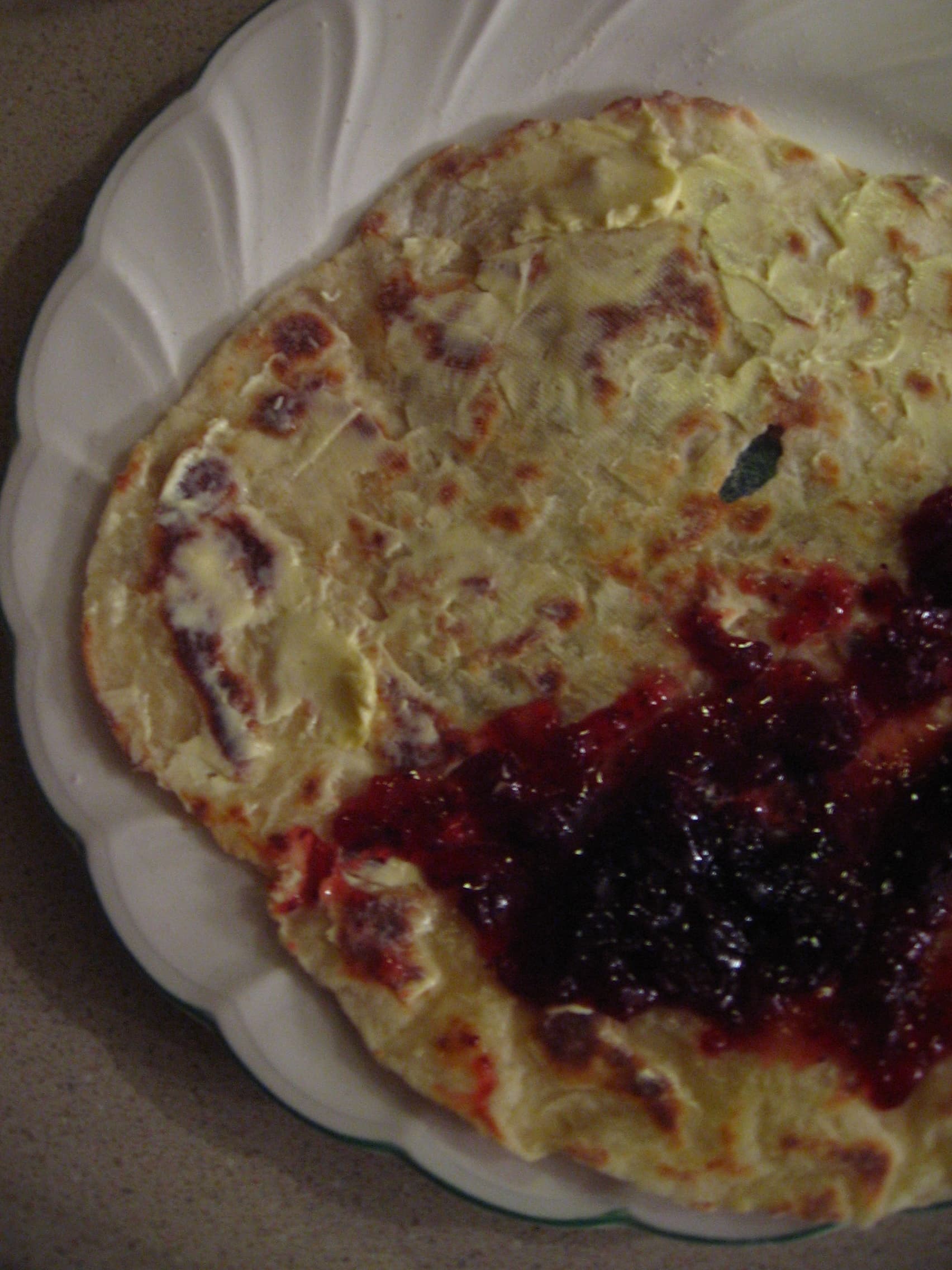
Lefse is a soft, thin flatbread made from potatoes, flour, and cream, traditionally cooked on a griddle. Norwegian immigrants brought lefse to the American Midwest in the late 19th century, where it became a festive and everyday staple enjoyed with butter, sugar, or savory fillings during holiday and church celebrations.
America's Melting Pot
Lemon Phosphate photo coming soon
Gilded Age & Progressive Era
Lemon Phosphate is fizzy Americana from the soda-fountain counter: Soda fountain refresher.

1776-1800
Lemonade is a simple, refreshing drink made from lemon juice, water, and sugar, popularized in American suburbs during the postwar boom. Served at backyard barbecues and holiday gatherings, especially on the Fourth of July, it embodies summer refreshment and casual entertaining.

Modern Melting Pot
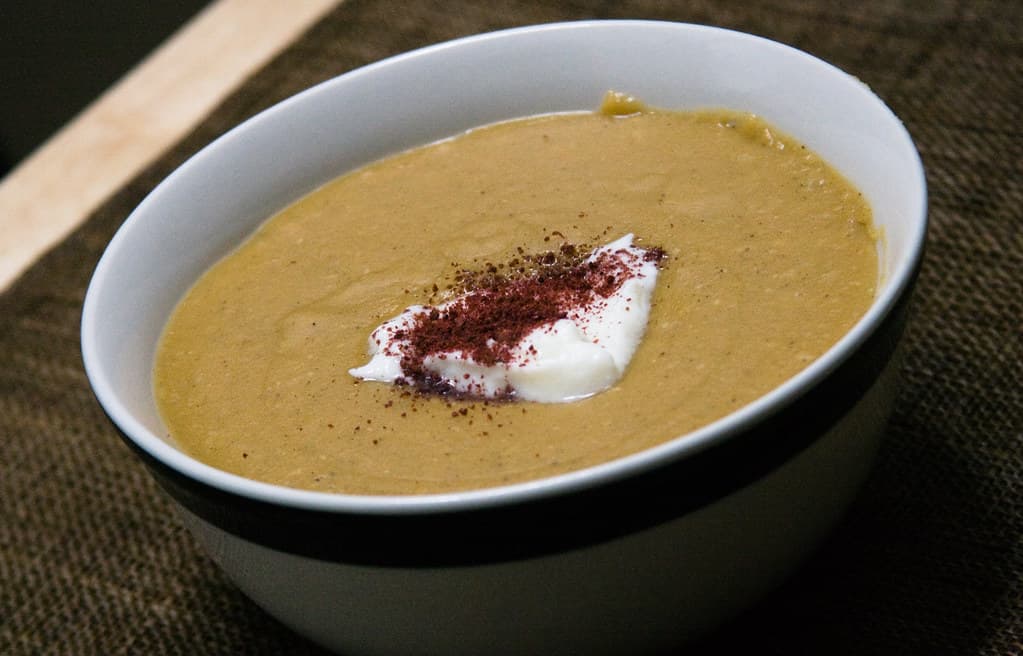
Lentil soup is a nourishing stew made from lentils, vegetables, and herbs, commonly prepared in American households during New Year's celebrations as a symbol of prosperity and good fortune.

1861-1900
Lingonberry sauce is a bright, slightly tart condiment made from lingonberries, sugar, and water. It is a staple in Scandinavian-American cuisine and gained popularity in the American Midwest during the late 19th century, often served with meats and holiday dinners.
America's Melting Pot
Lutefisk photo coming soon
1861-1900
Lutefisk is a preserved whitefish dish made by soaking dried cod or whitefish in lye and water, then rinsing and cooking it before serving. Brought by Scandinavian immigrants settling the Midwest during the late 19th century, lutefisk remains a holiday tradition, especially at Christmas, reflecting the cultural preservation of heritage foods amid American immigrant history.

1776-1800
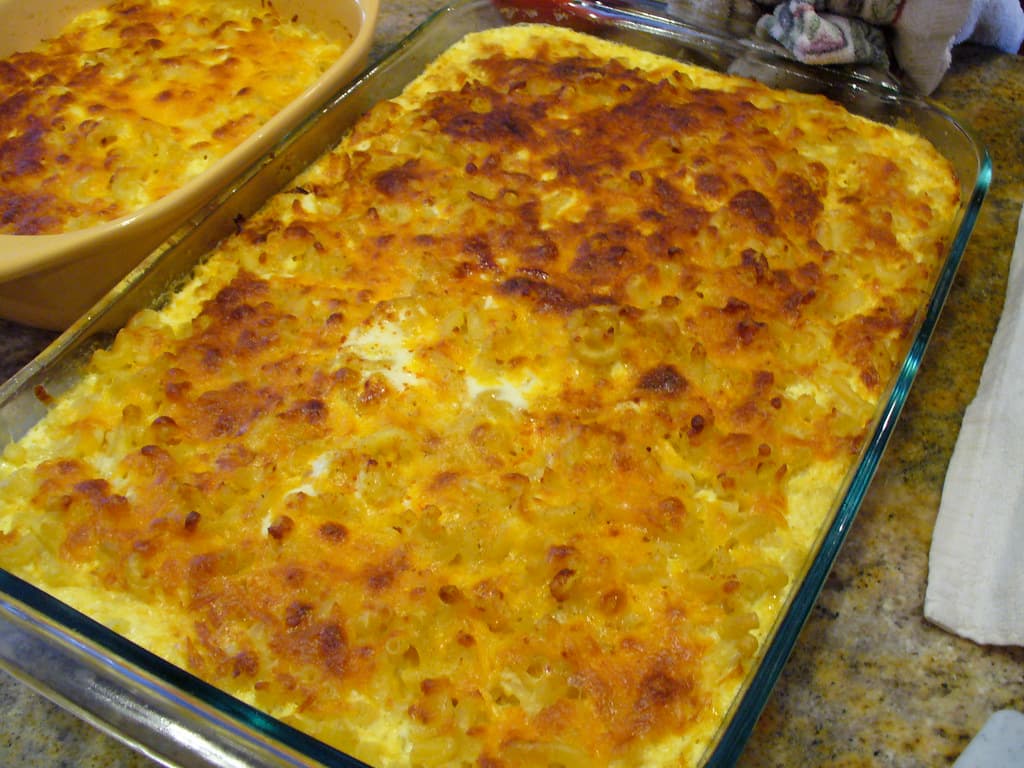
Macaroni and cheese became a beloved American staple during the Great Depression and World War II through its affordability, ease of preparation, and comfort. Featuring tender macaroni enveloped in creamy cheese sauce, this dish was served in schools, homes, and holiday tables, reflecting both economic frugality and festive tradition.

1900-1929
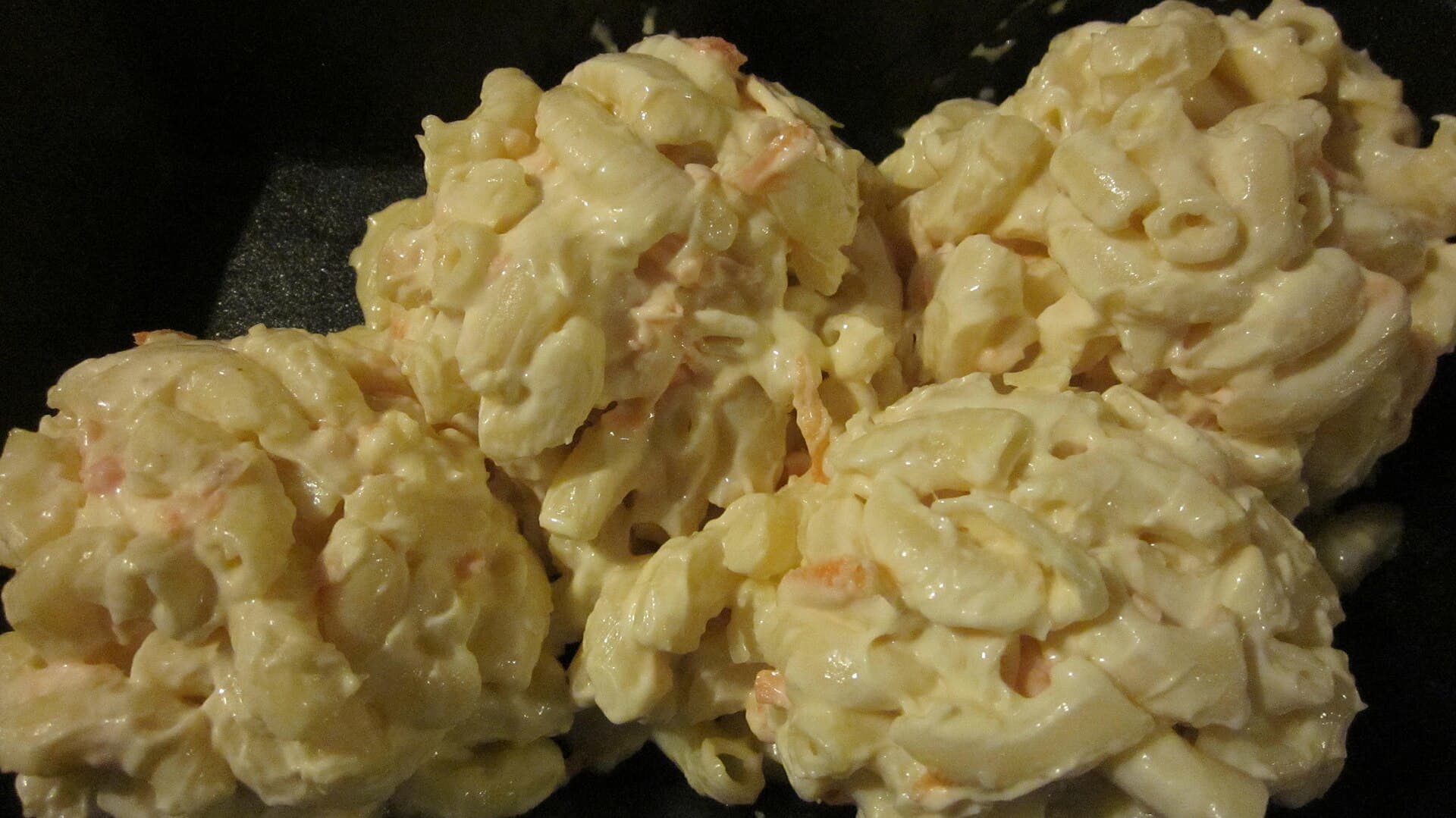
Macaroni salad is an essential side dish in Hawaii's multicultural cuisine, blending Asian-Pacific, Hawaiian, and Portuguese influences. Served at school functions, churches, and state fairs, it features tender macaroni with creamy mayonnaise dressing and subtle seasonings, making it a refreshing accompaniment for various Hawaiian meals and celebrations.

2010-2026
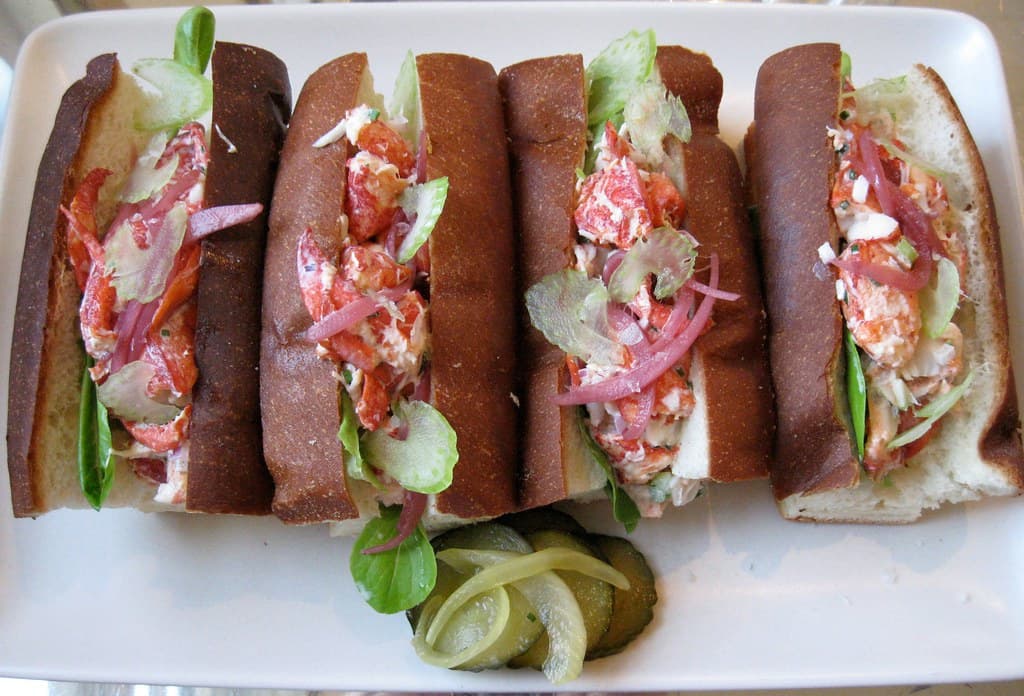
Maine lobster rolls are an iconic New England sandwich featuring tender lobster meat served chilled or warm in a buttered, toasted split-top bun. Since the early 20th century, this sandwich has been a regional favorite at seafood shacks, fairs, and food trucks, embodying the maritime heritage and casual dining culture of the Northeastern United States.
America's Melting Pot
Manhattan Clam Chowder photo coming soon
1861-1900
Manhattan clam chowder is a distinctively red, tomato-based clam soup containing clams, vegetables like tomatoes, celery, and carrots, and often potatoes. Originating as a regional alternative to creamy New England clam chowder, it reflects diverse American coastal cooking traditions and Italian immigrant influence in the Northeast.

1800-1860
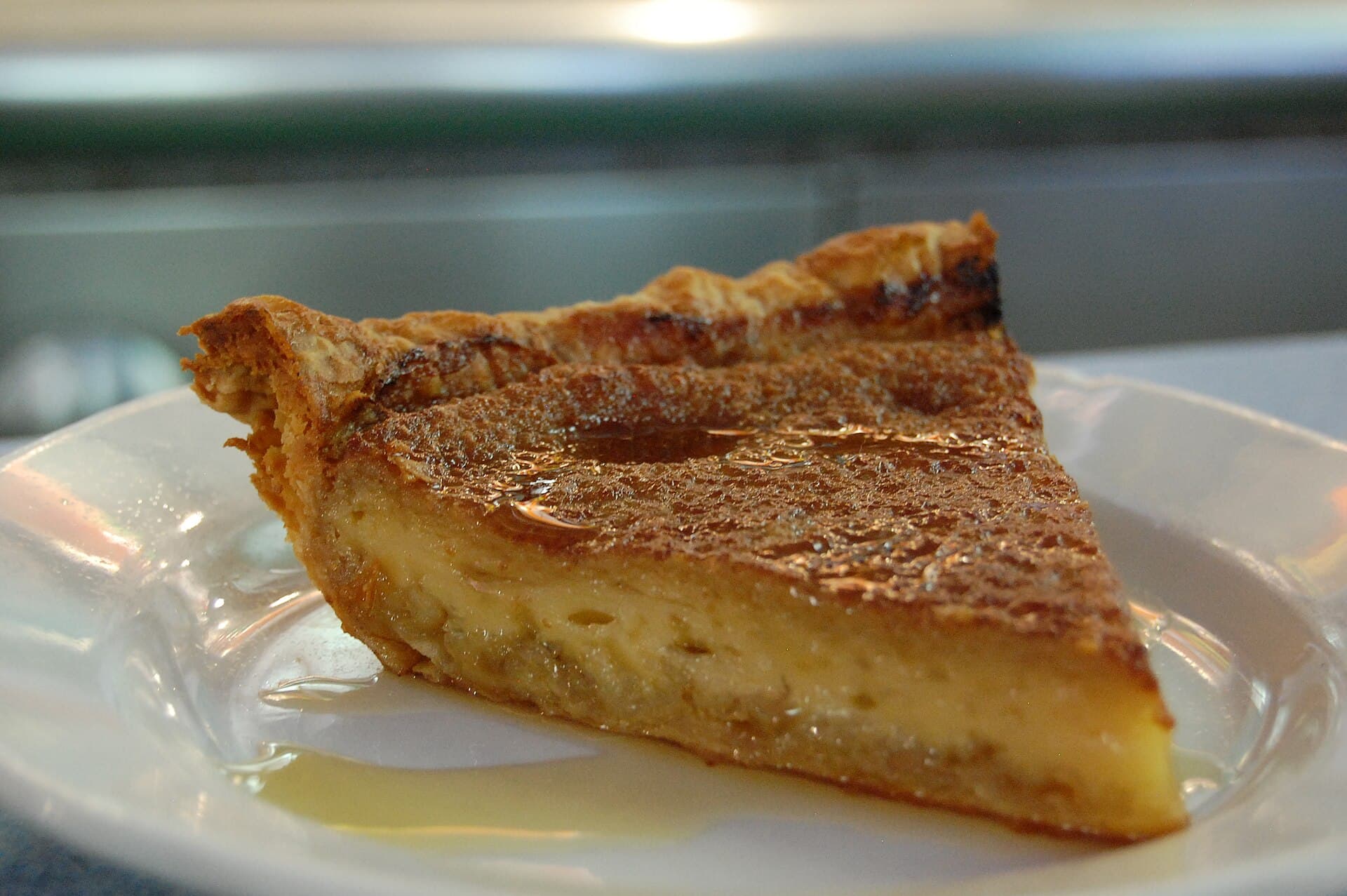
Maple pie is a classic New England dessert featuring rich filling made from pure maple syrup layered in a flaky pie crust. Celebrated for its deep caramelized sweetness and regional ingredient heritage, maple pie symbolizes the importance of maple syrup production and festive baking customs in Northeastern American households.

Before 1776
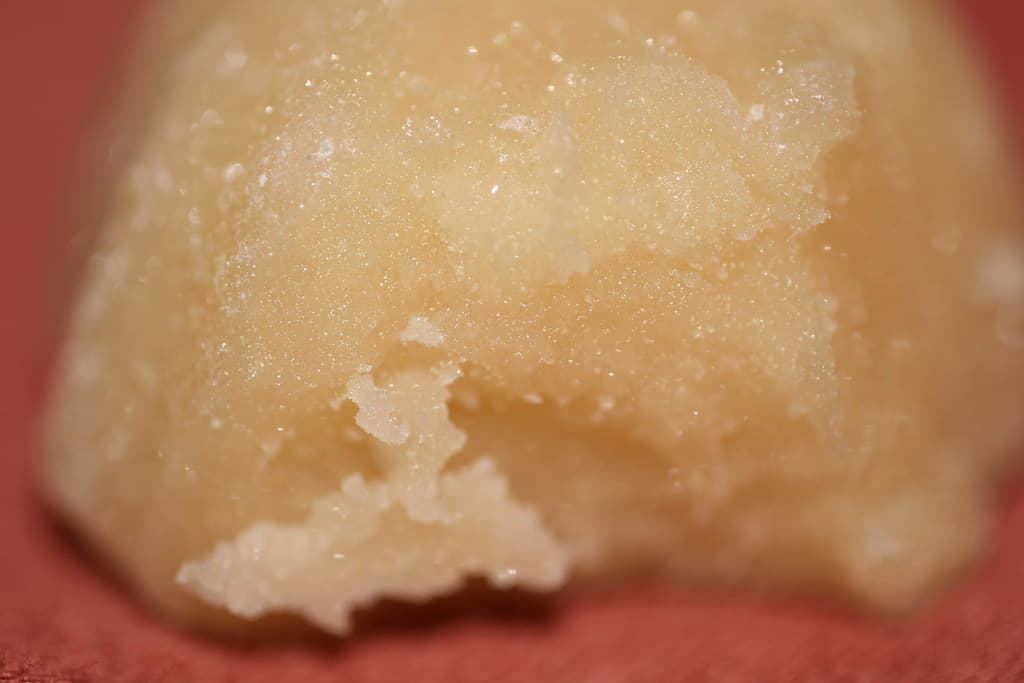
Maple sugar candy is a traditional treat made by concentrating and cooling pure maple syrup until crystallized into small, rich candies. Popular in colonial and early American celebrations, this confection celebrates the maple harvest and resourcefulness in using local maple products for sweets.
America's Melting Pot
Maple-Roasted Squash photo coming soon
1800-1860
Maple-roasted squash is a straightforward side dish combining seasonal winter squash roasted with butter and maple syrup glaze. It reflects Indigenous American foodways and early American frontier cooking that utilized native crops and natural sweeteners, emphasizing simplicity and seasonal ingredients.

1800-1860
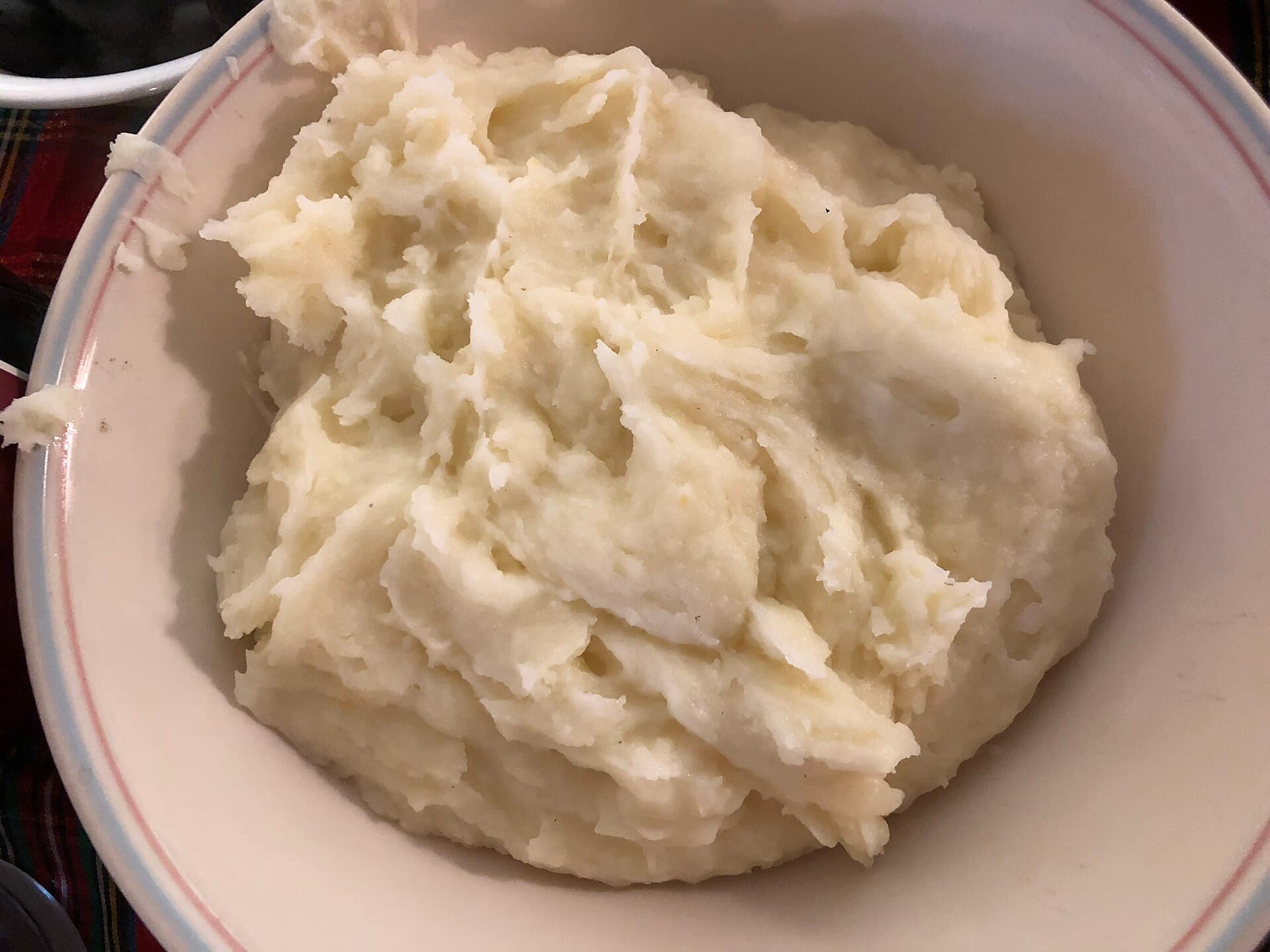
A creamy and comforting side dish popular across the United States, especially during Thanksgiving and other holiday meals. Mashed potatoes blend simple ingredients to create a satisfying accompaniment to main courses.
America's Melting Pot
Matzo Ball Soup photo coming soon
1861-1900
A traditional Jewish-American soup featuring flavorful chicken broth and light matzo ball dumplings. This dish became an integral part of Jewish communities in the United States from the late 19th century onward.
America's Melting Pot
Meatless Loaf photo coming soon
1930-1945
A savory meatless loaf made using vegetables, cereals, and binders to substitute for meat during wartime rationing. Reflects home front innovation during World War II to stretch limited protein resources.
America's Melting Pot
Milk Toast photo coming soon
1930-1945
Milk Toast is a comforting dish that emerged during the Great Depression, combining plain toasted bread soaked in warm milk. This modest recipe reflects the era's frugality and need for simple, easy-to-digest nourishment during challenging economic times.

1776-1800
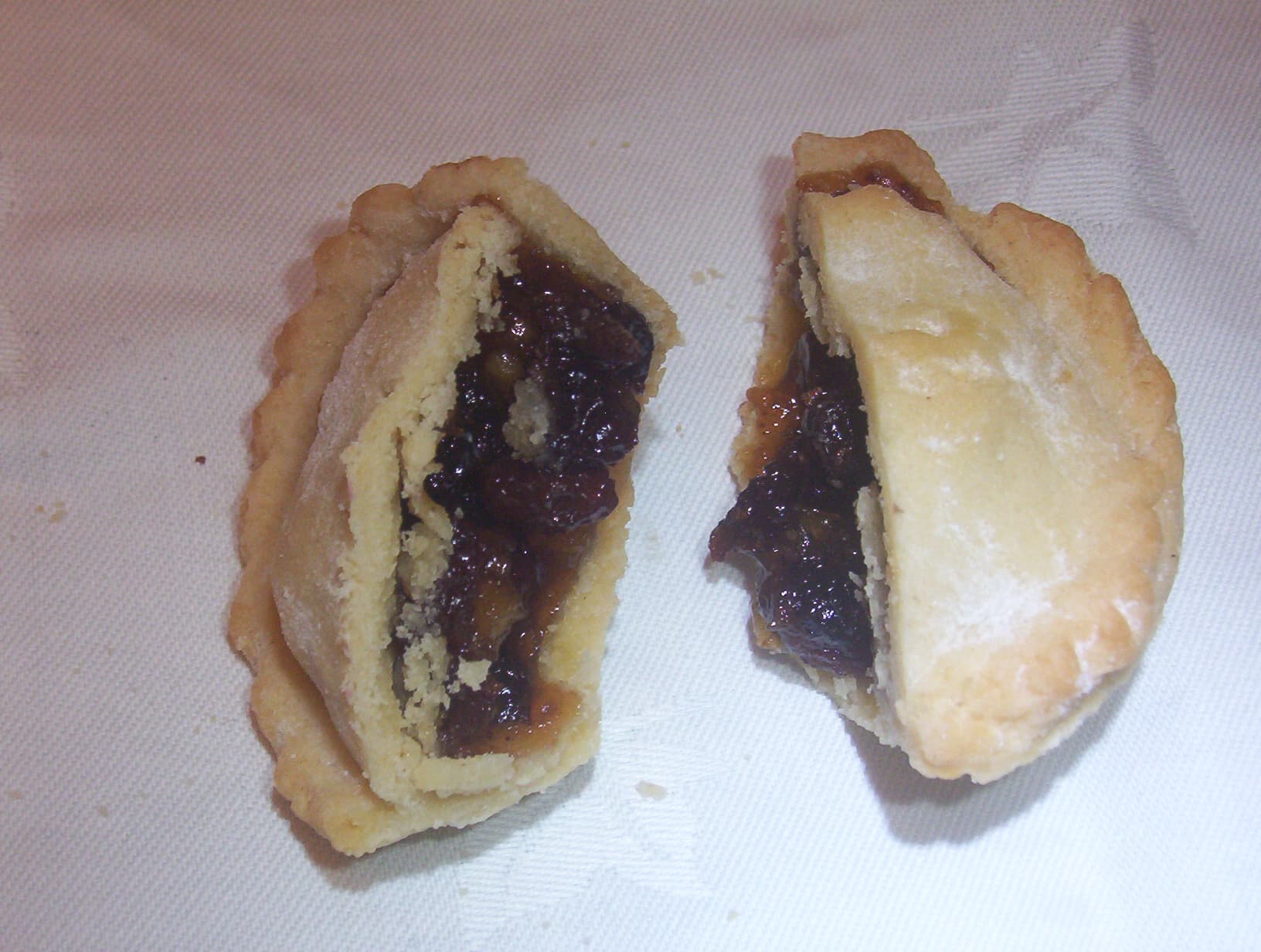
Mince pie is a small, rich pastry filled with spiced dried fruits, suet, and sometimes minced meat, traditionally served during the late 18th century in America. The recipe captures colonial American tastes influenced by English baking customs during the Revolutionary era.

1776-1800
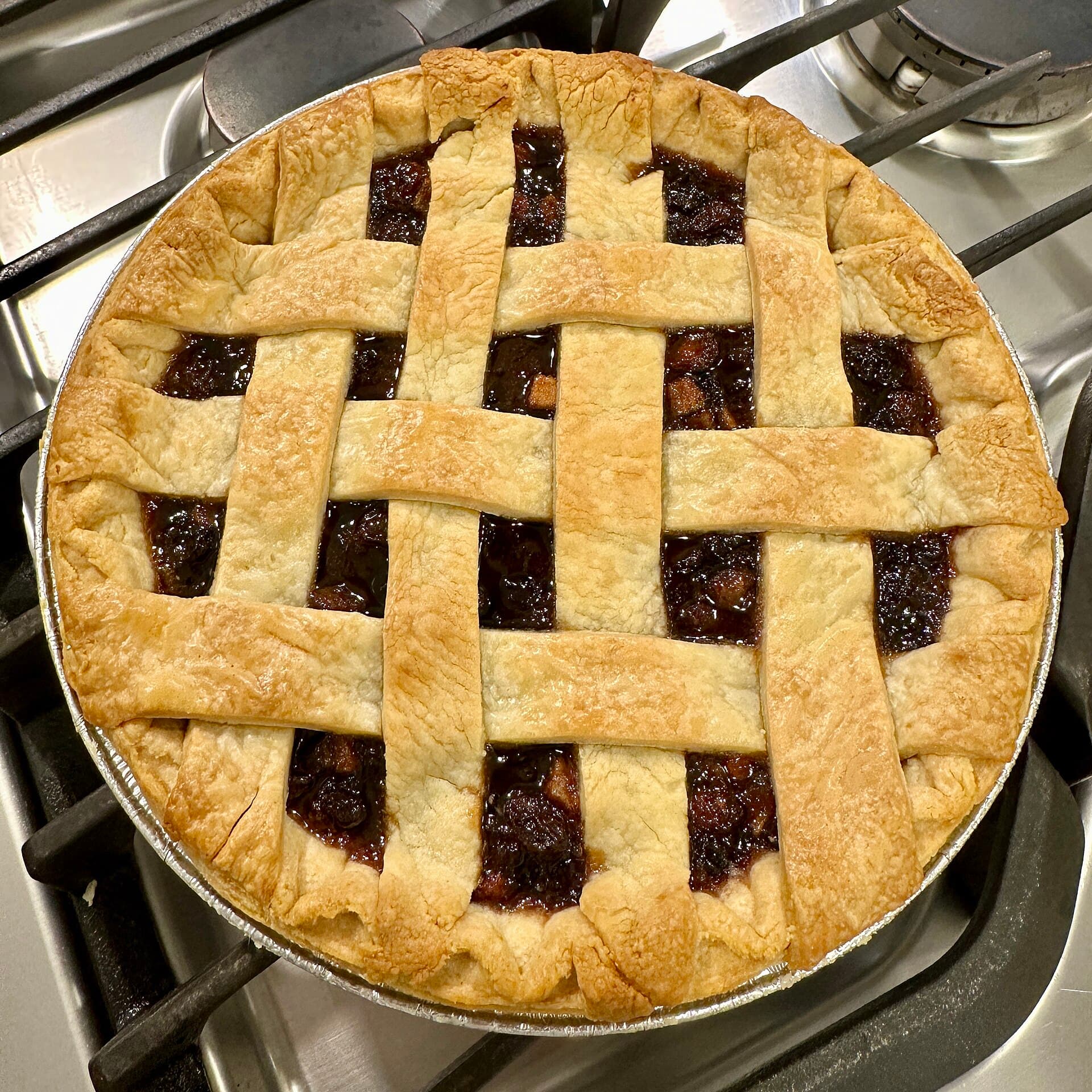
Mincemeat pie is a classic American dessert featuring a spiced filling of chopped dried fruits, suet or beef fat, and sometimes minced meat, enclosed in a flaky pastry crust. Historically enjoyed during Thanksgiving and holiday seasons, it blends English colonial heritage with American ingredients.
America's Melting Pot
Mock Apple Pie photo coming soon
1930-1945
Mock Apple Pie is a resourceful dessert developed during the Civil War era and later, using crackers instead of apples to simulate the texture and flavor of apple pie. This affordable and wartime-inspired pie substituted scarce or expensive ingredients with accessible ones while maintaining familiar comforting flavors. It represents American ingenuity during times of scarcity in the late 19th century.
Community recipe submission
Log in to submit a recipe, format it with the cooking companion, and send it for review.
Log in to Submit